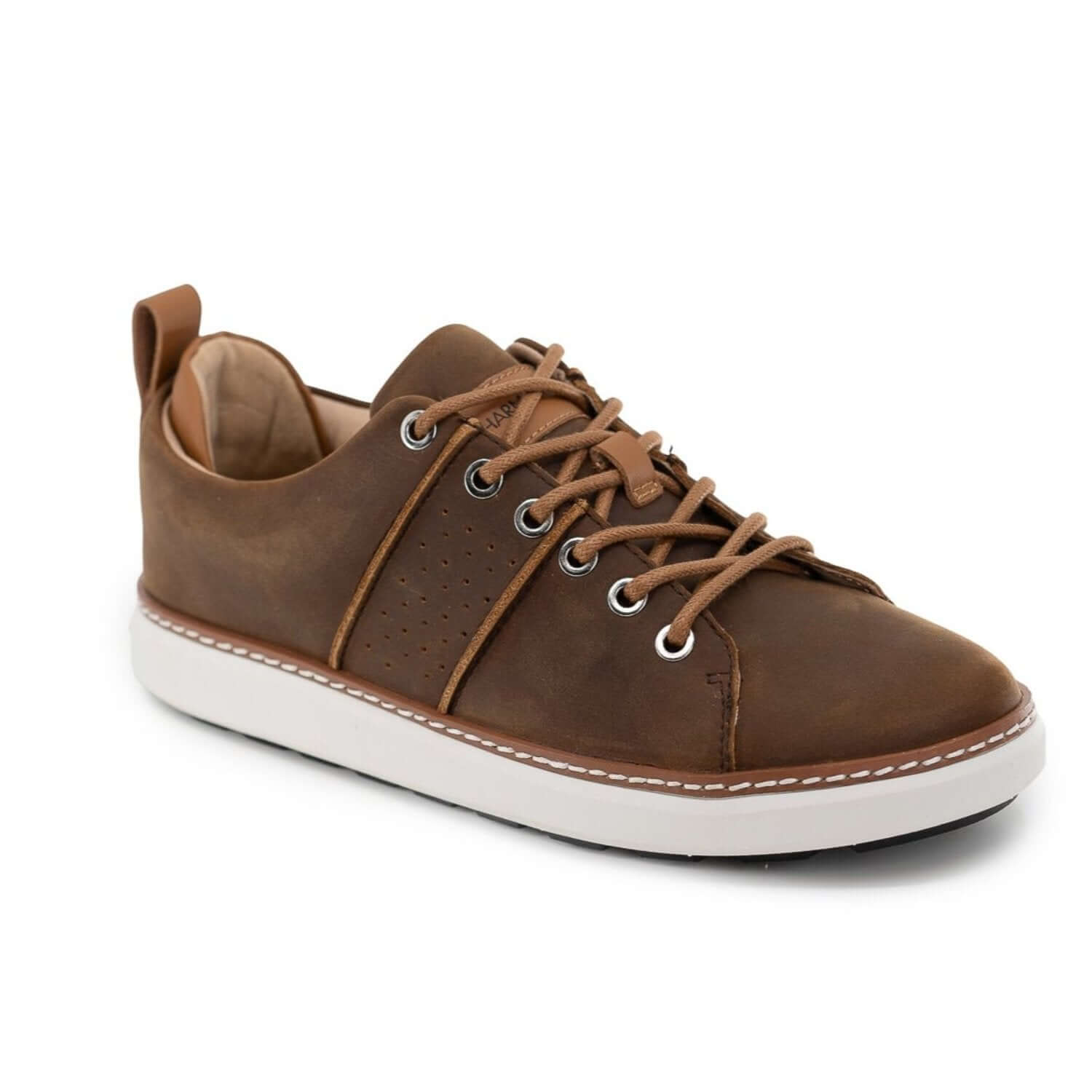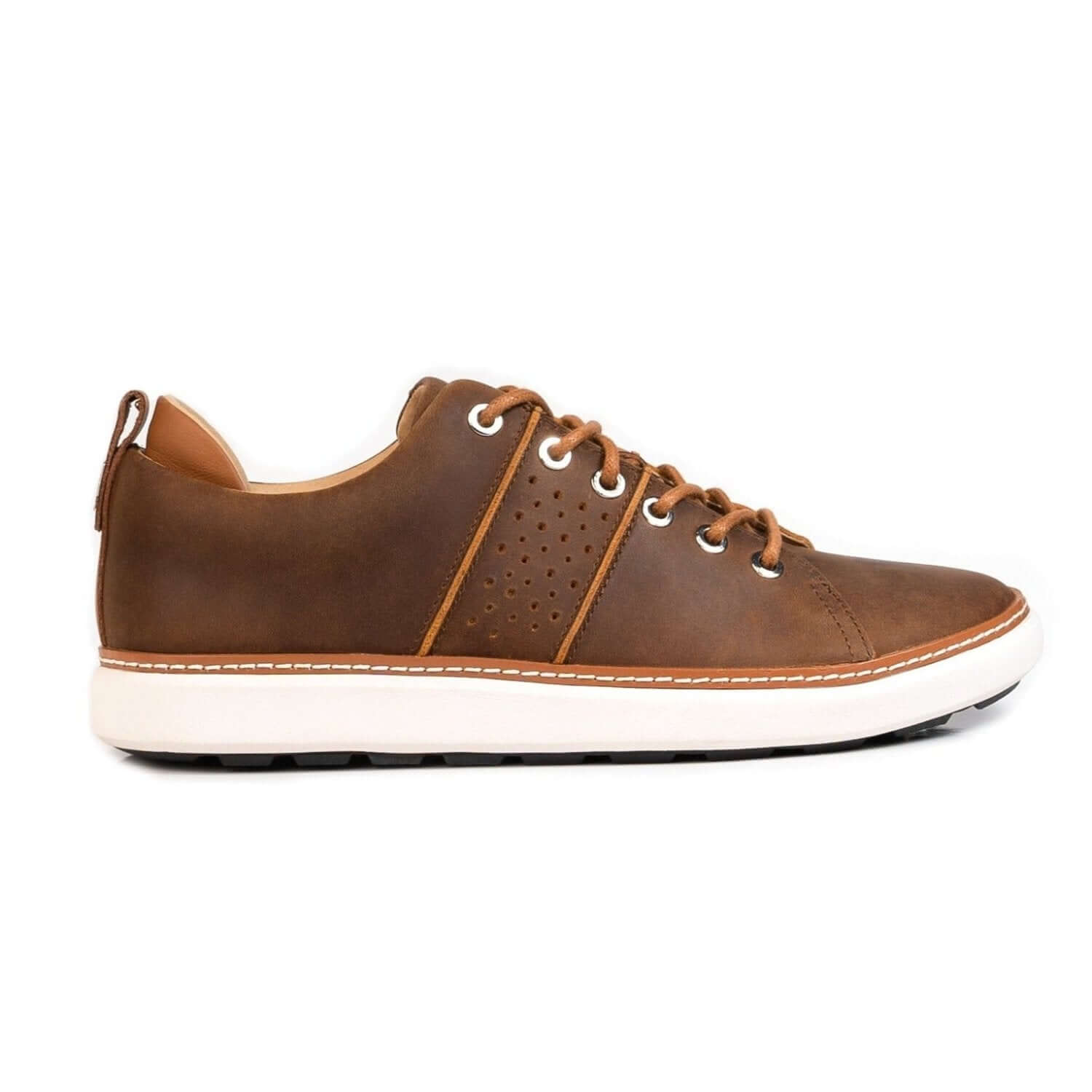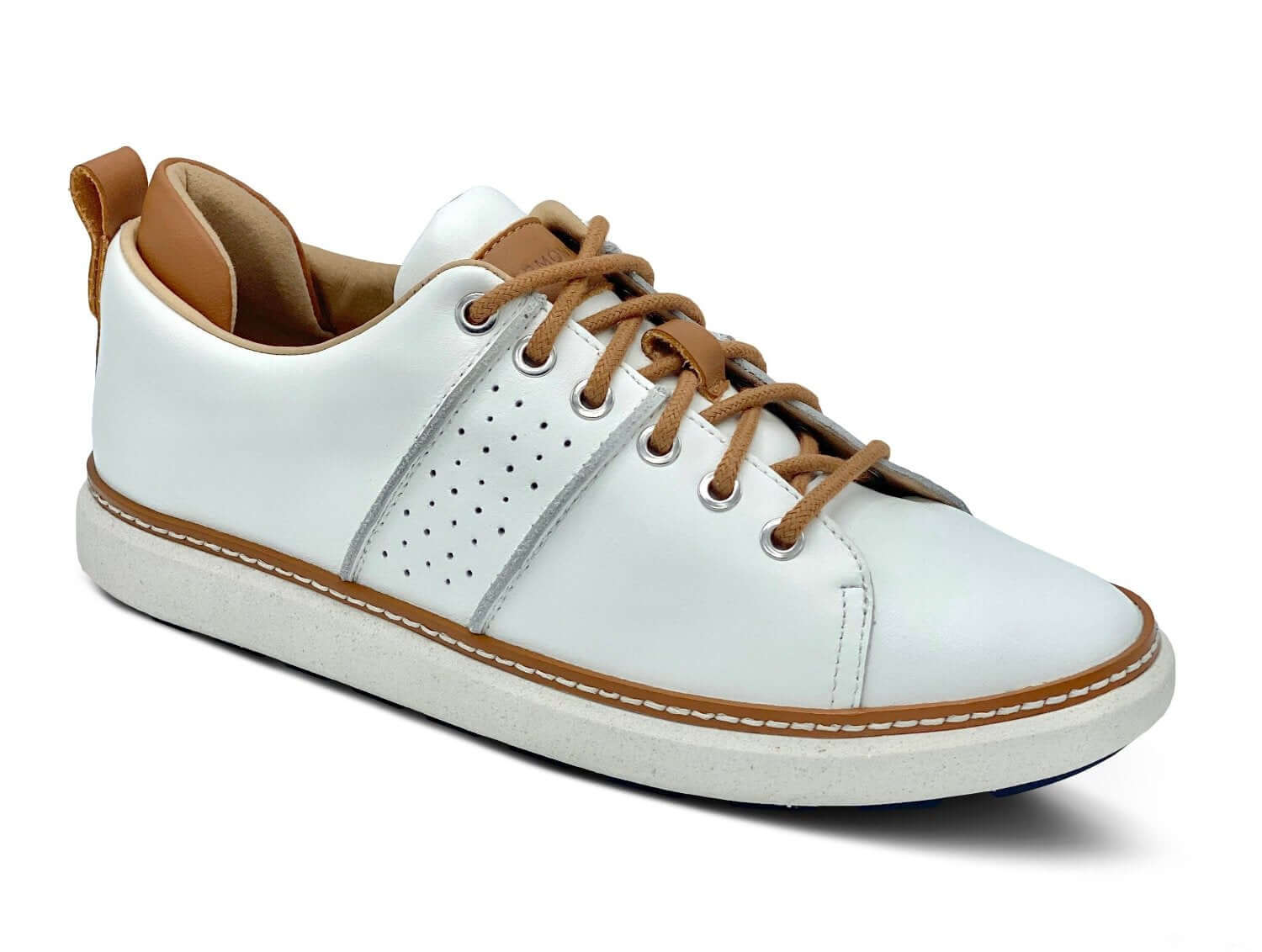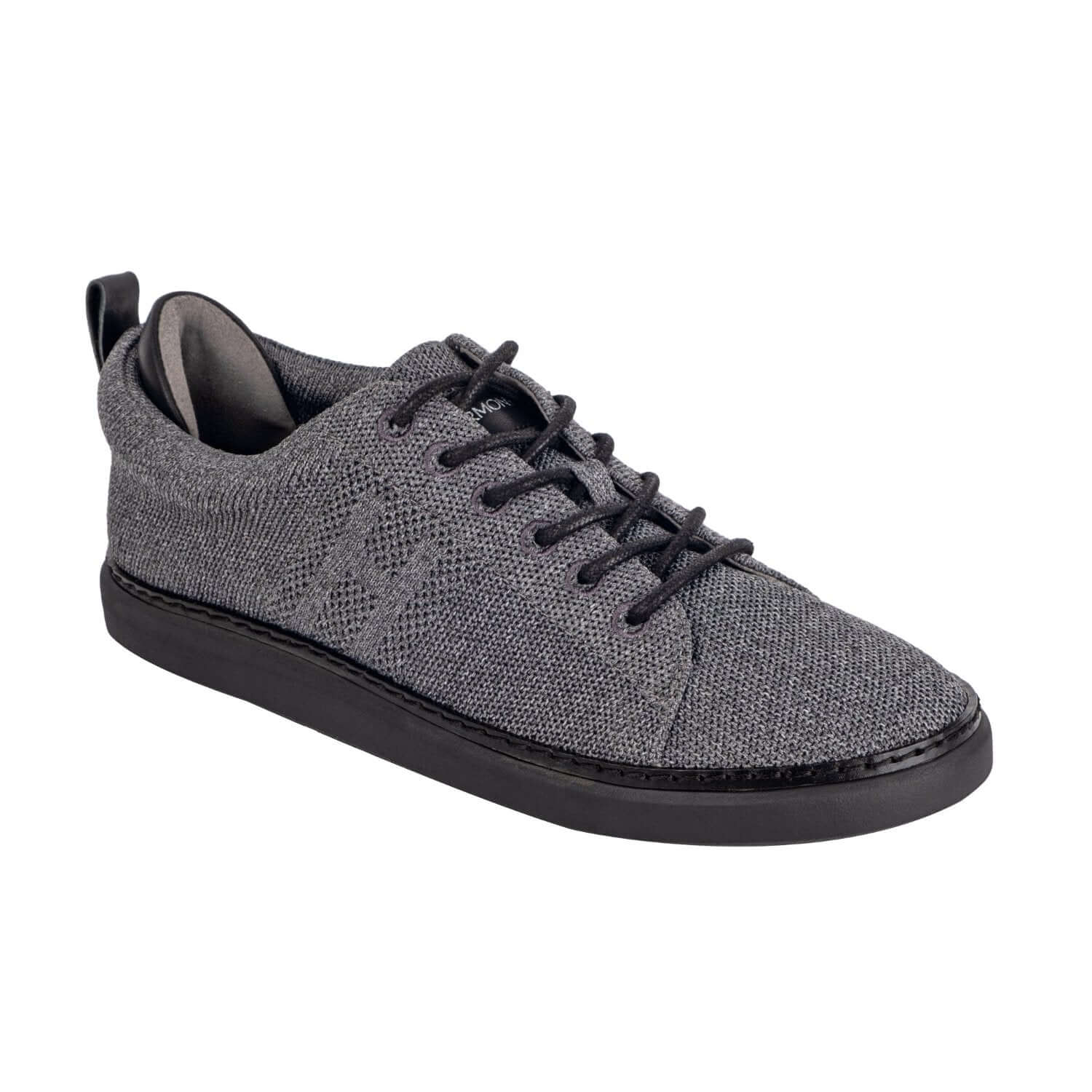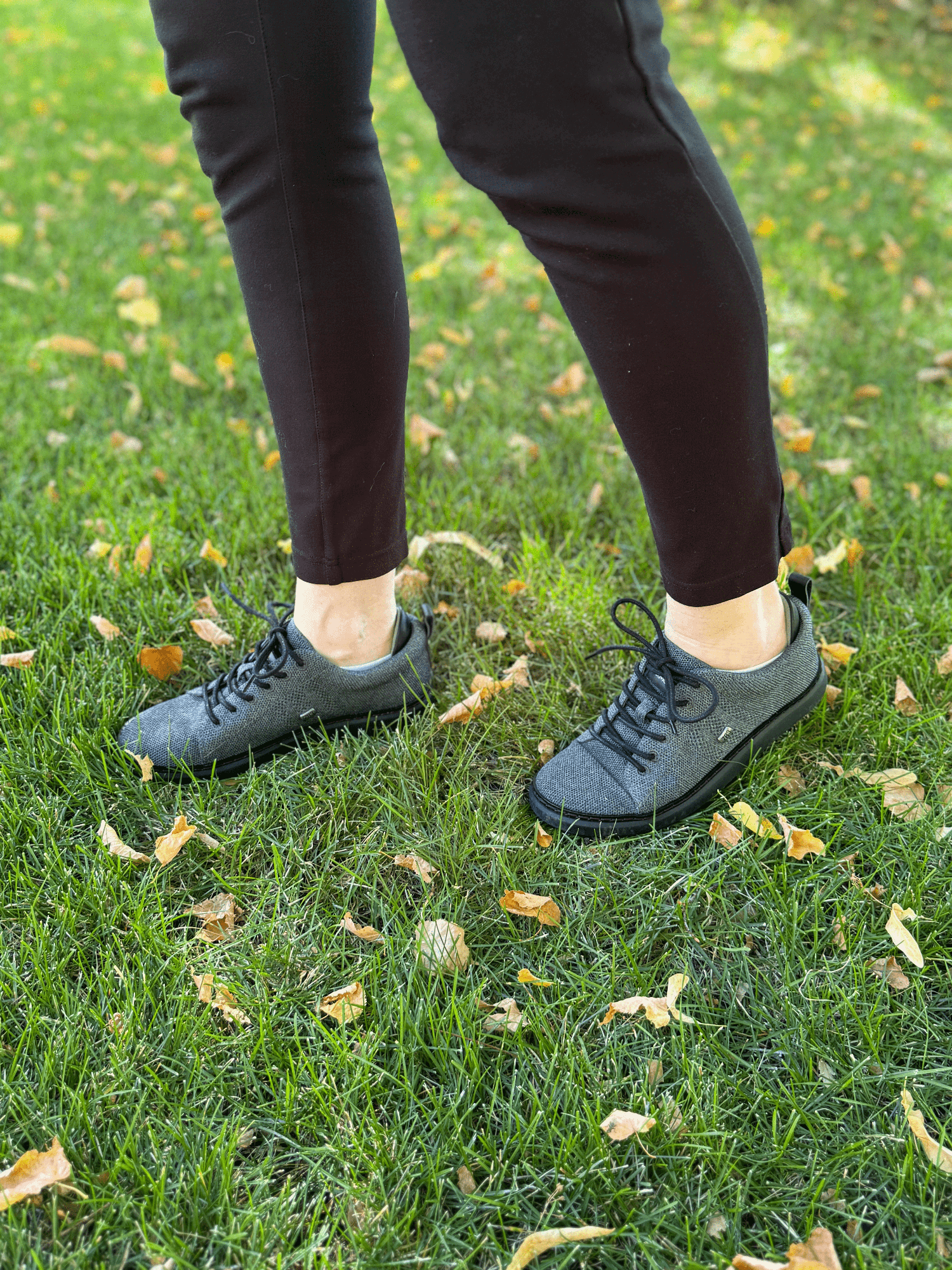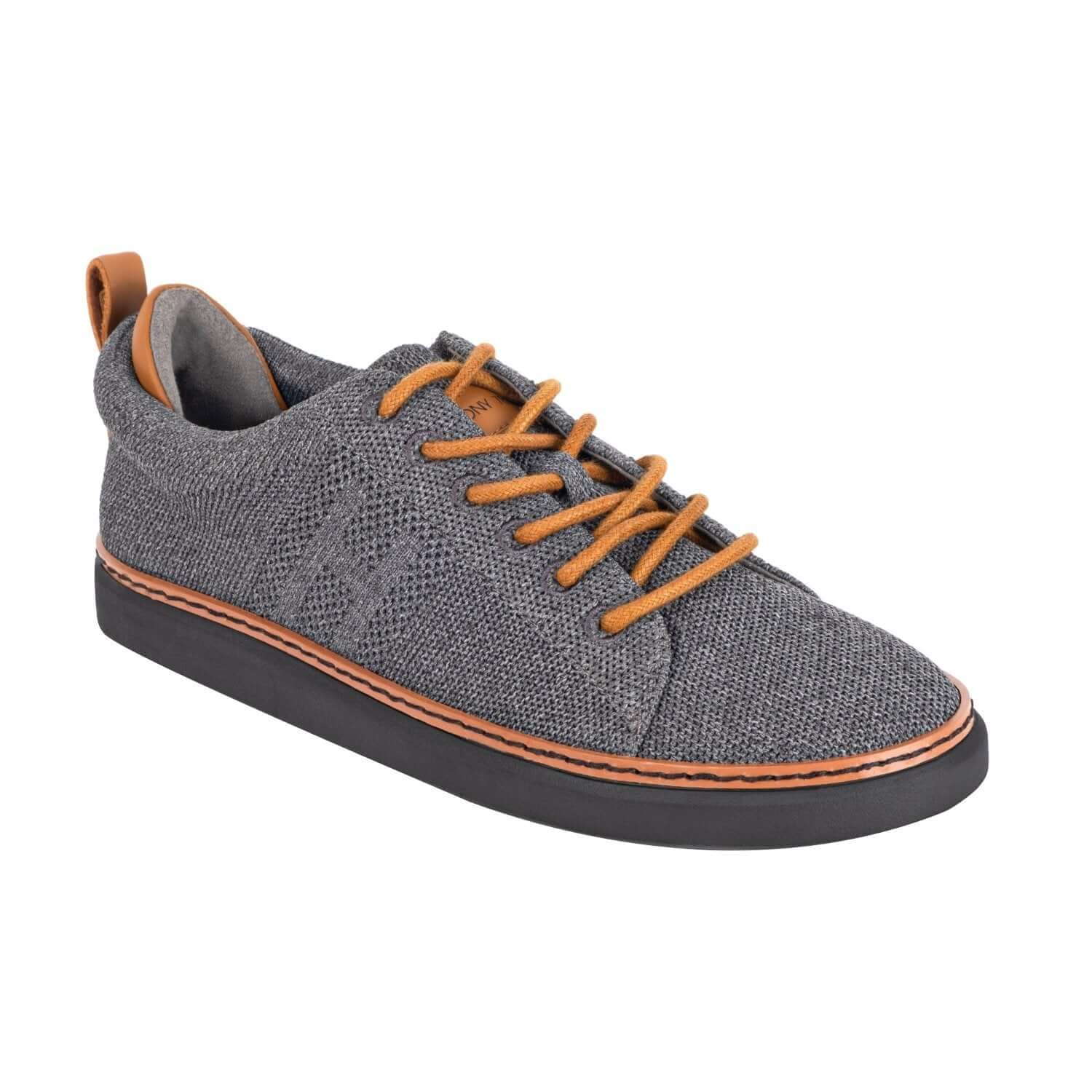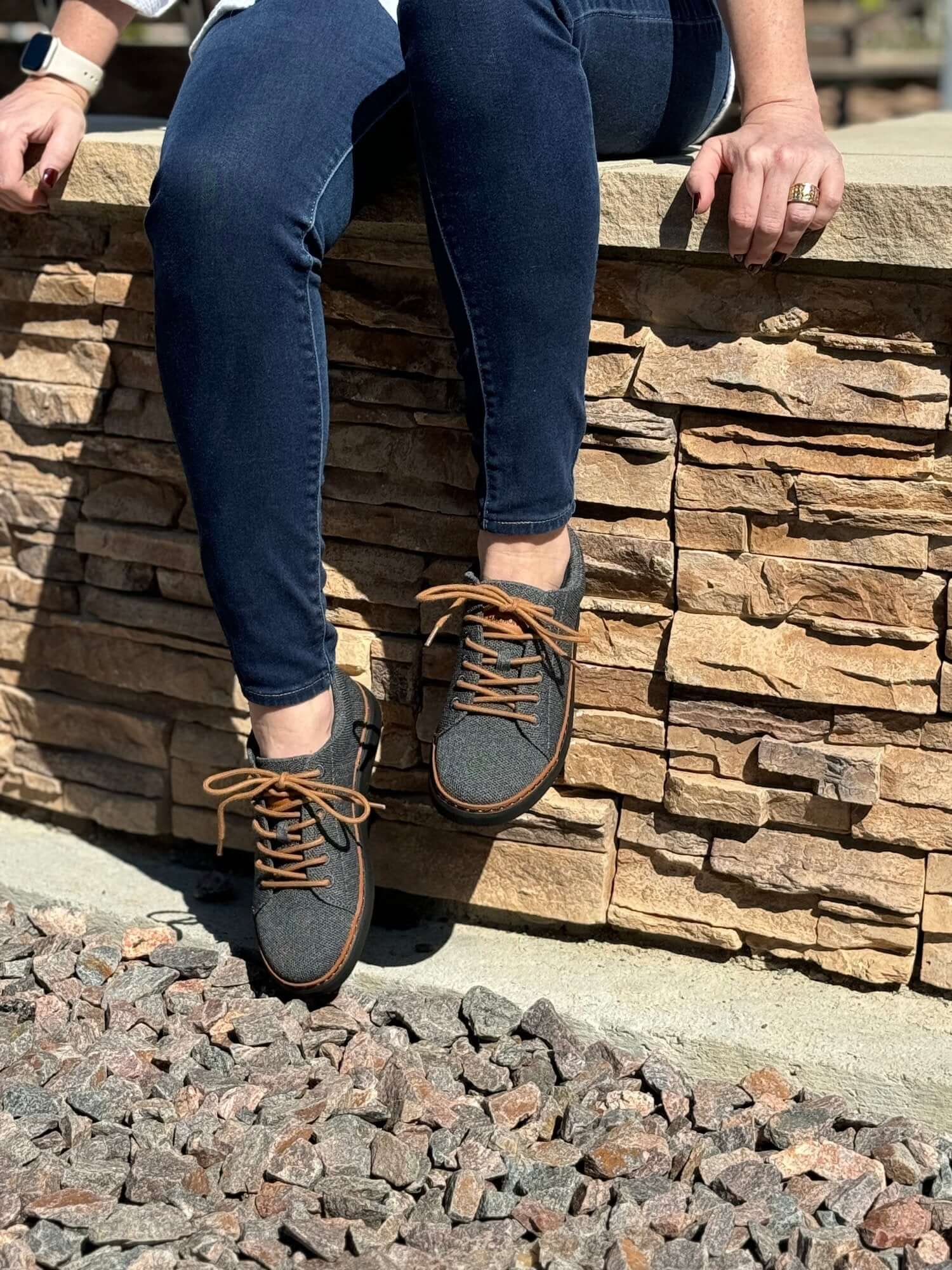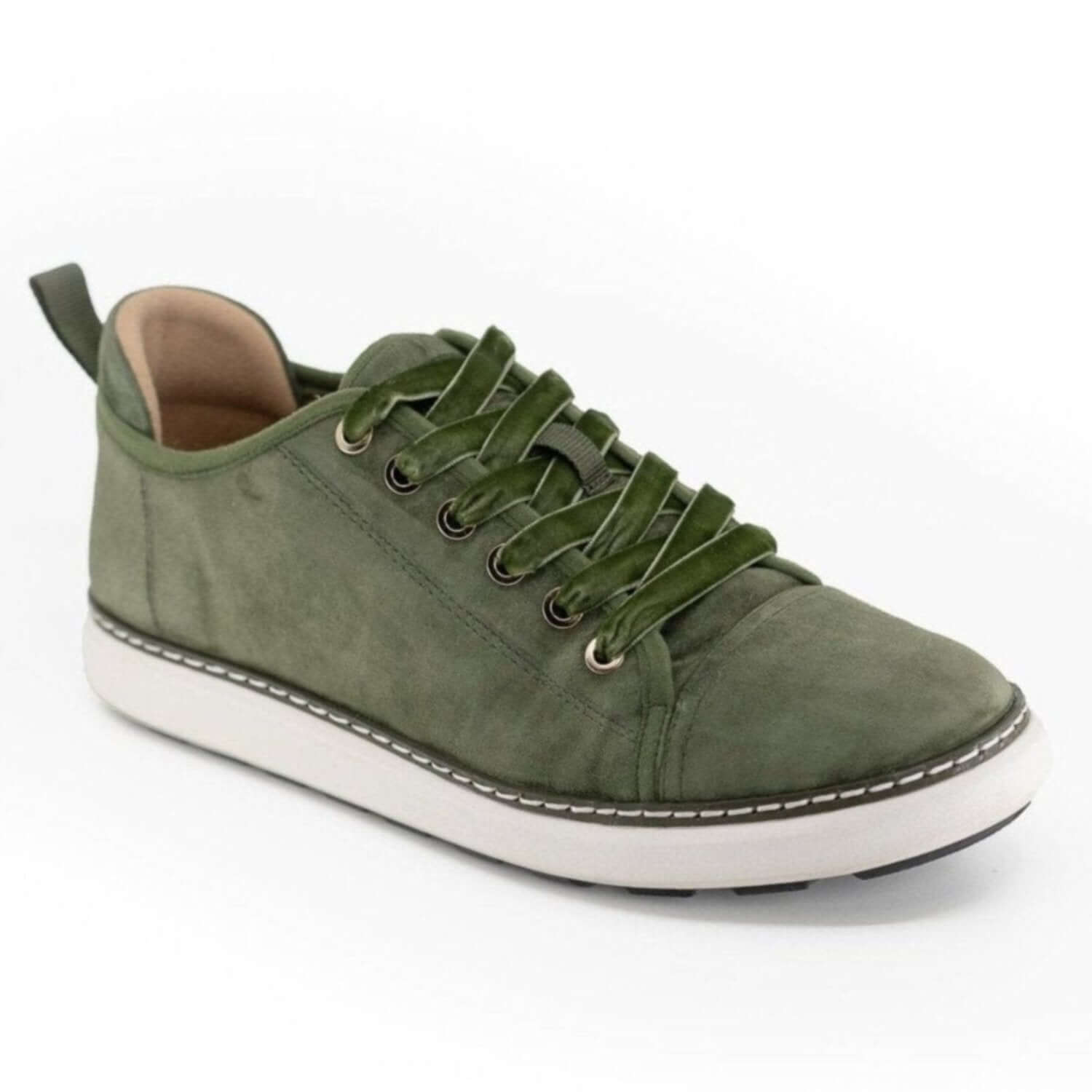




Grounding can be as simple as spending time barefoot on grass or wearing conductive footwear outdoors. Yet common grounding mistakes, such as choosing an insulating surface, expecting immediate results, or confusing wellness grounding with electrical safety, can make a beginner's routine frustrating or ineffective. A better approach starts with realistic expectations, a conductive path, and a habit that fits daily life.
Start with Harmony 783's guide to what grounding is and how it works.
Grounding, also called earthing, is a wellness practice based on direct or conductive contact with the earth. Early research has explored possible effects on sleep, stress, and other measures, but findings are not conclusive. Grounding should complement, not replace, qualified medical care.
This beginner's guide explains seven avoidable errors, how to correct them, and when Harmony 783 conductive footwear may make a routine easier. If you want the quick version, use this checklist:
- Keep expectations realistic.
- Do not confuse earthing with electrical grounding.
- Choose a conductive outdoor surface.
- Confirm that footwear has a conductive pathway.
- Build a simple, repeatable routine.
- Prioritize comfort and common-sense safety.
- Track observations without treating them as proof.
Why do grounding mistakes happen?
Most grounding mistakes happen because beginners focus on time spent outside while overlooking the conductive path between skin, footwear, and earth. Confusing early research with proven medical outcomes also creates unrealistic expectations. A sound routine pairs an appropriate surface with safe, repeatable habits and a measured view of results.
Grounding looks simple, and in many ways it is. The details matter, though. A person can sit outdoors for an hour on a sealed deck while wearing ordinary rubber-soled shoes and still lack a conductive path. Another person may try grounding once, feel no obvious change, and conclude that the practice has failed.
The solution is not a complicated protocol. It is a clear understanding of the practice. Direct skin contact with natural ground is the simplest approach. Purpose-built conductive footwear offers another option for people who prefer protection, cushioning, or an easier way to incorporate outdoor contact into a walk.
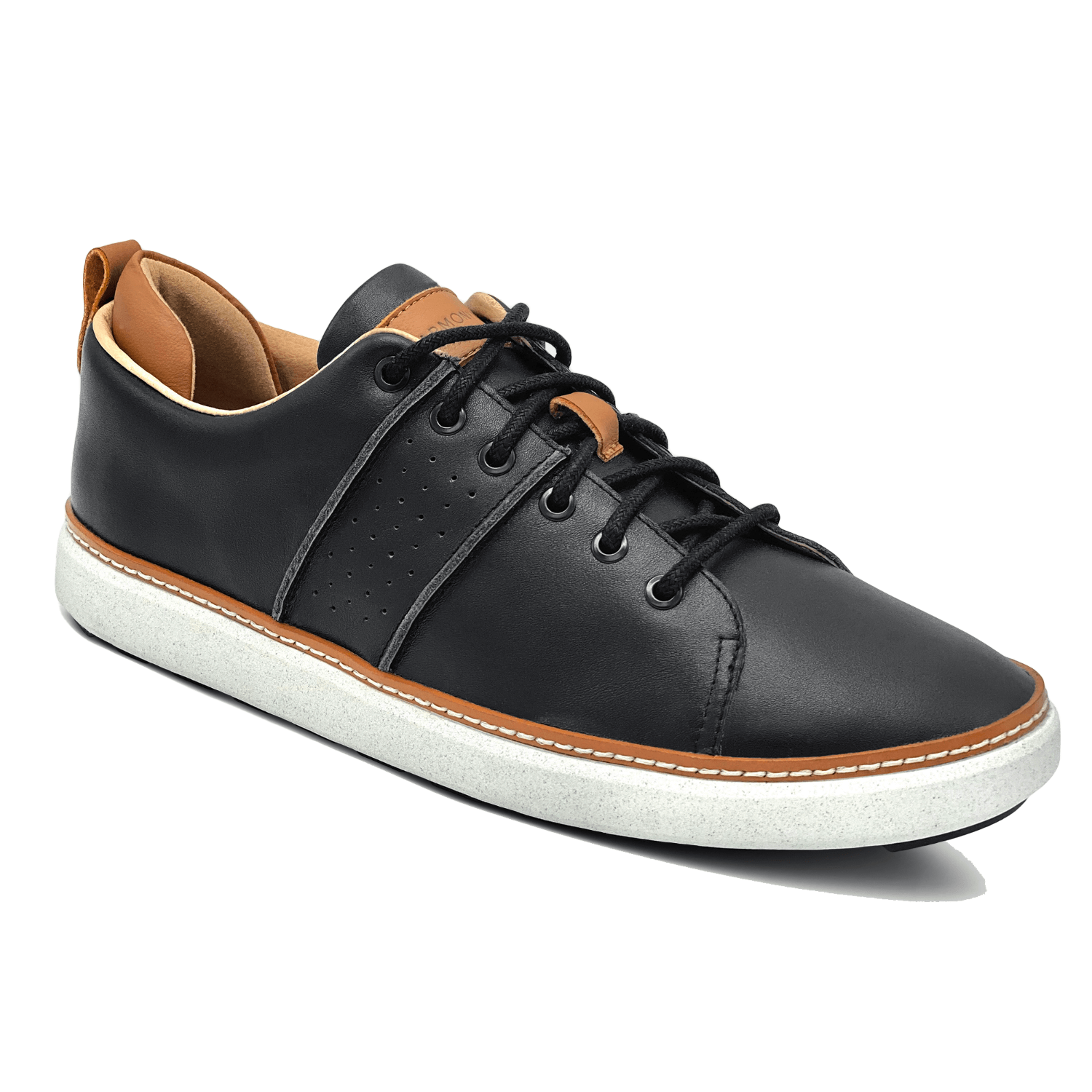
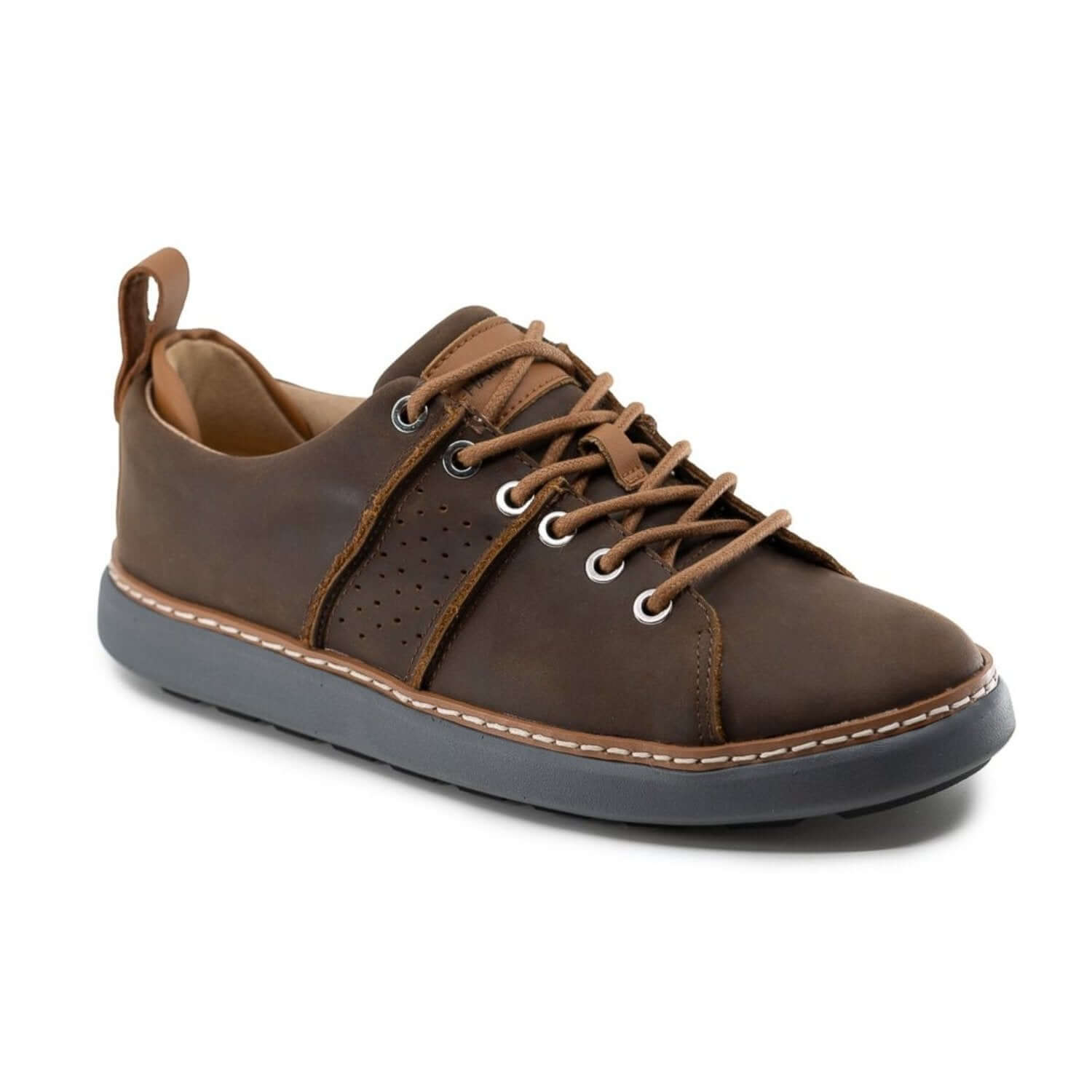
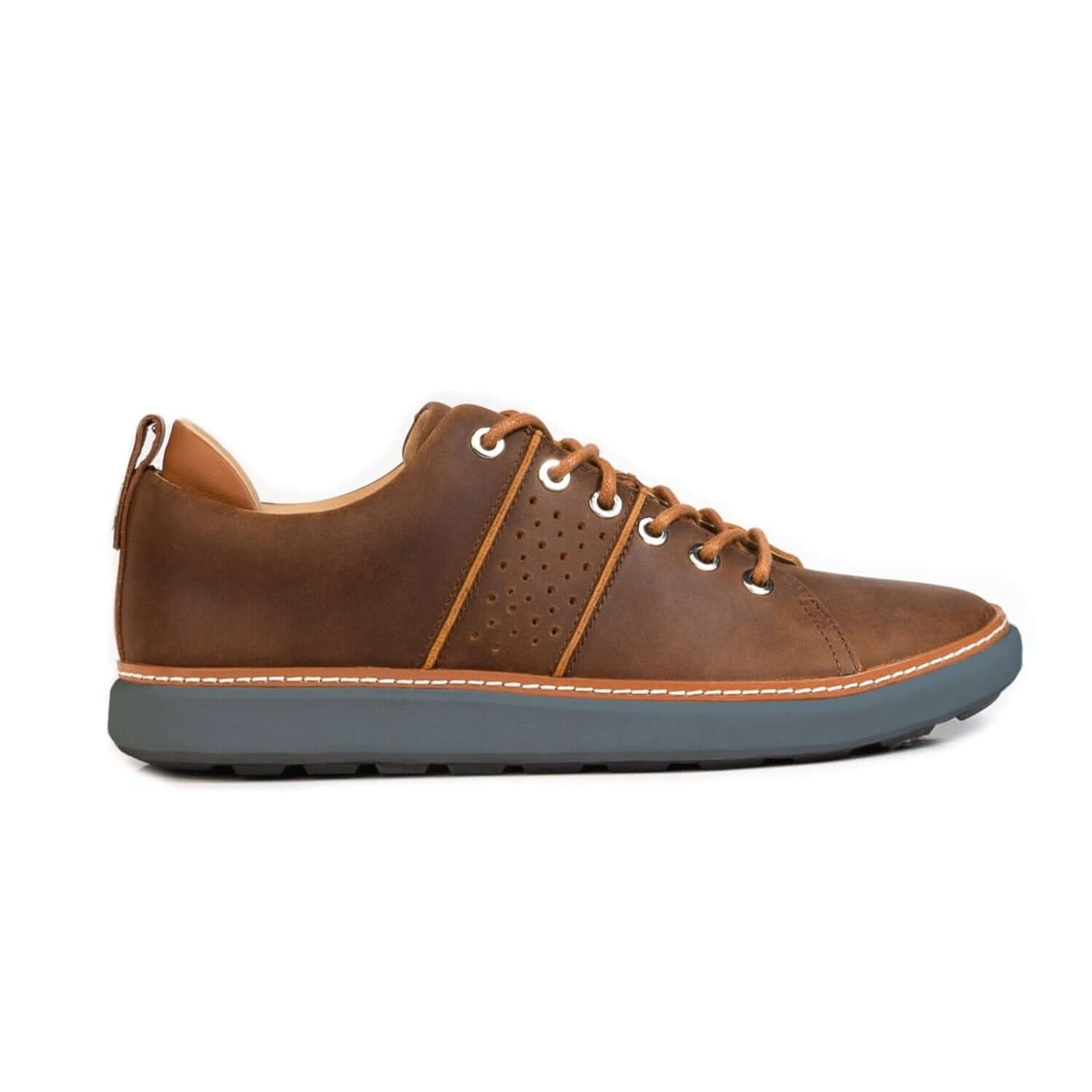
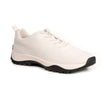
Harmony 783 designs grounding footwear with a conductive pathway through the shoe. Its Groundworks system uses silver-stitched layers and a conductive carbon-and-rubber outsole. That construction is meant to maintain a connection when the outsole contacts a suitable surface. Learn more in the guide to how grounding shoes maintain a conductive path.
Mistake 1: Expecting grounding to replace medical care
Grounding is a wellness practice, not a diagnosis or treatment. Early studies have investigated possible effects, but the evidence base remains limited. Beginners can approach grounding as a supportive outdoor habit while continuing prescribed care and speaking with a qualified clinician about symptoms or treatment decisions.
Separate personal experience from established evidence
People often discover grounding through enthusiastic stories about sleep, mood, soreness, or energy. Personal experiences can inspire curiosity, but they do not establish that grounding caused a change. Sleep schedules, movement, sunlight, stress, and expectations can all shape how someone feels.
Some published studies discuss possible physiological effects of grounding. Many are small or preliminary, so their findings should be interpreted carefully. Treat the practice as an invitation to spend intentional time outdoors, not as a guaranteed outcome or cure.
Know when to ask a professional
Do not stop medication, delay care, or change a treatment plan because of a grounding routine. Contact a qualified health professional about persistent symptoms or concerns. This boundary keeps an optional wellness practice in its proper role.
How can you tell whether a surface is conductive?
A conductive grounding surface generally provides a direct path to the earth. Moist soil, grass, sand, and unsealed concrete may support that path. Painted concrete, sealed wood, plastic decking, thick asphalt, and other insulating materials may interrupt it. Conditions vary, so choose natural ground when possible.
The surface beneath you is one of the most important parts of the routine. Beginners sometimes assume that every outdoor location works equally well. In practice, coatings and materials can change whether contact is conductive.
| Surface | Practical guidance | Common mistake |
|---|---|---|
| Grass or soil | Use a clean, safe area; slightly moist ground may be more conductive | Standing where pesticides, sharp debris, or hazards are present |
| Sand | Choose a clear area and watch temperature and tides | Ignoring hot sand or changing water conditions |
| Unsealed concrete | May conduct when it directly contacts the earth | Assuming painted or sealed concrete performs the same way |
| Wood, vinyl, or plastic decking | Usually acts as an insulating barrier | Counting any outdoor surface as grounding |
| Thick asphalt | Generally not the best choice for a conductive connection | Choosing convenience without checking the material |
If you are unsure, move to a clean patch of grass, soil, or sand. Do not sacrifice safety to find the perfect surface. Harmony 783's grounding footwear FAQs answer additional questions about surfaces and product use.

Mistake 3: Wearing ordinary insulating shoes
Most conventional shoes use insulating outsole materials that interrupt direct contact between the foot and earth. A grounding shoe must provide a continuous conductive pathway from the footbed through the outsole. Beginners should look beyond marketing language and confirm how a shoe's construction is designed to work.
Check the entire pathway
A conductive insert alone is not enough if another layer blocks the connection before it reaches the ground. The path has to continue through the full shoe. Harmony 783's Groundworks construction combines a silver-stitched footbed, conductive internal layers, and a carbon-and-rubber outsole.
Grounding footwear still needs to contact an appropriate surface. Wearing it on sealed flooring or plastic decking does not turn that material into a conductive one. The shoe and surface work together.
Choose footwear that fits the activity
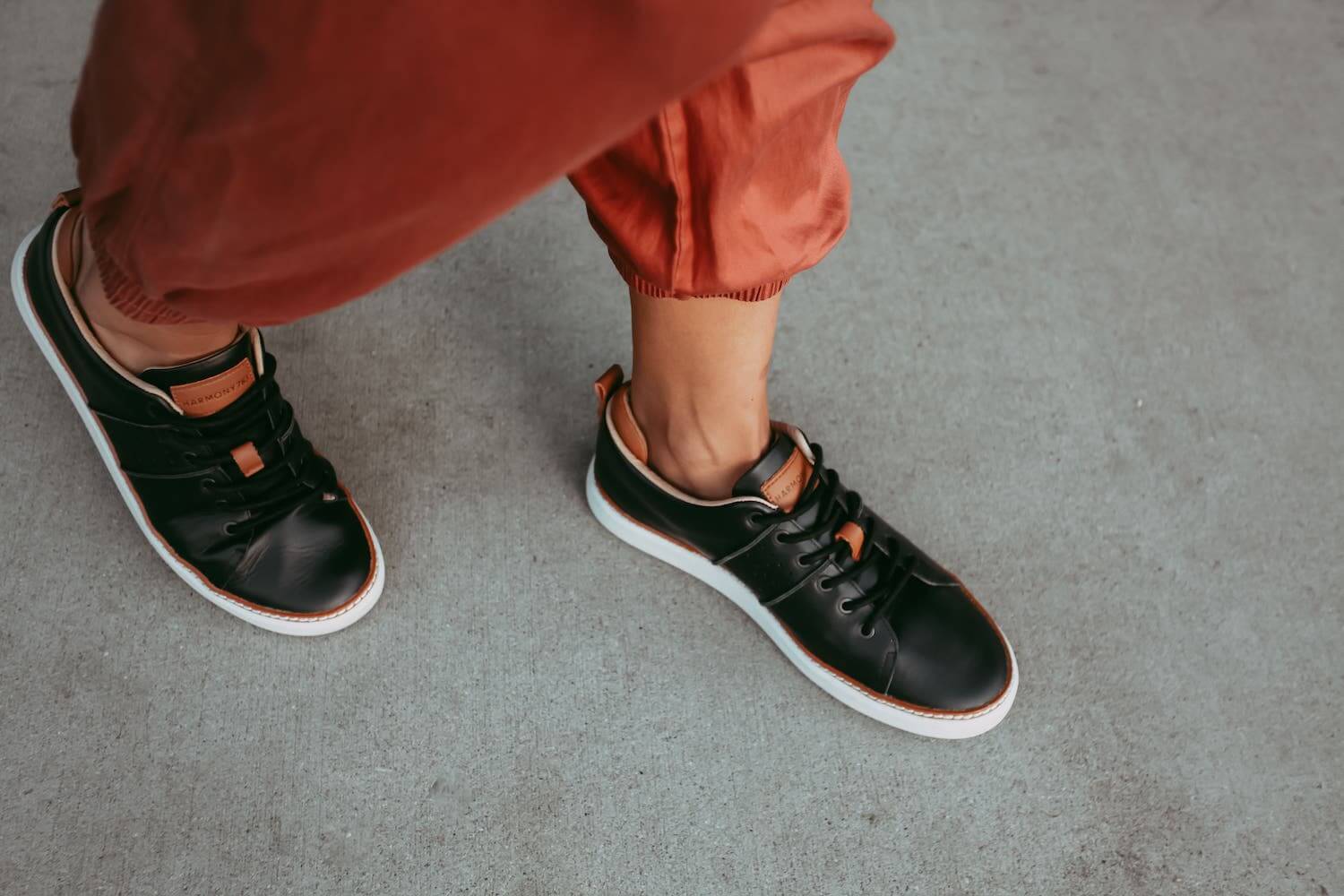
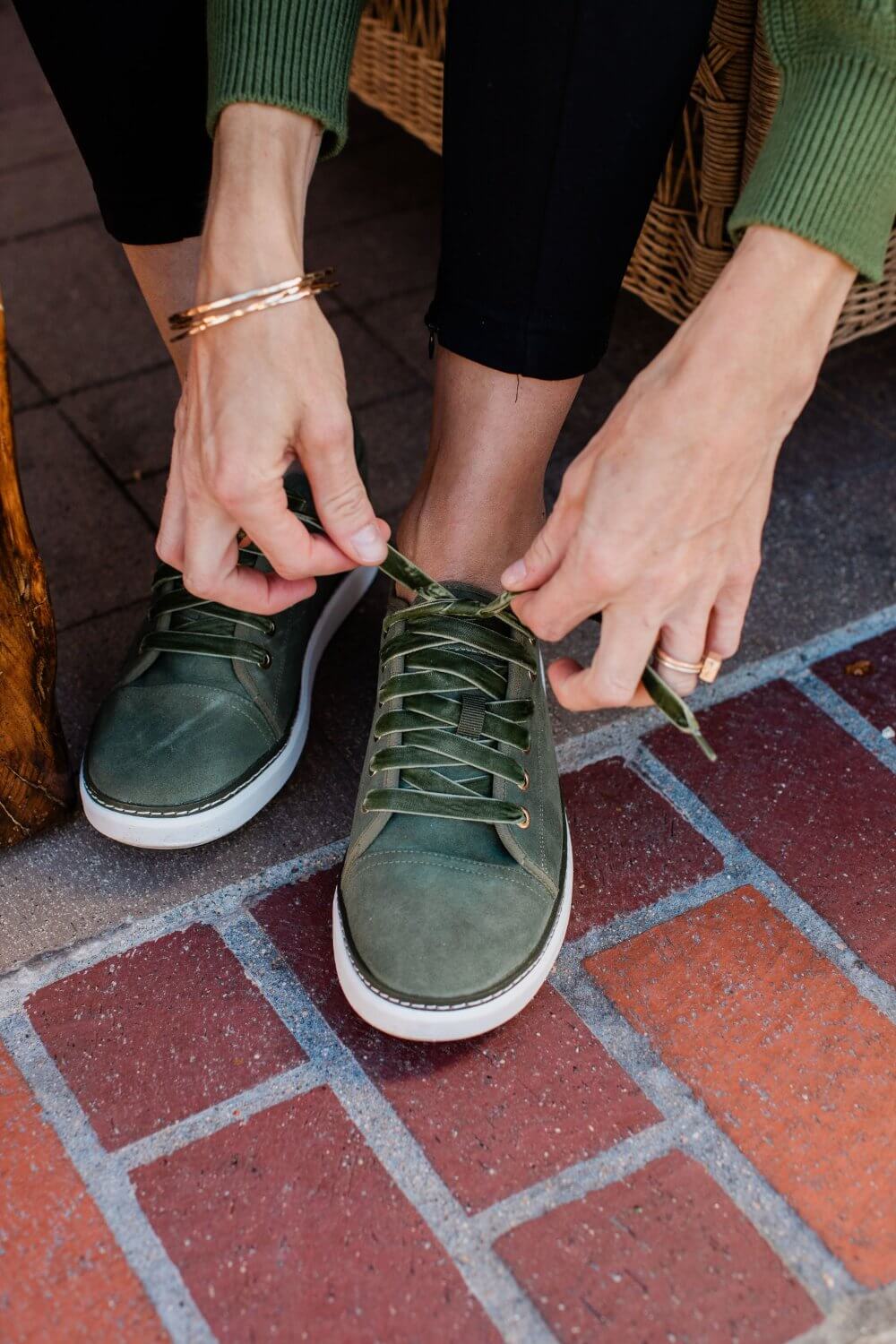
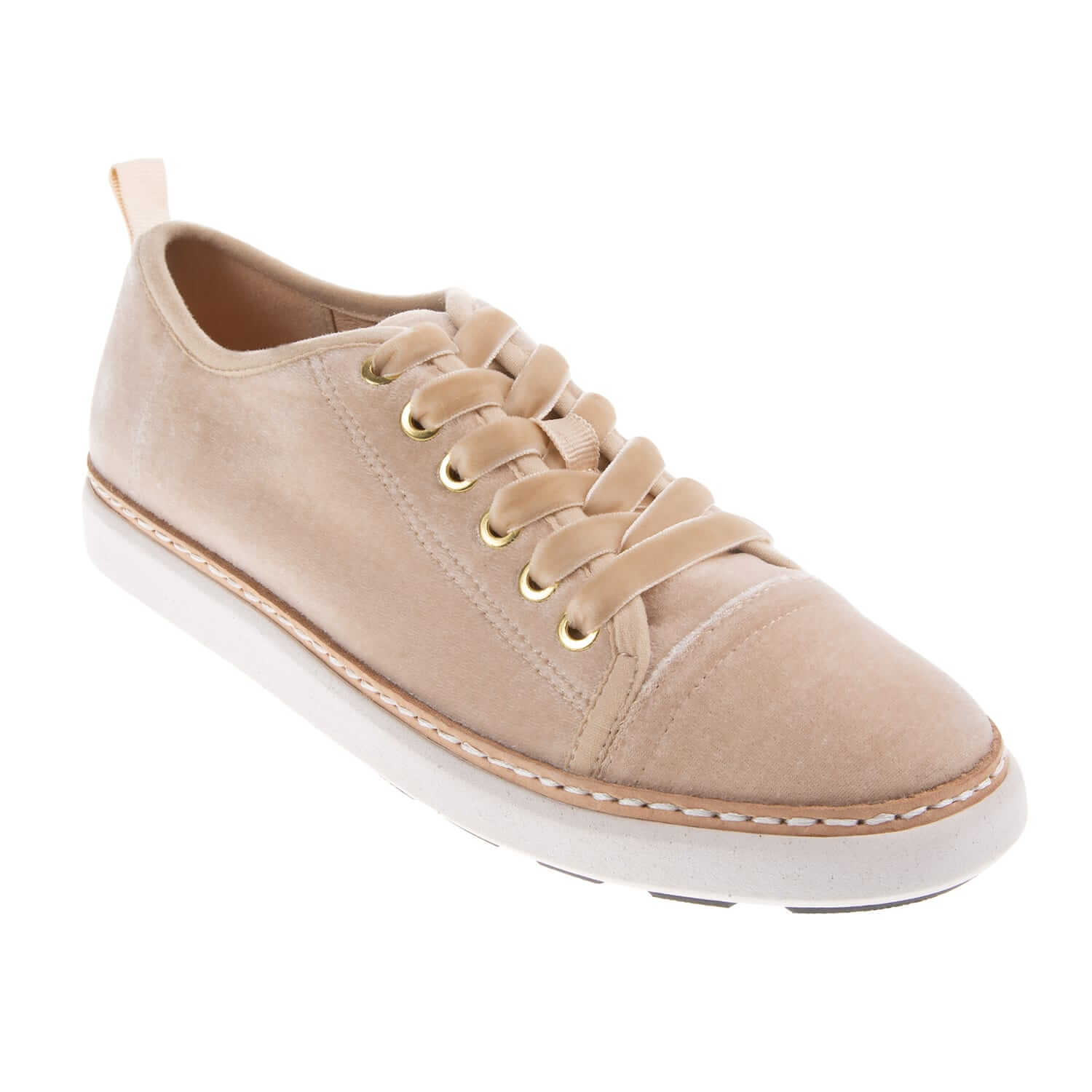
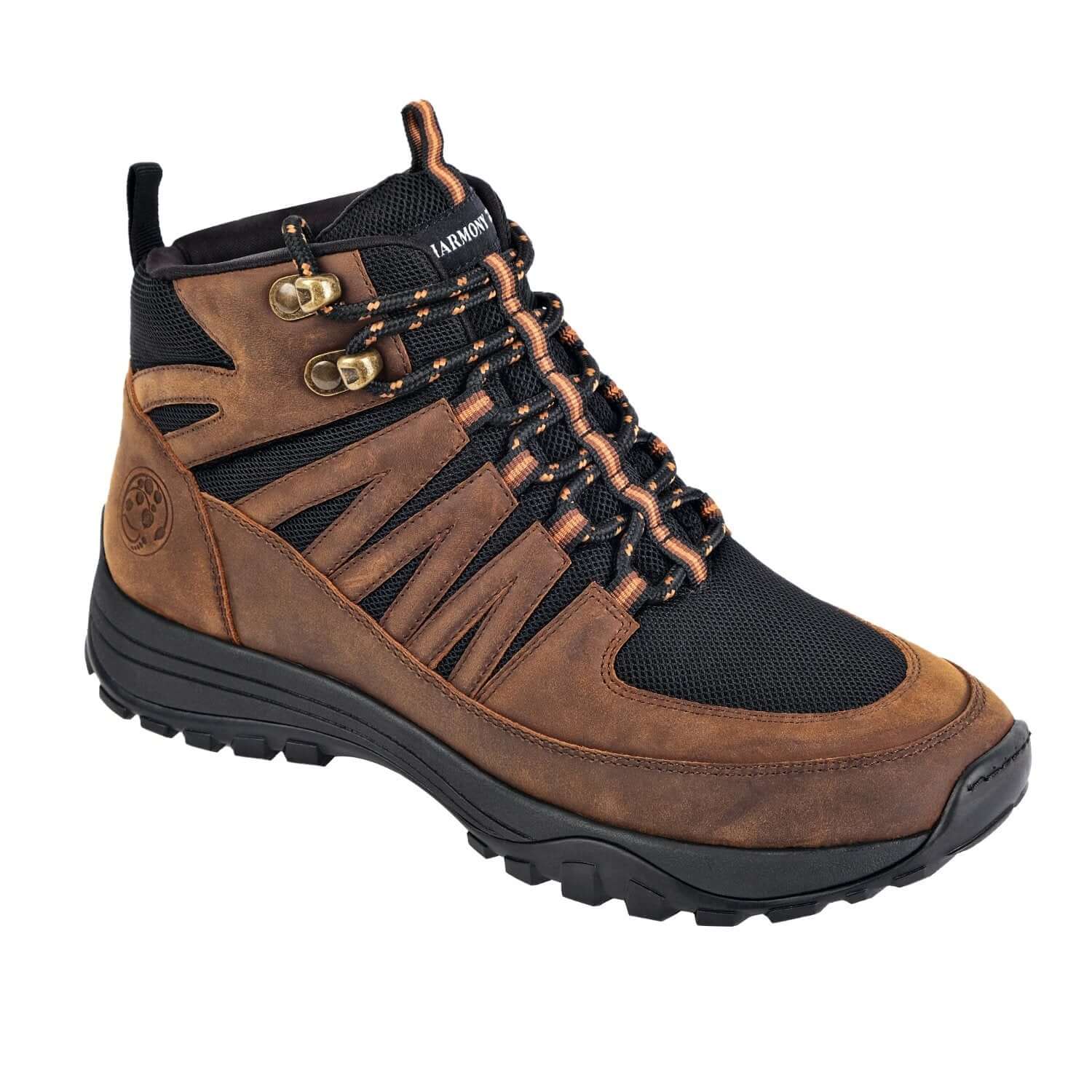
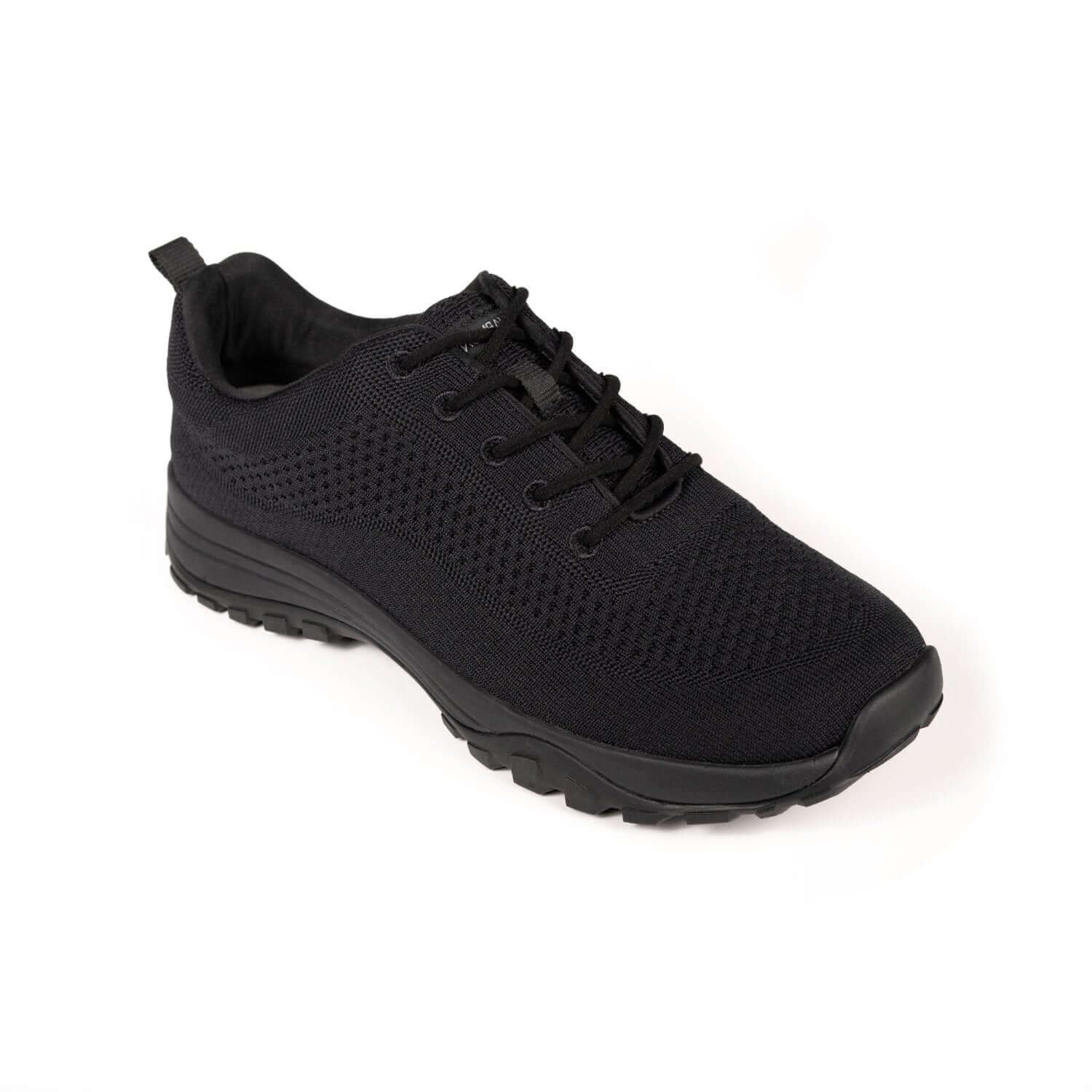
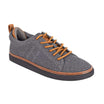
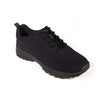
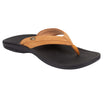
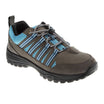
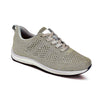
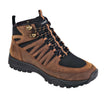
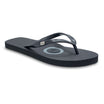
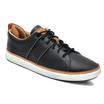
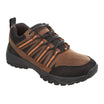
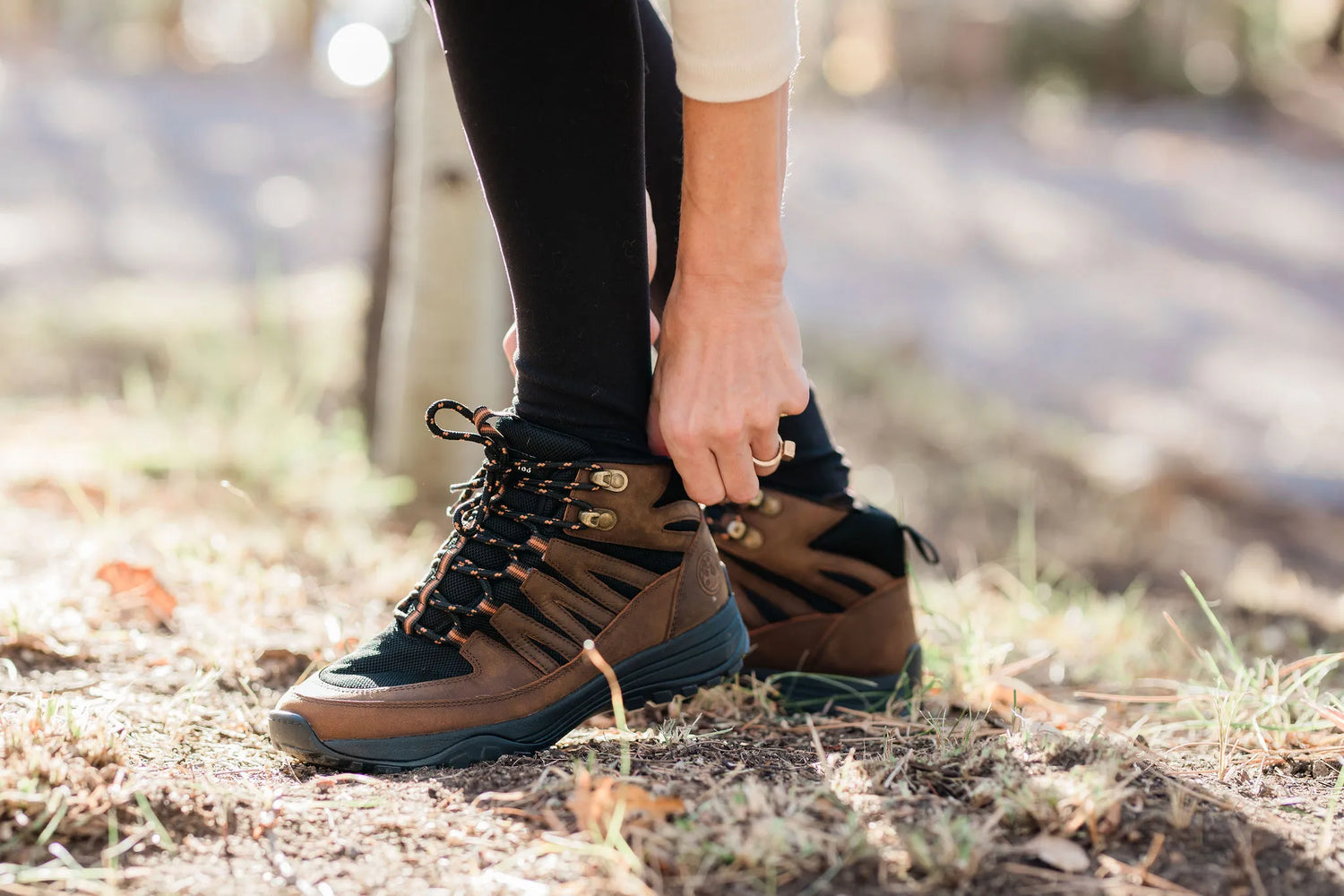
Comfort matters because a routine is easier to repeat when shoes suit the walk. Grounding walkers offer an everyday option, while conductive sneakers suit a more active routine. For warmer weather, explore grounding sandals. Pick the style that supports the activity rather than buying solely on a wellness claim.
Explore Harmony 783 grounding footwear for a comfortable outdoor routine.
What is a realistic grounding routine for beginners?
A realistic beginner routine is short, safe, and easy to repeat. Choose a familiar outdoor location, use direct skin contact or conductive footwear, and begin with a duration that feels comfortable. Consistency is more useful than chasing an arbitrary session length or trying to create a perfect setup.
A routine fails when it becomes another demanding task. There is no universally proven number of minutes that guarantees a result. Start with a normal activity, such as a short walk, time in the garden, or a quiet break outdoors. Let grounding be part of that activity instead of its only purpose.
Use a simple three-step plan
- Choose the setting. Find clean grass, soil, sand, or another suitable surface.
- Create the path. Use bare feet when safe, or wear properly designed conductive footwear.
- Repeat naturally. Add the practice to a walk or outdoor break several times a week.
A simple log can help you remember what you did without turning impressions into claims. Note the setting, approximate duration, and how the activity fit your day. After a few weeks, decide whether the habit is pleasant and sustainable.
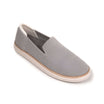
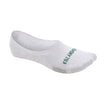
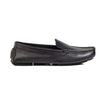
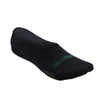
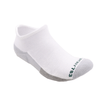
For easy on-and-off comfort, Harmony 783's bamboo knit grounding slip-ons can fit casual outdoor time. Conductive grounding socks are also available, but always follow product guidance because fabric layers and footwear construction affect the path.
Mistake 5: Ignoring comfort and outdoor safety
A useful grounding routine never requires unnecessary risk. Check for sharp objects, unstable terrain, extreme surface temperatures, storms, and other hazards before starting. Wear protective conductive footwear when bare feet are unsuitable, and stop if you feel pain, numbness, dizziness, or unusual discomfort.
Going barefoot may feel pleasant in a clean yard or on soft sand, but it is not appropriate everywhere. Broken glass, thorns, animal waste, insects, and hot pavement are practical reasons to wear shoes. People with reduced sensation, balance concerns, wounds, or other health conditions should ask a qualified clinician what is appropriate for them.
Let weather guide the decision
Do not ground outdoors during lightning or dangerous weather. Avoid surfaces that are extremely hot, icy, slippery, or flooded. Outdoor wellness should never override a basic safety decision.
Care for conductive footwear
Keep footwear clean and follow the manufacturer's care instructions. Excess dirt or damage can affect comfort and performance. Inspect the outsole periodically, especially after trail use. Harmony 783 footwear is tested for a grounded connection, but responsible care supports its intended use.

How should you evaluate your grounding experience?
Evaluate grounding with curiosity rather than certainty. Record the routine and any observations, but consider other influences such as sleep, exercise, weather, and stress. A personal impression can help you decide whether you enjoy the habit; it cannot prove a medical effect or predict another person's experience.
One of the most subtle grounding mistakes is treating every good or bad day as evidence. Human experience naturally varies. If you slept well after an evening walk, several factors may have contributed. If you felt no different after a week, that does not necessarily reveal whether contact occurred.
Track the habit, not a promised outcome
Use neutral questions: Did I spend time outdoors? Was the surface suitable? Did the footwear feel comfortable? Did the routine help me pause or move more? These questions are practical and do not require a medical conclusion.
Review your notes after a few weeks. Continue if the practice adds value to your day and fits safely into your lifestyle. Change or stop it if it causes discomfort or becomes burdensome. For more ideas, read Harmony 783's guide on how to ground yourself.
Find a Harmony 783 walker designed for comfortable, grounded movement.
Mistake 7: Making grounding harder than it needs to be
The best grounding routine is the one you can follow safely without reorganizing your life. Beginners do not need elaborate rituals, guaranteed timelines, or a perfect location. Pair a normal outdoor activity with an appropriate surface and conductive contact, then let the routine remain flexible.
Wellness advice often becomes complicated because specific rules feel reassuring. Grounding does not need that burden. A quiet break on the grass, a safe barefoot walk on sand, or an outdoor walk in conductive shoes can all be reasonable approaches.
Avoid measuring success by whether each session feels remarkable. Instead, notice whether the routine encourages time outdoors, comfortable movement, or a useful pause in the day. Those are practical reasons to continue even while research into grounding develops.
Harmony 783 makes grounding footwear for people who want a conductive option without going barefoot. The product can simplify the footwear part of a routine, but the same principles still apply: choose a suitable surface, use common sense, and keep expectations grounded.
Frequently asked questions about grounding mistakes
Can you ground while wearing socks?
It depends on the sock and footwear system. Ordinary thick socks may reduce contact with a conductive footbed. Purpose-built conductive socks contain conductive fibers. Follow the footwear manufacturer's guidance for the intended setup.
Does concrete work for grounding?
Unsealed concrete that directly contacts the earth may be conductive, especially when moisture is present. Painted, sealed, elevated, or otherwise insulated concrete may not provide the same path.
How long should a beginner ground?
There is no universally proven session length that guarantees a benefit. Start with a comfortable outdoor break or walk, prioritize safety, and build a repeatable routine rather than chasing a specific number.
Can grounding footwear work indoors?
Conductive footwear needs an appropriate path to the earth. Many indoor floors are insulated from the ground, so simply wearing grounding shoes indoors may not create that connection.
Is grounding a medical treatment?
No. Grounding is a wellness practice and should not replace diagnosis, medication, or treatment from a qualified health professional. Research remains developing, and health decisions belong with your clinician.
Build a simpler grounded routine with Harmony 783
Avoiding grounding mistakes comes down to three things: realistic expectations, a continuous conductive path, and a routine that respects comfort and safety. Harmony 783 footwear is designed to make outdoor grounding more practical while offering styles for everyday walks, trails, and warm-weather use.
Choose a safe natural surface, start with a manageable habit, and treat any personal observations with perspective. Grounding can then remain what it should be: an approachable way to spend intentional time outdoors.
Shop Harmony 783 grounding shoes and find a style for your daily routine.