















Grounding outdoors can be as simple as touching grass, soil, or sand. Grounding indoors needs a verified conductive path, such as a properly connected grounding product. The better option depends on your space, schedule, weather, and access to safe natural surfaces.
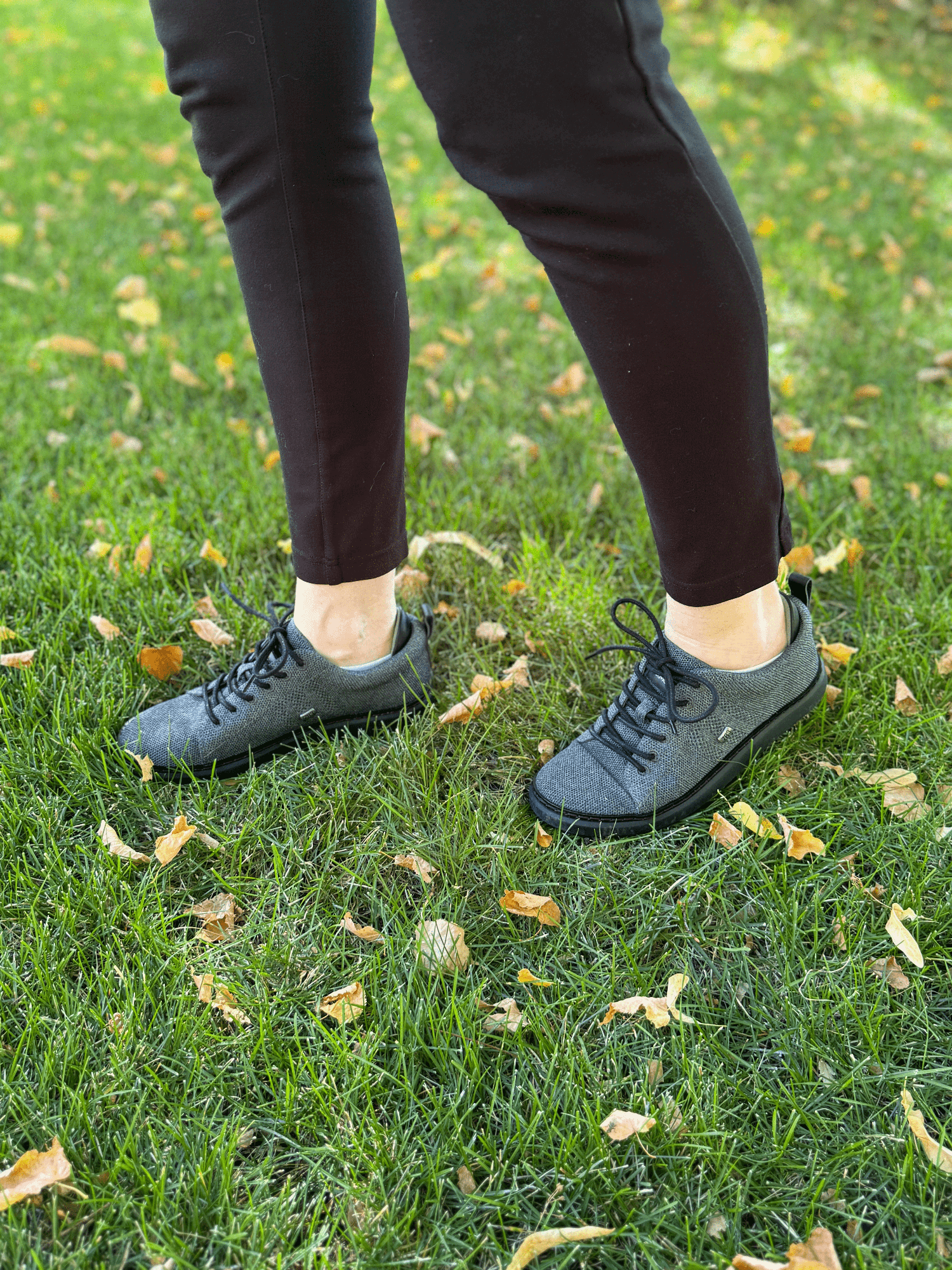
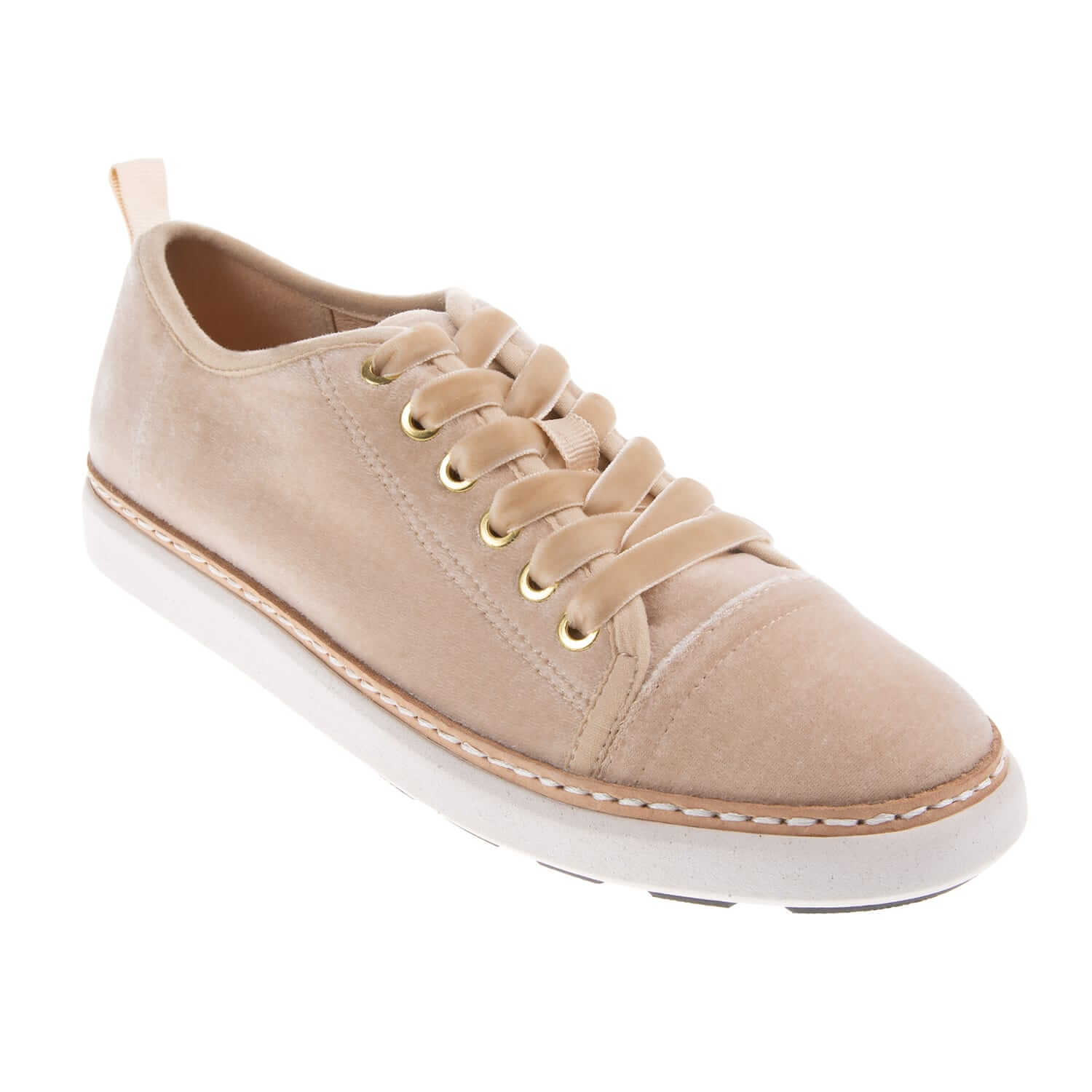
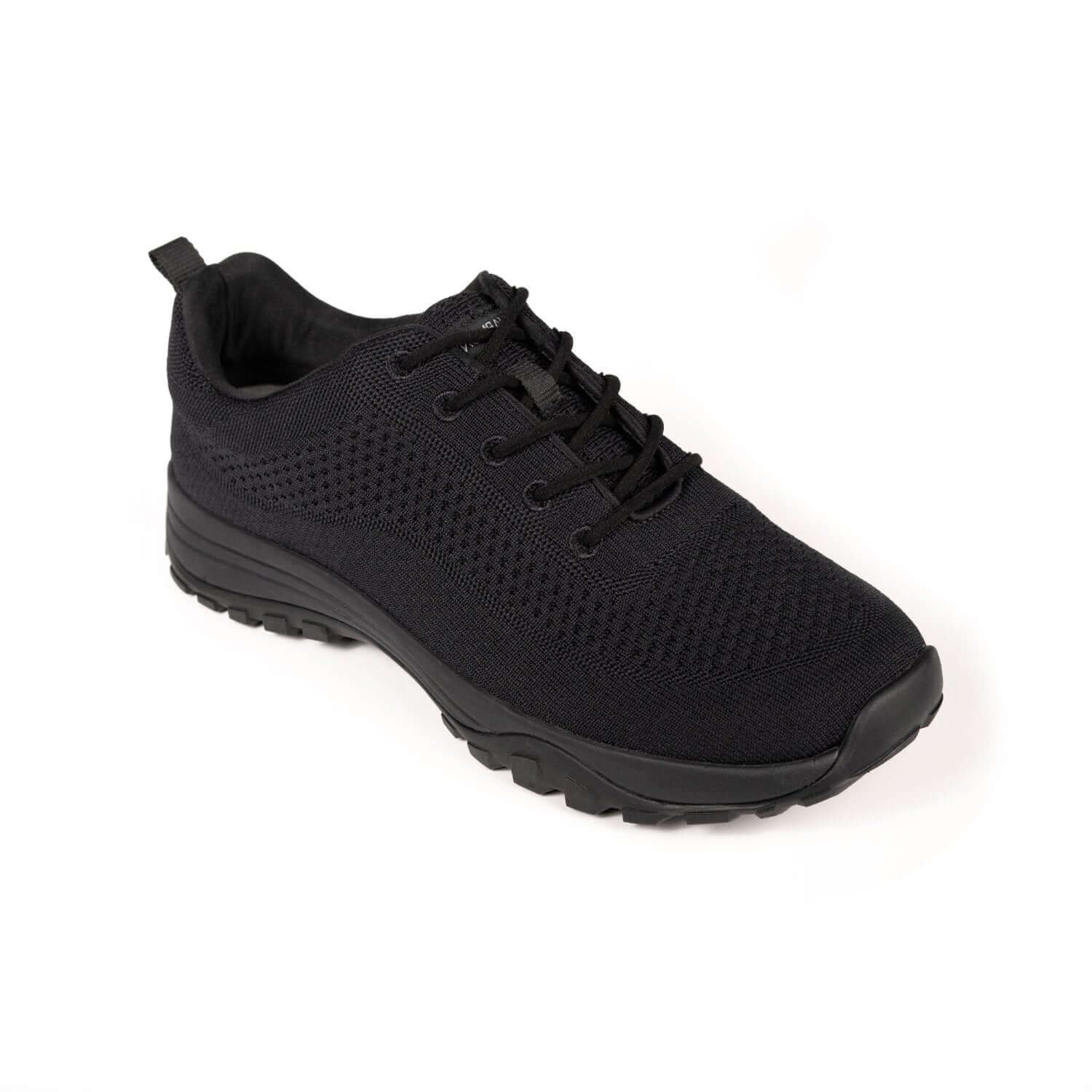
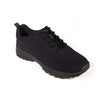
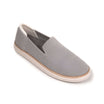
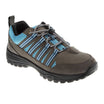
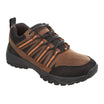
Shop Harmony 783 grounding footwear to keep a conductive connection while protecting your feet outdoors.
For grounding indoors vs outdoors, outdoor contact offers the simplest direct path to the earth, while indoor products can make a routine more convenient. Harmony 783 grounding footwear is designed for conductive outdoor surfaces when going barefoot is not practical. Neither approach should replace medical care.
This guide compares how each method works, where it can work, and what to check before choosing a routine.
Grounding indoors vs outdoors: the practical difference
Grounding is a simple way to link your body to the earth's natural charge. The main difference between grounding indoors and outdoors is the path of the link. Outdoors, you touch the earth's surface straight. Indoors, you use a path, like a mat, to bring that same charge to you. Both ways help you get electrons from the ground. While outdoor contact is the most natural, indoor tools let you stay grounded in modern spaces.
Natural contact outdoors
Outdoor grounding is the most direct way to do it. The surface of the earth has a steady supply of electrons that flow into your body when you touch it. You can do this by walking barefoot on grass, soil, or sand. Wet surfaces like a beach or damp grass are even better. This is because water helps the charge move fast. This direct touch is the easiest way to get grounded.
Many people enjoy grounding while walking outdoors in parks or woods. Studies show that walking barefoot on forest trails can help your mood. It may even help boost serotonin levels in the brain. But walking barefoot is not always safe. City streets may have trash or sharp rocks that can hurt you. Using grounding shoes is a smart way to stay safe while you stay linked to the earth's charge.
Conductive pathways indoors
Most of us spend a lot of time inside. This keeps us away from the earth's charge. To fix this, you can use indoor grounding tools. These tools include mats or sheets that have conductive threads. You connect these items to the ground port of a wall outlet. This port leads to a metal rod in the soil outside your house. This creates a path for electrons to move from the earth to your body.
Staying grounded inside is very helpful for sleep. You can use a grounding sheet on your bed to stay linked all night. This may help lower pain and help you rest better. Modern homes have many electric fields from wires and tech. Being grounded indoors helps your body stay at a neutral level. For many, learning about grounding basics is the first step to a healthy home.
Choosing the right method
When you choose between indoor and outdoor grounding, think about your life. Outdoor grounding is free and lets you enjoy fresh air. But it depends on the weather. If it is cold or you live in a city, you might not get outside much. Indoor grounding is easy to do every day. You can ground while you work or watch a show. This makes it a great choice for a busy life.
The best way is to find what works for you. Some people find that a mix of both works well. They might walk in the grass for a few minutes each morning. Then, they use a grounding mat at their desk for the rest of the day. This keeps the link steady. No matter which you choose, the goal is to close the gap between us and the earth.
| Feature | Outdoor Grounding | Indoor Grounding |
|---|---|---|
| Main Source | Earth's surface | Wall ground port |
| Gear Needed | None or shoes | Mats or sheets |
| Best Space | Parks and beaches | Home or office |
| Touch Type | Direct contact | Via path |
How does outdoor grounding work?
Outdoor grounding is the process of making direct physical contact with the Earth's surface. The Earth holds a vast supply of free electrons that can flow into the body when we touch natural surfaces. This connection helps balance the body's electrical state. When comparing grounding indoors vs outdoors, the outdoor method is the most natural way to reconnect with these electrons. Many people find that spending time outside while grounded leads to a better sense of well-being.
Best surfaces for natural connection
Not every outdoor surface will conduct the Earth's electrical charge. Natural materials like soil, sand, and grass are excellent conductors. Walking barefoot on these surfaces allows for the direct transfer of electrons from the ground. Concrete is also a conductor, but only if it is not sealed or painted. Moist surfaces, such as wet grass or damp sand at the beach, tend to offer a stronger connection because water helps the flow of energy. Understanding these grounding principles is key to getting the most out of your time outside.
On the other hand, some common surfaces act as insulators. Asphalt, wood, and plastic will block the flow of electrons completely. If you stand on a wooden deck or walk on a paved road, you will not receive the benefits of the Earth's charge. Modern footwear often uses rubber or plastic soles, which also prevent this natural connection. This is why many people choose to walk barefoot or use specialized grounding shoes when they are outdoors.
Safety and practical tips
While grounding is simple, safety is important when you are barefoot. Urban environments can have hidden hazards like glass or sharp rocks. For those who want to stay safe while grounding while walking outdoors, specialized footwear can be a great choice. These shoes allow you to maintain a connection to the ground without the risks of going barefoot. It is also wise to check the ground for any harmful chemicals or pet waste before you begin your practice.
Weather can also affect how you ground yourself. Wet conditions often improve conductivity, making a rainy day walk a great time to ground. However, you should always avoid grounding during a lightning storm for obvious safety reasons. If it is too cold or the ground is frozen, indoor grounding options might be a better fit. Many scientific studies show that even short periods of grounding can have a positive effect on health.
How electrons flow from the ground
The science of grounding focuses on the Earth's surface as a limitless supply of mobile electrons. When you make contact with a conductive surface, these electrons move into your body. This flow happens until your body reaches the same electrical potential as the Earth. This natural process is often missing from modern life because we spend so much time indoors. By stepping outside and touching the ground, you can restore this vital link.
Regular contact with the Earth can help reduce the buildup of static electricity in the body. This is especially helpful in environments with many electronic devices. Whether you choose to walk in a park or sit on the grass, the goal is to make consistent contact. Research suggests that barefoot walking on forest trails can even influence physiological markers like serotonin. Taking a few minutes each day to connect with the Earth is a simple way to support your overall wellness.
How can grounding work indoors?
Most people think of grounding as a task for the outdoors. You might think of walking barefoot on wet grass or a sandy beach. These spots allow a natural flow of electrons from the earth into your body. But you do not have to be outside to get these gains. New tools allow you to bring the earth's charge inside your home or office. This bridge is known as indoor grounding.
When you are understanding grounding principles, you see that the goal is always the same. You want to touch a surface that leads a charge and is linked to the earth. Outdoors, the earth itself is that surface. Indoors, we use the power system of the building to create that link. This process allows the body to get the same free electrons you would get from standing in a field.
Using the ground port of an outlet
To ground indoors, you usually use the third hole in a wall outlet. This is called the ground port. In modern homes, this port is wired to a metal rod in the earth outside. This rod creates a path for extra power to leave the home safely. Specific tools use this same path to bring electrons in from the soil. According to published research, these systems can move electrons from the ground into the body while you sit or sleep.
Indoor grounding tools often use things like silver or carbon. You can find grounding mats for your desk or silver sheets for your bed. You can also get small patches that stick to your skin. These items link to the outlet with a cord. The cord only touches the ground port. It does not touch the holes that carry power. This makes the system safe to use while you work or rest.
The limits of indoor floors
Many people ask if they can ground just by walking on their home floors. In most cases, the answer is no. Common indoor surfaces like wood, carpet, and vinyl are insulators. They block the flow of electrons. Even tile or stone floors might not work if they are over wood or plastic. For a floor to ground you, it must touch the earth directly. A concrete slab on the ground is one example. Most modern ways of building keep us from the earth's natural charge.
When looking at grounding indoors vs outdoors, the outdoor way is the most natural form. But indoor tools provide a way to stay grounded for many hours at a time. This is helpful for people who live in cold areas or big cities. It allows you to stay linked to the earth's charge even when you cannot go outside. You can keep a steady flow of electrons while you sleep or work. This helps fill the gap when you cannot get to a park or beach.
Safe setup and checking
Before you use an indoor grounding tool, you must make sure your outlet is wired right. Not all outlets have a working ground link. Some have the third hole but no wire behind it. You can buy a simple tester at a store. This device has lights that show if the ground wire is active and safe. Proper setup is key to making sure the system works well. You should also look at the scientific evidence on grounding to see how these links help the body.
Once you check the outlet, you can use your mat or sheet with peace of mind. These tools help lower the impact of the power fields found in modern homes. By creating a physical link to the earth, you can support your body's natural state while staying inside. Research shows that the care of grounding systems is vital to keep a good connection. This makes grounding an easy and helpful part of a daily health routine.
How to choose an indoor or outdoor grounding routine
Choosing between grounding indoors vs outdoors depends on your daily life and the space around you. Outdoor grounding is a natural way to connect with the earth. This way involves direct touch with soil, sand, or water to get free electrons. Some people find it easy to walk barefoot in a yard. But many people live in busy cities or cold areas where going outside is hard. Knowing your options is helpful for your health.
Look at your local area
Not every yard or park is a good spot for barefoot walking. You need to find surfaces that carry a charge from the earth. Natural ground like damp grass, dirt, or sand works best. If you live in a city, you might see a lot of asphalt. These things block the flow of electrons and will not help you ground. You can learn more about knowing grounding rules to see which surfaces are best for your area.
Safety is a key part of choosing where to ground. Sharp rocks, glass, or cold soil can make barefoot sessions risky. You do not want to trade a health goal for foot harm. Some people use grounding shoes as a safe bridge. These shoes use special tech to let the earth's charge pass through the sole. This allows you to walk on forest trails or city paths while staying safe. It is a great way to stay linked to the ground without going barefoot.
Research shows that the earth has a limitless supply of free electrons. These electrons move from the ground into your body when you make contact. If your area has clean, soft grass, an outdoor routine is a top choice. But if you only have hard, dry concrete, you may need to look at indoor tools. Outdoor time is great, but the surface must be right for the charge to flow.
Think about your daily habits
Staying regular is the key part of any health plan. If you have a busy job, you might only have time to ground at night. Indoor tools like mats or sheets can help you get electrons while you sleep or work. These systems connect to the ground port of a wall outlet. This setup lets you stay grounded for many hours without changing your busy day. It is an easy way to get the importance of steady grounding into your life.
Many people love the fresh air of the outdoors. Walking outside can help your mood and give you a break from screens. Research shows that barefoot walking on forest trails can boost serotonin levels. If you can spend twenty minutes in a park each morning, an outdoor routine is a great pick. You just need to choose the method that fits your life.
- Check for natural surfaces like grass, soil, or damp sand near your home.
- Think about how much time you can spend outside during your work week.
- Look at the weather to see if cold or rain will stop you.
- Test the ground port in your home outlets for indoor grounding tools.
- Decide if you need footwear to protect your feet on rough city surfaces.
- Start with a short ten-minute session to see how your body feels.
You do not have to pick just one way to ground. Many people use a mix of both indoor and outdoor methods to stay linked. You might walk outside on the weekend and use a grounding mat during the work week. Footwear can also help you stay on track for grounding while walking outdoors in any season. Using a mix of tools ensures you get a steady flow of electrons no matter where you are.
Where does grounding footwear fit?
Choosing between grounding indoors vs outdoors depends on your daily life. Most people start by walking barefoot in a park or on a beach. Direct contact with soil or sand is the most natural way to get grounded. But for many, spending hours barefoot outside is not easy to do. This is where grounding shoes play a key role. These shoes act as a bridge. They allow you to keep a conductive path while you go about your normal day.
Bridging the gap for active lifestyles
Modern lives often happen on surfaces that block our link to the earth. Materials like wood and vinyl stop the flow of electrons. Grounding shoes offer more freedom than indoor mats. They let you move from your home to the sidewalk while keeping that link active. This is helpful for people who want to stay grounded but cannot be barefoot at work. Research shows that connecting with the earth can lead to better sleep and less pain.
The goal of these shoes is to keep you in contact with the earth's natural charge. This charge is a huge supply of free electrons on the earth's surface. When you wear conductive shoes, you can get these electrons as you walk. This makes it easy to fit grounding into a busy day. You do not have to find a patch of grass and stand still. Instead, you can get the same link while you walk your dog or run errands. It turns a simple walk into a chance to help your body.
Safe connection in urban spaces
Safety is a big part of choosing how to ground yourself. Walking barefoot in a city can be risky. You might step on glass or sharp rocks. Grounding shoes give you a safe way to ground while walking outdoors without the risk of foot harm. They use a smart design to keep the path open. A silver-stitched footbed and carbon-rubber soles work together to move electrons from the ground to your body.
Surface choice still matters when you wear these shoes. They work best on natural ground like grass, dirt, and sand. They also work on unsealed concrete and brick. But they will not work on wood decks or thick carpet. Knowing which surfaces are conductive helps you get the most out of your shoes. If you spend your day on a wood floor, an indoor mat is better. But for any time spent on the sidewalk, the shoes are the right tool.
Maintaining a steady path
Staying steady is vital for any wellness habit. It is better to have a small, daily link to the earth than a long one once a month. You just swap your old sneakers for a pair with grounding technology built in. This simple change helps you stay connected more often. Since they look like normal shoes, you can wear them anywhere. It is a handy way to bring a natural link into a fast-paced life.
What does the research say about grounding?
The practice of grounding has moved from folk wisdom to a field of study in environmental medicine. This branch of science looks at how our surroundings affect our health. Modern research suggests that humans are meant to be in contact with the earth. Today, most people live in a state of disconnect from the ground. Scientists are looking into whether this split plays a role in common health issues. You can explore scientific evidence on grounding to see the full scope of current study.
The role of free electrons
Studies show that the surface of the earth has a large supply of free electrons. Reconnecting with these electrons may lead to changes in the body. Some reports link the practice to better sleep and less pain. While these findings are exciting, many studies remain small. We still need more large trials to prove these effects for everyone. It is a known fact that the earth acts as a global resource for health maintenance. You can find more details in this review of grounding research on the NIH website.
Grounding indoors vs outdoors in study
Researchers test both indoor and outdoor methods. Outdoor grounding is the most natural way to connect. It involves direct contact with soil, sand, or water. One study found that walking barefoot on forest trails helped boost serotonin levels. This chemical helps with well-being and mood. You can read the forest walking study for more on these findings. Indoor grounding uses conductive mats or sheets. These tools must connect to the ground port of an outlet to work. Both ways aim to transfer electrons from the earth into the body. Using grounding while walking outdoors is a simple way to start.
A tool for recovery
Many people use grounding to help the body recover after exercise. Some studies look at how it might lower markers of stress and inflammation. Early work in this area shows promise, but it is not a cure for any disease. You should not use grounding to replace medical care from a doctor. Instead, view it as a helpful part of a healthy lifestyle. Keeping up with importance of consistent grounding may help you stay connected to the earth's natural charge every day.
See how Harmony 783 grounding technology works before choosing footwear for your routine.

Frequently Asked Questions
Can you ground indoors?
Yes, you can ground indoors by using special tools that link to the earth. These tools usually plug into the ground port of an outlet or connect to a rod outside. This lets electrons flow into your home so you can ground while you sleep or work. Research in the Journal of Environmental and Public Health shows that indoor systems can provide many of the same benefits as being outside.
Is grounding outdoors better?
Direct contact with the earth is the most natural way to ground. Touching soil, sand, or water allows for a fast and easy flow of electrons. While indoor tools are helpful, experts agree that being outside is the best form of this practice. It also lets you breathe fresh air and enjoy the sun. However, both ways can help you stay linked to the planet and support your daily wellness routine.
How does grounding affect the body?
Grounding works by making a link between your skin and the earth. The surface of our planet has a huge supply of free electrons. These electrons move into your body when you touch the ground. This process helps to balance your natural charge. Modern life often keeps us away from this link, but grounding brings it back in a simple way. This can lead to a sense of well-being as your body finds its natural state.
Can you ground while wearing shoes?
Most shoes have thick soles that block the flow of earth's charge. However, you can ground with shoes if they are made with special parts. Grounding shoes use conductive silver or carbon to help you stay linked to the earth. These shoes let you get the benefits of grounding without needing to go barefoot. This is a safe way to stay grounded while you walk in the city or on rough forest trails.
Ready to bring the natural charge of the earth into your home?
Every hour you spend on a floor that blocks the earth is a lost chance for your body. You do not have to wait for a walk in the park to feel the effects of grounding. By picking the right gear, you can keep this link strong by learning how grounding works today.
It is time to make a small change that helps you feel better and balanced all day long. You can start today by choosing tools that work with your busy schedule and your personal needs. Shop Harmony 783 grounding footwear to explore practical options for maintaining a conductive connection on suitable outdoor surfaces.