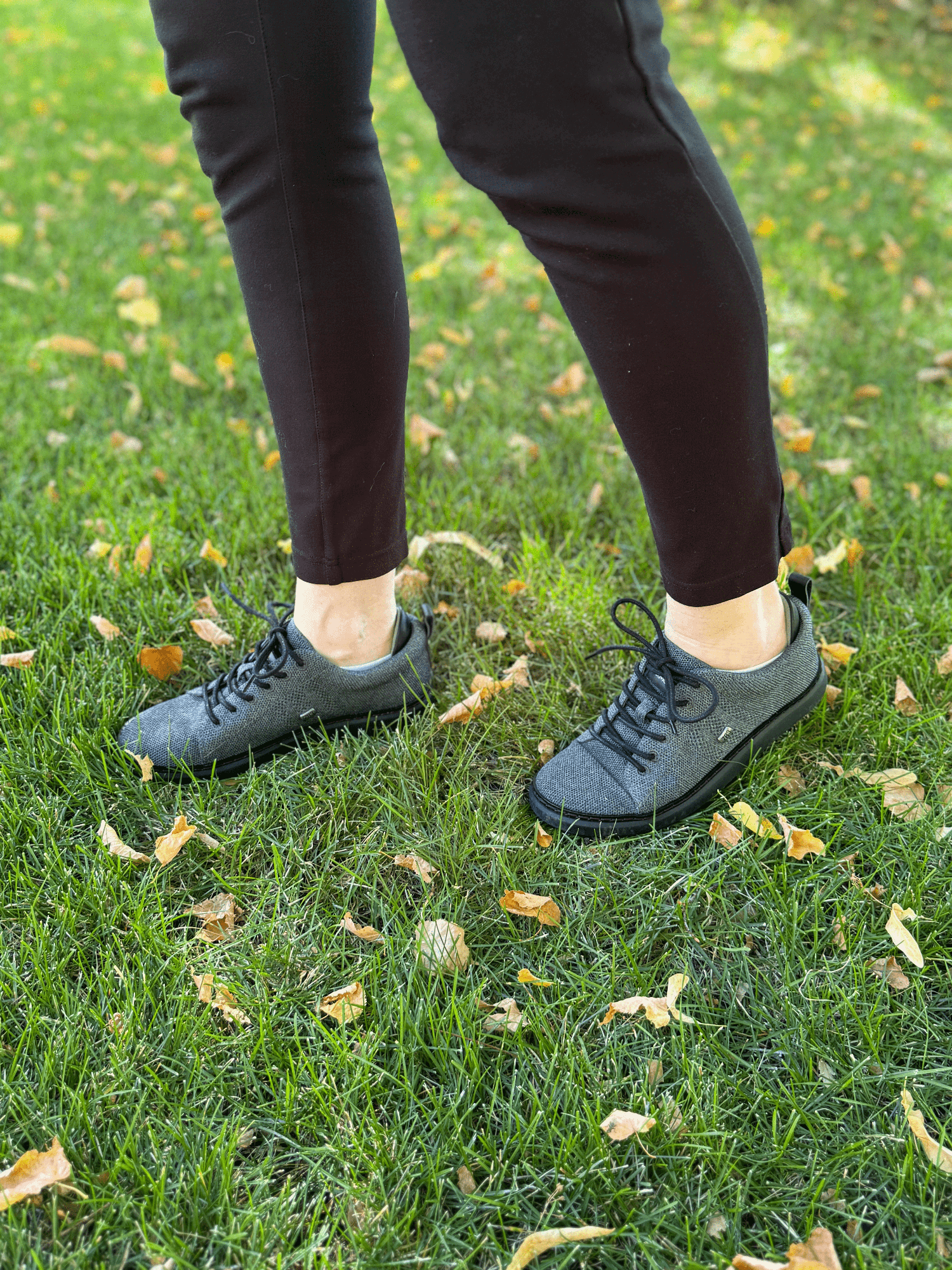























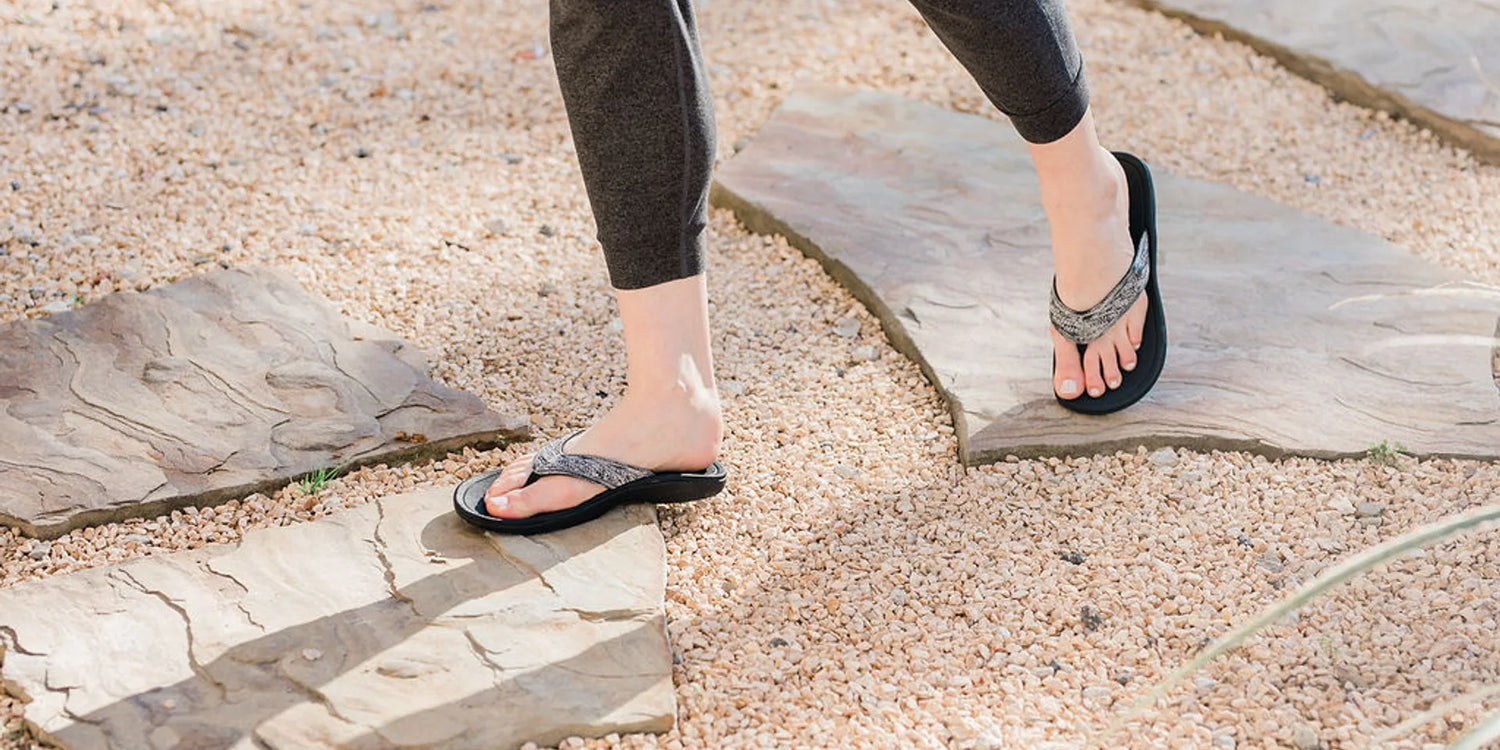
When sleep stays out of reach, the problem is rarely just one late night. Stress, an unsettled body clock, and constant evening stimulation can keep the nervous system alert when you want it to slow down. That is why many people are exploring natural ways to support deeper, steadier rest alongside healthy sleep habits. Browse the collection of grounding shoes designed to help you stay connected throughout the day.
Early research suggests that grounding for insomnia may support sleep by helping regulate nighttime cortisol and the body's stress response. The evidence is promising but still developing, so grounding is best viewed as a wellness practice, not a replacement for professional care.
Grounding can fit into daily life through time outdoors, barefoot contact with natural surfaces, or conductive footwear that helps you stay connected while moving through your day. For more background, read about how grounding impacts biological systems. First, it helps to understand why chronic insomnia can persist and which daily factors may keep sleep disrupted.
What Causes Chronic Insomnia and Sleep Disruption?
Chronic insomnia is not always caused by one problem. Stress, anxiety, irregular schedules, and evening light can all make it harder for the body to shift into sleep. Between 10% and 30% of adults experience chronic insomnia, making sleep disruption a common concern rather than a rare event.
How does stress affect nighttime cortisol?
Cortisol helps the body respond to demands during the day. It should normally rise in the morning and decline as night approaches. Chronic stress can keep the stress response active after bedtime. When nighttime cortisol remains elevated, the mind may feel alert, the body may stay tense, and deep sleep can become more difficult.
This can create a cycle. Poor sleep makes the next day feel more stressful, while ongoing stress makes the following night harder. Blue light from phones and other screens may also delay the body's normal evening signals. Irregular routines and constant stimulation can further disrupt the circadian rhythm, the internal timing system that helps coordinate sleep and wakefulness.
Could modern life also affect the body's connection with nature?
Many people spend less time in direct contact with natural surfaces than previous generations did. Grounding, also called earthing, is based on reconnecting the body with the earth's surface. This wellness practice is discussed in Harmony 783's guide to the foundations of grounding. EMF exposure is also often discussed in conversations about modern sleep environments, although the effects of everyday exposure on sleep remain an area of ongoing research.
Grounding for insomnia should be viewed as a natural wellness practice, not a replacement for professional support. If sleep problems persist, a qualified healthcare professional can help identify contributing factors and appropriate options.
The Earthing and Sleep Research: What Studies Found on Nighttime Grounding
Research on grounding and sleep is still developing, but several studies have reported measurable changes in sleep quality, stress markers, and sleep-stage patterns. The findings below are not proof that grounding replaces professional care for insomnia. They do offer useful context for people exploring natural wellness tools.
| Year | Design | Participants | Key findings |
|---|---|---|---|
| 2004 | Sleep grounding study | 12 subjects, grounded during sleep for 8 weeks | Nighttime cortisol fell, daily cortisol patterns moved toward a more typical circadian profile, and participants reported improvements in sleep, pain, and stress. |
| 2025 | Double-blind, placebo-controlled randomized trial | 60 participants, earthing mat use for 6 hours daily over 31 days | PSQI, ISI, and ESS scores improved significantly, with total sleep time also increasing. Reported effects remained at a 7-day follow-up. |
| 2024 | MDPI sleep-stage study, reported by Sleep Review | Grounding-mat groups followed for 7 or 21 days | After 21 days, waking time decreased by 15%, while REM sleep increased by 80% and non-REM sleep by 78%. |
The 2004 paper by Ghaly and Teplitz is indexed in PubMed. Its small sample means the results should be interpreted carefully, but the cortisol findings provide a possible biological pathway for further study. The newer Park et al. trial used a stronger controlled design and measured recognized sleep-related questionnaires, including the Insomnia Severity Index. Its results were published in Advances in Integrative Medicine.
The sleep-stage findings came from an MDPI study summarized by Sleep Review. Because the studies differ in design, sample, and outcome measures, they should not be combined into one guarantee. Still, their results point in a similar direction.
How Grounding May Reset Circadian Cortisol Rhythms
Cortisol is not harmful by itself. Your body needs this hormone to wake up, focus, and respond to daily demands. The problem starts when its natural rhythm becomes less distinct, with higher levels at night or a weaker morning rise. That pattern can make it harder to settle down and stay asleep. Grounding for insomnia is being studied as one natural way to support this daily rhythm.
How might electrons affect sleep-related stress?
The earth's surface can provide a reservoir of free electrons when the body makes direct contact with the ground. One proposed explanation is that these electrons may help neutralize free radicals, which are unstable molecules linked with oxidative stress. Grounding researchers also suggest that this electron transfer may help calm inflammatory activity. Inflammation and oxidative stress can both interfere with normal sleep architecture, so reducing these stressors may support more settled sleep.
Grounding may also influence the autonomic nervous system. Stress keeps the sympathetic system, often called the fight-or-flight response, more active. Ground contact is proposed to encourage a shift toward the parasympathetic system, or rest-and-digest response. That shift may support a slower heart rate, easier relaxation, and a calmer mental state before and during sleep. These are proposed mechanisms, not proof that grounding treats insomnia or any medical condition.
What did the cortisol study find?
In a 2004 study, Ghaly and Teplitz examined people with sleep dysfunction who slept grounded for eight weeks. The researchers reported that nighttime cortisol levels were significantly reduced. They also observed a trend toward a more normal 24-hour cortisol profile, with hormone secretion becoming more aligned with the body's natural circadian pattern. Subjective reports of sleep dysfunction, pain, and stress also improved in nearly all participants, although the study was small and its findings need further research.
These results help explain why grounding may feel different from a quick sleep aid. Rather than forcing drowsiness, the proposed goal is to support the systems that help the body recognize when it is time to rest. You can read the full study in PubMed and consider grounding as one part of a broader sleep routine.
Grounding Shoes as a Daytime Tool That Improves Nighttime Sleep
Grounding does not have to be limited to the hour before bed. Grounding shoes make it possible to stay connected with the earth while you walk, work outdoors, or run everyday errands. That steady daytime practice can complement an evening sleep routine and support a calmer rhythm from morning through night.
For people exploring grounding for insomnia, this matters because sleep support is often built through repeated habits, not one isolated action. Wearing grounding shoes during normal activities gives you more chances to connect with the earth without adding a special setup to your schedule. You do not need to sleep on a grounding sheet to make daytime grounding part of your wellness routine.
How daytime grounding fits into a daily routine
Try wearing conductive shoes during a morning walk, while gardening, or during outdoor work. Depending on the surface and conditions, this can help you maintain an earthing practice while doing things you already planned to do. Over time, consistent daytime grounding may help support cortisol regulation around the clock, which is relevant to the natural rise-and-fall pattern associated with restful sleep.
Harmony 783 designs its shoes around this practical use. Groundworks Technology is a proprietary five-layer conductive system that includes a footbed stitched with pure silver. Each pair is tested for conductivity before leaving the factory. Learn more about the materials and construction behind Groundworks Technology.
Why consistency can be easier than a nighttime-only setup
A grounding sheet or mat can be useful at home, but it requires a dedicated place and routine. Shoes offer a more flexible option for people who spend much of the day moving between indoor and outdoor spaces. They can help make grounding feel like part of life rather than another task on a sleep checklist.
Explore Harmony 783's range of grounding footwear designed for specific health needs to compare options for your routine. Grounding shoes are a wellness tool, not a replacement for professional support when persistent insomnia affects your health.
Building a Grounding Sleep Hygiene Protocol
-
Start your day grounded
Spend at least 30 minutes outdoors in grounding shoes on a conductive surface, such as grass, soil, sand, or concrete. You can walk, stretch, garden, or complete another easy activity. The goal is to make grounding part of an ordinary morning instead of treating it like a separate project. When outdoor time is limited, choose a simple route you can repeat each day.
-
Lower stimulation before bed
About one hour before bedtime, reduce blue-light exposure and limit unnecessary EMF sources in your sleep space. Dim the lights, step away from screens, and silence devices when possible. Pairing these choices with a consistent bedtime gives your body a clearer signal that the day is ending.
-
Add an evening wind-down
If conditions allow, walk barefoot on grass for 10 to 15 minutes before bed. Keep the pace easy and use the time to breathe slowly. If going outside is not practical, wear grounding shoes around the house or use an earthing mat or sheet. Learn more about earthing mats to support better sleep and choose the option that fits your routine.
-
Track changes for 21 or more days
Record your bedtime, estimated time to fall asleep, nighttime waking, and morning energy in a sleep journal. A wearable can add useful trend data, but it is not required. A 21-day or longer tracking window helps you notice patterns instead of judging the routine after one night. Keep other major habits as steady as you can while you observe your sleep.
-
Stay consistent
Daily grounding is more useful than occasional, extended sessions. A short morning session and a calm evening walk may be easier to maintain than an ambitious plan you abandon after a week. Treat grounding as a natural wellness addition, not a replacement for professional support when persistent sleep problems need attention.
What Users With Chronic Insomnia Report After Wearing Grounding Shoes Daily
Research can show patterns, but everyday experiences add useful context. In discussions on Reddit's r/Earthing community, people describe using grounding sheets and mats as part of their nightly routine. Several users report falling asleep more easily, sleeping more deeply, waking less often, and feeling more rested the next morning.
What changes do people notice first?
Sleep onset is a common theme. Some community members say they stop lying awake for as long before falling asleep. Others notice fewer nighttime awakenings or describe sleep as more settled and restorative. The improvements are not identical for everyone. A person may notice deeper sleep first, while another may notice more energy in the morning.
Some users also describe a temporary adjustment period. During the first week or two, sleep may feel different before it improves. That does not prove grounding is working, and it should not be treated as a promise of results. It is simply a pattern mentioned in community conversations, including reports from people who wondered whether they were sleeping worse before settling into a routine.
How do these experiences relate to the studies?
The reports broadly resemble the outcomes researchers have measured: better perceived sleep, less waking, and feeling more rested. One early study found that participants with sleep dysfunction reported reduced sleep-related symptoms after consistent grounding, alongside changes in nighttime cortisol patterns (PubMed). That does not turn online stories into proof. It does suggest that the community's experience is directionally consistent with the questions studied in controlled research.
Use these accounts as personal context, not a guarantee. If chronic insomnia continues, speak with a qualified health professional while exploring grounding as a natural wellness habit.
Frequently Asked Questions
Does grounding help with insomnia?
Grounding may support better sleep by helping the body reconnect with the earth's natural electrical charge. A small 2004 study found that grounding during sleep reduced nighttime cortisol and helped align cortisol release with the normal 24-hour rhythm. These findings are promising, but grounding is a wellness practice, not a treatment or cure for insomnia. Persistent sleep problems deserve guidance from a qualified healthcare professional.
How long should you ground before bed?
Start with a routine you can maintain, such as spending time outdoors on grass, soil, sand, or concrete during the day. You can also walk barefoot outside before bed or use a grounding mat or sheet at night. Track bedtime, wake-ups, and how rested you feel for several weeks so you can judge whether the practice supports your sleep.
Can you use grounding while sleeping?
Yes. Grounding mats and sheets are designed to maintain contact with the earth connection while you sleep. Keep the rest of your sleep routine consistent, including a regular bedtime, limited evening screen use, and a cool, comfortable room. If a product causes discomfort or makes you feel uneasy, stop using it and review the setup instructions.
Are there any side effects of grounding for insomnia?
Some people report an adjustment period when they begin using grounding products, while others notice no unwanted effects. Research on grounding and sleep is still developing, so individual results can vary. If you have a diagnosed sleep disorder, take medication, or have concerns about using an electrical grounding product, ask your healthcare professional before changing your routine.
Ready to make grounding part of your routine?
If you want to explore a simple, natural wellness practice that fits into everyday life, grounding footwear can make daytime grounding easier to consider. Browse the collection of grounding shoes and choose an option that suits your routine. Start at a comfortable pace, then pair grounding with the sleep habits that support you best. A consistent approach can help you stay engaged with your nighttime wellness goals.