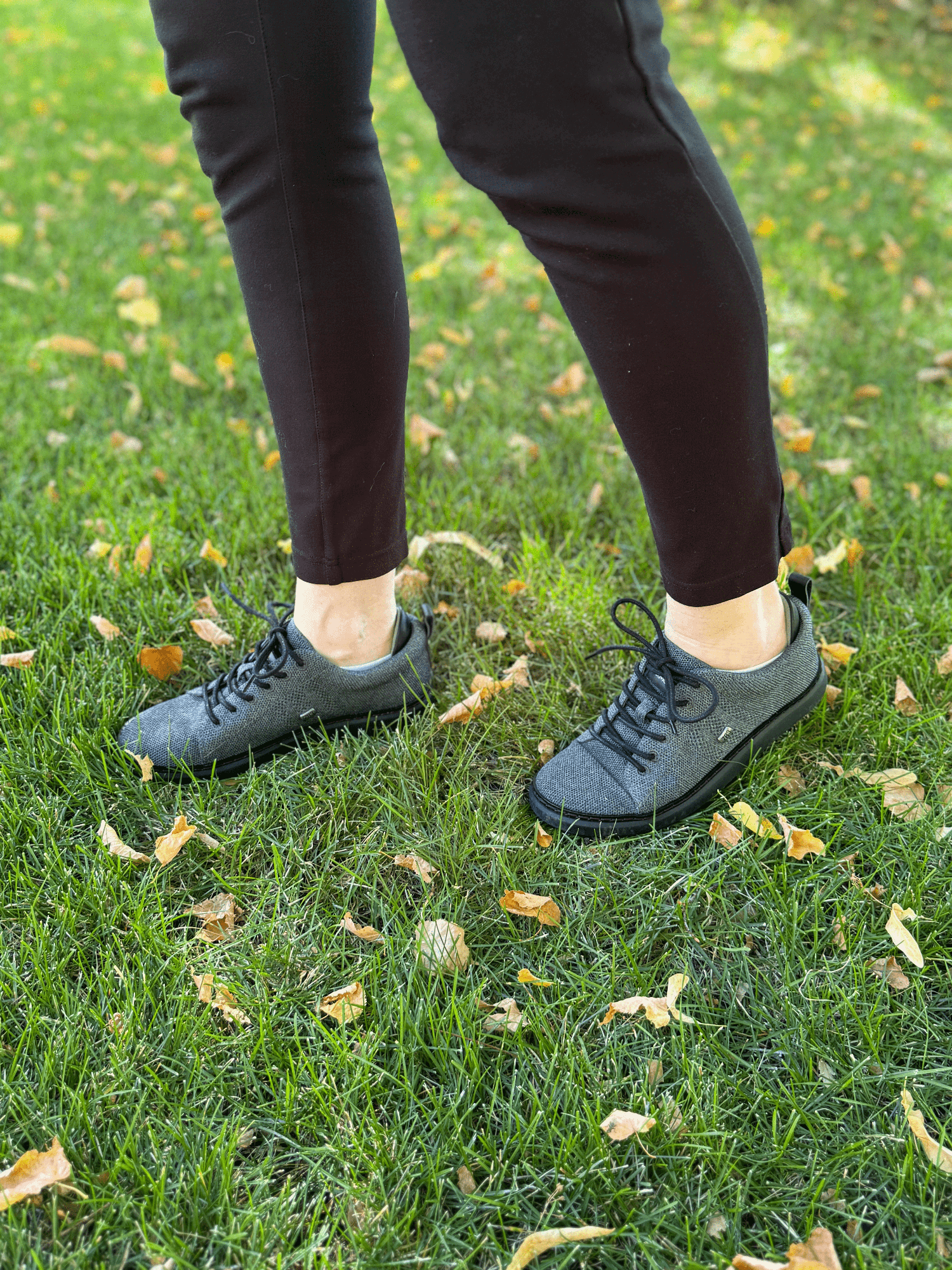























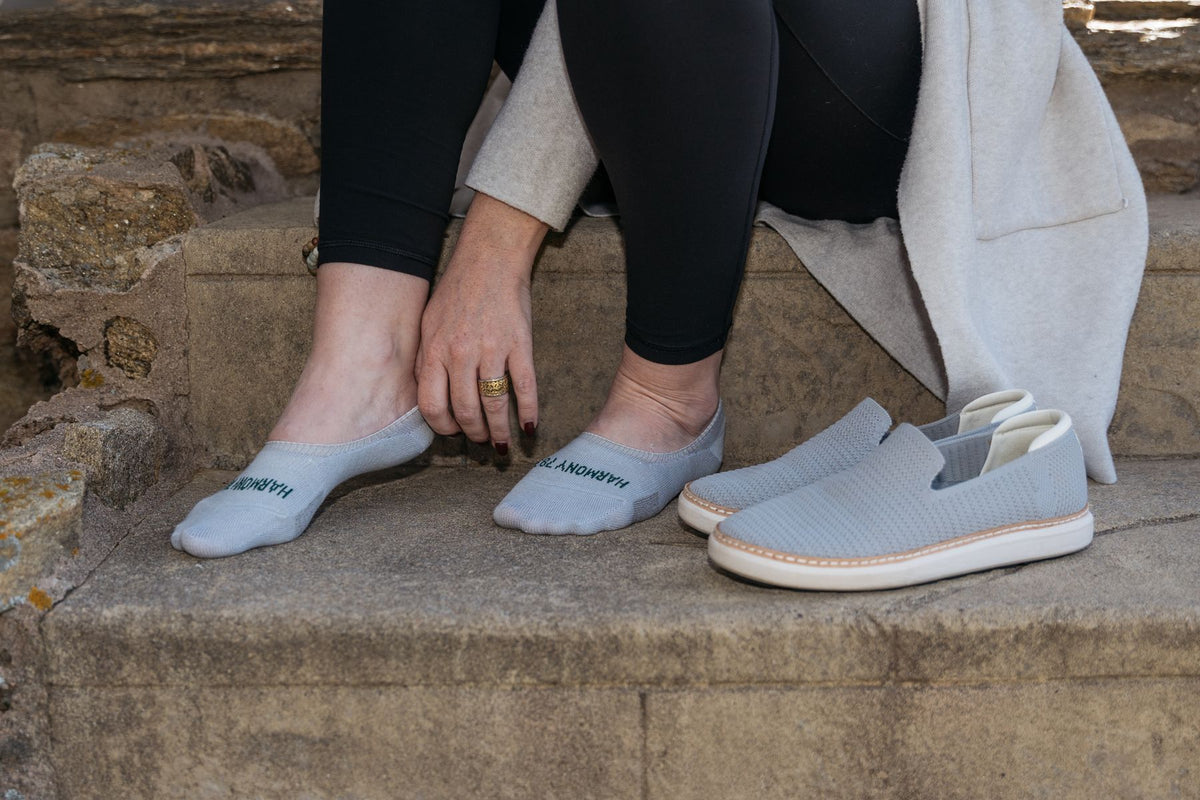
Chronic pain, inflammation, and restless nights have become common complaints in our modern lives. We often turn to complex solutions, but what if a key to feeling better is right beneath our feet? The practice of earthing, or grounding, is gaining attention for its remarkable ability to address these very issues. By making direct contact with the ground, you allow your body to absorb the Earth’s free electrons, which act as powerful antioxidants. This process helps neutralize the free radicals that drive inflammation and pain. This powerful anti-inflammatory effect is just one of the many earthing health benefits we're beginning to understand. This article will explore how this connection works and other ways it can support your overall well-being.
Feel the Earth. Every Step.
Grounding Shoes That Actually Look Good
Browse Harmony783's bestselling collection — stylish, comfortable grounding footwear designed to reconnect you with the earth, on your terms.
Get Your PairKey Takeaways
- Grounding helps balance your body: Making direct contact with the ground helps your body's internal systems find balance. This connection can reduce inflammation by neutralizing free radicals, potentially leading to less pain, better sleep, and a calmer mind.
- Consistency is more important than duration: You do not need to spend hours grounding to feel the effects. Start by incorporating 10 to 20 minutes into your day, perhaps by pairing the practice with an existing habit like your morning coffee or a midday break.
- Grounding shoes make it effortless: For days when going barefoot is not practical, grounding shoes are a game-changer. They use conductive technology to keep you connected to the Earth's energy, allowing you to practice earthing seamlessly during your daily routine.
What Is Earthing (and How Does It Work)?
You’ve probably heard people talking about “earthing” or “grounding,” and the concept is actually as simple as it sounds. It’s the practice of making direct physical contact with the surface of the Earth. Think walking barefoot on grass, sitting on a sandy beach, or wading into a lake. The idea is that by connecting our bodies to the ground, we can tap into the Earth’s natural energy.
This practice isn’t new; humans have been connected to the Earth for most of our history. It’s only in more recent times that we’ve become separated by rubber-soled shoes and insulated indoor environments. Re-establishing that direct connection is the core of earthing, and it comes with some fascinating science behind how it can support your well-being.
The Science of Connecting to the Earth
So, what’s really happening when you touch the ground? The Earth has a subtle, natural electrical charge. It maintains this charge through things like lightning strikes and solar radiation, creating what some researchers call a global electrical circuit. Our bodies are great conductors of electricity, thanks to the water and minerals we’re made of. When you make direct contact with the ground, your body essentially plugs into this natural energy source. You become part of the Earth’s circuit, allowing a gentle flow of energy to move between the ground and your body. It’s a simple, passive exchange that happens anytime you have skin-to-earth contact.
How Earth's Energy Impacts Your Body
When you connect to the ground, your body absorbs a supply of free electrons from the Earth’s surface. These electrons are important because they act as natural antioxidants. Inside our bodies, we often have an excess of free radicals, which are unstable molecules that can cause cell damage and inflammation. The electrons from the Earth can help neutralize these free radicals. Studies suggest this process can lead to some significant health benefits. Research shows that grounding can help reduce inflammation, support a healthy immune response, and even speed up wound healing. Grounding also appears to help normalize our daily cortisol rhythm, which is the cycle of our main stress hormone. This can lead to better sleep, less pain, and an overall feeling of calm.
What Are the Health Benefits of Earthing?
So, what happens when you make direct contact with the earth? Beyond just feeling good, the practice of what is grounding is linked to some pretty incredible wellness benefits that are catching the attention of researchers and health enthusiasts alike. When you connect your body to the ground, you allow a transfer of free electrons from the earth into your body. These electrons are thought to be the key players behind the health effects people report, from feeling less pain to sleeping more soundly.
Think of it as plugging into a natural energy source that helps your body find its balance. Modern life, with its rubber-soled shoes and indoor settings, often keeps us disconnected from this fundamental resource. By intentionally reconnecting, you give your internal systems a chance to reset and function more optimally. The best part is that these benefits aren't just anecdotal. A growing body of scientific research is beginning to explain how this simple act can have such a profound impact on our physical and mental state. Let's look at some of the most significant health benefits of earthing.
Reduce Inflammation and Ease Pain
One of the most celebrated benefits of earthing is its ability to reduce inflammation. After an injury, you typically see redness, swelling, and pain, which are all classic signs of inflammation. Research, including studies that use medical infrared imaging, has shown that grounding can quickly lessen these markers. This suggests that connecting with the earth helps calm the body's inflammatory response.
Many people who practice earthing regularly report a noticeable decrease in chronic pain, from joint stiffness to muscle soreness. By helping to neutralize inflammation at its source, grounding offers a simple, natural way to find relief and support your body's healing process. The effects of grounding on inflammation are a key reason so many people are making it a part of their daily wellness routine.
Improve Your Sleep
If you struggle to get a good night's rest, earthing might be a game-changer. A key factor in our sleep-wake cycle is cortisol, often called the "stress hormone." Ideally, cortisol levels should be highest in the morning to help you wake up and lowest at night to allow you to fall asleep. However, the stressors of modern life can disrupt this natural rhythm, leaving you feeling wired at bedtime.
Grounding appears to help normalize this daily cortisol rhythm. Studies show that by connecting to the earth, your body can better regulate its stress response, paving the way for deeper, more restorative sleep. People who practice earthing often find they fall asleep faster and wake up feeling more refreshed and energized.
Lower Stress and Feel Calmer
That same cortisol-regulating effect that helps you sleep also works wonders for your stress levels during the day. When your cortisol rhythm is balanced, you're better equipped to handle daily pressures without feeling constantly overwhelmed or on edge. Grounding provides a passive way to help your nervous system shift from a stressed "fight-or-flight" state to a more relaxed "rest-and-digest" state.
This calming influence is one of the most immediate grounding benefits people feel. Just a short period of walking barefoot on grass or sand can leave you feeling more centered and peaceful. Making it a regular practice can help build your resilience to stress over time, promoting a steady sense of well-being.
Support Your Immune System
Your immune system is your body's first line of defense, and grounding can help it function more effectively. The earth's free electrons act as natural antioxidants. In your body, antioxidants work to neutralize damaging free radicals, which are unstable molecules that contribute to inflammation and disease.
Research suggests that grounding helps the body's own antioxidant systems work better. For example, one study noted that grounded individuals showed signs of a more efficient immune response. By reducing the oxidative stress on your body, you free up your immune system's resources to do what they do best: keep you healthy and strong.
Promote Heart Health
Earthing may also play a supportive role in cardiovascular health. Some research indicates that grounding can have a positive effect on blood viscosity, which is a term for how thick or sticky your blood is. Thinner, less viscous blood flows more easily through your arteries and veins.
This improved circulation can reduce strain on your heart and support the health of your entire cardiovascular system. While it's not a substitute for a heart-healthy lifestyle, grounding is a simple practice that could contribute to better blood flow and overall heart function. It’s another fascinating way that connecting with the earth helps our bodies maintain a state of balance.
How Does Earthing Actually Reduce Inflammation?
Inflammation is a hot topic in wellness, and for good reason. While it’s a natural and helpful response to injury, chronic inflammation can contribute to pain and other health issues. One of the most talked-about benefits of earthing is its potential to cool down this chronic inflammation. The science behind it is fascinating, and it all starts with the Earth’s natural energy. Let's walk through how this simple connection can have such a profound effect on your body.
Understanding Free Radicals and Inflammation
Think of free radicals as tiny, unstable troublemakers in your body. We create them naturally, but things like stress, pollution, and processed foods can increase their numbers. These molecules are missing an electron, and they desperately try to steal one from healthy cells, causing damage in the process. This cellular damage is a major driver of inflammation. When your body is constantly trying to manage this damage, you can end up with the chronic, low-grade inflammation that’s linked to persistent pain, fatigue, and other health concerns.
How Electrons Act as Antioxidants
So, how does earthing fit in? The Earth’s surface has a natural, negative charge, which means it has a huge supply of free electrons. When you make direct contact with the ground, your body can absorb these electrons. They act like natural antioxidants, generously donating themselves to those unstable free radicals. This neutralizes the free radicals, stopping them from causing further damage to your cells. By calming this cellular chaos, your body can reduce the inflammatory response, which may help ease pain and support your body's natural healing processes.
A Look at the Research
This all sounds great in theory, but what does the science say? While the field is still growing, some studies suggest that earthing can make a measurable difference. Researchers have used medical infrared imaging to observe how grounding can quickly reduce inflammation and pain in the body. One compelling case study even documented significant improvements in wound healing and pain reduction after just a couple of weeks of daily grounding. These findings point to earthing as a simple, powerful tool for managing inflammation and supporting your overall well-being.
Can Grounding Help You Sleep Better?
If you've ever spent a night tossing and turning, you know how frustrating it is to miss out on a good night's rest. While there are countless sleep aids on the market, one of the most natural solutions might be right beneath your feet. The practice of earthing, or grounding, is gaining attention for its potential to improve sleep quality by working with your body's natural rhythms. It’s not about a magic pill, but about re-establishing a simple connection that can have a profound impact on how you rest and recharge.
Grounding, Cortisol, and Your Natural Sleep Cycle
Think of cortisol as your body’s built-in alarm clock. It’s the hormone that helps you feel awake and alert in the morning. Ideally, your cortisol levels should naturally decrease throughout the day, hitting their lowest point at night so you can drift off to sleep. However, daily stress can throw this rhythm out of sync, leaving you feeling wired and tired when your head hits the pillow. Research suggests that grounding can help normalize the body's daily cortisol rhythm. By helping to lower stress hormone levels in the evening, earthing supports your body’s natural transition into a restful state, making it easier to fall asleep.
The Connection to Deeper, More Restful Sleep
A racing mind is one of the biggest barriers to a peaceful night. Grounding helps address this by having a calming effect on your nervous system, which can lead to less anxiety and a greater sense of tranquility. When your body is in a more relaxed state, you’re not just more likely to fall asleep faster; you’re also setting the stage for deeper, more restorative sleep. You don't need to spend hours doing it, either. Many people report feeling benefits in as little as 10 to 20 minutes a day. Making this a consistent practice, whether by walking barefoot or wearing grounding shoes on your evening stroll, can help quiet your mind and body for the quality rest you deserve.
Simple Ways to Practice Earthing Daily
Connecting with the earth is simpler than you might think. You don’t need to plan a huge retreat or overhaul your schedule to feel the benefits. In fact, you can easily weave grounding into your life with a few small, intentional habits. Here are some practical ways to make earthing a part of your daily routine.
Walk Barefoot Outside
This is the most classic and intuitive way to practice earthing. Just take off your shoes and socks and let your feet connect directly with the ground. Walking on grass, sand, or even unsealed dirt for just a few minutes allows your body to absorb the Earth’s natural energy. Think of it as a mini-reset during your lunch break or a peaceful way to start your morning in the backyard. It’s a simple, free, and effective way to reconnect.
Sit or Lie on the Grass, Dirt, or Sand
You don’t even have to be on your feet to ground yourself. The simple act of sitting, leaning, or lying down on a natural surface creates the same powerful connection. Next time you’re at the park, beach, or just in your yard, ditch the blanket for a few minutes and feel the ground beneath you. Read a book while leaning against a tree or just lie back and watch the clouds. It’s a wonderfully passive way to let the earth’s energy flow into you.
Swim or Wade in Natural Water
If you love the water, you’ll be happy to know that swimming is another fantastic way to ground. Natural bodies of water, like lakes, rivers, and oceans, are highly conductive. Taking a dip or even just wading along the shoreline allows for a full-body connection to the earth. It’s a refreshing and immersive experience that combines the benefits of earthing with the joy of being in the water.
Get Your Hands in the Dirt
For those with a green thumb, gardening offers a built-in way to practice earthing. When you put your bare hands directly into the soil to plant flowers or pull weeds, you’re creating a direct connection to the ground. This method lets you multitask, combining the therapeutic benefits of gardening with the restorative effects of grounding. It’s a productive and deeply satisfying way to connect with the earth.
Use Indoor Grounding Products
Let’s be realistic, it’s not always possible to be outside barefoot. Weather, location, and busy schedules can get in the way. That’s where indoor grounding products come in. You can use specially designed items like grounding mats under your desk or conductive sheets on your bed to stay connected to the Earth’s energy while you work or sleep. These tools bring the benefits of earthing indoors, making it accessible no matter the circumstances.
Wear Grounding Shoes
For a seamless way to stay grounded throughout your busy day, grounding shoes are a game-changer. Unlike regular shoes with rubber soles that insulate you, grounding footwear is made with conductive materials that allow the earth’s energy to flow through to your body. This means you can stay grounded while walking on grass, sand, dirt, and even concrete sidewalks. It’s the perfect solution for integrating earthing into your daily commute, errands, and adventures without having to go barefoot.
Related products

Enhance the aesthetic of your favorite Harmony 783 grounding shoes with the addition of Cotton Laces in Periwinkle.
View productHow to Choose the Right Grounding Shoes
Once you decide to try grounding shoes, the next step is picking the right pair. It’s about more than just finding a shoe you like; it’s about finding one that effectively connects you to the earth and fits into your life. Think of it as an investment in your daily wellness routine. A great pair of
Check for Conductive Technology
This is the non-negotiable feature of any true grounding shoe. It needs to have a conductive pathway that allows the earth’s natural energy to flow into your body, something regular shoes with rubber soles completely block. Look for shoes specifically designed with conductive materials. Our shoes, for example, use carbon and rubber-plugged soles to create this connection. This technology is what makes what is grounding possible while wearing shoes, as it facilitates the transfer of electrons from the ground to you. Always check the product description to confirm it has this essential feature.
Prioritize Comfort and a Perfect Fit
If your shoes aren’t comfortable, you simply won’t wear them. And when it comes to earthing, consistency is what leads to noticeable benefits. The best grounding shoes are the ones you can wear for hours, whether you’re running errands, taking a walk, or just going about your day. A proper fit ensures your foot is supported, preventing discomfort that could discourage you from wearing them regularly. When you’re shopping, look for features like cushioned insoles and flexible materials. Finding a pair of grounding shoes that feels like it was made for your feet makes it effortless to stay grounded.
Find a Style That Matches Your Life
The easiest way to make earthing a consistent practice is to find shoes that blend seamlessly with your personal style and daily activities. Gone are the days when specialty footwear looked out of place. Now, you can find grounding shoes in a wide range of styles, from athletic walkers and trail shoes to casual slip-ons and sandals. Think about your routine. Do you need a sturdy shoe for your morning walks? A comfortable slip-on for trips to the store? Or a stylish sandal for warm days? Choosing a style you genuinely love and will wear often is the key to making grounding an automatic part of your life.
Is Earthing Safe? What to Know Before You Start
Starting any new wellness practice means learning how to do it safely and effectively. The good news is that earthing is a natural and generally very safe activity. It’s about reconnecting with the earth, something humans have done for millennia. However, just like you’d check the weather before a hike, taking a few simple precautions can ensure your experience is positive and beneficial from the start.
Being mindful of your health and your environment is key. Before you kick off your shoes, it’s smart to consider your personal health history and the specific location where you plan to ground. This isn’t about creating barriers; it’s about creating a sustainable practice that fits seamlessly and safely into your life. By taking a moment to think through these points, you can feel confident and secure as you begin to explore the benefits of connecting with the earth.
When to Talk to Your Doctor
It’s always a good idea to be proactive about your health. Before you start a regular grounding practice, consider checking in with your doctor. This is especially important if you are pregnant or have certain health conditions. For instance, if you have nerve damage or other foot issues, you might not feel a cut or scrape, so getting your doctor’s input is a wise first step. The same goes for anyone with allergies or a compromised immune system. A quick conversation can give you peace of mind and personalized advice for your unique situation.
Ground Safely Outdoors
Walking barefoot outside is one of the simplest ways to practice earthing, but it requires a little awareness. Always watch where you’re stepping to avoid sharp objects or uneven ground that could cause an injury. If you choose to ground by swimming, be mindful of water quality and any strong currents. A great way to get the benefits without the risks is by wearing grounding shoes. They protect your feet from potential hazards while still allowing you to maintain a connection to the earth’s energy, giving you the best of both worlds.
Listen to Your Body
As you begin earthing, pay attention to how you feel. Some people report a gentle tingling sensation when they first start, which is perfectly normal. However, if you ever feel unwell or experience flu-like symptoms during or after a grounding session, it’s best to stop and contact a health professional. Your body is an incredible source of information, and learning to listen to its signals is a powerful part of any wellness journey. Trust your intuition; if something doesn’t feel right, take a break and seek guidance.
Common Myths About Earthing, Debunked
When you first hear about earthing, it’s natural to be a little skeptical. The idea of connecting with the Earth for better health sounds simple, maybe even too simple. As with any wellness practice, a lot of questions and misconceptions can pop up. Let's clear the air and look at some of the most common myths about earthing, so you can feel confident as you explore its benefits for yourself.
Myth: "It's just another wellness fad."
It’s smart to be cautious of trends, but earthing is far from a fleeting fad. It’s rooted in the timeless practice of connecting with nature, something humans have done for millennia. While the term "earthing" is more recent, the concept is as old as humanity itself. Think of it less as a trend and more as a return to a natural state. While more research is always welcome, earthing is considered a simple, low-risk way to improve your well-being. It’s about rediscovering our fundamental connection to the planet, and you can learn more about what is grounding to see if it feels right for you.
Myth: "You have to do it for hours every day."
This is a big one that holds people back. The thought of adding another time-consuming task to a busy schedule is overwhelming. The good news is, you don't need to spend hours grounding to feel a difference. Many experts suggest that consistency is more important than duration. Starting with just 10 to 20 minutes a day can be effective. You can easily incorporate this by drinking your morning coffee barefoot in the backyard or taking a short walk on the grass during your lunch break. The key is to find a routine that works for you. Like any healthy habit, starting small makes it much easier to stick with long-term.
Myth: "It only works if you're barefoot."
Walking barefoot on grass or sand is a wonderful and effective way to practice earthing, but it’s definitely not the only way. The goal of grounding is to connect your body to the Earth’s natural electric charge, and any conductive path will do. While traditional shoes with rubber soles block this connection, you can still get your daily dose of earthing without going barefoot. Modern grounding shoes are designed with conductive technology that allows the Earth’s energy to flow into your body while you walk. This makes it easy to stay grounded on the go, whether you're running errands, hiking a trail, or just going about your day.
How to Make Earthing a Daily Habit
Turning a new wellness practice into a consistent habit can feel like a challenge, but the key to earthing is that it’s incredibly flexible. You don’t need to overhaul your entire schedule to start feeling the benefits. It’s all about finding small, simple ways to weave this connection into the life you’re already living. By starting small and pairing grounding with your existing routines, you can build a sustainable practice that feels effortless. Think of it less as another thing to do and more as a way to enhance your daily moments.
Start Small and Be Consistent
You don’t need to commit to hours of barefoot time to make a difference. In fact, one of the best ways to build a lasting habit is to start with a goal that feels almost too easy. Many experts suggest that just 10 to 20 minutes of daily grounding can be beneficial. The most important part isn’t the duration, but the consistency. A short, daily practice is more impactful than a long session once a month. Find a small window of time that works for you, whether it’s first thing in the morning or during a midday break, and stick with it. Over time, this small act of self-care can become a natural and essential part of your day.
Pair It With Your Current Routine
The easiest way to adopt a new habit is to attach it to one you already have. Instead of trying to find extra time for earthing, look for opportunities to integrate it into your existing schedule. For example, if you drink a cup of coffee every morning, take it outside and place your bare feet on the grass. When you take a break from work, find a small patch of earth to stand on for a few minutes. You can even practice earthing while walking the dog or reading a book in your backyard. By pairing grounding with your daily activities, it becomes a seamless part of your life rather than another item on your to-do list.
Use Grounding Shoes to Stay Connected Anywhere
Let’s be honest, going barefoot isn’t always practical. Between city sidewalks, cold weather, and professional settings, it can be tough to find opportunities to connect with the earth. This is where grounding shoes can be a total game-changer. Designed with conductive technology, our grounding shoes allow you to maintain a connection to the earth’s energy while you walk on natural surfaces like grass, sand, or dirt. They make it possible to practice earthing while running errands, taking a walk in the park, or traveling. It’s the perfect way to make grounding an effortless, all-day habit, ensuring you can reap the benefits no matter where your day takes you.
Related Articles
- Earthing & Grounding Basics: FAQs Explained
- Grounding Shoes Explained: Why Copper Isn’t the Only Way to Stay Connected to the Earth
- Grounding Techniques for Anxiety Relief
Feel the Earth. Every Step.
Grounding Shoes That Actually Look Good
Browse Harmony783's bestselling collection — stylish, comfortable grounding footwear designed to reconnect you with the earth, on your terms.
Get Your PairFrequently Asked Questions
Do I have to be on grass or sand for grounding to work? What about concrete? Natural surfaces like grass, dirt, and sand are fantastic conductors for earthing. You can also ground on unsealed concrete and brick, which is great news for city dwellers. The key is direct contact with a surface that allows the Earth's energy to flow. Surfaces like asphalt, vinyl, and wood decks typically act as barriers, which is why simply walking in regular shoes won't create a connection.
How long does it take to notice the benefits of earthing? This really varies from person to person. Some people report feeling a sense of calm and relaxation almost immediately after their first session. For other benefits, like improved sleep or a reduction in chronic pain, it might take several days or even a few weeks of consistent practice. The best approach is to pay attention to your own body and view it as a gradual process of supporting your well-being.
Are grounding shoes really as effective as going barefoot? Think of grounding shoes as a practical partner to going barefoot. While walking barefoot is a wonderful way to connect, it’s not always safe or convenient. Grounding shoes are designed with conductive technology that provides the same fundamental connection to the Earth's energy, but with the added benefit of protecting your feet. They make it possible to stay grounded during activities where you couldn't, or wouldn't want to, go barefoot.
Will I feel a shock or some other sensation when I'm grounding? The energy exchange during earthing is very gentle, so you will not feel an electrical shock. Some people mention a subtle tingling, warmth, or a pulling sensation in their feet or legs when they first start, which is perfectly normal. However, many people don't feel any specific physical sensation at all. The most common reported feeling is an overall sense of calm and relaxation that builds over time.
What if I can't get outside every day? Is it still worth doing? Absolutely. The goal is consistency, not perfection. Any amount of time you can spend grounding is beneficial, and missing a day won't undo your progress. Life gets busy, and the weather doesn't always cooperate. This is where having different options helps. If you can't get outside, wearing grounding shoes on conductive surfaces or using indoor grounding products can help you maintain your routine and continue supporting your body.