






















Do you ever feel run-down, achy, or just mentally scattered for no clear reason? Many of us accept these feelings as a normal part of modern life, but a simple solution could be right under our feet. The practice of earthing involves connecting your body to the Earth’s surface to help rebalance your natural rhythms. Many people who make it a regular habit report feeling less inflammation, enjoying deeper sleep, and having a greater sense of calm. This article explores how this simple act works and how you can use earthing to support your body’s own healing processes.
Key Takeaways
- Tap into the Earth's energy for better balance: Grounding is the simple practice of connecting your body to the ground, which may help reduce inflammation, improve sleep quality, and calm your nervous system.
- Find simple ways to connect daily: You can practice earthing by walking barefoot in nature, using indoor grounding tools at home, or wearing specially designed conductive footwear during your everyday activities.
- Ground yourself safely and consistently: For the best experience, treat earthing as a complementary wellness habit, not a cure. Start with short, regular sessions and consult your doctor if you have any health concerns.
What is Earthing and How Does It Work?
Have you ever noticed how good it feels to walk barefoot on the beach or in the grass? There’s a reason for that, and it’s the core idea behind earthing. At its heart, earthing, also known as grounding, is the practice of connecting your body to the Earth’s natural energy. It’s a simple concept that has been gaining attention for its potential to support overall wellness. The practice is all about creating a direct physical link between you and the ground beneath your feet.
This connection allows for a transfer of energy that helps your body find a more natural state of balance. Think of it as plugging into the planet’s gentle, restorative rhythm. Whether you’re new to the idea or have been curious for a while, understanding how this simple act works is the first step toward making it a part of your daily life.
Understanding the Earth's natural energy
So, what exactly is this energy? The Earth holds a subtle, natural electrical charge, fueled by things like lightning strikes and atmospheric pressure. The practice of what is grounding is based on the idea that when we make direct contact with the ground, our bodies can sync up with this energy. It’s not about a big jolt or shock, but rather a gentle rebalancing. By tapping into the Earth’s surface, you allow your body to absorb its natural energy, which many people find helps them feel more centered and revitalized. It’s a way to reconnect with the natural world, even in our busy, modern lives.
How grounding connects you to the Earth
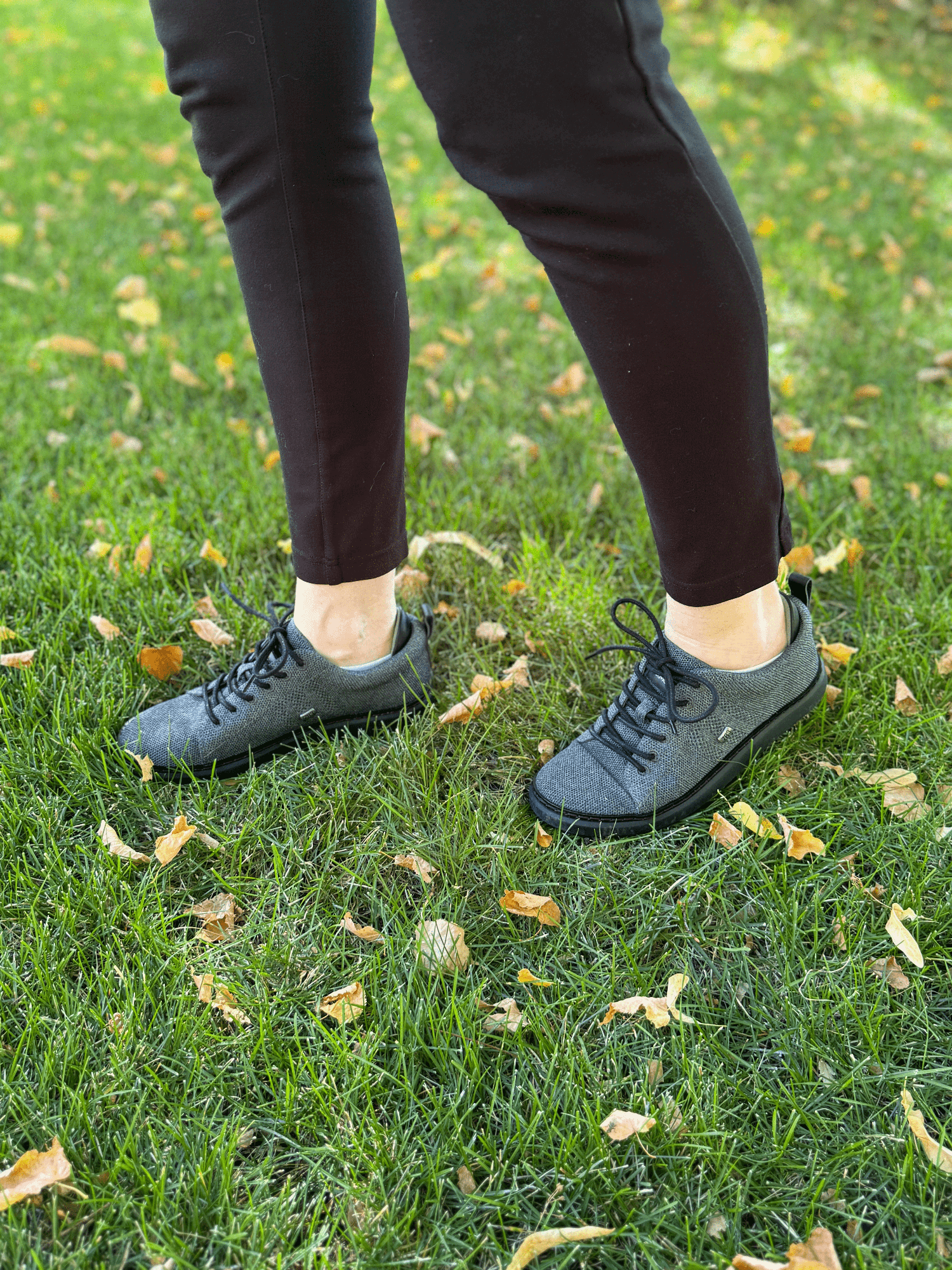
Making that connection is more straightforward than you might think. The most basic way to ground yourself is to have direct skin contact with the Earth’s surface. Walking barefoot on grass, sand, or dirt are classic examples. The goal is to let the Earth's energy rebalance your own. Of course, going barefoot isn't always practical or comfortable. That’s where technology can help. Modern grounding shoes are designed with conductive materials in the soles. This technology creates a pathway that allows you to absorb the Earth’s energy, mimicking the effects of walking barefoot while still protecting your feet. It lets you stay connected, even when you’re on the go.
What Are the Potential Health Benefits of Earthing?
Connecting with the earth is more than just a feeling; many people who practice earthing report noticeable shifts in their physical and mental well-being. The idea is that by directly connecting to the ground, you tap into the Earth’s subtle, natural energy. While the science is still developing, the anecdotal evidence and early studies point toward some exciting potential benefits. From feeling more rested to experiencing less daily discomfort, making grounding a regular habit could be a simple yet powerful addition to your wellness routine. Let's look at some of the ways practicing earthing might support your health.
Soothe inflammation and ease pain
Chronic inflammation is linked to a wide range of health issues and can be a major source of persistent pain. Some research suggests that grounding may help reduce key markers of inflammation in the body. The theory is that the Earth's surface has a natural negative charge, and by making direct contact, your body can absorb free-roaming electrons. These electrons are thought to neutralize damaging free radicals, which are a major contributor to inflammation and pain. For people dealing with everyday aches or recovering from an injury, this could mean finding gentle, natural relief simply by connecting with the ground.
Enjoy deeper, more restful sleep
If you struggle to fall asleep or wake up feeling tired, earthing might help you get more restorative rest. The practice is believed to help calm the nervous system and lower cortisol levels, the body's primary stress hormone. When you're less stressed and more relaxed, it's easier for your body to transition into a state of deep sleep. Some studies have found that people who practice grounding report better sleep quality, fall asleep more quickly, and wake up less often during the night. A consistent grounding practice could help regulate your natural sleep cycle for more restful nights and energized days.
Find calm and sharpen your focus
Feeling mentally scattered or emotionally drained can make it hard to get through the day. Grounding offers a simple way to center yourself and clear your head. By helping to reduce stress and stabilize your mood, earthing can create a sense of calm that allows for greater mental clarity. Many people find that a regular grounding practice helps them feel less anxious and more focused. This calming effect on the nervous system may improve your overall mood and combat feelings of fatigue, making it easier to concentrate on your tasks and feel more present in your daily life.
Support circulation and feel more energized
Do you ever hit that afternoon slump and wish you had more energy? Grounding may help with that. When your body connects with the earth, it can absorb its natural energy, which some studies suggest can improve circulation and reduce blood viscosity, or thickness. Better blood flow means more oxygen and nutrients are delivered to your cells, which can help you feel more vibrant and awake. Wearing conductive grounding shoes is an easy way to maintain this connection throughout the day, helping you fight off fatigue and stay energized from your morning walk to your evening errands.
What Does the Research Say About Earthing?
As more people discover the benefits of grounding, you might be curious about the science behind it. The idea that connecting with the Earth’s energy can influence our bodies is fascinating, and researchers are beginning to explore its effects. While personal stories are powerful, it’s also helpful to look at the data to understand what’s happening on a physiological level.
The field of earthing research is still growing, but the initial findings are compelling. Let's walk through what scientists have discovered so far, where the research needs to go next, and how to separate fact from fiction. This will help you feel confident as you explore how grounding fits into your own wellness routine.
A look at the promising findings
Early studies on earthing point to some exciting potential benefits. Much of the research focuses on how direct contact with the ground affects inflammation, which is a key factor in many chronic health issues. Some studies show that grounding can reduce common markers of inflammation and help lessen pain.
Beyond inflammation, scientists are exploring how earthing might influence other areas of our well-being. Some research suggests it could play a role in improving mood, easing muscle soreness, and even supporting heart health. While these studies are often small, they reveal how electrically conductive contact with the Earth can create measurable shifts in our physiology. It’s a promising start that highlights why so many people feel a real difference when they make grounding a regular practice.
Acknowledging the gaps in research
It's also important to be transparent about the current state of earthing science. Because it’s a relatively new field of study, there isn't a large volume of high-quality research just yet. Many of the existing studies have limitations, such as small participant groups or designs that make it hard to draw firm conclusions.
This doesn't mean the benefits people experience aren't real; it just means we need more extensive, rigorous studies to fully understand the mechanisms at play. Think of it like this: science is catching up to what people have intuitively felt for centuries. While we know that spending time in nature is good for us, researchers are still working to pinpoint exactly how the electrical connection from earthing contributes to our health.
Common myths about earthing
With any popular wellness practice, misinformation can spread quickly. You may have seen bold claims online that earthing can cure serious diseases. It’s crucial to approach these statements with caution. Grounding is a practice meant to support your overall well-being, not a miracle cure.
Earthing should be seen as a complementary tool in your wellness toolkit, similar to eating well, getting enough sleep, or managing stress. It is not a replacement for medical care. If you have a health condition or any medical concerns, your first step should always be to speak with your doctor. They can give you guidance tailored to your specific needs and help you safely integrate practices like earthing into your life.
Simple Ways to Practice Earthing
Connecting with the Earth is more straightforward than you might think. You don’t need a complicated routine or a lot of extra time to start feeling more centered. The beauty of earthing is its simplicity. Whether you love spending time outside, prefer the comfort of your home, or are constantly on the move, there’s a way to weave this practice into your day. Let’s walk through a few simple methods to get you started.
Get grounded in nature
The most intuitive way to practice earthing is to simply get outside and make direct contact with the ground. Think of it as a reason to kick off your shoes. Walking barefoot on grass, sand, or even a patch of dirt allows your skin to connect directly with the Earth’s surface. You can also try sitting in a park, letting your hands rest on the ground, or dipping your feet in a lake or ocean. Even gardening with your bare hands counts. The idea is to let your body reconnect with the Earth's energy, and you only need a few minutes to start.
Stay connected indoors
What if you can't get outside, or the weather isn't cooperating? You can still practice earthing from the comfort of your home. Indoor grounding products are designed to bring the Earth's energy to you. These can be mats you place under your feet while you work, special sheets you sleep on, or bands you wear. They work by plugging into the ground port of a standard wall outlet, creating a conductive path to the earth outside. Many people find that using a grounding mat for just 30 minutes a day can make a difference, making it an easy addition to your existing wellness routine.
Grounding on the go with conductive footwear
For those of us with busy schedules, it can be hard to find time to sit still. That’s where grounding footwear comes in. These aren’t your average shoes; they are designed with conductive technology in the soles that allows you to stay connected to the Earth’s energy as you walk on natural surfaces like grass, sand, or soil. This means you can practice earthing while running errands, walking the dog, or exploring a new trail. It’s a seamless way to incorporate grounding into your daily life, giving you the benefits of earthing with the comfort and protection your feet need. You can find stylish and comfortable grounding shoes that fit right into your wardrobe.
How to Choose the Right Grounding Shoes
Finding the right pair of grounding shoes can make all the difference in turning earthing into an effortless daily practice. But with different options out there, how do you pick the best ones for you? It comes down to three key things: the technology that makes them work, how they feel on your feet, and whether they fit your personal style. Let’s walk through what to look for so you can find a pair you’ll love to wear.
Check for conductive technology
The magic of a grounding shoe lies in its sole. True grounding shoes are made with special conductive materials that allow a gentle, natural energy to flow from the Earth into your body. This is what creates the physical connection that helps you tap into earthing’s benefits, like soothing inflammation and easing pain. When you’re shopping, make sure the shoes are specifically designed for grounding. While some minimalist shoes feel great, they won’t connect you to the earth unless they have this built-in conductive technology. It’s the key feature that separates a standard shoe from one that truly grounds you.
Prioritize all-day comfort and fit
For grounding to become a consistent part of your routine, your shoes have to be comfortable enough for daily wear. The best pairs are designed to mimic the feeling of walking barefoot while still giving you the protection and support you need. Look for flexible soles that move with your foot, breathable materials, and a fit that feels just right from the moment you slip them on. Whether you’re running errands or going for a long walk, your grounding shoes should feel like a natural extension of your feet, providing comfort that lasts all day long.
Find a style that fits your life
The most effective grounding shoes are the ones you actually wear, so it’s important to find a style that matches your life and wardrobe. Thankfully, you don’t have to choose between function and fashion. By mimicking the effects of walking barefoot, the right shoes can help you feel more energized and focused throughout your day. Think about your daily routine. Do you need a casual slip-on for trips to the market, a sturdy walker for your morning exercise, or a sandal for sunny days? Choosing a style you love makes it easy to stay grounded no matter where your day takes you.
Earthing Safely: What to Know Before You Start
Connecting with the earth is a natural practice, but like any wellness activity, it’s smart to be mindful of your safety. A few simple precautions can ensure your grounding experience is positive and restorative, whether you’re spending time in nature or using tools at home. Taking a moment to consider your environment and personal health will help you ground yourself with confidence and peace of mind.
Staying safe while grounding outdoors
Walking barefoot on grass or sand feels incredible, but it’s not without its risks. Sharp objects, pesticides, and bacteria can lead to injuries or infections. If you’re grounding near water, always be aware of your surroundings and follow local safety guidelines. A great way to get the benefits without the risk is by wearing grounding shoes. They create a conductive link between you and the earth while protecting your feet, so you can walk freely without worrying about where you step. This way, you can focus on the experience, not potential hazards.
Using indoor grounding tools correctly
Many people use indoor grounding mats or pads to stay connected while working or sleeping. If you use a product that plugs into a wall outlet, it’s tapping into the ground wire of your electrical system. For your safety, you should never use these tools during a thunderstorm, as a lightning strike could pose an electrocution risk. It’s also a good idea to have an electrician confirm your outlets are properly wired. Following these simple safety recommendations ensures your indoor practice remains a safe and relaxing part of your routine.
When to talk to your doctor
Earthing is a gentle and non-invasive practice for most people, but it’s always wise to listen to your body. If you have ongoing health concerns, are pregnant, or take medication regularly, it’s a good idea to chat with your doctor before making earthing a daily habit. They can help you determine if it’s the right fit for your individual health plan. This is especially important if you have foot-related health issues and are considering walking barefoot. A quick conversation with your healthcare provider can give you the confidence to move forward safely.
How to Make Earthing a Daily Habit
Building a new habit can feel like a big commitment, but incorporating earthing into your life doesn’t have to be complicated. The secret is to find simple, enjoyable ways to connect with the Earth that fit into the life you’re already living. Instead of overhauling your entire schedule, think about small adjustments you can make. With a little intention, grounding can become a natural and effortless part of your daily rhythm, helping you feel more centered and revitalized.
Start small and set realistic goals
When you’re excited about a new wellness practice, it’s tempting to jump in headfirst. But the key to making earthing a lasting habit is to start with manageable goals. You don’t need to spend hours outside every day to feel a difference. In fact, experts typically recommend at least 30 minutes of grounding to begin noticing the benefits. Think of it as a short, restorative break in your day. You could take your lunch break outside and kick off your shoes in the grass, enjoy your morning coffee on a patio with your bare feet on the ground, or take a brief walk after dinner. Starting small makes the practice feel less like a chore and more like a simple moment of self-care.
Weave grounding into your wellness routine
The easiest way to form a new habit is to attach it to one you already have. Think about your current daily or weekly activities and consider where you can add a moment of grounding. If you love gardening, try doing it with your bare hands to connect with the soil. If you have a morning meditation practice, take it outside to a grassy spot. Even reading a book or listening to a podcast can become a grounding activity if you do it while sitting directly on the earth. By incorporating these activities into your existing routine, you’re more likely to stick with them. Earthing becomes just another part of your day, like brushing your teeth or stretching before a workout.
Find your rhythm and stay consistent
Ultimately, the best grounding routine is the one you’ll actually do. Your goal should be consistency, not perfection. It’s better to ground for 15 minutes every day than for two hours once a month. Pay attention to what feels good for your body and what fits your schedule. For some, a morning walk in grounding shoes is the perfect start to the day. For others, using an indoor grounding mat while working or sleeping provides a long, passive connection. Consistency is key for experiencing the best results, so experiment until you find a rhythm that feels sustainable and supportive for your lifestyle. Don’t be afraid to mix and match methods to keep your practice fresh and engaging.
Related Articles
- Earthing & Grounding Basics: FAQs Explained
- Grounding Shoes Explained: Why Copper Isn’t the Only Way to Stay Connected to the Earth
- Grounding Techniques for Anxiety Relief
Frequently Asked Questions
How long do I need to ground myself to feel a difference? There isn't a magic number, but many people start to feel more centered after just 30 minutes of connection. However, the real benefits often come from consistency. Think of it like exercise; a short, daily practice is often more effective than one long session a week. The key is to listen to your body and find a rhythm that feels good for you.
Do grounding shoes work on any surface, like concrete sidewalks? Grounding shoes work best on natural, conductive surfaces like grass, soil, sand, and gravel. These materials allow the Earth's energy to flow through the shoe's sole to your body. While some moisture can make concrete slightly conductive, dry asphalt and most city sidewalks will act as a barrier, so you'll want to step onto a patch of grass or dirt to get connected.
Can't I just wear minimalist shoes or go barefoot instead? Going barefoot is a wonderful way to practice earthing, but it isn't always practical or safe. Most standard shoes, including many minimalist styles, have rubber or plastic soles that insulate you from the ground. True grounding shoes are different because they have conductive technology built into the soles, creating a direct link to the Earth while still protecting your feet.
Is earthing safe for everyone? For most people, earthing is a very safe and natural practice. It's simply about reconnecting with the ground. However, if you have a significant health condition or use certain medical devices, it's always a good idea to speak with your doctor before starting any new wellness routine. This helps you make sure it's the right choice for your personal health plan.
What's the difference between earthing and just spending time outside? Spending time in nature has many proven benefits for your mental and physical health. Earthing is a specific part of that experience. It refers to the direct physical connection between your body and the Earth's surface, which allows for an exchange of energy. While a walk in the woods is great, you get the specific benefits of earthing when you make that skin-to-ground (or grounding shoe-to-ground) contact.