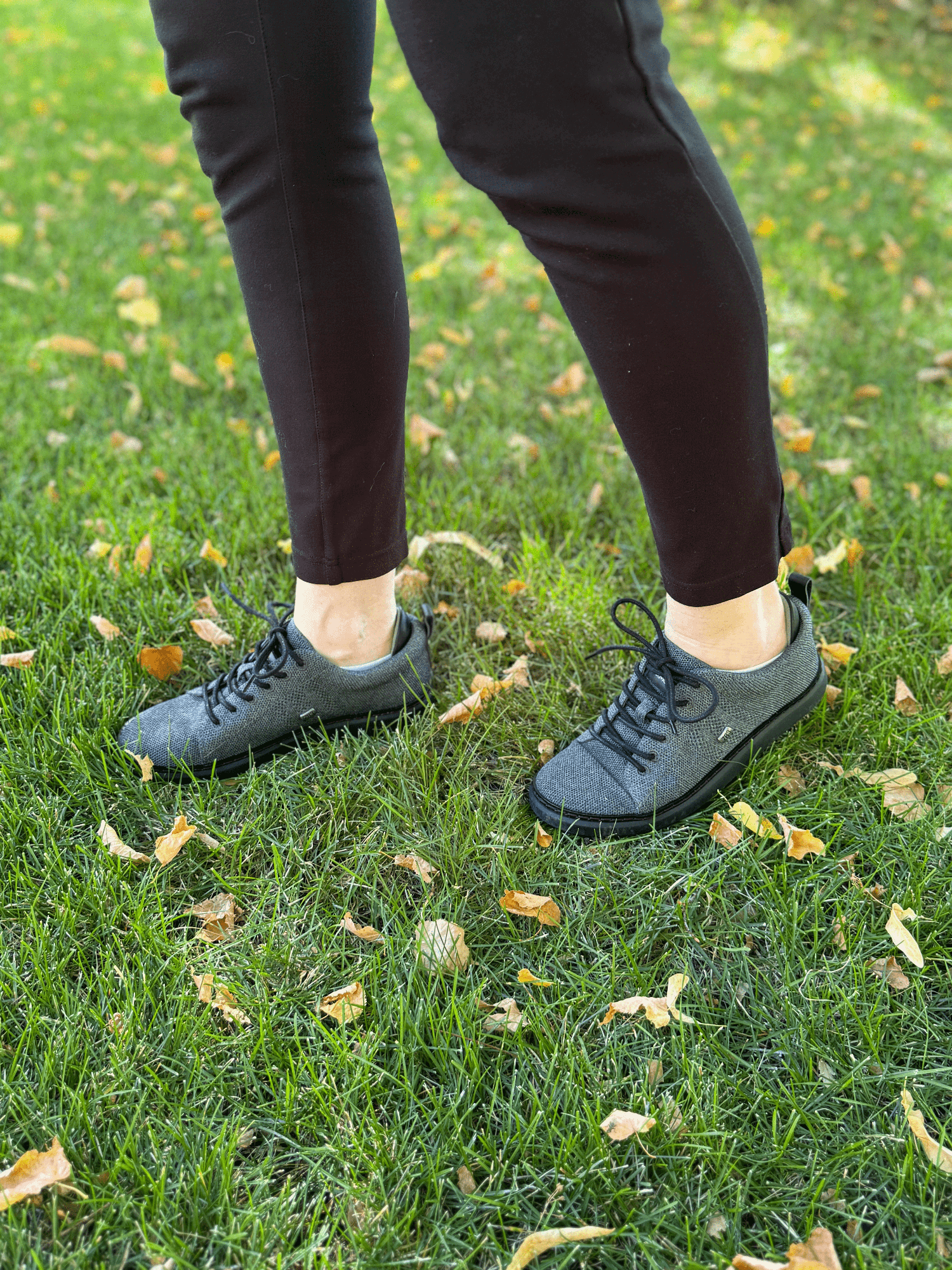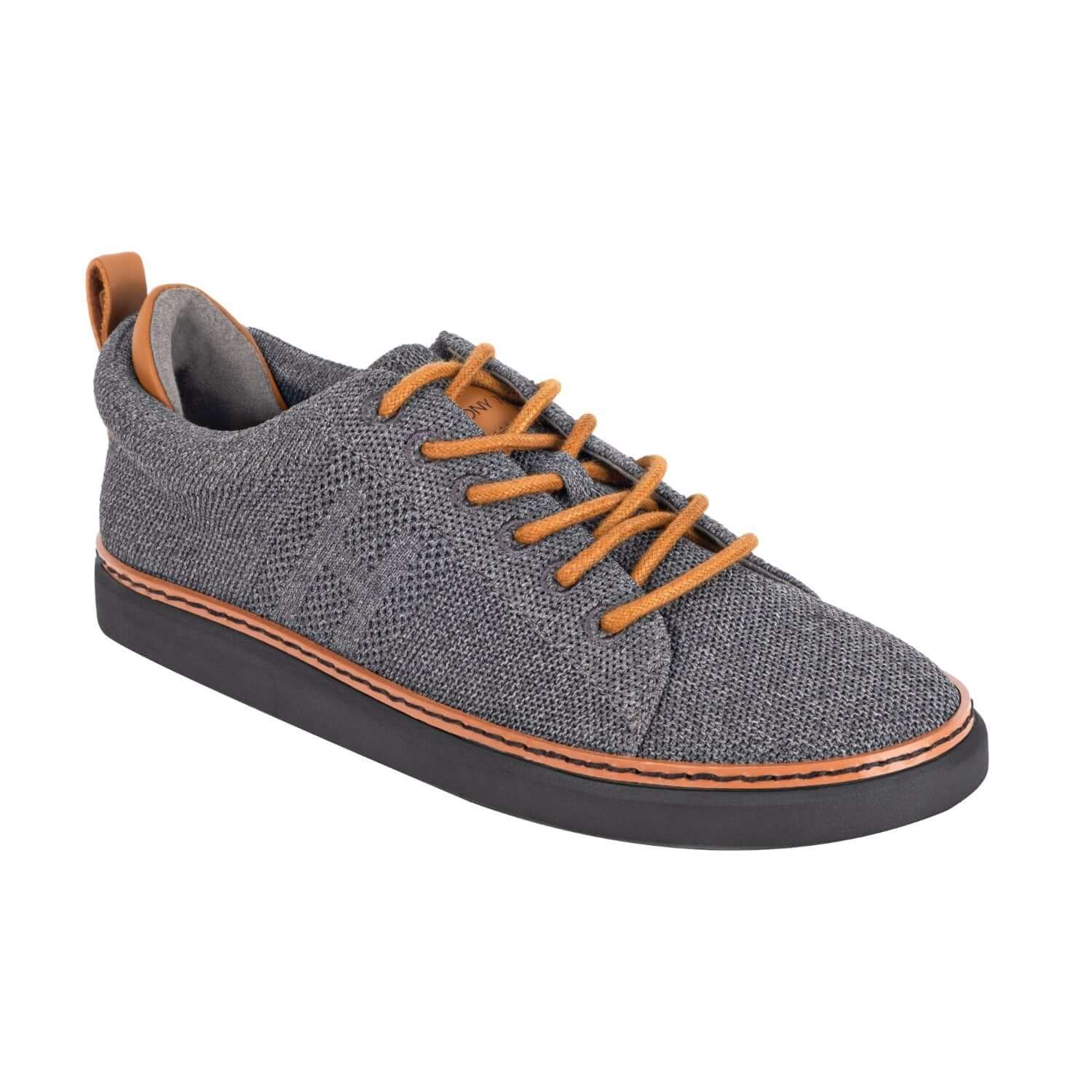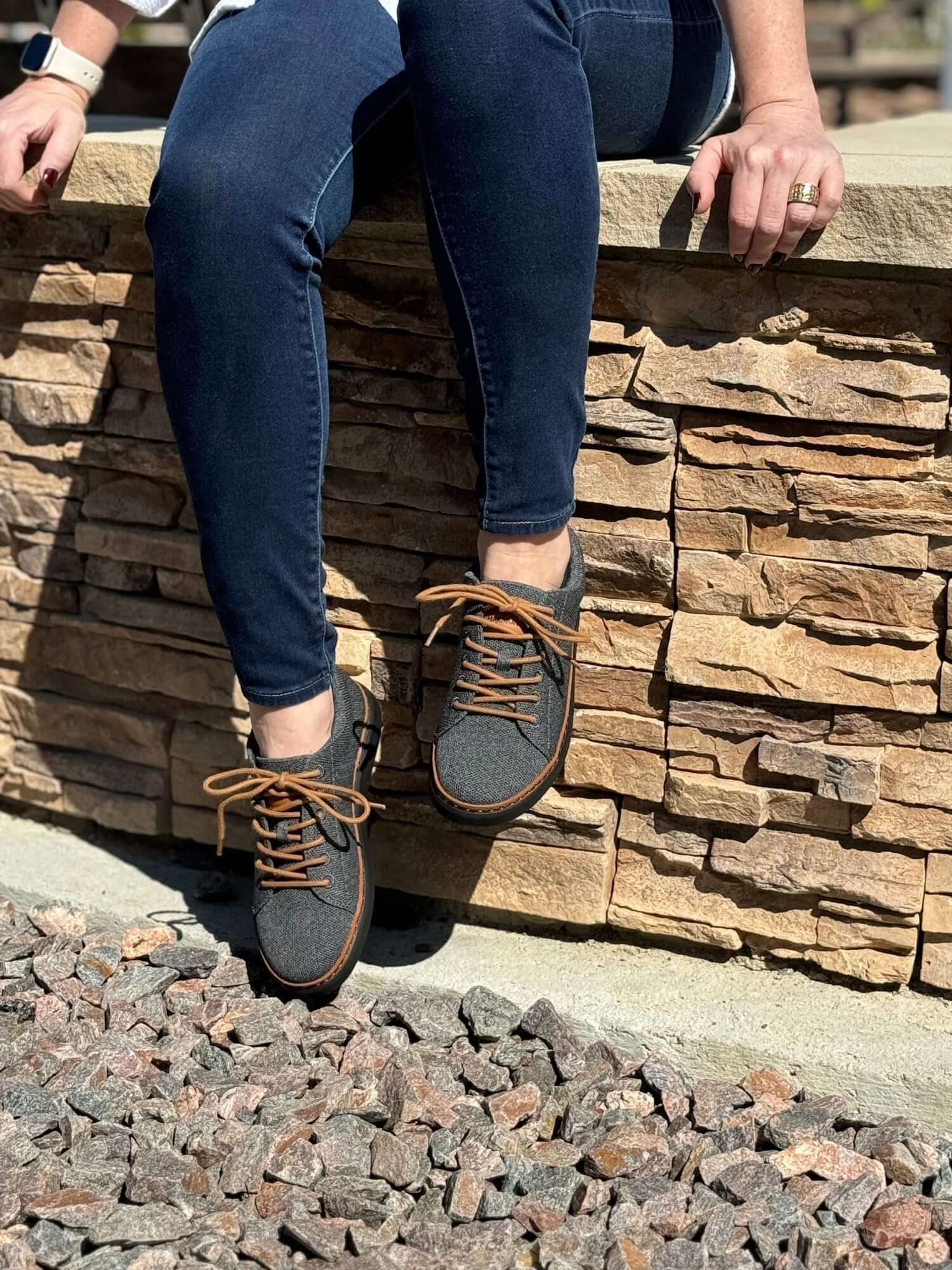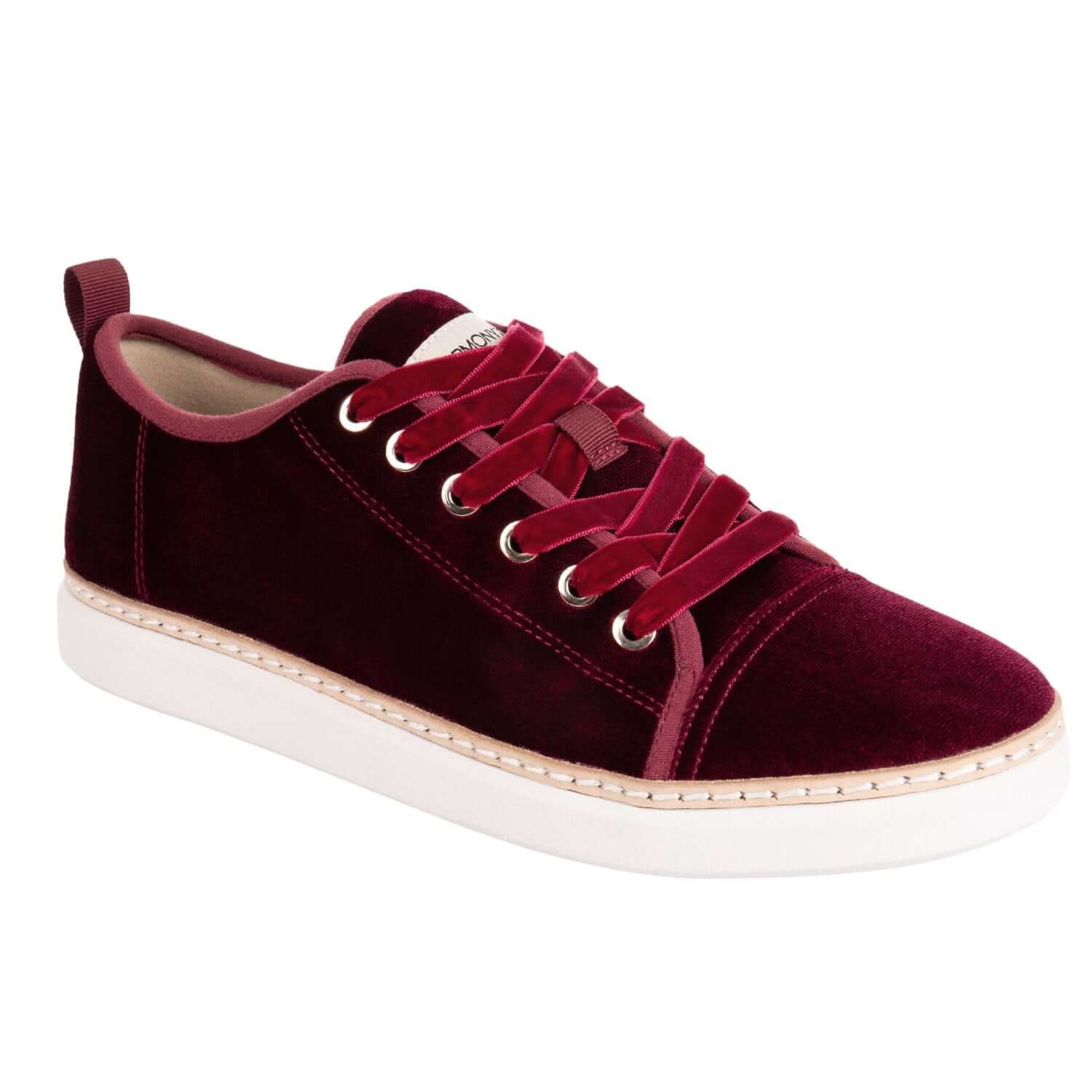

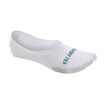


If you are looking for the best conductive socks for circulation, it helps to separate two different ideas: electrical conductivity and medical compression. Conductive socks are made to be part of a grounding connection. They are not automatically compression garments, and they should not be treated as a way to diagnose or improve a circulation problem.
Browse our collection of grounding socks
That distinction matters when you shop. Start by checking how the sock is designed to connect with compatible footwear, how it fits, and what the maker actually says about its use. If you have ongoing symptoms or a diagnosed condition, footwear is not a substitute for medical guidance.
What does “conductive” mean in a sock?
In a grounding footwear setup, the intended path runs from the wearer through conductive parts of the shoe to the ground. Some socks may have conductive fibers or design features that help maintain contact with a shoe’s conductive footbed. The details vary by product, so read the maker’s description rather than assuming all socks work the same way.
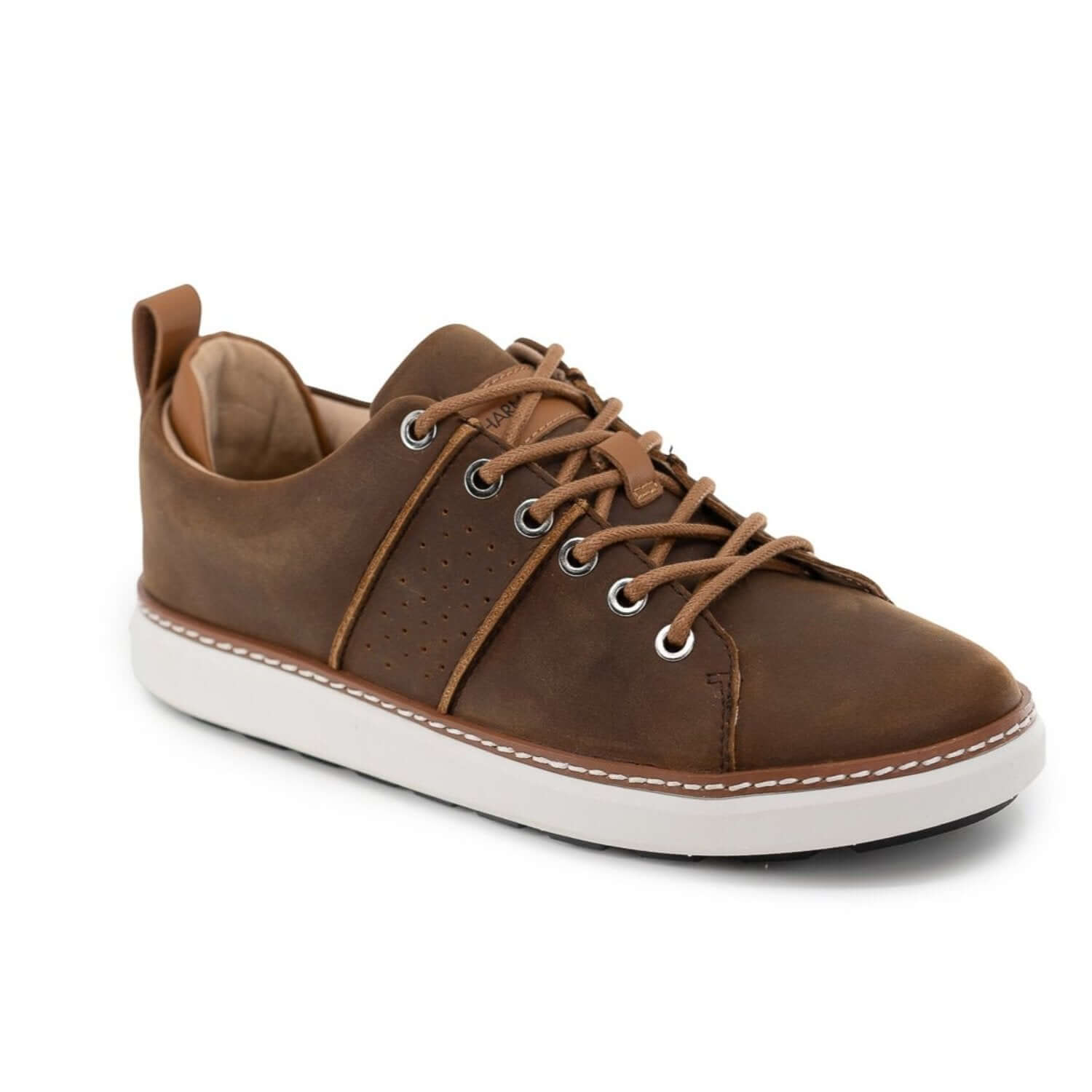
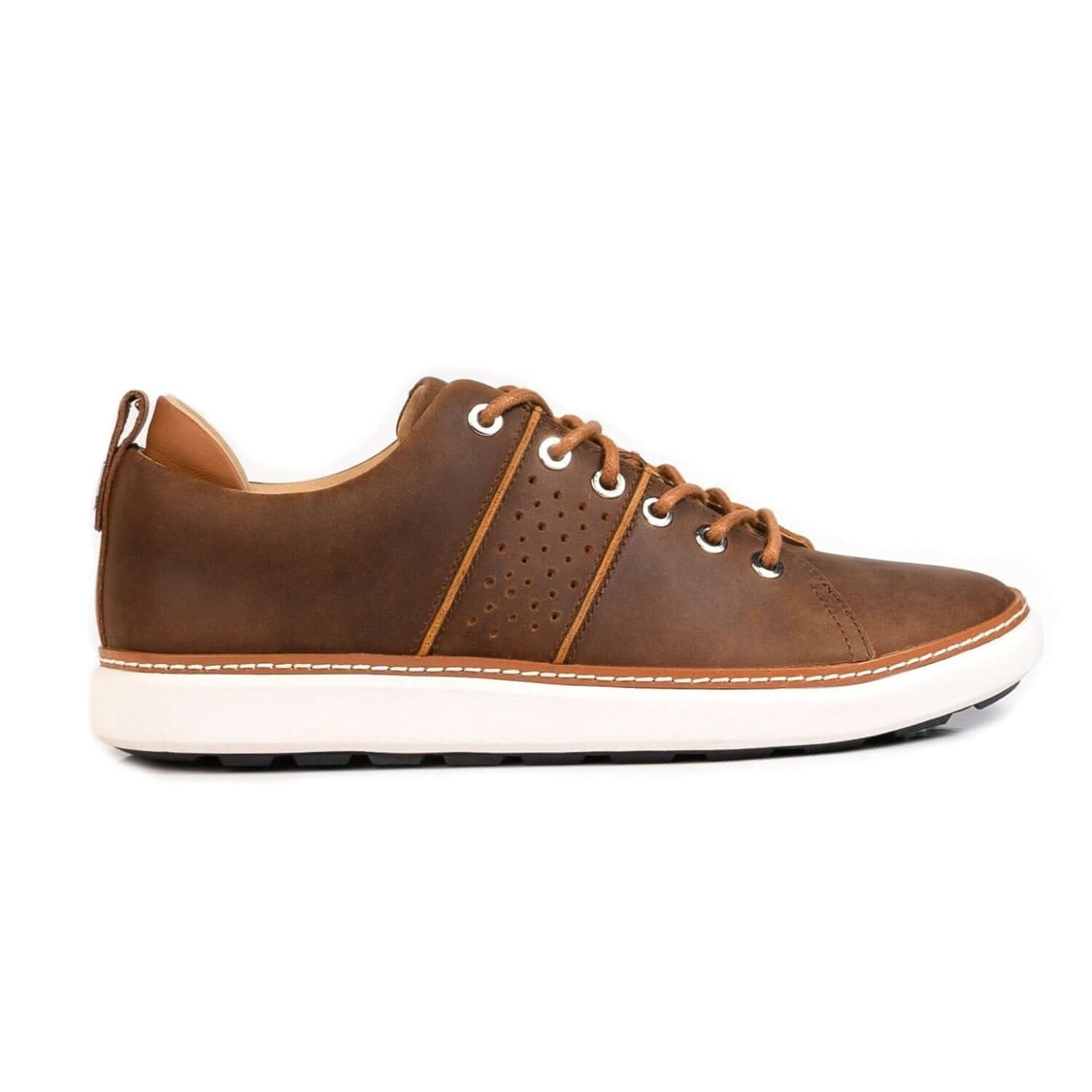
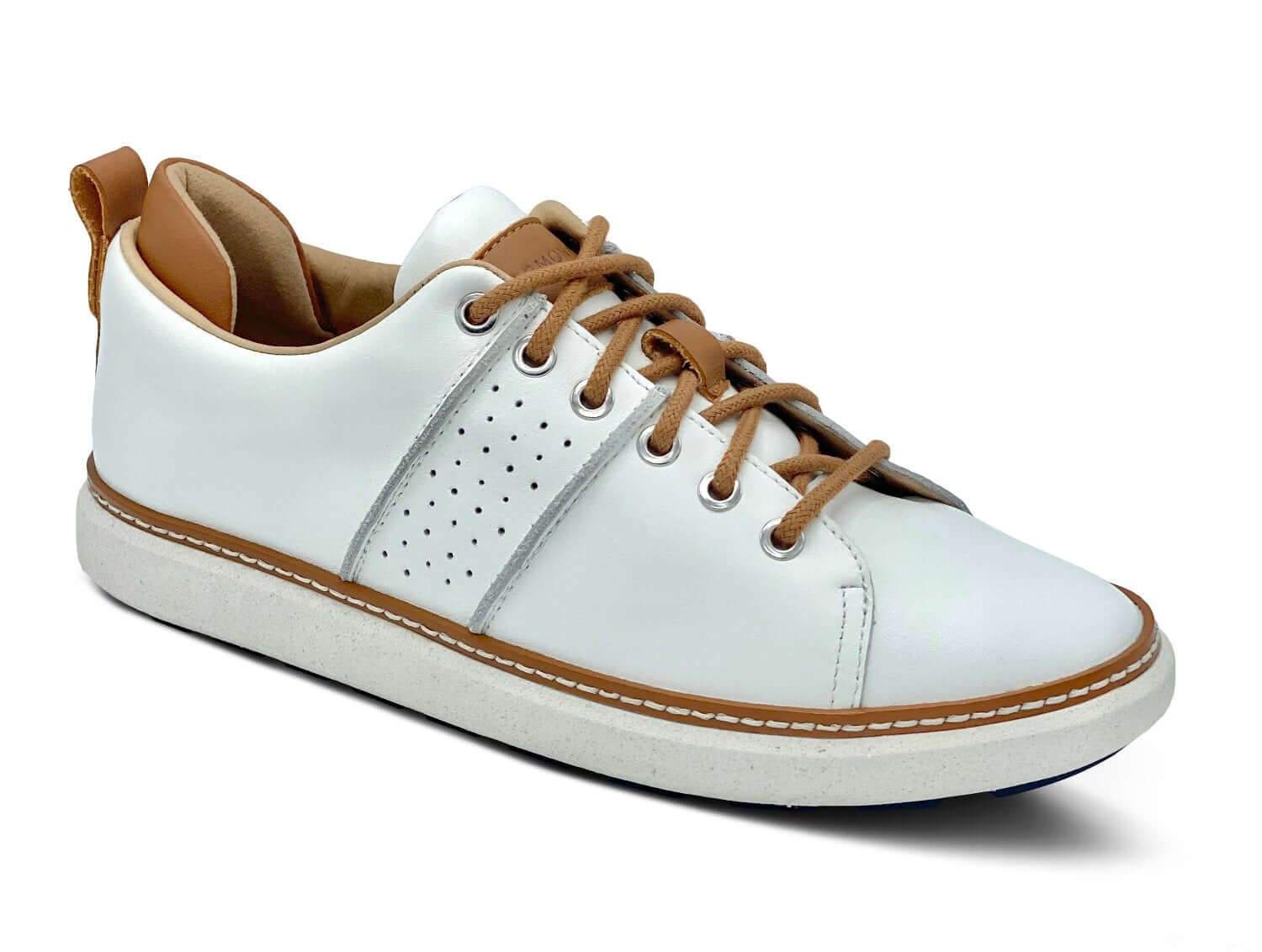
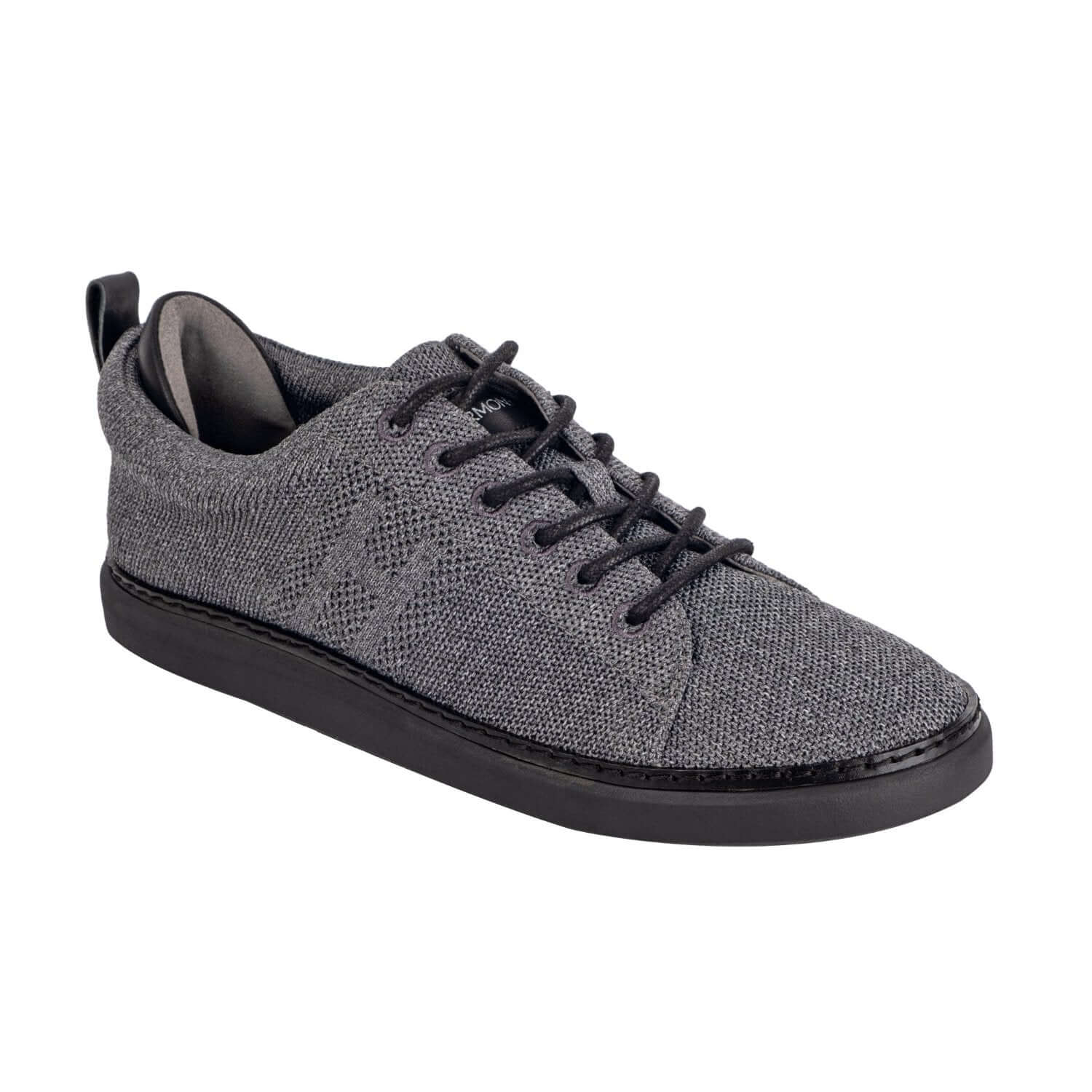
A sock on its own does not make an ordinary shoe a grounding shoe. The shoe must also be specifically constructed to allow a conductive connection. Ask: was this shoe actually built for grounding, and can the sock maintain contact with its conductive components? If that path is interrupted by the sock, shoe, or surface, the intended connection may not be present.
For an overview of the concept, see Harmony 783’s guide to grounding and earthing and its explanation of how grounding shoes are made. These can help you understand why the construction of the full footwear system matters.
As you read product copy, look for specifics rather than relying on a label alone. Does the maker describe where the conductive element is located? Does it explain which footwear it is intended to work with? Is there a care instruction or use note that affects contact? If these details are missing, ask the seller before treating the sock as a functional part of a grounding system. The goal is to understand what the item is designed to do, not to infer a health result from a material name.
Are conductive socks the same as compression socks?
Compression socks are designed to apply graduated pressure. They are used in specific situations, and choosing a level or style may depend on a person’s needs. Conductive socks, by contrast, are marketed for use as part of a grounding setup. A conductive sock should not be assumed to provide therapeutic compression just because it feels snug.
A page discussing compression socks and chronic venous insufficiency addresses that separate type of garment, not conductive grounding socks: a guide to compression sock features and benefits. Its subject is compression, so do not transfer claims about compression garments to conductive socks. If a clinician has recommended compression, ask them what type, fit, and pressure level are appropriate before substituting any other product.
Likewise, avoid reading “circulation” in a product search phrase as proof of a health effect. Conductive materials and a grounding connection do not establish that a sock treats poor circulation, vein conditions, swelling, pain, or any other medical concern. Harmony 783 describes its products as grounding footwear; its research and science page offers background for readers who want to explore the topic, but it is not personal medical advice.
When comparing descriptions, keep the product categories separate. A compression garment is selected for its pressure and intended use. A grounding sock is considered as part of a compatible footwear setup. A soft, close fit does not tell you which category a sock belongs to. If a product page uses medical-sounding language, check whether it clearly explains the product’s construction and the evidence for the specific claim. Do not treat a general statement about one kind of garment as proof about another.
How should you compare conductive socks?
Before buying, look for clear answers to these practical questions:
- What makes it conductive? Look for a plain description of any conductive fibers, panels, or contact zones. If the details are unclear, ask the seller rather than guessing from the product name.
- What footwear is it designed to work with? Check whether the sock is intended for a particular type of grounding shoe or footbed. A conductive sock cannot turn footwear that lacks a conductive path into grounding footwear.
- How is sizing explained? Use the maker’s size chart and compare it with your usual fit. A sock that bunches, slips, or stretches excessively may be uncomfortable and may not sit where the design expects it to.
- What does the material feel like? Think about softness, warmth, thickness, and whether the fabric works with your shoes. A thicker sock can change how footwear fits, while a thin sock may feel different over seams or sensitive areas.
- How do you care for it? Follow the label. Washing, drying, and wear can affect textile products, so do not assume a special sock can be cared for like every ordinary pair.
- What evidence supports the product claims? Separate a description of construction from a claim of health benefit. Look for specific, relevant support and be cautious if the language promises a medical result.
It can help to compare products in a consistent order instead of starting with promotional claims. First check the construction and stated compatibility. Then review the size chart and material details. Finally, read the care directions and return or exchange information so you know what to do if the fit is not right. This process will not identify a sock that treats a health issue; it simply helps you make a more informed purchase for the stated product use.
Try a simple three-part review before you add a pair to your cart. First, write down the shoe you plan to wear and check whether the sock maker identifies it as compatible. Second, note the sock’s thickness and compare it with the room inside that shoe. Third, save the care and sizing details so you can refer to them if the pair feels different after trying it on. These steps are useful because they turn a vague label into a set of details you can verify.
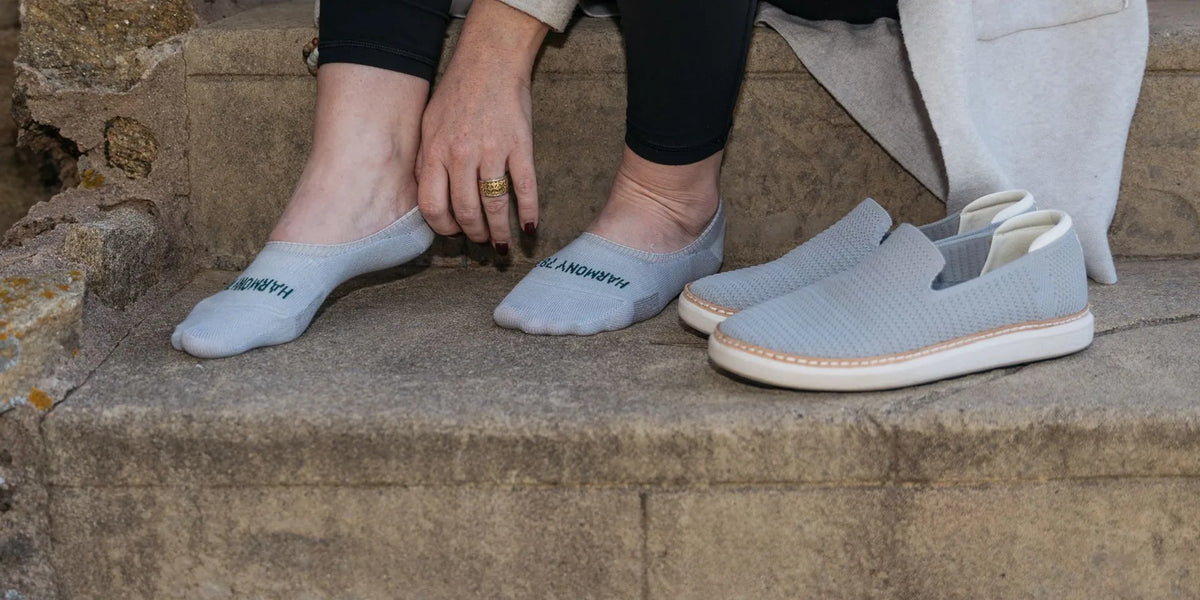
Harmony 783 offers grounding socks and information about its broader grounding shoe collection. Review the product details for current materials, fit guidance, and care instructions before choosing. Do not assume that every style is suitable for every shoe or use.

Related products

Men, look your best in these classic black conductive flip flops.
View product

How do fit and comfort affect the choice?
Fit is a practical issue, whether a sock is conductive or not. A sock that is too tight may leave pressure marks or feel uncomfortable. A loose sock may slide or form folds inside the shoe. Neither problem is a reason to size down or up without checking the product’s own guidance.
Try a new pair with the shoes you plan to wear. Check that your toes can move comfortably and that the sock does not create a new pressure point. Walk around indoors for a short time and notice whether the heel stays in place, the fabric bunches, or the shoe feels tighter than usual. If you use an insole, account for its effect on available space.
Make the fit check in the same conditions you expect to wear the socks. Put on the usual insoles, lace or fasten the shoes as you normally would, and test both feet. A sock can feel fine while you are sitting but shift during a walk. Look for a stable heel, smooth fabric over the toes, and enough room to move without pinching. If you notice rubbing or persistent discomfort, stop wearing the pair and recheck the size and shoe fit rather than trying to tolerate it.
For shoe fit, consult Harmony 783’s shoe size guide and its sock size guide. The fit of your shoe and sock work together, so review both rather than selecting socks in isolation. If you are comparing styles, the grounding walking shoes and grounding sneakers collections show different footwear options. Product pages are the place to confirm the details for a specific pair.
Comfort can change over the day, too. Feet may feel different after time spent standing or walking, and a sock that initially seems fine may rub after repeated steps. When testing a new pair, start with a short, low-pressure wear period at home. Check again after taking the shoes off: look for persistent marks, dampness, bunching, or a tender spot. Those observations do not diagnose a circulation issue, but they can tell you whether the sock-and-shoe combination is comfortable enough for ordinary wear.
What should you check before choosing?
This quick comparison can help keep unlike products in their proper categories. It is not a medical recommendation or a ranking of products.
| What you are comparing | Conductive grounding socks | Compression socks |
|---|---|---|
| Main design feature | Conductive components intended for use with compatible grounding footwear | Fabric construction intended to apply pressure to the leg |
| What to verify | Conductive design, compatible shoe, fit, and care directions | Intended use, fit, and any guidance from a qualified health professional |
| What the category alone does not prove | A circulation benefit or treatment effect | That one pressure level or style suits every person |
| Useful next step | Read the product and footwear details together | Ask a clinician or other appropriate professional when you have a health concern |
Think of this as a decision aid: first identify what you want the product to do, then check whether its design matches that purpose. If your main need is a medically recommended compression garment, shop according to that guidance rather than choosing a conductive sock based on the word “circulation.” If you want grounding footwear, check both the shoe and sock details.
For a grounding setup, make compatibility a separate check rather than treating “conductive” as a complete answer. Look for product-specific directions about the shoe, footbed, sock construction, and intended contact. If the seller does not explain how the pieces are meant to work together, ask before purchase. Avoid assuming that a particular fiber or appearance confirms that the full connection is present.
For example, imagine that you already own a pair of ordinary walking shoes and see a sock described as conductive. The description alone does not show that those shoes contain a conductive path. Check the shoe’s own construction information, then look for sock-specific directions on contact and use. In a second case, you may already own grounding footwear but prefer a thicker sock in cold weather. Ask whether the sock style is intended for that footwear, then test how the added thickness affects fit. The same label does not answer both questions; each component and the way they fit together matter.
What practical expectations should you have?
Keeping expectations grounded makes shopping easier. Product specifications can tell you about materials, construction, sizing, and intended use. They cannot tell you whether a product is right for your personal health needs. Even when a product is designed to support a grounding connection, that design description should not be turned into a promise about blood flow, pain relief, or a medical outcome.
It may be useful to make a short list before you shop: the shoes you plan to wear, the sock thickness you prefer, the size information you need, and any care requirements that matter to you. If the primary reason for shopping is a symptom or a clinician’s recommendation, put that issue first and ask for professional guidance before making a product substitution. These are two separate decisions: comfort and compatibility are shopping questions, while diagnosis and treatment are health questions.
Also set an expectation for what a product page can answer. It may explain fiber content, sock height, available sizing, or recommended care. It may not explain how a particular item will feel on your feet, and it cannot assess an individual health concern. If you cannot find a detail that matters to your choice, contact the seller or compare another product with clearer information. A transparent description is more useful than a broad claim that does not say what the product does.
When should circulation concerns get professional attention?
Do not use a footwear purchase to investigate a new or persistent health concern. If you are worried about changes in your legs or feet, or you have been given care instructions for a circulation-related condition, contact an appropriate health professional. They can assess your situation and explain whether a particular garment or other step is suitable.
This is especially important if you have been told to use compression or have questions about swelling, pain, numbness, skin changes, or a condition that affects your feet or legs. Product descriptions cannot assess your personal health, and an online article cannot replace an examination. If symptoms are sudden, severe, or otherwise alarming, seek prompt medical help through the appropriate local service.
For general shoe shopping, Harmony 783’s frequently asked questions and promise and warranty information can help with product and purchase details. For questions about a particular item, use the brand’s contact page. Neither product support nor a shoe guarantee is a substitute for health advice.
If you are unsure which type of sock or footwear is appropriate, keep the health question separate from the shopping question. You can gather product information, such as size and material, and share it with your clinician when asking for guidance. Do not stop, start, or replace a recommended treatment based only on a product description or an online article.
Discover the grounding socks range
What are common questions about conductive socks?
Can conductive socks improve circulation?
There is not enough basis here to say that conductive socks improve circulation. Conductive construction describes a material or connection, not a proven medical result. If you have concerns about circulation, ask a qualified health professional for guidance.
Can I wear conductive socks with any shoes?
Do not assume so. The sock and shoe need to be compatible with the intended conductive path. Ordinary footwear is not grounding footwear unless it was specifically constructed to allow grounding. Review the product details for both items.
Are conductive socks a replacement for compression socks?
No. They are different product categories. If compression has been recommended to you, follow the advice of the professional who recommended it and ask before changing products.
How do I choose a size?
Use the sock maker’s size chart and consider how the sock fits inside your shoes. Avoid bunching, slipping, and uncomfortable pressure. Check the shoe size guide as well if the fit feels different with the socks on.
Where can I learn about grounding shoes?
Start with the brand’s grounding overview, then check the construction and product details for any shoe you are considering. A general explanation does not replace product-specific compatibility information.
How can you make a practical choice?
Before choosing, name your purpose. If you want a comfortable sock for a compatible grounding footwear setup, compare its construction, fit, thickness, care instructions, and shoe compatibility. If your goal is compression or help with a health concern, seek advice about the appropriate garment instead of expecting conductivity to answer that need.
The best choice is one that fits comfortably, clearly matches your intended use, and comes with claims you can evaluate; treat circulation concerns as a reason to seek appropriate professional guidance, not as a promise a sock can fulfill.