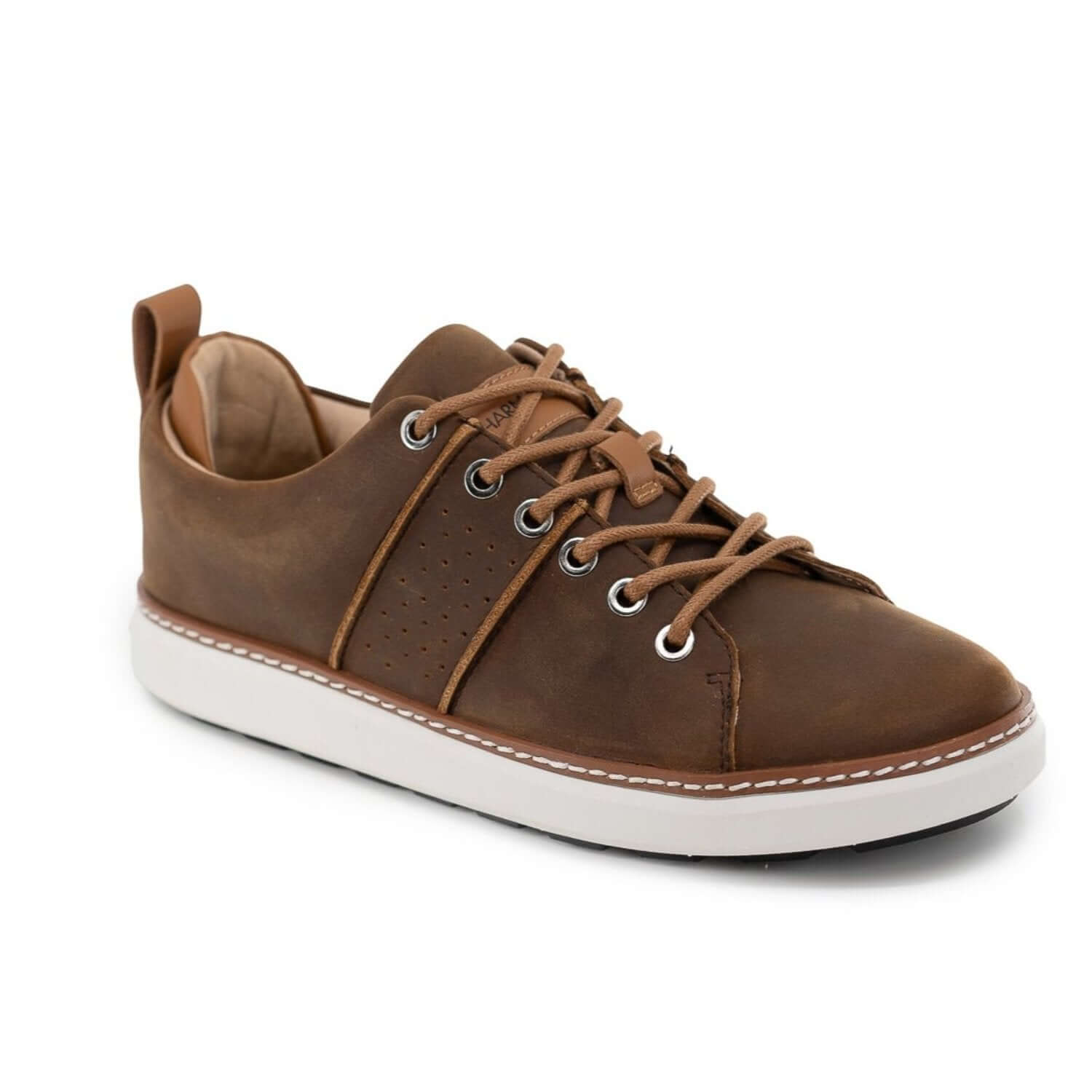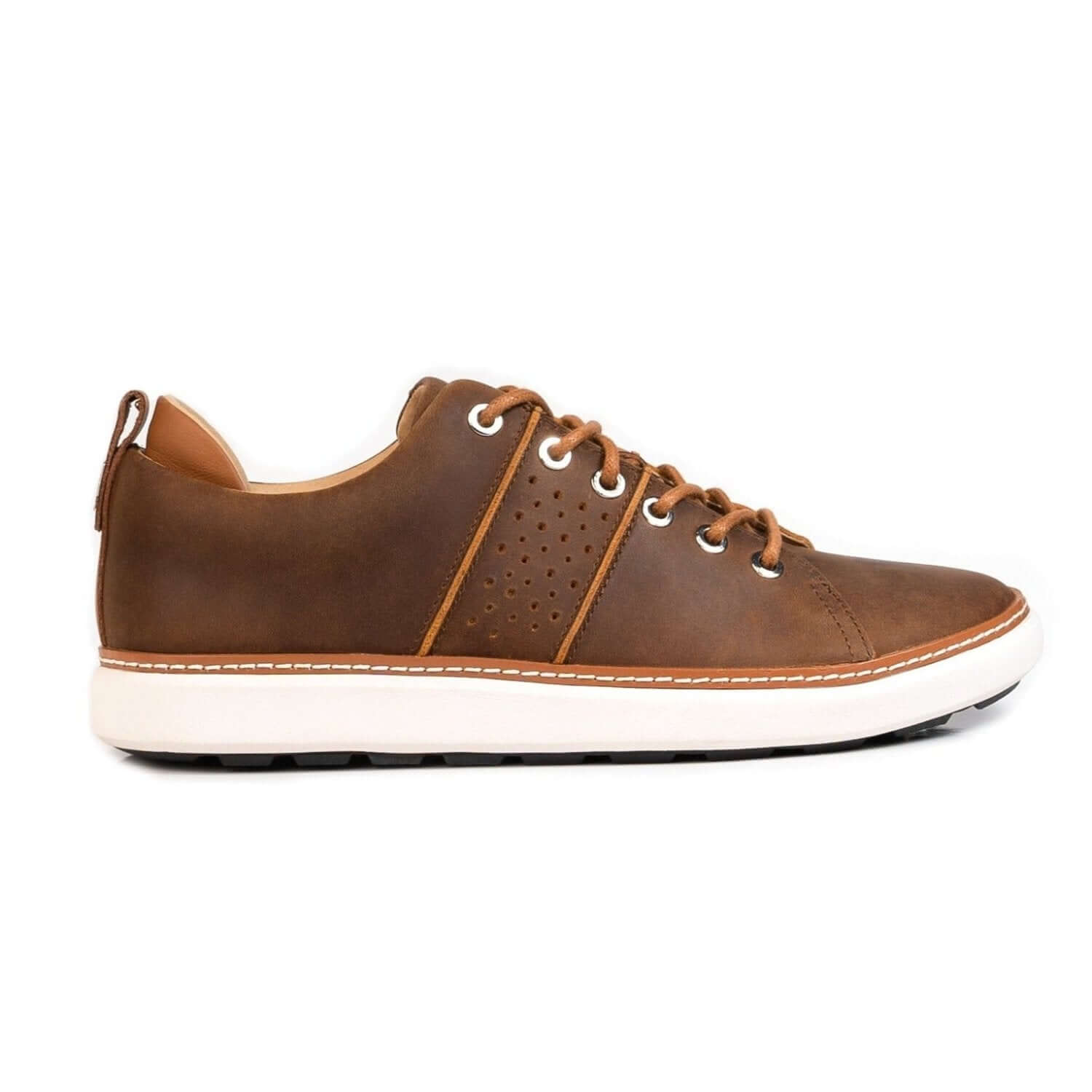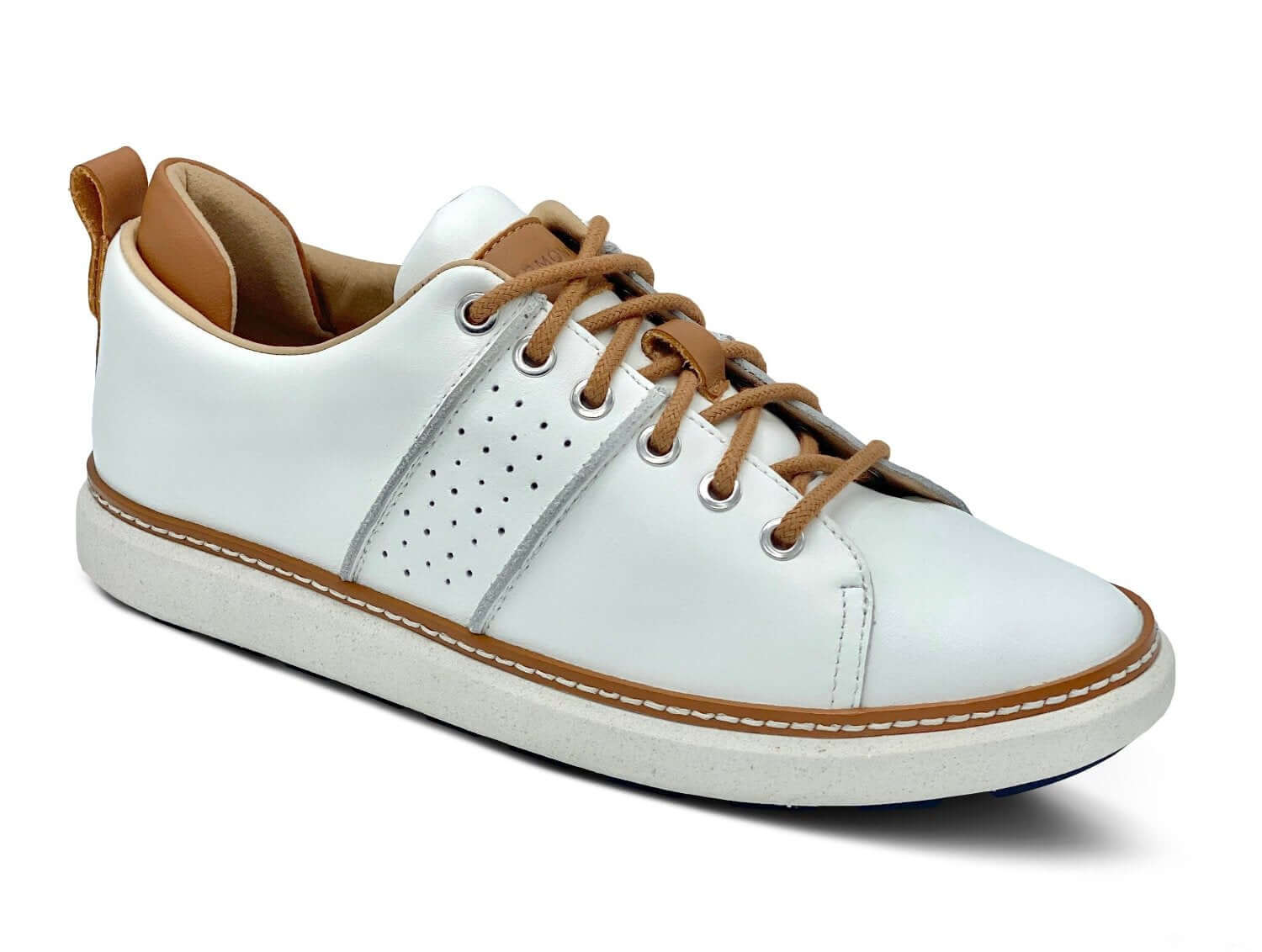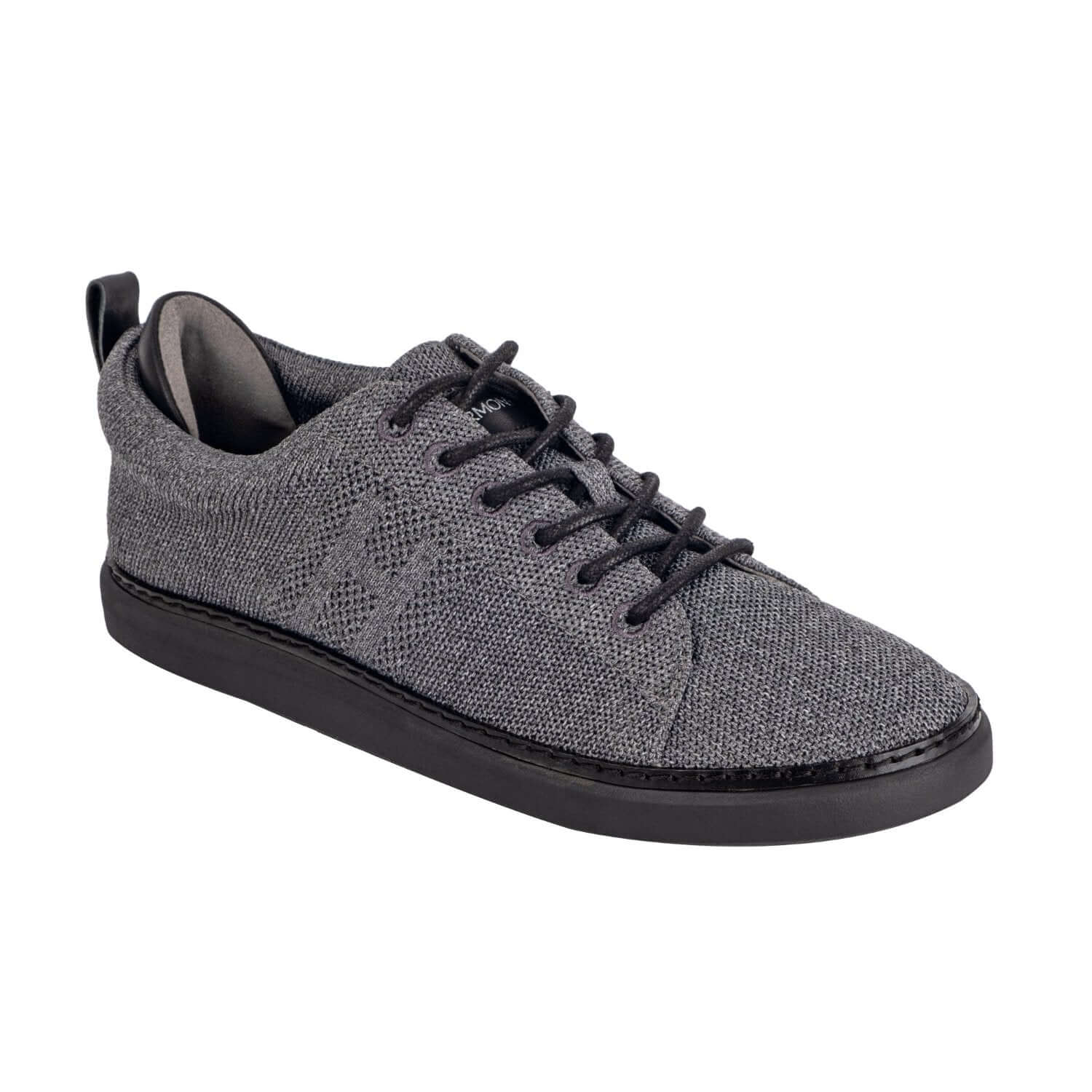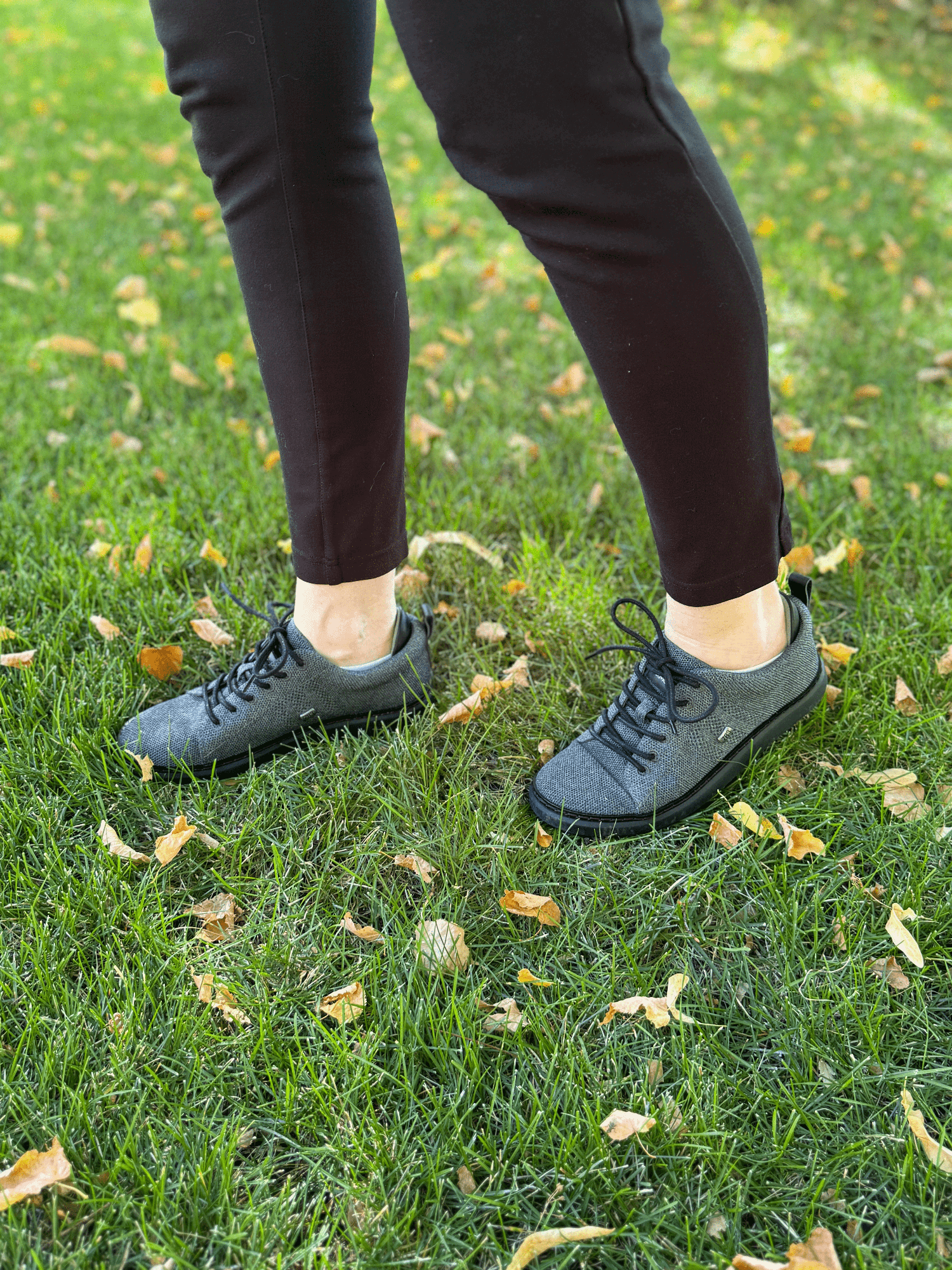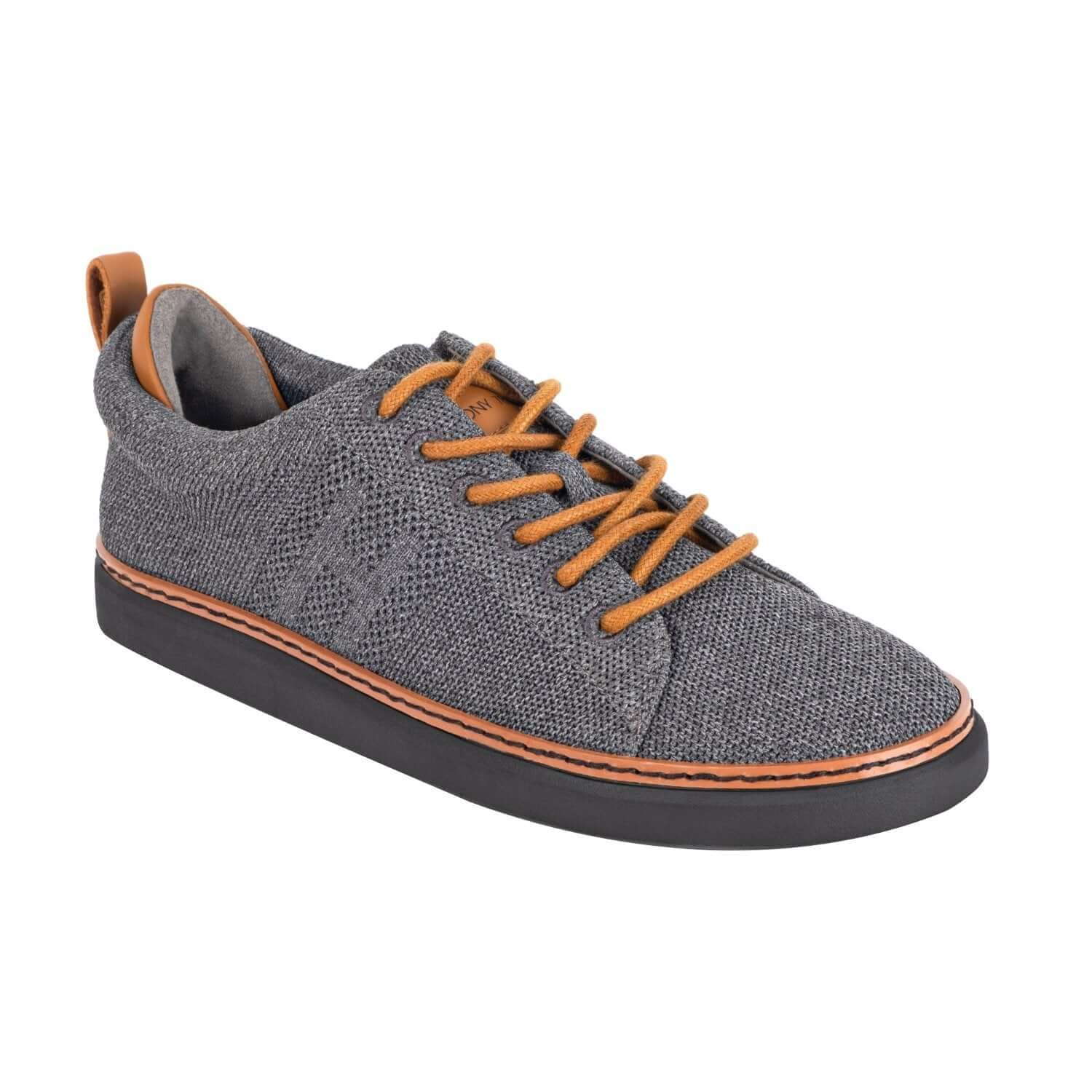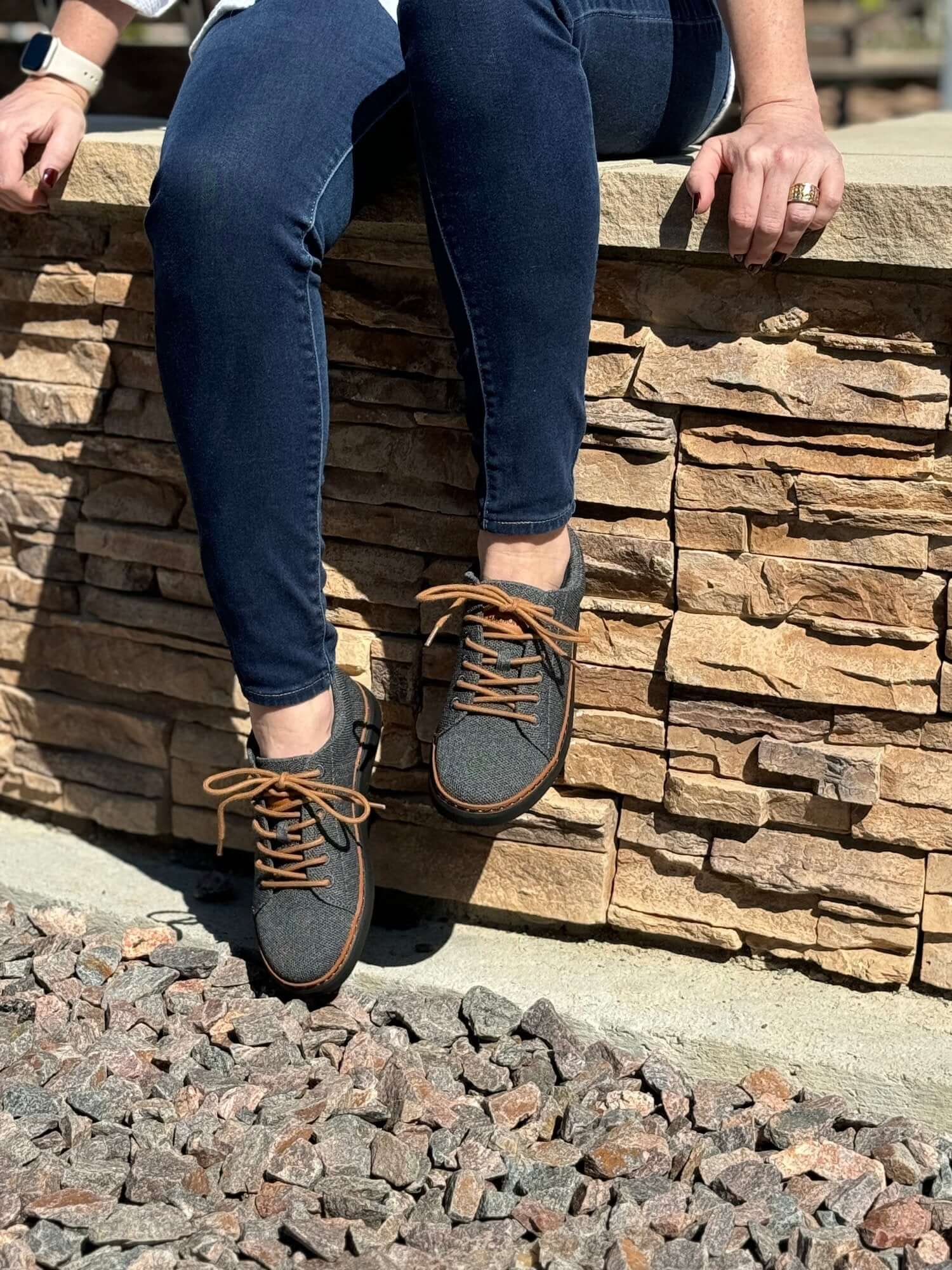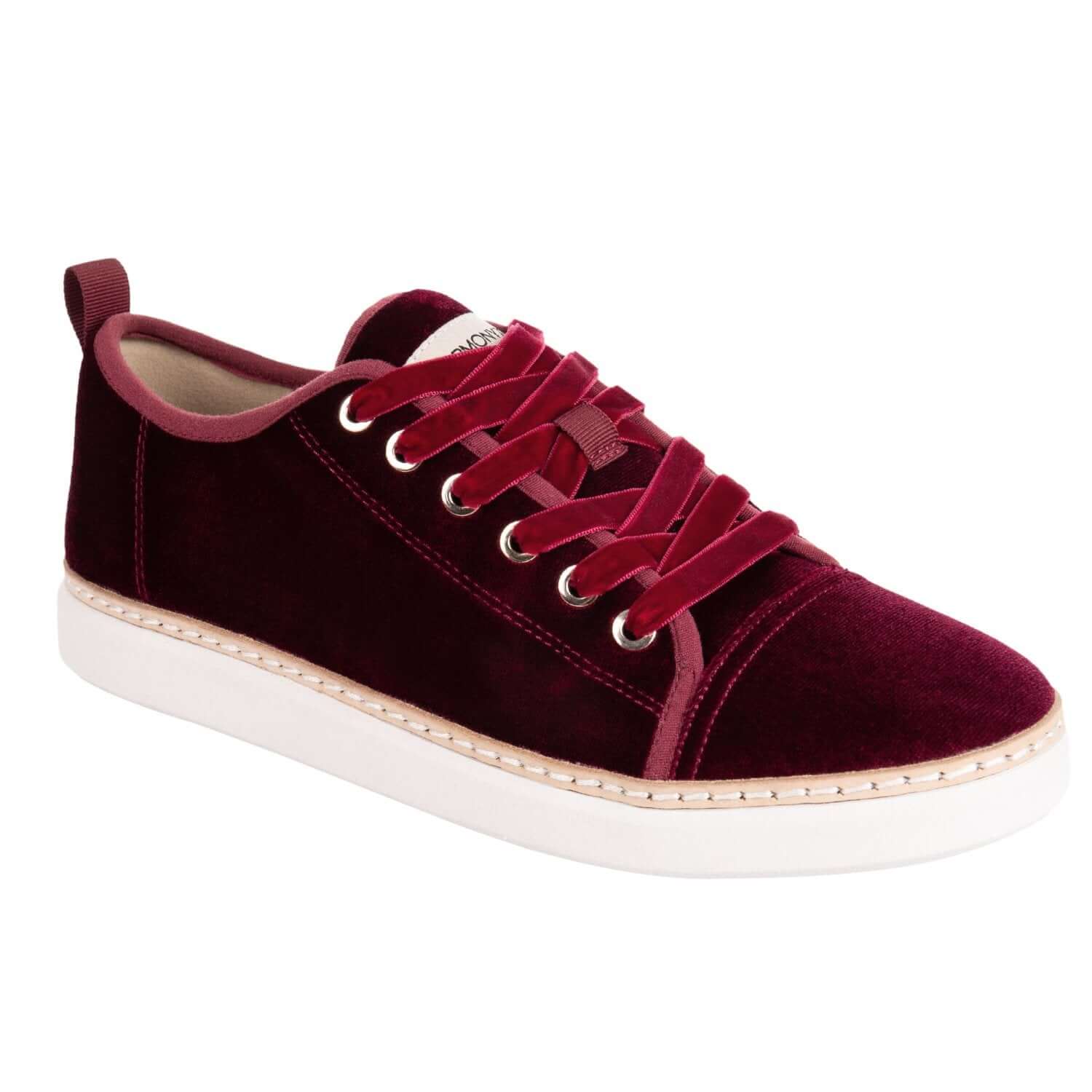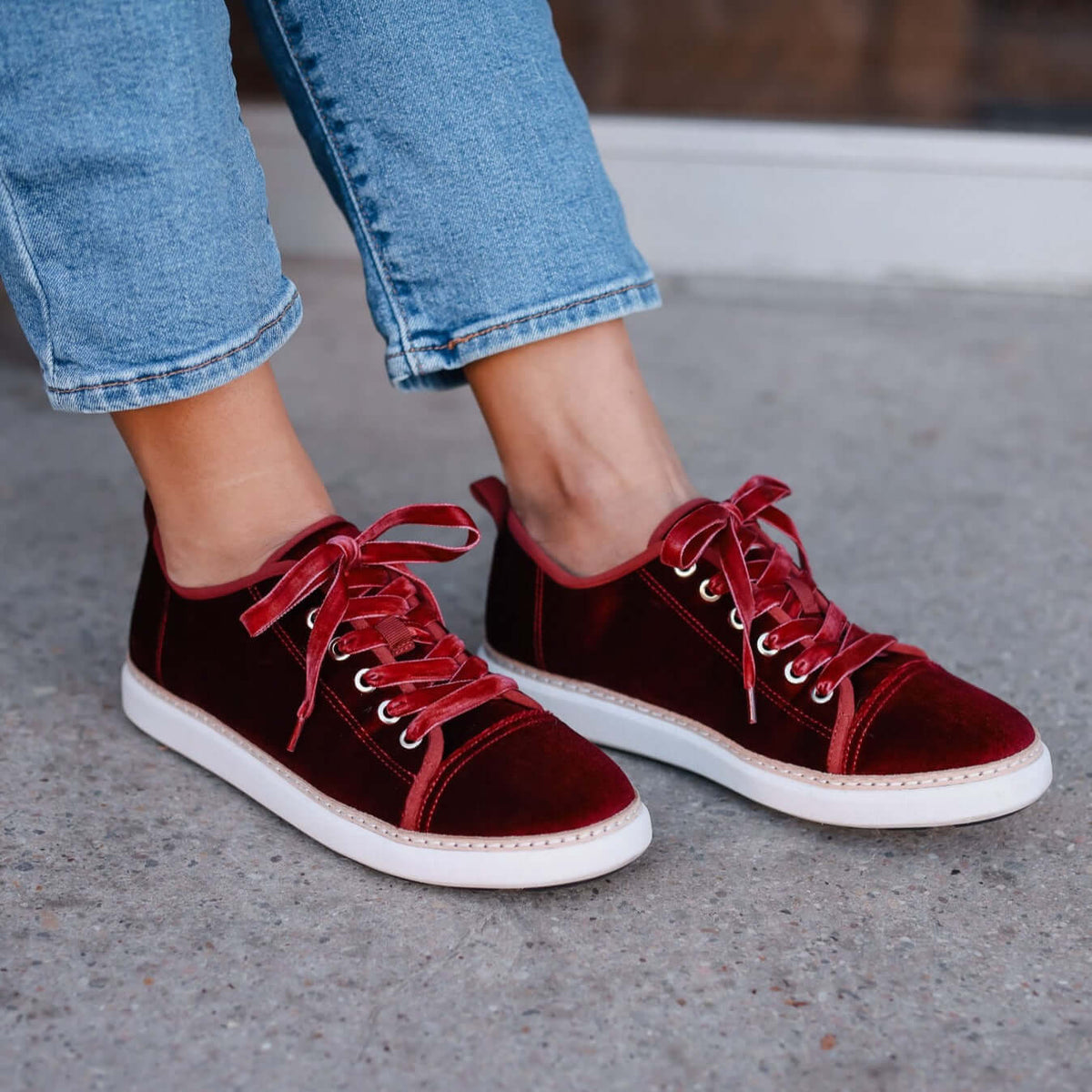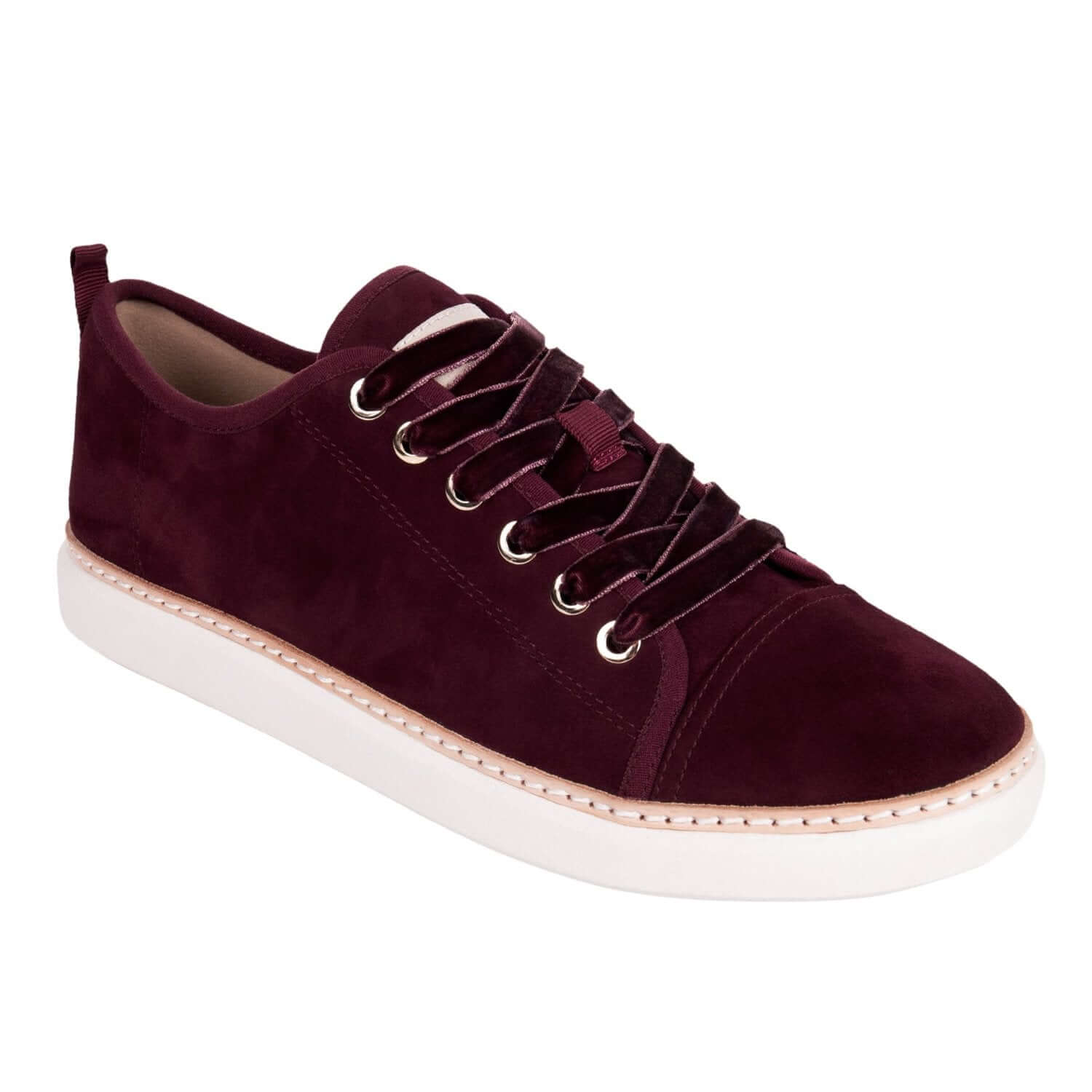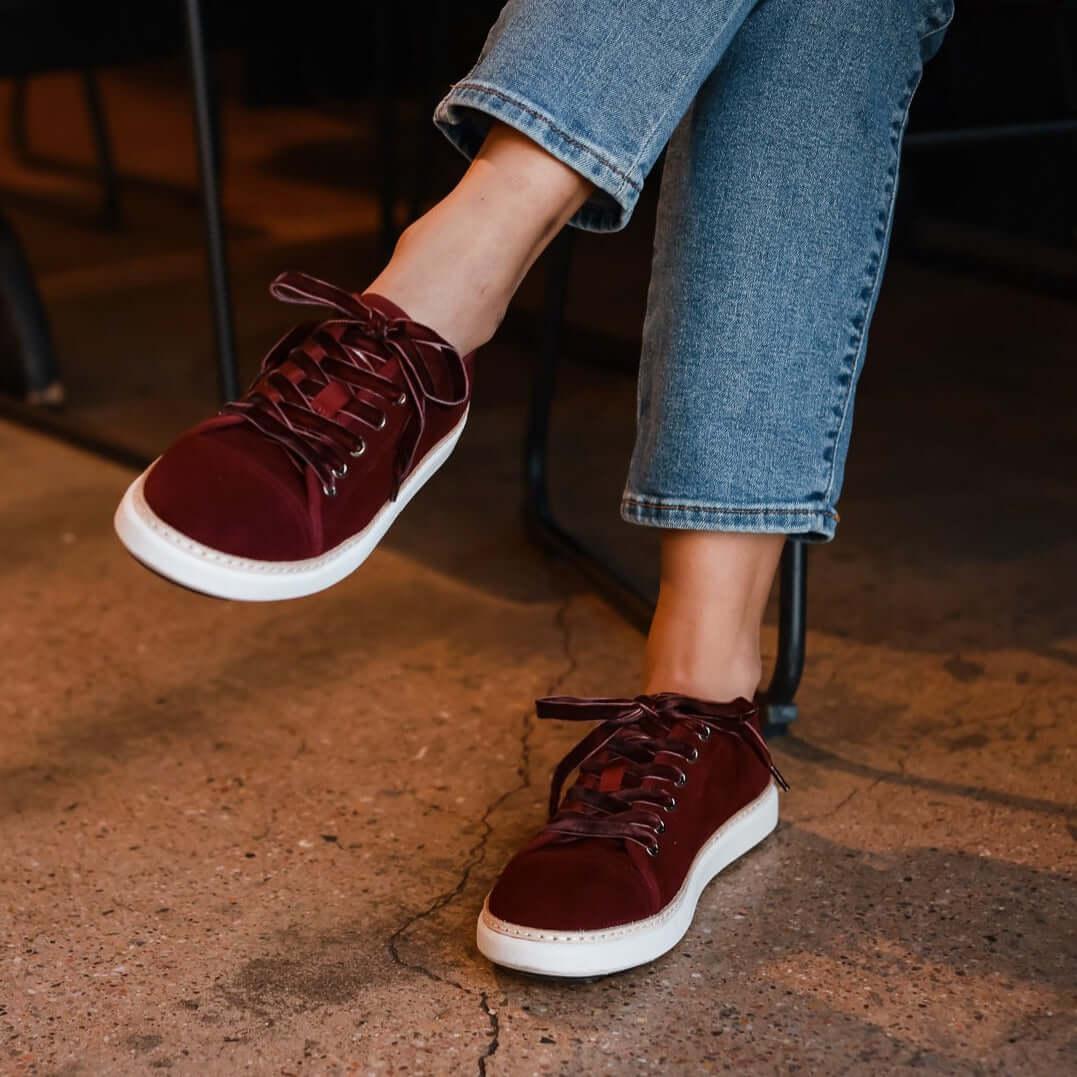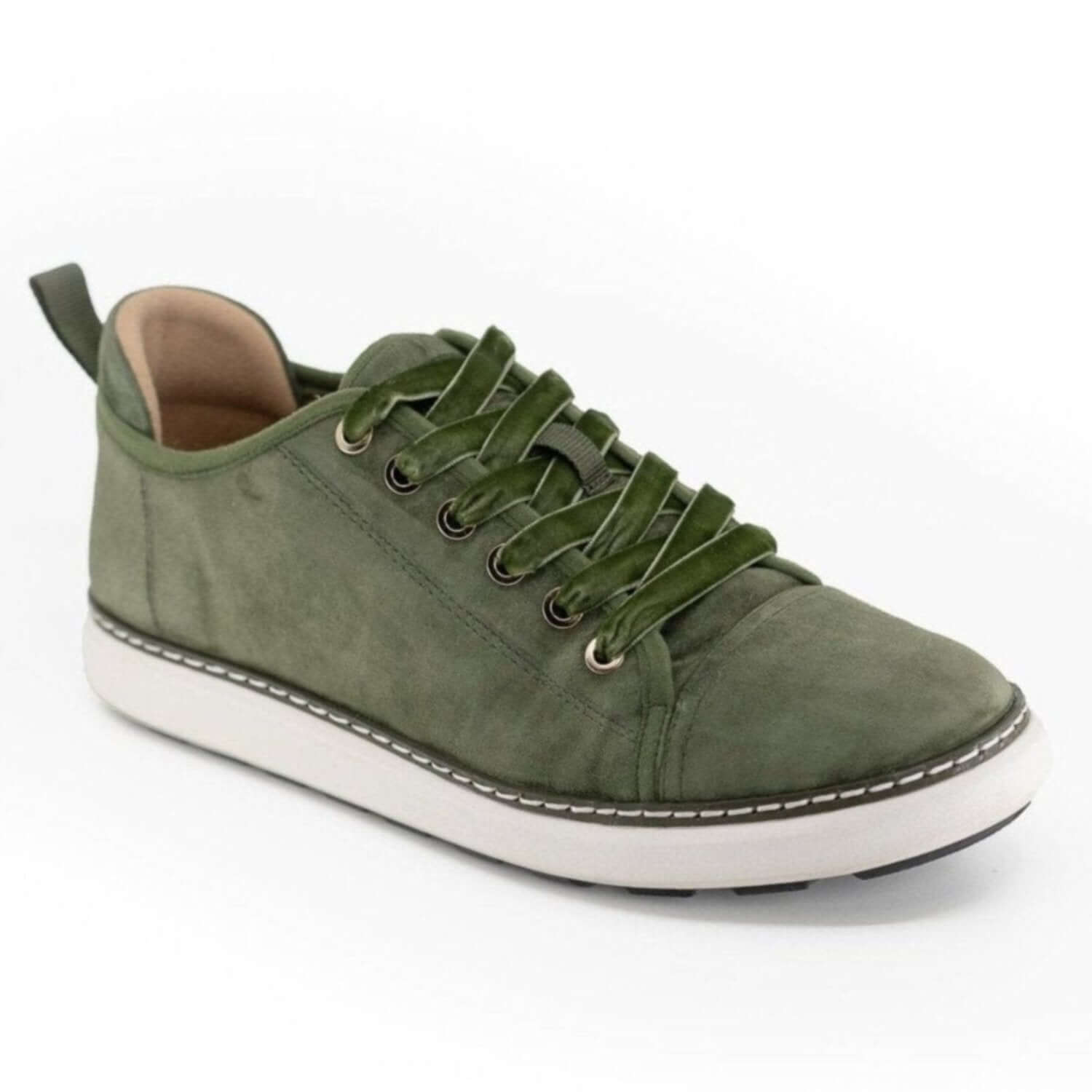

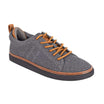
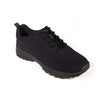
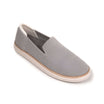
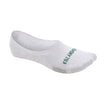
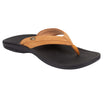
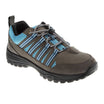
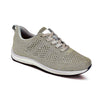
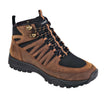
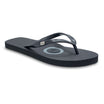
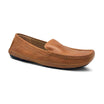
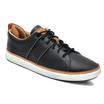

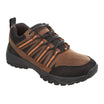

This guide compares affordable grounding shoes under 100 dollars budget options without treating every low-priced shoe as equal. A lower budget does not mean you have to skip the research. Compare sale styles, sandals, socks, and other entry points while checking whether each option has a real conductive pathway.
Browse current grounding options under $100
Quick answer: Look for footwear deliberately built to connect the wearer with the ground, then weigh conductivity, comfort, coverage, fit, return terms, and current availability. A barefoot or minimalist label alone does not make a shoe grounded.
For broader product comparisons, see Harmony 783's best grounding shoes buying guide. This article has a narrower job: help price-sensitive shoppers compare realistic entry points and check a live offer before ordering.
Why Do Grounding Shoes Cost More Than Regular Footwear?
Regular footwear mainly needs to protect your feet, support movement, and hold its shape. Grounding footwear adds another design goal: creating a conductive path between your feet and the ground. That extra construction can affect materials, assembly, testing, comfort, and the final price.
Answer capsule: Grounding shoes can cost more because they use specific conductive materials and a deliberate pathway, not simply a barefoot shape or thin sole.
What is inside a conductive shoe?
Harmony 783's Groundworks construction is described as a five-layer conductive system. It includes silver-stitched layers, a silver fabric loop, a cushioned midsole, and a carbon-rubber conductive outsole. Each part has a job. The conductive materials help connect the inside of the shoe to the outsole, while the cushioning and upper still need to provide a practical fit for walking.
This is why a barefoot-style shoe is not automatically a grounding shoe. A minimalist shape may change how a shoe feels, but it does not prove that electrons can move through the footwear. When comparing the best grounding shoes, look for a clearly described conductive pathway and consider how the shoe fits your normal use.
Does the science justify a higher price?
Research can explain why conductivity is a design consideration, but it does not make every wellness claim certain. The relevant electrical study is described below, alongside a review that discusses the limits of the broader evidence.
The 2022 integrative review by Isaac A. Jamieson in Biomedical Journal summarized grounding research and specifically noted possible confounders, including placebo effects and differences between study and control conditions. It is a review, not proof that a shoe treats a health condition, so its conclusions support careful product descriptions rather than promises of treatment or guaranteed results. Read the full integrative review for its methods and limitations.
The electrical findings come from Kent A. Chamberlin and colleagues in a 2014 Journal of Chiropractic Medicine study. The researchers used low-noise instruments and recorded roughly 40 measurements under varied conditions. They found small nanoampere currents between a grounded person and the earth, with the measurements correlating with motion. That study examined charge exchange, not whether grounding footwear improves health outcomes. Read the full electrical analysis for the methods and conclusions.
Price also reflects ordinary footwear decisions. Full-coverage shoes may require more upper material, cushioning, and detailed construction than simple sandals. A higher price may therefore represent a blend of conductive components, comfort features, materials, and labor. It is still worth checking the current listing, fit details, return terms, and intended surfaces before deciding whether the construction matches your budget.
What Are the Best Grounding Shoes Under $100?
A shoe under $100 can be a real budget grounding option, but the price alone does not make it grounded. Look for footwear that deliberately creates a conductive path between your foot and the earth. A low price is useful only after the construction passes that basic test.
Barefoot does not automatically mean grounded
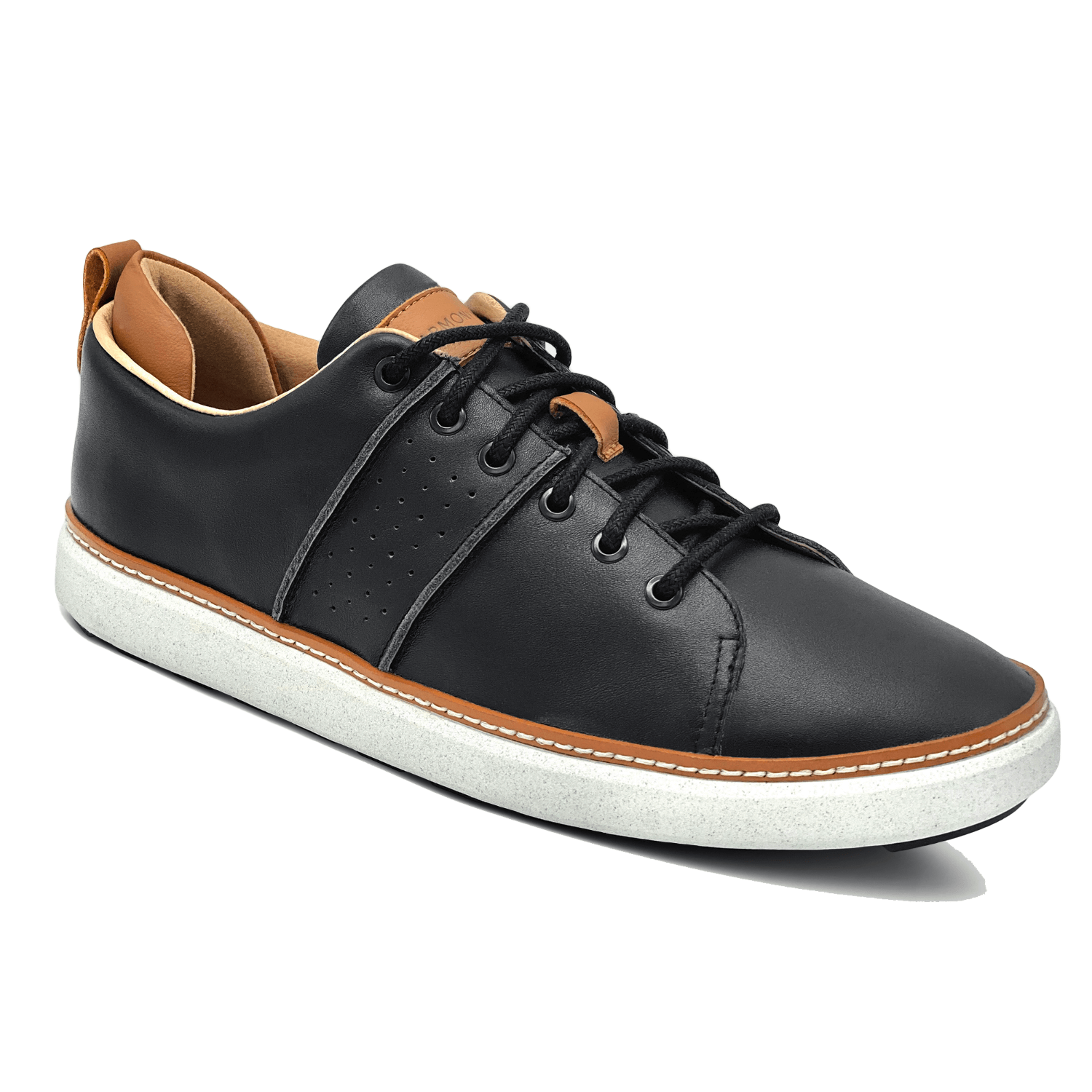
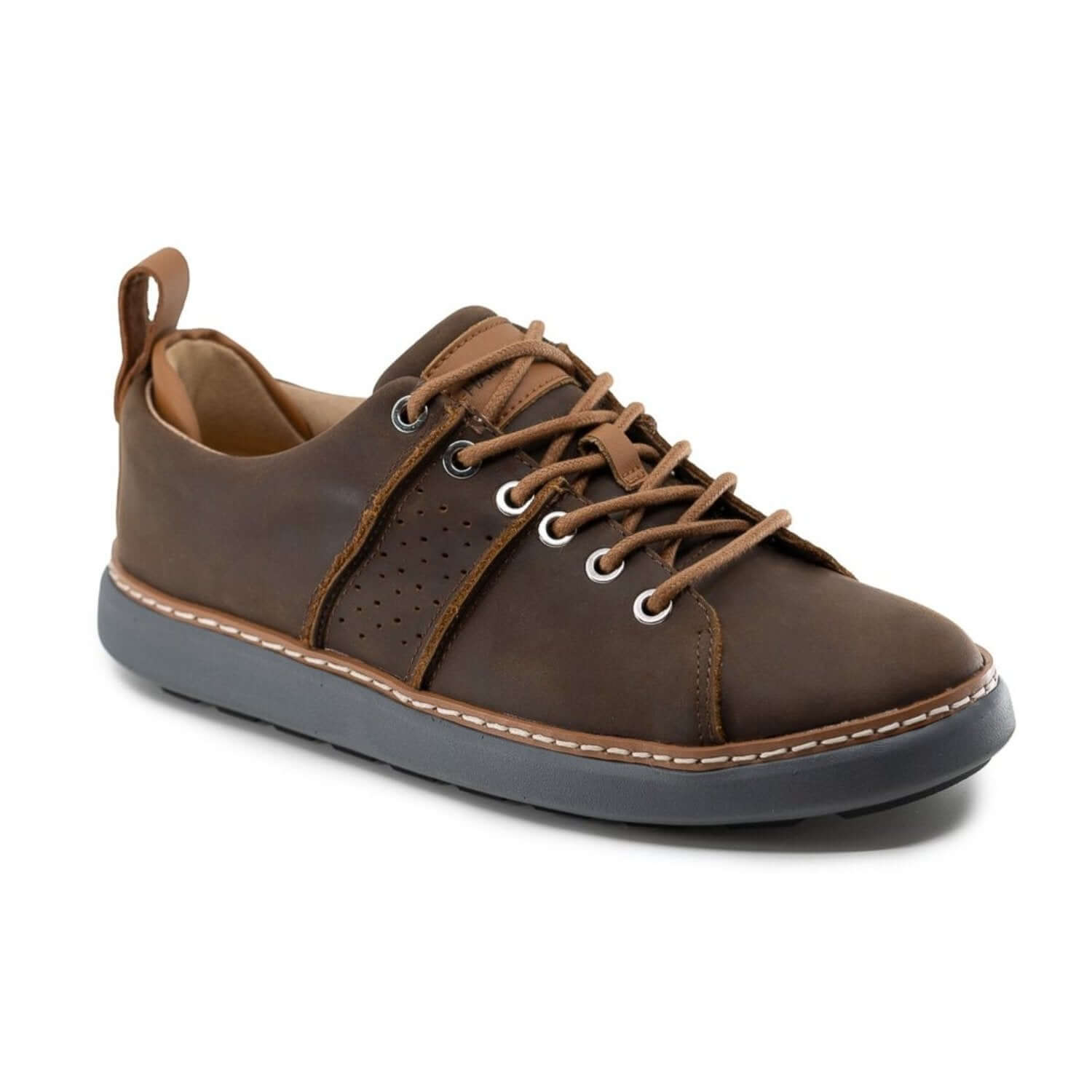
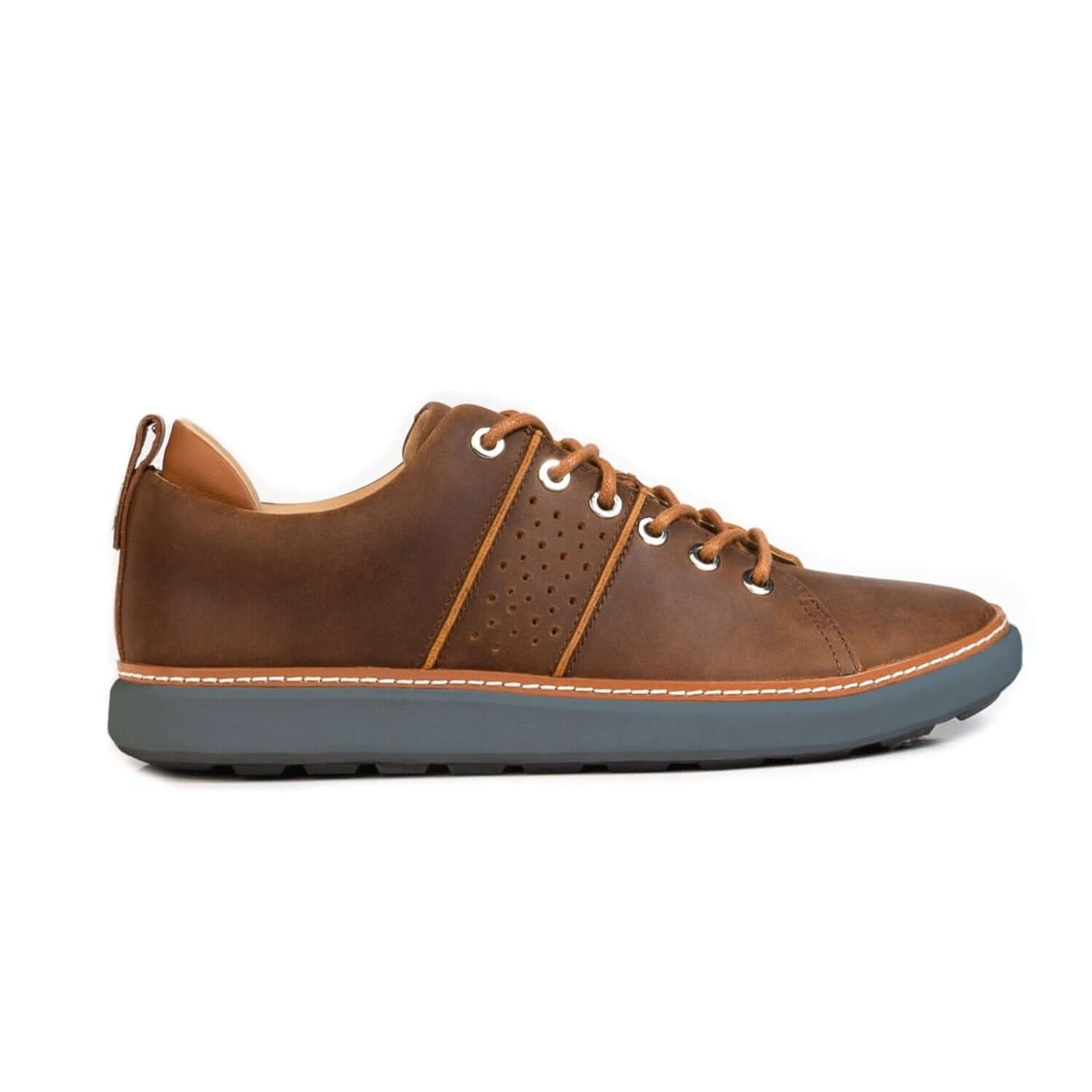
Barefoot shoes usually describe a flexible sole, a roomy toe box, or a low-to-the-ground feel. Those features may support natural movement, but they do not prove electrical conductivity. A shoe must be deliberately constructed for grounding. That may include conductive material in the footbed, stitching, plug, lacing system, or outsole. For example, Harmony 783 describes its Groundworks construction with silver-stitched layers, a silver fabric loop, and a carbon-and-rubber conductive outsole. Those details tell you more than the word "barefoot" on a product page. See the construction details on the Emerson Walker product page.
What should you check before buying?
Budget grounding footwear often involves tradeoffs. You may find sandals instead of full-coverage shoes, less cushioning, fewer colors, or sale and clearance inventory. A lower-cost option may also be better for warm-weather walks than for rain, cold, or long days on hard surfaces. These are not automatic defects. They simply affect whether the shoe matches your routine.
- Confirm that the product describes a conductive pathway, not just a barefoot shape.
- Check which surfaces support the intended grounding connection.
- Review the fit, cushioning, weather coverage, and available size options.
- Read the return policy, especially when a discount or final-sale condition applies.
Some current listings may fall below the $100 mark, but prices, promotions, sizes, and inventory can change. Treat any amount as a current listing rather than a permanent promise. The best budget choice is the one that combines verified conductive construction with a fit and use case you can actually maintain.
Which Harmony 783 Options Can Fit a Lower Budget?
Shoppers looking for affordable grounding shoes under 100 dollars have a few ways to start. The best fit depends on whether you want a full shoe, an open sandal, or a lower-cost accessory for testing the idea of conductive footwear.
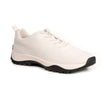
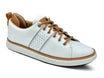
Answer: When checked on September 30, 2026, Harmony 783 product pages showed the Black and Cognac grounding slip-on at $65, the Emerson Walker at $89, and the Charlotte Walker in Olive Suede at $99. The socks collection showed a no-show conductive grounding sock at $19.50. These are verified listing snapshots, not permanent offers. Prices, sizes, and inventory can change.
Which current products fit the under-$100 budget?
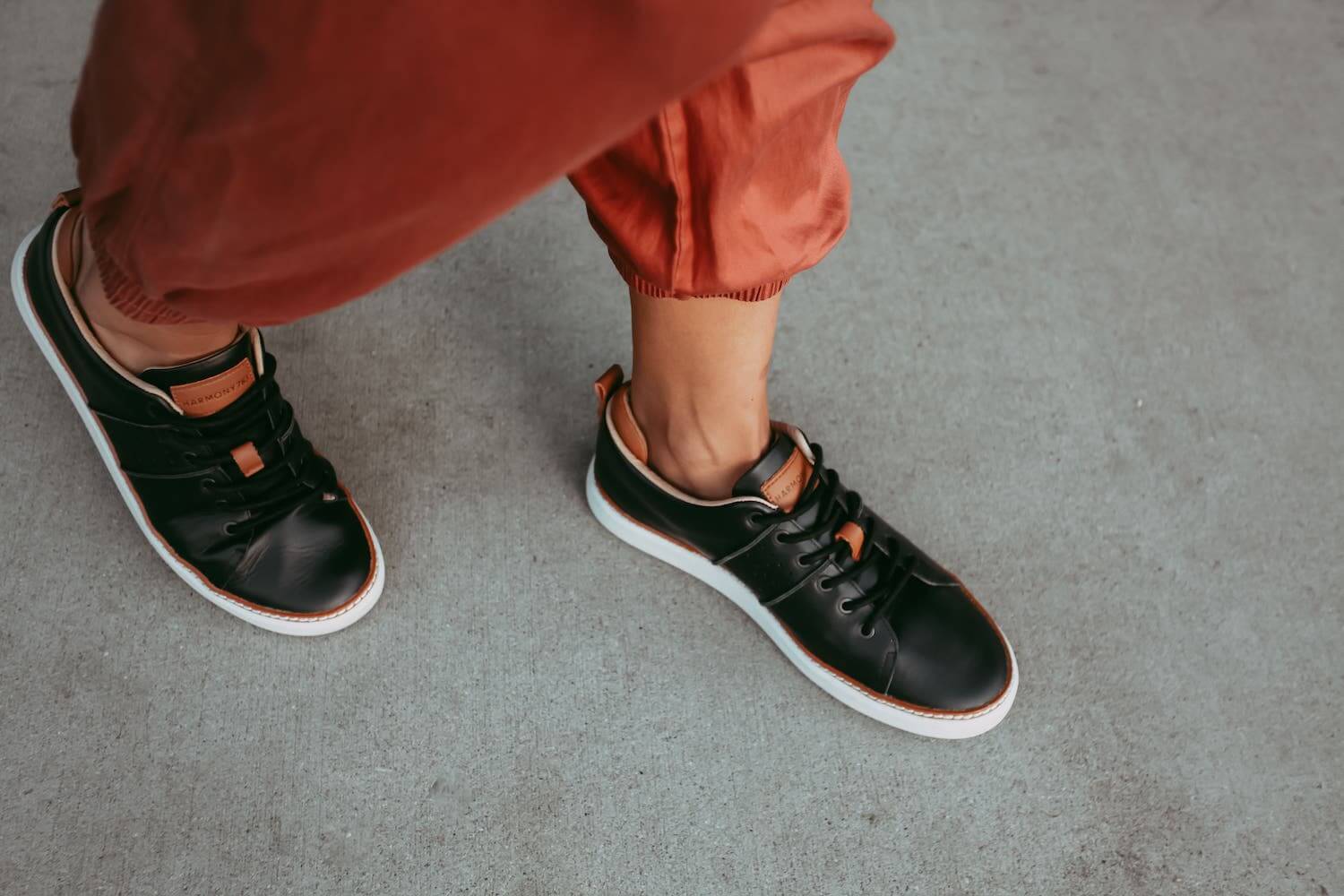
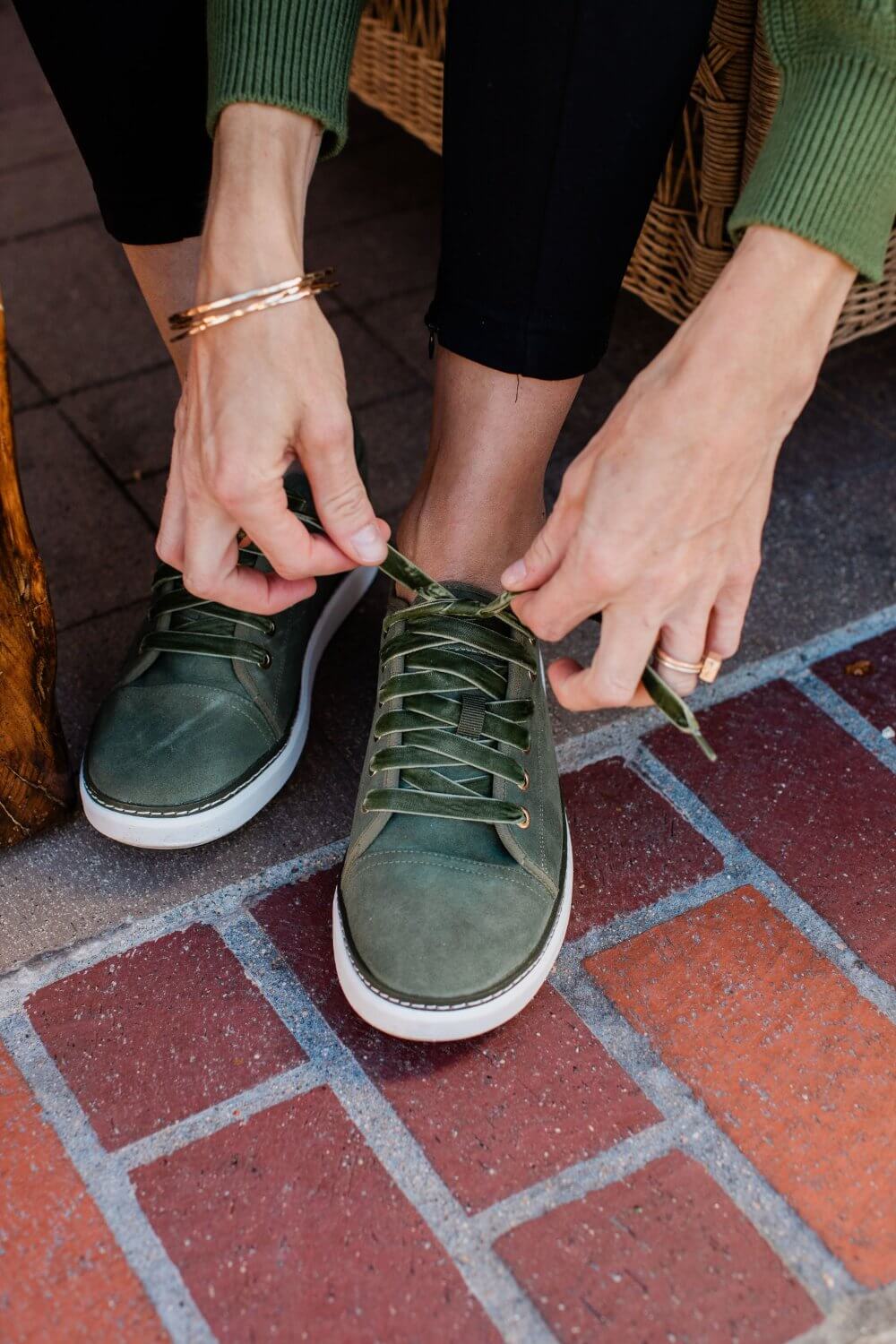
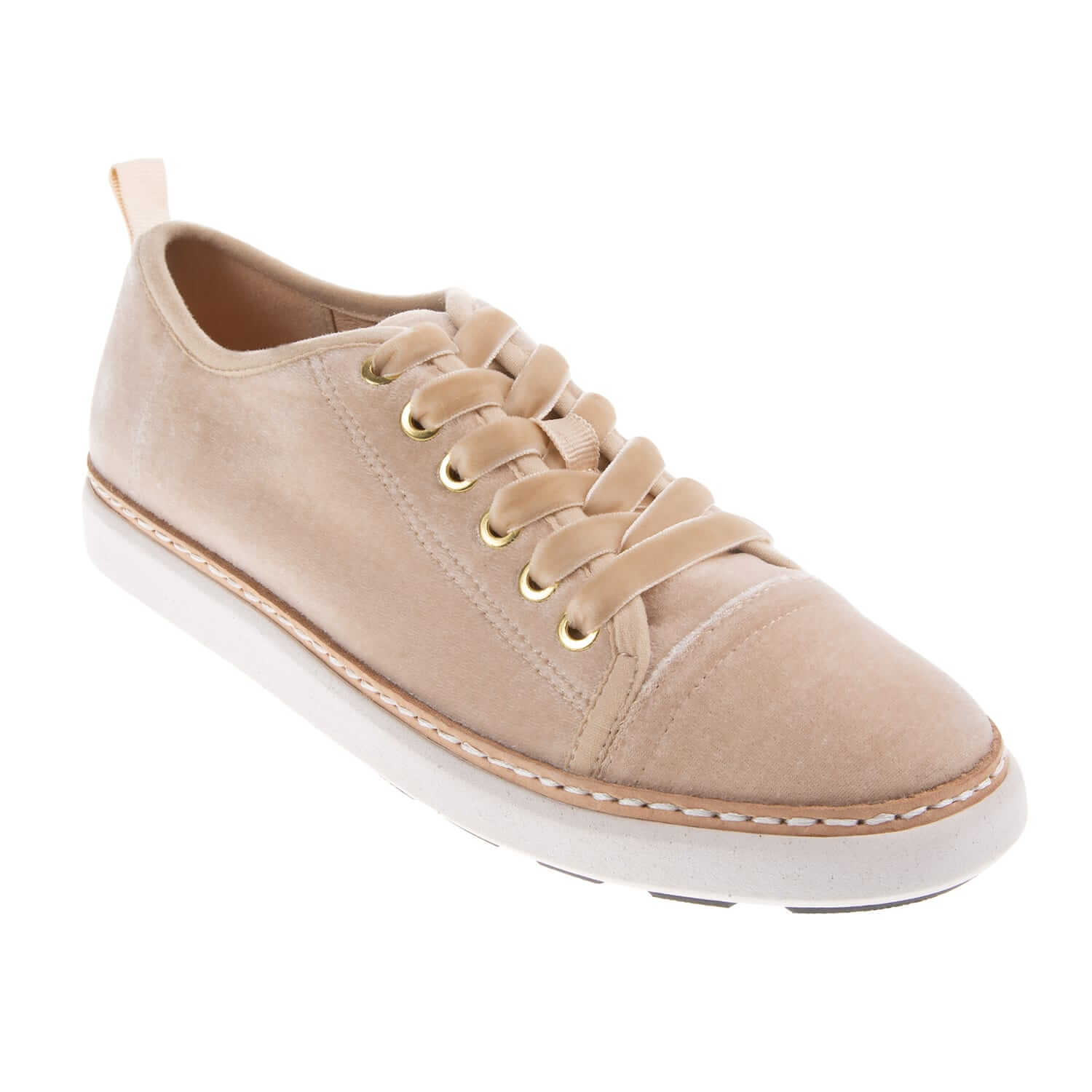
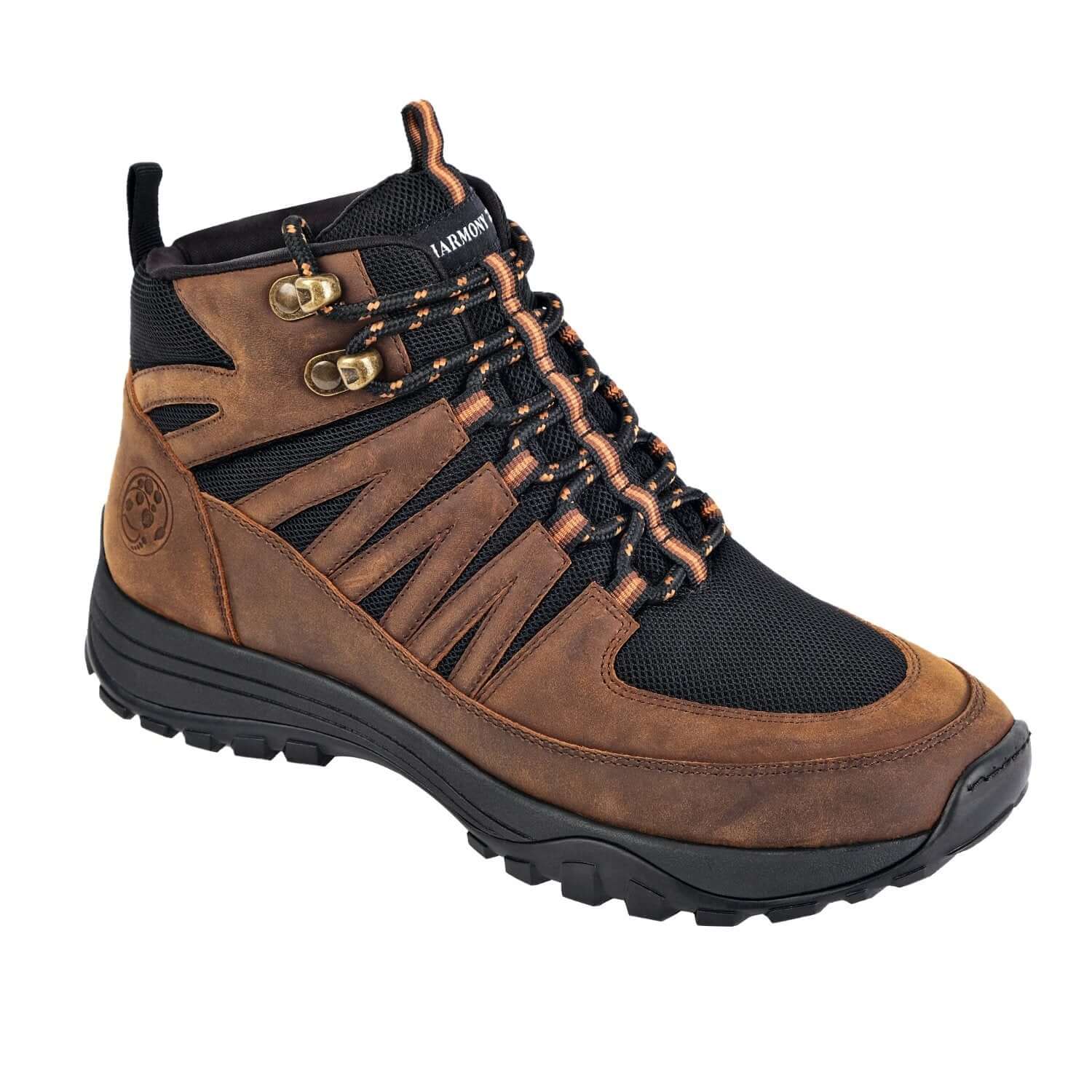
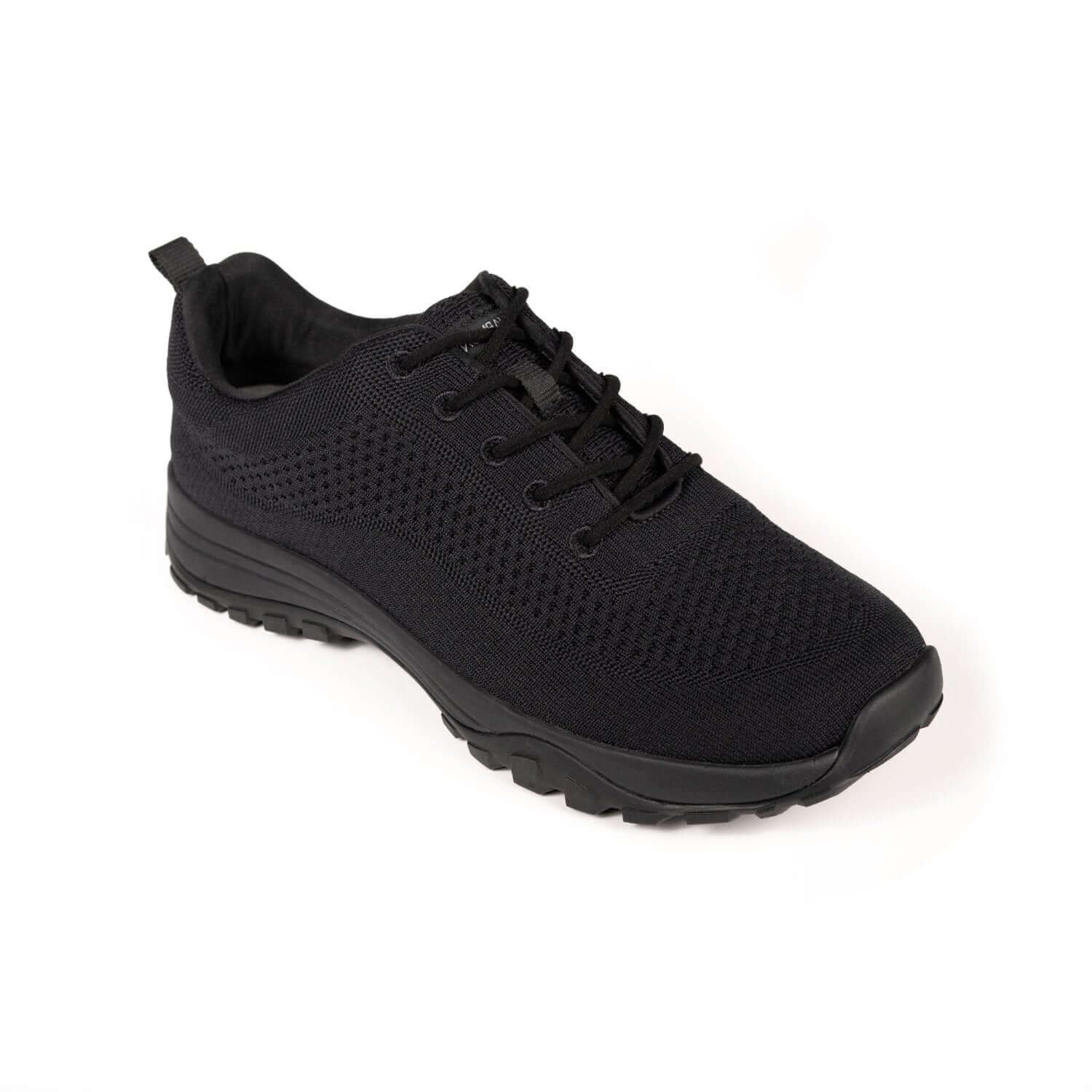
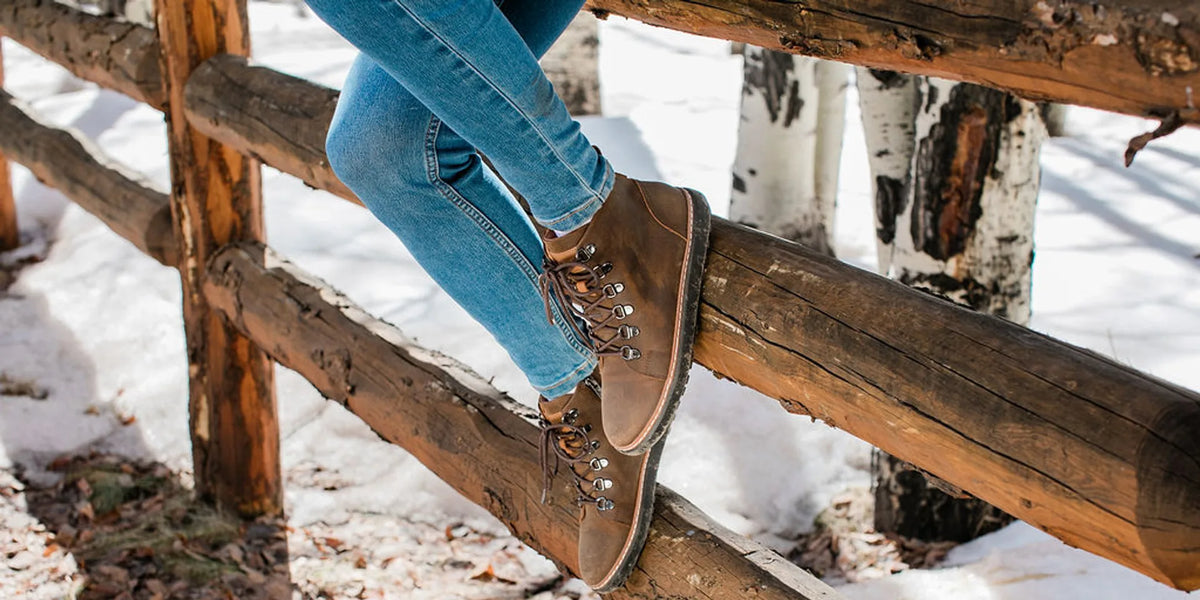
The Gifts Under $100 collection is a useful starting point, but open the product page before ordering. The Black and Cognac grounding slip-on was listed at $65, while the Emerson Walker was listed at $89 and the Charlotte Walker in Olive Suede at $99 when checked. Review the live price, available size, and return details for the exact product.
- Full-coverage walking shoes: Emerson Walker and Charlotte Walker in Olive Suede were the full-coverage examples that fit the $100 ceiling at the time of review.
- Easy-on footwear: The Black and Cognac bamboo-knit slip-on was the verified $65 entry point.
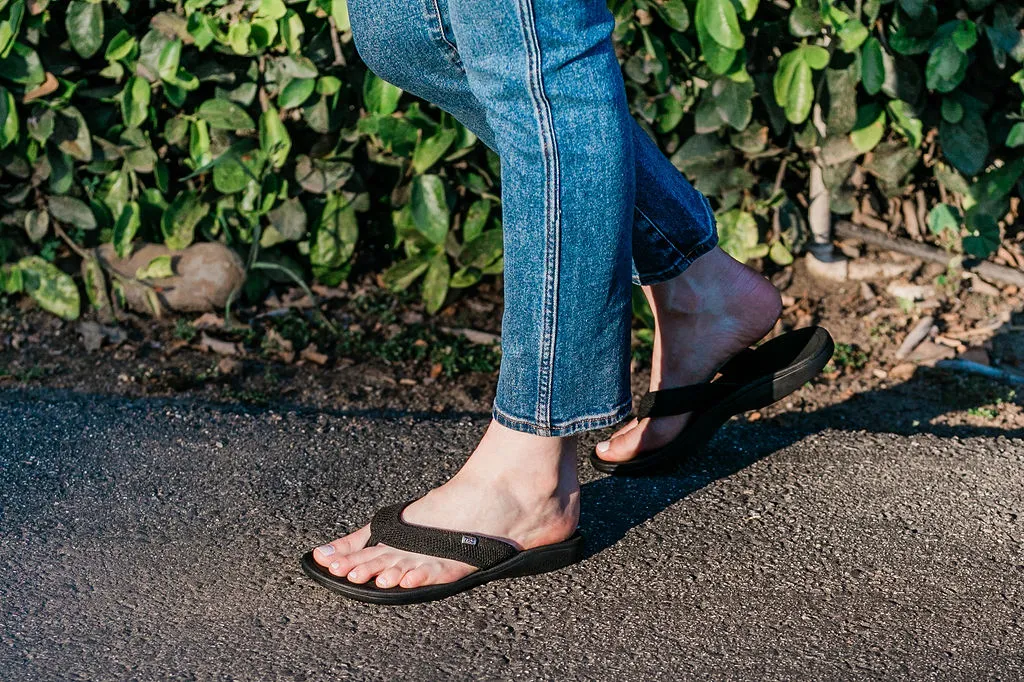
- Open footwear: The grounding sandals collection may offer a lighter route for warm-weather use, but confirm the current currency, price, and sale terms on the product page.
| Budget route | Best for | Check before buying |
|---|---|---|
| Sale walking shoe. | More coverage for daily wear. | Fit, available sizes, return terms. |
| Grounding sandal. | Warm-weather use and open feel. | Support, surface, weather coverage. |
| Conductive socks. | Lower-cost trial or companion layer. | Compatible footwear and surface. |
Do socks count as a shoe alternative?
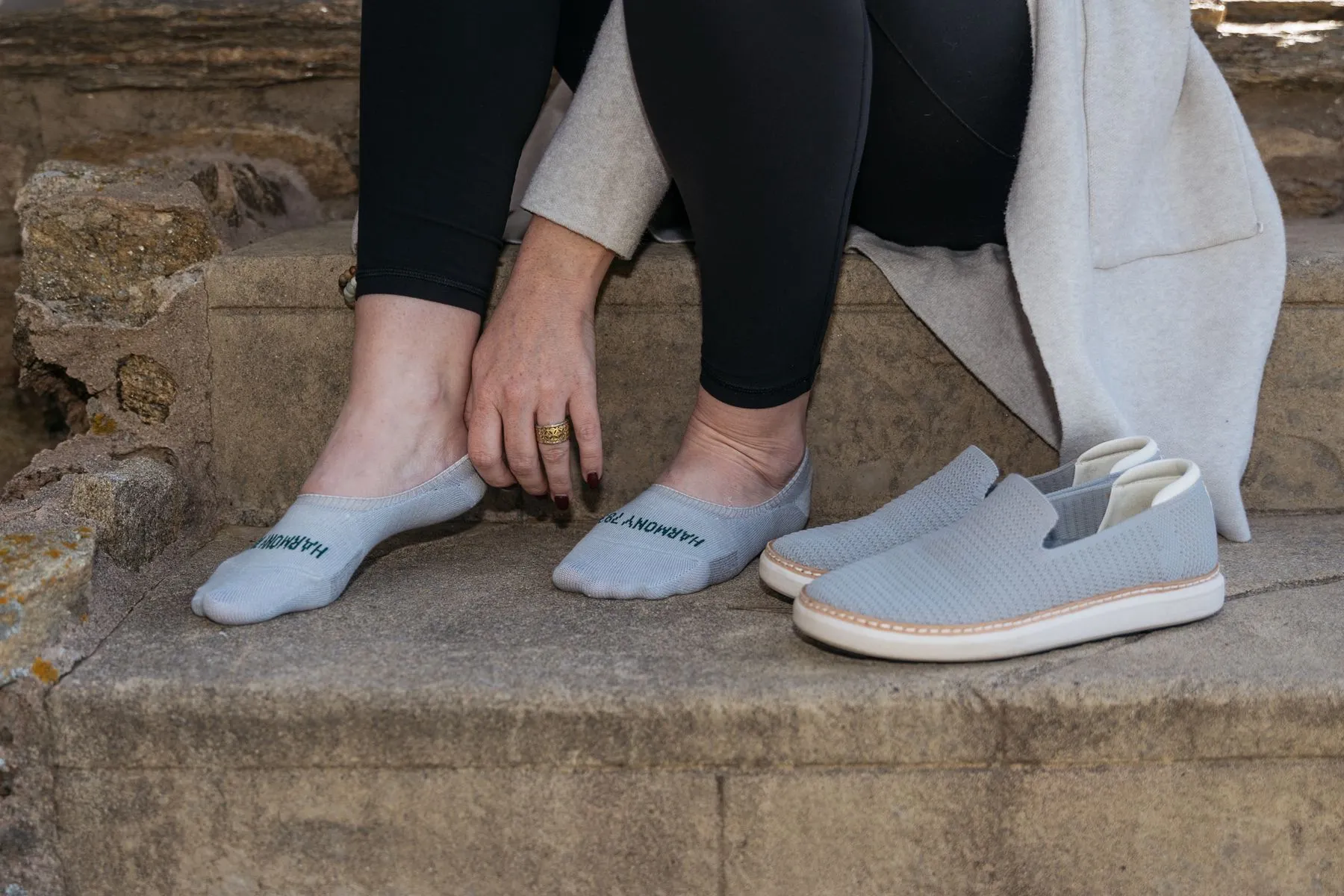
Harmony 783's current sock page describes medium-weight styles made with silver thread, including no-show and low-cut designs. They can be worn with compatible grounding footwear or on suitable grounding surfaces without shoes. They are not interchangeable with a grounded shoe in every setting, though. Surface contact, the type of floor, and whether another shoe blocks the conductive path all matter.
As you compare options, remember that a low price alone does not prove conductivity. Look for a deliberately constructed conductive pathway, then check fit, intended surfaces, weather coverage, and the live return policy. That helps you choose a practical budget option instead of assuming that any barefoot or minimalist shoe is grounded.
Related products

Get grounded in every step — in two classic colors.
View product

How Can Discounts Make Grounding Footwear More Affordable?
A discount can make a conductive shoe easier to fit into your budget, but the details matter. Treat each offer as a current promotion, not a permanent price. Check the eligibility rules, expiration details, product exclusions, and final total before placing your order.
Who may qualify for the 30% Community Heroes discount?
Harmony 783's discount page asks eligible shoppers to verify their status and then use the discount code at checkout within 24 hours. That short window is important. Complete verification when you are ready to shop, and confirm that the code applies to the style and size you want. Eligibility categories and terms can change, so review the live Community Heroes discount details rather than relying on an older post or saved code.
Can referrals and sale timing reduce the total further?
The same page currently uses the referral language "Give 20% off. Get $20." Read the live referral terms carefully to understand who receives the discount, how the credit works, and whether offers can be combined. Sale pricing can also appear on selected footwear, but a sale snapshot does not guarantee that every size, color, or style will remain available. If you are comparing affordable grounding shoes under 100 dollars budget options, check the product page for the current price and inventory before deciding.
Shipping can affect the real total. Harmony 783's verified company information states that Continental US orders over $200 after discount and before applicable tax qualify for free shipping. Do not add products you do not need just to reach the threshold. For a broader comparison of construction, comfort, and value, see the best grounding shoes guide.
Are Grounding Socks a Lower-Cost Starting Point?
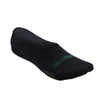
Grounding socks can be a lower-cost way to try conductive footwear, but they are not interchangeable with grounded shoes in every setting. Harmony 783's current sock collection lists no-show and low-cut styles at a sale price of $19.50. Each style uses 99.99% pure silver thread woven through the sock, with medium thickness for all-season wear.
How do conductive socks work?
The socks are designed to pair with conductive grounding shoes or to be worn without shoes on a suitable grounding surface. The product page describes Merino wool and silver thread construction, plus sizes S through XL. That makes them a relatively accessible accessory for someone who wants to explore grounding without immediately buying a full pair of shoes.
See the current conductive grounding socks collection for the available styles and listed prices. Sale pricing and inventory can change, so check the product page before ordering.
What are the practical limits?
Socks alone do not create a grounding connection on every floor or in every shoe. Indoor surfaces such as carpet, wood, tile, or synthetic flooring may not provide the same conductive path as direct contact with a suitable outdoor surface. Ordinary shoes can also interrupt that path, especially when their soles are made from insulating materials.
For that reason, socks may work best as a trial accessory or as a companion to footwear designed with a conductive pathway. They can add comfort and conductivity-focused construction, but they do not turn an ordinary shoe into a grounded shoe. For more context on combining socks and conductive footwear, read can you wear socks with grounding shoes.
What Do You Give Up at Lower Price Points?
A lower price can be a sensible way to test grounding footwear, but it may change the kind of shoe you get. Budget options are often sandals, sale styles, or limited-inventory pairs. They may offer less coverage, less cushioning, or less protection from cool and wet weather than a full-coverage everyday shoe.
These are common tradeoffs, not rules for every pair.
Affordable grounding shoes under 100 dollars budget options should be judged by construction, comfort, and use case, not the sticker price alone. A low price does not prove that a shoe is conductive, and a higher price does not guarantee a better fit for your routine.
What should you check before buying?
Use this quick buying sequence:
- Confirm conductivity: Look for a clear explanation of the conductive pathway. A barefoot or minimalist label alone does not mean the shoe is grounded.
- Check fit and comfort: Review sizing, width, toe room, cushioning, and support for the activities you plan to do.
- Match the surface and use: Confirm where the footwear is intended to work. Sandals may suit warm-weather walks, while a covered shoe may better suit commuting or changing weather.
- Read the returns: Review return and exchange terms before ordering. Sale or clearance inventory may have different restrictions.
It also helps to separate a temporary bargain from long-term value. A sale pair that fits your routine can be a strong starting point. A cheap pair that rubs, lacks the coverage you need, or cannot be returned may cost more after replacement. For a closer look at how materials, construction, and price relate, read the grounding shoes cost guide.
Check the latest under-$100 grounding options before they change
Frequently Asked Questions
Are there any shoes that are good for grounding?
Yes, but a barefoot or minimalist label is not enough. Look for footwear with a deliberate conductive path between your foot and the ground, such as conductive materials in the upper, footbed, or outsole. Check the product details for how that path is built and which surfaces support the connection.
What are some good grounding shoes under $100?
Under-$100 choices can include sandals, sale footwear, or selected walking shoes. Harmony 783 product scans listed the Emerson Walker at $89 and the Charlotte Walker at $99 when checked. Prices, inventory, and available sizes can change, so confirm the current product page before ordering.
What are the downsides to budget grounded footwear?
Lower-priced options may offer less cushioning, less weather coverage, or fewer sizes and styles. Sale or clearance items may also have different return rules. A lower price does not prove or disprove conductivity, so compare the construction, intended surfaces, fit, comfort, and return policy rather than relying on the price alone.
Can grounding socks replace grounding shoes?
Grounding socks can be a lower-cost way to explore conductive footwear, especially when paired with a compatible shoe and suitable surface. They are not interchangeable with a grounded shoe in every setting. Check how the sock makes contact, whether the shoe allows that connection, and whether the surface is appropriate before treating them as a complete footwear solution.
Ready to Find a Budget-Friendly Grounding Option?
Start with the current collection, then compare the conductive construction, fit, intended surface, and return terms for each style. A thoughtful choice can help you stay within budget without treating ordinary barefoot footwear as grounded.
Browse the Harmony 783 collection and find your grounding footwear.