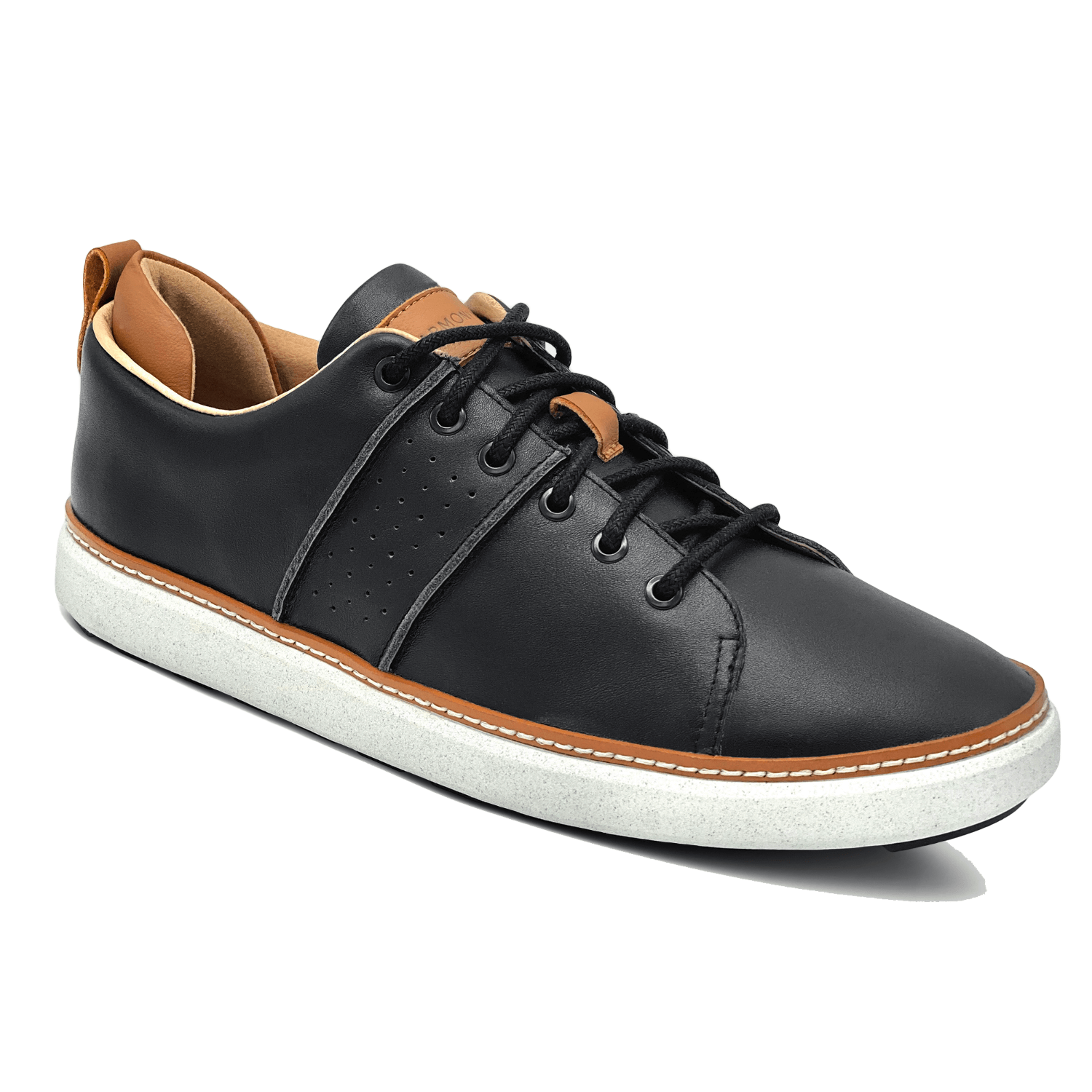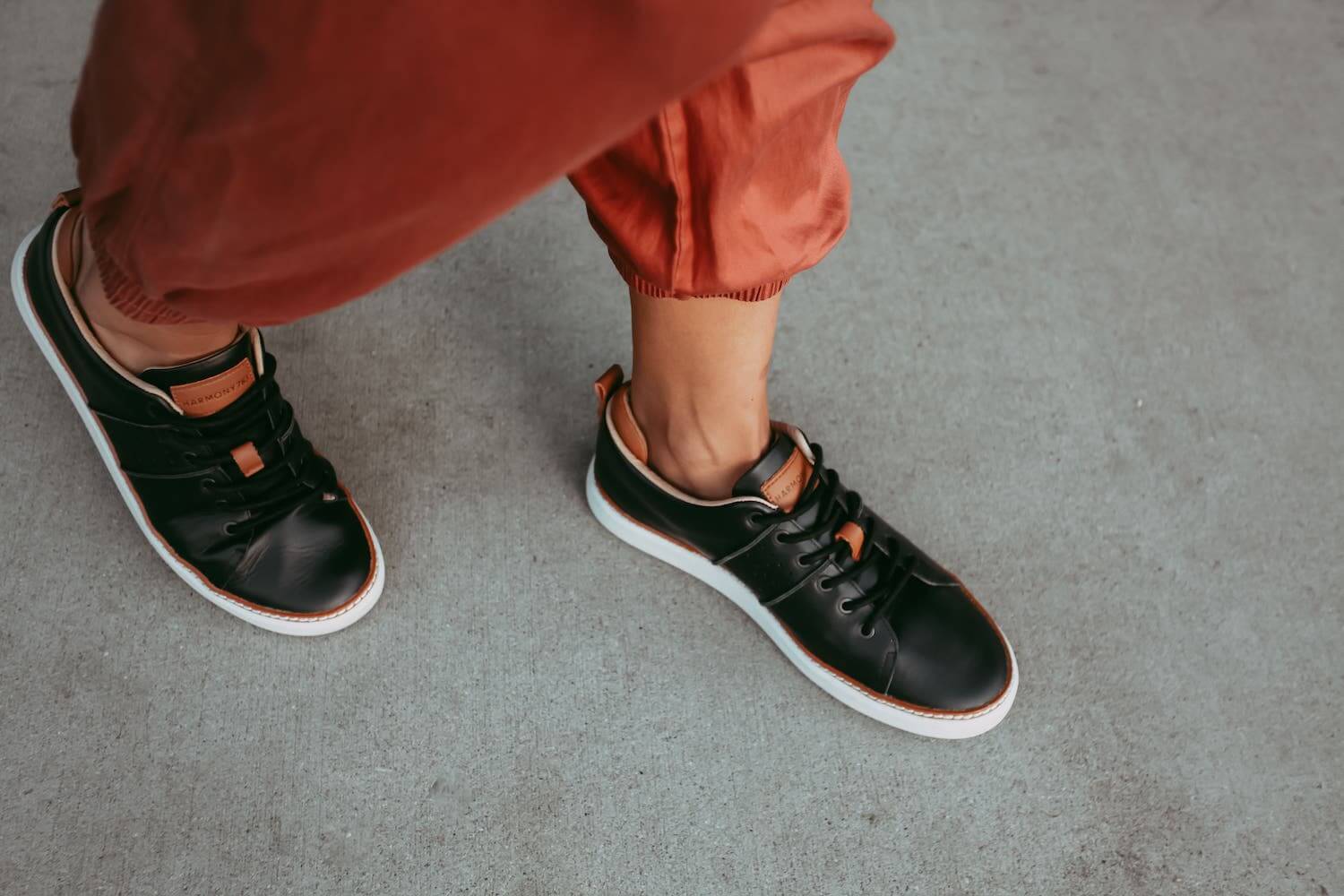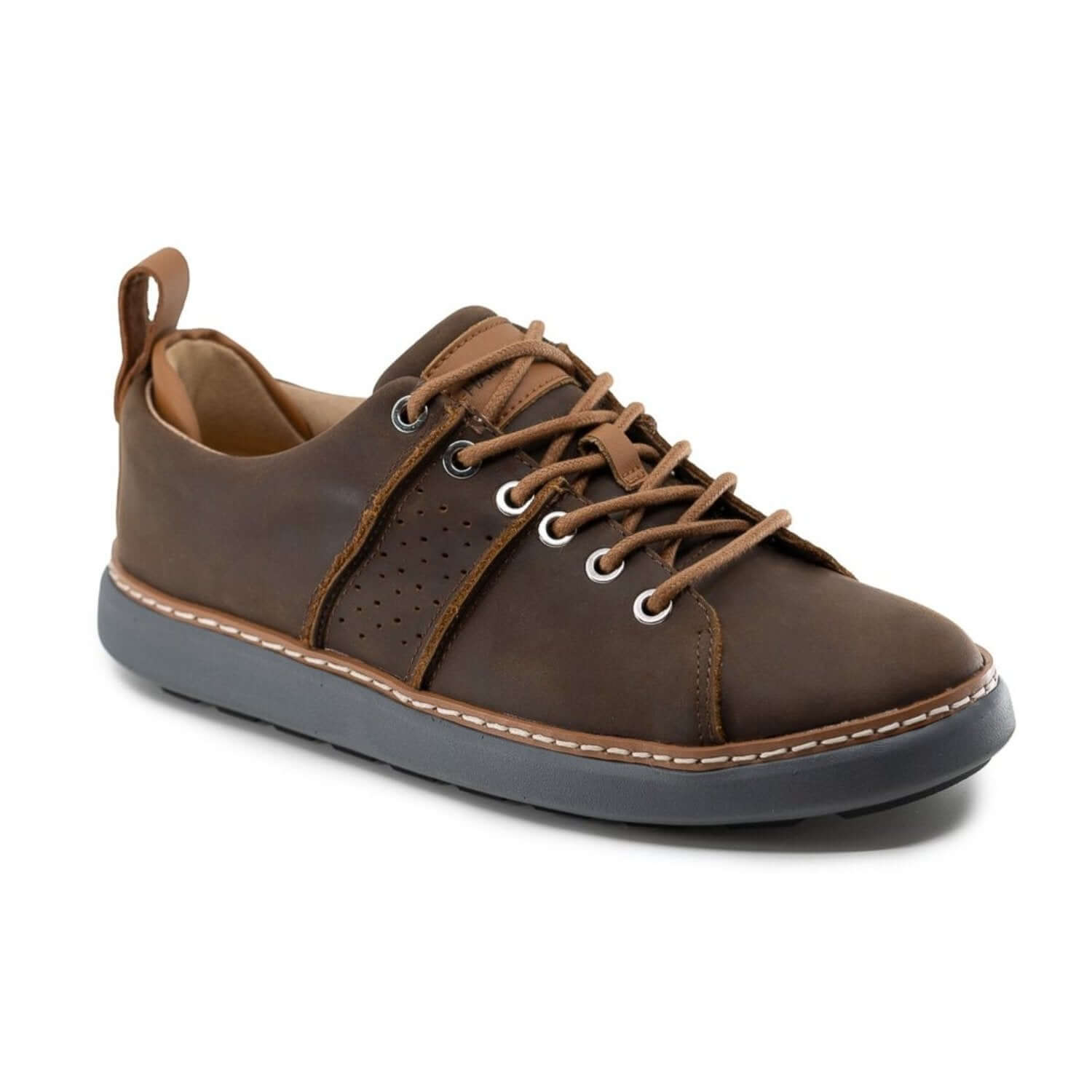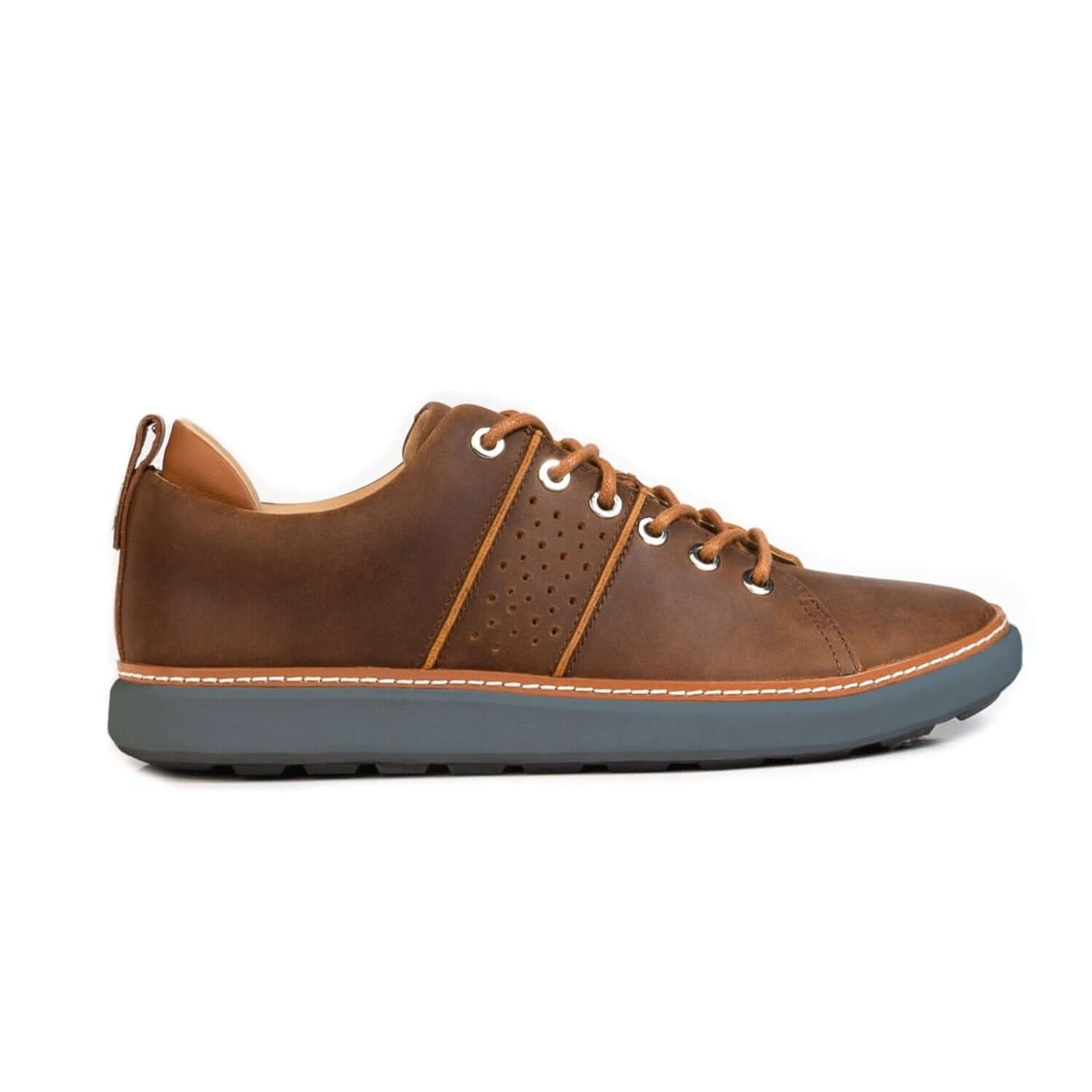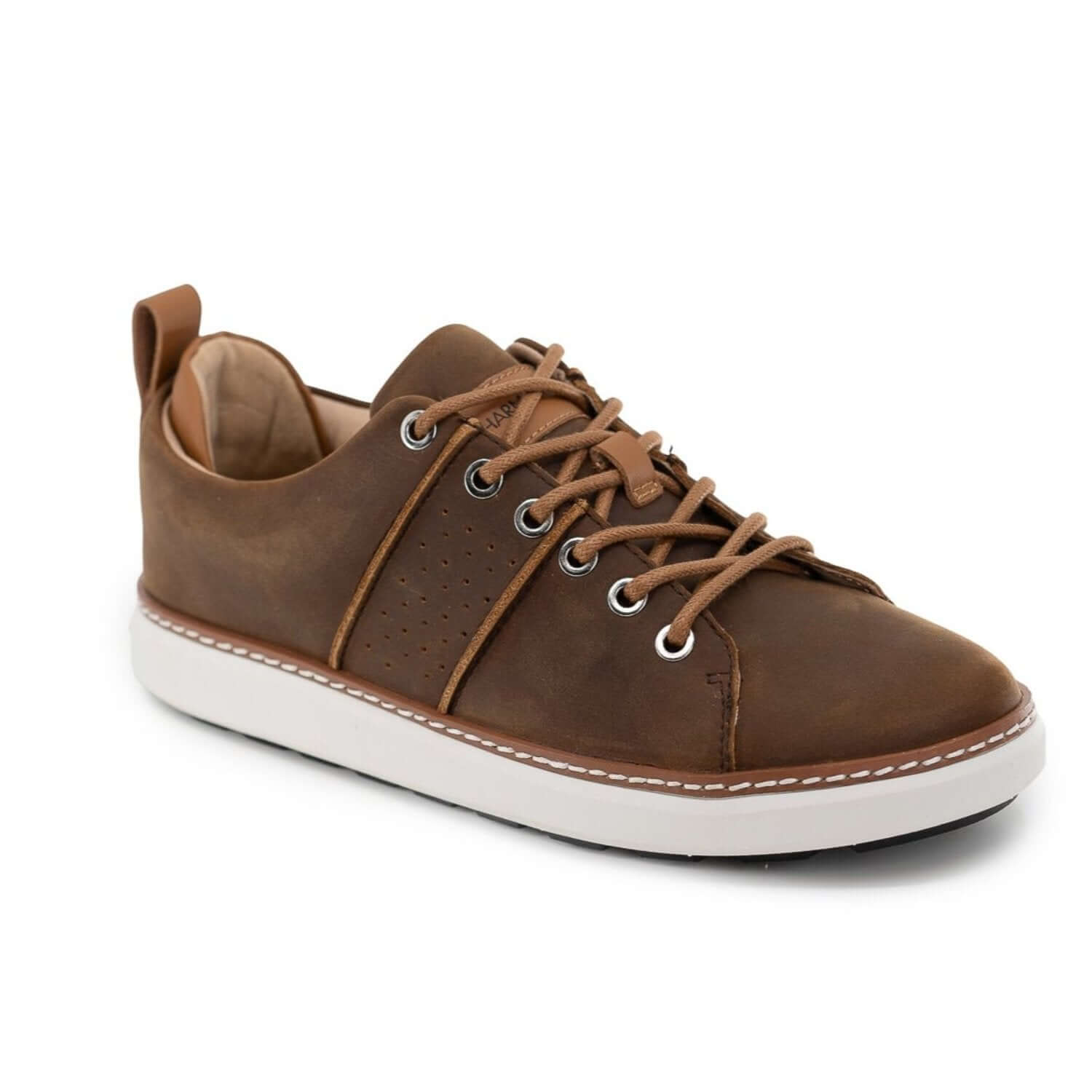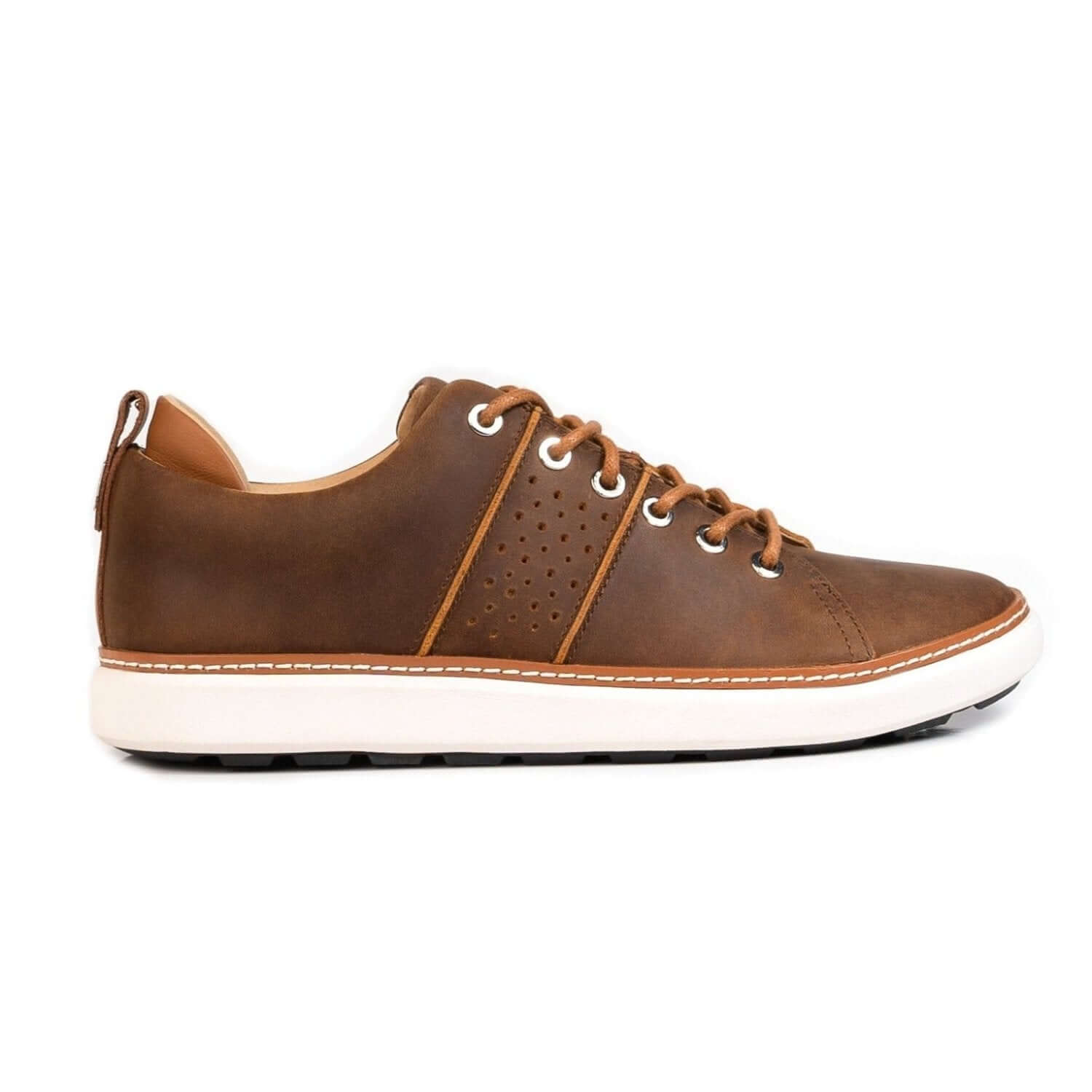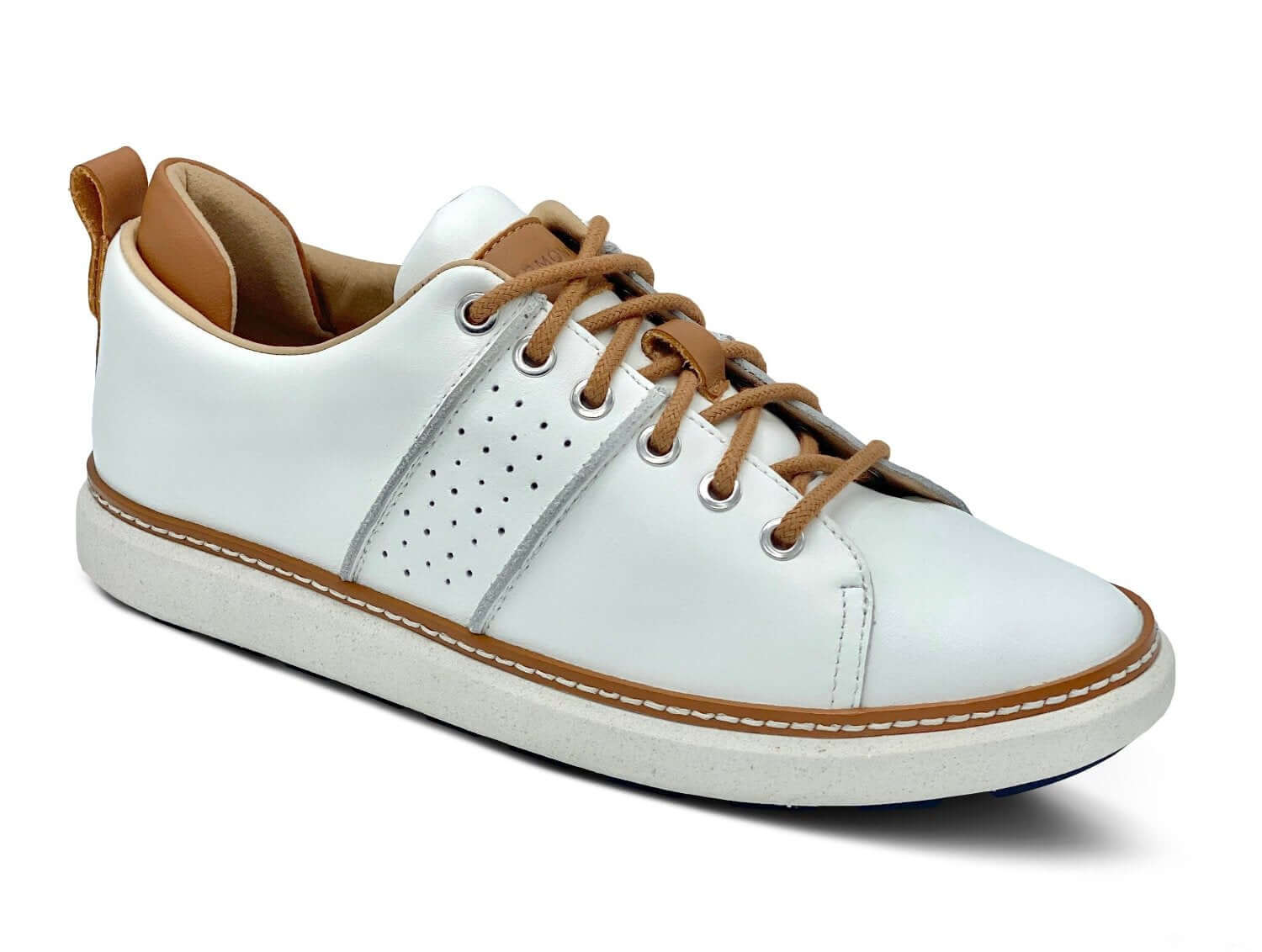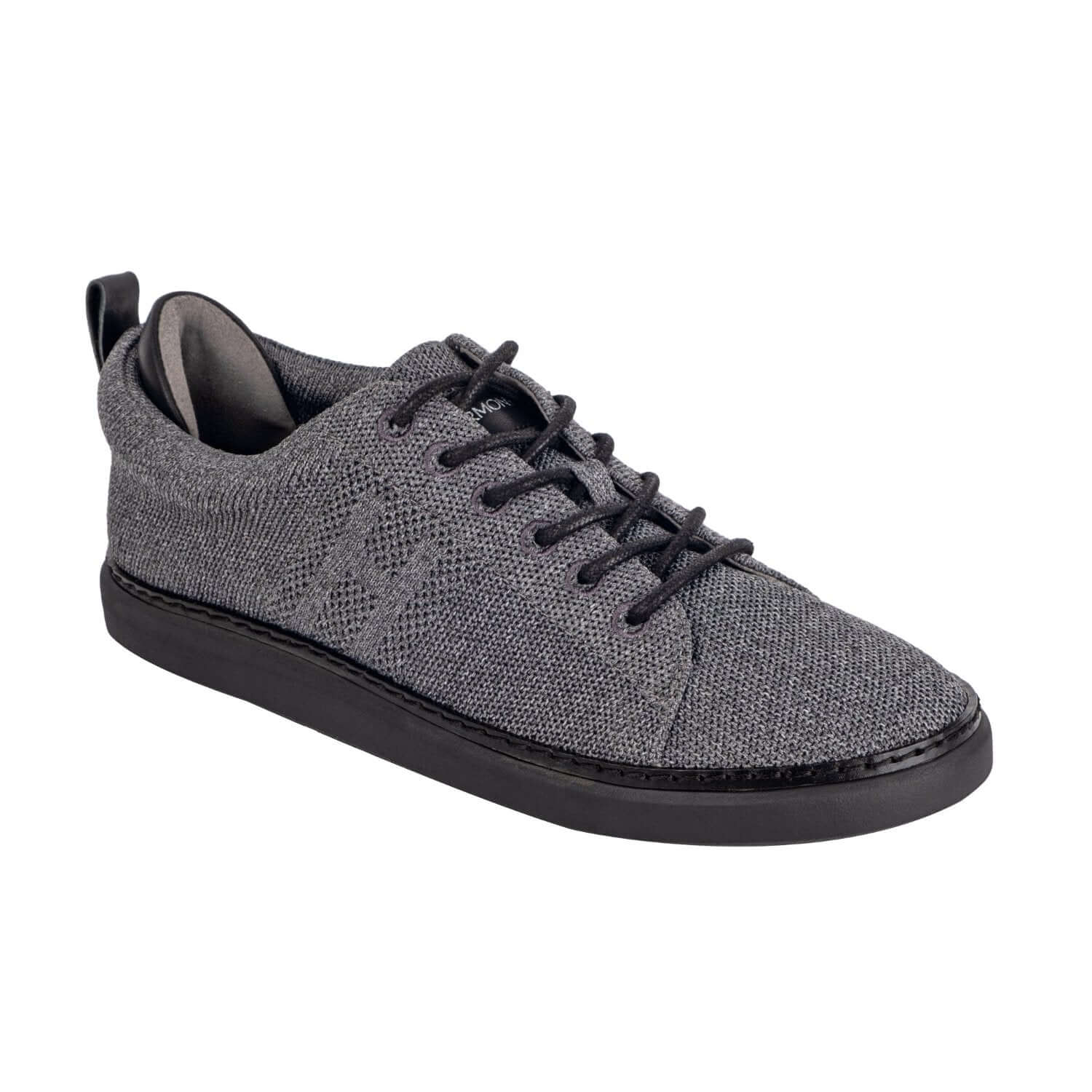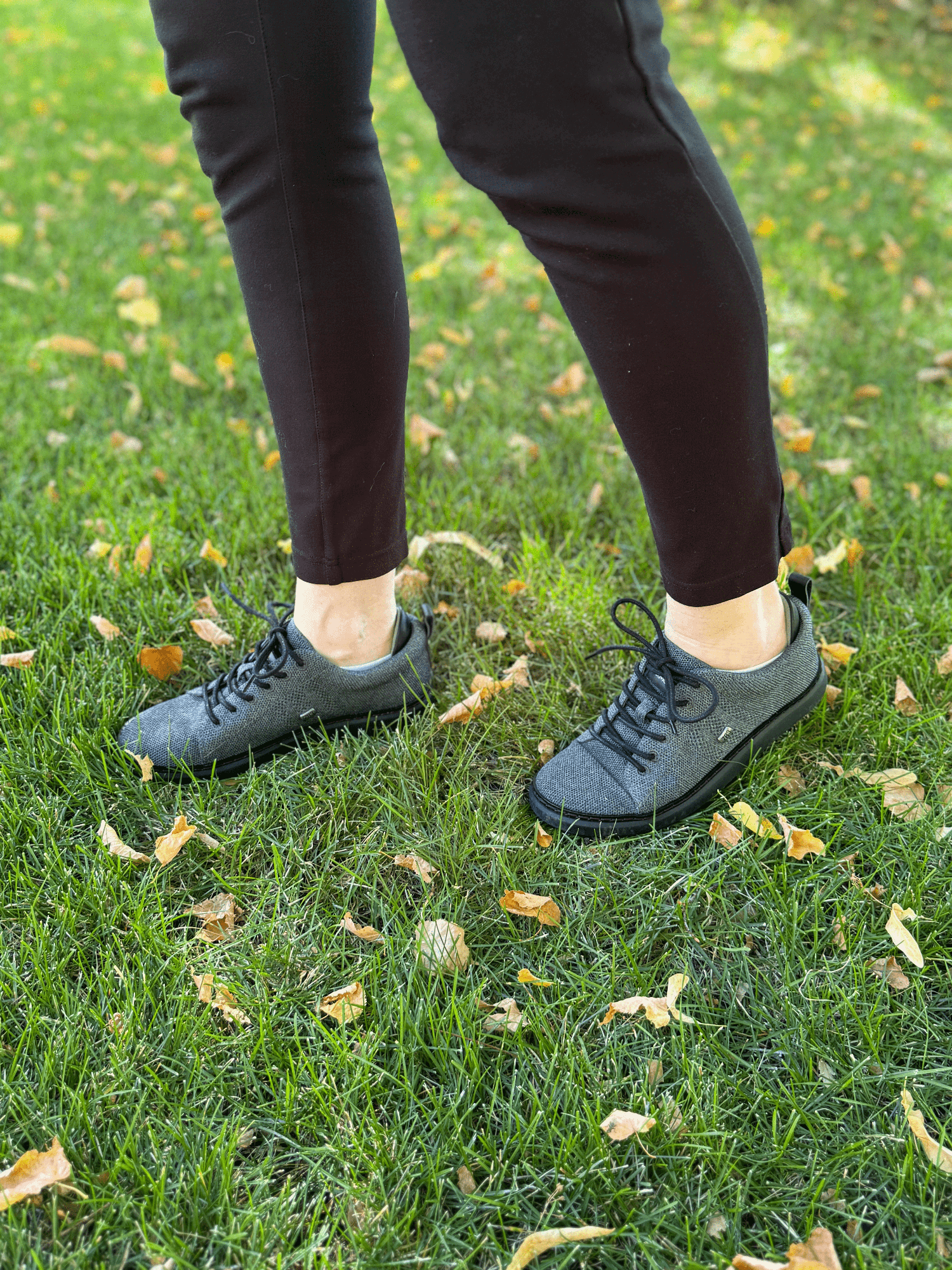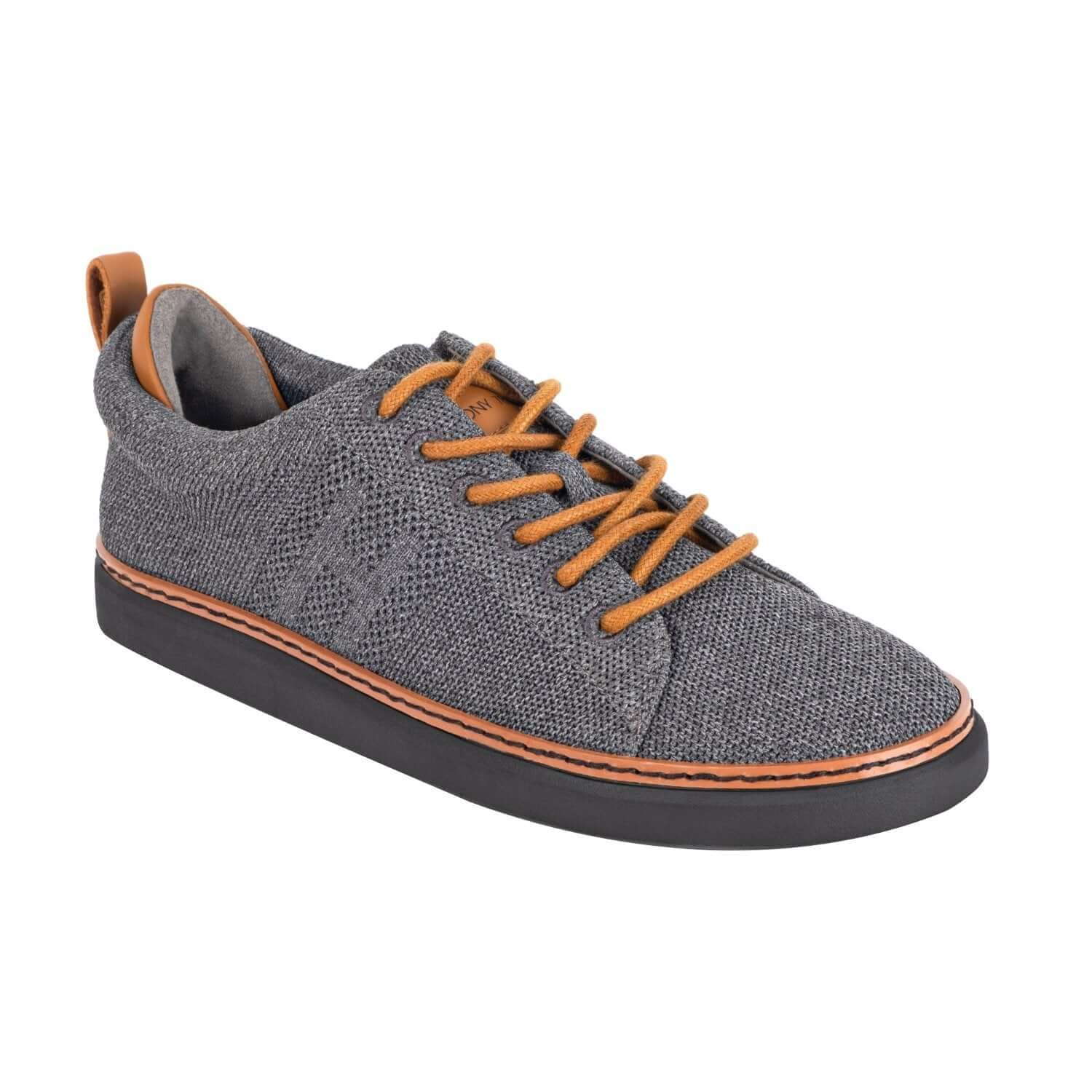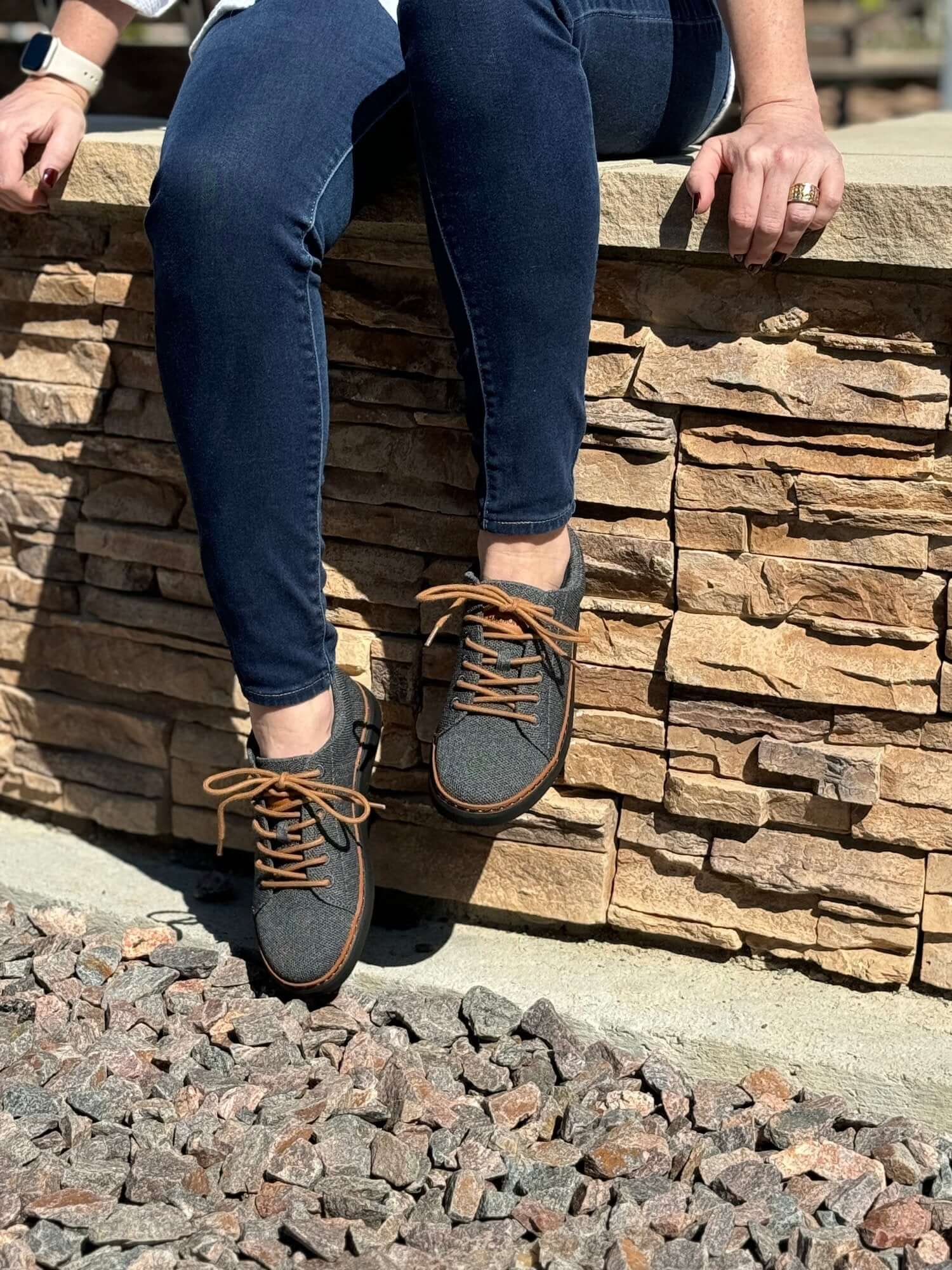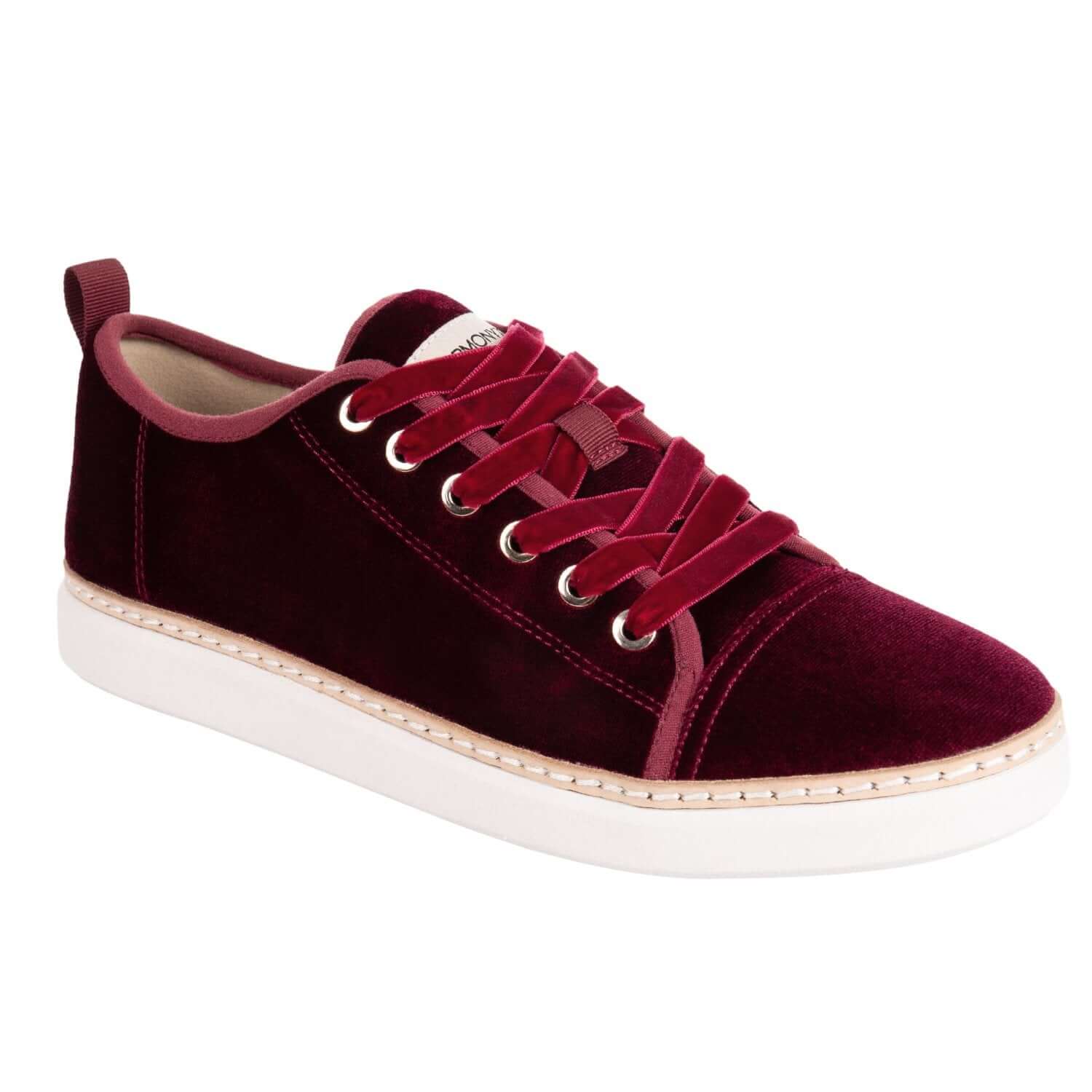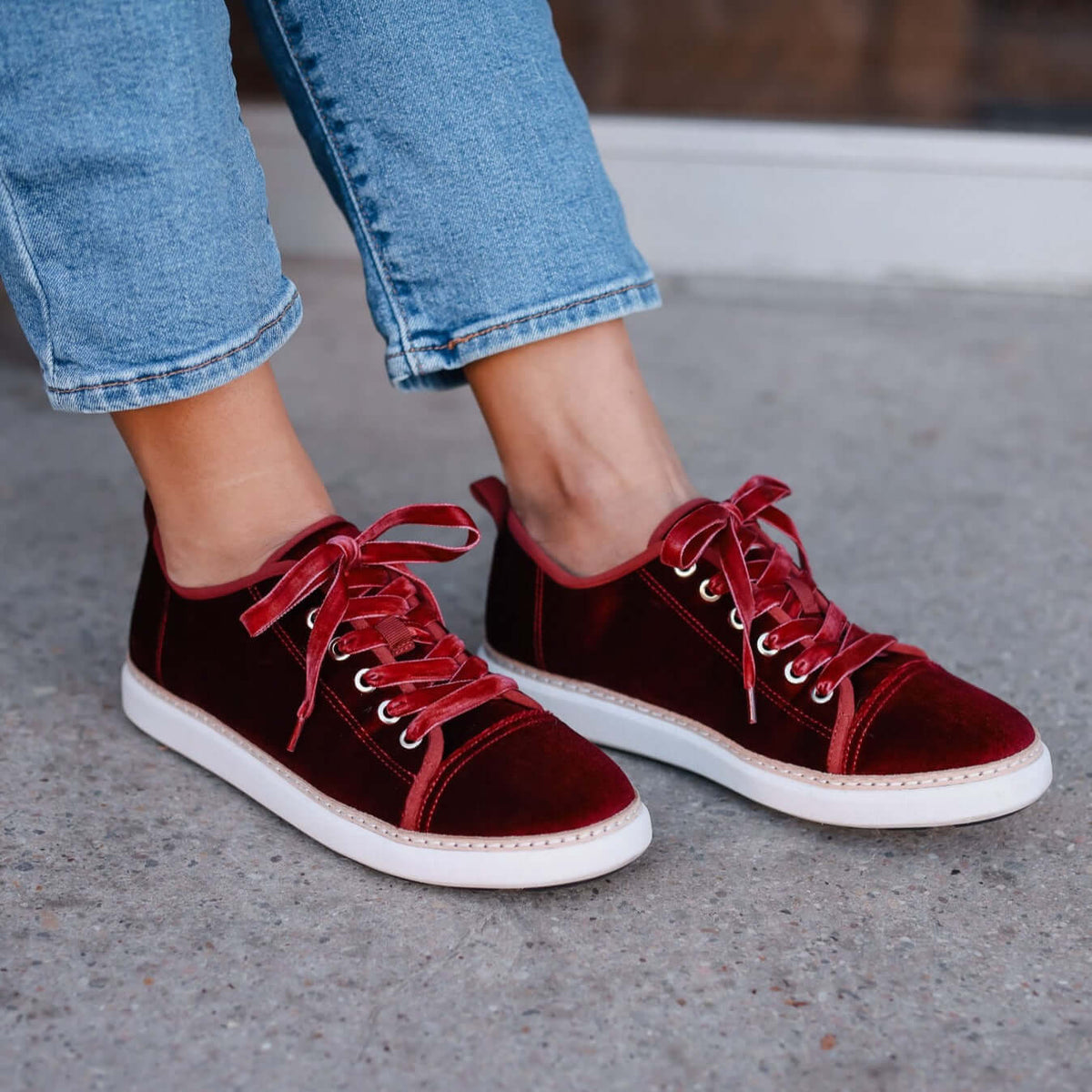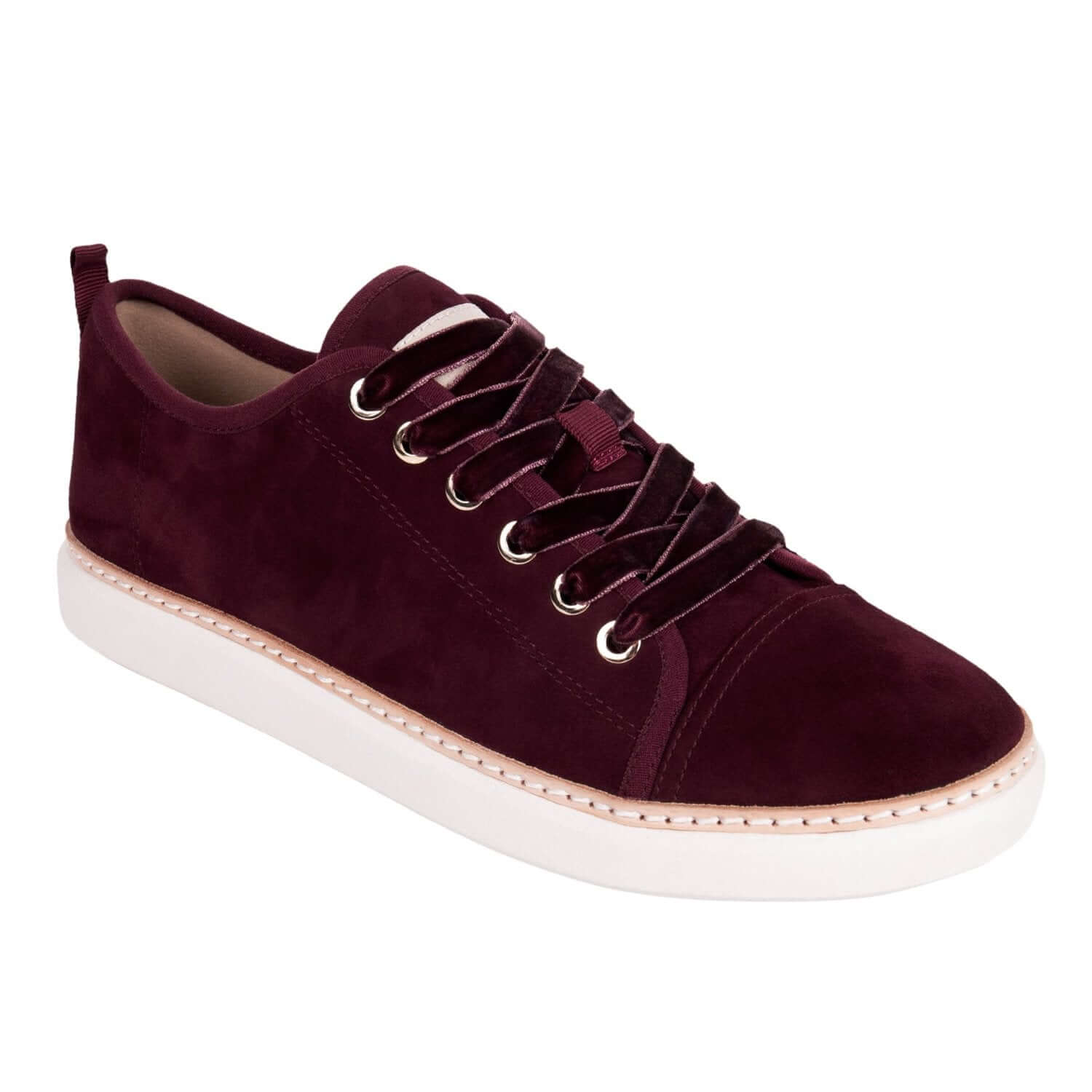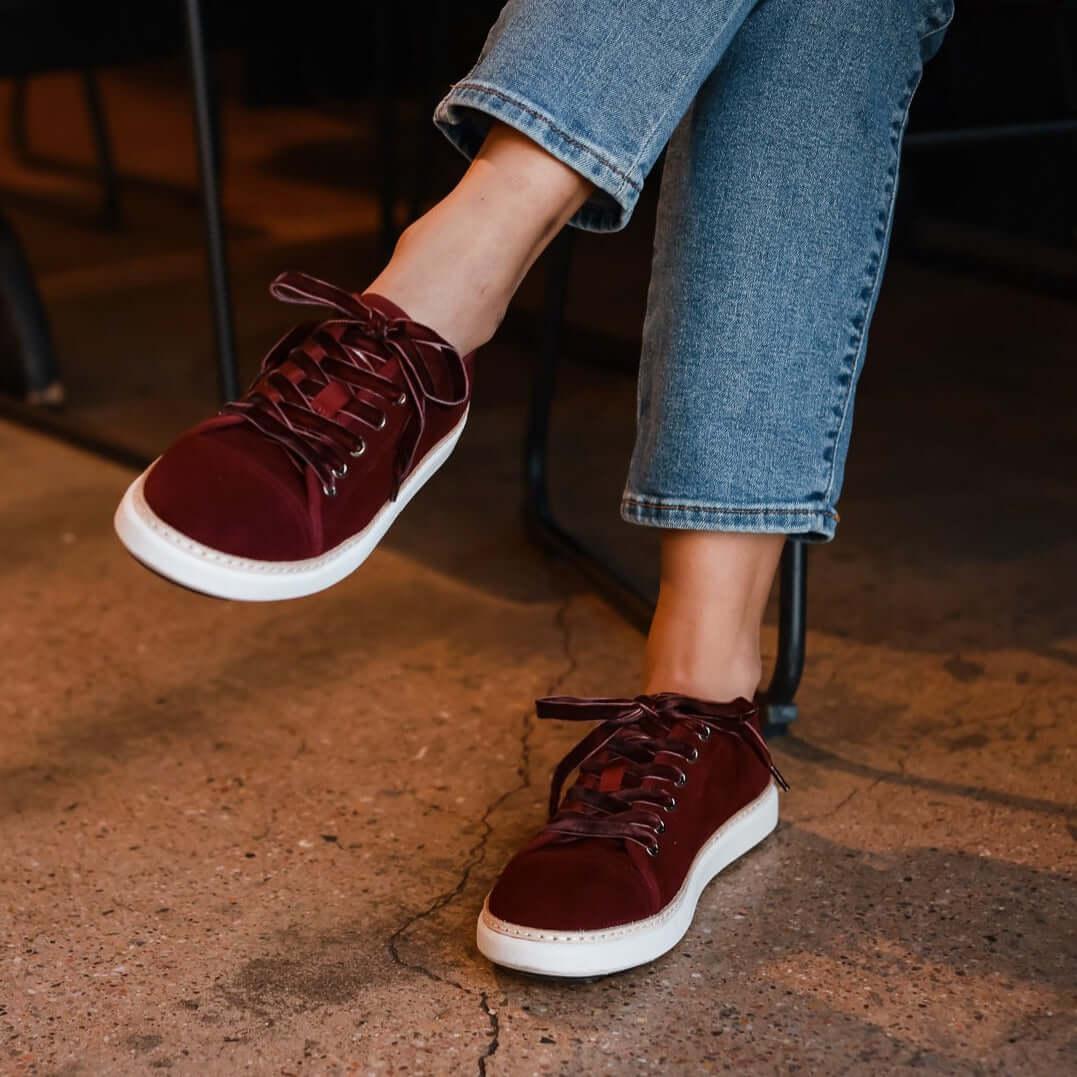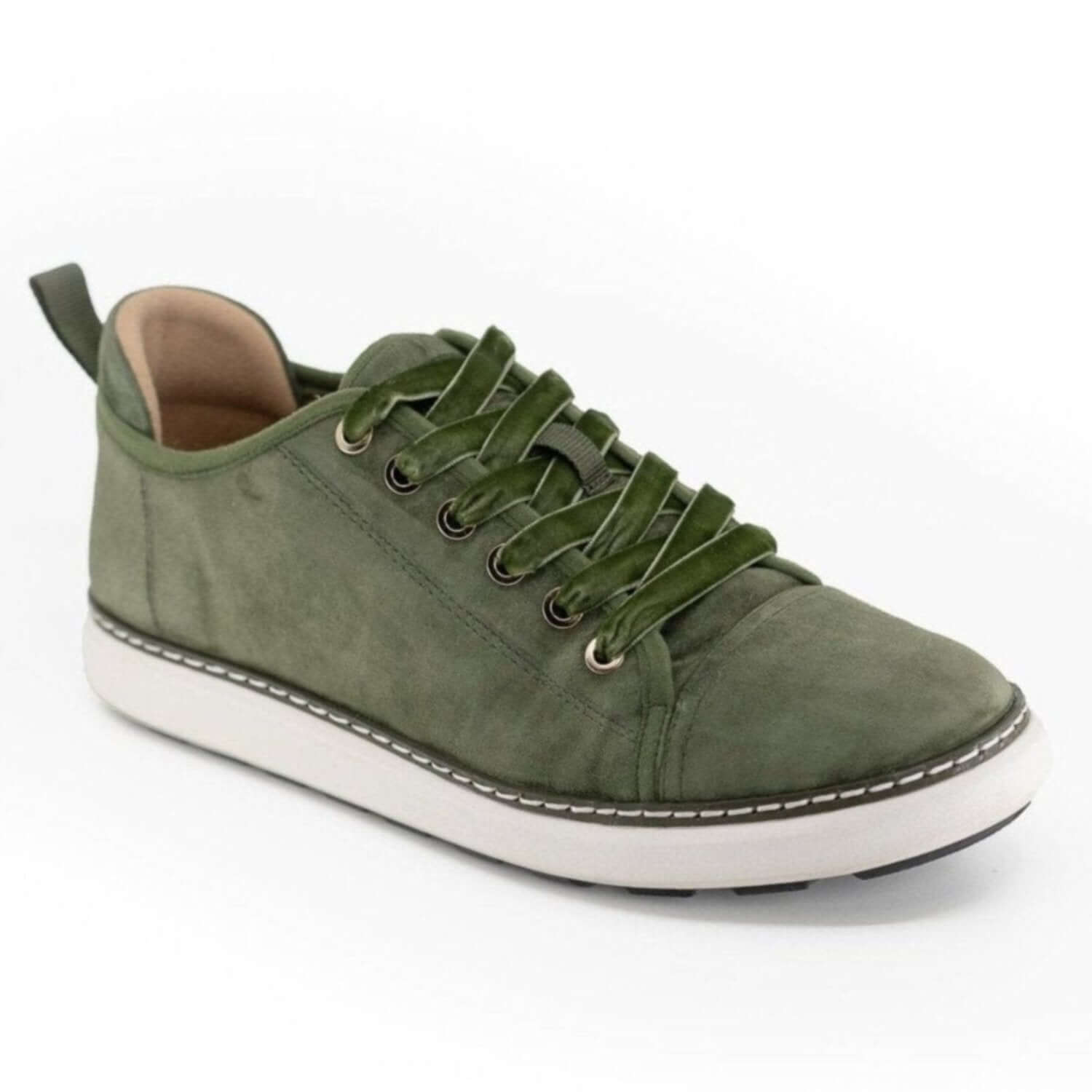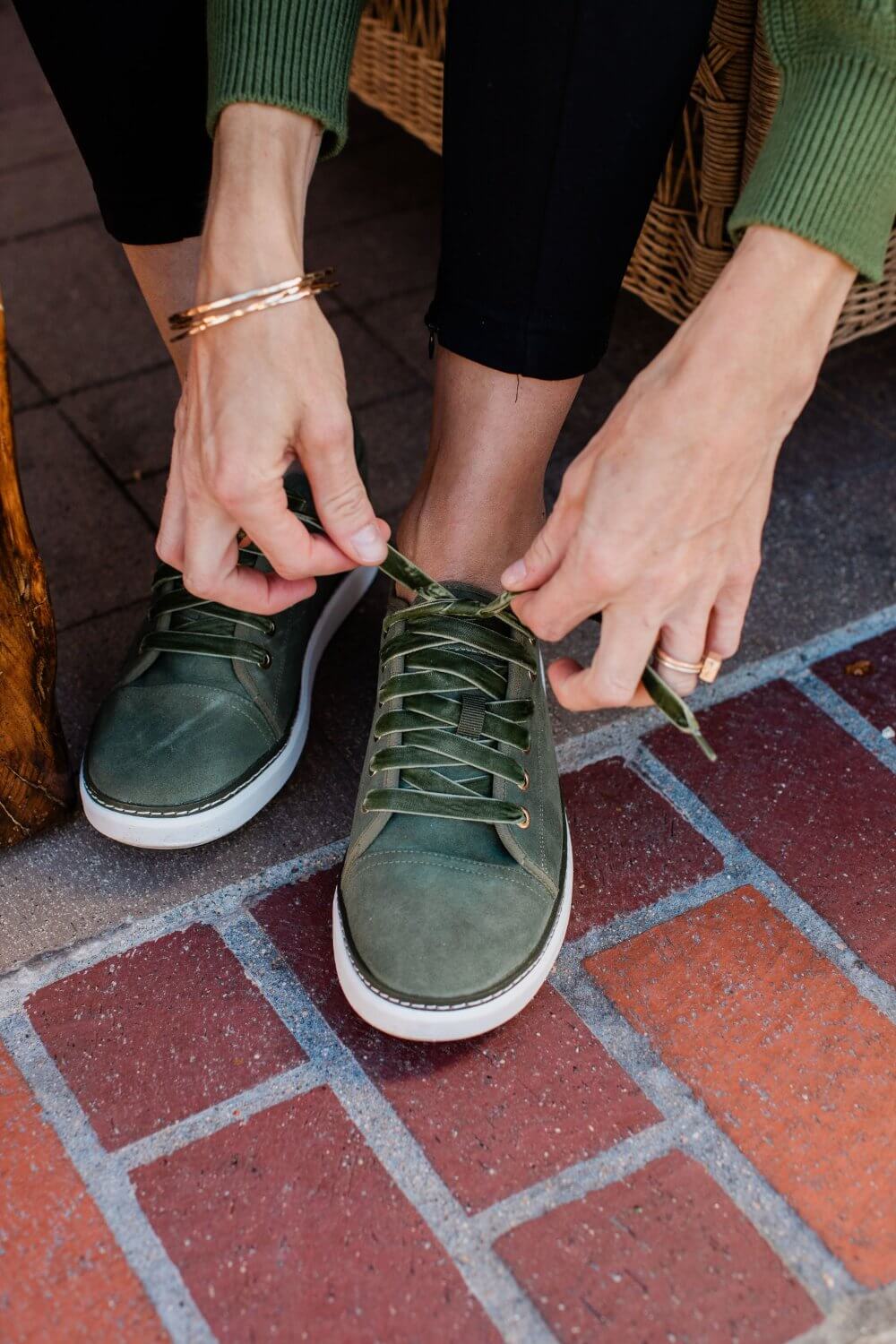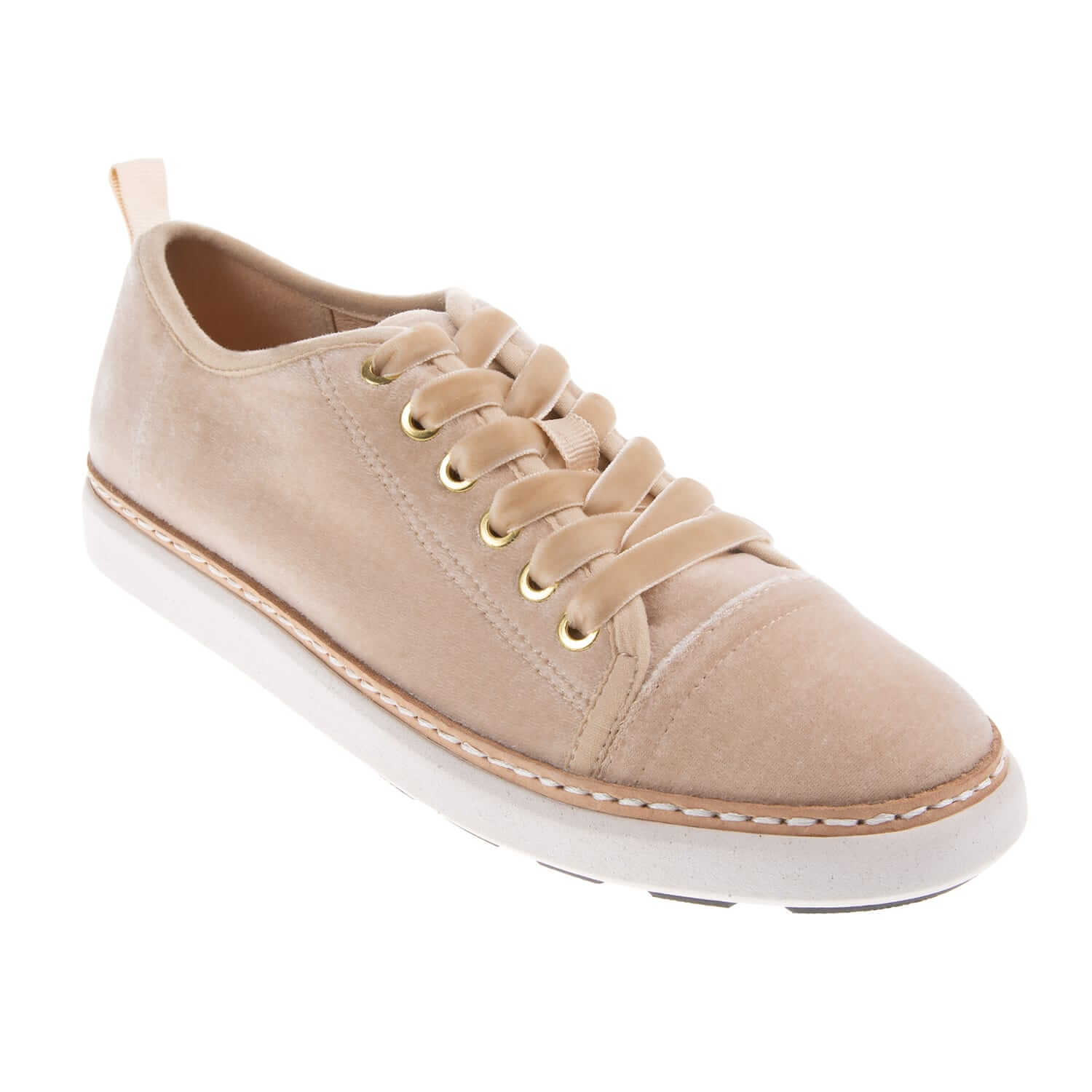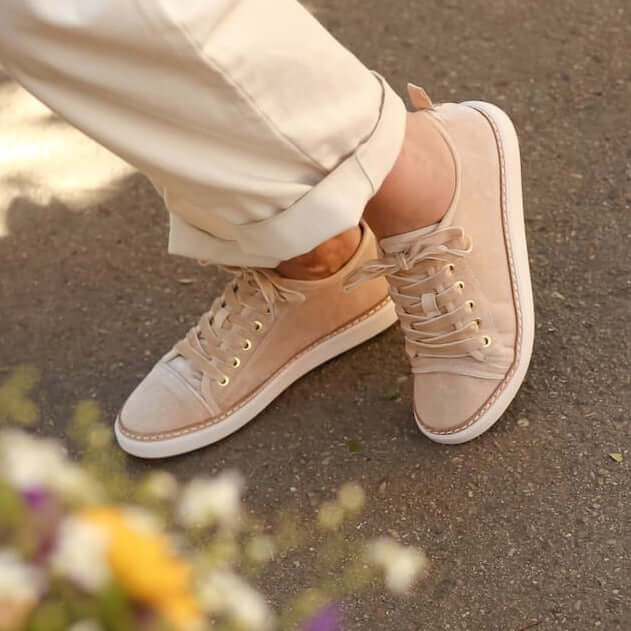

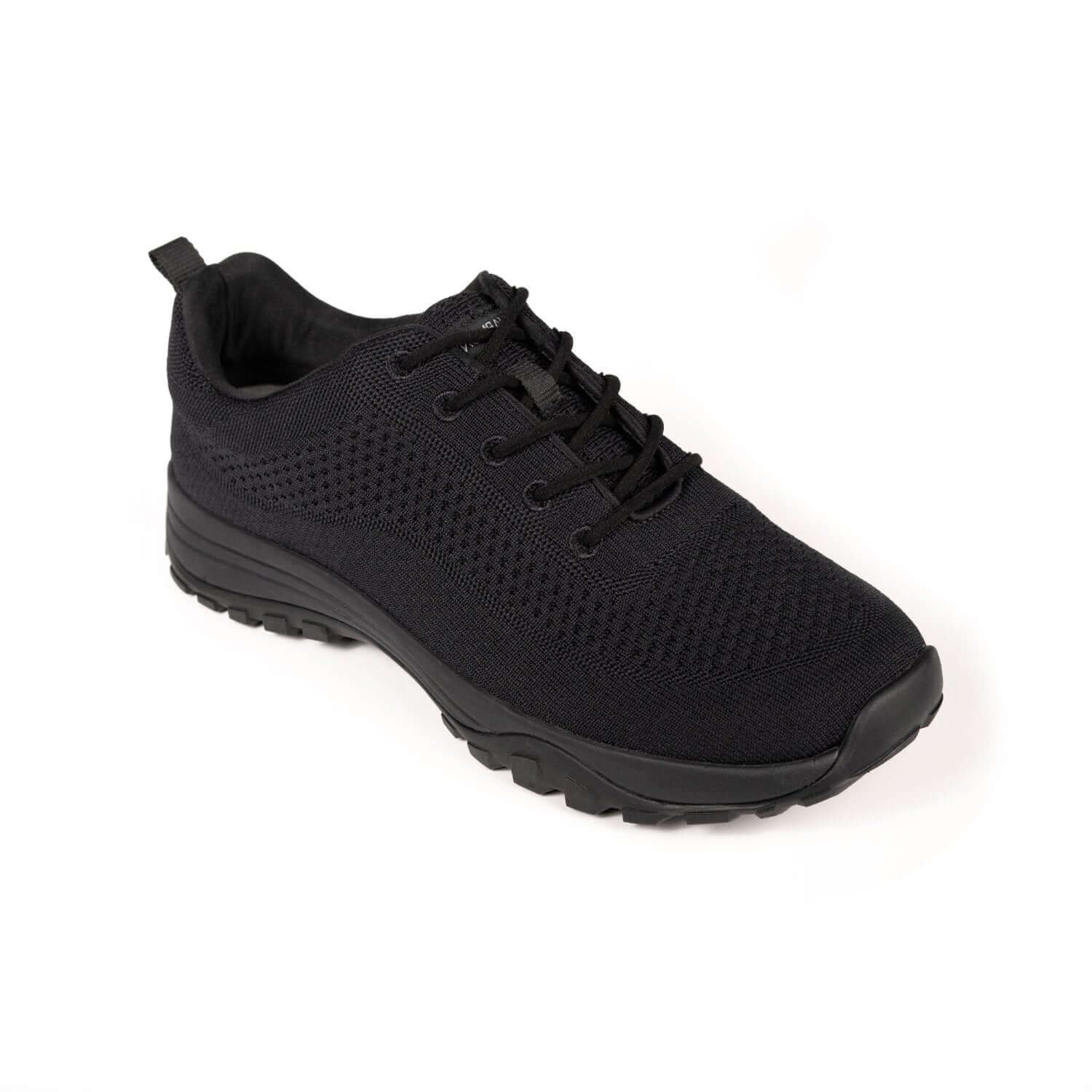

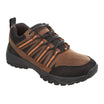
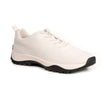

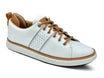
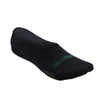
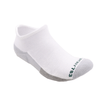
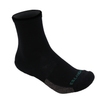

Socks can keep grounding shoes comfortable, but their fibers decide whether the conductive path stays intact. Regular synthetic pairs may weaken that connection, while conductive socks are designed to support it.
Explore Harmony 783 grounding shoes
Can you wear socks with grounding shoes? Yes, but the sock material can change how well your foot connects through the shoe to the ground. Grounding depends on a continuous conductive path, so standard synthetic socks may act as a barrier between skin and footwear. Conductive socks made with silver or other conductive fibers are built to maintain contact while adding warmth, comfort, and odor control. Research also shows that textile electrical properties respond to humidity, which helps explain why results with ordinary socks can vary. Bare feet are another simple option when weather and shoe style allow. For the most reliable setup, pair grounding shoes with conductive socks and use them on a suitable grounded surface.
The first question is simple: Can You Wear Socks With Grounding Shoes? The practical answer depends on fabric, fit, and the surface underfoot, so know what preserves the conductive path before choosing your next pair or wearing it. The path begins with
Can You Wear Socks With Grounding Shoes?
Yes, you can wear socks with grounding shoes if the shoes still fit well. But fit and grounding performance are separate questions. Grounding depends on a continuous conductive path, so a sock between your skin and the shoe can change that path.
How ordinary socks affect contact
Most ordinary socks are not made to conduct electricity. A dry, non-conductive sock may act as an insulating layer between your foot and the shoe's conductive parts. Research on textile electrical properties explains how dielectric materials resist electrical current, which helps explain why sock material matters.
Moisture can change a fabric's electrical properties, so a damp sock may conduct differently from the same sock when dry. Still, sweat is not a reliable grounding plan. Humidity, fabric blend, thickness, and contact with the shoe can all vary during wear.
Conductive socks and shoe design
Conductive socks are made to preserve electrical contact through the fabric. They often use conductive fibers or threads that touch both the skin and the shoe's grounding area. Studies of conductive textiles show that fabric design and close skin contact both affect the electrical connection.
Not every sock labeled conductive will work with every shoe. The conductive area must meet the part of the shoe that carries the path to the ground. Harmony 783's silver-thread grounding socks use silver conductive thread for this purpose.
A practical way to choose socks
Start with the shoe maker's care and wear instructions. Some grounding shoes may be designed for bare feet, while others support conductive socks. If the instructions are unclear, ask the maker which sock materials and designs match the shoe.
- Choose a sock that keeps the shoe comfortable without making the fit tight.
- Match the sock's conductive zone with the shoe's conductive contact area.
- Do not assume moisture alone creates a steady conductive path.
- Follow the maker's guidance for cleaning socks and shoes.
In short, the answer to "can you wear socks with grounding shoes" is yes, but the sock must support the intended connection. Ordinary socks can weaken or interrupt it. Conductive socks are the clearer choice when you want coverage and a planned path through the footwear.
How socks change the conductive path
A sock becomes one link in the path from your skin through the shoe and into a suitable grounded surface. Its fiber, thickness, moisture level, and contact with the shoe all influence continuity. Conductive socks create a more intentional connection than ordinary dry synthetic pairs.
The contact chain
Grounding footwear is intended to connect the ground, the shoe's conductive parts, and the wearer's skin. Each point must make contact with the next for the path to stay continuous. A sock adds another point to that chain, between the foot and the shoe.
The key question is not simply, "Can you wear socks with grounding shoes?" Instead, ask whether the sock lets the foot contact the shoe's conductive area. A fabric layer may support that contact, reduce it, or block it, based on its material and fit.
Why fabric and fit matter
Ordinary fabric does not always carry charge well. Conductive textiles often add metal or other conductive fibers to create electrical contact. One study of a stretchable conductive fabric also notes that a tight fit helps ensure contact with the body.
That detail matters inside a shoe. A loose sock may shift away from the shoe's conductive point. A thick sock can add distance between the skin and that point. A snug sock with conductive thread is designed to bridge the gap instead.
Moisture can also change how a textile conducts. Research on textile electrical properties reports that they are sensitive to relative humidity. This means a sock's performance may vary with its material, moisture level, and the way it sits against the foot.
Standard socks and conductive socks
A standard cotton or synthetic sock should not be assumed to maintain the intended path. It places a textile barrier between skin and shoe, but its exact effect can vary. Removing the sock gives the foot more direct contact with the shoe's conductive parts.
When socks are needed for warmth, comfort, or fit, Harmony 783 socks offer another option. They use conductive thread to link the skin with the shoe's contact area. The thread still needs to touch both sides of the connection.
This explanation describes electrical contact, not a proven health result. Evidence about textiles can show how materials affect a conductive path. It does not establish that grounding footwear or a certain sock will produce a specific wellness outcome.
Which socks work best with grounding shoes?
If you ask, "can you wear socks with grounding shoes," the short answer is yes, but the sock material matters. A grounding shoe needs a continuous conductive path between its sole and your skin. Any sock placed between those points can support that path or get in its way.
Bare feet offer the most direct contact inside the shoe. For added comfort or warmth, purpose-built conductive socks are the most reliable option. They use conductive thread to help maintain contact while covering the foot.
Quick comparison of sock options
The right choice depends on the weather, your activity, and how much direct contact you want. This table shows the main tradeoffs for common options.
| Option | Conductive contact | Practical advantage | Main limitation | Best use |
|---|---|---|---|---|
| Bare feet | Direct skin contact | No fabric barrier | Less warmth and moisture control | Short walks and warm days |
| Thin natural-fiber socks | Variable | Light comfort and coverage | Natural fiber alone does not ensure conductivity | Casual wear when direct contact is less important |
| Synthetic socks | Often poor without conductive thread | Common and easy to wash | May act as a barrier | Wear only after checking the sock and shoe design |
| Purpose-built conductive socks | Designed to maintain contact | Coverage, warmth, and a conductive pathway | Conductive thread needs proper care | Daily wear, cooler weather, and longer outings |
This comparison shows how contact and comfort can vary by sock choice.

Why fabric and fit matter
Fabric composition has a strong effect on electrical impedance. Conductive elements can be added to textiles to support electrical contact with skin. Fit matters too, since loose fabric may not stay against both the foot and the shoe's conductive area. A study of conductive textiles notes that a close fit helps ensure electrical contact.
Thin cotton or wool socks may allow some contact in certain conditions, but results can vary. Natural fiber does not make a sock conductive by itself. Humidity can also change a textile's electrical properties, according to research on textile conductivity. That makes ordinary socks a less steady choice than socks made with conductive thread.
Choosing socks for daily wear
Choose bare feet when you want the simplest path and the shoe feels comfortable without socks. Thin natural-fiber socks can work for light coverage, but do not assume they maintain a reliable path. Standard synthetic socks are the least suitable choice unless the maker confirms conductive fibers or another contact method.
For warmth, longer wear, or a consistent setup, use socks designed for this purpose. Harmony 783 merino wool grounding socks combine merino wool with silver conductive thread. Make sure the sock touches your skin and the conductive area inside the shoe. Follow its care directions so the conductive thread stays in good condition.
How to choose socks for grounding shoes
Choose socks by checking the footwear maker's guidance, matching conductive zones, and preserving a comfortable fit. A purpose-built conductive pair is the clearest option when you want coverage. Test the complete shoe-and-sock setup before a long day of wear.
Start with the shoe design
Can you wear socks with grounding shoes? Yes, but the right pair depends on the shoe design, fit, surface, and weather. Start with the maker's directions rather than assuming every sock works the same way.
Grounding footwear needs a continuous conductive path between the ground and your foot. Fabric can support electrical contact when it includes conductive parts and fits close to the skin, as shown in research on conductive textiles. Standard non-conductive socks may interrupt that path.
A seven-step sock check
Use this process with each new shoe-and-sock pairing. It keeps the choice practical and helps you notice changes caused by fit, terrain, or weather.
Read the shoe maker's instructions. Check whether the shoe requires bare skin, allows regular socks, or calls for socks made with conductive thread.
Choose the sock type. If the instructions call for a conductive pair, select conductive sock option made for direct contact with the foot and shoe.
Check the fit. Put on the socks and shoes, then walk indoors for a few minutes. Avoid bunching, heel slip, tight toes, or seams that press against the skin.
Confirm contact points. Make sure the sock sits against both your skin and the shoe's intended conductive area. A gap or thick non-conductive layer may break contact.
Match the setup to the terrain. Check the maker's guidance for pavement, soil, grass, or indoor floors. The shoe must also suit the surface and provide stable traction.
Test comfort over time. Begin with a short walk and inspect your feet afterward. Change the sock thickness or style if you notice rubbing, pressure, excess heat, or dampness.
Care for the pair as directed. Follow the sock and shoe washing instructions. Recheck fit and contact after washing, and replace worn socks when holes or stretched areas appear.
Adjusting for daily conditions
Temperature, moisture, and activity can change which sock feels best. Textile electrical properties are also sensitive to environmental conditions, including humidity, according to a review of textile conductivity. Recheck your setup when conditions shift instead of relying on one test.
For cold weather, begin with a maker-approved conductive sock that adds warmth without crowding the shoe. For trails, choose a secure fit and enough cushioning for the route. Stop and adjust if your foot slips, rubs, overheats, or feels compressed.
Compare Harmony 783's silver-thread grounding socks
What about winter, moisture, and everyday wear?
In winter and daily wear, prioritize both comfort and a deliberate conductive path. Thick ordinary socks can alter fit and contact, while dampness produces inconsistent results. Conductive socks that fit without pressure are a more dependable choice for warmth and coverage.
Cold weather and winter socks
Cold weather does not rule out grounding shoes, but it changes how you plan for comfort and contact. Thick winter socks may fit differently than the pair used when choosing your shoe size. Test the full shoe-and-sock setup indoors before a longer walk.
If maintaining a conductive path matters to you, sock material deserves close attention. Standard socks may limit contact between your foot and the shoe's conductive parts. A pair of purpose-built grounding socks is designed to provide warmth while keeping that connection in mind.
Do not solve cold feet by forcing several layers into a tight shoe. Pressure, rubbing, or numb toes are signs that the fit needs attention. A roomier shoe, a different sock weight, or a shorter outing may work better.
Sweat, humidity, and wet ground
Sweat and humid air can change how textiles behave. Research on textile sensors notes that electrical properties are sensitive to environmental conditions, especially relative humidity. That does not mean more moisture always creates a better or safer grounding setup.
Choose socks that manage moisture and change them when they stay wet. Let shoes dry fully between uses, and follow the care directions for their material. Never add water to a shoe or sock to try to improve conductivity.
Wet leaves, ice, mud, and smooth floors can also affect footing. Slow down, watch the surface, and skip conditions that feel unsafe. Grounding is not worth a fall or damaged footwear.
Trails, daily surfaces, and care
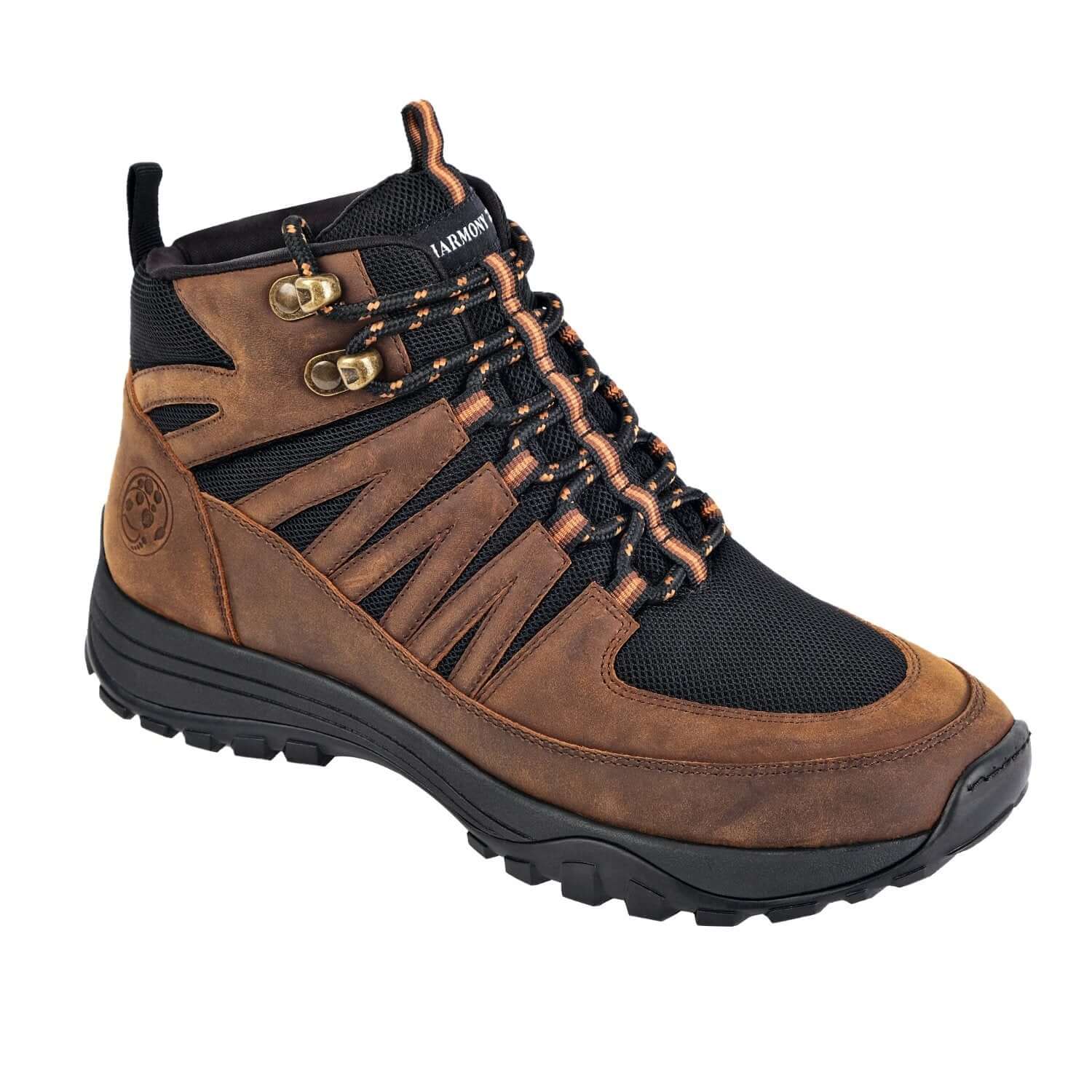
Match the shoe to the place you plan to walk. A trail calls for grip, protection, and a secure fit. Harmony's grounding shoes are made for outdoor terrain, while a daily sneaker may suit errands and paved routes.
Surface type also matters because grounding depends on a continuous conductive path. The path may vary as you move between soil, pavement, indoor floors, and other surfaces. Treat the shoe as one part of the setup, not a guarantee in every setting.
- Check the fit with the socks you will actually wear.
- Remove dirt after trails, then let the shoes air dry.
- Inspect soles, conductive points, and inner fabric for wear.
- Follow the maker's cleaning directions instead of soaking or machine washing.
Can you wear socks with grounding shoes through a full day? You can wear them as long as the fit stays comfortable and the footwear suits the conditions. Start with a shorter period, then check your feet, socks, and shoes before extending wear.
Common myths about socks and grounding footwear
Not every sock, surface, or damp condition creates dependable contact. Grounding footwear still requires a continuous path from skin to a suitable surface. Treat grounding products as wellness footwear, not medical treatment, and follow the maker's directions for the most reliable setup.
The any-sock myth
Can you wear socks with grounding shoes? Yes, but the sock material and shoe design affect whether a conductive path remains. A standard sock may sit between your skin and the shoe's conductive parts. That barrier can weaken or stop electrical contact, so the label "grounding shoe" does not make every sock suitable.
Conductive fibers can help a textile maintain electrical contact with skin. Research on wearable conductive textiles shows that fabric composition and fit both matter for contact. For a purpose-built option, conductive grounding socks contain silver conductive thread. The broader point is supported by research on conductive textile design: materials must support an electrical connection.
The moisture shortcut
Another myth says any sock will work once it becomes damp. Moisture can change a textile's electrical properties, but it does not turn every fabric into a reliable conductor. Humidity, material, fit, and the contact points within the shoe can all affect the result.
A study of textile electrical properties found that those properties respond to environmental conditions, including relative humidity. That finding does not mean sweat guarantees grounding. Instead, it shows why moisture alone is an uncertain test. The safest practical approach is to follow the footwear maker's sock guidance and inspect the intended contact path.

Treatment claims and surface differences
Grounding footwear is not medical treatment. It should not replace care, medicine, or advice from a licensed health professional. Product use and medical care are separate questions. Be cautious when a claim promises to diagnose, cure, or prevent a health condition.
It is also false that every walking surface grounds equally. A conductive path must continue from the body, through the sock and shoe, to a suitable surface. The NIH guidance on static-control flooring explains that conductive flooring needs a path to ground. It offers a useful electrical principle, though grounding shoes serve a different purpose.
Painted floors, thick coatings, dry indoor materials, and other barriers may interrupt contact. Outdoor surfaces also vary with material and conditions. Rather than assume a surface works, check the shoe instructions and use any test method the maker provides.
For a broader explanation of the concept and intended contact path, read what grounding is before choosing footwear and socks.
Frequently Asked Questions
These quick answers cover the practical questions people ask most about socks, conductive contact, winter wear, and daily comfort. The core principle is consistent: your setup needs an intentional path from skin through the footwear to a suitable surface.
What socks can I wear with grounding shoes?
Conductive socks containing silver or another conductive fiber are the most reliable choice for grounding shoes. They help maintain contact between your skin and the shoe's conductive system. Research on conductive textiles shows that conductive elements can be integrated into fabric to support electrical contact. Regular cotton socks may conduct when damp, but results can vary.
Does wearing socks affect grounding?
Yes, sock material can affect the conductive path between your foot and a grounding shoe. Thick synthetic socks, including many polyester styles, may act as an insulating barrier. Conductive socks are designed to preserve electrical contact. Moisture can also change a fabric's conductivity, according to research on textile electrical properties, so standard socks may produce inconsistent results.
Can you wear grounding shoes all day?
You can wear grounding shoes throughout the day if they fit well and remain comfortable for your activities. Their grounding function still depends on a continuous conductive path from your skin, through the shoe, to a conductive surface. Painted floors, sealed surfaces, and many indoor materials may interrupt that path. Stop wearing the shoes if they cause rubbing, pressure, or discomfort.
Can you wear socks with grounding shoes in the winter?
Yes, conductive grounding socks can add warmth while helping maintain contact with the conductive parts of grounding shoes. Choose a pair that fits without making the shoes tight or restricting movement. Grounding also requires a conductive surface beneath the shoes, so snow, insulated flooring, or sealed pavement may not provide a reliable connection. Follow the footwear maker's care and use instructions.
Ready to choose socks that support grounding?
Choose a comfortable, purpose-built combination that keeps the intended contact path in mind. Compare sock materials, confirm fit, and follow the footwear maker's instructions before wearing your setup for a full day.
Wearing the wrong socks can leave you unsure whether your grounding shoes fit your routine or support the connection you expect each day. Waiting to choose a better pairing means more time spent adjusting your setup instead of wearing it comfortably and with greater confidence. Start now to compare materials, find a comfortable match, and build a simple grounding habit that works across your regular daily schedule.
Ready to shop grounding footwear and conductive socks? Shop the unisex grounding sneaker to begin with footwear designed for practical, everyday use. Contact Harmony 783 for help choosing conductive socks and a shoe combination that fits your routine, comfort needs, and preferred activities.