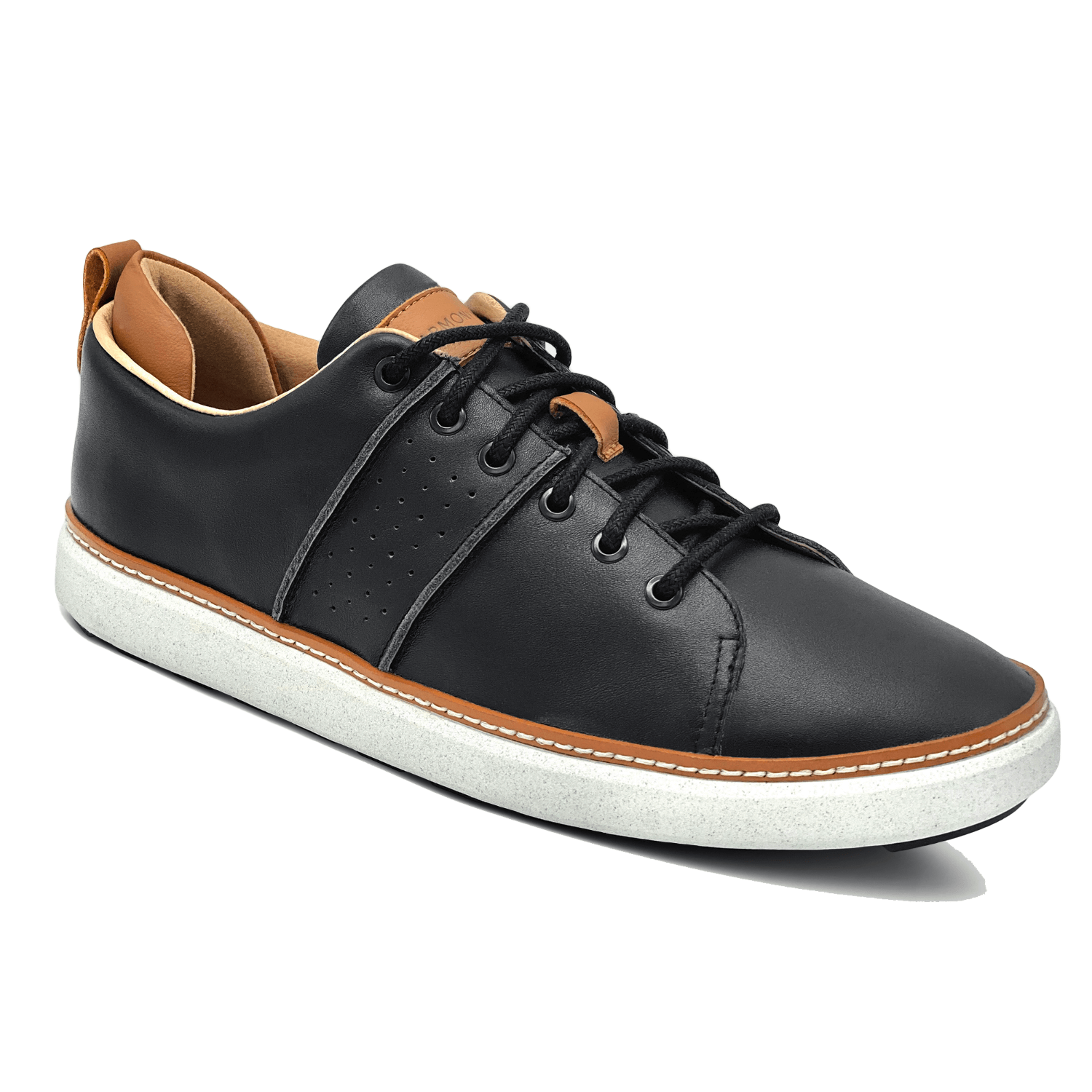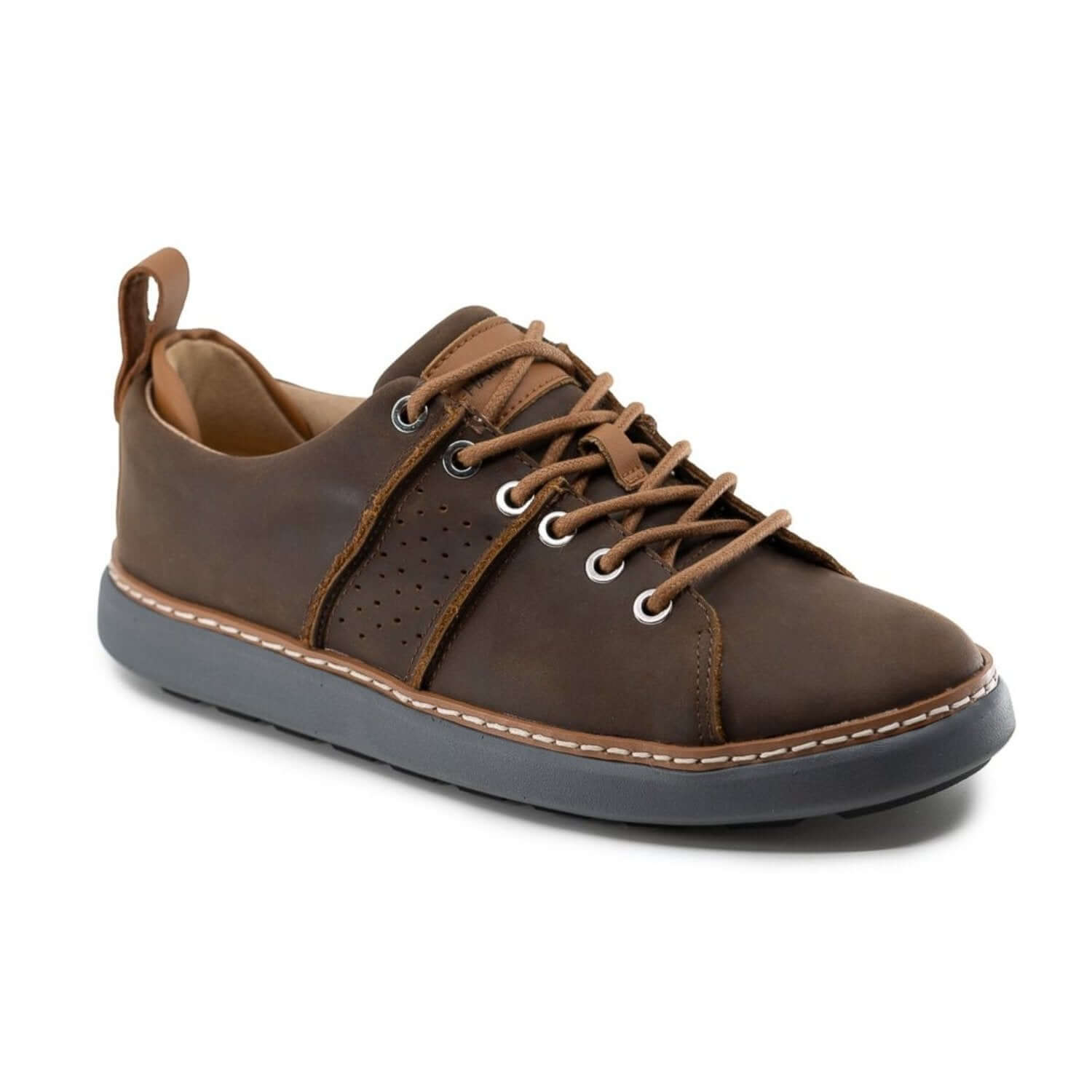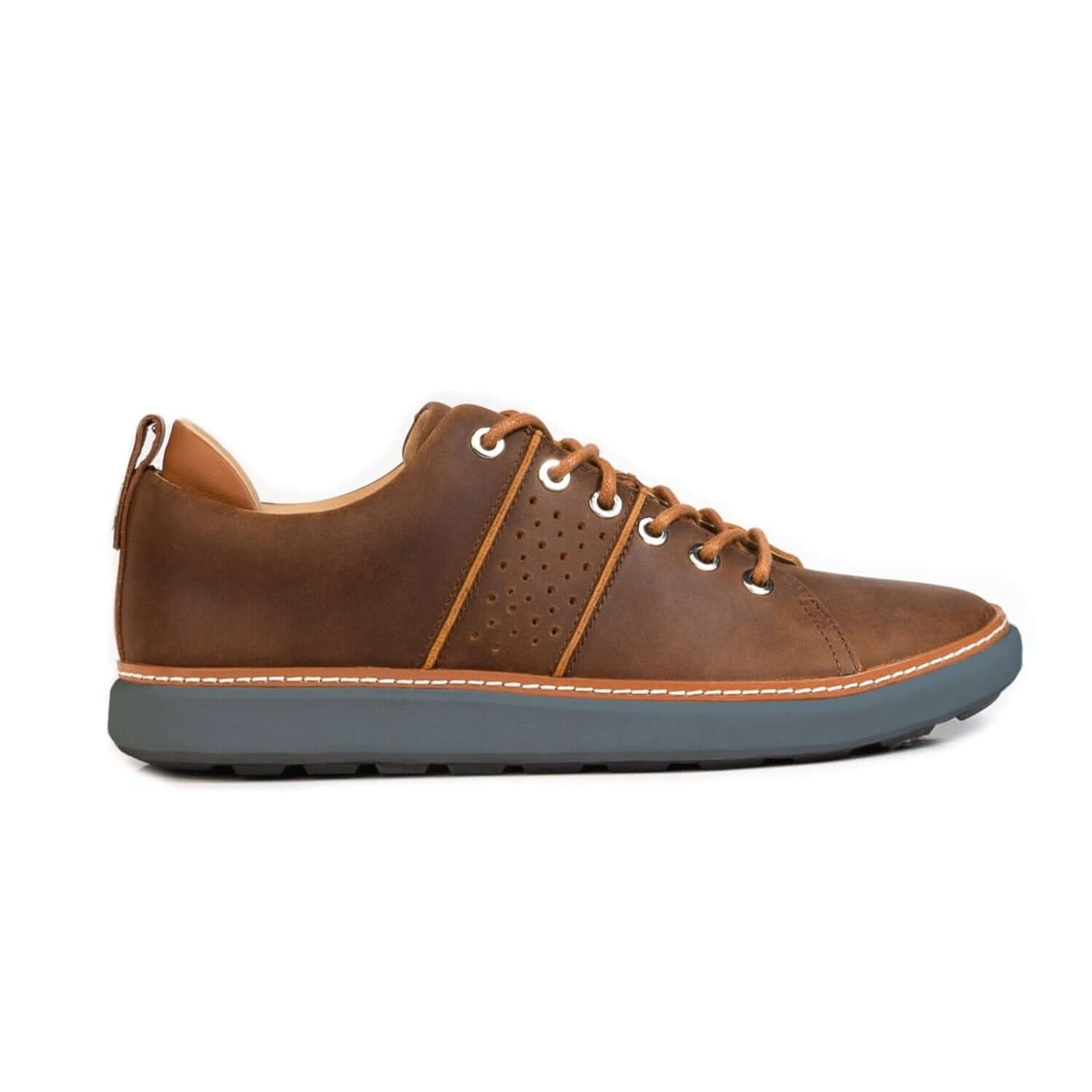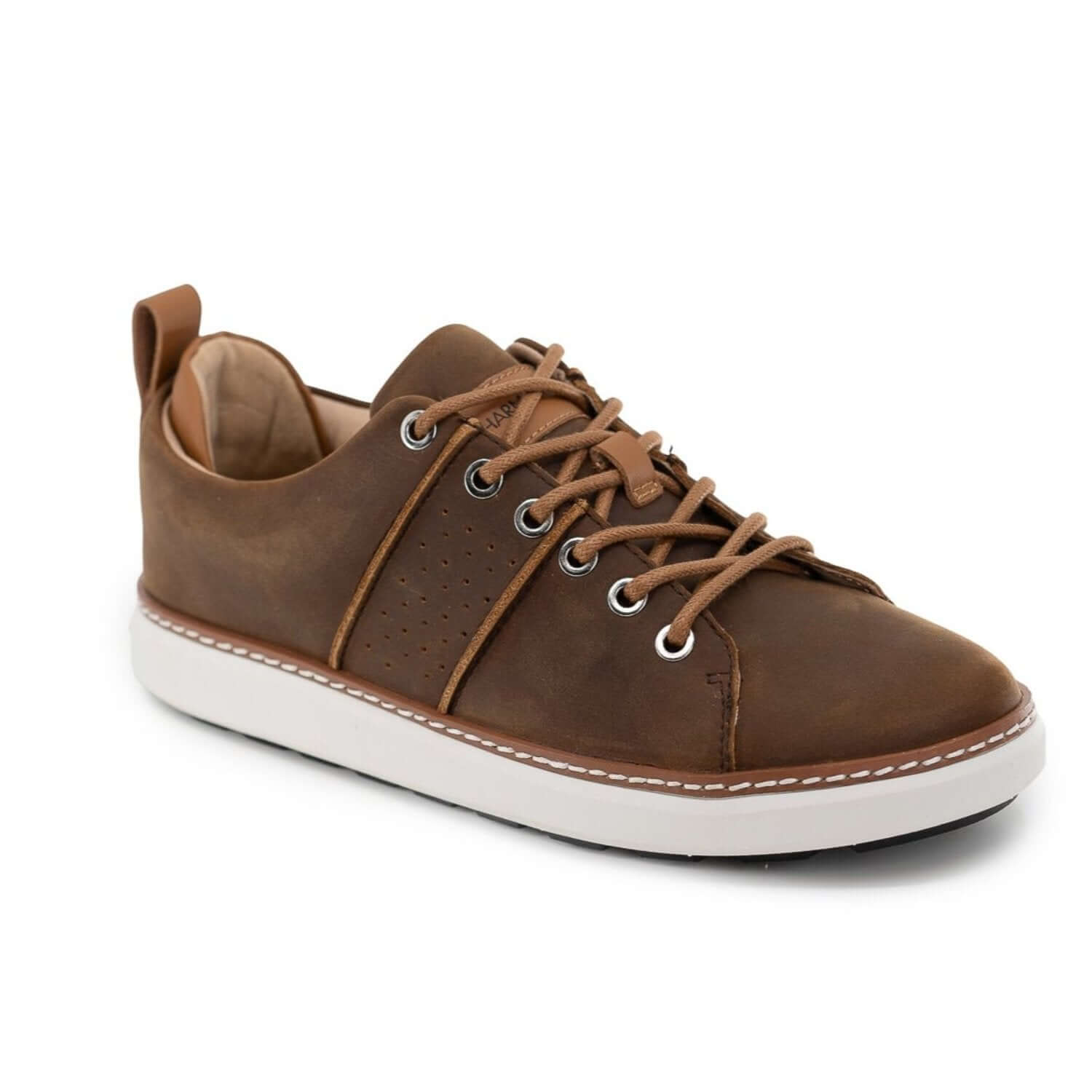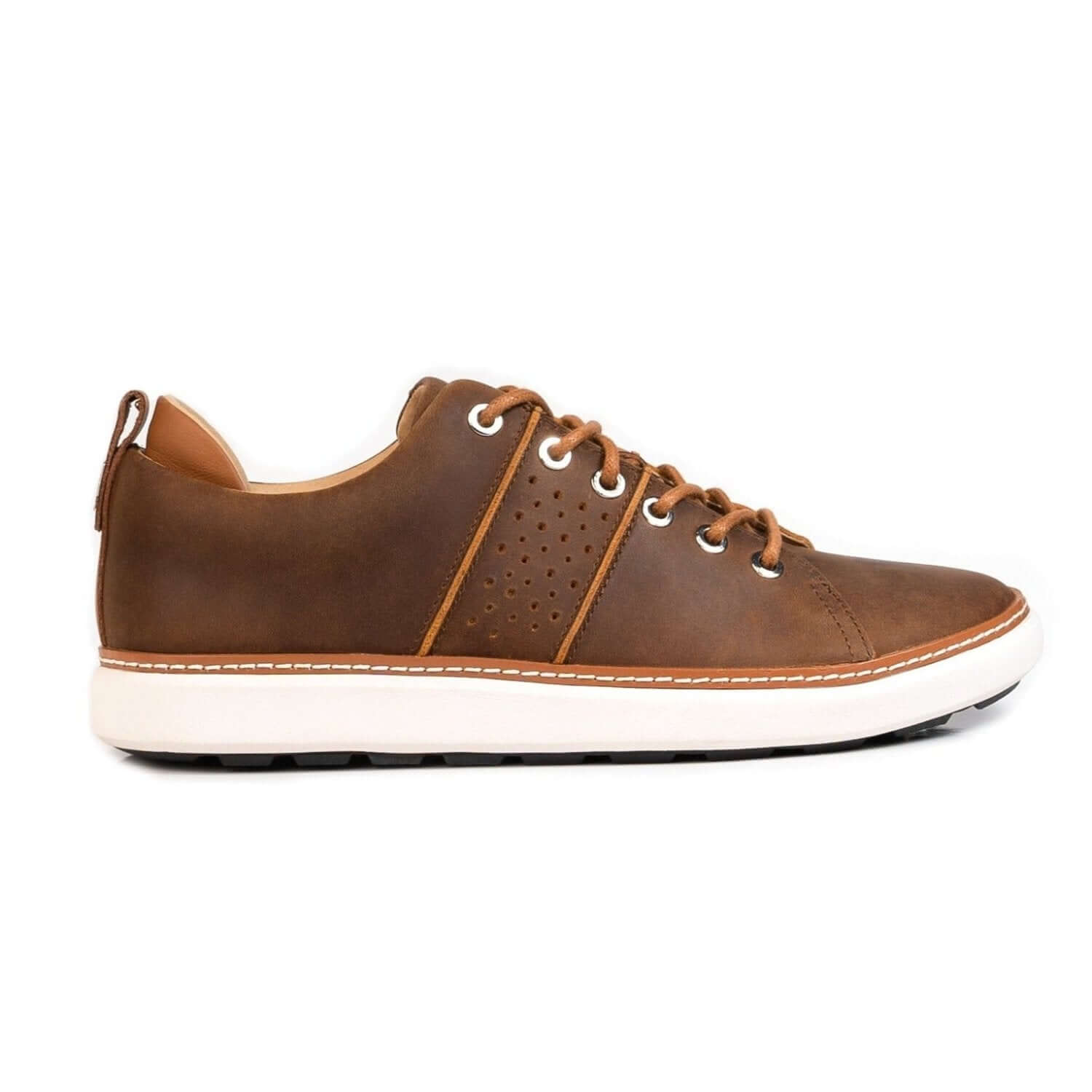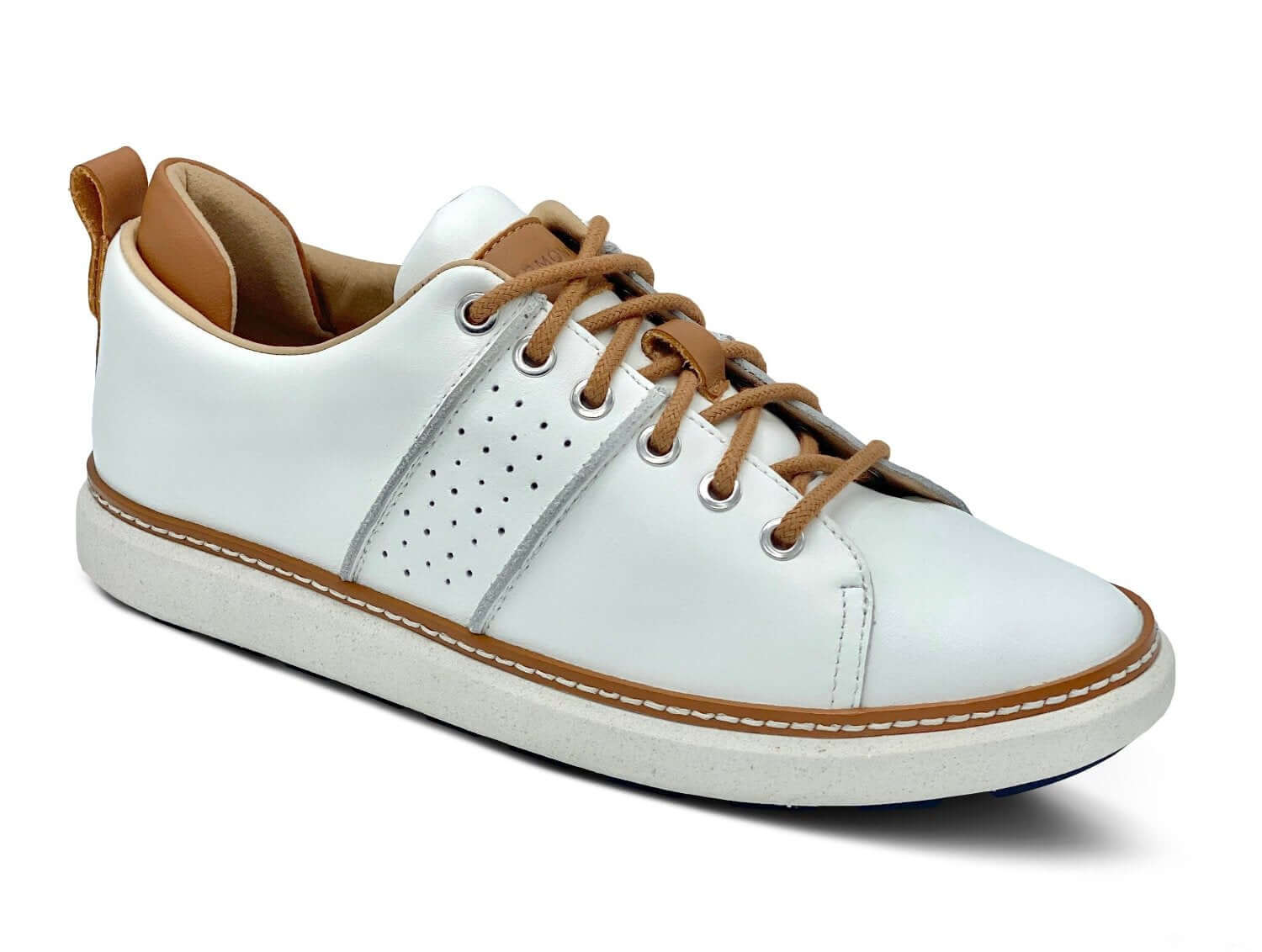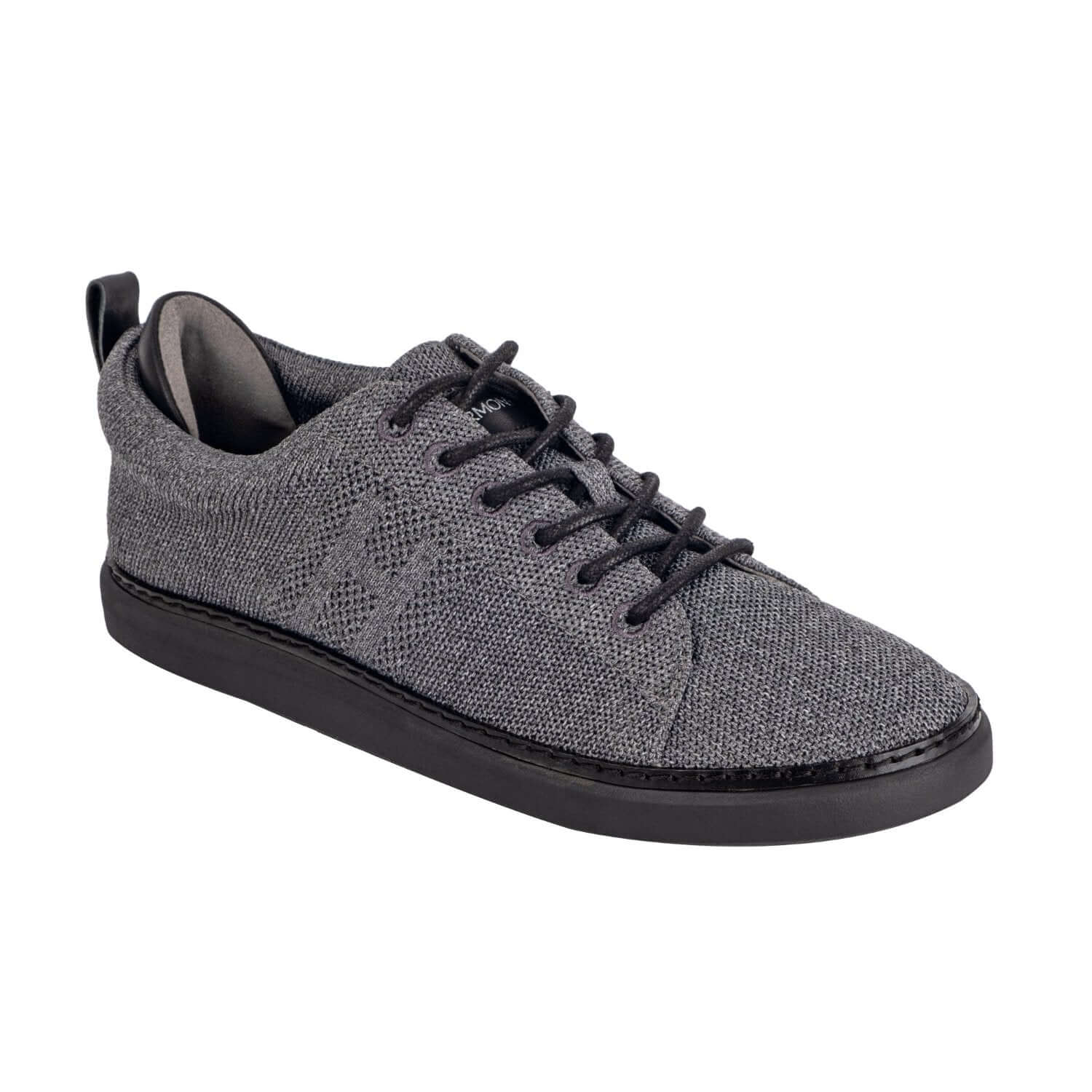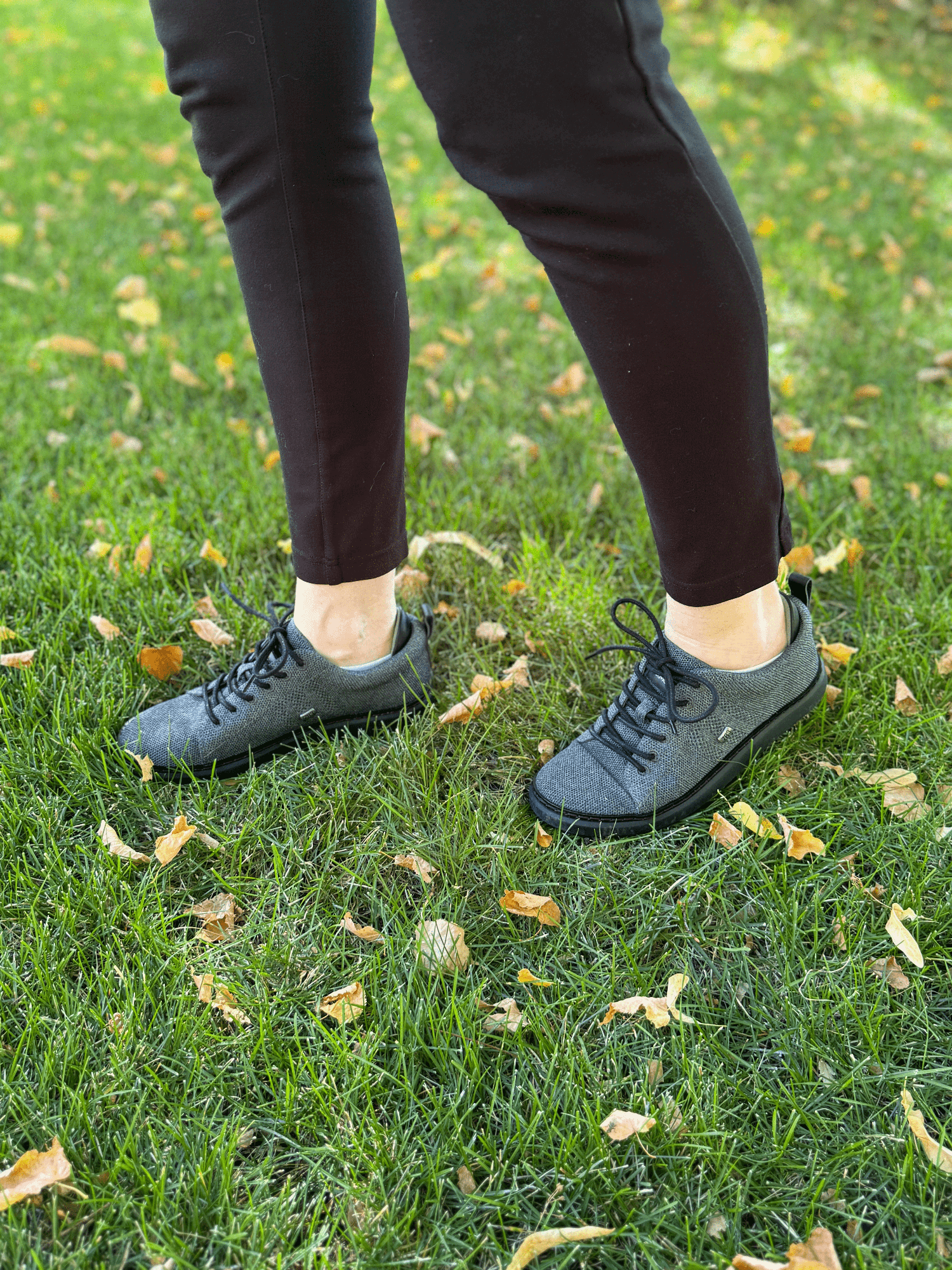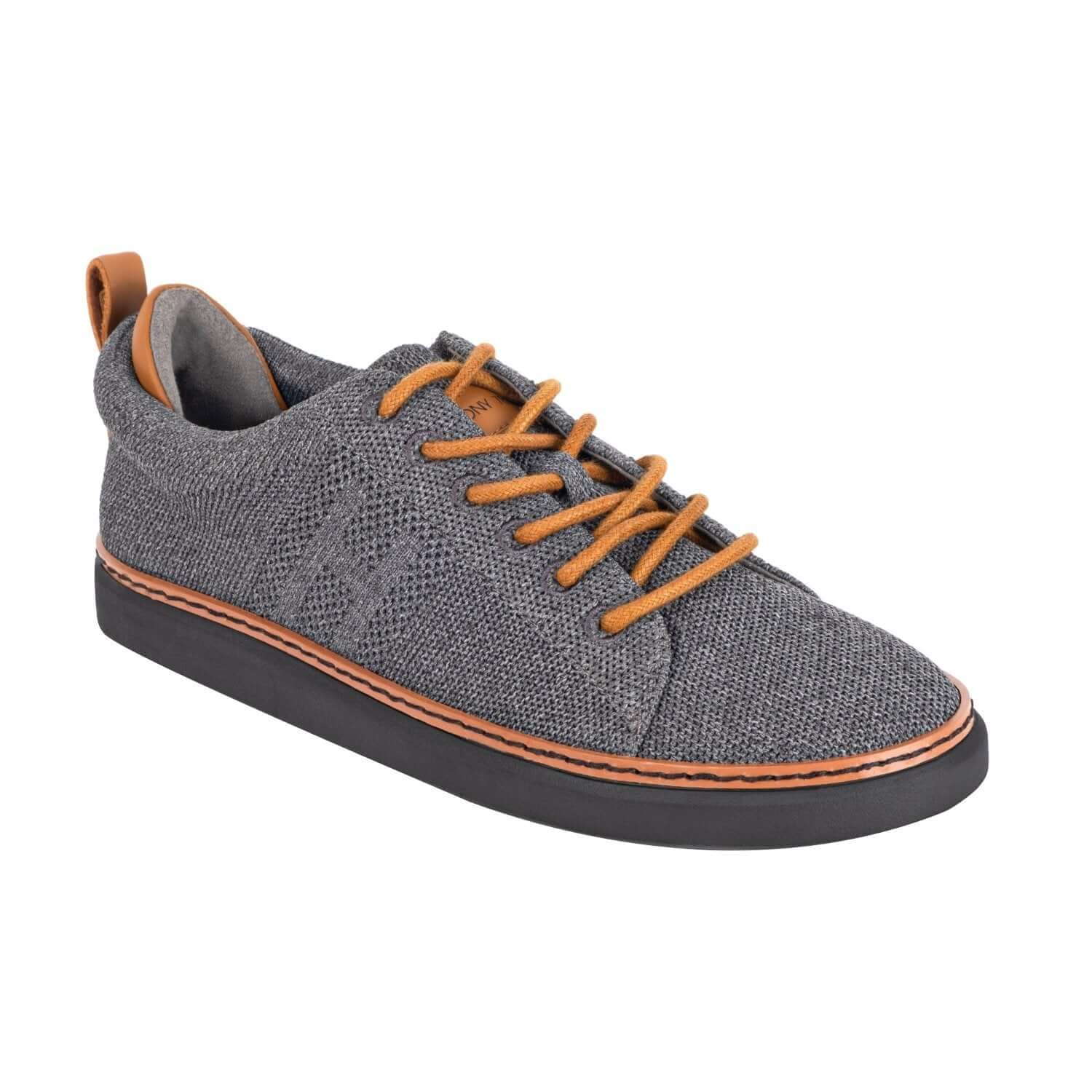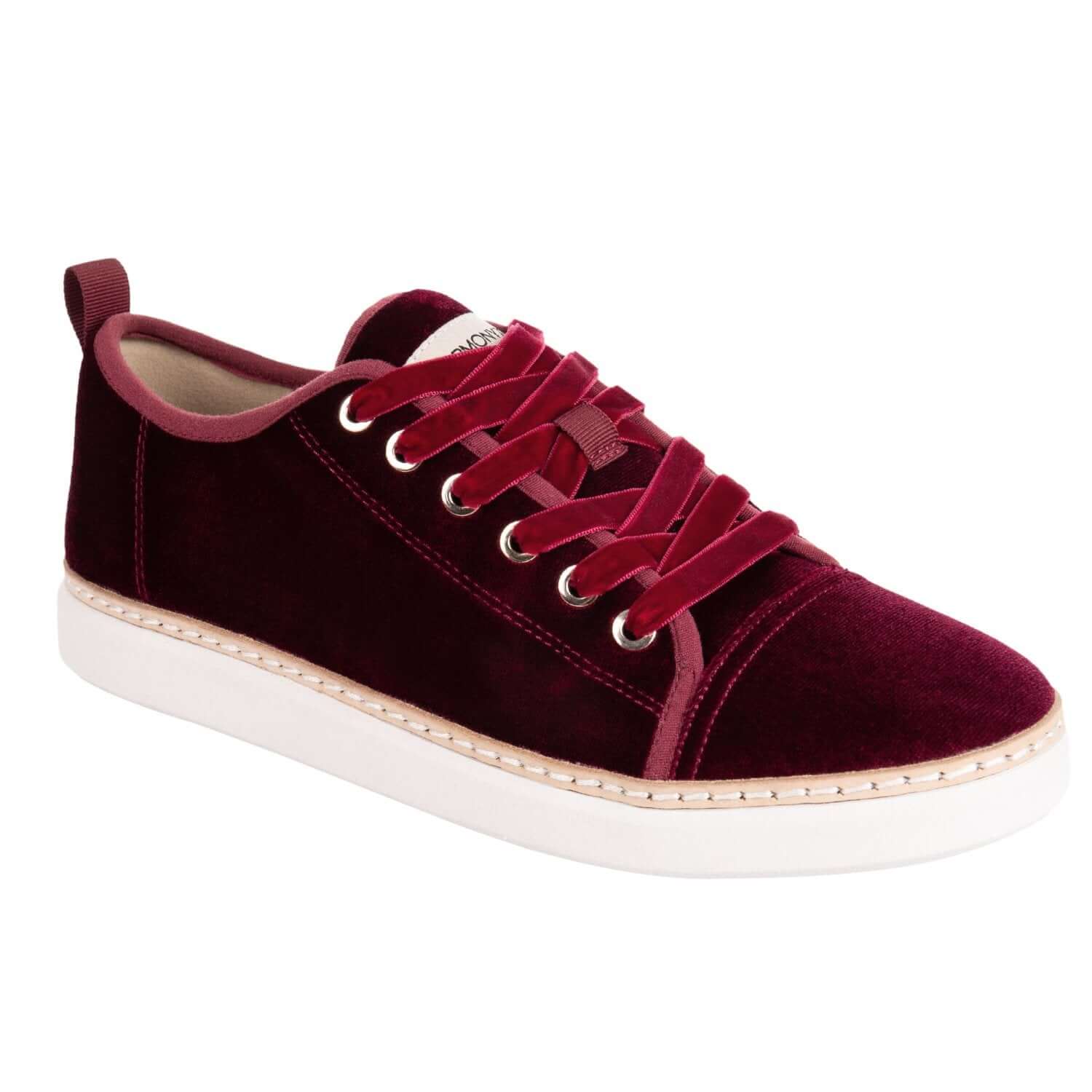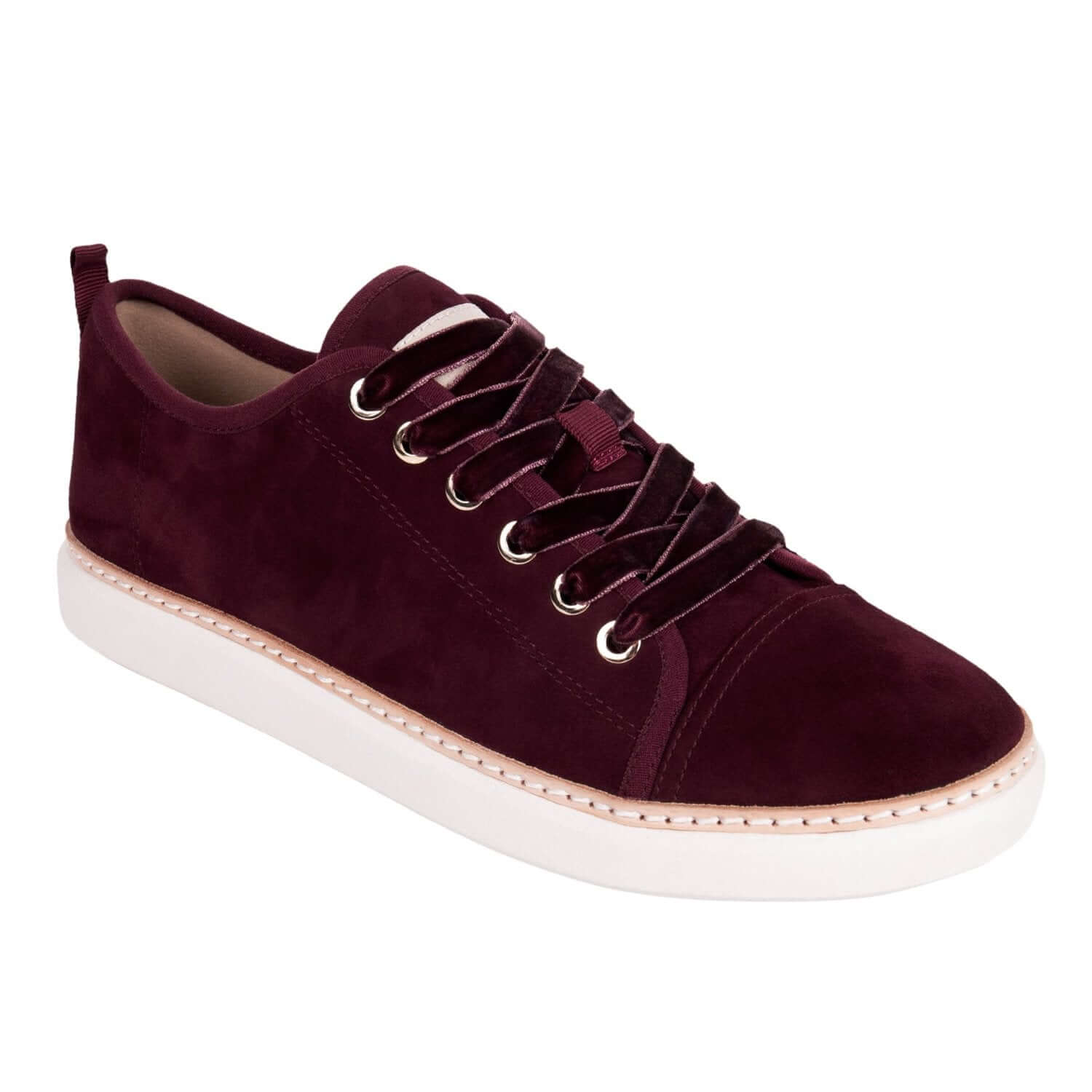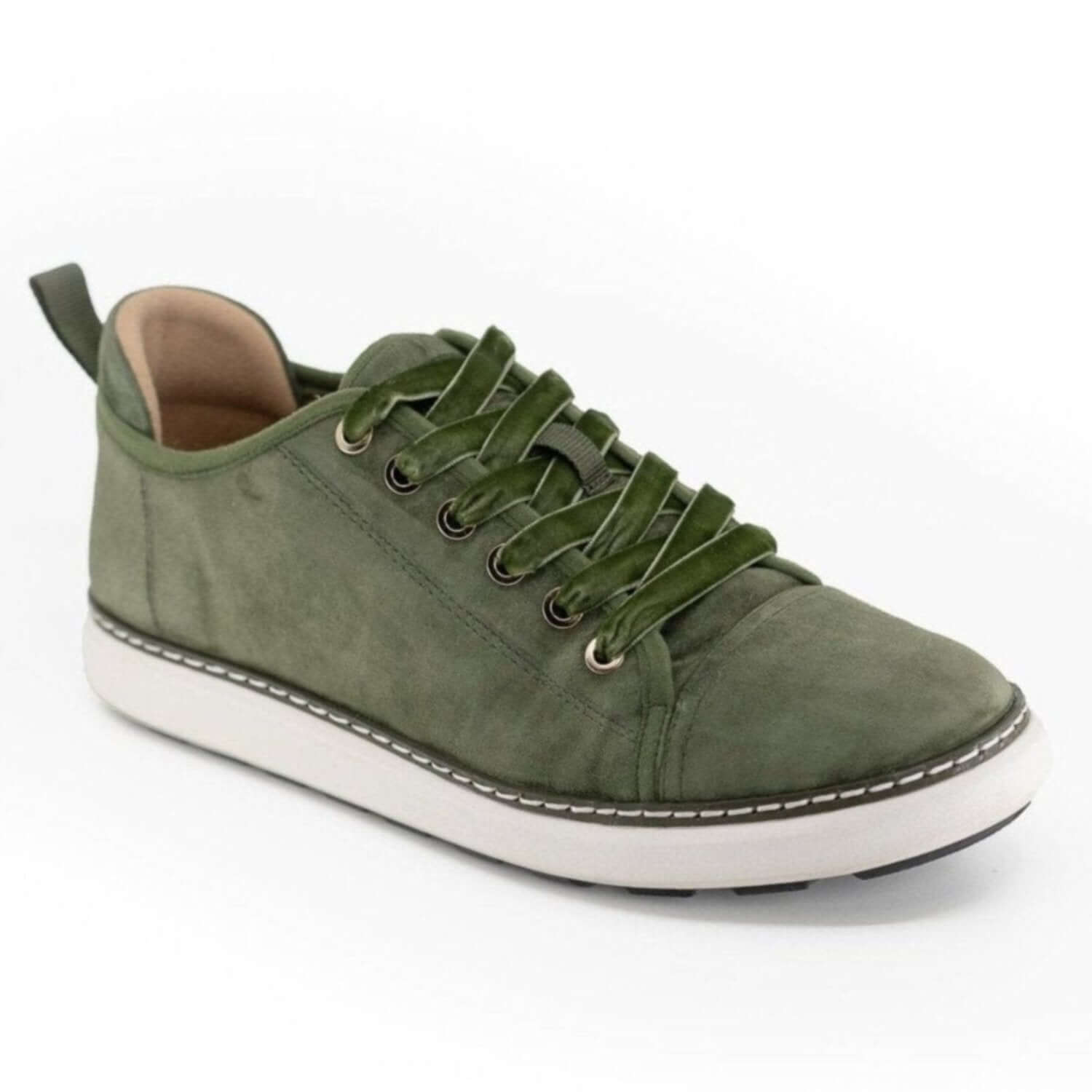

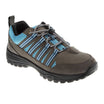
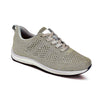
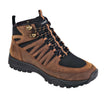
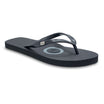
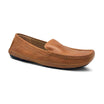
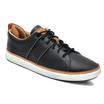

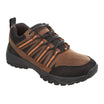
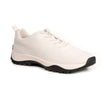

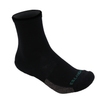

When you hear the term conductive footwear, it can sound like any shoe made with materials that carry electricity. But what does that mean for a shoe you wear every day? What is conductive footwear, and how is it different from a shoe designed for grounding? The short answer: conductivity describes a material's ability to let electrical charge move. A shoe only creates a path between your body and the earth when its materials, construction, and contact with a suitable surface work together.
Explore Harmony 783 grounding footwear
What does conductive footwear mean?
Conductive is a description of how a material behaves, not a promise about what wearing a shoe will do for your health. Metals, carbon-based materials, and some specially made textiles can conduct electricity. Other materials, such as many ordinary rubber compounds, act as insulators. A shoe may include both types in different parts.
That distinction matters because a shoe can have a conductive component and still fail to connect the wearer to the ground. The material must form a continuous path through the shoe, make contact with the wearer, and meet a surface that is electrically connected to the earth. Gaps, coatings, dirt, moisture, or an insulating layer can affect that path.
People also use the words conductive footwear, grounding shoes, and earthing shoes as if they mean the same thing. They overlap, but they are not exact synonyms. Conductive footwear may be made for a specific workplace purpose, such as managing static electricity. Grounding shoes are designed to let a person connect with the earth through the footwear. The intended use and construction matter.
To learn the basic idea behind earthing, see what grounding is and how grounding shoes are intended to work. You can also read the Harmony 783 grounding and earthing FAQs for more common questions.
How does the path from your foot to the ground work?
Think of the route as a chain. The chain begins where your foot or sock touches a conductive part inside the shoe. It continues through conductive elements in the shoe and its sole. The outsole then needs to touch a surface that provides a path to the earth. If one link is missing, the shoe may not provide the connection a shopper expects.
- Contact inside the shoe: A conductive footbed or textile needs to make contact with the wearer. A thick insulating insole or a barrier between the foot and the conductive section can interrupt the route.
- A continuous route through the shoe: Conductive pieces must connect rather than sit as separate, unrelated parts. Stitching, layers, bonding, and the design of the sole all play a role.
- Contact with the surface: The outsole must meet a surface that supports the intended connection. A conductive shoe standing on an insulating floor may not create a path to earth.
In practice, the route can be affected by how a shoe is built and how it is used. A removable insert might change contact. A worn or dirty outsole may behave differently from a clean one. Indoor flooring can vary, and pavement, soil, grass, or other surfaces should not all be assumed to have the same electrical properties. The point is not to guess from the shoe's appearance, but to understand the design and conditions involved.
Surface contact is easy to overlook because the same pair may be used in different places during a day. A shoe on a floor covering, for example, is not in the same situation as a shoe on bare soil. The layer beneath the outsole matters too: carpet, a mat, or a coating may separate footwear from the underlying floor. Even an outdoor surface can vary with its material and condition. Do not treat labels such as “indoors,” “outside,” or “natural” as a complete description of electrical contact.
A practical way to think it through is to name each point in the route: what touches your foot, what carries the connection through the shoe, what part of the sole meets the surface, and what the surface is. If you cannot identify one of those points from the product details, ask the maker rather than filling in the gap with assumptions. The surface does not change the shoe's construction, but it can affect whether the intended connection is present in a given situation.

Harmony 783 describes its Groundworks™ construction as a five-layer conductive system, including silver-stitched elements, a cushioned midsole, and a carbon-and-rubber conductive outsole. That is a product-construction description, not a medical claim. You can read more about how Harmony 783 shoes are made and see its grounding science and research information.
Are all conductive shoes grounding shoes?
The word conductive appears in more than one setting. Some footwear is designed to manage static electricity in a workplace. Some footwear is designed for earthing. Those uses may involve conductive materials, but the goal, design details, and instructions are not necessarily the same.
A barefoot shoe is not a grounded or earthing shoe unless it was specifically constructed as one. A thin sole or a flexible feel does not prove that electrons can flow through the shoe. Likewise, a shoe with a rubber-looking outsole is not automatically non-conductive: the materials and layers inside can differ. Ask what the shoe is designed to do rather than relying on style, sole thickness, or the word “natural.”
Workplace conductive shoes can also have safety requirements tied to their use. For example, a West Virginia National Guard procurement policy lists conductive-soled footwear as an example of occupationally necessary protective footwear for ammunition handlers. An IEEE conference paper describes a conductive floor-and-footwear system used as protection against electrostatic discharge events in an electronics setting. These examples show that conductive footwear can serve a specific static-control purpose; they do not establish health benefits from consumer grounding shoes.
Sources: West Virginia National Guard protective footwear policy and IEEE paper on a conductive floor and footwear system.
Never substitute a consumer grounding shoe for protective footwear required by your employer or a safety program. Follow the instructions for the specific setting, because footwear designed for one electrical purpose may not be appropriate for another.
Related products


What should you check before choosing conductive footwear?
Start with a clear question: was this shoe actually constructed for grounding, or is it simply a shoe with a conductive component or a flexible sole? A useful product explanation should describe the intended function and give enough construction detail for you to understand the route through the shoe.
- Intended purpose: Is the shoe marketed as grounding or earthing footwear, or is conductivity mentioned only in relation to static control or another use?
- Conductive path: Does the maker explain how the footbed, internal layers, and outsole connect?
- Foot contact: Does the design rely on direct contact, or can socks and inserts change the connection? Check the product instructions rather than assuming.
- Surface conditions: Does the maker explain that the surface underfoot affects the connection? Do not assume every floor or outdoor surface works the same way.
- Fit and comfort: A shoe needs to fit your foot and suit your plans. Check sizing information, the return policy, and care guidance before ordering.
- Claims: Look for careful wording about what the shoe is designed to do. Be cautious of promises to treat or cure a health condition.
Construction details can help you compare shoes without treating a single material as proof. For example, a silver-threaded footbed tells you about one component, but not whether every layer joins into a continuous route. Carbon in an outsole may be part of a conductive design, but the complete shoe and its use conditions still matter.
Try a simple product-page review before you buy. First, find the stated purpose and note whether the maker calls the shoe grounding footwear or only describes one conductive part. Next, look for a description of the inside contact point and how that connects to the outsole. Then check whether the maker explains any limits involving socks, inserts, surfaces, or care. If the product page answers only the first question, you have not yet learned how the full path is supposed to work.
For example, imagine two descriptions. One says only “carbon sole.” The other explains that a conductive footbed contacts the wearer, connects through specified shoe layers, and reaches a conductive outsole, while also giving use and care instructions. The second description gives you more to evaluate. It still does not prove a health outcome or tell you how the shoe will perform in every setting, but it makes the design and intended use clearer.
Finally, treat fit as a separate decision from conductivity. A shoe may match your functional questions but still not suit your foot or routine. Review the available sizing details, think about the socks you plan to wear, and consider when you will use it. It is reasonable to compare comfort and construction side by side rather than letting either one stand in for the other.

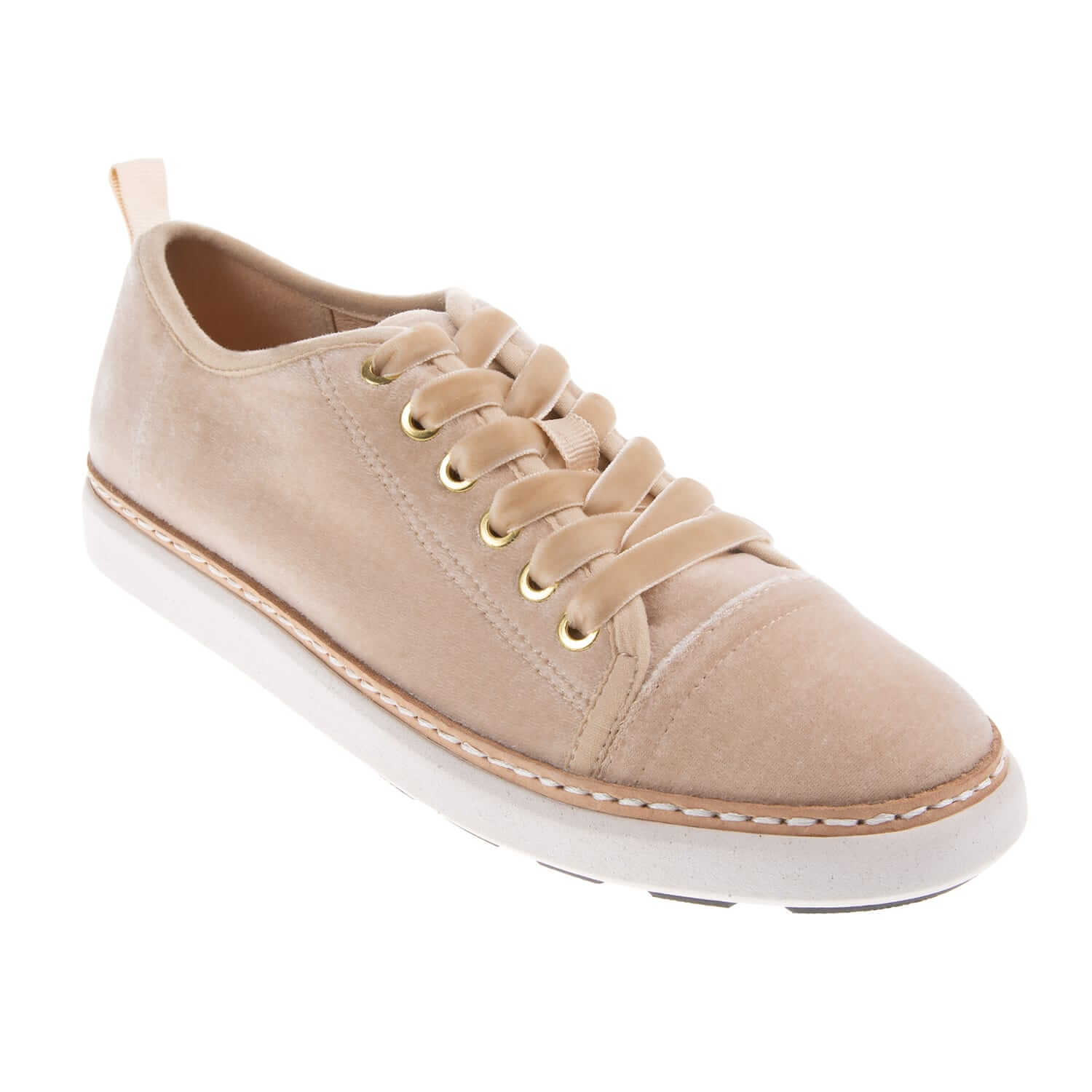
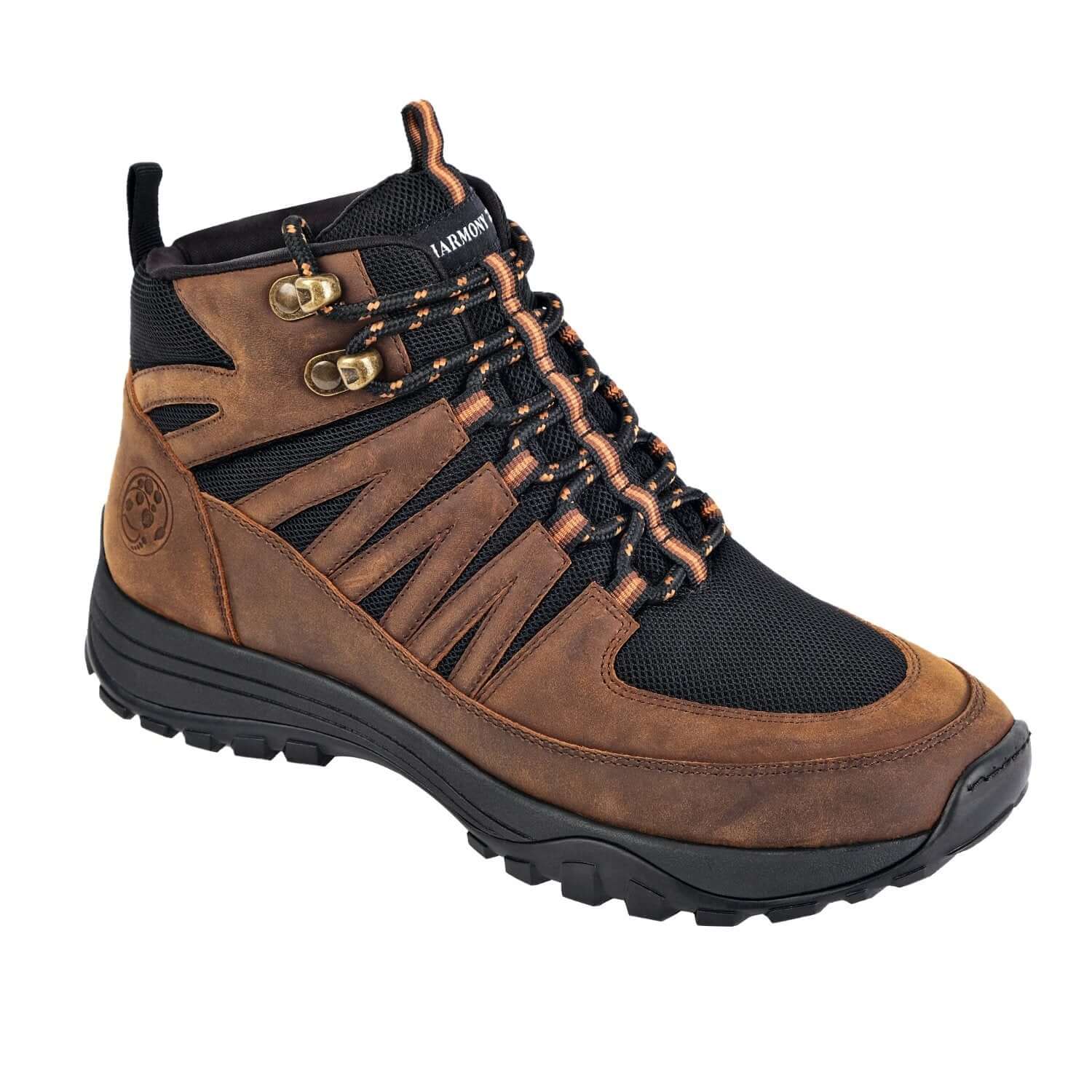
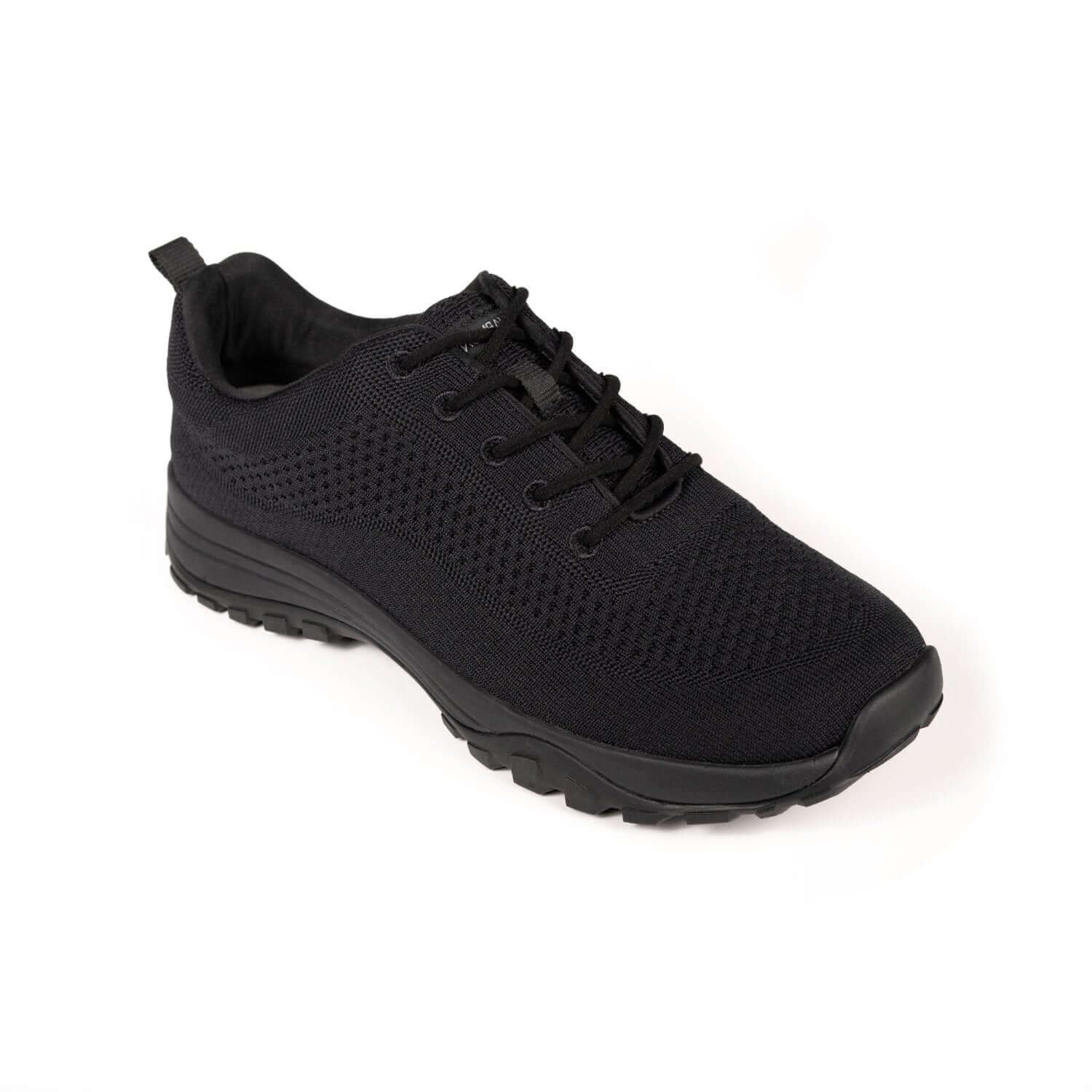
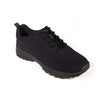
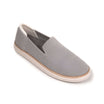
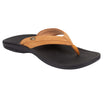
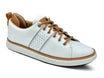
Comfort deserves equal attention. You may wear a shoe for daily errands, longer walks, or casual use, so consider the shape, cushioning, and activity you have in mind. Harmony 783 offers different styles, including grounding walking shoes, grounding sneakers, and grounding sandals. Browse by use and fit rather than expecting one style to suit every situation.
How can you compare footwear options?
The comparison below is a starting point, not a substitute for product instructions. Names such as “conductive” and “grounding” are not enough on their own to tell you the intended use.
| Footwear type | What the term may indicate | What to verify |
|---|---|---|
| Ordinary everyday shoe | Designed mainly for wear, fit, and use; conductivity may not be a stated feature. | Do not assume it creates a grounding path. Check whether grounding is an explicit design purpose. |
| Barefoot-style shoe | Often describes a flexible or minimal feel, not an electrical function. | Ask whether it was specifically constructed for grounding. Barefoot style alone is not proof of conductivity. |
| Workplace conductive footwear | May be made for a defined static-control or occupational purpose. | Follow the employer's requirements and the manufacturer's instructions. Do not treat it as interchangeable with consumer grounding shoes. |
| Grounding or earthing shoe | Designed to provide a conductive route between the wearer and the earth in suitable conditions. | Review the materials, contact points, intended surfaces, fit, and care details. |
A comparison can also be practical: list the activities you expect to do, the style you prefer, and any fit or care needs. Then compare product descriptions against those needs. Harmony 783's shoe size guide can help you review fit details, while its Harmony 783 promise and warranty information explains the applicable customer policy. Check the current product page for details that may vary by style.
Can you test conductive footwear at home?
A test can only answer the question it is designed to measure. A reading on a meter may indicate something about resistance or electrical continuity under the test conditions. It does not, by itself, prove that a shoe will connect you to the earth on every surface, or that wearing it will produce a health outcome.
If you are considering a test, first check the shoe maker's guidance and the test device's instructions. Measurement method, contact points, pressure, moisture, and the surface can all influence a reading. Do not improvise tests involving mains electricity or a workplace electrical system. For specialized occupational footwear, use the approved testing process required for that environment.
It can help to write down exactly what a test is intended to tell you before taking a measurement. Are you checking whether two points on the shoe have electrical continuity? Are you trying to understand the connection under one specific surface? Those are different questions from whether the shoe will behave the same way across varied floors and conditions. A result applies to the setup tested; changing the contact points, pressure, surface, or shoe condition changes that setup.
For consumer grounding footwear, useful questions may be more helpful than a single number: Is the product designed for grounding? Does the maker explain the conductive route? What contact does it require? What surfaces does it recommend? What care might affect the materials? If the product information does not answer these, contact the seller for clarification. See the Harmony 783 FAQs or contact Harmony 783 with a product question.
Grounding footwear is a wellness product, not a medical treatment. Research into grounding and health is an evolving area, and product construction alone does not prove a health effect. If you have a medical concern, speak with a qualified health professional rather than using footwear as a substitute for care.
Browse the Harmony 783 grounding shoe collection
Frequently asked questions
Does conductive mean the shoe is safe around electricity?
No. Conductive describes how a material can allow electrical charge to move; it is not a general safety rating. Do not wear consumer footwear around electrical hazards unless it is specifically approved for that use and meets the requirements of the setting.
Are rubber-soled shoes always non-conductive?
Not necessarily. A shoe can use different materials in different layers, and its overall behavior depends on its construction. Read the product information instead of judging by the visible outsole alone.
Will grounding shoes work on every surface?
Do not assume so. A conductive path depends on the shoe and the surface beneath it. Check the manufacturer's guidance and understand that floors and outdoor surfaces can differ.
Are grounding shoes the same as barefoot shoes?
No. Barefoot commonly describes a shoe style or feel. A barefoot shoe is not a grounded shoe unless it was specifically constructed to provide a grounding path.
Discover grounding footwear for your routine
Conductive footwear is best understood by looking at the whole path: the wearer, the shoe's connected materials, and the surface underfoot. Check the design and intended use before choosing a pair, and keep comfort and realistic expectations in view.