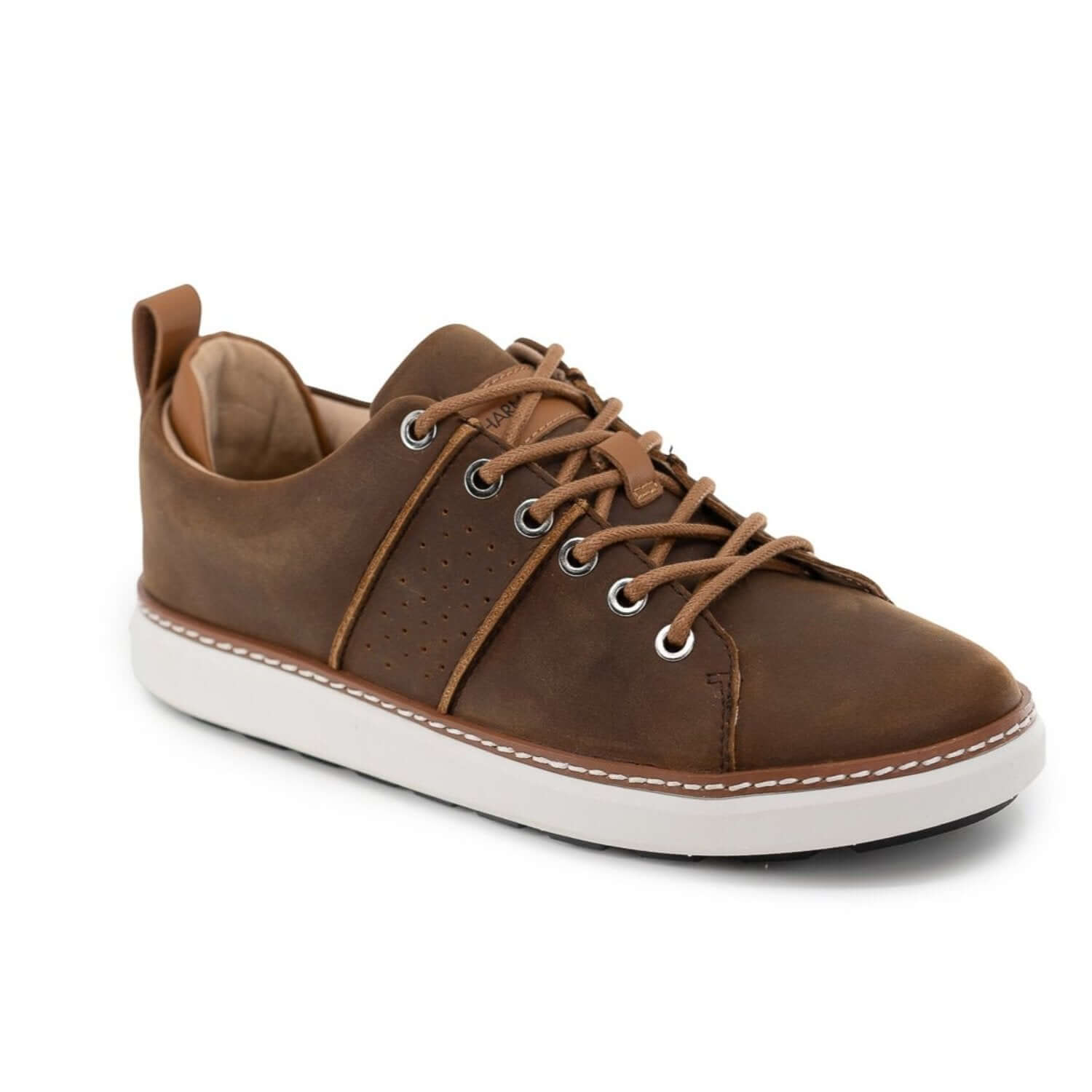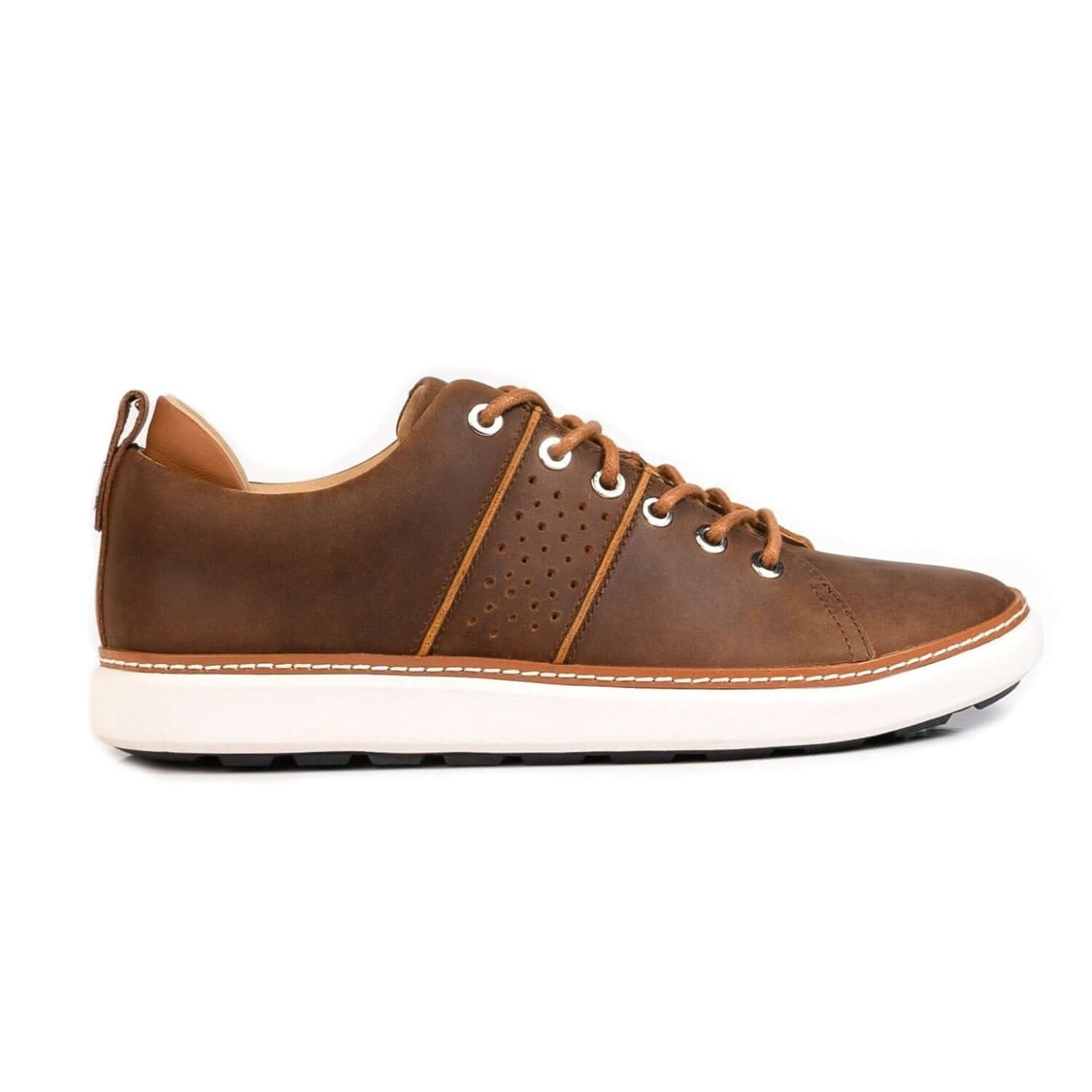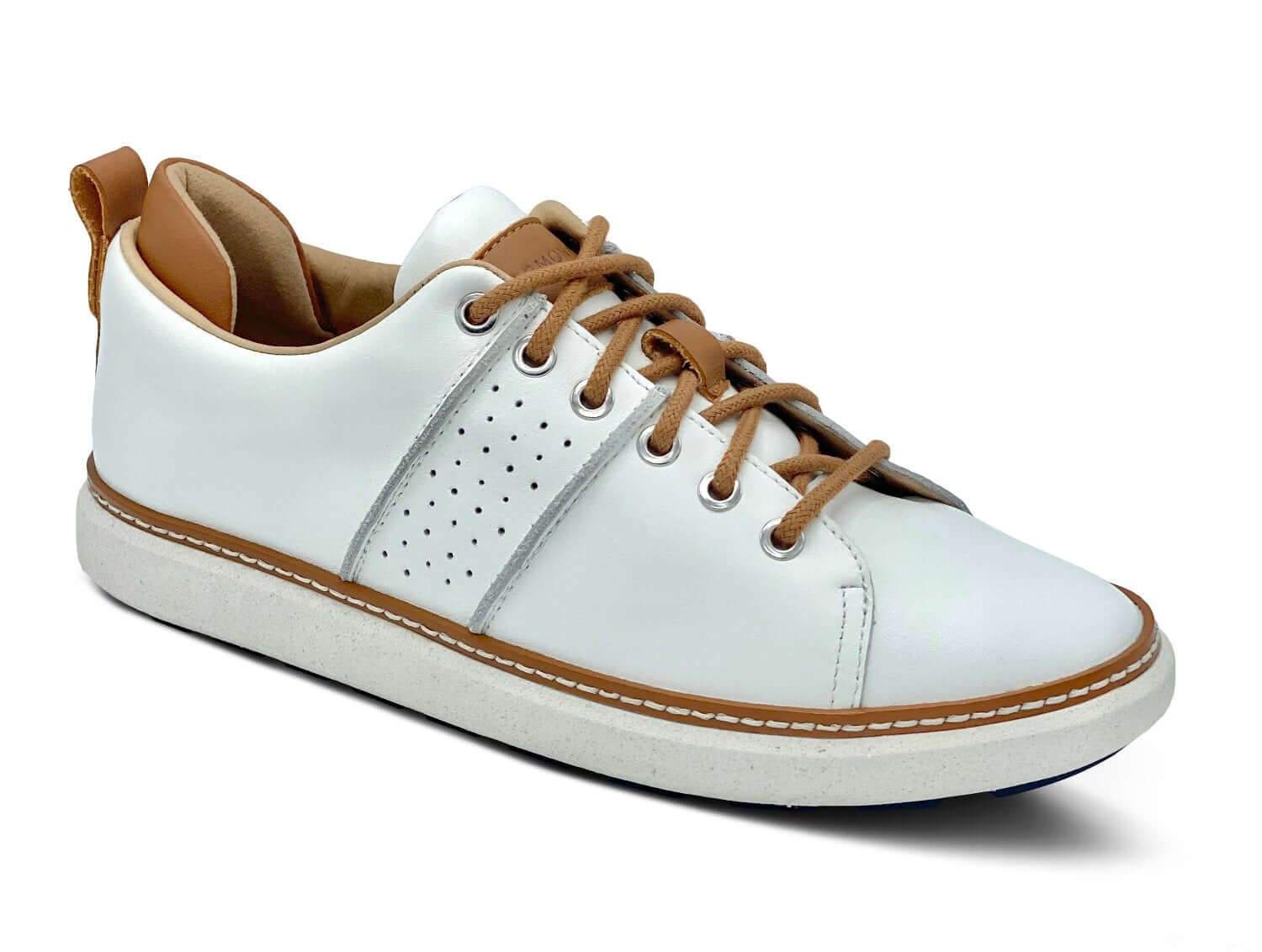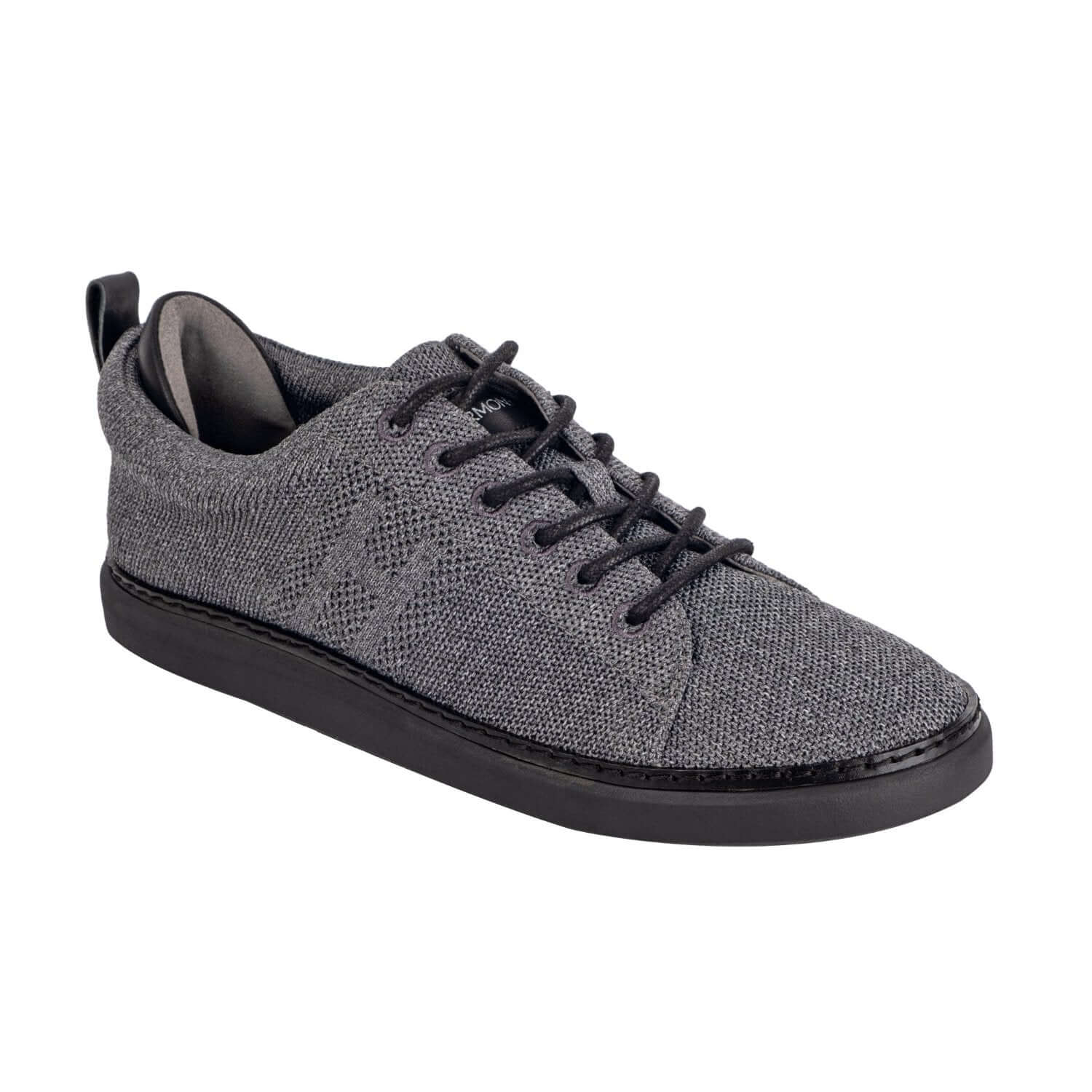

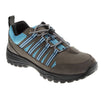
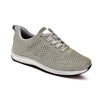
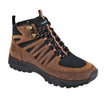
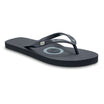


Shopping for grounding footwear can raise a fair question: how can you tell whether a shoe offers a conductive path, and what does a conductivity check really prove? If you want to test grounding shoes conductivity, it helps to separate a simple electrical reading from a full judgment about how a shoe will work in everyday life. A meter can offer one clue, but construction, condition, contact with the ground, and fit all matter.
Contact us with a product question
What can a conductivity check tell you?
In broad terms, a grounding shoe is designed to provide a path between the wearer and the ground through conductive parts of its construction. A resistance or continuity reading may help you screen whether parts of that path appear connected. It is a limited, point-in-time observation, not a complete product certification or a prediction of how the footwear will perform on every surface.
That distinction matters because a number on a meter depends on what is being measured and how the test is set up. Probe placement, pressure, surface moisture, dirt, wear, and the meter itself can affect a reading. A result from one spot on one shoe is not automatically a result for both shoes, every part of the sole, or every step you take.
A useful way to read the result is to ask exactly what the meter was connected to. If both probes touch two points on the outsole, the display says something about those points under those conditions. It does not necessarily show whether the intended path runs continuously from the footbed through the shoe to the ground. If the test leaves out a layer or connection, it cannot confirm that part of the design. A reading also does not tell you how the shoe behaves when flexed, loaded by your body weight, or used on a particular surface.
It also does not tell you whether the shoe fits well, feels comfortable, or suits the surfaces where you plan to wear it. Those are separate shopping questions. For a straightforward introduction to how grounding footwear is intended to work, read what grounding means and how grounding shoes are designed.
How is grounding footwear different from an ordinary shoe?
Many shoes are built to insulate the foot from the ground. Some barefoot-style shoes aim for a close-to-ground feel or a flexible sole, but those features alone do not make a shoe conductive. Before buying, ask the practical question: was this shoe actually constructed for grounding, with materials intended to allow an electrical connection?
Grounding footwear may use conductive materials as part of its footbed and outsole. Harmony 783 describes its Groundworks™ system as a layered design that includes silver-stitched components and a carbon-and-rubber conductive outsole. The exact construction varies by product and brand, so check the details for the specific model rather than assuming every shoe in a category works the same way. The overview of how Harmony 783 shoes are made provides more context about that design.
Published research about earthing and electrically conductive contact with the Earth's surface is not the same thing as independent testing of every shoe model. A review available through the National Library of Medicine describes research on grounding or earthing and conductive contact, but it does not validate a particular shoe or show that one meter reading predicts a personal result. You can read the review on grounding, inflammation, and the immune response and consider its scope carefully.
For a wider overview of the topic, Harmony 783 also has a grounding science and studies page. Look for clear descriptions of what was studied, how it was measured, and what the authors say the evidence can support. Do not treat a general research discussion as proof that a specific shoe will deliver a particular health effect.
What can change a reading?
A basic electrical check can be affected by small details. That is one reason not to interpret an isolated result as a definitive verdict about a shoe. Before comparing readings, make sure you understand what your meter measures and follow its manufacturer instructions. Do not use damaged test equipment, and do not test near live electrical sources.
- Probe contact: A probe that touches a different material, seam, or spot may produce a different result. Poor contact can make a conductive path appear absent or inconsistent.
- Test points: Measuring across two points on a shoe is not the same as checking a path from the shoe through the wearer to the ground. The result only describes the points actually tested.
- Moisture and dirt: Surface conditions can affect electrical contact. A damp or dirty shoe is not a reliable basis for comparing products, and wet conditions can create safety risks.
- Wear and damage: Repeated use, abrasion, or a damaged sole may affect the materials. A past reading does not establish that a shoe remains unchanged over time.
- Meter range and setup: Different instruments and settings can return different kinds of readings. A continuity beep is not a universal standard for grounding footwear.
For these reasons, avoid setting a universal pass-or-fail number unless the shoe maker provides a specific test method and acceptance range for that model. A meter's display is useful only when you know what its setup can and cannot establish. If you need help interpreting product-specific construction information, use the brand's published guidance or ask the seller a product question.
If you are considering a casual check, keep the process simple and consistent. First read the meter instructions and confirm what measurement mode you are using. Next, inspect the shoe and choose the same intended test points each time; record the model, shoe, meter setting, and conditions. Avoid guessing at a test connection through your body or adding wires, batteries, outlets, or other powered equipment. If you cannot identify a safe, maker-recommended method, stop at the product construction information and ask the seller instead. A home reading is optional, not a requirement for choosing footwear.
Consistency matters more than collecting a large number of readings. For example, if you test one shoe on a dry, clean surface and another after it has been worn outdoors, the comparison changes several variables at once. You would not know whether a difference came from the model, the condition, the probe position, or the surroundings. Record what you did and avoid making a strong conclusion from a result that you cannot reproduce. If the meter gives an unexpected result, check your setup and consult the product maker rather than repeatedly changing conditions until you see a preferred number.
Related products

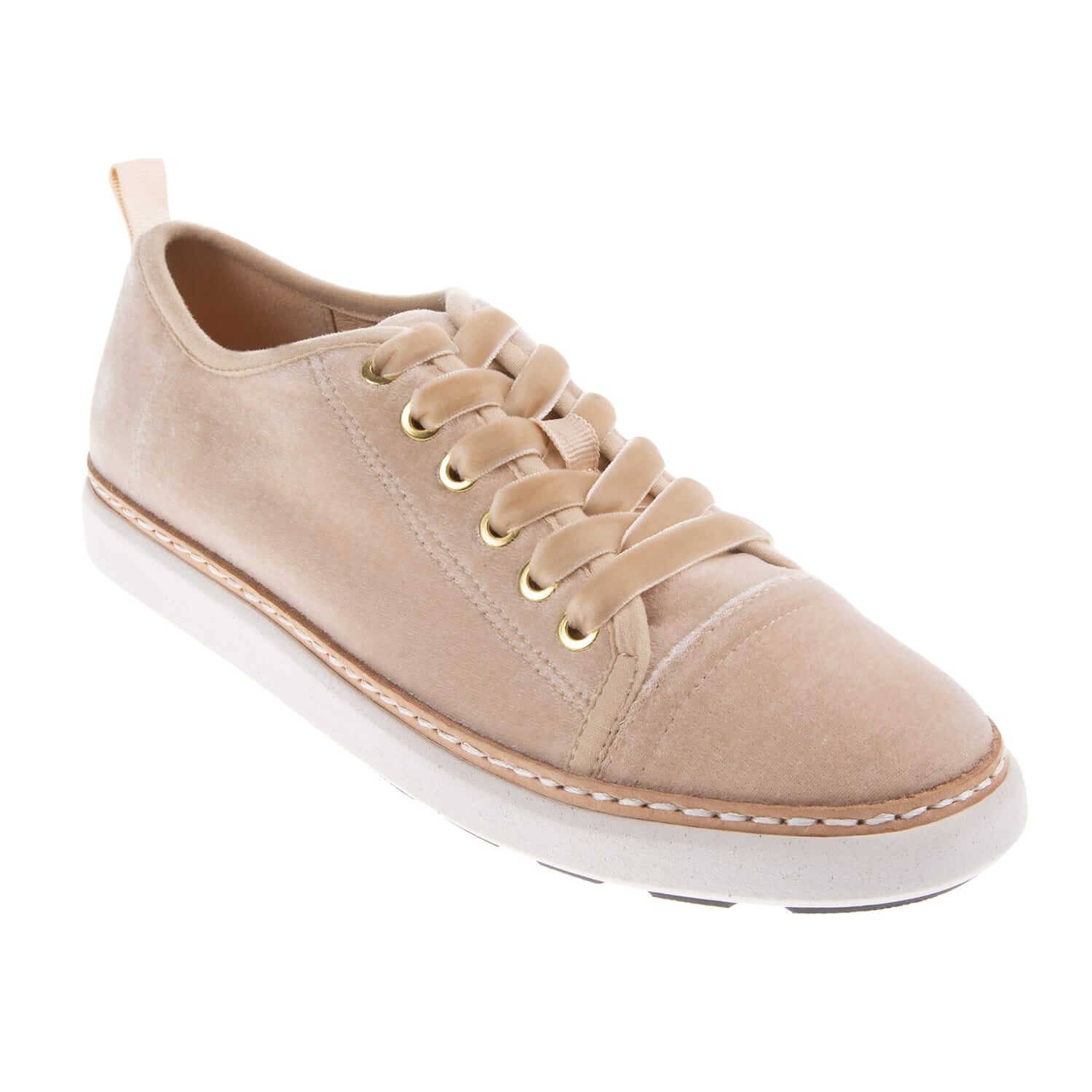
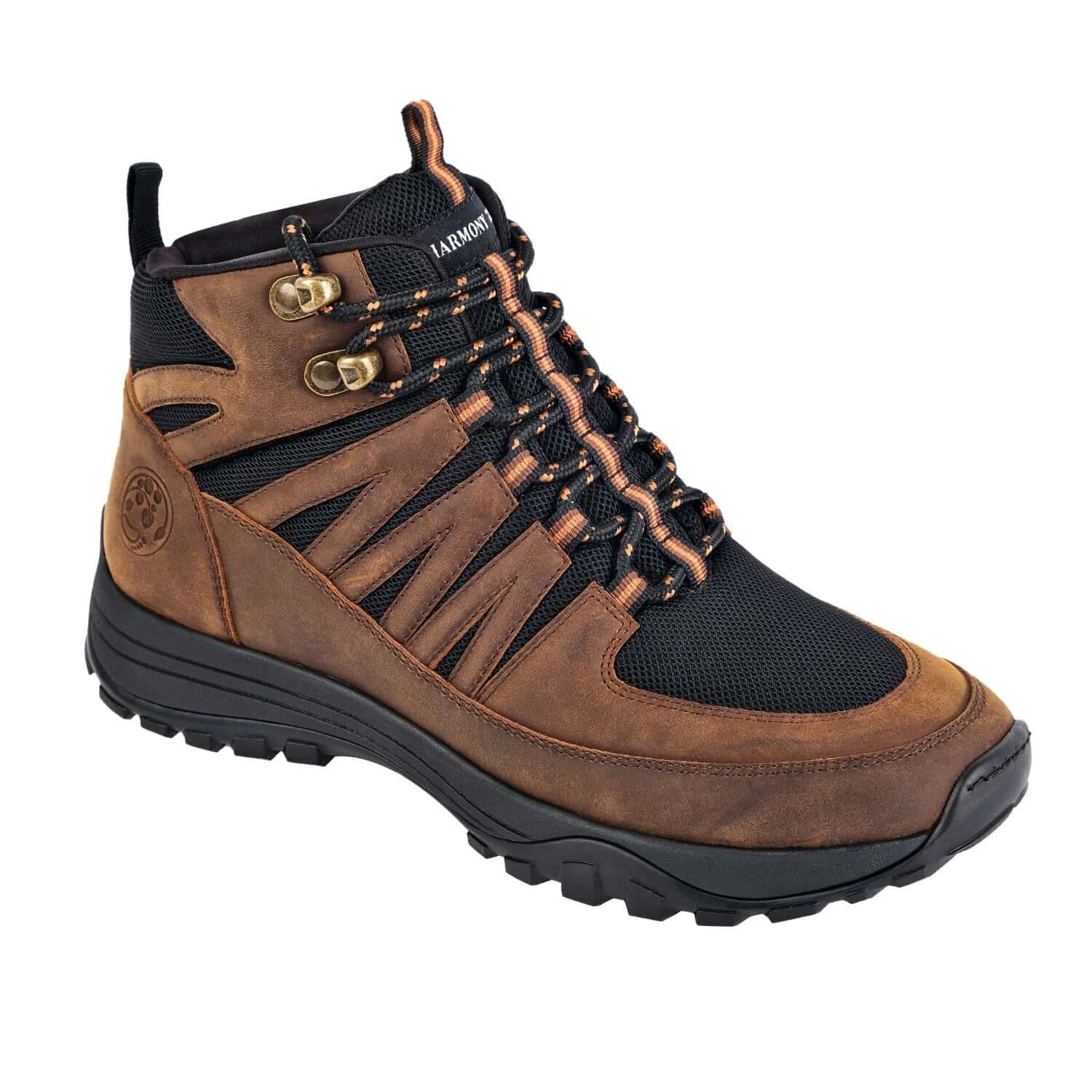
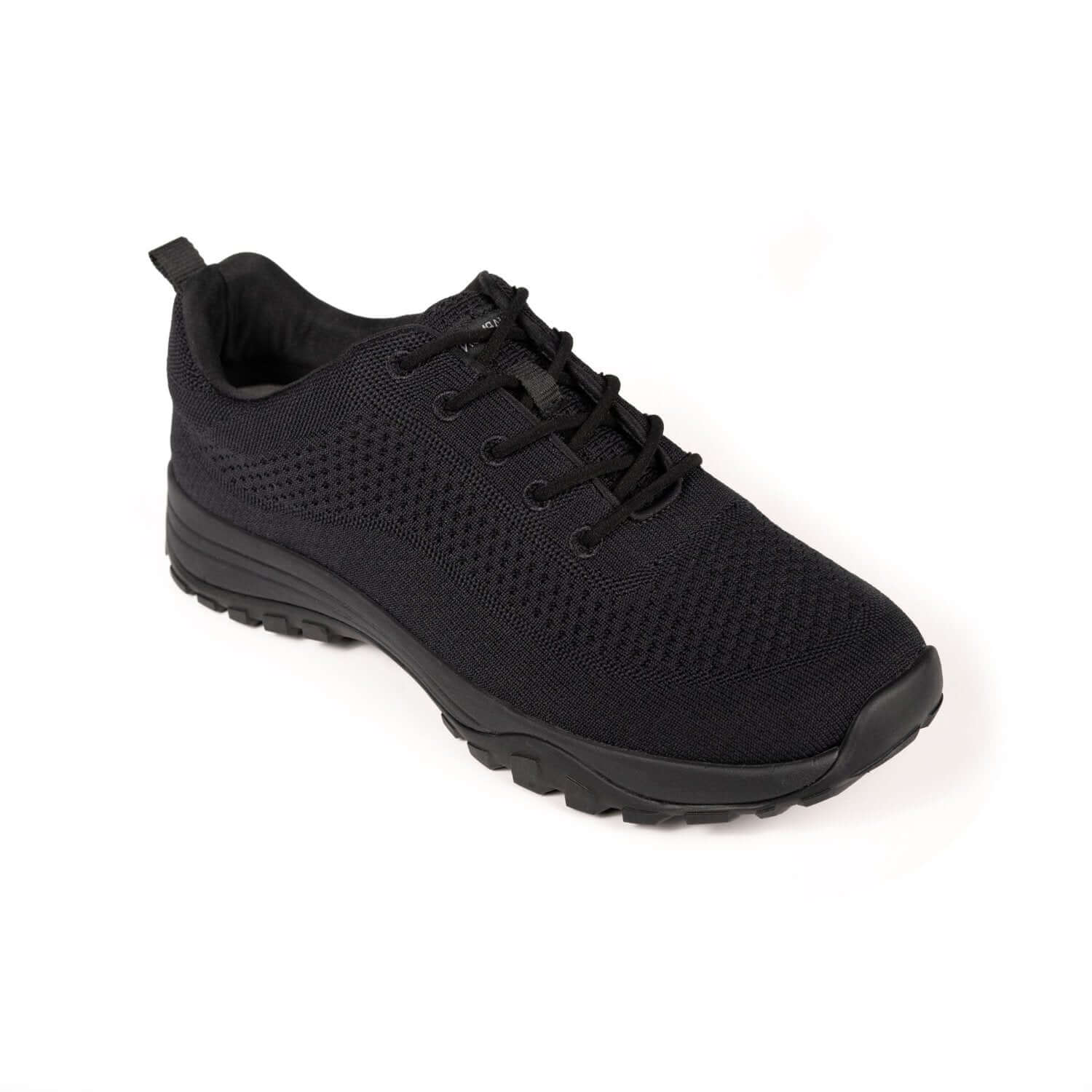
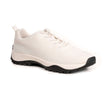
mesh offers breathability
View product

How should you compare a check with real-world use?
For shopping, it is more useful to compare the maker's explanation of the conductive design and the practical details of the shoe than to chase a number without context. A consistent method may help compare the same model before and after ordinary wear, but even that does not replace product guidance or tell you how the shoe will behave on every surface.
| What you want to learn | What a basic meter check may show | What to verify separately |
|---|---|---|
| Whether two test points seem connected | A reading or continuity indication under that setup | That the tested points represent the intended conductive parts |
| Whether the shoe was made for grounding | Not established by a reading alone | Product construction and the maker's description |
| Whether a worn shoe is unchanged | A current reading, under current conditions | Visible wear, damage, care guidance, and product support |
| Whether the shoe is right for daily wear | Not established by an electrical check | Fit, comfort, intended activity, and the surfaces you use |
Ground contact is also affected by the environment. The surface underfoot and the condition of the shoe matter; so do socks and how the footwear is worn. If you are comparing different styles, use the same general conditions and do not assume results from one shoe apply to another. The grounding footwear FAQs can help answer common product questions, while the Harmony 783 promise and warranty information explains the company's customer support terms.
Imagine that a shoe gives a reading on a clean indoor surface but a different reading outside after a day of walking. That change does not automatically mean the shoe has failed. The two checks may have involved different surfaces, contact points, pressure, or moisture. First make sure the test method is consistent and safe. Then inspect the shoe for visible damage and consult the maker's directions. A casual home check should not be treated as a certified laboratory test.
Likewise, a reading on an unoccupied shoe does not reproduce every part of wearing it. When the shoe is on your foot, socks, skin contact, movement, and the ground beneath you add conditions that a simple shoe-only check may leave out. If a manufacturer describes a recommended test, follow that method rather than improvising a more elaborate setup. Avoid connecting a shoe or meter to household wiring or other powered equipment.
When comparing products, write down what the maker says about conductive materials, intended care, and available support. That information gives you a clear basis for asking follow-up questions. It is more useful than comparing numbers taken with different meters or under different conditions. If the product page does not explain a feature that matters to you, ask before purchase rather than filling in the gaps with assumptions.
Here are three common results and a measured way to respond. If the meter shows a reading at the intended test points, treat it as an indication limited to that setup, then review the construction and care details. If it shows no reading, first check that you followed the instrument and maker instructions and that the probes made contact; do not conclude immediately that the shoe is defective. If readings vary from one attempt to another, note the conditions and stop comparing until you can make a consistent, safe check. In every case, product-specific guidance is more useful than a pass-or-fail rule borrowed from another shoe or meter.

What should you check before choosing a pair?
A useful buying check starts with your needs, not a meter. Consider where you plan to wear the shoes, how much walking you do, and what shape and support feel comfortable to you. Then read the product description for the grounding construction and check the fit information for the style you have in mind.
- Confirm the shoe is purpose-built. Look for an explicit description of grounding or earthing construction. A barefoot label, thin sole, or natural-material claim is not enough on its own.
- Understand the stated conductive design. See which parts of the shoe form the intended path and whether the maker provides care or testing guidance.
- Choose for your routine. A walking shoe, sneaker, sandal, and trail shoe are made for different uses. Start with the setting and activities that matter most to you.
- Check size and comfort. Follow the model's sizing information and consider how the shoe feels during ordinary wear. Conductivity and fit are different qualities.
- Recheck after wear or damage. Follow care instructions, inspect the outsole and upper, and contact the brand if you are unsure whether a condition affects the product.
It can help to make a short comparison note before you order. Write down the main activity, the style you prefer, the model's grounding-construction description, and any care or sizing question that remains. If two options seem similar, compare the product information point by point rather than assuming the one with a lower meter reading is automatically better. A shopper who wants everyday walking footwear may prioritize a different shape than someone looking for an open sandal. This simple checklist keeps the electrical question in view without letting it replace the decisions that affect daily comfort.
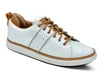
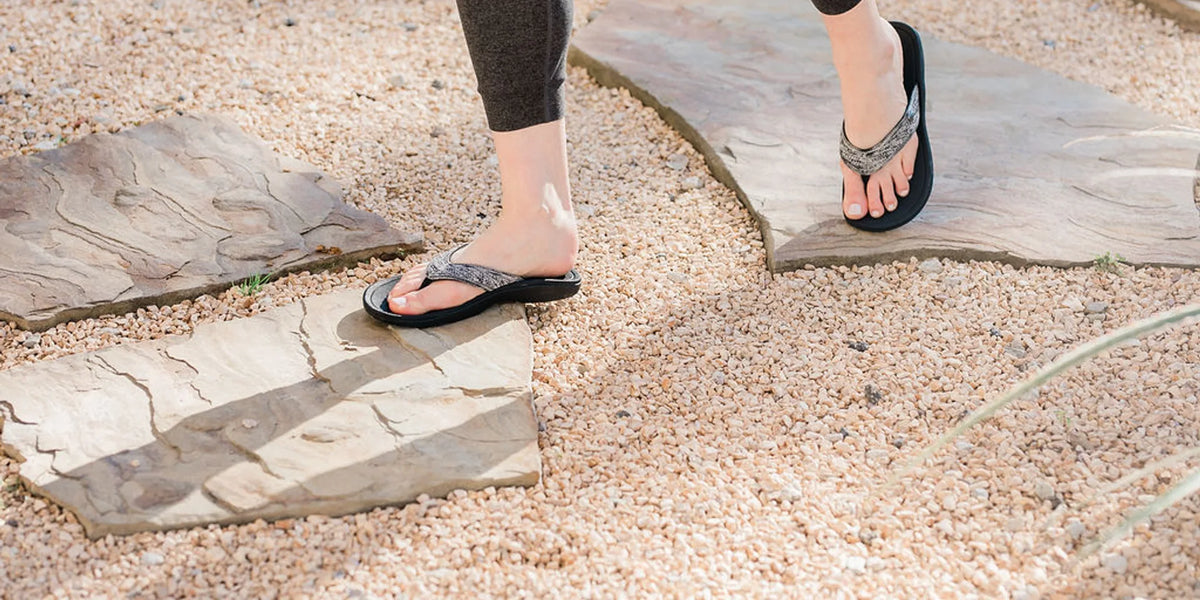
Harmony 783 offers different styles for different routines. You can compare all grounding shoe styles, browse grounding walking shoes, or look at the grounding sneaker collection. If you prefer open footwear, see the grounding sandals. These links let you compare the form and purpose of each option without assuming that every style has identical construction.

Fit is worth its own review. Check the shoe size guide and explore the women's grounding shoe collection or men's grounding shoe collection. The product page presents men's and women's sizing options with a toggle. If socks are part of your routine, you can also browse grounding socks.
Fit and use can be assessed in a practical order. Start with the size information for the model, then think about the length and width you need and what you expect to wear with the shoe. Consider whether the style suits the places you go and the amount of time you expect to be on your feet. A grounding feature does not make an uncomfortable or unsuitable shoe the right choice. If the listed information does not answer an important question about fit, care, or the conductive design, ask the brand before relying on assumptions.
For more background on the brand's approach, see the Harmony 783 story. The goal is to choose a shoe whose design and fit make sense for your day, not to rely on one reading as a shortcut for every decision.
Browse the grounding shoe collection
What questions do shoppers ask about conductivity?
Can I use a meter to prove a shoe is grounded?
A meter can show a reading between the points and under the conditions you test. It cannot alone prove how the shoe performs in every setting, confirm the maker's full design, or establish a health effect. Use the product's construction details and any maker-provided test instructions alongside a reading.
Does a continuity beep mean every grounding shoe will work the same way?
No. A beep reflects the meter's continuity setting and the path between its probes. Shoe construction, contact, surface, and test method can differ. It is not a universal grading system for comparing unrelated products.
Are barefoot shoes automatically grounding shoes?
No. A barefoot shoe is not a grounded earthing shoe unless it was specifically constructed as one, with materials intended to provide a conductive path. Check the product details instead of inferring conductivity from the style or sole thickness.
Can a reading tell me whether grounding footwear will improve my health?
No. An electrical measurement of a shoe is not a medical assessment and cannot predict a personal health outcome. Research on grounding has its own limits and does not mean every product or claim has been established. For personal health questions, speak with a qualified health professional.
What if I am unsure about a particular model?
Review its product description and the maker's information about construction, care, and fit. If a detail is unclear, contact the seller before buying. You can use the Harmony 783 contact page for product questions.
What is a sensible next step?
Testing can be part of a careful comparison, but keep the result in proportion: it is a limited reading, not a complete verdict about design, comfort, or real-world use. Begin with a shoe specifically made for grounding, review its construction and sizing, and choose a style suited to your routine.
Browse our collection of grounding shoes
A clear product description, sensible fit, and realistic expectations make a stronger starting point than relying on a single meter reading.