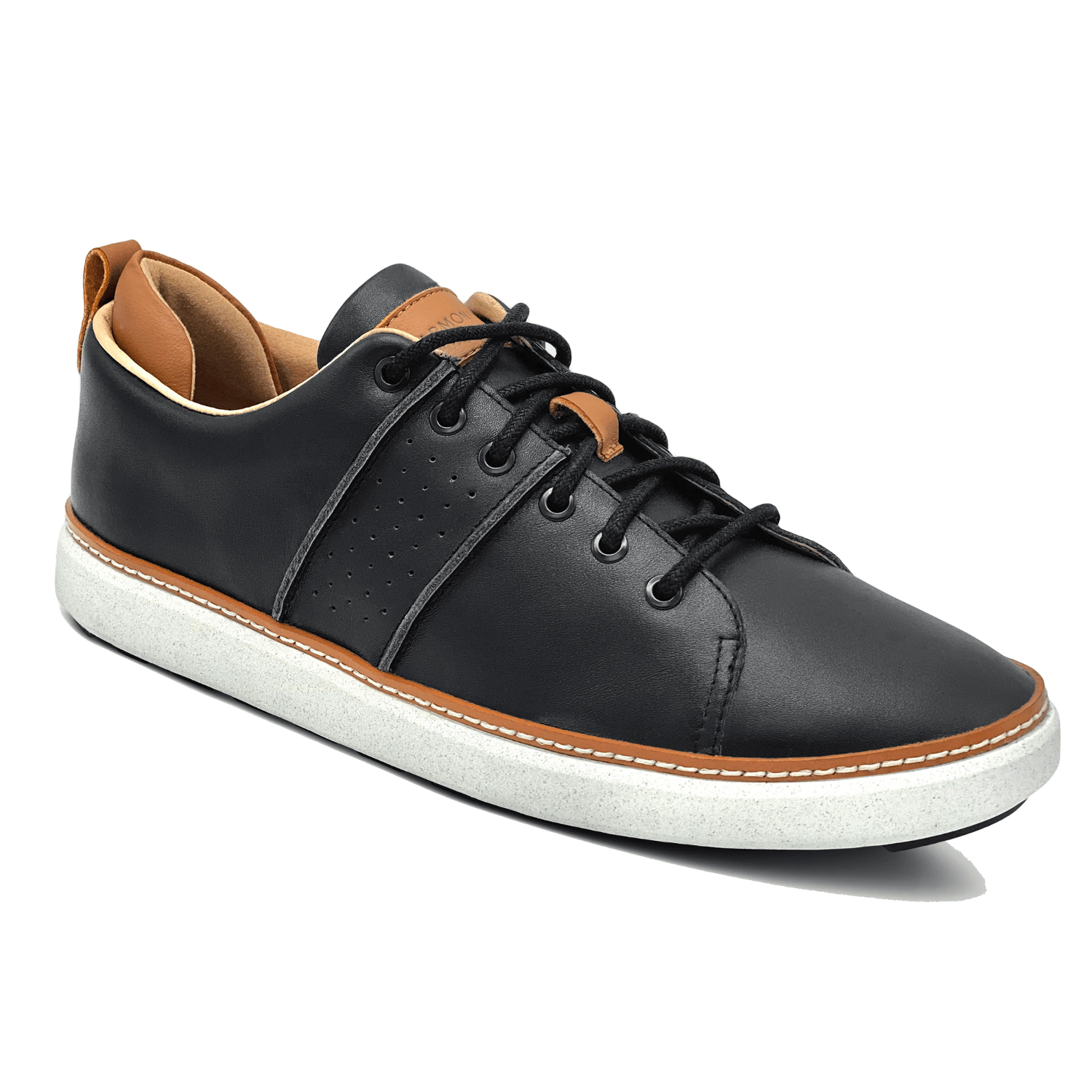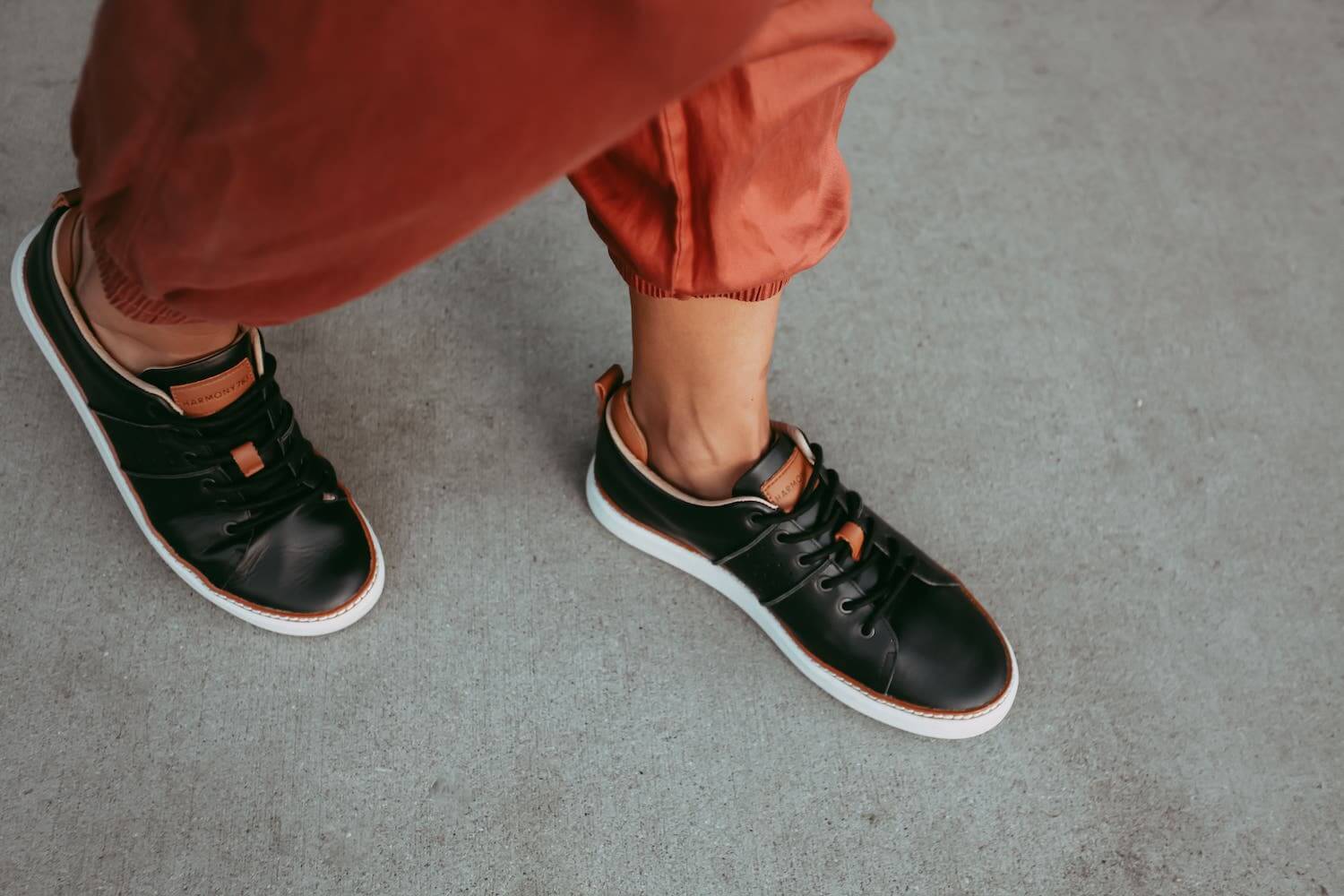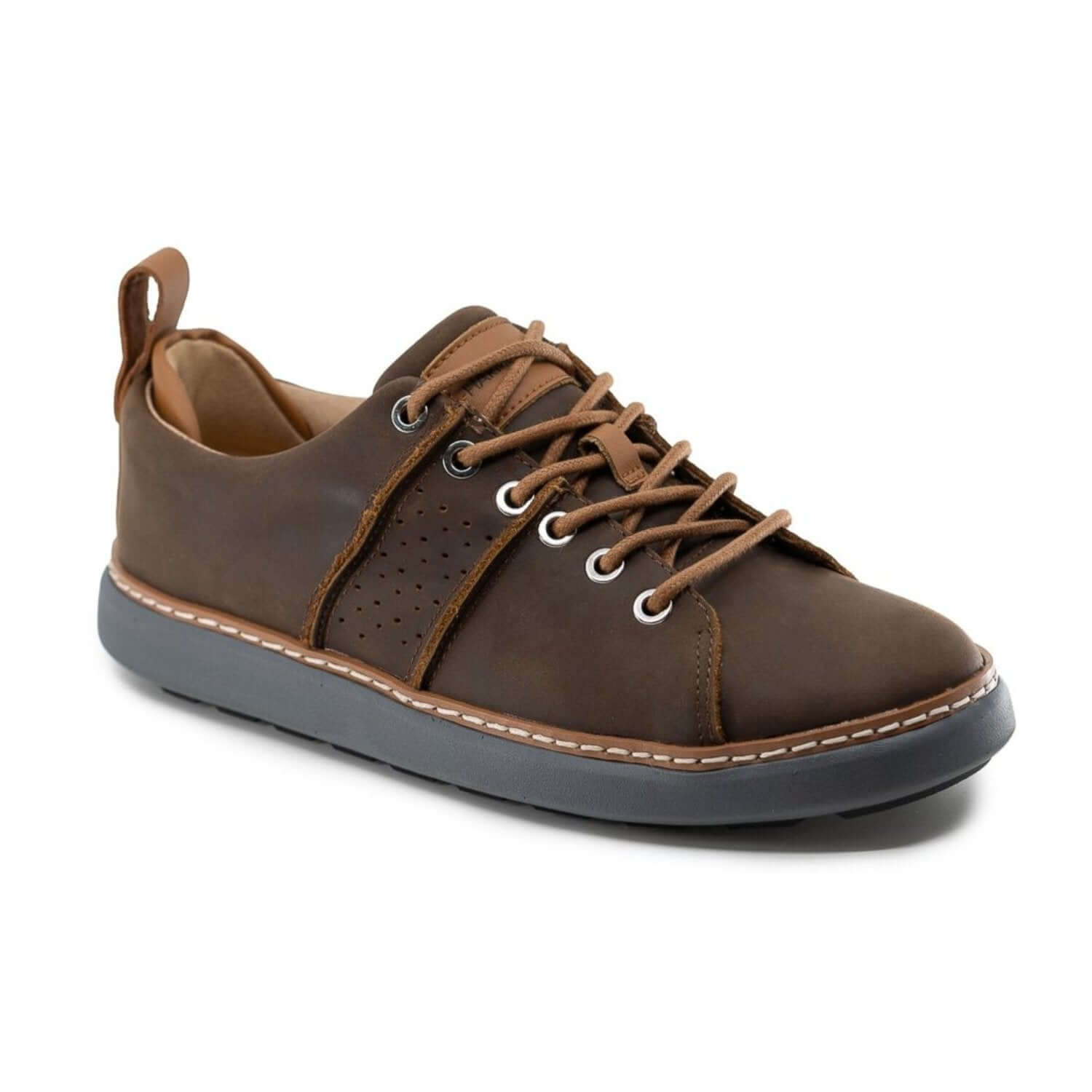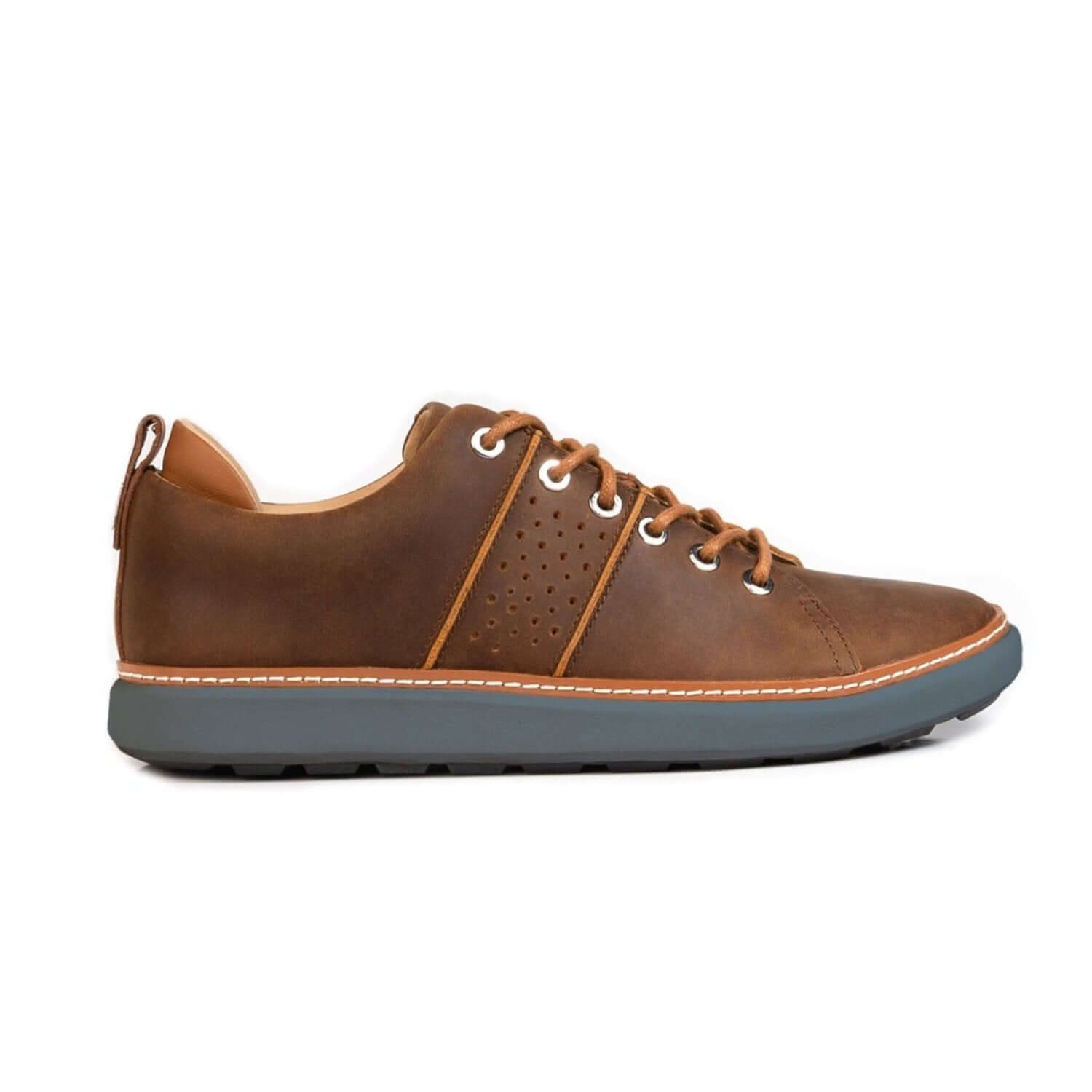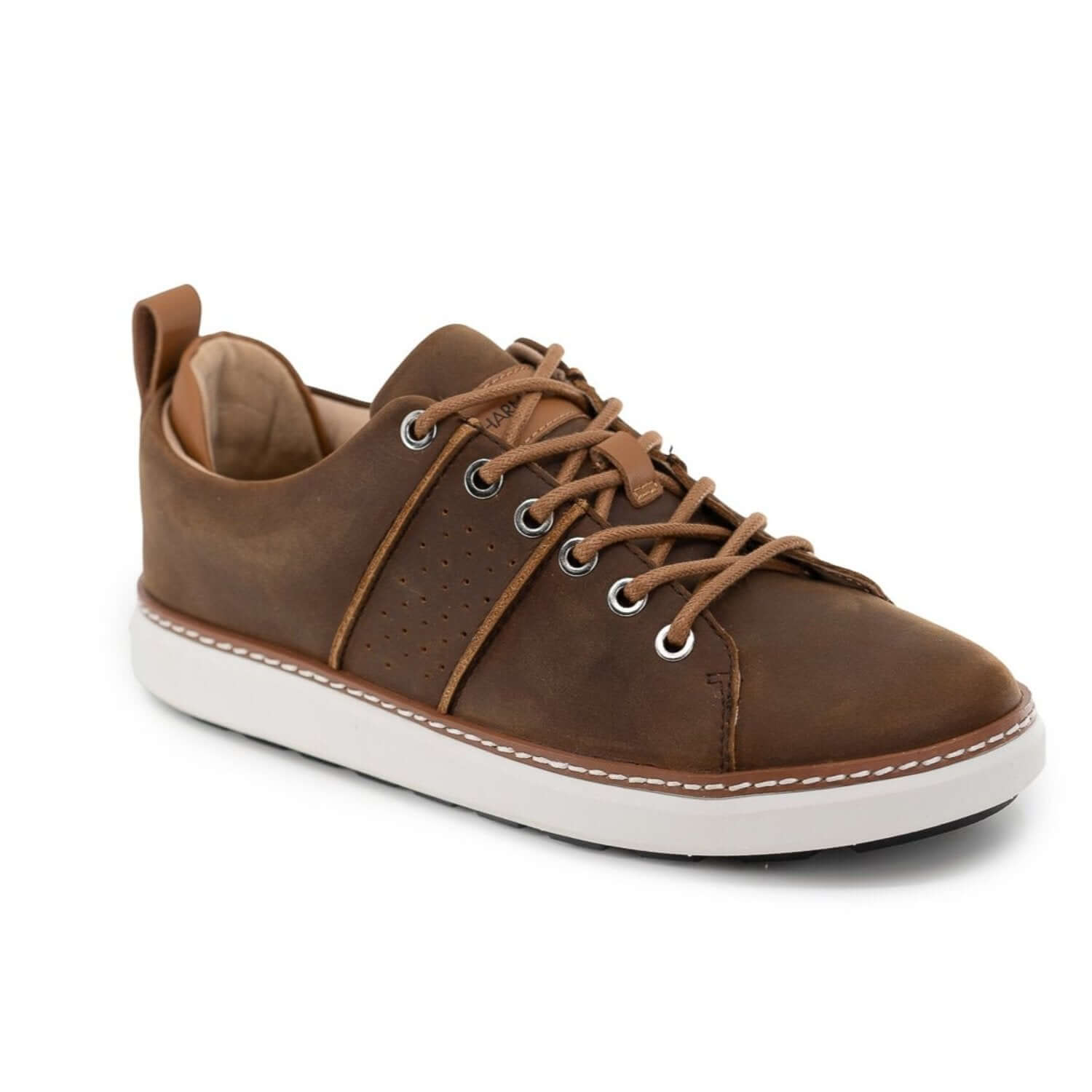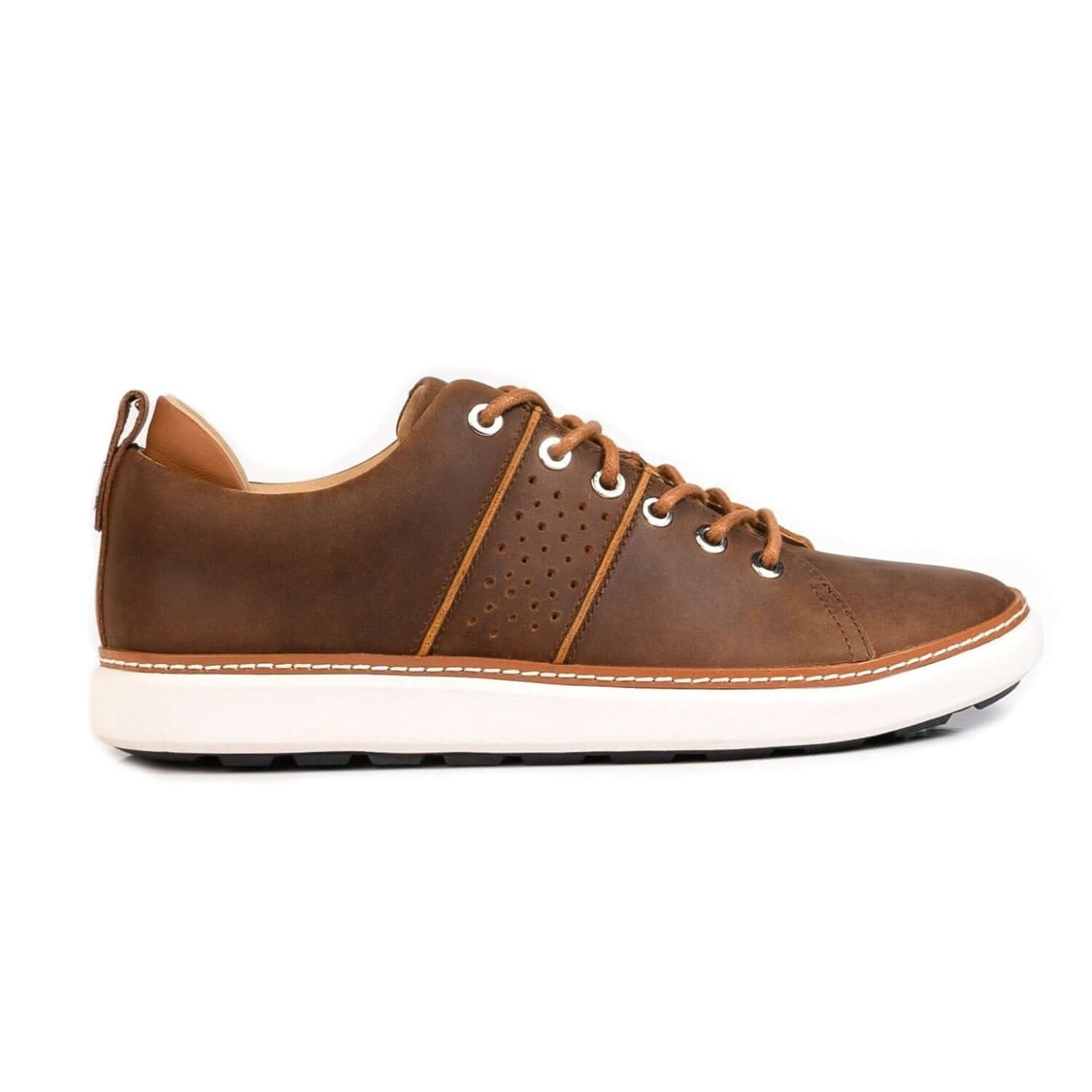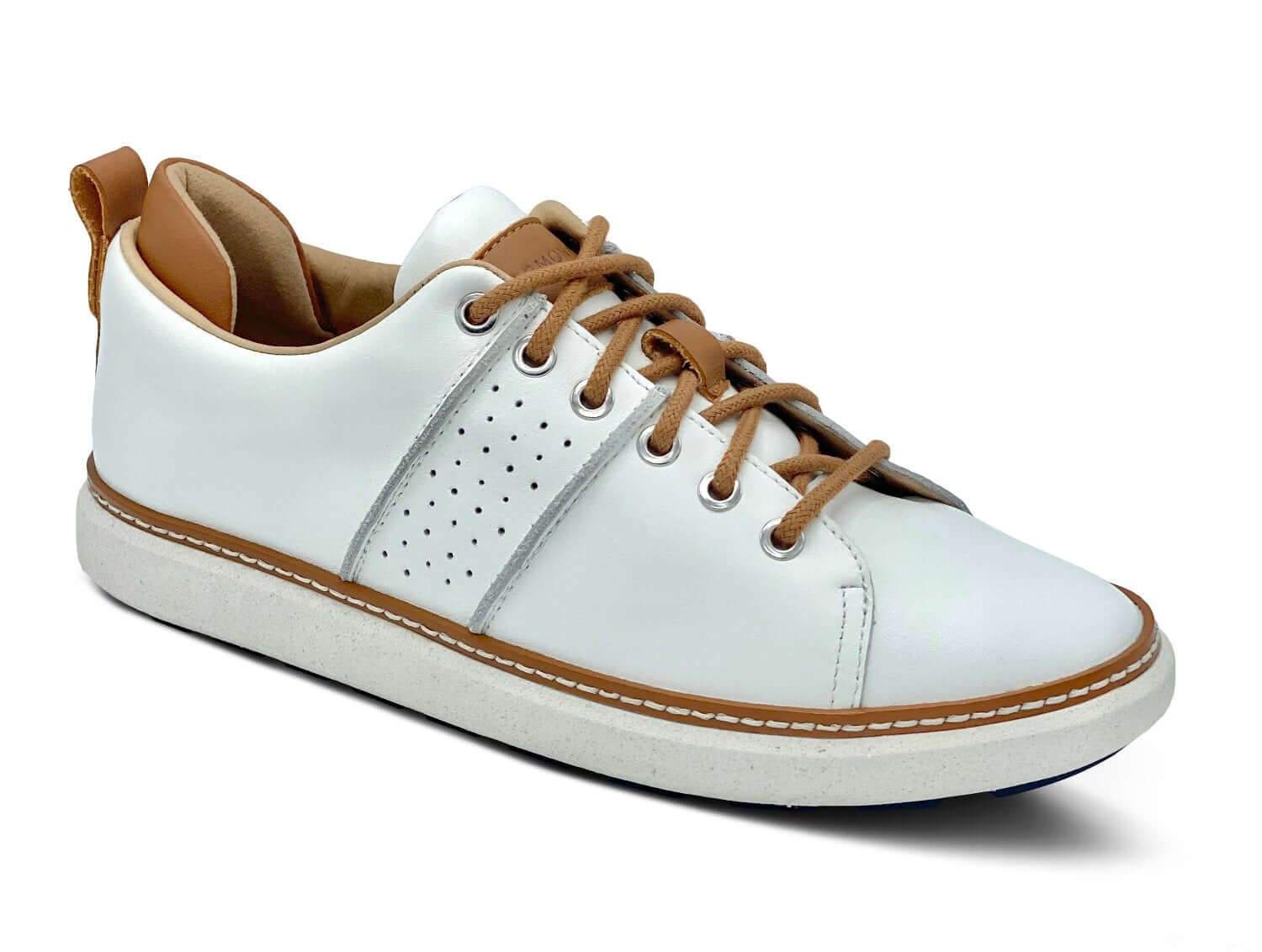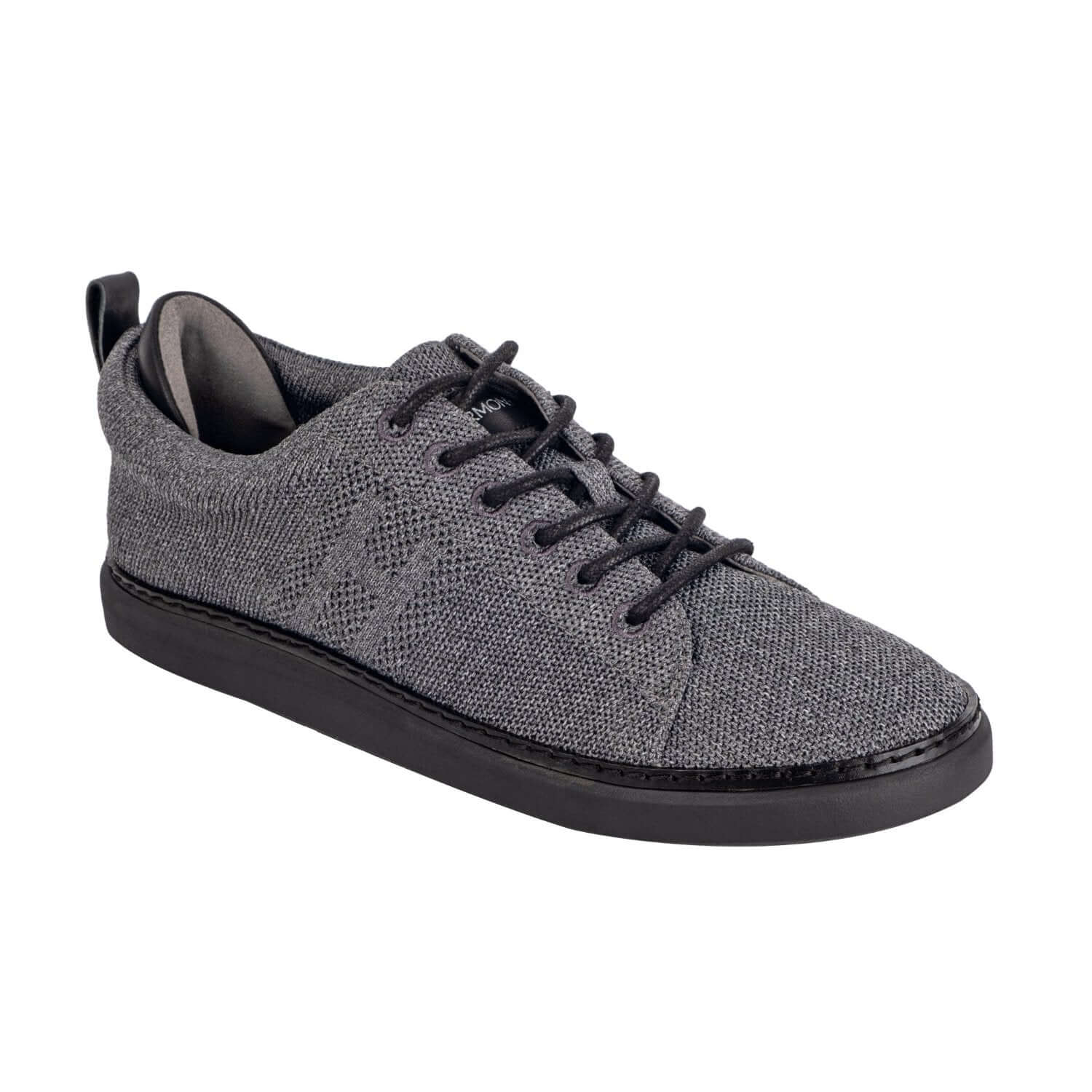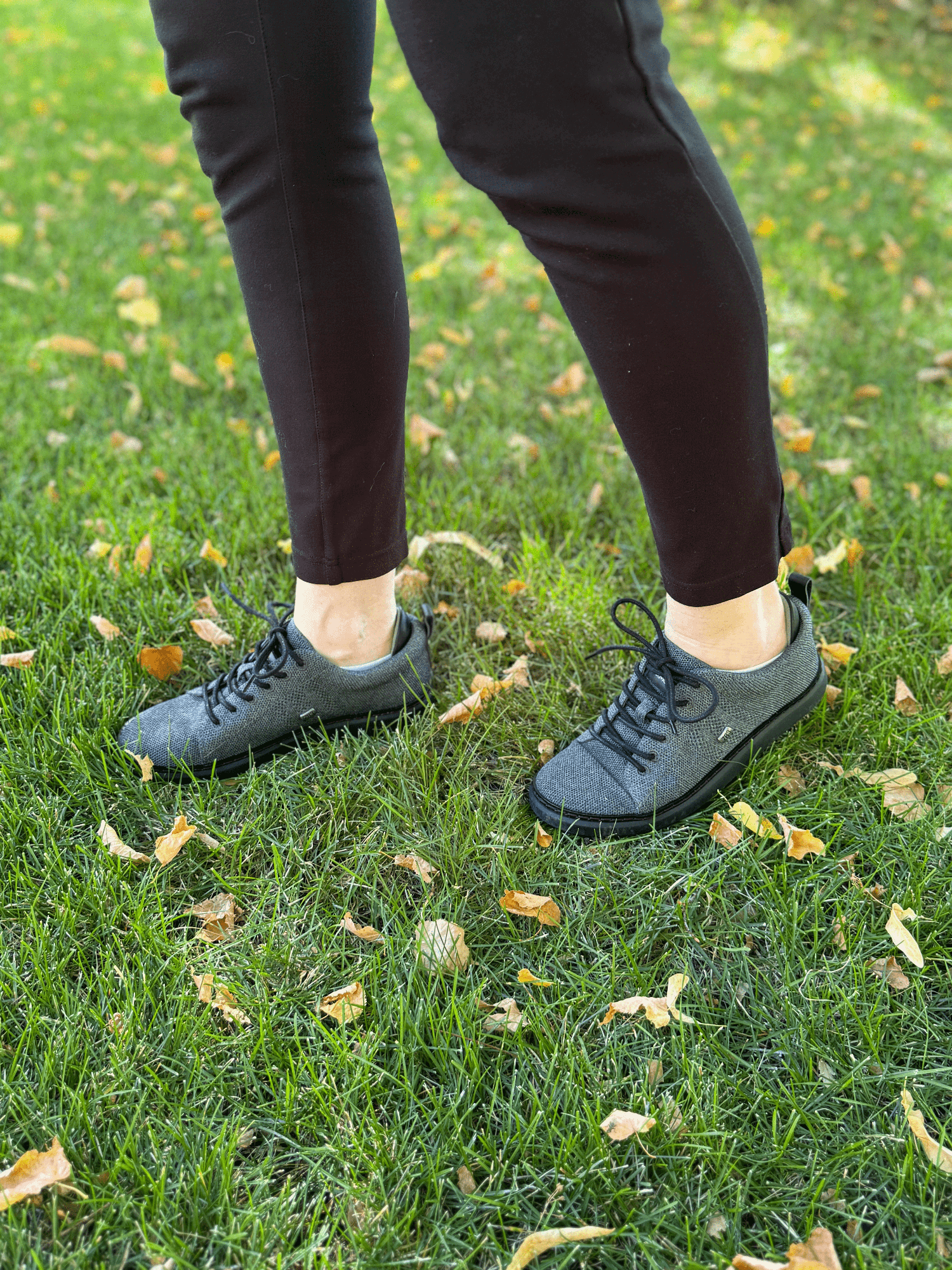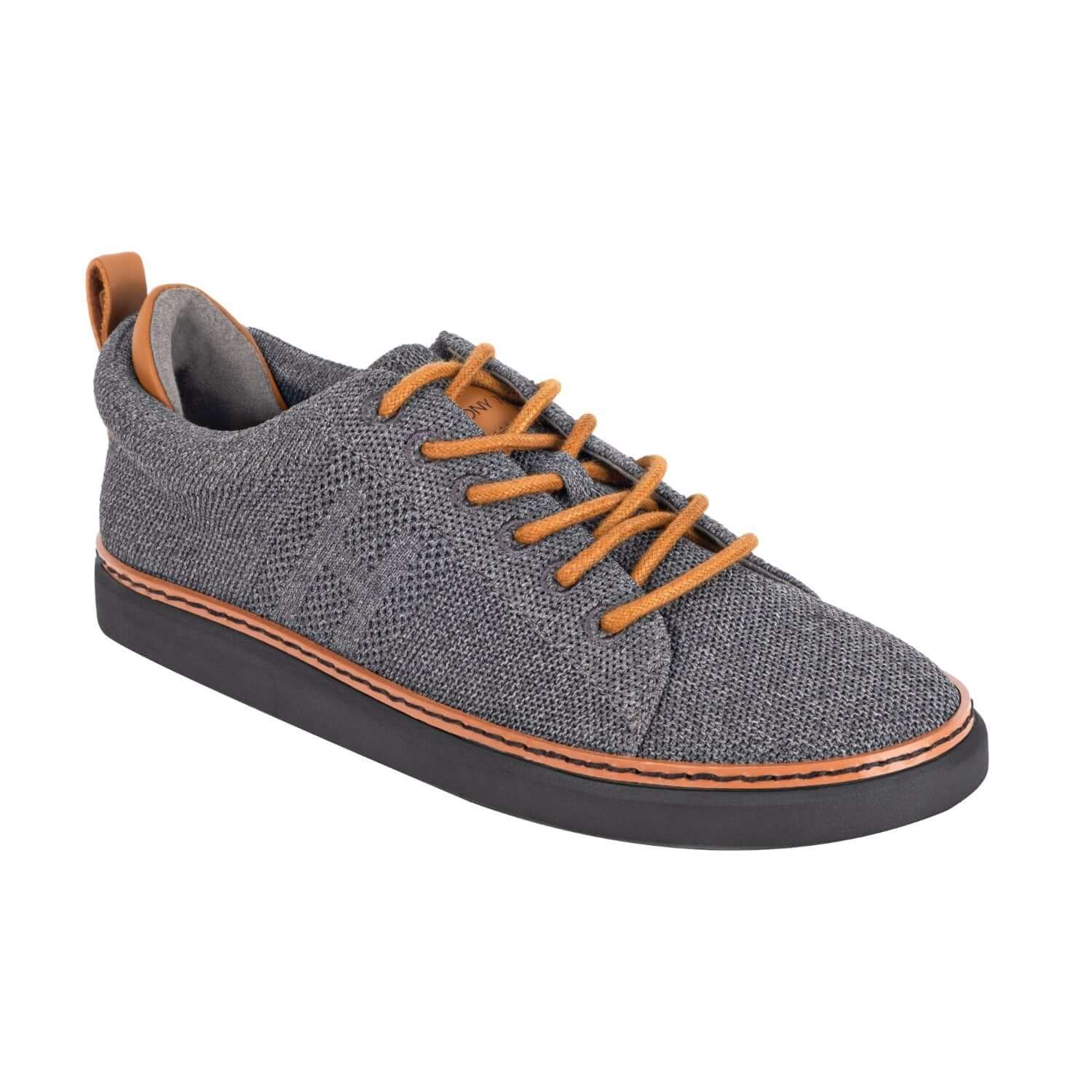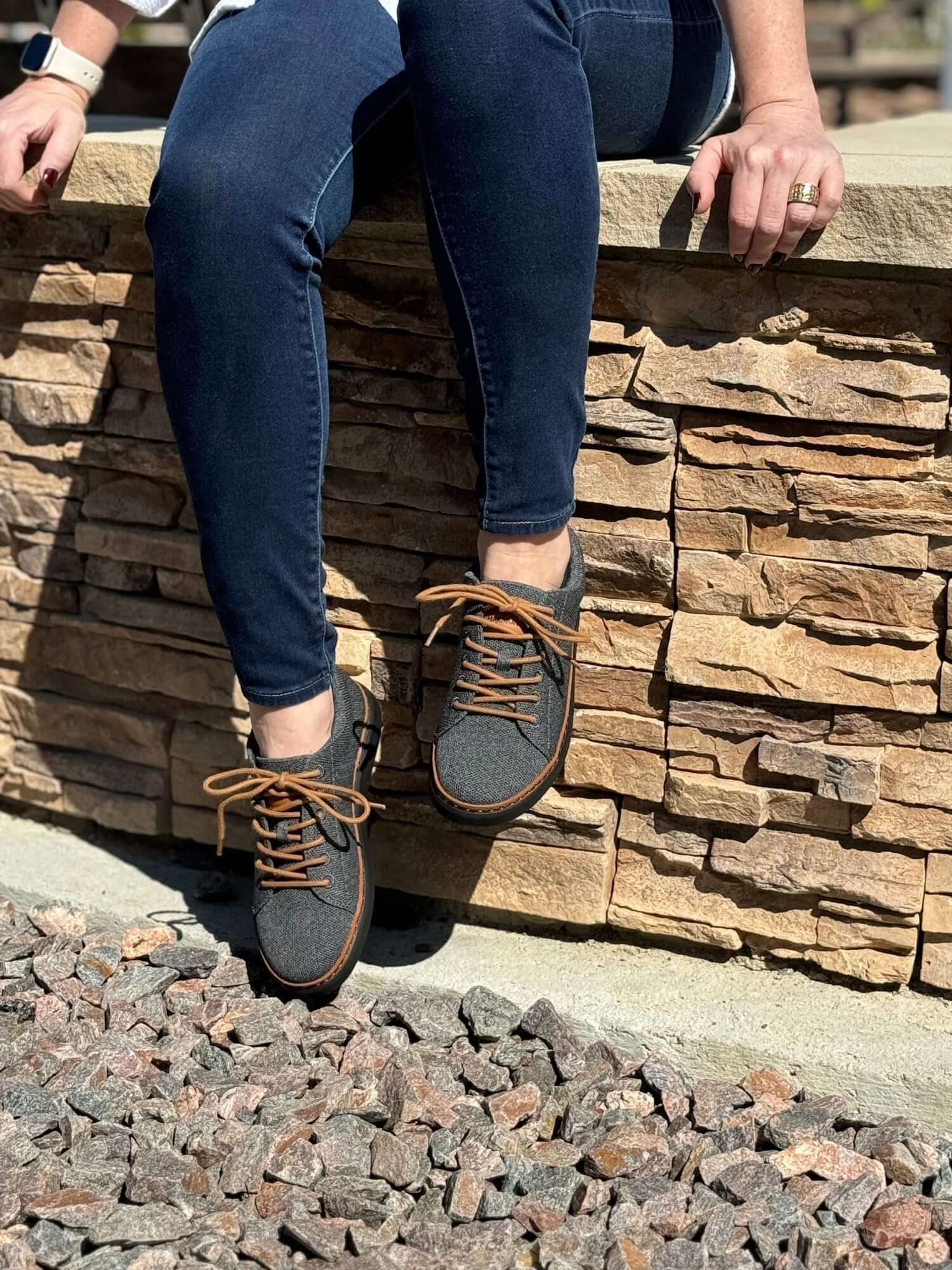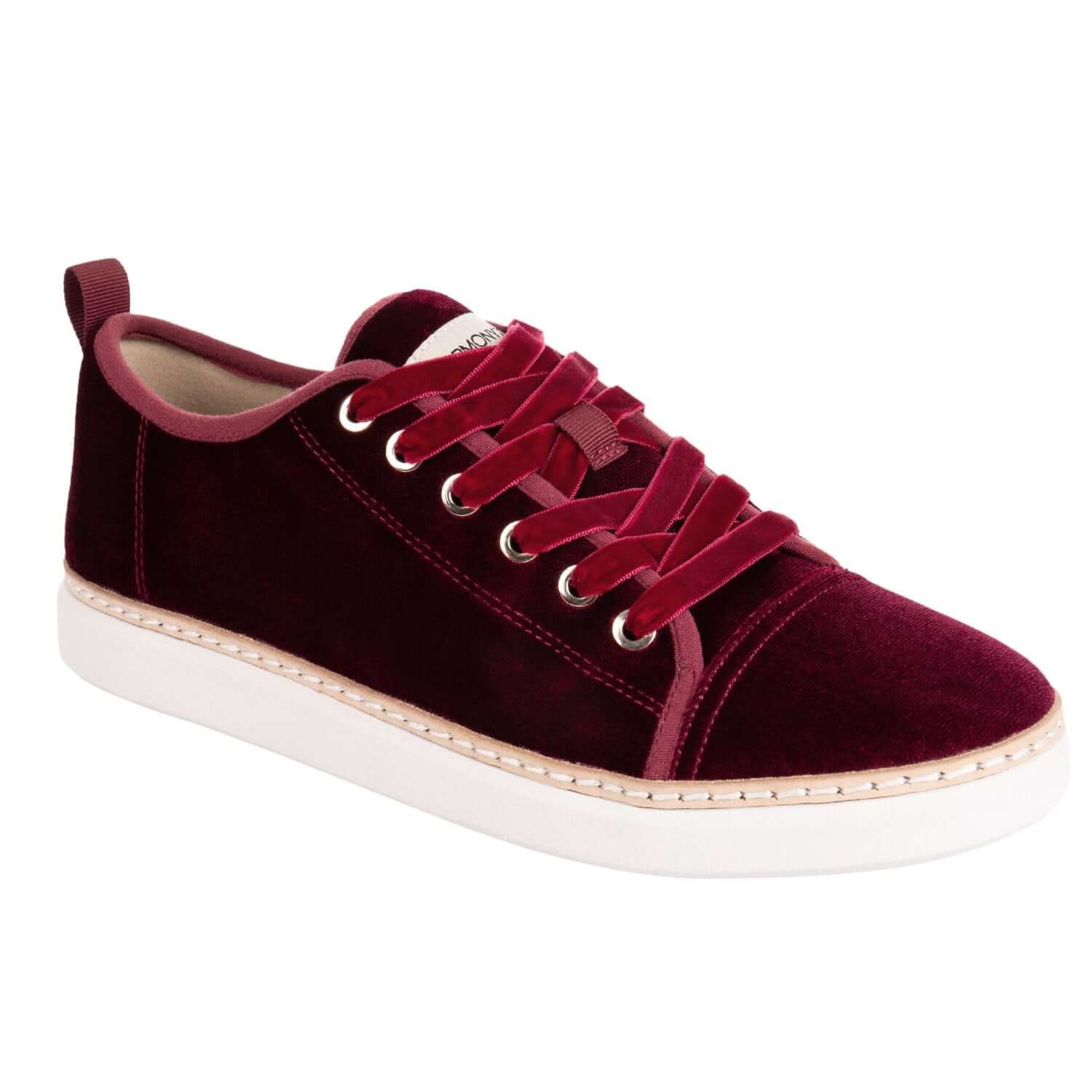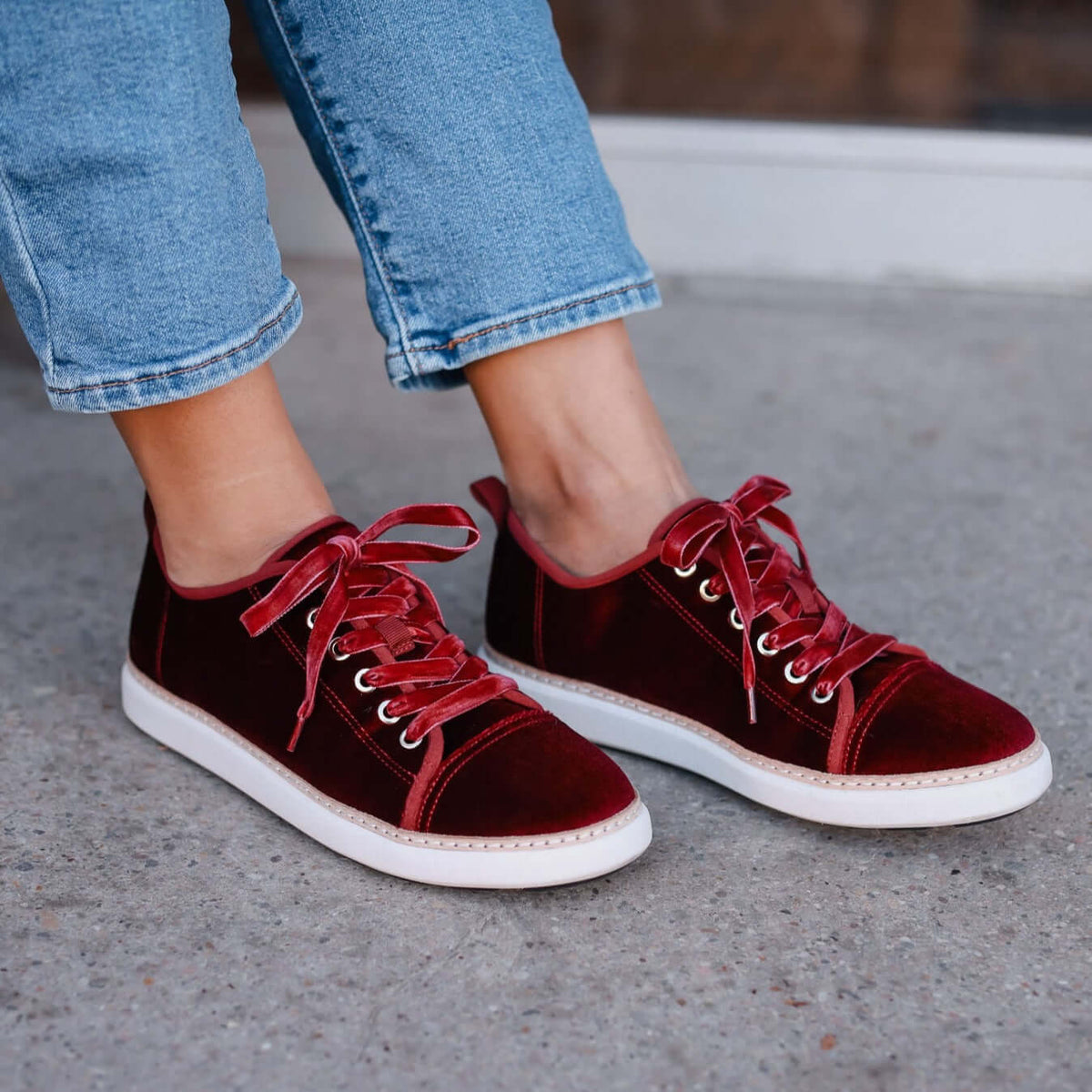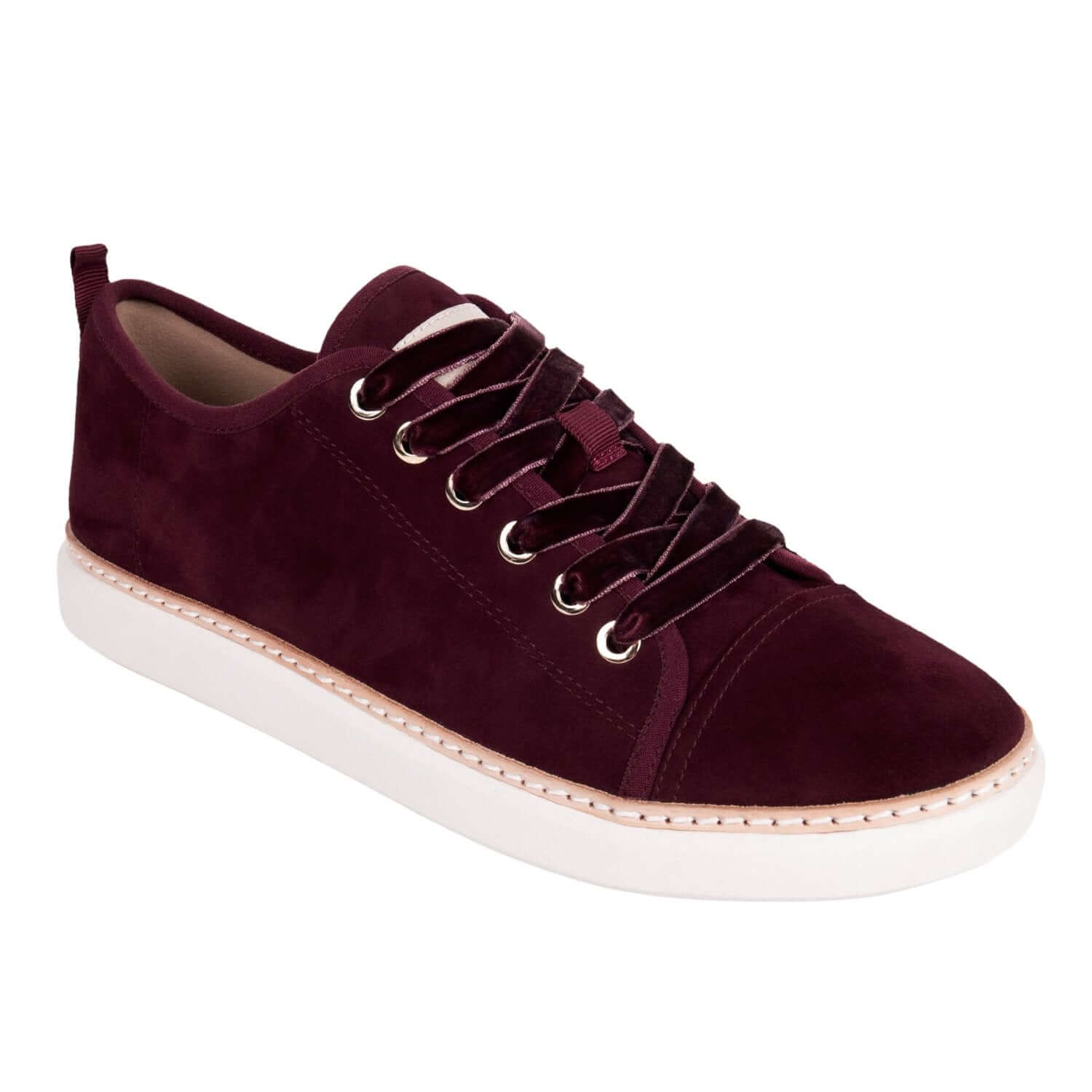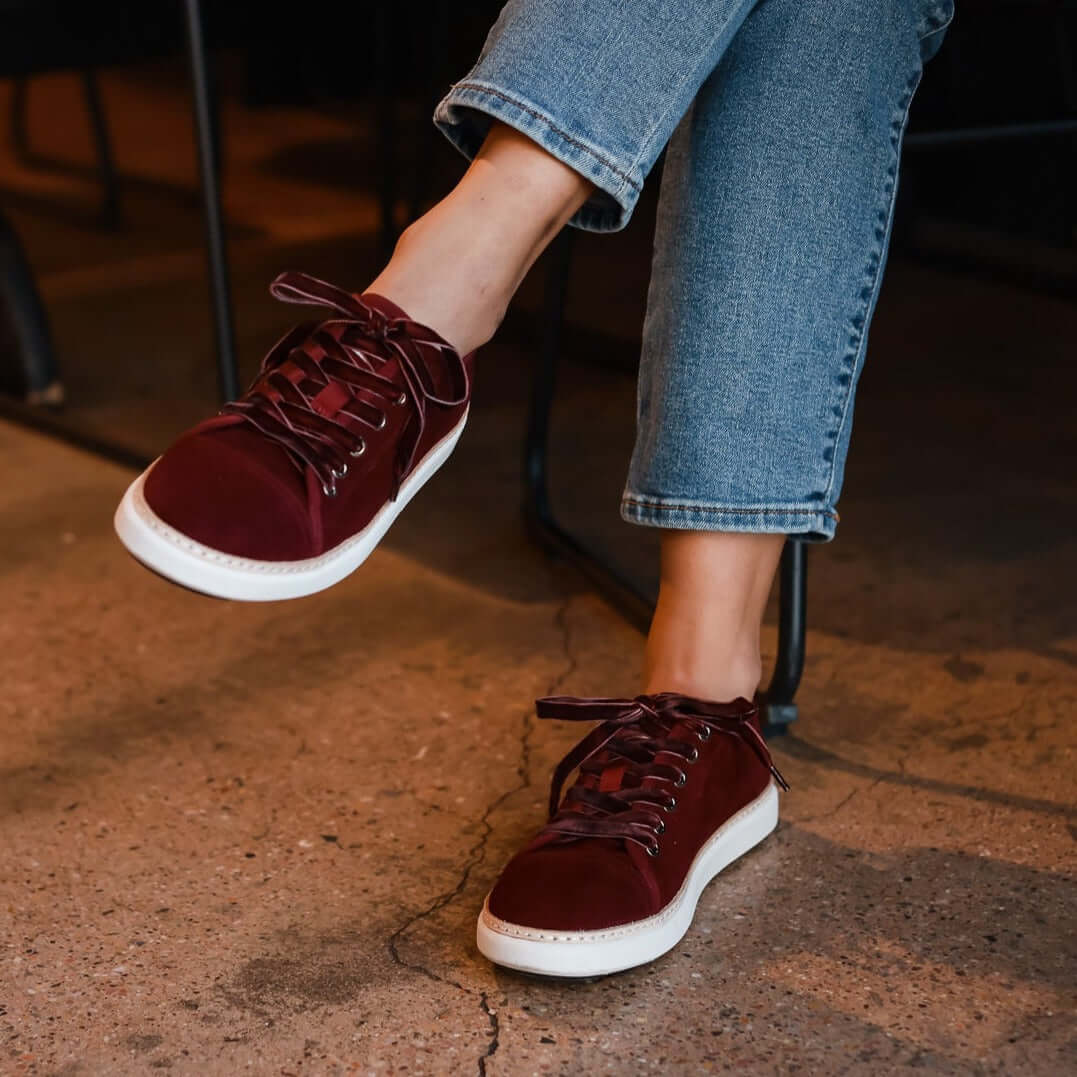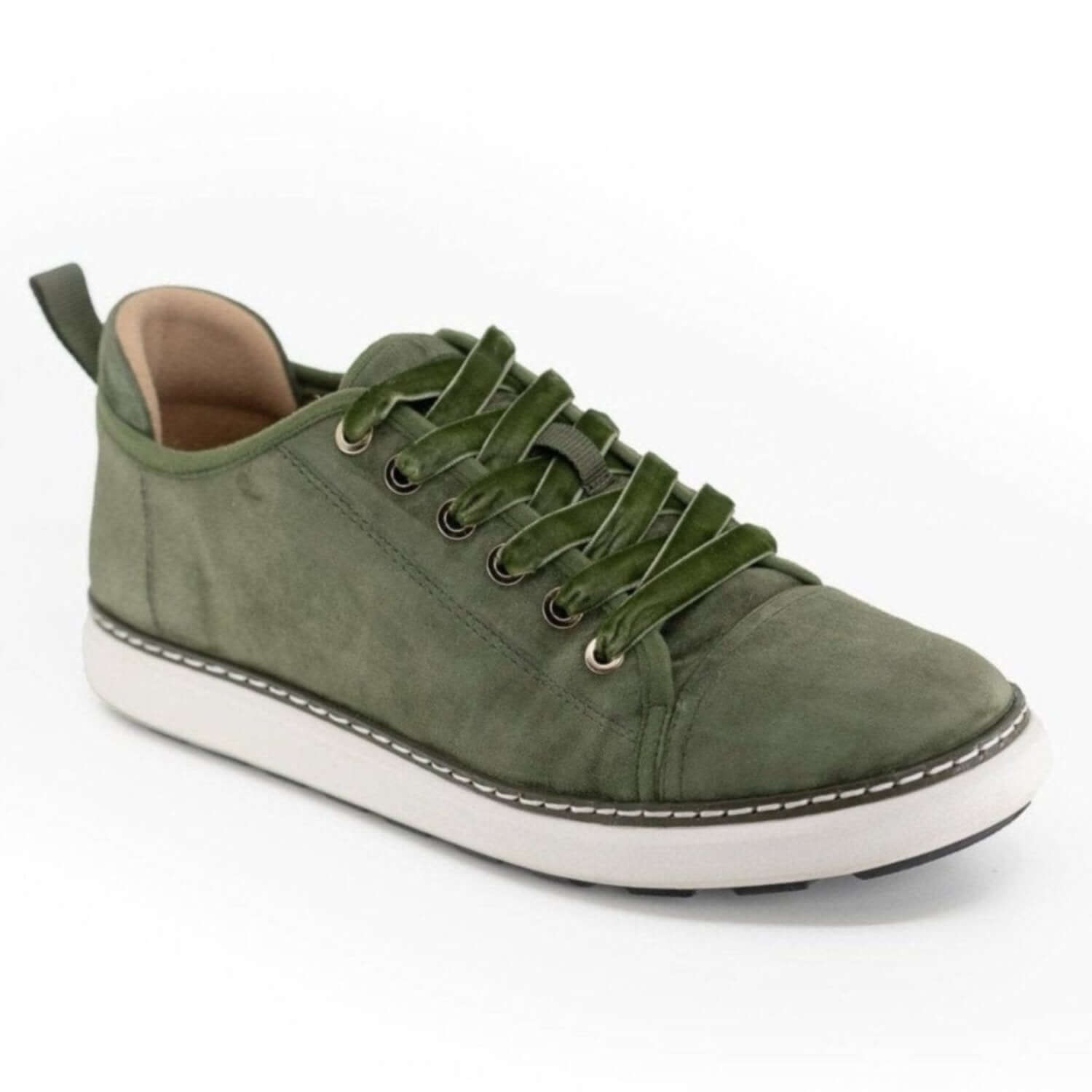

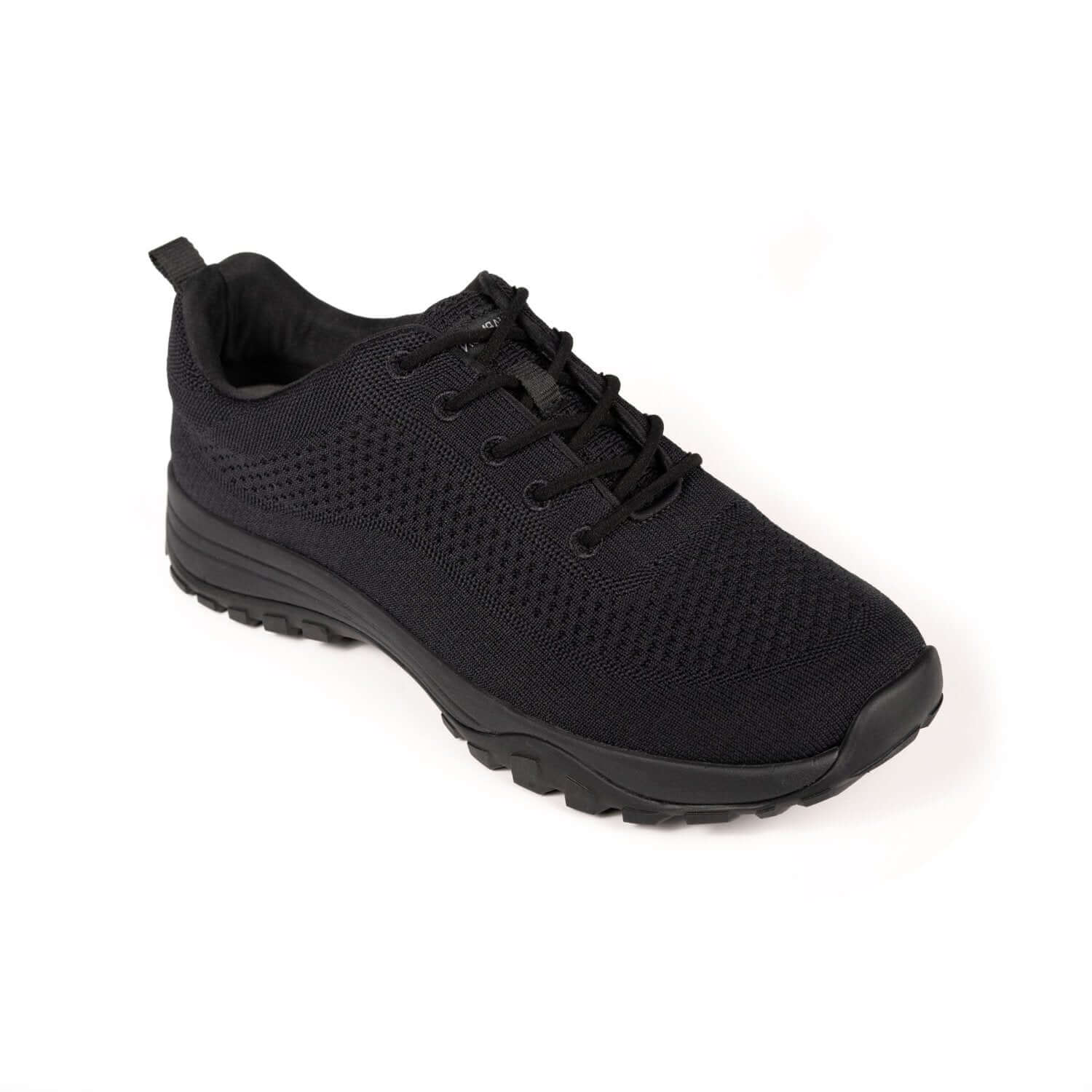
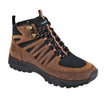
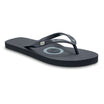
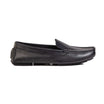
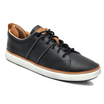


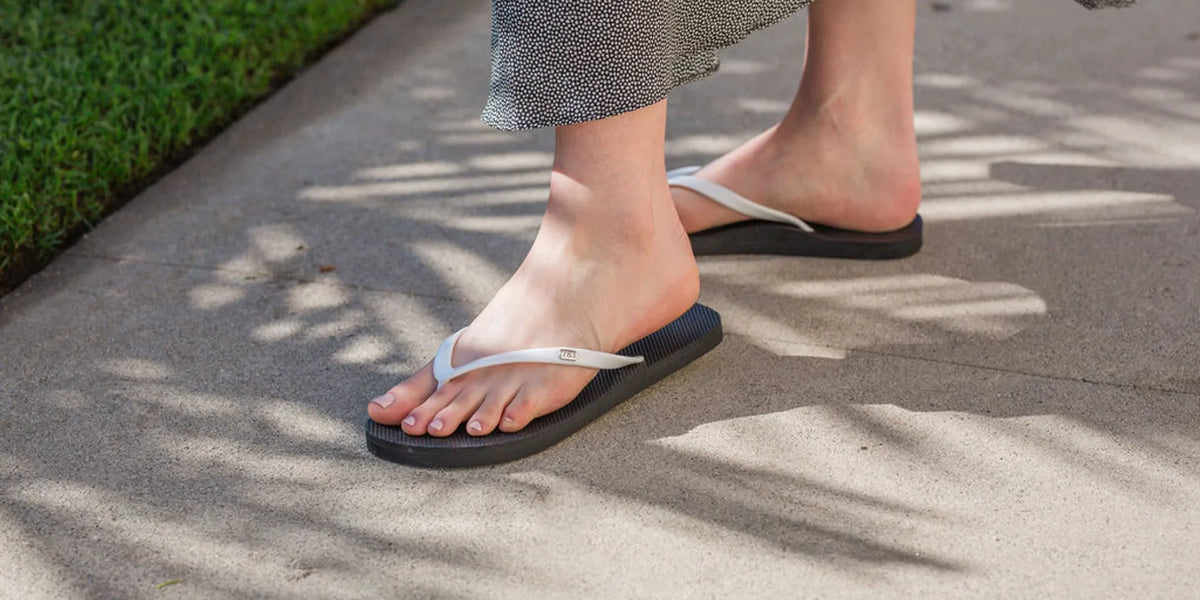
Leather grounding sandals can look much like ordinary summer footwear, so appearance alone does not tell you whether a pair is made for grounding. If you are comparing leather grounding sandals, check how the shoe is constructed, how it fits your feet, and whether it suits the places you plan to wear it. The material is only one part of the choice.
What makes a sandal a grounding sandal?
The word “leather” describes a material, not an electrical feature. A leather upper, footbed, or strap does not by itself create an electrical connection with the earth. Grounding footwear is designed with conductive elements that connect the foot to the ground through the shoe.
That construction is the key question to ask when comparing any shoe: was this shoe actually constructed for grounding and for allowing the flow of electrons? A barefoot-style shoe is not a grounded shoe unless it was specifically built to be one. Thin soles, flexible materials, or a natural look are not proof of conductivity.
Harmony 783 describes its Groundworks™ system as a five-layer conductive design. The stated layers include silver-stitched materials, a cushioned midsole, and a carbon-and-rubber conductive outsole. This description illustrates why the full construction matters more than one visible material. Read the brand’s overview of how its shoes are made for further product construction details.
When a product description is brief, look for details or ask the maker to explain how the conductive parts connect. A helpful answer should describe the construction rather than relying only on broad words such as natural, flexible, or barefoot. Do not assume that a metal detail, leather insole, or exposed foot changes the purpose of a shoe.
- Check that the product is identified as grounding or earthing footwear.
- Look for an explanation of the conductive components and how they work together.
- Do not assume leather, a thin sole, or a barefoot shape means the shoe is conductive.
- Review the maker’s care and use guidance before wearing the pair.
How should you compare leather grounding sandals?
Start with the job you need the sandals to do. A pair for short errands may have different priorities from one for a full day on your feet. Decide whether you value an open design, a more secure fit, cushioning, or a style that works with several outfits. Then compare the actual product information rather than relying on broad labels.
| What to compare | Questions to ask | Why it matters |
|---|---|---|
| Grounding design | Does the maker explain the conductive construction? | Confirms the sandal is designed for grounding rather than simply styled to look natural. |
| Fit and stability | Does the shape hold your foot comfortably as you walk? | A secure, comfortable fit matters for ordinary daily wear. |
| Support and feel | Does the cushioning and footbed feel suitable to you? | Feet and comfort preferences differ; consider how long you expect to wear them. |
| Materials and care | What materials are used, and how should they be cleaned? | Care instructions help you protect the sandal and its construction. |
| Use setting | Will you wear them at home, on walks, or for casual outings? | The right choice depends on your routine and the conditions you encounter. |
Use the table as a shortlist, not a scorecard. A sandal can have appealing materials and still be the wrong shape for your foot. Another can feel comfortable in a quick try-on but be too open for the surfaces or pace you encounter. Weigh the details against your own daily routine.
Product pages are useful for checking these details. Browse the grounding sandal collection and compare styles on their own descriptions. If you want to consider closed-toe options too, look at grounding walking shoes or grounding sneakers. The question is not which style is best for everyone, but which construction and shape make sense for your needs.
Does leather itself provide grounding?
No material label alone establishes that a shoe is conductive. Leather is commonly valued for its look and feel, but grounding depends on the design of the whole footwear system and its conductive path. A leather sandal could be designed for grounding, but leather alone does not make that happen.
This distinction helps avoid a common shopping mix-up. A sandal can be open, flexible, or made with natural materials and still not have grounding construction. On the other hand, a grounding sandal may use leather as one part of a larger design. Check product specifications, and ask the maker if the description does not explain how the footwear is intended to work.
Grounding is a wellness practice, not a substitute for medical care. Do not treat footwear as a way to diagnose or treat a condition, or as a promise of a health result. For general information about complementary health approaches, consult the National Center for Complementary and Integrative Health, part of the U.S. National Institutes of Health: NCCIH. The organization’s information can help readers distinguish general wellness discussion from medical advice.
Harmony 783 provides background about what grounding means and links to its research and science information. Read wellness information with care, keep expectations realistic, and speak with a qualified health professional about personal medical questions.
Related products


How can you choose a comfortable fit?
Even a well-made grounding sandal is a poor choice if it pinches, rubs, or feels unstable. Try it indoors on a clean surface first, if the seller’s return terms permit. Walk, turn, and stand in it. Check that your toes have room and that straps hold the foot without digging in.
Use the brand’s sizing information before ordering. Harmony 783 provides a shoe size guide; review it alongside the product page. If you are choosing between sizes, do not guess based only on your size in another brand, because sizing and fit can vary between designs. Follow the product page’s sizing choices and instructions.
Pay attention to how the sandal feels after a few minutes, not only the first step. Notice pressure at the straps, slipping at the heel, and whether the sole feels suitable for your usual pace. If the design has an adjustable strap, test the adjustment while standing and walking. A snug fit should not depend on pulling a strap so tight that it creates a pressure point.
Check the sandal from several angles. Your heel should sit in a comfortable position rather than hanging far over the back. Your toes should have room without sliding over the front. If the foot moves side to side or the sandal shifts with each step, consider a different size or shape. These simple checks do not replace a professional fitting, but they can help you spot an obvious mismatch.
When possible, try both sandals and wear them on a clean indoor surface for a few minutes. Walk at your normal pace, turn, and pause as you might during an errand. Notice whether you change your stride to keep the sandal in place. If you feel rubbing, numbness, or pain, take them off; do not assume discomfort must be endured for a shoe to feel right.
What should you check before placing an order?
Use a simple three-pass review before you choose a pair. First, check the purpose: does the product page clearly identify grounding construction and explain the conductive design? If it only says leather, natural, flexible, or barefoot-inspired, that is not enough to establish that it is grounded footwear. Look for construction details, and contact the seller if the description leaves an important question unanswered.
Second, check the fit information. Find the size chart and note how the product page presents its sizing options. Compare your measurements with the chart instead of relying on a size you wear in a different brand. Think about whether the sandal has adjustable straps and whether your foot tends to need more room across the toes or a snugger hold at the heel. A chart cannot predict every fit preference, but reading it can reduce avoidable guesswork.
Third, check the practical terms and care guidance before you commit. Read the current product information for materials, cleaning, and return details. Do not rely on an old price, offer, or policy quoted elsewhere; current information belongs on the store’s product and policy pages. If you have a question about a specific style, save its name and describe the fit concern when you contact the seller.
Here is a quick example. Suppose you want one pair for a few short walks and casual outings. A sandal with a comfortable hold, a suitable sole, and clearly described grounding construction may fit that plan. If you instead expect long walks over uneven ground, look closely at coverage, stability, and the maker’s use guidance, then compare a closed-toe style as well. The answer may be a sandal, another type of grounding shoe, or more than one option for different days.
This process also helps you separate must-haves from preferences. Clear product construction and a comfortable fit are basic checks. Color, finish, and styling are personal choices. Write both groups down before browsing: doing so keeps a beautiful detail from distracting you from an unanswered construction or fit question.

Where might grounding sandals fit into daily wear?
Grounding sandals may be an option for warm-weather errands, casual walks, or time outdoors, depending on the particular product and conditions. They are not the right footwear for every setting. Consider weather, terrain, activity, and the protection your feet need. An open sandal is not a replacement for sturdy footwear when a task calls for more coverage or support.
Think through a typical day before choosing. For example, imagine a morning spent walking on paved paths, followed by time in a shop and a short drive. You may value a sandal that feels secure through repeated stops and starts. If your day includes rough ground, wet surfaces, heavy work, or long periods of walking, check whether the specific design is suited to those demands. Do not assume that every sandal is built for every activity.
- List the places you expect to wear the sandals and the surfaces you will encounter.
- Decide how much coverage and strap security you prefer.
- Review the product’s stated materials, care instructions, and grounding design.
- Try the fit in a safe, familiar setting before making them your everyday pair.
- Keep another footwear option available for weather or activities that call for more coverage.
Some shoppers prefer to compare sandals with other warm-weather choices, such as grounding flip-flops. Others may want socks or a more enclosed style for different conditions; the shoes and socks selection gives another place to explore options. Match the footwear to the task rather than expecting one pair to suit every situation.
If you prefer a style with a more secure lace-up fit, compare the grounding jogger collection. You can also browse women’s grounding shoes or men’s grounding shoes. These collections help you compare silhouettes and intended uses without assuming all footwear has the same feel.
One practical way to decide is to write down three situations where you expect to wear the sandals and one situation where you would choose a different shoe. That small exercise makes tradeoffs clear. For example, a sandal you like for a warm afternoon may not be your best choice for a wet commute or a trail with loose stones. A second pair is not a failure; it can be a sensible way to match footwear to the day.

How should you care for leather grounding sandals?
Follow the care instructions for the specific sandal. Different leathers and finishes may need different cleaning methods. Avoid soaking or applying cleaners unless the maker says they are suitable. Since grounding shoes use conductive components as part of their construction, do not assume that every cleaning product or repair method is appropriate.
After wearing them outdoors, remove loose dirt gently and let the sandals dry as directed. Store them in a dry place and check straps, seams, and soles from time to time. If they get wet, do not place them next to a strong heat source unless the care instructions allow it. High heat or an unsuitable cleaner may affect materials, shape, or finish.
Look for changes that deserve attention: a loose strap, a split seam, a worn sole, or a footbed that has lifted. Do not try to repair a conductive part with an unapproved adhesive or material. If a component appears damaged or you are unsure whether cleaning could affect the footwear, ask the seller for product-specific guidance rather than improvising. Regular visual checks are simple and help you notice wear before it changes how the sandal feels.
For product or order questions, use the frequently asked questions or contact the company through its contact page. For help selecting a size, consult the size guide first so you can share the relevant product and fit details. If you are comparing options, the full grounding footwear collection is another way to see available styles.
Browse the grounding sandal collection
What should you remember before buying?
Before placing an order, make a short checklist: verify the grounding design, read the fit information, think about where you will wear the sandals, and understand the care guidance. Compare several styles if you are not sure whether an open sandal, a walking shoe, or a sneaker best suits your day. Product details help you compare, but your comfort and intended use still matter.
Comfort is personal. If you are new to a style, give yourself time to assess the fit in ordinary, low-pressure situations. Keep expectations grounded: footwear can be part of a wellness routine, but it is not a promise of a health outcome. Shop with the details in view and choose the pair you can comfortably see yourself wearing.
Explore the product details, compare fit and use, and choose footwear that feels right for your everyday plans.