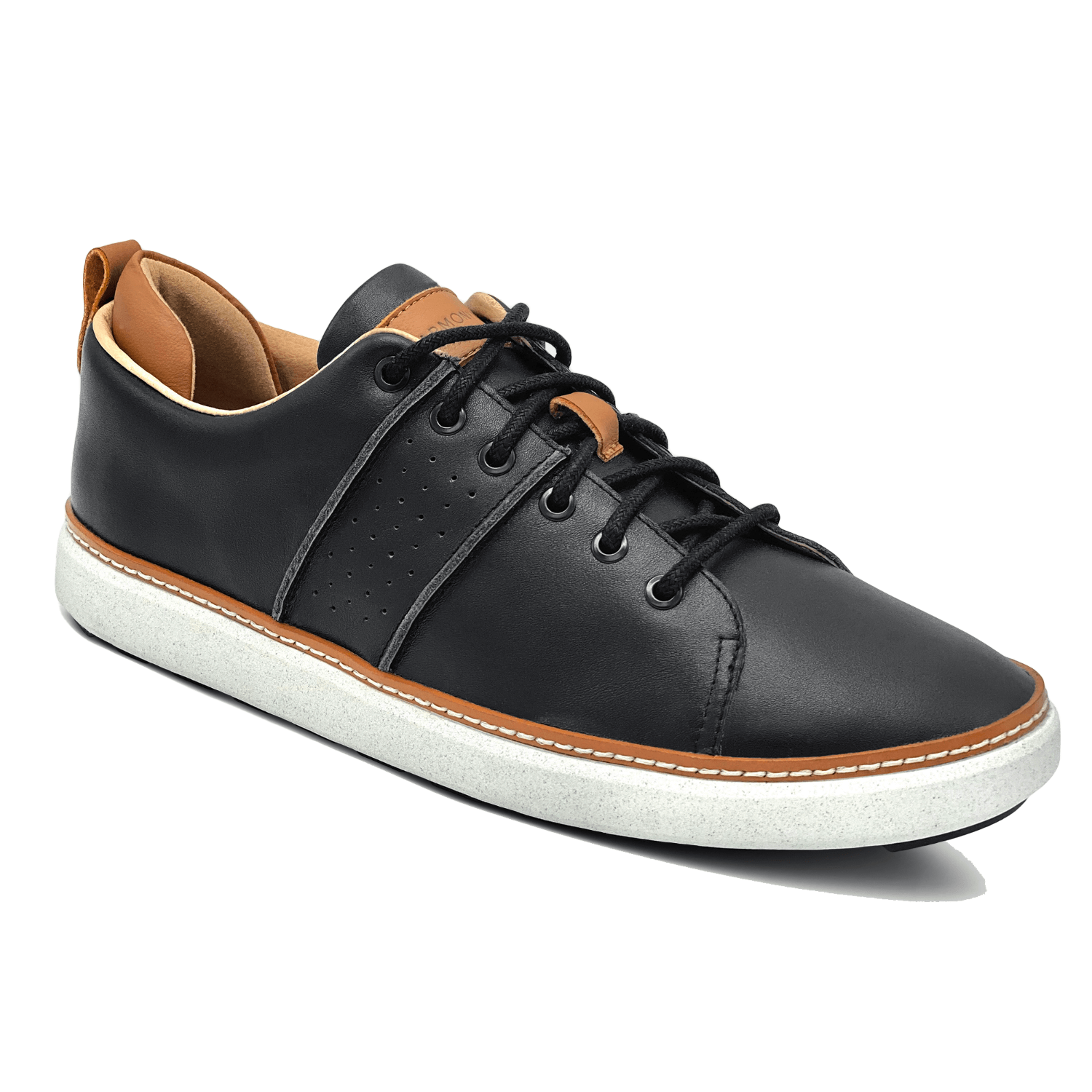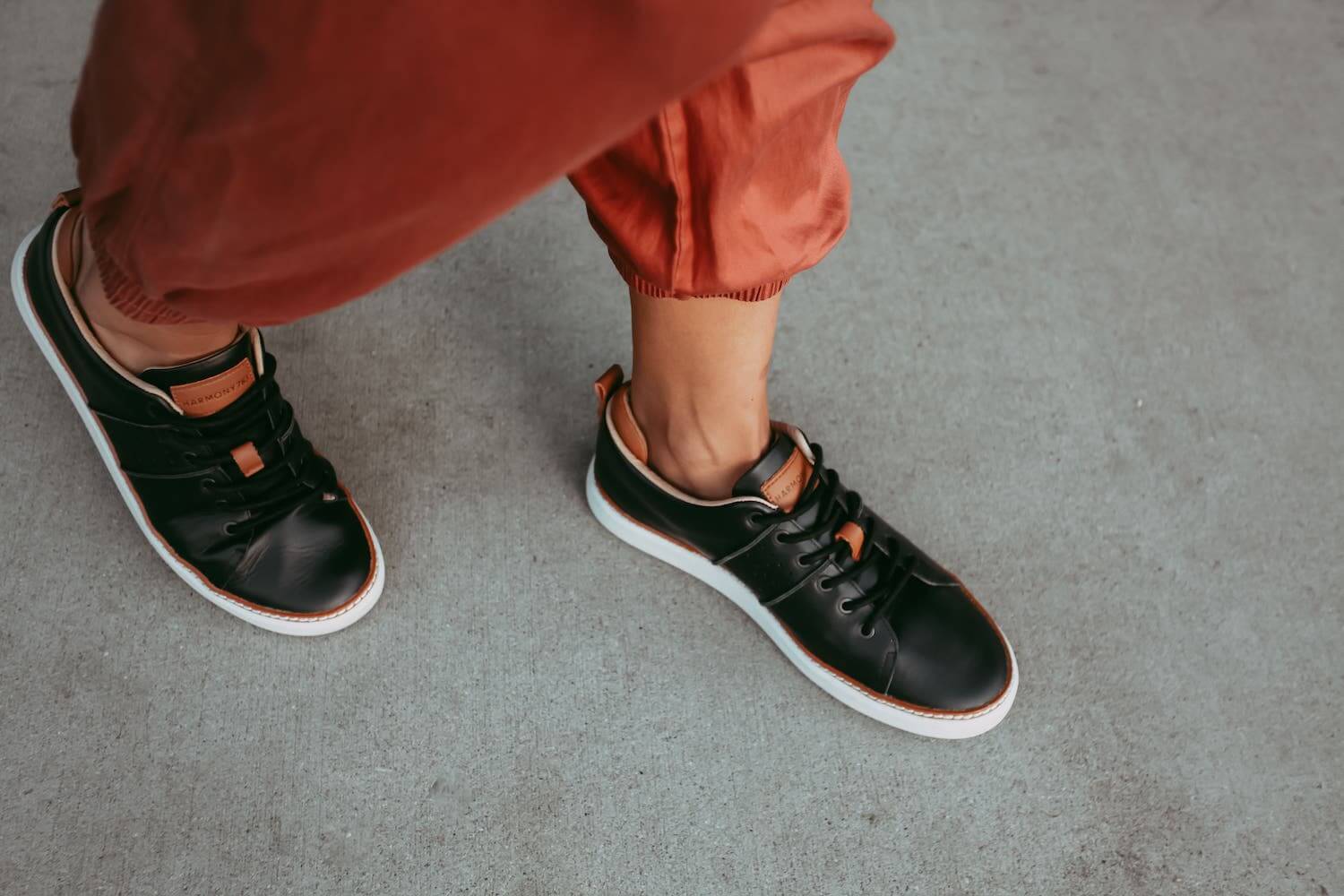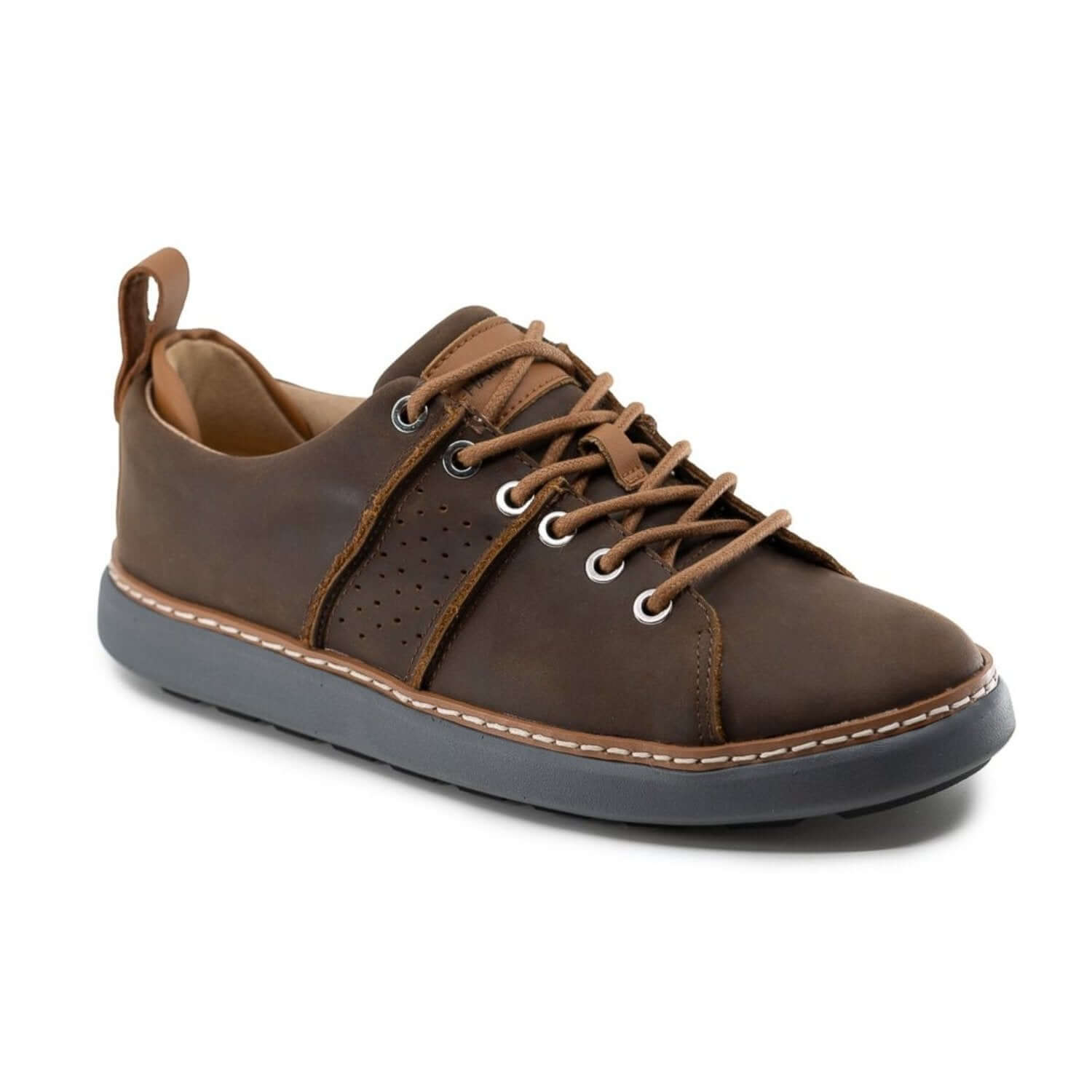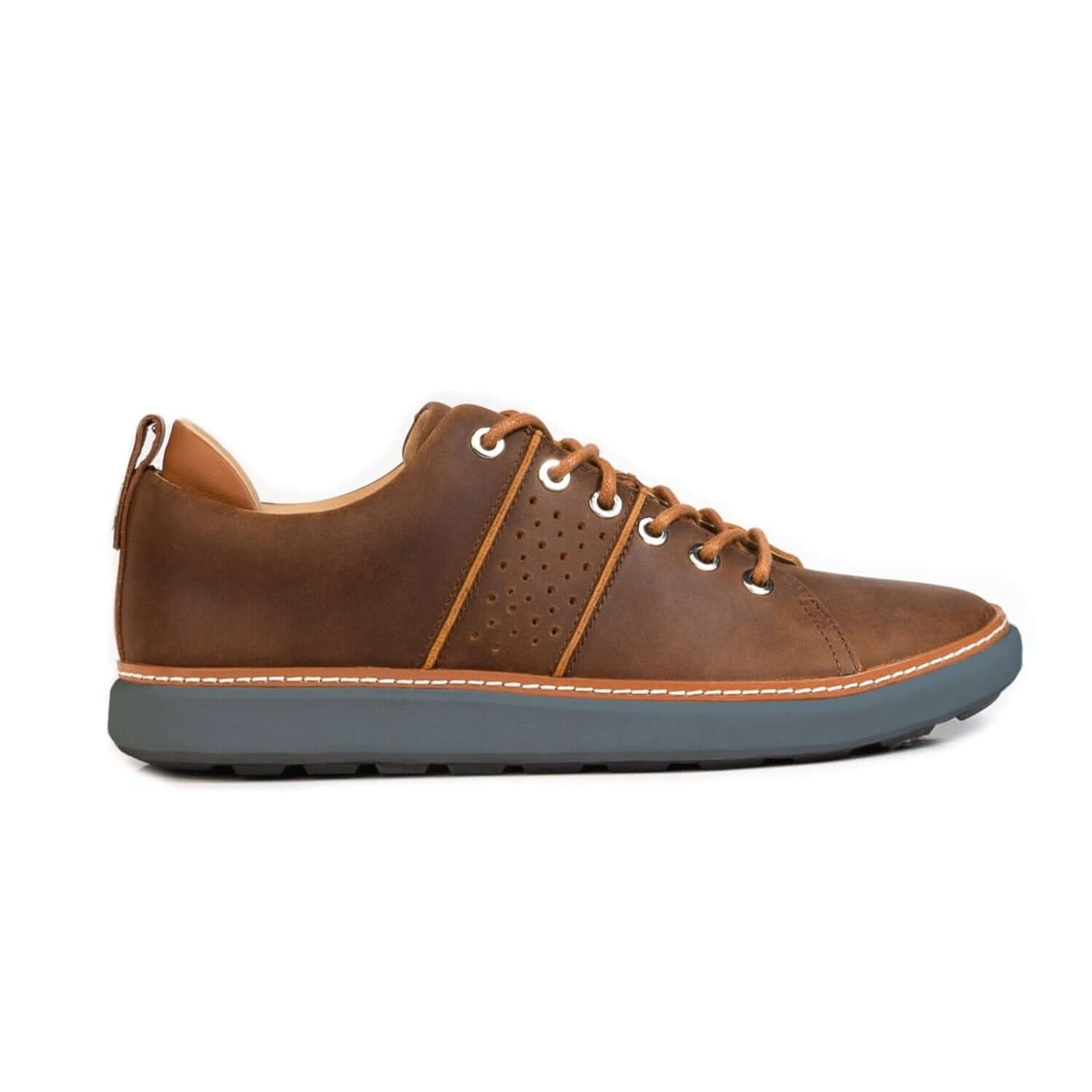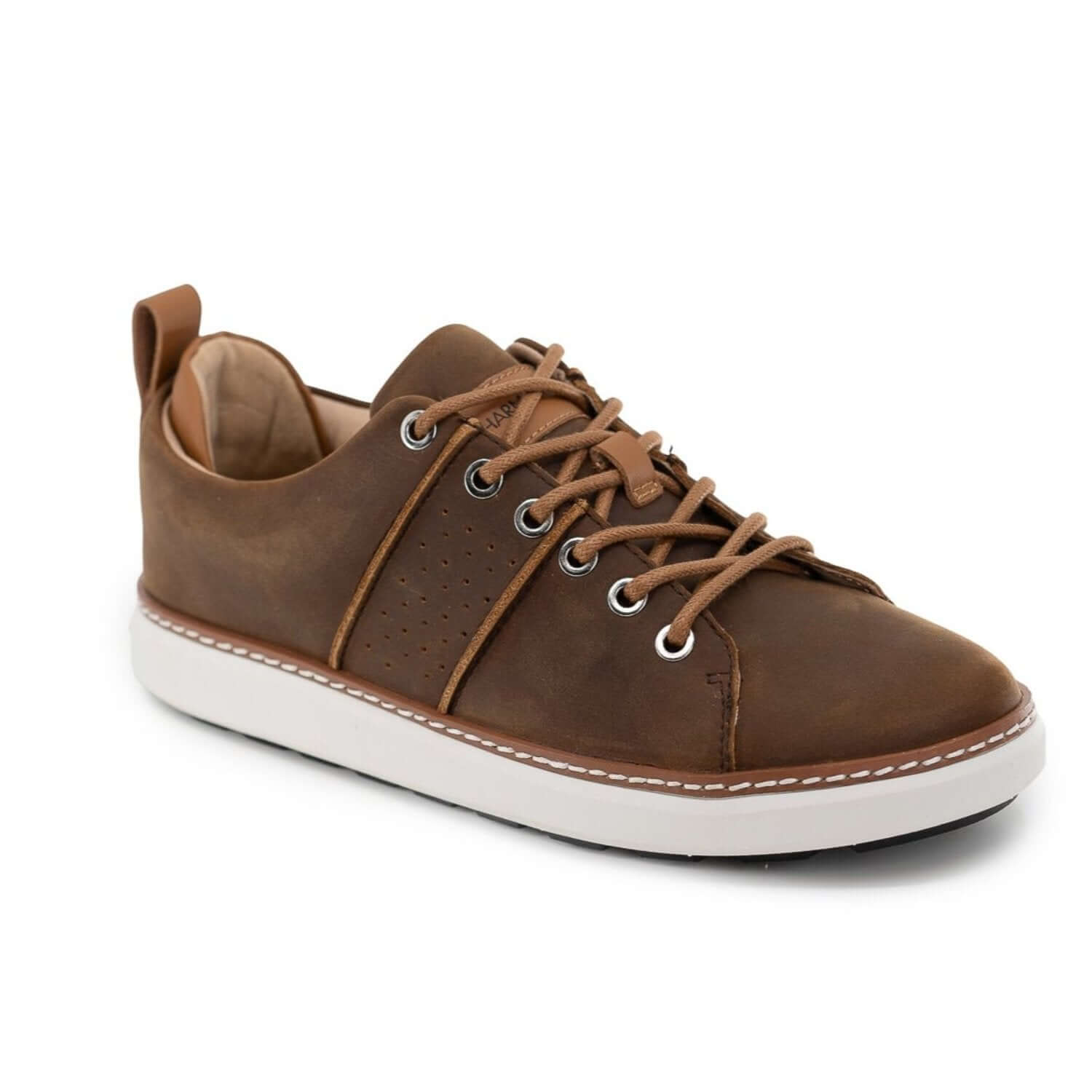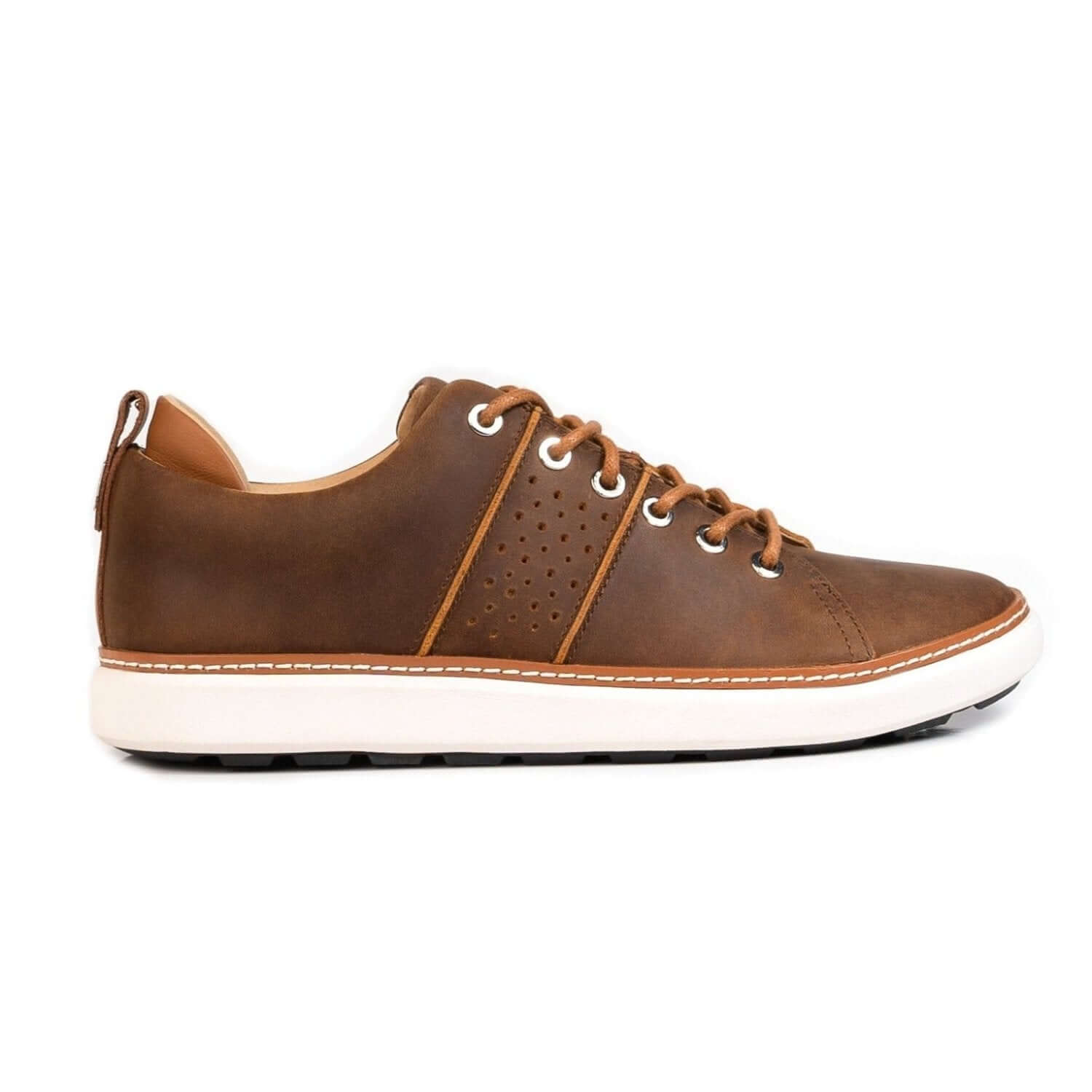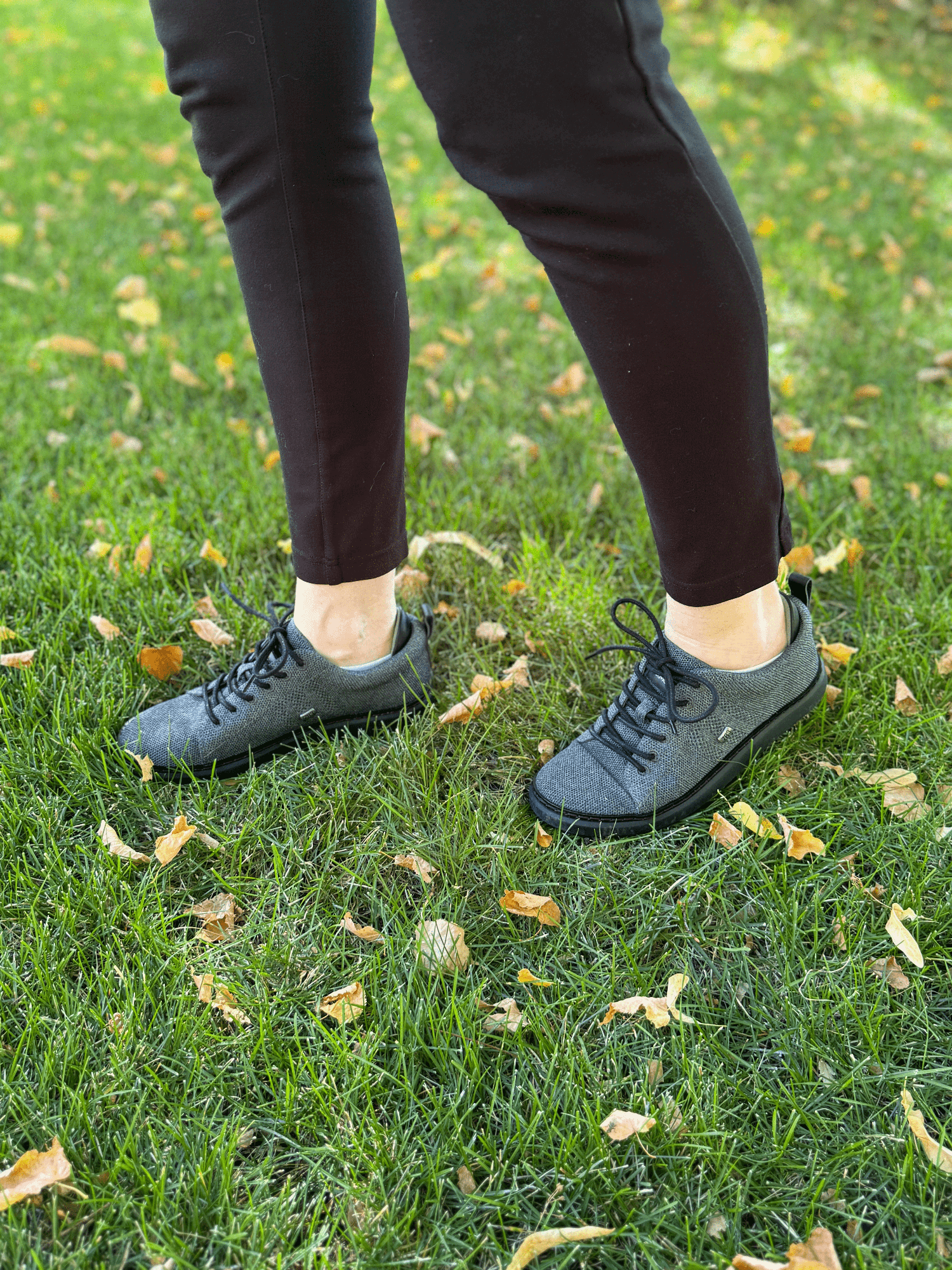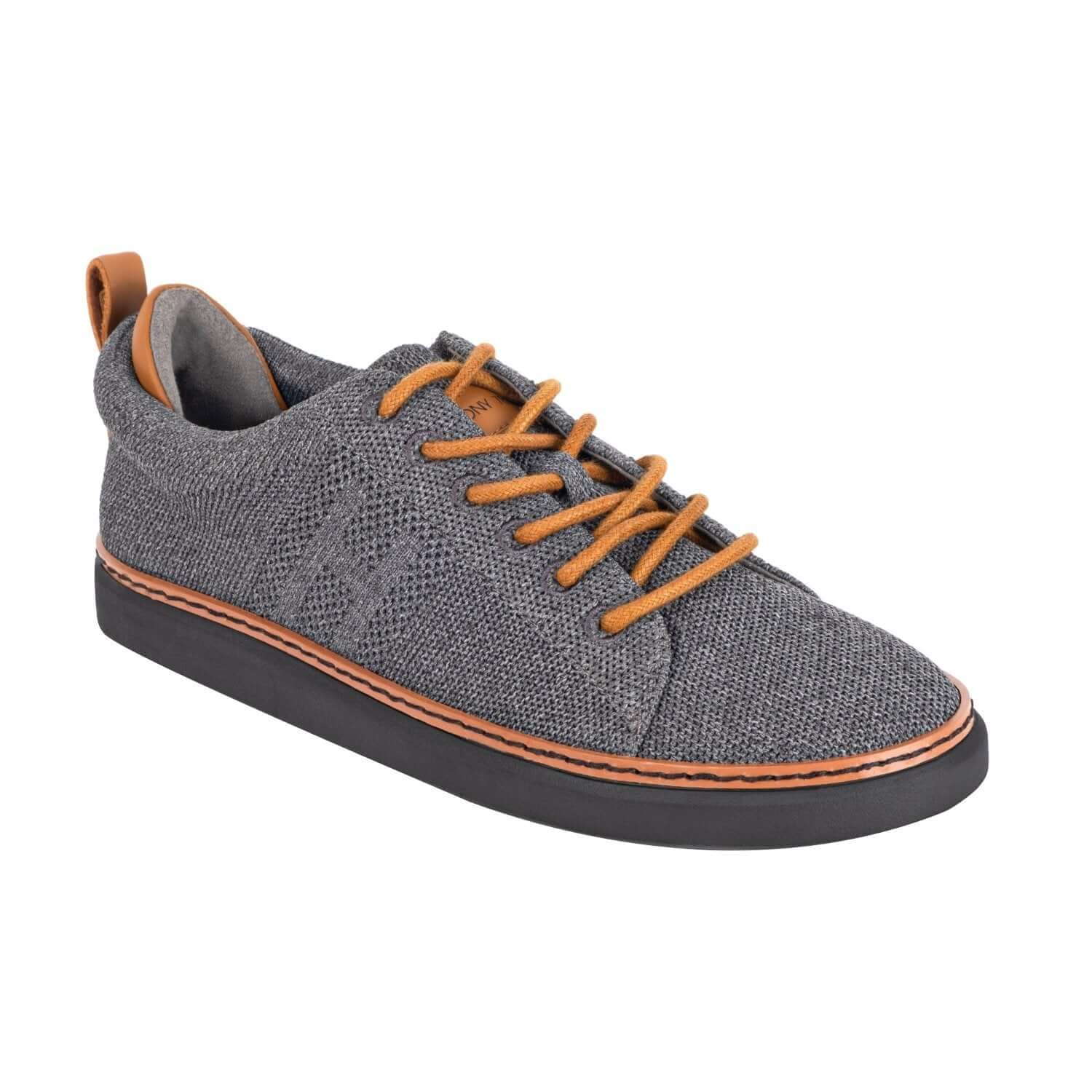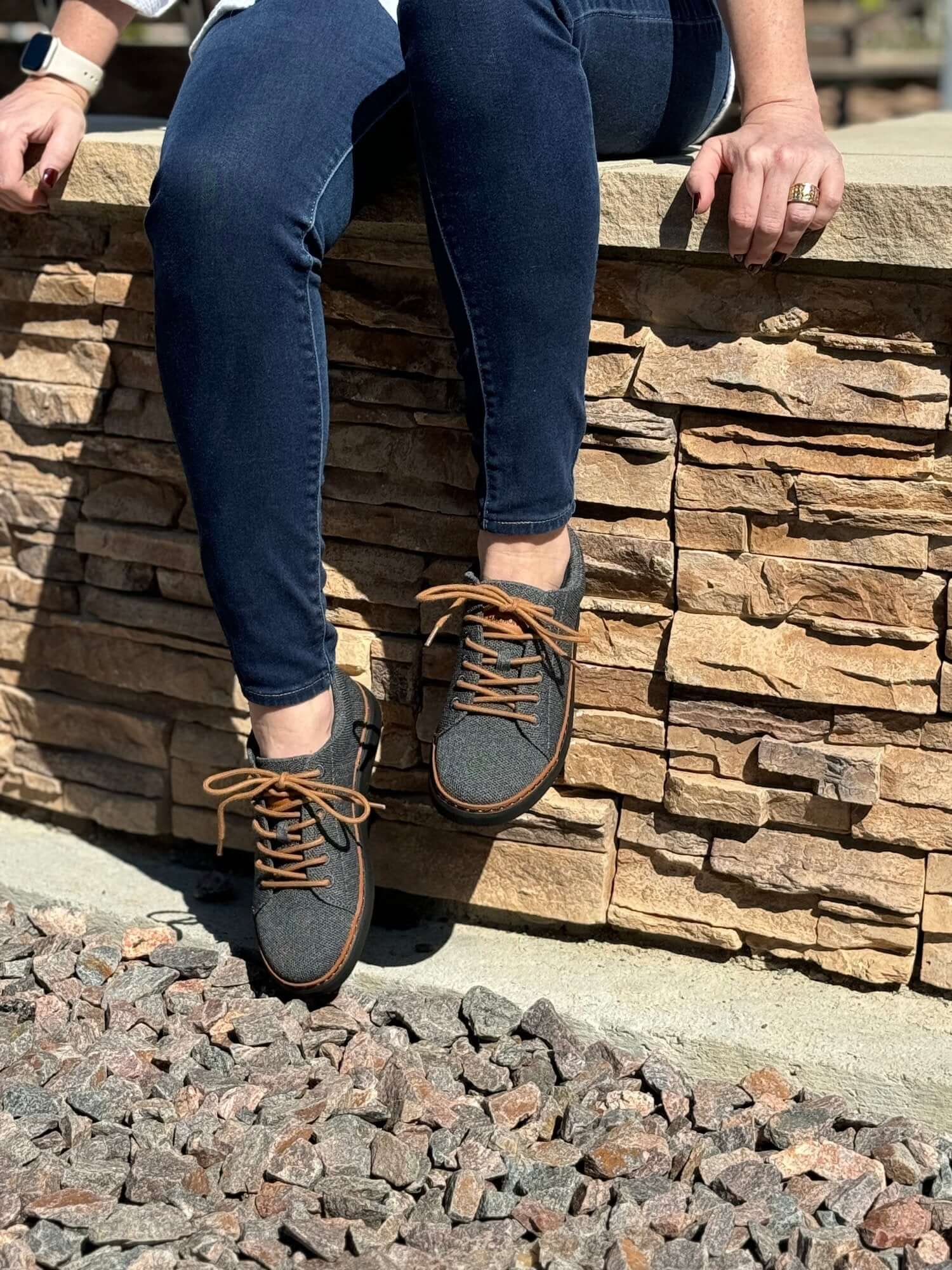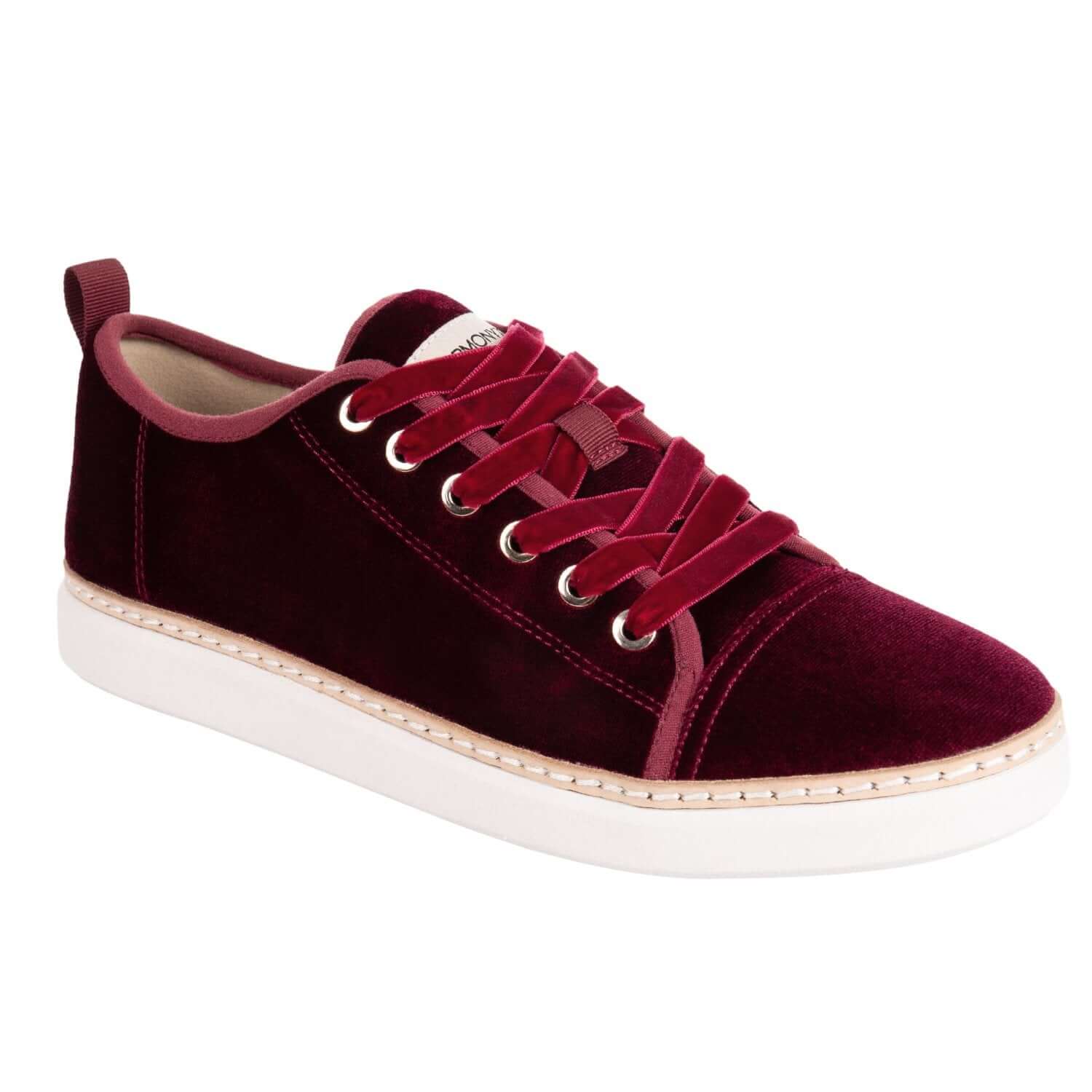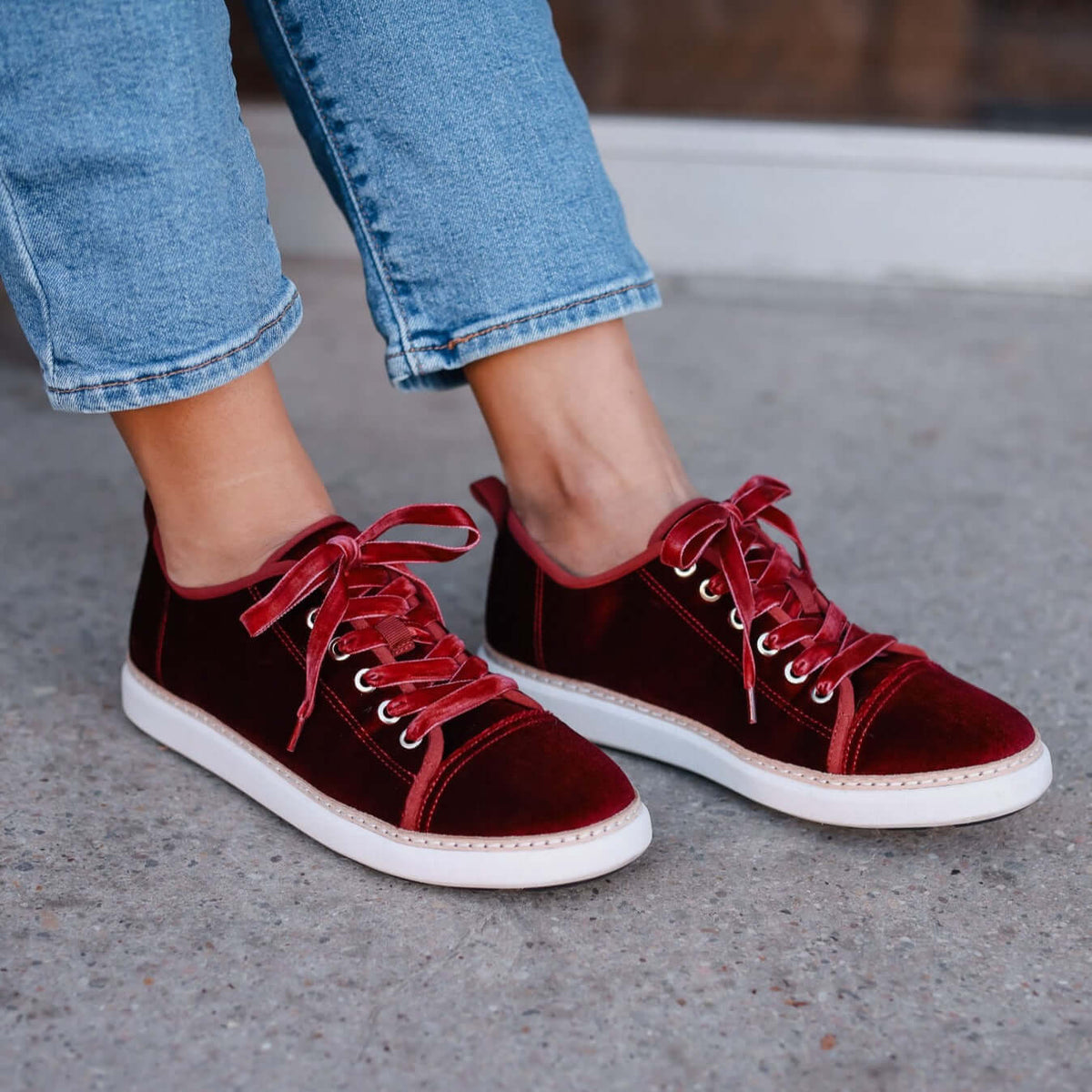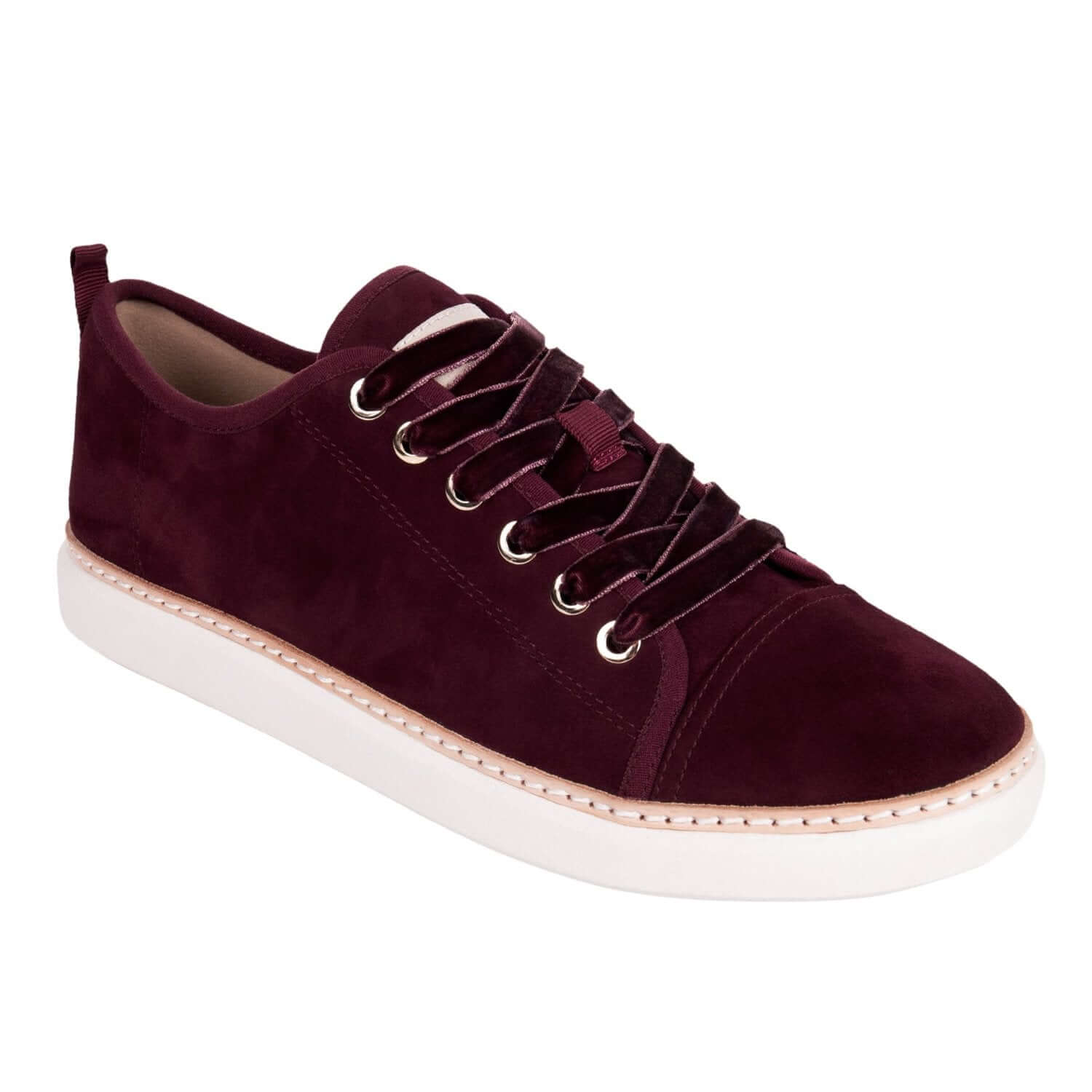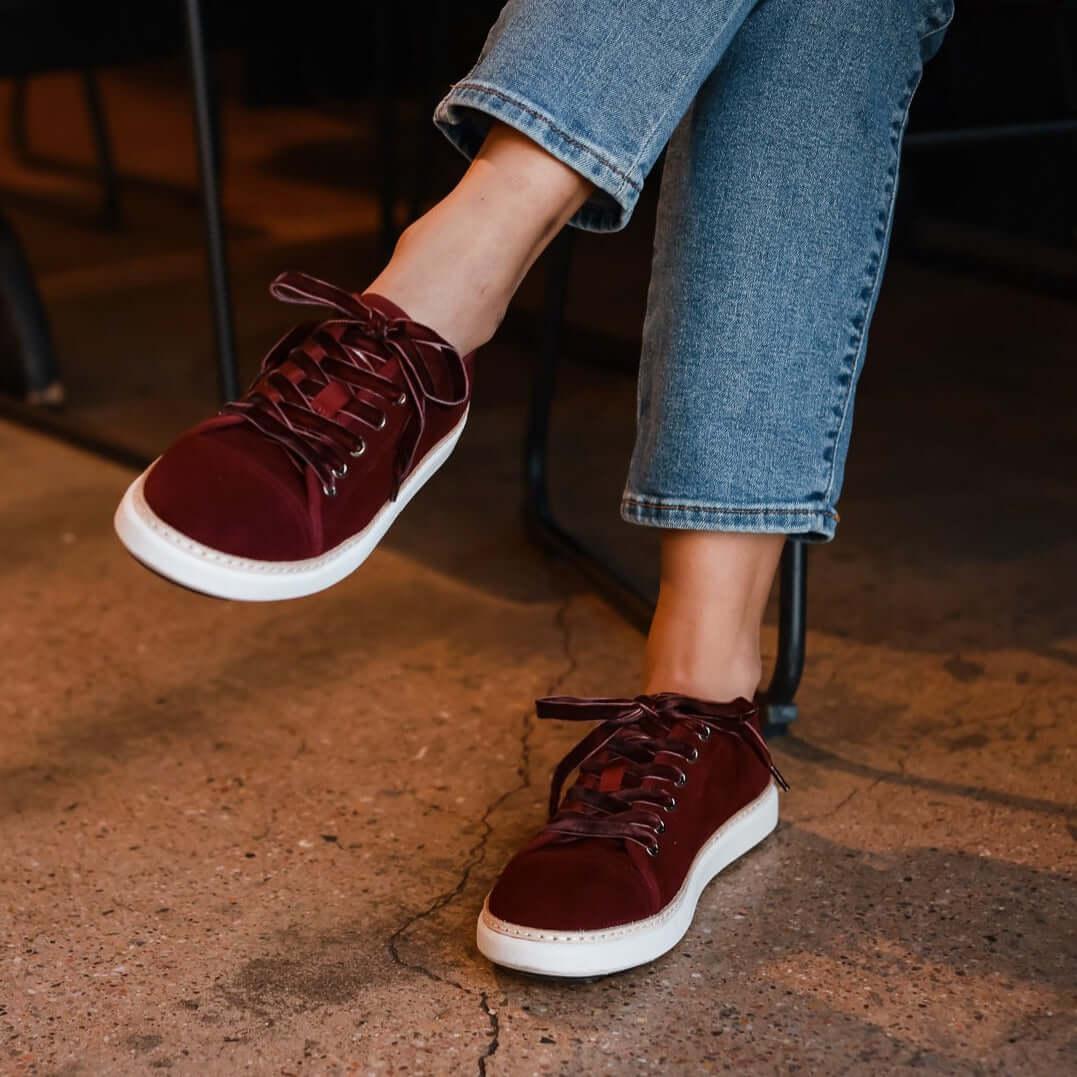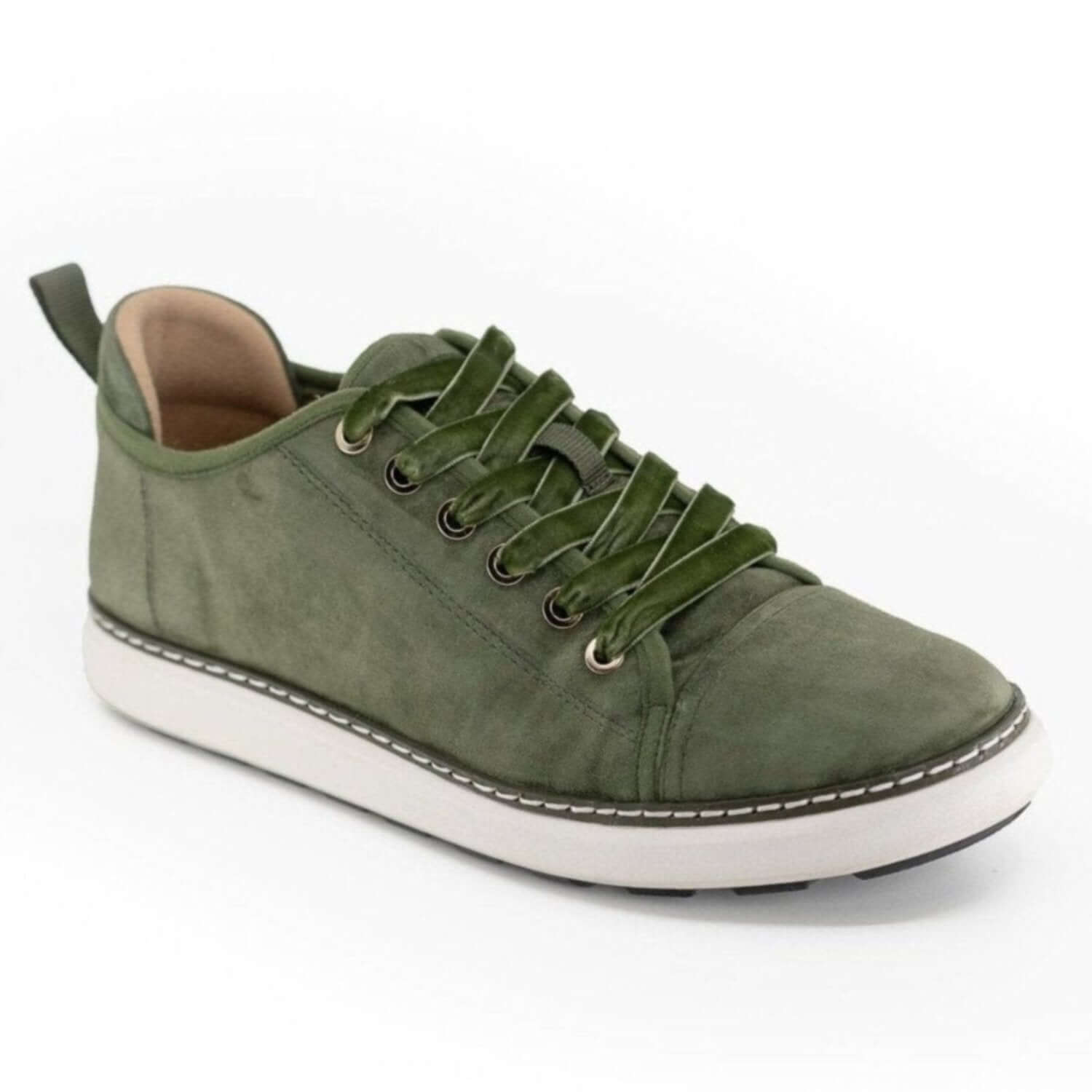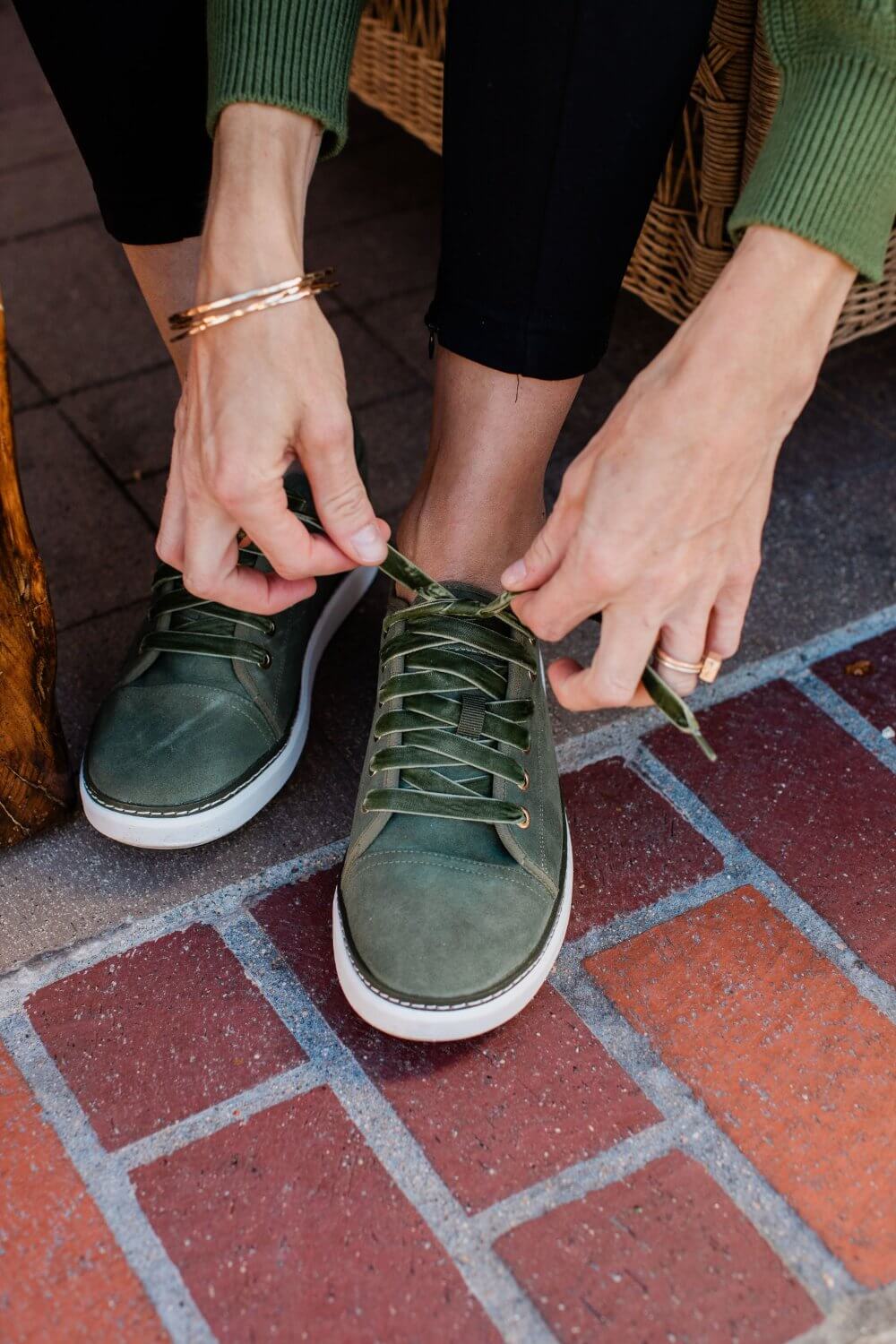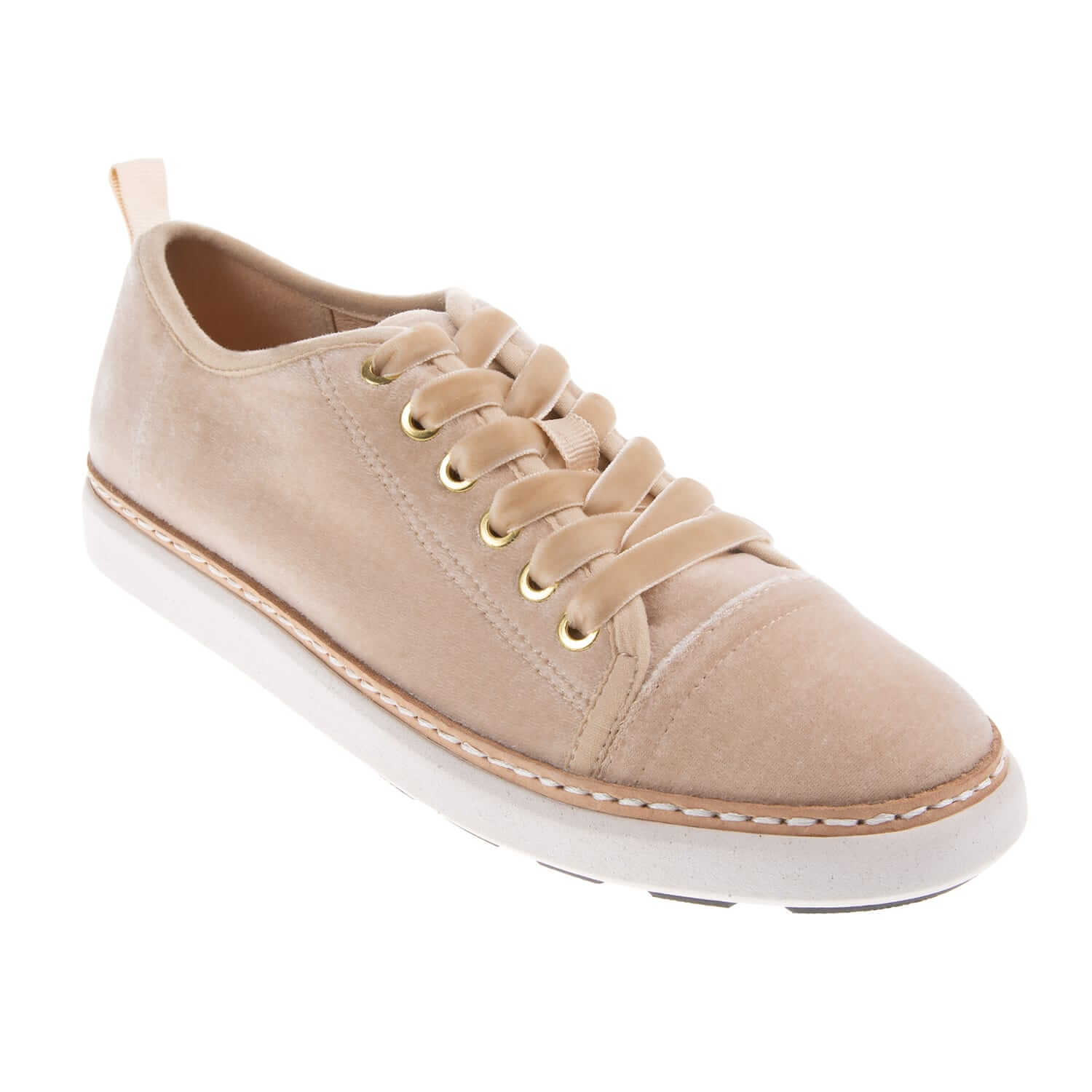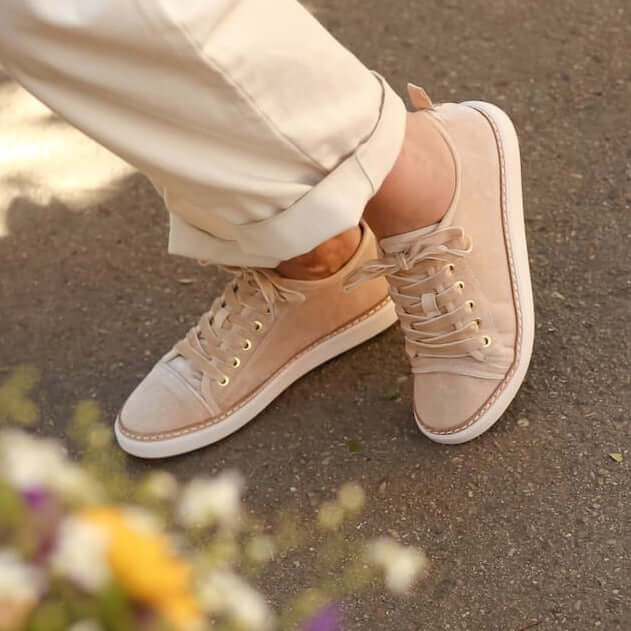

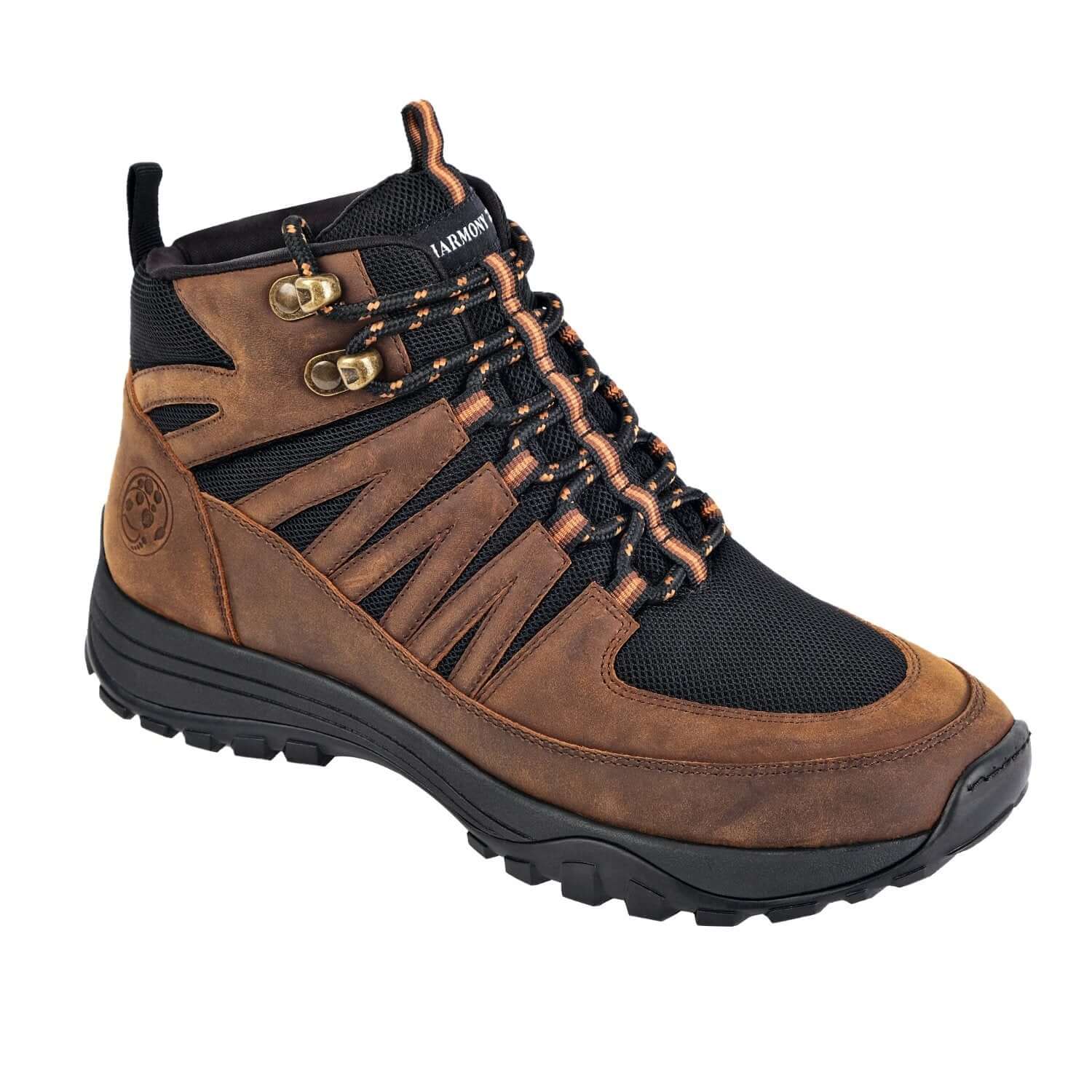
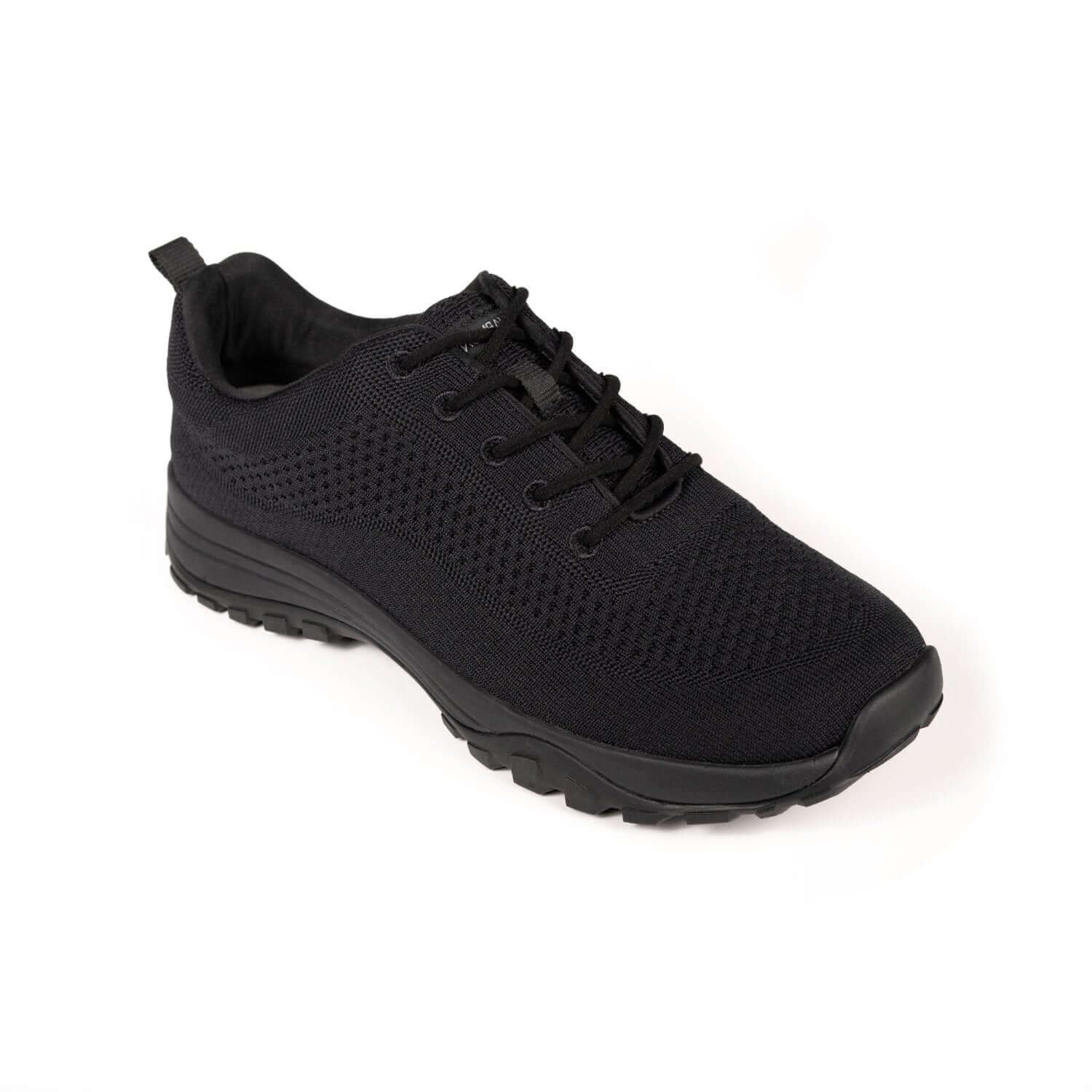
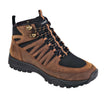
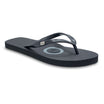
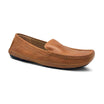
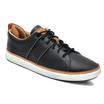




Grounding loafers can make it easier to include earthing in a regular day, but wearing them is only one part of the process. If you are wondering how to use grounding loafers, start by checking the shoe fit and the surface beneath your feet, then build a comfortable routine you can repeat at work, on errands, or outdoors. Grounding footwear is designed to create a conductive path when conditions allow; it is not a promise of a health outcome.
Browse grounding shoes for your everyday routine
How do grounding loafers work?
A grounding shoe is different from a conventional loafer, and different from a shoe that is simply thin-soled or described as barefoot. In a purpose-built grounding shoe, conductive materials are incorporated into the shoe to provide a path between the foot and the surface. The exact design varies by maker. For Harmony 783 footwear, Groundworks™ uses a layered construction that includes silver-stitched components and a carbon-and-rubber conductive outsole.
Think of this as a design feature, not a result you can judge by appearance alone. Two shoes may look similar from the outside but have different construction. A conductive feature also does not mean every step will provide the same contact: the surface and the condition of the shoe matter. Avoid testing the shoe with improvised electrical devices or altering it to try to change its performance. Use the maker’s product information to understand what the shoe is designed to do.
That connection depends on more than the shoe alone. The footwear needs to be in good condition, and the outsole must contact a surface that can conduct. A dry, insulating surface may interrupt the path. You can read a plain-language overview in What Is Grounding? and find additional background in the Harmony 783 shoe-making overview.
Grounding is a wellness practice, not a replacement for medical care. Research on earthing is still developing. A review discussing grounding systems and proposed effects is available through the National Library of Medicine’s PubMed Central. Read research with care: a paper or proposed mechanism does not establish that a product treats, prevents, or cures a health condition.
How should you choose a surface for grounding loafers?
People often picture grass or soil when they think about earthing. These natural surfaces may provide conductive contact when they are moist, but conditions can change. Dry ground, loose debris, and thick coatings can affect contact. Outdoors, pay attention to where the sole actually meets the ground rather than relying only on the name of the surface.
Indoors, many common floor coverings are designed to insulate or may have finishes that affect conductivity. Do not assume that a wood floor, carpet, tile, or office floor creates a grounding connection. If you want to learn more about the basics, visit the grounding science and studies page. It is sensible to keep expectations measured and treat grounding as one optional part of a broader wellness routine.
- Look at the surface. Natural ground, grass, and sand can differ in moisture and contact. Check what is underfoot and avoid assuming that all ground is identical.
- Notice barriers. Thick floor finishes, insulating mats, or layers between the sole and the ground can change the contact.
- Keep safety first. Choose a stable path. Avoid sharp debris, slippery ground, and places where you cannot walk safely.
- Keep the shoes in good shape. Dirt buildup or damage can interfere with how the outsole contacts a surface. Follow the shoe’s care guidance.

Walking outside can also involve weather and terrain. A damp surface may behave differently from a dry one, but wet conditions can make walking slippery. Do not seek wet ground at the expense of safe footing. If the surface is slick, uneven, or uncomfortable, choose another route or take the shoes off after you reach a safe place.
It helps to think about the route in sections. A path may move from grass to pavement, cross a wooden deck, or pass through a building. The footing and electrical properties may change along the way. Rather than assuming that the whole outing provides one uninterrupted connection, notice where you are walking and keep the shoe’s intended use in perspective. If you are unsure about a particular surface, do not make a health decision based on a guess about its conductivity.
Related products


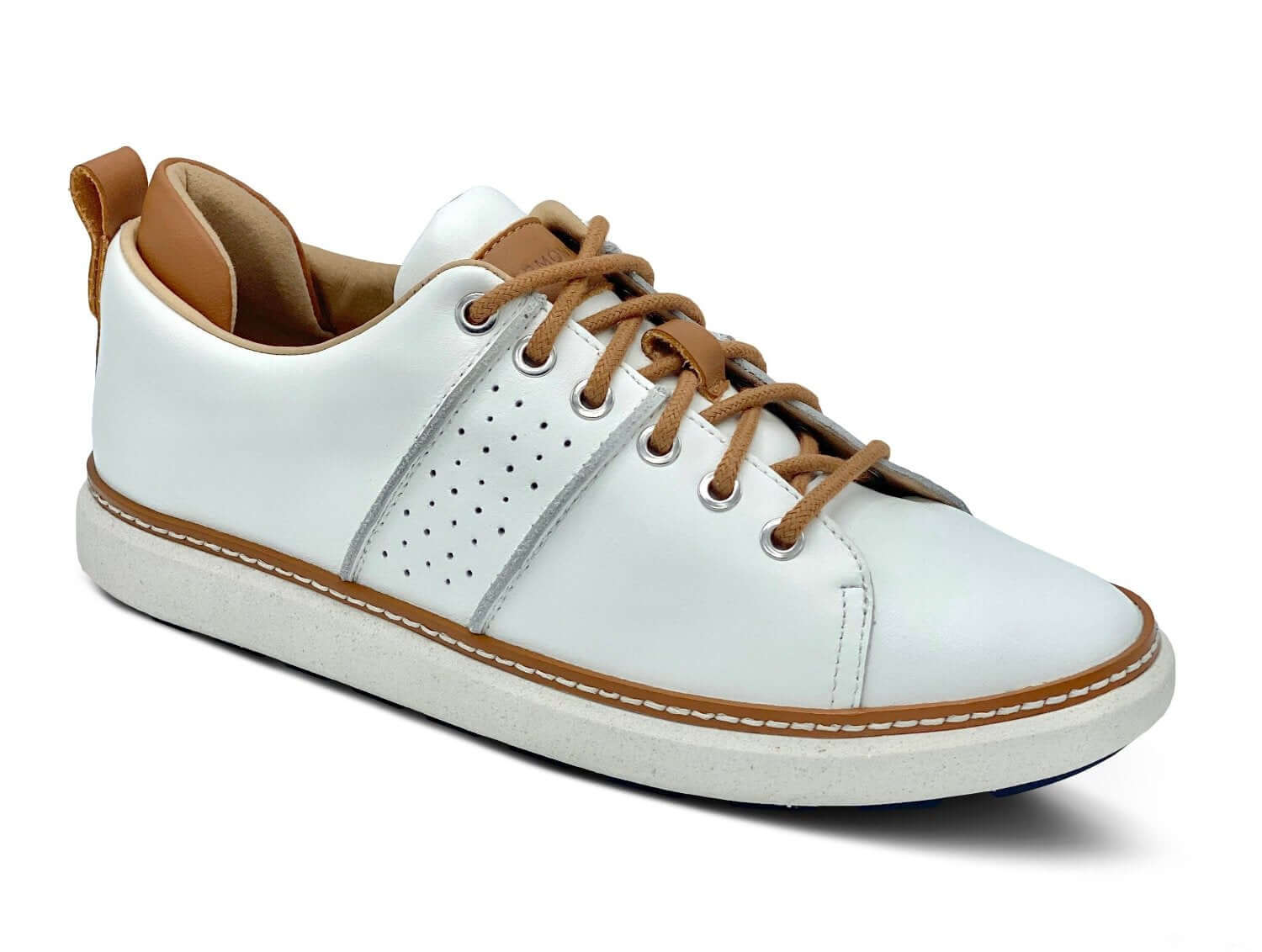
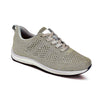
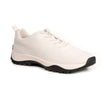
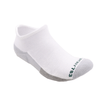
Stay fit, stay active, and stay grounded in these bright white sneakers.
View product
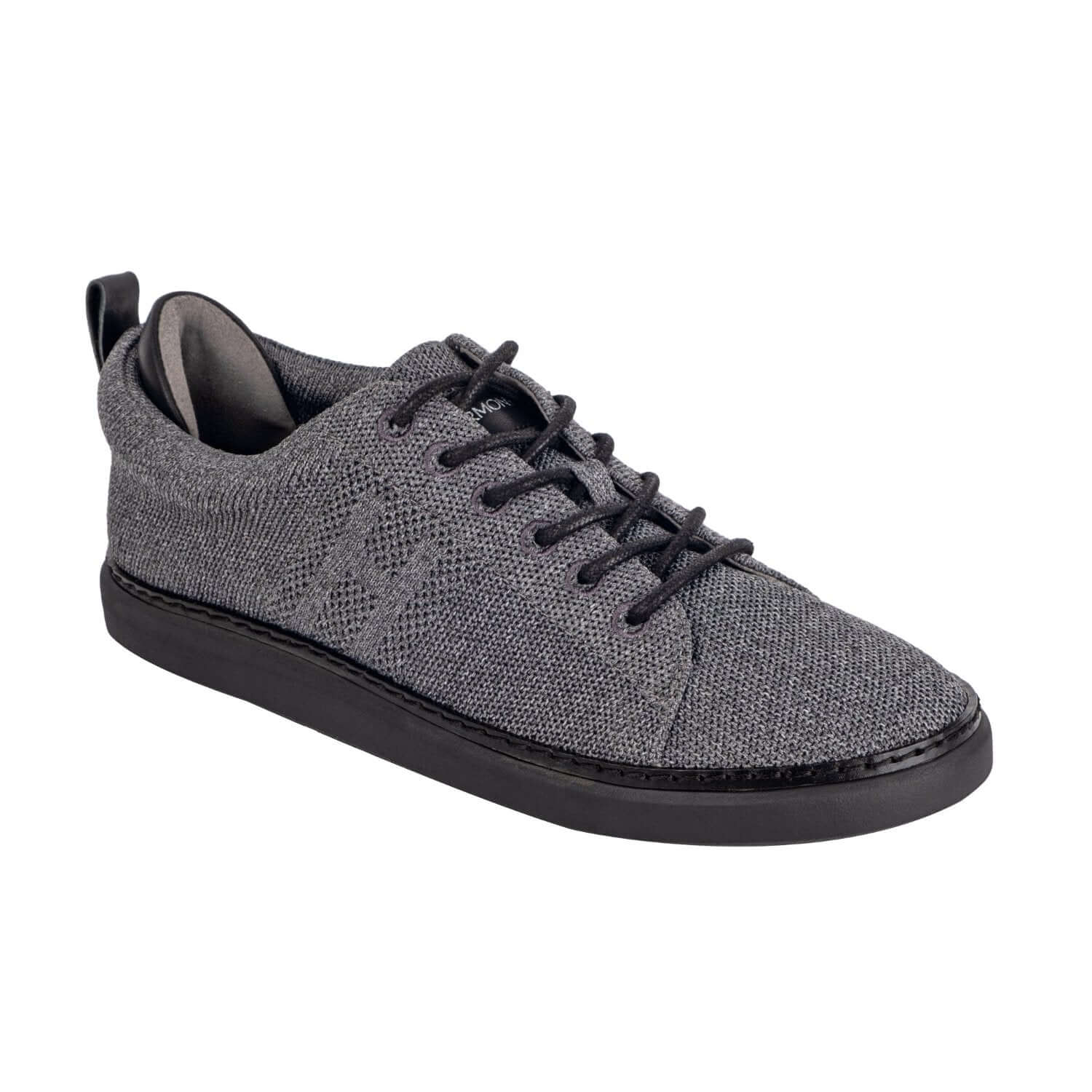
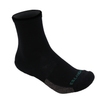
These all black shoes are your perfect let's-get-to-work shoes.
View productHow can you build a practical daily routine?
You do not need an elaborate schedule to try grounding footwear. The goal is a routine that fits your day and feels comfortable. For example, you might wear the loafers for part of a morning walk, while moving between home and errands, or during a short outdoor break. These are practical ways to wear footwear, not a prescribed dose or a guarantee of a particular effect.
- Check fit before heading out. Try the loafers indoors on a clean, safe floor. Make sure your toes have room and that your heel feels secure without rubbing.
- Choose a manageable first outing. Start with a short walk or a familiar errand rather than a long day on your feet. This gives you time to notice pressure points.
- Consider where you will walk. Pick a stable route with surfaces you are comfortable navigating. If you want to include an outdoor grounding practice, pay attention to the actual ground and its conditions.
- Check in as you go. Notice fit, warmth, rubbing, and fatigue. Stop or change shoes if anything feels painful or unsafe.
- Make a simple note if useful. You might jot down where you wore the shoes and how they felt. Avoid treating a subjective impression as proof of a medical effect.
For work, consider your day’s demands. A loafer may be convenient for a commute, desk work, or walking between nearby locations, but no shoe is right for every person or task. If your workplace involves extended standing, a lot of walking, or specific safety requirements, comfort and those requirements come first. Do not wear a shoe for a task it is not designed to handle.
A simple workday plan could be to wear the loafers for the commute, check how they feel during the first part of the day, and switch to another pair if your feet need a break. If you spend most of the day seated, you can still take a short walk when practical instead of expecting the footwear alone to create a routine. For errands, start with one or two familiar stops before choosing the shoes for a longer day. These small trials make it easier to tell whether the fit suits your life.
For errands, choose a route and duration that match your comfort. For an outdoor break, a few minutes of easy walking is a reasonable way to see how the shoes feel. You can browse the grounding footwear collection or look at grounding walking shoes if you are comparing styles for more time on your feet.
How do you check fit and take comfort breaks?
A grounding feature does not make a shoe a good fit for every foot. Try the loafers with the socks you expect to wear. Walk around at home and check for heel slip, pinching, pressure across the top of the foot, or toes that feel crowded. Your feet may also feel different after a long day than they do in the morning.
Ease into a new pair. On the first day, wear them for a short period and bring a familiar alternative if you will be away from home. Add time only if the shoes remain comfortable. There is no need to push through pain or discomfort in order to follow a grounding routine.
Fit can also change with socks, swelling, and the amount of walking you do, so a quick check at the start of a day is useful. If a seam or edge rubs, do not assume the shoe will become comfortable just by wearing it longer. Give your feet a break and reassess the fit. People’s comfort needs vary, and an easy trial period is more useful than trying to match someone else’s routine or wearing schedule.
| Situation | What to check | Practical approach |
|---|---|---|
| First wear | Toe room, heel movement, rubbing | Try them indoors, then take a short walk |
| Workday | Hours standing, walking demands, workplace rules | Take comfort breaks and keep another shoe available if useful |
| Outdoor route | Surface, moisture, stability, debris | Choose a safe path and adjust if the ground is slick or rough |
| After wear | Dampness, dirt, visible wear or damage | Air out and clean gently according to care guidance |
If you need help understanding how sizing is displayed, use the shoe size guide. Product pages show men’s and women’s sizing options on the same page with a toggle. Check the specific product details, and contact the brand through its contact page if you have a product question.

How should you clean and care for grounding loafers?
Care helps preserve the shoe’s appearance and condition. After a walk, brush away loose dirt with a soft, dry cloth or brush. If the shoe is damp, let it air-dry at room temperature before putting it away. Do not place it directly on a heater or use a high-heat dryer unless the product instructions specifically allow it.
For marks or stains, follow the care directions for the shoe’s materials. A gentle approach is safer than soaking the whole shoe or applying strong cleaners. Avoid cutting, puncturing, painting, or otherwise altering the outsole. Modifications can damage the shoe, and there is no reason to assume that a DIY change will improve conductivity.
Check the sole and upper from time to time. Look for unusual wear, loose sections, or damage. Shoes naturally wear with use, and a worn or damaged shoe may not perform as intended. If you are unsure about a specific care question, consult the product information or contact Harmony 783 rather than experimenting with chemicals or repairs.
How are grounding loafers different from barefoot shoes?
Barefoot shoes are generally described in terms of their shape, flexibility, or the way they let the wearer feel the ground. Grounding footwear is designed with conductive components to make an electrical connection possible under suitable conditions. One feature does not automatically mean the other is present.
When comparing shoes, ask a direct question: was this shoe actually constructed for grounding and allowing the flow of electrons? Look for a clear explanation of its conductive design, rather than relying on a thin sole, a minimalist look, or a product label that does not explain how it works. Harmony 783’s shoe construction information explains the company’s approach.
Comfort and purpose still matter. Someone who prefers a flexible barefoot-style shoe may have different priorities from someone looking for a cushioned loafer or a walking shoe. Compare the fit, intended use, and construction instead of assuming that one type is best for everyone. You can explore women’s grounding shoes or men’s grounding shoes to see different options.
What should you expect from a grounding loafer routine?
Grounding loafers offer a way to include purpose-built footwear in everyday life without going barefoot. The connection depends on the shoe, its condition, and the surface, so an ordinary day does not guarantee continuous contact. The most realistic approach is to wear them when they are comfortable and appropriate, pay attention to conditions, and avoid treating them as medical treatment.
Some wearers may simply enjoy the feel or the idea of adding an earth-based wellness practice to a routine. Individual experiences vary. Research has explored grounding, but it does not justify broad promises about health outcomes. If you have a health concern, speak with a qualified healthcare professional rather than relying on footwear or wellness content as care.
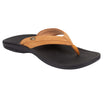
Before choosing a pair, think about where you will wear it, how much walking you do, and what kind of fit feels good to you. A loafers-style shoe can suit some everyday settings, while a walking shoe or sandal may be a better match for other plans. Browse the grounding sneaker collection or grounding sandals if you want to compare other silhouettes.
Browse the grounding footwear collection
Frequently asked questions
Can I wear grounding loafers indoors?
You can wear them indoors if they are comfortable, but do not assume an indoor floor provides a conductive connection. Many floor coverings and finishes can affect contact. Check the surface and the shoe design, and think of indoor wear as footwear use rather than proof of grounding.
Do I need to wear grounding loafers all day?
No set duration is needed. Wear them for as long as they feel comfortable and suit your activity. Take breaks, switch shoes, or stop wearing them if you notice rubbing, pressure, or pain.
Can I wear socks with grounding loafers?
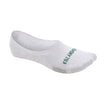
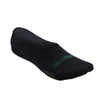
Follow the product guidance for your specific shoes and socks. Harmony 783 offers grounding socks designed for use with its footwear. Comfort and fit still matter, so try the combination for a short period before wearing it for a full day.
Are ordinary loafers grounding shoes?
Not by default. A regular loafer is not a grounding shoe just because it has a leather or thin sole. Look for clear information that the shoe was specifically made with conductive components for grounding.
Browse Harmony 783 grounding shoes
Start with a comfortable fit, a safe surface, and realistic expectations, then let your everyday routine guide how often you wear your grounding loafers.