





















Grounding is easy to fit into a busy day, but the research does not support one universal daily dose. If you are starting out, a short, consistent session may be a practical way to learn how the habit fits your routine. Explore the earthing science and research before deciding what feels realistic for you.
There is no clinically established answer to how long should you ground each day for health benefits. One report cited by WebMD suggests 10 to 20 minutes daily, while some studies have examined possible effects after about 30 minutes. These are research observations and practical suggestions, not a guaranteed minimum or medical prescription.
Your method matters, too. Grounding may involve barefoot contact with a natural surface or contact through a grounded product. So the time you spend can look different from one person to the next. The most useful place to begin is the evidence itself, including what studies have measured, where their limits are, and how daily duration has been discussed.
What does research say about how long you should ground each day for health benefits?
There is no clinically established daily dose for grounding. Current research does not support one exact number that guarantees a health outcome. The time ranges discussed online are best treated as practical starting points, not medical instructions.
For a broader explanation of the evidence, read our guide to earthing science and research. It helps place daily duration advice in context, especially because many grounding studies are small or have limited controls.
What does the 10-to-20-minute range mean?
WebMD reports that one source advises trying to get 10 to 20 minutes of grounding each day, with more time if possible. That is a reported recommendation, not a clinically validated dose. It may be a manageable option for someone who is new to the practice or has only a short break available. A brief session can also make the habit easier to repeat.
Why do some sources mention 20 to 30 minutes?
A separate practical range is 20 to 30 minutes per day. BeGrounded describes this as a starting point, while WebMD reports on a small study that observed improved heart rate variability after a 20-minute session. One small observation cannot establish that 20 minutes produces the same result for everyone. It only shows why this range appears in discussions about grounding duration.
Is about 30 minutes a research-backed daily minimum?
Some studies and summaries mention possible effects after about 30 minutes. Calm also suggests 30 minutes as a starting point. That does not make 30 minutes a required threshold. Research has not established a clear dose-response pattern showing that a specific daily duration reliably produces a specific health benefit. Even sources that suggest 30 minutes frame it as practical guidance rather than a clinical standard.
A useful approach is to choose a time you can repeat comfortably, observe how the routine fits your day, and avoid treating personal experience as proof. If you have a health concern, injury, or treatment plan, grounding should not replace advice from a qualified healthcare professional.
Is 30 minutes of grounding enough, or should you split your time?
Thirty minutes can be a practical starting point, but it is not a proven minimum or a guaranteed dose for health benefits. Grounding research has not established one ideal daily duration. Some sources describe 20 to 30 minutes as a reasonable routine, while others note that study methods and results vary.
That makes 30 minutes useful as a simple planning target, not a rule you must meet. If a single half-hour session does not fit your day, splitting the time can make the habit easier to maintain. Calm gives one practical example: 15 minutes of barefoot walking in the morning, followed by 15 minutes sitting or lying on a grounding mat in the evening. This type of schedule is a routine suggestion, not a clinical protocol.
- Morning: Spend 15 minutes outside on a suitable natural surface, if conditions are safe.
- Evening: Use another 15 minutes for quiet sitting, gentle stretching, or another grounding practice.
- Busy days: Start with the time you can repeat consistently rather than waiting for a perfect 30-minute block.
A small study cited by WebMD observed improved heart rate variability after a 20-minute grounding session. That finding is interesting, but one small study cannot establish how long everyone should ground or predict an individual result. Similarly, practical guidance from BeGrounded describes 20 to 30 minutes as a starting point, while noting that shorter sessions may still fit a consistent routine.
Pay attention to how the practice fits your life, without treating a personal impression as proof of a medical effect. For a fuller look at the evidence and its limits, read what research says about grounding. The most useful schedule is one you can follow safely and comfortably, whether that means one session or two shorter ones.
Related products

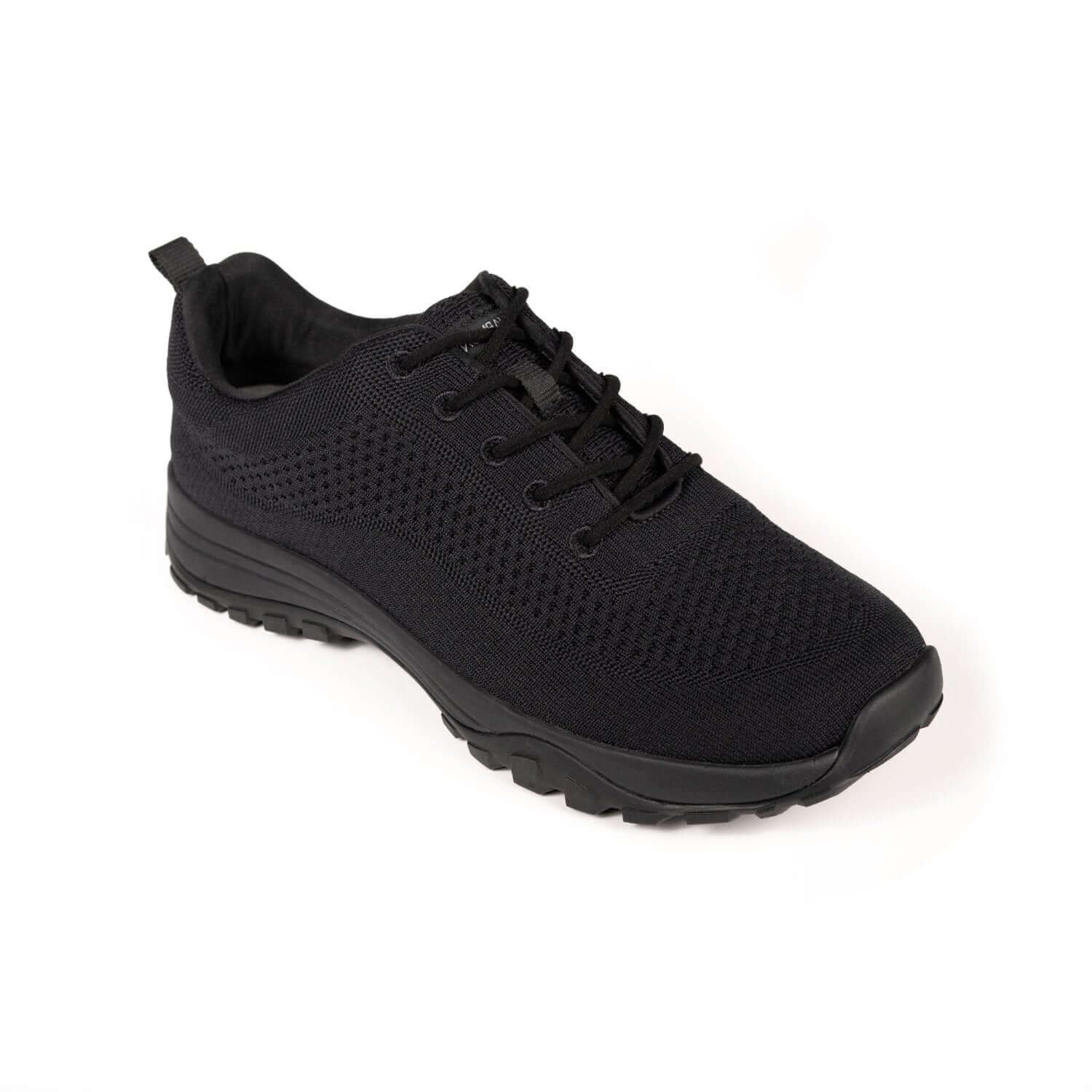
Everyone needs a black shoe to perfect a casual out-on-the-town outfit.
View productDoes more grounding time mean better health benefits?
More time in contact with the earth may feel like a reasonable way to deepen a grounding routine. But longer exposure does not automatically mean stronger evidence or better health outcomes. Research has examined sessions ranging from about 30 minutes to overnight exposure, yet it has not established a clear dose-response rule showing that more time produces more benefit.
That distinction matters when asking, "how long should you ground each day for health benefits?" A duration used in a study is not necessarily a recommended minimum. It tells us what researchers tested in one setting, with one group, and under one set of conditions. It does not prove that the same schedule will produce the same experience for everyone.
Why do study size and controls matter?
Many grounding studies have small samples and weak controls, which makes firm conclusions difficult. A 2022 pilot study is a useful example of why careful reading matters. It enrolled 22 people with mild Alzheimer's disease, but only 15 completed the 12-week intervention and survey. The study reported better sleep-quality scores compared with sham grounding, while anxiety and depression scores did not significantly change against the sham group. Those findings may support further research, but the small completion sample means they should not be generalized to everyone.
Researchers also need strong comparison groups, consistent grounding methods, and larger samples to test whether duration itself drives an outcome. Without those controls, changes could reflect many factors, including expectations, sleep routines, outdoor time, or normal variation.
For now, treat longer sessions as a personal wellness choice rather than a proven escalation plan. Choose a duration you can practice comfortably and consistently. If you want a deeper look at the evidence, read what research says about grounding, then keep your expectations realistic. Grounding can complement a healthy routine, but it should not be presented as a treatment or a guaranteed way to improve health.
How can grounding shoes help you build daily contact with the earth?
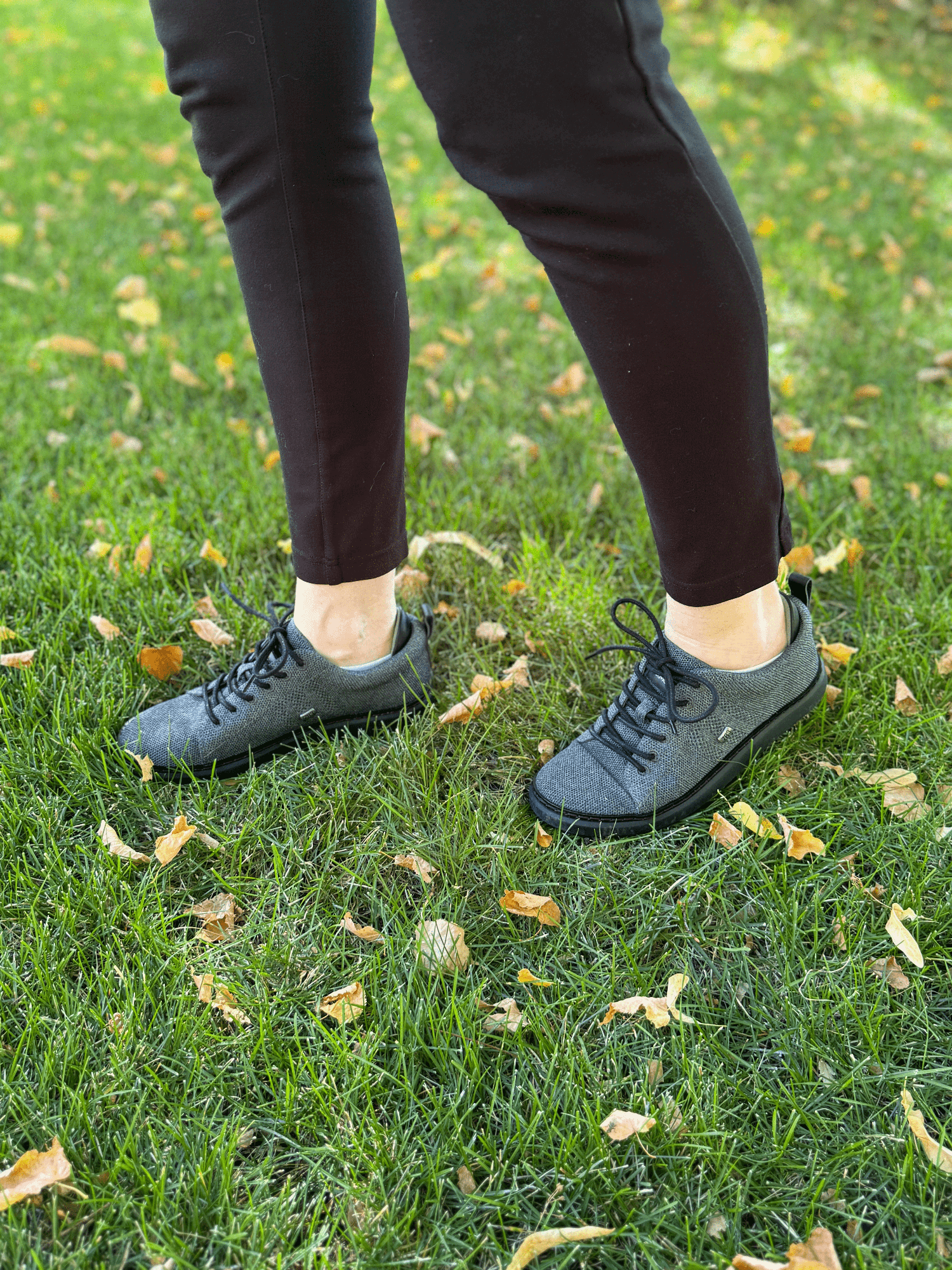
Grounding is often practiced barefoot, but footwear can make earth contact easier to fit into an ordinary day. A walk, an outdoor errand, or time in the yard does not require setting aside a separate session when your shoes are designed for grounding. That convenience can help you make contact with the earth more consistently, while still leaving room for simple barefoot practice when conditions are comfortable.
Traditional grounding involves direct contact with surfaces such as grass, soil, sand, or unsealed concrete. These surfaces are commonly discussed because they allow contact with the earth rather than placing an insulating layer between your body and the ground. You can learn more about the basic idea of earthing science and research before deciding which approach fits your routine.
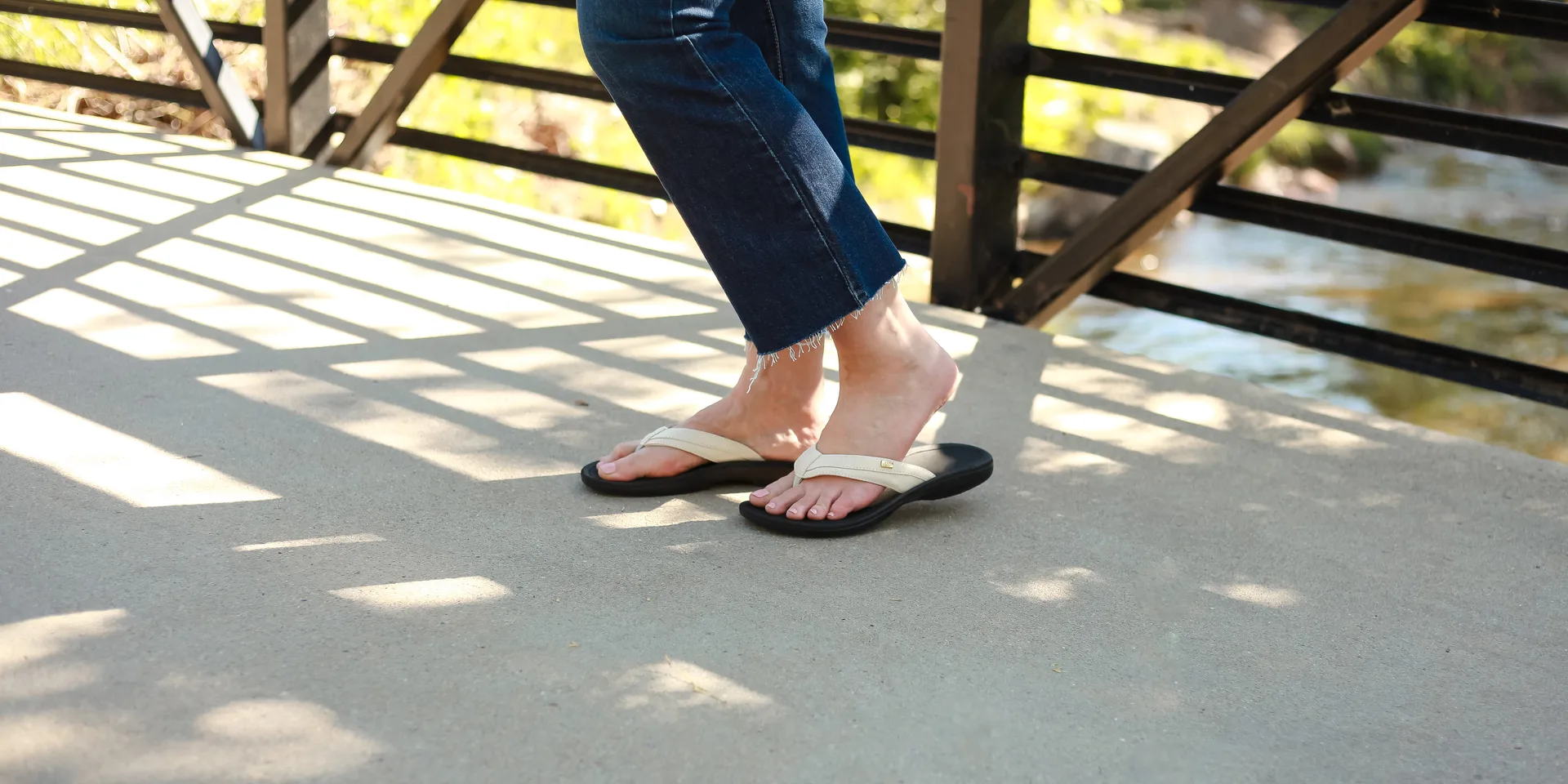
Barefoot contact and footwear serve different practical needs
Barefoot practice gives you direct contact with the surface. It can be a simple way to slow down and notice how the ground feels under your feet. Shoes offer another option for people who prefer more protection, support, or comfort while walking. They can be useful when you want to stay outdoors longer, move through a neighborhood, or continue a routine in places where going barefoot is not practical.
That distinction matters. Research has examined grounding through barefoot contact and through grounded products. But the amount of time spent wearing shoes should not be presented as equivalent to the duration used in any particular study. Evidence on grounding remains limited, and available research does not establish one daily schedule that guarantees a health outcome. Think of grounding footwear as a lifestyle tool, not a treatment or prescription.
How can you make grounding shoes part of your routine?
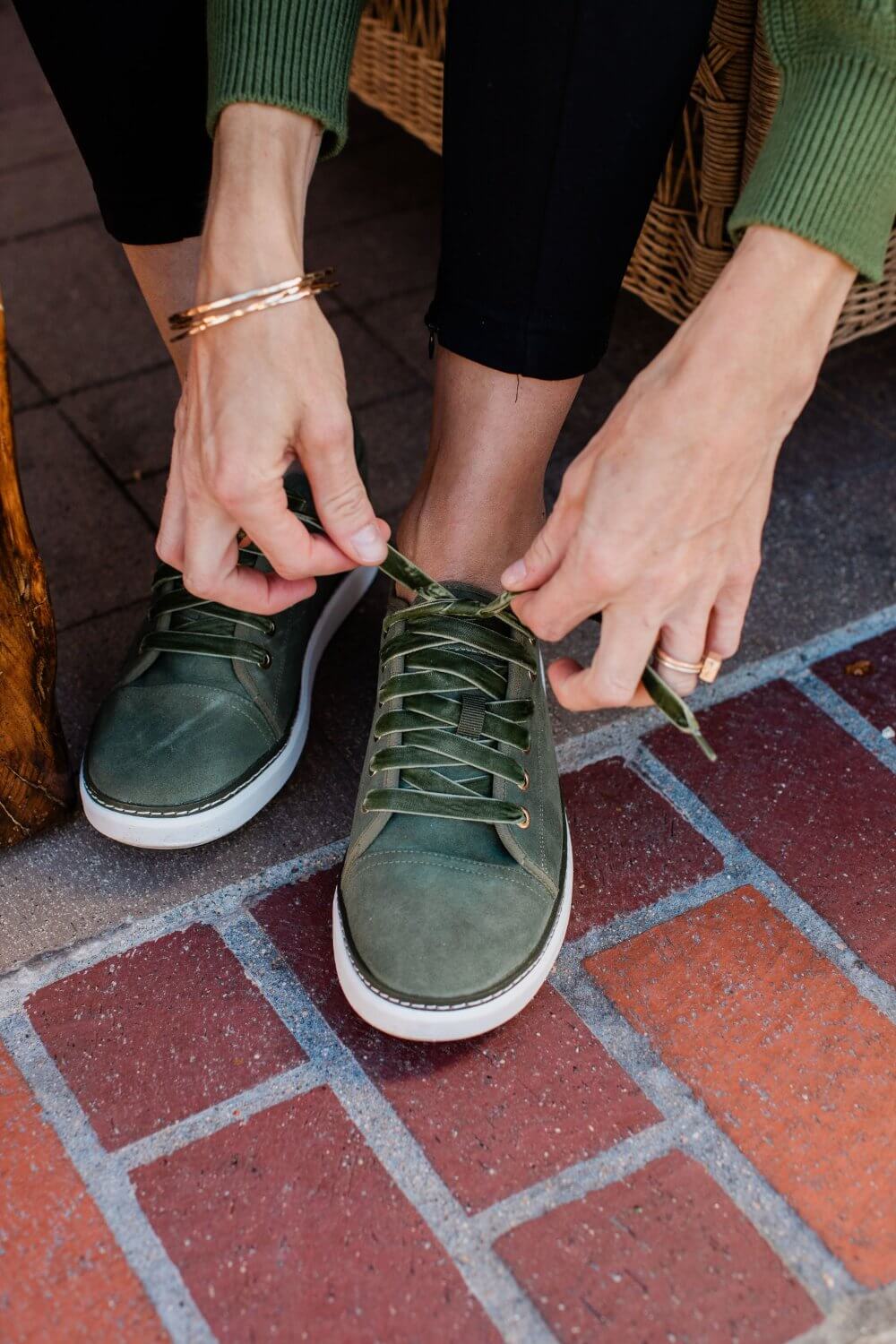
Start with activities you already enjoy. Walk on a safe natural surface, spend time gardening, or take a short outdoor break. Pay attention to comfort and the condition of the ground. If you want to compare available styles, explore Harmony 783 grounding footwear.
- Choose a clean, safe surface that feels comfortable underfoot.
- Begin with a realistic amount of outdoor time rather than chasing a fixed number.
- Use barefoot contact when it feels safe, and footwear when protection or comfort matters.
- Keep expectations measured. Consistency may make a routine easier, but it does not prove a specific health benefit.
The most useful approach is the one you can practice comfortably and safely. Let your daily activities guide the method, and keep claims about health benefits aligned with what research can actually support.
How can you build a safe grounding routine morning, workday, and evening?
Answer: Start with a short, comfortable session and build a routine you can repeat. There is no clinically established daily dose for grounding, so treat time goals as practical starting points, not promises of health benefits. Safety matters more than reaching a target.
- Begin in the morning. Spend 10 to 20 minutes on a safe natural surface, such as clean grass, soil, sand, or unsealed concrete. Check the area before going barefoot. Remove sharp objects, hot debris, broken glass, and other hazards. If you have a cut or open wound, avoid direct contact with soil and other potentially contaminated surfaces. You can learn more in these earthing and grounding basics.
- Add simple workday contact. If your schedule allows, take a short walk or pause outdoors during a break. You do not need to force one long session. Some practical guidance suggests that 20 to 30 minutes may be a reasonable starting point. While other examples split 30 minutes into 15 minutes in the morning and 15 minutes in the evening. These are routines, not established clinical standards. Research remains limited, and WebMD notes that grounding studies have not established disease prevention or one universal duration. Read the evidence and safety discussion from WebMD.
- Use a careful evening option. Repeat a comfortable outdoor session, or use a grounding product only according to its instructions. Never connect yourself to an electrical grounding device during a storm. Do not use a device with a faulty outlet or uncertain wiring. Calm also advises caution around electrical devices and recommends avoiding soil contact with open wounds or cuts. If you are unsure whether an outlet is grounded, ask a qualified electrician rather than testing it yourself.
- Adjust based on safety and consistency. Keep notes on the time, surface, and how the routine feels. Stop if you develop pain, skin irritation, dizziness, or an injury. People with immune concerns or other health risks should ask a qualified health professional about outdoor soil exposure. Do not use grounding as a replacement for needed medical care.
If going barefoot is not practical, browse Harmony 783 grounding footwear for an everyday option. Shoe wear time is not the same as a clinical protocol, but a comfortable routine can make regular earth contact easier.
Frequently Asked Questions About Daily Grounding
How long should you ground each day for health benefits?
There is no clinically established daily dose for grounding. A practical starting point is 20 to 30 minutes, adjusted to your routine. Some people split that time into shorter sessions. Treat this as a wellness habit, not a guaranteed health treatment.
Is 10 minutes of grounding enough?
Ten minutes can be a reasonable way to begin, especially if it helps you practice consistently. Research and expert guidance discussed in this article do not establish that 10 minutes guarantees a specific outcome. Increase time only if it feels comfortable and fits your day.
Can you split grounding time across the day?
Yes. You can try two 15-minute sessions, such as one outdoors in the morning and one later in the day. Splitting time may make a grounding habit easier to maintain. The important point is to match the practice to your method, comfort, and available evidence.
Does grounding work instantly?
Some people report feeling more relaxed within minutes, but personal experience is not the same as proof of a physiological effect. Grounding studies are still limited, and many have small samples or weak controls. Avoid treating a short session as a medical intervention.
Are there safety concerns with grounding?
Use care with barefoot outdoor grounding if you have open wounds, reduced foot sensation, or a surface that could cause injury. Avoid grounding devices during storms and follow the manufacturer's instructions. Ask a qualified health professional about personal concerns before starting a new wellness practice.
| Practice time | How to use it | What the evidence means |
|---|---|---|
| 10 to 20 minutes. | A manageable starting session. | Reported guidance, not a proven dose. |
| 20 to 30 minutes. | One session or two shorter sessions. | Practical planning range, not a guarantee. |
| Overnight. | Longer exposure through an appropriate product. | Longer does not prove better results. |
Ready to make grounding part of your day?
The best routine is one you can follow comfortably and consistently. Whether you prefer outdoor contact or grounding footwear for everyday movement, choose an option that fits your lifestyle. Harmony 783 designs grounding shoes in practical styles for daily wear. Explore the collection and find a pair that works for your routine.