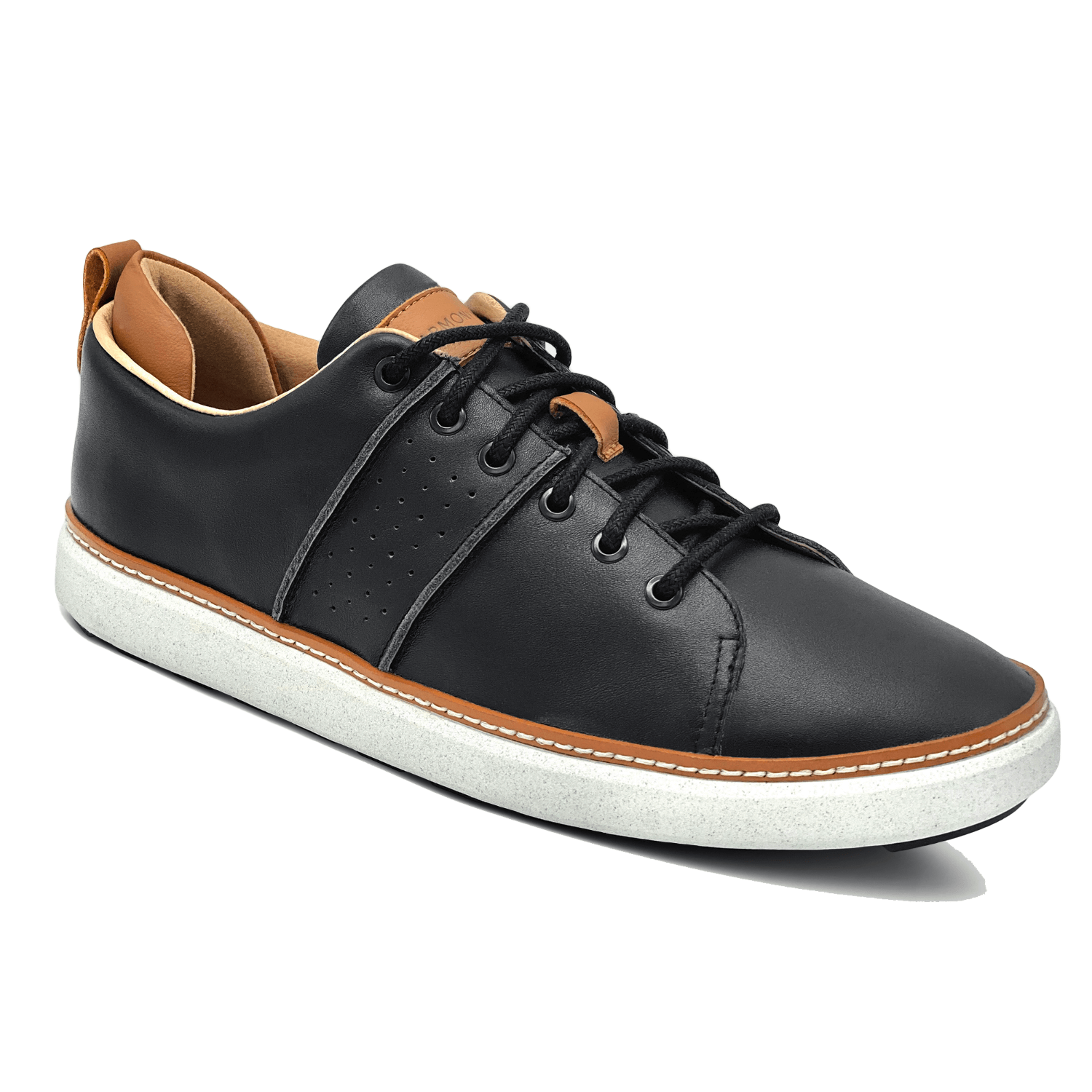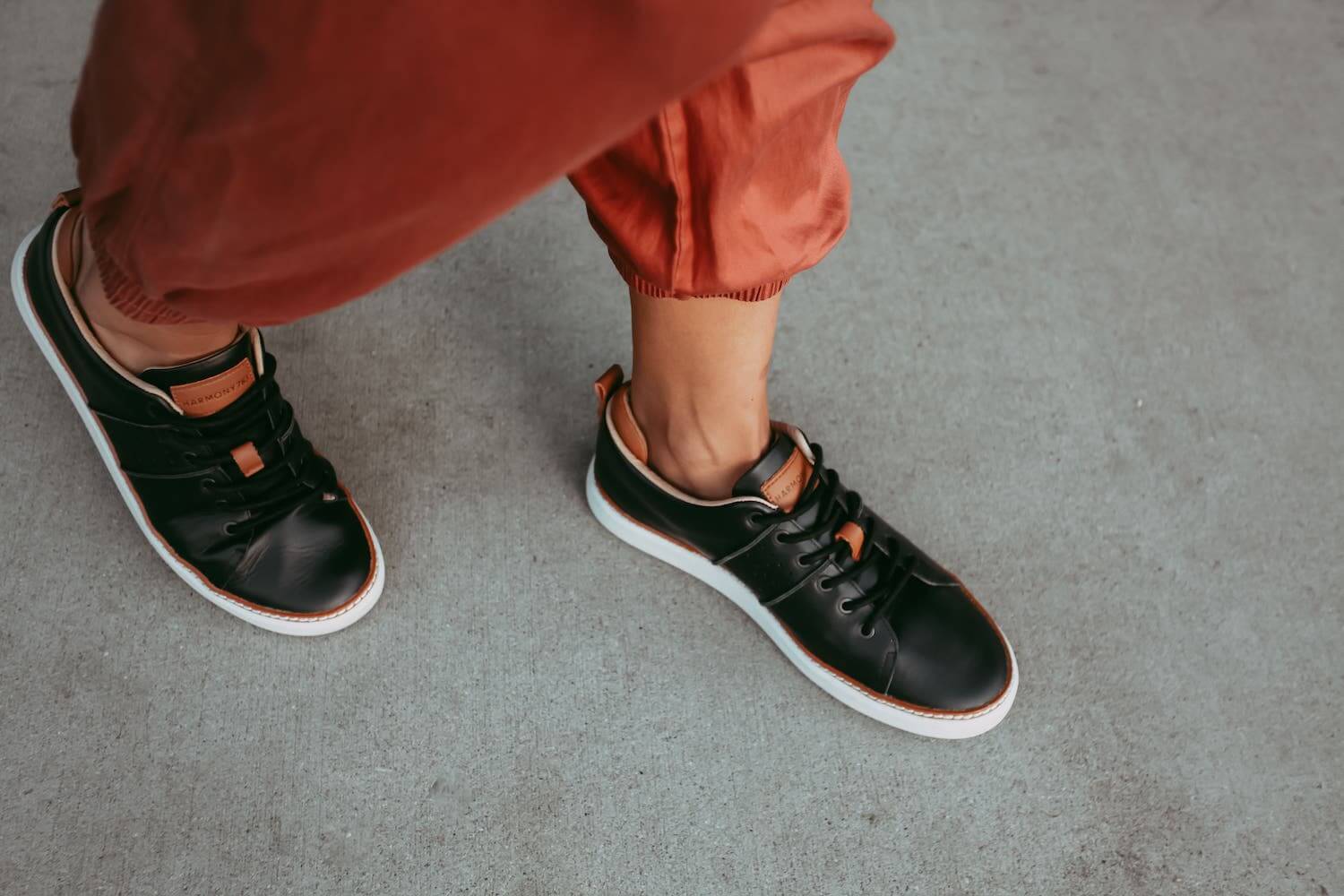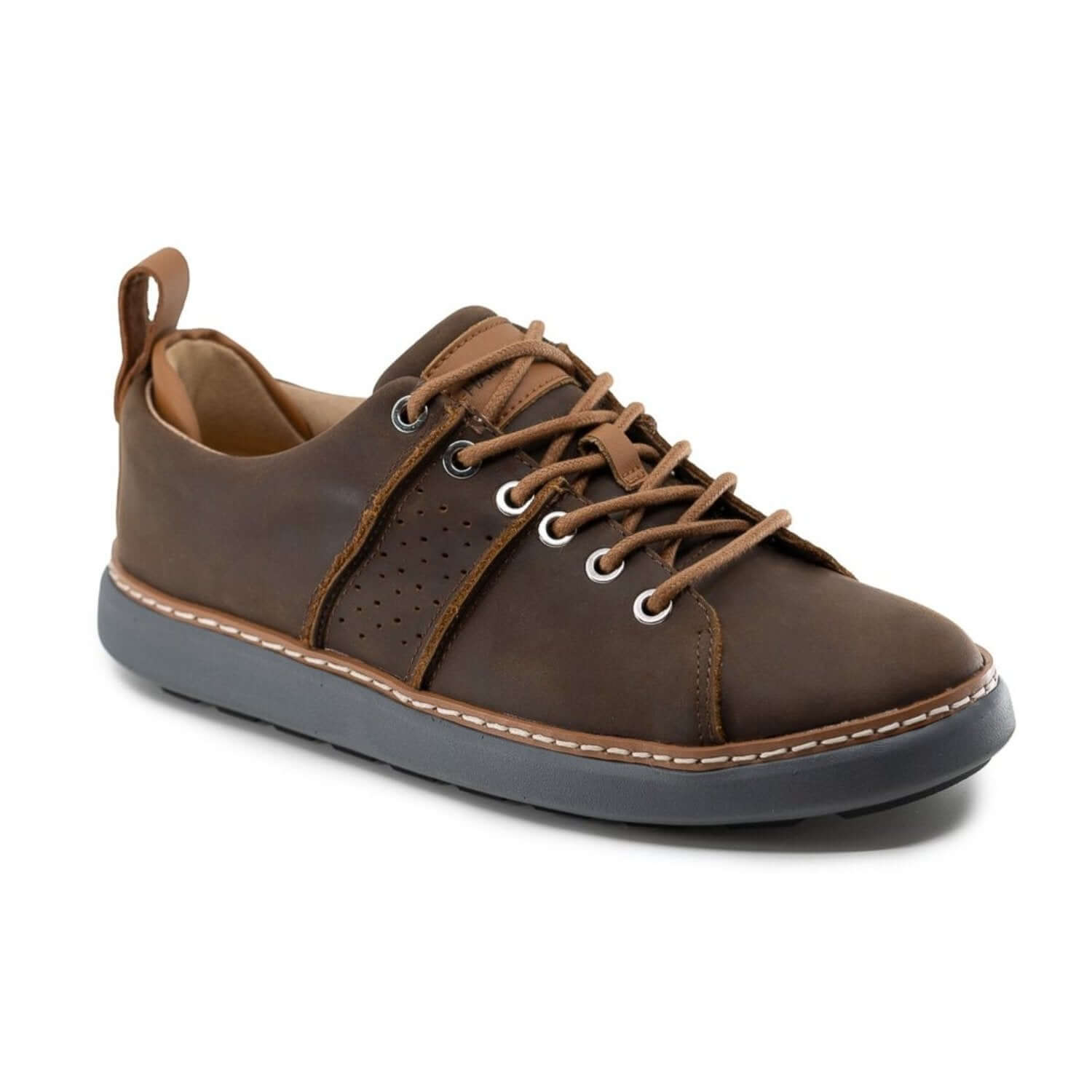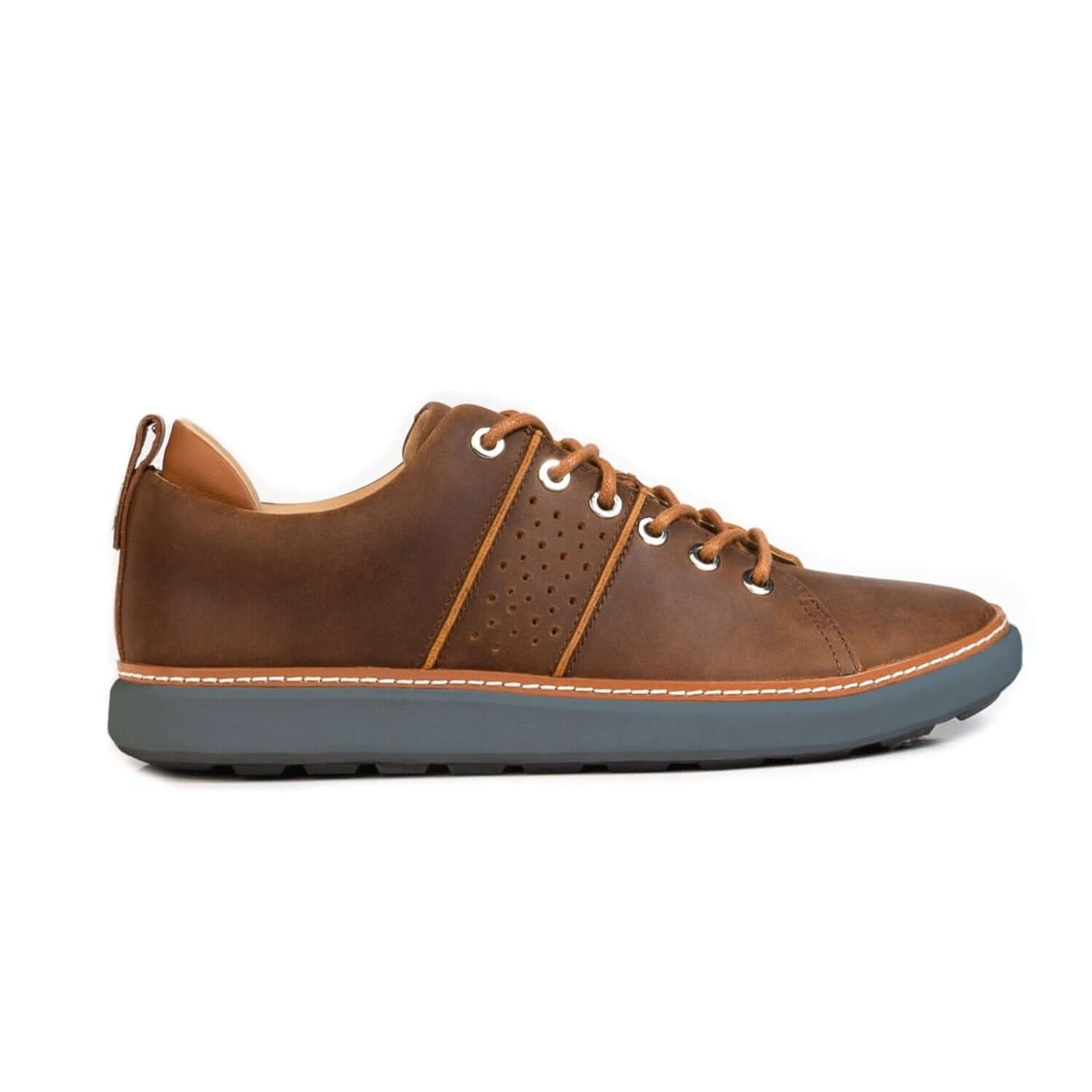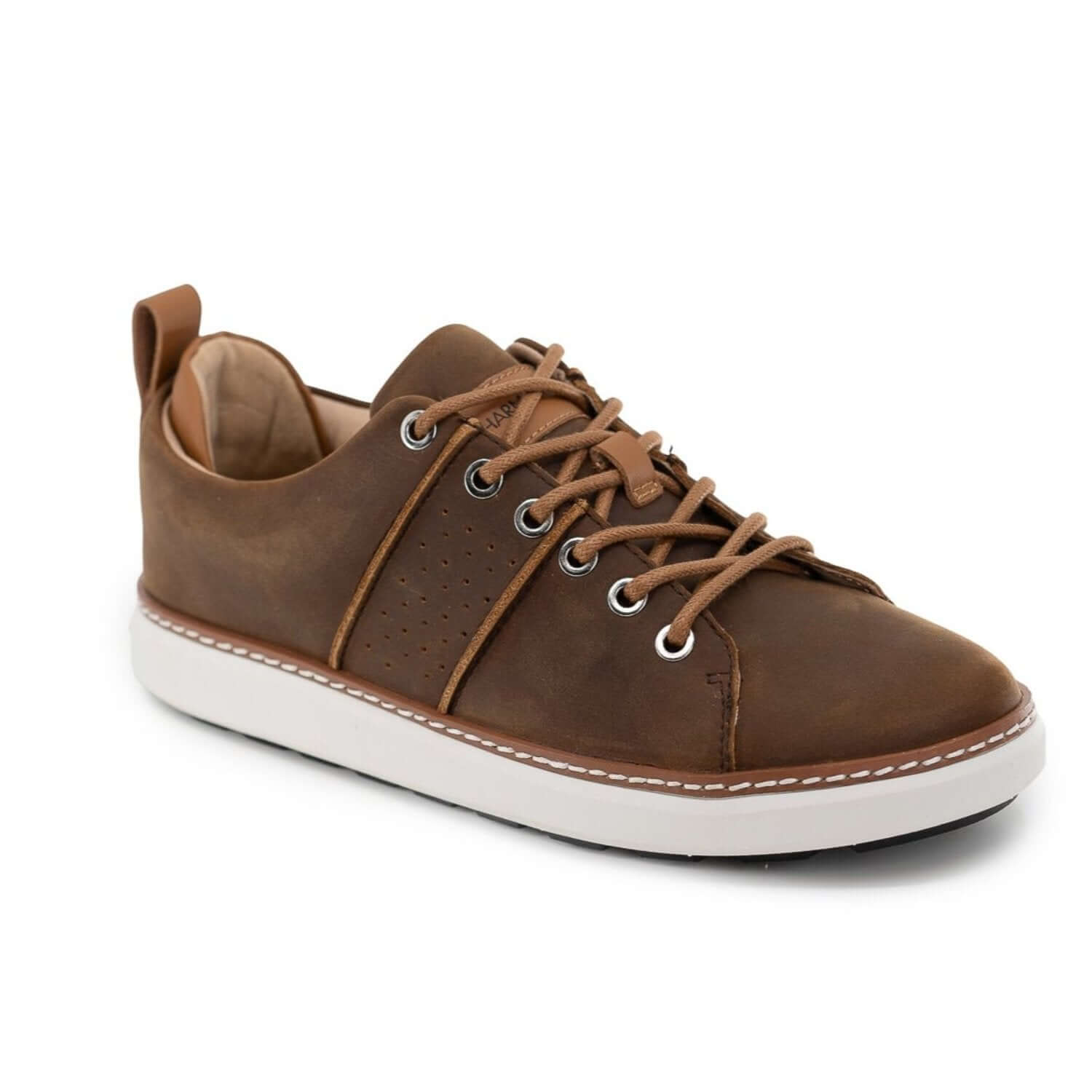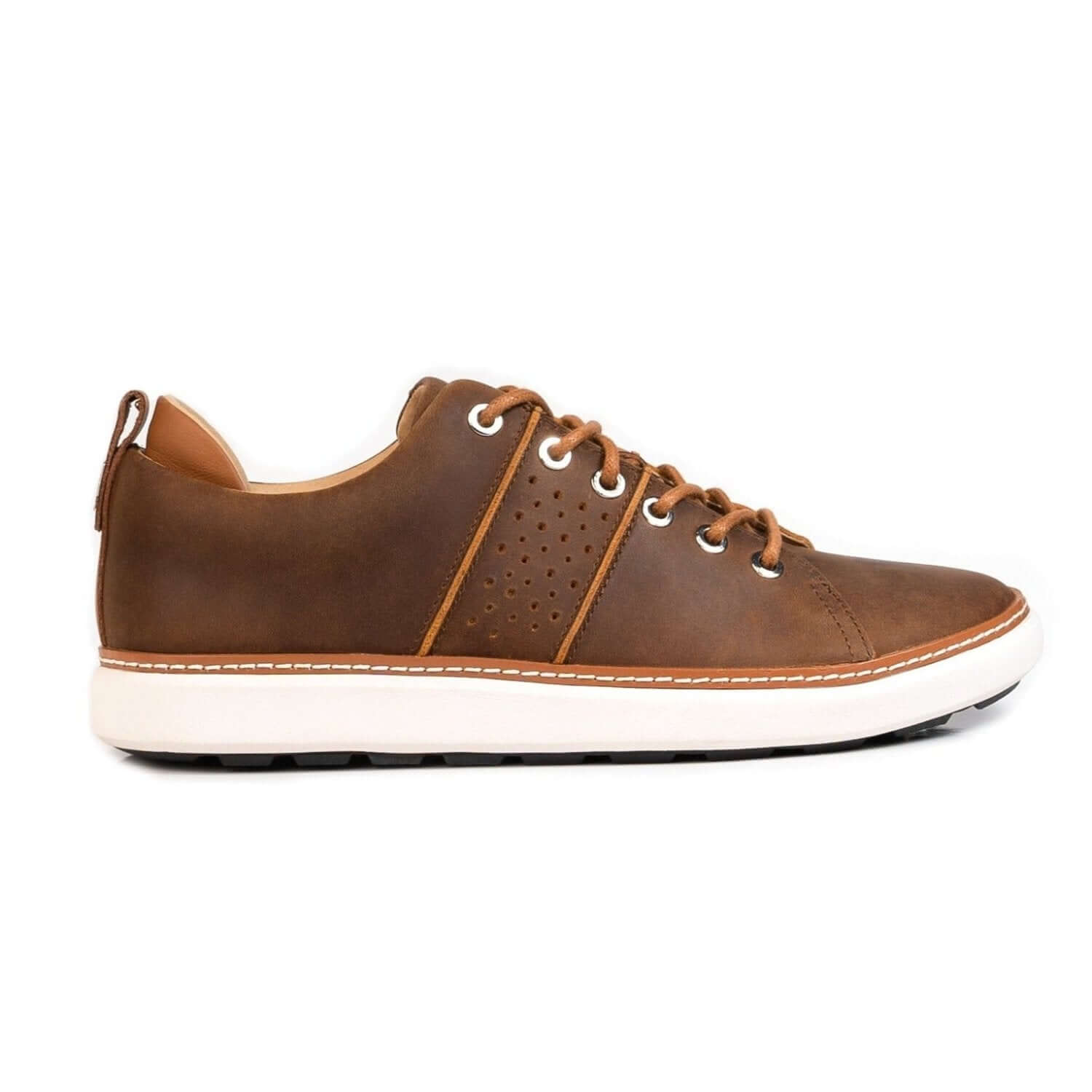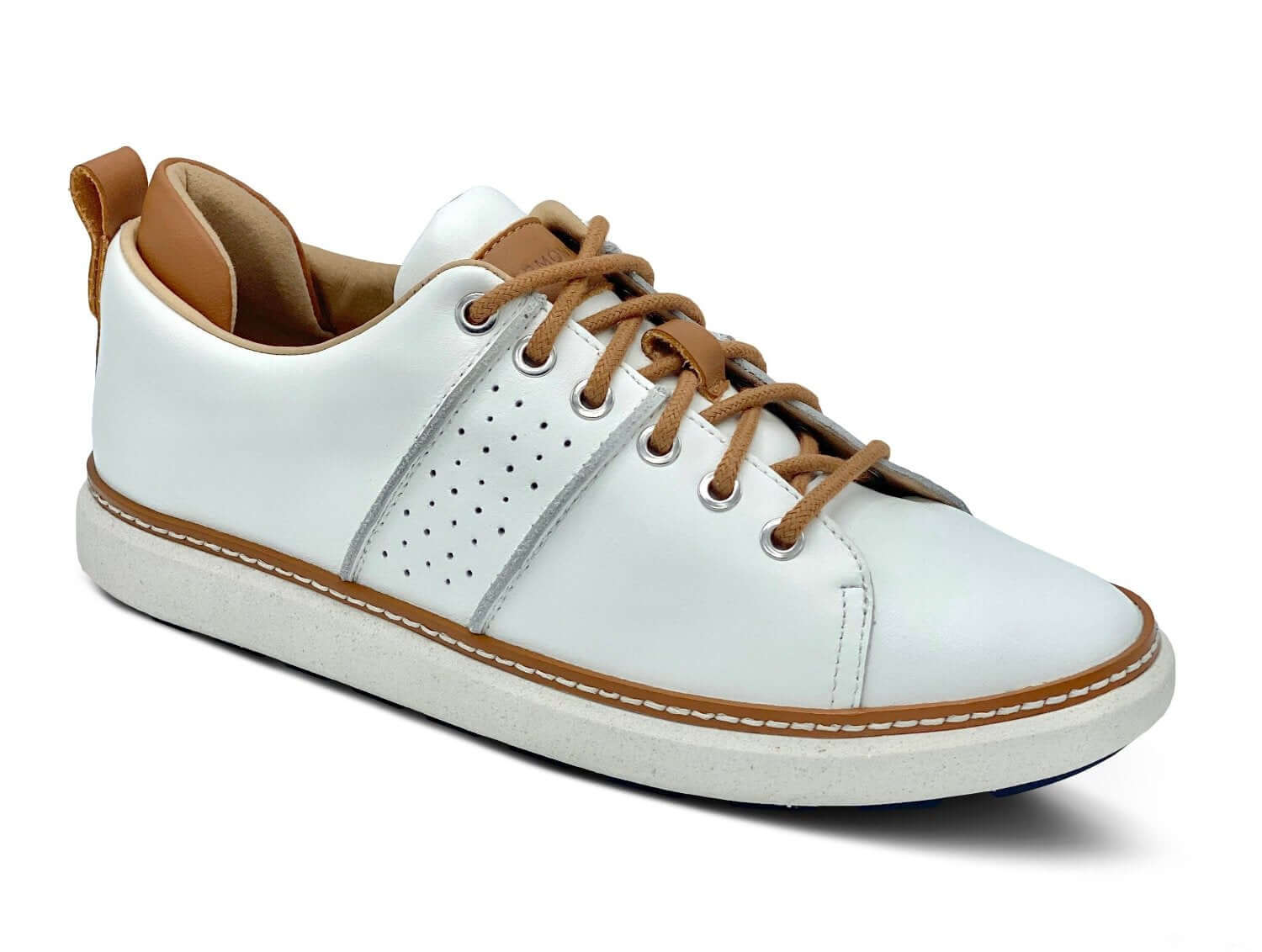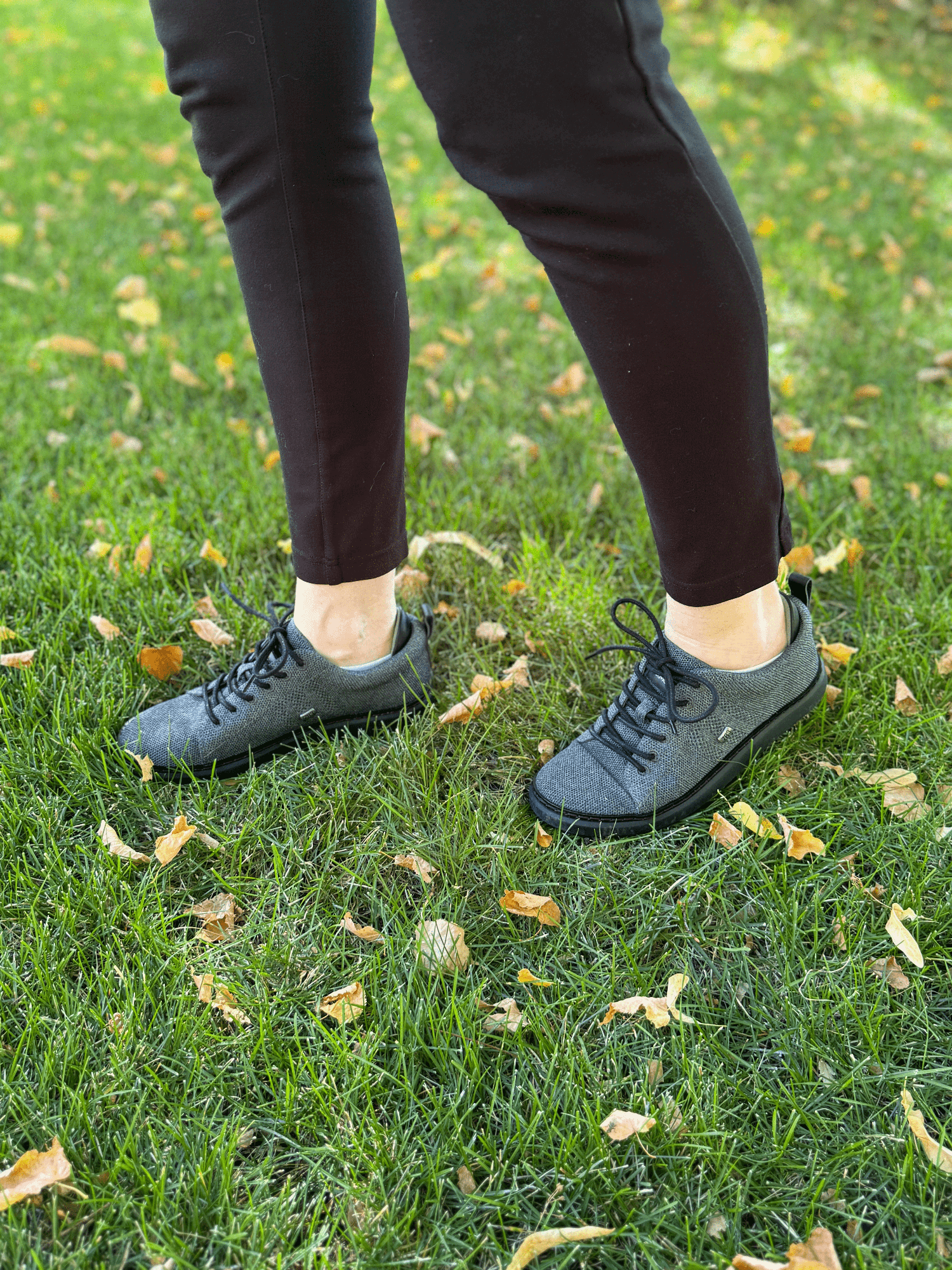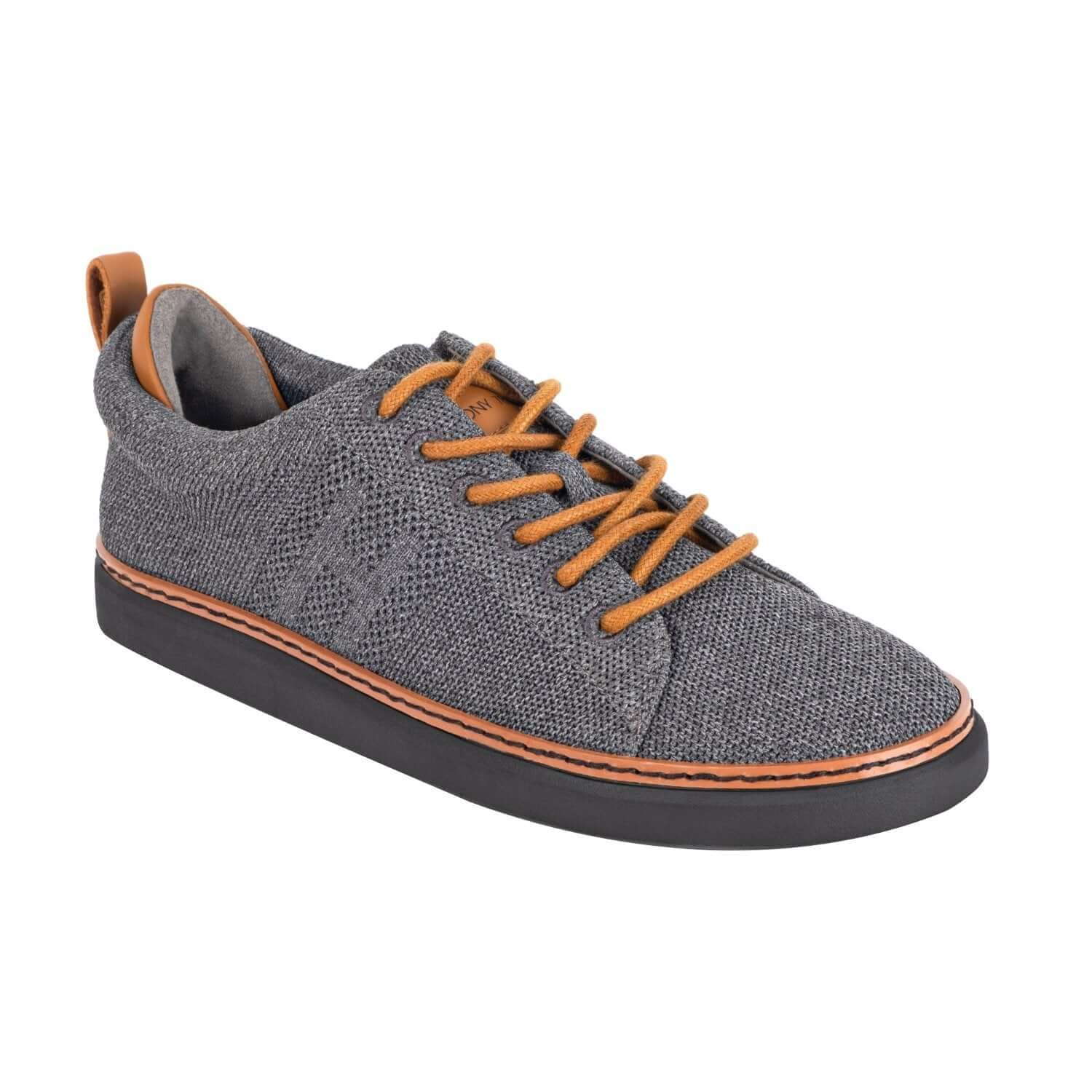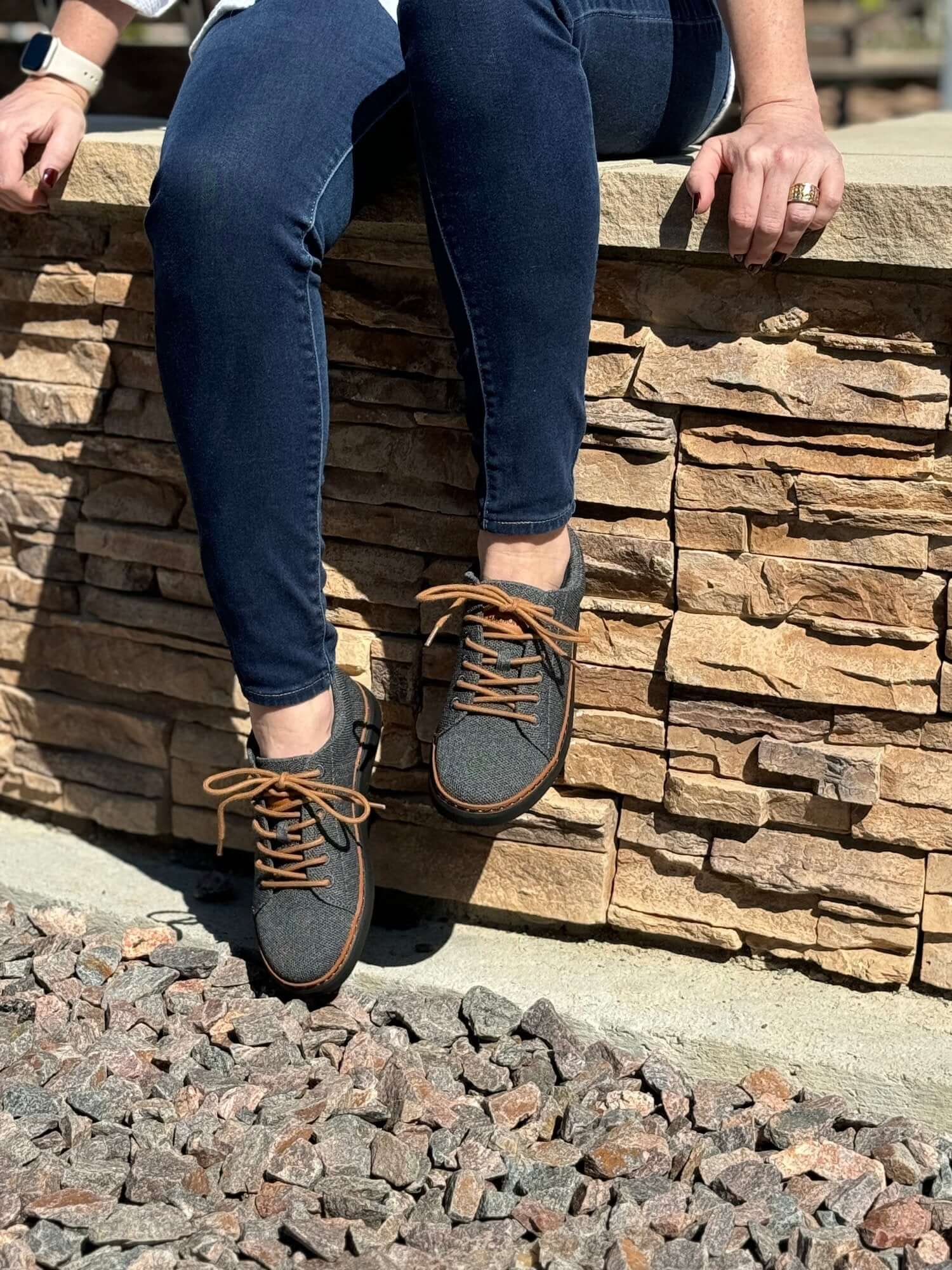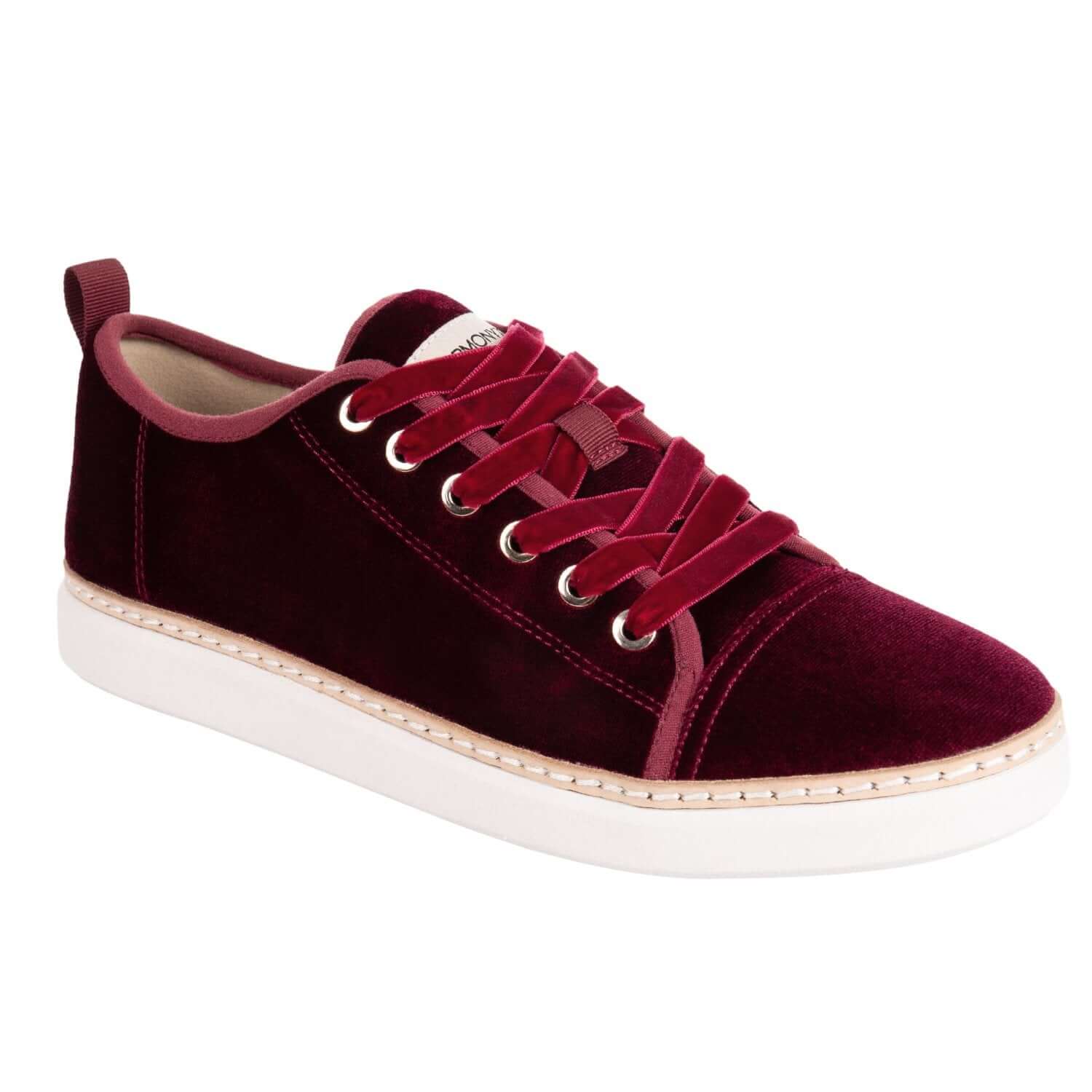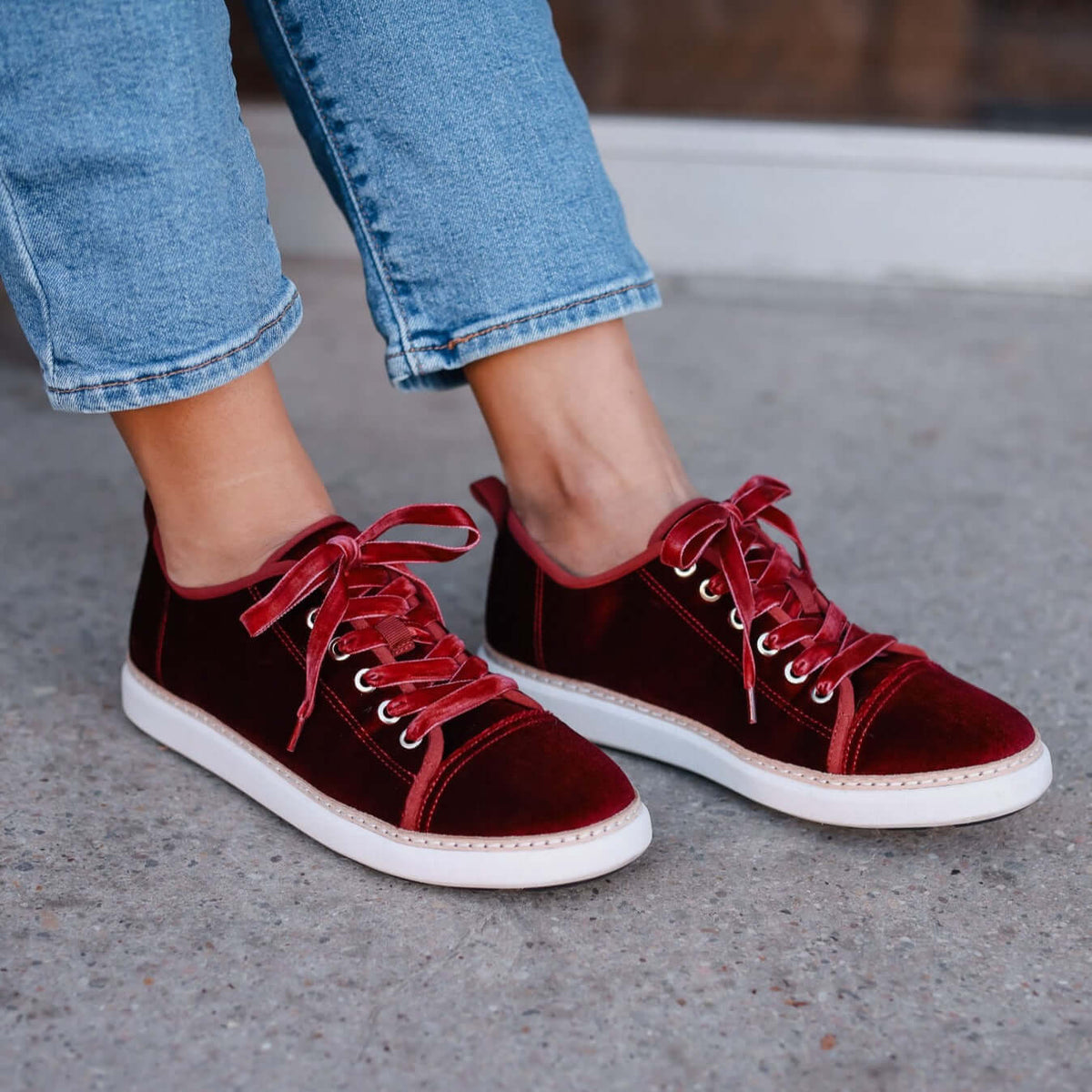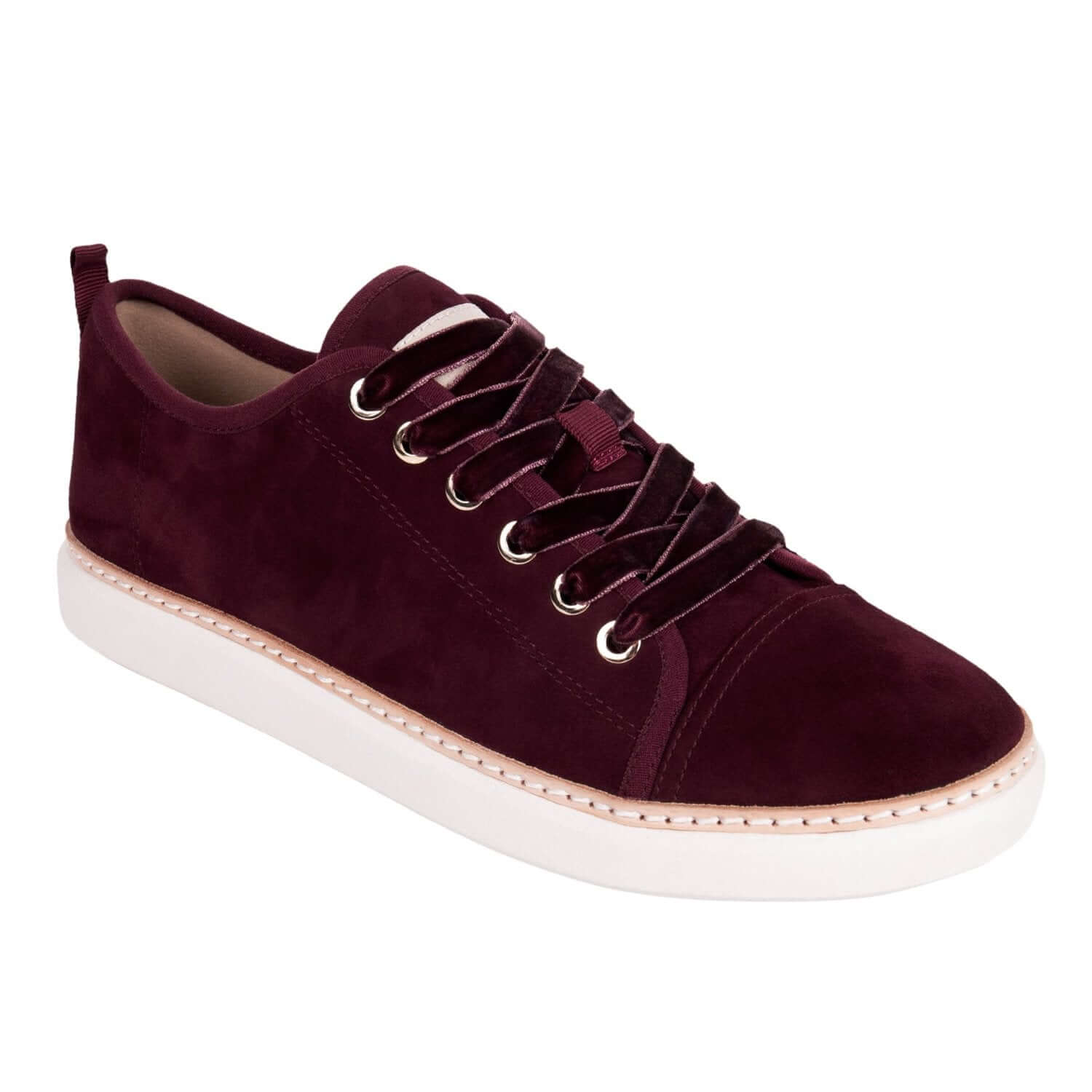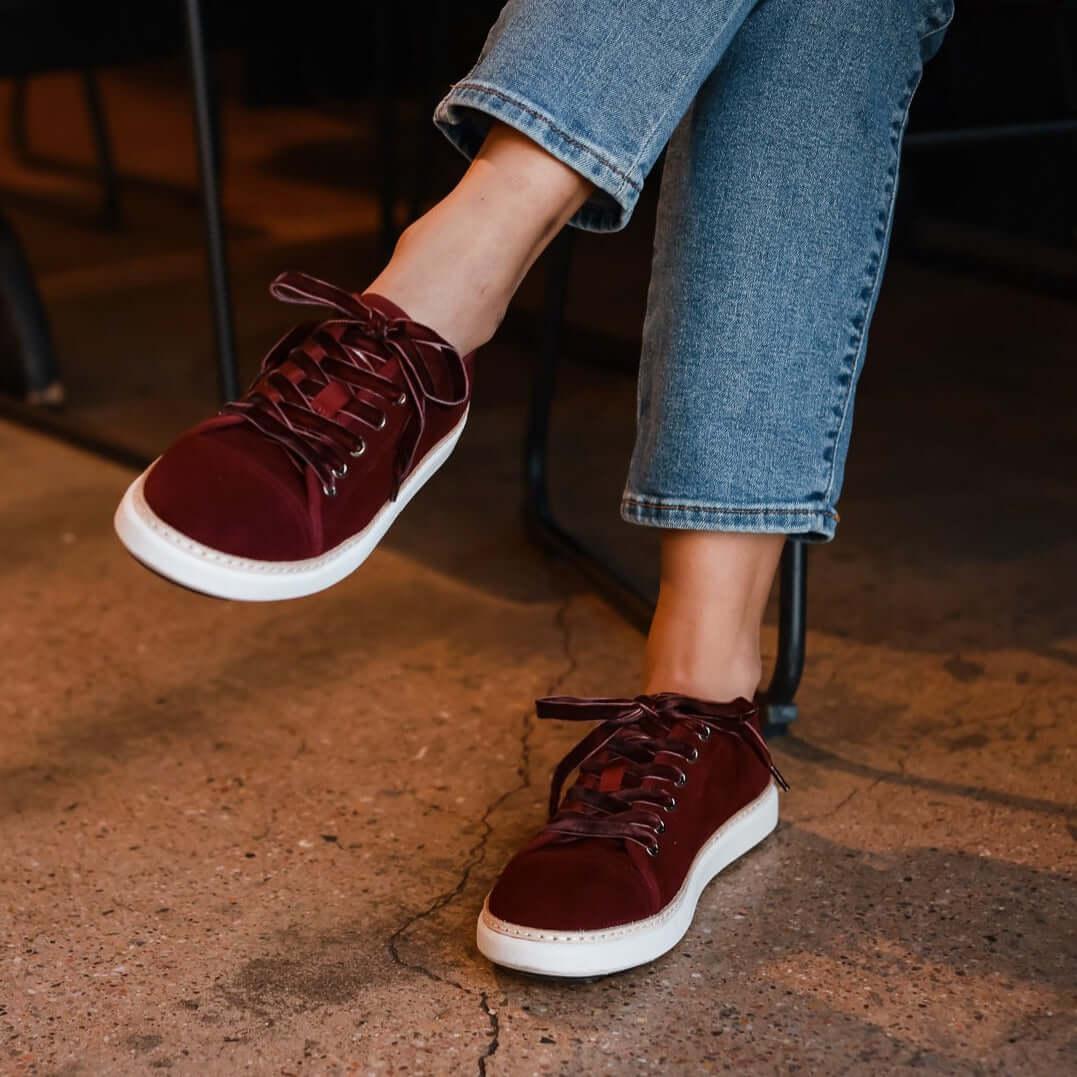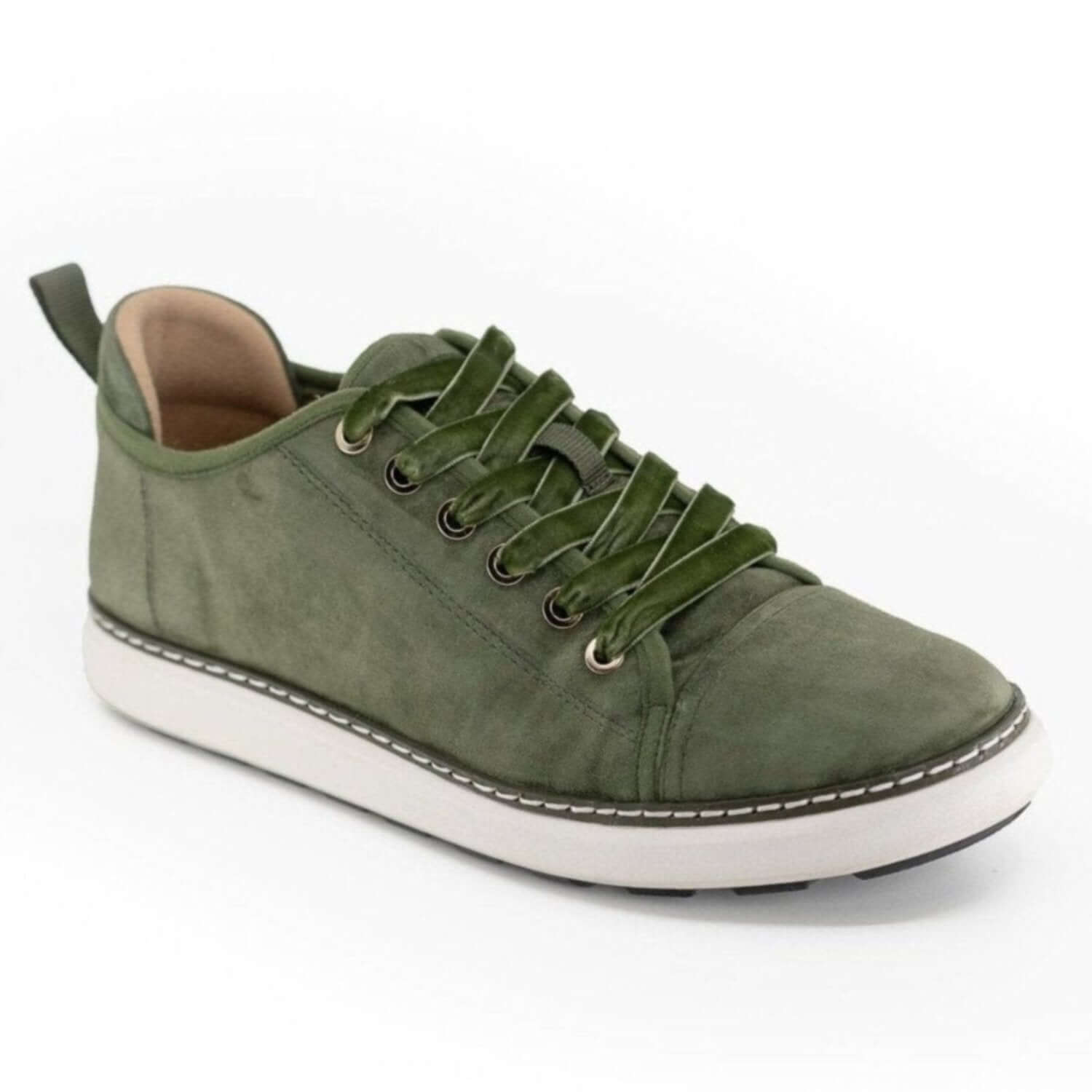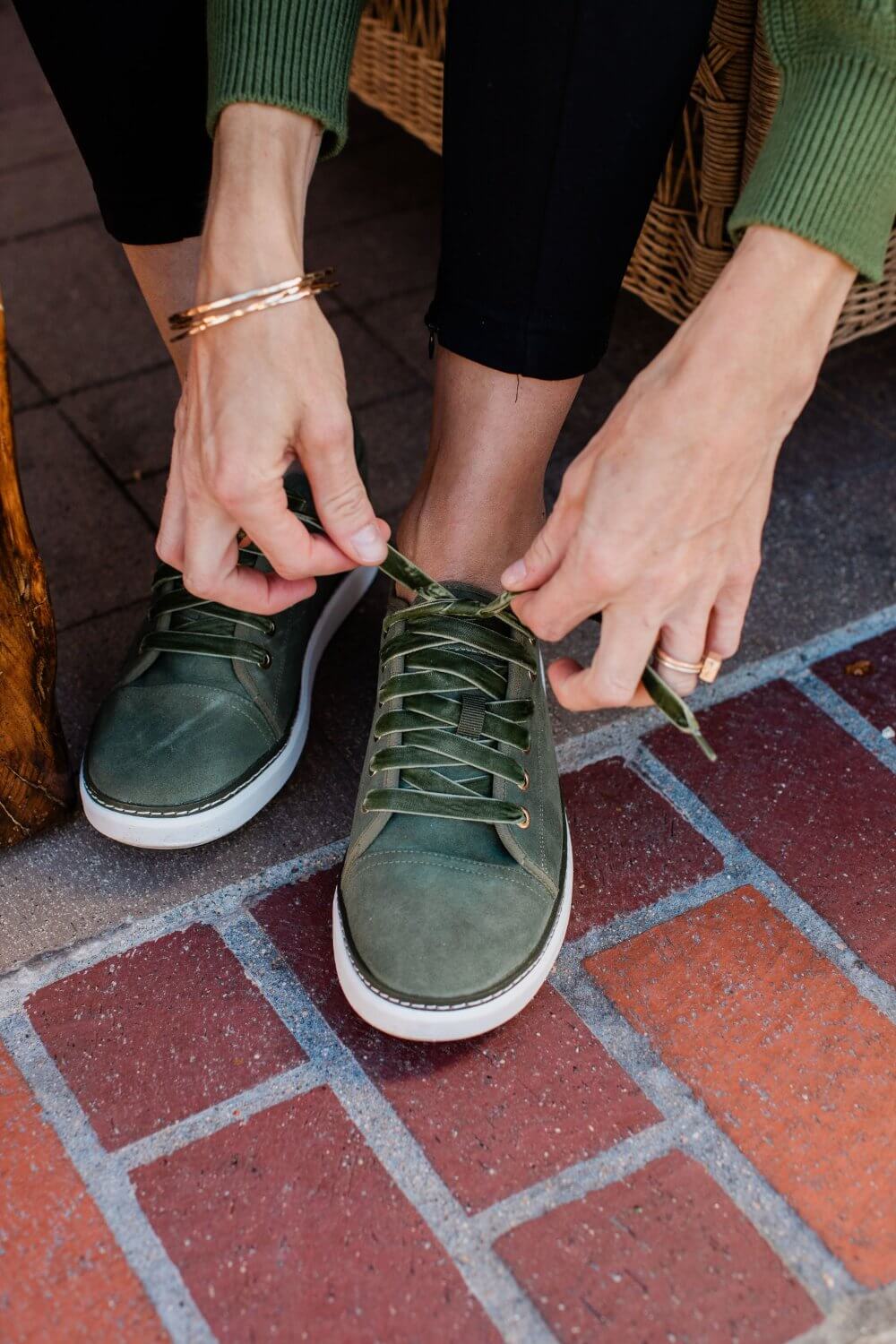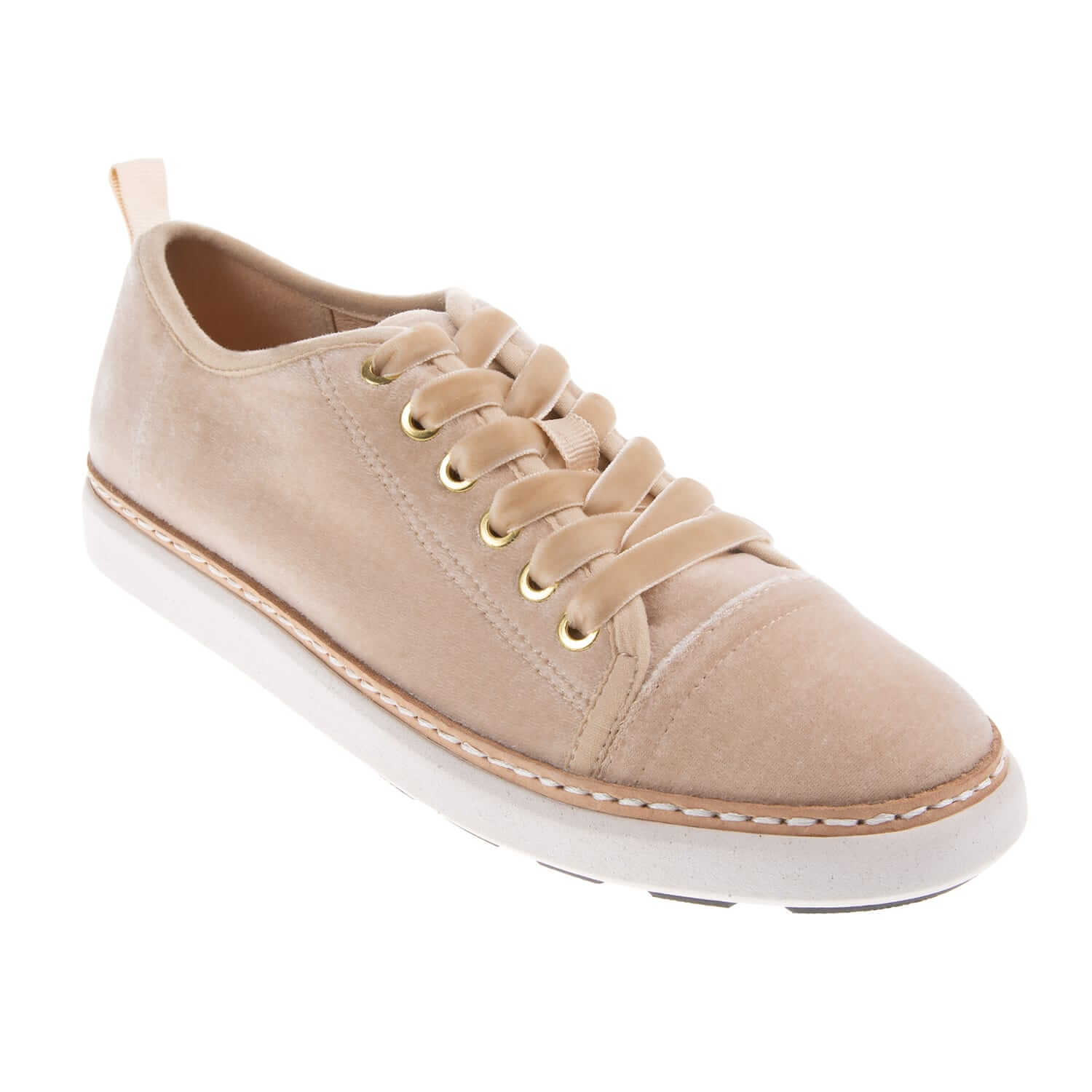

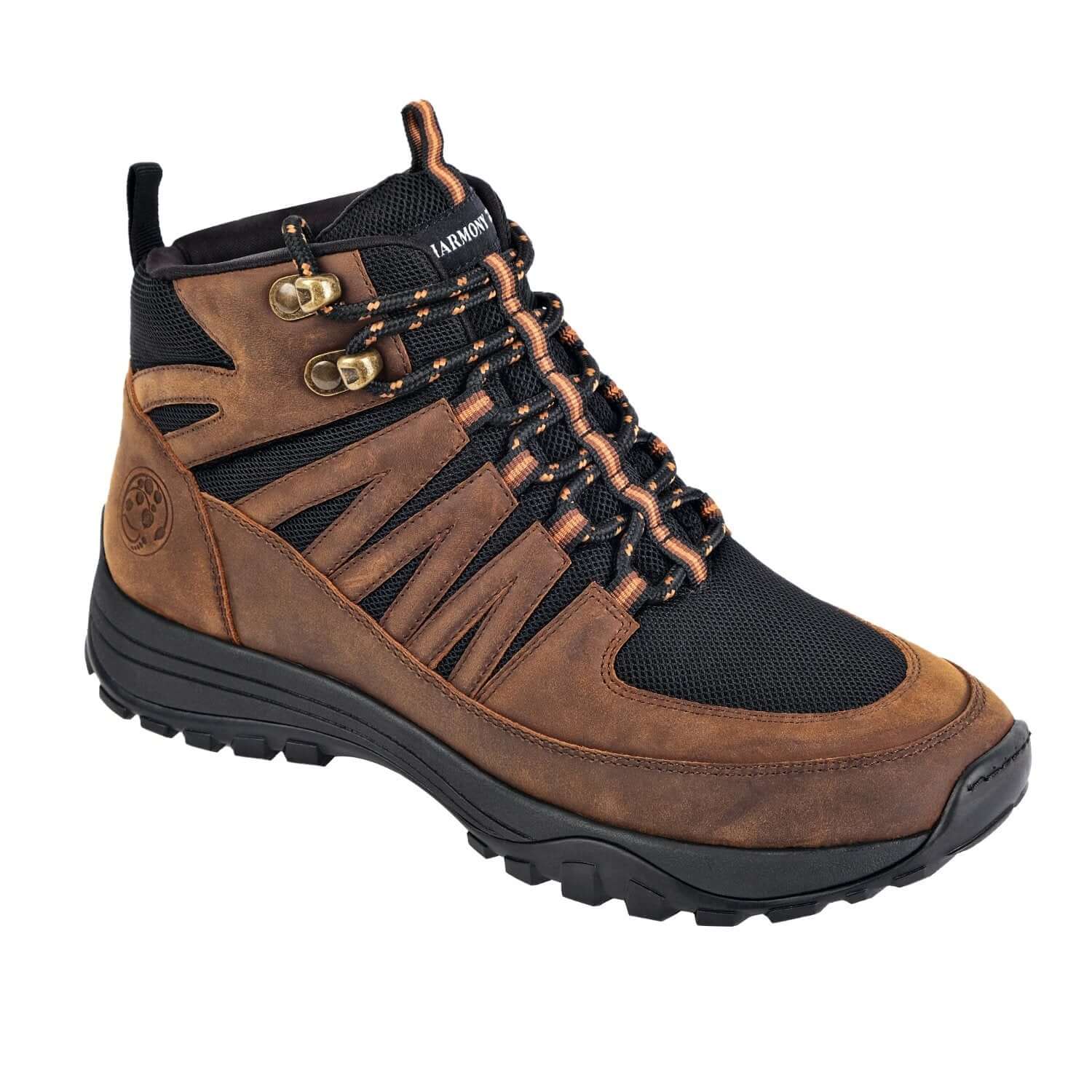
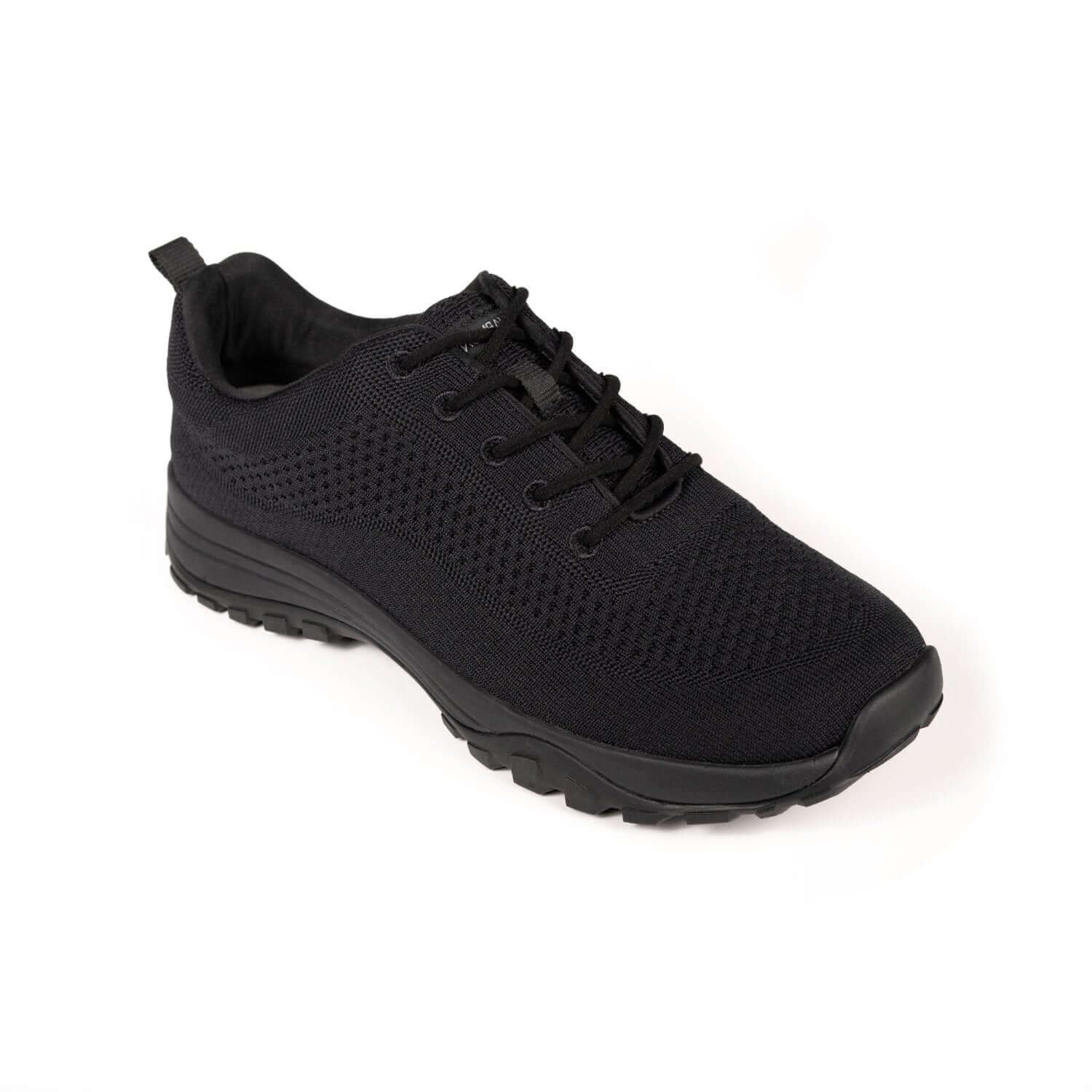
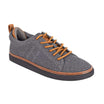
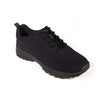
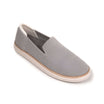
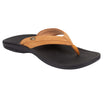
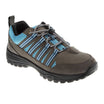
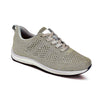
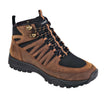
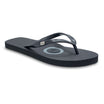
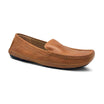
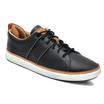

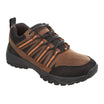
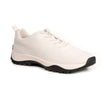



Most modern shoes insulate your feet from the ground. Grounding sneakers take a different approach by adding conductive components while retaining the comfort and style expected from everyday footwear.
Shop Harmony 783 grounding sneakers for breathable comfort and everyday style.
Grounding sneakers are footwear built with conductive components that create a path between the foot and a conductive surface. Depending on the design, that path may use conductive stitching, a footbed, or carbon-infused sole materials. They are intended for people who want to practice grounding without going barefoot. Early studies have explored grounding, but the evidence is limited and does not establish medical benefits. A good pair should still earn its place in your closet through fit, comfort, durability, and everyday style.
Choosing the right pair means looking beyond appearance. Start by understanding what makes the footwear conductive, where it can work, and how to assess comfort for your routine. For a clear introduction to the practice itself, read what grounding is and how it works.
What are grounding sneakers?
Grounding sneakers are everyday shoes that add a conductive pathway between the foot and conductive ground while still providing the coverage, fit, and style expected from sneakers.
Grounding sneakers are shoes designed with conductive components that form a pathway between the foot and a conductive surface. This concept is also known as earthing. Most modern shoes use rubber or foam soles that insulate the foot from the ground. Grounding shoes take a different approach while retaining the protection of conventional footwear.
Defining the conductive path
Most shoes act as a wall between your feet and the soil. This body gap from the Earth may affect how you feel. Grounding sneakers remove this wall with a special path. This path starts at the bottom of the shoe and goes all the way to your skin. Many designs use pure silver thread in the footbed. This thread forms a conductive path through the sole. It then contacts your foot to complete the electrical connection when the outsole touches a conductive surface.
How they differ from ordinary sneakers
Standard sneakers focus only on comfort and style. They use thick foam to absorb shock and protect your feet. These materials also insulate the foot from conductive ground. Grounding sneakers aim to retain everyday footwear comfort while adding a conductive path. Depending on the design, that path may include carbon or metal components in the sole. This new design is why many people call them "earthing shoes."
A bridge to wellness
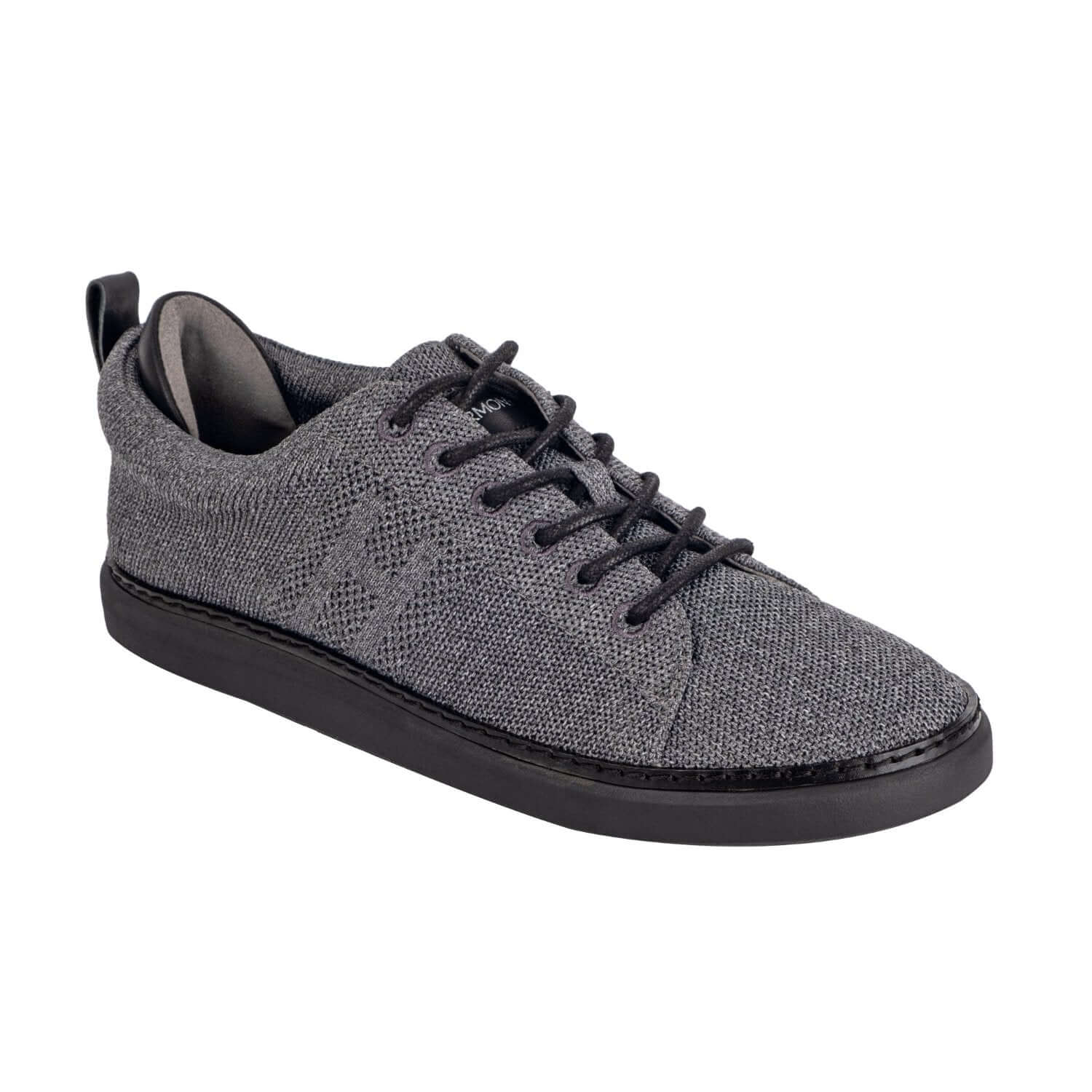
You do not have to go barefoot to get grounded. Modern life makes it hard to spend time with your feet on the grass. Grounding sneakers make it easy to bring this practice into your daily routine. You can wear them to work, on a walk, or even to the gym. Using a grounding sneaker helps you keep a link to the Earth in a busy world. These shoes are made with breathable fabrics like bamboo knit. This ensures your feet stay cool and dry while you enjoy the work of earthing.
Choosing the right style
These shoes come in many looks to fit your life. You can find sleek knit styles for a clean look. Or you may prefer a grounded walking shoe for a long day on your feet. The main goal is to keep you connected without losing your style. Here are a few ways these shoes support your day:
- They use pure silver for a strong connection.
- They have soft soles for all-day comfort.
- They fit in with your regular gym or work clothes.
Every pair goes through testing to make sure the connection is strong. This helps confirm whether the intended conductive pathway is intact. Choose a tested pair that also suits how and where you plan to wear it.
How do grounding sneakers work?
They use conductive elements, such as silver stitching and carbon-infused outsoles, to form a path from the footbed to a conductive surface beneath the shoe.
Grounding sneakers work by creating a path for the Earth's natural charge to reach your body. Most shoes use thick rubber soles that block this flow. These shoes use conductive parts like silver or carbon to bypass that block. This lets you stay grounded while you walk on natural ground.
Role of silver and carbon
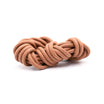
In Harmony 783 shoes, a pure silver fabric loop runs from the footbed to the ground. Silver is a conductor, and the design also includes a silver-stitched footbed that touches your foot. Together, these components form the shoe's conductive pathway. This describes how the footwear is designed; it is not a promise of a medical outcome.
Direct skin contact
Does the shoe need to touch your skin? Yes, a grounding sneaker works best when your foot touches the conductive footbed. Moisture from your skin or socks helps the flow of energy. While you can wear thin socks, going barefoot in the shoe often gives the best results. This link lets your body pull in the Earth's charge just like walking barefoot outside.
Surface limits
Where you walk matters for your grounding sneakers to work. The conductive soles must touch a surface that can share the Earth's charge. Grass, dirt, sand, and even unsealed concrete are great for this. But wood, asphalt, or vinyl are insulators. They stop the flow of electrons even if you wear the right shoes. Research shows that modern lifestyles often keep us on these dry surfaces.
Grounding sneakers vs. regular sneakers
The key difference is conductivity: grounding sneakers add a conductive pathway, while regular sneakers usually use insulating sole materials.
Most people pick their shoes based on look, fit, and price. Standard shoes often use thick soles made of rubber, plastic, or foam, which generally insulate the foot from conductive ground. Grounding footwear adds a conductive pathway for people who want to incorporate earthing into their routine.
Choosing grounding sneakers can make grounding more convenient while you walk or go about your day. Whether a conductive connection is available depends on the shoe, contact with the foot, and the surface below it.
The power of a conductive sole
The main thing that sets these shoes apart is how they are made. Regular shoes use soles that keep you safe from the ground but also shut out its charge. Grounding shoes use special parts to make a path for energy. They often have soles made with carbon or silver to let electrons pass through. This creates an electrical path when the outsole contacts a conductive surface, while the shoe still provides everyday foot coverage.
When conductive shoes make direct contact with a conductive surface, they are designed to provide an electrical path between the wearer and the ground. Small studies have explored possible effects of grounding, including sleep and pain outcomes. However, this emerging research does not establish that grounding sneakers treat either condition.
| Feature | Grounding Sneakers | Regular Sneakers |
|---|---|---|
| Conductivity. | Includes a conductive pathway. | Usually uses insulating sole materials. |
| Sole materials. | May include carbon-infused rubber or silver. | Often rubber, EVA, or plastic. |
| Primary distinction. | Designed to enable grounding on conductive surfaces. | Designed around conventional footwear functions. |
| Ground connection. | Depends on foot contact and the walking surface. | Typically insulated from the ground. |
| Daily use. | Useful when fit, comfort, and style suit the wearer. | Useful when fit, comfort, and style suit the wearer. |

Support and daily comfort
Some people worry that they must give up comfort for a linked connection. But modern designs offer the best of both worlds. You can find shoes with soft foam and good arch support that still keep you grounded. These sneakers are built to help you stay on your feet for hours. They use breathable knits and light parts so your feet feel great from morning to night.
You can use these shoes for many tasks, from light walks to long days on the job. They give you the same grip and safety as a standard shoe. Their distinguishing feature is the conductive pathway. For everyday use, choose them as you would any walking shoe: prioritize a secure fit, suitable support, and comfort for your routine.
A blend of style and science
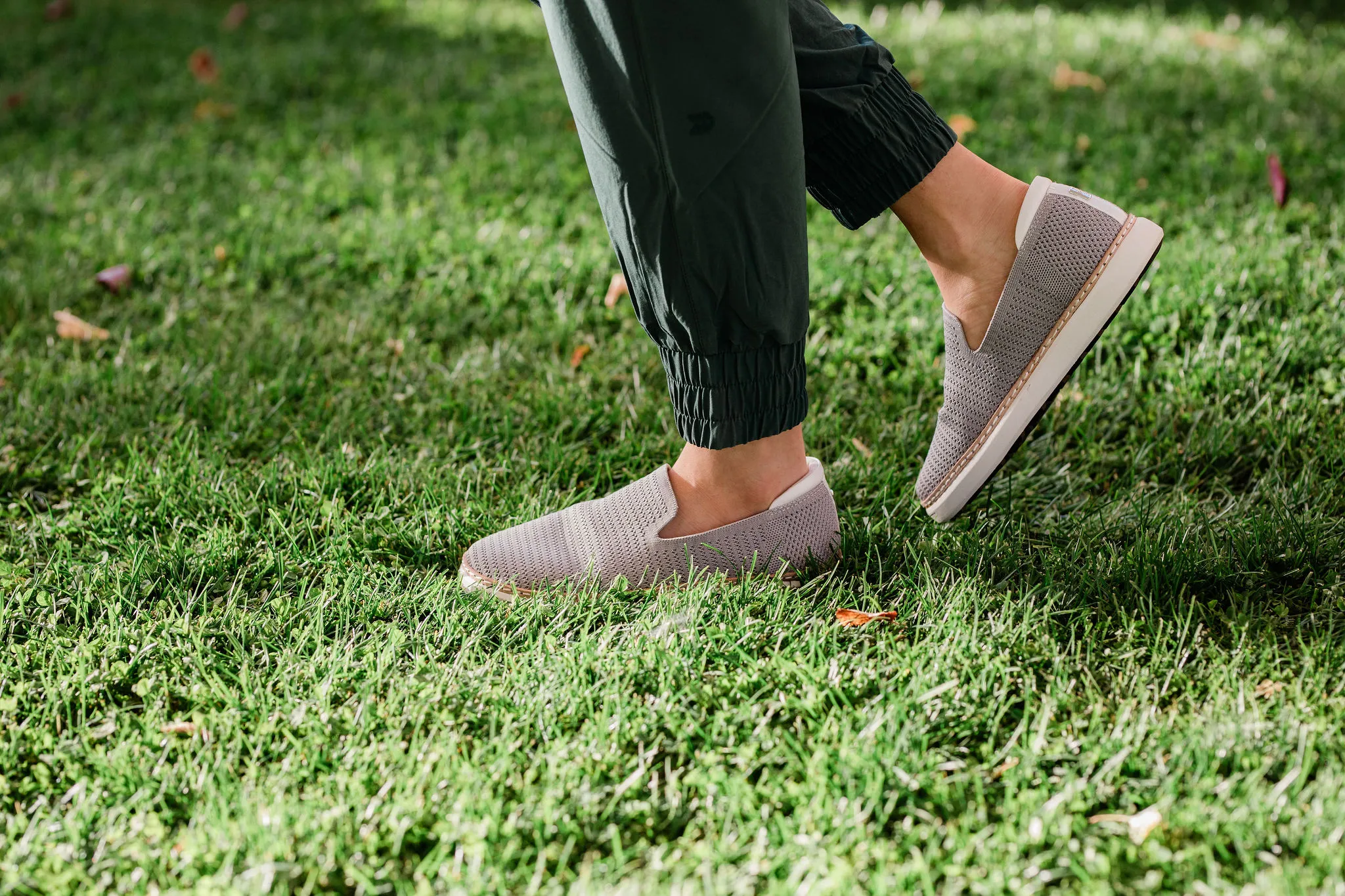
In the past, wellness shoes did not always look great. Today, you do not have to pick between style and health. Grounding shoes come in many colors and shapes that fit right in with your closet. You can wear them with jeans, gym gear, or casual work clothes. They can look much like the everyday shoes already in your closet while adding a conductive pathway.
Making the switch is easy to fit into your routine. Putting on the shoes can make grounding more convenient when you spend time on conductive surfaces. Research into grounding is still emerging, so choose a pair first for fit, comfort, durability, and style rather than an expected health outcome.
How to choose grounding sneakers for everyday wear
Choose by verifying the conductive pathway first, then compare fit, cushioning, upper material, intended surface, and style for your routine.
Grounding sneakers are designed to create a conductive path without giving up the comfort expected from a standard shoe. Finding the right pair means checking how that path works, then judging the footwear on fit and everyday usability.
Check the tech and tools
Not all shoes use the same ways to keep you linked to the earth. Top grounding sneakers feature special parts like silver stitching and conductive soles. These parts create an electrical path between the foot and a conductive surface. You should look for brands that test every pair to make sure they provide a clear link.
Think about fit and feel
Comfort should not be a second thought when you buy new shoes. Light fabrics like bamboo knit keep your feet cool and dry on long walks. A good fit ensures your foot stays in place, which helps the grounded parts do their job. If you spend a lot of time on your feet, choosing grounded walking shoes with a soft midsole can help you stay active.
Pick a style for your day
Your shoes should match your daily tasks and look. Whether you need a sleek pair for work or a tough design for the trail, there is a grounded choice for you. Many people find that a grounding slip-on works best for quick tasks and casual trips. When you feel good in your shoes, you are more likely to wear them every day.
- Check the sole. Look for rubber or metal parts that allow energy to pass through from the ground.
- Test the flex. A natural range of motion helps your feet move well as you walk on various paths.
- Verify the link. Make sure the shoe has a direct path from the footbed to the ground using silver layers.
- Look at the fabric. Choose knit or mesh to stay cool and comfortable in any weather or task.
- Confirm the facts. Use shoes backed by tests that show how contact with the earth helps the body work well.
By following these steps, you can find a pair that fits your life and makes it convenient to practice grounding while moving through your day.
Comfort and style for real-life routines
The best grounding footwear is comfortable and versatile enough to wear often, whether your day includes walking, errands, travel, or casual work settings.
You can stay grounded while you go about your day. Many people think they must be barefoot on the grass to get the benefits of the earth. But grounding sneakers allow you to connect while you run errands or travel. These shoes blend wellness with a look that fits your busy life. Modern life often keeps us away from the earth, but the right shoes can bridge that gap.
Style for daily life
A good pair of shoes should work with many outfits. You might wear them with leggings for a quick walk or jeans for a casual lunch. The bamboo knit materials in some grounding shoes provide a clean, modern look. This fabric is breathable and light, which makes it great for long days on your feet. You do not have to pick between a shoe that looks good and one that helps you feel your best.
For those who want a simple option, a grounding slip-on is a smart choice. These are easy to put on when you are in a rush. They still use Groundworks technology to keep you connected to the earth. Whether you choose laces or a slip-on, you get a shoe that supports your feet and your health goals.
Support for long days
When you are on the move, comfort is key. Grounding shoes are not just about the connection to the ground. They also need to provide the right support for walking and standing. Small studies have explored grounding in relation to sleep and pain. However, the evidence remains limited and does not establish that grounding shoes treat either condition. For long days, assess footwear support and comfort on their own merits.
If you prefer a more formal look, you can find options like grounded walking shoes in leather. These offer more structure and a classic style. They work well for travel when you need one shoe that can do it all. You can walk through the airport and then head straight to a meeting while staying grounded. Having one pair that does both saves space in your bag and keeps you feeling steady.
How to care for grounding sneakers
Keep the outsole free of debris, clean conductive components gently, avoid harsh chemicals and high heat, and air dry the shoes after cleaning.
Your grounding sneakers rely on a conductive path between the foot and the ground. Dirt and wear can interfere with that path over time. Good care keeps your shoes working well for years. By following a few steps, you can protect the silver parts and soles that make these shoes work. This guide shows you how to clean and dry your footwear without damage.
Keep the soles clean
The most vital part of grounding sneakers is the sole. These soles use carbon or rubber to move energy from the ground. If mud, salt, or stones cake onto the bottom of your shoe, they may interfere with contact between the outsole and the surface. To keep a strong link, you should check your soles after each walk outside.
To clean the soles, follow these simple tips:
- Use a soft brush to knock off loose dirt and dry mud.
- Mix warm water with a drop of mild dish soap.
- Gently scrub the tread to clear any stuck debris.
- Wipe the soles with a damp cloth to remove soap suds.
Do not use harsh chemicals. These can break down the parts that move power. Regular cleaning is the best way to get the full help from earthing or grounding while you move.
Protect the silver threads
Many grounding shoes use pure silver threads in the footbed. Silver is a great tool for moving energy, but it is also a soft metal. Strong soaps or bleach can hurt these silver bits and stop them from working. When the inside of your sneaker needs a clean, just use a damp cloth. This protects the tech and keeps the path clear from your skin to the sole.
You may want to toss your shoes in a washing machine. While some fabrics are tough, the high heat and fast spin can fray the silver threads. If you must wash the whole shoe, use a gentle cycle with cold water. Never use fabric softeners. They leave a waxy coat on the threads. This coat can block the flow of charge and reduce the shoe's power.
Air dry for long life
Heat is the enemy of grounding shoes. High heat from a dryer can melt the glues that hold the parts together. It can also cause silver fabrics to shrink or warp. Always let your sneakers air dry in an airy spot away from the sun. You can stuff them with paper to help hold their shape and soak up extra water as they dry.
As you wear your shoes, look for signs of wear in the sole or threads. If the parts look worn out, the shoe may no longer give a solid link to the Earth. You can even use a grounding slip-on for light indoor use. This reduces wear on your main sneakers. Checking your gear often helps you stay grounded and ensures your shoes last as long as possible.
What does the research say about grounding?
Small studies have explored grounding and several health measures, but the evidence remains preliminary and does not establish that grounding sneakers prevent, treat, or cure medical conditions.
Research on grounding, also called earthing, looks at how direct contact with the earth impacts the body. The core idea is that the earth has a natural electrical charge. When you touch the ground, you pick up electrons that can help your body function well. Studies show that this connection may help people sleep better and feel less pain. Modern life often keeps us away from the ground, which some experts believe leads to health issues.
Health studies and early findings
Some studies have found that grounding can change how your body works. For instance, research shows that direct physical contact with the earth can reduce blood viscosity, which is a key part of heart health. By lowering blood thickness and clumping, grounding may help lower certain heart risks. While these findings are promising, it is important to know that most grounding studies are small. We need more large tests to fully prove all the claimed health benefits.
The role of grounding sneakers
Since most people cannot walk barefoot all day, grounding slip-on shoes and sneakers offer a practical way to stay connected. These shoes use conductive parts like silver or carbon to let electrons flow from the ground to your skin. This allows you to stay grounded while walking on grass, dirt, or sand. It is a simple tool to help restore the link between your body and the earth that modern habits have broken.
Setting clear expectations
While the science is growing, you should not view grounding footwear as a medical cure or treatment. These products are wellness tools meant to support a healthy lifestyle. According to research in the Journal of Environmental and Public Health, earthing is a natural way to boost well-being. But it does not replace advice from a doctor. If you have a serious health condition, always talk to a medical professional before starting new wellness habits.
Frequently Asked Questions
These quick answers cover how conductive footwear works, where it can work, and what to expect when wearing it.
How do grounding sneakers work?
Grounding sneakers use conductive materials to connect your body to the Earth's surface. These shoes often have silver-stitched footbeds and rubber outsoles mixed with carbon. This setup allows electrons to flow from the ground into your body. According to research, this connection mimics the effect of walking barefoot. It helps keep a healthy electrical balance while protecting your feet from the elements. This technology makes sure you stay grounded without having to remove your shoes.
What are the benefits of wearing grounding sneakers?
The practical benefit of grounding sneakers is that they make it possible to practice grounding while wearing protective footwear. Small studies have explored grounding in relation to sleep, pain, and blood viscosity, including one blood-viscosity study. These preliminary findings do not establish medical benefits or show that grounding sneakers treat health conditions.
Can I wear grounding sneakers on concrete?
Yes, you can wear these shoes on concrete. While grass, dirt, and sand are the best surfaces for grounding, concrete is also conductive. This is because concrete is made with water and minerals that allow electrons to pass through. However, you should avoid wearing them on sealed concrete or asphalt. Those surfaces act as insulators and will block the grounding effect. As long as the concrete is unsealed, your grounding sneakers will help you stay connected to the Earth.
Do grounding shoes need direct skin contact?
A complete conductive path requires reliable contact between the foot and the conductive components inside the shoe. Bare feet or conductive socks may provide more consistent contact than thick conventional socks. Performance also depends on the surface beneath the outsole. Check the footwear maker's instructions when testing conductivity.
Find grounding sneakers for your routine
Grounding sneakers offer a practical way to add a conductive pathway to everyday footwear without giving up coverage, comfort, or personal style. Compare the materials, fit, and intended use of each pair, then choose footwear that suits how you actually spend your day.
Browse Harmony 783 grounding sneakers to find your preferred color and fit.