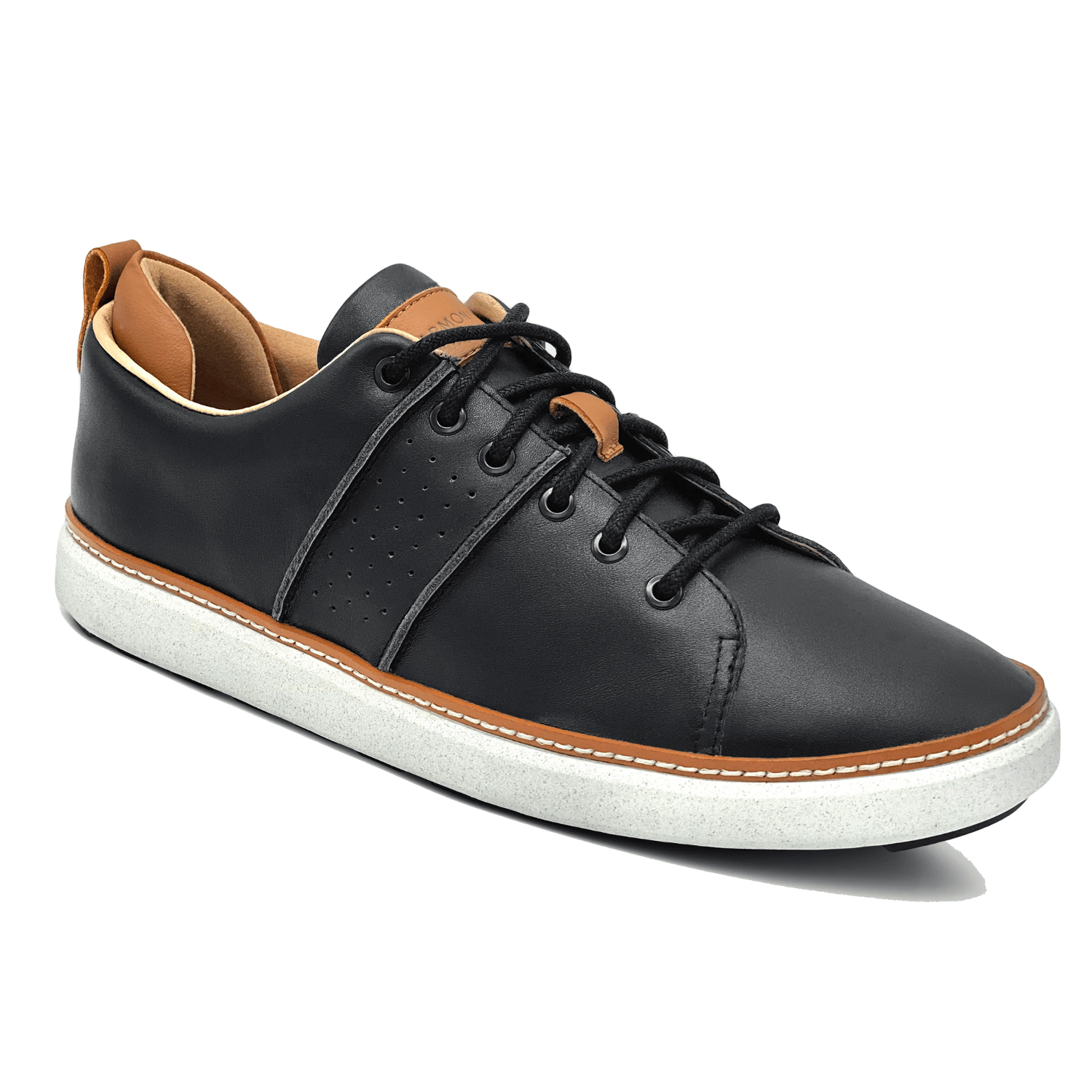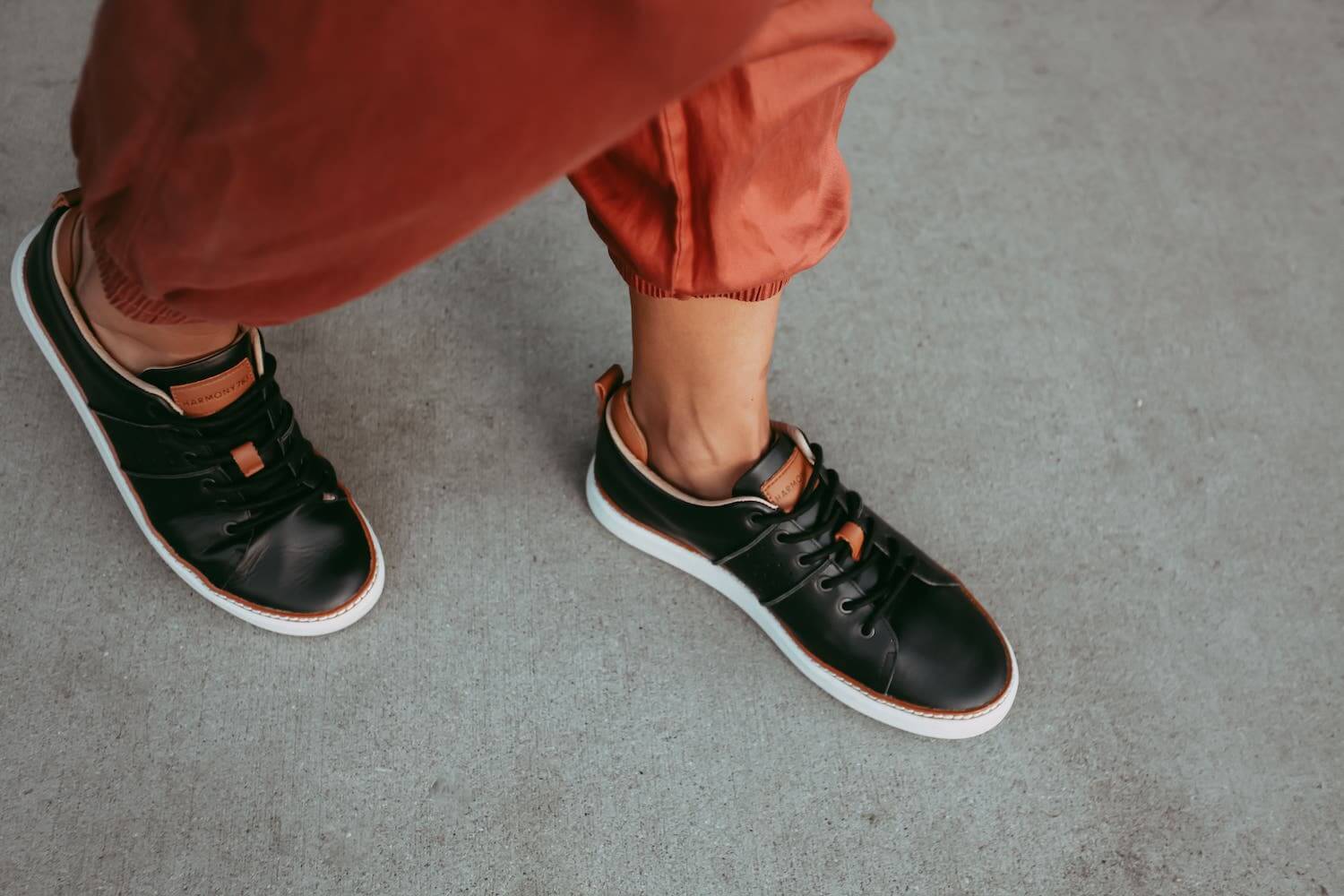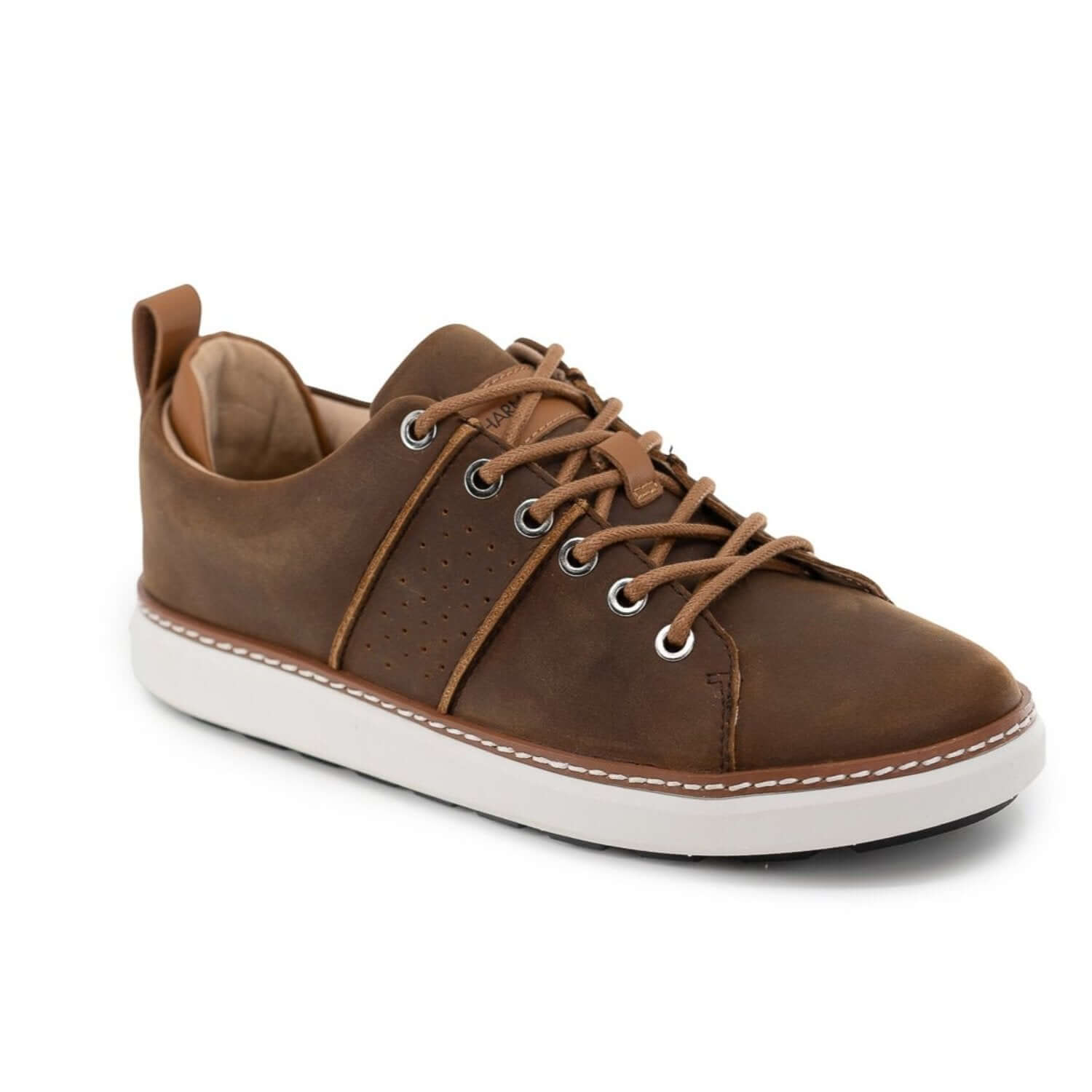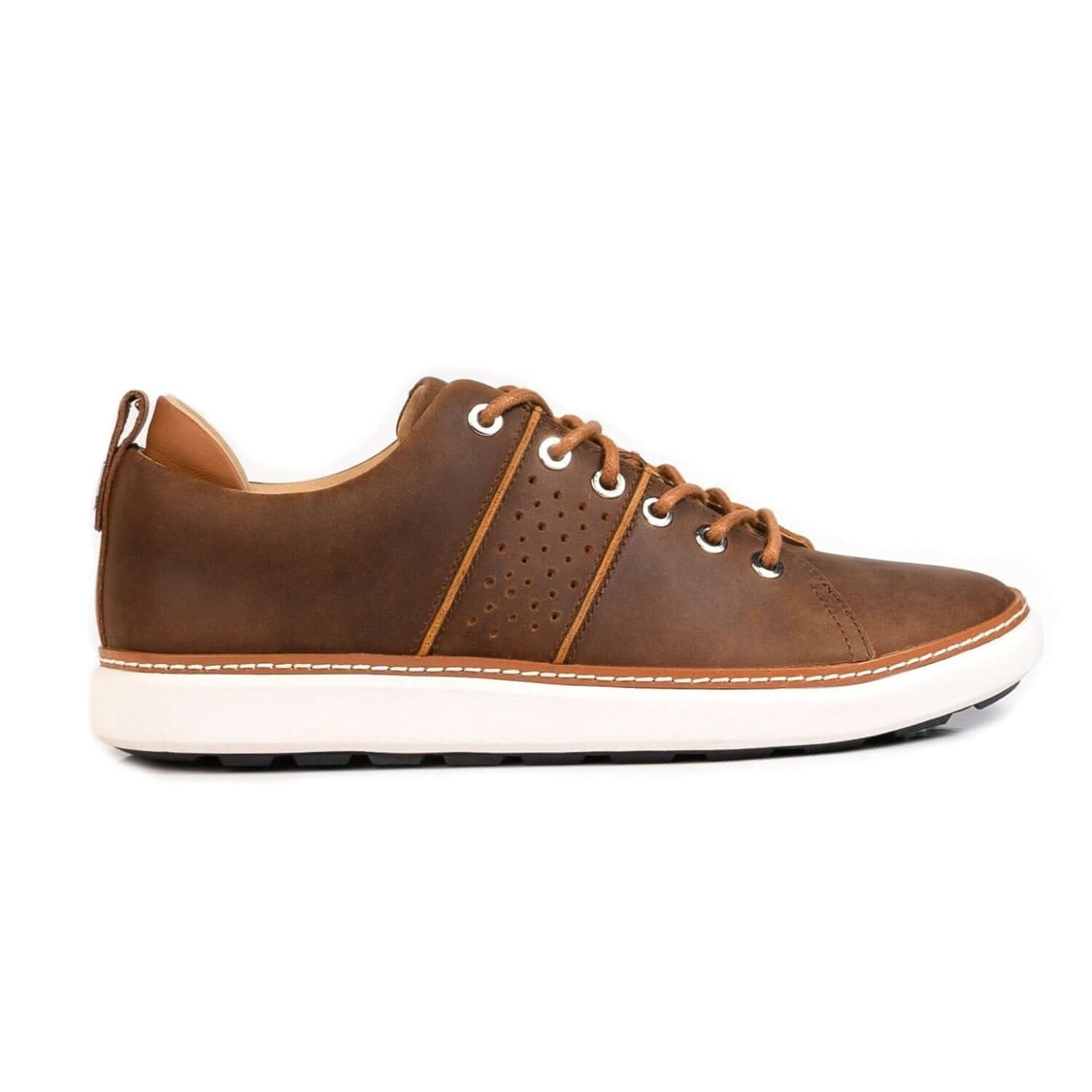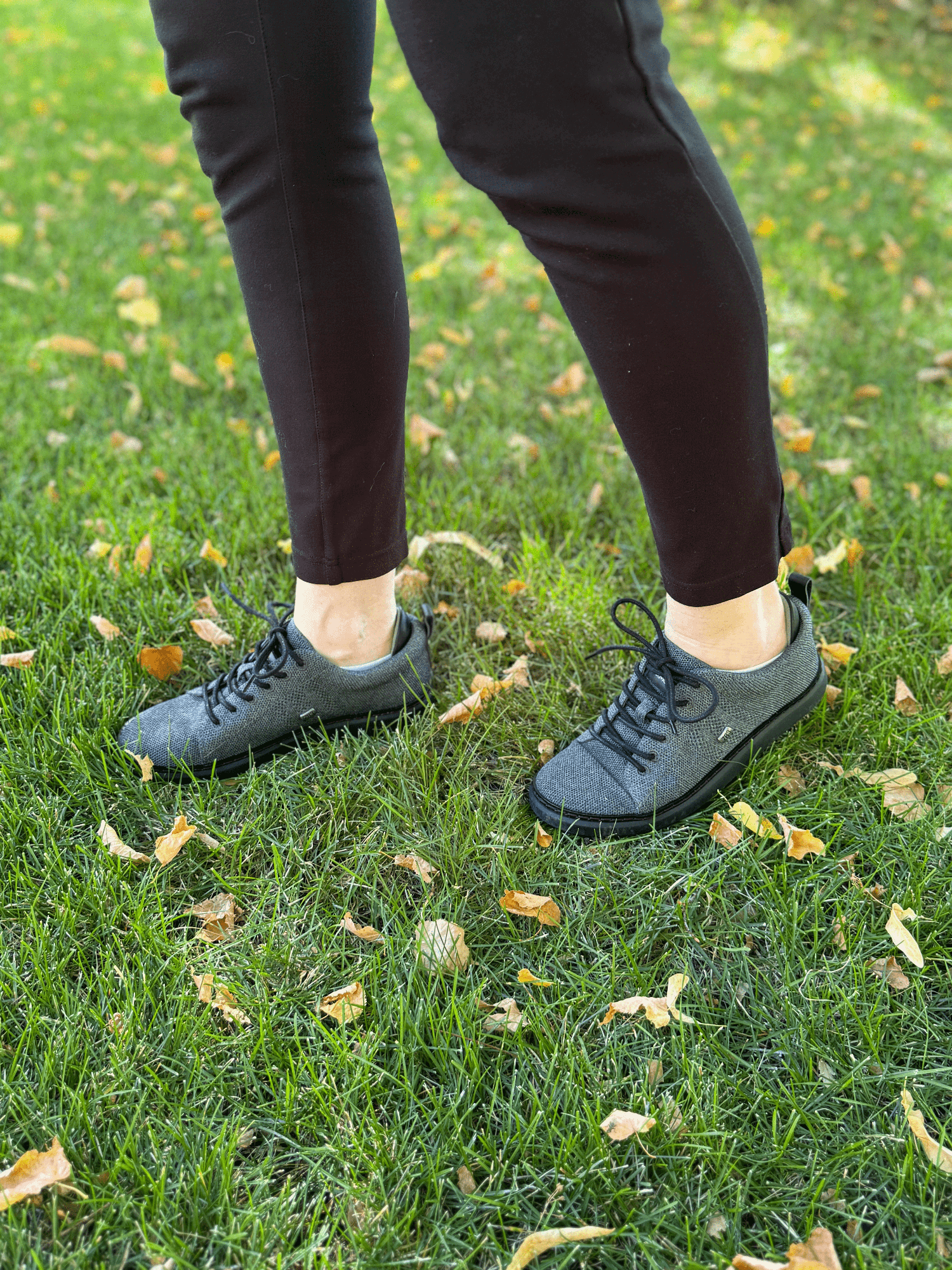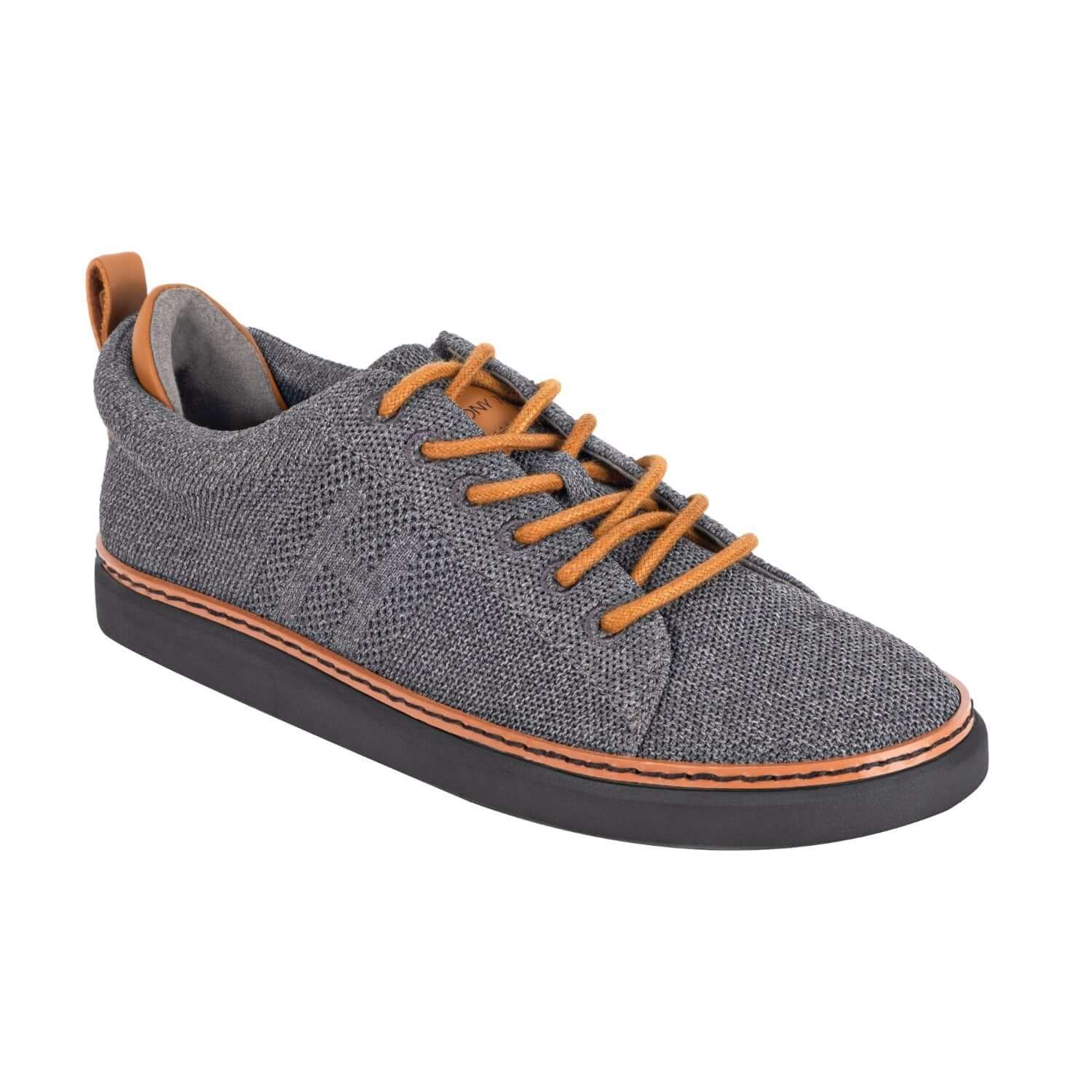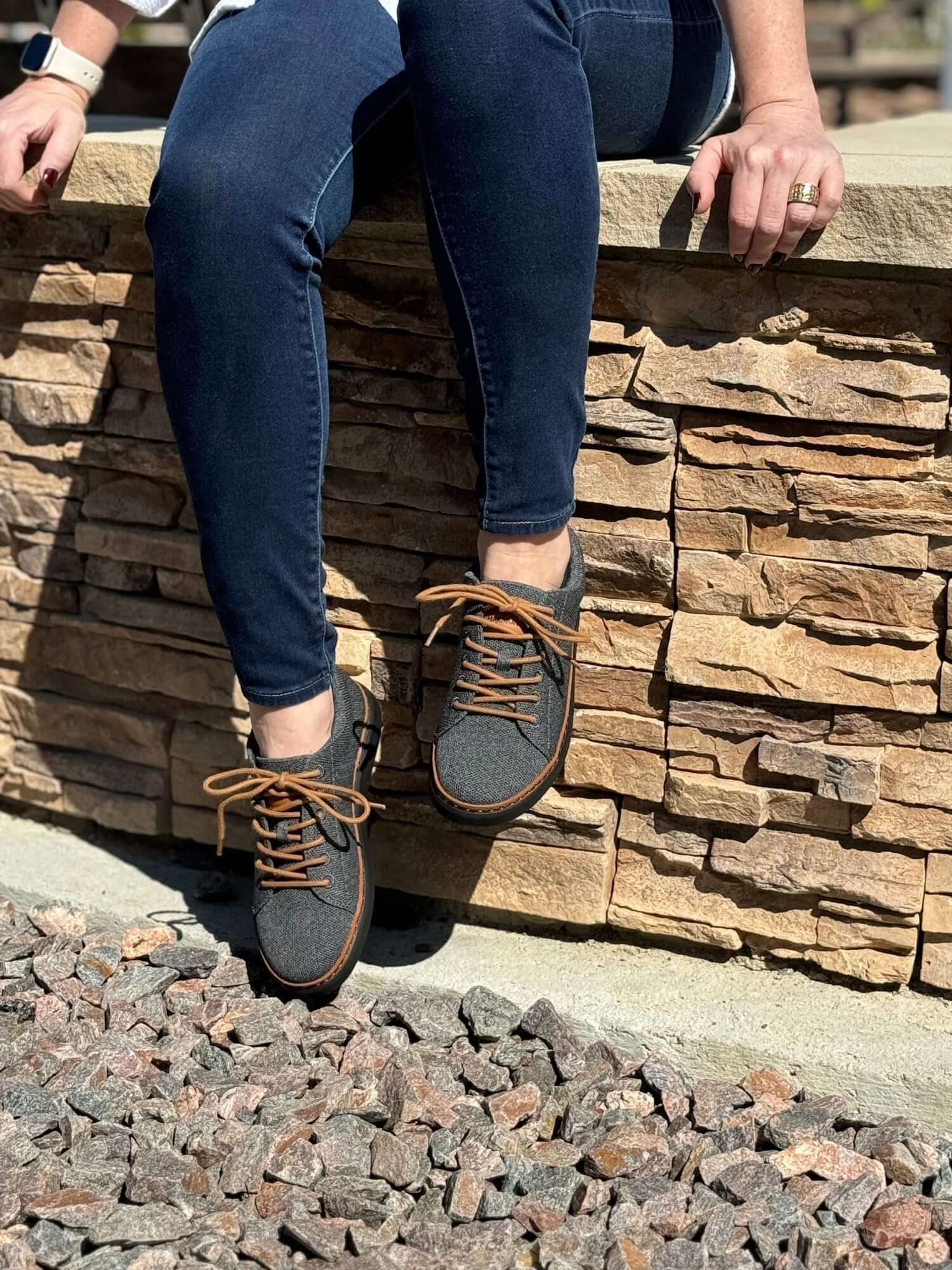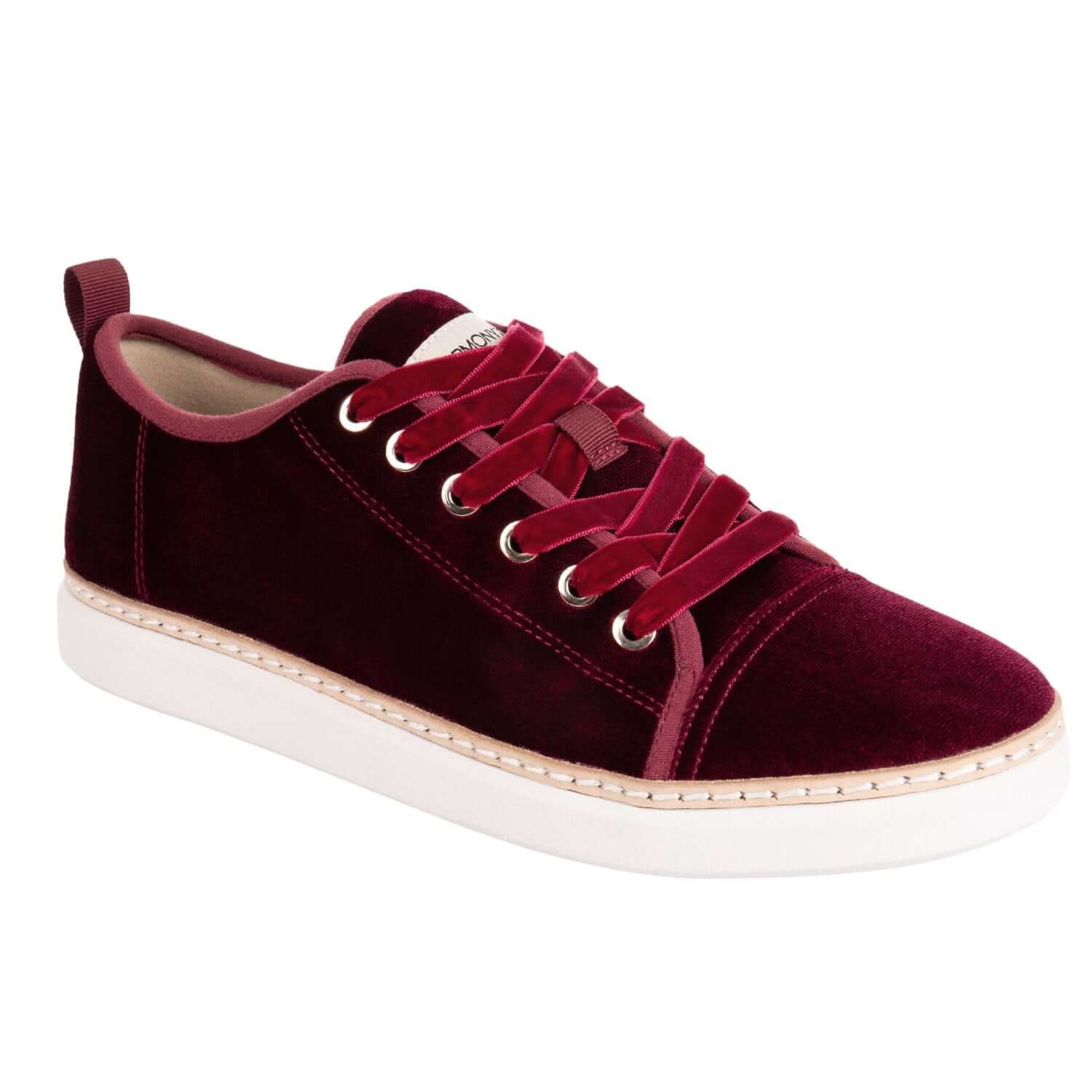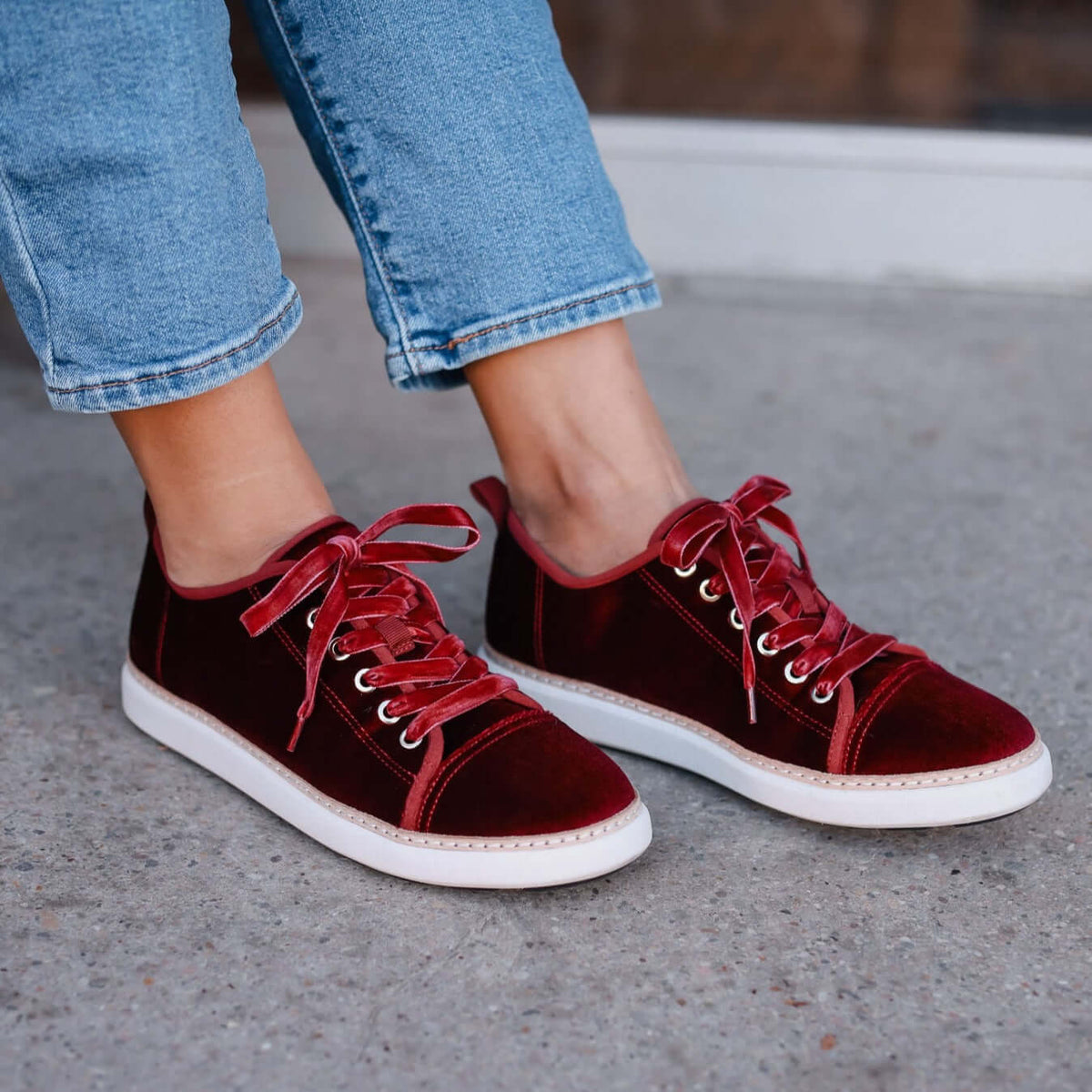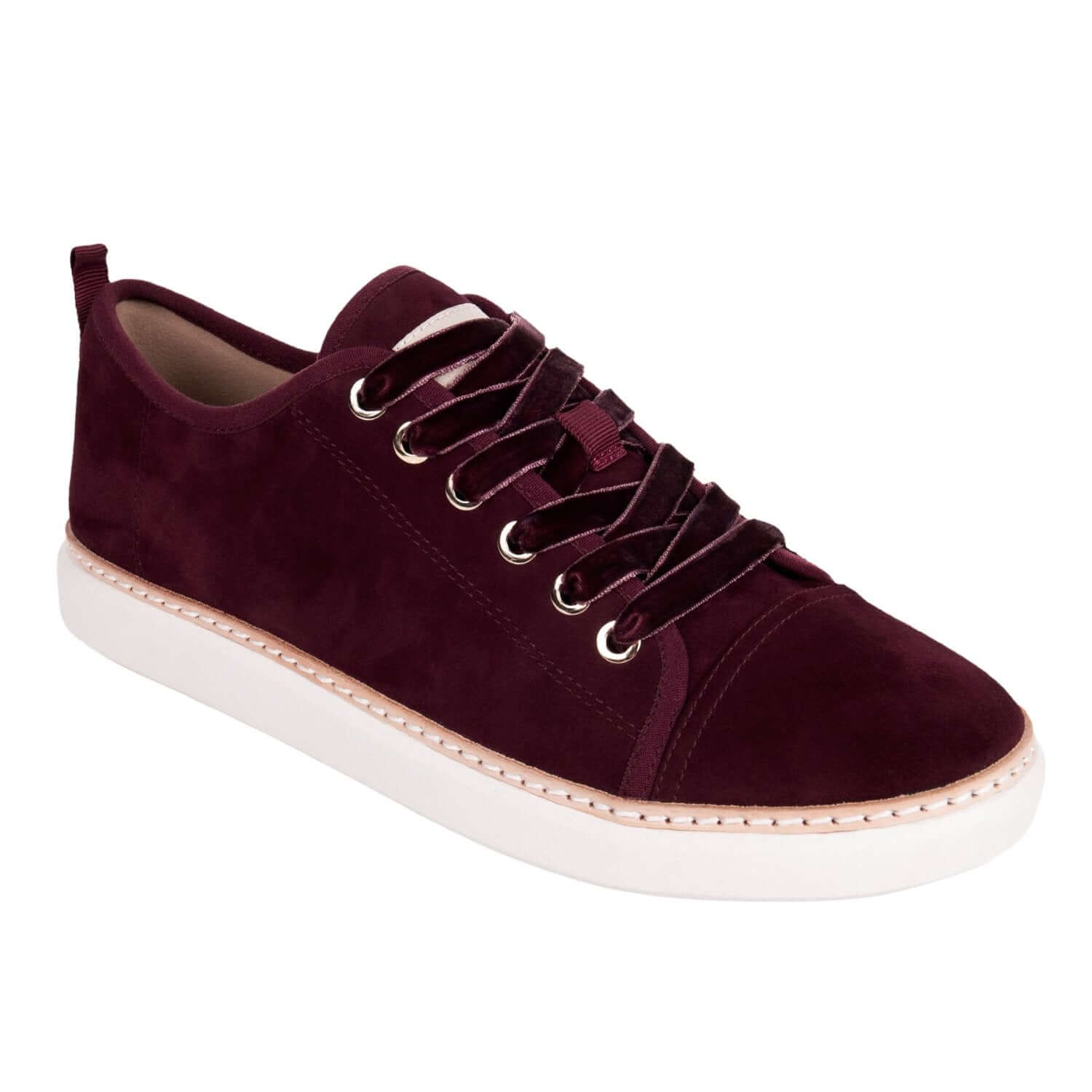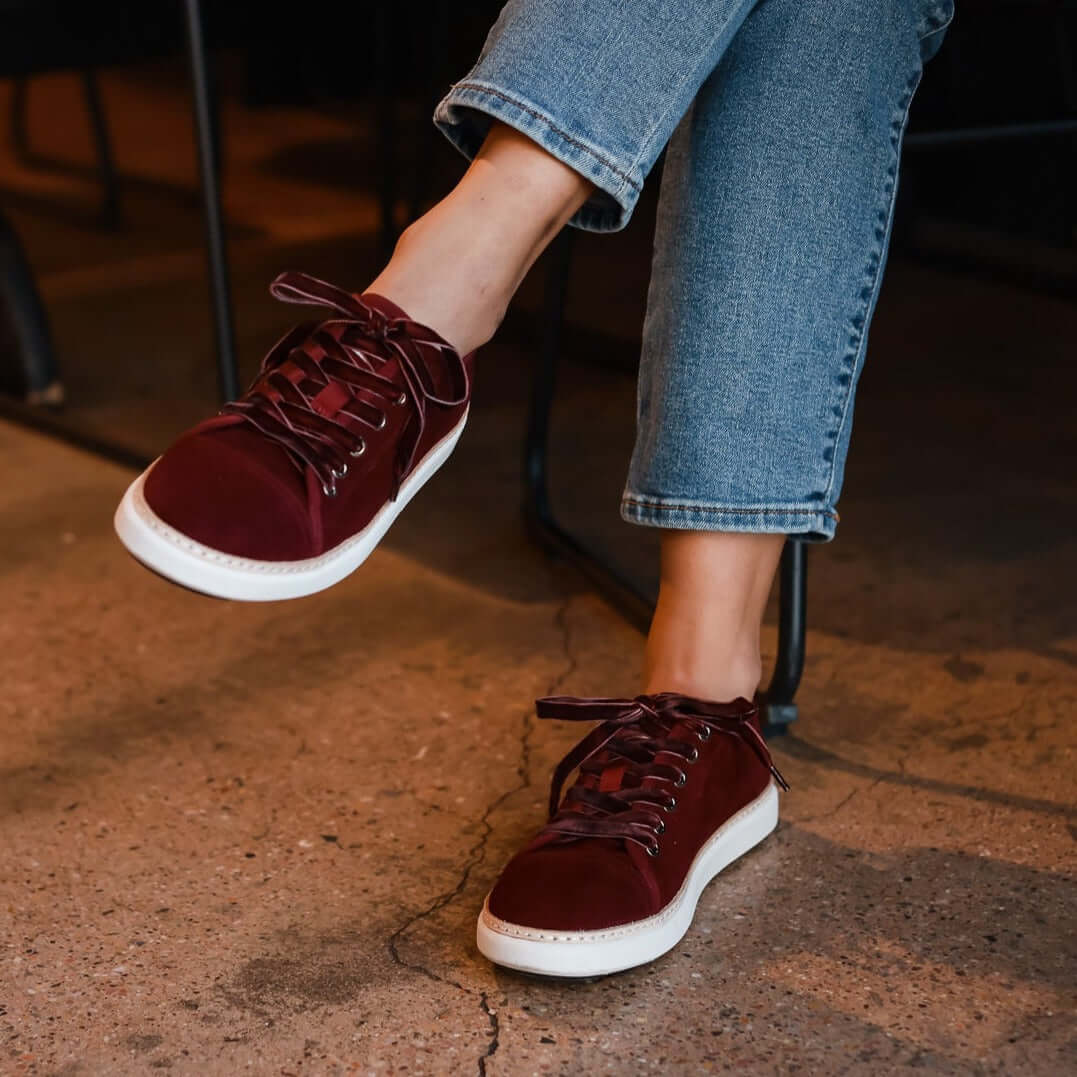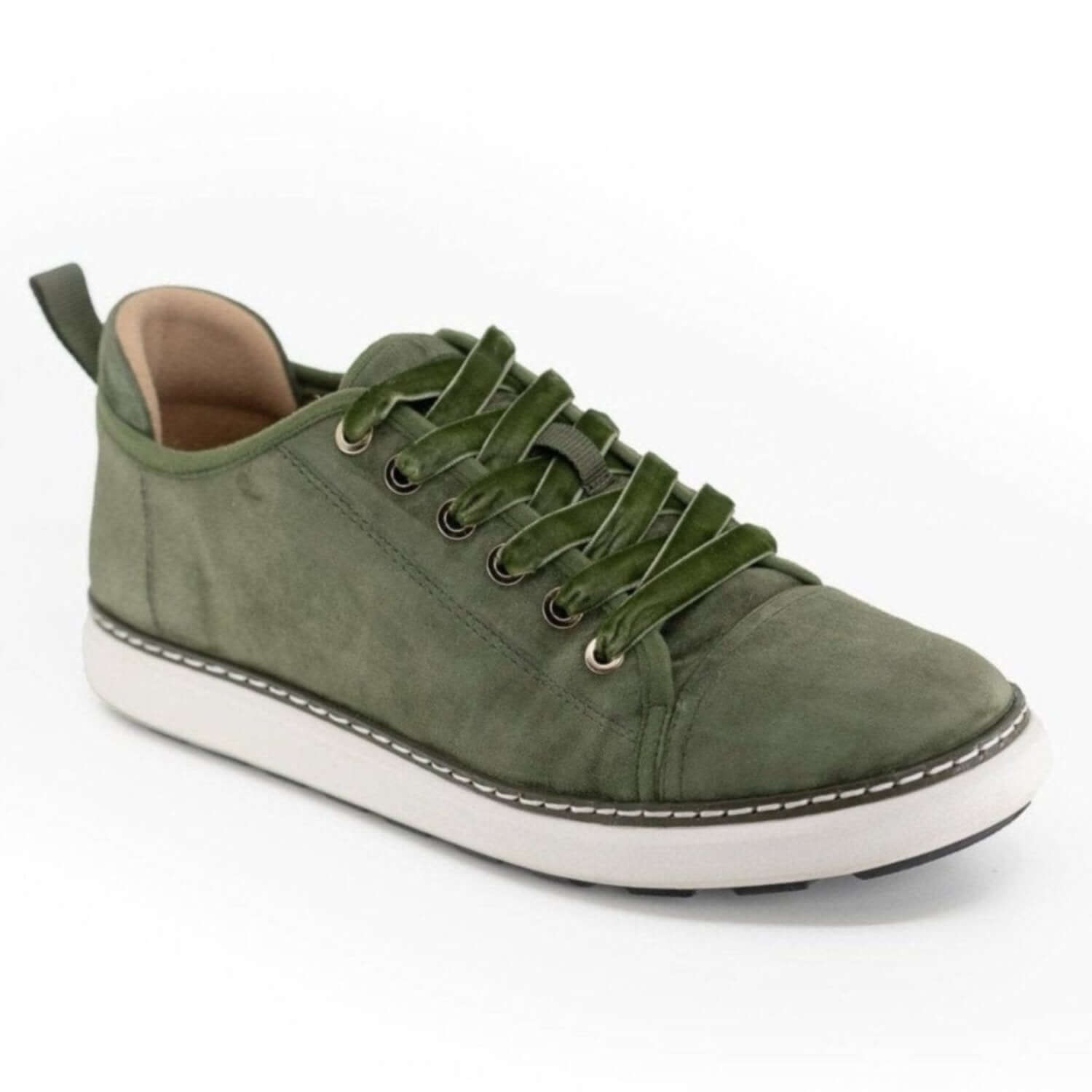

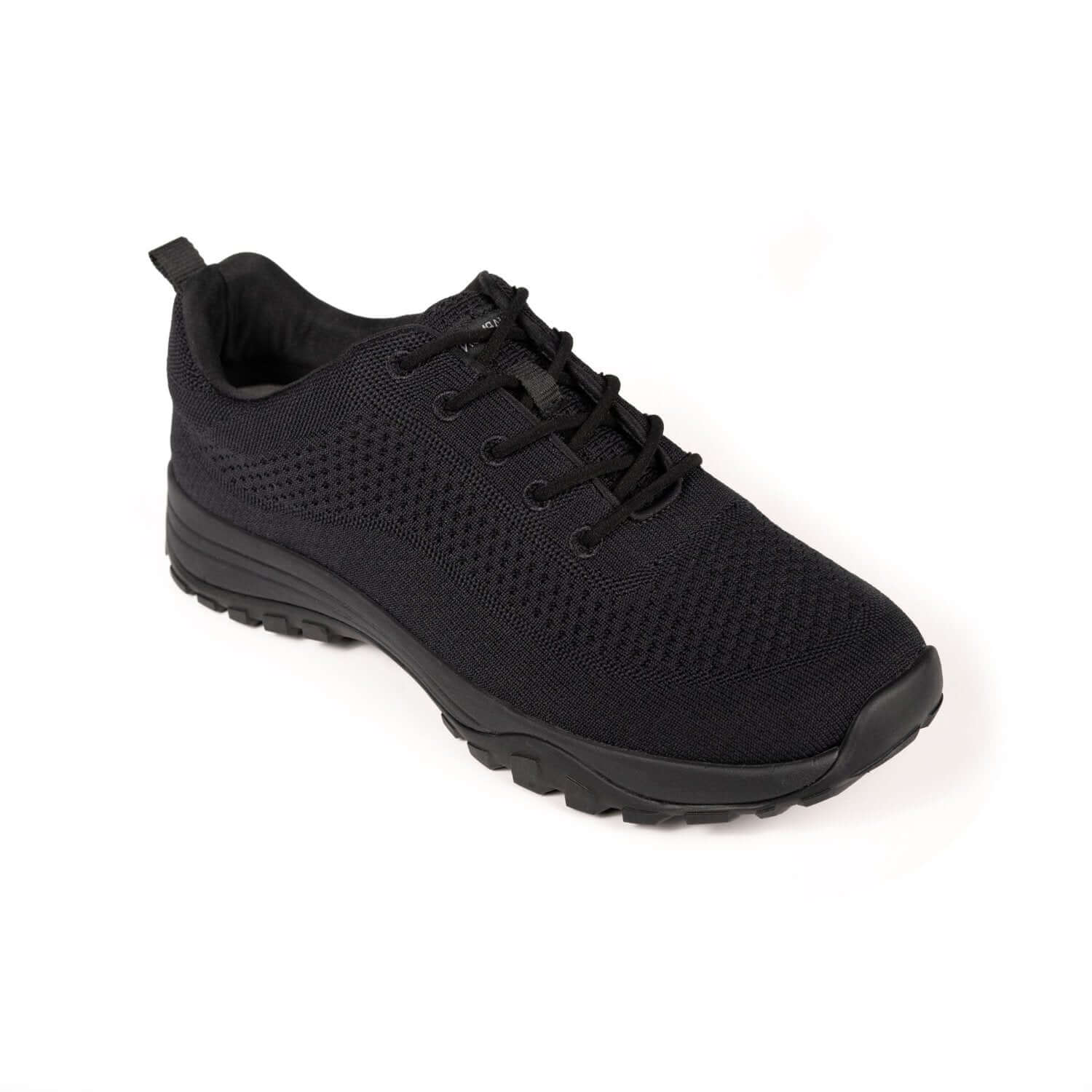


Yoga and meditation ask you to pay attention to how your body feels, including your feet. If you are considering grounding shoes for yoga and meditation, first decide when you want to wear them: on the way to class, during an outdoor walk, or throughout a specific practice. Those uses call for different choices. Grounding footwear is optional, and it is not automatically designed for yoga poses or mat grip.
Browse the collection and ask us about a style
What does grounding mean in footwear?
In earthing, or grounding, the term refers to contact with the earth's surface. A grounding shoe's construction matters: its conductive parts are intended to connect through the shoe when they make suitable contact with the ground. Appearance alone cannot confirm that feature. When comparing any pair, ask: was this shoe actually constructed for grounding and allowing the flow of electrons?
Harmony 783 describes its footwear as grounding shoes and uses a conductive system in its designs. Its introduction to grounding explains the idea, while the shoe-making overview gives more context about construction. These are product and concept explanations, not a reason to wear shoes for every yoga or meditation session.
For general background, the Center for Faculty Development's grounding overview discusses grounding broadly. It is not a study of yoga shoes, and it does not establish that a particular shoe changes a yoga or meditation practice. Keep the question narrow: what is the footwear designed to do, and does it suit the activity you have planned?
Can grounding shoes work for yoga and meditation?
Many people practice yoga barefoot. Direct contact with a mat can feel familiar and lets you move without a shoe changing the way your foot meets the surface. Shoes may alter your grip, balance, and range of motion. Follow your instructor's guidance, and do not keep footwear on for a pose if it feels unstable or restricts movement.
Meditation offers more options. You might sit in a chair, on a cushion, or on a bench; you might also choose a standing practice. Footwear is a comfort decision, not a requirement. If shoes feel distracting when you sit, remove them. If you are standing outside, assess whether the fit and surface feel secure before settling into stillness.
It helps to separate three ideas: grounding construction, comfort, and suitability for a particular practice. A shoe can be designed for grounding yet not feel right for your foot. A comfortable everyday shoe may not have conductive construction. And a pair that works well for walking may not provide the stability or grip you want for a balance pose.
Also keep wellness claims in perspective. Do not treat footwear as a medical treatment or expect a specific health outcome. The cited overview is general background, not evidence that wearing shoes during yoga improves a session. Decide based on construction, fit, surface, and your own comfort.
A simple routine can make the choice clear. Wear shoes for the commute, take them off for a barefoot studio practice, then put them back on for the walk home. On another day, you may choose a relaxed outdoor meditation while wearing shoes, if the ground and fit feel suitable. This approach gives each item a defined job instead of expecting one pair to serve every setting.
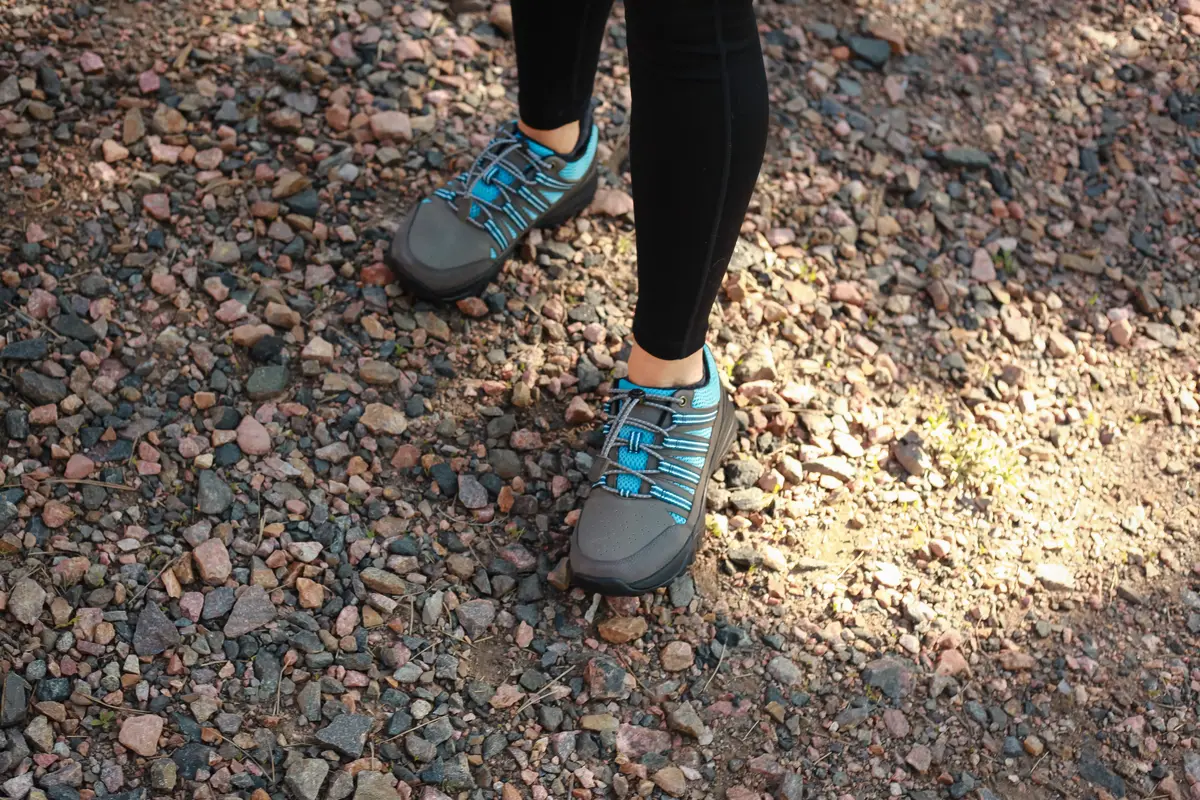
Where might grounding footwear fit into your routine?
Start with the moments that happen before and after the practice itself. For many shoppers, the useful question is not “Which shoe is best for yoga?” but “Which shoe will I wear to get there, walk outside, or move comfortably through the rest of my day?”
- Walking to class: Choose a pair that feels comfortable and secure for the route. You can change or remove it when you arrive.
- Outdoor stillness: Check the ground, weather, and your balance. A shoe that feels fine while moving may feel different when you stand still.
- Walking meditation: Focus on a secure fit and suitable footing for your pace and location. Try a short walk before a longer outing.
- Daily wear around practice: Consider whether the shape and cushioning suit errands or commuting too, rather than choosing only for an imagined studio use.
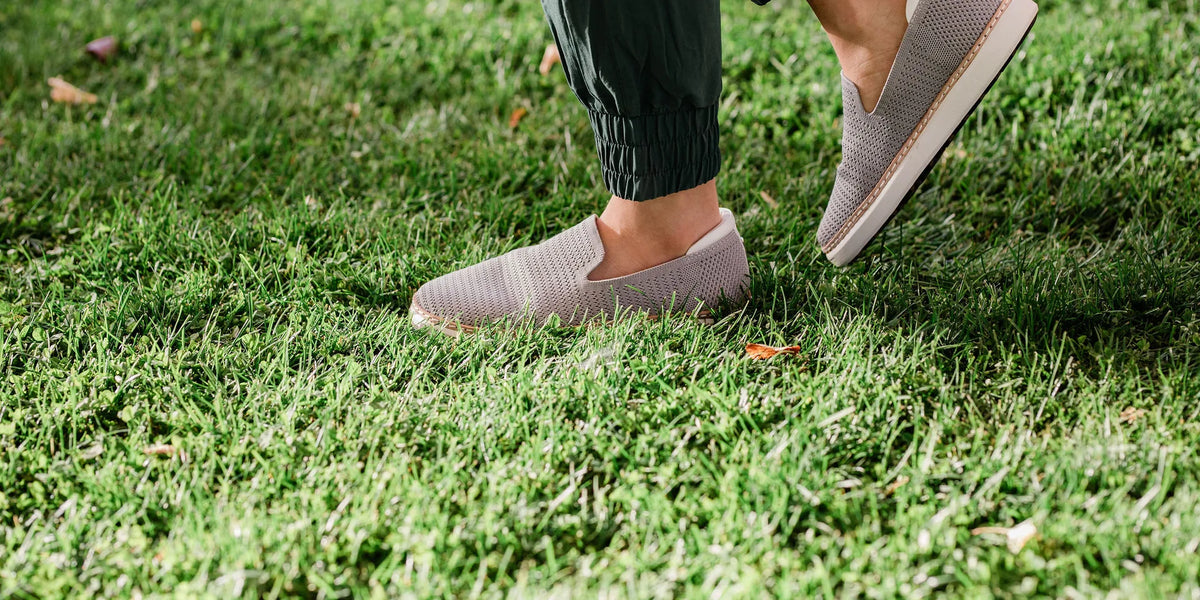
Think through one real day. If you drive to a studio and remove shoes at the door, the footwear's main job may be the brief trip from the car. If you walk several blocks, comfort over that distance matters more. If you plan to practice outdoors, consider the actual surface and movement. Grass, packed soil, gravel, and damp ground do not feel alike.
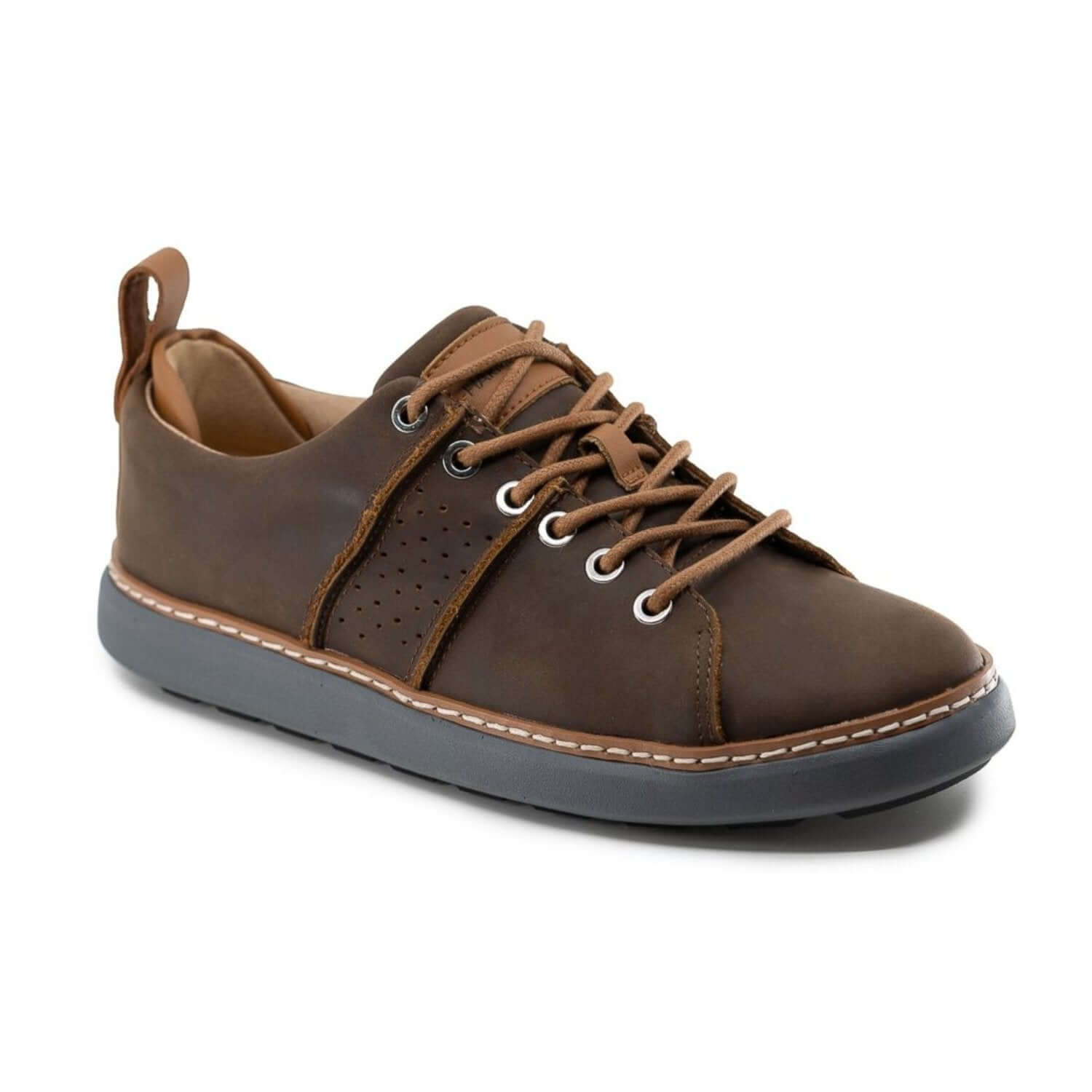
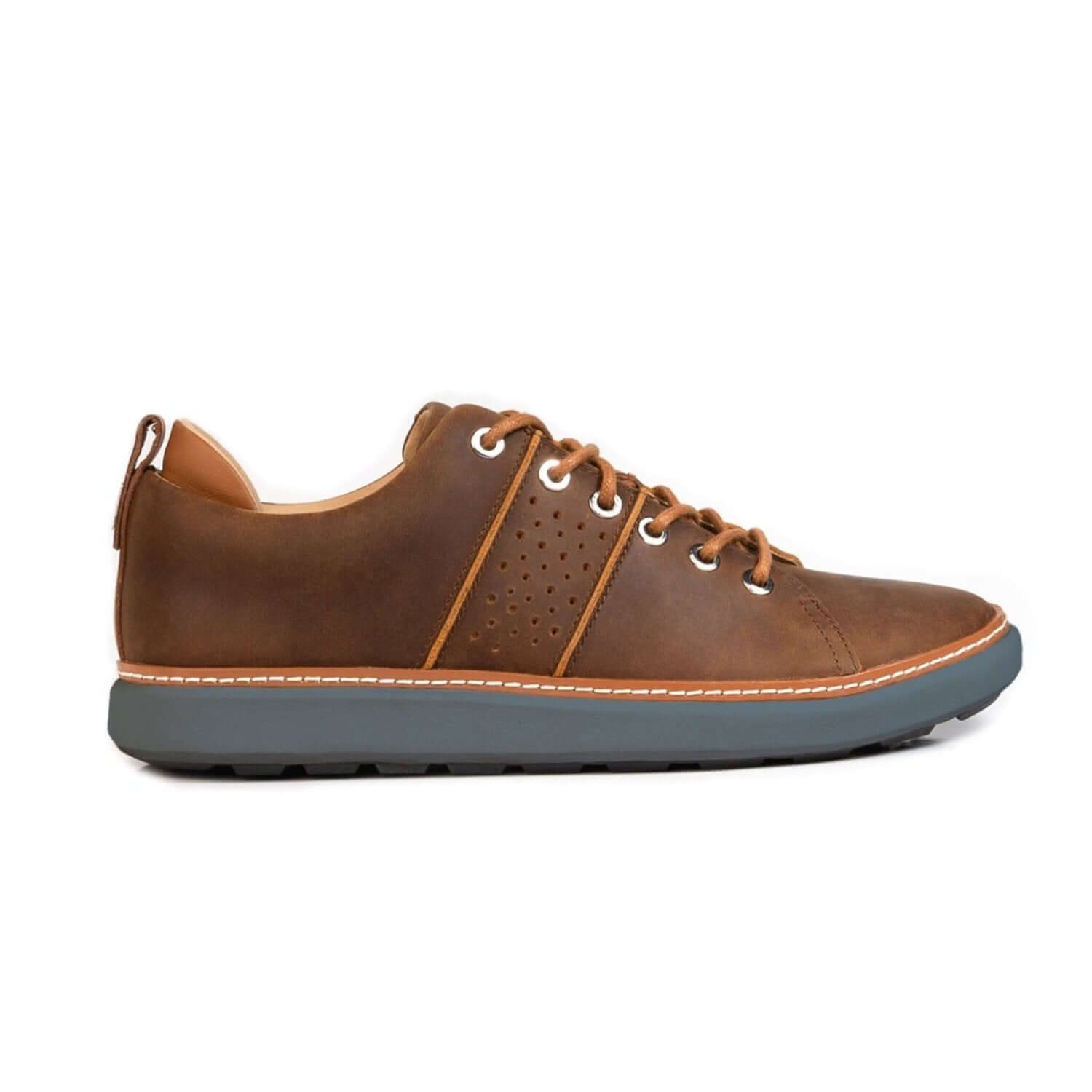
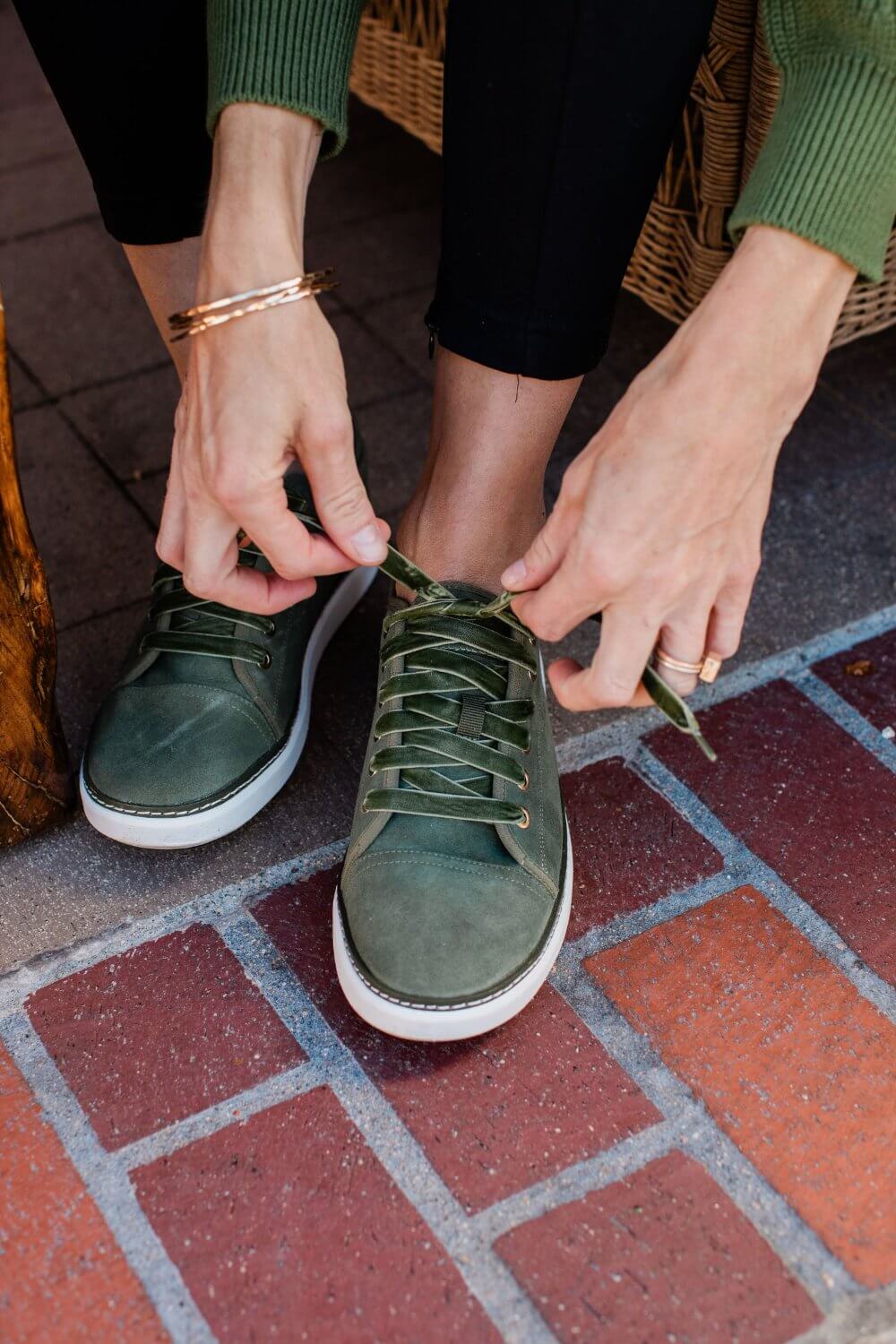
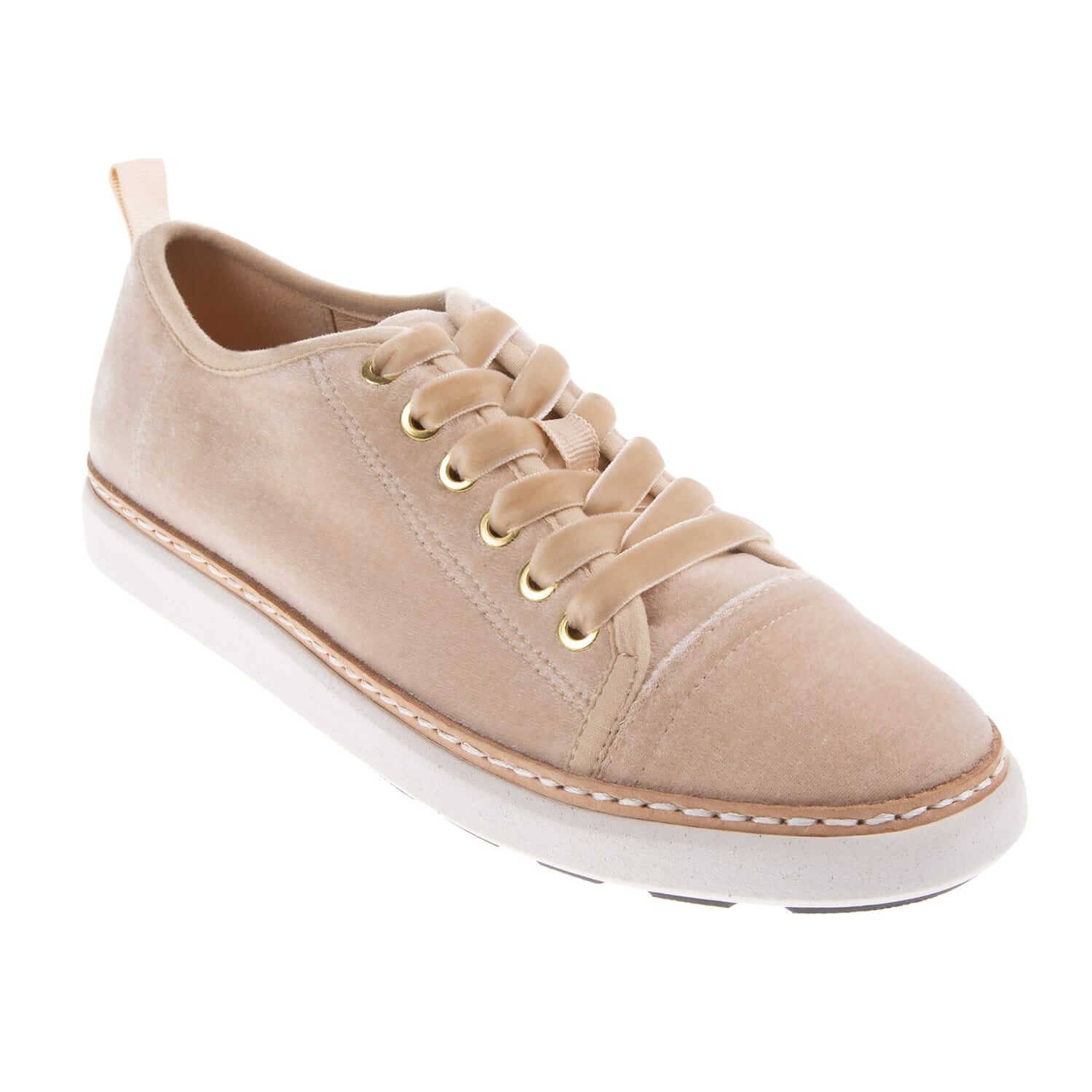
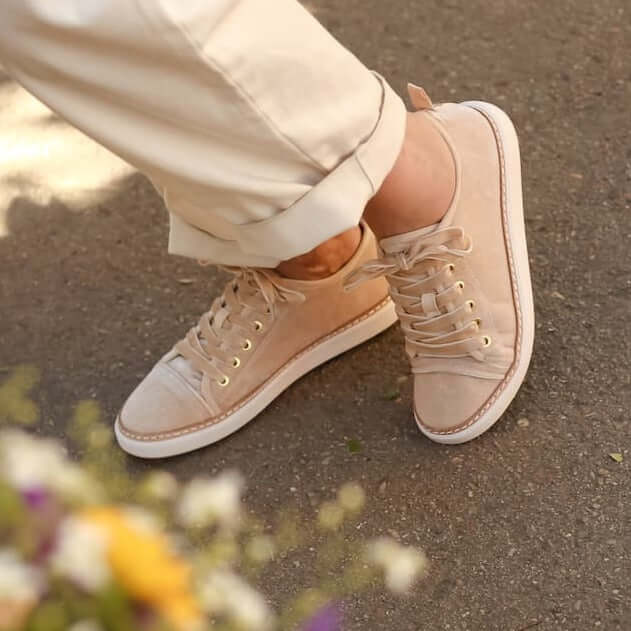
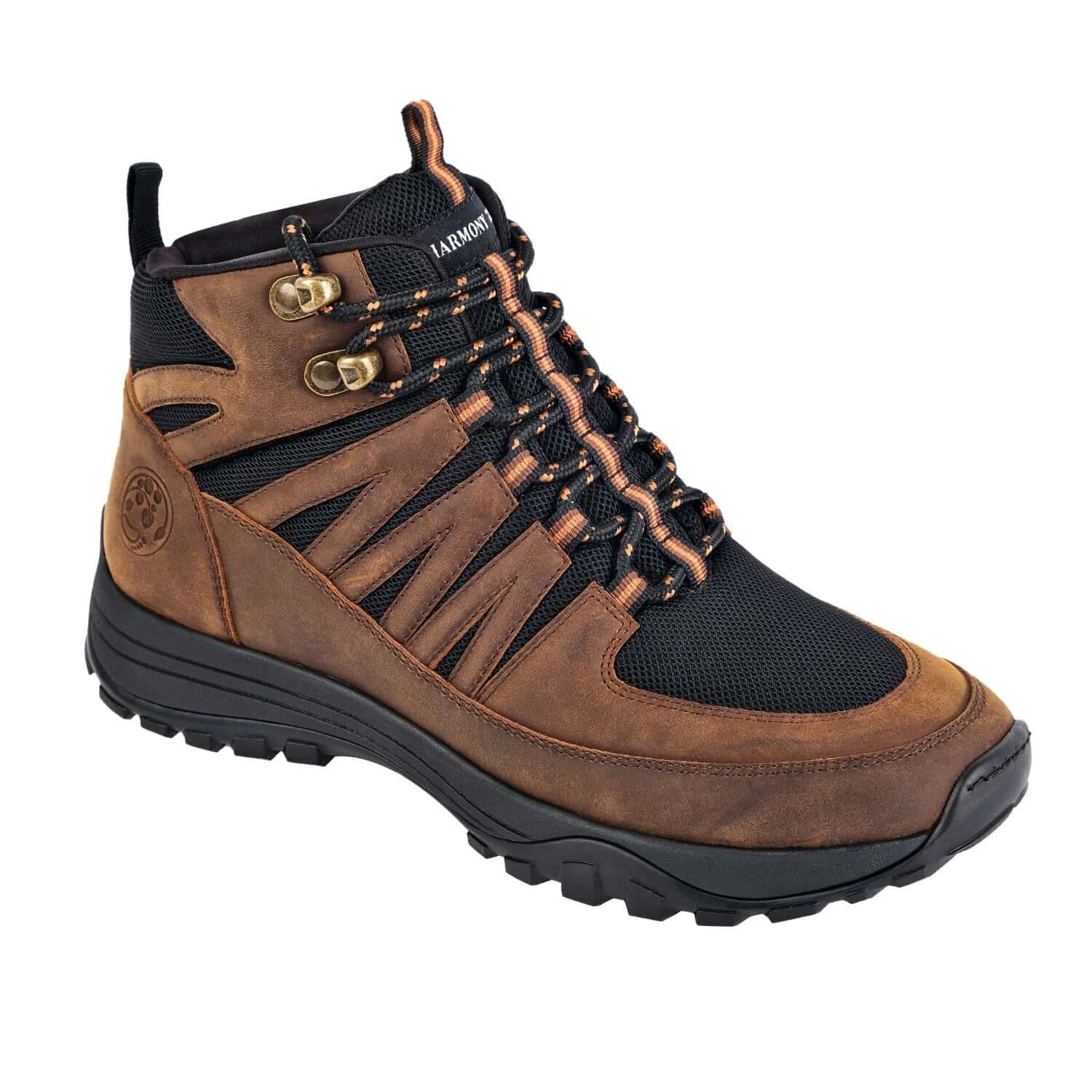
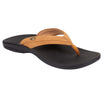
Harmony 783 offers several styles to compare. Browse grounding walking shoes for a walking-focused option, grounding sneakers for casual lace-ups, or grounding sandals if an open style suits the setting. These links help you compare categories; they do not mean a style is intended for every yoga pose.
You can also compare women's grounding footwear and men's grounding footwear. The right category depends on the pair and your needs. Read the details on the specific product rather than assuming every style has the same fit, sole, or feel.
Try mapping your practice into three moments: getting there, practicing, and returning home. For the first and last moments, ask whether you will walk, drive, or cross an outdoor surface. For the practice itself, ask whether you will be on a mat, seated, standing, or moving through balance poses. This small plan can prevent a common mismatch: buying a walking shoe for mat work simply because both activities happen on the same day.
For example, a person who walks twenty minutes to a studio may value a secure fit and comfortable stride more than a shoe that can be worn during class. Someone who practices at home may have no need for shoes on the mat at all; their main use could be a walk before meditation. A person who meditates outdoors while seated may care more about warmth, comfort, and stable footing when approaching the spot than about wearing shoes through the entire session.
Weather also changes the decision. A sunny path, damp lawn, and loose gravel create different footing. Do not assume a style is suitable for a surface merely because it is described as grounding. Check product information and use ordinary care. If conditions make you unsure, choose a safer route or remove the shoes for a stationary practice where appropriate.
Related products

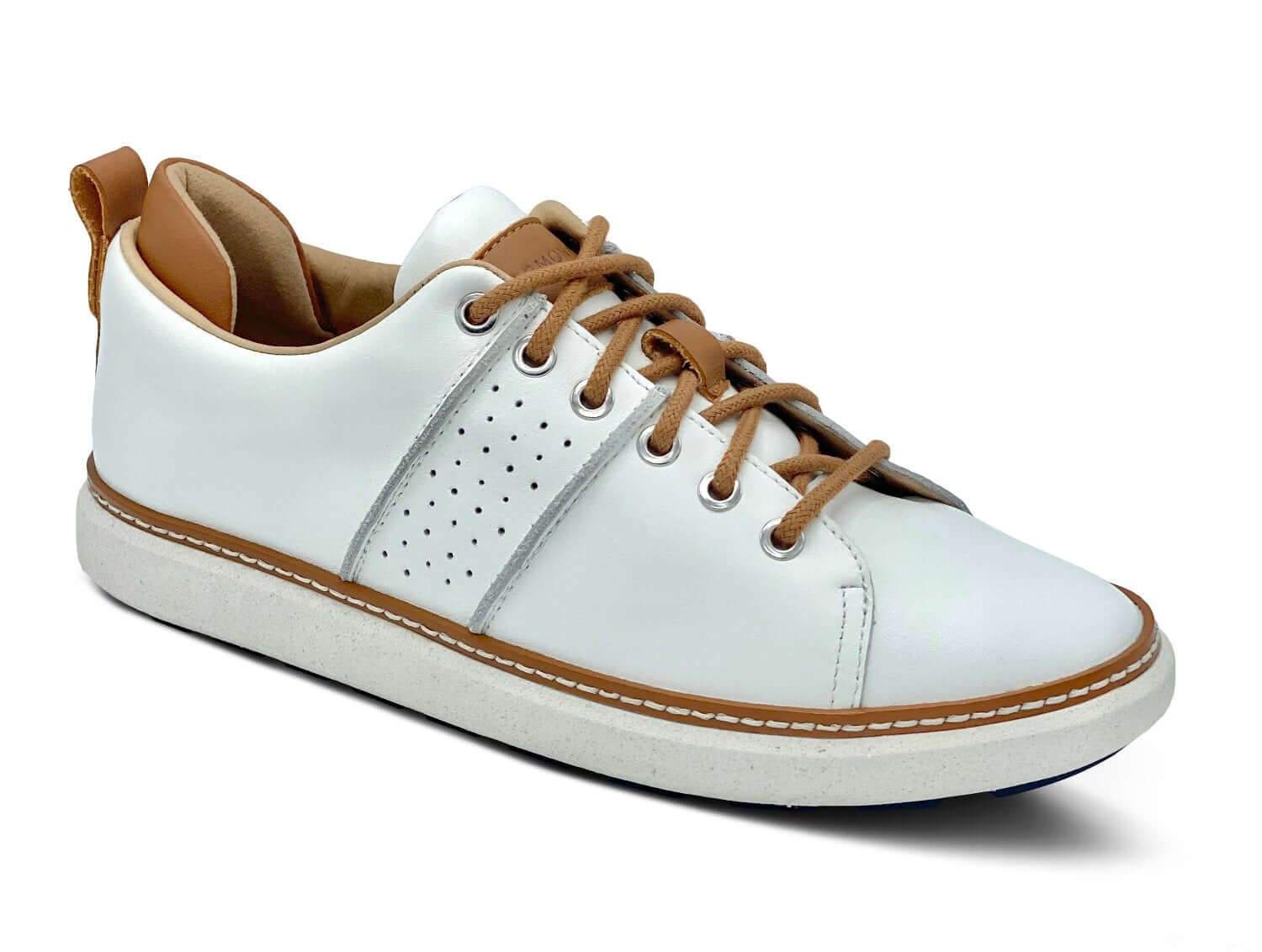
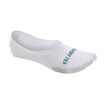
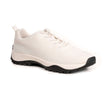
Stay fit, stay active, and stay grounded in these bright white sneakers.
View product
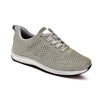
mesh offers breathability
View product
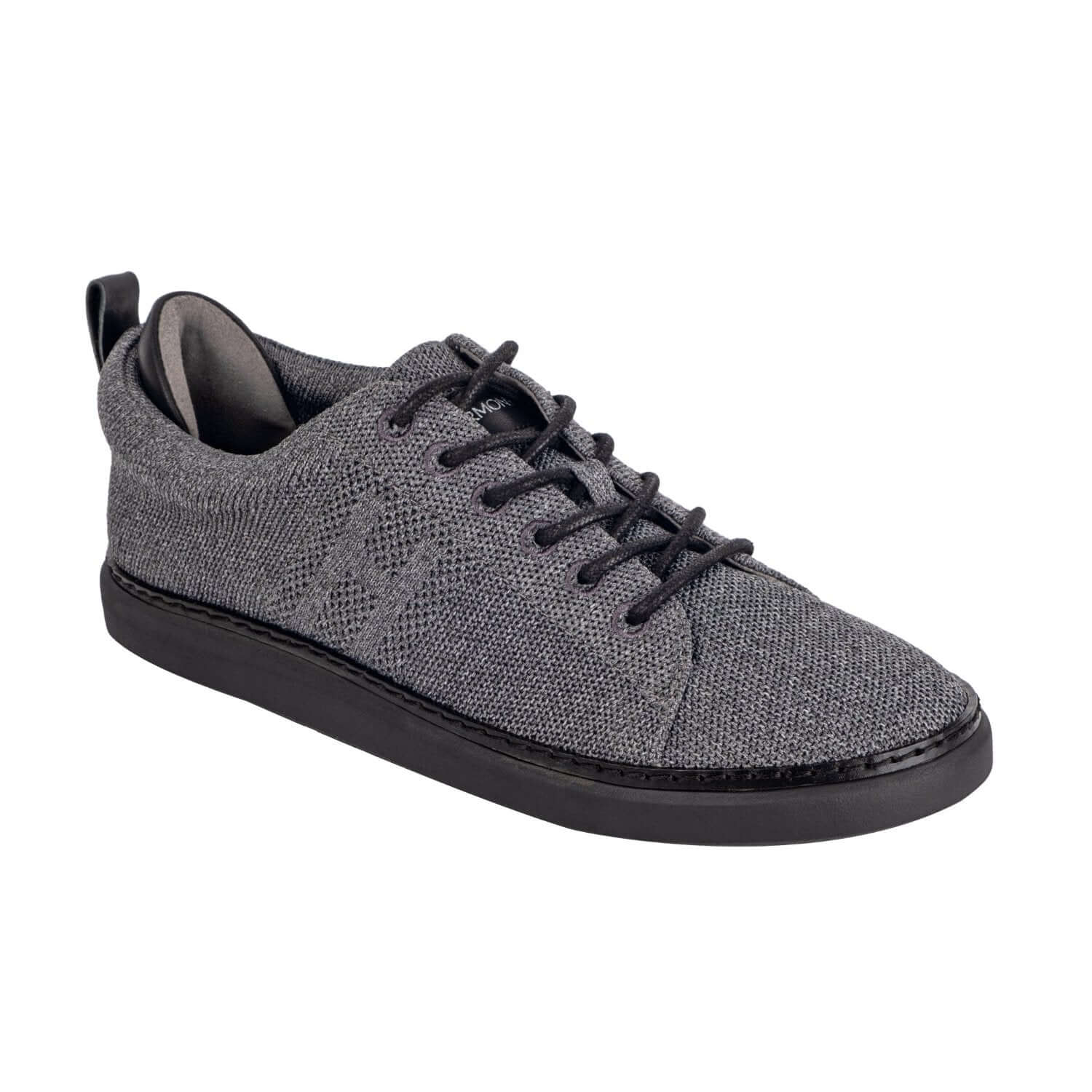
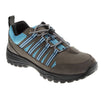
These all black shoes are your perfect let's-get-to-work shoes.
View productHow should you choose a comfortable fit?
Fit is personal. A shoe that feels comfortable while sitting may slip during a walk. A style that works for a gentle stroll may feel too structured for a mat session where you want direct contact with the floor. Before shopping, decide whether you will wear the shoes during practice or only around it.
- Set the use case. Write down whether you need shoes for commuting, outdoor walking, or standing meditation. If you plan to remove them for yoga, assess them as everyday footwear rather than studio shoes.
- Check length and width. Look for comfortable toe room without a foot that slides forward. Review the shoe size guide before selecting a size.
- Notice the heel and instep. Your heel should feel held without painful pressure. Pinching at the upper or slipping at the heel is a sign to reconsider the size or style.
- Think about underfoot feel. Read the product details for information about construction and cushioning. Personal preference varies; neither a cushioned feel nor a flexible sole confirms grounding.
- Match the surface. A studio floor, mat, paved path, and grassy area have different demands. Do not assume a shoe will grip a mat or work for balancing just because it bends easily.
- Check the sizing selector. Product pages may show men's and women's sizing options on the same page, selected with a toggle. Confirm the sizing system before choosing.
For more style options, browse grounding joggers or the full grounding footwear collection. A wide selection does not remove the need to check individual product information. Compare the fit notes and intended use for the specific pair.
When a pair arrives, try it indoors on a clean surface. Stand, walk, and check whether your toes can move and your heel stays secure. Notice rubbing, pressure, or any feeling that your footing is uncertain. If you intend to wear the shoes outdoors, begin with a short outing. Do not use them for a pose or surface where they feel unstable.
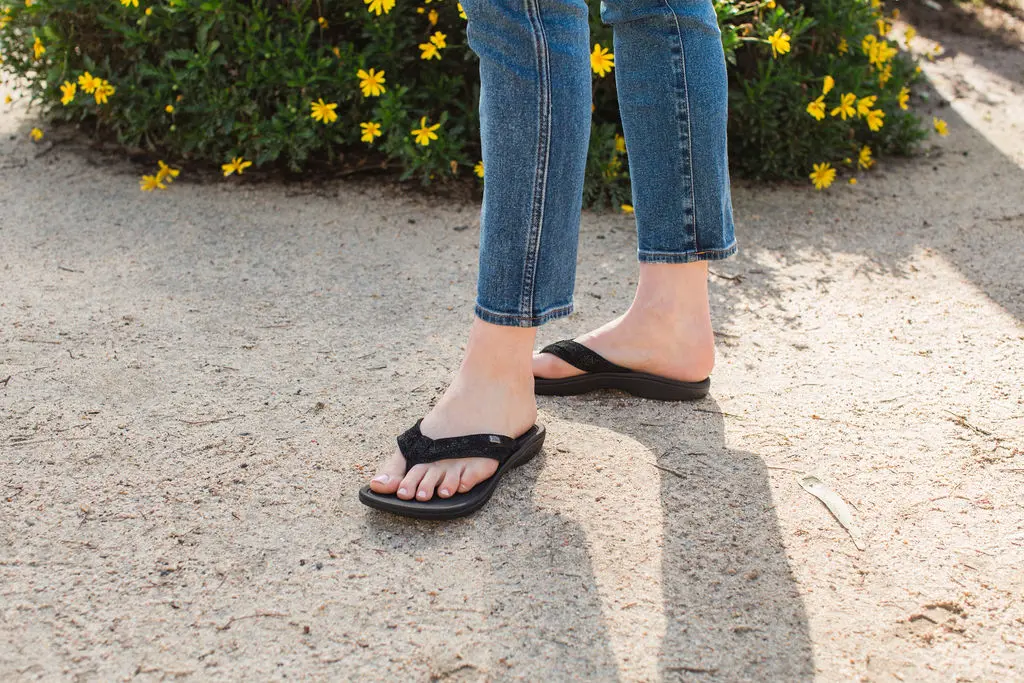
Make the first try-on a short checklist, not a rushed glance in the mirror. Wear the socks you expect to use, loosen and tighten the laces as needed, and walk indoors for several minutes. Try turning and stopping. A shoe that feels fine while standing still may move differently once you take a few steps. If you feel your heel lift or your toes press against the front, revisit the size or style before taking a longer walk.
Also consider what you want to feel underfoot. Some people prefer a more cushioned sensation for daily walking; others focus on a lighter or more flexible feel. Neither preference tells you whether the shoe is grounding. Verify the construction separately. Keep these as two distinct questions: does the design meet the stated grounding purpose, and does the shoe feel comfortable for my intended activity?
What should you compare before choosing a pair?
A side-by-side comparison keeps construction separate from comfort and use. Product details can differ by style, so confirm each point on the product page rather than generalizing across a collection.
| What to compare | What to check | Why it matters |
|---|---|---|
| Grounding construction | Clear information that the shoe is designed as grounding footwear and has conductive components. | A thin or flexible sole alone does not establish grounding construction. |
| Practice plan | Whether you will wear the pair to class, on a walk, or during an outdoor standing practice. | Many people remove shoes for mat work but keep them on while walking. |
| Fit and footing | Toe room, secure heel hold, and a stable feel for the intended surface. | Comfort and stable footing matter more than a style label during movement. |
| Underfoot feel | Product description of construction and cushioning, plus your preference. | Different people and routines call for different sensations. |
| Care details | Cleaning and drying instructions for the exact style. | Care needs may vary by material and construction. |
Do not confuse “barefoot-style” with “grounding.” A barefoot shoe is not a grounded shoe unless it was specifically constructed to be one. Flexibility, a minimal appearance, or a thin sole does not confirm a conductive path. Harmony 783's grounding science and studies page provides additional context about the topic, but keep general grounding discussion separate from claims about a specific yoga use.
If you want to see a range of current styles, visit grounding shoe bestsellers. Popularity cannot tell you which shoe will fit your foot or routine. Check the specific product details, and use the frequently asked questions page when you need more background about the brand's products.
A practical buying checklist is short: confirm that the shoe is designed for grounding, decide when you will wear it, check sizing and fit, and review care information. If any detail is unclear, look for an answer before ordering. Words such as “natural,” “minimal,” and “flexible” are not substitutes for a clear description of construction.
Here is one way to compare two possible choices without letting a single feature decide for you. Imagine Pair A feels soft and flexible but its product details do not say it was built for grounding. Pair B clearly describes grounding construction but feels too tight at the toes. Pair A has not met the grounding criterion; Pair B has not met the comfort criterion. Neither is a good choice as-is for your intended routine. Continue looking until the product description and your try-on both make sense.
Another comparison is between a shoe you plan to wear on a walk and one you hope to wear during yoga. For walking, focus on secure fit, comfort over the route, and suitable footing. For yoga, first ask whether shoes are appropriate for the class and the moves you will do. If you expect to be barefoot on a mat, buy for the walk rather than forcing the pair into a studio role it may not serve.
When reviewing a product page, read beyond the name and photos. Look for a plain description of what makes the shoe grounding, the fit information, and care instructions. If a detail is missing, avoid filling the gap with assumptions. A collection can include different shapes and materials, so each style deserves its own check.
How should you care for grounding shoes?
Follow the care directions for the exact style you choose. Do not assume every upper or sole can be cleaned in the same way. If the shoes become damp, allow them to dry fully and store them so moisture is not trapped. Avoid changing the sole or adding materials that could alter the intended construction.
For grounding use, also consider the surface. The intended connection depends on contact between conductive parts and the earth. An indoor floor, carpet, mat, or other barrier may not offer the same conditions as contact with the ground. Do not assume that every place you wear the shoes provides the same connection.
If you are comparing footwear with socks, the grounding socks selection shows the available category, while the shoes and socks collection lets you browse both. Check the product instructions for how a particular pair is intended to be worn and cared for.
After an outdoor walk, give the shoes a quick visual check. Remove loose dirt only in the way the product care directions allow. If the shoes are wet, let them dry before putting them away. Avoid heat or cleaning methods unless the manufacturer says they are suitable. Simple care helps keep the footwear ready for the next walk without making assumptions about how different materials should be treated.
It may help to keep a small note of the places and activities where you use the shoes. For instance, record whether you wore them on a paved commute, a short park path, or before sitting meditation. This is not a health-effects test; it is a practical way to remember comfort, fit, and the conditions you encountered. If a certain surface or activity feels awkward, adjust the routine rather than pushing through discomfort.
Storage is part of care too. Put the pair in a dry place where it can air out between uses. Do not leave it damp in a closed bag after a class or walk. If you use a shoe bag for your commute, take the shoes out when you get home and follow the product's cleaning directions if they need attention.
What should you remember before choosing?
Grounding shoes for yoga and meditation may suit comfortable walking and other moments around a practice, especially when you spend time outdoors. They are not required for yoga or meditation, and grounding design does not guarantee that a shoe will suit every pose, mat, or surface. Start with your real use case, then check construction, fit, comfort, and care.
Browse the grounding footwear collection
What questions do shoppers ask about grounding shoes for yoga and meditation?
Do I need grounding shoes to meditate?
No. Meditation can be practiced in a way that suits your setting and comfort, with or without shoes. Grounding footwear is an optional choice, not a requirement.
Can I wear grounding shoes on a yoga mat?
You can consider your comfort and the practice, but grounding shoes are not automatically designed for mat grip or yoga poses. Many people prefer to practice barefoot. Follow your instructor's direction and avoid footwear if it feels unstable.
Are barefoot shoes the same as grounding shoes?
No. A barefoot-style shoe is not a grounded shoe unless it was specifically constructed for grounding. A flexible sole or minimal design alone does not confirm conductive construction.
Can I stay grounded indoors while wearing grounding shoes?
Do not assume so. The intended connection depends on contact with the earth through conductive components, and indoor flooring or barriers may affect that contact. Review the product information to understand intended use.
For the first few wears, note where you used the shoes, how long you wore them, and whether they stayed comfortable. This is a practical way to judge fit and suitability, not a test of health effects. Choose footwear for the routine you actually have, and let comfort and clear product information guide your decision.