

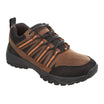
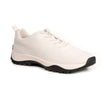

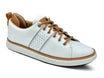

Grounding Shoes With Arch Support: Buyer Guide
Grounding shoes with arch support combine a conductive path to the earth with footbed support for everyday comfort. The right pair should fit your arch, hold your heel securely, leave room for your toes, and maintain conductivity on suitable outdoor surfaces.
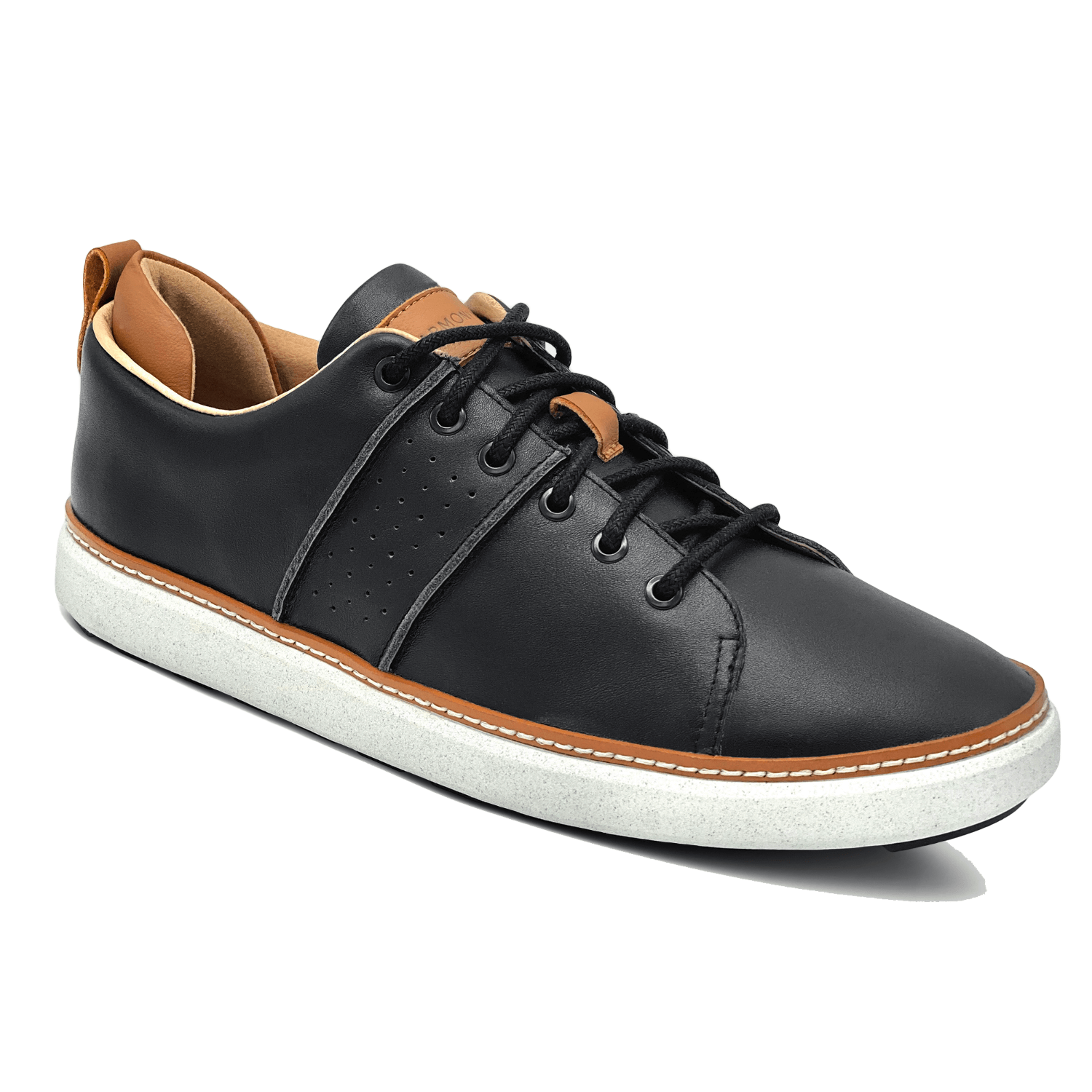
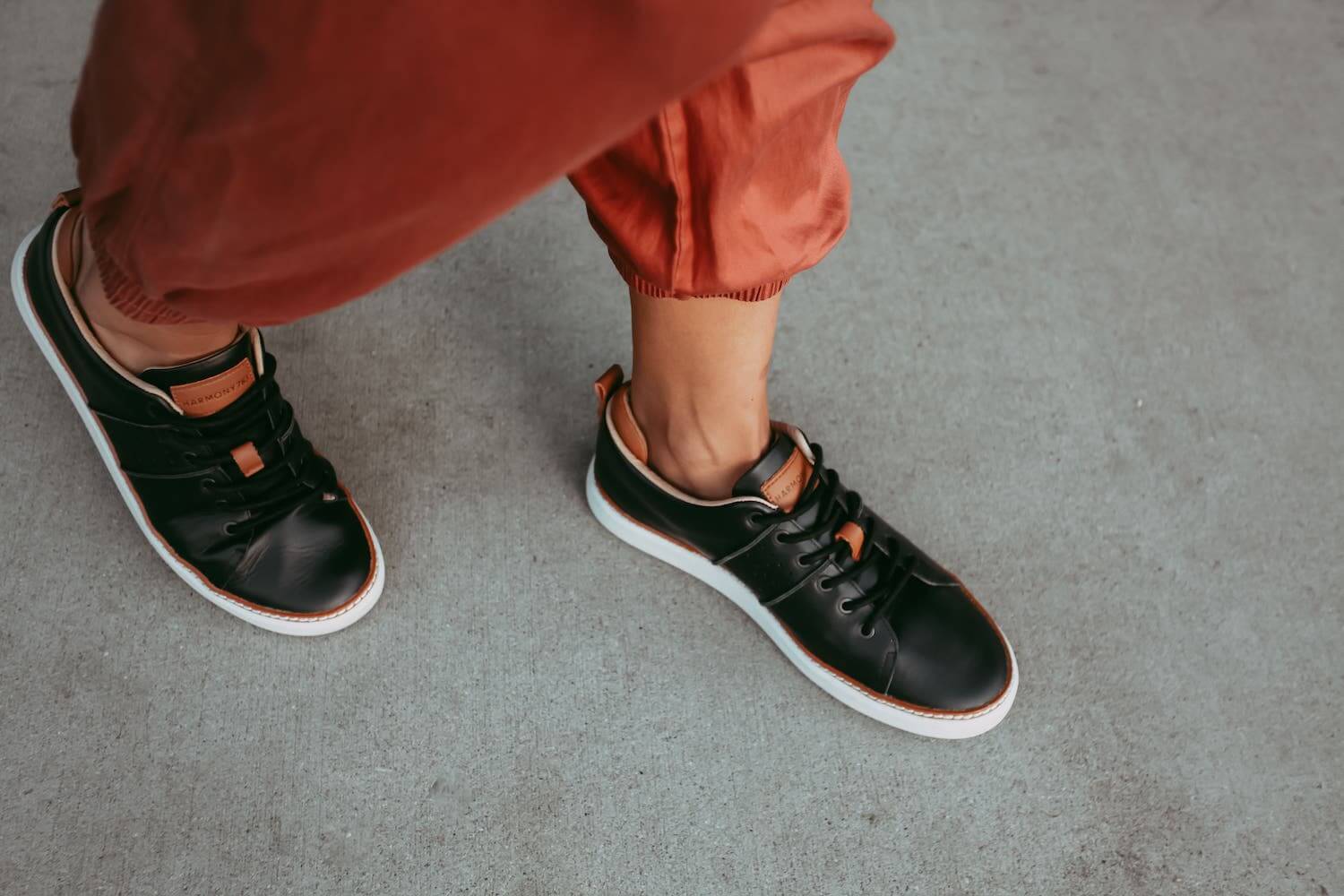
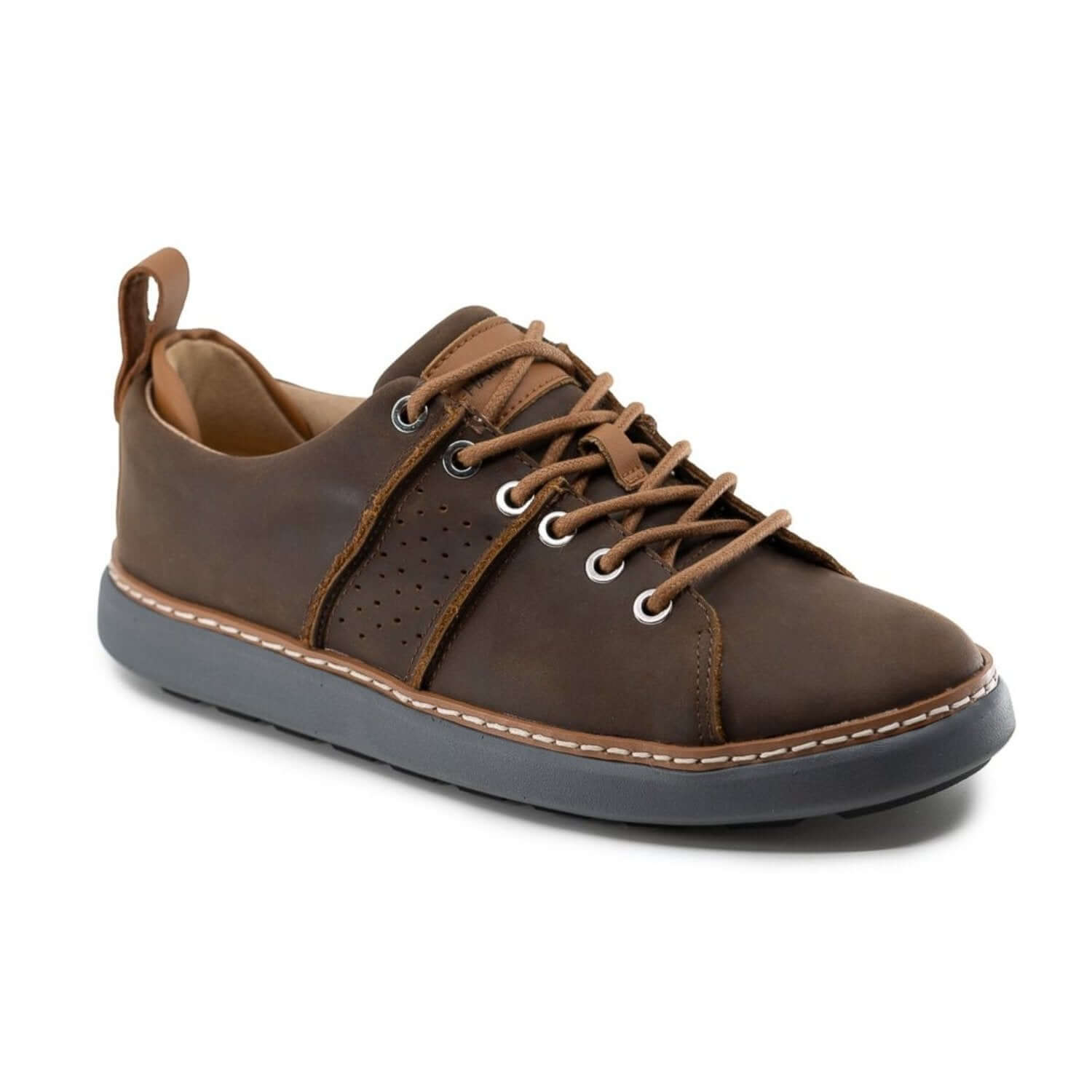
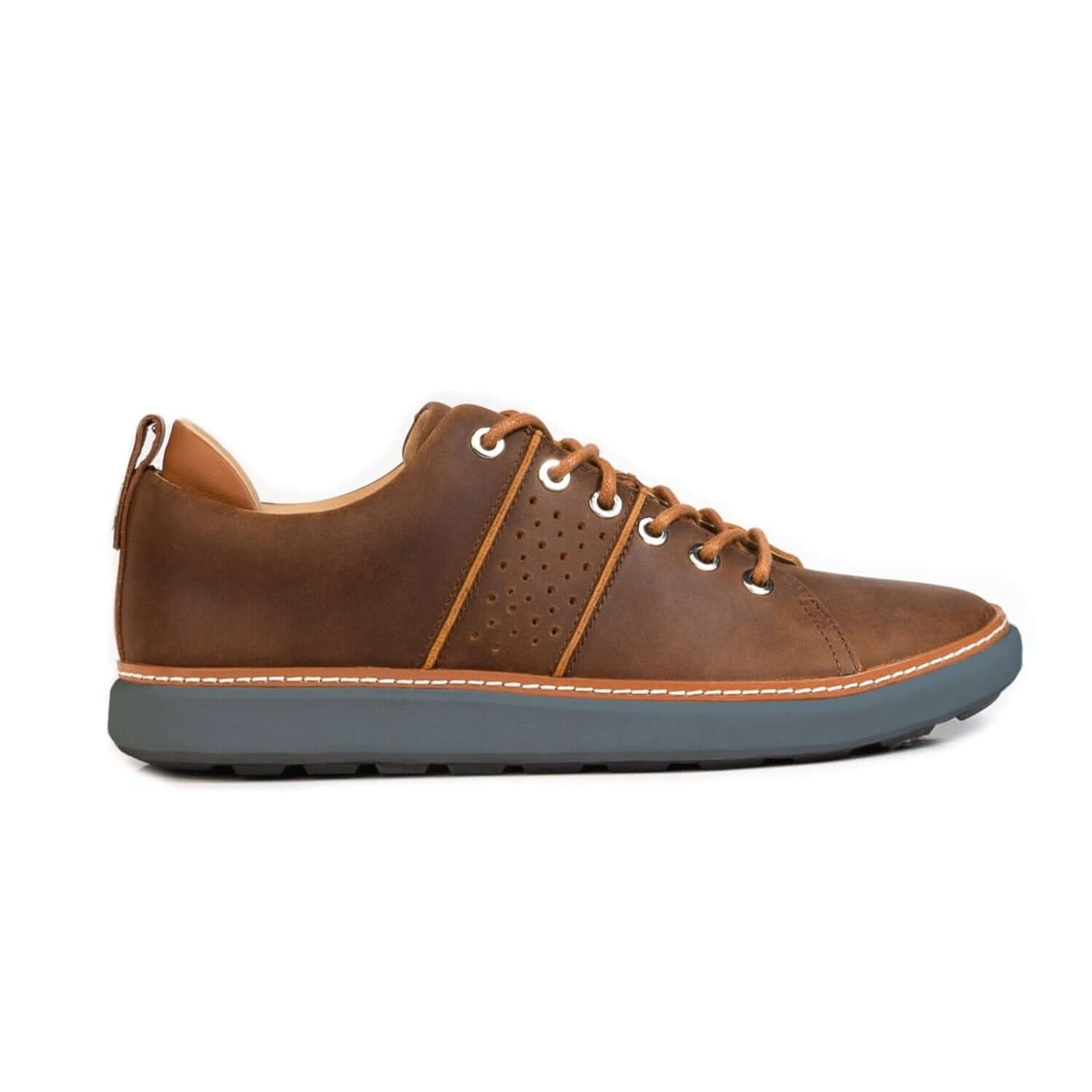
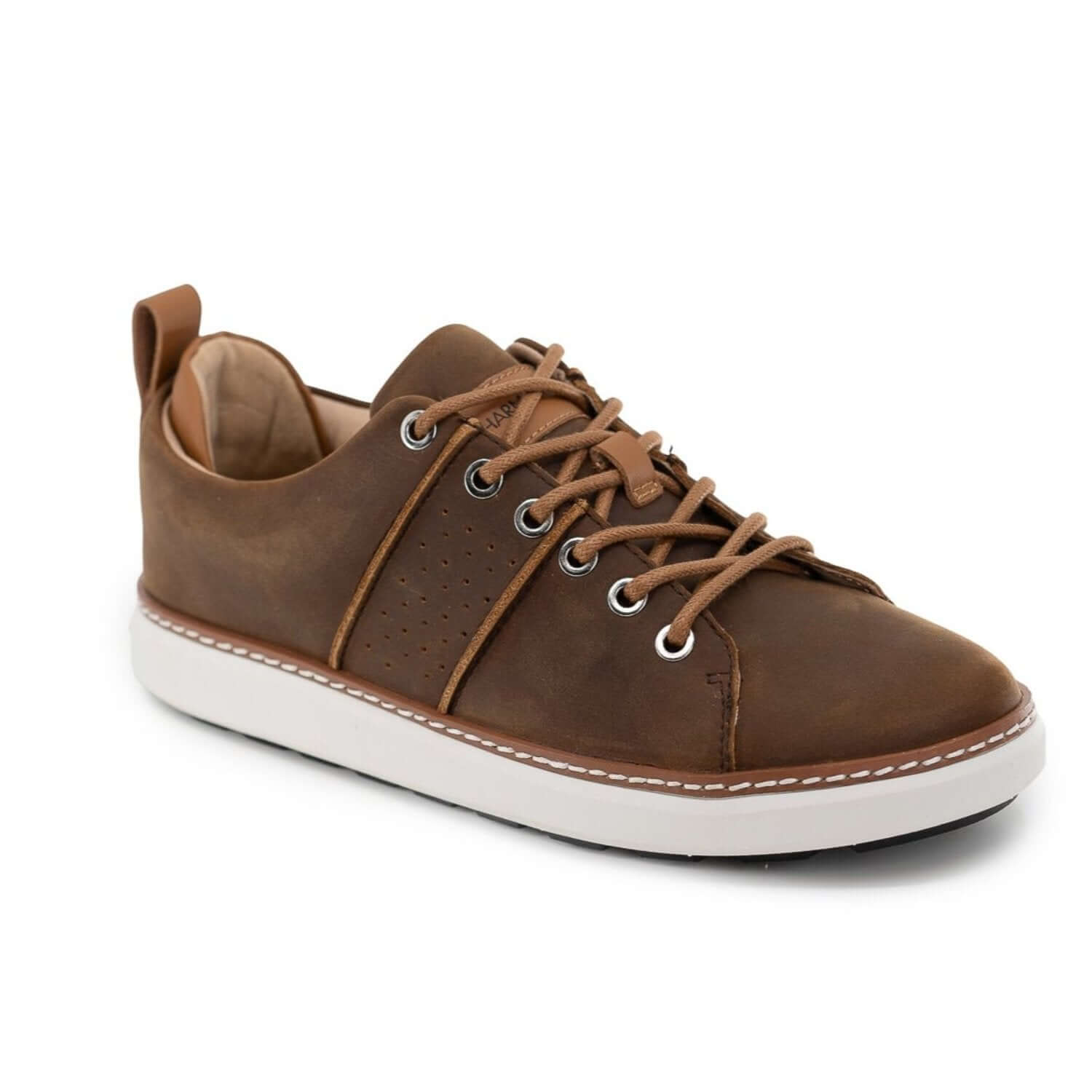
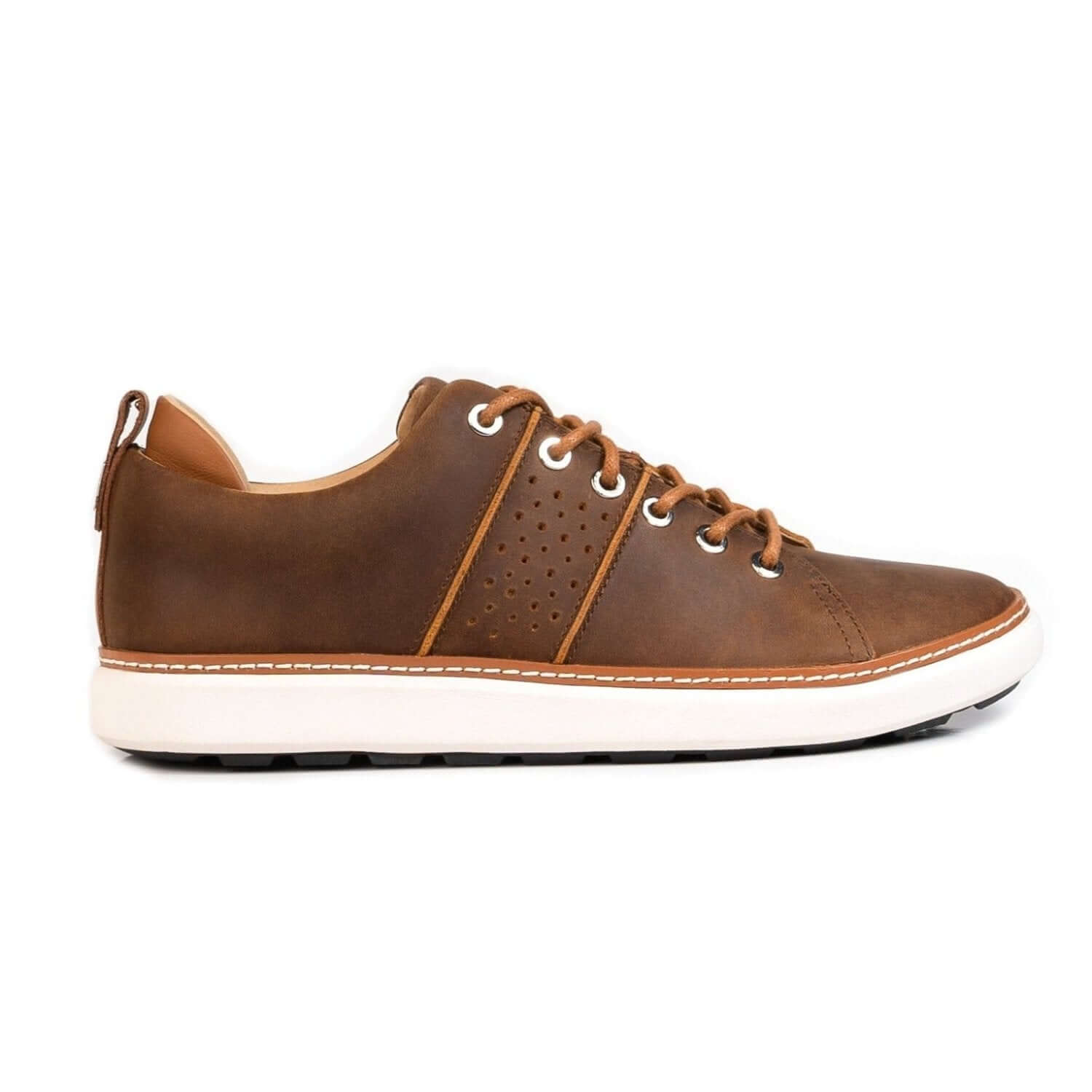
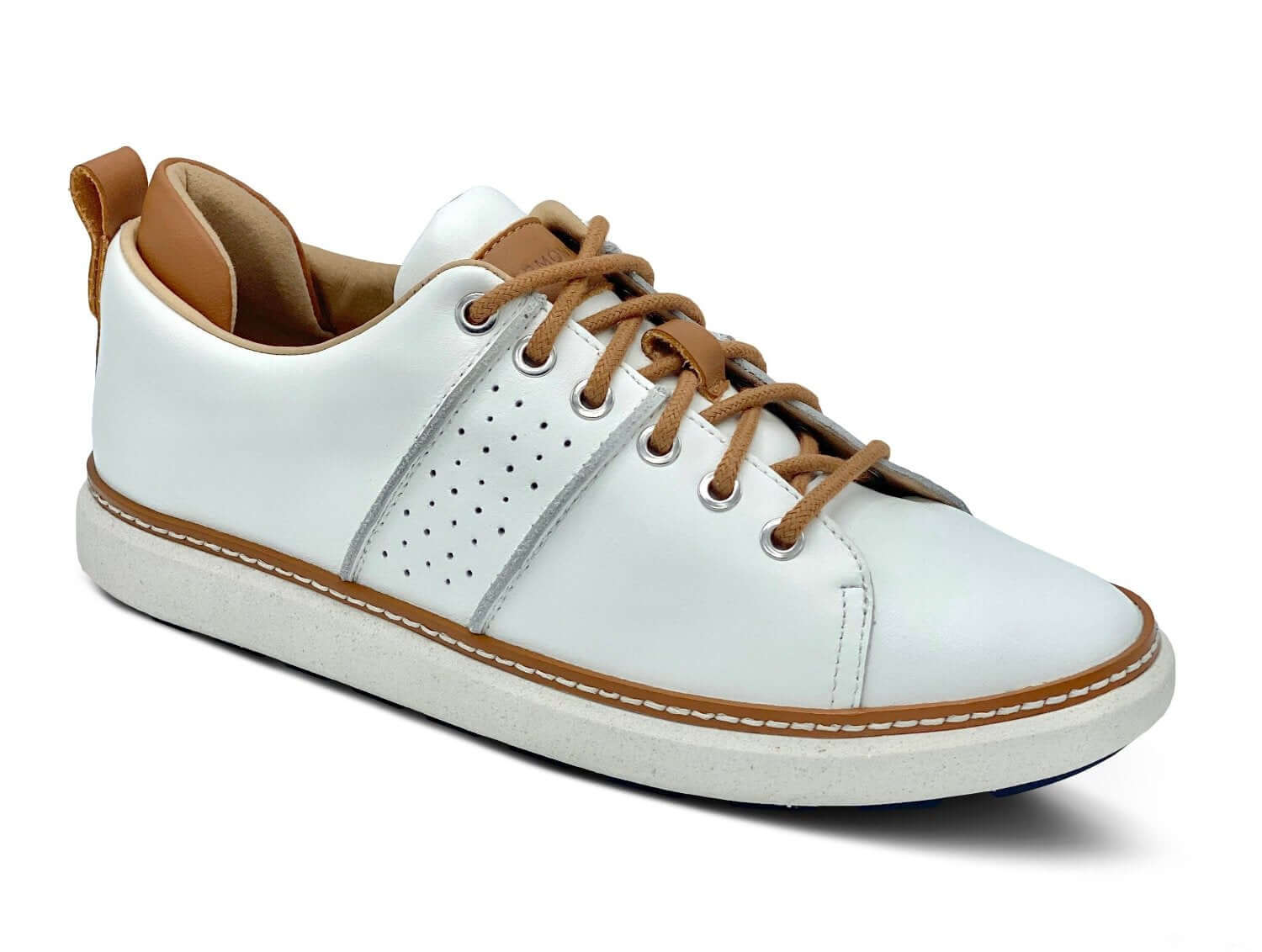
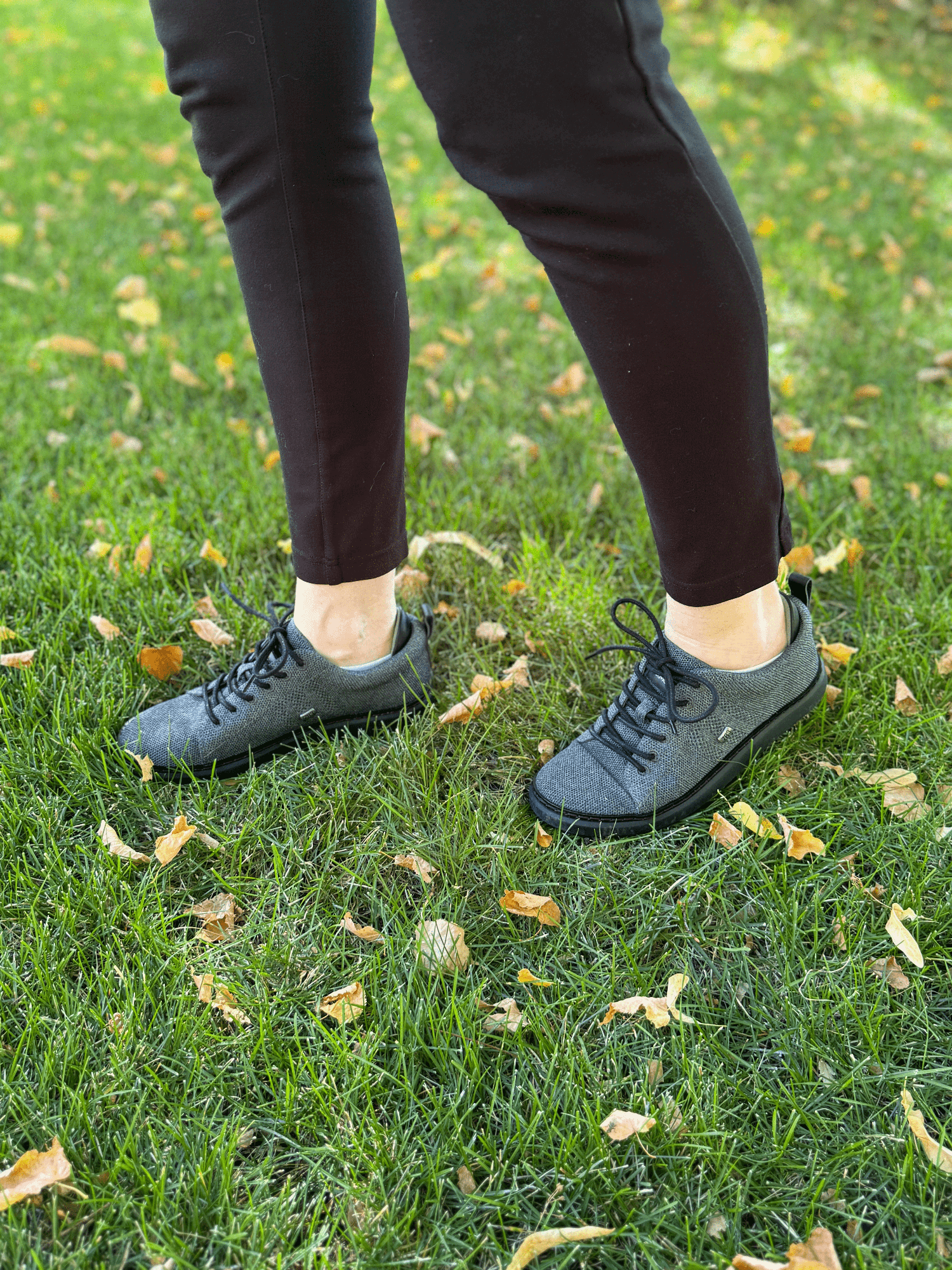
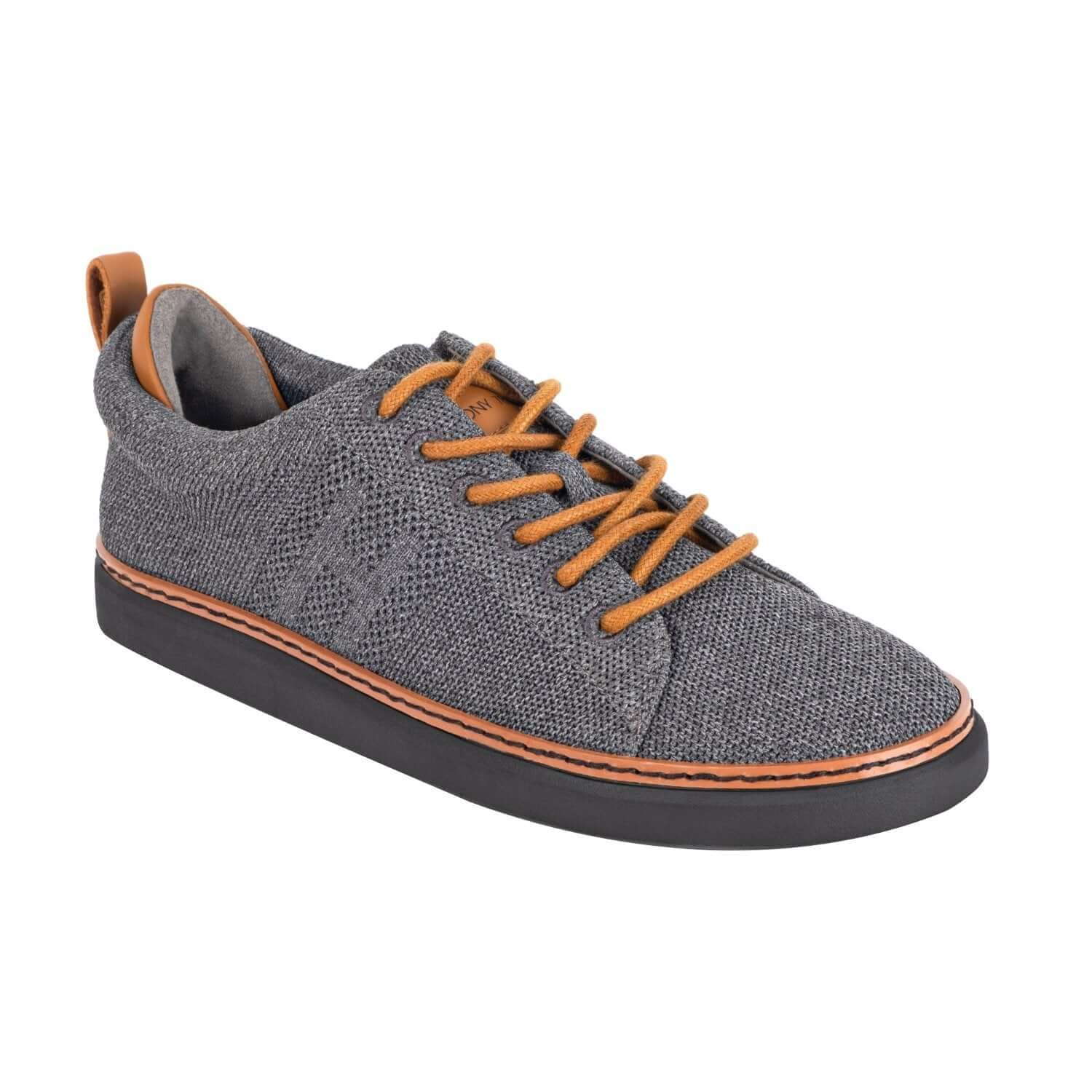
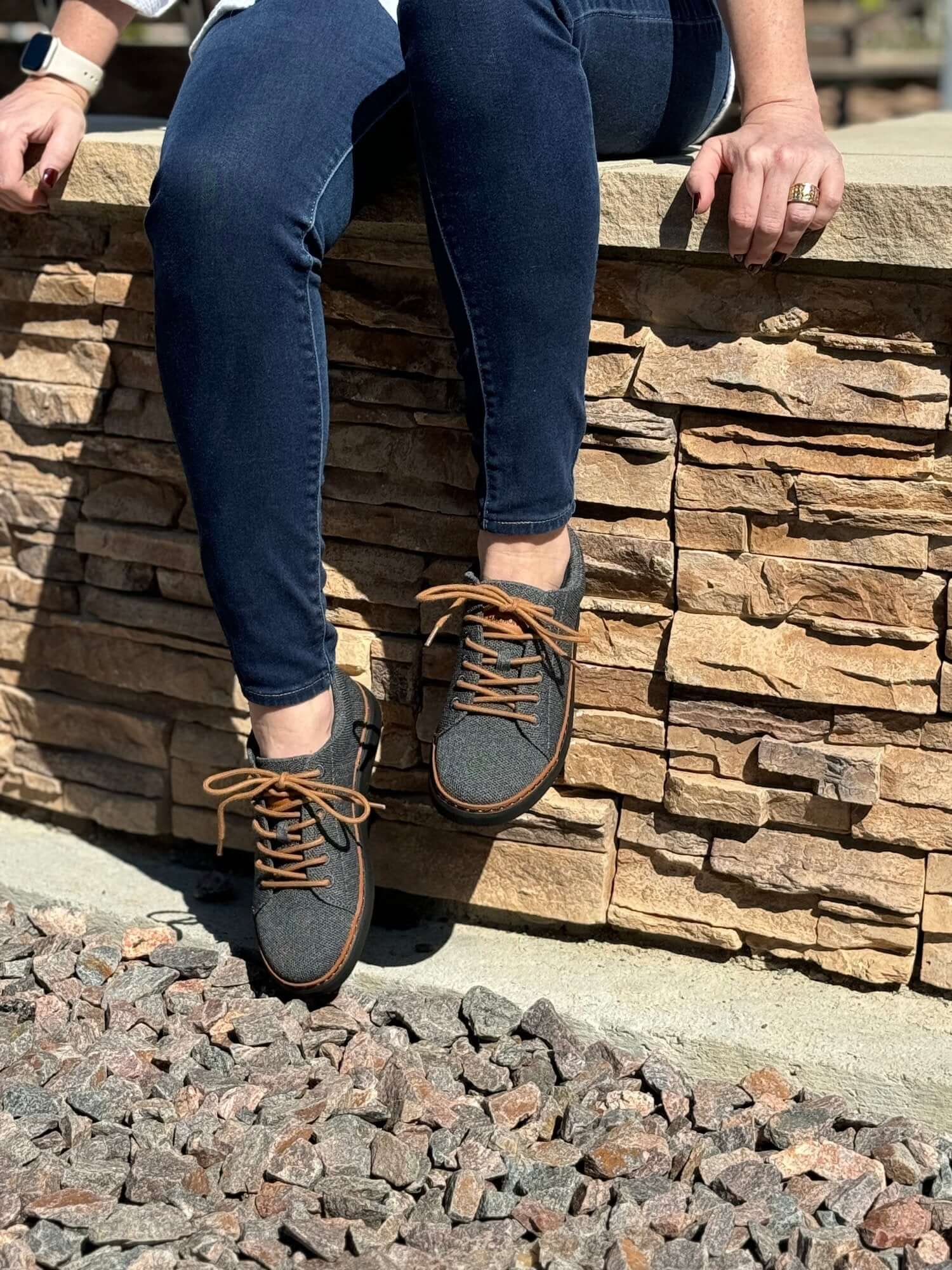
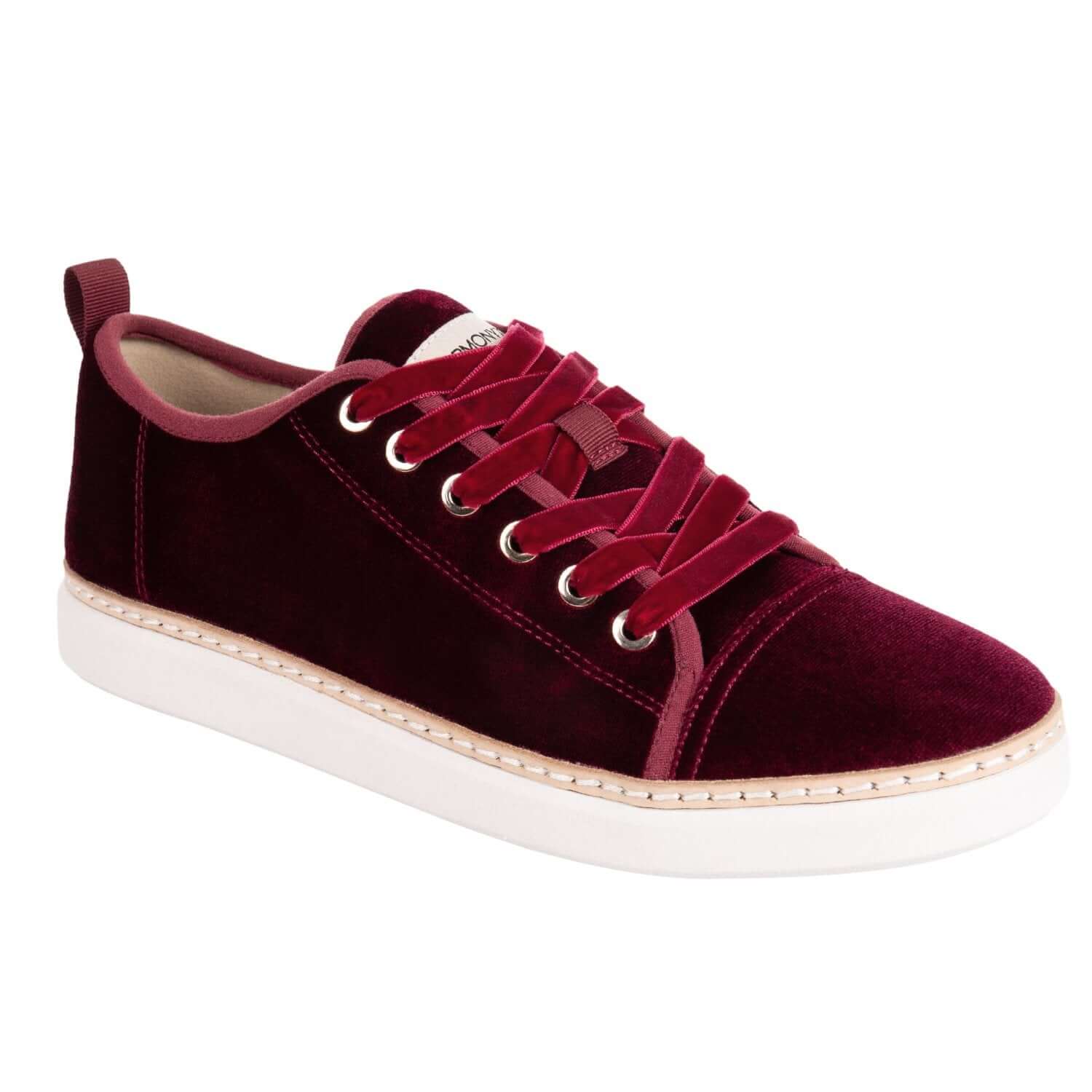
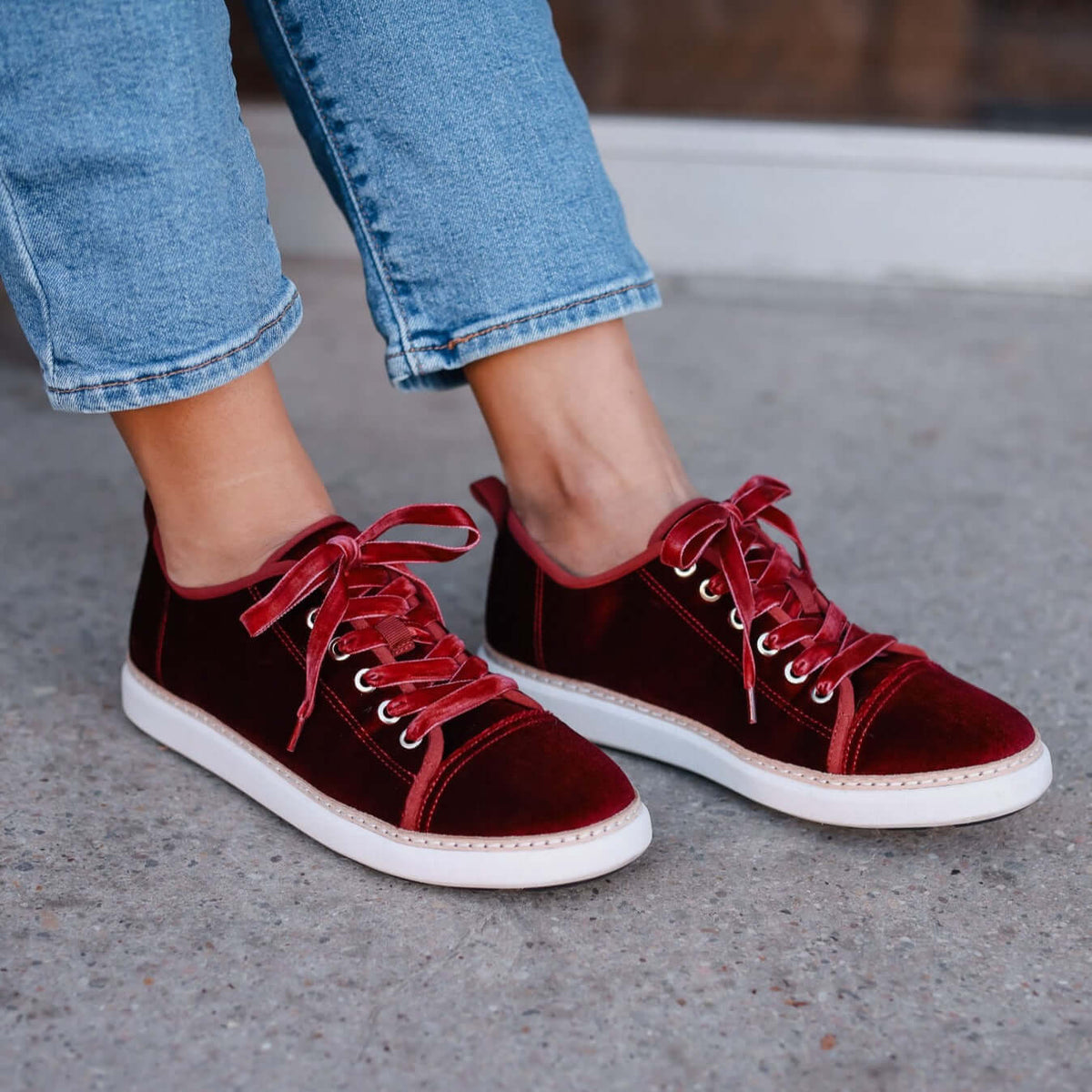
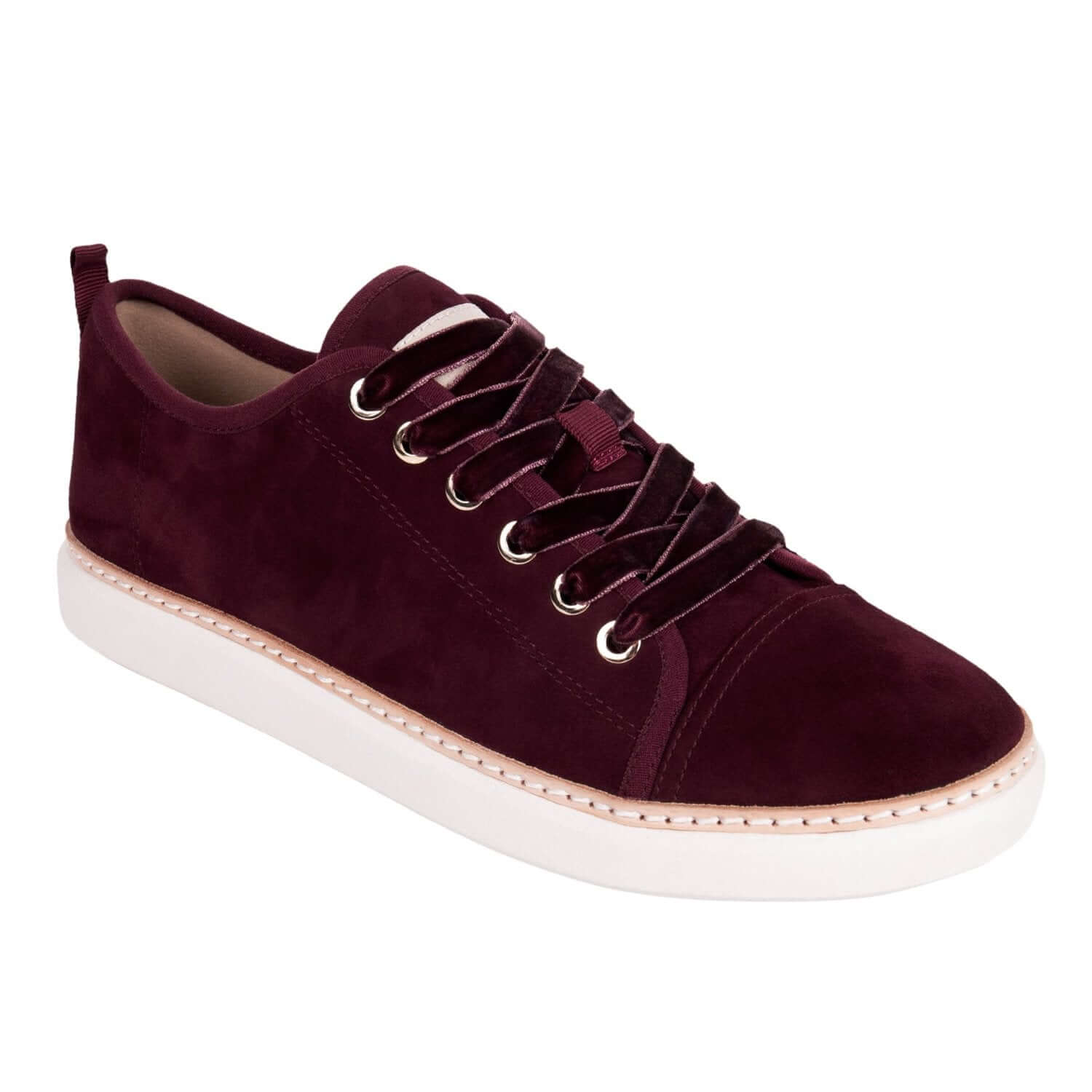
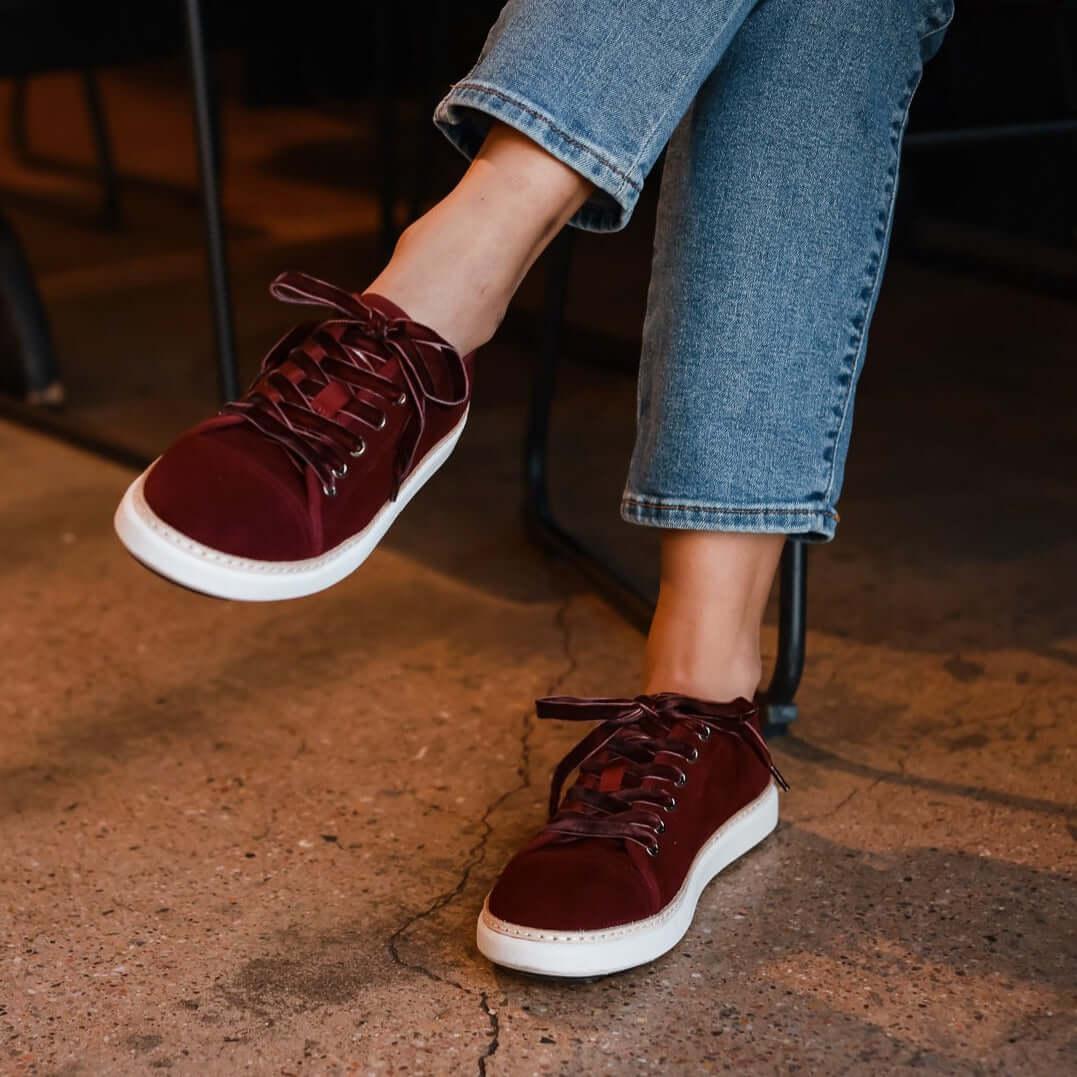
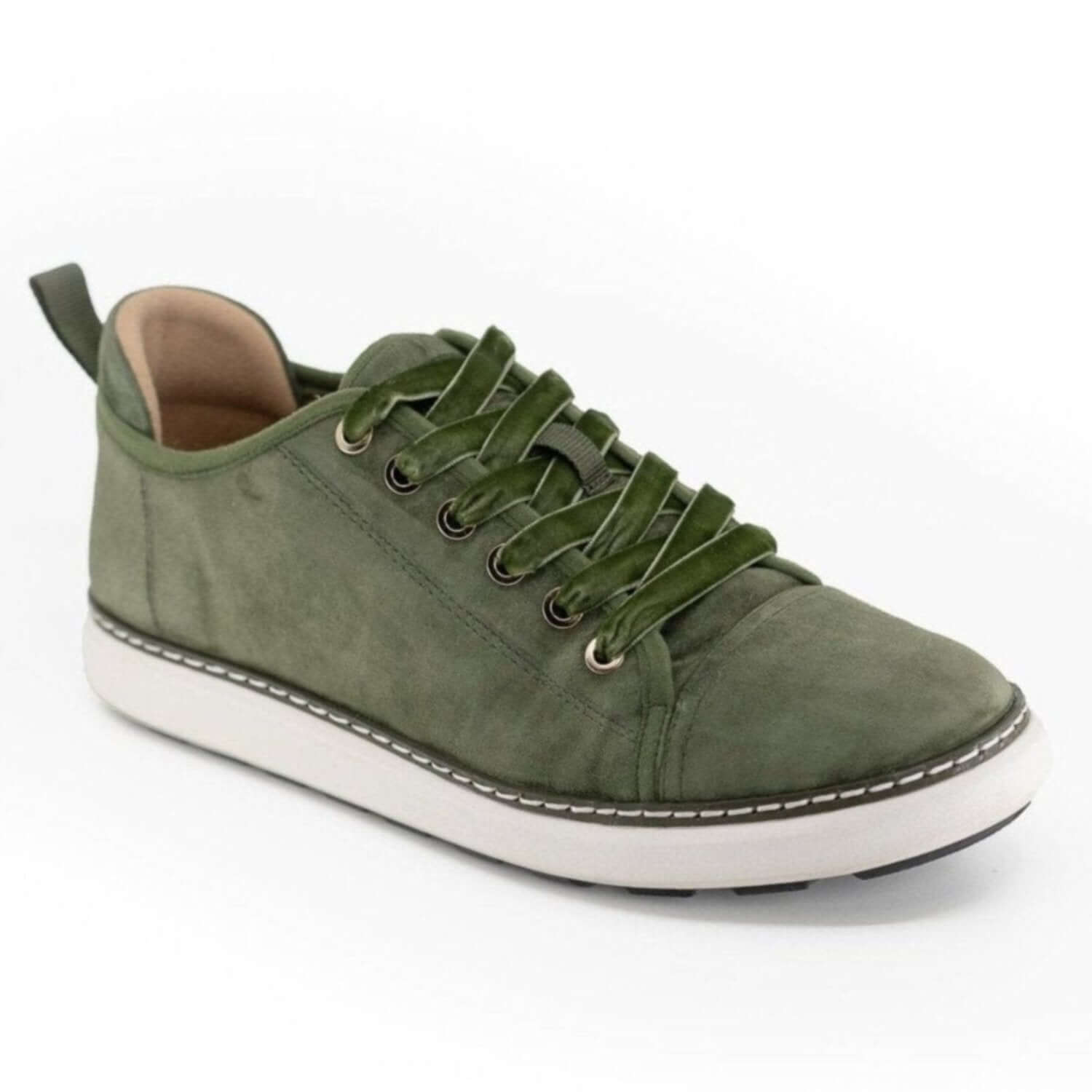
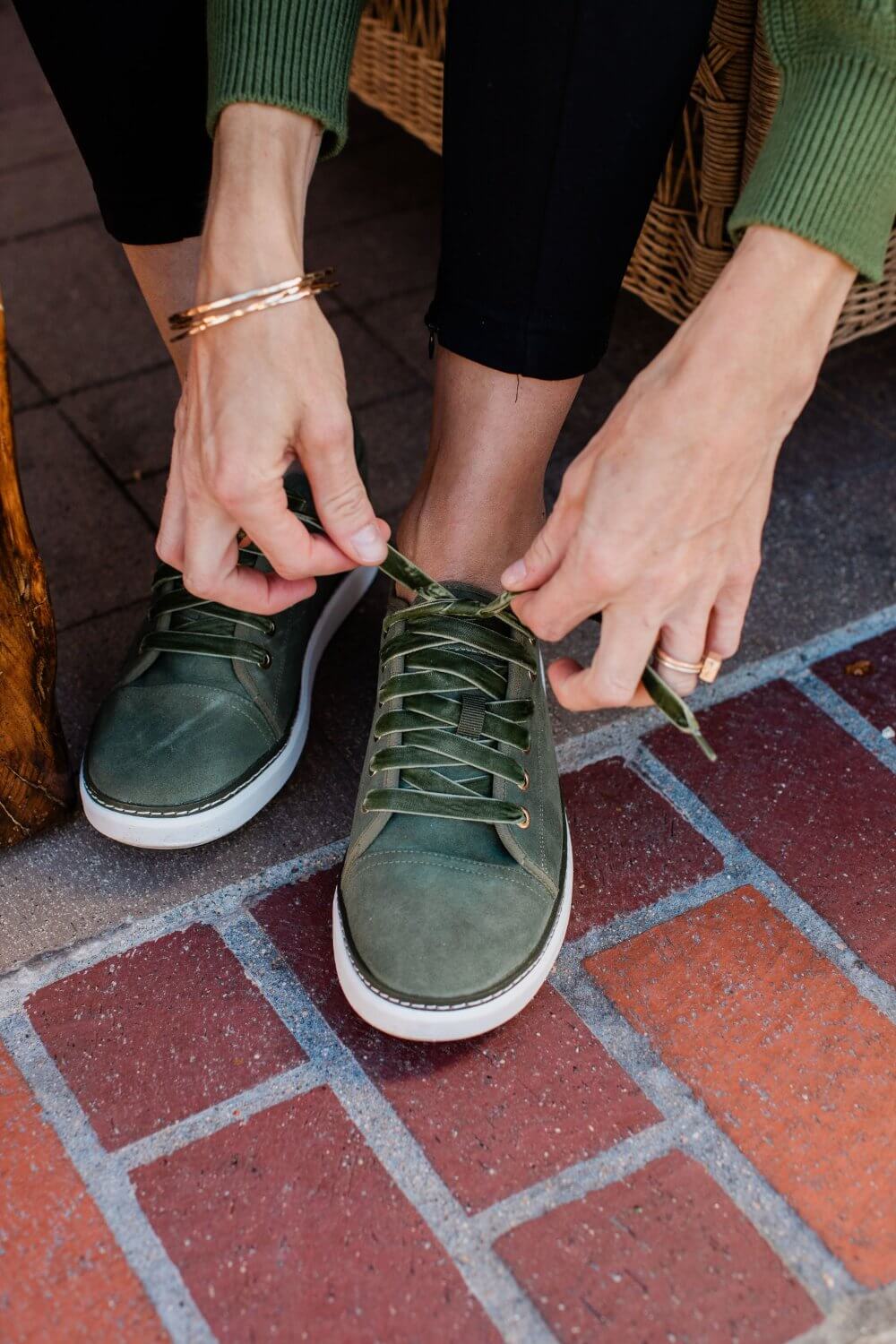
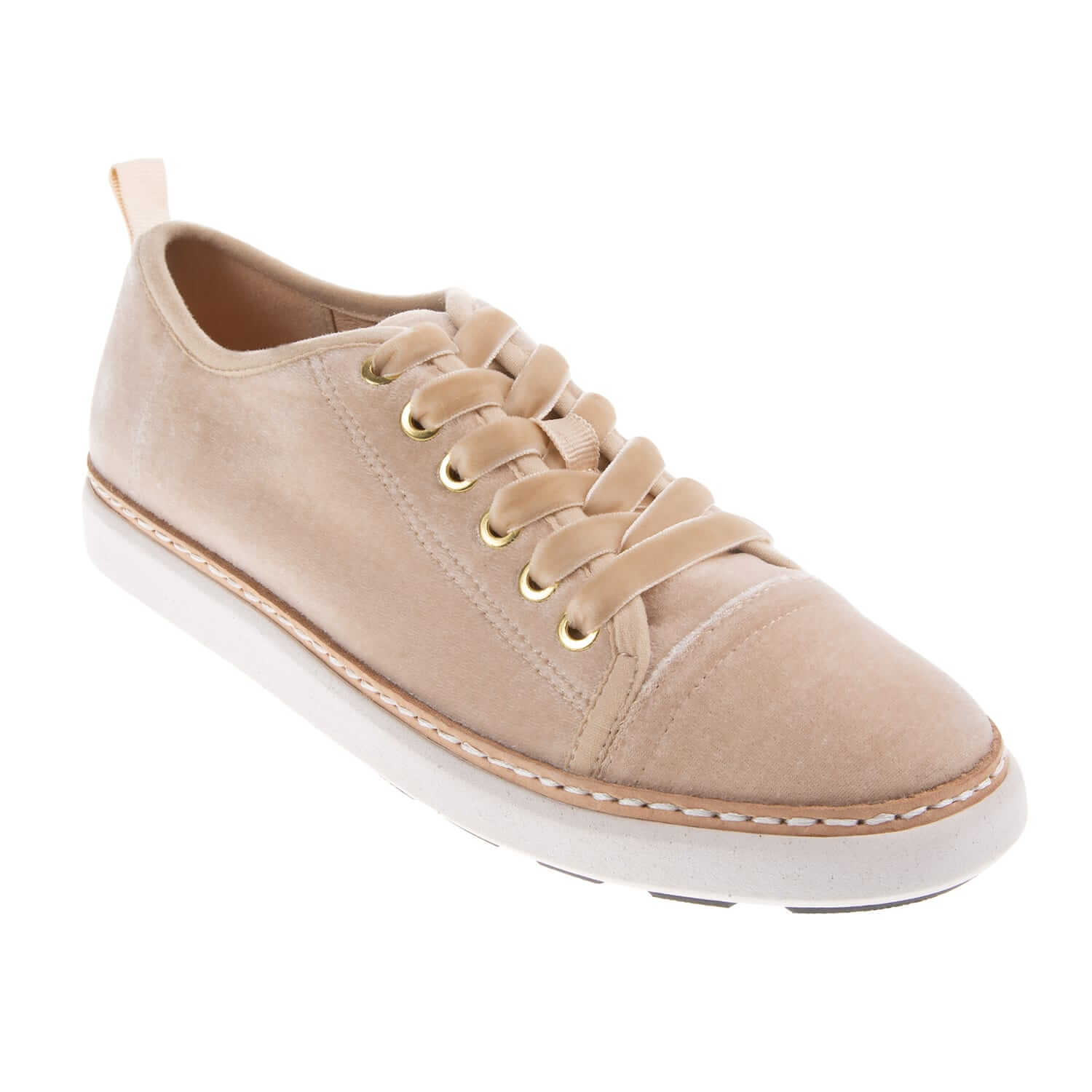
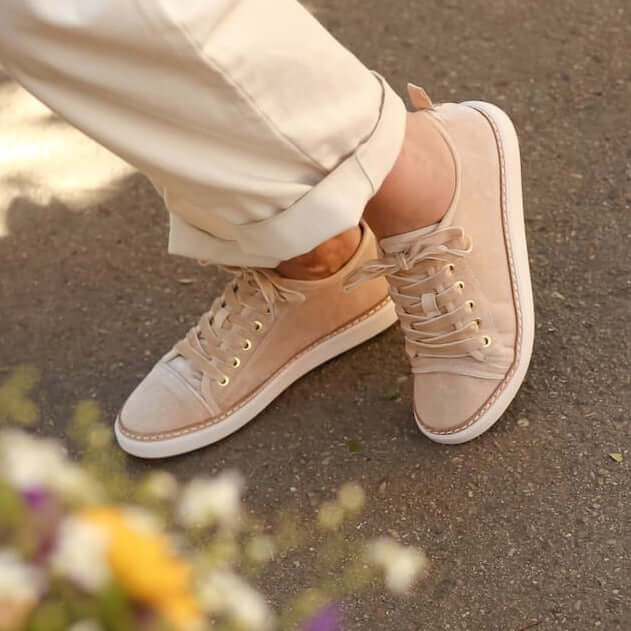
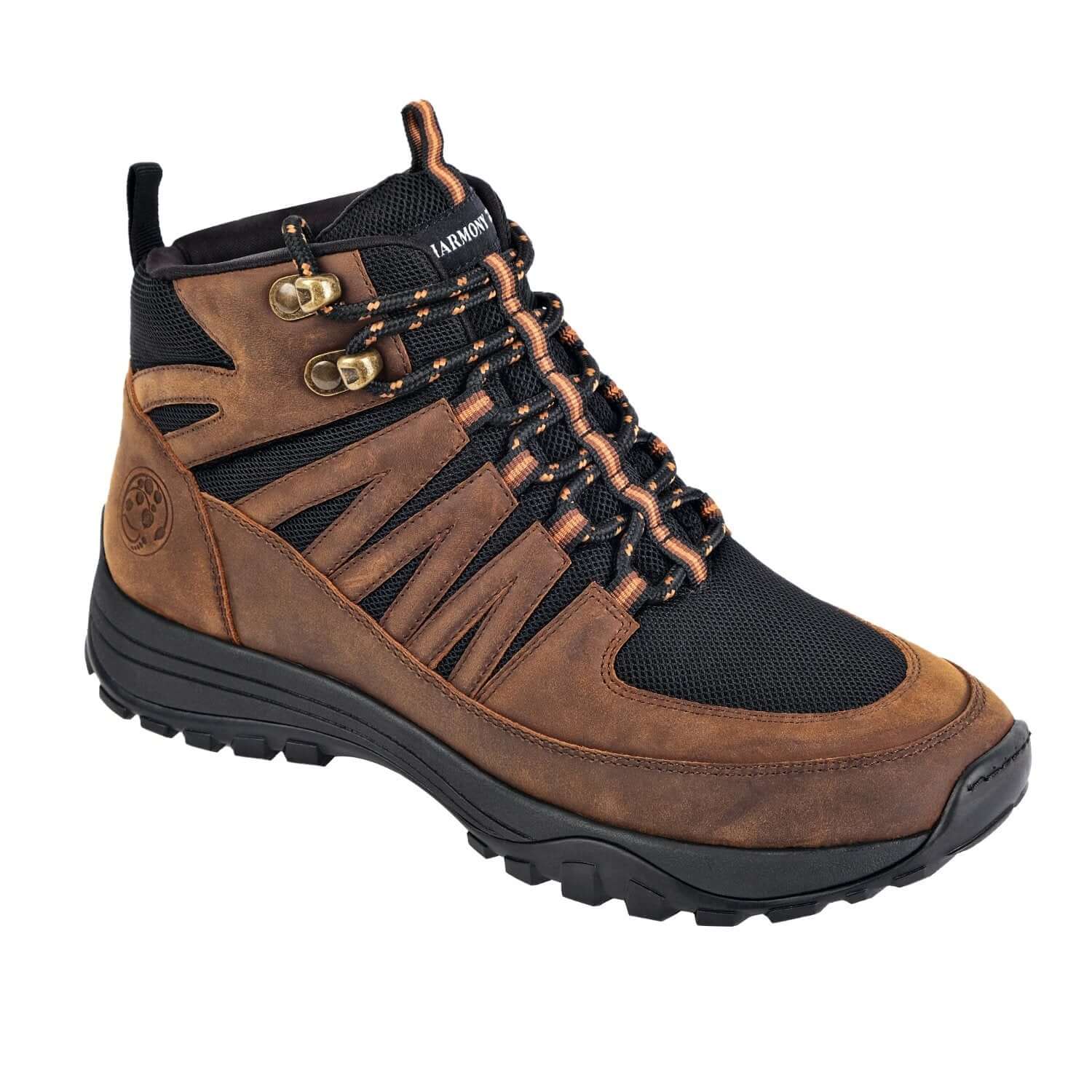
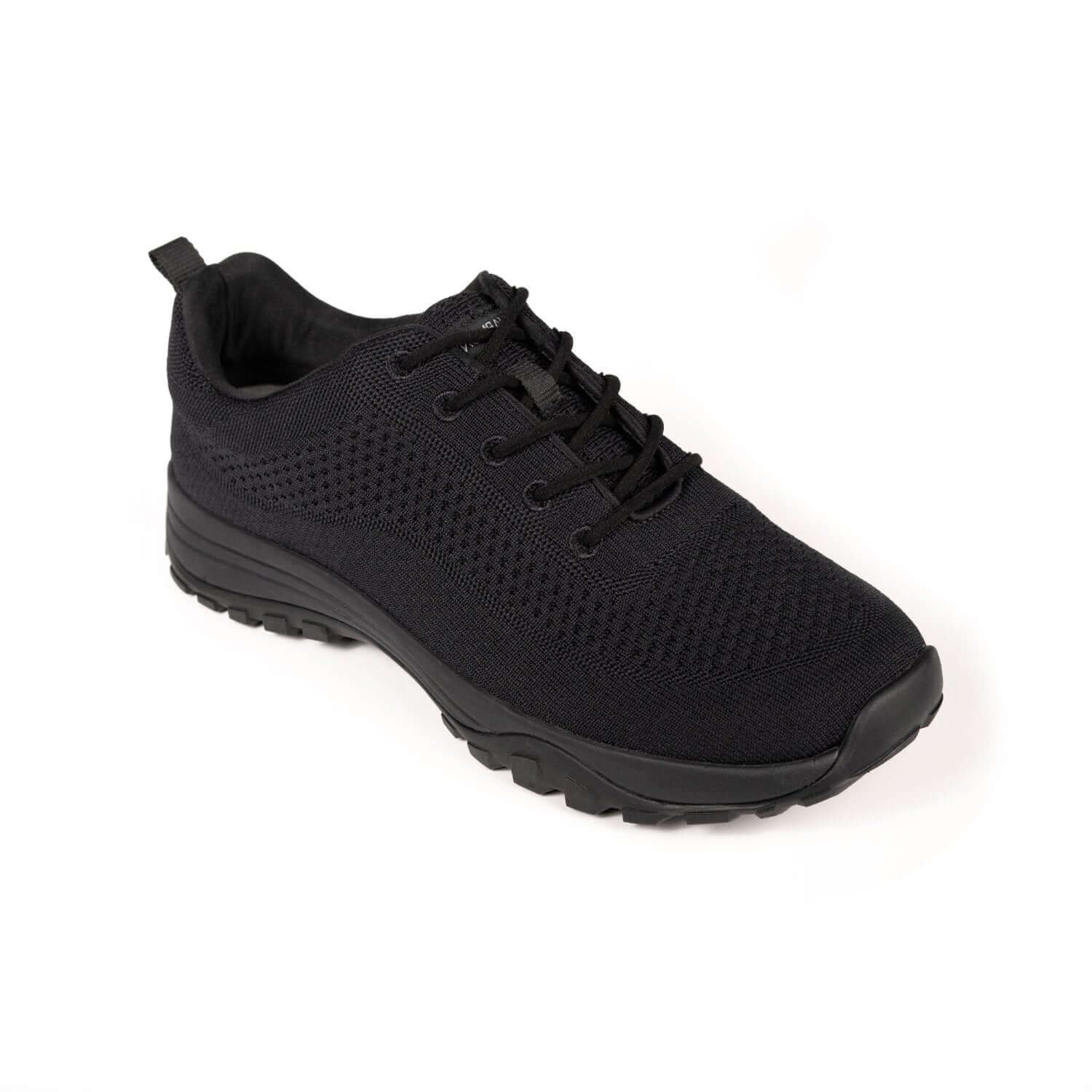
Shop Harmony 783 grounding walkers with built-in comfort and support.
Grounding shoes with arch support pair a conductive pathway with a supportive footbed. Compare arch shape, heel stability, toe room, cushioning, and removable-insoles before buying. Confirm that the shoe maintains contact on suitable natural surfaces such as grass, soil, sand, or stone, since many indoor and paved surfaces are not conductive.
To get the most from earthing footwear, it helps to understand how connection and stability work together. Start with the construction details and fit features that matter most.
What are grounding shoes with arch support?
Grounding shoes are footwear made to link your body to the earth. Most shoes use thick rubber or foam soles. These materials block the flow of electrons from the ground to your feet. Grounding shoes use special conductive parts to fix this. These parts let you stay in touch with the earth while you walk outside. You can learn more about how grounding works on our site.
A good pair of grounding shoes does more than just link you to the soil. They also need to feel good for your feet. Arch support is a key part of that comfort. It is the part of the shoe that fits against the curve of your foot. This support helps spread your weight as you move. This is quite different from just having soft padding in your sole.
The role of arch support
Many people think support and soft padding are the same thing. But they have very different jobs for your feet. Padding or cushioning is meant to soak up the shock when you step. Support is there to keep your foot in the right shape. Good arch support can help with how your foot moves from heel to toe. This is helpful if you spend a lot of time on your feet each day.
Adding support to a grounding shoe can be hard. The shoe must keep a clear path for electrons to move. This means the support parts must not block the flow. The materials used must be both strong and conductive. This path starts at the ground and goes through the sole to your foot. A study from the NIH shows how this type of contact connects us to the earth.
Mixing support and grounding
Finding grounding shoes with arch support was once quite tough. Many early designs had very thin, flat soles. These soles let your feet stay close to the ground. But they did not offer much help for your arches. Some people found these flats did not work for long walks. Now, new tech lets us put support into the shoe without losing the grounding link.
You can find this mix in modern styles like grounding walkers or sneakers. These shoes use a path that stays conductive while giving your arch the lift it needs. It lets you get the benefits of the earth on many types of soil and grass. Keep in mind that these shoes work best on natural surfaces like dirt, sand, or stone. They do not work as well on wood or plastic floors.
Why foot shape matters
Every foot is different. Some people have high arches, while others have flat feet. Grounding shoes need to work for both. A shoe with the right shape can help you walk with more ease. This is why choosing a shoe with a real arch structure is so helpful. It keeps the foot stable as you move through each step.
If you have foot pain, it is wise to talk to a doctor before you change your shoes. They can tell you if you need a specific type of support or a custom fit. While grounding shoes can be helpful for your well-being, they are not a medical fix for all foot issues. Using them as part of a healthy life can help you stay linked to the earth in comfort.
How grounding footwear works
Most modern shoes use thick rubber or plastic soles. These materials act as insulators that block the flow of electrons from the earth to your body. Grounding footwear changes this by creating a clear path. This path lets you stay in touch with the ground while you walk. It works through a mix of special materials and smart shoe design.
The conductive pathway
To ground your body, a shoe must move electrons from the earth through the sole to your foot. This is called a conductive pathway. In many shoes, this path starts with a plug or a special layer in the sole. This layer uses materials like carbon or silver that let energy pass through easily. When your foot touches the inside of the shoe, the link is complete.
You can learn more about how grounding works to see the logic behind it. For the path to stay strong, you need a good link at every step. This means the shoe must fit well and use materials that do not wear out fast. High-quality grounding walkers use strong tech to keep this link stable all day long.
Surfaces and moisture
Grounding shoes do not work on every surface. They need to touch a ground like grass, dirt, sand, or concrete. Asphalt and wood are usually insulators and will not let the shoes work. The shoes also work better when there is a bit of moisture. Natural dampness from the ground or sweat from your feet helps the electrons move more freely through the shoe layers.
The earth has a slight negative charge. When you stand on the ground, your body can take in these electrons. This is best when you are on wet sand or damp grass. You can find more details on these natural links at ncbi.nlm.nih.gov. Even in dry spots, a good shoe design helps maintain a steady link.
Construction and support
Building a shoe that grounds and supports the foot is a hard task. Many people look for grounding sneakers that also offer comfort for long walks. For those who need it, finding grounding shoes with arch support is key. The design must place the conductive parts in spots that do not change the shape of the arch. This ensures you get the perks of grounding without losing the support your feet need.
Proper support helps keep your foot in the right spot for the best contact. If the shoe is too flat, it might not hit the ground in a way that keeps the path open. Well-made shoes use layers that bend with your foot but stay strong. This balance of tech and shape is what makes modern grounding shoes feel good and work well.
Test your grounding shoes
If you want to be sure your shoes are working, you can follow these simple steps to test them at home.
- Get a digital meter and set it to the ohms or continuity setting.
- Place one probe on the bottom of the shoe where the conductive part is.
- Put the other probe on the inside of the shoe where your foot would touch.
- Check the screen for a low number which shows the path is clear.
- Try this test on different spots of the sole to find the best zones.
- Repeat the test after a few months to make sure the shoes still ground.
Regular testing helps you know if your shoes are still doing their job. It also shows you how much your choice of socks can change the result. For the best flow, use thin socks or no socks at all when you walk on conductive ground.

Support features to compare before buying
When you look for grounding shoes with arch support, you need to balance comfort with foot health. Grounding footwear creates a conductive path between your foot and the earth. Yet, many people also need structured support to keep their feet stable and pain-free. It is helpful to know how different brands build support into their soles. Some shoes use thick foam, while others use thin, flat shapes. Finding the right mix depends on your foot type and where you walk.
Support is not the same as thick cushioning. In fact, a soft sole can sometimes make your foot roll or slip. You should look at features like arch curves, heel shapes, and how much the shoe bends. Each feature changes how your foot moves and touches the ground. If you have foot pain or need custom orthotics, you should talk to a clinician before you buy a new pair.
According to the Mayo Clinic, people with flat feet may need arch supports to ease pain. This shows that the right fit is about more than just a soft feel. You should pick a shoe that matches your foot shape and goals.
Arch shapes and removable inserts
The arch curve is a main feature to check in grounding shoes with arch support. Some shoes have a built-in arch shape made of firm material. This built-in shape helps lift your foot and keeps the arch from dropping as you walk. If you need more support, you may want a style with a removable insole. A removable insole lets you swap the factory liner for your own custom insert. This is a great way to get the exact fit you need.
But you must be careful with removable inserts in grounding shoes. Many standard inserts block the flow of electricity because they use thick foam or rubber. To keep the grounding effect, your insert must let electricity pass through it. You can learn more about how grounding works on different surfaces. If you use a non-conductive insert, the shoe will lose its grounding path. Always check if the brand sells conductive inserts or if their built-in sole already gives enough support.
Heel stability and toe space
Heel stability is another key detail for proper foot alignment. A firm heel cup keeps your foot straight and stops it from rolling to the side. When your heel is stable, your weight spreads out in a safe, even way. This reduces stress on your ankles and knees. Look for shoes with deep heel cups or firm wraps around the back of the foot. These features help keep your gait steady on rough or uneven ground.
Toe space is just as important for natural foot movement. Wide toe boxes let your toes spread out naturally when you step down. This natural spread helps your foot balance and keeps your big toe in line. Shoes with tight toe boxes can pinch your feet and lead to long-term pain. When you look at grounding sneakers or walkers, make sure the front of the shoe has plenty of wiggle room. A wide front lets your foot move the way nature intended.
Minimal designs versus thick cushion soles
You must also choose between minimal designs and thick cushion soles. Minimal shoes have thin, flat soles that let your foot feel the ground. These designs allow your muscles to work harder and grow stronger over time. They give you a close feel of the earth, but they provide very little arch support or shock absorption. If you walk on hard pavement all day, a minimal shoe might leave your feet feeling sore and tired.
Thick cushion soles use layers of foam to absorb shock and protect your joints. They are often best for long walks on hard paths. Many conventional foam soles act as insulators and block grounding. But special grounding footwear uses conductive materials to bypass this issue. When choosing grounding walkers, check how the sole is built. You want a sole that gives soft cushion and real support without blocking the electrical path to the earth.
| Support Feature | Minimal Shoe Style | Cushioned Shoe Style |
|---|---|---|
| Arch Support | Low or flat shape | Built-in or firm lift |
| Sole Thickness | Thin and flexible | Thick with foam layers |
| Toe Box Width | Very wide space | Standard to wide space |
| Heel Stability | Soft and low cup | Firm and deep cup |
| Ground Feel | High feel of earth | Low feel of earth |
A practical shopping checklist
Buying grounding shoes with arch support is a good choice for your feet. These shoes help you stay in touch with the earth. They also give your feet the help they need. Finding the right pair takes a few simple steps. You want a shoe that fits well and lasts long. This guide will help you pick the best pair for your life. You should think about your needs before you spend any money.
Know your planned use
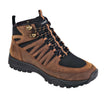
Before you buy, think about where you will wear your shoes. Are you looking for grounding walkers for daily walks? Or do you need sneakers for the gym? Each style has its own perks. You should pick a shoe that matches your path. Trail shoes are great for dirt. Slip-ons are easy for quick trips. If you like to be at the beach, you might want sandals. The goal is to find a shoe that fits your life.
Sizing is also key. Most grounding shoes fit like your usual pairs. But you should always check the size chart on the site. A good fit means your foot does not slide. It also means your toes have room to move. Checking the return policy is also a smart move. This way, you can swap them if the fit is not just right. Good shoes should feel great from the first day you wear them.
Check for a conductive path
The main part of a grounding shoe is the conductive path. This path lets electricity flow between you and the ground. Many common shoes use foam or rubber soles. These parts often stop the flow of electricity. They act as a block between you and the earth. To get the perks of grounding, you need a shoe that creates a link.
Harmony 783 uses a tech called Groundworks. This tech ensures you stay grounded on the right surfaces. You can learn more about how grounding works on their site. These shoes work best on natural ground. This includes grass, dirt, sand, and stone. They do not work on paved roads or inside your home. It is also good to know that research into wellness outcomes from grounding is still new. Many people feel a change, but more tests are needed.
Support and comfort
Finding grounding shoes with arch support is vital for comfort. Arch support helps spread your weight across your feet. This can reduce stress on your joints. You want a shoe that holds your arch in place. Many people find that grounding walkers offer the best support for long days. These shoes are built to keep you steady as you move.
If you have foot pain, talk to a doctor. You should consult the right clinician before you change your shoes. This is very important if you have a medical need for support. They can help you find the best fit for your needs. Some grounding shoes have removable footbeds. This allows you to add your own support if needed. Just make sure your inserts do not block the conductive path.
Taking care of your shoes is also part of the plan. Dirt and mud can block the link to the ground. You should keep the soles clean to stay grounded. Most shoes come with care steps you should follow. Do not use harsh soaps on your shoes. A damp cloth is often enough to clean the soles. By keeping them in good shape, your shoes will last longer. They will also keep you linked to the earth for many miles.
- Check the size chart and the return policy before you buy.
- Look for conductive tech that creates a path to the earth.
- Make sure the shoes have the arch support you need.
- Plan to use them on conductive surfaces like grass or soil.
- Keep the soles clean so the conductive link stays strong.
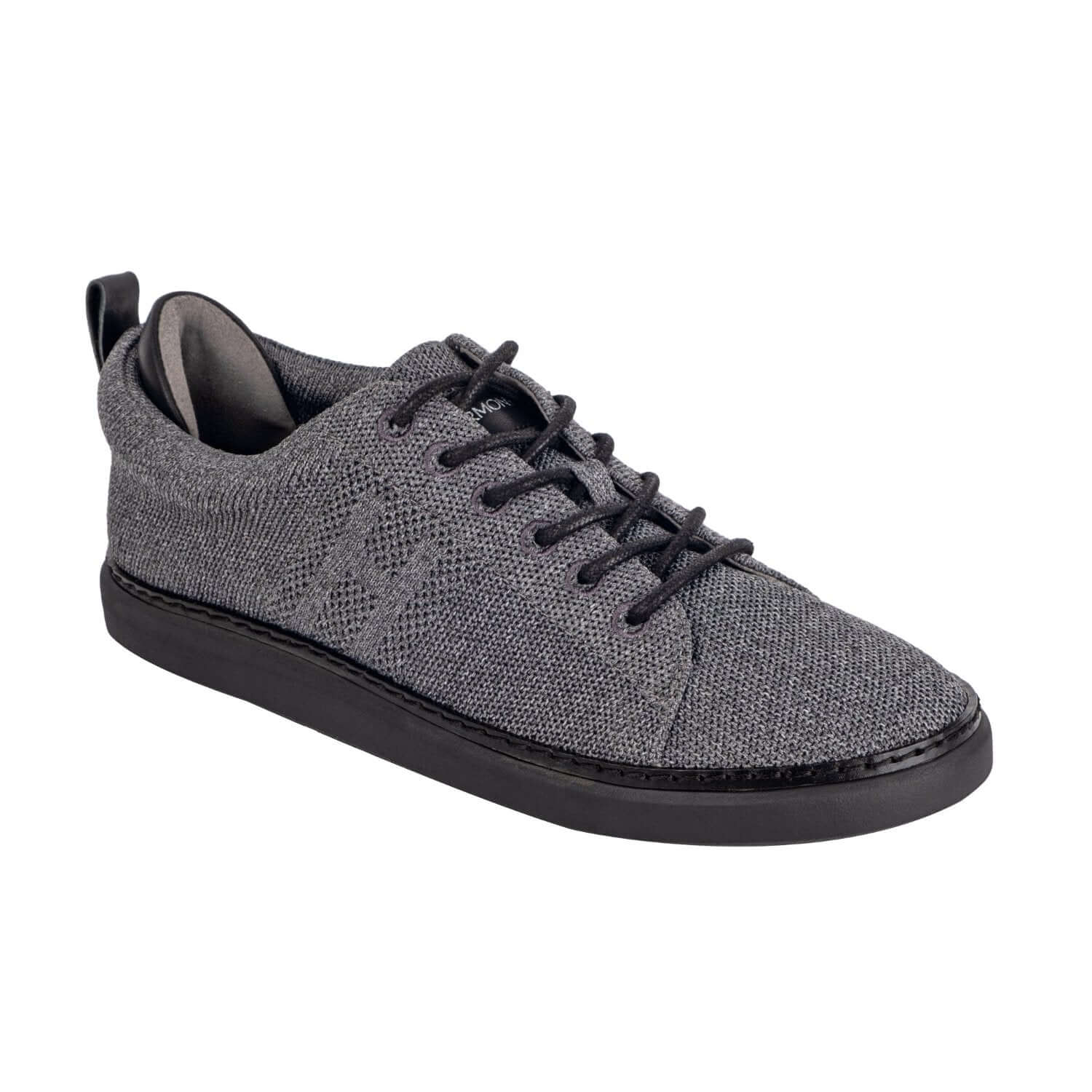
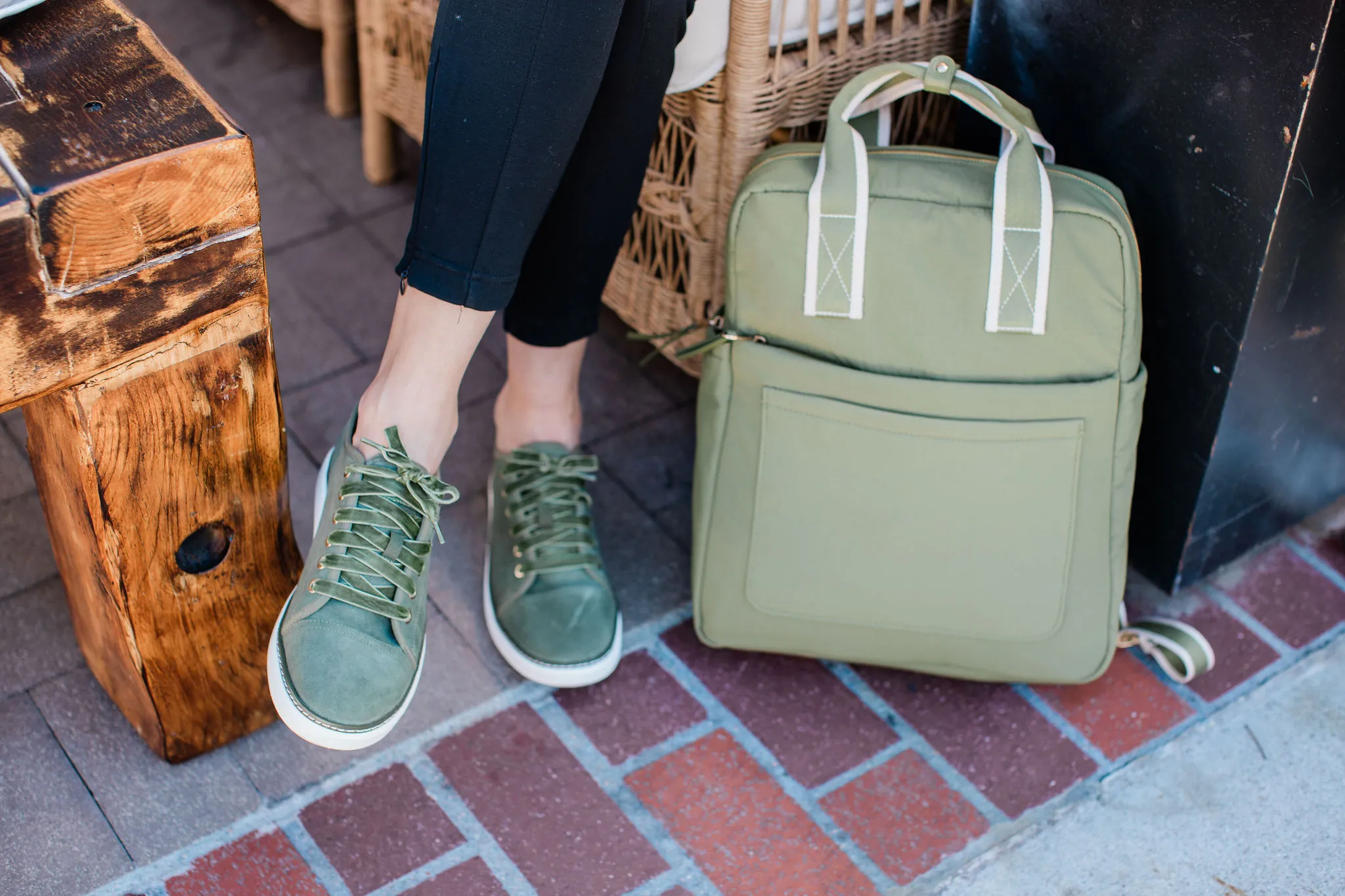
Compare Harmony 783 grounding sneakers for supportive everyday wear.
What does the evidence say about grounding?
The science of grounding, also known as earthing, is a field of study that looks at how connecting to the Earth affects our bodies. To understand it, we must separate the basic science of conductivity from the broad claims about wellness. While the physical flow of electrons is a known fact, the specific ways it impacts human health are still being mapped out by experts.
Conductivity and the human body
Every person is a conductive being. This means our bodies can carry an electrical charge. Most shoes today use thick rubber or foam soles that act as insulators. These soles stop the flow of energy between your body and the ground. Grounding footwear aims to fix this by creating a clear conductive path from your foot to the Earth.
Studies show that when you touch a conductive surface, your body's electrical potential shifts to match the Earth. This process is called earthing. A review in the journal Journal of Environmental and Public Health explains that the Earth carries a slight negative charge. When we connect to it, we may absorb free electrons that can influence our internal systems.
The current state of research
While many people share stories of feeling better, clinical evidence is still in the early stages. Small trials have looked at how grounding may affect things like sleep and muscle soreness. Some research published in PubMed suggests that regular grounding might help with pain levels for certain groups of people. However, these studies are often small and need more work to be proven on a large scale.
It is vital to treat these findings as emerging. Science takes a long time to reach a firm consensus. For now, researchers are focused on how this connection might play a role in electromagnetic hygiene. This field looks at how we interact with the electrical fields in our modern world. Most experts agree that more data is needed before we can make specific medical promises.
Arch support and foot health
When you look for grounding shoes with arch support, you are balancing two different needs. One is the electrical connection, and the other is mechanical support for your feet. Good arch support helps spread your weight and reduces strain. It is a key part of comfort for those who spend a lot of time on their feet. Some people find that grounding sandals with built-in support offer the best mix of function and comfort.
If you deal with chronic foot pain, don't rely on grounding alone. It is always wise to talk to a doctor or a foot expert. They can tell you if you need special tools like orthotics. While grounding technology can help you stay connected, it should not replace the advice of a medical pro. Professionals can help you find the right balance of support and connection for your unique needs.
Surface matters for results
The evidence also shows that the type of ground you walk on matters a great deal. For grounding to work, you must be on a surface that carries electricity. Grass, dirt, sand, and even some types of concrete work well. Wood, tile, and asphalt usually do not. Using grounding walkers on the right path is the only way to ensure the conductive path stays open.
The goal is to bridge the gap that modern life has created. By choosing shoes that allow for conductivity while providing support, you can bring a bit of nature back into your day. Just remember to stay grounded in the facts as the science continues to grow. Keeping a clear view of both the proven physics and the budding research will help you make the best choice for your feet.
Frequently Asked Questions
Do grounding shoes really work?
Grounding shoes can provide an electrically conductive path between your body and suitable natural surfaces when their conductive components are intact. That does not establish a specific health outcome. Research into grounding and wellness remains limited, so treat broad health claims cautiously.
Can I use grounding insoles in my regular shoes?
Only if the complete setup preserves a conductive path from your foot through the shoe to the ground. A conductive insole placed above an insulating rubber outsole may not create that path. Check the maker's instructions and test the assembled footwear when possible.
Are there grounding shoes with built-in arch support?
Yes. Some grounding footwear combines conductive construction with shaped footbeds, heel cushioning, or removable insoles. Harmony 783 uses its Groundworks technology across its footwear. Compare each style's fit and support features rather than assuming every model feels the same.
How should grounding shoes with arch support fit?
The arch contour should meet your foot without creating a pressure point. Your heel should feel secure, and your toes should have room to move. If you have persistent foot pain or a diagnosed condition, ask a qualified clinician which support profile is appropriate.
Can grounding shoes lose conductivity over time?
Conductivity can change if the sole becomes dirty, damaged, or worn. The surface you walk on also matters because many indoor floors and dry synthetic surfaces are not conductive. Follow the maker's care guidance and periodically test the shoes if conductivity is important to you.
Ready to compare grounding shoes with arch support?
The best choice balances conductive construction with a fit that feels comfortable for your feet and intended use. Compare the arch contour, heel stability, toe room, cushioning, and insole options. Then confirm how the shoe maintains its conductive path and which surfaces support grounding. If you have persistent pain or a diagnosed foot condition, ask a qualified clinician for fit guidance before changing footwear.
Shop Harmony 783 grounding walkers and compare supportive styles.