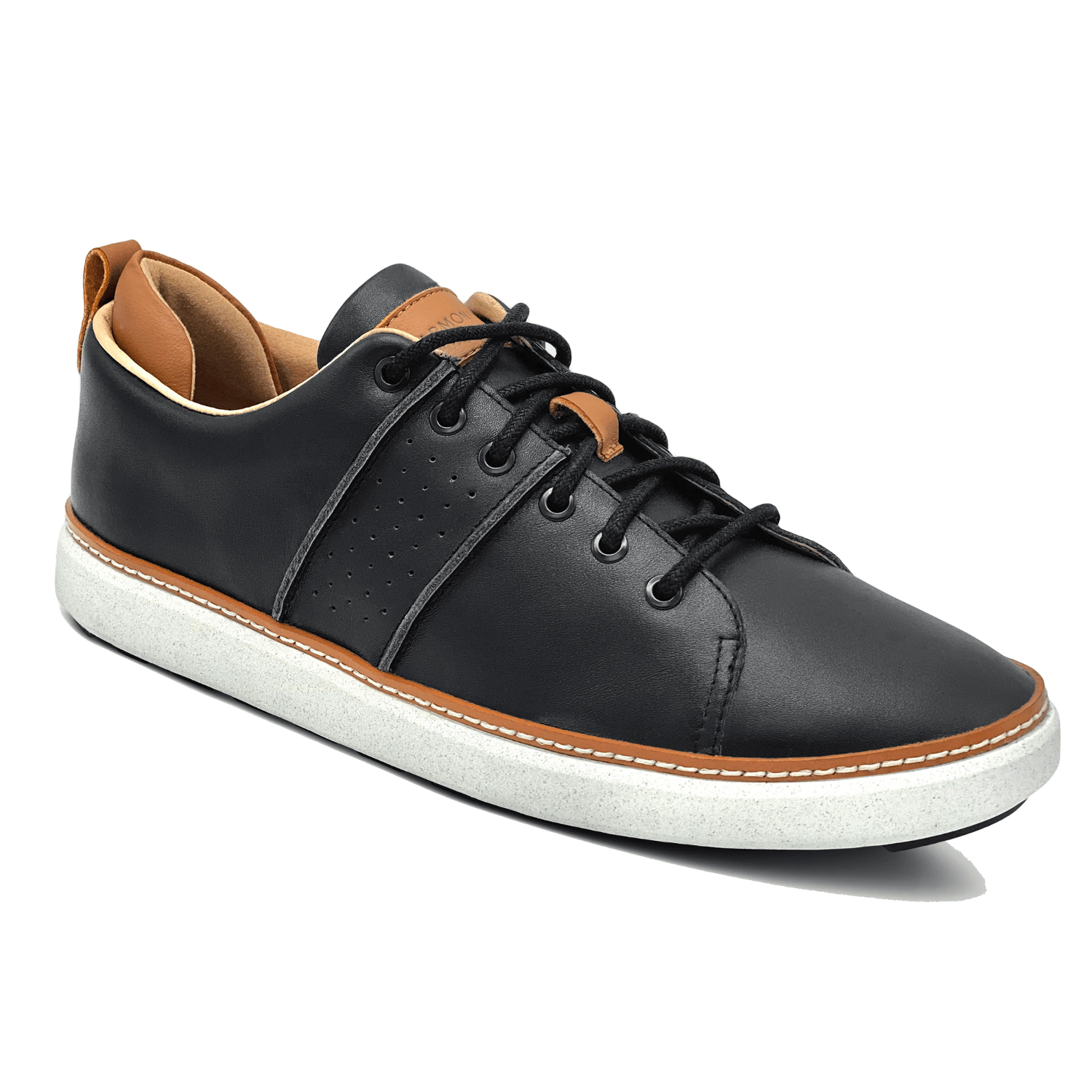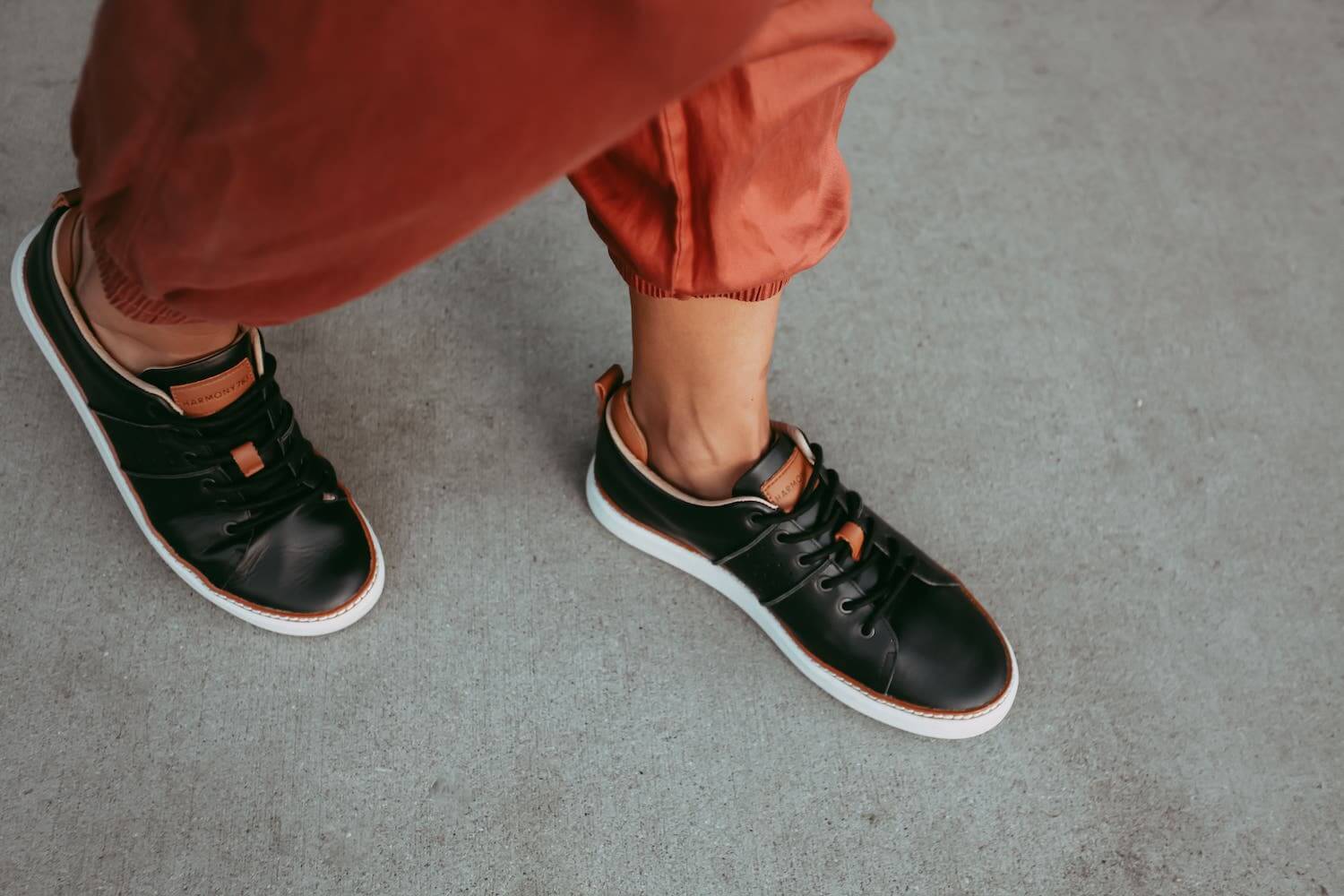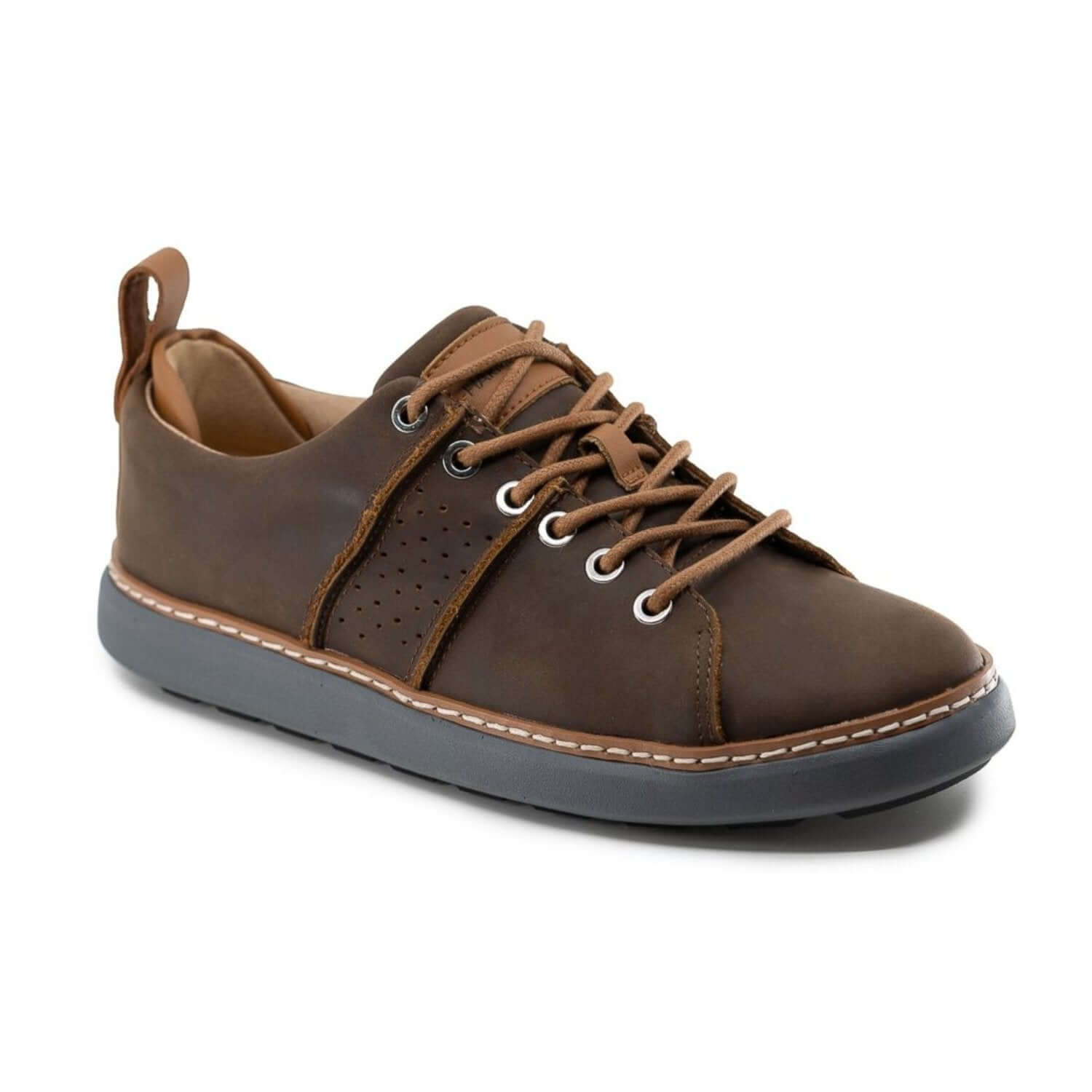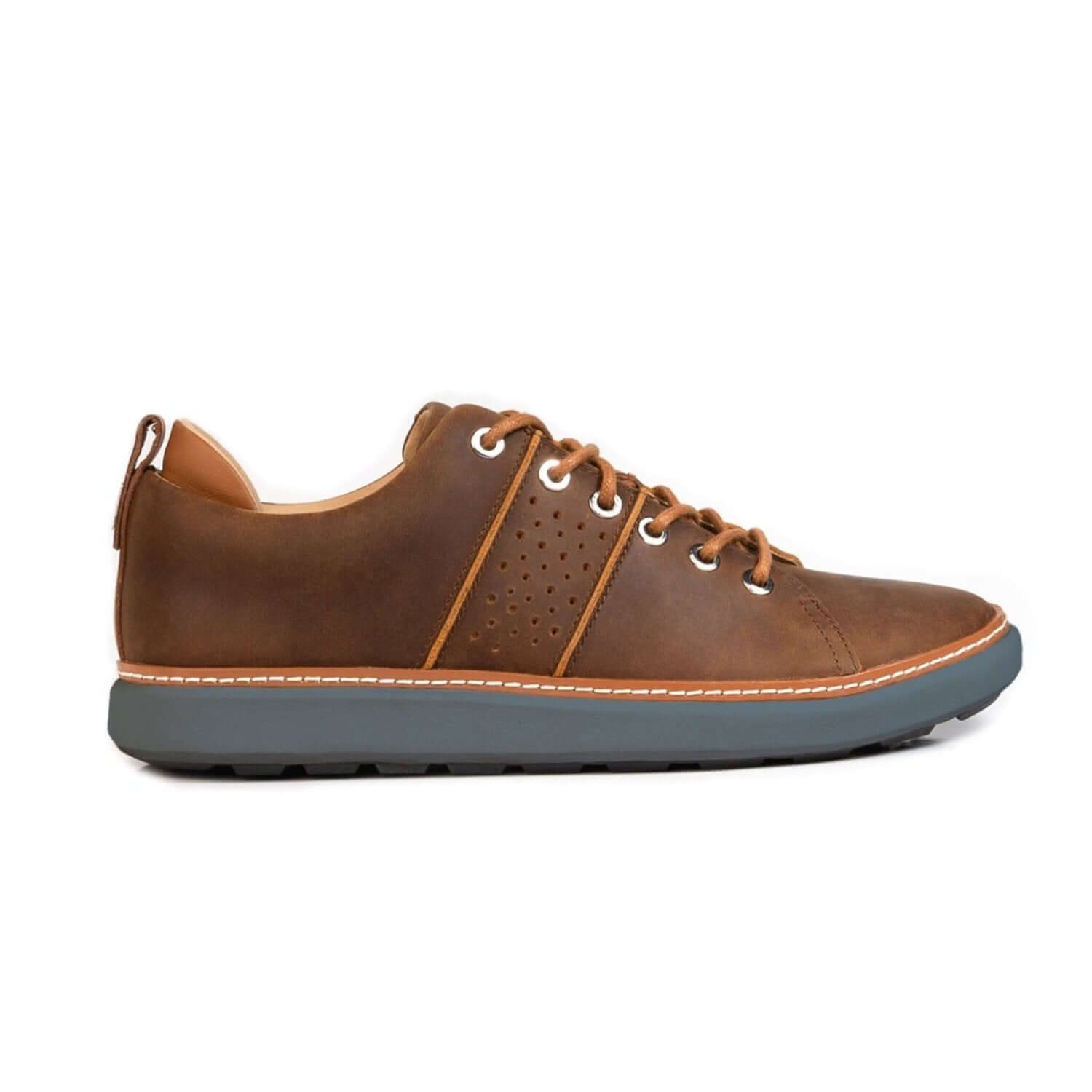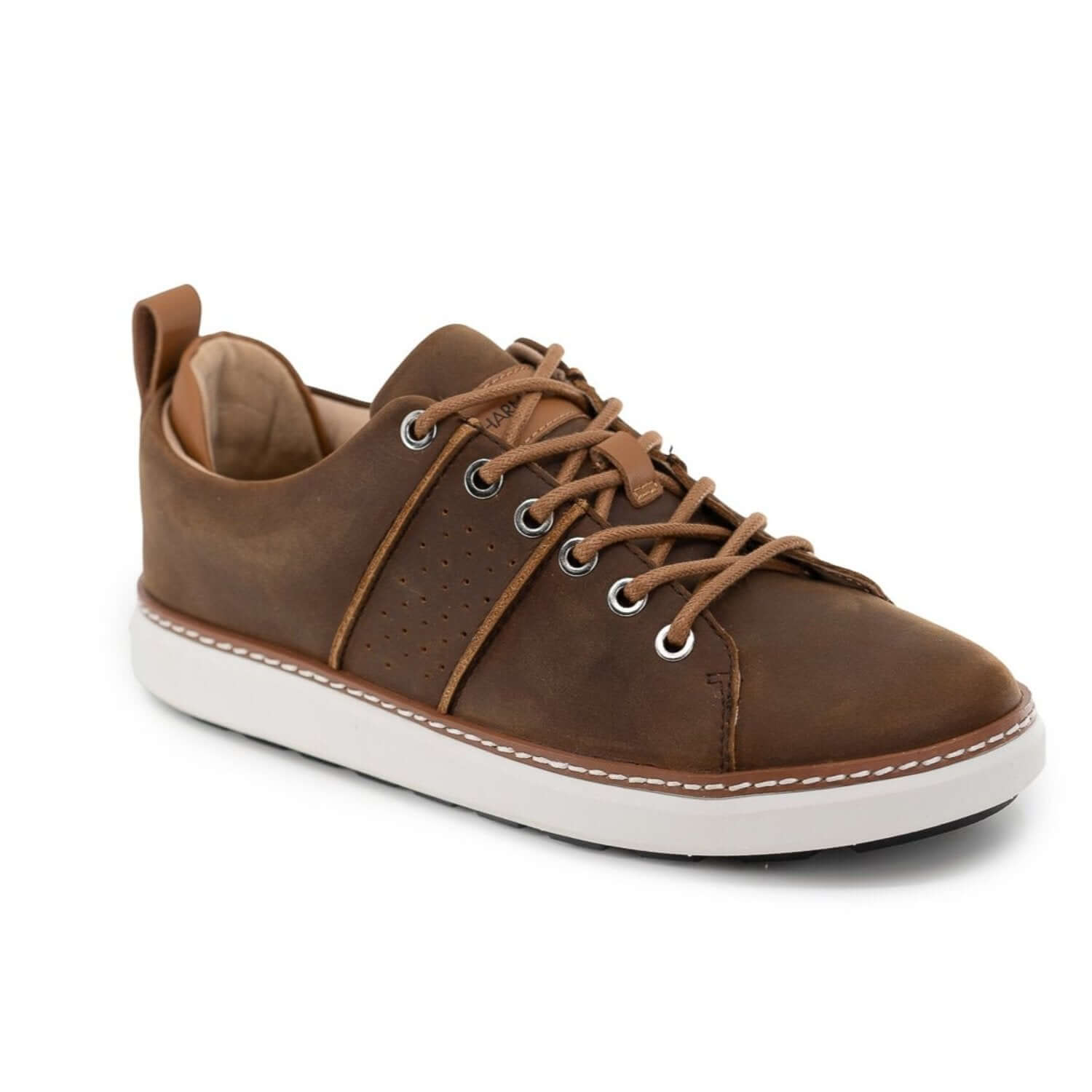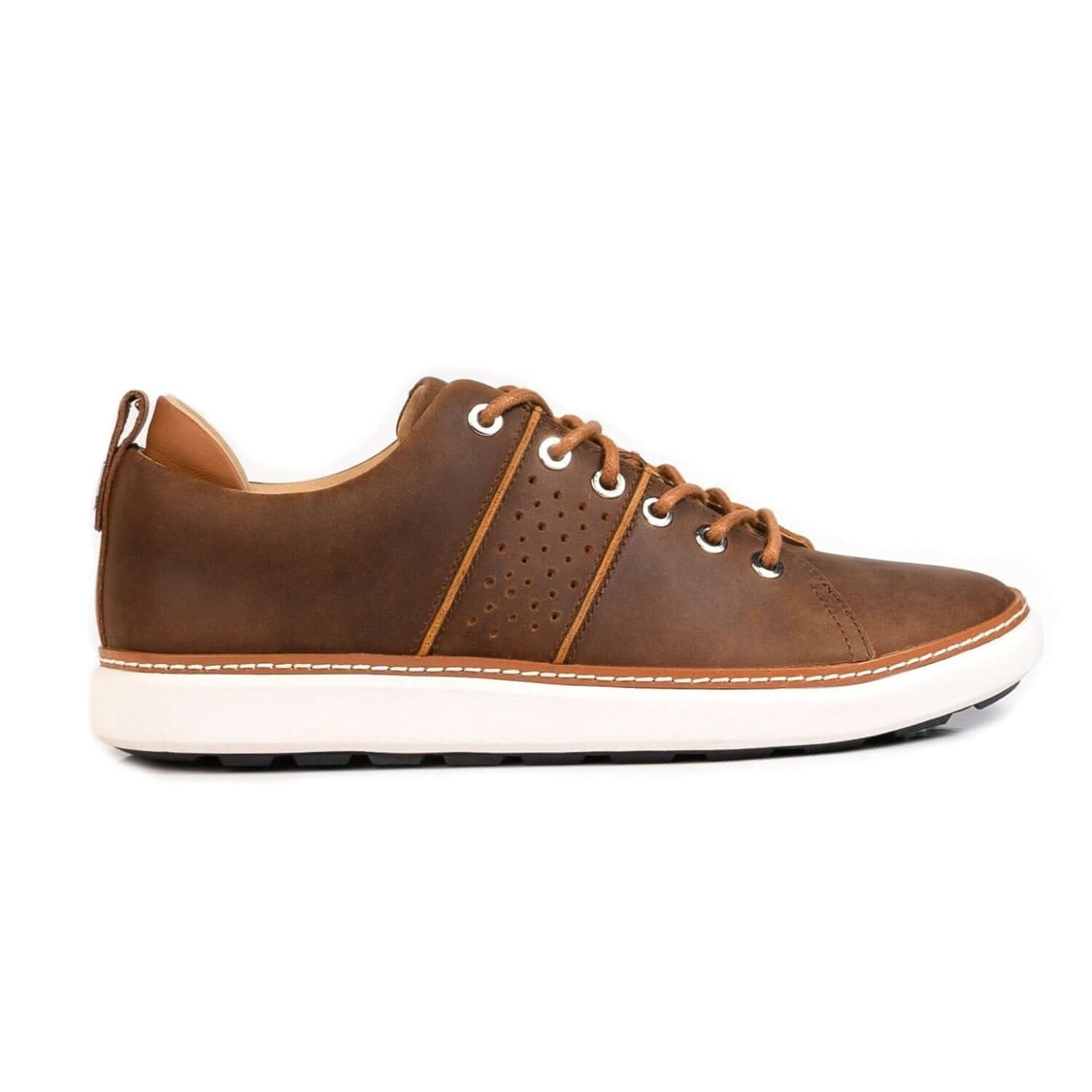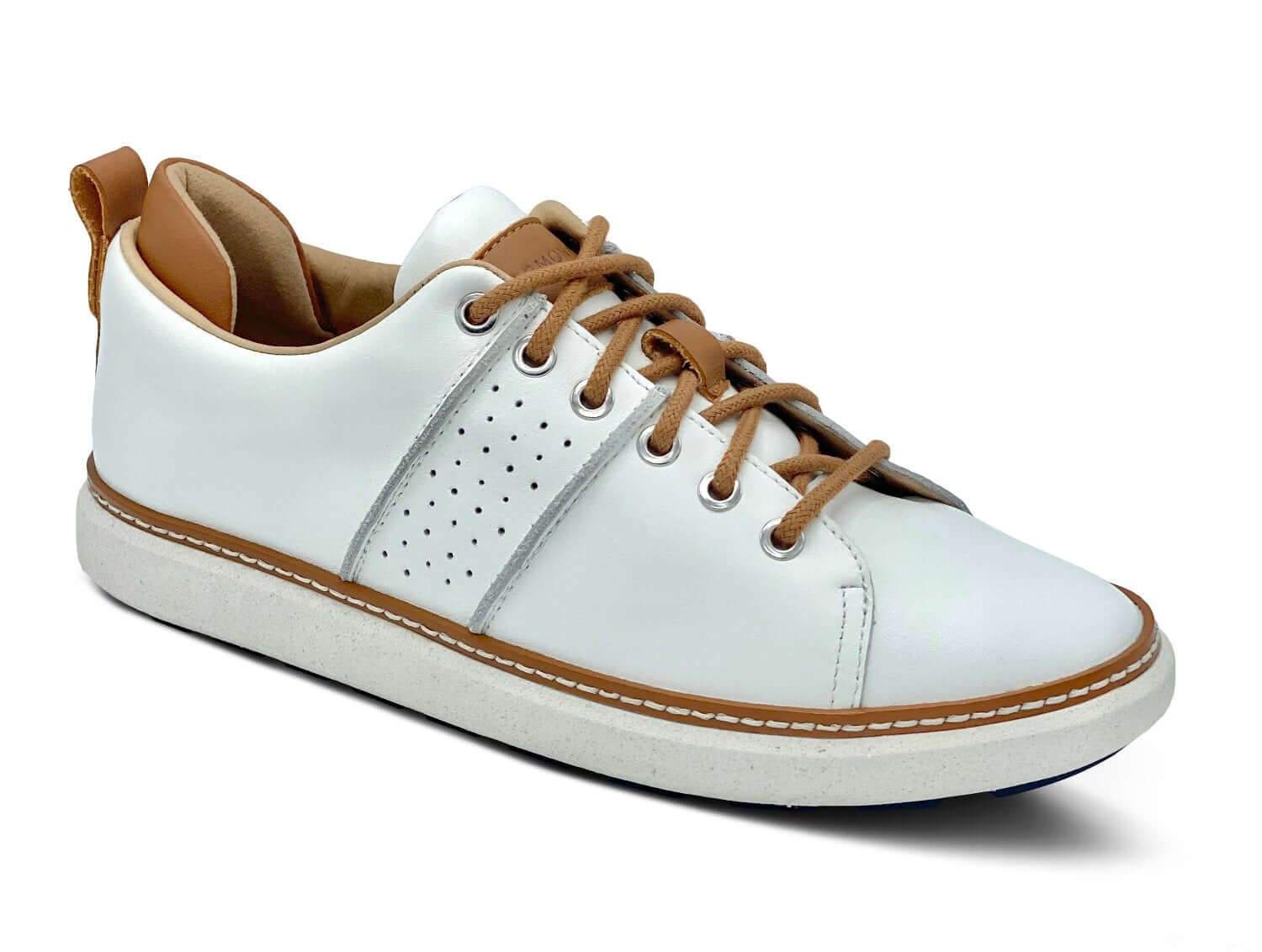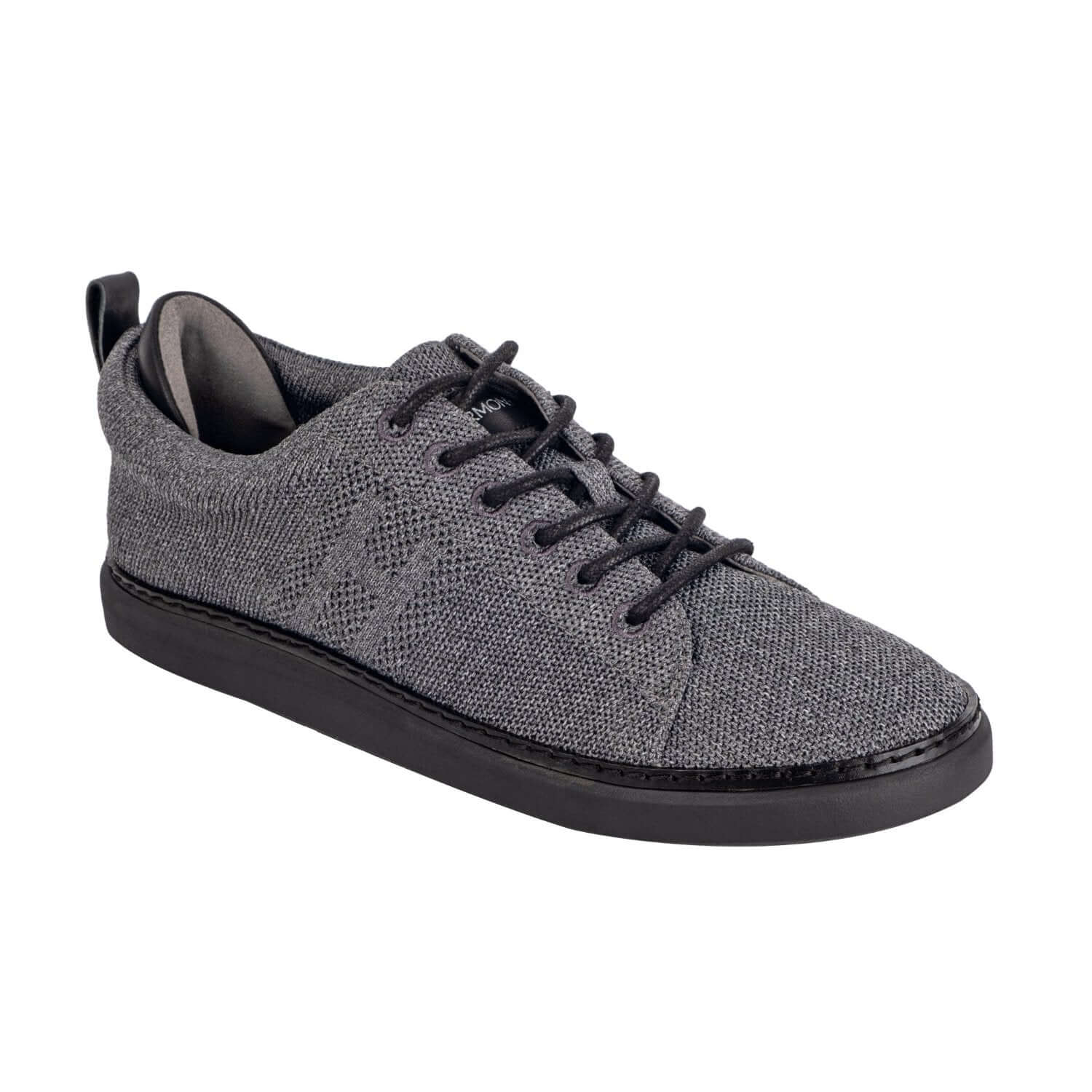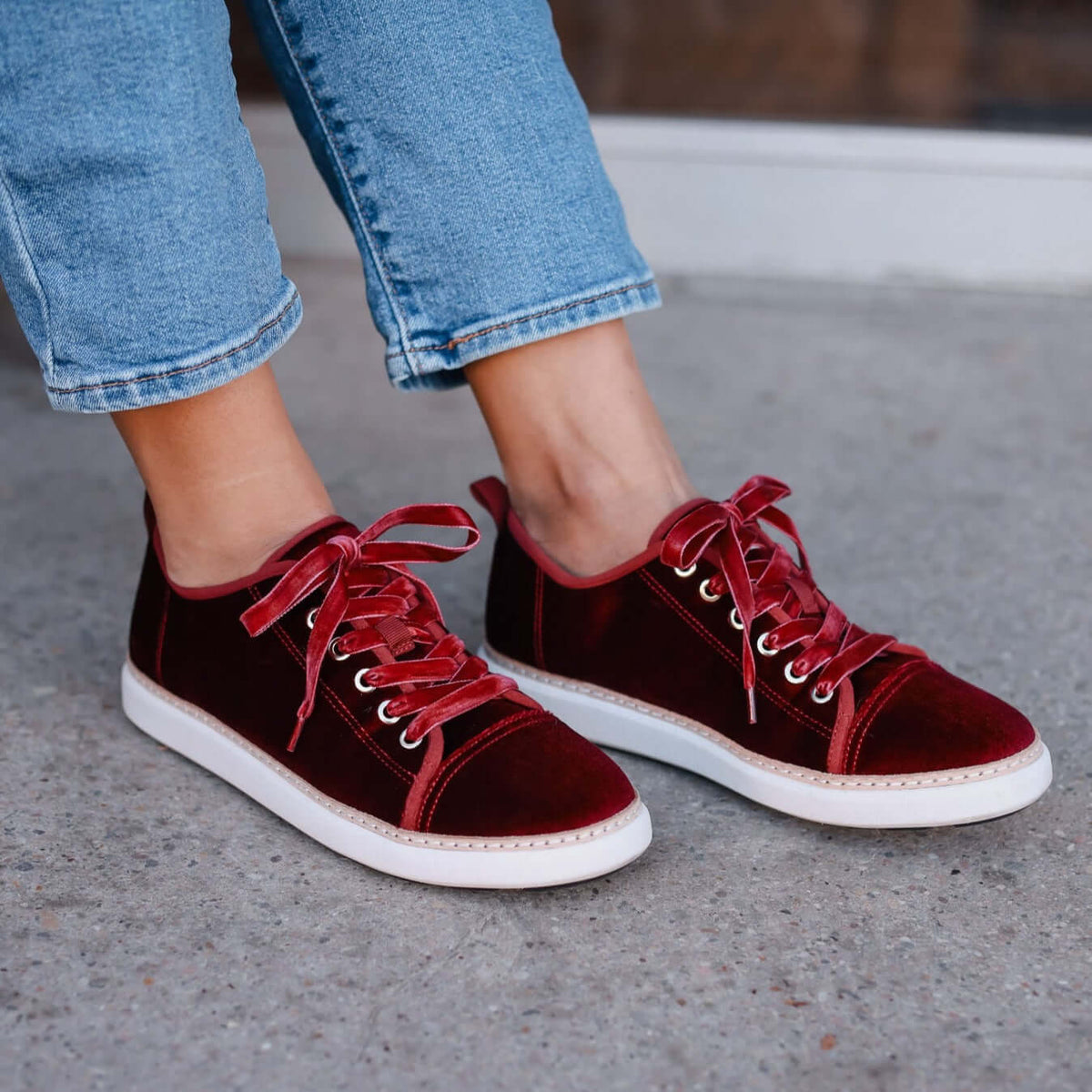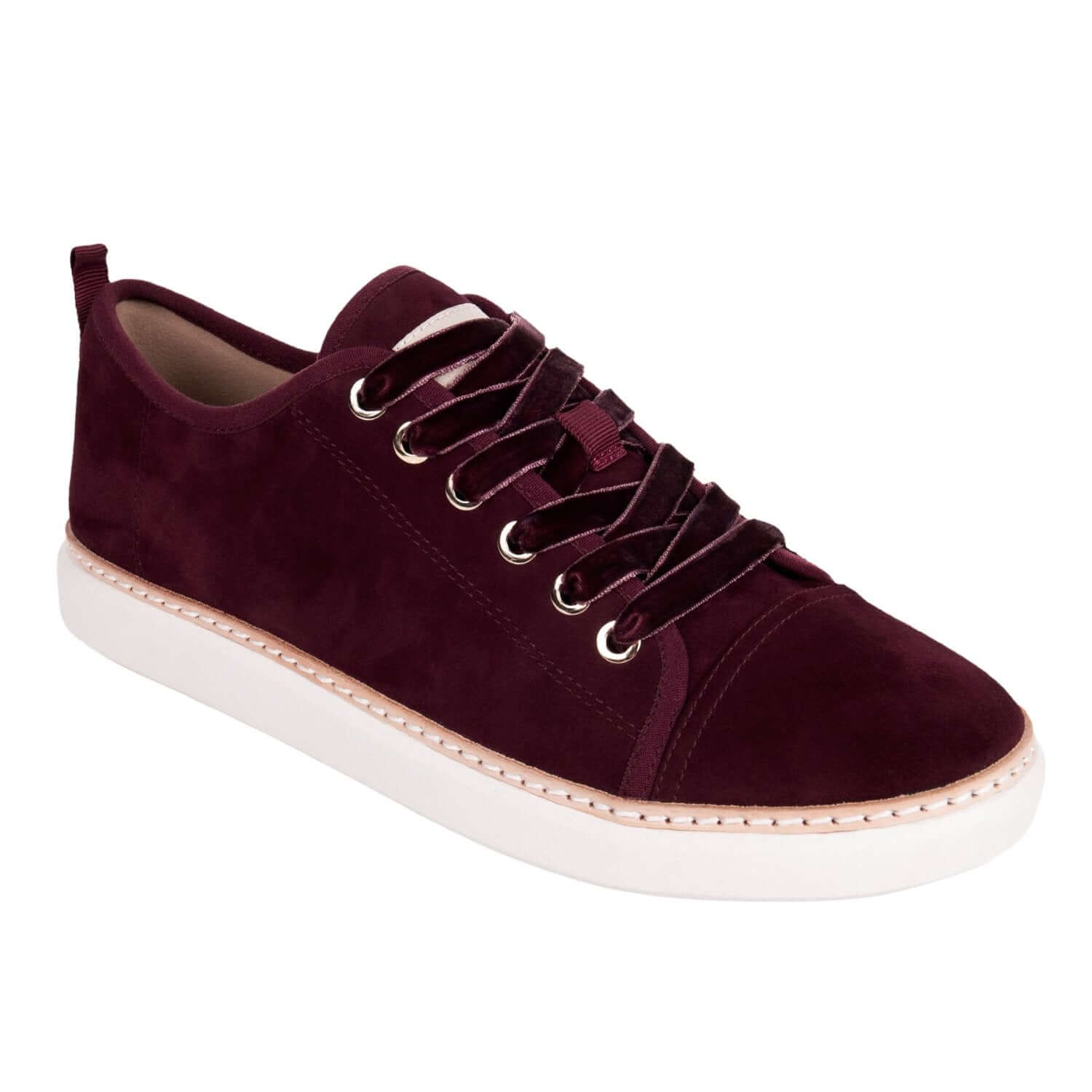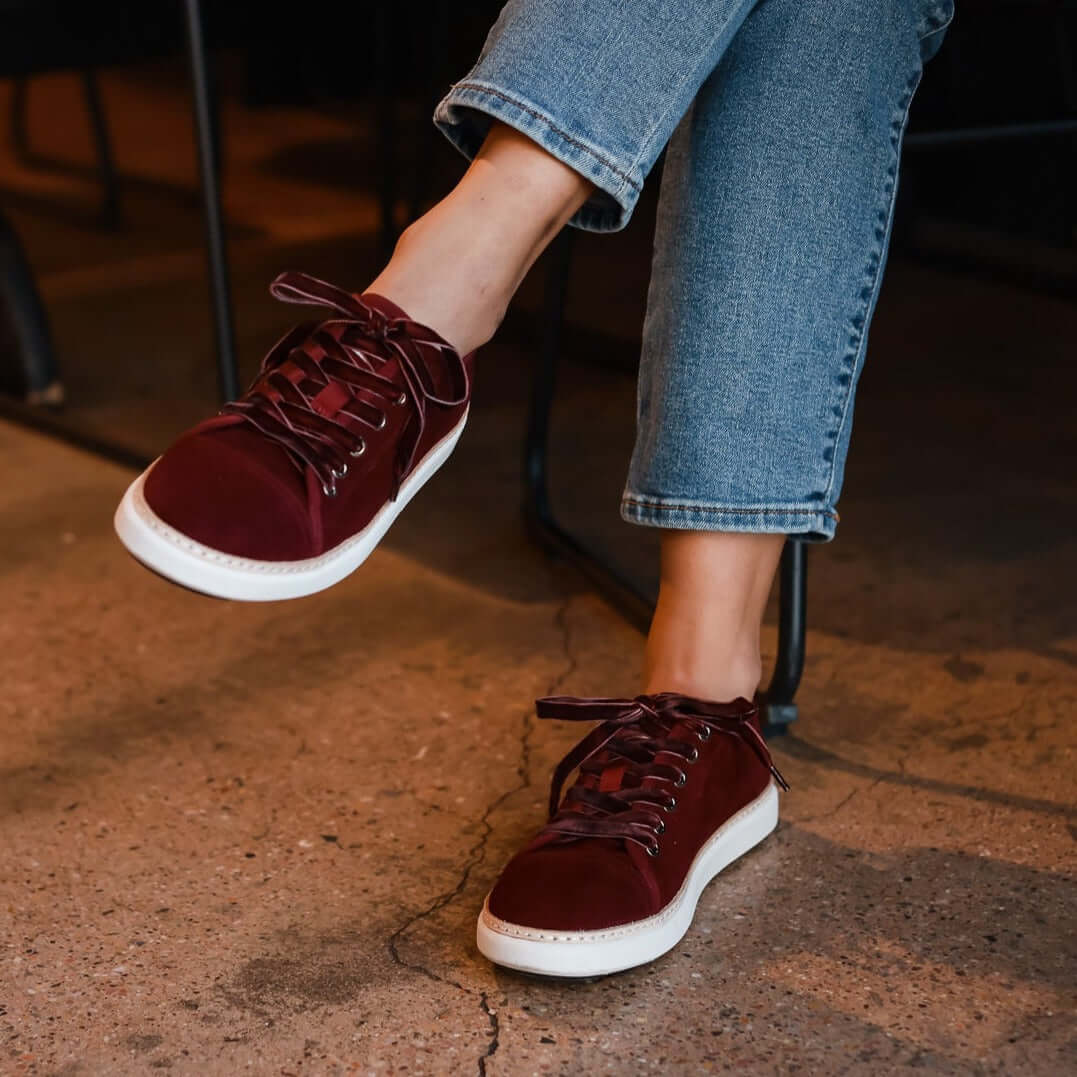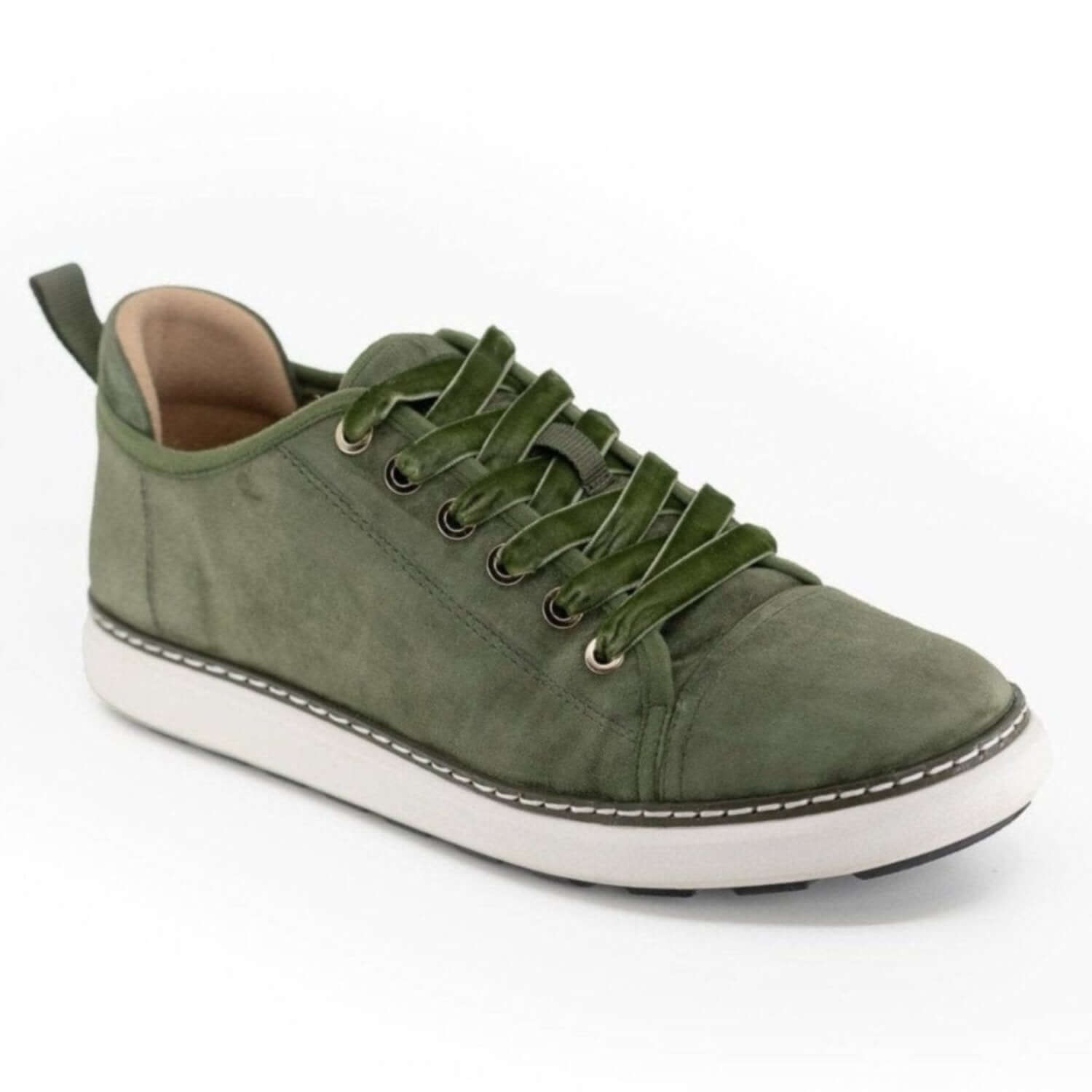

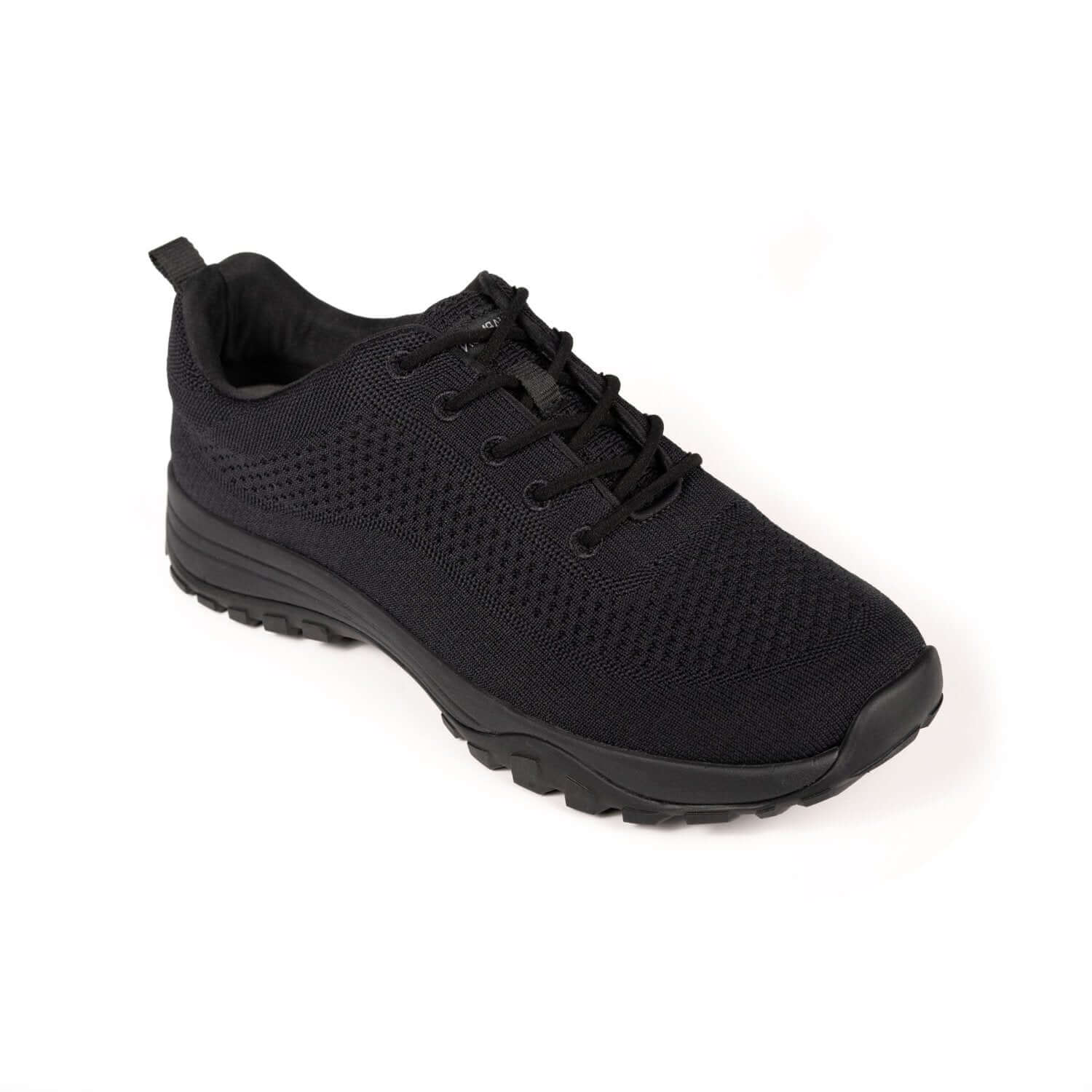

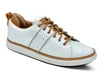

When you search for grounding shoes made in USA, you may be looking for local manufacturing, a conductive design, or both. Those are separate questions. A shoe can be designed to ground without being made in the United States, and a shoe made here is not automatically a grounding shoe.
Ask Harmony 783 about product details
What does “made in USA” mean when you shop for grounding shoes?
“Made in USA” is a country-of-origin claim. It is not a statement about electrical conductivity, grounding performance, or where a company is based. A US-based company may source materials or assemble products in different places. Likewise, a shoe made in the United States could have an ordinary sole that does not provide an intended conductive path.
For consumer guidance on product-origin claims, consult the Federal Trade Commission. When a seller uses a specific origin claim, look for clear information that explains what the claim means for that particular product. If the details are not clear, ask the company rather than reading more into a slogan or a flag graphic.
Harmony 783’s supplied product information describes its grounding footwear and Groundworks™ construction, but it does not establish that every shoe is made in the United States. So this guide does not label its shoes US-made. If domestic origin is a must-have for you, ask about the exact style you are considering before ordering. You can use the contact page to send a product question.
Think of the two questions as separate columns on your shopping list: “Where was this shoe made?” and “How is this shoe designed to conduct?” A clear answer to one does not fill in the other. Keeping them separate helps you avoid letting one reassuring detail stand in for information that is still missing.
How can you tell whether a shoe is actually designed for grounding?
Start with the product’s construction description. A grounding design should explain how contact is intended to travel from the foot through conductive parts of the shoe to the ground. Harmony 783 describes Groundworks™ as a five-layer conductive system, including a silver-stitched footbed, a silver-stitched lasting board layer, a silver fabric loop, a cushioned midsole, and a carbon-and-rubber conductive outsole.
That construction detail is more useful than a vague claim that a shoe is “natural” or “earth friendly.” Read the brand’s explanation of how grounding shoes are made and its page on what grounding means. For further context, the brand’s grounding science and studies page collects its research material. Treat wellness claims with care: footwear is not a medical treatment, and a product description is not proof that a shoe will change a health condition.
Ask yourself a simple question: was this particular shoe constructed to allow an electrical connection, or does it only resemble a minimalist or barefoot shoe? The distinction matters. Many ordinary shoes have insulating materials in the sole. A barefoot style is not automatically a grounded or earthing style.
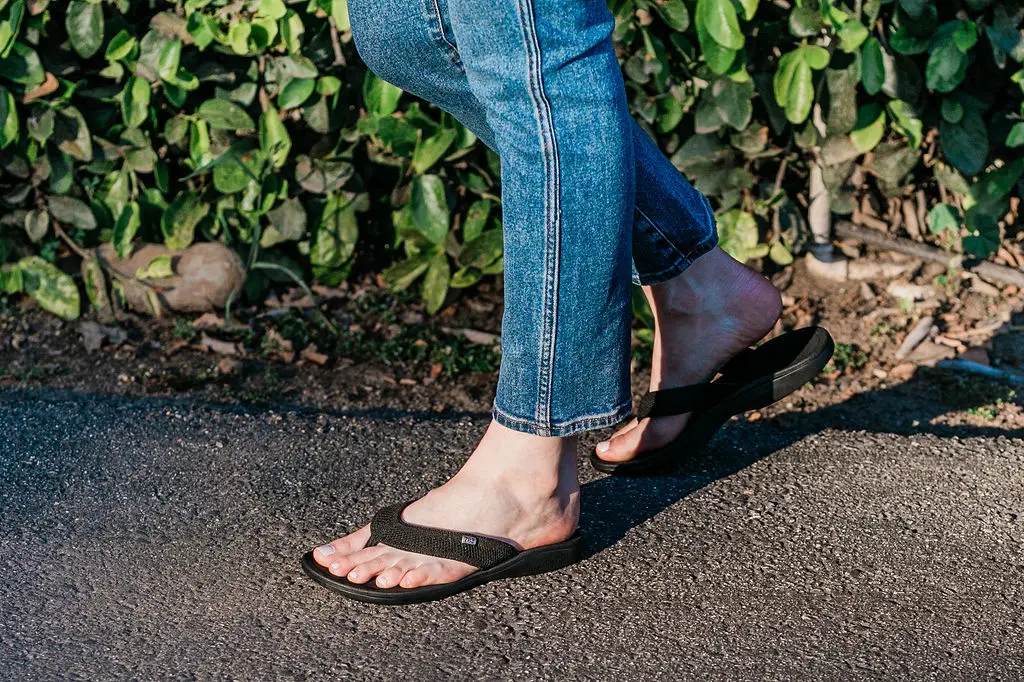
When reading a product page, follow the description from footbed to outsole. Does it name the conductive parts? Does it explain how they connect, rather than only using a label such as “grounding”? Is the description tied to the exact model in the listing? These checks do not independently test a shoe, but they help you distinguish a meaningful construction explanation from a broad marketing phrase.
What questions should you ask about US manufacturing?
Country-of-origin information can be more complicated than a brand’s headquarters or the place where a final step takes place. Before you buy, ask questions tied to the specific product, not just the company as a whole.
- Which exact style are you asking about? Origin can vary across products, even within one collection.
- Where is the shoe assembled? Ask whether the response refers to final assembly or to the full manufacturing process.
- Where are key materials sourced? A shoe may combine components from multiple countries.
- What does the label or claim cover? Request a plain-language explanation of any “made in USA” wording.
- Can the company confirm this in writing? Save the answer and product name if domestic origin is important to your decision.
A clear response should distinguish between a company being American, a design being created in the United States, assembly taking place here, and materials being sourced here. Those statements are not interchangeable. If the information is not available, you can decide whether that uncertainty is acceptable or choose a seller that provides the detail you need.
For a product-specific question, use the official Harmony 783 contact page. Do not rely on assumptions based on a brand name or online comments. You can also review the company’s brand story for company background, while remembering that company history does not confirm a shoe’s country of origin.
To make the message easy to answer, include the full product name and ask one question at a time. For example: “Can you confirm where this style is manufactured or assembled, and explain what your origin statement applies to?” If you also want to know about grounding construction, ask that separately. Clear questions reduce the chance of receiving a general response about the company instead of a product-specific answer.
How should you compare grounding shoe options?
Use the table to organize what you know. “Not confirmed” is a useful answer when a seller has not provided evidence; it is better than guessing.
| What to compare | What to look for | What it does not prove |
|---|---|---|
| Country of origin | A product-specific statement explaining where manufacturing or assembly takes place | That the shoe is conductive or grounded |
| Grounding construction | Specific conductive materials and an explained path through the shoe | That it was made in the United States |
| Fit and comfort | Room for your toes, a secure heel, and a fit suited to your planned use | That the shoe will fit every foot the same way |
| Use and care | Product-specific directions for wear, cleaning, and upkeep | A guaranteed wellness result |
| Return terms | Current written policy and any conditions that apply | That you should skip checking fit or construction |
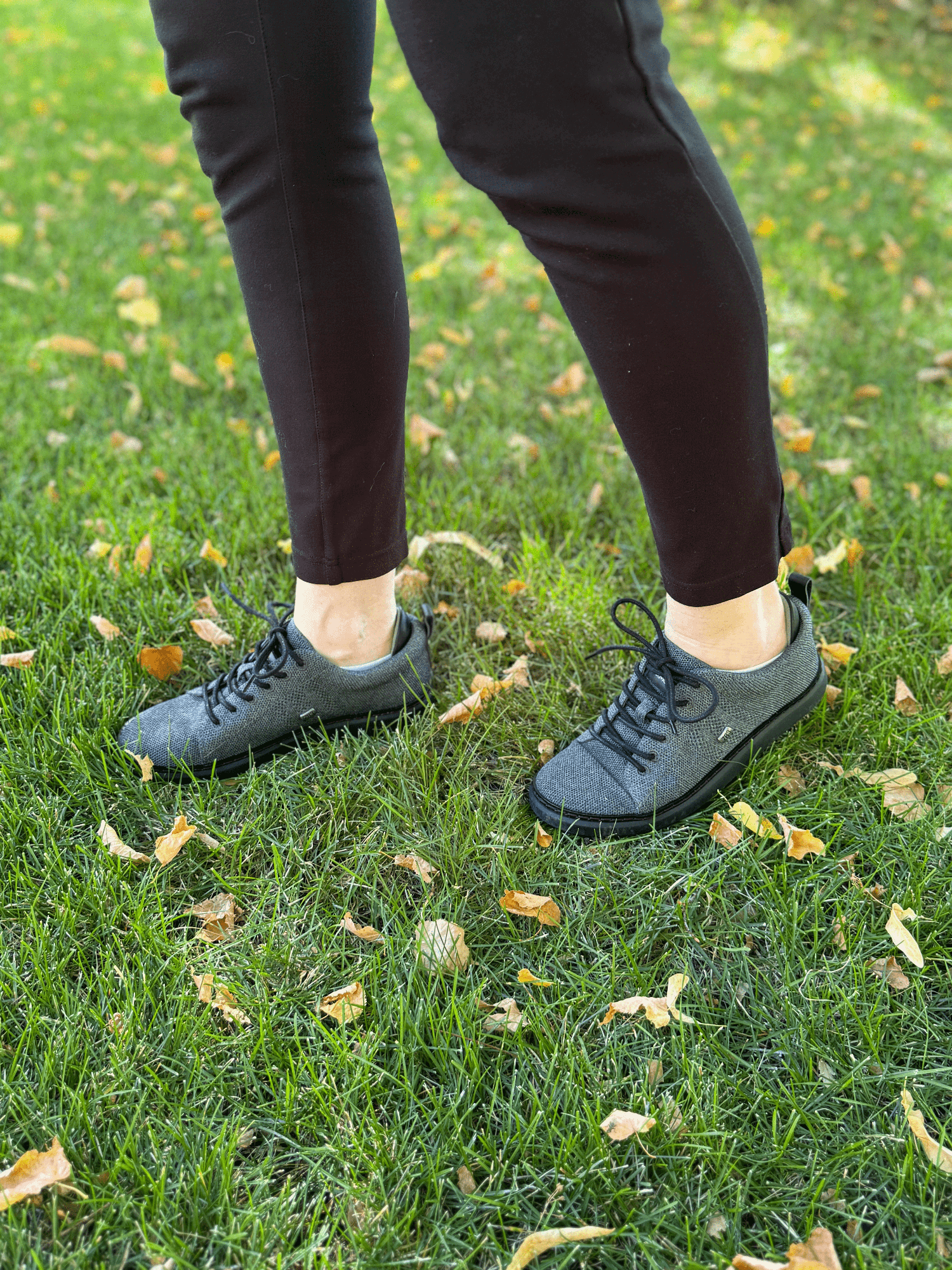
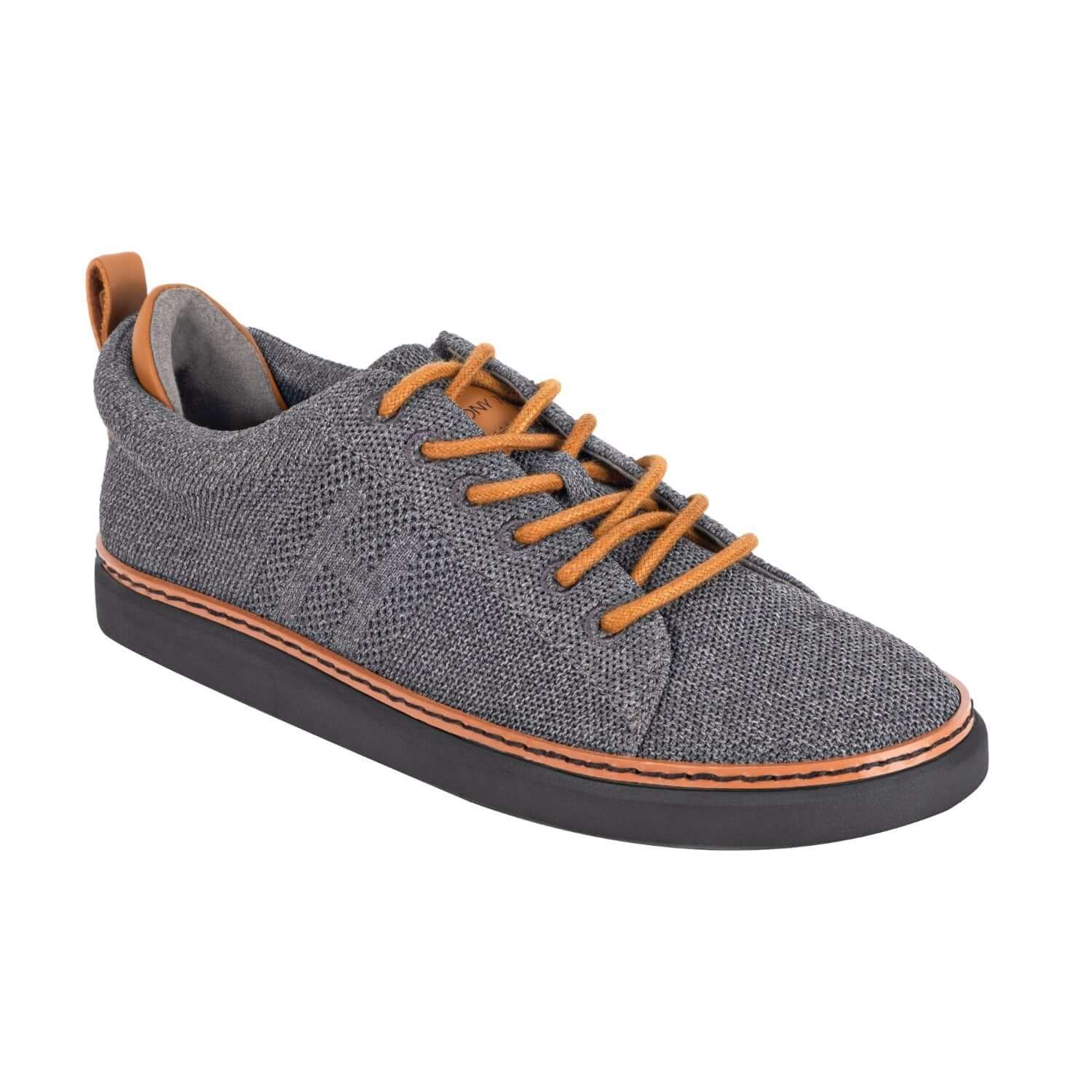
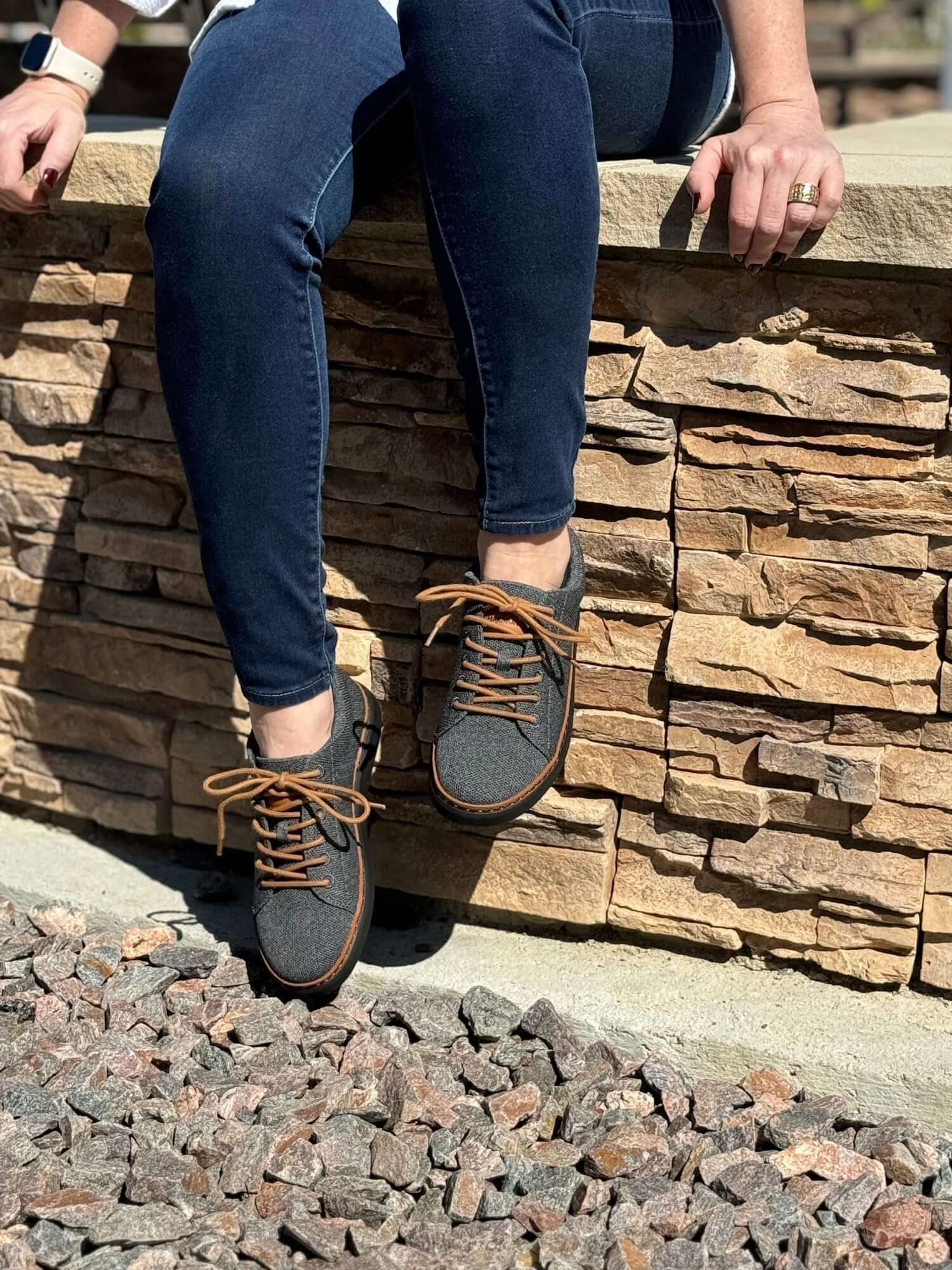
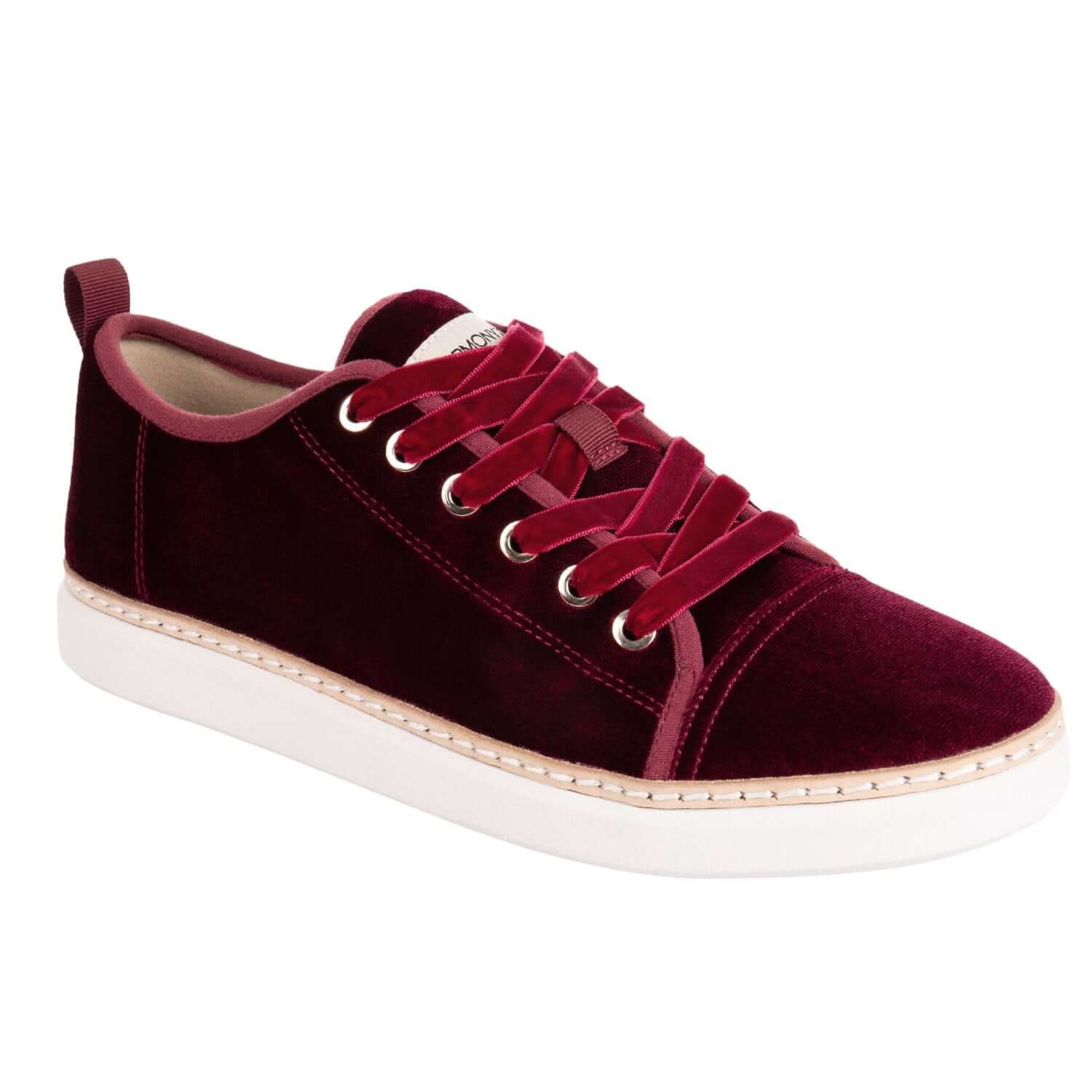
Then compare styles based on where and how you plan to wear them. A sandal may suit warm-weather errands. A walking shoe may offer more coverage for daily routes. A sneaker can be easier to pair with casual clothing. Harmony 783 offers different styles, including grounding sandals, walking shoes, and grounding sneakers. Those links help you compare categories; they do not establish where a particular style is manufactured.
Try applying the table to a real decision. Imagine you find a shoe with a clear US-origin statement but no explanation of conductive parts. Mark origin as “stated” and grounding construction as “unclear.” For another shoe, a detailed conductive description may be available while its manufacturing location is not stated. Mark that separately. This small exercise prevents a strong answer in one column from hiding a gap in another.
Next, rank your own requirements. If domestic origin is essential, treat it as a condition to verify before purchase. If your first priority is an intended conductive design, look for construction details. If you need footwear for a specific daily activity, assess coverage and comfort. A comparison is useful only when it reflects what matters to you, not when it reduces every shoe to a single label.
Related products


How can you judge a seller’s answer about origin?
A useful answer identifies the product and explains the wording being used. If a page says a shoe is “American,” ask whether that refers to the company, design, assembly, or origin of the product. These details matter because a brand may operate in one country while using materials or manufacturing steps from several places. Do not treat an address, a founder’s background, or a domestic warehouse as proof that a shoe was made in the United States.
Read the full product page, including details below the main description. Look for a country-of-origin statement attached to the specific style, not just broad brand language. If the page does not answer your question, send a short, direct message. Name the shoe and ask what the company can confirm about its manufacturing location and materials. A response such as “our company is based here” may be useful context, but it does not answer where that pair was made.
Keep your own checklist simple. You can mark each item as confirmed, unclear, or not important to you:
- Origin information for the exact product is stated clearly.
- The seller explains what a country claim covers.
- The shoe’s grounding construction is described in concrete terms.
- The size chart and product details match your intended use.
- Any return or warranty terms are available before checkout.
This is not a certification system or a score that proves quality. It is a way to avoid mixing different questions together. One shopper may require domestic manufacturing and decide not to buy if the origin remains unclear. Another may care more about a clearly described conductive design and comfortable fit. Both can make an informed choice by deciding what must be confirmed in advance.
When you contact a seller, avoid broad questions such as “Are your shoes American?” A more useful question is: “For this specific style, where does manufacturing or final assembly take place, and what does your origin statement refer to?” For grounding, ask separately which parts are conductive and how the design is intended to work. If you receive a vague reply, request clarification or make your decision based only on what is actually documented.
What should you check for fit and everyday use?
Even a well-described grounding design is not a good choice if the shoe does not fit your foot or your routine. Try shoes indoors first, follow the seller’s current fit guidance, and pay attention to pressure points. The shoe should feel secure without squeezing the toes or rubbing the heel.
Before selecting a style, think about your usual surfaces and the time you expect to wear it. Ask whether you need a sandal, an enclosed shoe, or a pair that works for longer walks. If you are comparing options for a specific activity, check the product’s intended use rather than assuming every grounding shoe is built for every condition.
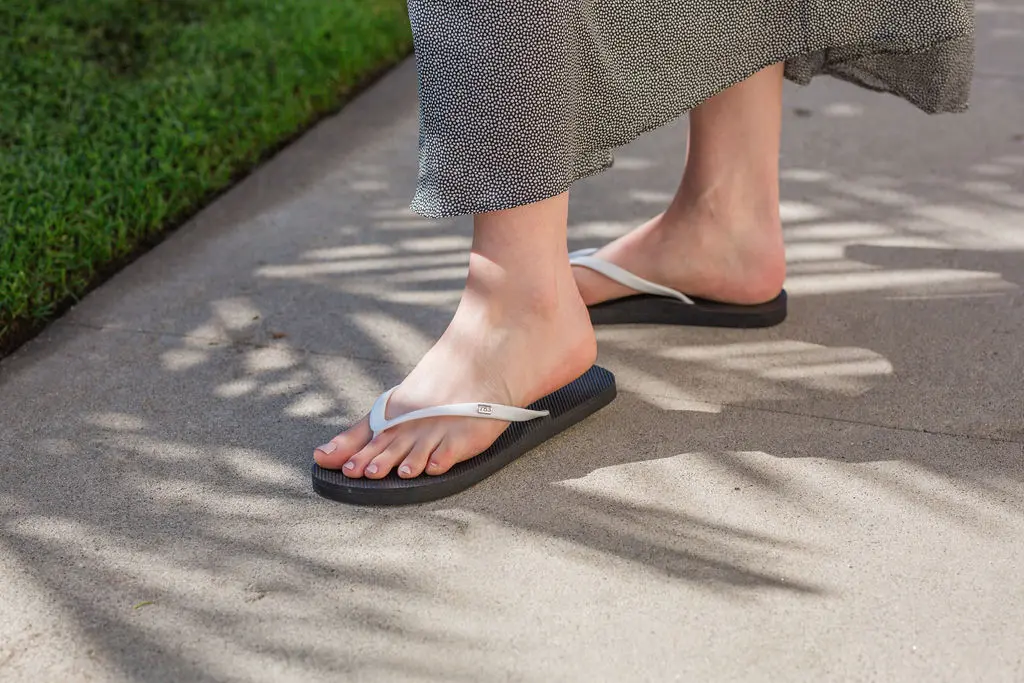
Use the brand’s shoe size guide before ordering. Harmony 783’s product pages offer men’s and women’s sizing options selected with a toggle; check the size chart and the chosen option on the exact product page. For example, browse women’s grounding shoes or men’s grounding footwear and compare the product details that matter to you.
Comfort is personal. A cushioned construction may feel different from minimalist footwear, and a familiar size can fit differently across styles. If you already wear orthotics or have a fit concern, review the shoe’s available space and ask the seller a product question. Do not treat grounding footwear as a substitute for guidance from a qualified health professional.
Plan a low-pressure first wear. Try the pair indoors on a clean floor for a short period, then check for pinching, heel movement, or rubbing. If the shoe feels wrong, do not assume it will become comfortable simply because the design is appealing. Recheck sizing guidance and the seller’s current return terms before wearing it outside. These practical checks are useful for any footwear purchase, grounded or not.
What can a grounding shoe reasonably offer?
People explore grounding for different personal wellness reasons. The grounded connection itself depends on the construction of the footwear and contact with a suitable surface. It does not mean that every surface or situation will create the same conditions. Read the product instructions, use the shoes as intended, and keep expectations modest.
Do not use a product’s grounding description to make decisions about autoimmune disease, ongoing symptoms, or medical care. There is not enough information here to say that grounding shoes prevent, diagnose, or treat any condition. If you have symptoms or a health concern, speak with a qualified healthcare professional. You can explore the brand’s grounding and earthing FAQs for basic product questions, but they are not personal medical advice.
For a practical start, choose one ordinary activity—such as a short walk—and notice whether the footwear feels comfortable and fits your routine. Check the shoe before and after use, and follow care directions. This lets you assess a real-world fit without expecting a particular health effect.
It can help to separate three kinds of questions. A product question asks how the shoe is built. A use question asks whether the style suits your planned walk or daily routine. A health question concerns symptoms, conditions, or treatment and belongs with a qualified healthcare professional. Keeping those conversations distinct can make shopping less confusing and help you avoid expecting a shoe to do more than its product details can support.
Where can you browse grounding footwear?
Once you have separated origin from grounding construction, narrow your search to the style and fit you want. You can browse the full grounding shoe collection, check popular grounding footwear styles, or see new grounding shoe styles. Product availability and details can change, so review the individual listing before purchase.
If your top requirement is specifically US manufacturing, contact the company for confirmation on the exact pair first. If your priority is finding a purpose-built grounding design, focus on the product’s construction description and fit. For current policy details, review the Harmony 783 promise and warranty before ordering. Policies can have terms and conditions, so read the page rather than assuming a particular outcome.
Before checkout, repeat your checklist against the exact listing you plan to buy. Confirm the style name, selected men's or women's sizing option, intended use, and any origin information you need. If one required answer is missing, pause and ask rather than filling in the blank yourself. That simple final review is especially helpful when several styles look similar or when the same brand offers multiple construction types.
Browse the grounding shoe collection
What questions do shoppers ask about grounding shoes made in USA?
Are all grounding shoes made in the United States?
No. “Grounding” describes an intended conductive design, not where a shoe is manufactured. Check the origin information for the exact style you are considering.
Does a shoe made in the USA automatically ground the wearer?
No. Domestic manufacturing does not establish that a shoe has conductive components or a grounding path. Look for a clear explanation of the product’s construction.
Are barefoot shoes the same as grounding shoes?
No. A barefoot shoe is not grounded unless it was specifically constructed as grounding footwear. A thin sole or flexible shape alone does not establish electrical conductivity.
Does Harmony 783 confirm every shoe is made in the USA?
No such claim is established in the product information used for this guide. Ask about the exact style through the company’s contact page if US origin is important to your decision.
Browse grounding shoes and compare styles
The clearest choice is the one that fits your needs and is supported by product details you can verify: country of origin, grounding construction, fit, and use are separate checks.