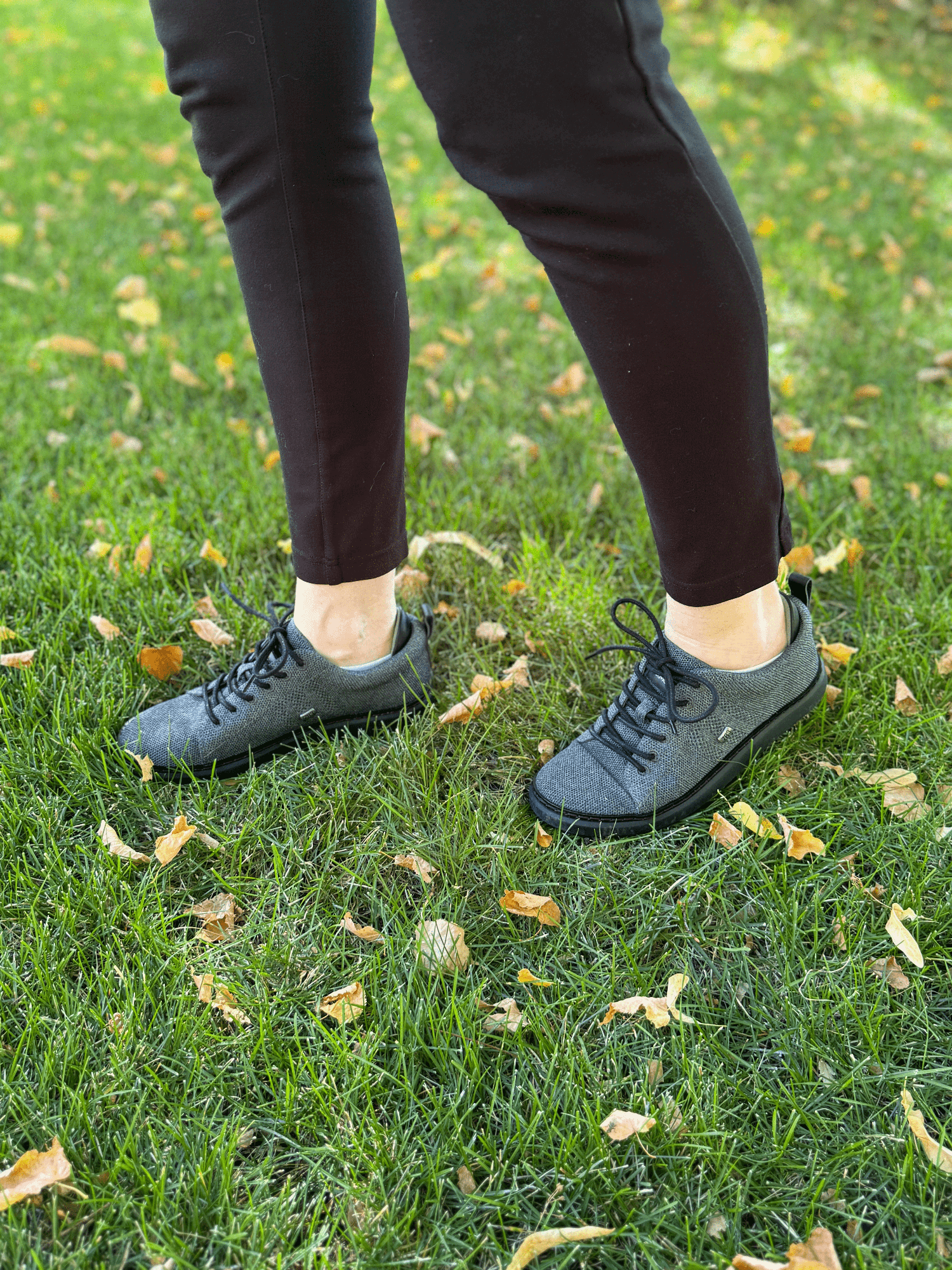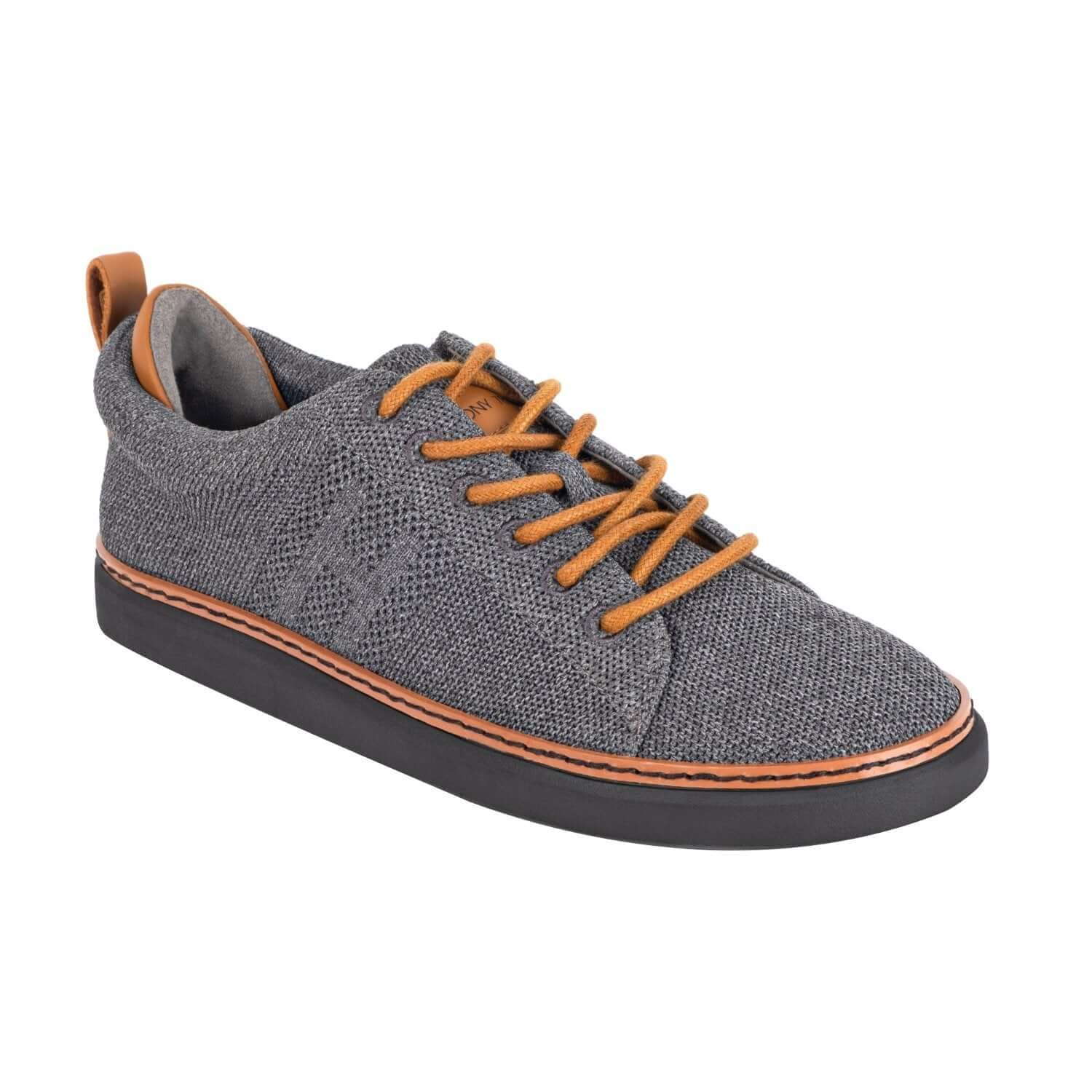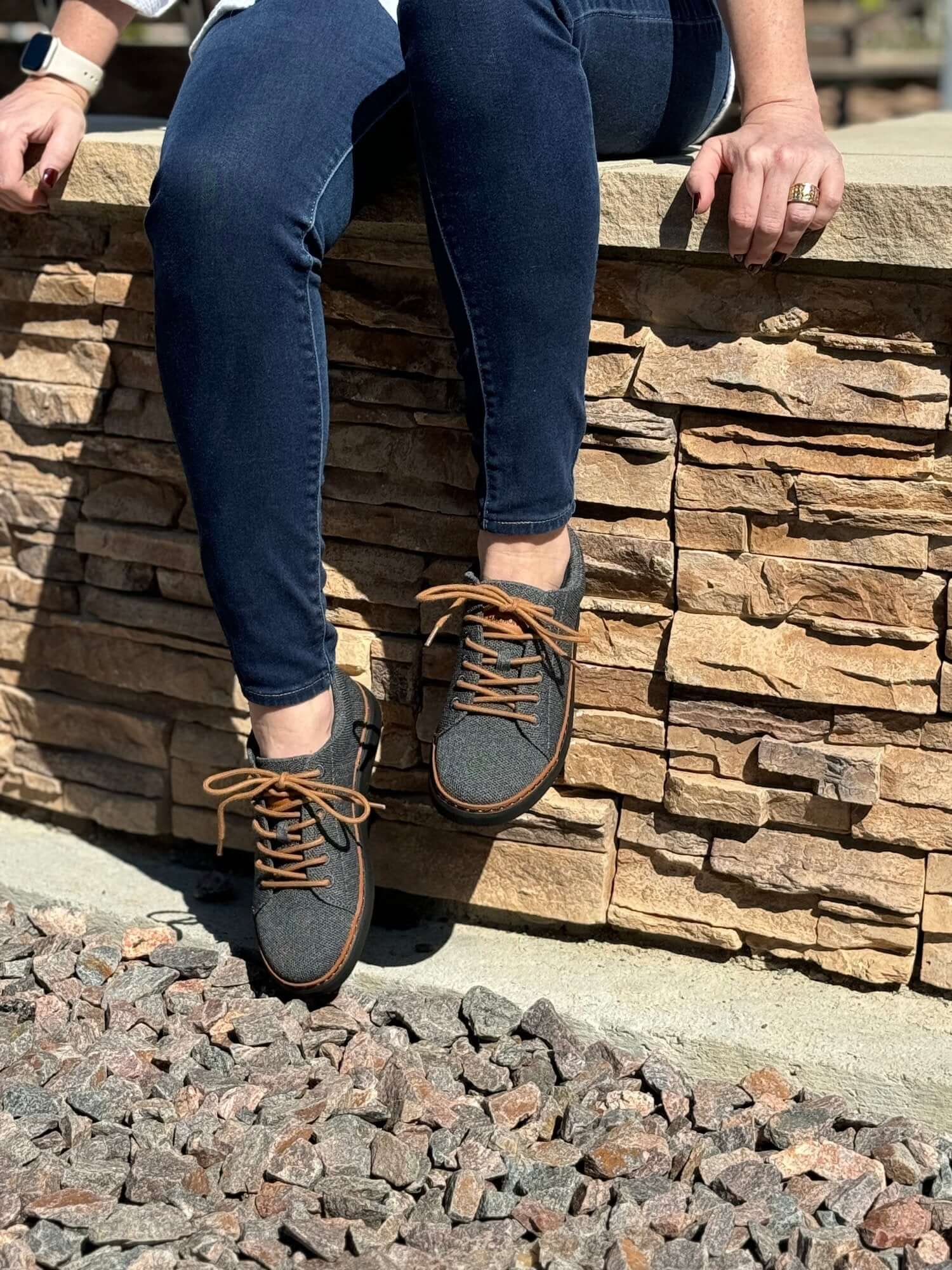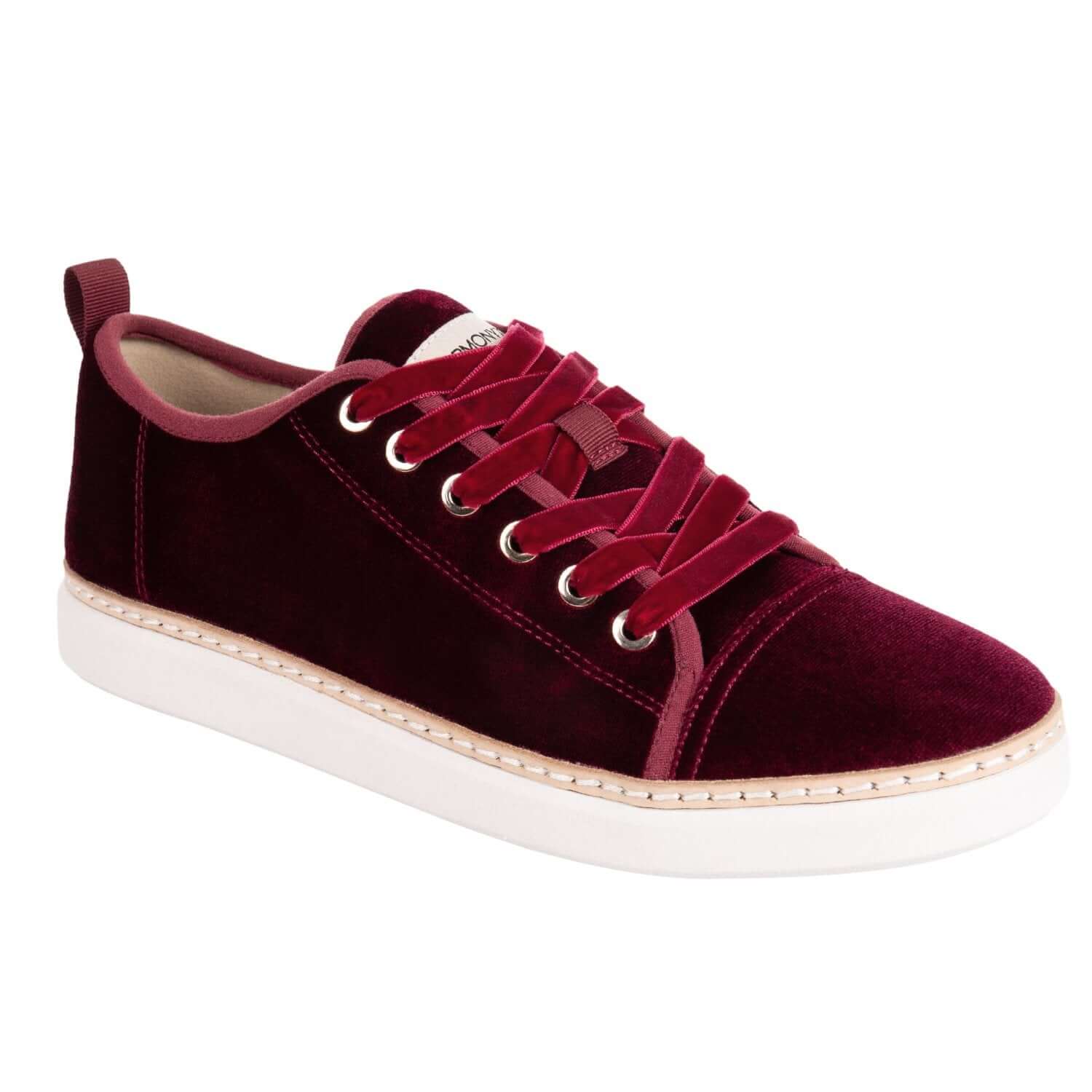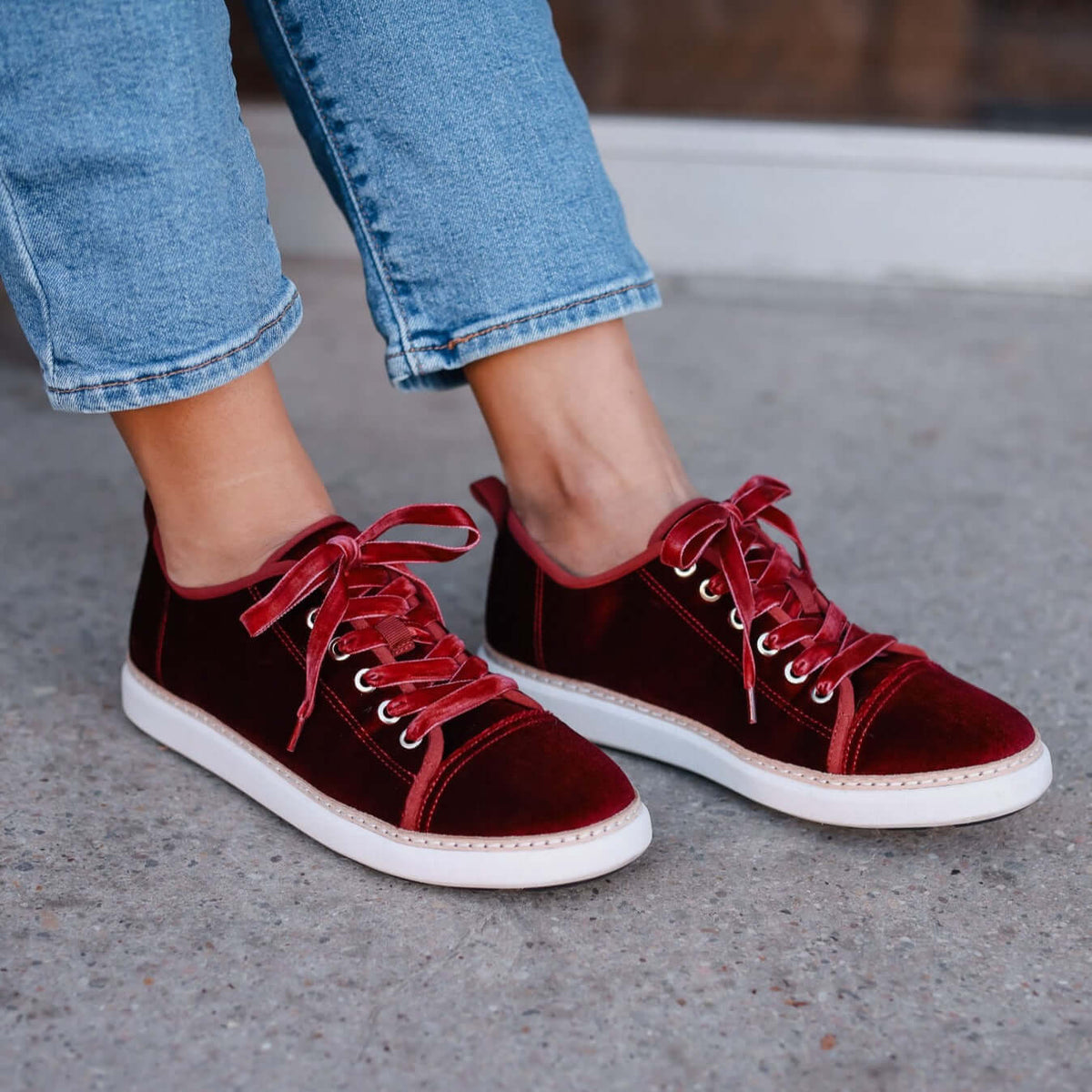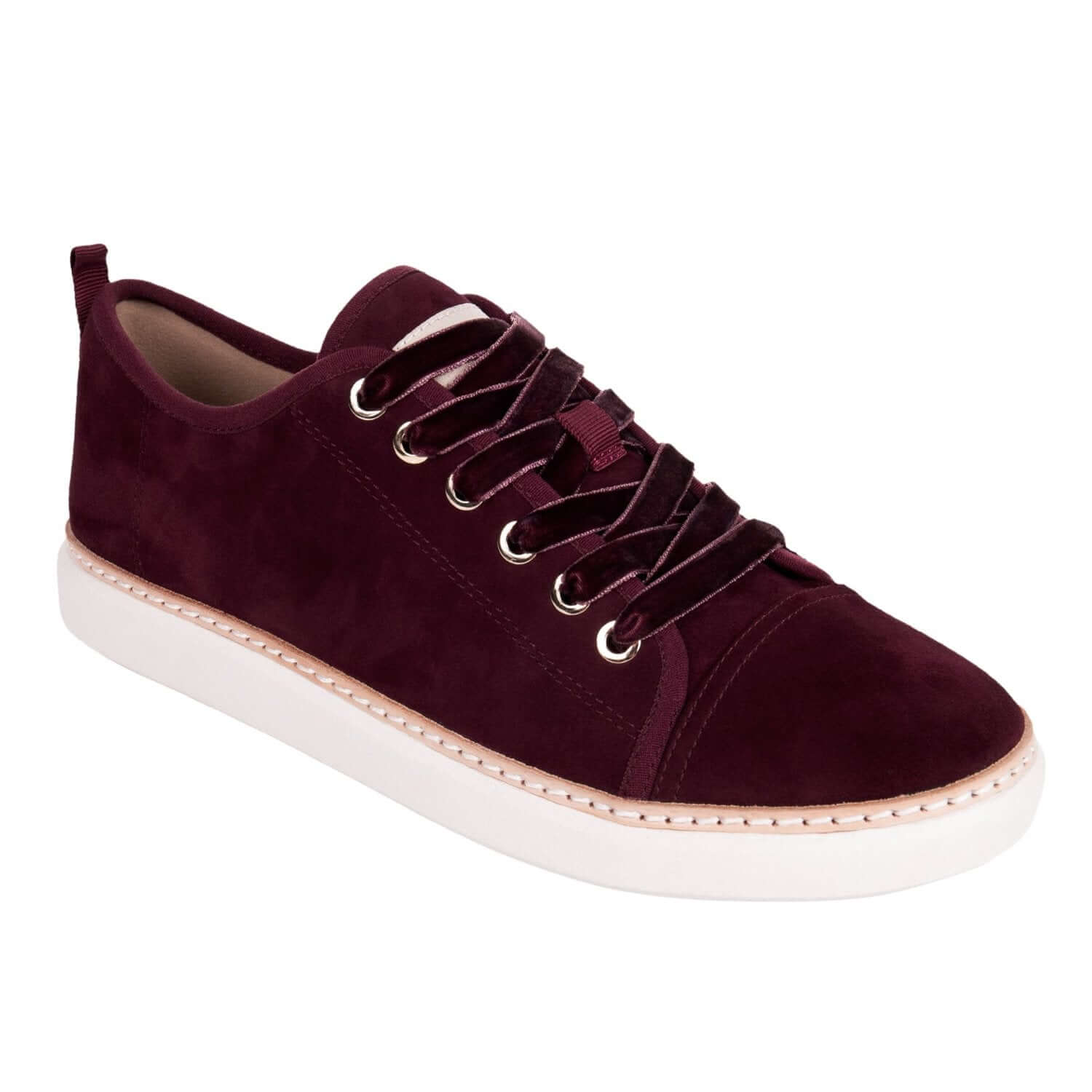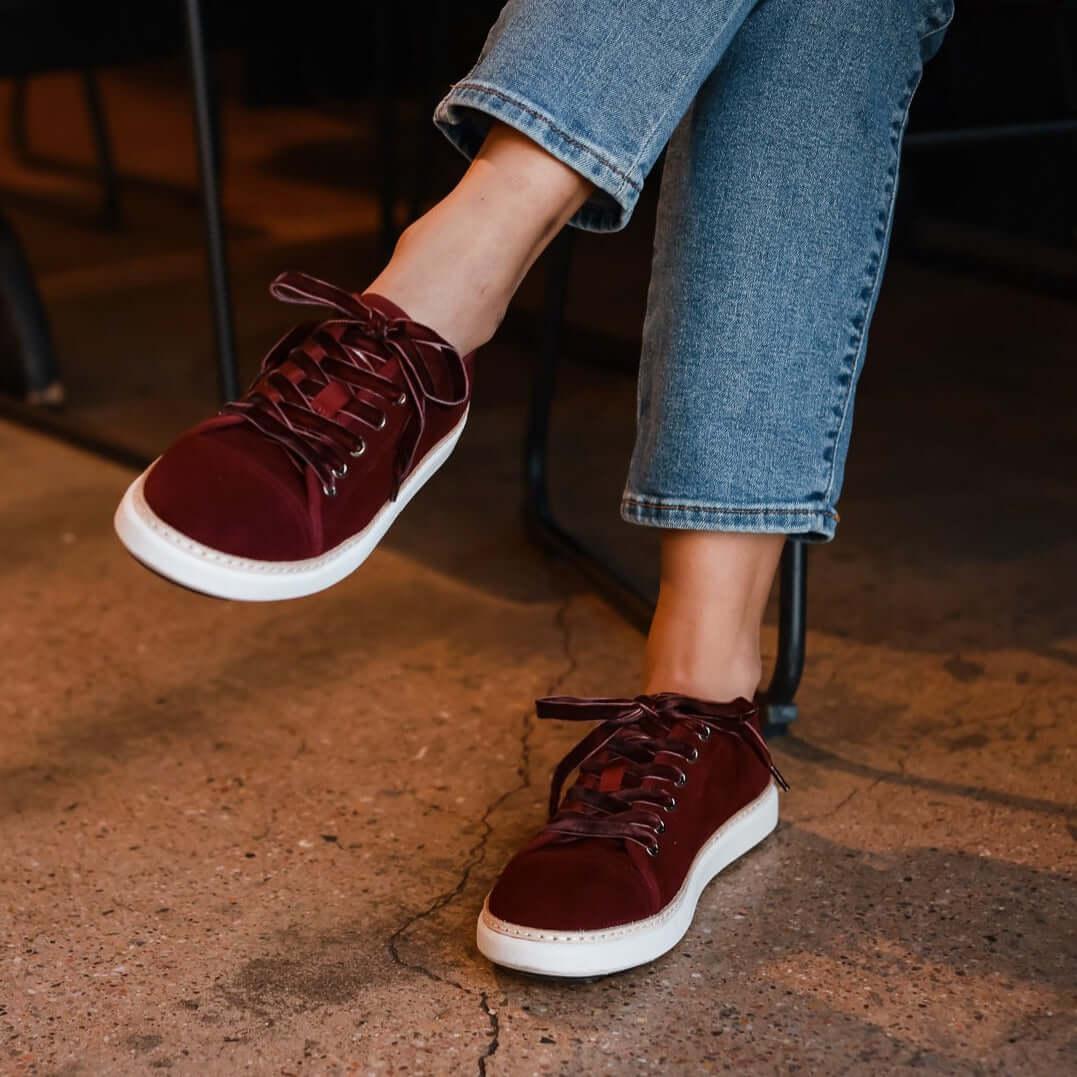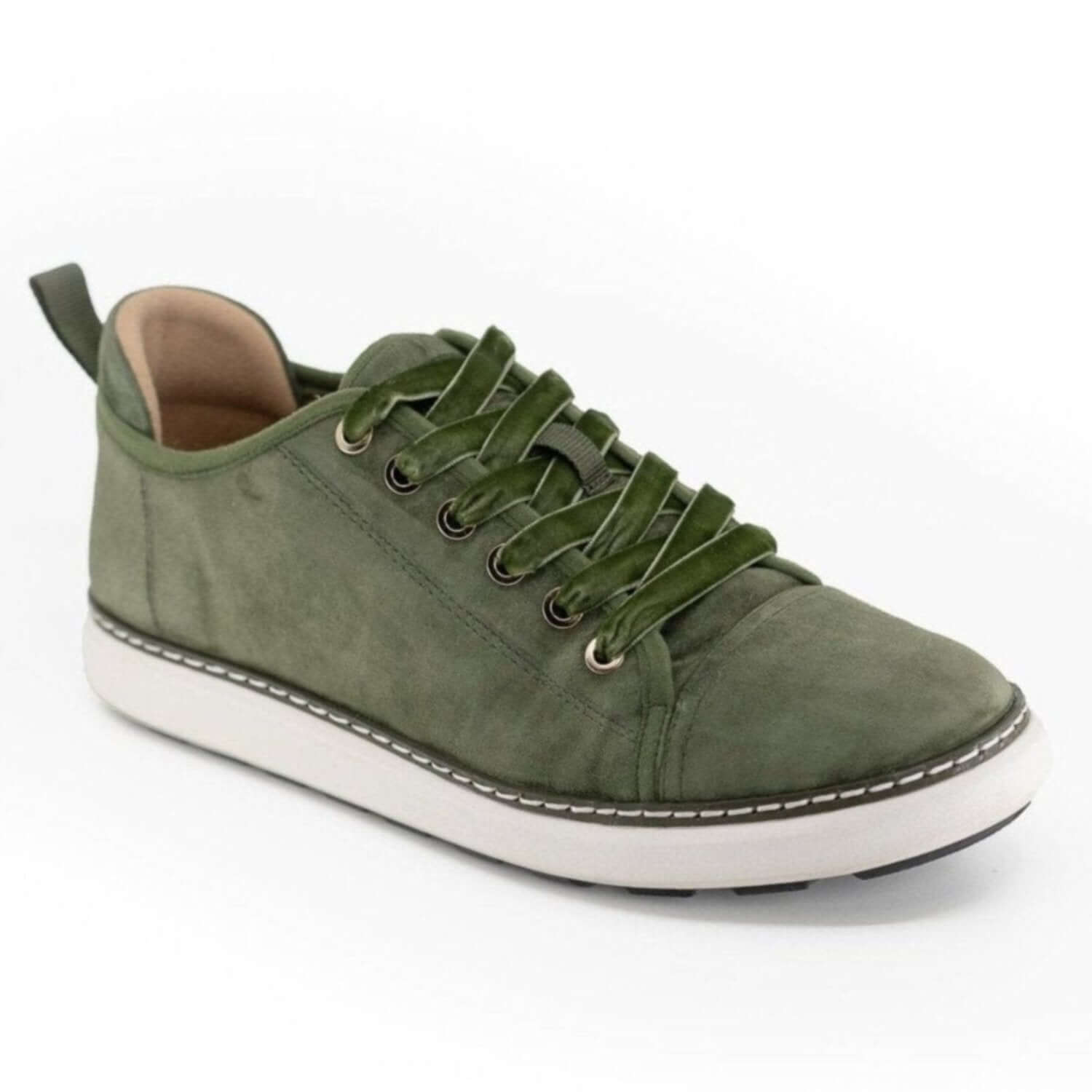

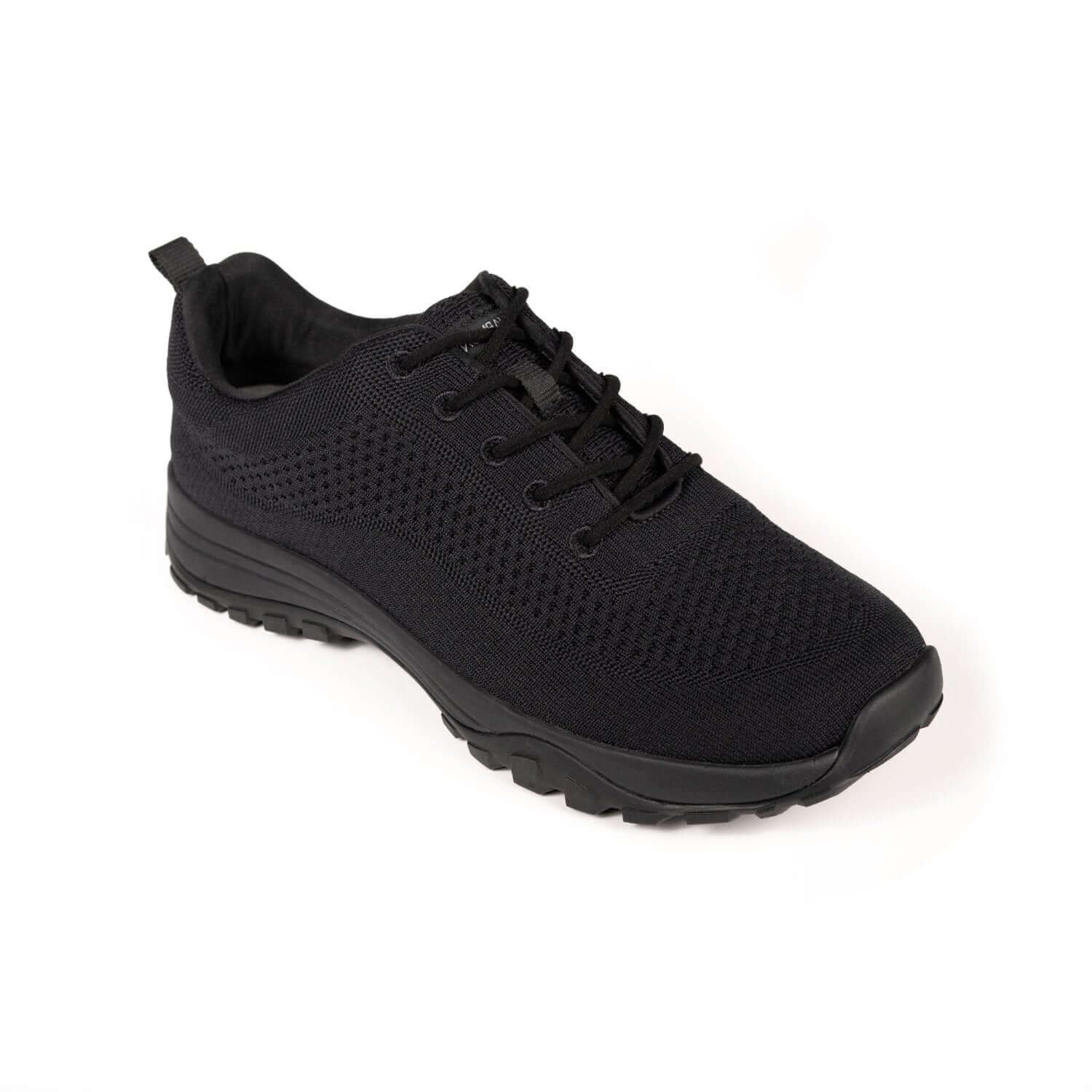


Grounding Shoes for Travel: A Practical Guide
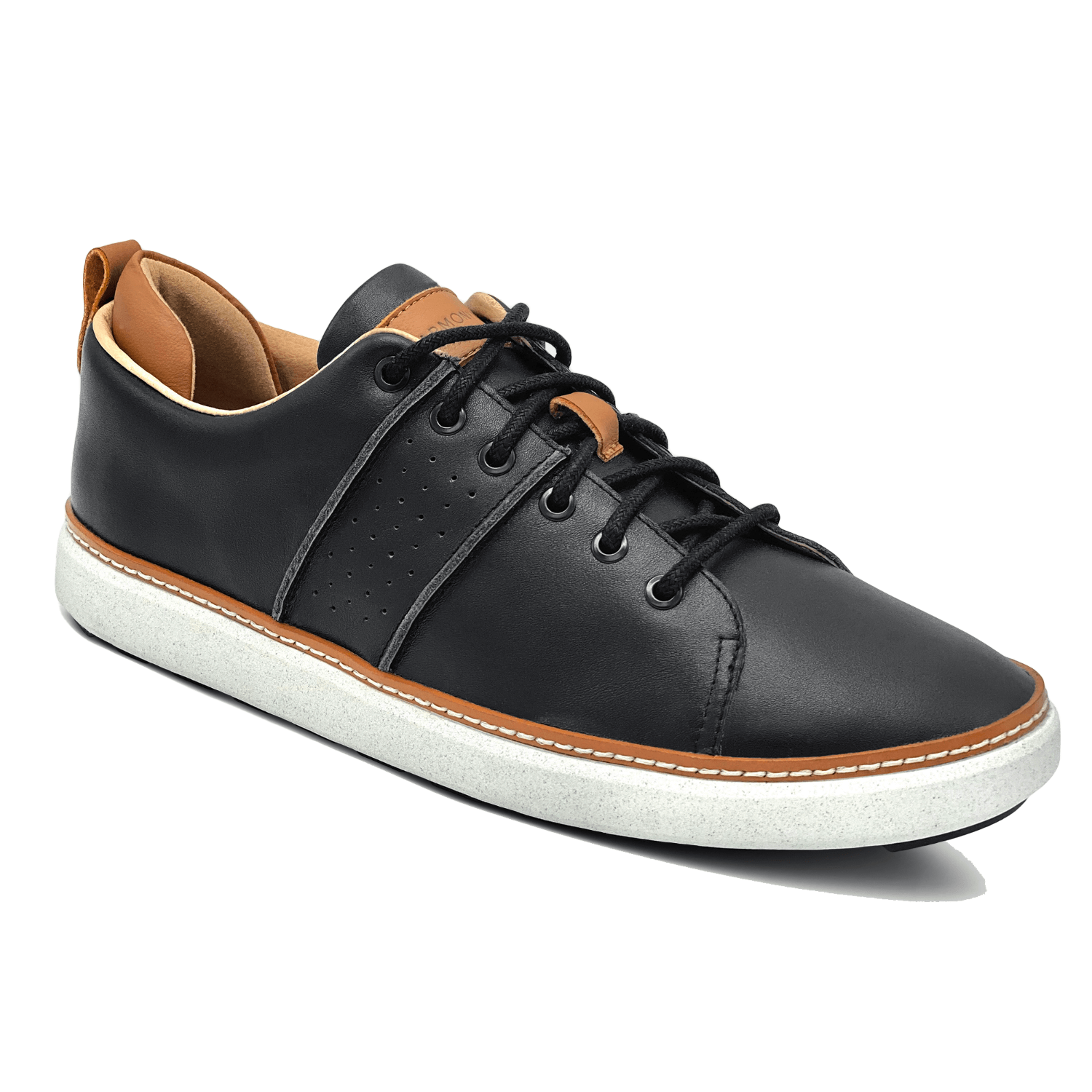
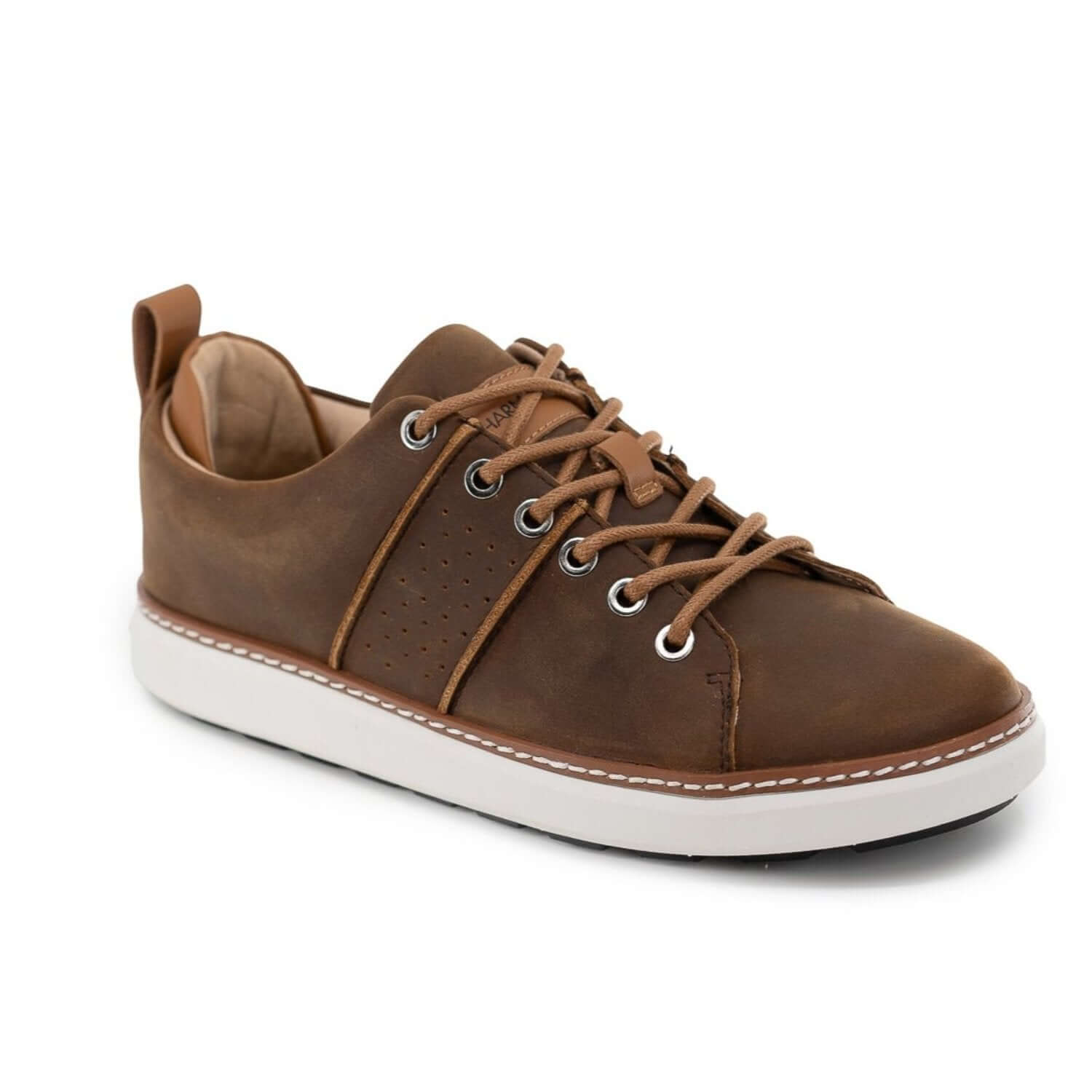
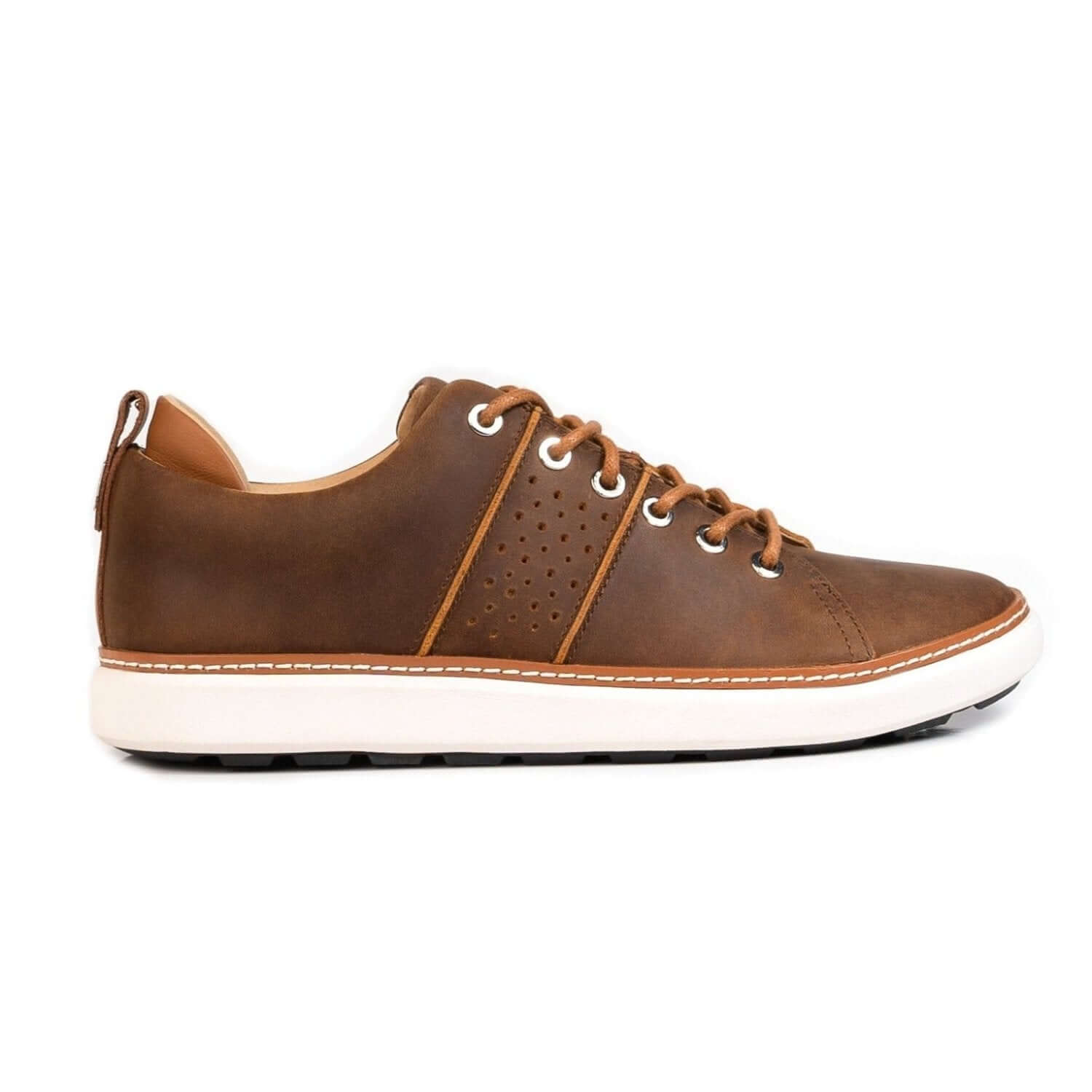
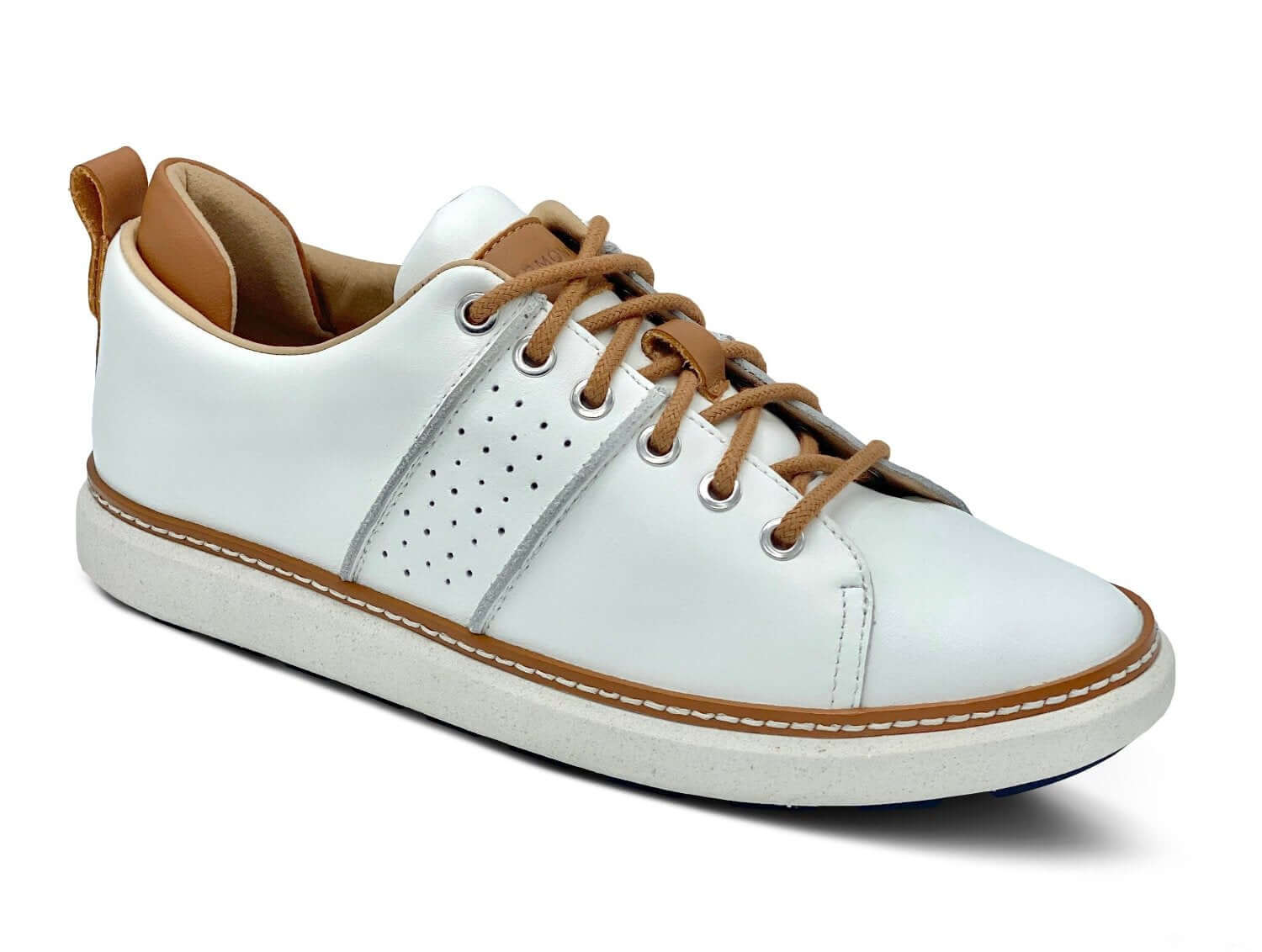
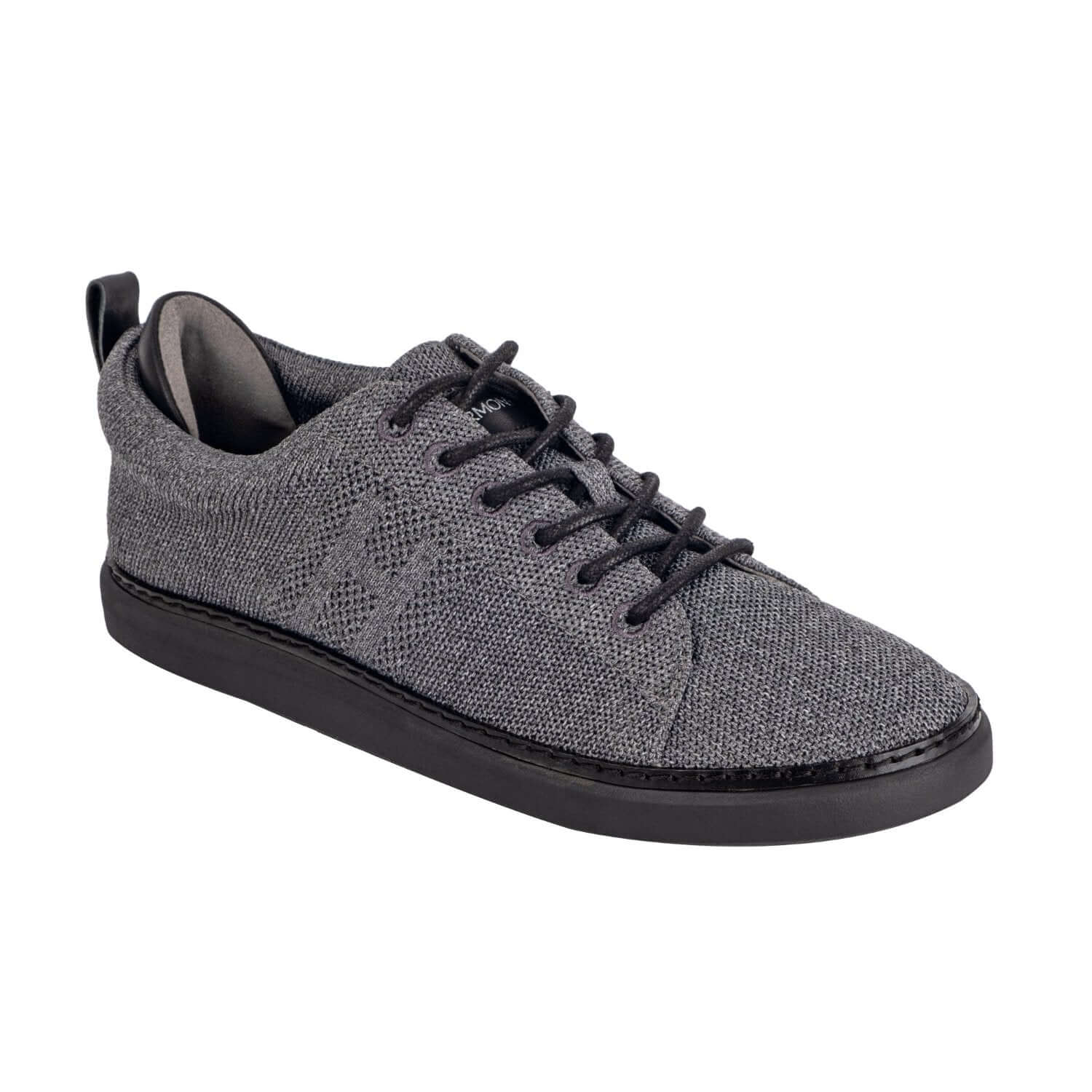
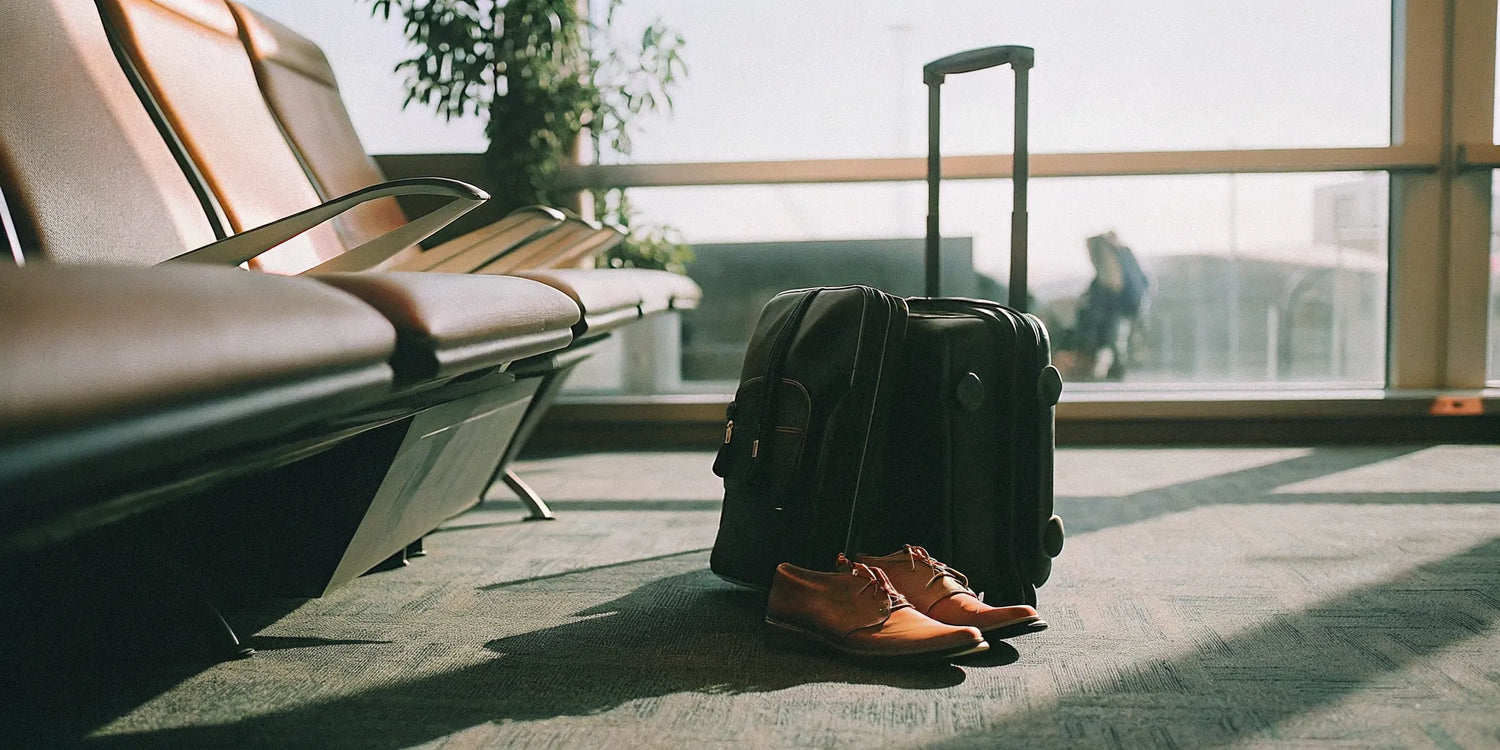
The best grounding shoes for travel combine a conductive design with the qualities every dependable travel shoe needs: a comfortable fit, useful traction, easy packing, and a style that works across an itinerary. They cannot ground you while you are on an airplane or walking on an insulating surface. After arrival, however, they may provide a conductive path when the outsole touches a suitable surface. This guide explains how to choose, test, pack, use, and care for a pair without overstating what grounding can do.
Shop grounding shoes for travel
Grounding shoes use conductive materials to create a path between the foot and a conductive ground surface. For travel, choose a pair first for fit, walking comfort, traction, climate, and packability. Then confirm how its conductive design works and where it can be used. Research into grounding and health outcomes remains preliminary, so grounding footwear should not replace medical care or standard travel-health guidance.
Why grounding shoes for travel need a different checklist
A shoe that feels fine during a short walk at home may not suit a demanding travel day. One itinerary can include an airport, a flight, public transit, cobblestones, and dinner. Travel concentrates many demands into one pair. Your shoes may need to handle more walking than usual, adapt to changing temperatures, and fit into limited luggage space.
Grounding adds another consideration: conductivity depends on the full path between your foot and the Earth. A conductive shoe does not create that connection by itself. The outsole must touch a conductive surface, and dirt, damage, or an insulating floor may interrupt the path. Understanding what grounding means helps set realistic expectations before you pack.
Airports and transit
Airport floors are commonly covered with carpet, vinyl, sealed concrete, or other materials that may insulate rather than conduct. Security procedures also vary, and conductive components do not guarantee that shoes can stay on during screening. Choose a design that you can remove and put back on without creating stress in a busy line.
Long transit days can also change how shoes feel. Feet may swell during prolonged sitting, and rushing between gates puts traction and fit to the test. A roomy but secure toe box, a heel that does not slip, and an outsole suited to smooth indoor floors matter more during transit than any wellness claim.
Walking comfort and versatility
Estimate the longest walking day on your itinerary, not the average one. If you expect museums, city streets, trails, or long station transfers, test the pair on comparable surfaces before leaving. A flexible sole may pack easily, but flexibility alone does not guarantee support or comfort for every foot.
Versatility also reduces luggage. Neutral footwear that works with several outfits can replace a second pair, but only if it is suitable for the weather and activities you have planned. Browse the Harmony 783 footwear collection with your actual itinerary in mind rather than choosing by appearance alone.

What to look for in grounding travel shoes
The right pair balances ordinary footwear performance with a clearly explained conductive design. Do not let the word grounding distract from basic fit and safety. A travel shoe still needs to protect your feet, feel secure, and suit the surfaces you expect to encounter.
A continuous conductive path
Grounding footwear typically incorporates conductive materials into the footbed and outsole so that there can be a path from the wearer's foot to a conductive ground surface. The exact construction differs by product. Read the product details and care instructions rather than assuming that every thin-soled or minimalist shoe is conductive.
Ask practical questions before buying. Does the product explain which parts are conductive? Does it state what kinds of surfaces are suitable? Are there specific cleaning or drying instructions? Harmony 783's grounding shoes guide offers more background on how this category differs from conventional footwear.
Fit you can test before departure
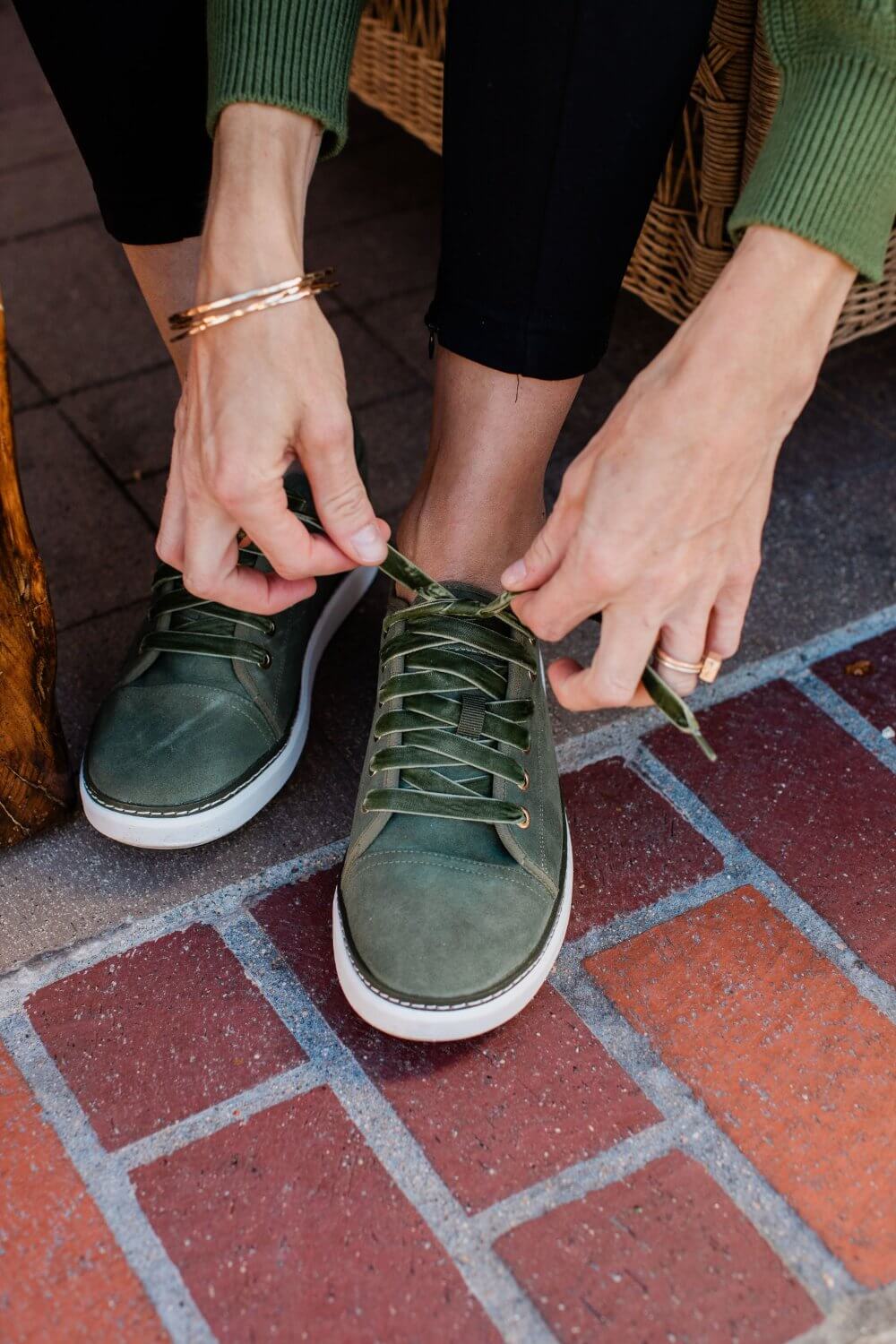
Fit is personal. Some travelers prefer a wider toe box and more natural movement, while others need a more structured feel. Try shoes with the socks you plan to pack, then wear them during errands and progressively longer walks. Test stairs, inclines, and smooth floors where possible.
Pay attention to pressure at the toes, rubbing at the heel, and whether your foot slides inside the shoe. If the pair becomes uncomfortable after an hour at home, it is unlikely to improve during a full travel day. Travelers changing to a more flexible or minimalist style may need a gradual transition rather than an abrupt switch before departure.
Traction, climate, and construction
Review the forecast and likely terrain. Breathable materials may suit a warm city but may not be enough for cold rain. Deep tread can help on loose paths, while a different outsole may perform better on smooth indoor surfaces. No shoe is ideal for every condition, so match the pair to the most demanding part of the trip.
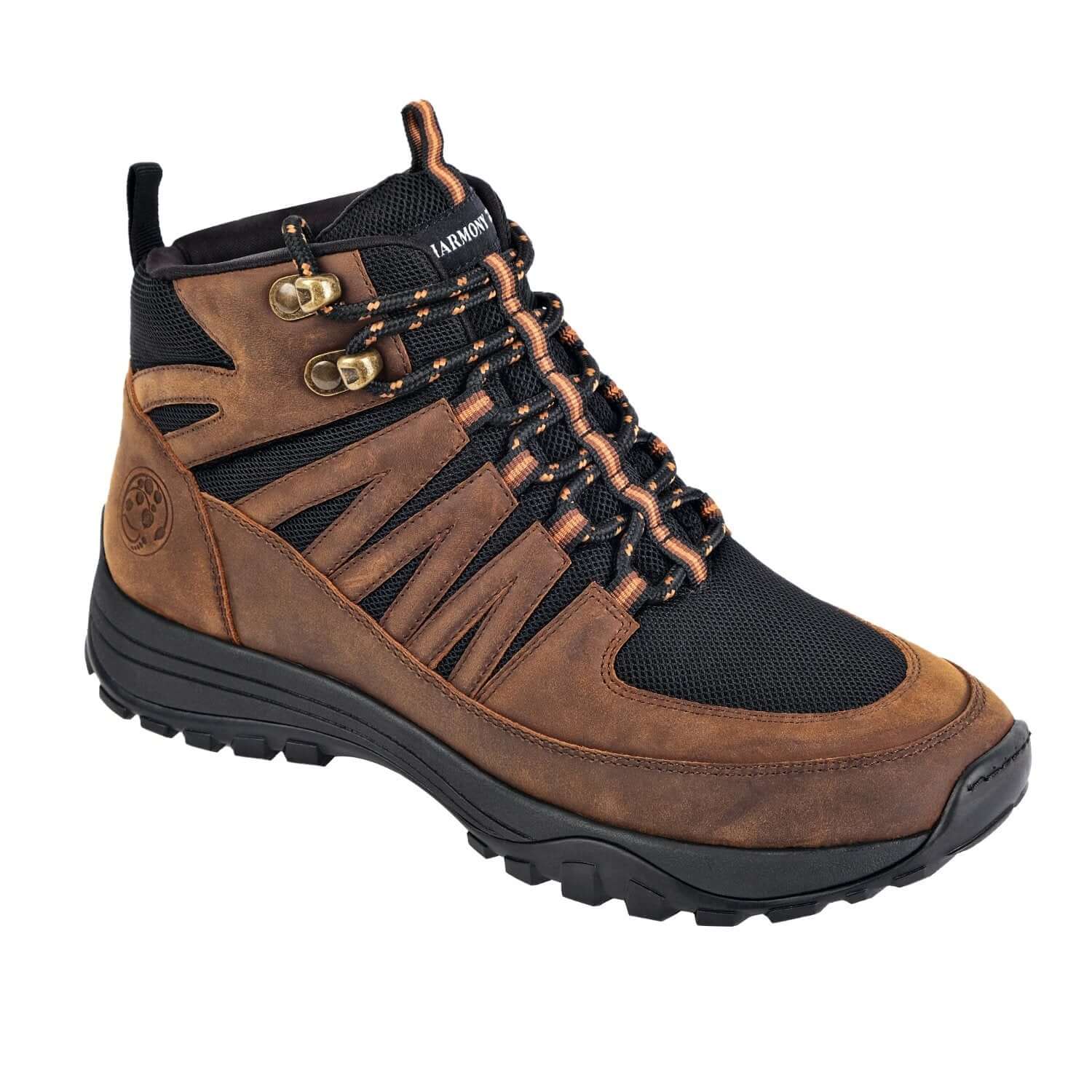
Also inspect seams, laces, and attachment points before packing. A small weakness can become a major inconvenience away from home. If your itinerary includes rugged trails, heavy rain, or specialized activities, pack footwear designed for those needs even if it means bringing a second pair.
Packability and airport ease
Lightweight shoes save luggage weight, but avoid crushing a structured pair simply to make it fit. Slip-on designs can be convenient at checkpoints, while laces may provide a more adjustable fit. The best choice depends on your foot and route, not a universal travel rule.
| Feature | Question to ask | Why it matters |
|---|---|---|
| Fit | Is it comfortable after several hours? | Travel often involves longer walking days. |
| Conductive design | Is the foot-to-outsole path clearly explained? | Grounding requires a continuous conductive path. |
| Outsole | Does it suit expected terrain and weather? | Traction and durability affect everyday safety. |
| Entry style | Can you remove and adjust it easily? | Useful at security and during long transit days. |
| Care | Can it be cleaned and dried while traveling? | Good care supports comfort and product life. |
How to choose one pair for the flight and the trip
When luggage space is limited, start with your itinerary. List the surfaces, weather, clothing, and longest walking periods you expect. Then identify the pair that meets the greatest number of real needs without compromising comfort. Grounding capability is useful only when the shoe is appropriate enough to wear.
Match the style to your plans
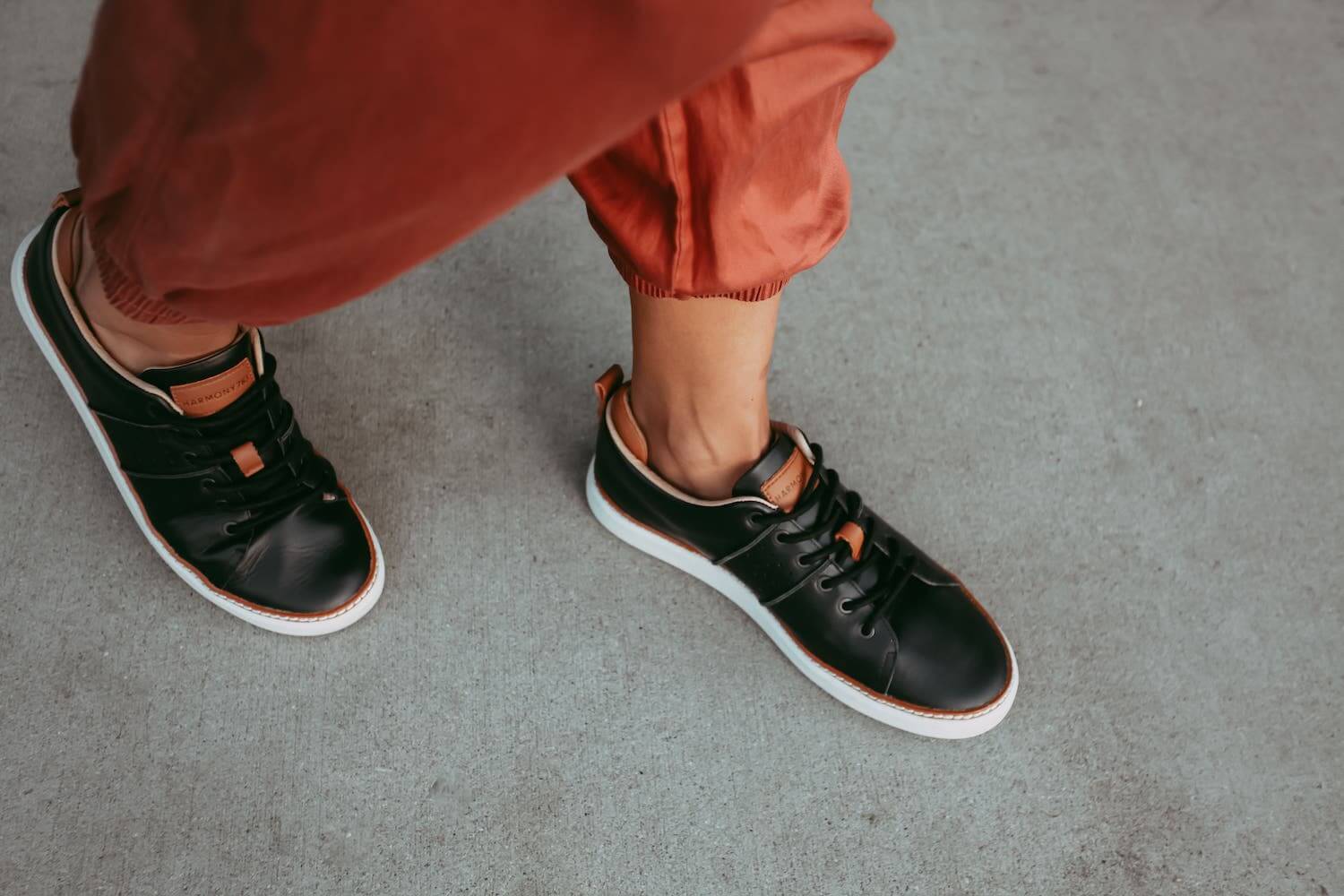
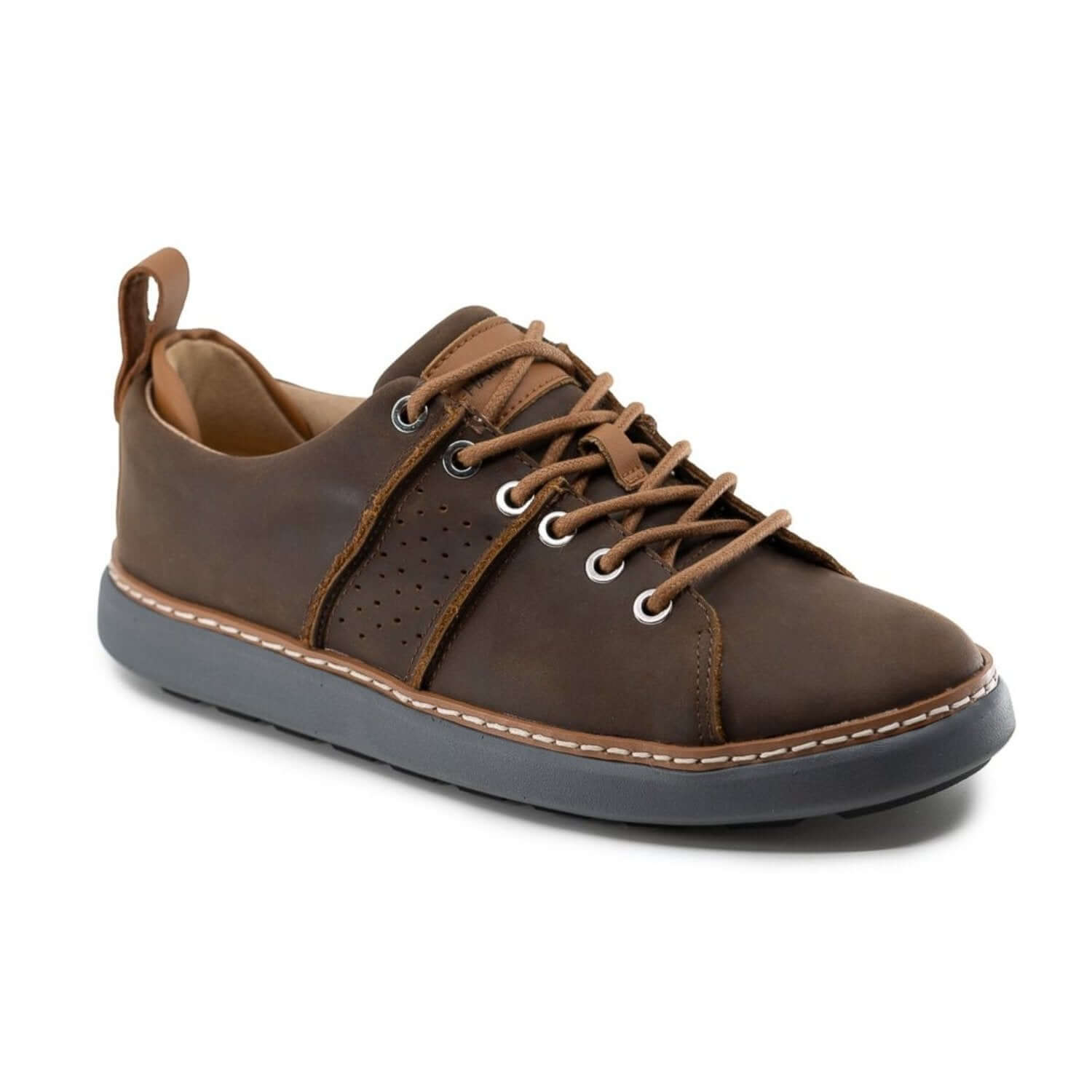
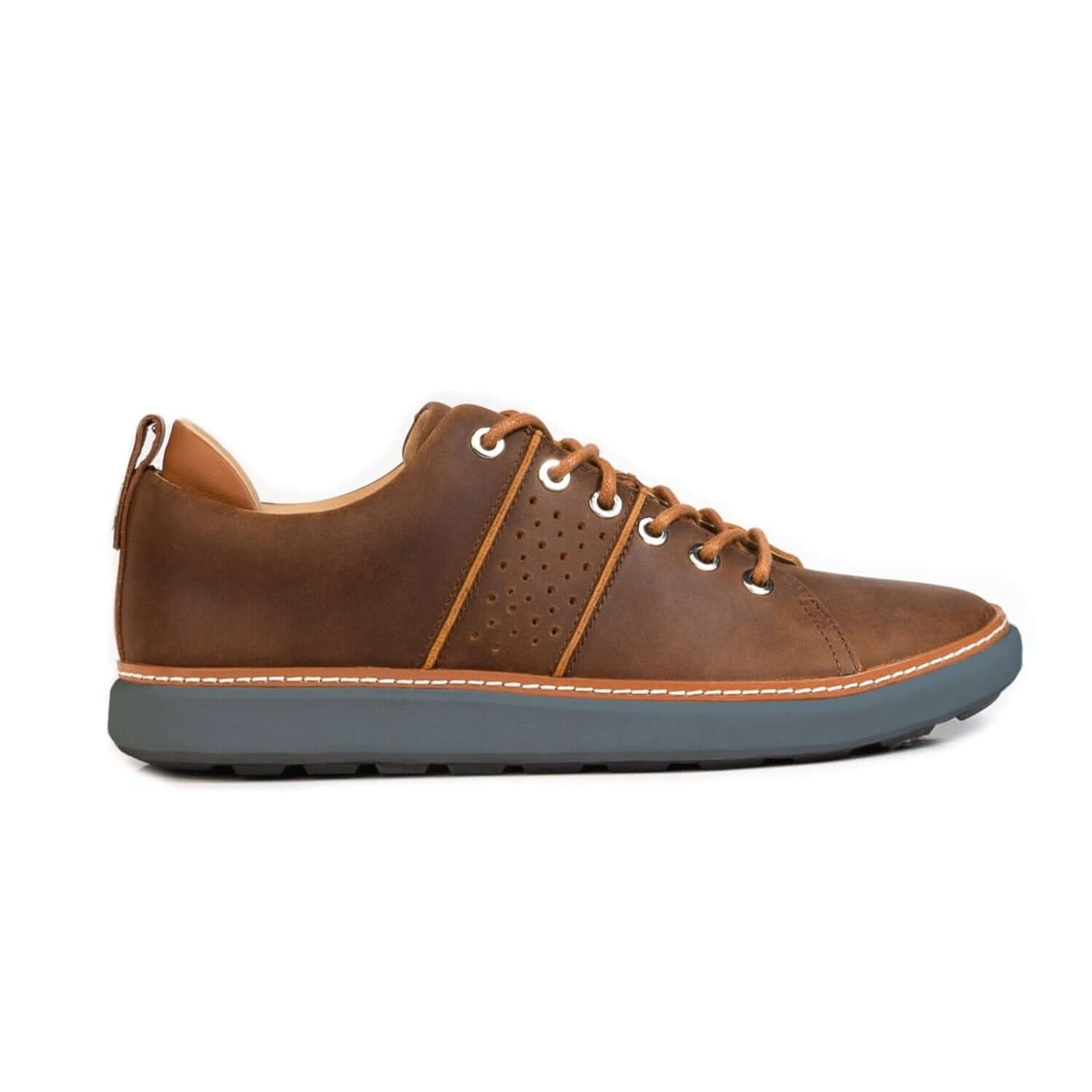
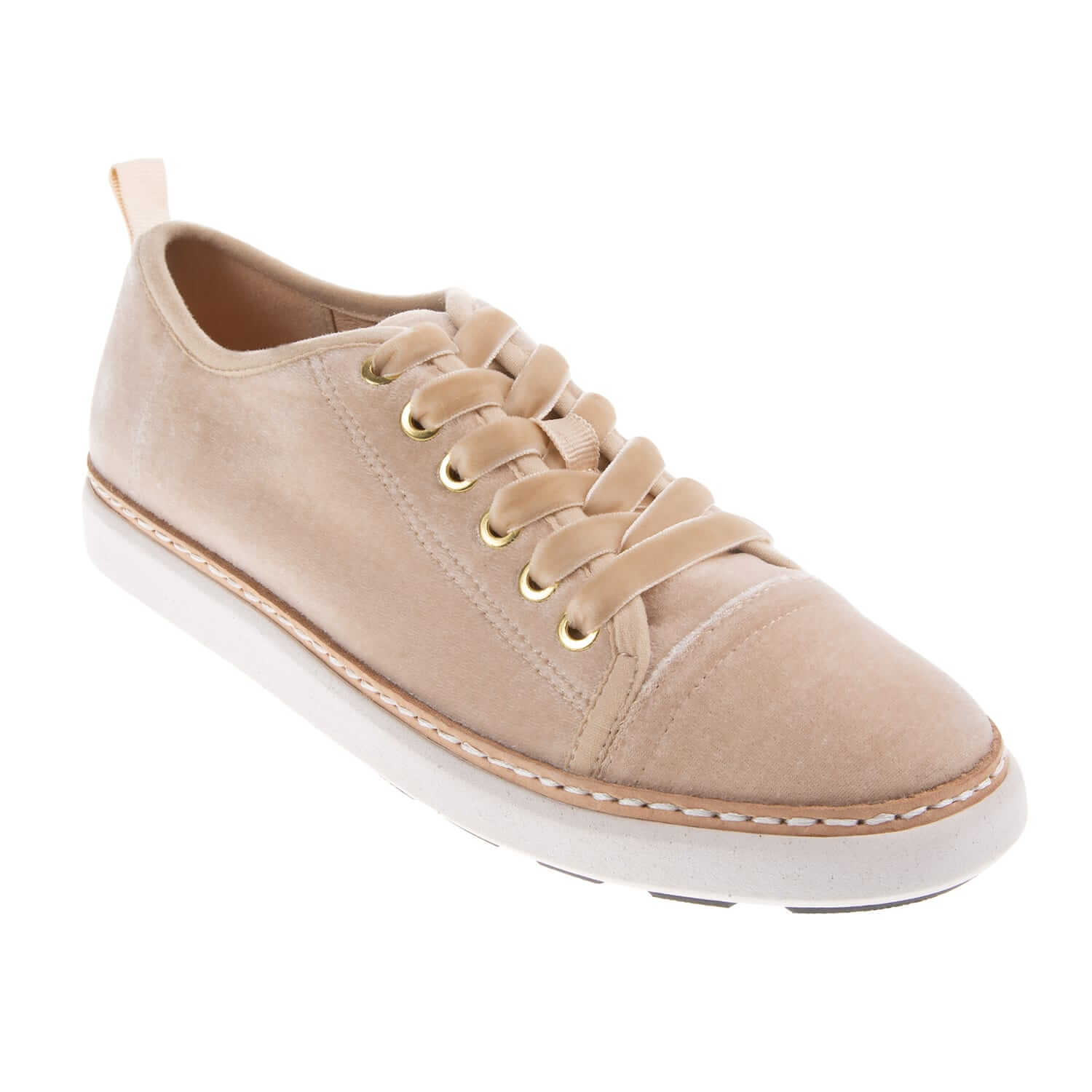
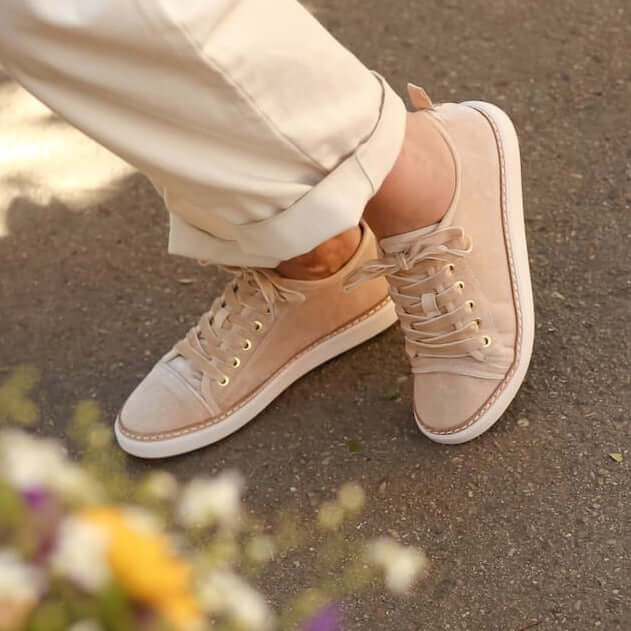
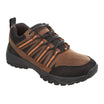
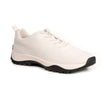
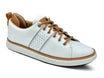
A simple sneaker or casual lace-up may work across airport transit, sightseeing, and informal meals. A trip focused on business events may call for a different appearance, while a hiking itinerary requires footwear built for the route. Choose a color and silhouette that work with several outfits so you are not packing around one pair of shoes.
Review specific product information in the complete footwear range, including materials and care guidance. Do not assume every model has identical construction or is intended for the same conditions.
Run a realistic pre-trip test
Wear the shoes during a practice day that resembles travel. Walk for several hours, spend time sitting, climb stairs, and carry the bag you expect to use. Notice whether your socks bunch, the laces loosen, or the outsole feels insecure on wet or polished surfaces.
- Try the shoes with your planned travel socks.
- Check fit early in the day and again after several hours.
- Walk on surfaces similar to those at your destination.
- Inspect the outsole and upper after the test.
- Confirm you can clean and dry the shoes as directed.
If a test reveals a problem, resolve it before departure. Changing socks or lacing may help with minor issues, but persistent rubbing, instability, or pain is a sign to choose another pair.
Do grounding shoes work on an airplane?
No. Grounding shoes do not ground you while an airplane is in flight because there is no conductive connection from the shoe to the Earth. Cabin carpets and floor coverings can also be insulating. The shoes can still function as comfortable travel footwear, but their grounding design does not override the physical need for contact with a suitable ground surface.
This distinction matters because it keeps expectations accurate. Conductive materials create a potential path; they do not generate grounding independently. The same limitation applies to many indoor surfaces at airports, hotels, and other buildings. Learn more about the underlying idea on Harmony 783's grounding information page.
When can the conductive path work again?
After arrival, the path may work when the conductive outsole contacts a suitable surface. Natural surfaces such as damp soil, grass, or wet sand are commonly discussed in relation to grounding. Some unsealed concrete may conduct, while sealed concrete, asphalt, wood, rubber, carpet, and many synthetic floors may insulate. Conditions vary, so a surface should not be treated as conductive merely because it is outdoors.
Research on grounding and health outcomes is preliminary and does not establish that grounding shoes prevent or treat jet lag, pain, sleep problems, or other health conditions. Use the shoes as footwear, follow normal travel-health practices, and consult a qualified clinician for medical concerns.
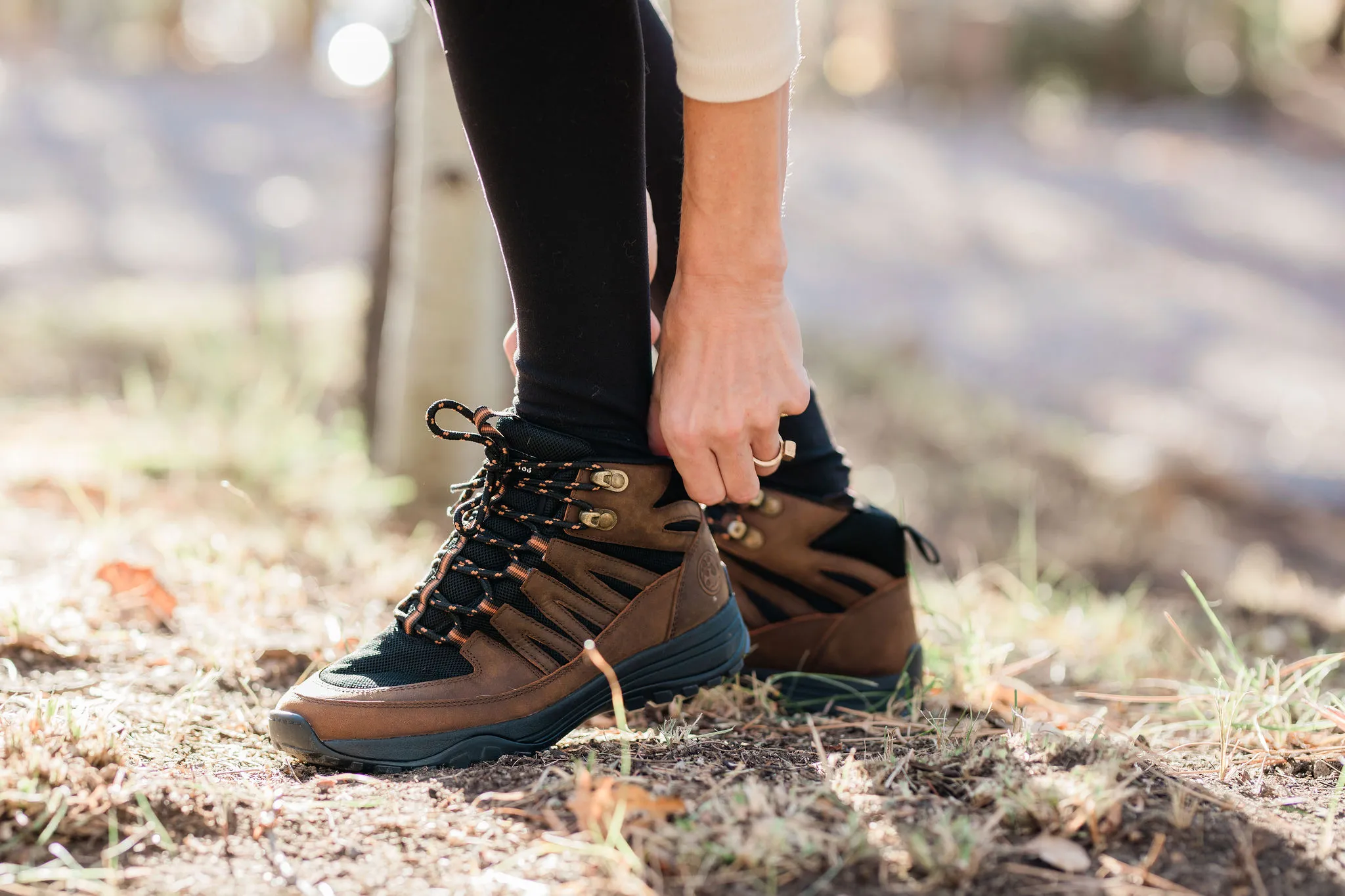
How to stay comfortable on long flights and travel days
Good travel habits matter whether or not your footwear is conductive. Choose shoes that allow for normal movement and do not create painful pressure. Wear comfortable socks, stay hydrated, and follow crew instructions whenever moving around a plane. If you have circulation concerns or another medical condition, ask a clinician for personalized advice before traveling.
Plan for changing fit
Feet can feel different after prolonged sitting and a full day of walking. Adjustable laces can help you fine-tune fit, but they should not be used to force an unsuitable shoe to work. Carry a small blister-care kit and an extra pair of clean socks. These simple items take little room and can prevent a minor irritation from disrupting the itinerary.
Keep moving safely
Change position periodically when it is safe and permitted. Gentle ankle movements while seated and short walks during approved times can make a long flight more comfortable. At the destination, begin with a manageable walk rather than immediately testing your longest route. Rest if you experience pain or unusual symptoms.
- Wear the shoes before travel so they are not new on departure day.
- Pack socks suited to the weather and planned activities.
- Adjust laces if fit changes, but do not tolerate persistent pain.
- Follow airline and clinician guidance for movement and circulation.
Packing and caring for grounding shoes while traveling
Care instructions protect both the shoe and its conductive components. Always follow the directions for the specific model. General travel habits can help, but they should not override product guidance.
Pack without damaging the shoes
Use a breathable shoe bag to separate soles from clothing. Place socks or soft items inside the shoes to help retain their shape, and avoid burying them beneath heavy luggage. If the shoes are the bulkiest pair you are taking, wearing them during transit may free space in your bag.
Keep wet or dirty footwear away from clean clothes. A lightweight backup bag can isolate the pair temporarily, but do not leave damp shoes sealed for longer than necessary.
Clean the outsole carefully
Dirt, salt, and residue can accumulate during travel. Remove loose debris and clean the shoes only as directed by the manufacturer. Avoid assuming that bleach, harsh detergent, machine washing, or abrasive scrubbing is safe. These methods can damage ordinary materials as well as conductive elements.
Inspect the outsole after demanding walks. If you see separation, deep damage, or unusual wear, stop relying on the pair for difficult terrain. Product life depends on construction, use, care, and conditions, so there is no single replacement schedule that applies to every traveler.
Dry and store them properly
Allow wet shoes to air dry in a ventilated place unless product directions say otherwise. High heat can damage adhesives, fabric, and other components. Remove loose insoles only if they are designed to be removed. Before repacking, make sure the pair is dry enough to avoid odor and moisture buildup.
Where can you use grounding shoes at your destination?
The conductive path depends on the surface beneath the outsole. Damp natural ground is generally more conductive than dry or insulated material, but actual conditions vary. Be especially cautious around uneven terrain, water, heat, sharp objects, and slippery surfaces. Conductivity is never a reason to ignore safety.
Potentially conductive surfaces
Suitable surfaces may include damp grass, soil, or wet sand, provided they are safe and accessible. Some unsealed concrete may also conduct. The moisture level, material, coatings, and connection to the Earth all affect conductivity. Choose a setting where walking is permitted and appropriate for your shoes.
Common insulating surfaces
Carpet, rubber mats, synthetic flooring, sealed concrete, wood, and asphalt often interrupt the path. Hotel rooms, terminals, and indoor attractions therefore may not provide a grounding connection. Your shoes remain ordinary footwear in those settings, and their comfort and traction continue to matter.
If you want a deeper explanation of surfaces and shoe construction, read the essential guide to grounding shoes. Keep in mind that no surface guide can account for every coating, weather condition, or local environment.
A simple pre-trip checklist
- Confirm the shoes fit comfortably during a full practice day.
- Match outsole traction and upper materials to your route and forecast.
- Read the product's conductive design and care instructions.
- Pack appropriate socks, basic blister care, and a shoe bag.
- Plan a second pair if the trip includes specialized terrain or formal events.
- Remember that airplanes and many indoor floors do not provide grounding.
- Treat grounding research as preliminary and avoid medical expectations.
A useful travel shoe earns its place in your bag by performing across the itinerary. Conductive construction can be part of that decision, but comfort, safety, and suitability come first.
Explore Harmony 783 grounding footwear for your next trip
Frequently asked questions
Can grounding shoes ground you on an airplane?
No. An airplane in flight does not provide a conductive connection from the shoes to the Earth. Cabin flooring may also be insulating.
What surfaces work with grounding shoes?
Grounding shoes need a suitable conductive surface. Damp soil, grass, and wet sand may conduct, while carpet, rubber, wood, asphalt, and many sealed floors commonly insulate. Actual conditions vary.
Should I break in grounding shoes before travel?
Yes. Wear them during progressively longer walks before departure so you can evaluate fit, traction, socks, and comfort. Do not begin a long itinerary in an untested pair.
Can grounding shoes treat jet lag or other health conditions?
No medical treatment claim is established. Research into grounding and health outcomes remains preliminary. Grounding shoes should not replace medical advice, diagnosis, treatment, or standard travel-health practices.