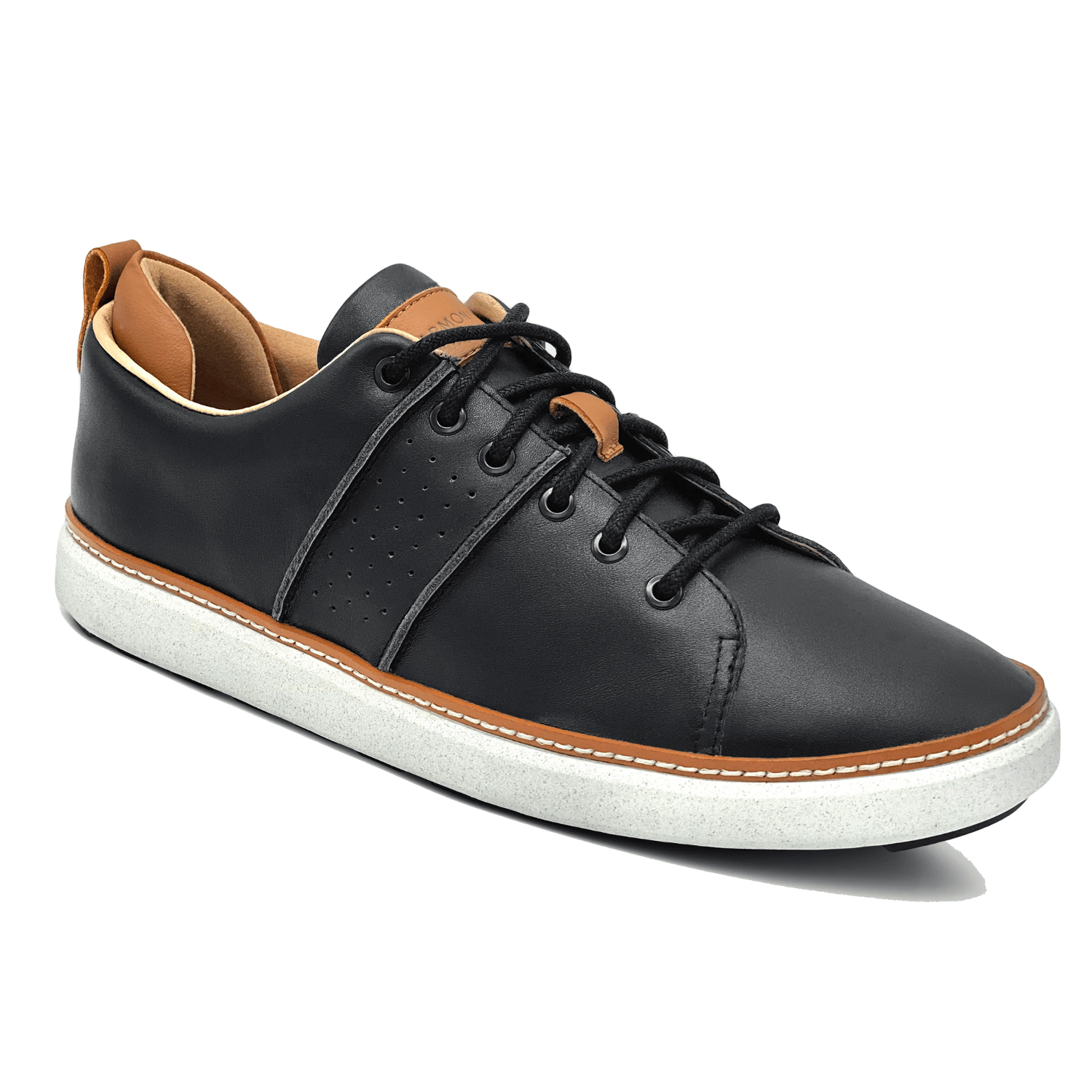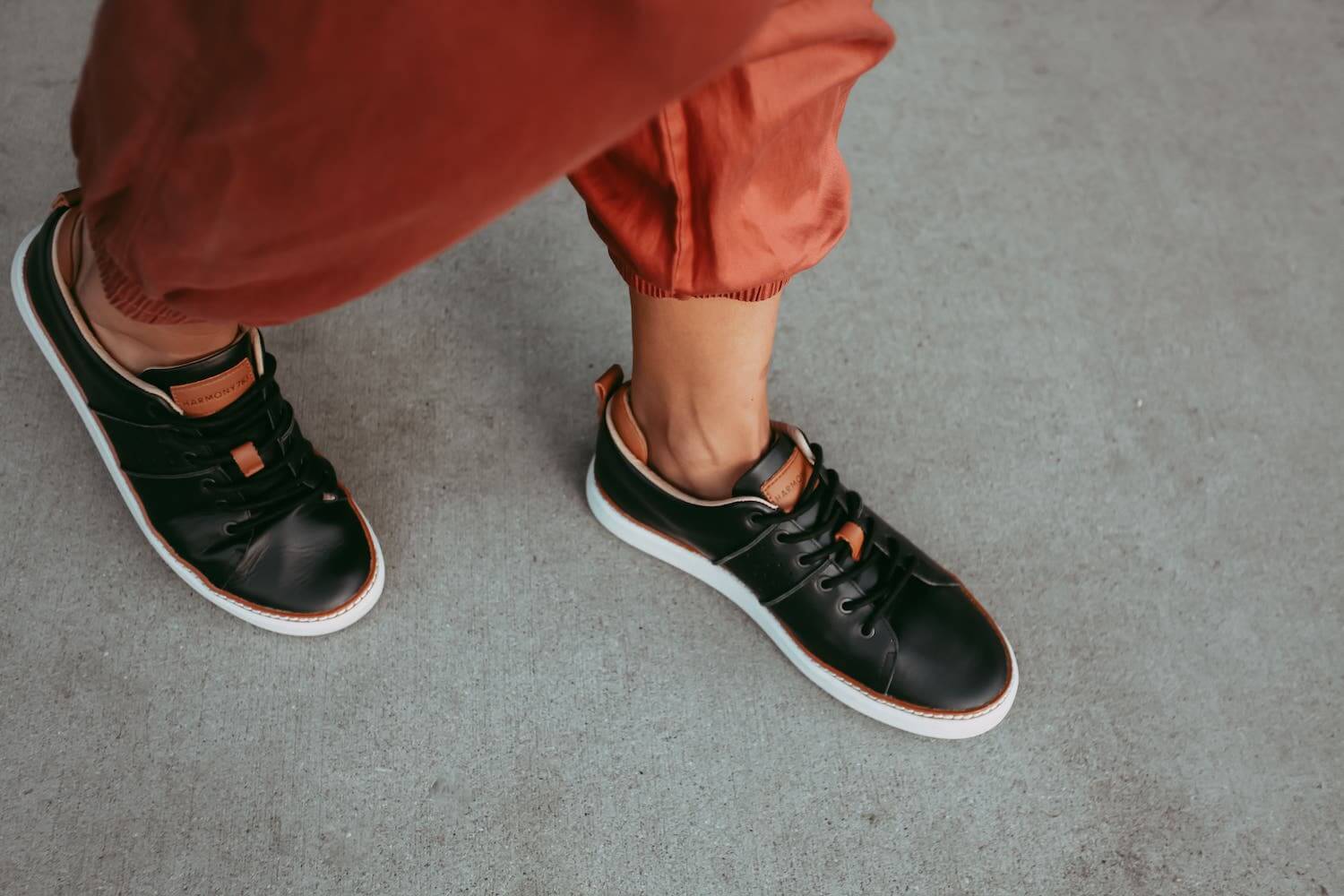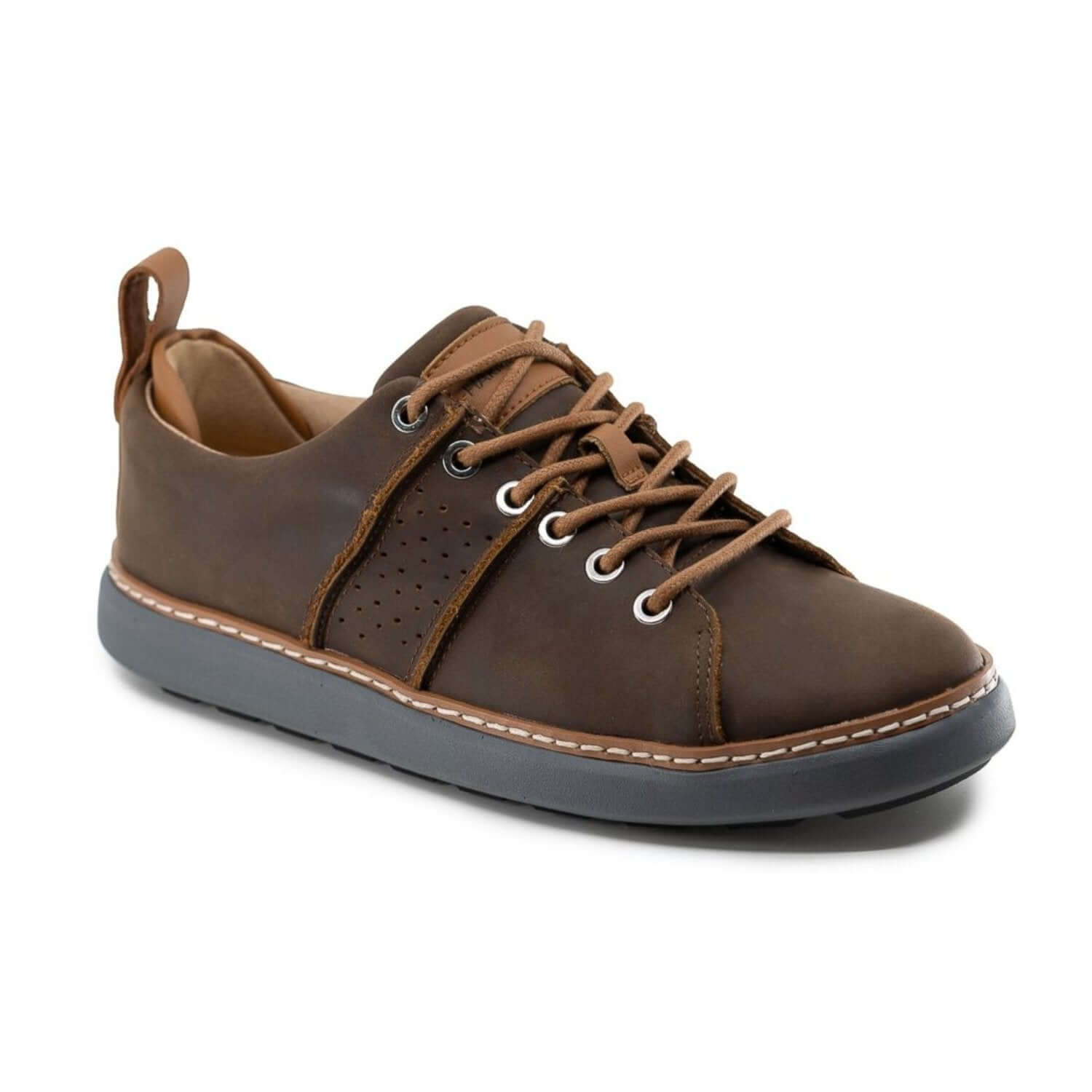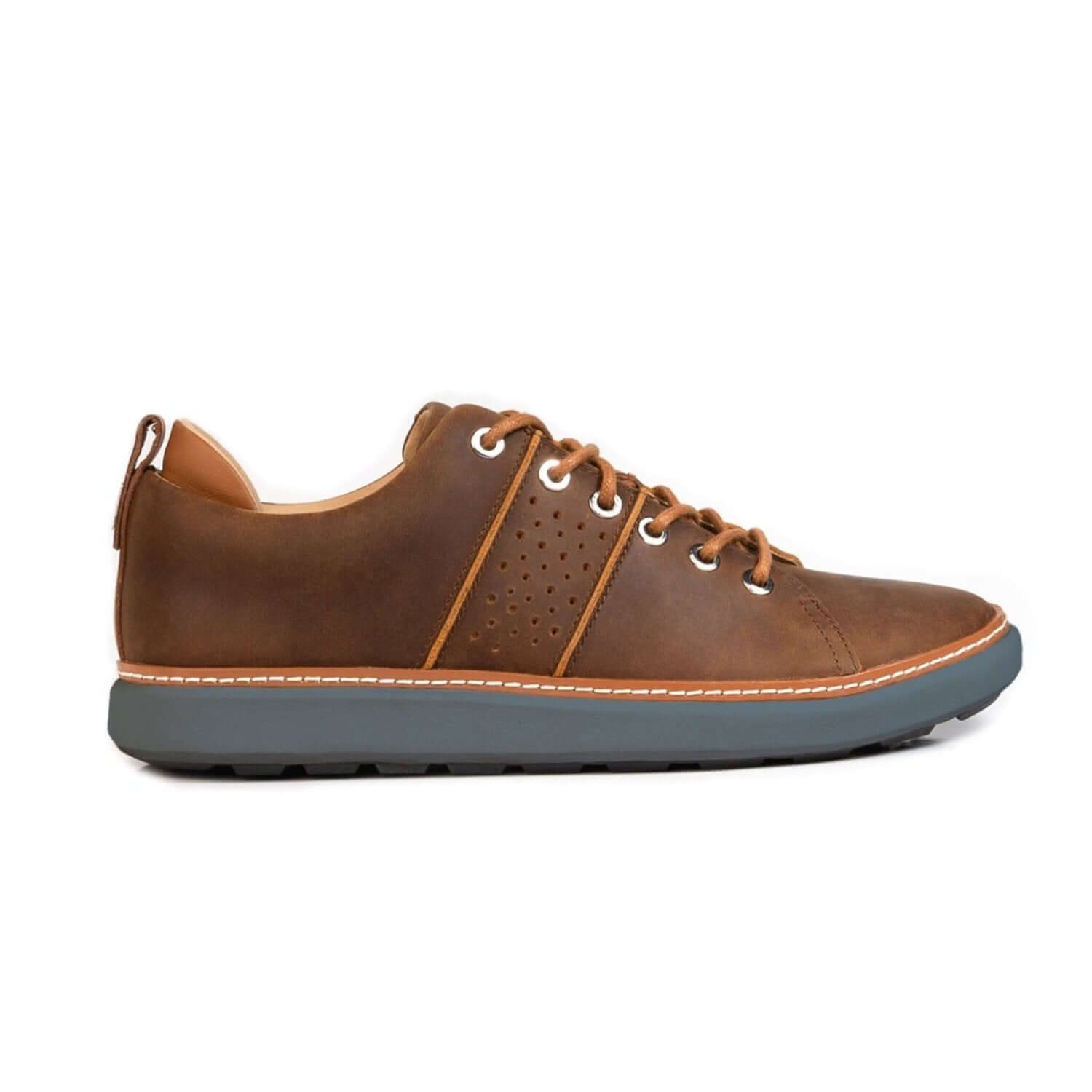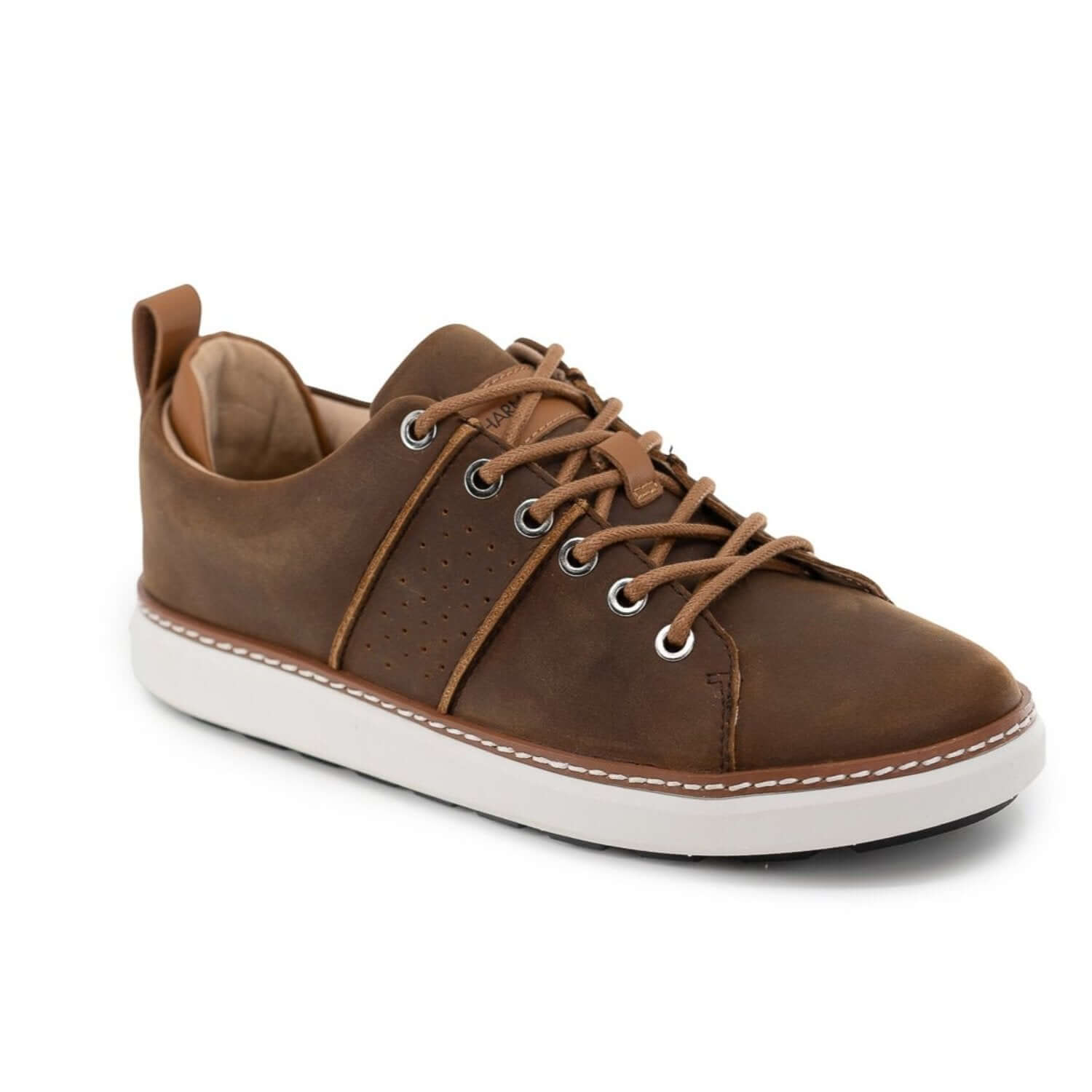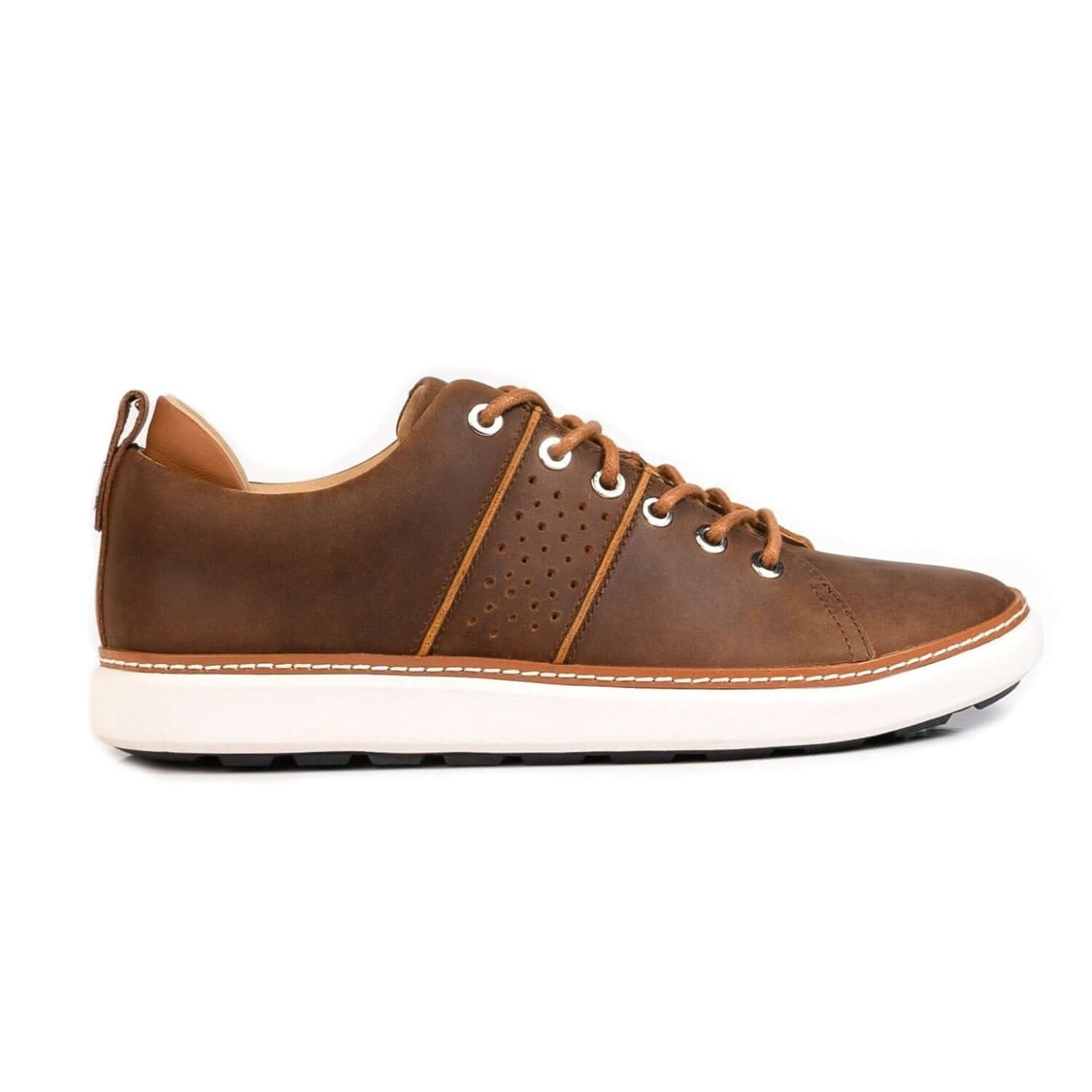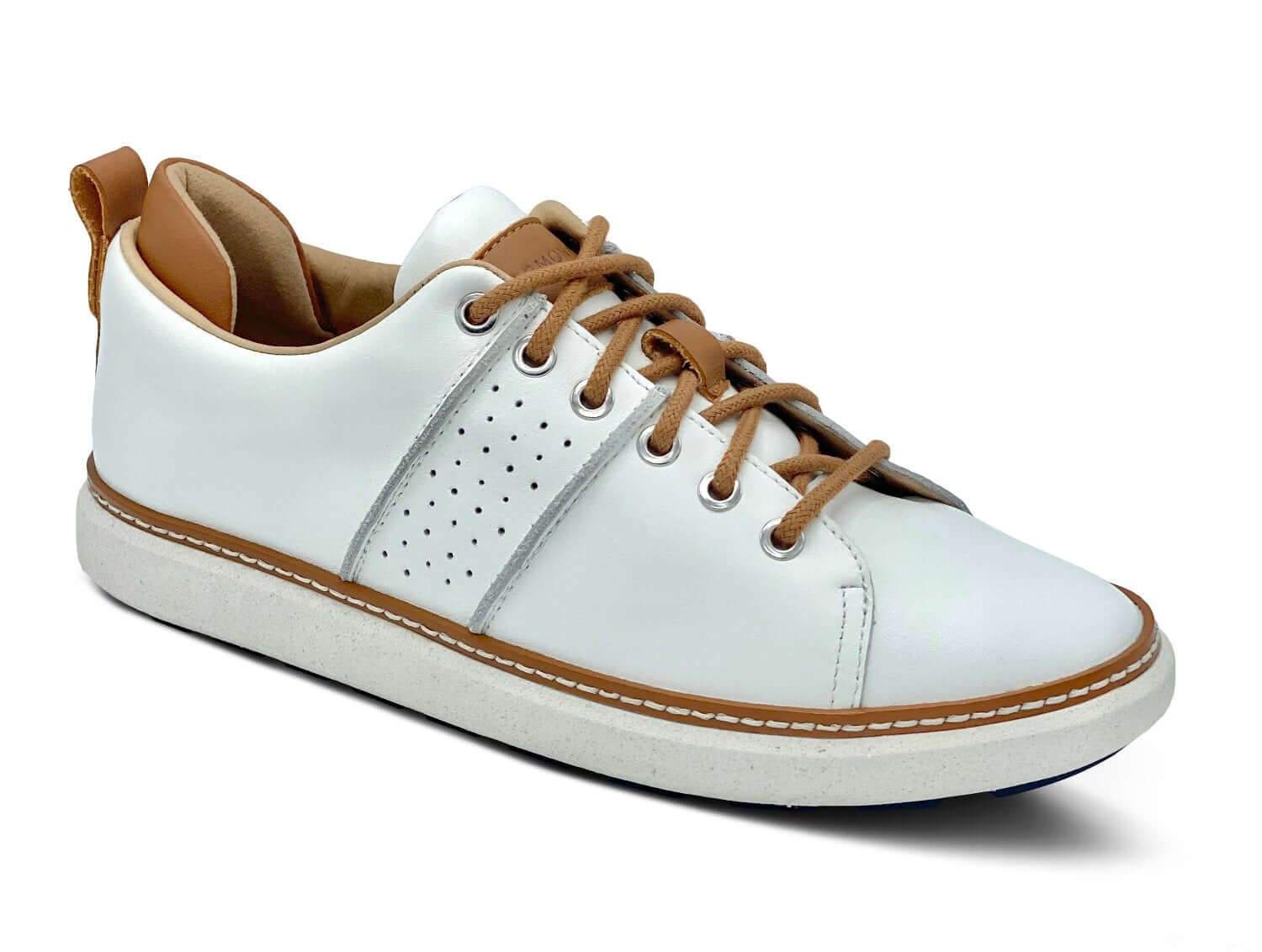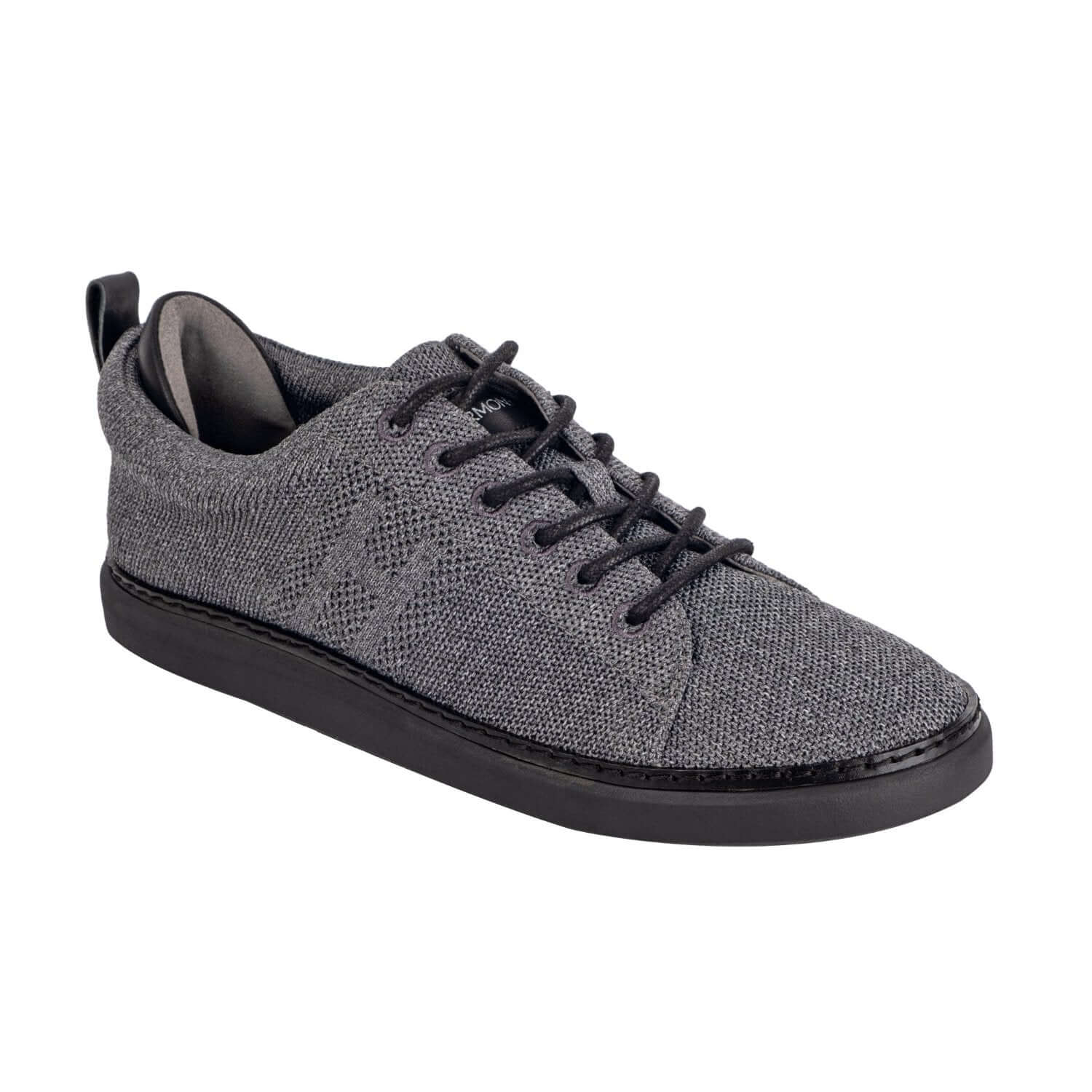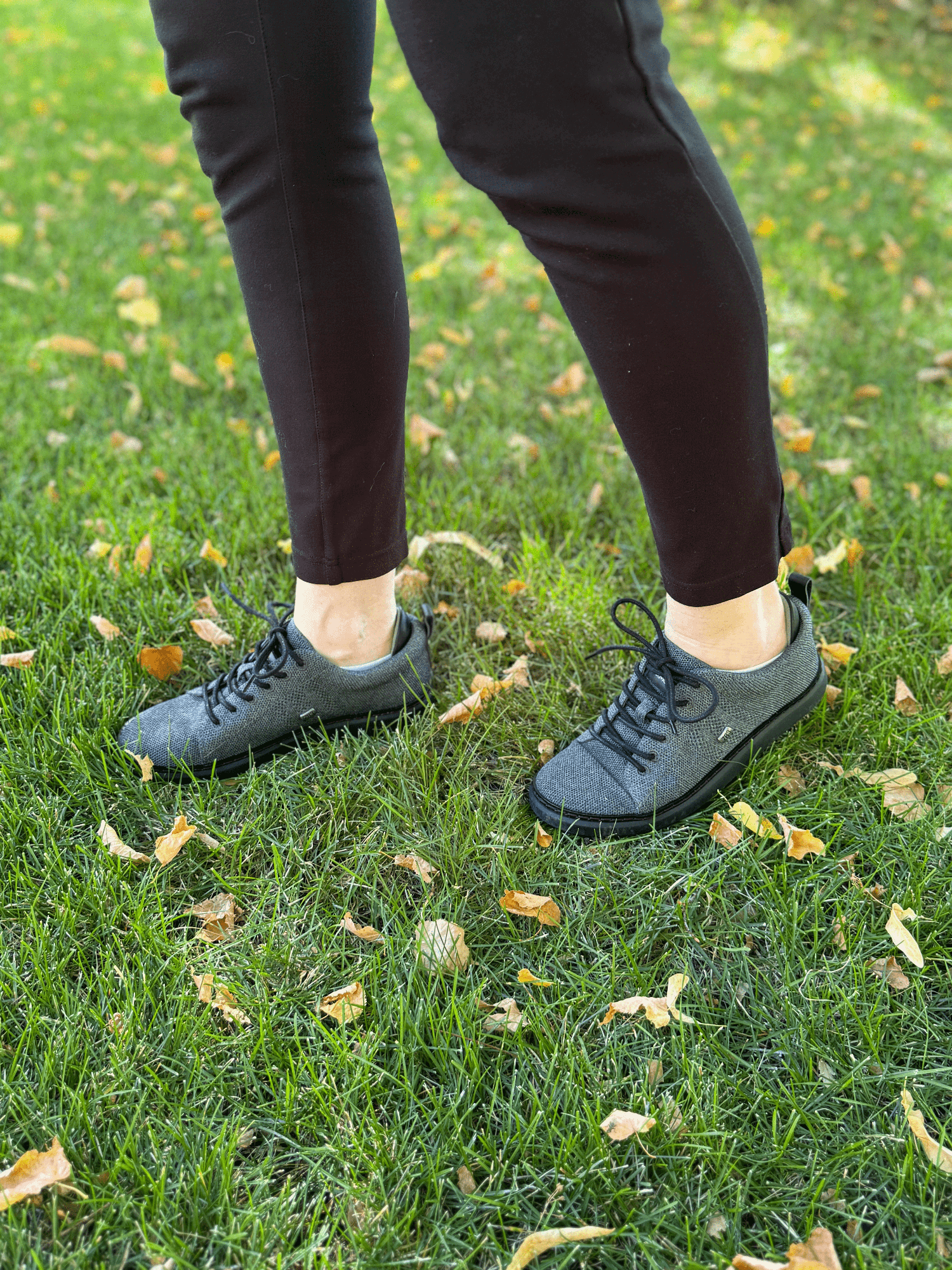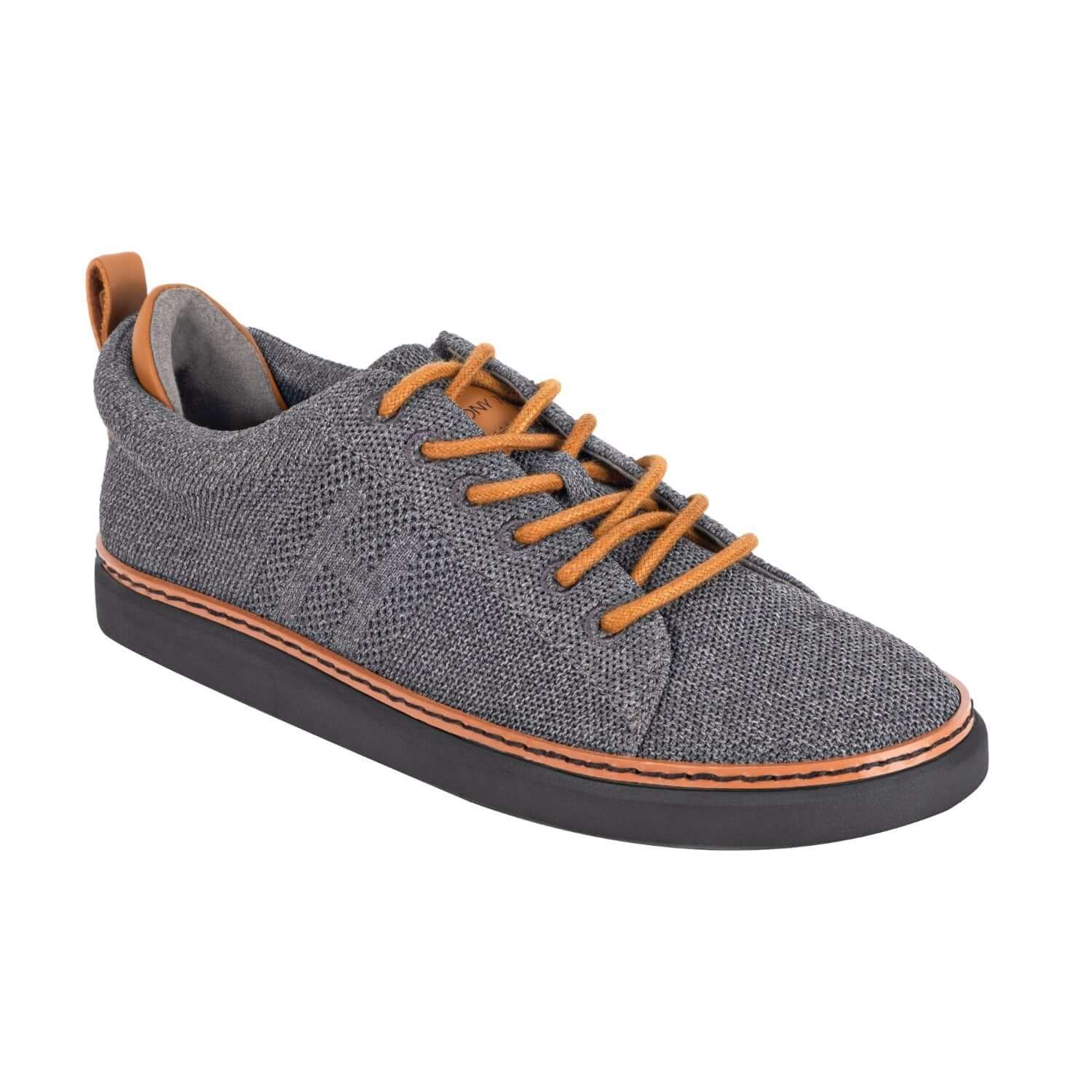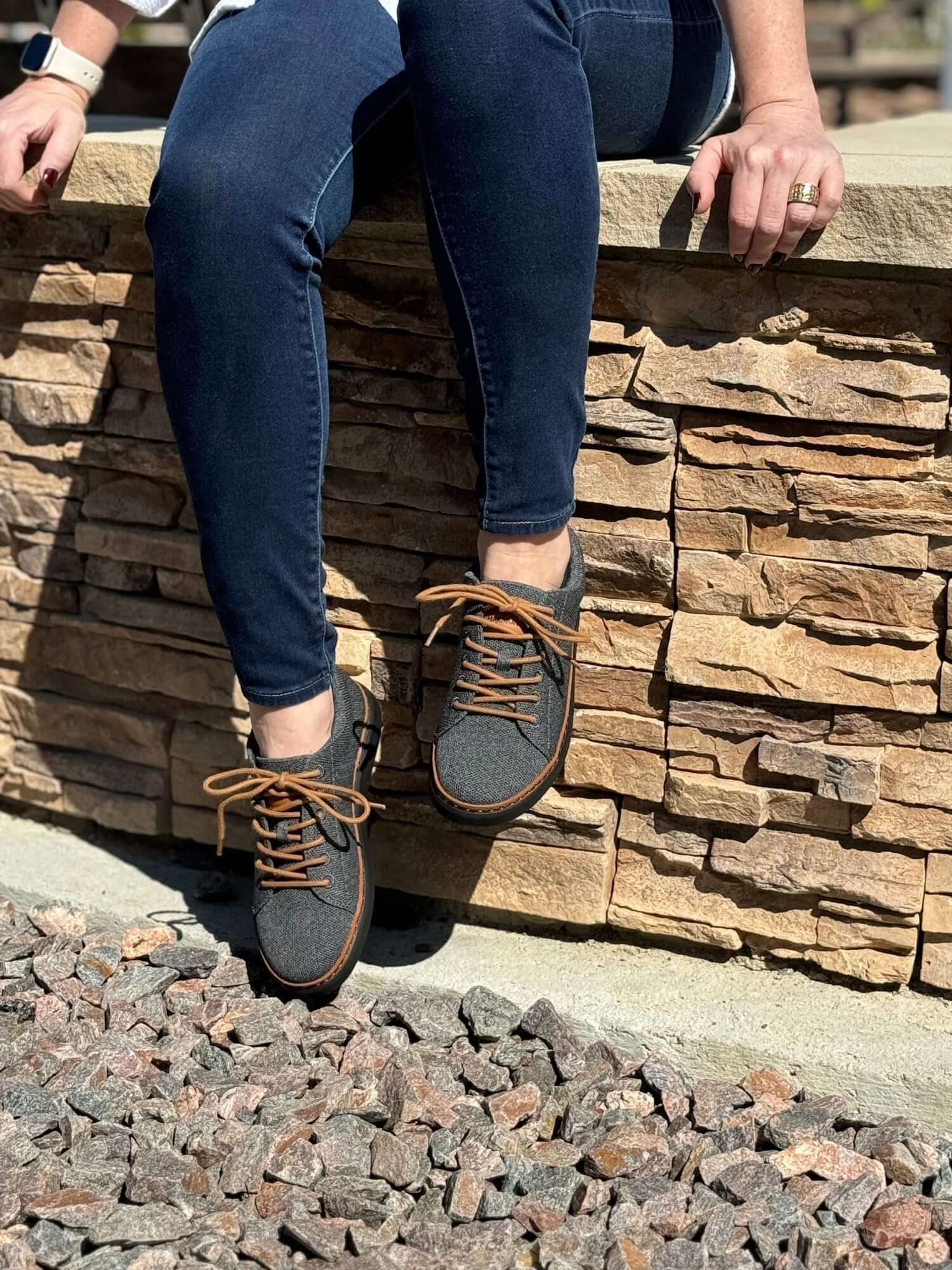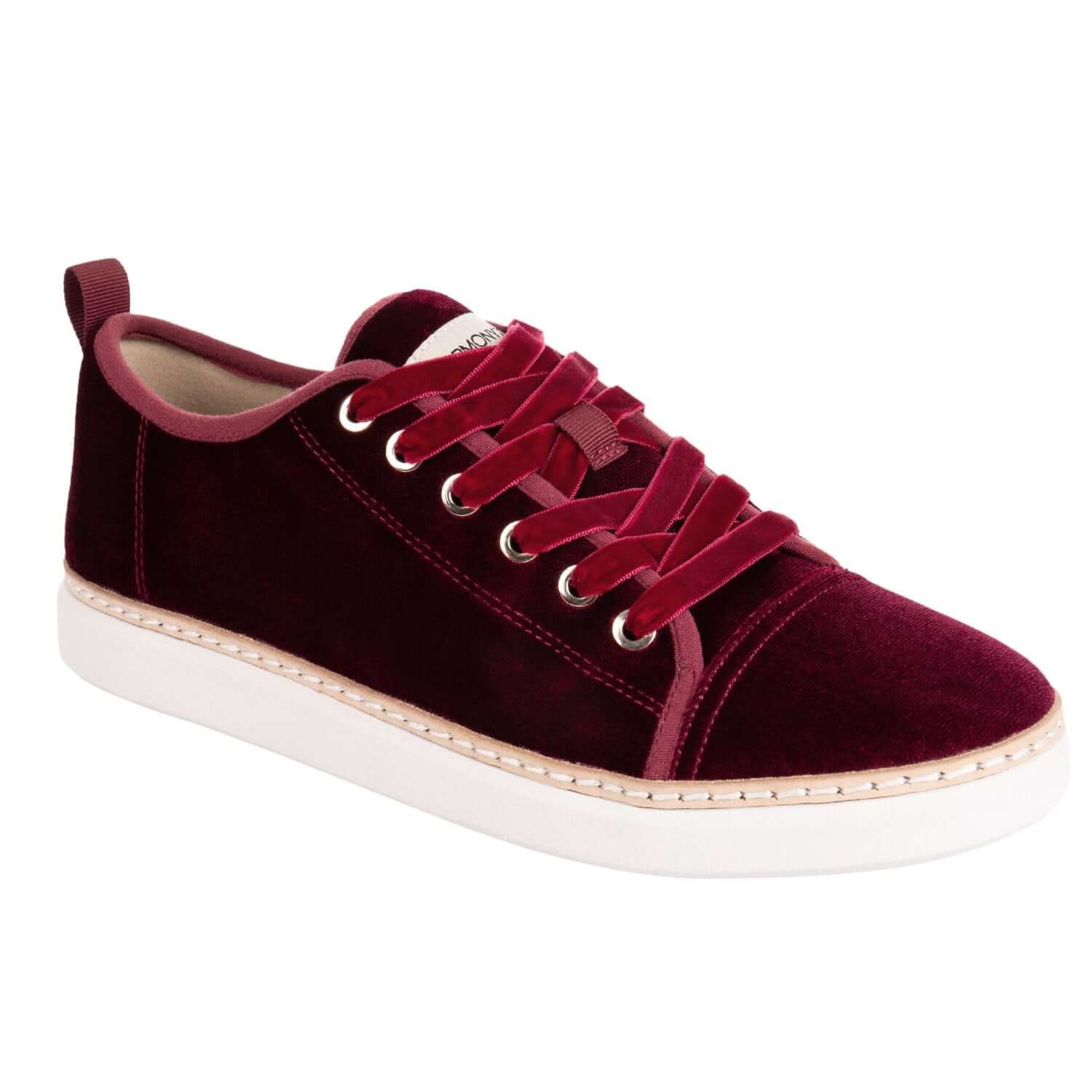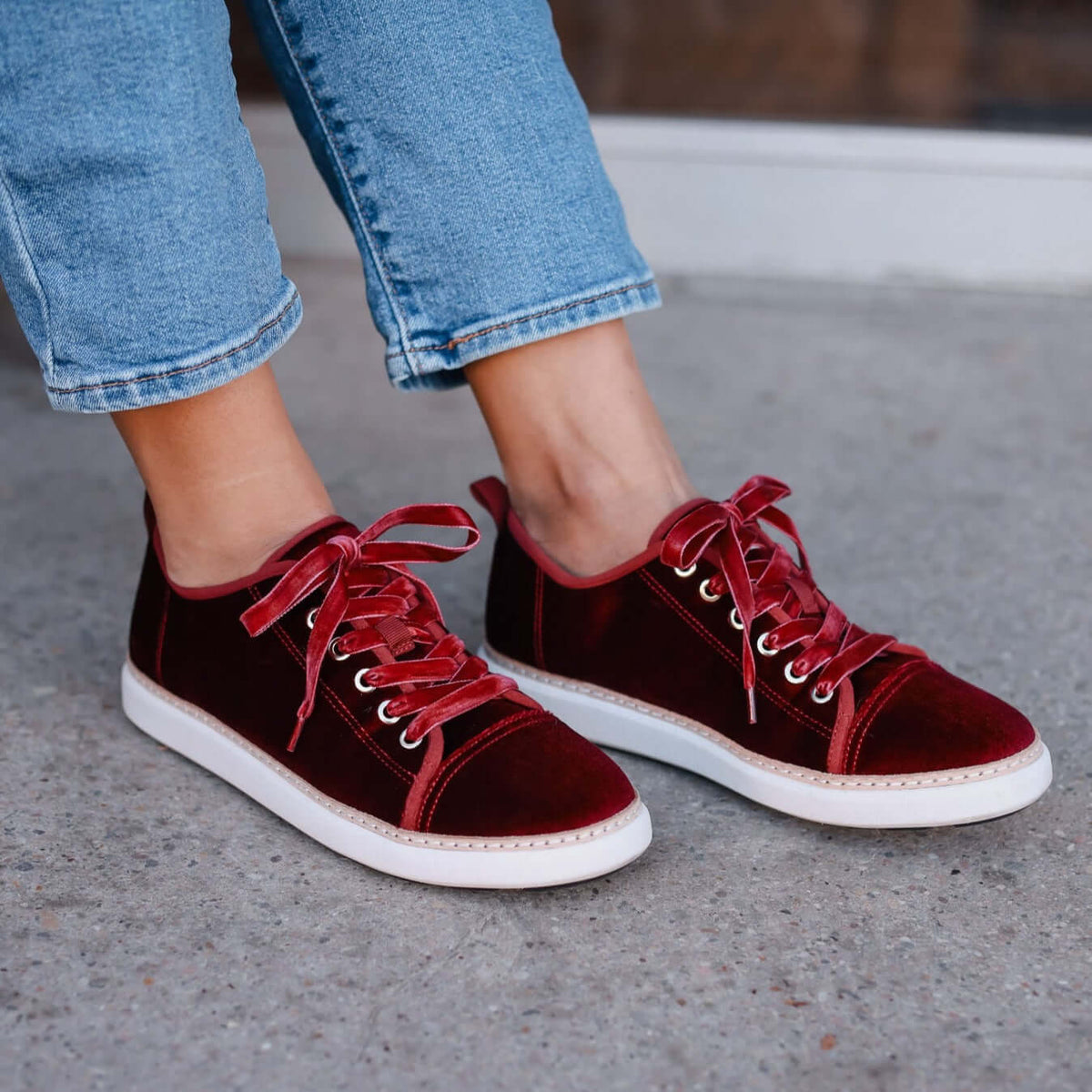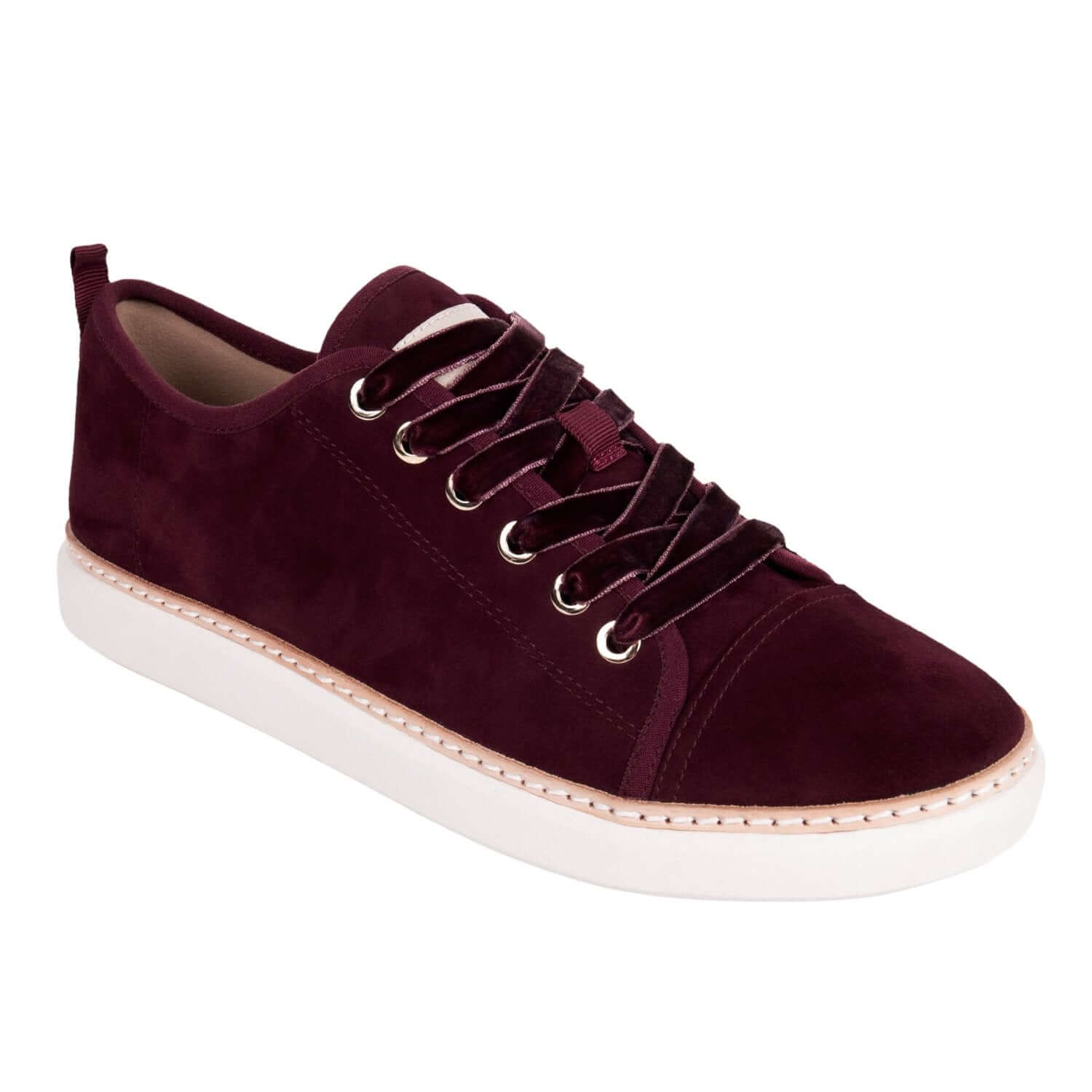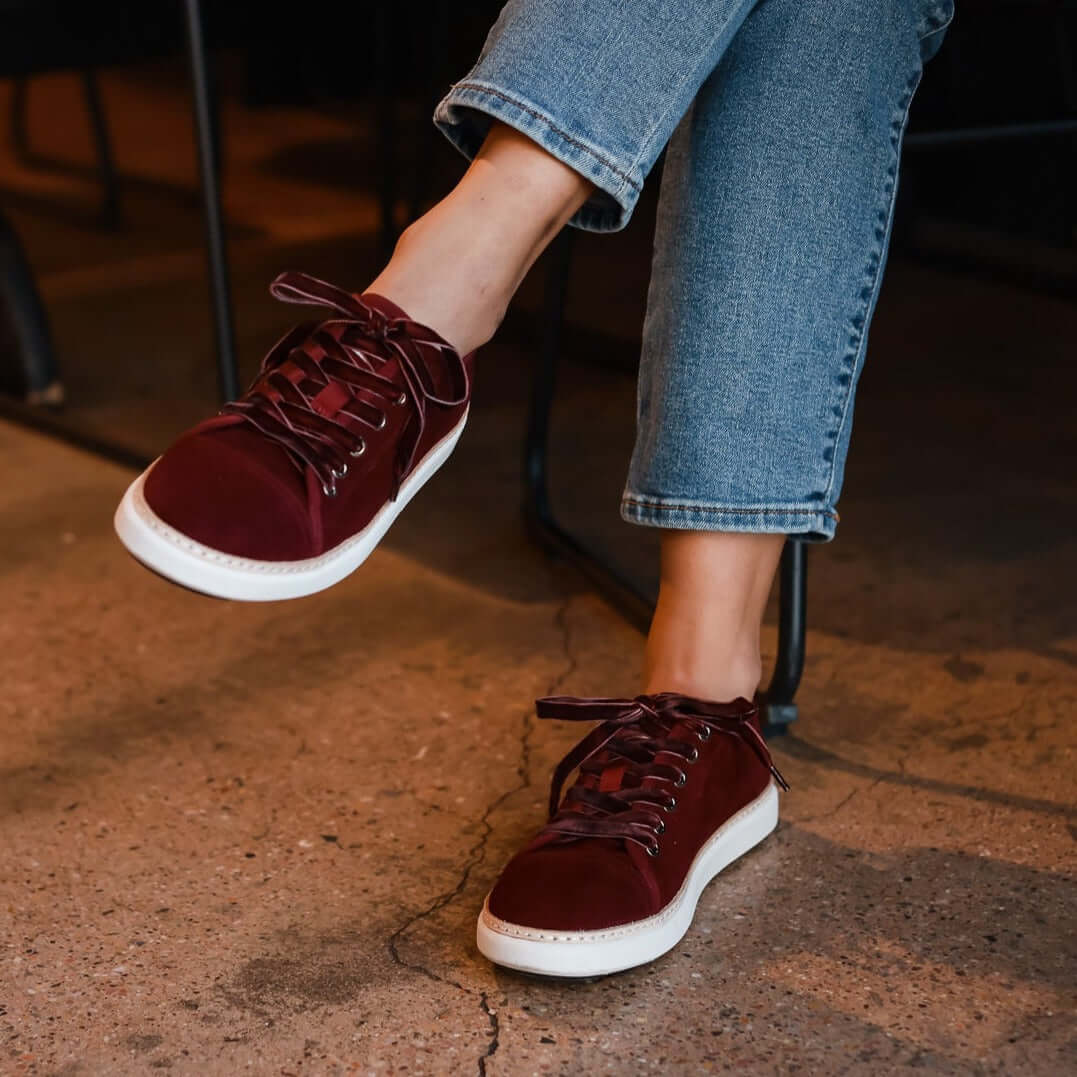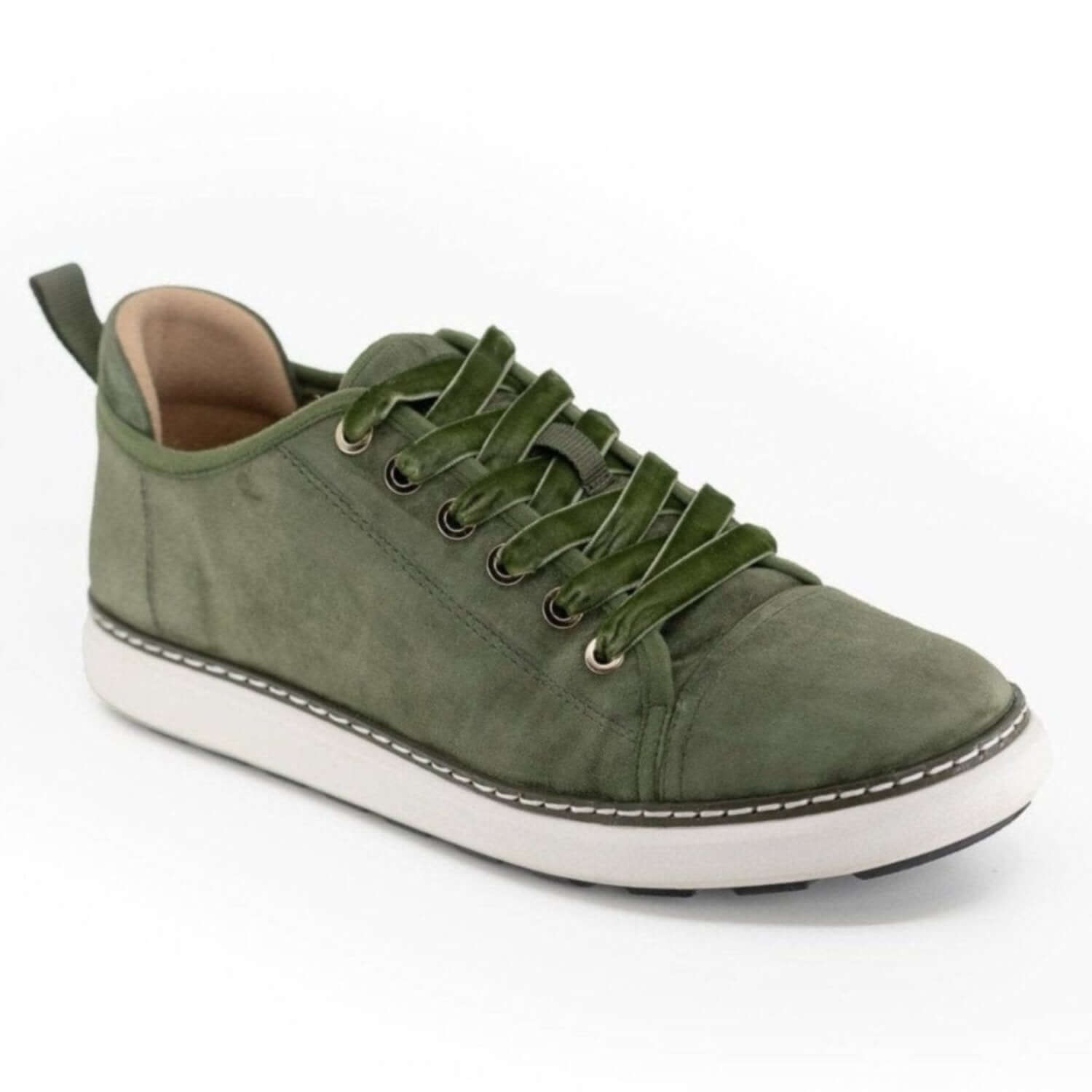

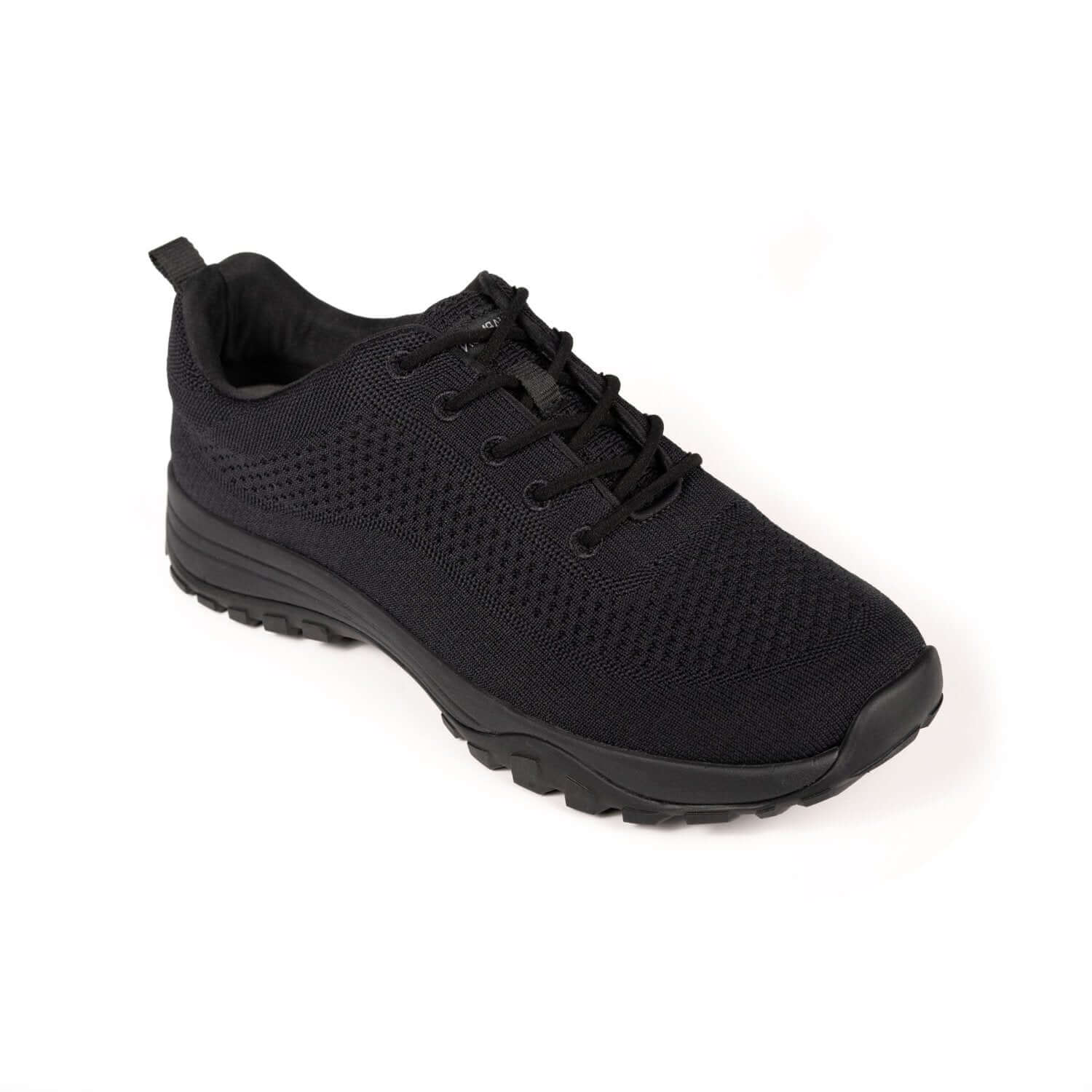

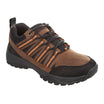
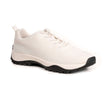

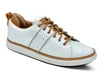
Choosing shoes later in life can mean balancing comfort, steady footing, and personal preference. If you are looking at grounding shoes for seniors balance and stability, start with one key point: grounding describes a shoe's conductive connection, not a guarantee of better balance. The right shoe still needs to fit well and feel secure for the way you walk.
Browse comfortable grounding walking shoes
What does grounding mean, and does it improve balance?
A grounding shoe is constructed with conductive components so that, when conditions allow, there is a connection between the wearer and the ground. Harmony 783 describes its footwear as using Groundworks™ technology, a multi-layer conductive system. You can read the brand's explanation of what grounding is and its explanation of how its shoes are made.
That does not automatically make a shoe a stability shoe. A grounded design is not, by itself, proof of extra traction, motion control, ankle support, or improved balance. Likewise, a shoe that feels stable is not necessarily grounded. If you are comparing footwear, ask two separate questions: Was it specifically constructed for grounding, and does it feel secure and comfortable on your feet?
Research on footwear and balance should also be read with care. One study examined balance shoes and postural stability in healthy older adults, but it did not test Harmony 783 shoes or establish that grounding footwear improves balance. Its subject is balance-shoe design, not grounding as a treatment. See the study's details in the research paper on balance shoes and postural stability. For broader background on grounding research, visit Harmony 783's research and science page.
Which shoe features matter most for a steady, comfortable walk?
People differ in foot shape, walking habits, and the surfaces they use every day. Try to judge a shoe by how it works for your own routine. These practical checks can help:
- Fit: The shoe should feel secure without pinching or slipping. Check both feet, since they may not be exactly the same size.
- Heel hold: Notice whether your heel stays in place as you walk. Repeated slipping can make a shoe feel uncertain.
- Toe room: Your toes should have enough space to move naturally without pressing against the front.
- Outsole feel: Consider the paths and floors you use. Look for a sole that feels steady on those familiar surfaces, and avoid assuming any shoe prevents slips.
- Weight and comfort: A shoe that feels manageable and comfortable during a short walk may be easier to wear as part of a regular routine.
- Fastening: Laces or another secure closure can help adjust the fit. Choose a closure you can use comfortably.
- Grounding construction: Check the product information for a description of conductive design. Ordinary barefoot or minimalist shoes are not grounded unless they were specifically constructed for that purpose.
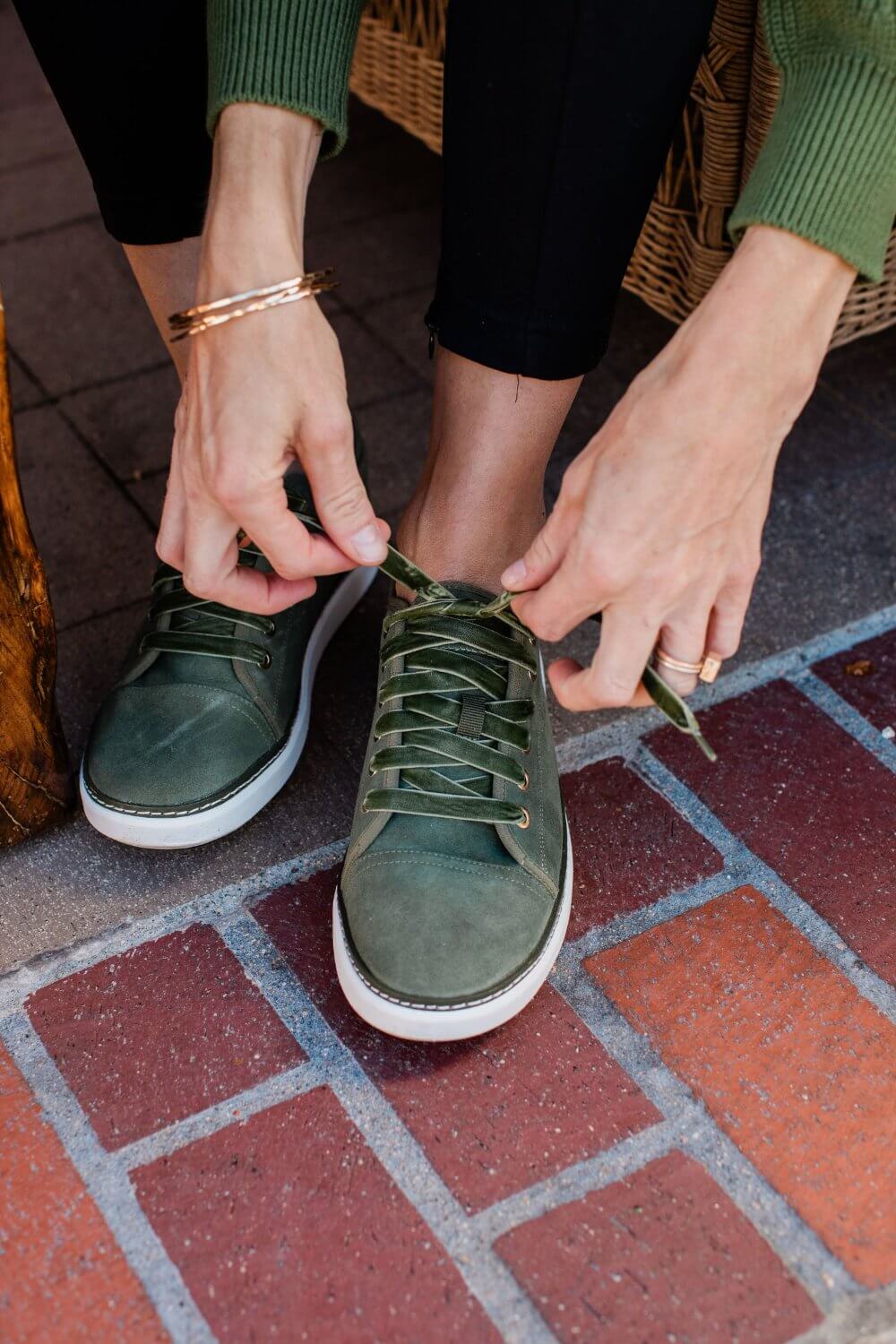
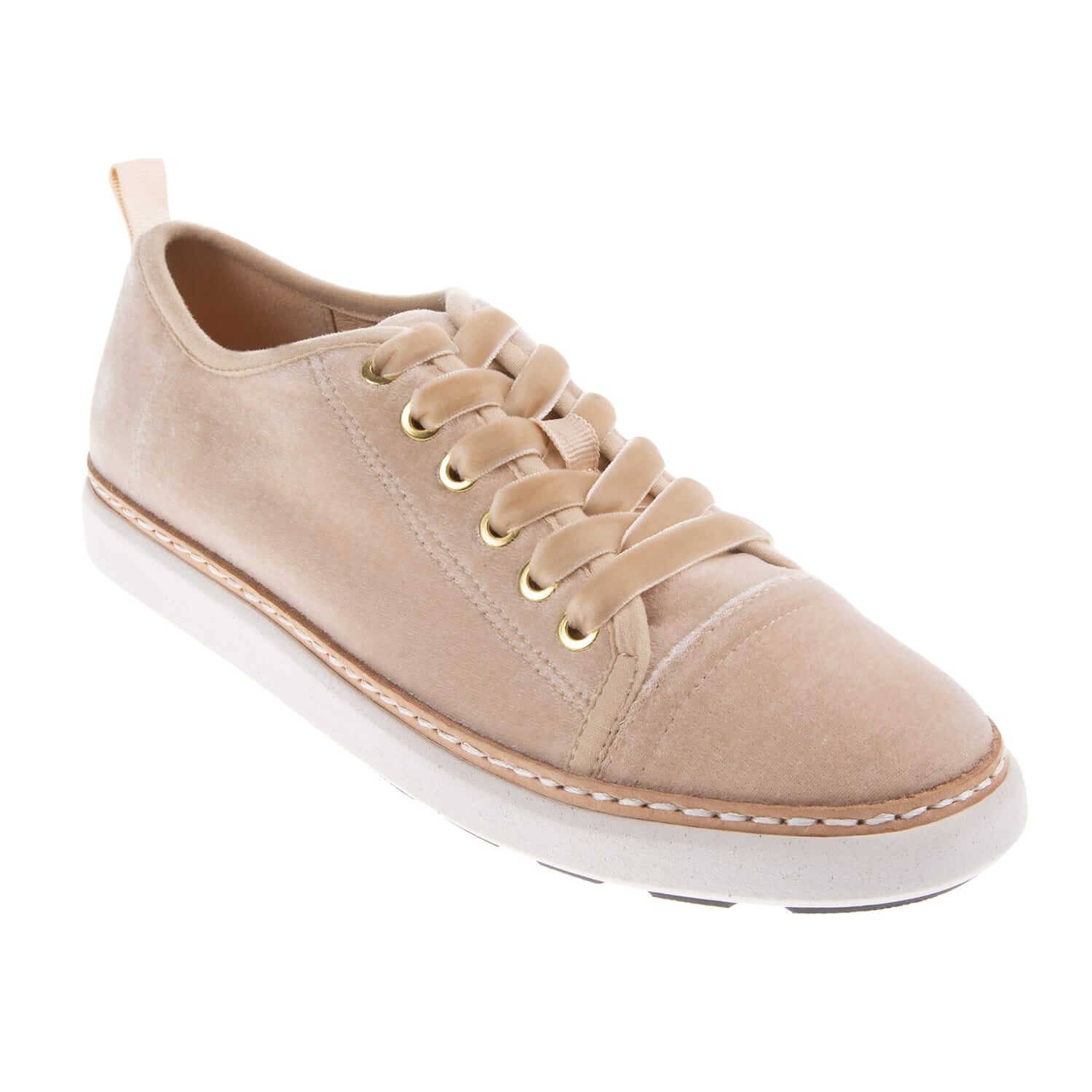
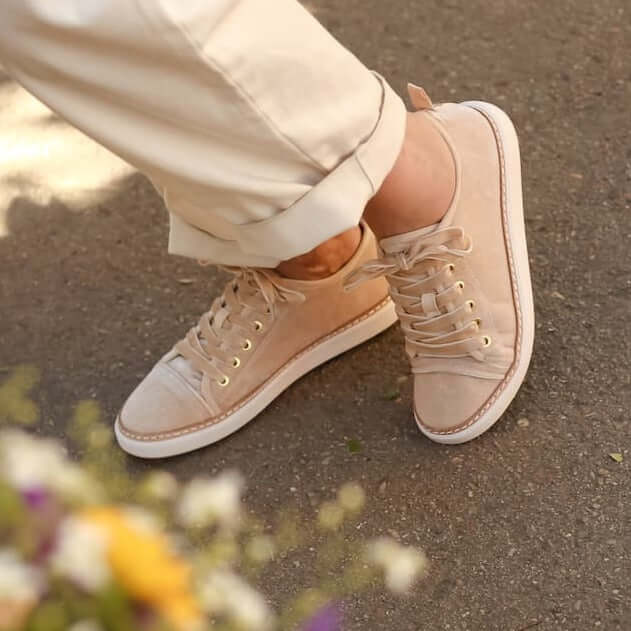
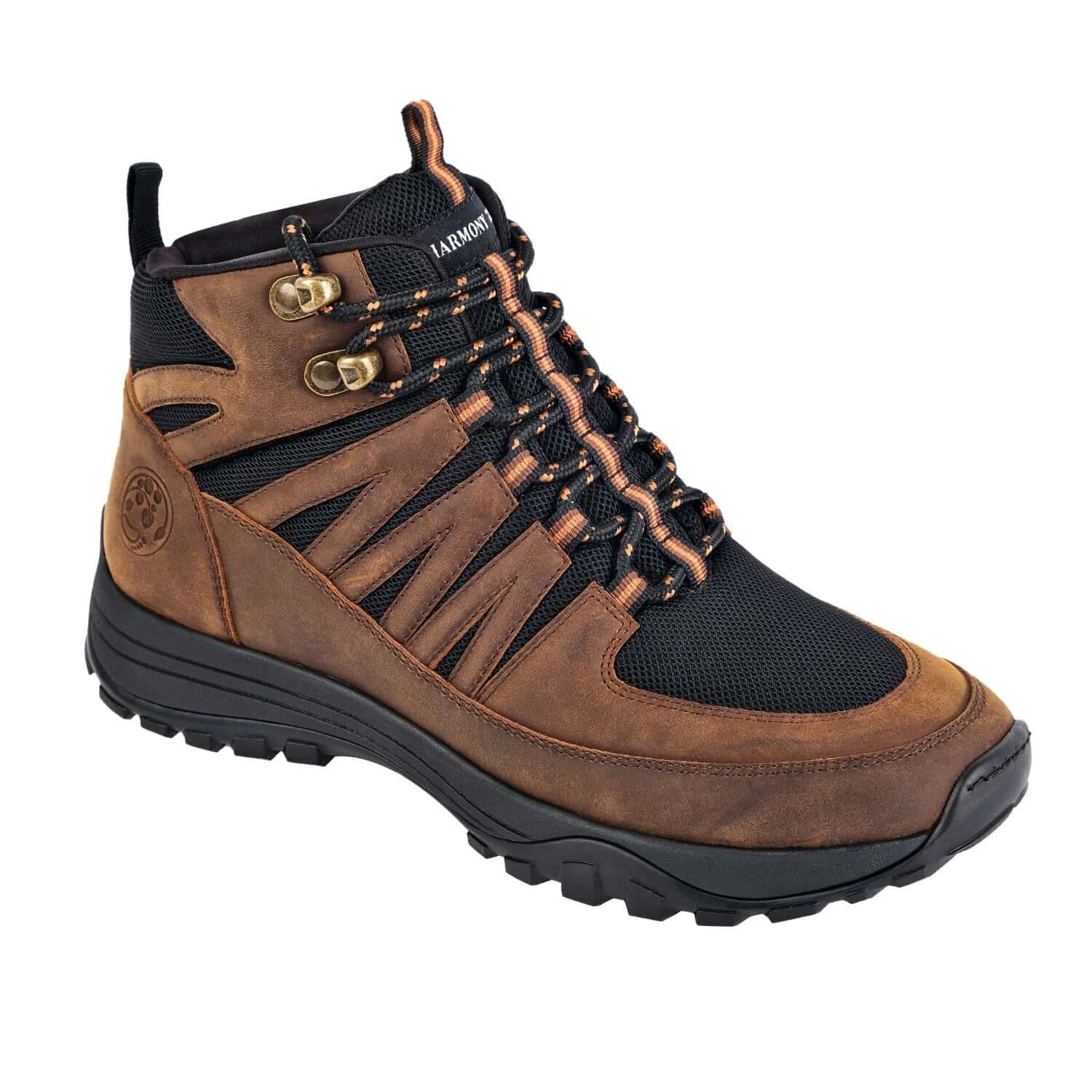
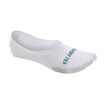
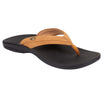
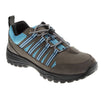
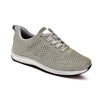
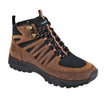
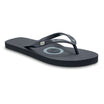
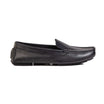
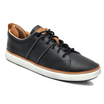
Harmony 783 offers different styles, including grounding walking shoes, grounding sneakers, and grounding sandals. The style name alone cannot tell you what will feel best. Compare the details and choose for your intended use.
How can you compare grounding shoes with other footwear?
Separate what the shoe is designed to do from what you need it to do. The table below is a starting point, not a rating of any particular product. Actual feel and features vary by model.
| Option | What to check | What the label does not guarantee |
|---|---|---|
| Grounding footwear | Whether product details explain conductive construction; fit and outsole feel | That it improves balance, prevents falls, or provides medical support |
| Ordinary walking shoe | Comfort, secure fit, closure, and how it feels on your regular route | An electrical connection to the earth |
| Barefoot or minimalist shoe | Whether its shape and sole suit your feet and walking needs | That it is grounded; it must be specifically built as conductive footwear |
| Balance-focused shoe | Intended design and evidence for the particular model | That every wearer will feel more stable or that it is grounding footwear |
For a grounding product, examine the construction information rather than relying on words like natural, flexible, or barefoot. Harmony 783's shoe construction overview explains its own design. The frequently asked questions may help with general product questions, too.
For options organized by audience, see the women's collection and the men's collection. Product pages offer more specific details than a broad category label. Check those details before ordering, and do not assume one style is right for everyone.
How should you check fit and stability before wearing a pair all day?
Start with the product's sizing information. Harmony 783 provides a shoe size guide to help you compare measurements. On the product page, review the available men's and women's sizing options and select the appropriate option with the toggle. If you are between sizes or unsure, consult the product details and the store's FAQ information before you place an order.
When your shoes arrive, try them on indoors and take a few easy steps on a clear, level surface. Check that the heel feels held, the toes have room, and the shoe does not rub or press in a way that makes you change your stride. If the fit seems uncertain, revisit the sizing guidance instead of stretching a long walk to see if it improves.
Next, try a short walk on a familiar route. Pay attention to how the sole feels when you turn, stop, and walk at your normal pace. A comfortable, secure feel is personal; it is not a guarantee against falls. If your balance is a concern, or you have had a recent fall, ask a qualified health professional for individual guidance about footwear and safe activity.
What should you notice during a short test walk?
Keep the first test simple. Walk on a clean, level surface and use your usual pace. Notice whether the shoe stays in place when you take a few steps, pause, and turn gently. You are checking comfort and predictability, not trying to challenge your balance. Stop if you feel pain, pressure, or an unexpected change in your footing.
Then consider where you expect to wear the shoes. A smooth indoor floor, sidewalk, packed path, and uneven trail do not feel the same underfoot. Think about the surfaces that make up your normal routine and check product details for any use guidance. Do not assume a sole will grip equally on wet, loose, or sloped ground. If you routinely use a cane, walker, orthotic, or another support, consider how the shoes work with it and ask a qualified professional if you need personal advice.
It can help to compare a new pair with shoes you already find comfortable. Try each pair on the same familiar route, at a relaxed pace, and notice fit, pressure points, and how secure the heel feels. This is a personal comparison, not a test that proves one shoe is safer or medically better. Give yourself time to decide, and consult the store's promise and warranty details for information about the brand's stated customer policy.

Use the shoes in the conditions for which their product information says they are intended. Keep soles clean and check them for wear, since condition can affect how footwear feels underfoot. For other practical details, browse the grounding education articles or visit the Harmony 783 promise and warranty page.
How can you fit a new pair into a daily routine?
Think through a typical day before choosing a style. Will you wear the shoes for short trips, a neighborhood walk, errands, or mostly indoors? Note how long you are usually on your feet and what surfaces you cross. This helps you compare relevant product details without treating any style as a universal answer for older adults.
If you walk with another person or use a mobility aid, try the shoes in the usual setup and at an easy pace. Keep the first outing short and choose a familiar route with a clear place to stop. Check how the shoes feel when you start, turn, and pause. If the shoes change your normal movement, feel loose, or create pressure, stop the test and reassess rather than pushing through discomfort.
Consider practical routines, too. A closure that is hard to fasten may make a pair less useful, even if the fit seems good while seated. Check whether you can put the shoes on and secure them in the way you normally do. If you use orthotics, bring them into the fit check where possible and consider whether the shoe has room for them. Product descriptions and sizing guidance can answer some questions; a footwear or health professional can help with personal needs.
Make a short comparison note after each try-on: the surface, duration, fit at heel and toes, any rubbing, and whether the shoe felt predictable. This keeps the decision tied to your own experience instead of relying only on a product label. Do not use a test walk to challenge balance or replace advice about a new or worsening concern.
When shopping online, check the return and customer policy before ordering so you know what options are available if the fit is not right. Harmony 783 shares its stated terms on the promise and warranty page. You can also use the store's contact page for product questions before deciding.
A few simple questions can keep an online comparison focused. Does the description explain the conductive construction, or does it only use broad words such as natural or flexible? Can you find the fit and sizing details you need? Does the style match the kind of walking you plan to do? These are separate checks. A clear answer about one feature does not answer the others.
When you try a pair, notice the same details each time rather than relying on a single first impression. Check whether the shoe stays secure while walking at a normal pace, whether your toes have room, and whether you notice rubbing after a short period. If you compare two pairs, use the same indoor surface and similar walking time. Keep the comparison gentle and stop if you feel pain or unsteadiness.
Comfort can also change as you wear a shoe through a normal day, so do not assume that a brief try-on tells you how it will feel after hours. Follow the product's guidance for use, and increase wear only as feels comfortable. If you notice a new problem with your balance, gait, or feet, do not try to solve it by switching shoe categories alone; ask a qualified health professional for individual advice.
It may help to share your priorities with someone who knows your everyday routine. For example, you might explain that you need an easy closure, spend time on indoor floors, or prefer a low-key style for errands. Those practical preferences can narrow the options without assuming that age alone determines which shoe will suit you. The final choice should come back to actual construction, fit, and the conditions in which you expect to wear it.
What should you expect from grounding footwear?
Grounding shoes offer a way to wear footwear designed for conductive contact, rather than going barefoot. Whether that is useful for your personal wellness routine is a separate question from whether the shoe is comfortable and suitable for walking. Avoid treating grounding footwear as a medical device or as a proven way to improve balance.
Harmony 783 presents its footwear as a connection to the earth through its conductive design. You can learn about the brand's background on the Our Story page, and compare current styles in the full grounding footwear collection. Review each product's description for construction, intended use, and sizing instead of relying on a general claim about grounding shoes.
Comfort and fit remain central. A shoe that feels unstable, rubs, or makes walking harder is not a good choice just because it is labeled grounding. For shoppers who want to compare familiar styles, the bestselling grounding shoes collection is another place to browse, but popularity cannot predict individual fit.
Browse the grounding footwear collection
What are common questions about grounding shoes for seniors?
Are grounding shoes designed to prevent falls?
No. Grounding describes conductive design, not fall prevention. A shoe's fit, outsole, and suitability for the wearer's walking needs matter, and no shoe can promise that a person will not fall.
Are all barefoot shoes grounding shoes?
No. A barefoot shoe is not a grounded shoe unless it was specifically constructed with conductive components for grounding. Check the product's design information rather than assuming the terms mean the same thing.
Can grounding footwear replace advice about balance problems?
No. This article offers general shopping guidance, not personal medical advice. If you are concerned about balance, falls, pain, or a change in how you walk, speak with a qualified health professional who can consider your situation.
Where can I compare Harmony 783 styles?
Start with the full collection, or browse walking shoes if you want to focus on that style. Use each product page to review construction and sizing details before deciding.
What is a sensible next step?
Keep the decision simple: check the construction if grounding matters to you, then judge the shoe by its fit and feel on the kinds of routes you walk. If you want to compare options, browse Harmony 783 walking shoes and review the product information before ordering.
Browse the walking shoe collection
A grounding feature is one part of the choice; a comfortable, secure fit for your own routine should guide the rest.