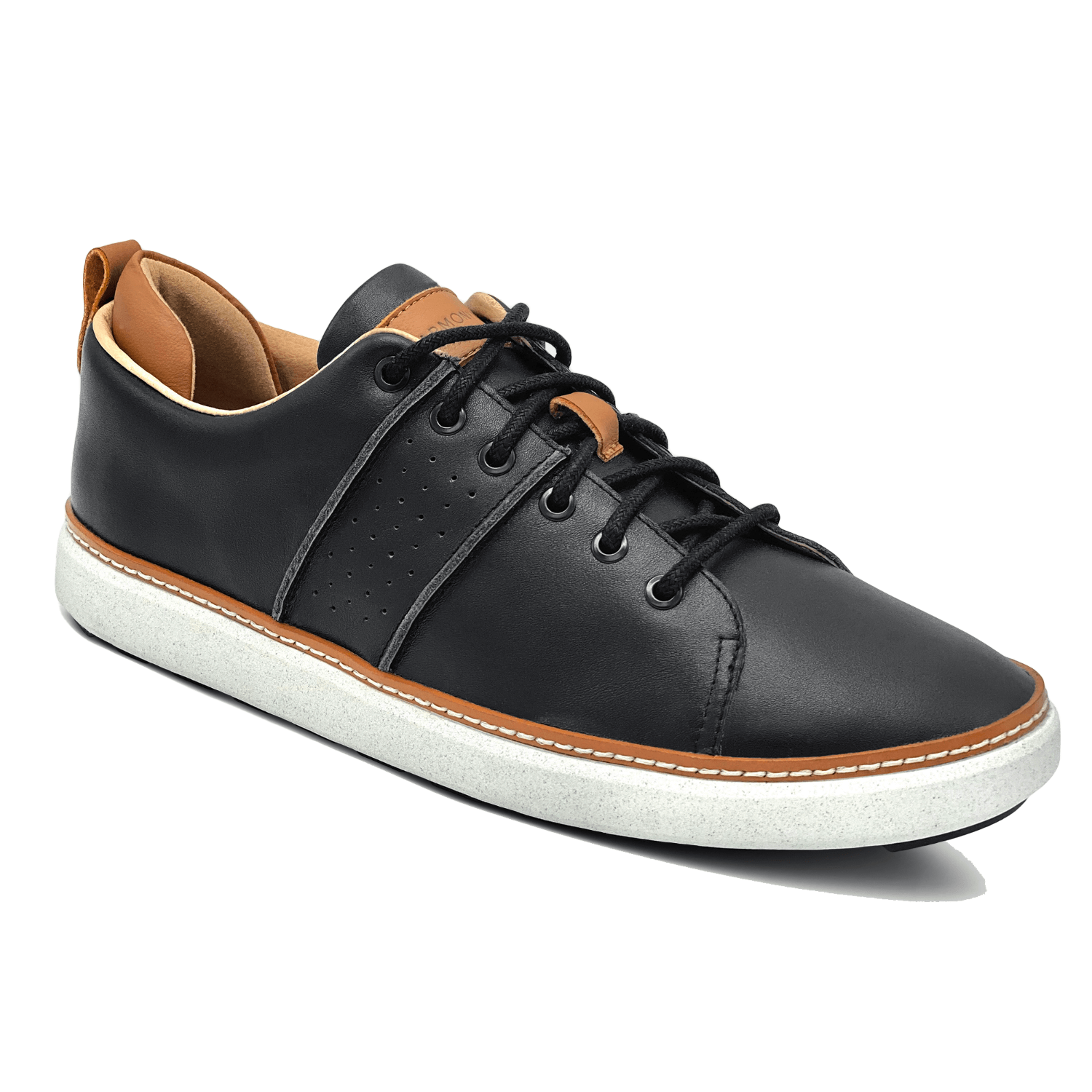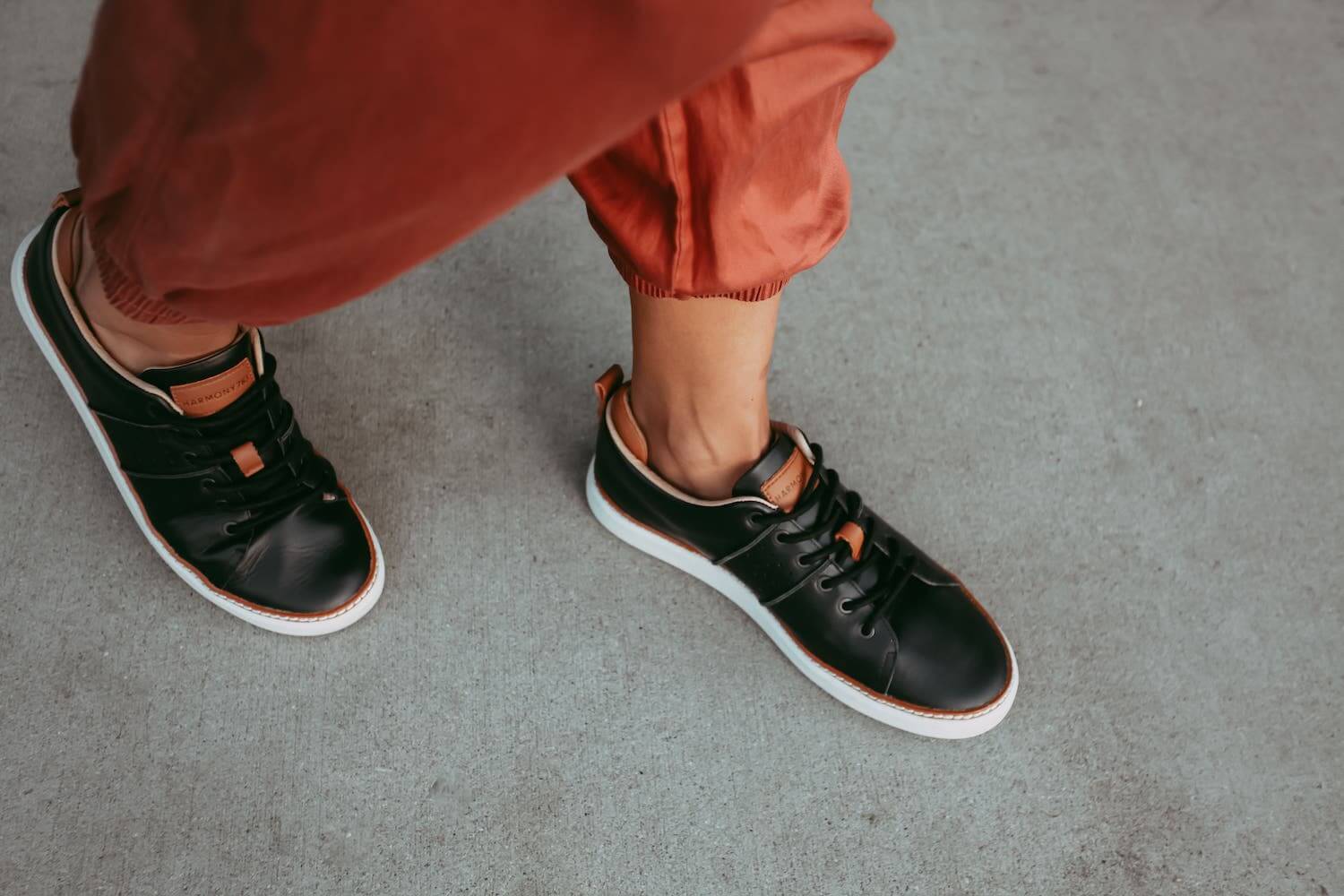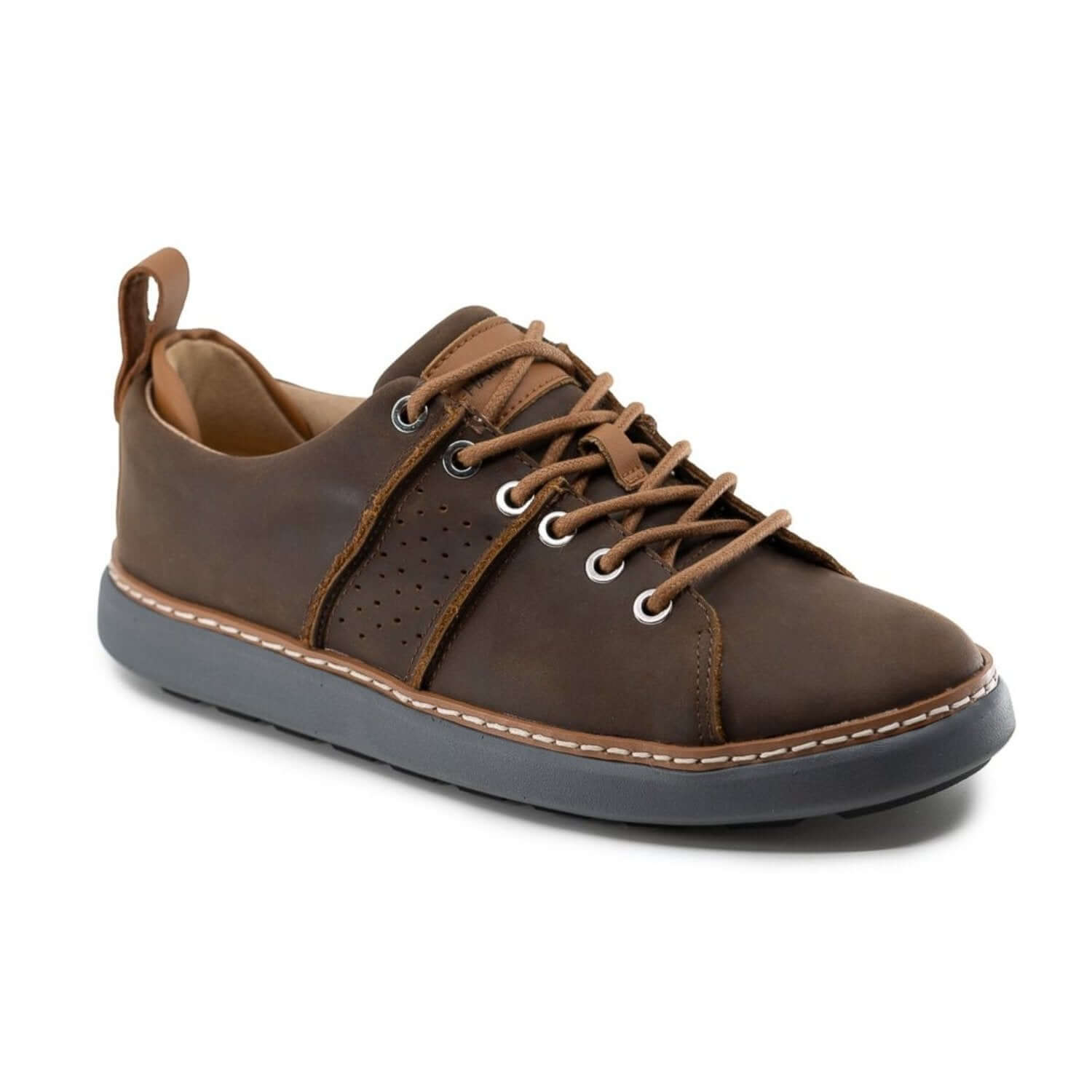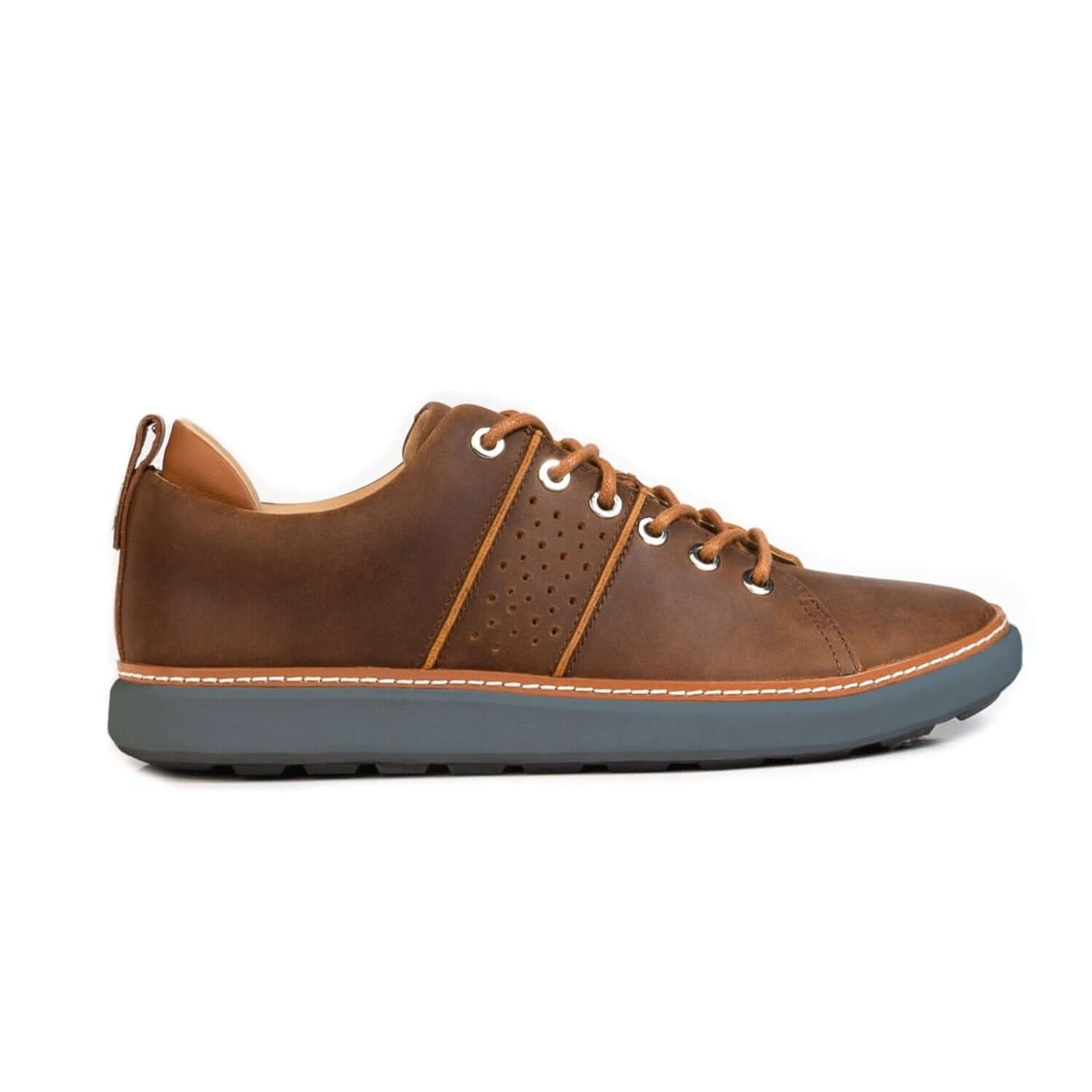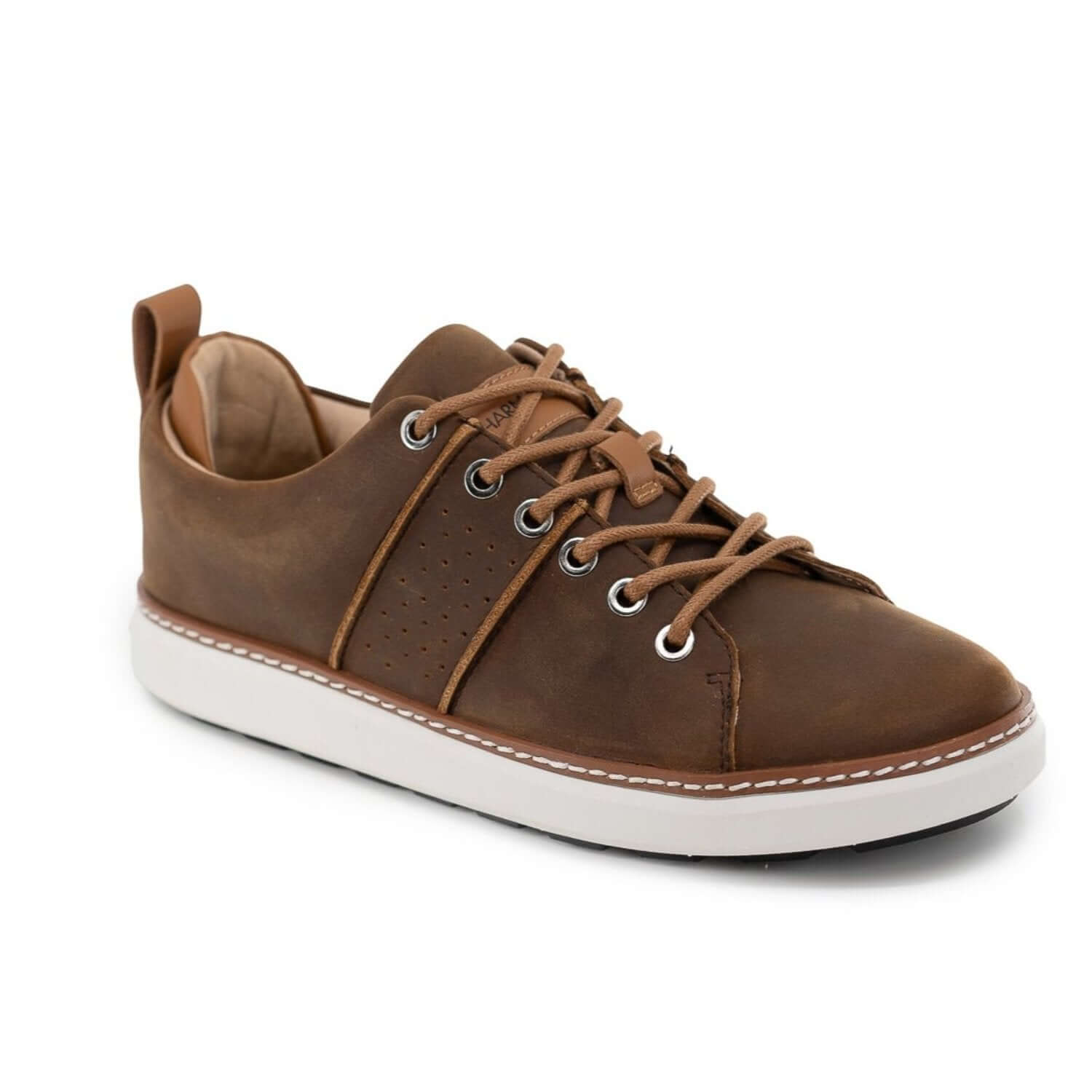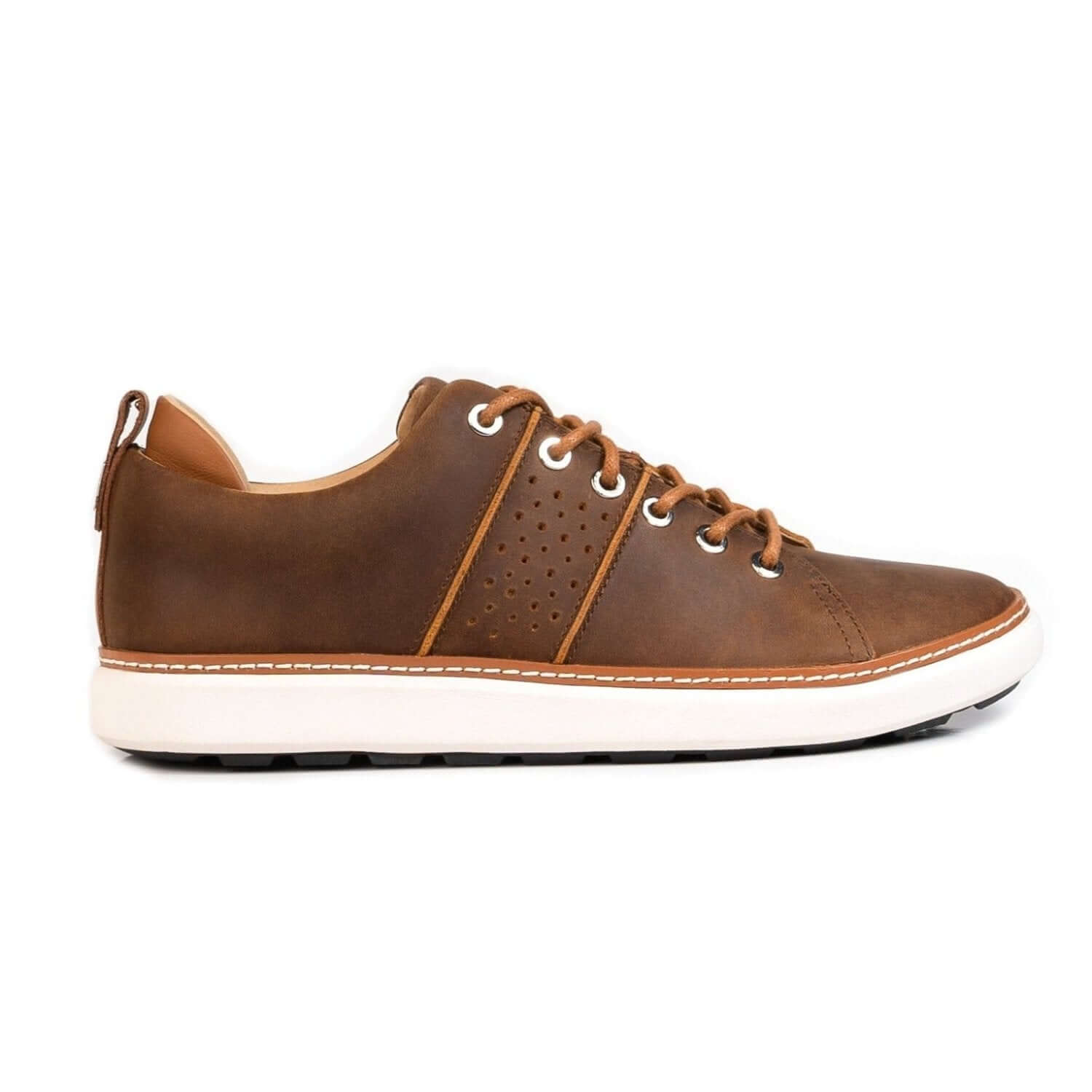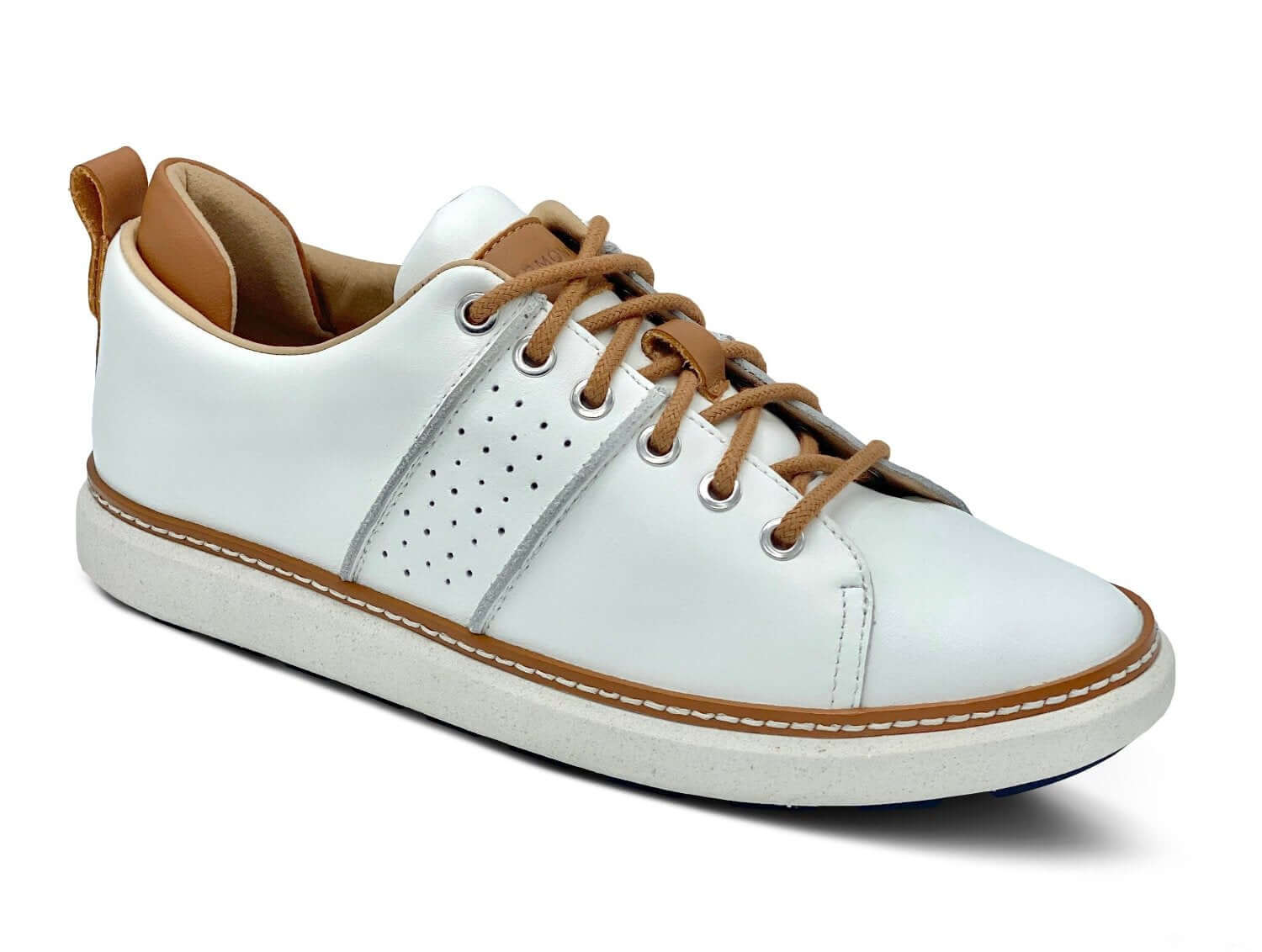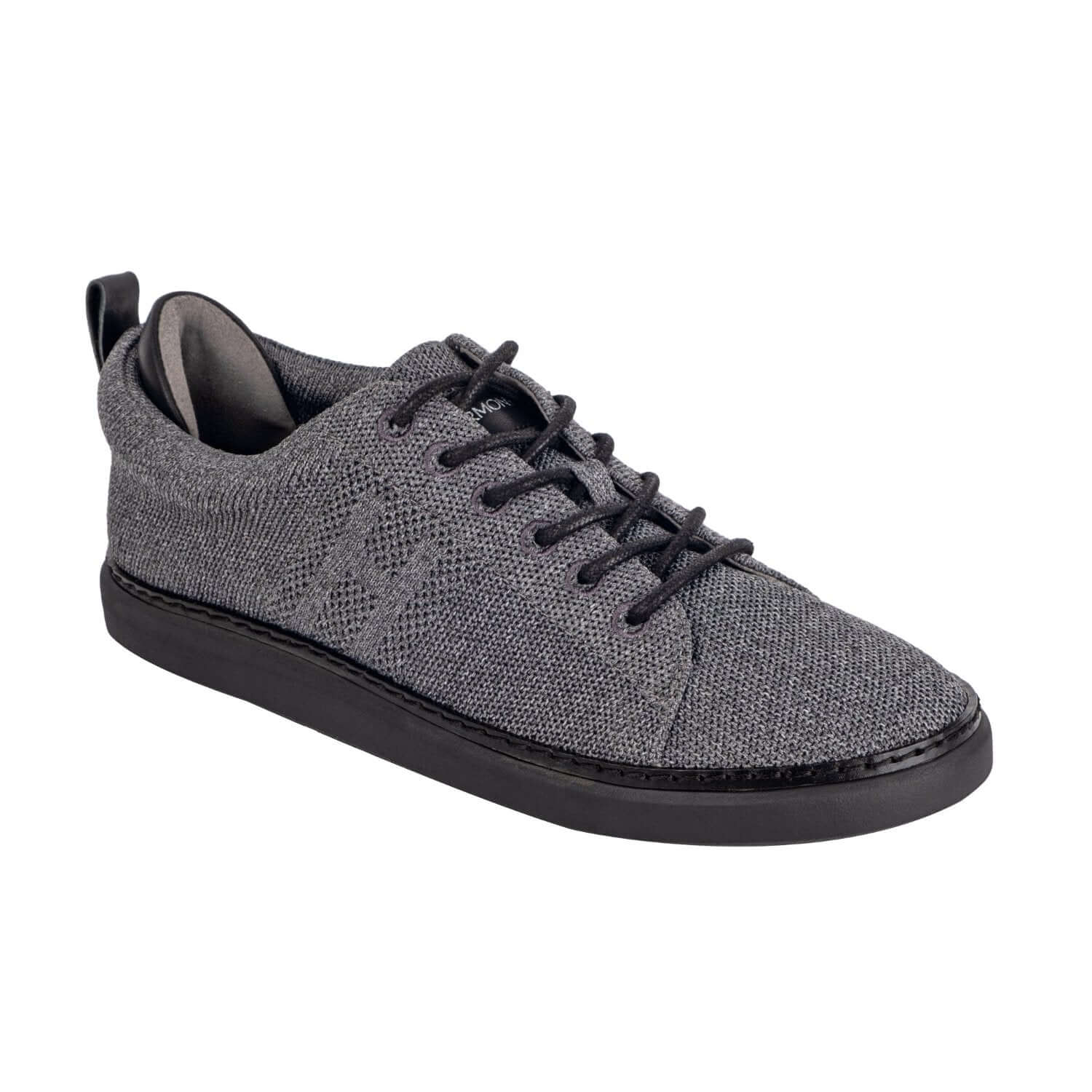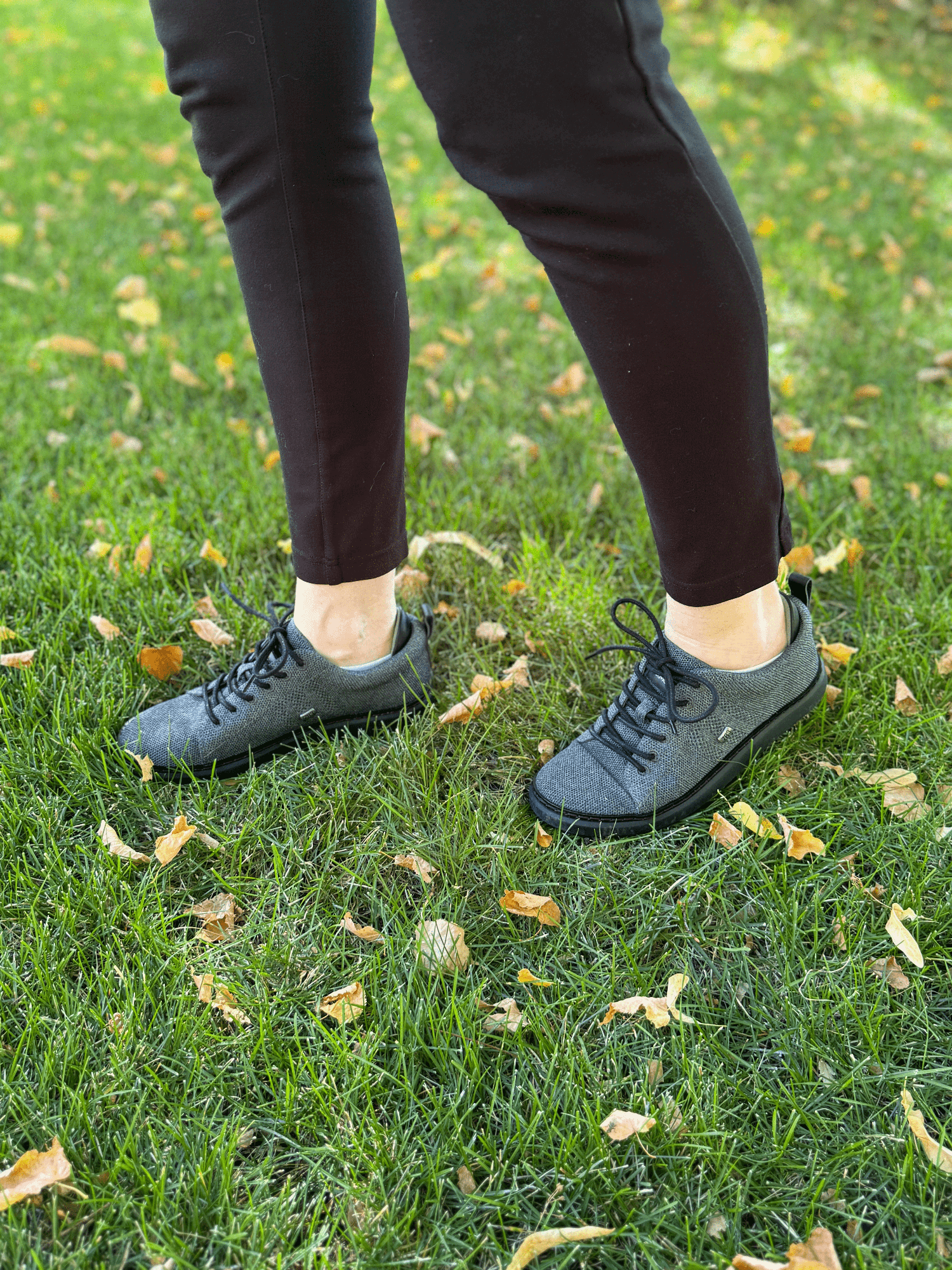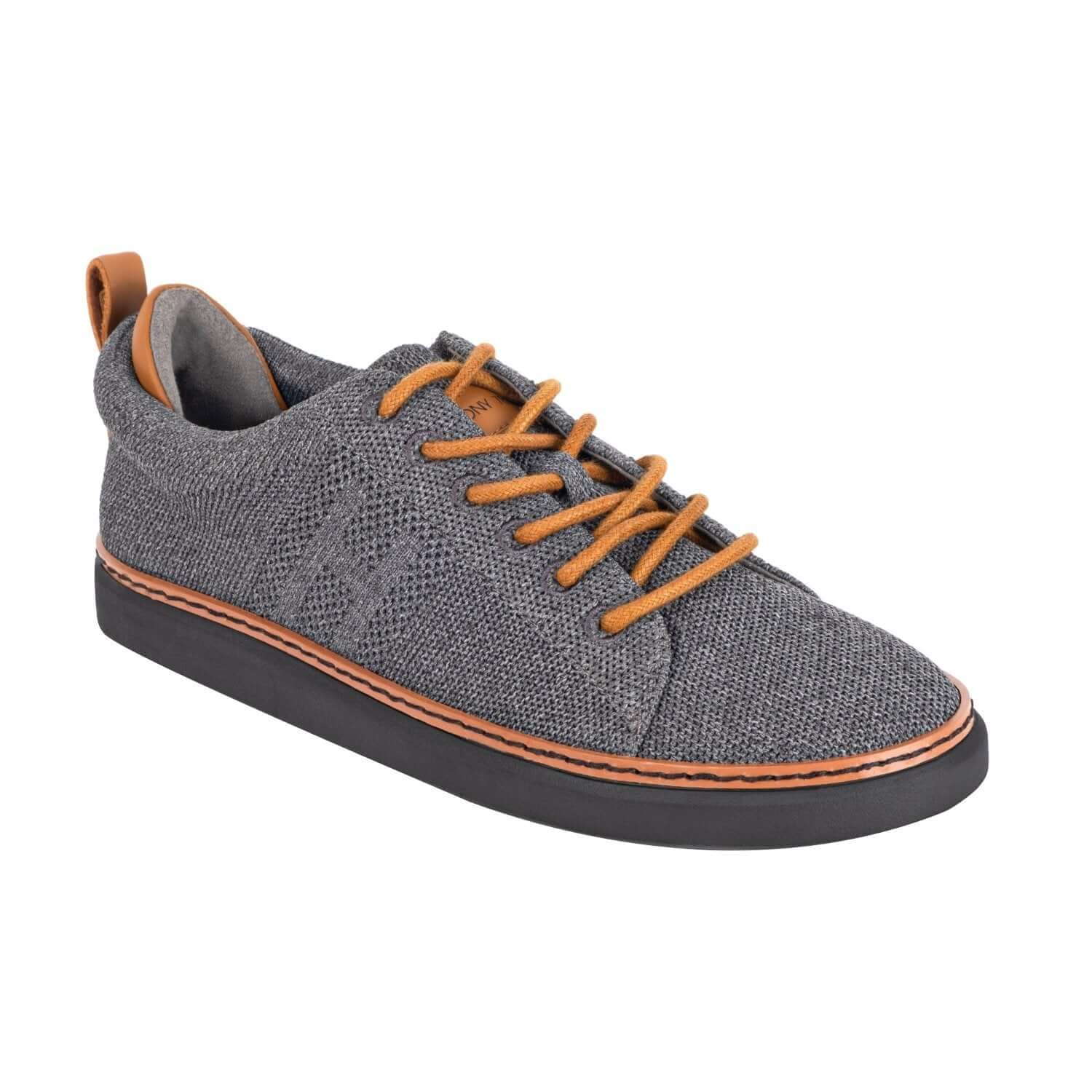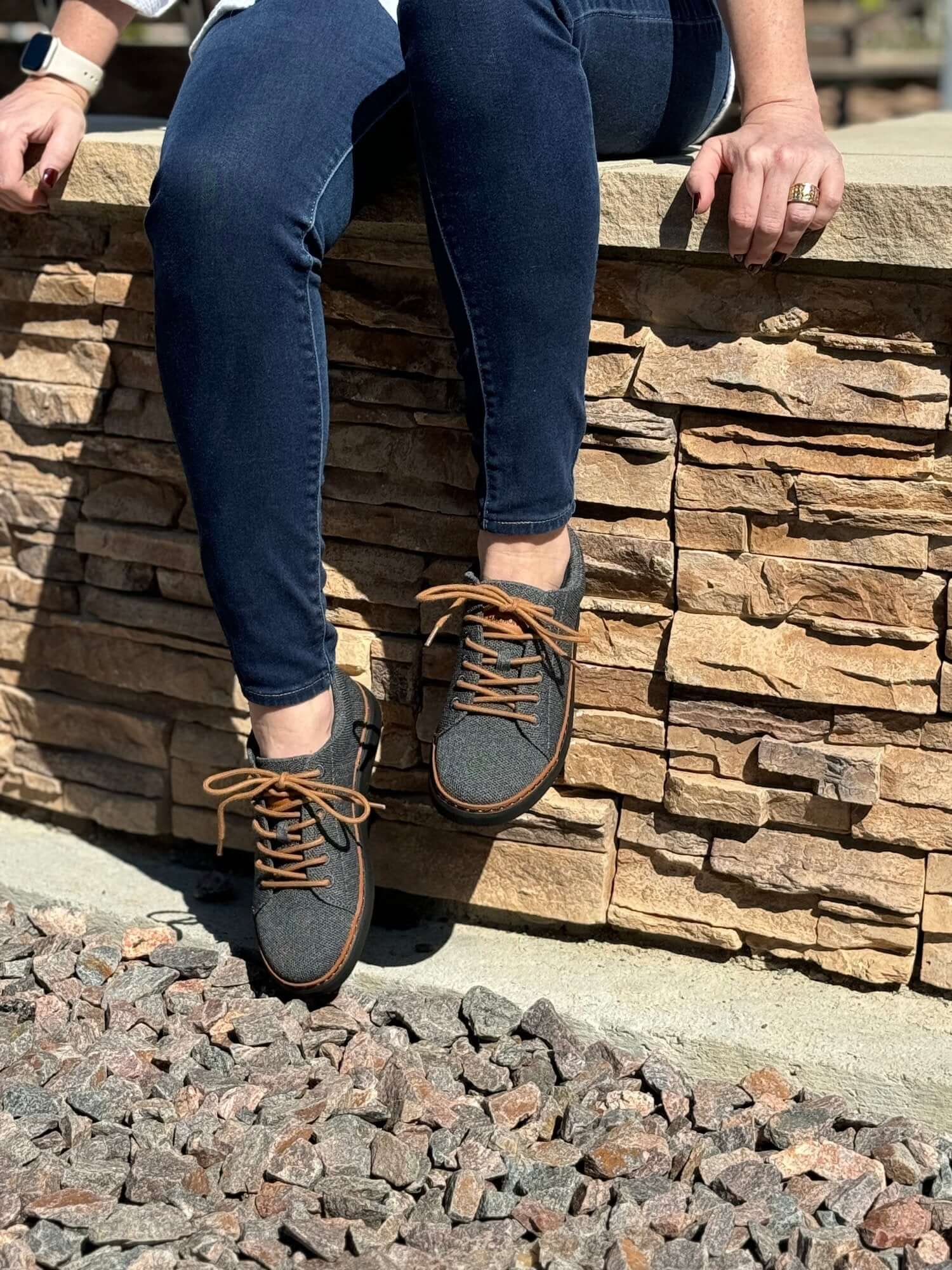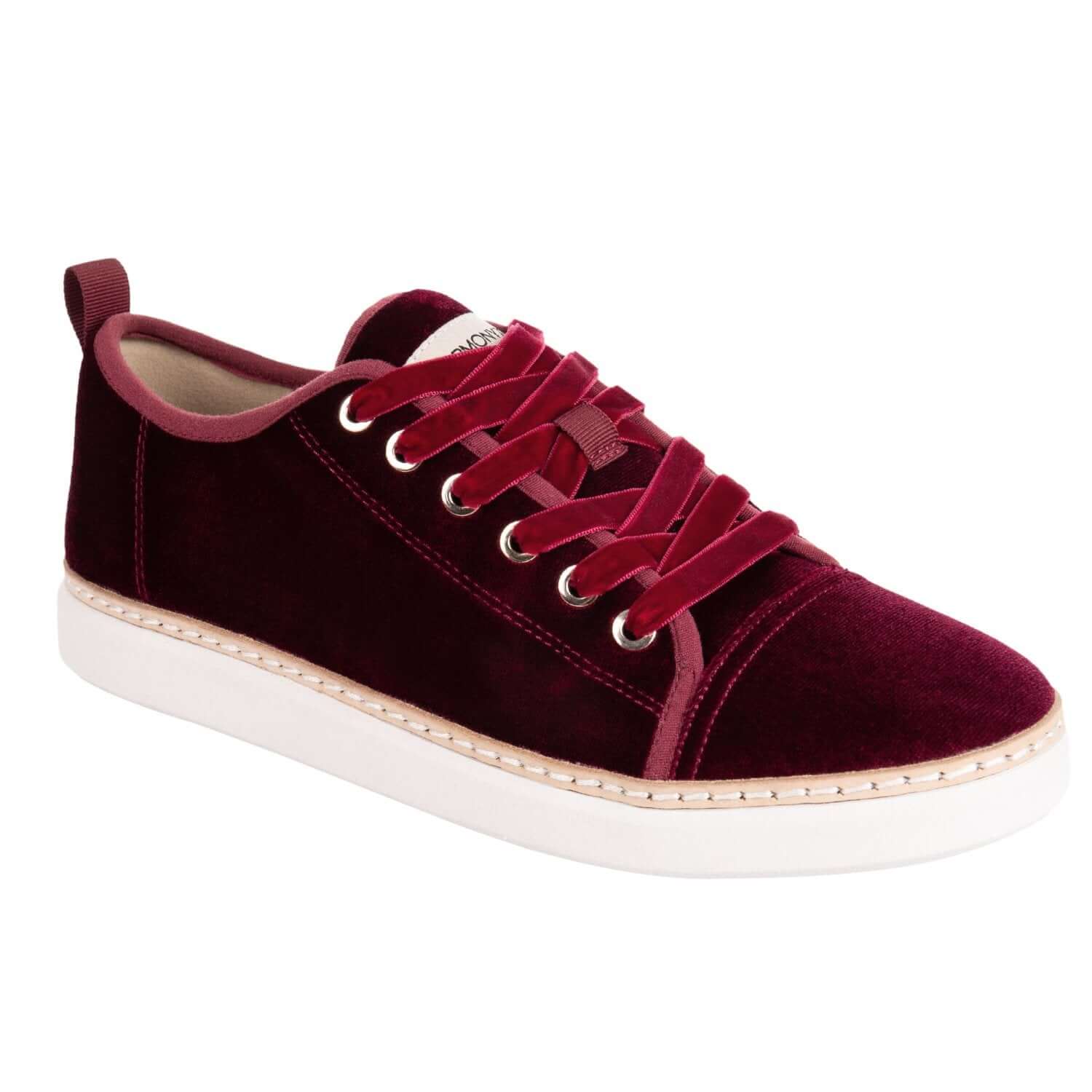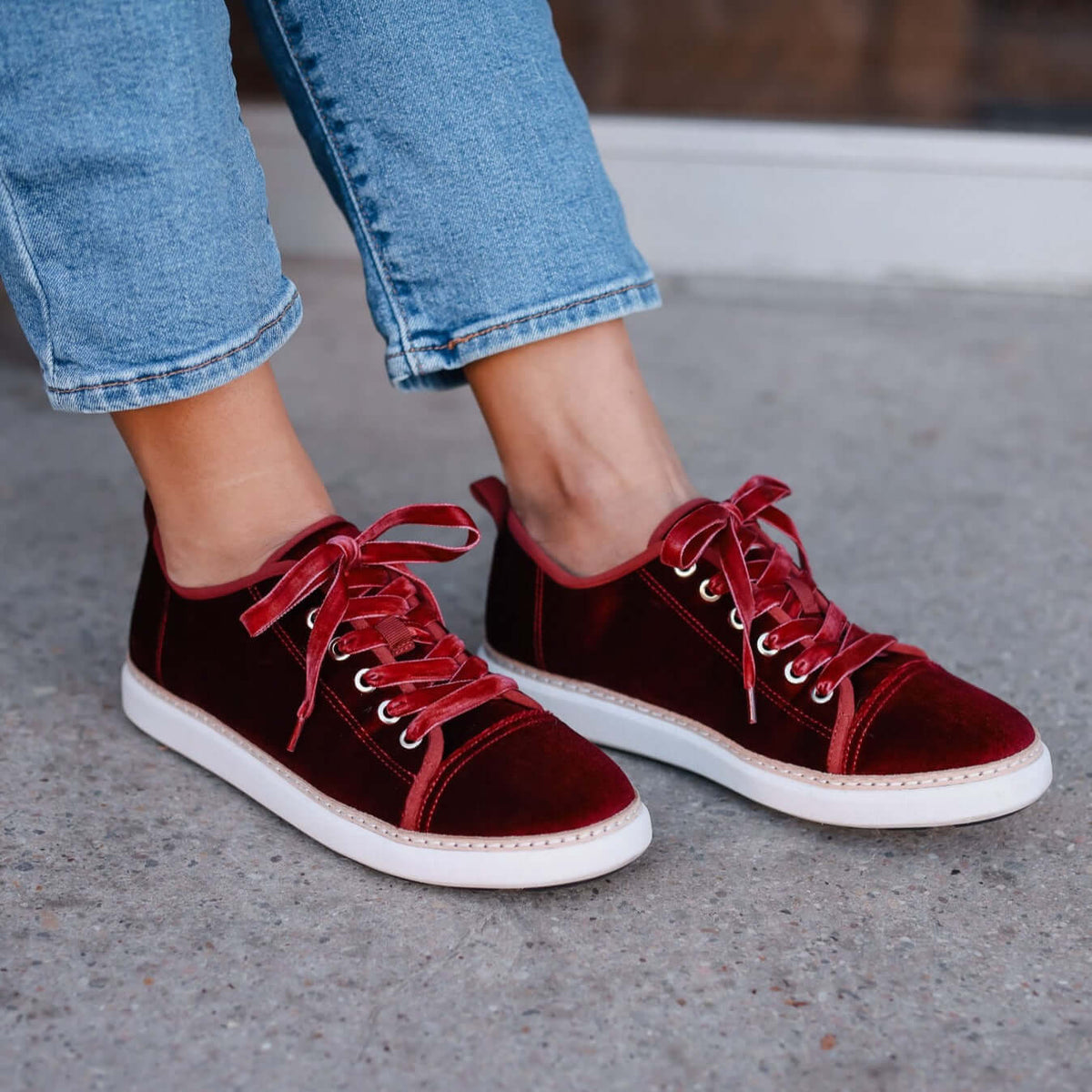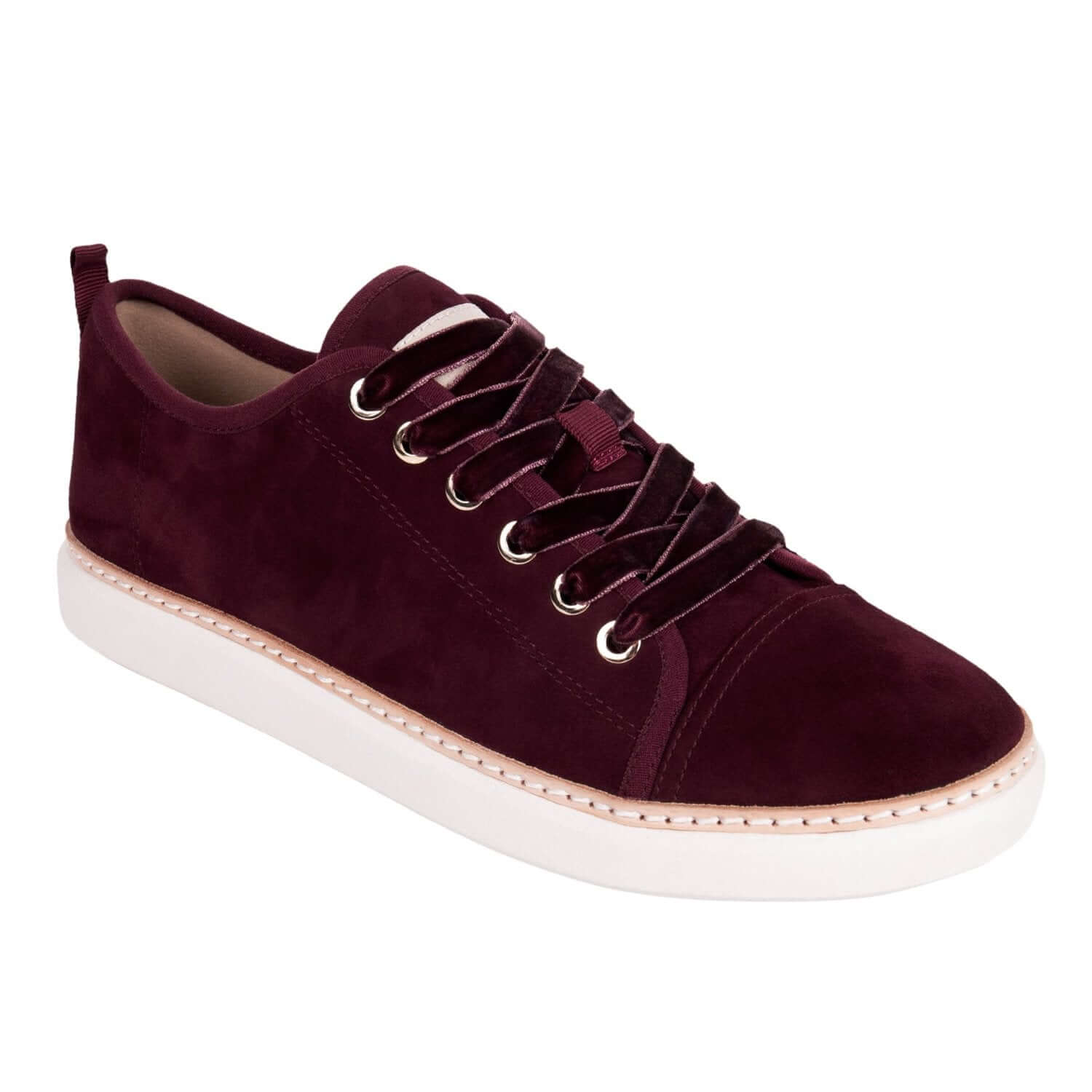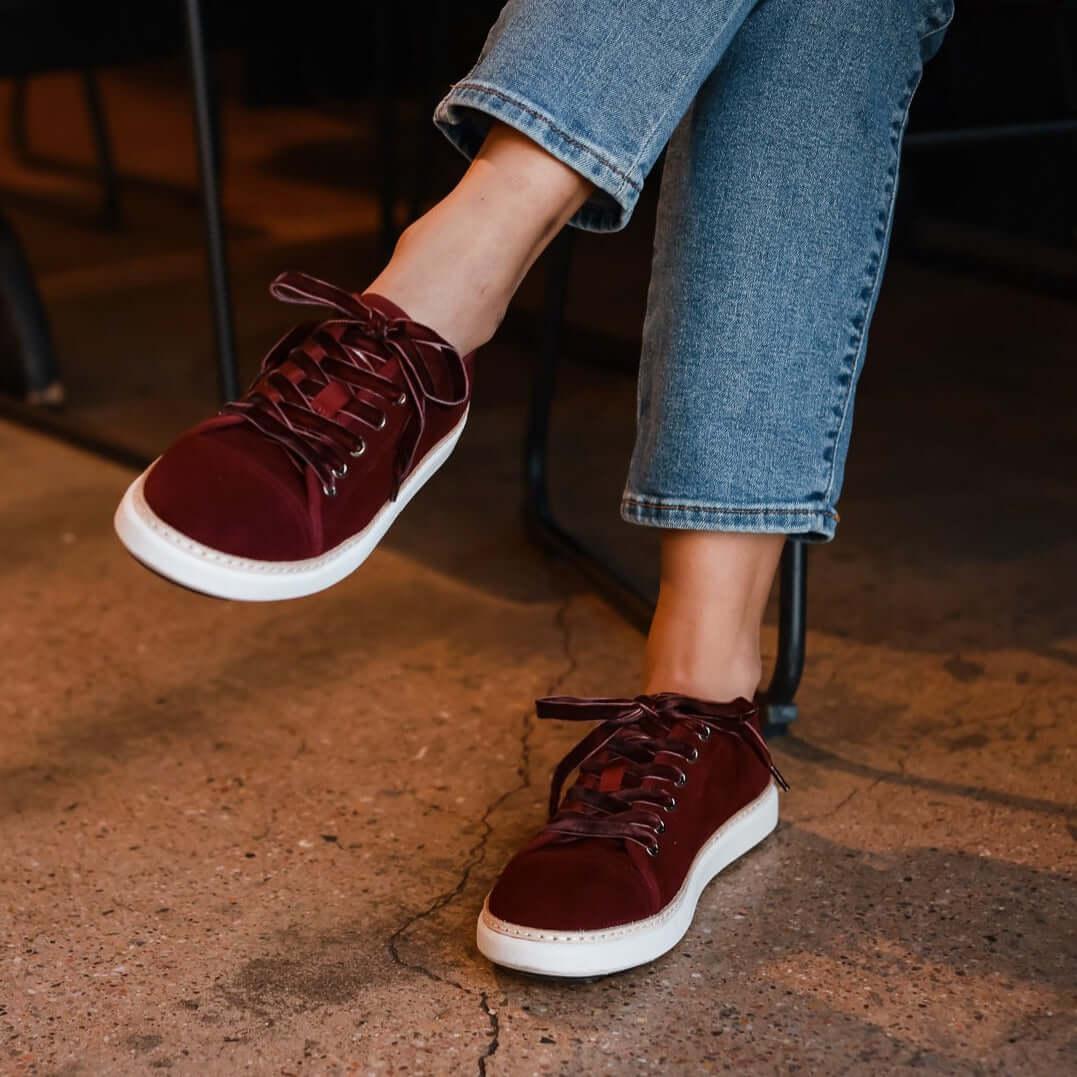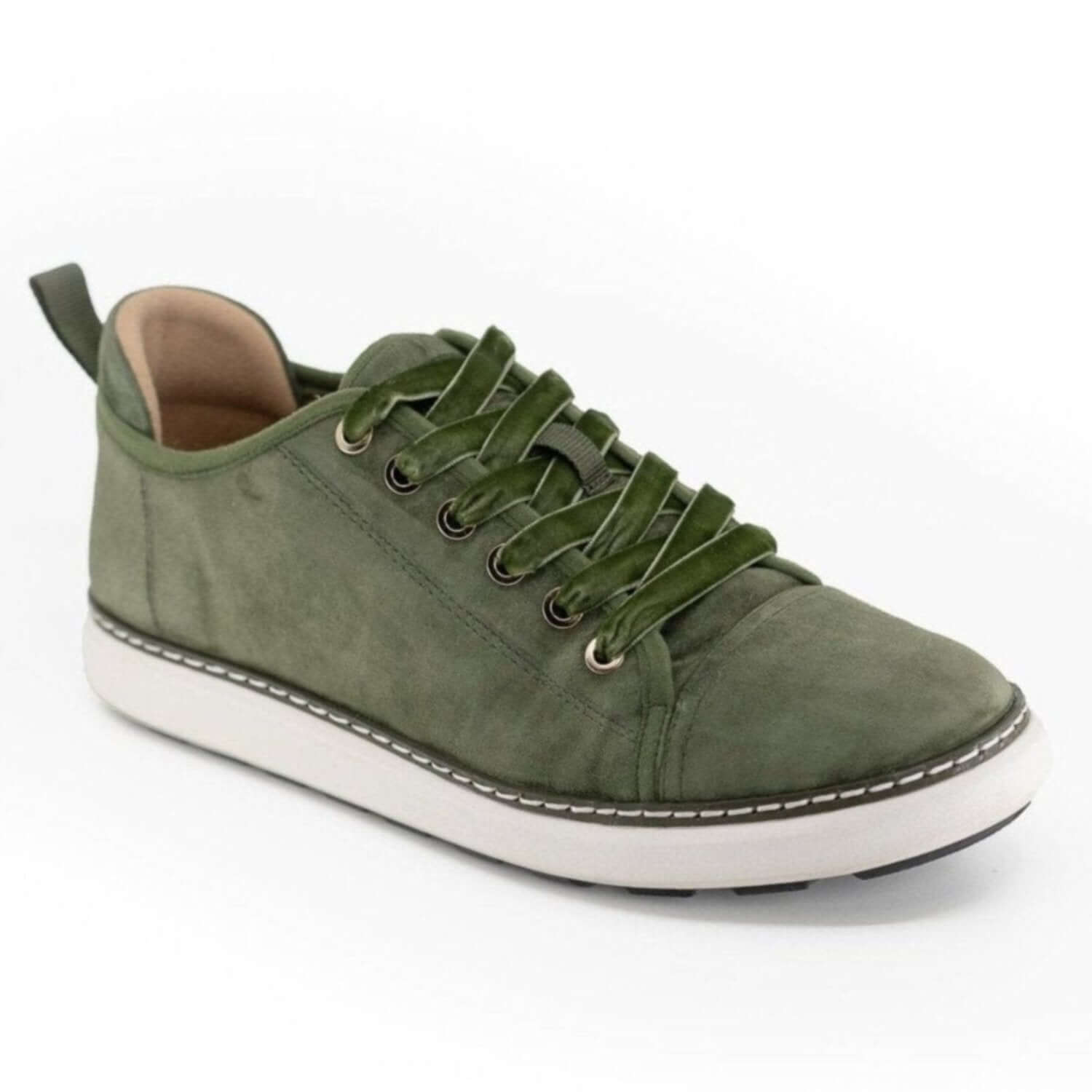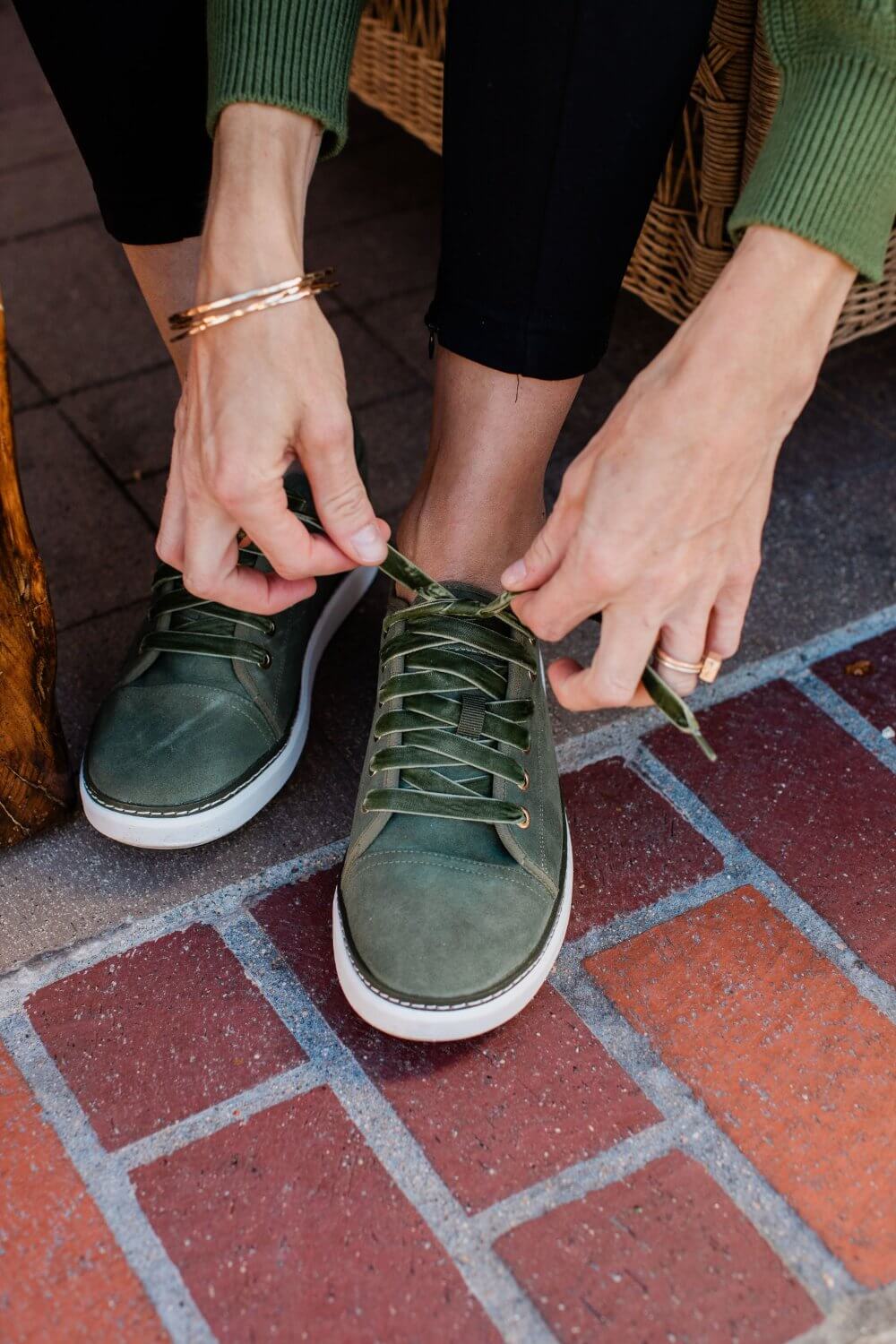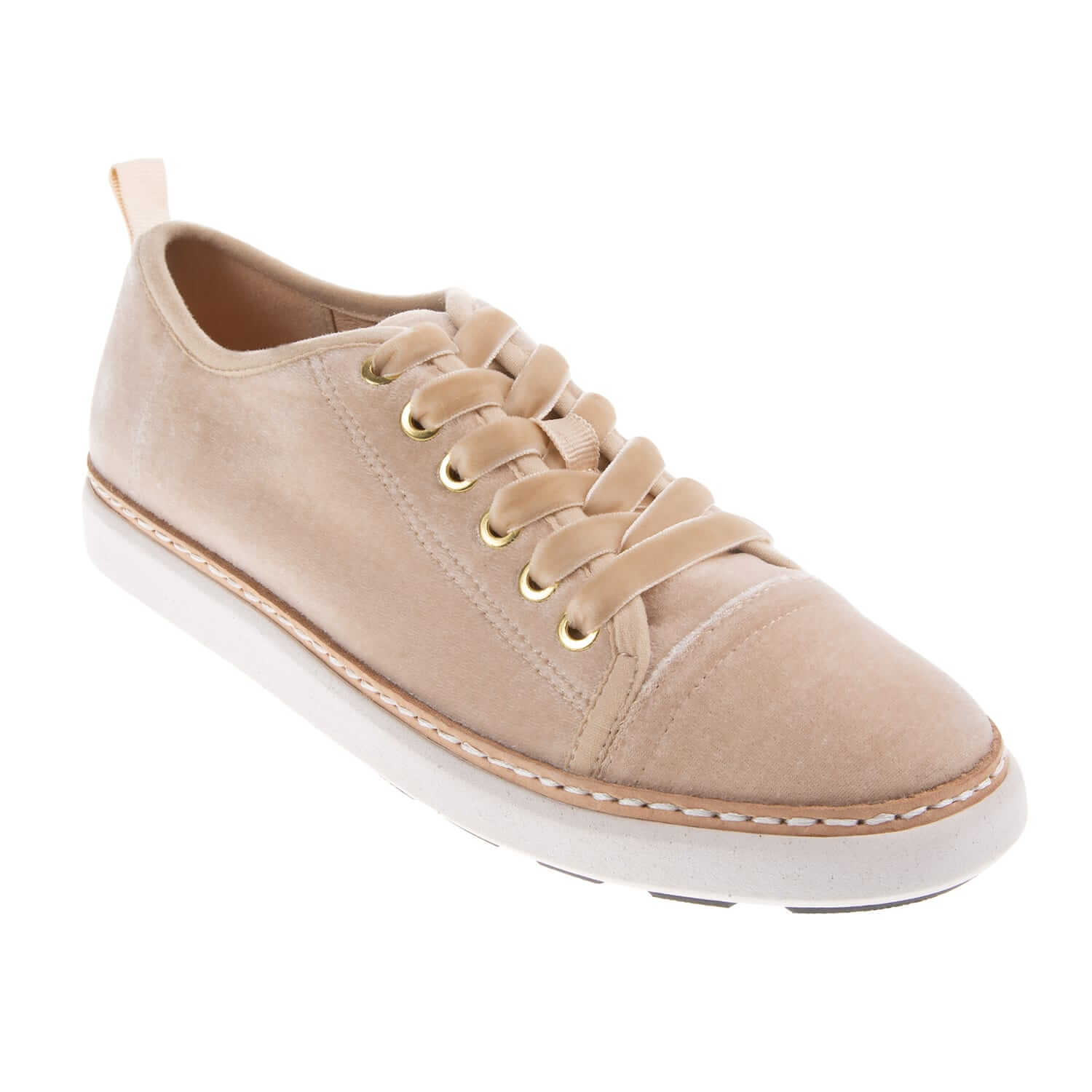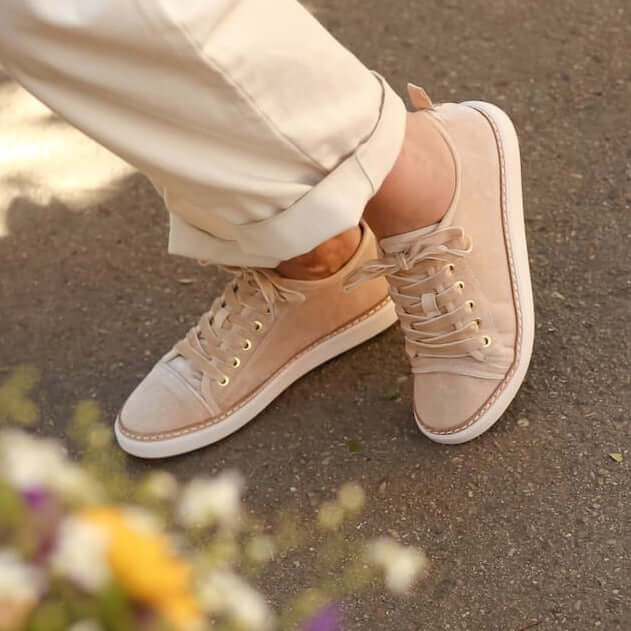

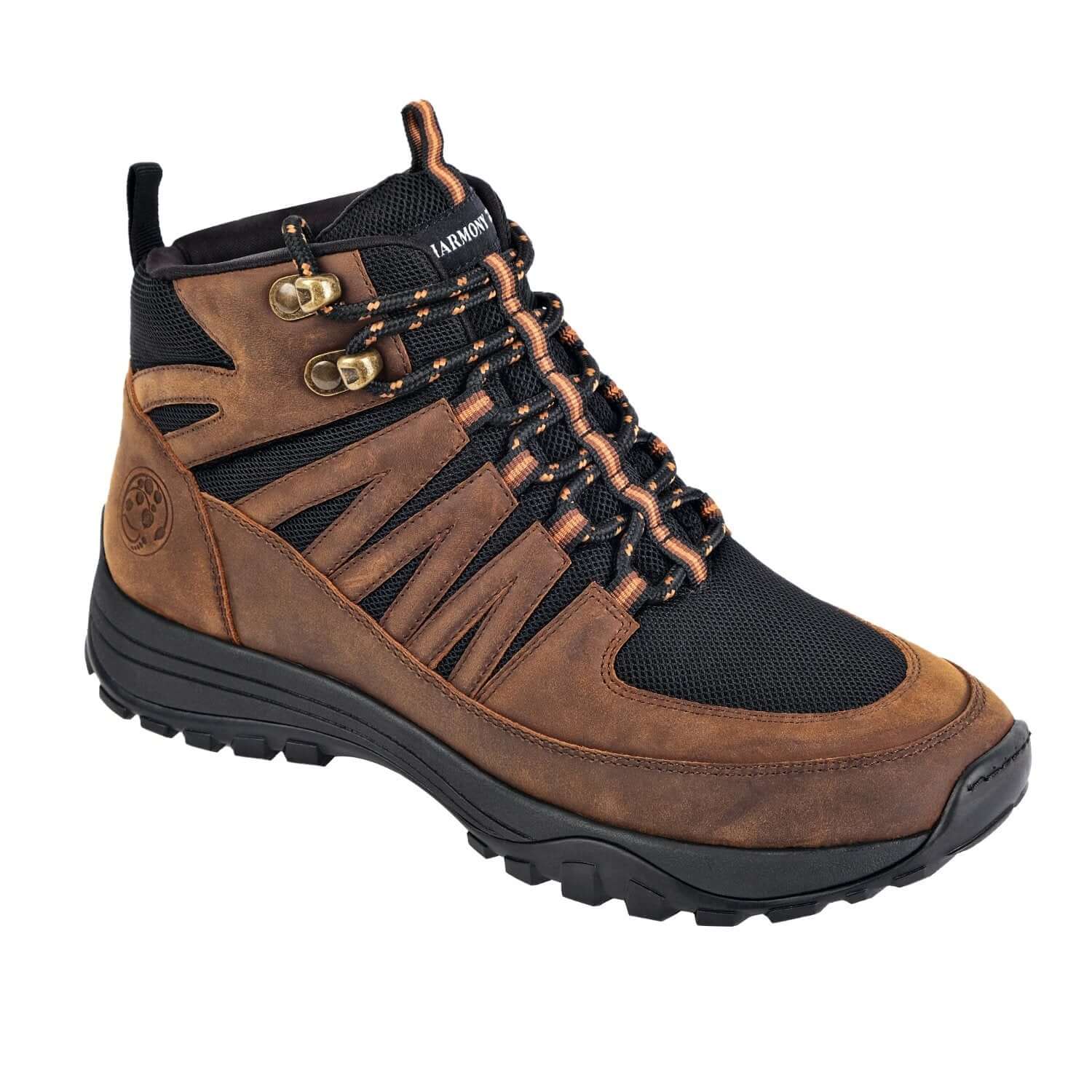
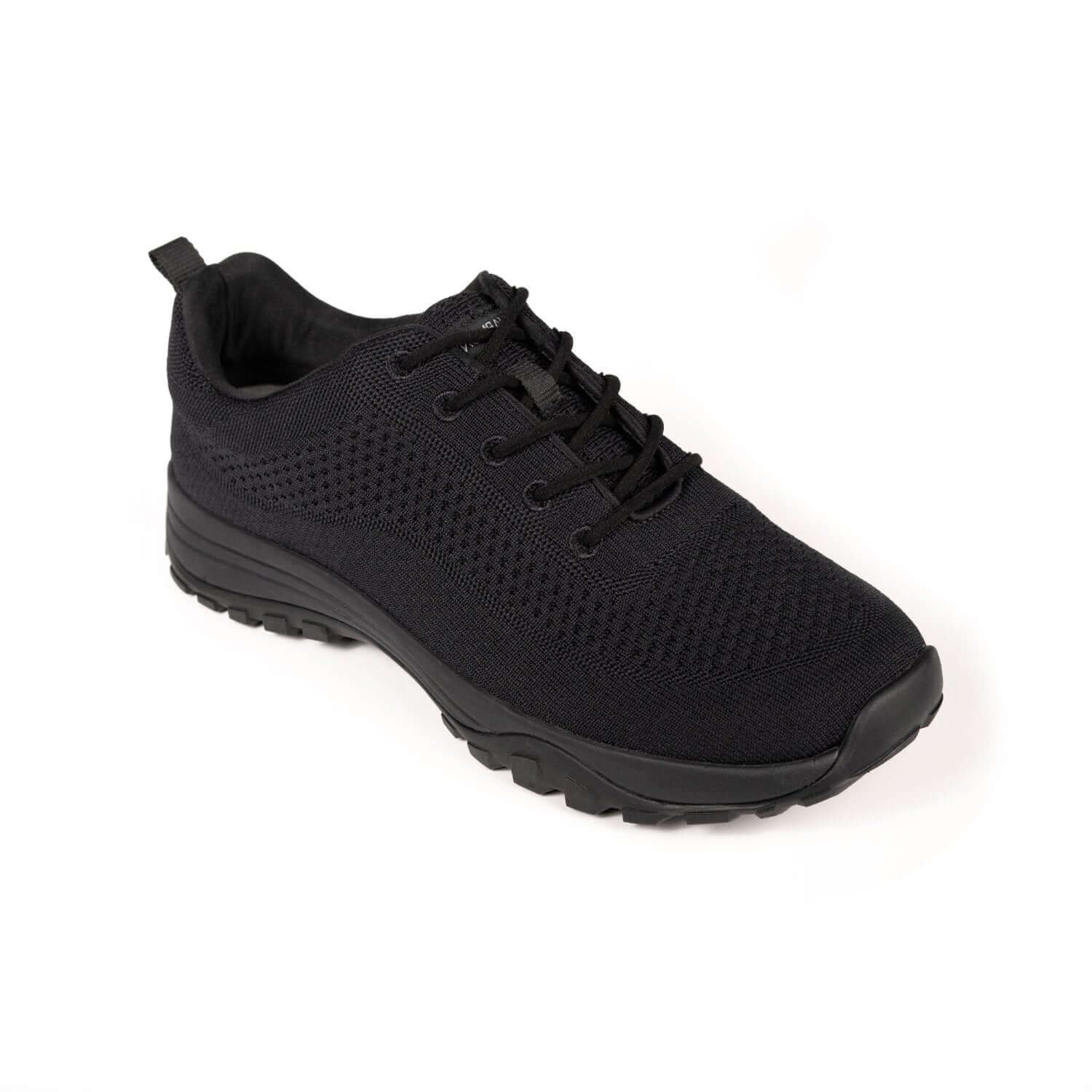

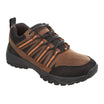
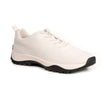

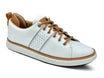
Grounding shoes for plantar fasciitis may make daily walking more comfortable when they combine a conductive design with cushioning, a stable fit, and enough room for your toes. They are not a treatment for plantar fasciitis, but the right pair can support a sensible foot-care routine while you stay connected to the earth. For the bigger picture, read Harmony 783's guide to grounding shoes for pain, inflammation, and recovery.
Browse Harmony 783 grounding shoes
What is plantar fasciitis and what triggers flare-ups?
The plantar fascia is a strong band of tissue that helps support the arch. Repeated loading can irritate or overload the area where it meets the heel. The familiar pattern is morning heel pain, pain after sitting, or soreness that builds over a long day. The NHS plantar fasciitis guidance describes pain around the heel and arch and recommends attention to footwear, stretching, and activity level.
Common flare-up triggers include:
- Adding more walking, running, or standing than your feet are used to.
- Spending long hours on hard floors.
- Wearing shoes with poor cushioning or little support.
- Limited calf or ankle flexibility.
- Going from very cushioned shoes to a very thin or flexible sole too quickly.
These triggers are useful clues, not a diagnosis. Heel pain can also come from an injury, nerve irritation, a stress fracture, or another foot condition. If the pain is severe, keeps returning, or changes how you walk, ask a qualified clinician to assess it.
How does inflammation relate to plantar fasciitis pain?
It is easy to assume that every painful heel is simply inflamed. Current clinical explanations also recognize degeneration and repeated strain. The practical takeaway is more useful than the label: reduce the load that provokes pain, then build capacity in small steps.
Clinical practice guidelines from the American Physical Therapy Association support plantar fascia-specific and calf stretching for pain and function. They also explain that foot orthoses can be useful alongside other care, but should not be treated as a stand-alone solution for every person. Read the 2023 heel pain and plantar fasciitis clinical practice guideline for the evidence summary.
A shoe can help create a more comfortable environment for movement, but it cannot correct every contributor. Pay attention to how your heel feels during the first steps, how your foot responds after a longer walk, and whether the shoe allows you to move without gripping your toes.
Can earthing reduce the inflammation that causes heel pain?
Grounding, also called earthing, means making conductive contact with the earth. Harmony 783 footwear uses its Groundworks conductive system, including silver-stitched layers and a carbon and rubber outsole, to create that path when conditions allow. Check the product information and surface guidance for the pair you choose.
The evidence needs a careful boundary. One small randomized controlled trial of 16 massage therapists reported changes in pain and other self-reported outcomes during a grounding protocol. You can review the study on PubMed. It did not study people with plantar fasciitis, and it did not show that grounding shoes replace clinical care. More direct, larger research would be needed before making a heel-pain claim.
That does not make grounding irrelevant to a personal routine. You can view it as one lifestyle choice that may help you spend more time walking outdoors. Use it alongside, not instead of, approaches with stronger support for plantar fasciitis, such as an appropriate activity plan, gentle stretching, and individualized advice from a clinician.
What arch support and sole design do plantar fasciitis sufferers need?
Use these questions when comparing grounding shoes:
- Does the heel feel cushioned? A heel pad or cushioned midsole can make daily walking more comfortable.
- Does the arch feel supported rather than forced? Support should not create a new pressure point.
- Can your toes spread? Look for a roomier toe box, but do not assume a roomier fit is the same as a wide-width shoe.
- Is the shoe stable for your usual surface? Match the sole and upper to your daily routes.
- Can you wear it without changing your gait? A shoe that makes you limp, grip, or avoid heel contact is not a good fit.
| Feature | Why it matters for heel pain | What to check |
|---|---|---|
| Heel cushioning | Can soften contact during ordinary walking. | Look for a comfortable heel pad or cushioned midsole. |
| Arch support | May help manage load when combined with a broader care plan. | Check the product's support description and your own comfort. |
| Toe room | Reduces crowding and may make the shoe easier to tolerate. | Confirm length and width on the product size guide. |
| Conductive construction | Supports the grounding purpose of the footwear. | Review the brand's instructions for surfaces and care. |
Do not make a major footwear change overnight. If you have worn a highly cushioned shoe for years, begin with short, easy periods and see how your feet respond. A gradual transition is especially important if the new shoe has a different heel-to-toe feel or less cushioning than your old pair.
Which Harmony 783 styles may suit plantar fasciitis routines?
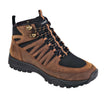
Walkers: A walker can be a practical starting point for daily errands and longer walks. The Classic Walker in Brown and White Leather lists a cushion comfort heel pad, padded memory foam arches and heels, a roomier toe box, and medium arch support. It is described as a narrow to medium width fit, so it may not suit every foot.
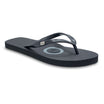
Sandals: Sandals can be useful in warm weather when you want an open style. Browse the Harmony 783 grounding sandals and check the details for the exact model. Look for a secure upper, comfortable arch contact, and a sole that feels stable on your normal walking surfaces. Avoid a loose fit that makes your toes claw or your heel slide.

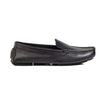
Slip-ons: Slip-ons are convenient for short outings and daily wear. The Black and White Bamboo Knit Grounding Slip-On lists a cushion comfort heel pad, a wider toe box, and medium arch support. It is a medium-width fit, not a wide-width shoe. Start with shorter wear periods if you are testing a new style.
Browse the collection and compare current fit details
What morning grounding routine can support heel pain care?
Try this simple sequence, adjusting it to your clinician's advice:
- Move before you load. While seated, slowly point and flex each foot several times. Stop if the movement causes sharp pain.
- Stretch gently. Use a calf or plantar fascia stretch recommended by a physical therapist. Do not bounce or force the range.
- Choose your shoes before you leave. Use the pair that gives you the best combination of heel comfort, arch support, and secure fit.
- Start small. Walk for a short, comfortable period on a predictable surface rather than beginning with a long hike.
- Track the response. Note pain during the walk, later that day, and with your first steps the next morning.
Grounding works only when the conductive path and surface conditions allow it. If you want to learn the basics, visit Harmony 783's What Is Grounding page. Keep the foot-care goal clear: a comfortable routine matters more than forcing a particular surface, duration, or product.
Stop and seek professional guidance if pain is severe, prevents normal activity, worsens, keeps returning, or has not improved after two weeks of self-care. The NHS also advises prompt medical attention for tingling or loss of feeling and for foot pain in people with diabetes.
Discover grounding footwear for your everyday routine
Frequently Asked Questions About Plantar Fasciitis and Grounding Shoes
Are grounding shoes good for plantar fasciitis?
They may be comfortable for some people when they provide suitable cushioning, support, and fit. Grounding shoes have not been established as a treatment for plantar fasciitis, so use them as footwear within a broader care plan.
Do grounding shoes reduce heel pain?
There is not enough direct research to say that grounding shoes reduce plantar fasciitis heel pain. Comfort features and a gradual walking routine may help you tolerate activity, but persistent pain should be assessed by a qualified clinician.
Do I need strong arch support?
Not everyone needs the same amount of support. A comfortable, stable arch contact may help some people, while a rigid or poorly placed arch can create pressure. Use the product details and your own response as guides.
Can I wear grounding sandals with plantar fasciitis?
You can consider sandals if the individual style feels secure, cushions the heel, and supports your arch without making you grip your toes. Compare the exact product details and start with short periods of wear.
When should I see a doctor for heel pain?
Seek medical advice when pain is severe, affects normal activity, keeps returning, gets worse, or does not improve after two weeks of self-care. Get advice sooner for numbness, tingling, or diabetes-related foot pain.