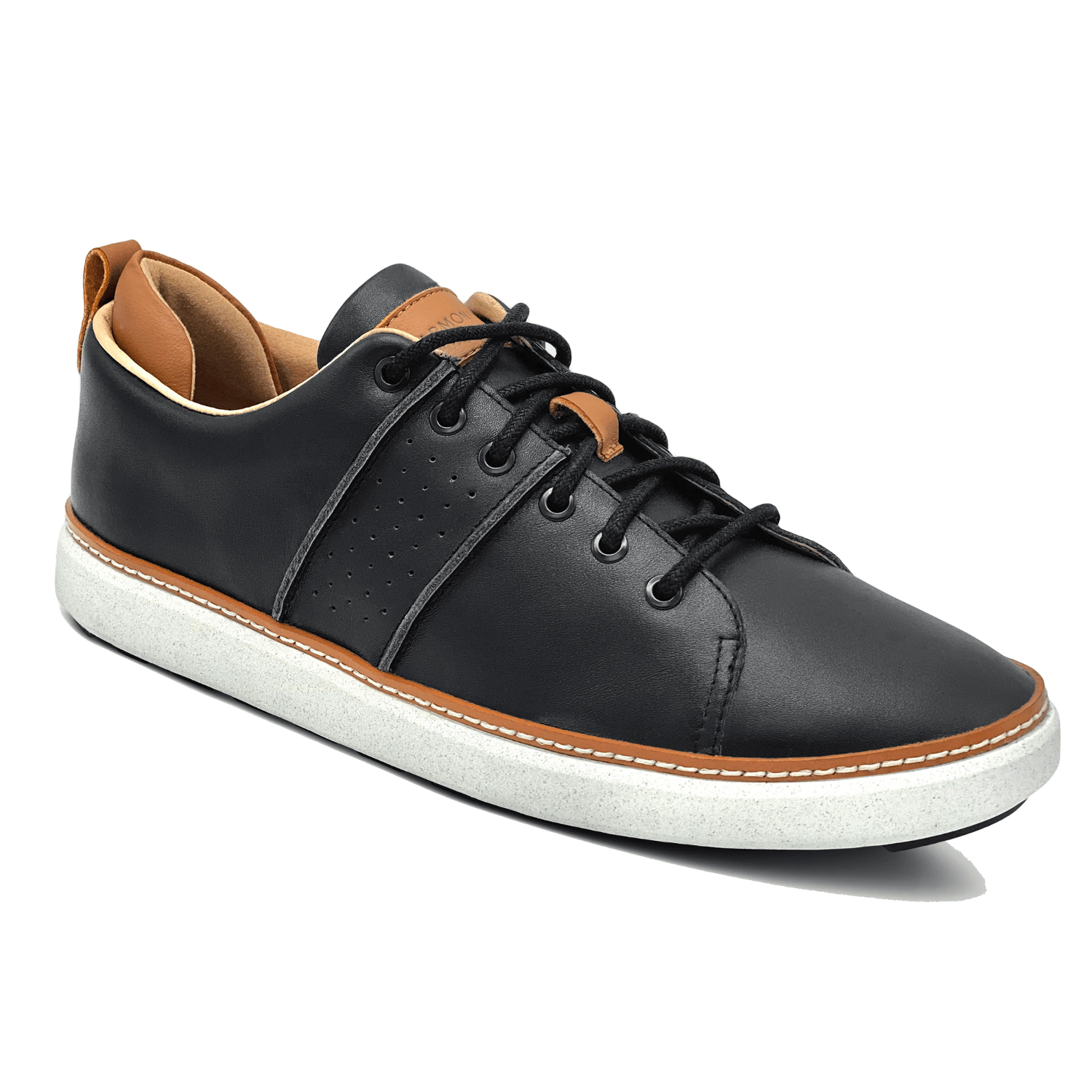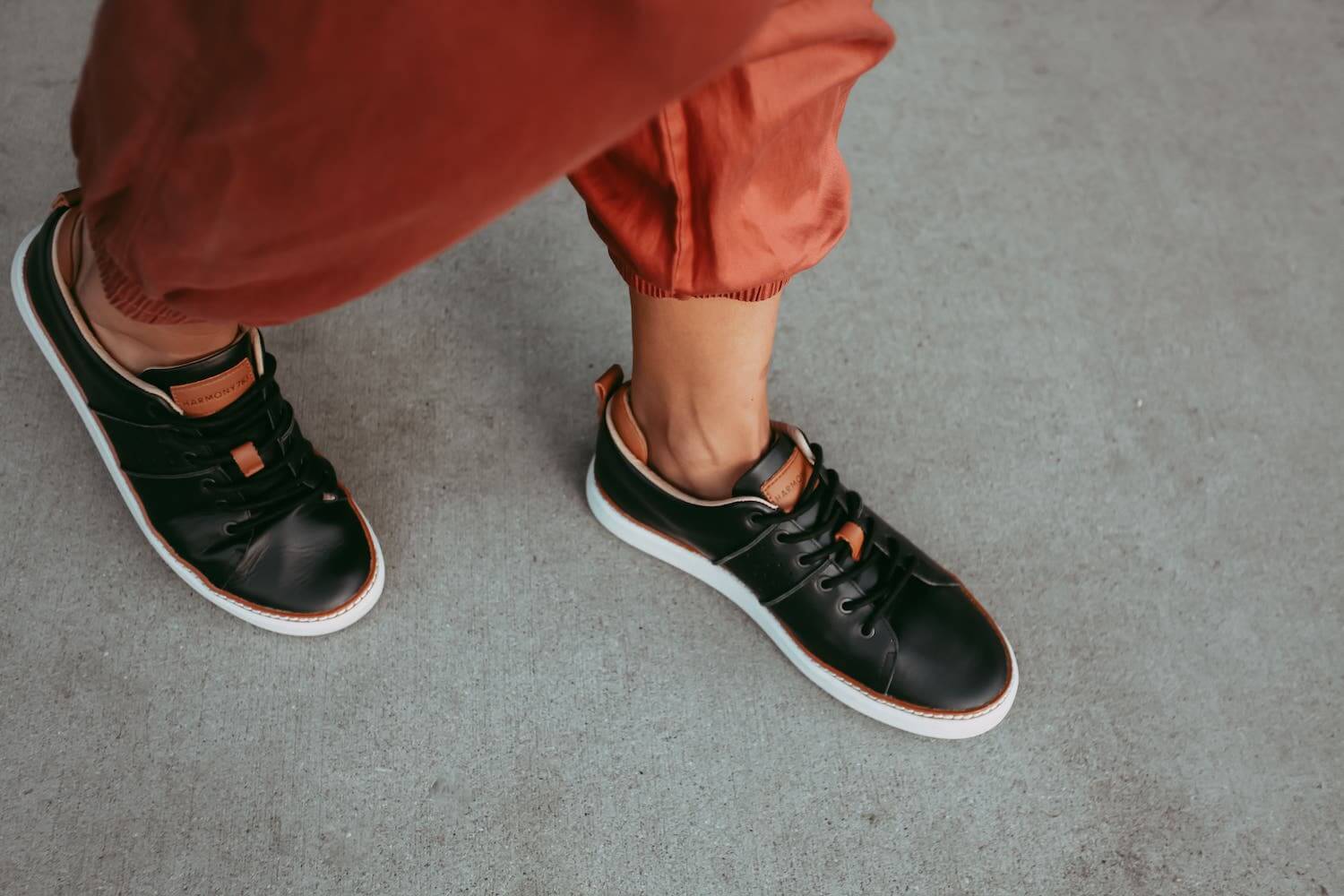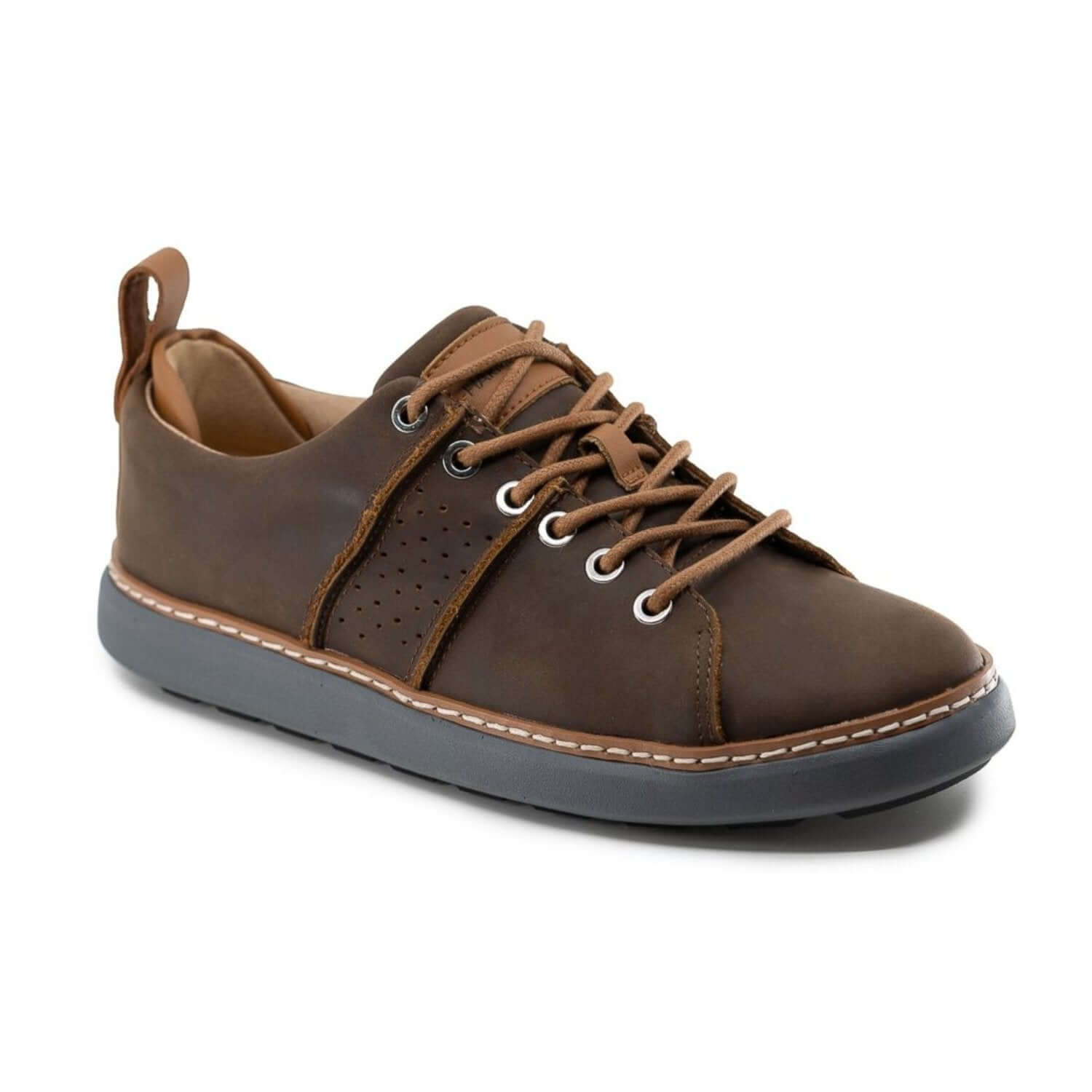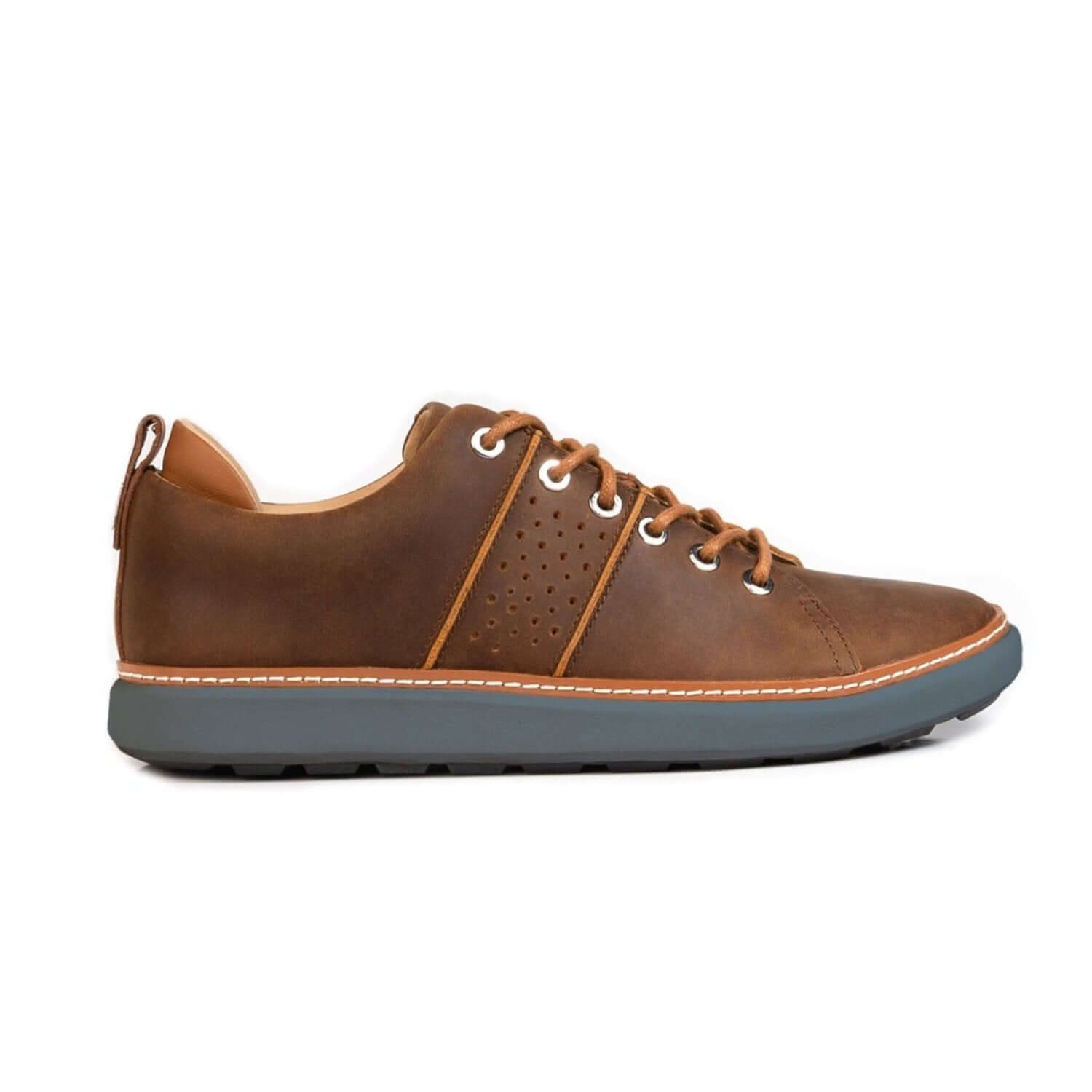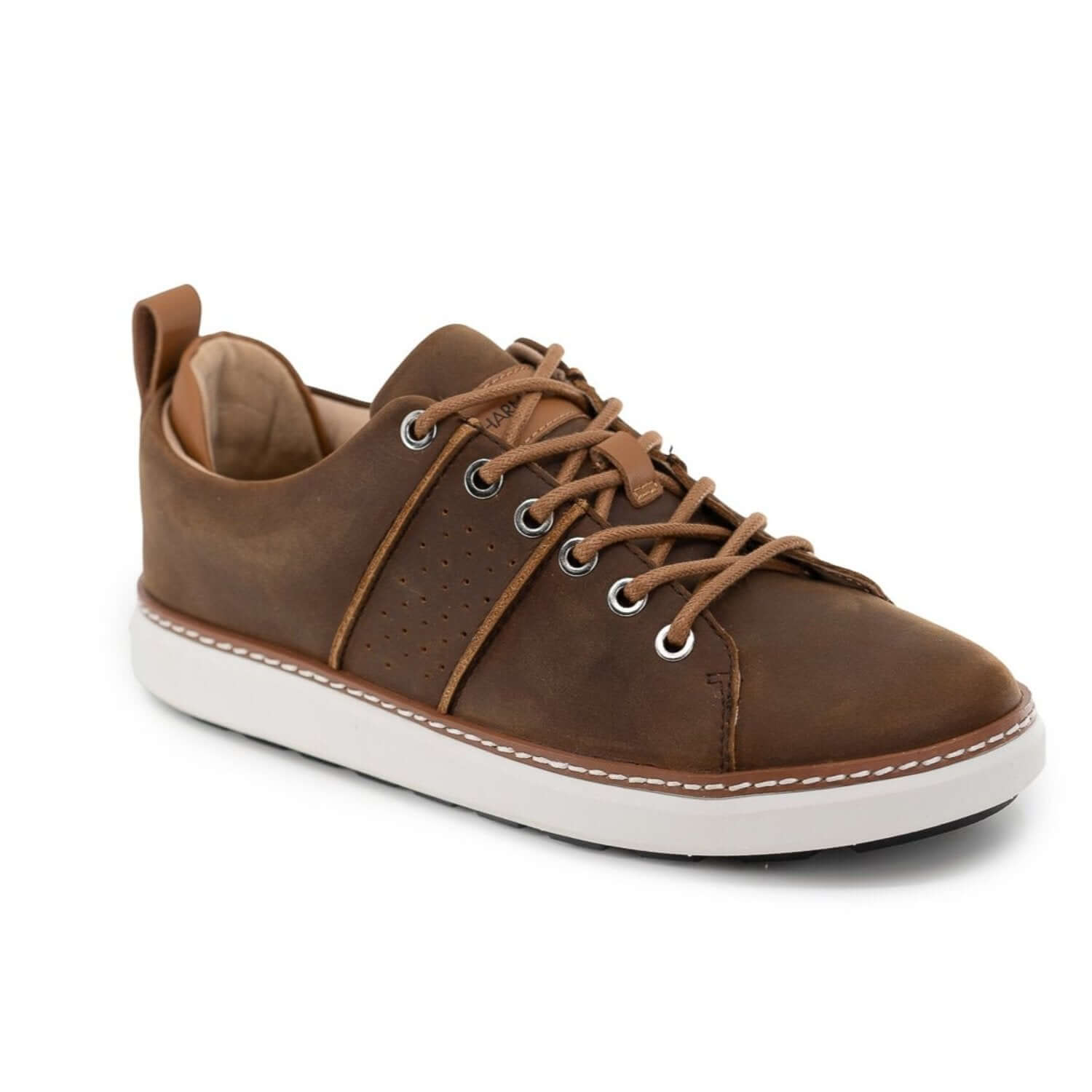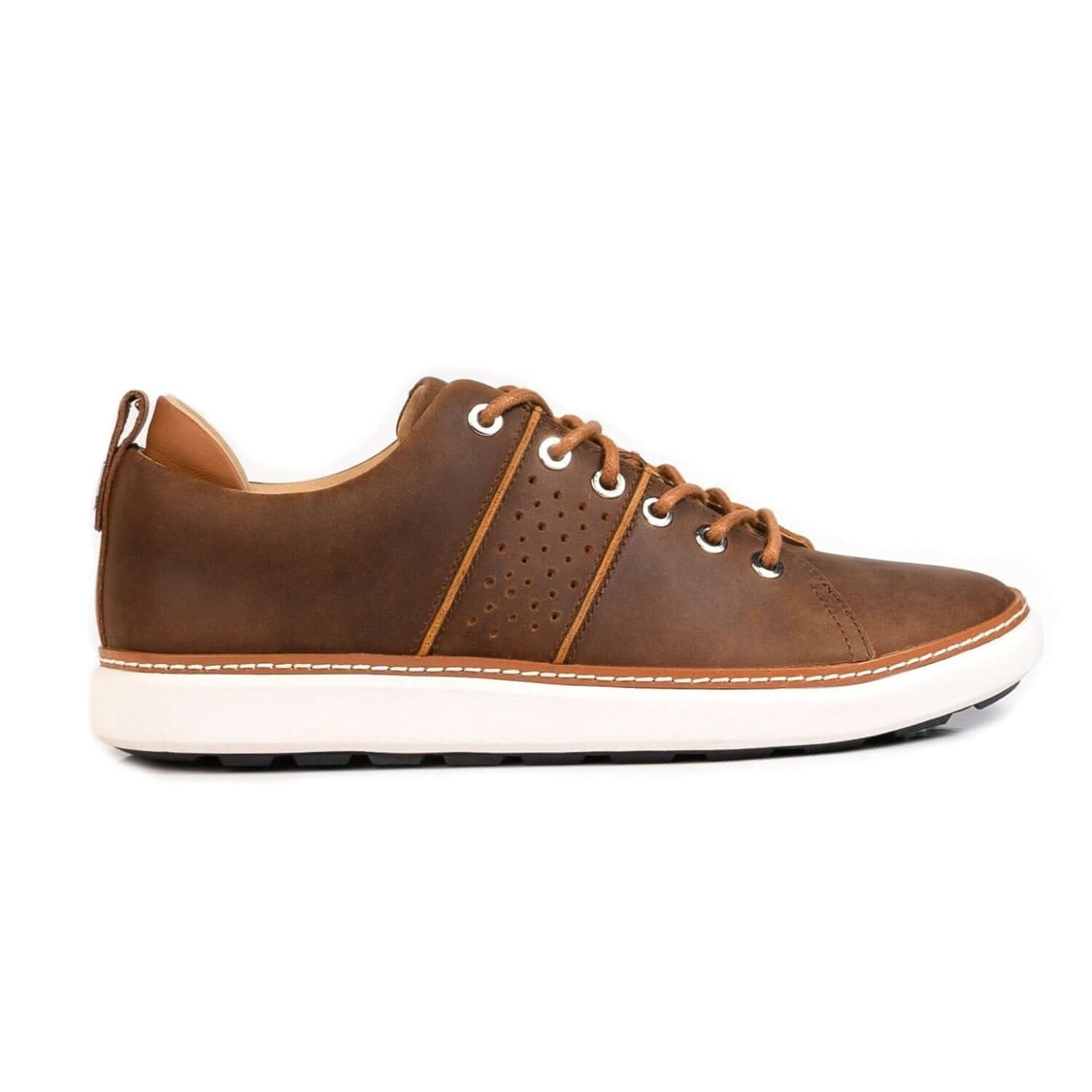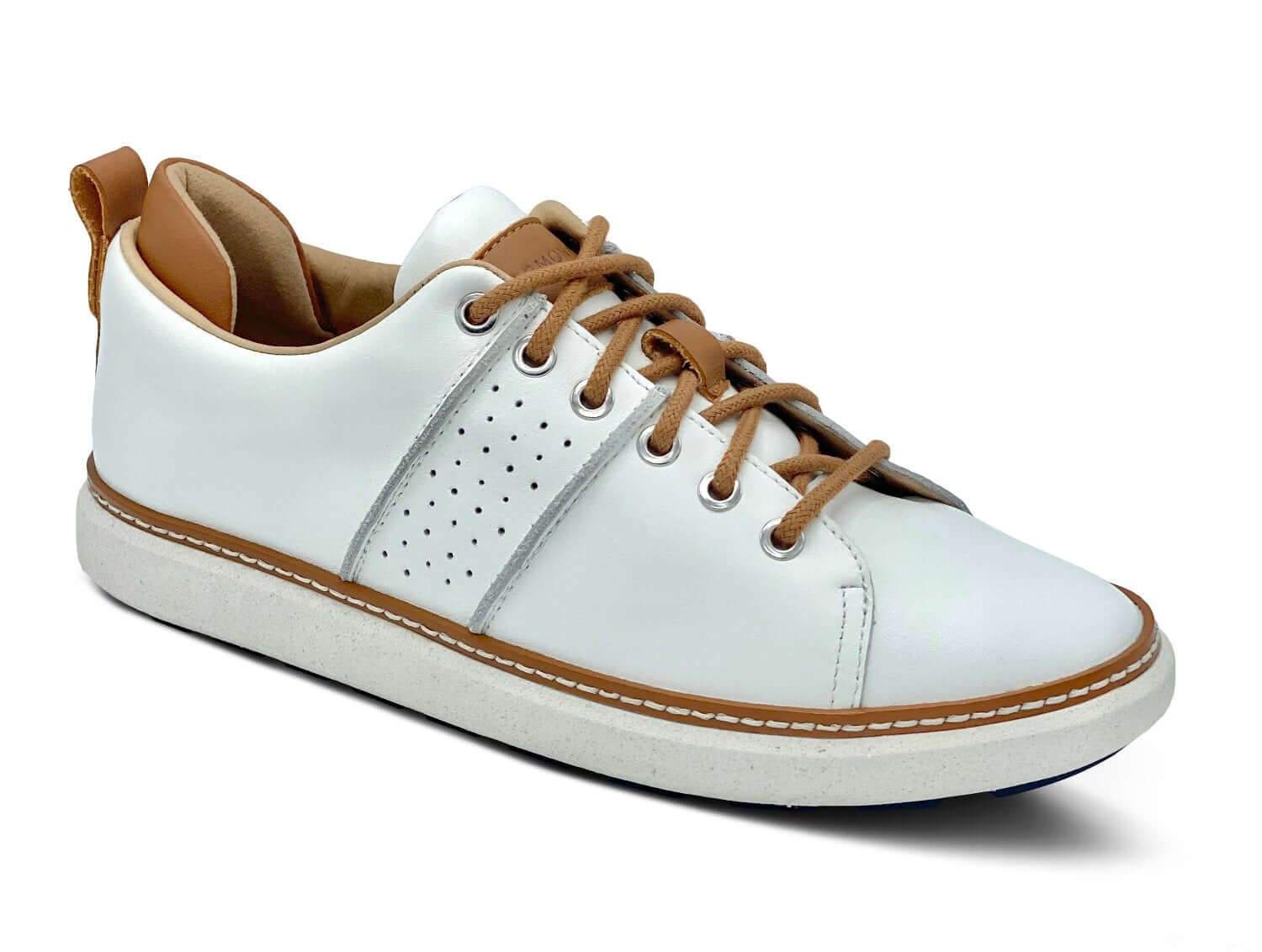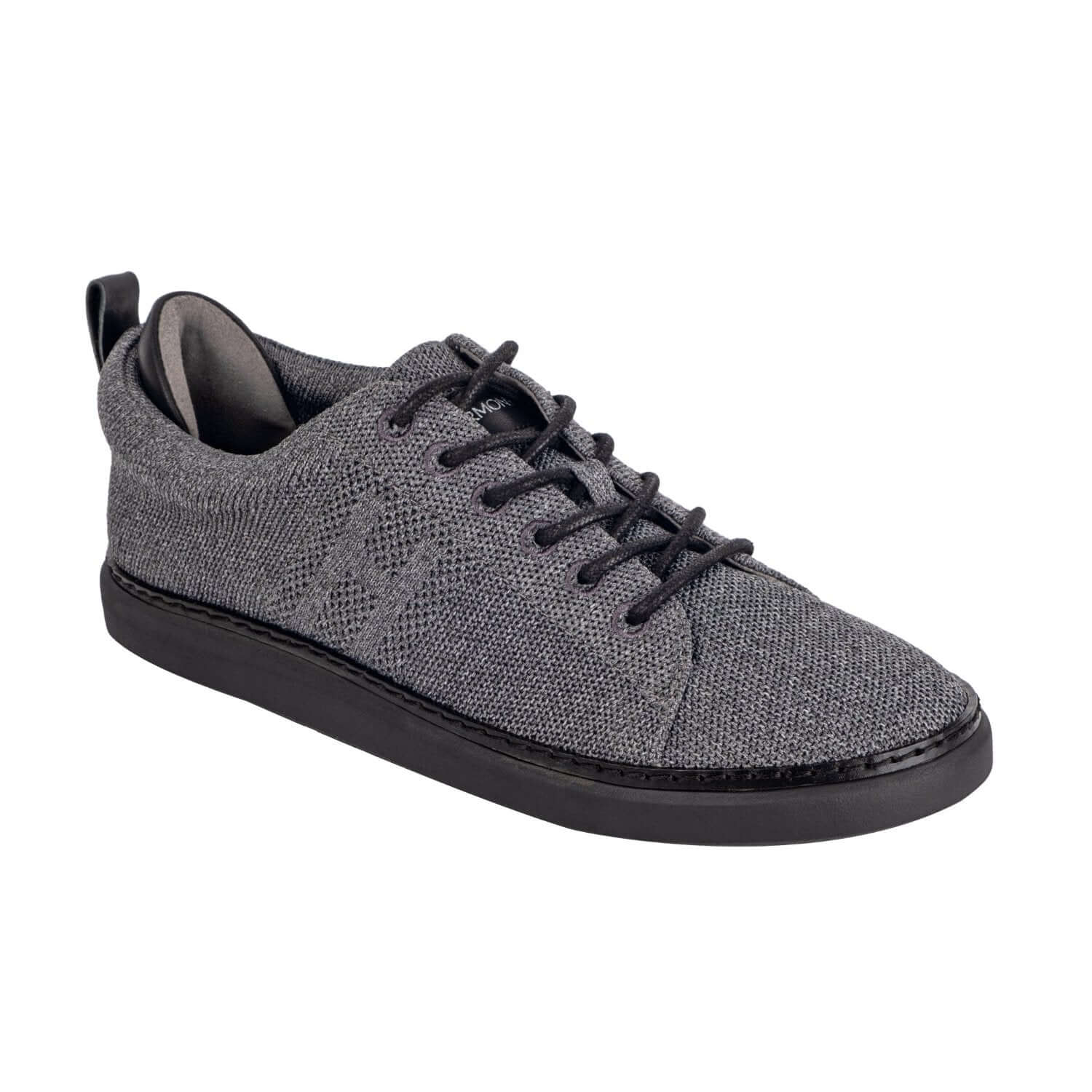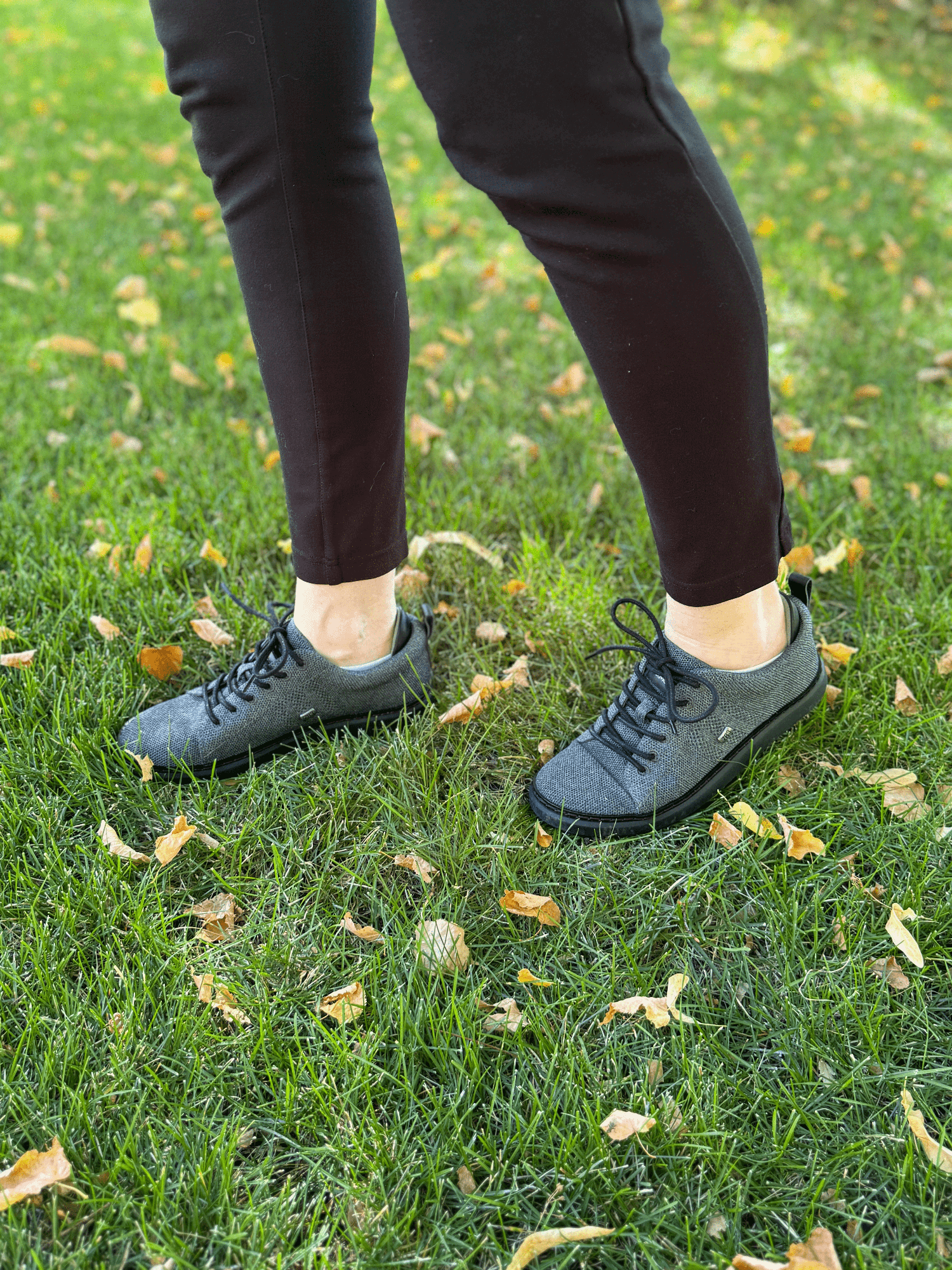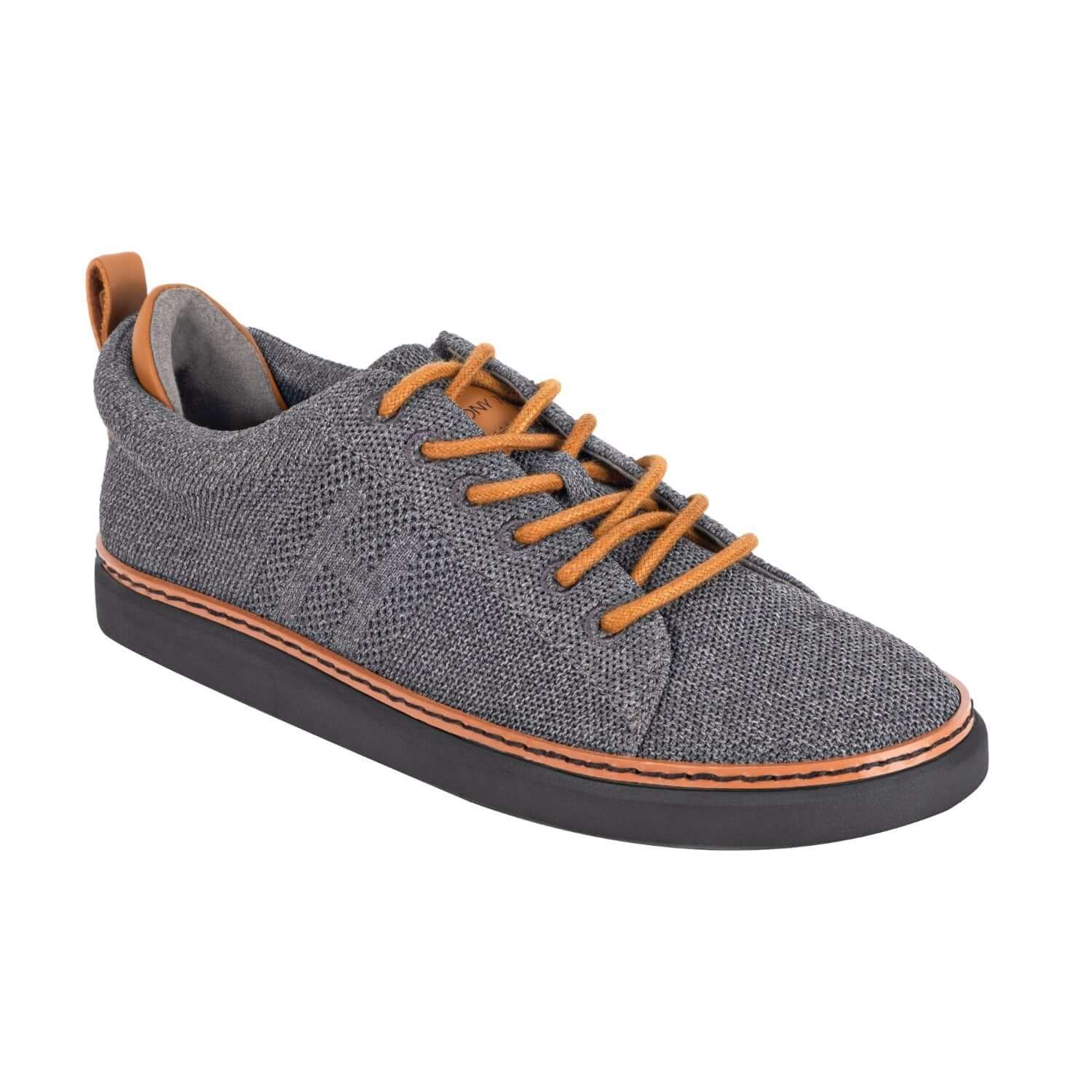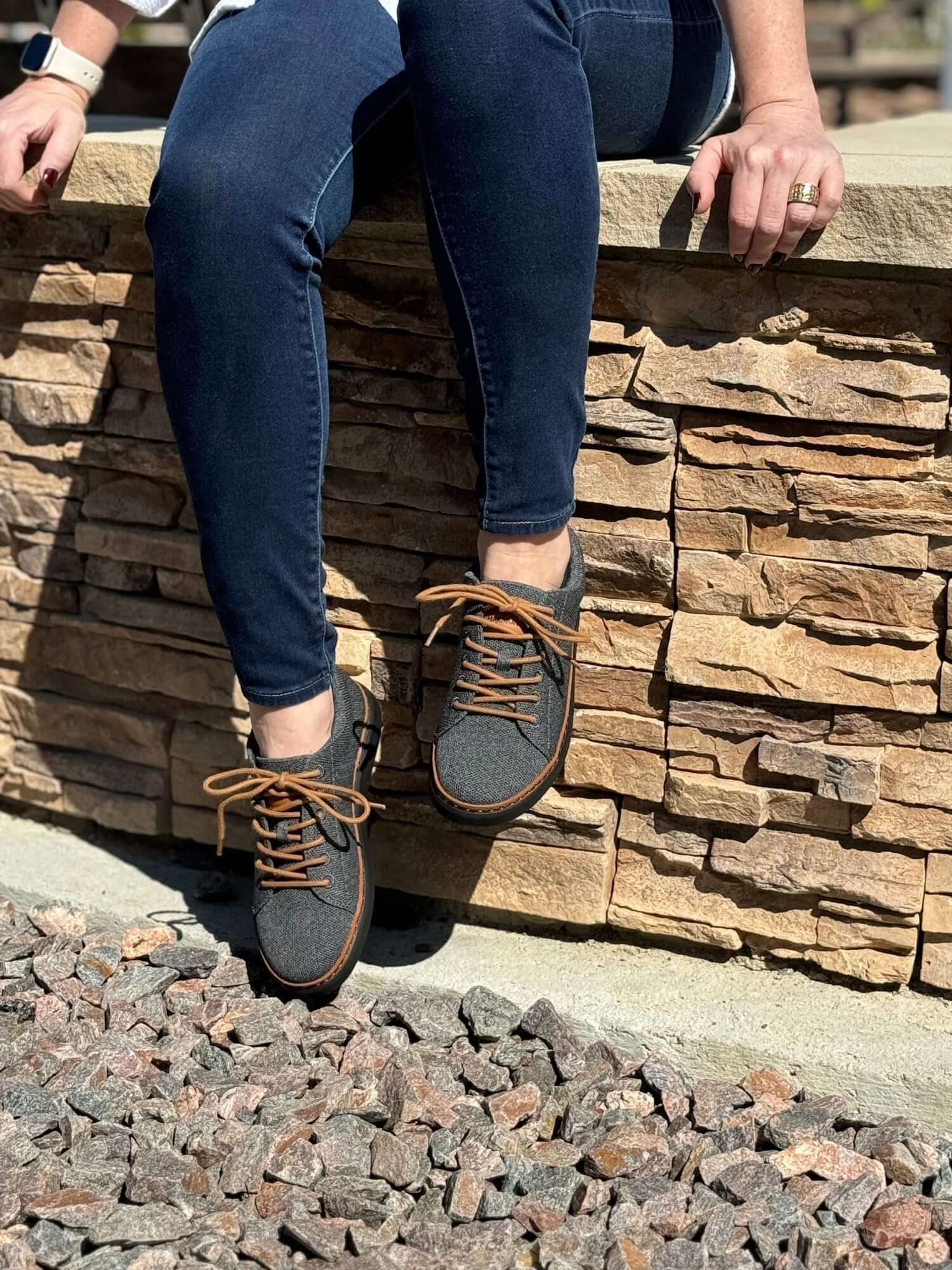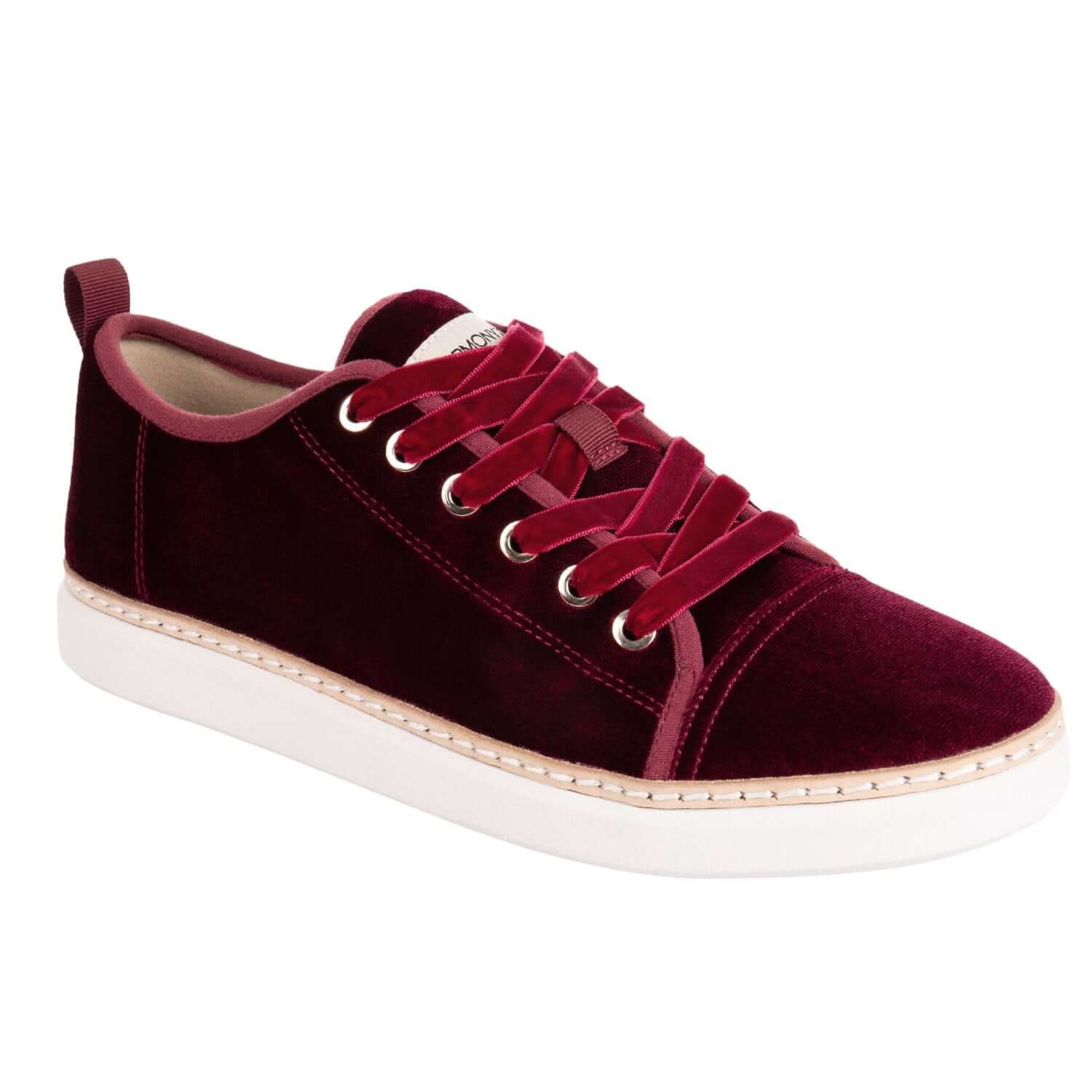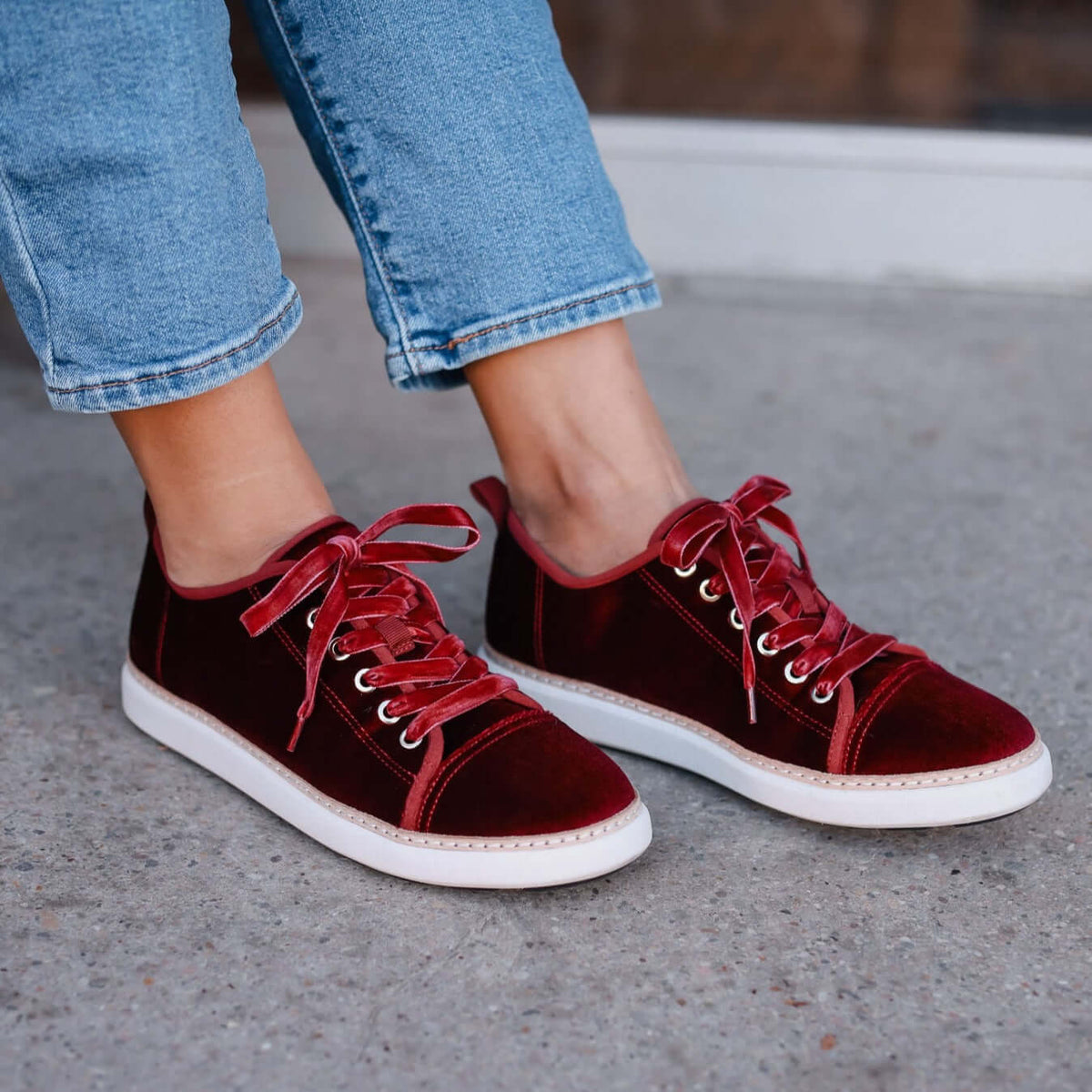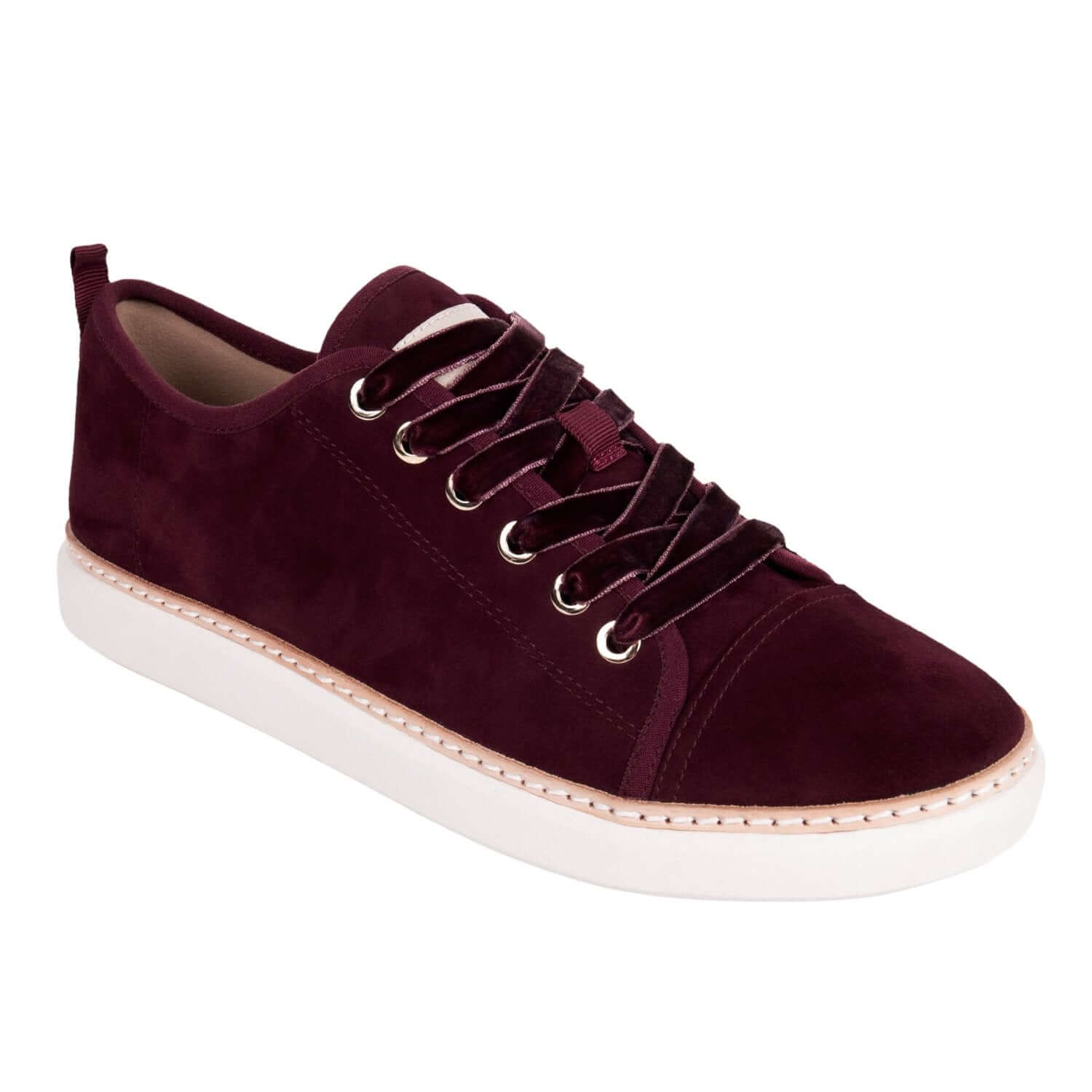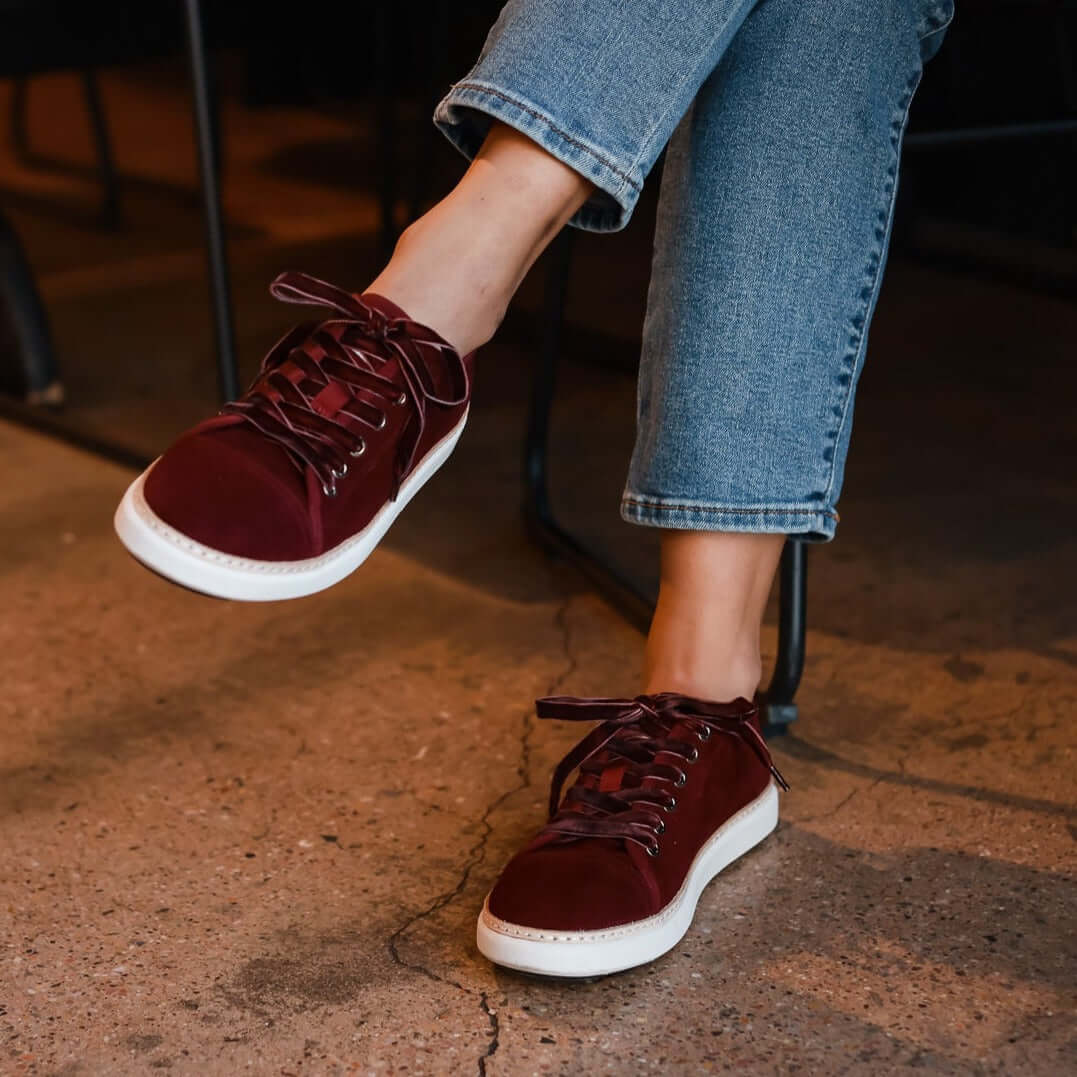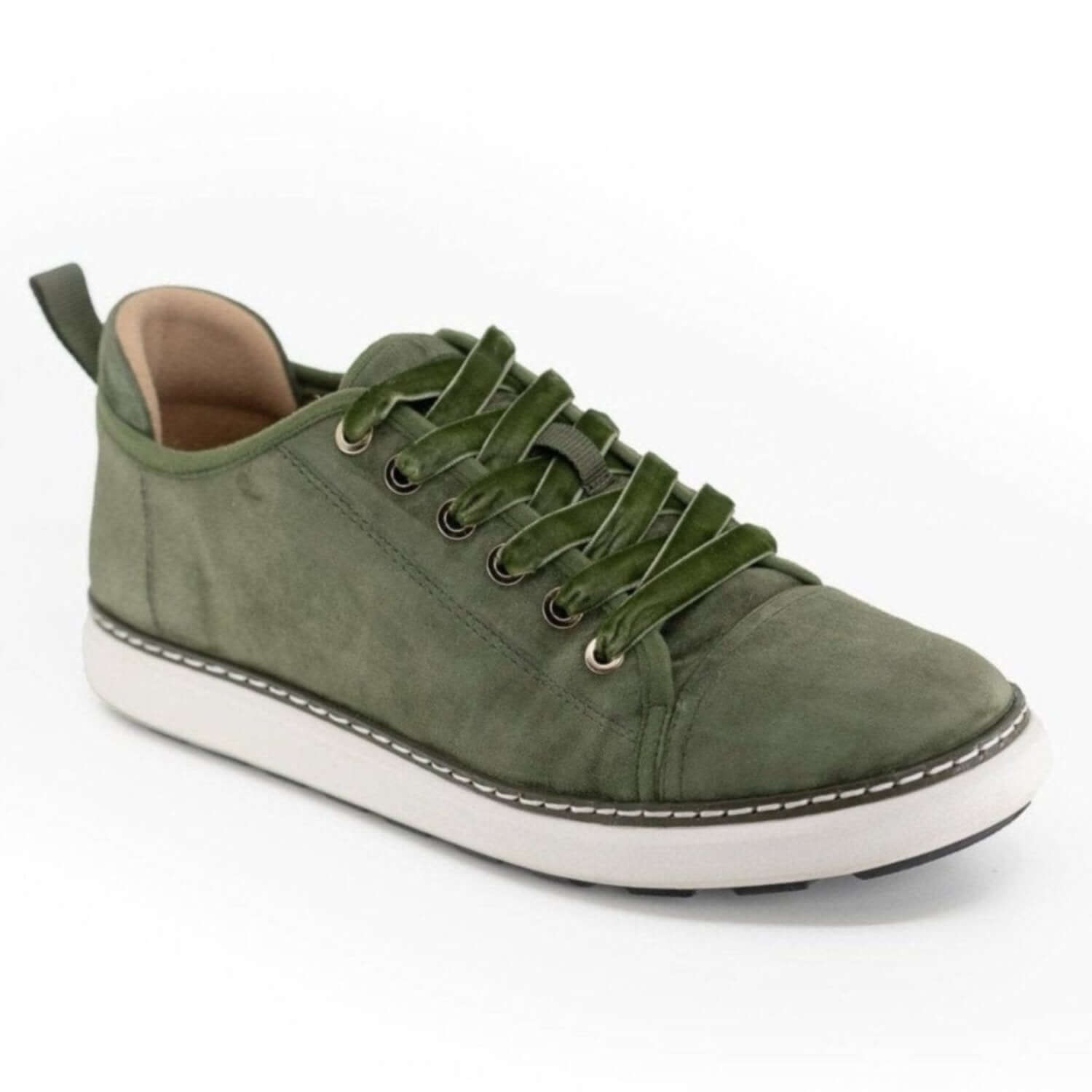

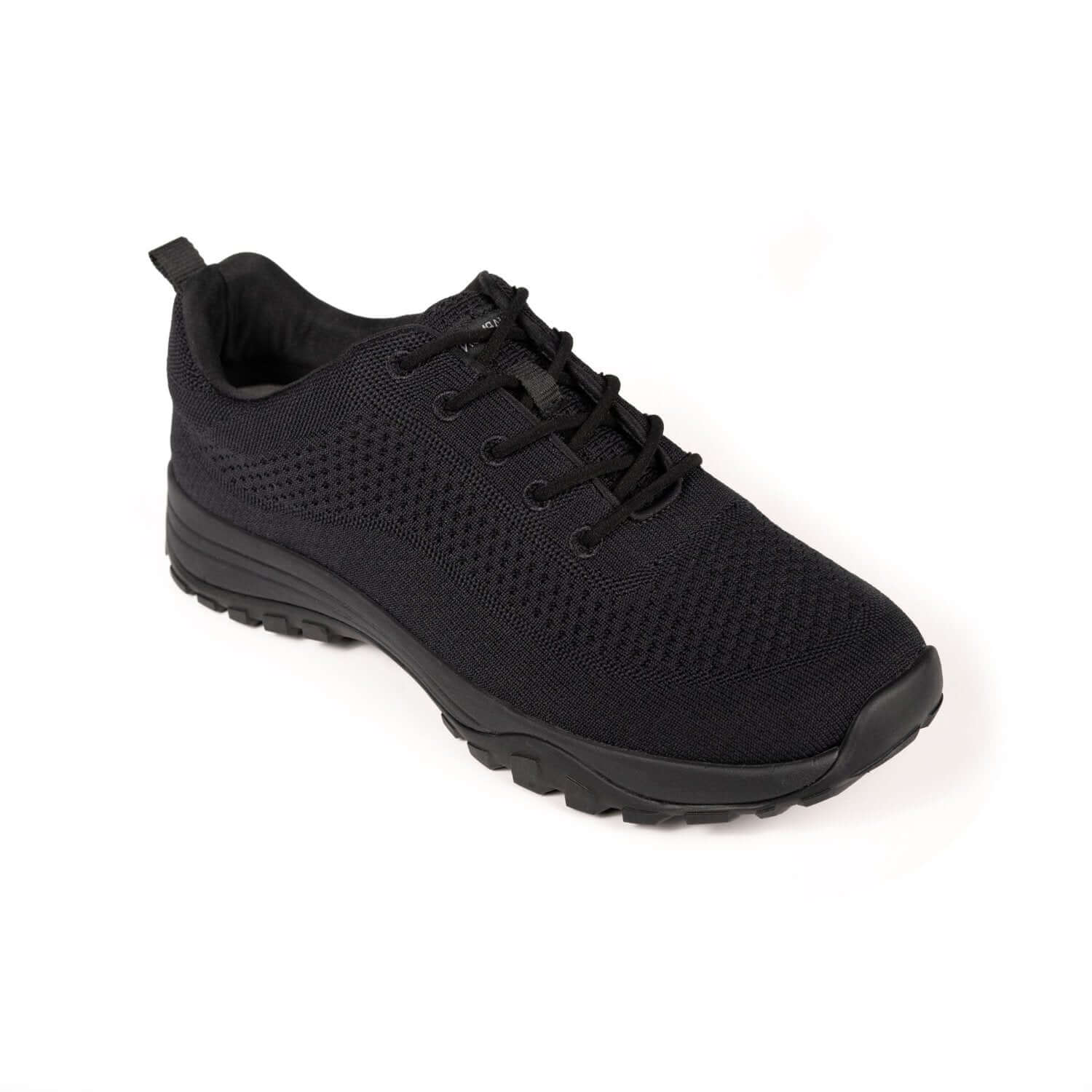
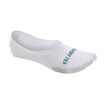
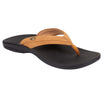
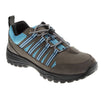
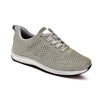
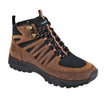
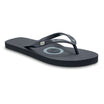
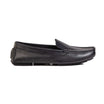
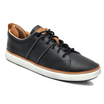


Shopping for grounding shoes diabetic foot care neuropathy management can raise a bigger question than style: are these shoes suitable when your feet need extra care? The short answer is that grounding footwear is not a treatment for diabetes or neuropathy, and it is not a substitute for protective footwear advice from your care team.
Explore grounding footwear options
Grounding shoes are made to create an electrical connection between the wearer and the earth through conductive parts of the shoe. Foot protection, fit, and comfort are separate concerns. If you have reduced sensation, circulation concerns, a foot wound, or a history of foot problems, begin with the advice of a clinician who knows your health and footwear needs. Then decide whether a grounding style fits within that guidance.
What is the difference between grounding and protective footwear?
A grounding shoe is designed with conductive components that can connect the foot to the ground when conditions allow. Harmony 783 describes its Groundworks™ system as a layered conductive construction. You can read how the shoes are made and learn more about what grounding means.
That construction does not tell you whether a shoe is right for diabetic foot care. A protective shoe decision may depend on factors such as foot shape, pressure points, past wounds, sensation, circulation, and the advice of your care team. A shoe can feel soft and still rub in the wrong place. A shoe can be conductive and still lack a feature your clinician has told you to use.
Keep the questions separate when you shop:
- Grounding: Was the shoe specifically constructed with a conductive path for grounding?
- Foot protection: Does the design meet the fit and protection guidance given for your feet?
- Daily comfort: Can you wear it without pressure, rubbing, or discomfort?
A barefoot-style shoe is not automatically a grounded shoe. It is grounded only if it was specifically constructed for grounding and allows the intended conductive connection. Likewise, a shoe being grounded does not mean that it is suitable for every foot-care need.
It can help to treat those as two separate checklists rather than one combined claim. First record any medical or practical footwear requirements you have been given. Then, separately, check the product description for the details that explain how the shoe is designed to make a conductive connection. Do not let a feature in the second list stand in for an unmet requirement in the first. If the product page does not make a detail clear, ask before assuming.
Can grounding shoes manage diabetes or neuropathy?
Grounding footwear is a footwear choice, not medical care. It should not be presented as a way to prevent or heal ulcers, restore sensation, improve circulation, or control blood sugar. Evidence about grounding does not establish that grounding shoes manage diabetic foot risks or neuropathy. If symptoms change or a foot concern appears, contact your care team rather than trying a different shoe as a remedy.
Footwear guidance for people with diabetes is specific to foot risk and fit. For an overview of clinical footwear guidance, see the Diabetic Foot Australia guideline on footwear for people with diabetes. It is a professional guideline, not an individual assessment. Your own clinician can help apply guidance to your history and feet.
If you have reduced sensation, a small pebble or seam may be harder to notice. A shoe that feels fine at first may also create pressure during longer wear. That is why a grounding feature should come after basic safety and fit, not before them.
Keep the purpose of any footwear decision clear. A shoe may be selected for its design, fit, or the way its conductive components are constructed. None of those points changes your diabetes care plan. Do not reduce foot checks, stop a prescribed treatment, or postpone seeking help because a new pair seems comfortable. If you want to add a grounding option to your routine, frame it as a product choice to discuss, not as a way to address a symptom.
What should you ask your care team before shopping?
Bring the actual shoe or its product details to a clinician, podiatrist, or other qualified foot-care professional if you have concerns. Ask direct questions, such as:
- Do my feet need a particular shoe depth, width, cushioning, or support?
- Are there areas where seams, straps, or pressure could cause trouble?
- Should I avoid open-toe styles, thin soles, or any specific construction?
- Do I need prescribed or custom footwear, or an insert that must fit a certain way?
- What should I do if a shoe leaves a mark, causes rubbing, or feels uncomfortable?
- How often should I check my feet, and what changes should prompt a call?
These questions matter more than the grounding label. If your care team recommends a particular protective shoe or insert, do not replace it with another style just because that style is conductive. If you have a wound, swelling, redness, new pain, or another change, ask for medical guidance before wearing unfamiliar footwear.
To make the conversation useful, bring the exact model information rather than a general description such as “a grounding sandal.” Note whether you plan to wear it indoors, for errands, or for longer walks, and whether you use socks or an insert. Those details help your clinician consider the actual fit and protection questions that apply. If you already have a shoe that works with your care plan, ask what would need to be true for a second pair to be an acceptable alternative.
You can also ask what a safe trial should look like for you. One person may be advised to avoid a style entirely; another may be able to test it briefly at home and inspect their feet afterward. Do not assume that a general break-in suggestion applies if you have reduced sensation or a history of sores. Follow the advice that was given for your own situation.
How can you compare grounding shoes with other options?
The table below is a starting point for discussion, not a medical ranking. Product details differ, and a clinician’s recommendation for your feet takes priority.
| Option | What it is meant to offer | What to check | Important limit |
|---|---|---|---|
| Grounding footwear | A shoe designed with conductive components for an earth connection | Construction, comfortable fit, protection, and whether it meets your care guidance | Grounding does not establish suitability for diabetic foot care or treat neuropathy |
| Protective or prescribed footwear | Footwear selected around an individual’s foot-care needs | Clinician’s instructions, fit, required inserts, and pressure points | Do not change a prescribed setup without asking the care team |
| Ordinary everyday shoes | General daily wear and personal comfort | Secure fit, adequate room, stable feel, and any clinician requirements | Comfort alone does not confirm that the shoe meets a specific foot-care need |
| Barefoot or minimalist shoes | A low-profile or flexible style, depending on the design | Protection, fit, sole construction, and whether it is actually made for grounding | Barefoot style does not automatically mean grounded or appropriate for every foot |
Use this comparison to make a shortlist, not to diagnose your needs. For example, if you have been told to use a certain type of insert, check whether it fits securely and does not lift or crowd your foot inside the shoe. If a design does not work with that instruction, move on to another option.
It can help to write down your non-negotiables before browsing. These may include a specific shoe depth, a required insert, a closed toe, or a certain way the shoe fastens. Only include requirements that fit the guidance you received. Then compare the available styles against that list, rather than trying to make a shoe work because you like its look or grounding feature.
Also separate product claims from things you can verify. A product description may explain its materials and conductive construction, but you still need to judge fit and ask your care team about protection. If you cannot tell from the product details whether a shoe meets an important requirement, pause and ask before buying. A clear answer is more useful than guessing from a photo or a broad label.
One practical way to compare two models is to review the same details for each: toe room, heel hold, fastening, interior seams, sole coverage, and compatibility with any insert you use. Write down what is clear and what remains a question. This keeps a marketing description from becoming a substitute for the fit check. If one shoe looks appealing but leaves you uncertain about a care requirement, it is reasonable to set it aside until you have an answer.
For a simple example, imagine that one style offers an open design and another has a closed toe. If your care team has advised you to protect your toes, that instruction is the deciding filter; the grounding feature does not erase it. If neither option fits your required insert, neither is the right choice based on the information you have. A shortlist should get smaller as you apply your needs, not pressure you to compromise them.
How do you check fit and comfort before regular wear?

Start with the fit advice from your care team. When trying a shoe, use the socks or prescribed inserts you expect to wear with it. Check both feet, since they may differ in size or shape. If sensation is reduced, do not use “it feels fine” as your only test; inspect your feet and ask a clinician how you should monitor them.
Look for practical signs of a poor fit: toes pressed together, the foot sliding, a strap or seam rubbing, a heel slipping, or a mark that remains after you remove the shoe. Try the shoes indoors for a short period first, unless your clinician has advised otherwise. Increase wear only if your care plan allows it and the shoes remain comfortable. Stop wearing them and seek advice if you notice a problem.
A measured check can make this less subjective. Put on the shoe with the socks and inserts you normally use, fasten it as intended, and stand or walk only if that is safe for you. Notice whether your toes can move, whether the heel stays in place, and whether the upper presses across the top or sides of your foot. Then remove the shoe and inspect the skin in good light. A new red area, blister, or lasting pressure mark is a reason to stop and ask for guidance, not to keep wearing the shoe until it “breaks in.”
Fit can also change through the day, with activity, or with swelling. A shoe that feels acceptable while seated may feel different after standing. If your clinician has given you a preferred time or method for trying footwear, use that instead of a generic sizing rule. Do not add padding or alter an insert to solve a pressure issue without asking, since a small change can affect how the shoe fits.
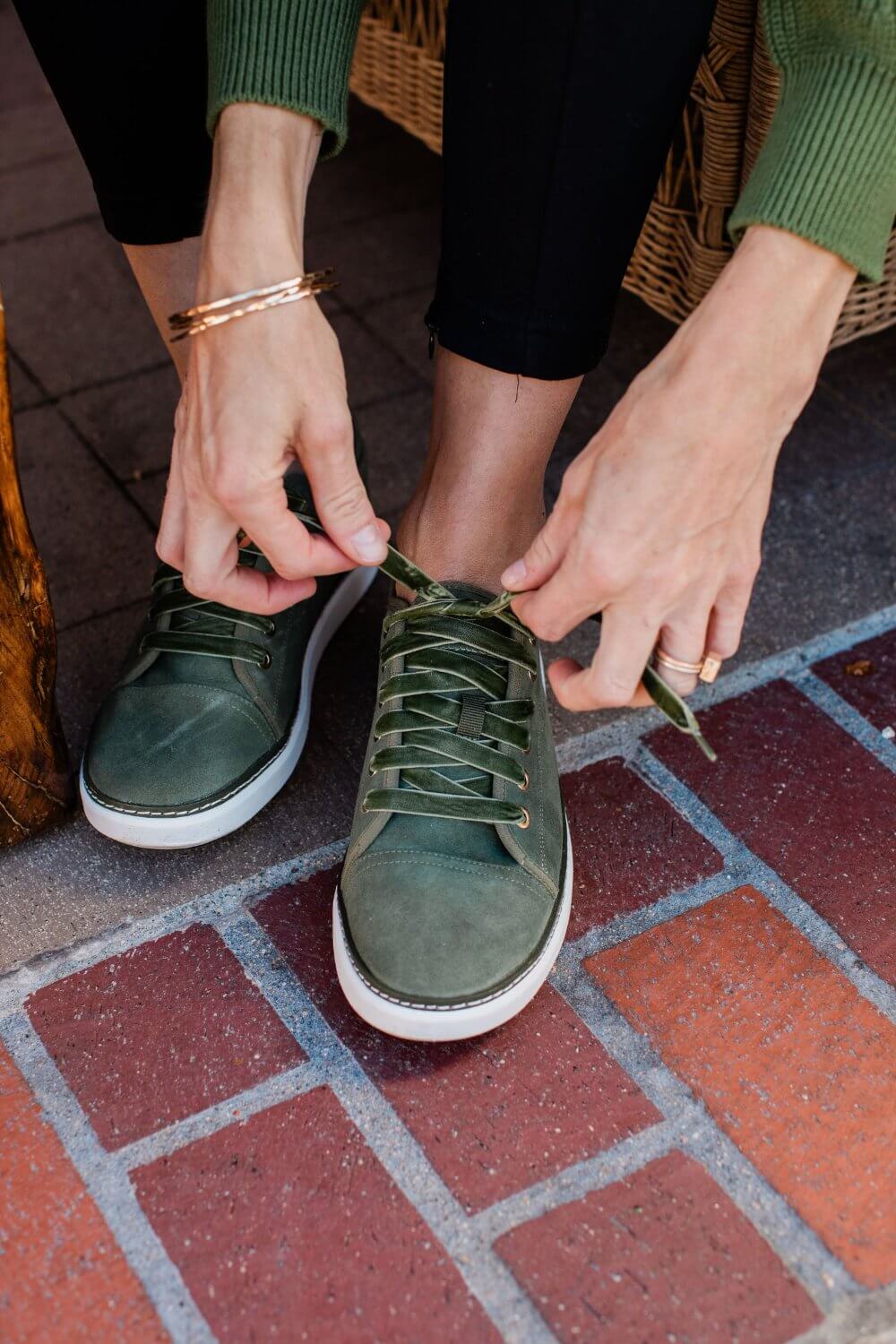
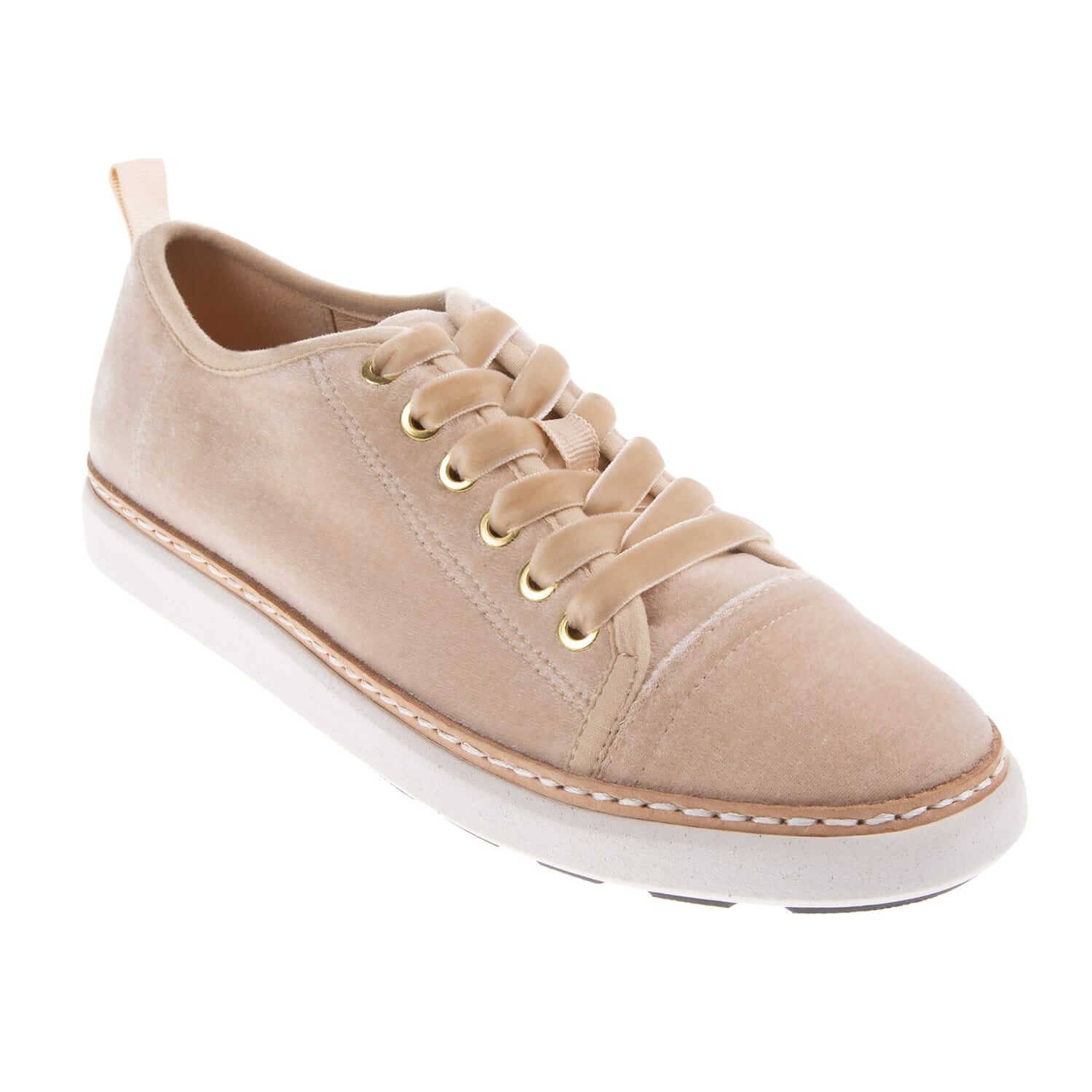
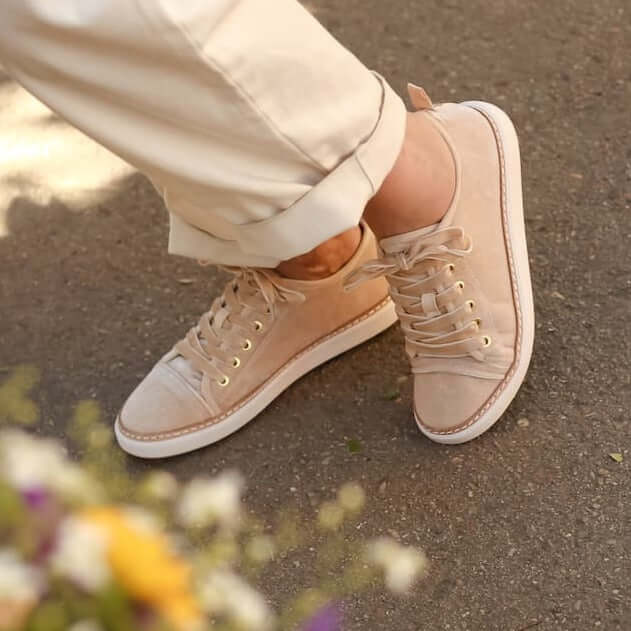
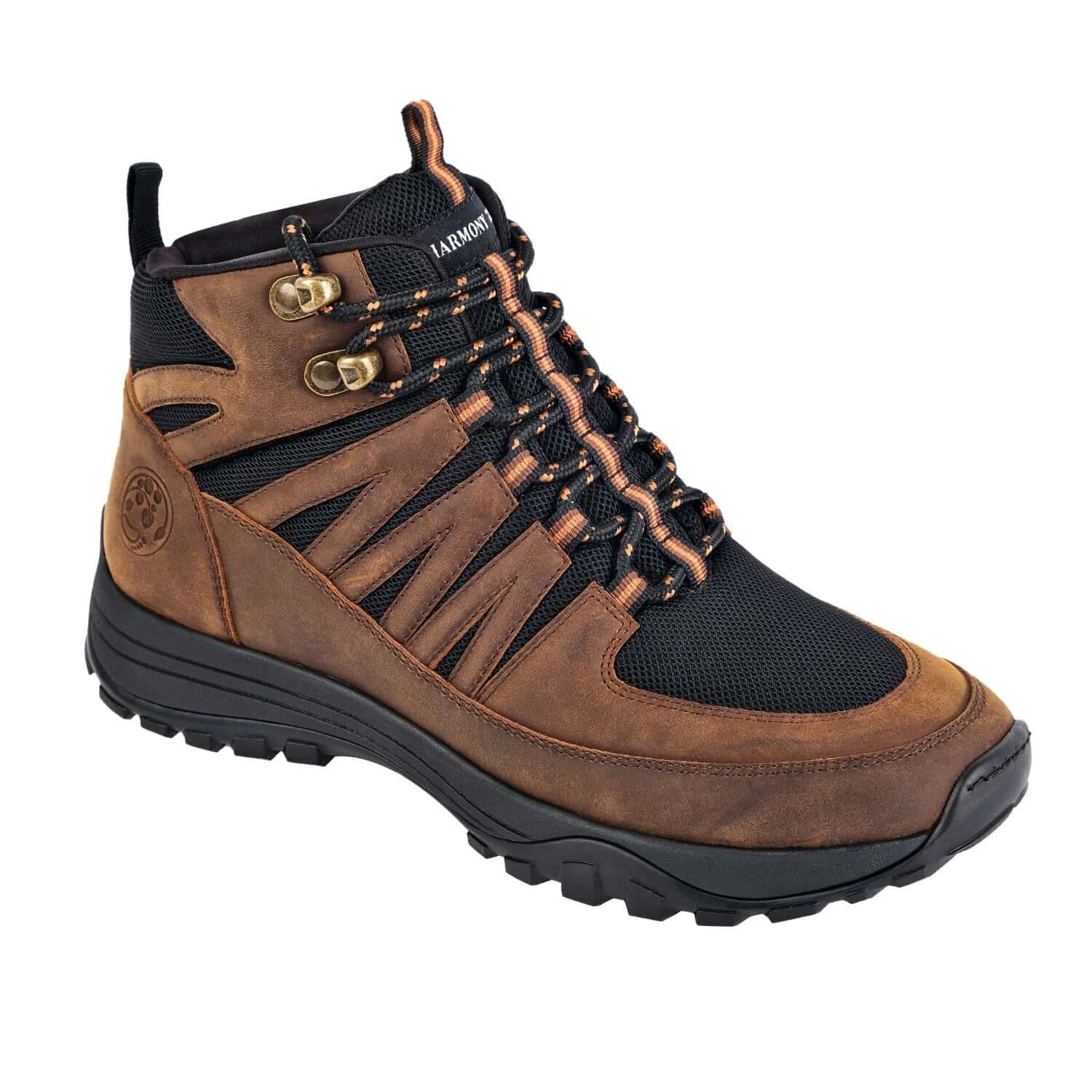
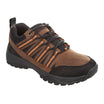
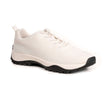
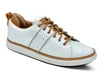
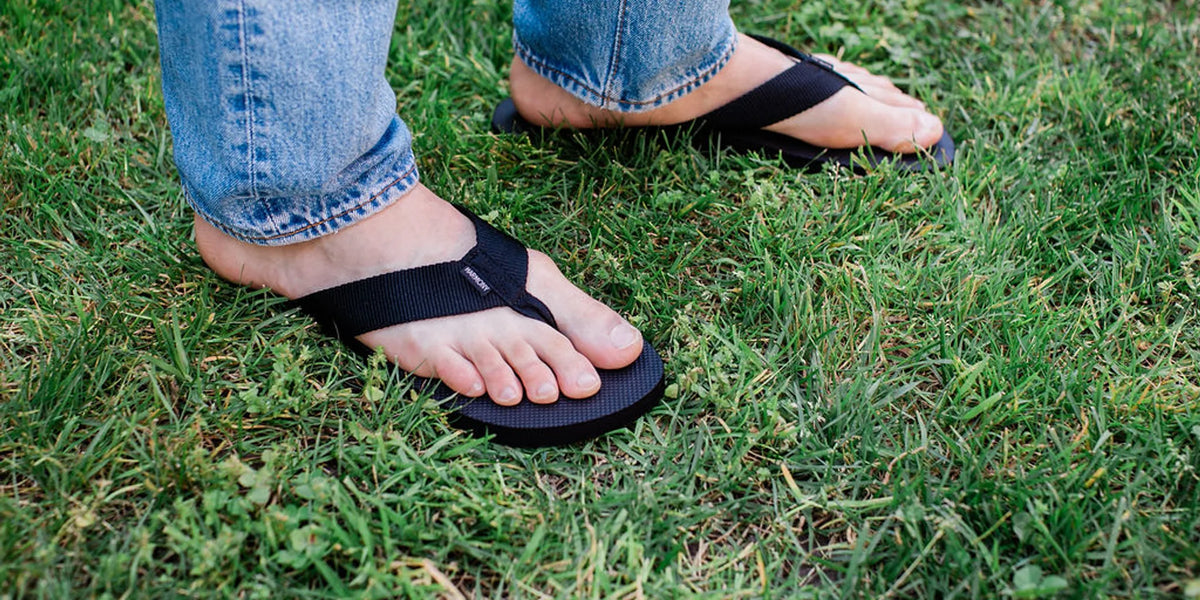
Harmony 783 offers several styles, including grounding walking shoes, grounding sneakers, and grounding sandals. Style names do not replace a foot-care assessment. If you are considering a sandal or another open design, check with your care team first when foot protection is a concern.
For sizing help, review the shoe size guide and compare the fit notes for a specific style. Harmony 783 provides men’s and women’s sizing options on the same product page, selected with a toggle. If you need more help understanding the range, start with the grounding and earthing FAQs.
How should you care for and monitor your feet?
Footwear is only one part of a daily foot-care routine. Follow the plan your clinician gave you. If you have reduced feeling, ask how to check your feet safely and how often. In general, be alert to new redness, a blister, a cut, swelling, or a sore spot, and get professional guidance about a change rather than waiting for it to hurt.
Keep shoes clean and check inside them before putting them on. Look for a foreign object, rough spot, or damage that could press against your foot. Avoid changing how you use an insert or prescribed shoe without asking. For basic product questions, Harmony 783’s research and science information explains its grounding focus; it is not a substitute for foot-care advice.

Do not assume that a shoe’s grounding connection guarantees a particular health outcome. If the grounding concept is new to you, the grounding education articles offer more background. For information about the company’s approach, you can also read Harmony 783’s story.
A quick pre-wear check can be part of the routine your clinician recommends: look over the inside of each shoe, feel for an object or rough edge, and check that an insert lies flat. After wearing a new pair, follow your care team’s advice on inspecting your skin. Keep notes if you notice the same mark in the same place, since that pattern can help a clinician or footwear professional understand where the fit may be causing pressure. A note is useful information, not a reason to self-adjust a prescribed shoe.
Keep the shoes in good condition and follow any care instructions provided for the product. A damaged lining, loose component, or changed fit can affect comfort and should prompt a closer look. If you have questions about cleaning or the shoe’s conductive construction, consult the product information rather than using a home remedy or making an alteration. Foot monitoring and product care answer different questions: one is about your health, the other about the condition of the footwear.
What is the safest way to decide?
Use this order: first, ask your care team what your feet need; next, compare shoe fit and protection with that guidance; then consider whether a grounding style suits your routine. Do not let the grounding feature outrank a prescribed footwear requirement. If you are unsure, wait and ask a qualified professional before making a change.
A simple shopping process can keep the decision clear:
- Write down your care requirements. Include any footwear or insert instructions from your clinician.
- Check the shoe details. Look for a clear description of construction, fit, and materials. Do not infer grounding from a flexible sole or barefoot look.
- Compare the fit with your needs. Think about room for your toes, the way the shoe stays on, and whether required inserts fit without crowding.
- Ask before trying an uncertain option. Contact your care team if you cannot tell whether the style is suitable for your foot-care plan.
- Follow your monitoring routine. Check your feet as advised and stop using a shoe that causes rubbing or another concern while you seek guidance.
For instance, a shopper may like a breathable sandal but have been told to keep the toes covered. In that case, the protective requirement settles the question before conductivity or color comes into play. Another shopper may already have an approved everyday shoe and simply be exploring a second style. That person can still check with a clinician about fit, inserts, and how to introduce a different shoe safely. The right next step depends on the individual—not on a general promise about grounding.
When you are ready to compare styles, explore the women’s collection or the men’s collection, and review the details for each shoe. The brand also shares its promise and warranty information for product questions.
It may help to make a two-column note before you choose. In one column, list the care instructions you must follow; in the other, list the features you would like, such as a certain style or grounding construction. A preference can guide you among options that meet your requirements, but it should not override a care instruction. If you cannot confirm that a shoe meets the first column, pause rather than hoping the fit will work out.
Think through the first few wears as well. Decide where you will try the shoes, how long you will wear them, and when you will inspect your feet, following your clinician’s advice. If something feels wrong or you see a concerning change, stop using that pair and contact your care team. This approach gives you a clear way to evaluate comfort without treating a grounding feature as a health result.
Browse the grounding shoe collection
What questions do shoppers ask about grounding shoes and neuropathy?
Are grounding shoes a treatment for neuropathy?
No. Grounding shoes are not a treatment for neuropathy and should not be used to replace medical care, prescribed footwear, or a foot-care plan. Ask your clinician about new or changing symptoms.
Can I wear grounding sandals if I have diabetes?
There is no one answer for every person. Whether an open sandal is suitable depends on your feet, your care needs, and any instructions you have received. Ask your clinician before choosing an open style if protection or reduced sensation is a concern.
Are all barefoot-style shoes grounding shoes?
No. Barefoot describes a style or construction approach. A shoe is grounded only if it was specifically built with a conductive path for grounding. That feature does not, by itself, make it protective footwear.
Grounding shoes may be one footwear option to discuss, but foot safety, fit, and your personal care plan should guide the decision.