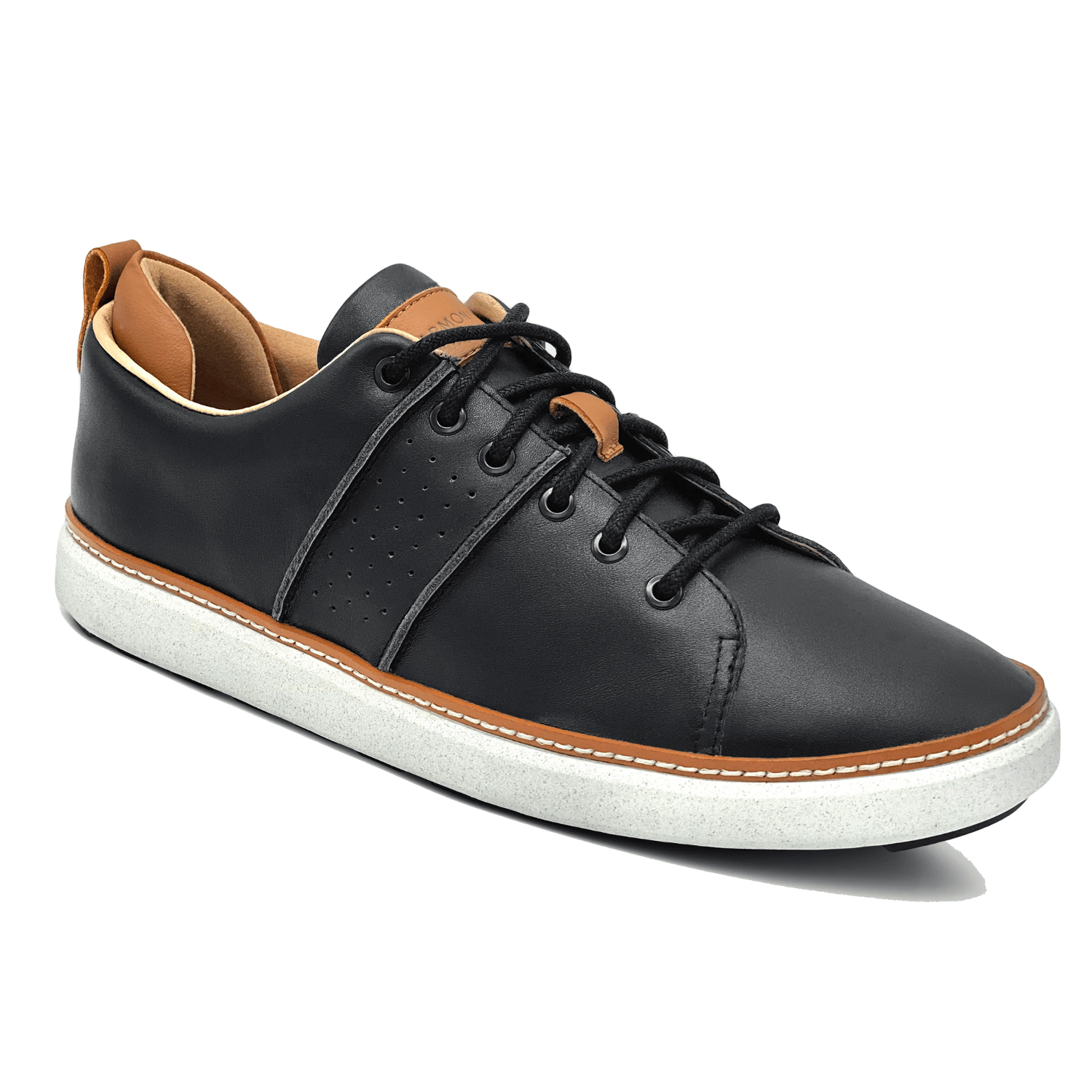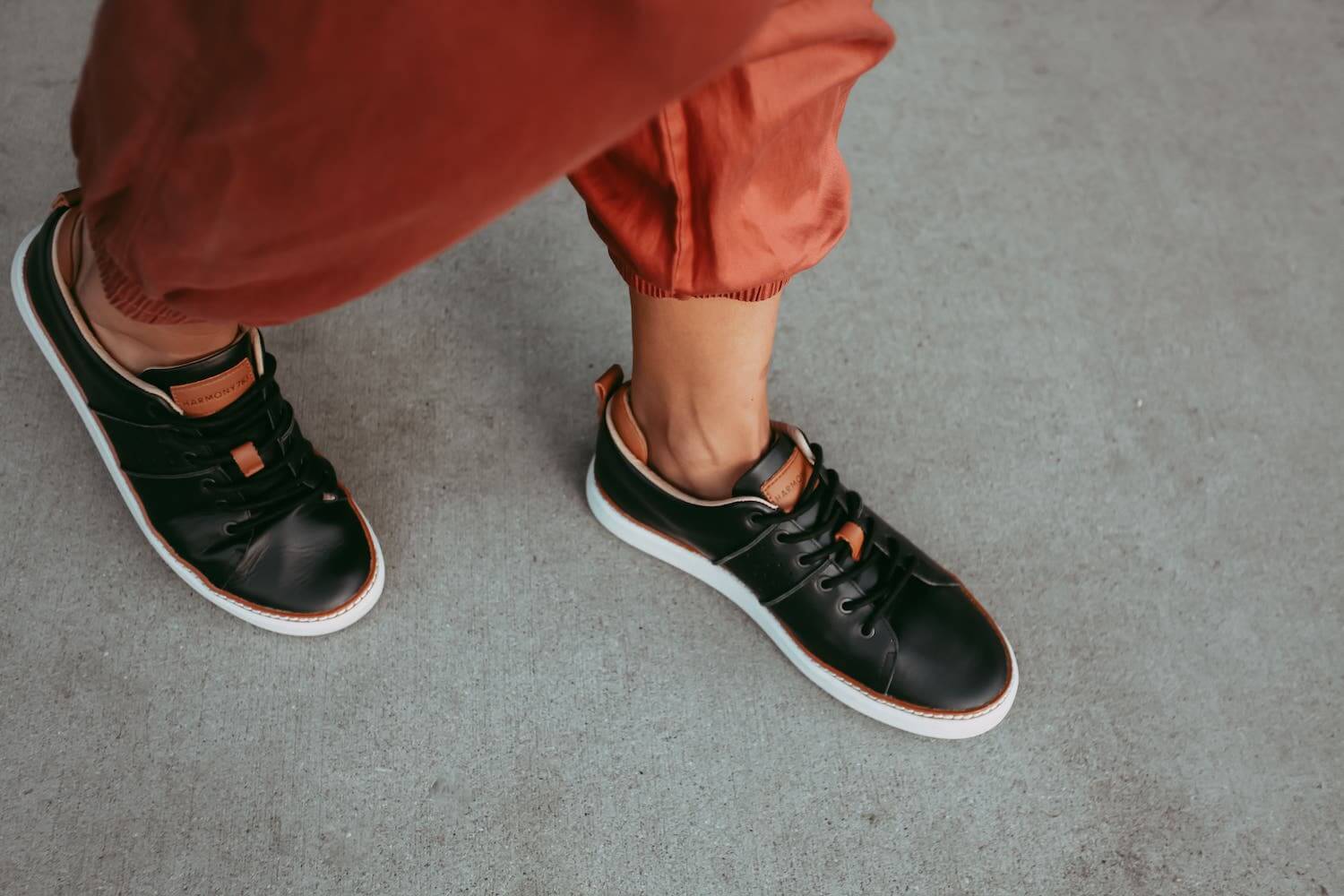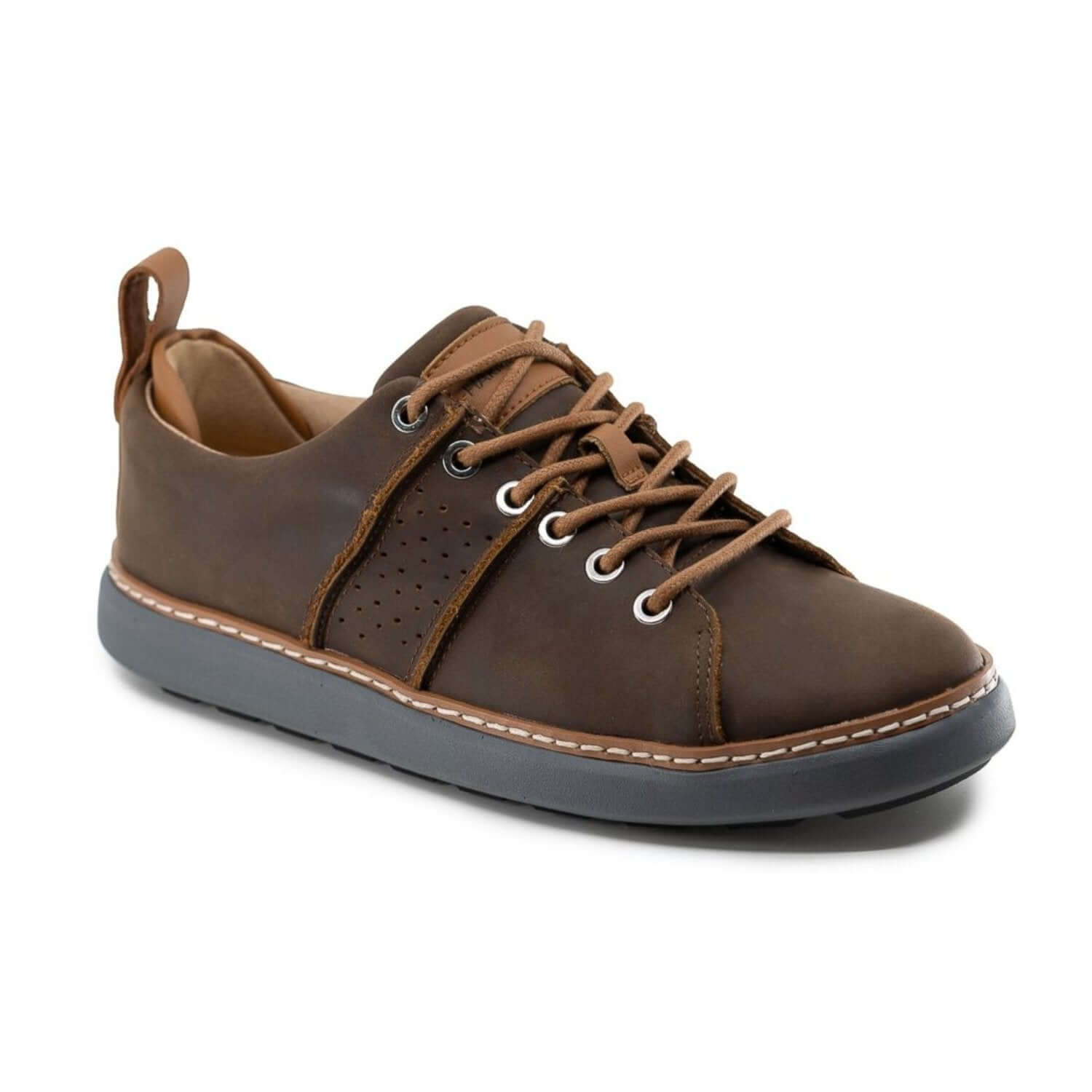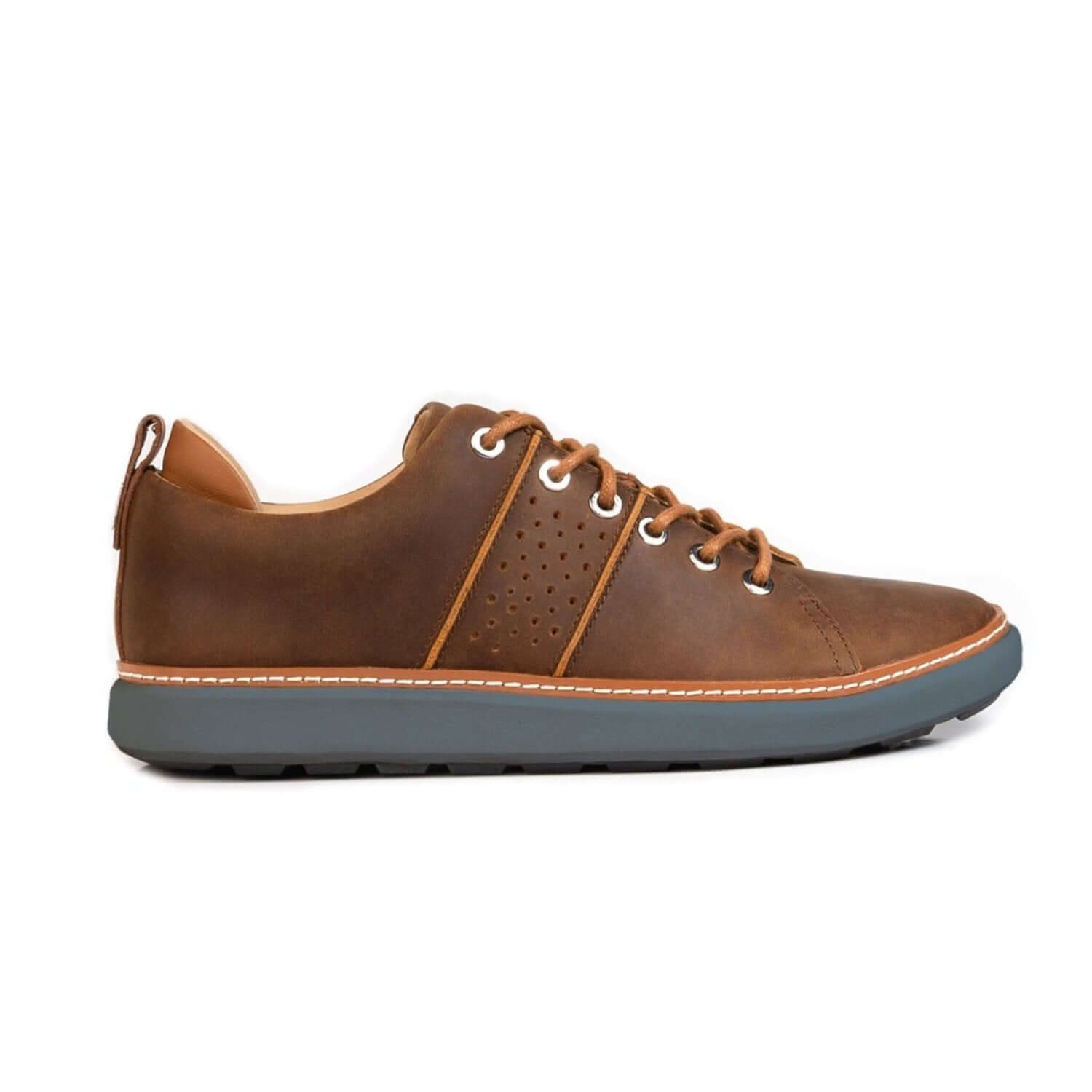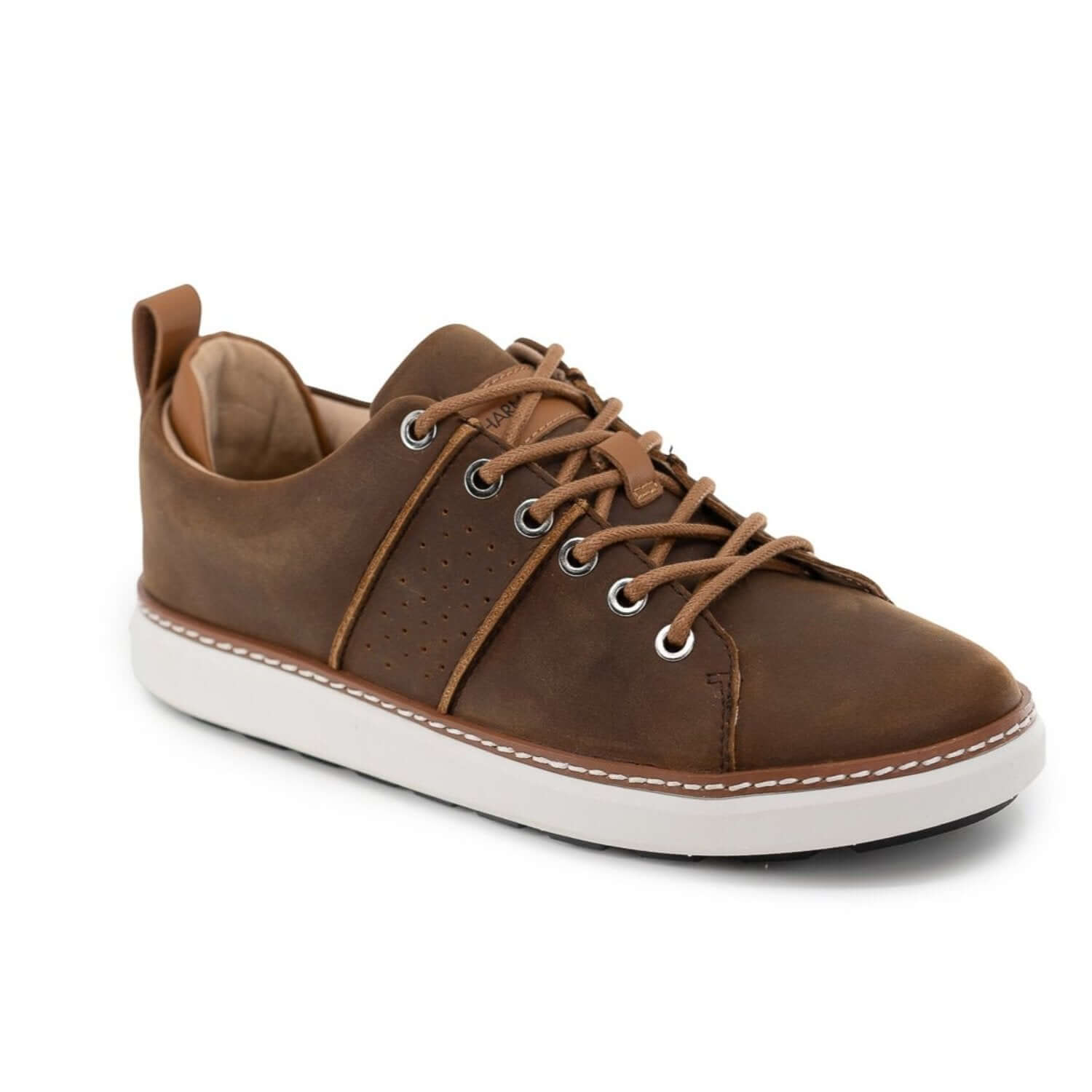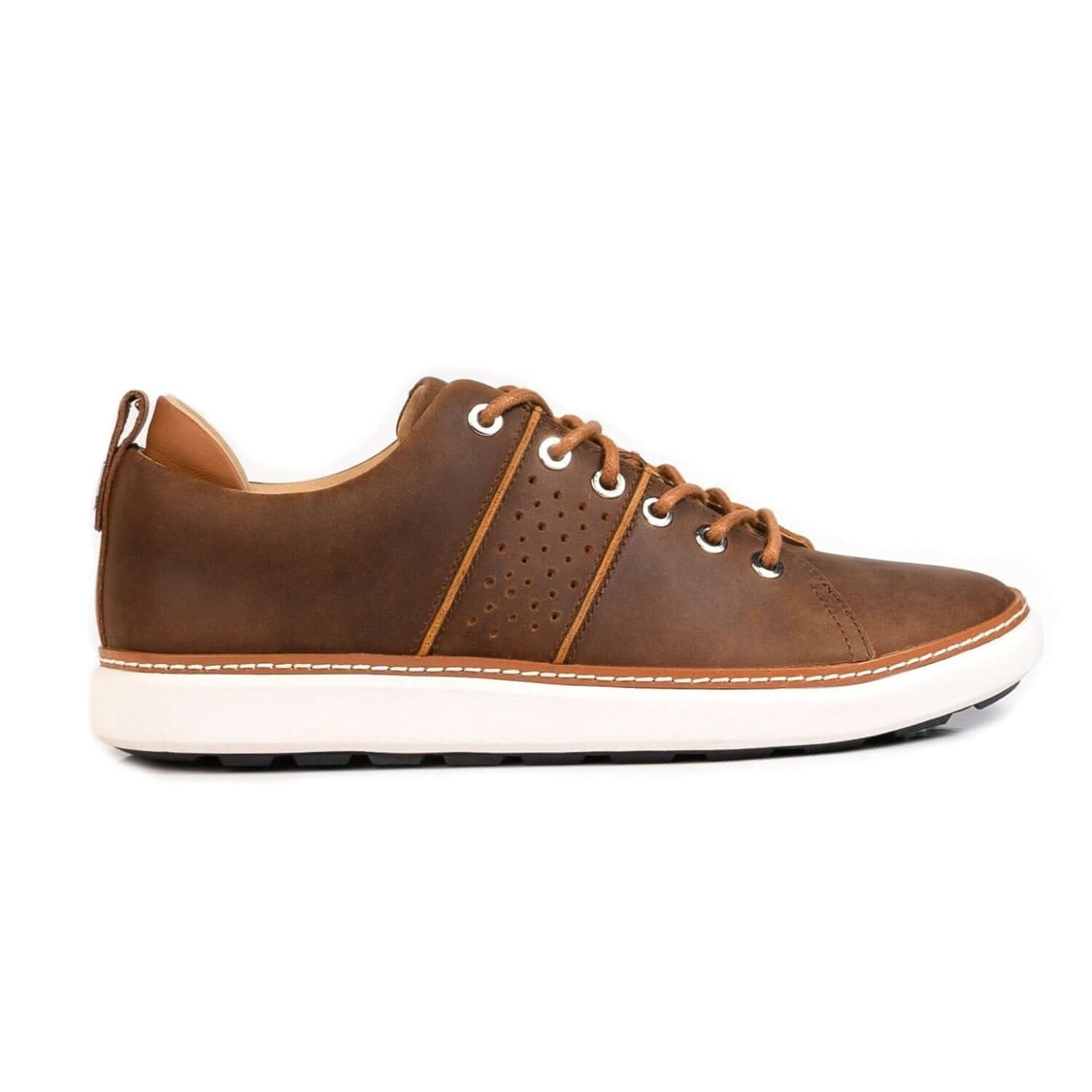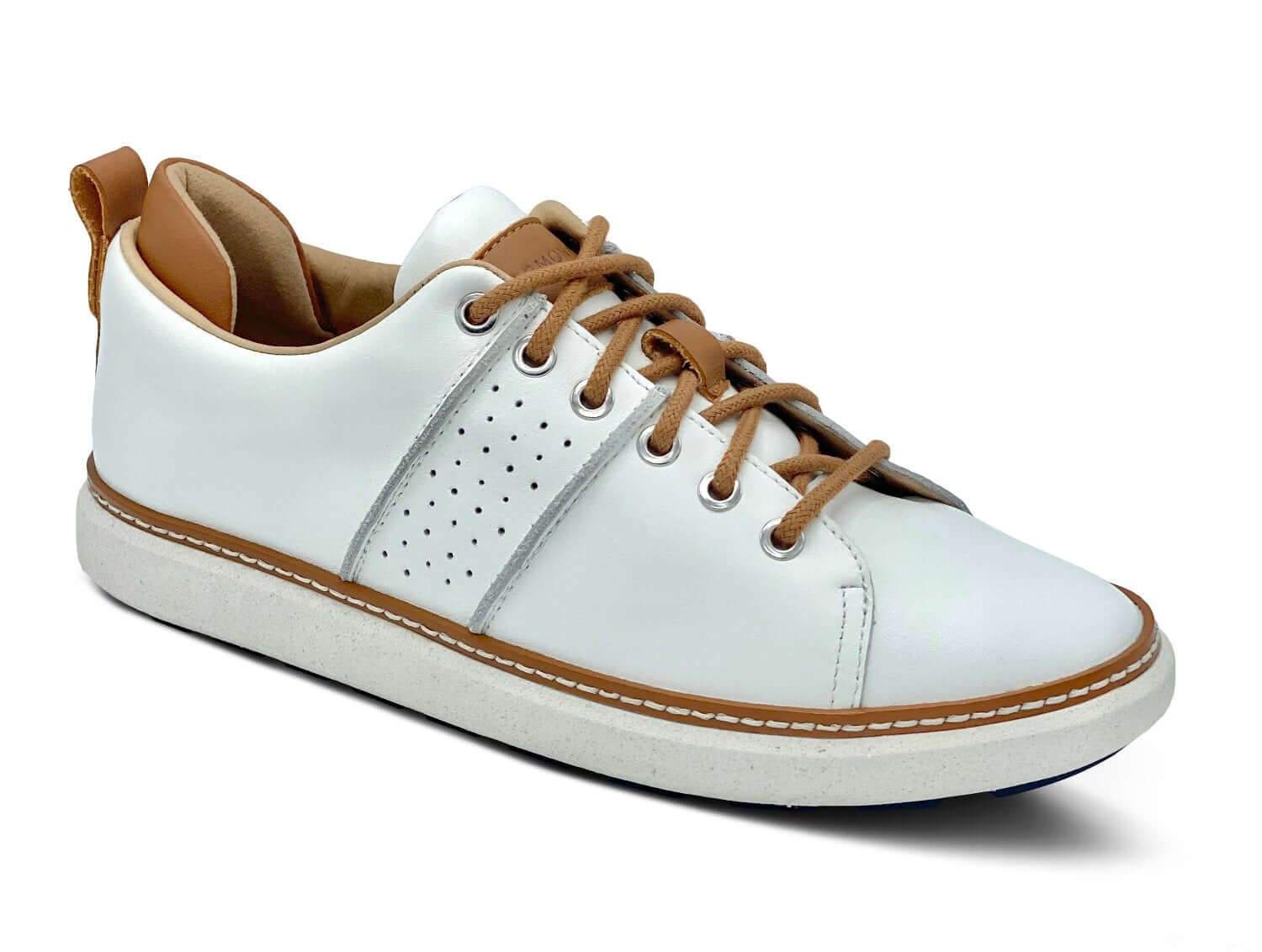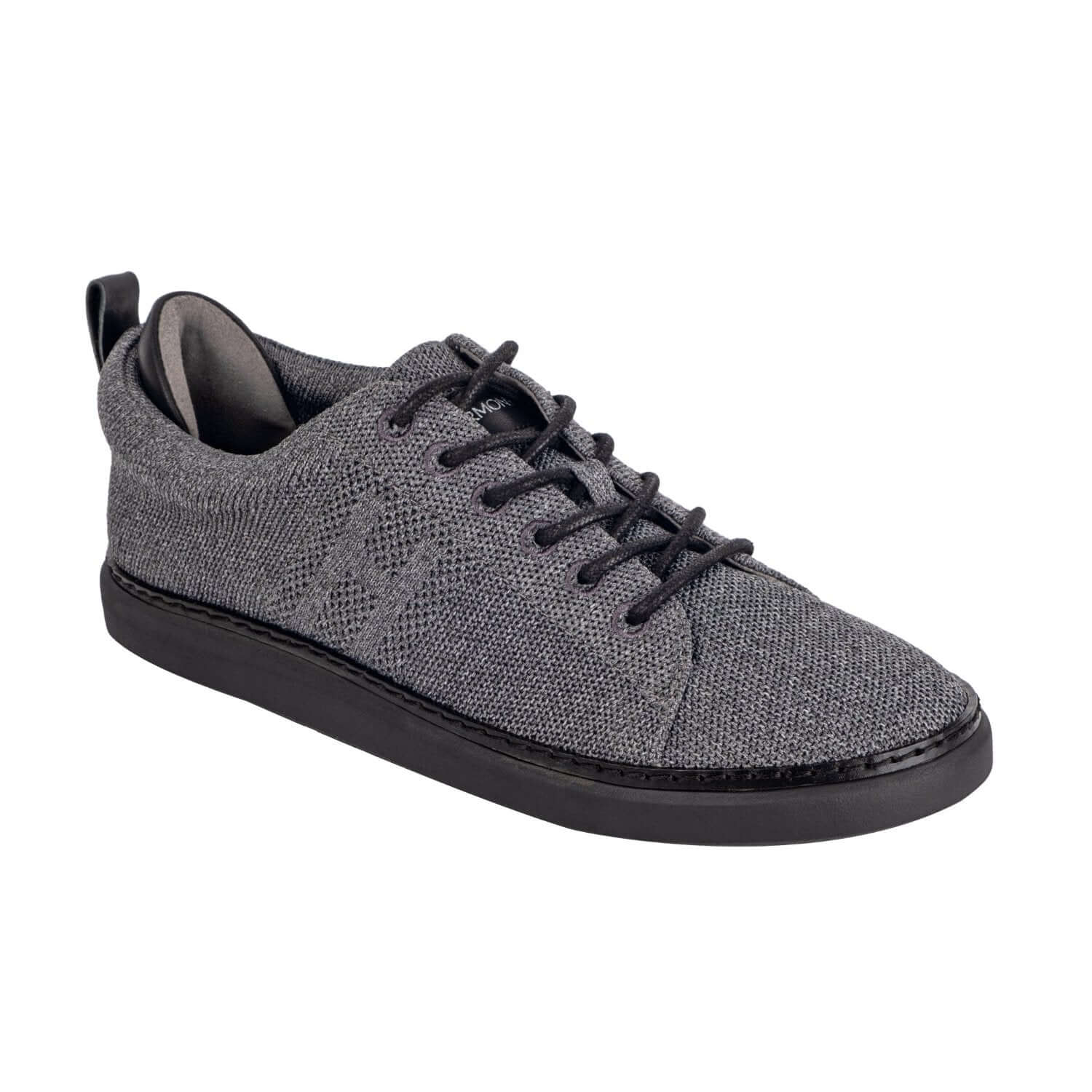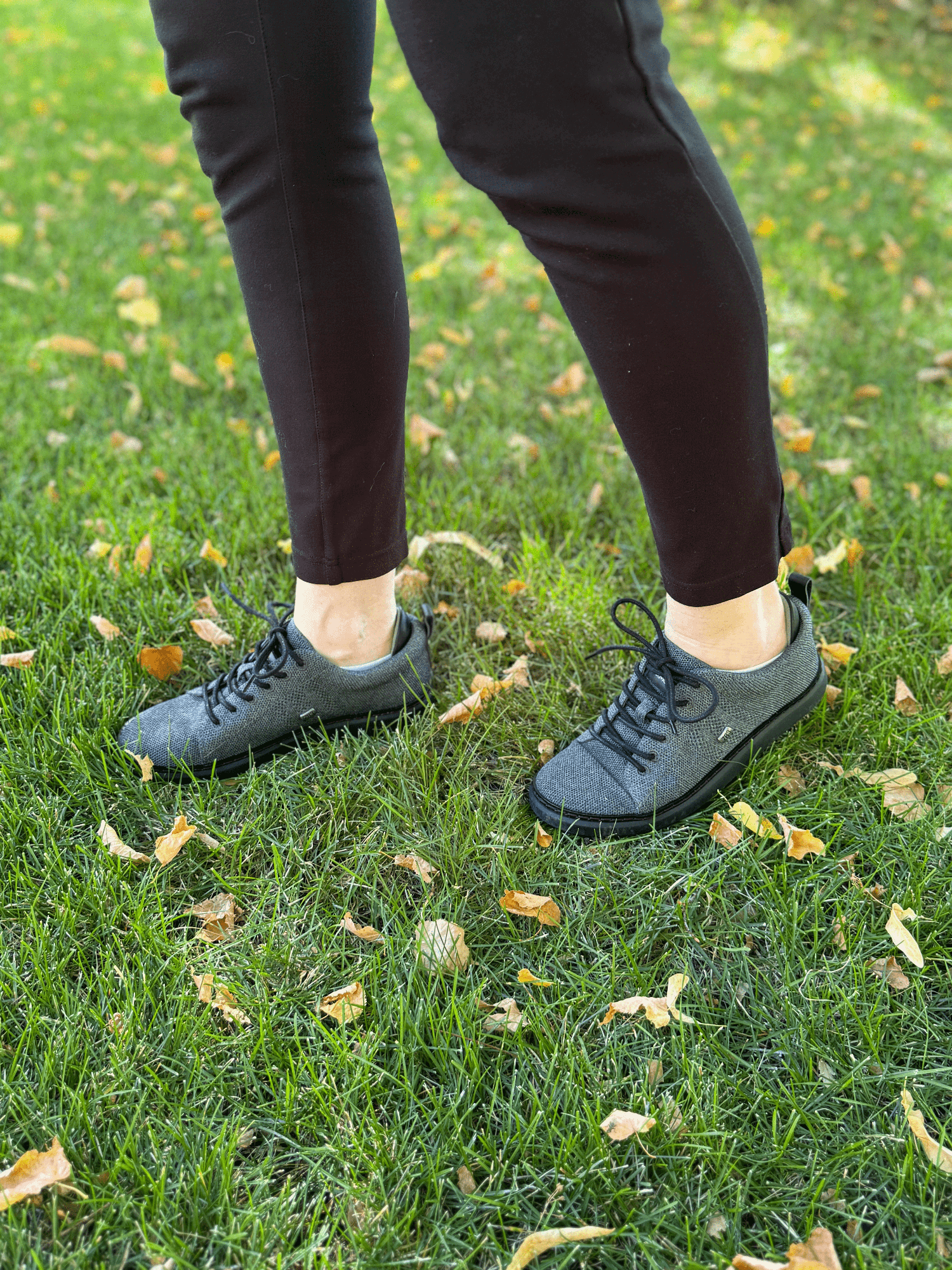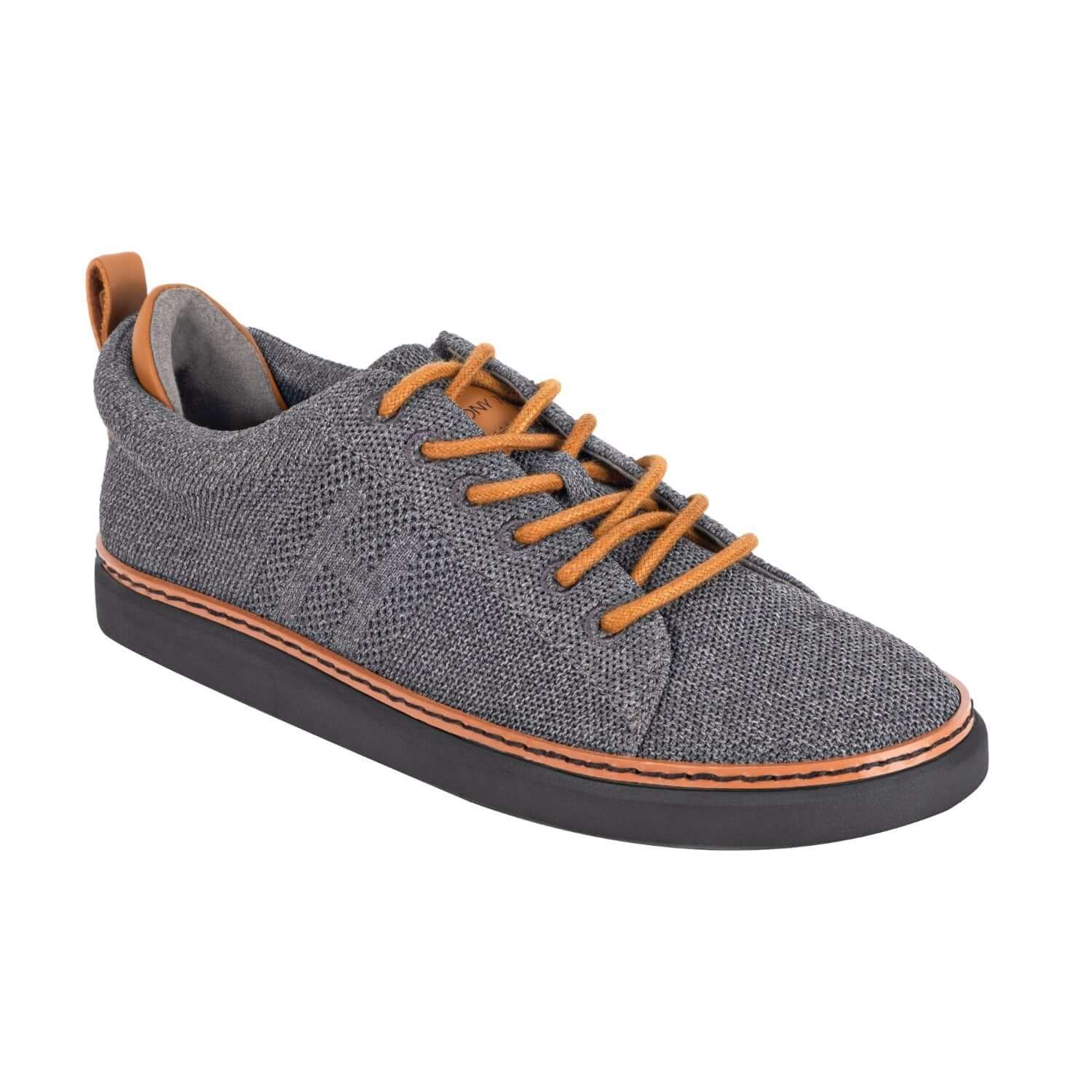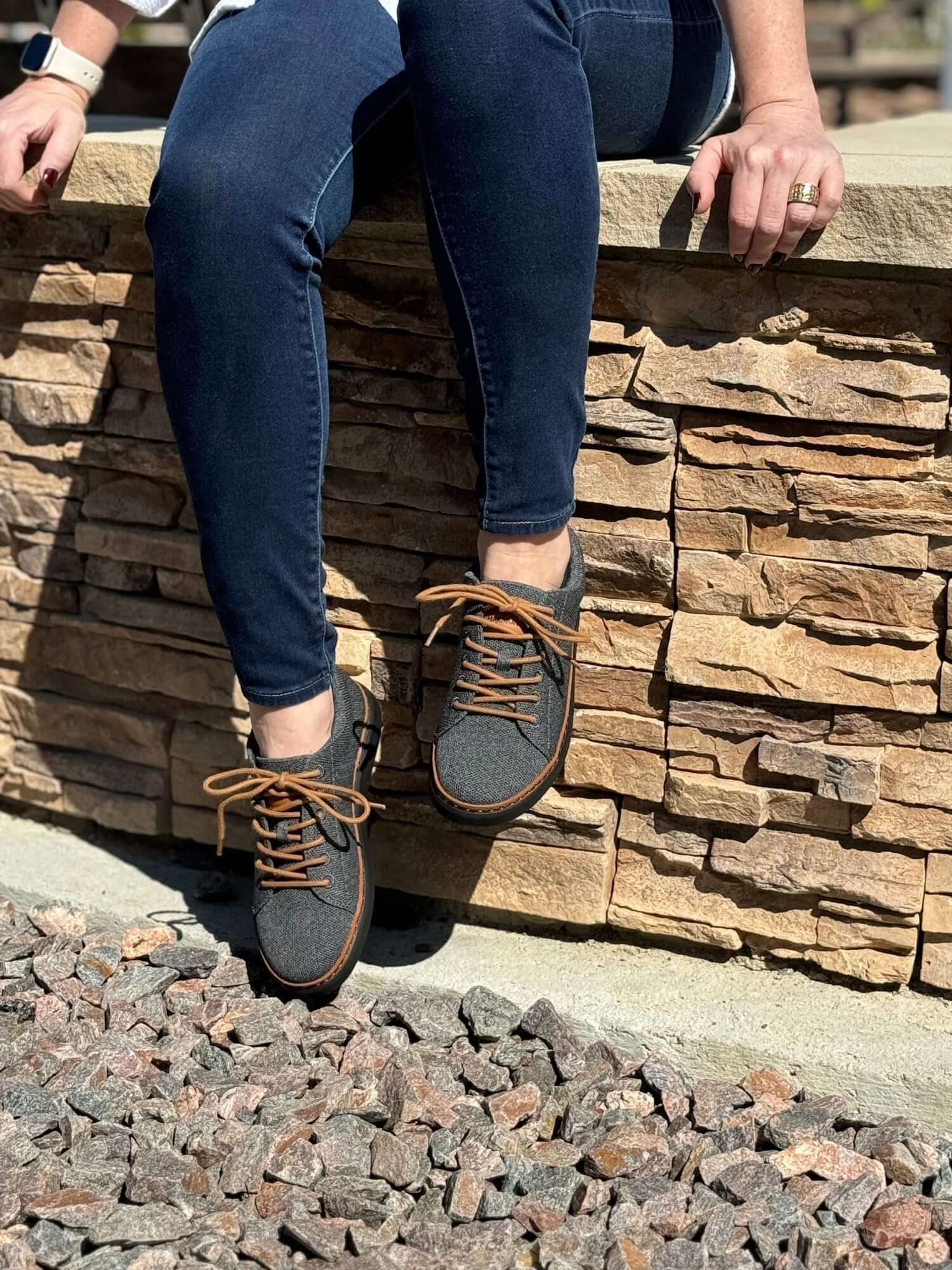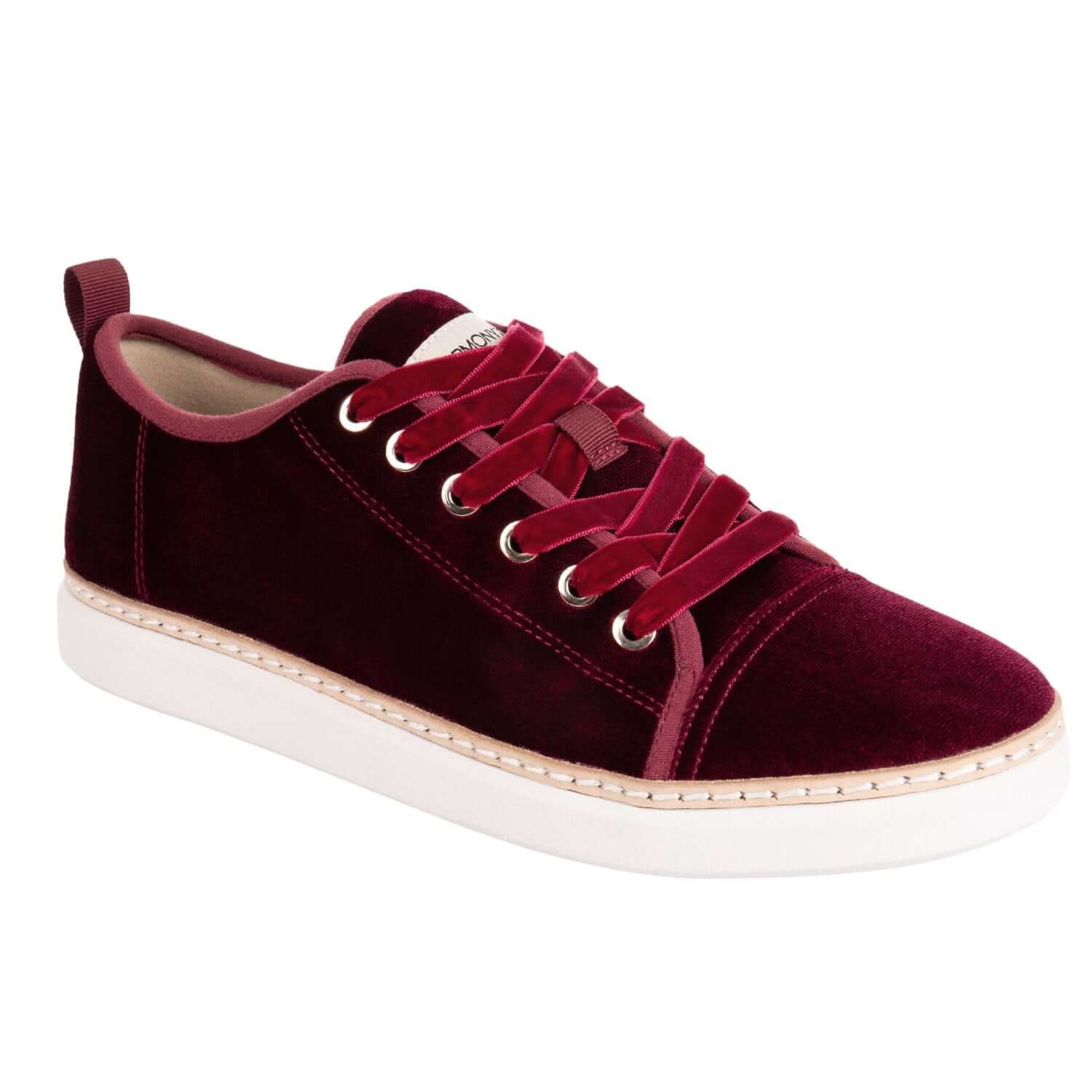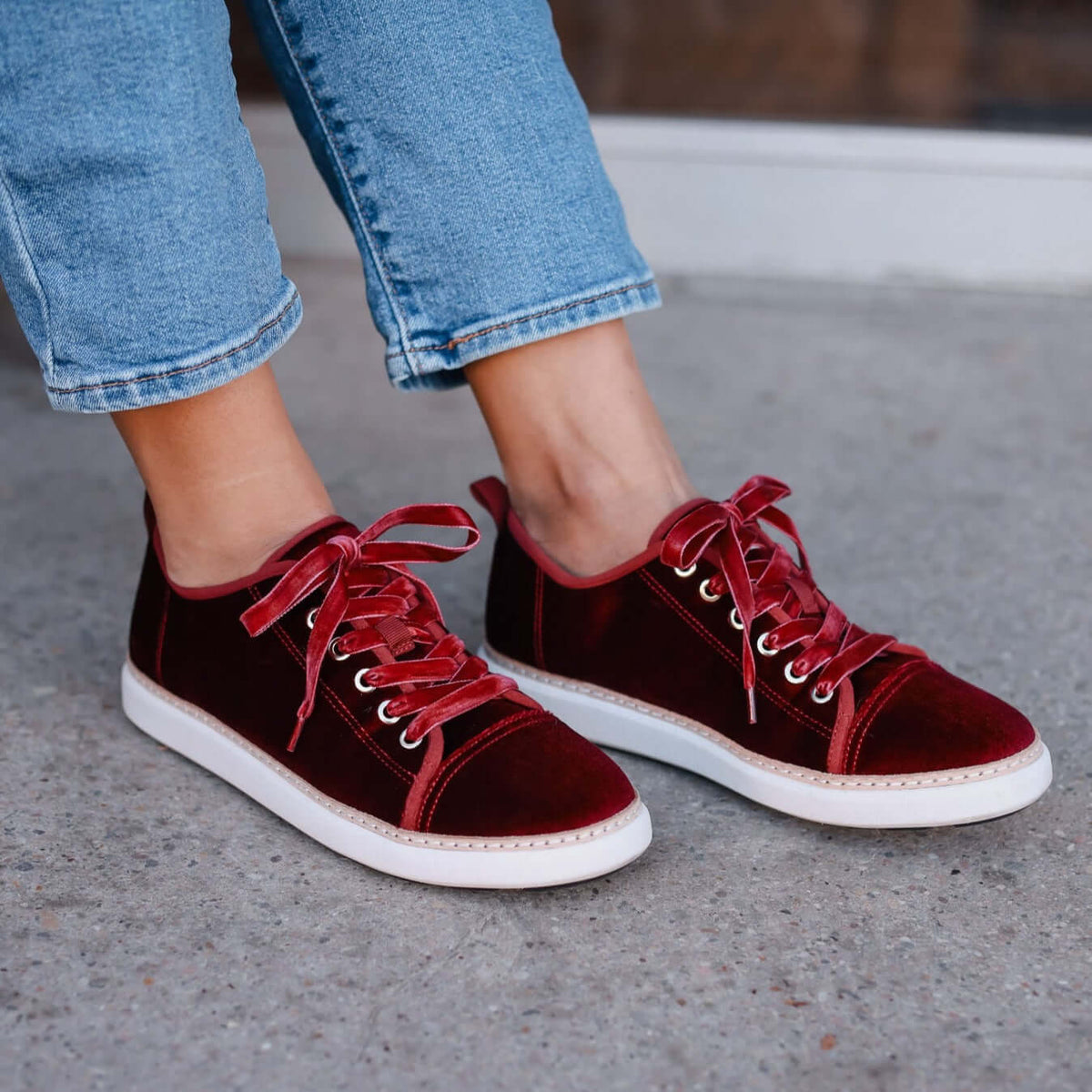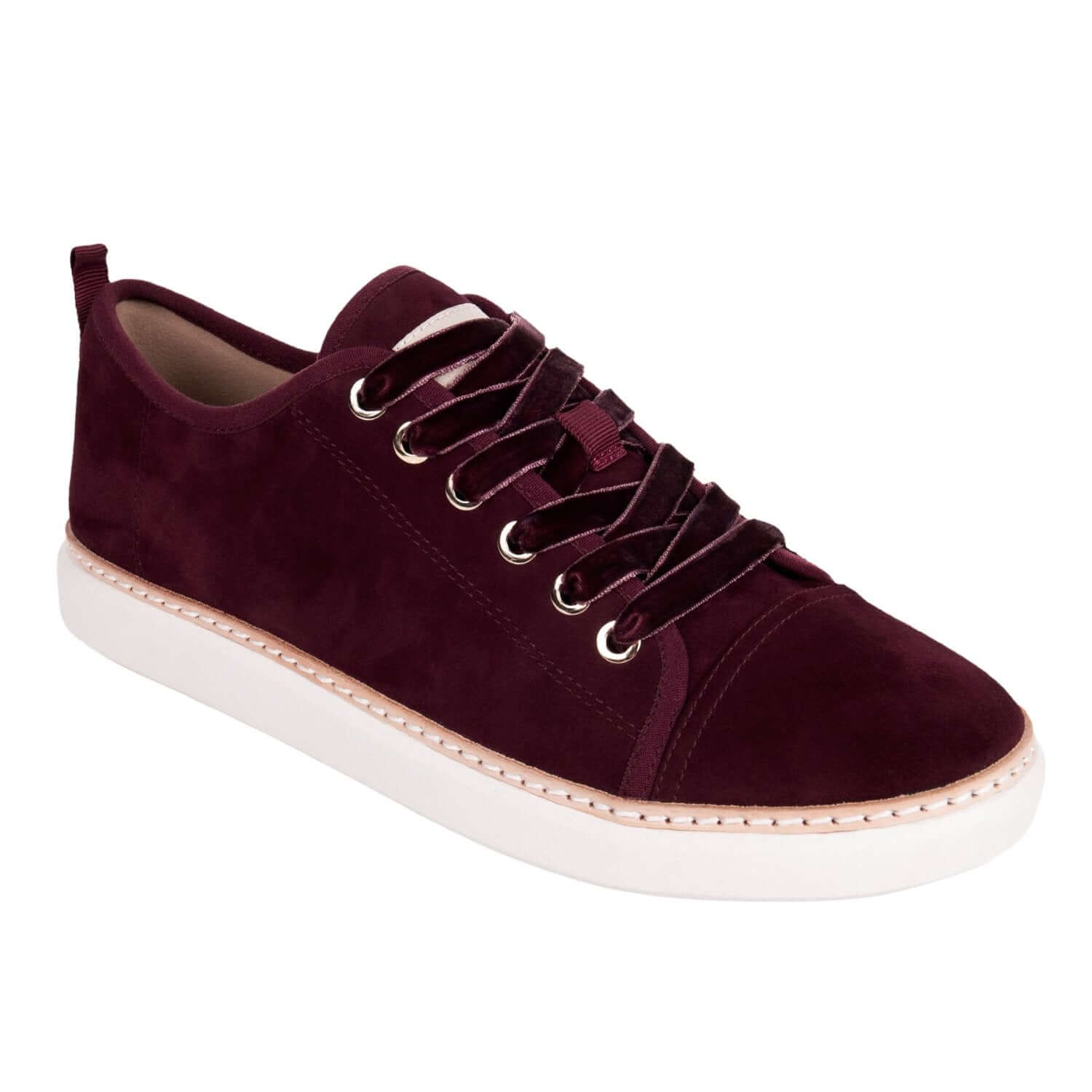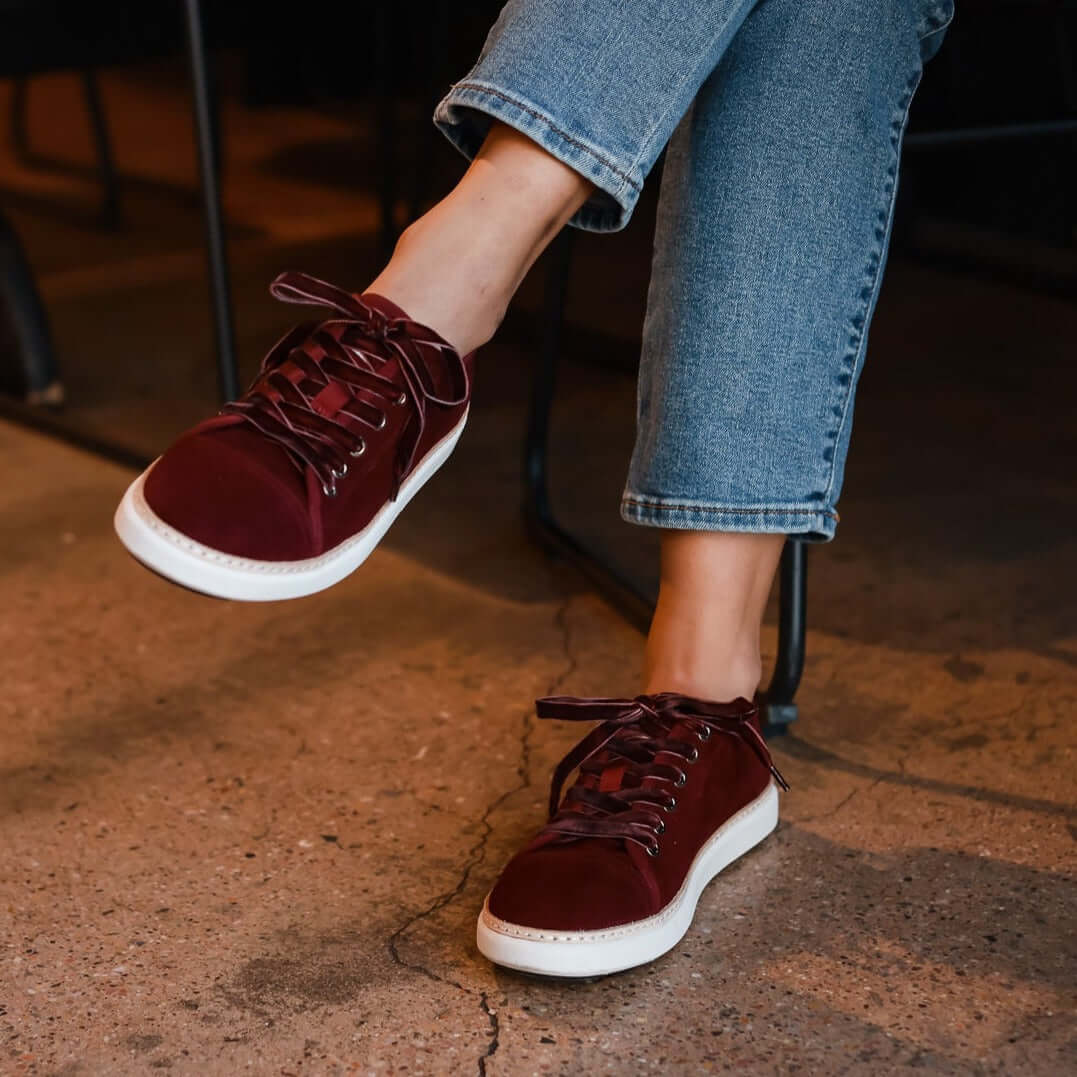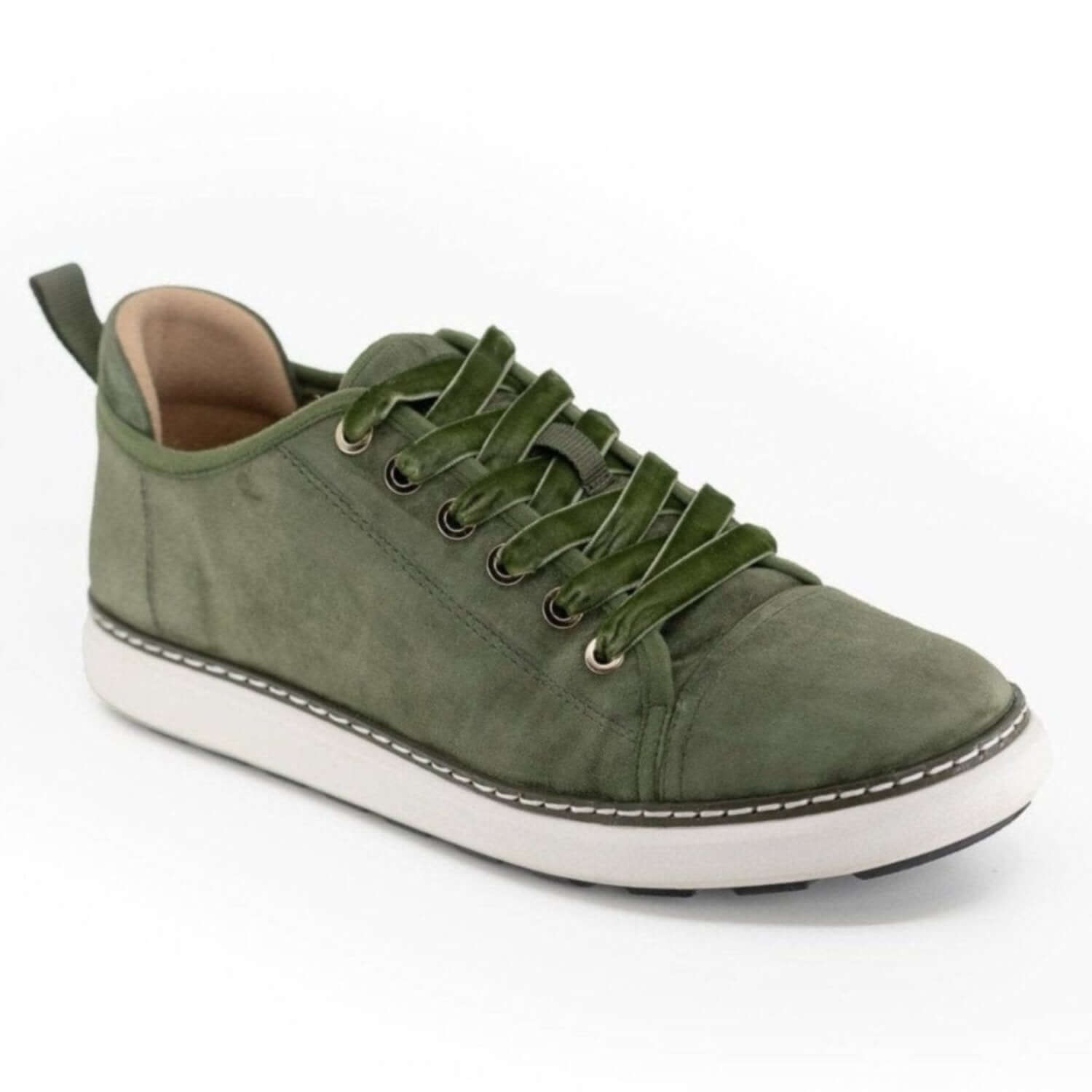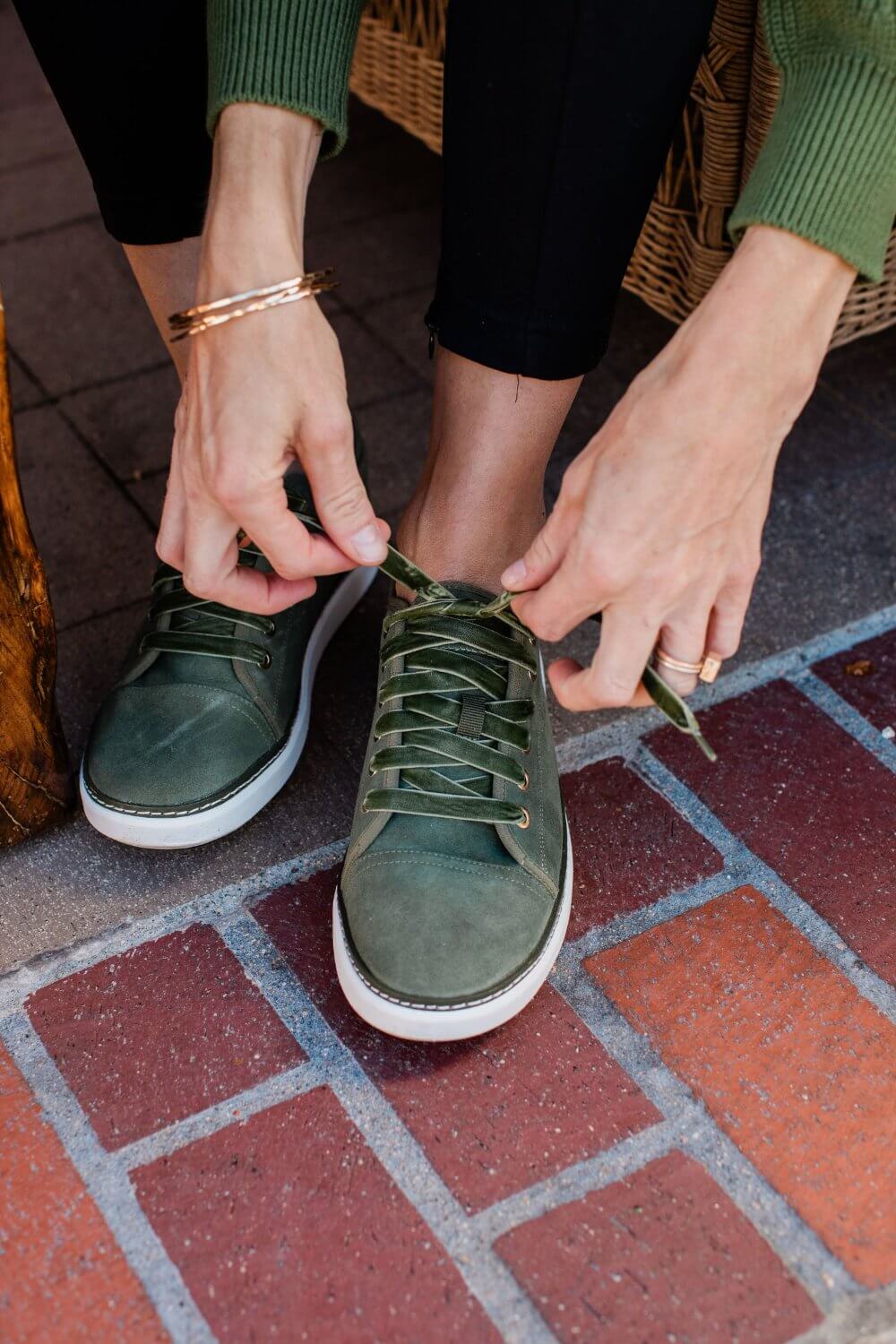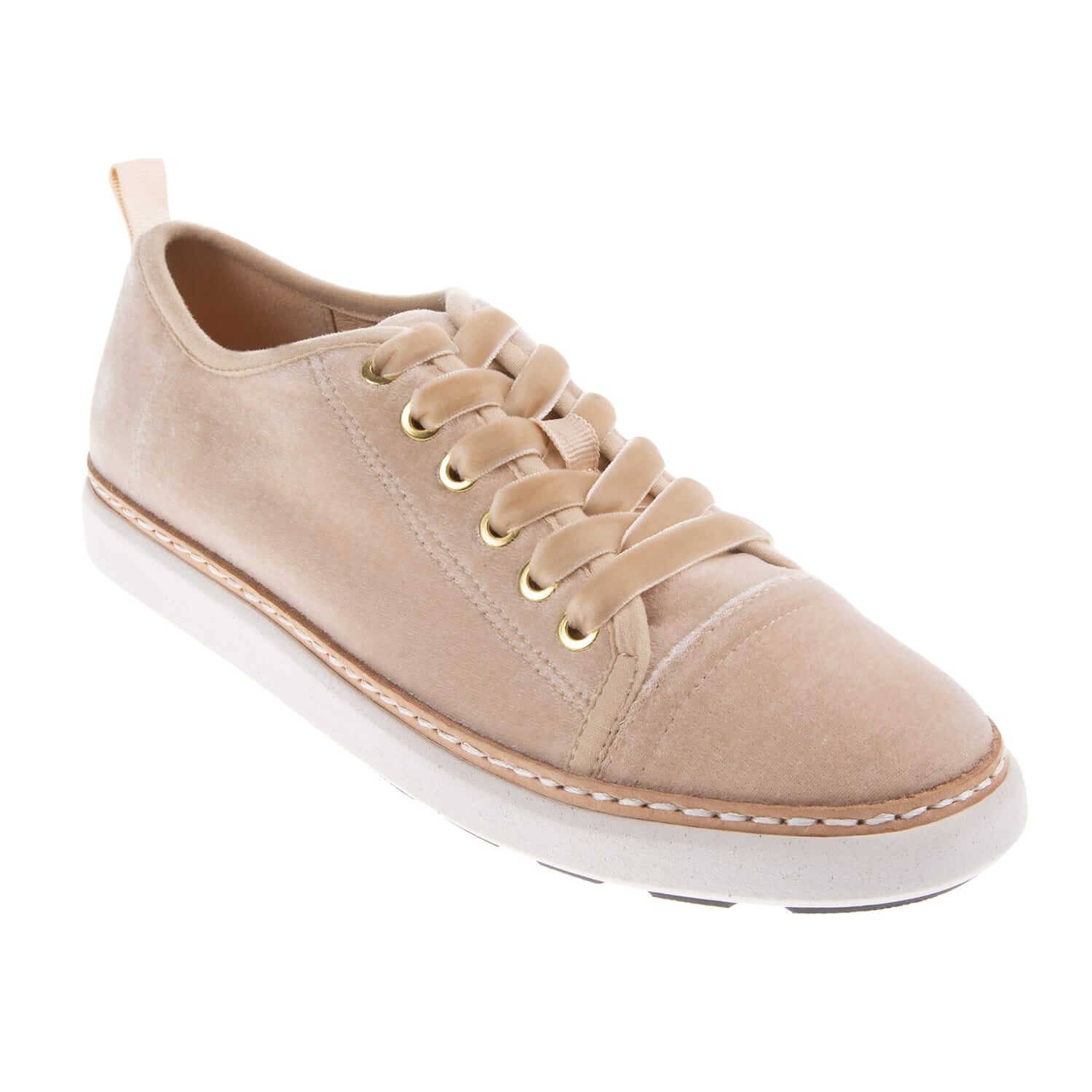

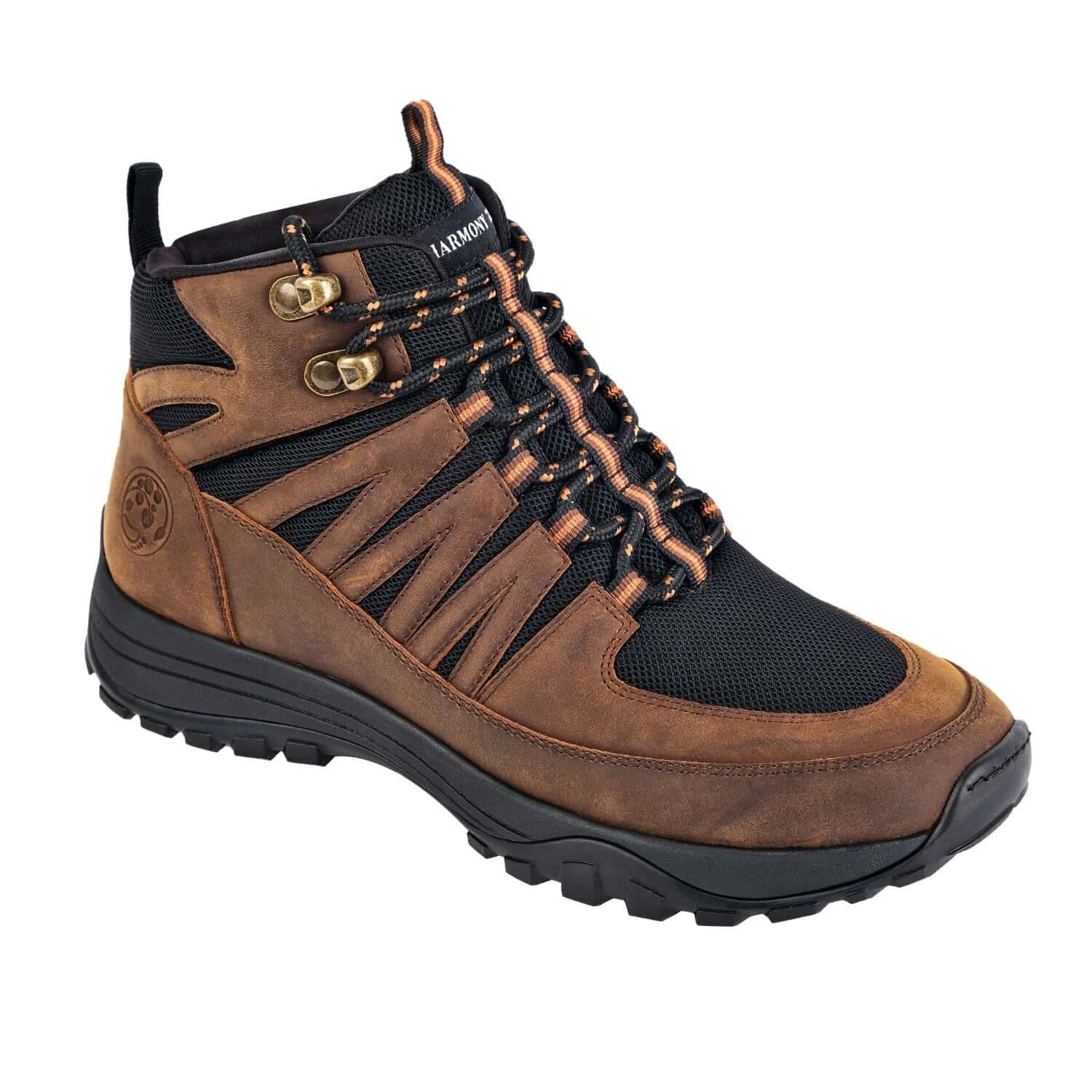
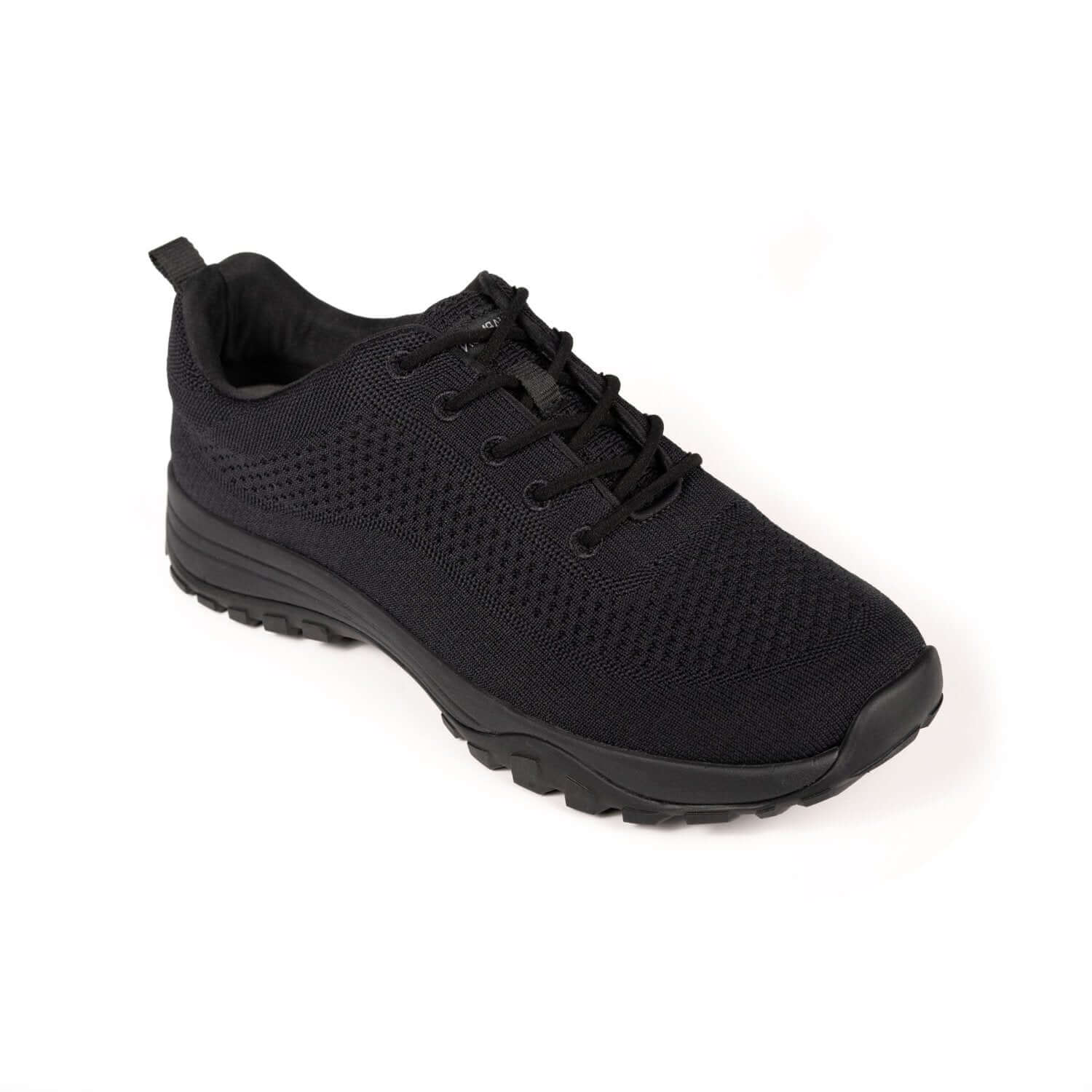
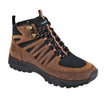
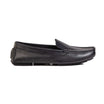



Looking for grounding loafers for sale can raise a simple but important question: is the shoe actually built to create a conductive connection, or does it only look like an ordinary loafer? Style matters, but so do construction, fit and the details on the product page. Use this guide to check those points before you choose, then browse the current selection without assuming every style is always available.
Ask us a product question before you choose
What makes a loafer a grounding shoe?
The word “loafer” describes a style: a slip-on shoe with a low profile. “Grounding” describes a feature of how a shoe is constructed. Those terms are not interchangeable. A barefoot shoe is not automatically a grounded shoe, either. The question to ask is whether that particular shoe was made to allow conductive flow.
Look for a clear explanation of the shoe’s conductive design, not just general language about natural materials or walking outdoors. Harmony 783 describes its Groundworks™ technology as a five-layer conductive system. The stated components include silver-stitched layers, a cushioned midsole, and a carbon-and-rubber conductive outsole. To understand the company’s approach, see how Harmony 783 shoes are made and the overview of grounding shoes.
That construction description is a useful starting point, but buyers should still read the details for the specific model they are considering. Product pages can differ by style. Confirm that the listing identifies the shoe as a grounding or earthing shoe and describes its conductive construction. If the details are unclear, check the grounding and earthing FAQs or contact the company through its contact page before ordering.
How can you verify a grounding loafer before buying?
A careful product-page check can keep you from confusing a loafer-shaped shoe with a grounding shoe. Read the full description and specifications rather than relying only on a collection photo or the product name. Look for a description of the materials and conductive path, and note any limits or instructions.
- Grounding claim: Does the listing identify this model as grounding or earthing footwear?
- Construction details: Does it describe conductive parts, rather than only comfort, color or style?
- Model-specific information: Are the details tied to the actual shoe you are viewing?
- Fit and sizing: Are the available size choices and measurement guidance clear?
- Care instructions: Does the page explain how to look after the materials and conductive components?
Harmony 783 says its shoes are tested for a grounded connection, and its grounding science and studies page provides broader information about its subject area. These are helpful places to learn about the brand’s approach; they are not a substitute for checking the exact listing, fit details or your own expectations. For a general framework for exploring wellness topics, the National Center for Complementary and Integrative Health is a government resource. Avoid treating general wellness information as proof that a specific shoe will produce a particular health outcome.
It can help to treat the listing like a short verification exercise instead of a quick glance. First, note the exact model name so you can keep the details tied to the shoe you want. Next, find the grounding claim and any description of conductive construction. Then read the sizing and care information before comparing colors or deciding whether the style suits your wardrobe. If one of those basic facts is missing, pause rather than filling the gap with assumptions from another model or a general collection page.
For example, a product photo may show a classic slip-on with a dark sole, but neither the shape nor the color confirms grounding construction. A listing that clearly describes a conductive design gives you more useful information. If the page still leaves a practical question unanswered—such as how to select between sizing options—write down that question and contact the store before placing the order. A specific question usually gets a more useful answer than a general request for reassurance.
What should you check for fit and sizing?
Loafers do not have laces to adjust the fit across the top of the foot. That makes length, width and heel hold especially important. Before selecting a size, use the Harmony 783 shoe size guide and check the sizing options shown on the individual product page. The same product page may offer men’s and women’s sizing options selected with a toggle, so confirm that you are viewing the intended sizing system before adding a size.
Think about how you expect to wear the shoe. If you usually wear socks with loafers, check the fit with that in mind. If you plan to wear them without socks, consider how the interior feels against your foot. A good fit should feel secure without pinching or forcing your toes together. Pay attention to slipping at the heel, pressure across the instep and any rubbing as you walk.
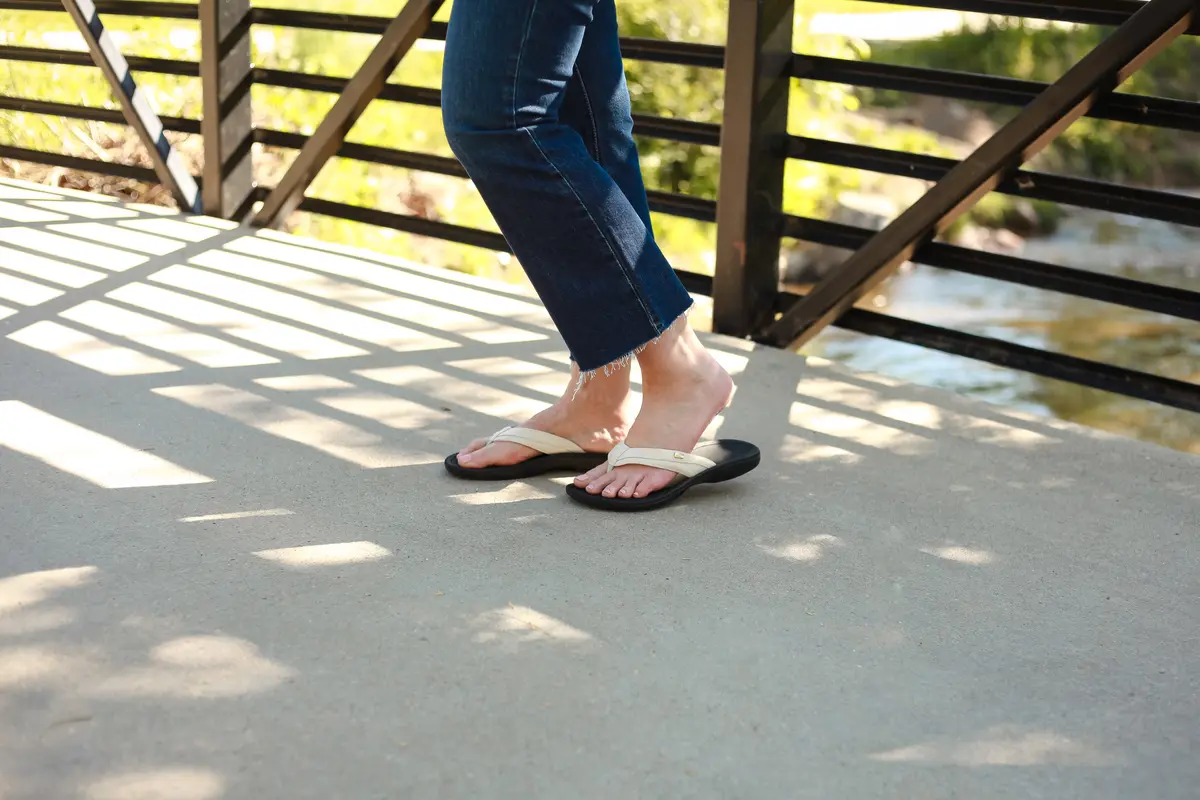
When trying a new pair, start with a short indoor wear period and walk on a clean surface. Notice whether the heel stays in place and whether the shoe feels comfortable through a normal step. Do not assume that a style will fit like another shoe you own, even if the size label matches. If you are between sizes or unsure about the listed measurements, use the brand’s size guidance and contact the shop with a specific fit question before ordering.
It can help to measure both feet late in the day, when they may be slightly larger than first thing in the morning. Compare the longer foot with the chart’s instructions, and follow the chart’s method rather than adding or subtracting a size by guesswork. If you use an orthotic or prefer a thicker sock, factor that into your fit questions. A loafer’s opening and instep can affect how easily your foot slides in and how firmly it stays put. The goal is a natural, stable fit, not a shoe that needs to be held on by curling your toes.
Use a short fit checklist when you try the pair indoors: stand with your weight evenly on both feet, check whether toes can move comfortably, and take several steps at a normal pace. Does the heel lift a little with each step, or does it stay secure? Does the top edge press across the instep? Try the socks you expect to wear most often, because a change in thickness can alter how a slip-on feels. Check both feet; they may not feel identical. If a shoe is uncomfortable in a way that does not ease after a brief adjustment, do not treat that as a sign that you should force a break-in period.
Also consider how you plan to put the loafers on and take them off. A close fit may feel snug when standing but make the shoe difficult to slip on. A loose fit may feel easy at first but allow the heel to move. Since there are no laces to fine-tune the hold, the listed shape and your foot’s instep are part of the fit decision. Use the store’s current sizing information, and check the policies shown at checkout so you understand the available options if the fit is not right.
How do you compare loafers with other grounding shoe styles?
Start with the occasion and the fit you need, then compare only models that clearly identify themselves as grounding shoes. The catalog may change, and a particular loafer style may not be offered at the moment you shop. Harmony 783 has a range of footwear categories; the full grounding shoe collection is the best place to see what is currently listed. Use this table as a checklist, not as a claim that every style is in stock. It may also help to decide what matters most before you browse. Write down the setting, how long you expect to wear the shoes, whether you prefer a slip-on or adjustable closure, and any fit issue that often bothers you. Then compare models against those needs instead of relying on a single photo or broad category label. If two pairs both meet your grounding and fit checks, details such as toe shape, color and ease of care can help you decide between them.
| Option to compare | Best question to ask | What to verify |
|---|---|---|
| Loafer or slip-on | Does the listed model suit the setting where I plan to wear it? | Grounding construction, secure heel hold, room across the toes, and model-specific sizing. |
| Walking shoe | Will I use this pair for regular walks or longer periods on my feet? | Comfort, fit through the day, and the product page’s grounding details. See the grounding walking shoes. |
| Sneaker or lace-up | Would an adjustable closure help me get a more secure fit? | Lace adjustment, intended use, and the specific shoe’s conductive construction. Browse grounding sneakers or lace-up grounding styles. |
| Sandal | Do I want an open style for warm-weather wear? | How the shoe stays on your foot, where straps sit, and the product’s grounding description. Explore grounding sandals. |
There is no need to choose a loafer just because you started your search with loafers. If the style you want is not listed, compare current alternatives by use, fit and construction. For more options, shoppers can look at the women’s grounding footwear or men’s grounding footwear pages. Choose the collection that matches your needs, then inspect the details on each individual model.
A useful comparison starts by separating must-haves from preferences. A clear grounding description and a workable fit are basic checks; color and styling are preferences. If you plan to wear the shoes for a full day, comfort over time may matter more than how quickly they slip on. If you need a more adjustable hold, a lace-up option may be worth considering, even if a loafer was your first choice. For a warm, casual setting, you may prefer an open shoe, but straps and foot placement become part of the fit check. None of these categories is automatically a better choice for everyone. Compare the details of the listed model with the job you want the shoe to do.
Imagine two options appear in the catalog: a slip-on that fits your work clothes and a lace-up that feels more adjustable. Before choosing, consider where you will wear each, how long you will be on your feet, whether you typically need extra room for socks, and how each style holds your heel. Then confirm the grounding construction on each product page. This simple side-by-side check prevents a familiar mistake: choosing by style alone and only later discovering that the shoe does not fit your use or construction requirements.
Related products

mesh offers breathability
View product
Everyone needs a black shoe to perfect a casual out-on-the-town outfit.
View product
These all black shoes are your perfect let's-get-to-work shoes.
View productHow should you think about comfort and everyday wear?
Comfort is personal. A shoe that feels good for a short errand may feel different after a full day of standing. Start gradually with a new pair and pay attention to pressure points, rubbing and heel movement. If something feels uncomfortable, take the shoe off and reassess the fit rather than trying to push through it.
Harmony 783’s stated construction includes a cushioned midsole. Still, cushioning and overall feel vary by model and by wearer. Read the product description for that exact style, and do not assume that a loafer has the same feel as a sneaker, sandal or another brand’s shoe. Consider what matters for your routine: easy on-and-off, a closed toe, a particular outfit, or an adjustable fit.
Grounding is a footwear construction feature, not a promise of a medical result. Keep expectations practical, and do not use shoes in place of medical care or advice. If you are comparing general information about earthing, you can also review Harmony 783’s research and science information and its grounding FAQ. Focus your purchase decision on the product’s construction, comfort and suitability for your own use.
For everyday wear, notice how the shoe feels in the situations you actually expect. A few minutes indoors can reveal heel movement or pressure at the instep. A longer period may reveal rubbing or fatigue that was not obvious at first. You do not need to turn this into a complicated test: walk, stand, and sit as you normally would, then check your feet before increasing wear time. If you have a specific concern about whether a shoe is suitable for you, ask a qualified health professional rather than treating a footwear feature as medical advice.
It is also reasonable to have different shoes for different tasks. A polished slip-on may suit short errands or a workplace outfit, while a walking shoe may feel better for longer walks. Keep the choice tied to the shoe’s stated construction and your own comfort rather than expecting one style to do everything. A realistic goal is a pair you can wear comfortably for the uses you had in mind, with clear information about how it is built.
How can you care for grounding loafers?
Follow the product’s care label and instructions, since materials and finishes can vary. As a general habit, remove loose dirt gently, let shoes dry naturally after damp wear, and avoid heat or harsh cleaners unless the specific product instructions say they are safe. Do not soak or machine-wash a shoe unless the manufacturer expressly recommends it.
Care also means checking the shoe from time to time. Look over the outsole and upper for wear, and keep the interior clean and dry. Conductive components are part of the shoe’s construction, so avoid making assumptions about how a cleaning method might affect them. When uncertain, consult the product-specific guidance or ask the company before applying a treatment.
For wear in varied weather or on different surfaces, read the model’s description rather than assuming all shoes share the same limits. A tidy appearance is useful, but preserving the shoe’s materials and following the maker’s care guidance should come first. Keep any instructions that arrive with the footwear so they are easy to check later.
A simple routine can help you avoid accidental damage. After wear, brush away loose dust with a soft, dry cloth or brush if the care directions allow it. If the shoes become damp, let them air dry at room temperature and keep them away from direct heat. Check for debris in the tread and inspect the upper for marks before choosing a cleaner. Test any approved cleaning method in a small, less visible area first, unless the maker gives different instructions. These are cautious general habits, not a substitute for care directions for the specific material.
Pay attention to changes over time, too. A worn outsole, a damaged upper or a loose seam can affect how a shoe performs as footwear, regardless of its original design. Avoid trying to repair or modify conductive parts unless the manufacturer recommends a method. If you are unsure whether wear or a cleaning product matters, ask the store with the model name and a short description of the issue. That is more useful than assuming every loafer uses the same materials or care process.
Where can you find grounding loafers for sale now?
Catalog availability can change, so begin with the current product listings rather than an old article, photo or search snippet. Visit the complete grounding footwear collection and look for a loafer or slip-on that is specifically identified as grounding. If you do not see one, do not assume that an ordinary loafer is an equivalent substitute. Browse the current bestselling grounding shoes or newly listed styles instead.
Before adding a pair to your cart, take one last pass through the decision points: grounding construction is clearly described, the size is selected correctly, the fit makes sense for your foot and routine, and the care guidance is clear. Check the product page for current details and terms. Do not rely on a price or offer quoted elsewhere, because store information can change.
To make the final check easy, compare the product page against a short list: model name, grounding construction, available size and sizing system, materials or care guidance, and any questions about the fit. Then review the cart details before completing your purchase. If a loafer is not currently listed, the best next step is to explore current grounding styles and compare their product descriptions—not to treat a regular slip-on as an equivalent. Availability and product details can change, so the live listing is the place to confirm what is offered now.
Ask us a product question before you choose
What are common questions about grounding loafers?
Are ordinary loafers grounding shoes?
No. A loafer is a shoe style. It is a grounding shoe only if it was specifically constructed as grounding footwear with conductive components. Check the product description; appearance alone cannot confirm that feature.
Are barefoot loafers automatically grounded?
No. Barefoot describes a shoe approach, but it does not by itself mean that the shoe has conductive construction. Ask whether that specific shoe was made to allow a grounded connection.
What if I cannot find a loafer in the current catalog?
Check the current collection and product listings. If no loafer is available, compare other grounding styles by their listed construction, fit and intended use. Do not assume an unlisted or ordinary loafer will provide the same feature.
How do I choose the right size?
Use the current size guide and the sizing options shown on the individual product page. Consider sock thickness and how a slip-on fits across your instep and heel. If the measurements leave you unsure, ask the shop a specific question before choosing.
Browse our collection of grounding shoes and compare the current product details before choosing your pair.
A good purchase starts with a clear distinction between shoe style and grounding construction, then checks fit, comfort and care for the particular model you plan to wear.