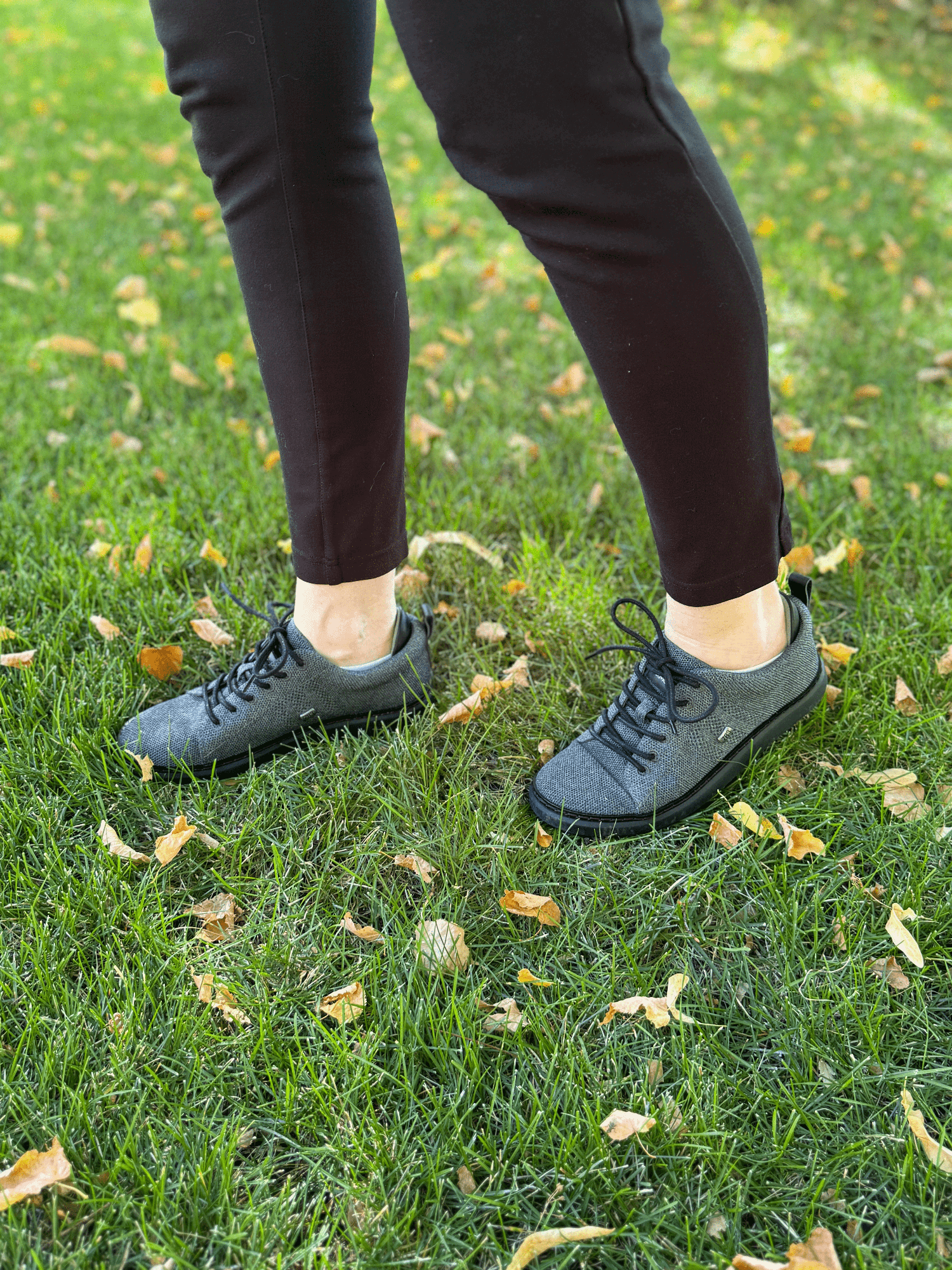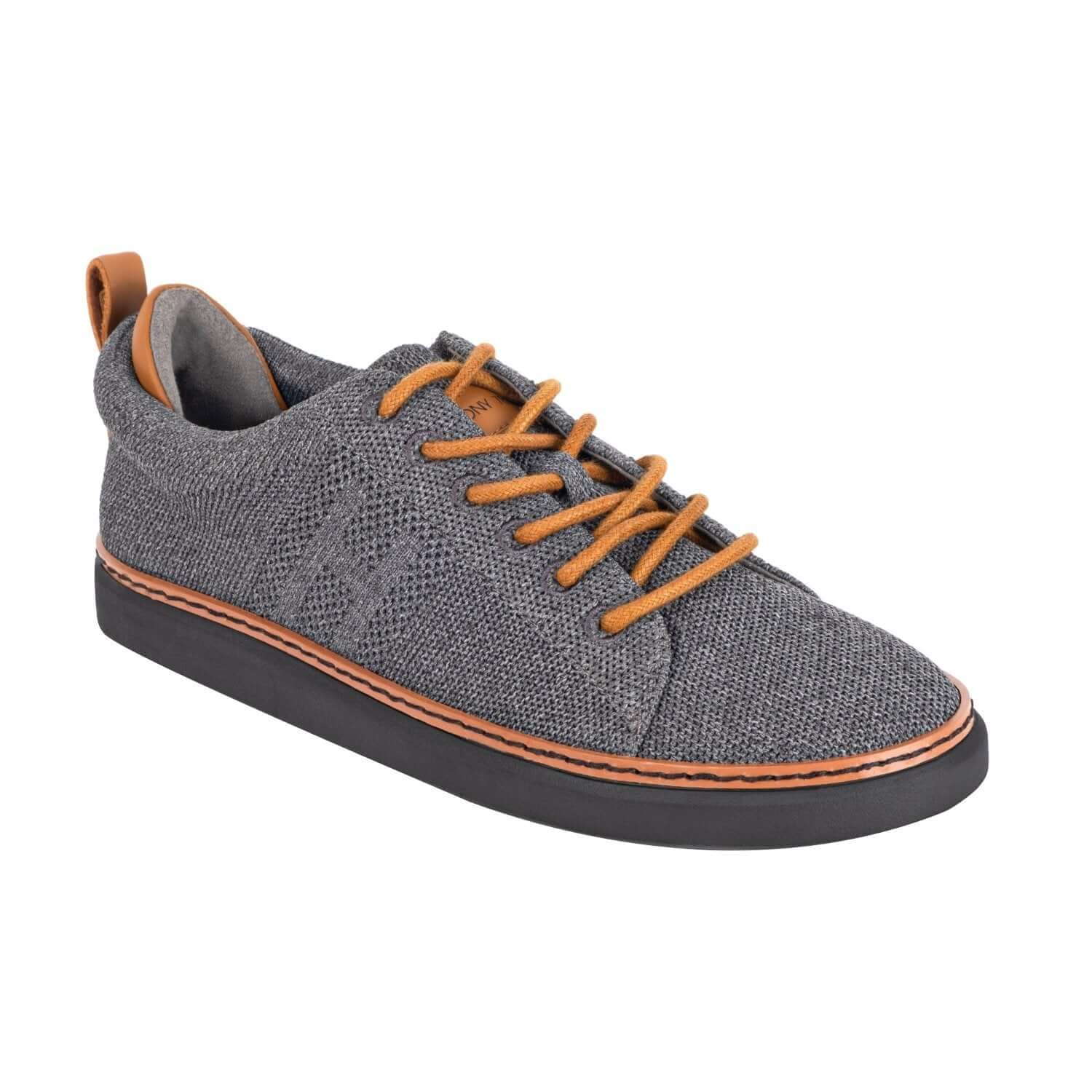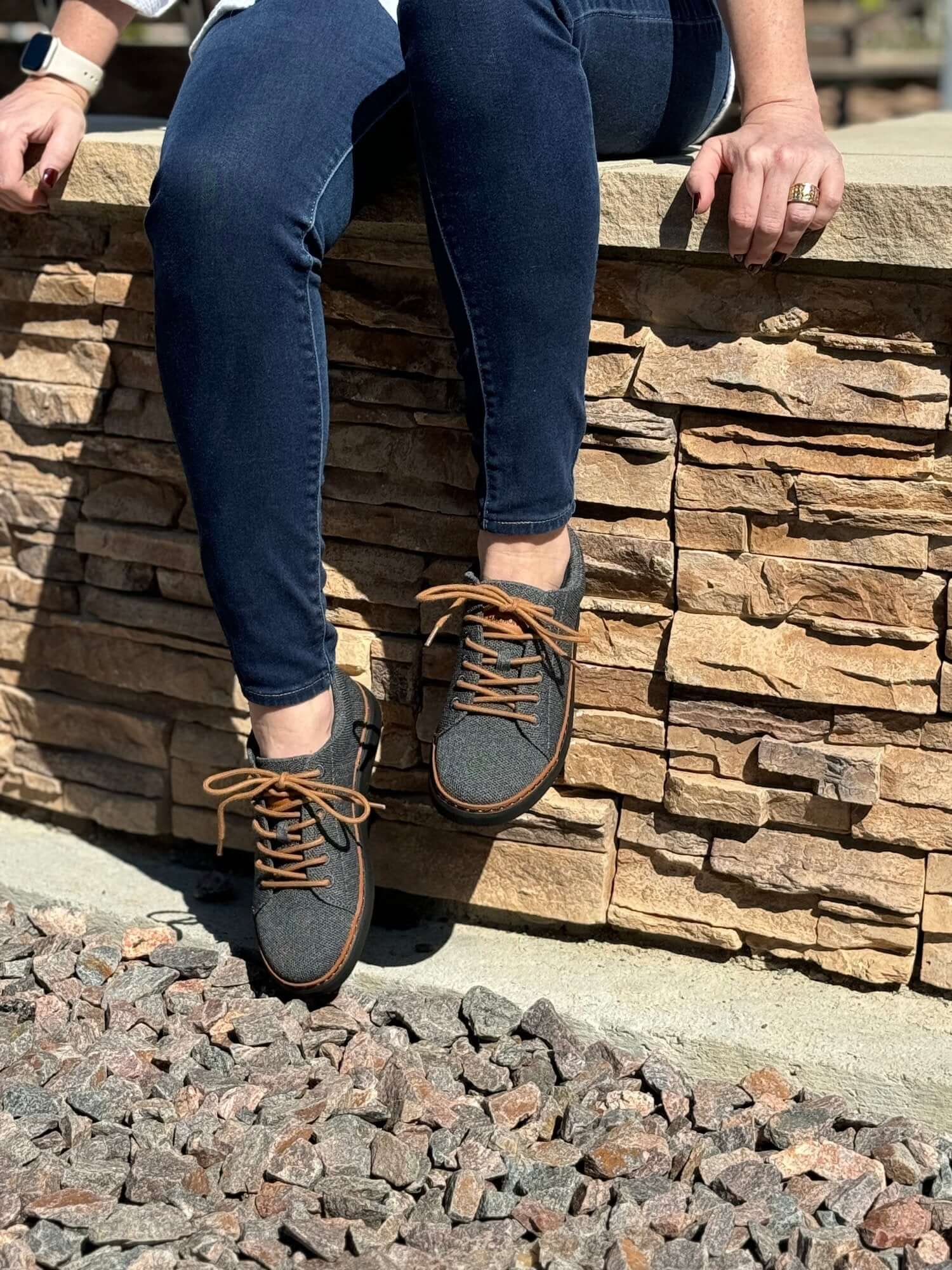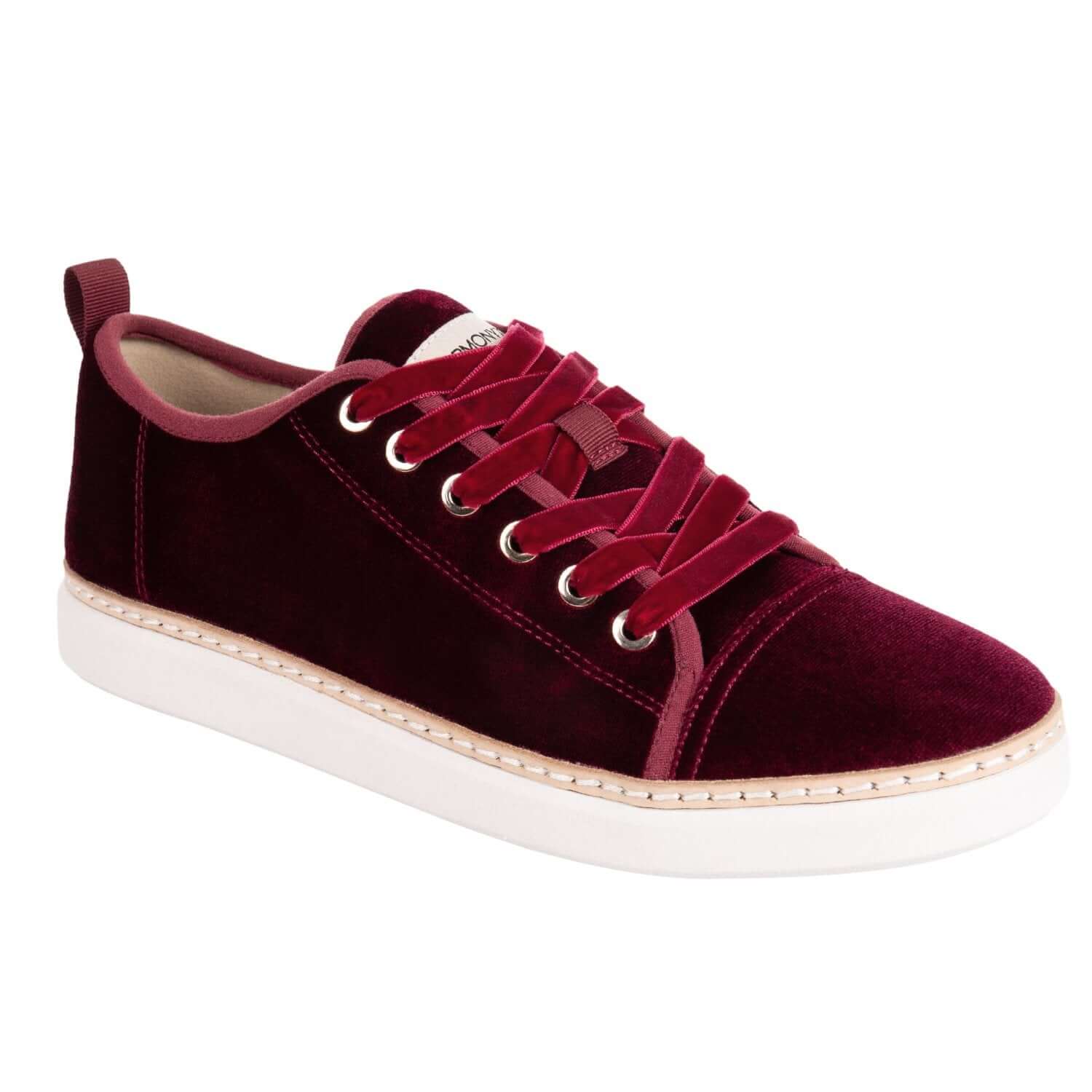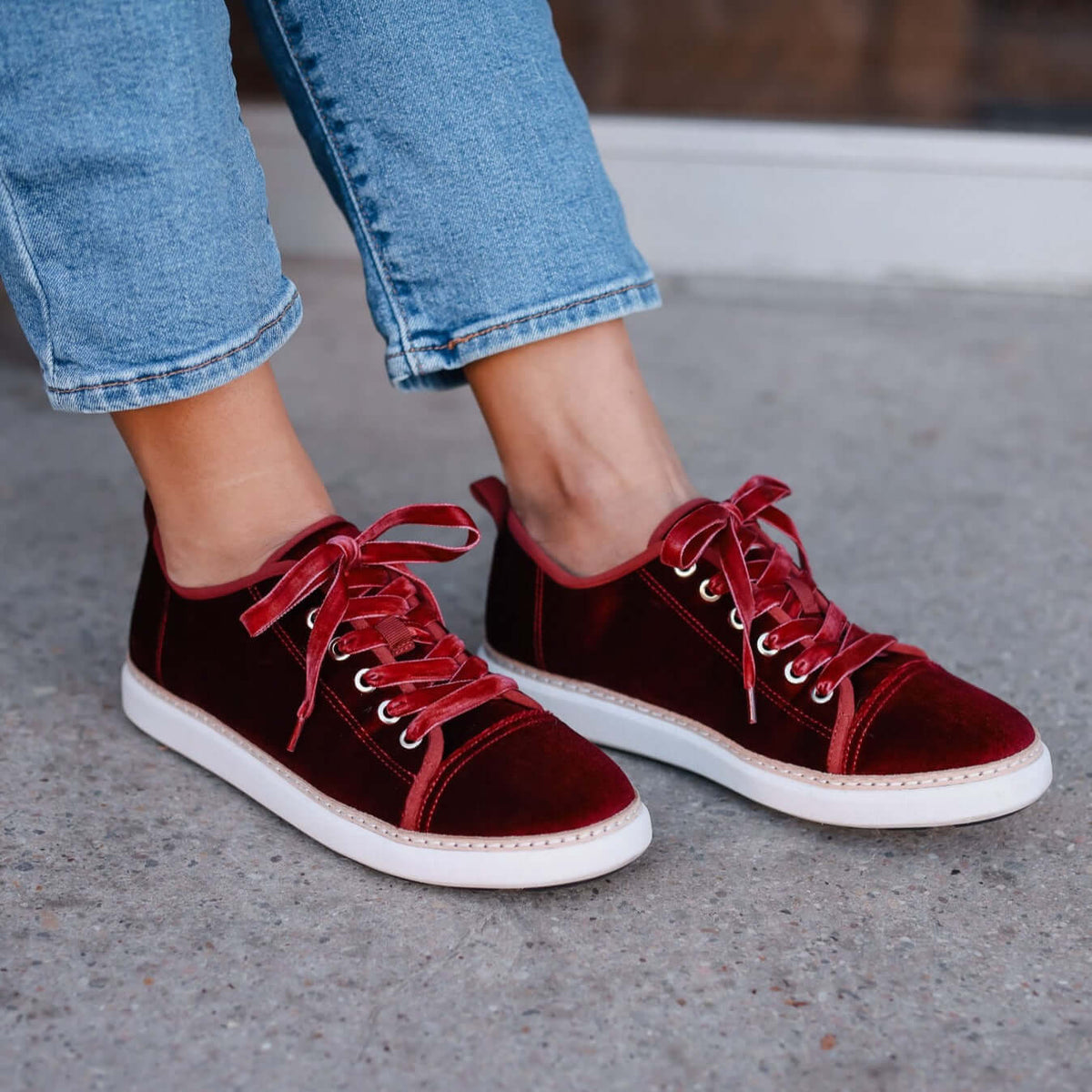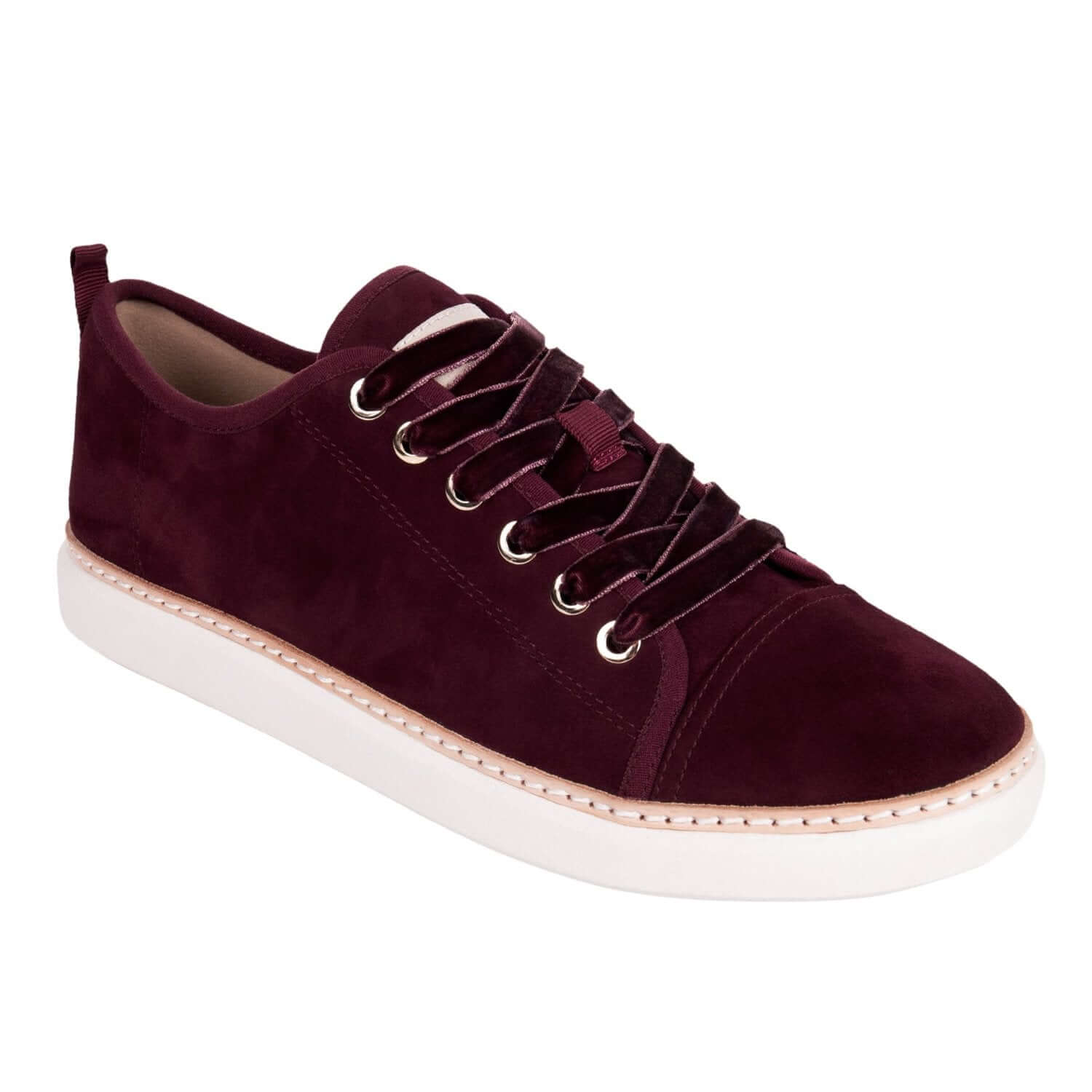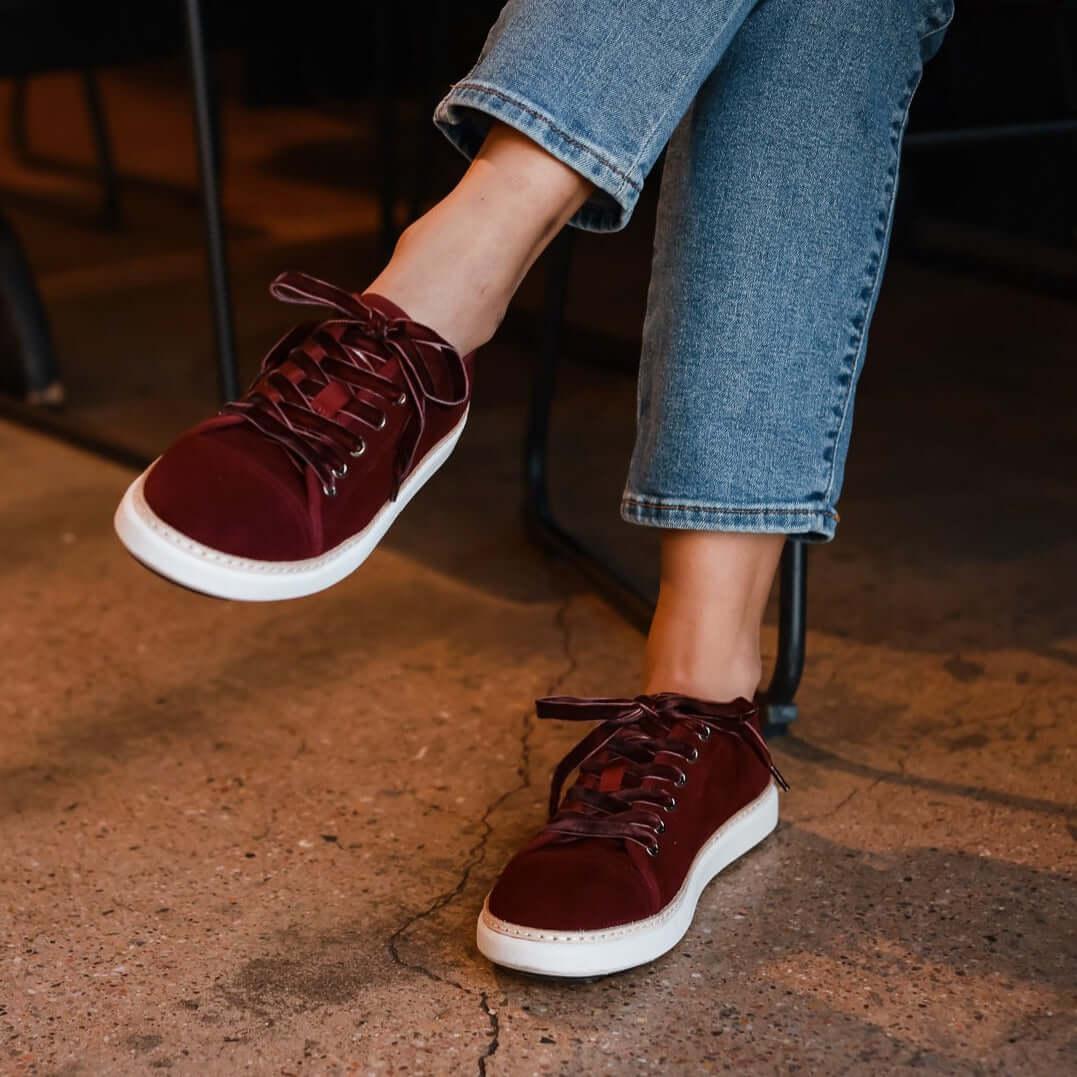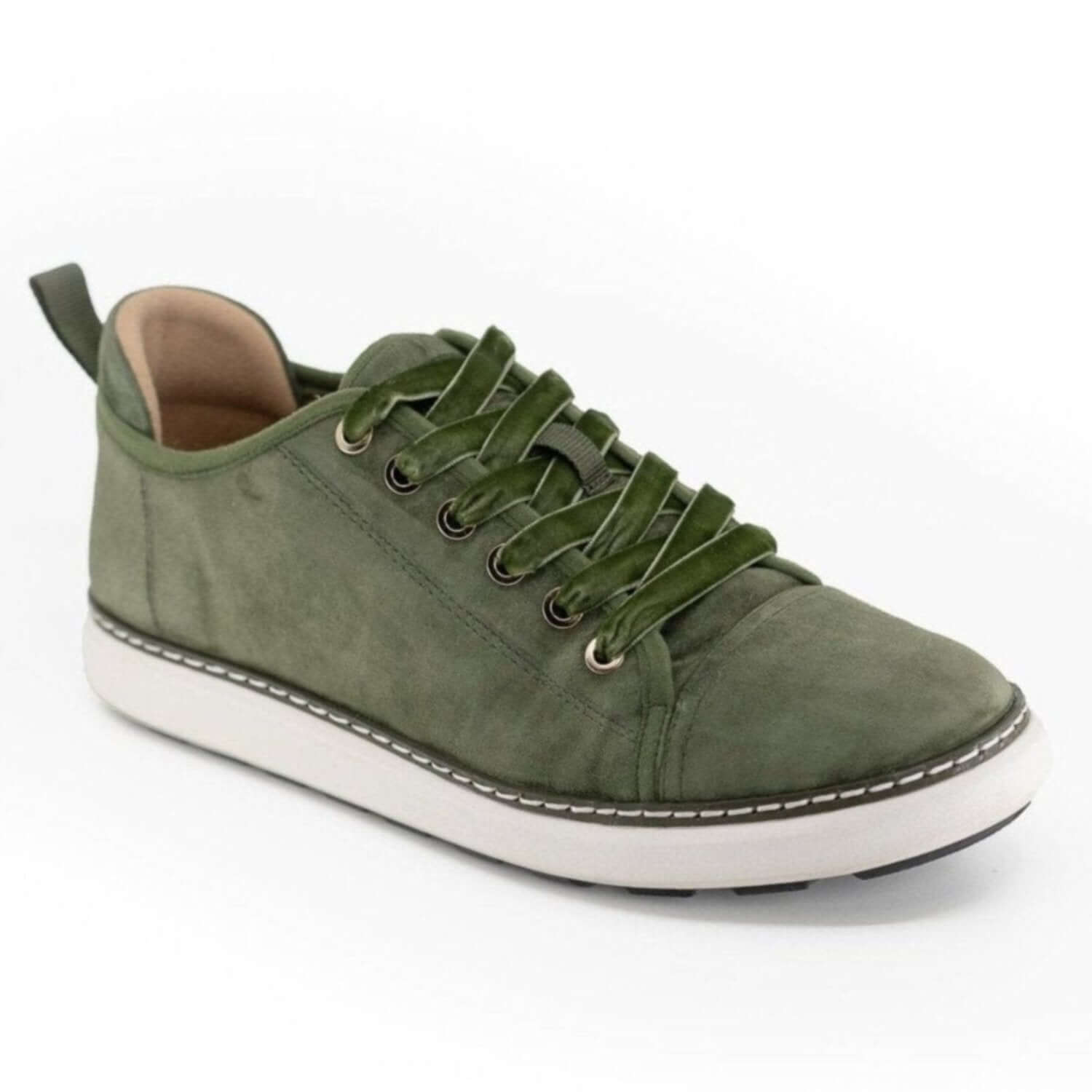

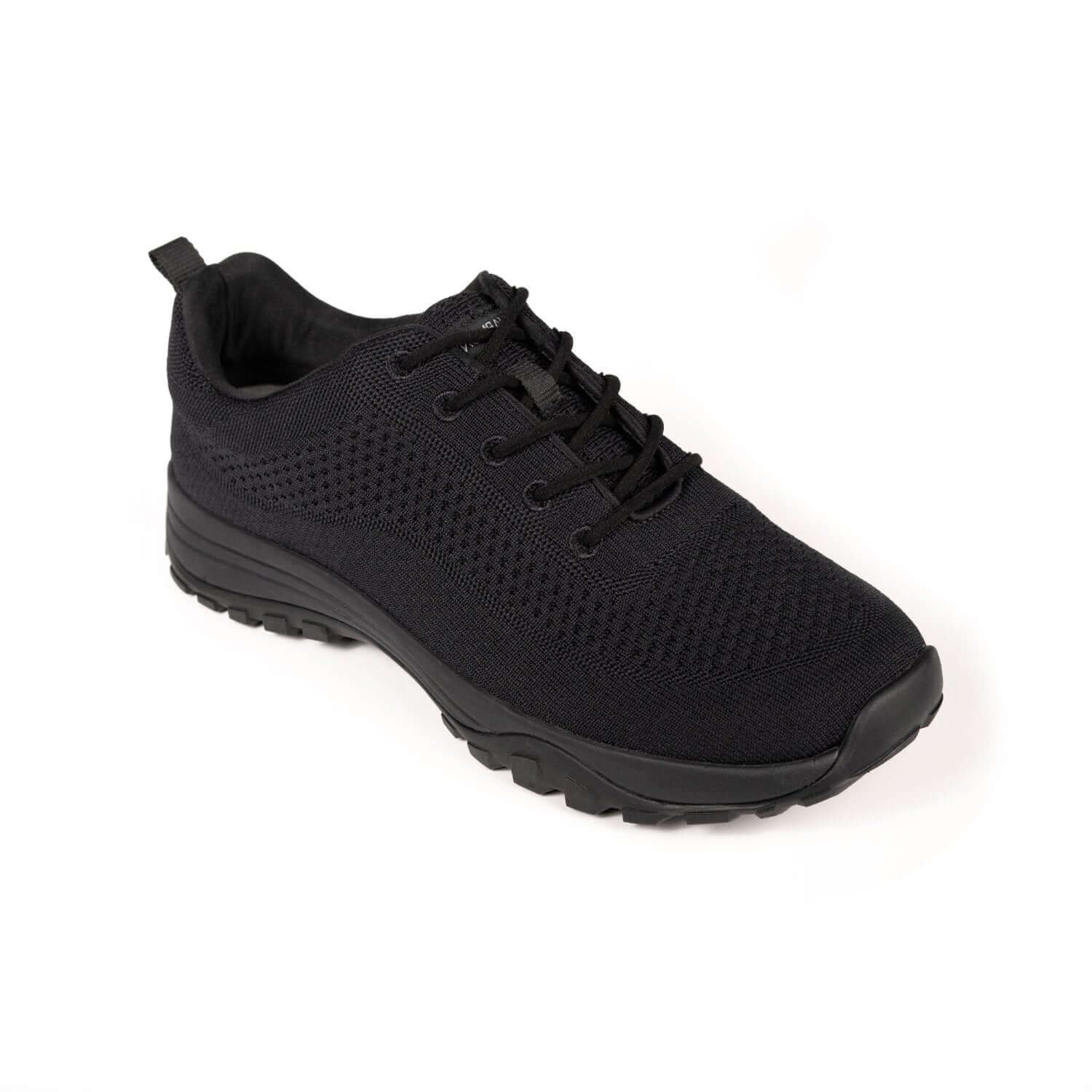
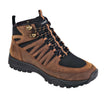



On a loose descent, the wrong shoe announces itself fast: your heel lifts, your toes hit the front, or the outsole skates across gravel. Grounding hiking shoes add a conductive pathway to trail footwear. But that feature only matters after the shoe passes the practical tests of fit, grip, protection, and terrain suitability.
Grounding hiking shoes are outdoor shoes with conductive parts intended to maintain electrical contact between the wearer and the Earth's surface. Unlike going barefoot, they also protect feet from trail hazards. Research on grounding remains limited, so choose them for proven trail needs first. Look for dependable traction, secure fit, enough protection, and a design suited to your usual routes.
This buyer's guide explains how conductive designs differ from standard hiking shoes and how to evaluate them against the trail conditions you actually encounter.
What are grounding hiking shoes?
Grounding hiking shoes combine trail-focused protection with conductive components intended to create electrical contact with the earth. They differ from standard hiking shoes in conductivity, not necessarily in cushion, flexibility, or support.
Grounding, also called earthing, means direct or conductive contact with the Earth's surface. Standard hiking shoes commonly use rubber and foam that interrupt that contact. Grounding footwear adds a conductive path through the outsole and footbed while retaining protection from rocks, roots, and rough ground.
For hikers, the distinction is important: a conductive pathway is an added feature. Not a replacement for dependable traction, a secure heel, appropriate toe room, and enough underfoot protection for the planned route.
How conductive soles work
The main part of a grounding shoe is the sole. Most standard shoes use thick rubber or foam that interrupts direct electrical contact with the ground. Research shows that modern footwear acts as a barrier between humans and the earth.
This stops the move of free electrons from the ground into the body. Grounding shoes solve this with conductive sole paths. Some use carbon-infused rubber or silver threads to create a bridge. These paths allow the charge to pass through the shoe.
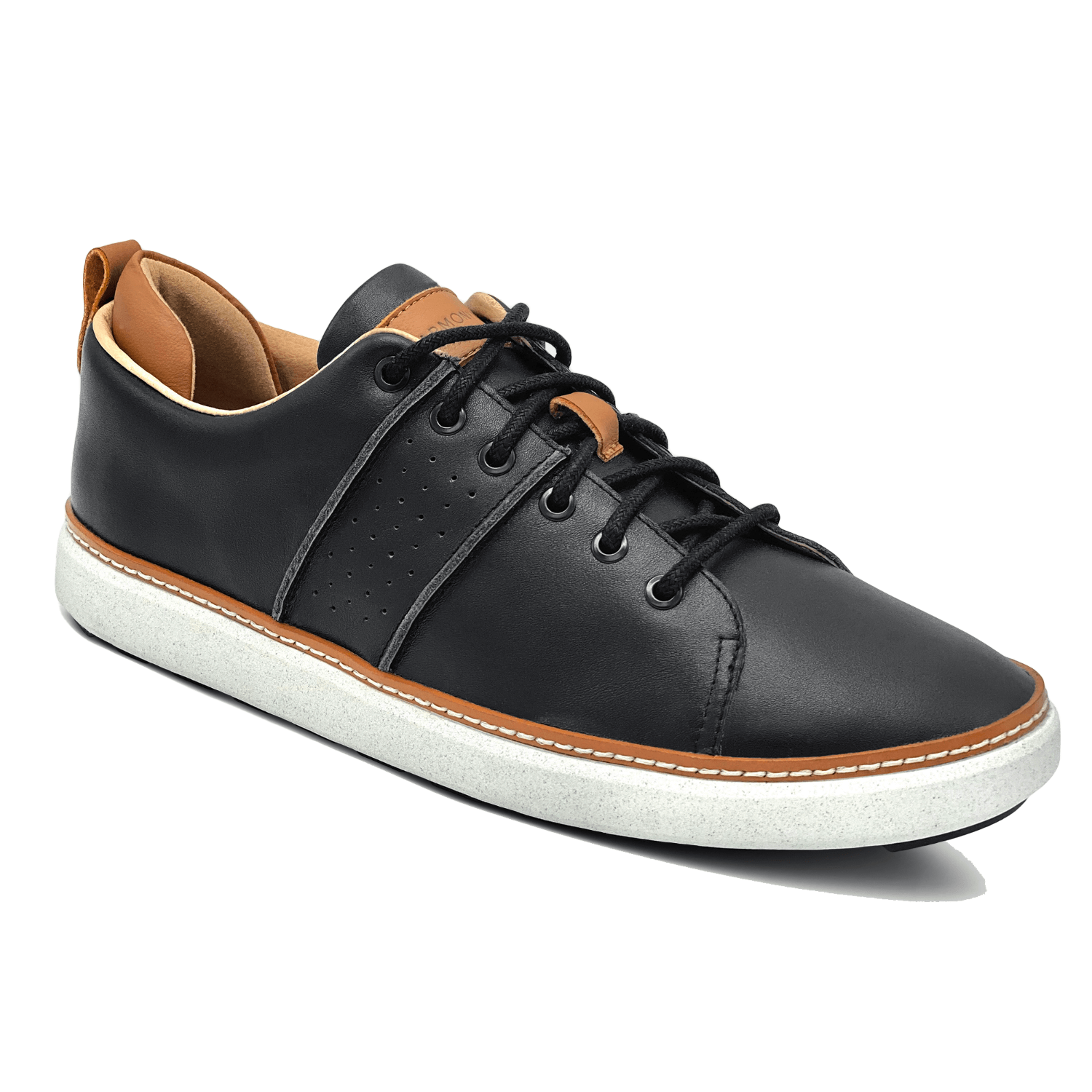
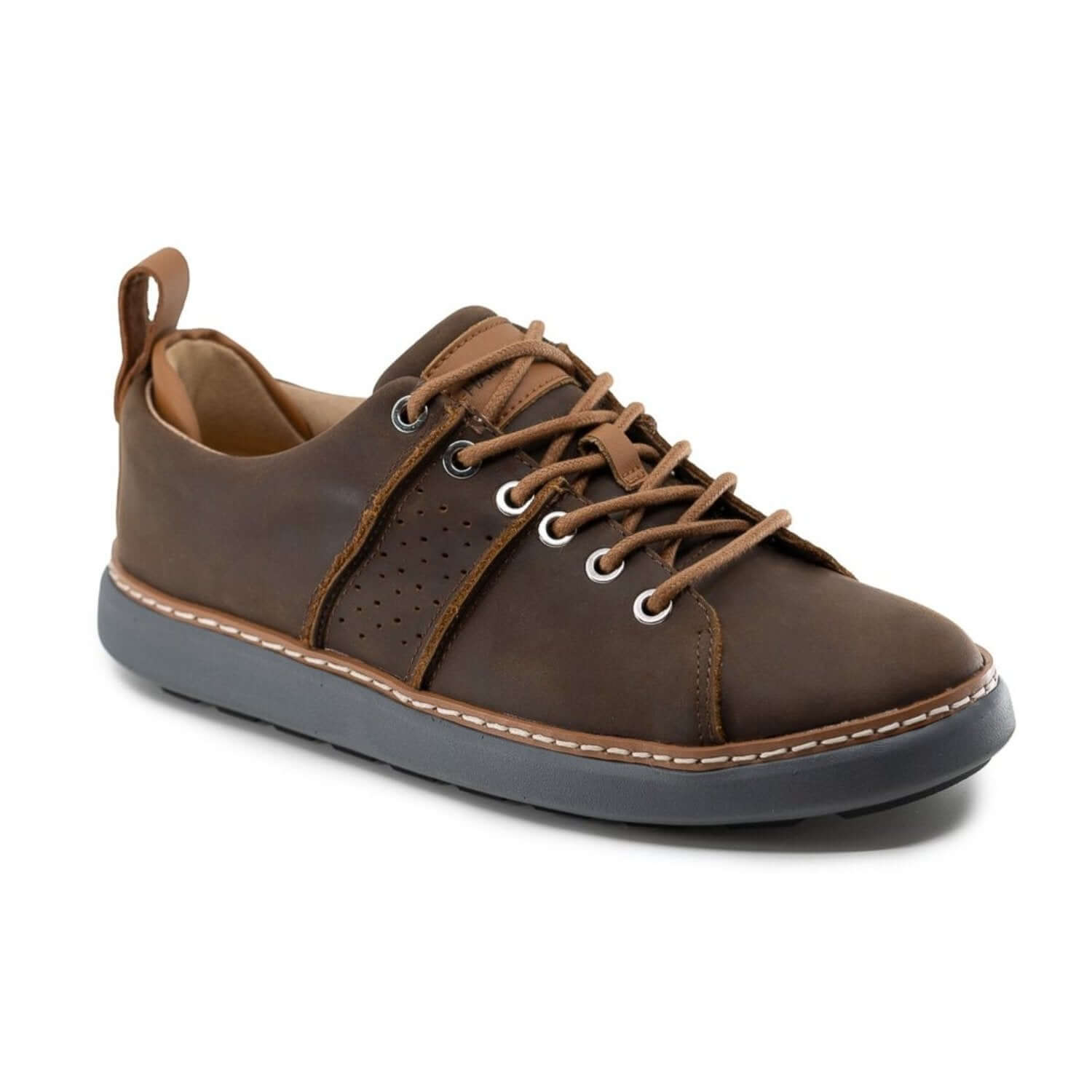
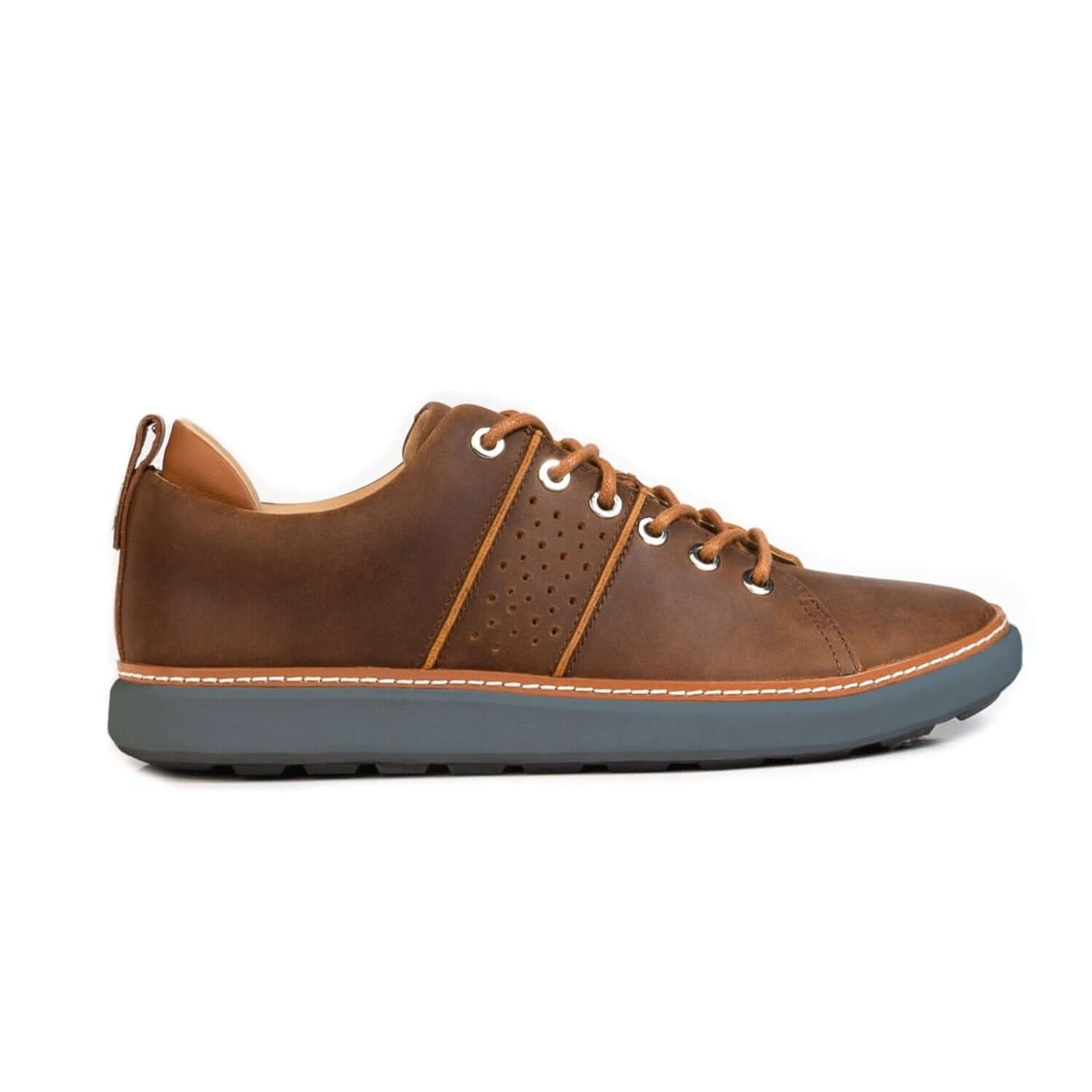
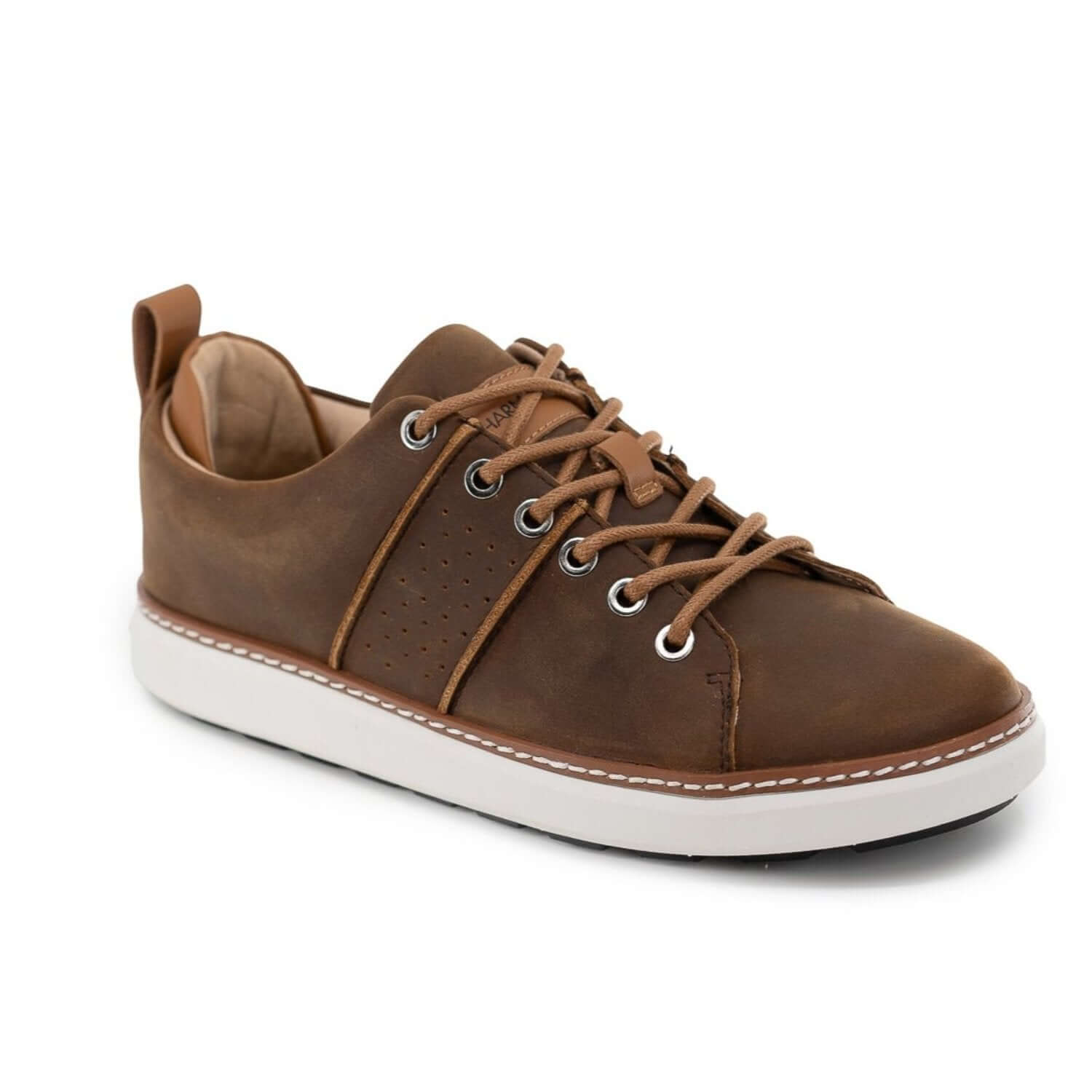
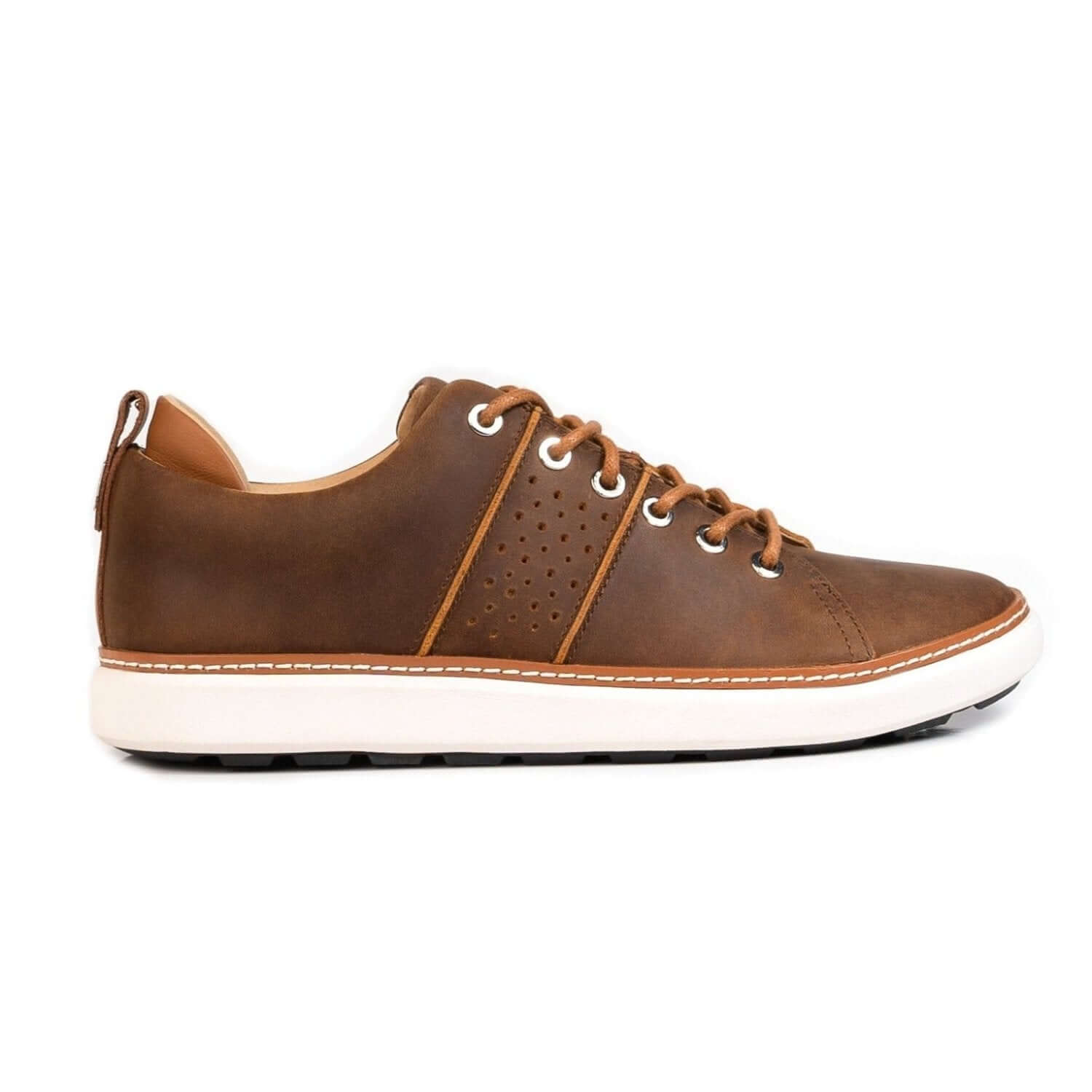
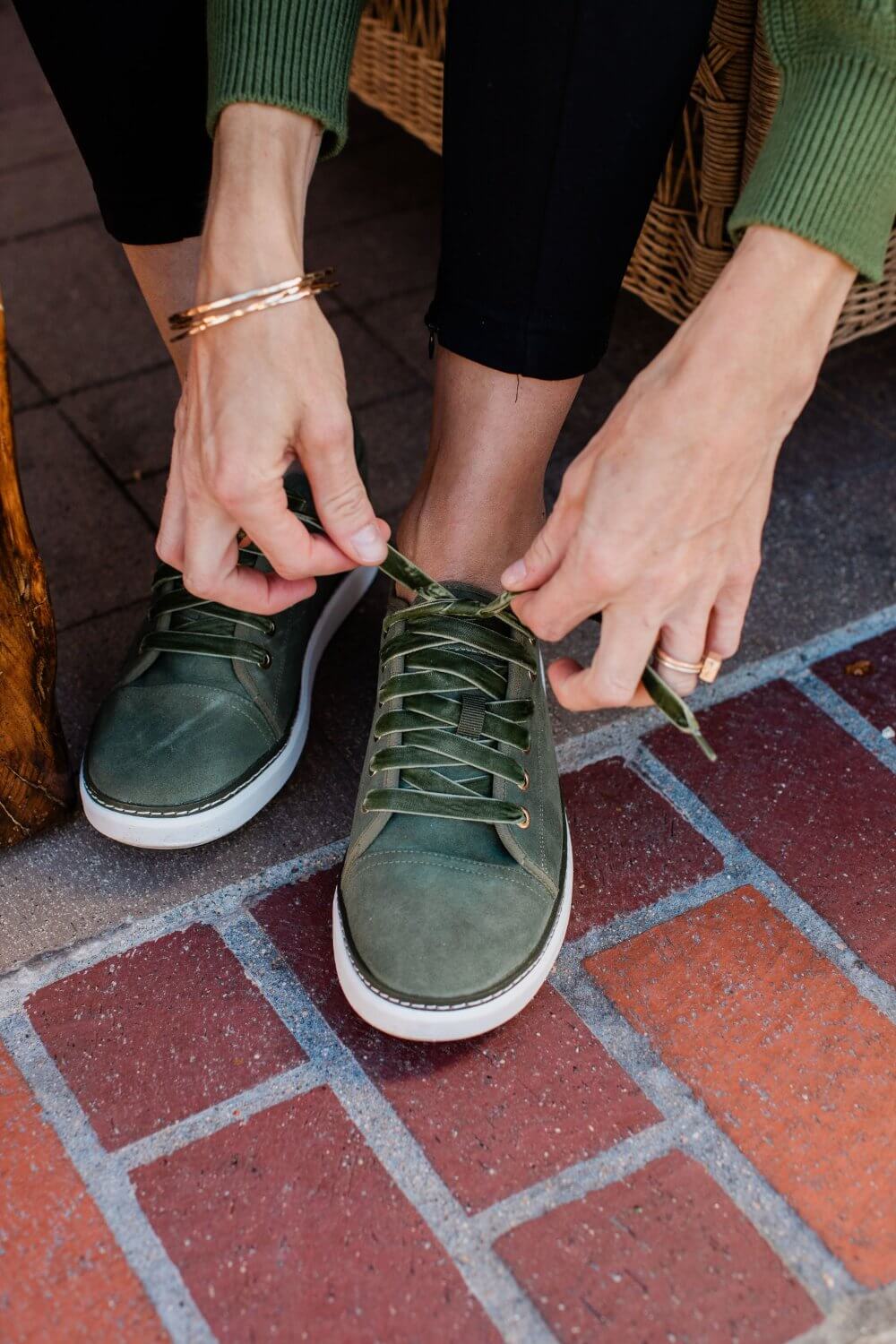
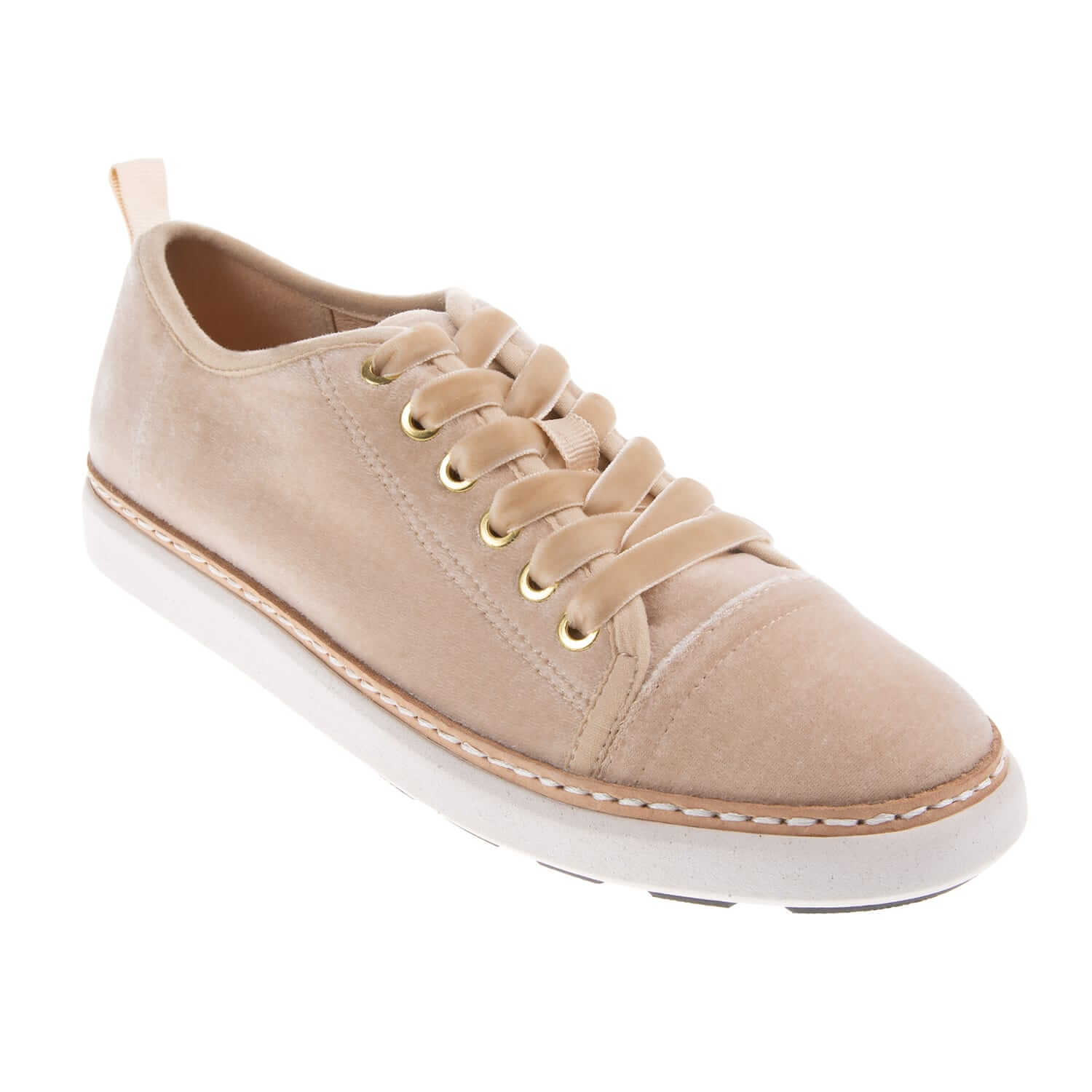
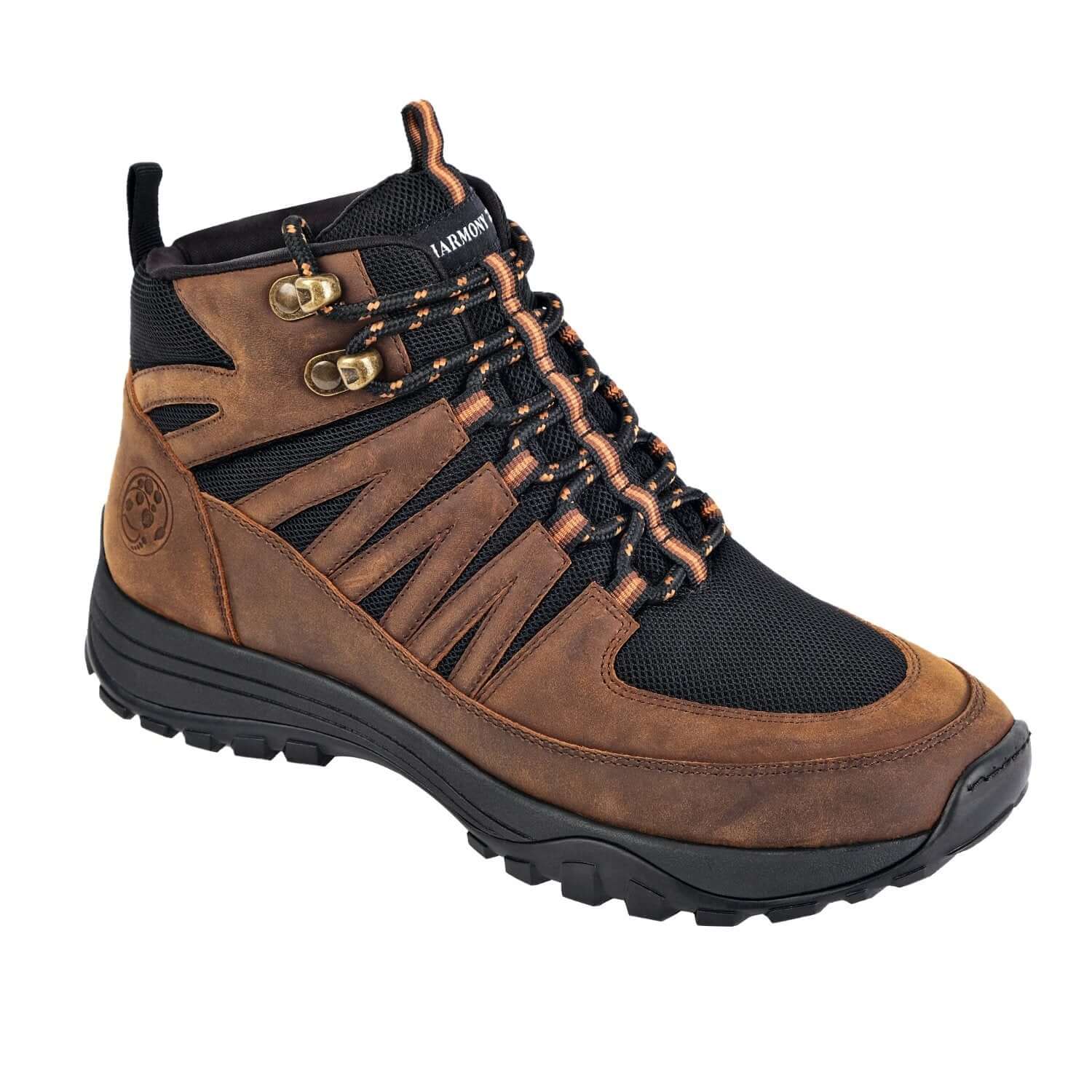
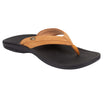
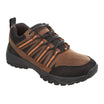
For instance, a brown leather trail shoe might have a system that moves charge through the heel and footbed. This allows the earth's raw charge to reach your feet even when you wear shoes. It turns your shoes from a wall into a gate. You get the same link as walking barefoot.
Grounding vs barefoot designs
It is easy to mix up grounding shoes with barefoot or simple shoes. But they have other goals. Barefoot shoes focus on how your foot moves. They often have thin soles and wide toe boxes. These parts help you feel the ground and move in a raw way.
Many lightweight trail shoes use this design to help with foot strength. Grounding shoes focus on the electric link. A shoe can be a grounding shoe without being a barefoot shoe. It can have more padding and support but still have a conductive path.
While barefoot shoes let your foot move like it is bare, grounding shoes ensure your body gets the earth's electrons. You can find shoes that do both, but the grounding part is about the flow of charge, not the shape of the sole. Both help you feel more in tune with the earth.
Features for the trail
Hiking shoes need to do more than just ground you. They must protect your feet from rocks and roots. A good trail shoe should have several key parts:
- Tough soles with great grip for steady steps.
- Strong fabrics like leather or mesh for air flow.
- Tough toe caps to guard against rocks.
- Tight laces to keep your feet stable on steep paths.
These things give the support you need to stop foot pain during a long day in the woods. Safety is key when you are far from home. By picking a shoe made for the trail, you can stay grounded and safe at the same time.
You get the best of both worlds: a deep link to the earth and the gear needed for a big trip. It is a smart choice for any hiker who values their health and their hike. It lets you walk with ease and peace of mind.
How to choose grounding hiking shoes
Choose grounding hiking shoes by checking traction, fit, underfoot protection, upper durability, weather performance, and the conductive pathway. Prioritize trail safety and comfort before any wellness claim.
Start with the routes you walk most often. A shoe for dry, maintained paths needs less aggressive tread and protection than one used on loose rock, wet roots, or long days with a pack. After the trail requirements are clear, confirm how the conductive components are built into the shoe.
Pick grip and strength
Hiking trails can be slick and steep. Good grounded trail shoes must have deep lugs on the bottom. These help you stay up on your feet. The Mayo Clinic says that right shoes are needed to prevent foot and ankle harm when you walk on rough land. Look for rubber that is tough enough to handle sharp rocks but soft enough for comfort.
Your shoes also need to last a long time. They should have a strong toe cap to save your feet from roots and stones. Some shoes use special coatings to keep water out. Breathable mesh is also a good pick if you hike in hot weather. It keeps your feet cool and dry as you move.
Check the grounding design
The main goal of grounding hiking shoes is to link you to the earth's natural charge. Research in The Journal of Environmental and Public Health shows that this link may help with sleep and pain. Most shoes use foam or rubber that blocks this charge. Grounding shoes use parts like carbon to let the charge pass through.
Some old grounding shoes used leather soles. These work well when the ground is damp. But they might not have enough grip for a steep climb. Modern shoes often use carbon-infused rubber. This material gives you the grip you need for safety while still keeping you grounded. It is a better choice for most trail paths.
Check for comfort and fit
Your feet will swell as you walk. You need lots of room in the toe box. This helps stop blisters and keeps your toes from getting crushed. Good arch support is also key if you plan to walk many miles. Staying active on trails helps your heart health. But your feet must feel good to keep going.
Try on shoes with the socks you plan to wear. Walk around on a slope if you can. This helps you check if your heel slides. A good fit means your foot stays in place without feeling too tight. If you move to a more natural style of shoe, do it slowly. This lets your muscles and feet adjust to the change.
| Feature | Carbon-Infused Shoes | Leather-Soled Shoes |
|---|---|---|
| Trail Grip | High traction on rocks | Low grip on steep paths |
| Wet Weather | Stays conductive and dry | Works best when damp |
| Strength | Long-lasting rubber | Wears down on hard trails |
| Safety | Includes toe caps | Soft and thin soles |
| Grounding | Constant connection | Varies with moisture |
Picking the best lightweight trail shoes means checking these facts. You want a shoe that acts as a bridge to the earth without losing the traits of a great hiking boot. Look at the parts and the tread before you buy. This ensures you get the most from your time in nature.
Match the shoe to your trail and conditions
Match trail footwear to surface, slope, weather, distance, and pack weight. Maintained paths favor lighter shoes, while loose, wet, steep, or rocky terrain calls for deeper lugs, firmer protection, and a more secure hold.
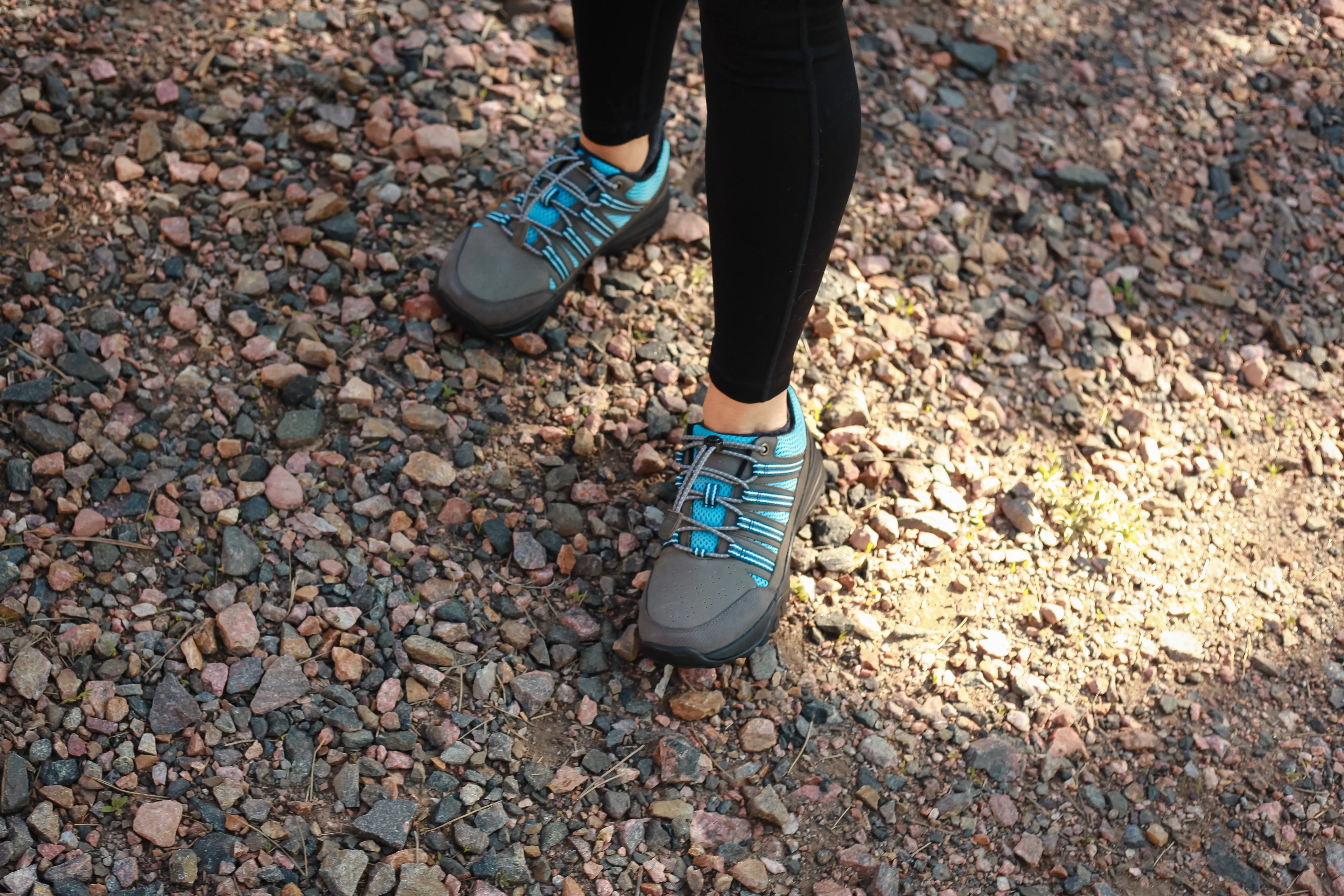
The right pair of grounded trail shoes should keep you safe and comfortable. Smooth, flat trails need less from a shoe than rocky slopes. Your footwear must act as a trail tool first, with enough grip and protection for sharp stones, roots, and changes in grade.
Pick shoes for easy paths
If you walk on local park paths or flat gravel trails, you may not need heavy boots. A pair of lightweight trail shoes works well for these trips. These shoes often have mesh parts to help your feet stay cool and dry. They are flexible and let your feet move in a natural way. This can help you feel more connected to the earth as you walk. But you still need a sole that can stop a slip on loose dirt.
Gear for tough terrain
When the trail gets steep or rocky, you need more support. Rugged trails can cause foot fatigue if your shoes are too soft. A high-top grounding trail shoe can help keep your ankles steady on uneven ground. Look for shoes with a tough toe cap to protect you from bumps. Proper footwear is key to prevent foot and ankle injuries on the trail, according to the Mayo Clinic. The sole must be thick enough to shield you from sharp rocks but thin enough to stay grounded.
Handle wet and muddy routes
Wet trails bring new risks for hikers. Mud can make any path slick, so your shoes need deep lugs for a better grip. Water-repellent finishes can also keep your feet dry in the rain. Some grounding shoes use leather soles, which work best when the ground is slightly damp. This moisture can help with the flow of electrons from the earth to your body. No matter the weather, your shoes should always put trail safety first.
How should grounding trail shoes fit?
Trail shoes should hold the heel securely, leave room for toes to spread, and avoid pressure points. Test them with hiking socks and on an incline because feet can swell and slide forward during longer outings.
A proper fit for grounded trail shoes helps you stay stable on rocky paths. When you test new gear, focus on comfort, heel hold, toe clearance, and whether the shoe remains secure on climbs and descents.
Compare grounding footwear by fit, grip, and protection before choosing your pair.
Check for toe room
Your toes need space to move as you walk on steep trails. Your feet often swell during long hikes in the heat. Leave about a thumb's width of space between your longest toe and the front of the shoe. This gap keeps your toes from hitting the front when you hike down a hill.
Lock in your heel
A loose heel can lead to bad blisters or a twisted ankle. When you lace up your shoes, your heel should feel snug and secure. It should not lift or slide when you take a step. Use the speed laces on your shoes to get a firm hold that does not pinch your foot.
Try them on a slope
Walk on a ramp or stairs to see how the shoes feel on an angle. Your foot should stay in place without sliding forward. If your toes touch the front of the shoe, you may need a larger size. Testing on a slope helps you find the right fit for real trail use.
- Wear your hiking socks. Try on new shoes with the same socks you plan to use on the trail. Thick or padded socks can change how the shoe fits and feels.
- Measure your feet in the afternoon. Feet tend to swell and get larger through the day. Buy shoes when your feet are at their biggest to avoid a tight fit later.
- Check the width. Your foot should sit flat without the sides of the shoe squeezing your pinky toe. A wide base gives you better balance on uneven ground.
- Test the ground feel. Walk on different paths to feel the conductive soles. Grounding technology works best when the shoe sits flush against the earth.
- Walk around your home. Wear the shoes indoors for a few hours before you go outside. This helps you find any hot spots or stiff areas that need a short break-in.
- Review the return policy. Harmony 783 offers a 45-day satisfaction guarantee on all footwear. Keep your shoes clean during the test so you can swap them if the fit is not perfect.
What does research say about grounding?
Small studies have explored grounding and measures related to sleep, stress, soreness, and inflammation, but the evidence base remains limited. Treat possible wellness effects as an area of ongoing research, not an established medical outcome.
What grounding means
Grounding, also called earthing, means making direct or conductive contact with the Earth's surface. Thick rubber and foam soles usually interrupt that contact. Conductive footwear is designed to create a pathway between the foot and the ground while still protecting the foot.
That design idea is different from a proven health outcome. A grounding shoe can be tested for its materials, fit, grip, and conductive pathway. It should not be treated as a medical device or as a substitute for care from a qualified health professional.
How strong is the evidence?
Some small studies have explored possible links between grounding and measures related to sleep, stress, soreness, or inflammation. These early findings are interesting, but the research base remains limited. Many studies use small groups or methods that do not yet support broad conclusions.
In practical terms, research has not established that grounding hiking shoes prevent, treat, or cure a health condition. Claims about feeling calmer, sleeping better, or recovering faster should be understood as personal experiences or research questions, not guaranteed results.
Choose trail function first
The clearest benefits of hiking are tied to movement, time outdoors, and a shoe that helps you travel safely. Choose traction, fit, support, and protection for the route before you weigh a grounding feature. Learn more about what grounding means, then decide whether a conductive design matches your interests.
If you have foot pain, balance concerns, diabetes, reduced sensation, or another health issue, ask a qualified clinician what footwear is right for you. A careful buyer treats grounding as an optional feature and never trades away the trail performance the route requires.
How to care for grounding hiking shoes
Brush off dry debris, clean the outsole and conductive contact points as directed, air-dry shoes away from direct heat, and inspect tread and uppers after demanding hikes. Follow the maker's care instructions to avoid damaging conductive components.
Routine cleaning supports traction, preserves the upper, and keeps conductive contact points free of heavy buildup. Mud, grit, and repeated saturation can shorten the useful life of any trail shoe. Keeping them in good condition is the best way to get the most from your shoes.
Cleaning your shoes
Trails can be muddy and messy. When you get home, you should clean your shoes right away. Do not let mud dry on the soles. Mud can get into the small parts of the shoe and stay there. To clean them, use a soft brush or a damp cloth. This helps you get rid of dirt without hurting the shoe. If your shoes have mesh, be gentle so you do not tear the cloth.
Avoid using harsh soaps. These can break down the shoe parts and the special soles. Simple water and a bit of mild soap are often all you need. You want to keep the soles clear so the parts that help you stay grounded can touch the earth easily. This is key for getting the most out of your grounding hiking shoes. A clean shoe path helps the earth's flow reach you better.
Drying your shoes
Wet shoes are common if you hike in the rain or near water. But how you dry them matters a lot. Never put your shoes in a dryer or near a heater. High heat can warp the soles and ruin the glue. It can also dry out leather, making it stiff and prone to cracks. Instead, let them dry at room heat in a spot with good air flow.
To speed things up, you can stuff your shoes with paper towels or old paper. This helps pull wetness out from the inside. Change the paper once it gets damp. This method keeps the shape of the shoe and protects the parts that help you stay grounded. Good drying is a must for any grounded trail shoes to stay in top shape for years.
Checking the soles
Check the bottom of your shoes often. Look for rocks or sticks stuck in the tread. Small items can get stuck in and wear down the sole. You should also look at the conductive parts. On some shoes, these are special carbon spots or lines. Make sure they are clean and not worn out. If the sole is very thin or smooth, it might be time for a new pair.
Good tread is vital for safety on rough paths. It helps you keep your grip so you do not slip or fall. Choosing the right hiking boots means picking ones that offer both comfort and safety. When you check your shoes, you ensure they still give you the support you need. If the soles are gone, your shoes can't do their job well anymore.
Are grounding hiking shoes right for you?
Grounding hiking shoes may suit walkers who want conductive footwear and can find a pair that also meets their fit, grip, protection, and terrain needs. They are not a substitute for suitable trail footwear or medical care.
Start with the route
Grounding hiking shoes may suit hikers who want to explore conductive footwear without giving up trail-ready design. Start by naming the routes you walk most. A smooth park trail asks less of a shoe than wet roots, loose stone, steep slopes, or a full day with a pack.
Your first priorities should be reliable grip, secure fit, enough underfoot protection, and support that feels right for you. A conductive feature is useful only when the shoe also meets the demands of the trail. Browse Harmony 783 grounding footwear with those needs in mind.
Decide how much ground feel you want
Some hikers like a flexible sole and a close sense of the surface. Others want more cushion or structure between their feet and sharp rock. Neither choice is always better. The right balance depends on your feet, experience, pack weight, pace, and terrain.
If you are moving from a stiff or highly cushioned boot, take time to adjust. Use new shoes on short, familiar walks first. Pay attention to heel slip, toe pressure, hot spots, and fatigue before you commit to a longer route.
Use a simple decision test
A strong choice should pass four tests: it fits well, grips your usual terrain, protects your feet, and includes the conductive design you want. If a shoe misses one of the first three tests, keep looking. Trail safety should not be traded for a wellness claim.
Grounding remains an area of ongoing research, and outcomes are not guaranteed. Read more about the idea behind grounding, compare product details, and choose based on how the shoe performs for your real outdoor plans.

Frequently Asked Questions
Common questions about grounding hiking shoes focus on conductive inserts, differences from regular hiking shoes, materials, fit, and intended use. The answers below separate trail-performance needs from still-developing grounding research.
Can you use shoe inserts for grounding?
Grounding shoes work by making a path for electrons to flow from the earth to your feet. Most standard shoe inserts use foam or gel that blocks this flow. If you use a normal insert, you will lose the link to the ground. You should only use inserts made with conductive parts to keep the circuit open. Many hikers find that the built-in support in these shoes is enough for their outdoor trips.
Are there grounding hiking shoes for women?
Yes, many brands make grounding trail shoes just for women. These shoes are built to fit the unique shape of a woman's foot. They often have a narrower heel and more room in the front for comfort. According to research, modern shoes usually block our natural link to the earth. These hiking shoes give women another conductive footwear option for time on natural surfaces.
How do grounding hiking shoes differ from regular hiking shoes?
Standard hiking shoes use thick rubber or plastic soles that act as a barrier to the earth. Grounding hiking shoes use special soles that let electrons pass through. Some use natural leather, while others use carbon-infused rubber. These materials allow your body to stay in contact with the ground's natural charge. Some small studies indexed by the NIH have explored grounding-related outcomes, but they do not establish guaranteed benefits for hikers.
What materials are used in grounding hiking shoes?
Makers use certain materials to ensure the shoes are tough and conductive. Many grounding trail shoes feature carbon-infused rubber soles. This material handles the rough rocks on the trail while letting you stay grounded. Other shoes may use natural leather soles. The top parts often use mesh for air flow and water-resistant fabrics for protection. These choices help you stay comfortable and connected to the earth during your outdoor adventures.
Find grounding footwear for your next trail
The best grounding hiking shoes are the ones that fit securely, grip your usual terrain, protect your feet, and provide the conductive design you want. Compare those practical needs before choosing a style.
Use your regular routes as the buying test. Consider surface, slope, distance, weather, and how much protection you prefer. Then compare the available materials and conductive features without treating grounding as a guaranteed health outcome.
Shop Harmony 783 grounding footwear and find a pair suited to your outdoor plans.
You can also review how grounding works before deciding whether conductive footwear belongs in your trail kit.
Explore grounding footwear.