







Grounding and earthing are not established treatments for autoimmune disease symptoms, but emerging research is exploring whether contact with the Earth may influence some inflammation-related processes. Autoimmune symptoms can be confusing. They may change over time, affect different parts of the body, and overlap with other conditions. That makes it reasonable to ask whether a simple wellness practice belongs in a supportive routine. It is also important to set a clear boundary: grounding should never replace care from a qualified healthcare professional.
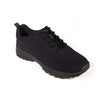
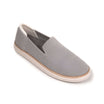
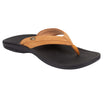
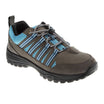
Browse Harmony 783 grounding footwear for an everyday earth connection
For grounding earthing autoimmune disease symptoms wellness, the current evidence is best viewed as preliminary. Research has explored possible changes in inflammatory-response markers, but it does not show that grounding treats autoimmune conditions or reliably relieves their symptoms. A low-pressure practice may be considered alongside, not instead of, clinician-guided care.
In the sections ahead, we will clarify what autoimmune conditions and inflammation mean, then separate proposed grounding mechanisms from direct evidence. You will also find practical questions to discuss with your healthcare professional before adding earthing to your routine.
What Are Autoimmune Conditions, and Why Does Inflammation Matter?
Autoimmune conditions develop when the immune system mistakenly attacks healthy cells in the body's organs or tissues. More than 80 types can affect almost any part of the body, so there is no single pattern of symptoms or experience. For example, rheumatoid arthritis can involve the joints, while other conditions affect the skin, liver, pancreas, or several systems at once. MedlinePlus explains the basic autoimmune process in more detail.
Inflammation is the body's response to irritation, injury, or immune activity. It can involve redness, swelling, heat, and pain. Many autoimmune diseases can cause these signs, but other illnesses can cause them too. That is why a symptom should not be treated as a diagnosis, especially when a reader is researching grounding, earthing, or other wellness practices.
Why can symptoms vary so much?
The affected body system helps shape the symptoms. Autoimmune symptoms can also change over time. Some people experience periods when symptoms become more active, called flares, followed by periods when symptoms improve or disappear, called remission. Symptoms may overlap with other conditions, and there is often no single test that confirms a specific autoimmune disease. These factors make professional evaluation important.
- Symptoms depend on which tissues or organs are affected.
- Intensity can change from one period to the next.
- Similar symptoms may have several possible causes.
- Personal experiences are not proof that a wellness practice treats disease.
Research on grounding has explored inflammation-related signals, but that work does not establish grounding as a treatment for autoimmune disease. Readers can explore grounding and your health as general background while keeping medical questions and care decisions with a qualified healthcare professional.
How Might Grounding Affect Immune and Inflammatory Activity?
Grounding begins with electrical contact between the body and the earth's surface. Bare skin outdoors is one example. Conductive footwear or another conductive system may offer a different route to that connection. Researchers have proposed that this contact could influence biological processes involved in inflammation, but the proposed pathway is still being studied.
A 2015 review describes reported differences in white blood cells, cytokines, and other molecules involved in the inflammatory response after grounding. It also discusses possible explanations based on cell physiology, biophysics, and biochemistry. These ideas are useful starting points for research, not proof that grounding changes autoimmune disease or its symptoms. Read the review on PubMed.
What does the proposed mechanism involve?
The hypothesis focuses on the body's electrical environment and the inflammatory response. In experimental work, grounding has been associated with changes in circulating neutrophils, lymphocytes, and chemical factors after delayed-onset muscle soreness. That finding concerns a specific experimental model. It does not show that grounding can regulate the immune system in people with lupus, rheumatoid arthritis, or another autoimmune condition.
- What is observed: Some studies report measurable changes in inflammatory-response markers.
- What is proposed: Electrical contact with Earth may influence cell and tissue processes.
- What is not established: Grounding treats autoimmune disease, prevents flares, or replaces clinician-directed care.
Study conditions also matter. The review notes that the duration and degree of grounding can influence results. While later research has raised concerns about confounders such as placebo effects, control conditions, and other environmental factors. For a broader explanation, see this overview of proposed grounding mechanisms. Keep the idea in perspective: grounding can be explored as an optional wellness practice, while diagnosis and treatment decisions remain with a qualified healthcare professional.
What Does Grounding Earthing Research Say About Autoimmune Disease Symptoms and Wellness?
Short answer: Research on grounding and inflammation is interesting, but it does not yet show that earthing treats autoimmune disease or reliably reduces autoimmune disease symptoms. The strongest responsible takeaway is that grounding remains an early wellness research area, not an established medical therapy.
A 2015 review described measurable changes in white blood cells, cytokines, and other molecules involved in the inflammatory response. It also discussed an experiment involving delayed-onset muscle soreness, where grounding was associated with changes in pain, circulating immune cells, and inflammation-related chemical factors. These findings may help researchers form questions about grounding and immune activity, but they do not establish an effect on lupus, rheumatoid arthritis, or another specific autoimmune condition. Read the review on PubMed.
The wording of that paper matters. It presents hypotheses based on current research and knowledge of cell and tissue biology. A hypothesis can guide further testing. It is not the same as a clinical recommendation or proof that a practice changes the course of disease. A separate review also notes that grounding studies may be affected by confounders, including placebo effects, differences in time and setting, and intervention or control issues. Those factors make it harder to know which part of an observed result came from grounding itself. See the integrative review on PubMed.
What are the main research limitations?
- Limited condition-specific evidence: The cited research does not establish benefits for a particular autoimmune diagnosis.
- Early study base: Reviews describe proposed mechanisms and emerging findings, rather than settled clinical guidance.
- Possible confounding: Placebo effects, study setting, timing, and control design can influence results.
- Different grounding conditions: The duration and degree of electrical connection may affect outcomes, yet these details are not always handled consistently.
| Question | What the evidence supports | What it does not establish |
|---|---|---|
| Does grounding affect inflammation? | Some studies report changes in inflammation-related measures. | That grounding treats an autoimmune condition. |
| Is the research condition-specific? | It raises questions for future study. | Reliable relief for lupus, rheumatoid arthritis, or another diagnosis. |
| How should readers use the findings? | As a reason to stay curious and cautious. | As a reason to replace medical care or medication. |
For readers exploring this topic, that uncertainty is useful information. You can treat grounding as an optional wellness habit while keeping symptom tracking, diagnosis, medication decisions, and flare management with a qualified healthcare professional. Do not use a grounding practice to replace prescribed care or delay evaluation of new or worsening symptoms.
How Can Grounding Fit Into an Autoimmune Wellness Routine?
Grounding can be approached as an optional wellness habit, not as a treatment for autoimmune disease or its symptoms. The most useful routine is gentle, repeatable, and easy to pause when your body needs rest. Because autoimmune symptoms may change during flares and remission, your plan should support your medical care rather than compete with it.
Use these steps to explore the habit without making large promises or major changes to your care:
- Ask your healthcare professional first. Discuss grounding if you have questions about your condition, medications, circulation, skin health, foot sensation, or activity limits. Do not stop, replace, or adjust prescribed care because of an earthing practice.
- Start with a short, comfortable trial. Choose a calm moment, such as standing outside briefly or taking an easy walk. If walking is not comfortable, simply sitting outdoors may help you build a quiet wellness pause, even when the grounding connection itself is not established.
- Pay attention to comfort, not symptom promises. Notice how the activity fits your energy, footwear, skin, and daily schedule. Keep a simple record of what you did and how you felt, but do not treat a short-term change as proof that grounding changed your disease or inflammation.
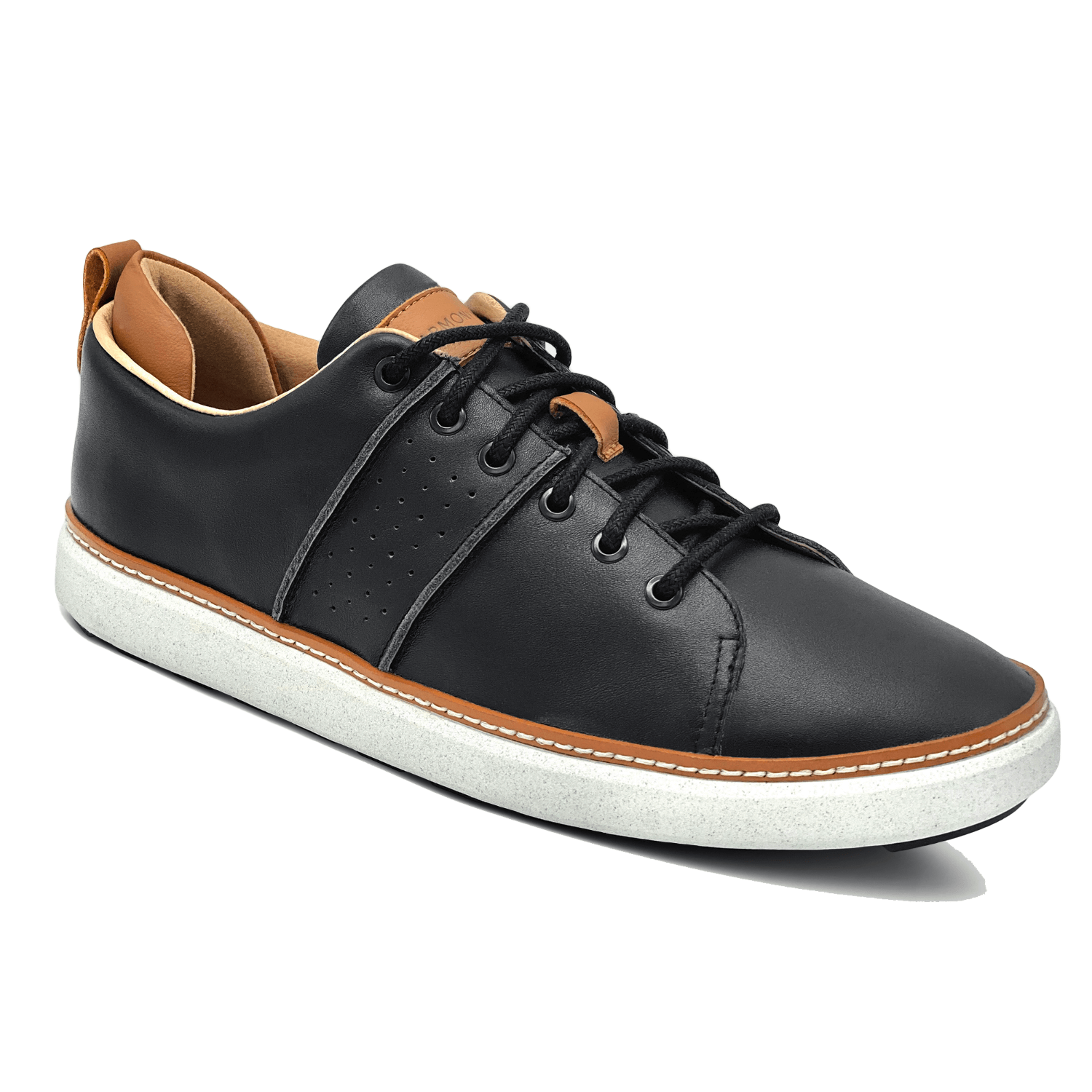
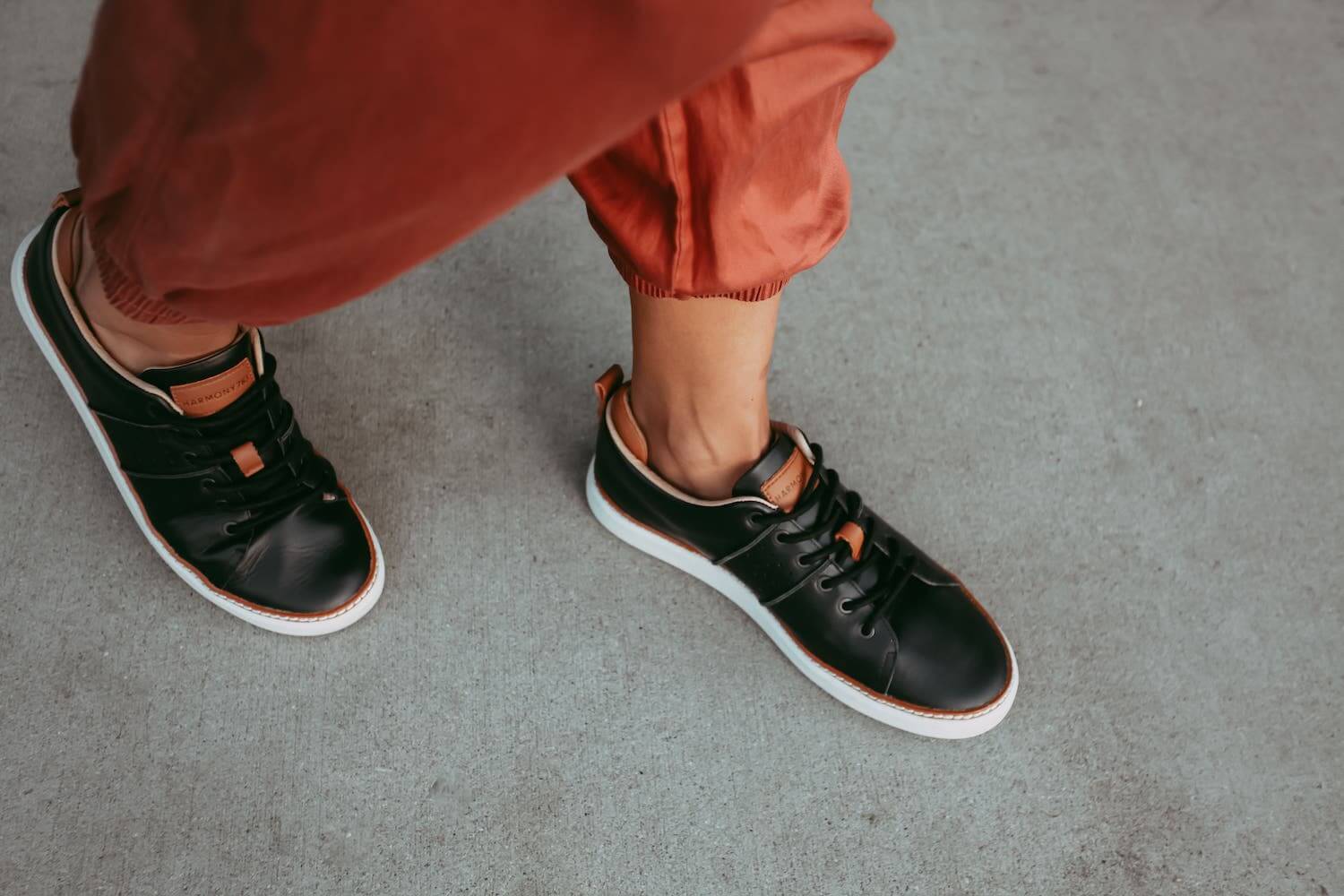
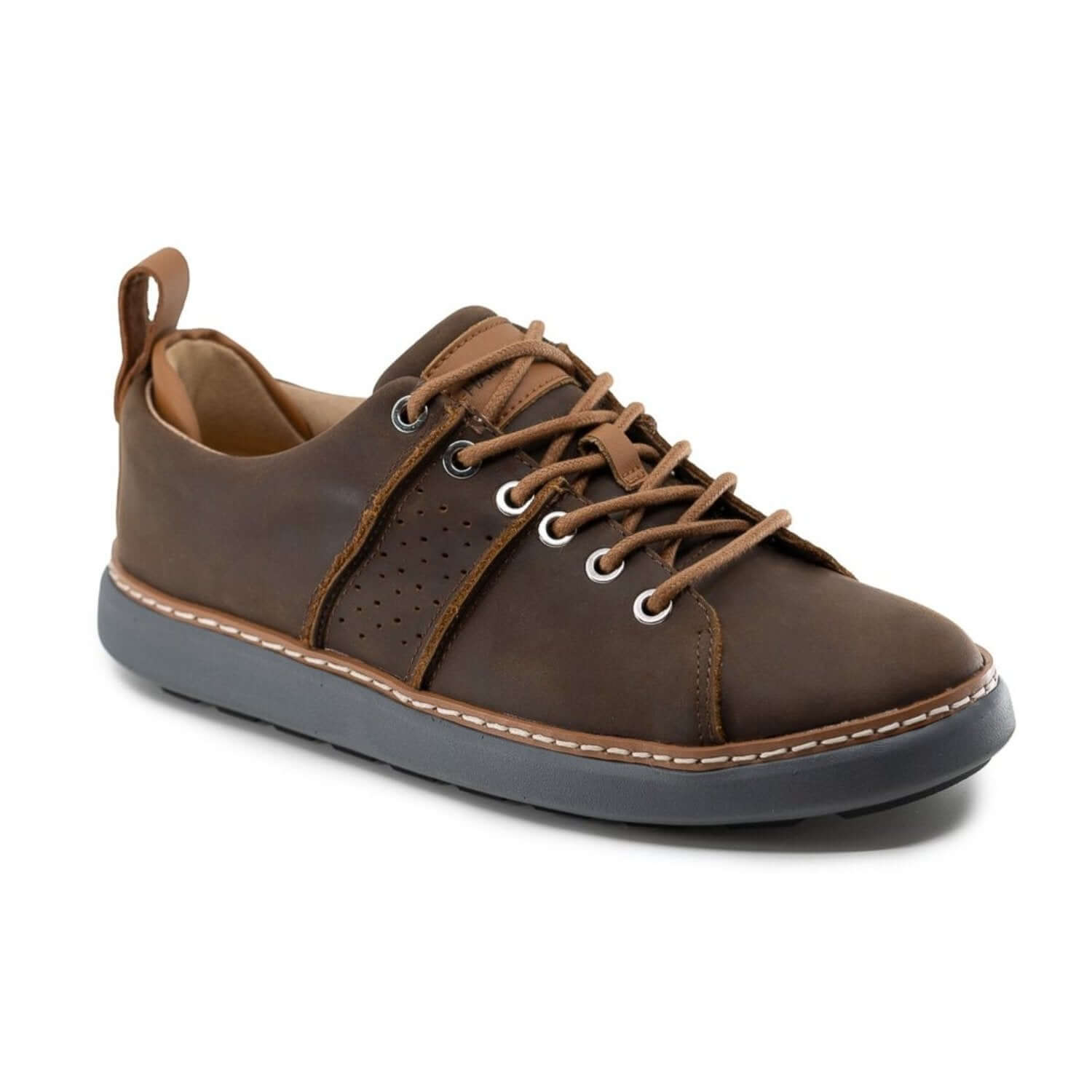
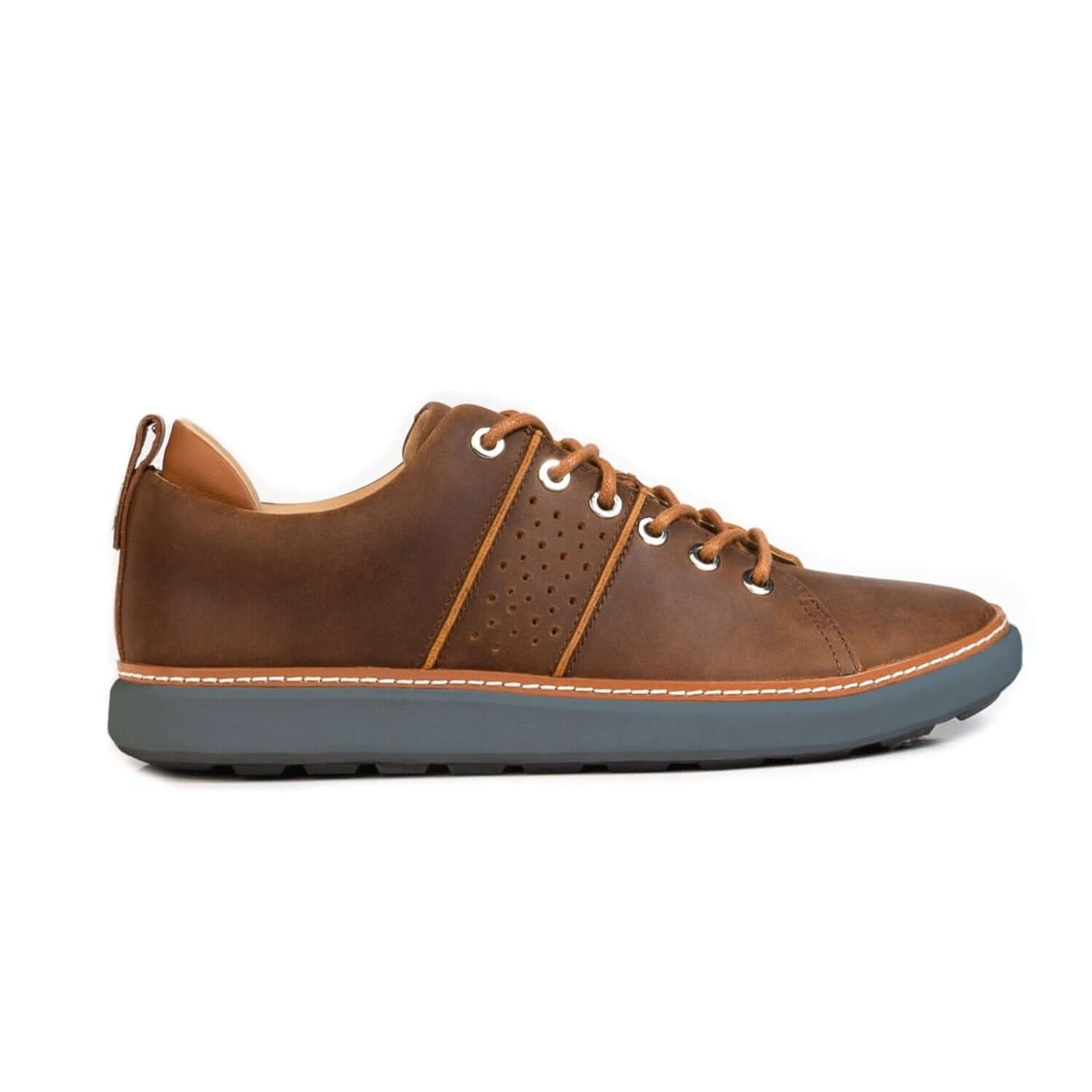
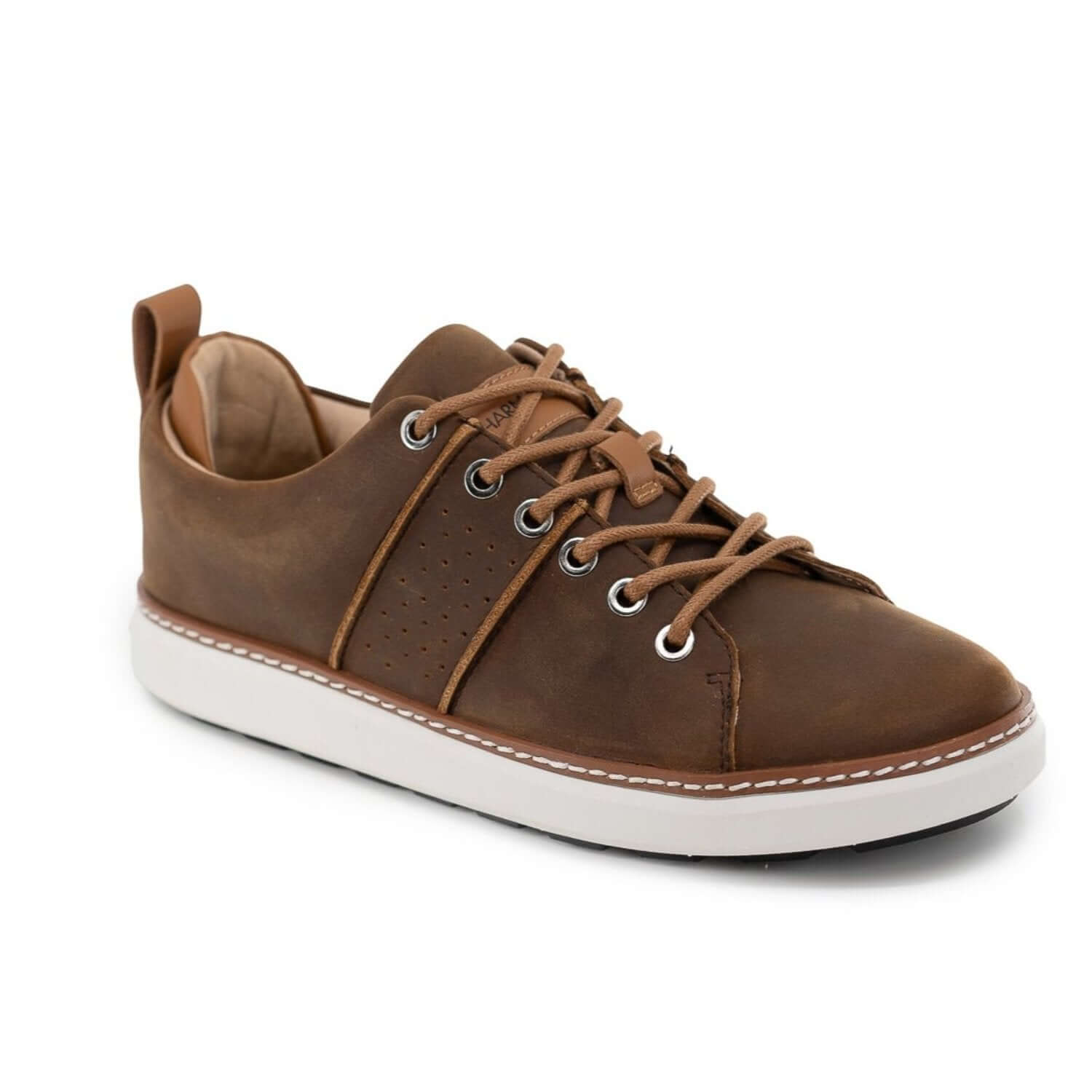
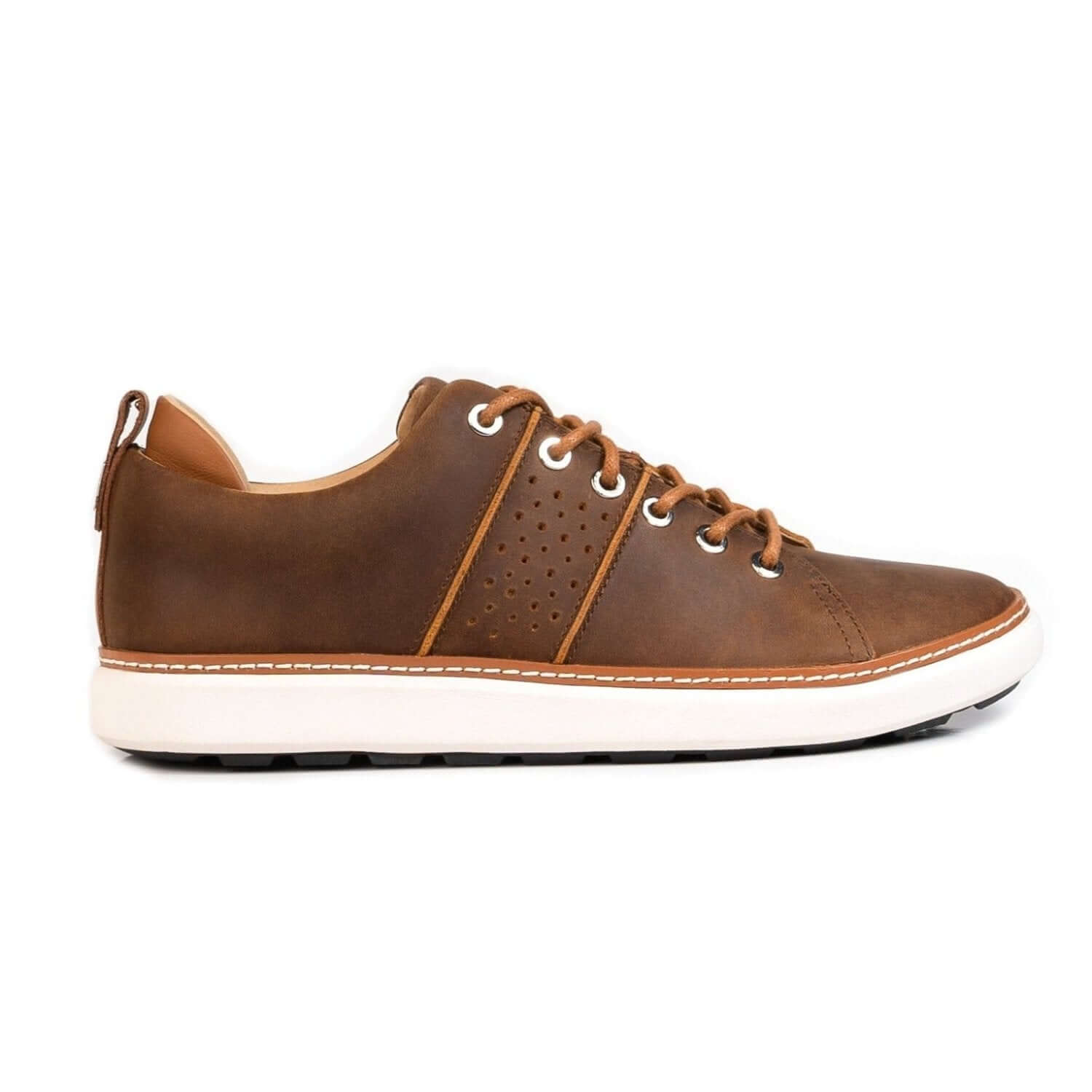
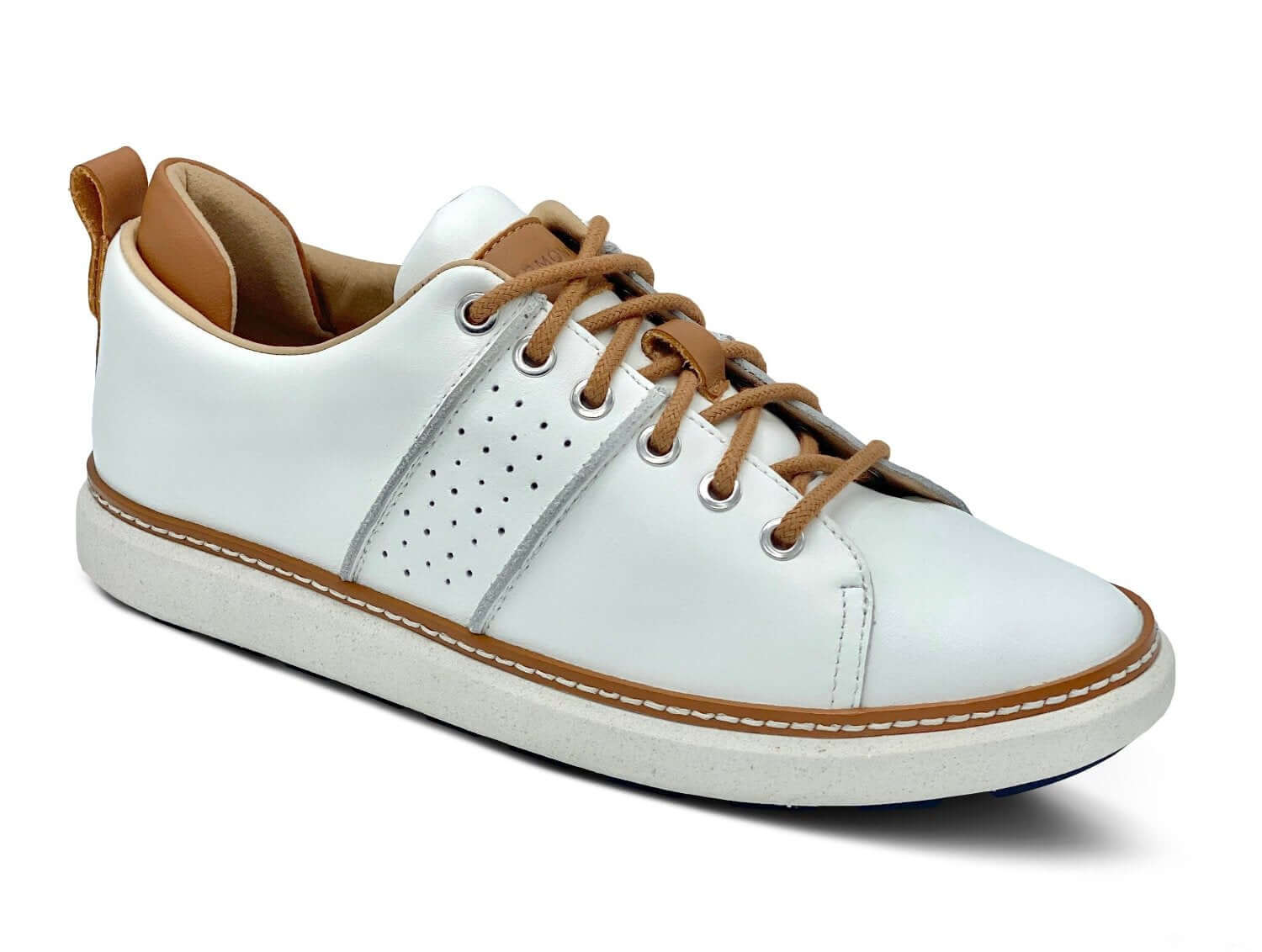
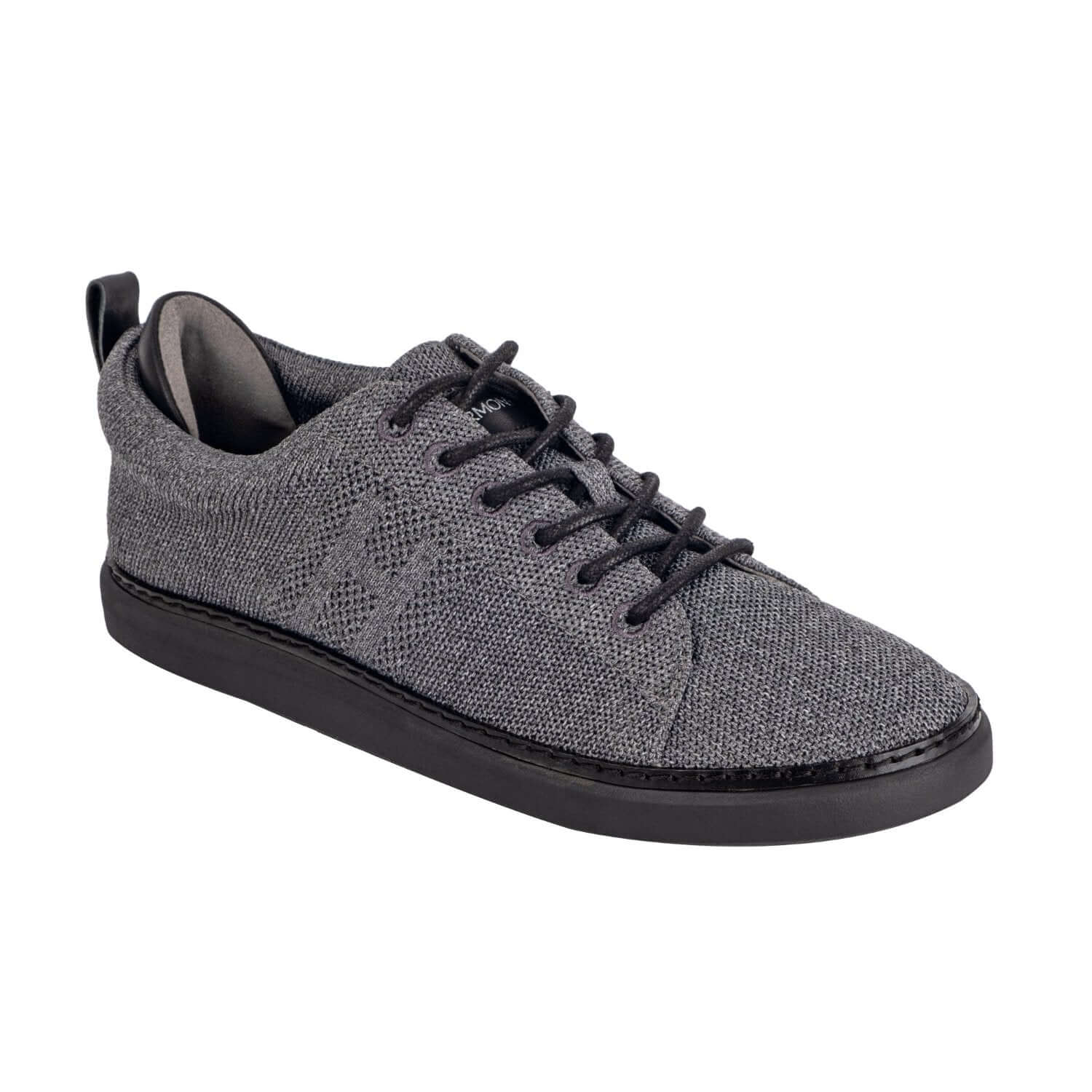
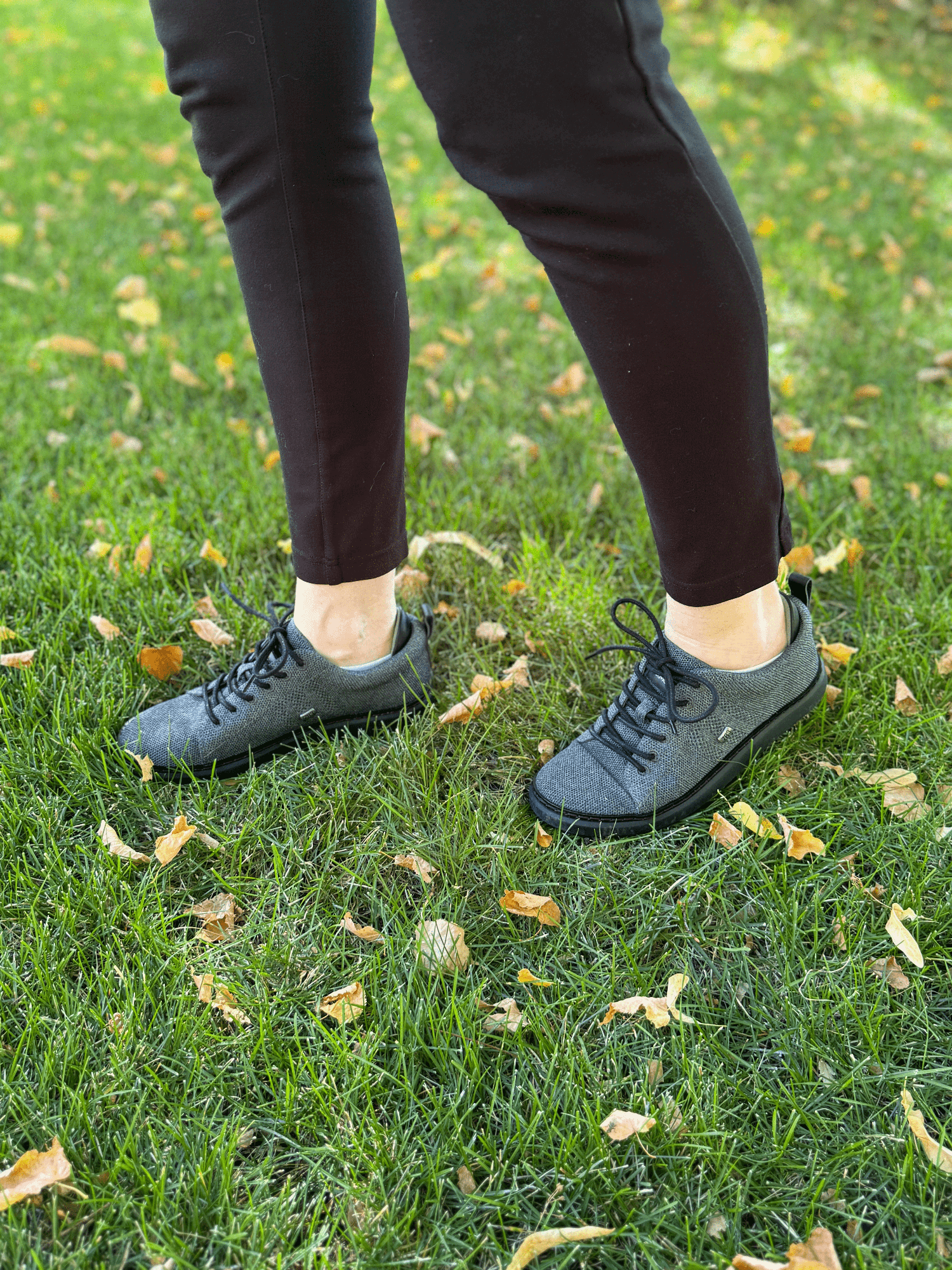
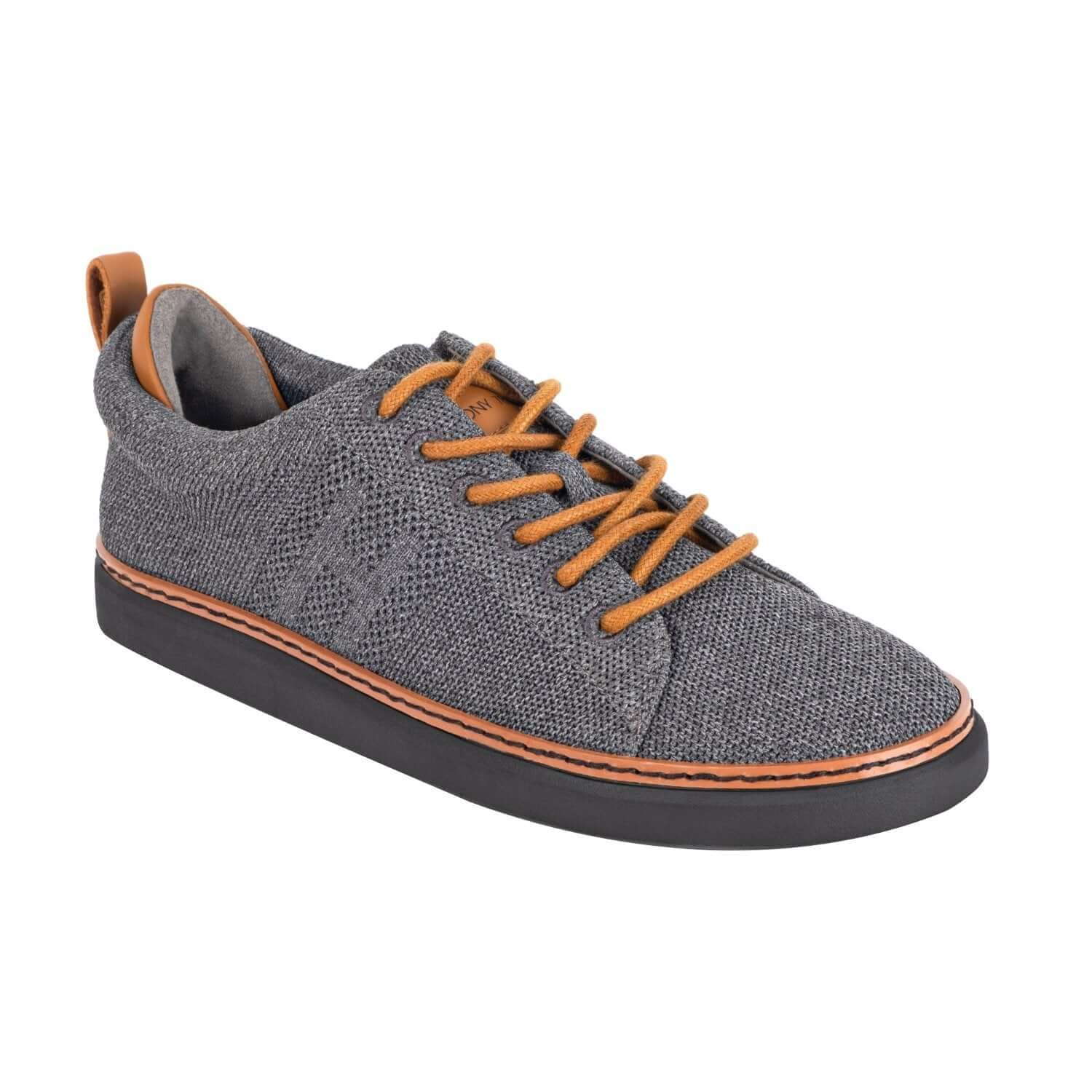
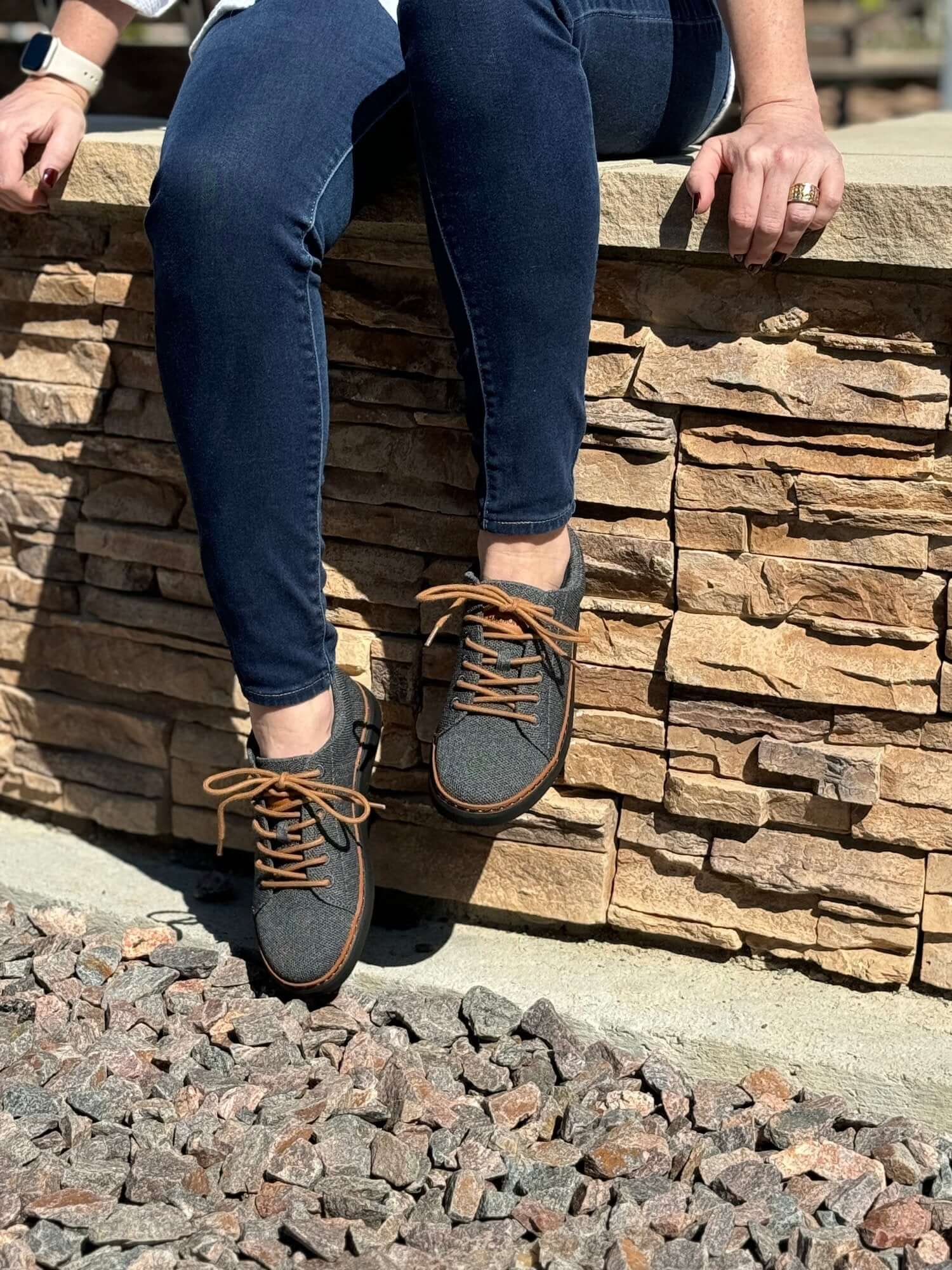
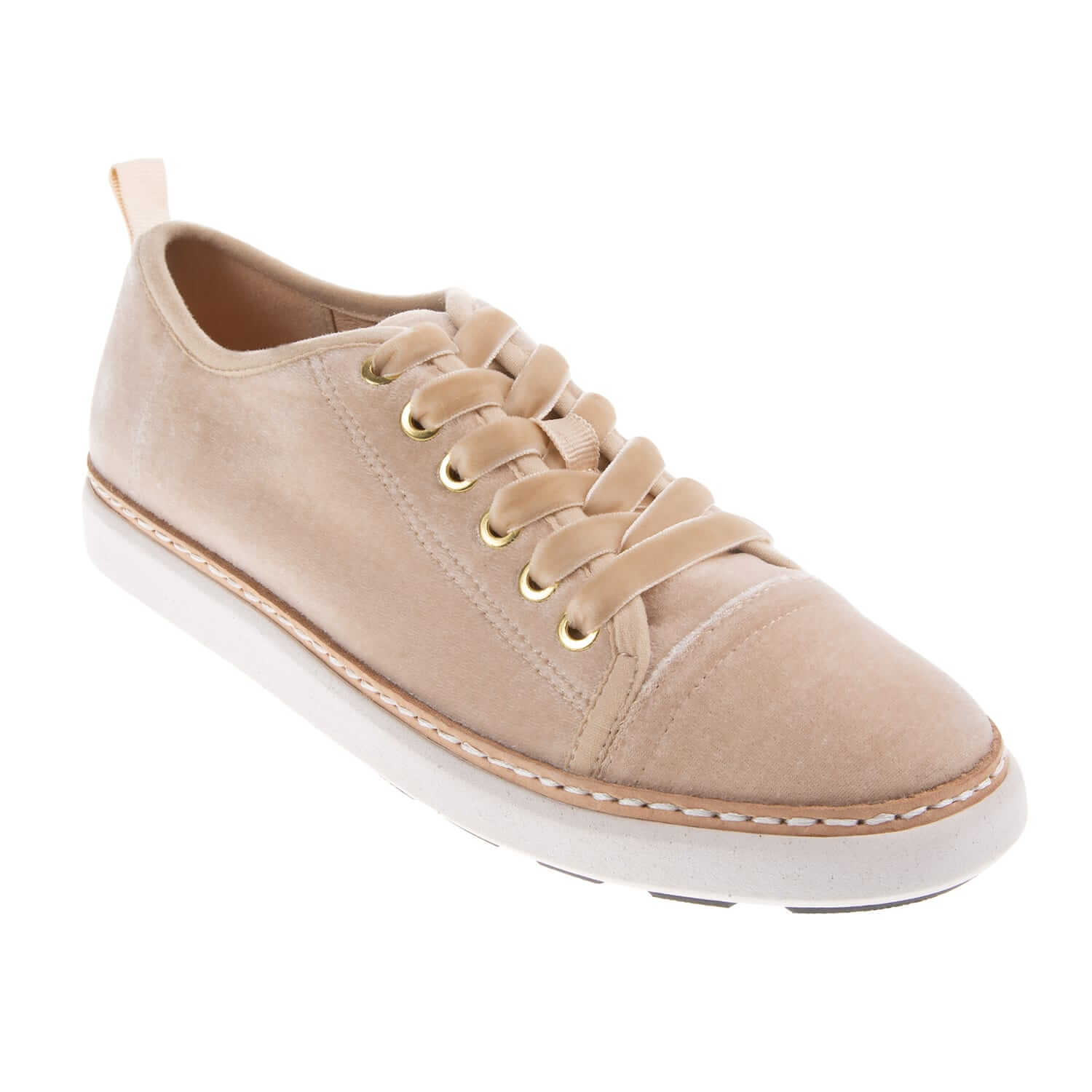
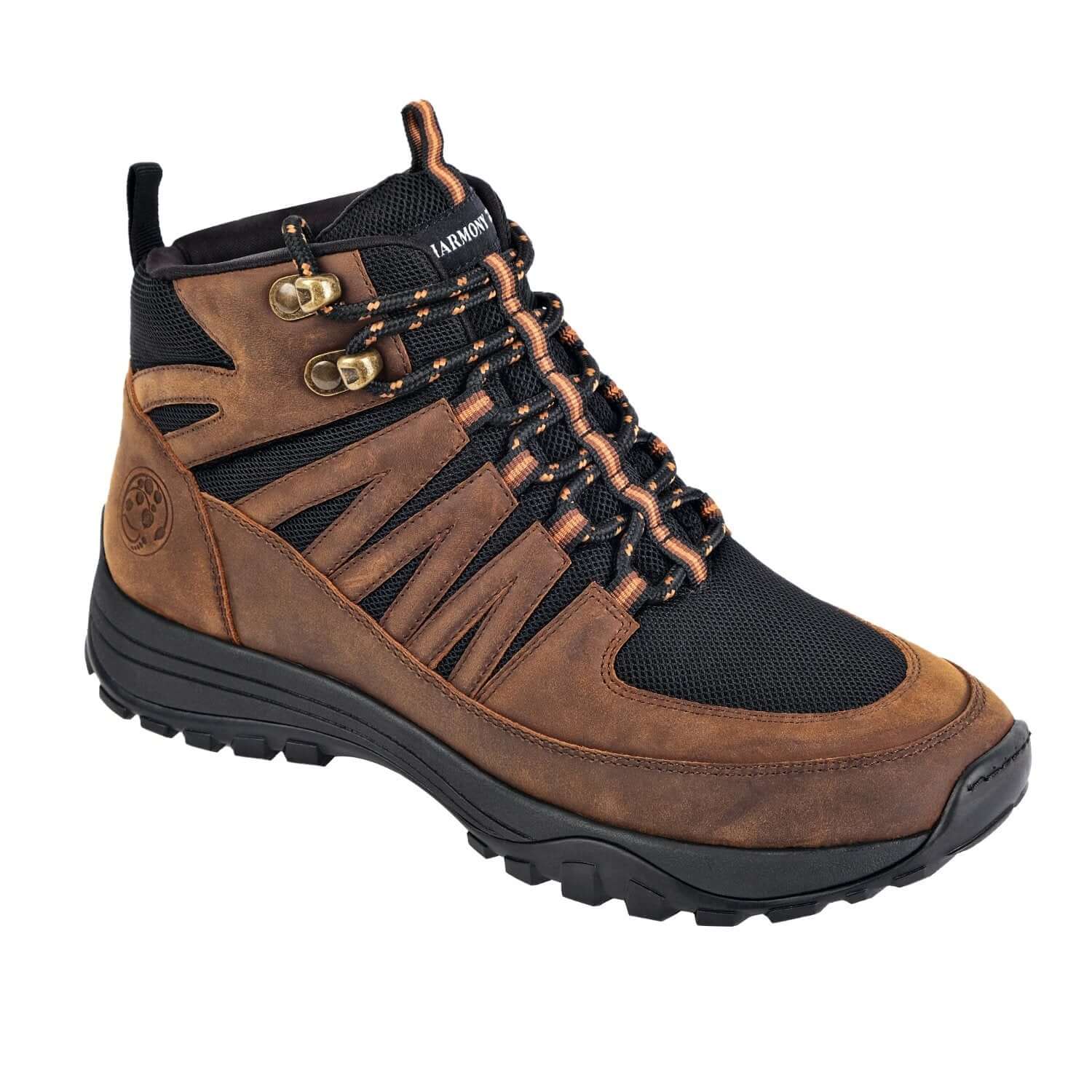
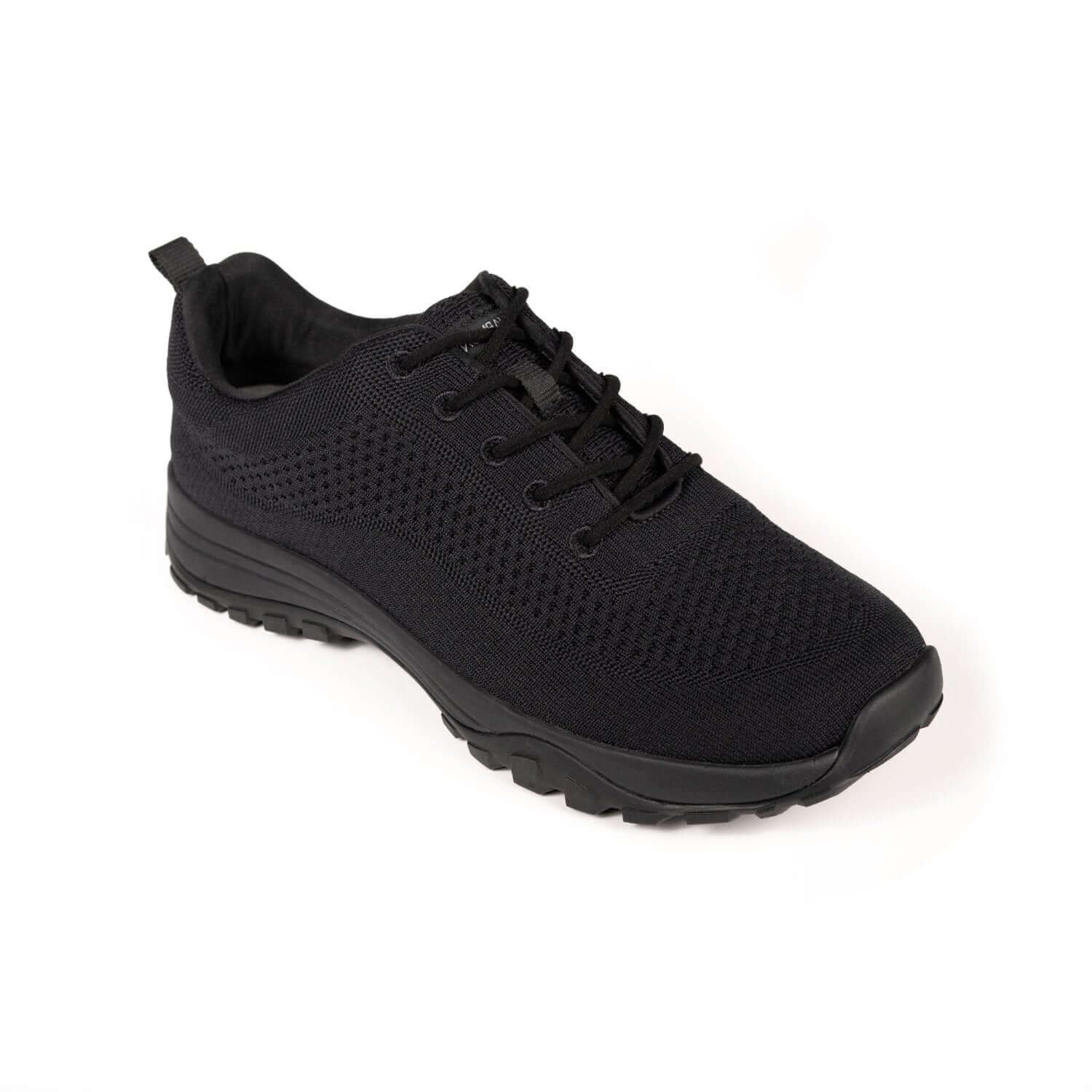
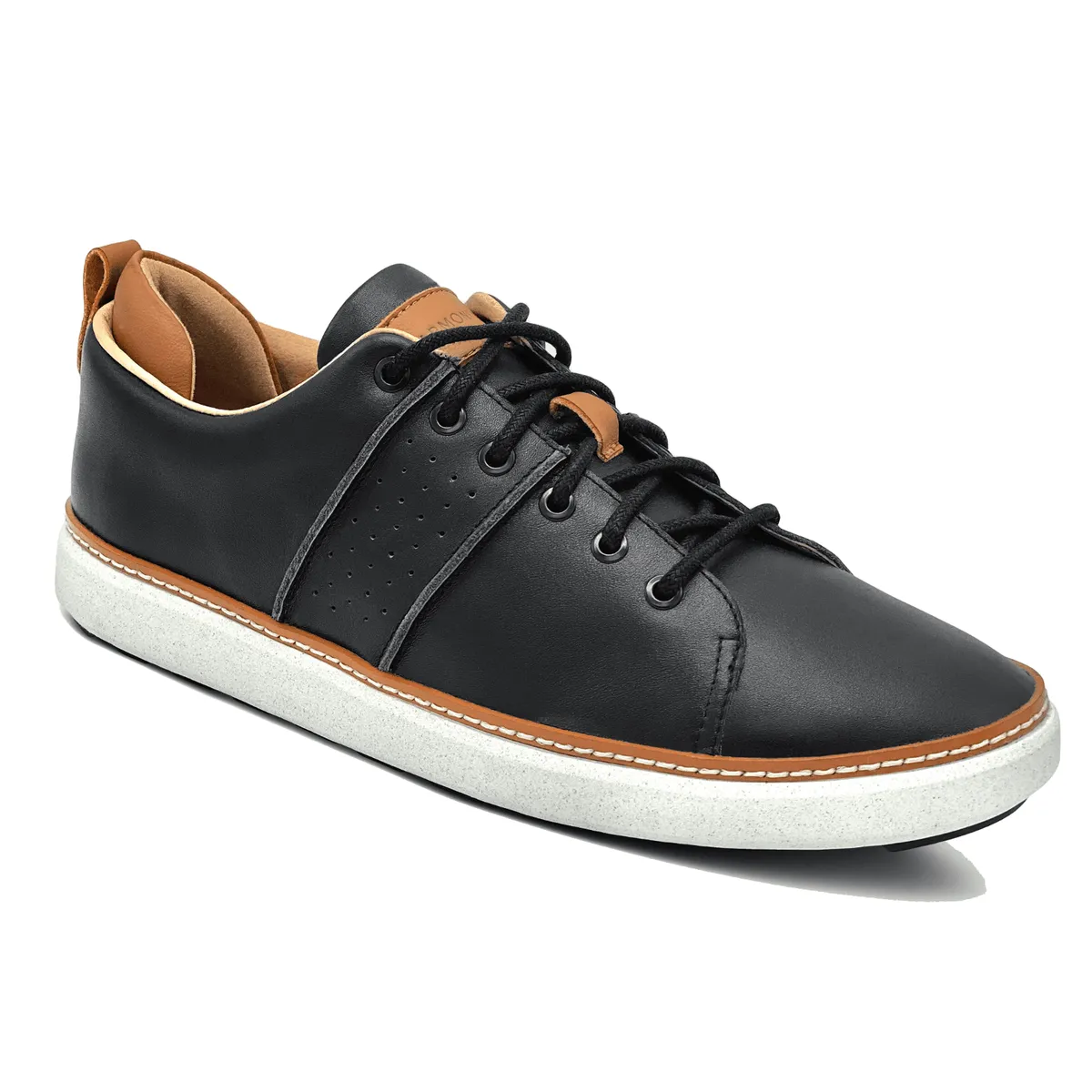
- Use a practical option when barefoot time is not realistic. Harmony 783 describes its footwear as designed to create an electrical connection with the earth through its Groundworks conductive system. That construction is a product feature, not evidence that the shoes treat autoimmune conditions. Learn more about grounding shoes and health conditions before choosing a routine.
- Stop and reassess when your body signals a problem. Pause if you notice pain, skin irritation, dizziness, unusual fatigue, or worsening symptoms. During a flare, rest and clinician guidance may matter more than maintaining any wellness habit.
For broader context, read grounding and overall wellness. The goal is a low-pressure practice that fits your life while your healthcare team remains the guide for autoimmune disease decisions.
Which Harmony 783 Styles Support Comfortable Everyday Grounding?
The best grounding shoe is one that fits your daily routine well enough to wear consistently. Think about where you walk, how much time you spend on your feet, and which shape feels stable and comfortable. A grounding shoe should support your everyday plans, not turn wellness into another demanding task.
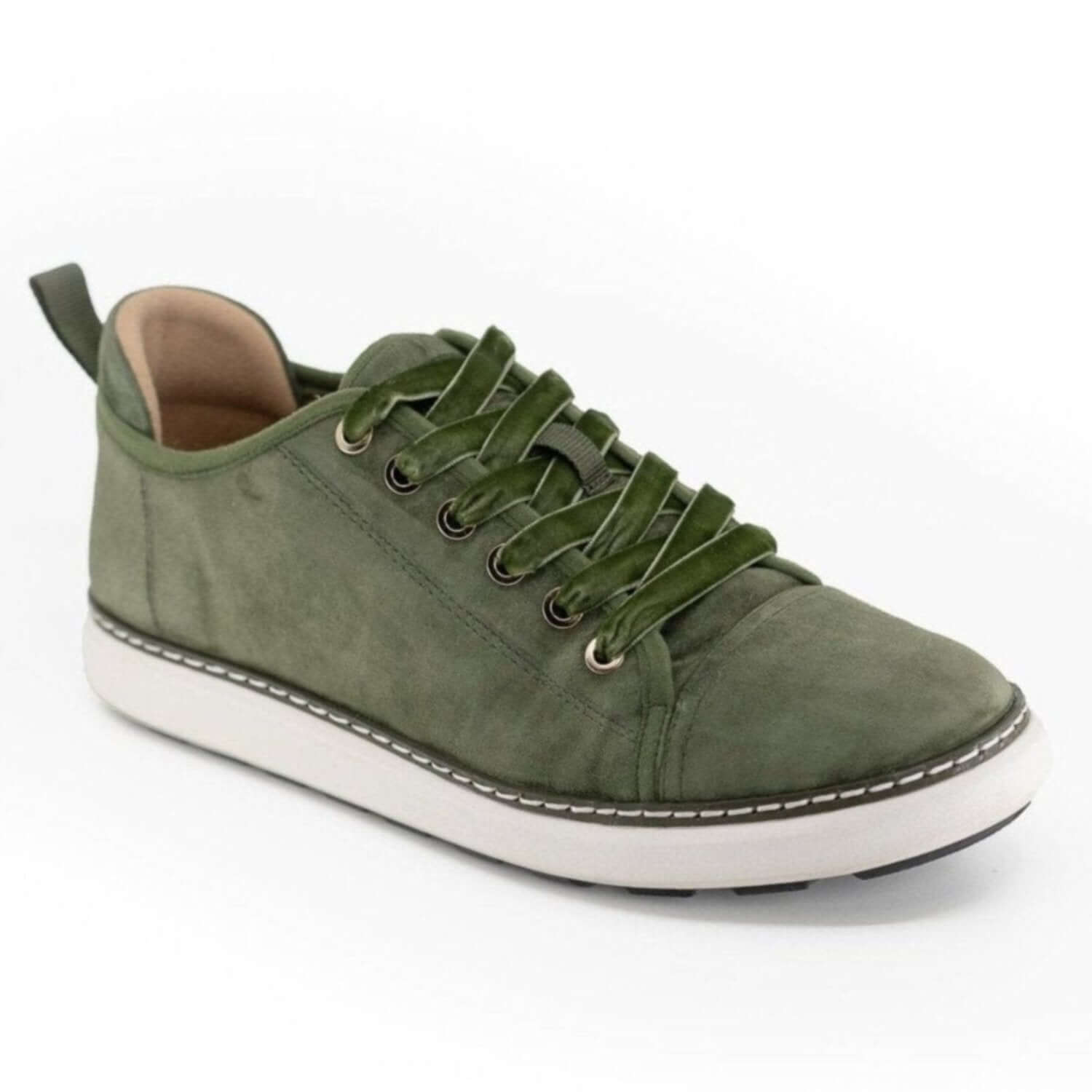
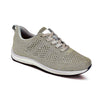
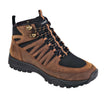
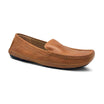
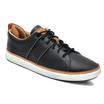
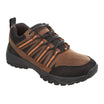
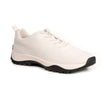
Harmony 783 describes its footwear as an alternative to going barefoot. The company says its proprietary five-layer Groundworks conductive system includes silver-stitched materials and a carbon-and-rubber conductive outsole. It also says the shoes are tested for a grounded connection. These are product-construction details, not evidence that a particular style treats autoimmune disease symptoms or changes a medical condition.
As you compare styles, consider:
- Your usual setting: Choose a versatile everyday shape for errands, travel, and casual walks, or a more structured option if you spend long periods on your feet.
- Your fit preferences: Pay attention to width, cushioning, heel feel, and toe room. Use the product page's sizing guidance and select the men's or women's sizing option that matches your needs.
- Your activity level: Match the shoe to gentle walks, neighborhood outings, or other routines you already enjoy. Comfort matters more than forcing a new exercise habit.
- Your wardrobe: A style that works with the clothing you already wear is more likely to become a practical part of your routine.

If you want more context before choosing, explore this guide to grounding shoes and health conditions. Keep the decision practical: select footwear that feels good, fits your lifestyle, and complements rather than replaces clinician-directed care.
Frequently Asked Questions
Can grounding treat an autoimmune disease?
No. Grounding is not a proven treatment for autoimmune disease, and it should not replace diagnosis, medication, or follow-up care. The current evidence is limited and does not establish that earthing changes the course of an autoimmune condition.
Is grounding research completely debunked?
No, but early research is not the same as clinical proof. Some small studies have explored physiologic effects of contact with the Earth, while broader claims about autoimmune symptoms still need better-designed research. A careful answer is that grounding remains an emerging wellness topic, not an established autoimmune therapy.
How long should someone ground each day?
There is no established, condition-specific amount of grounding time for autoimmune disease. Start with a comfortable, low-pressure routine, pay attention to how you feel, and stop if a practice causes pain, skin irritation, dizziness, or other concerning symptoms. Ask your healthcare professional for advice that fits your condition.
Is walking barefoot indoors enough for grounding?
Not necessarily. Indoor flooring, footwear, and building materials can interrupt electrical contact with the Earth. A grounding shoe is designed for this purpose, but it still needs a suitable conductive path and should not be treated as a medical device. Follow the product information and focus on comfort and safe use.
What symptoms should prompt medical advice?
New, severe, or persistent symptoms deserve medical attention rather than self-experimentation. Autoimmune symptoms can overlap with other illnesses, so a healthcare professional can help assess what is happening and whether changes to care are needed.
Browse the Harmony 783 grounding collection
Make Grounding Part of Your Wellness Routine
Grounding and earthing may be worth exploring as a simple wellness habit, but the research around autoimmune conditions is still developing. Keep your expectations realistic, track how a routine fits your day, and keep your healthcare team involved in decisions about symptoms, medication, and treatment.
Choose footwear for the way you move, the surfaces you use, and the comfort you can sustain.