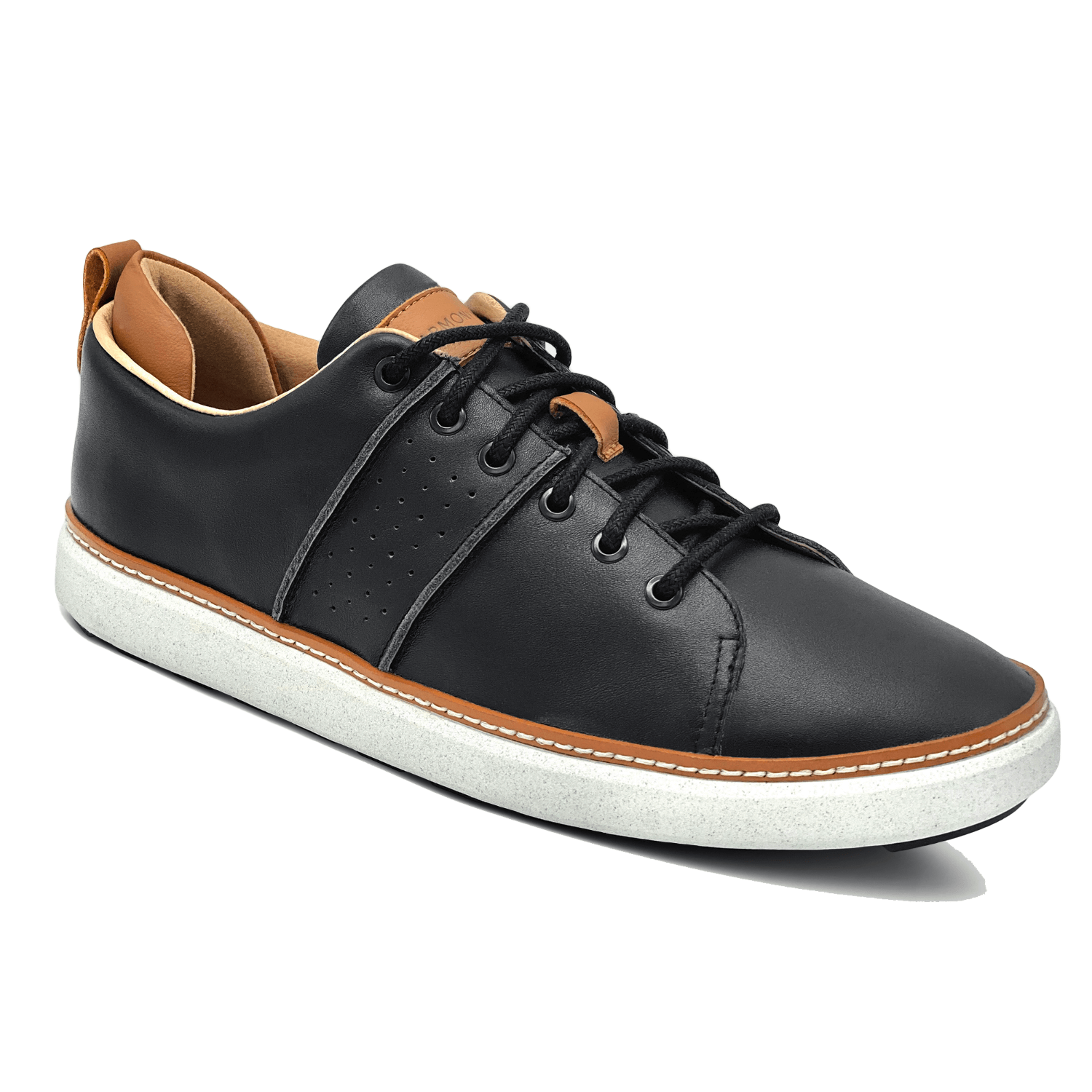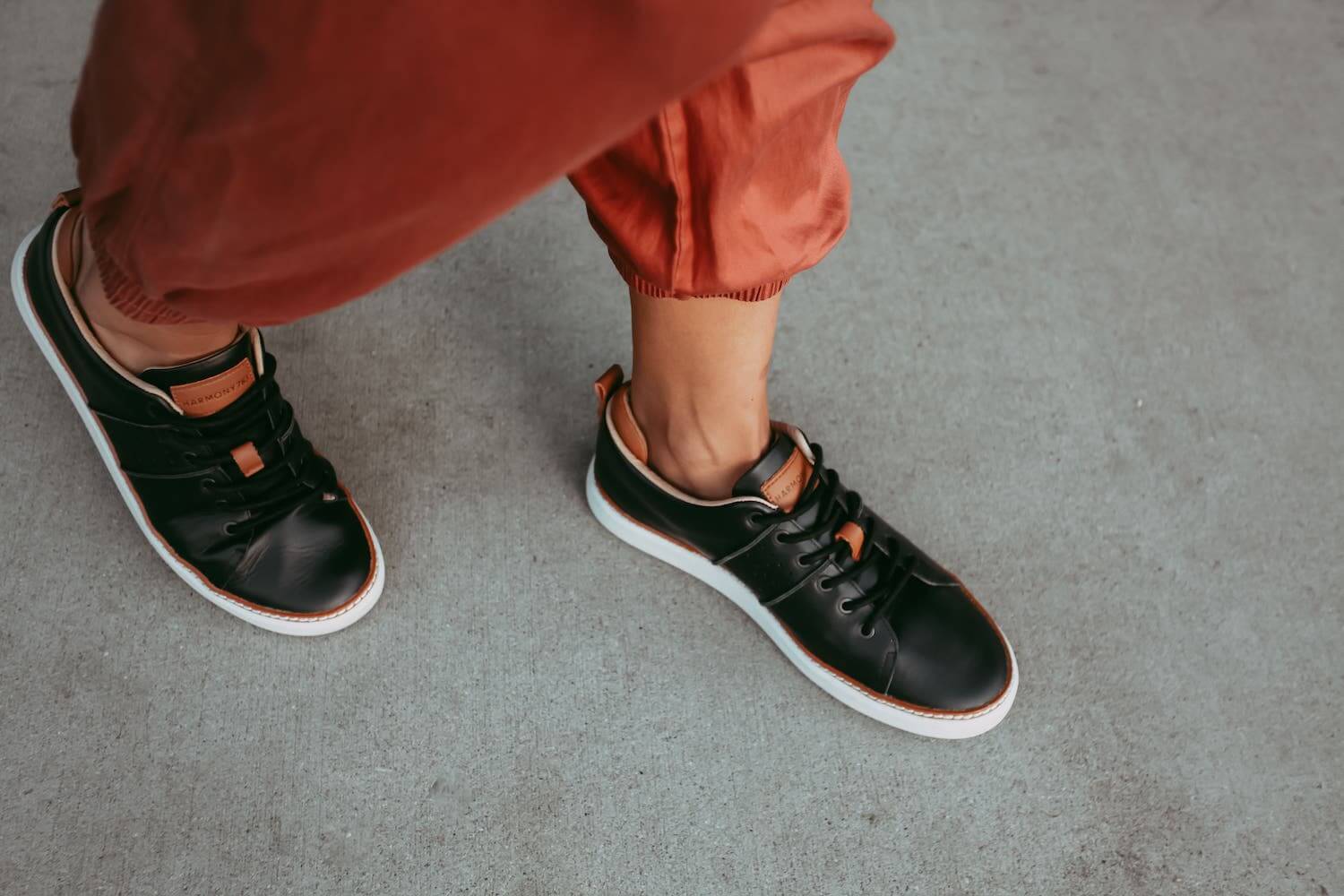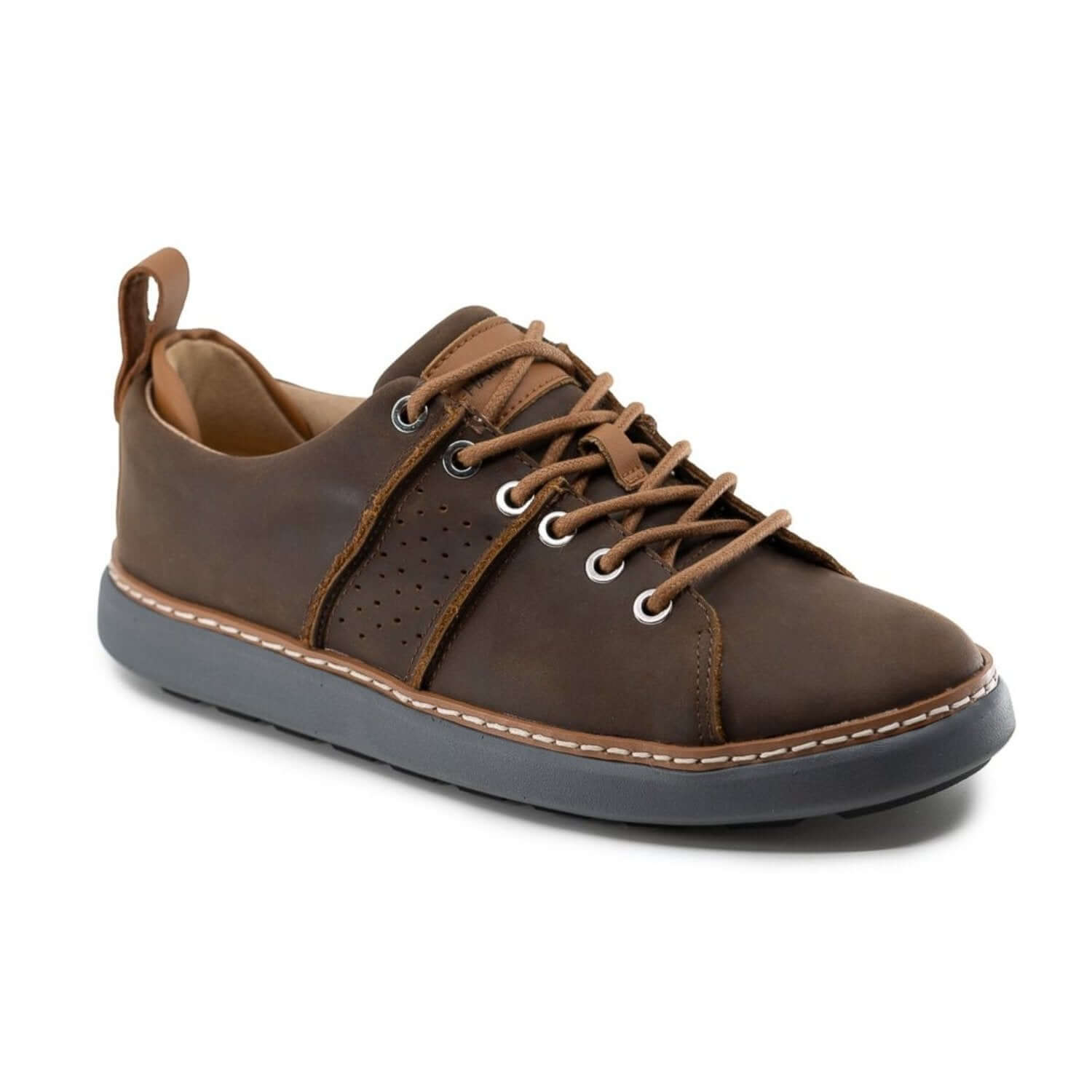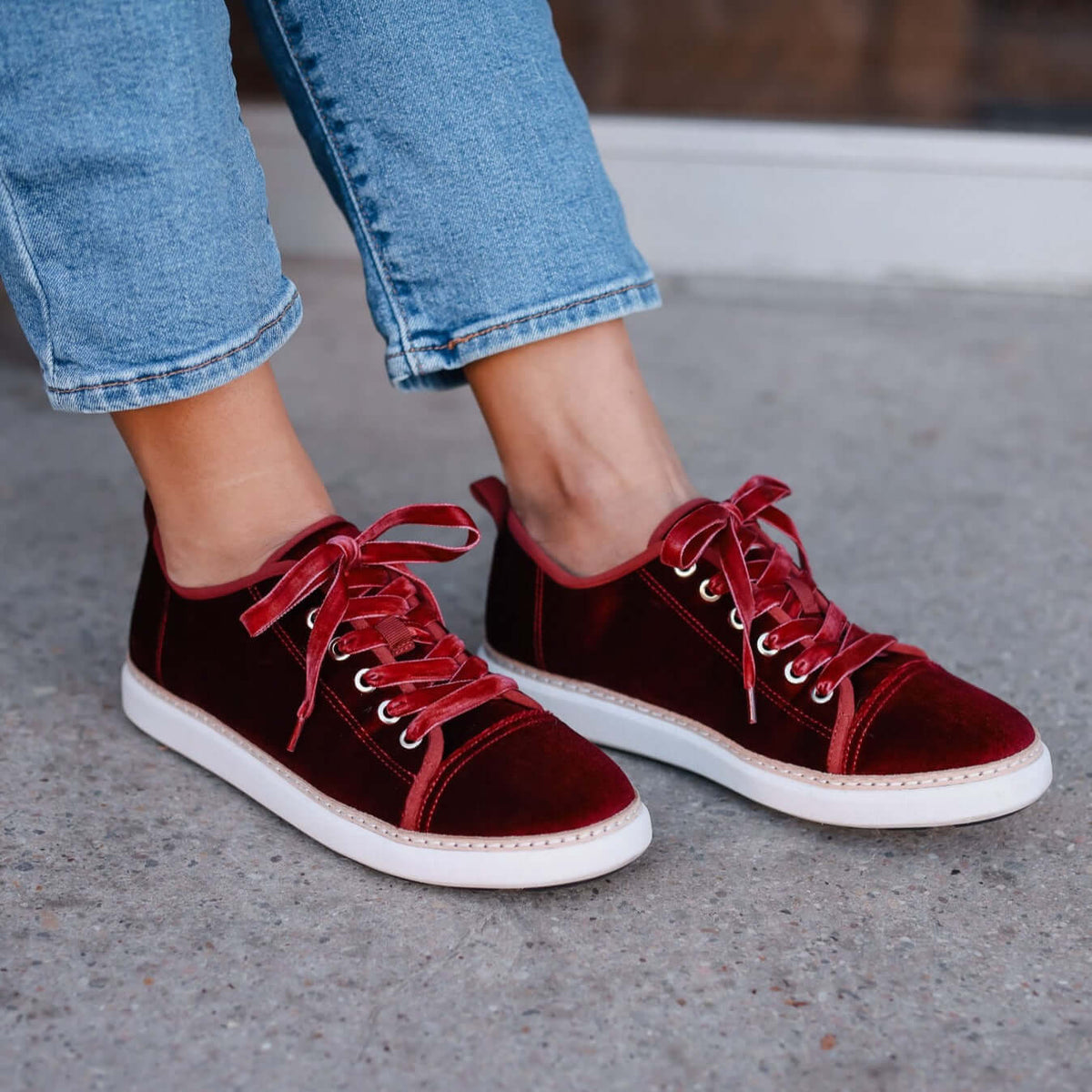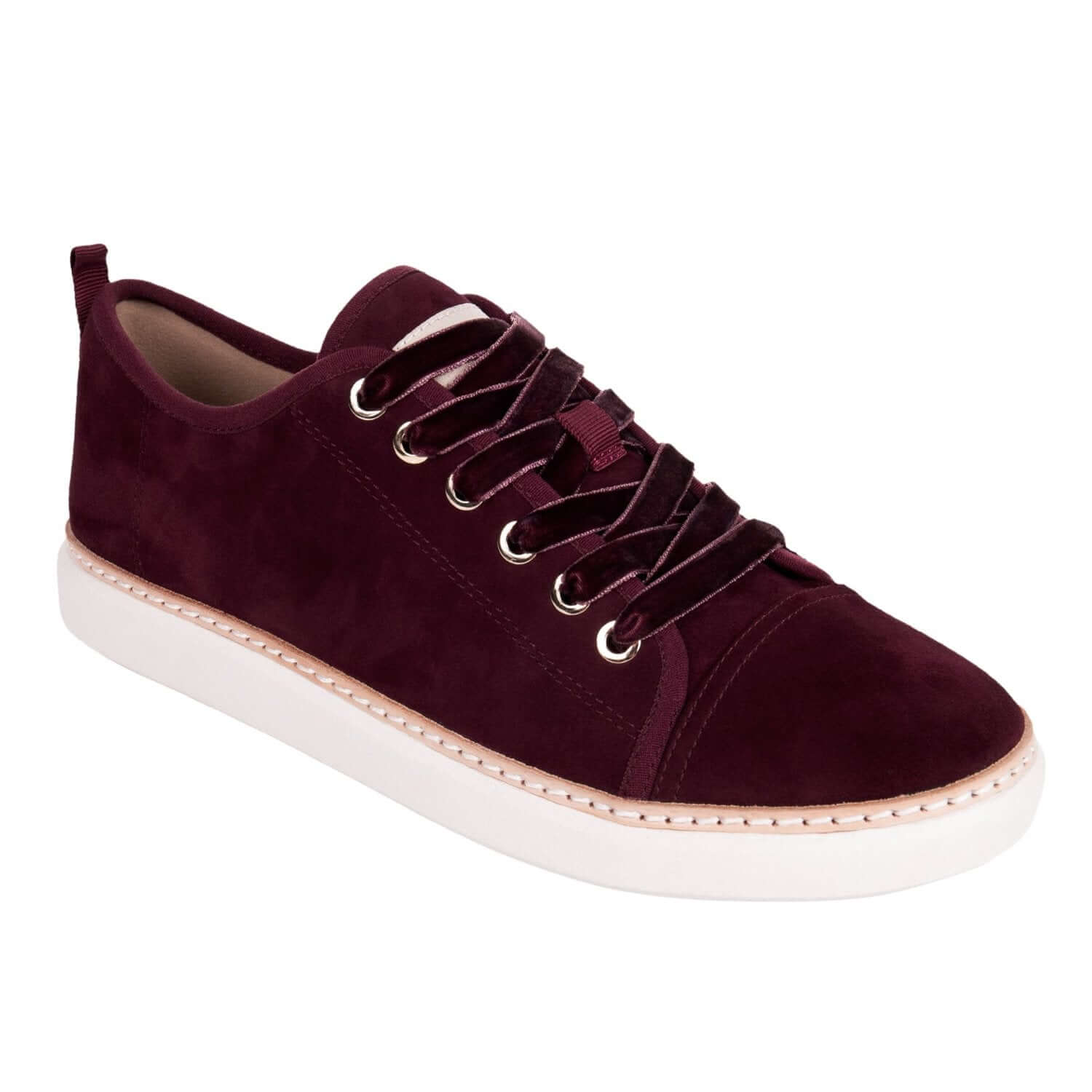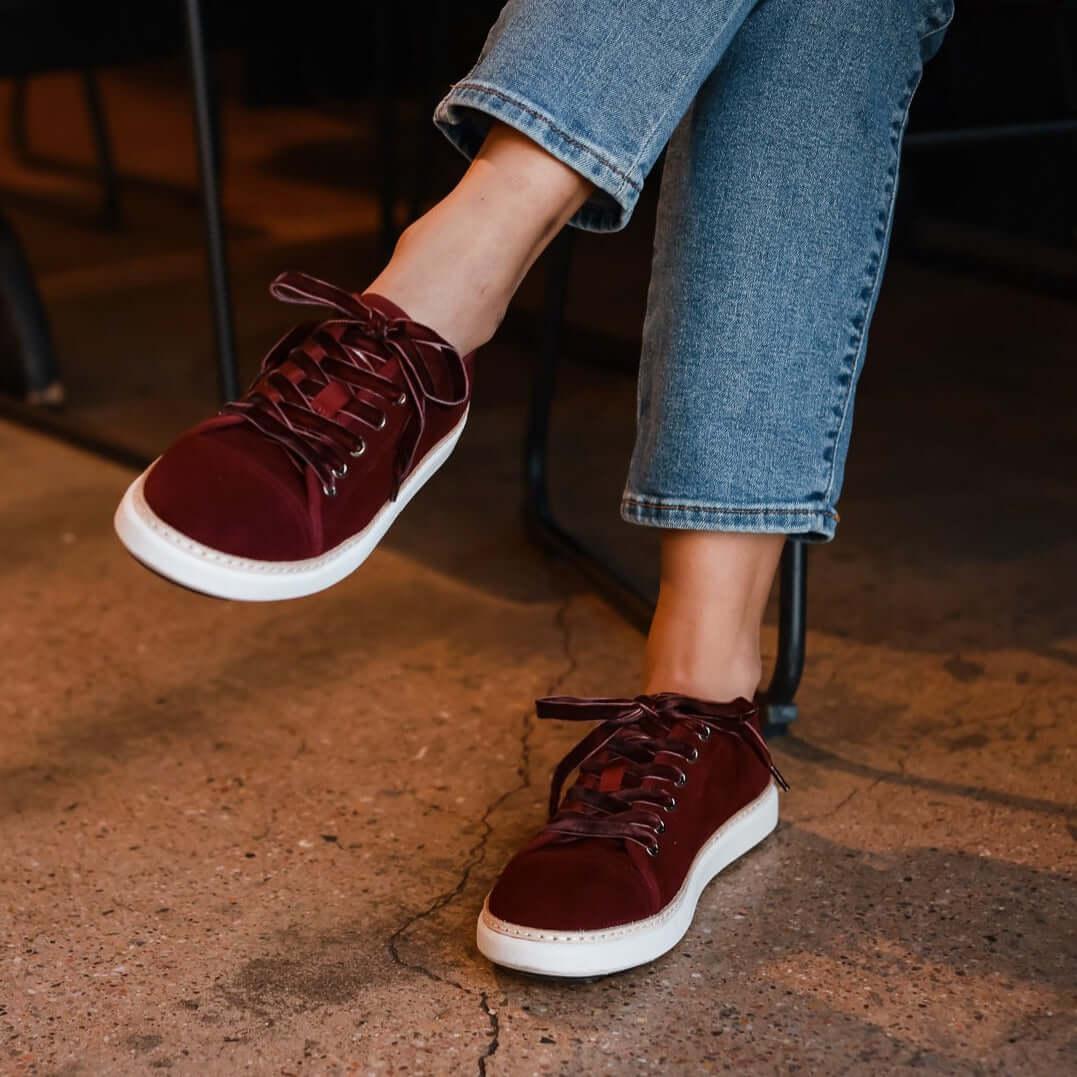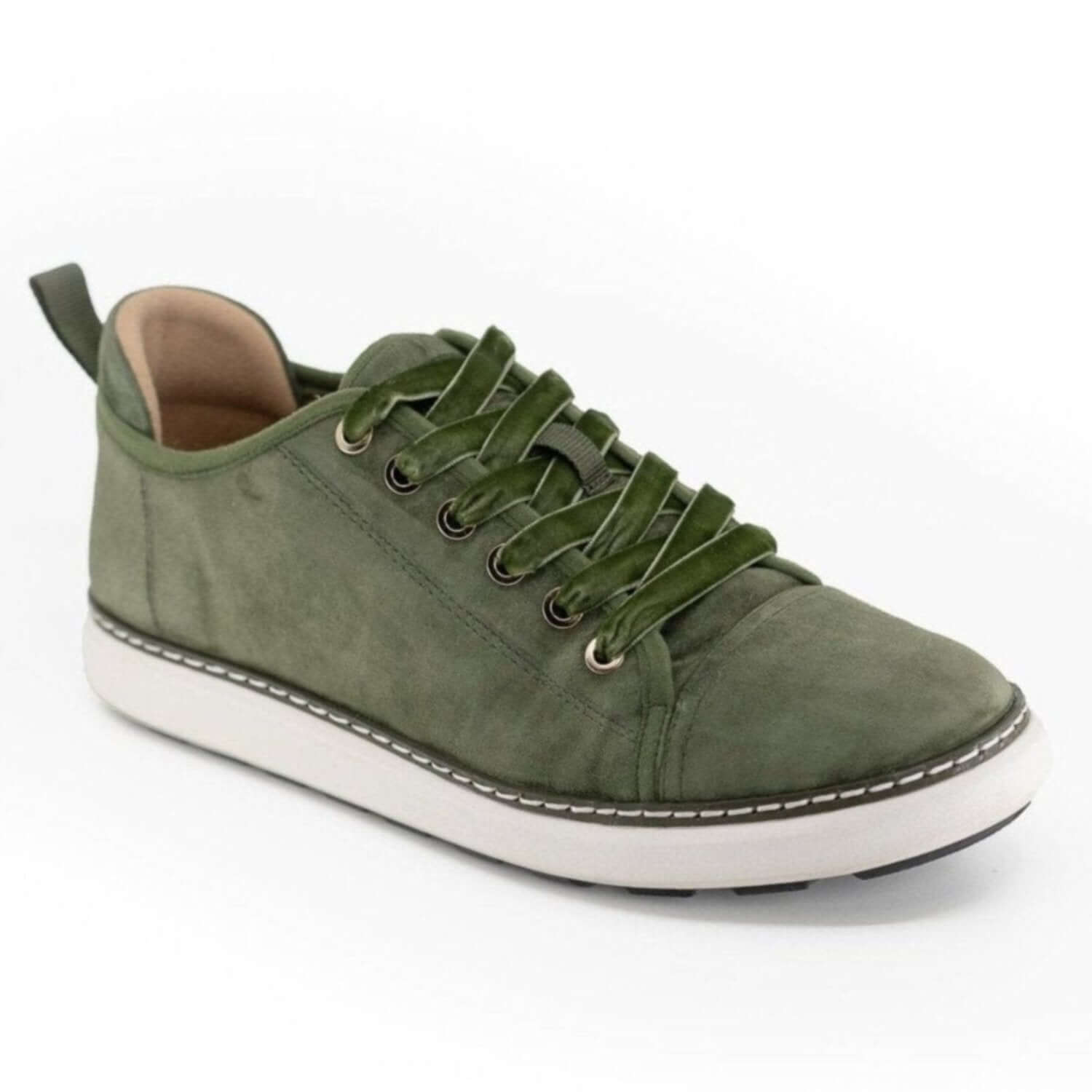

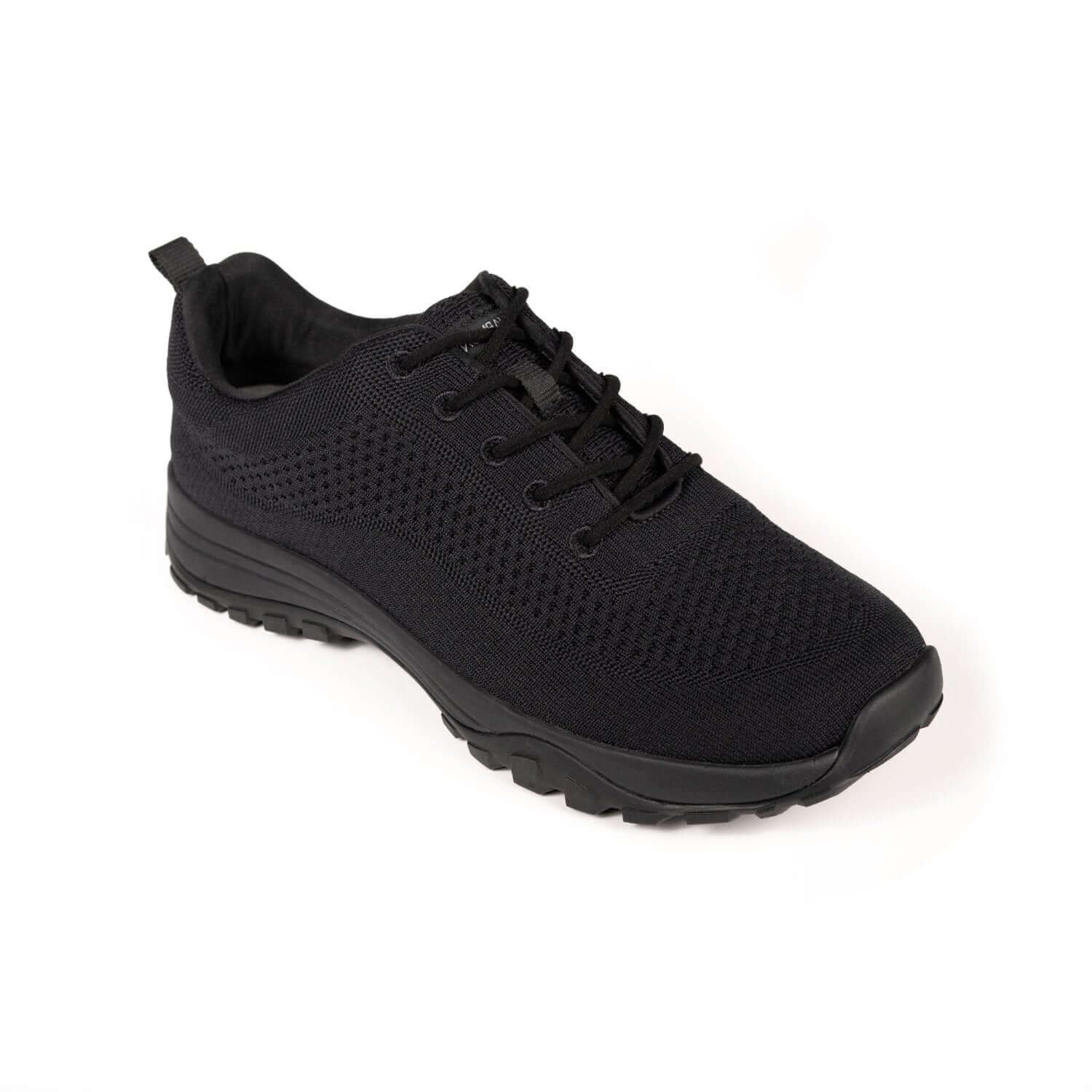


If you are searching for eco friendly grounding shoes sustainable materials matter, but no single fiber makes a shoe ethical. A better choice balances material transparency, conductivity, comfort, durability, and the way the shoe is made. This guide explains what to look for, what Harmony 783 lists in its footwear and accessories, and which green claims deserve a closer look.
Browse grounding footwear made for everyday movement.
Why can grounding footwear and sustainability go hand in hand?
Grounding shoes already solve one practical problem: they let you keep shoes on while practicing an earth-connected routine. Sustainability adds a second question: can you choose a pair that fits your real life and stays useful instead of becoming a short-lived purchase?
The European Environment Agency emphasizes durability, repairability, reuse, and recycling as important parts of a more circular textile system. That is useful footwear guidance too. A shoe that feels good, fits well, and survives regular wear may be a better choice than a supposedly greener shoe that is uncomfortable and quickly abandoned.
Use this four-part check before you buy:
- Materials: What are the upper, lining, footbed, outsole, laces, and adhesives made from?
- Manufacturing: Does the brand explain where materials and assembly come from?
- Use: Is the style appropriate for the surfaces, weather, and amount of walking you actually do?
- End of life: Can you clean, repair, resole, reuse, or responsibly pass on the shoes?
This approach keeps sustainability practical. It also avoids treating a natural-looking color, a plant name, or the word "eco" as proof of a complete environmental advantage.
What materials are inside Harmony 783 shoes?
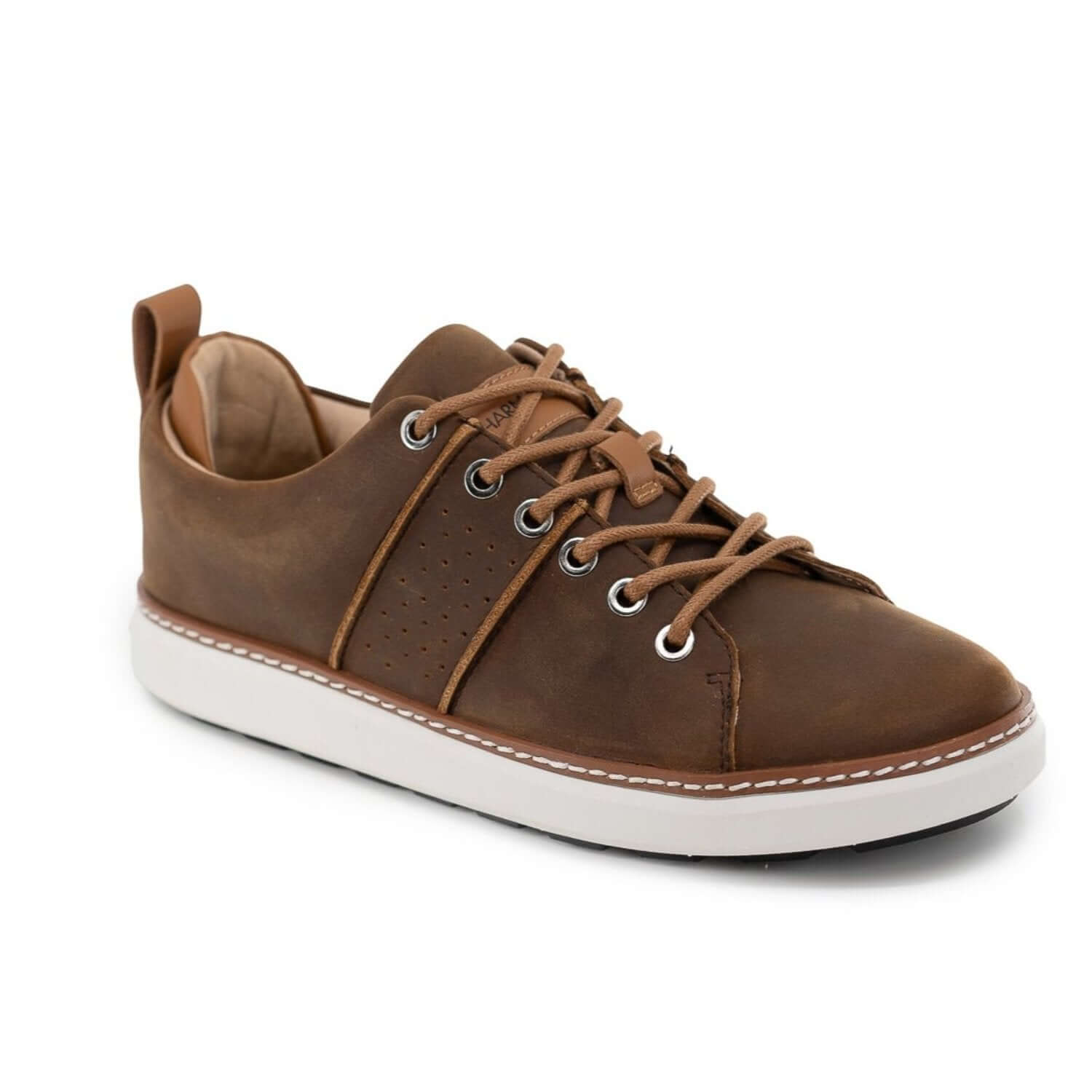
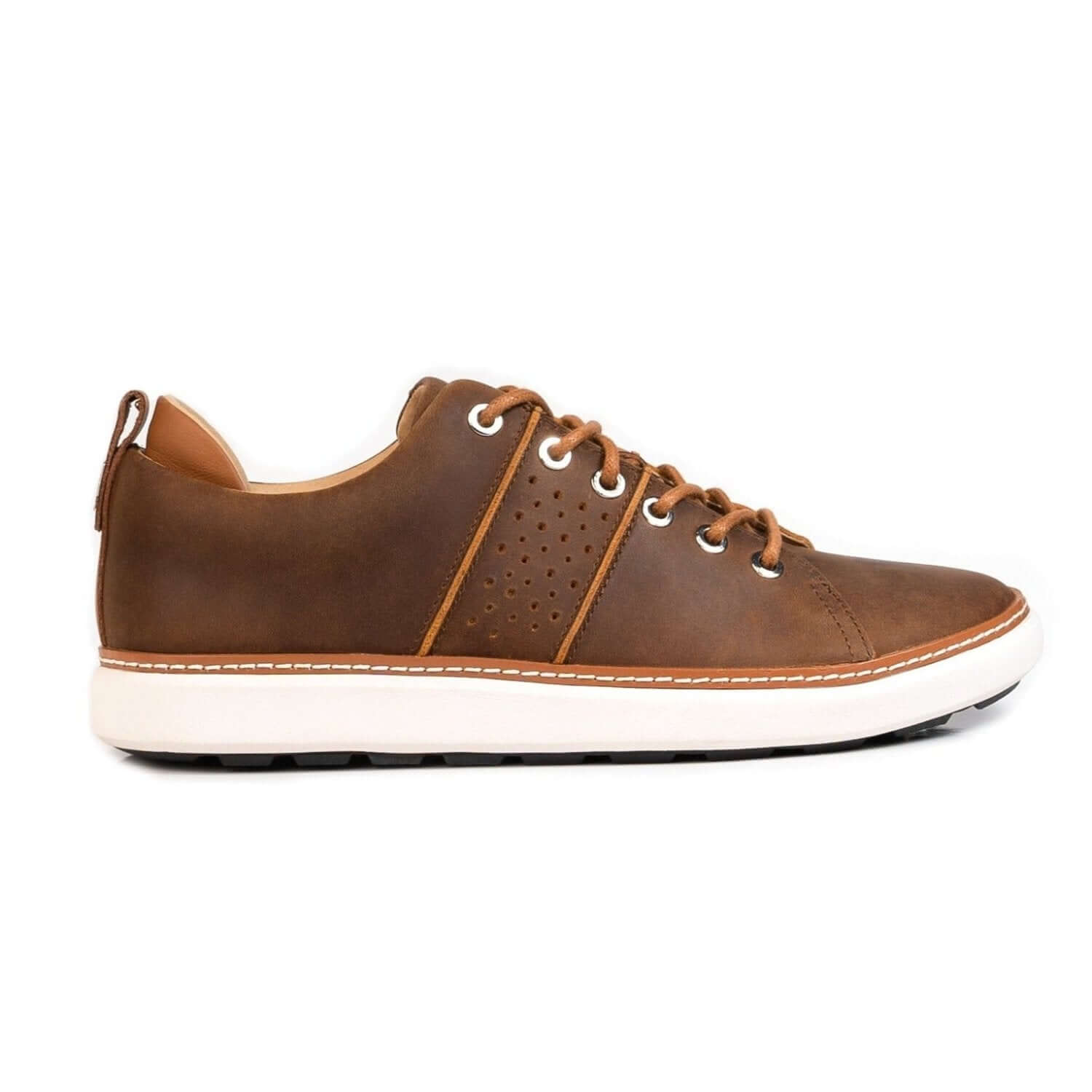
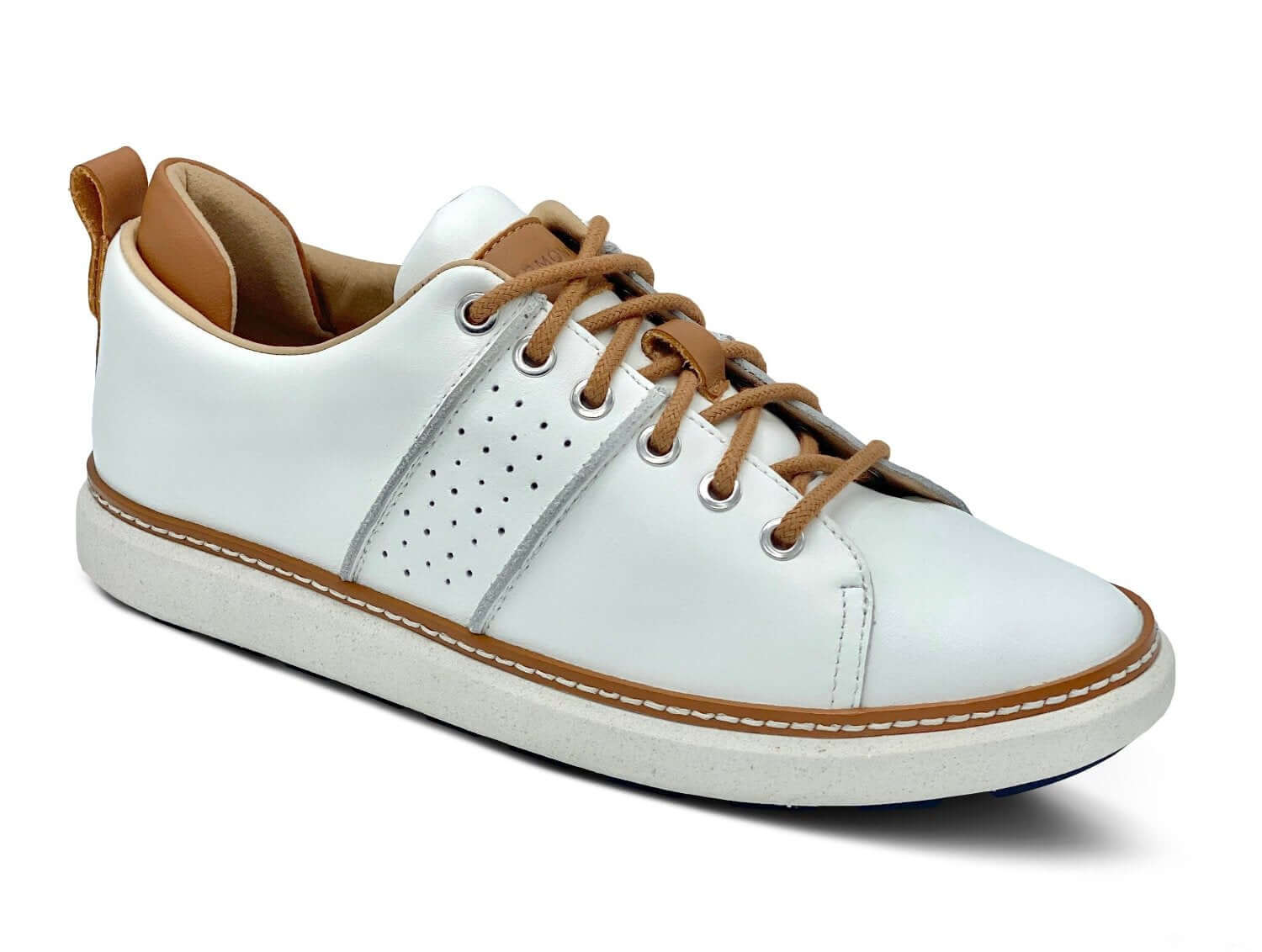
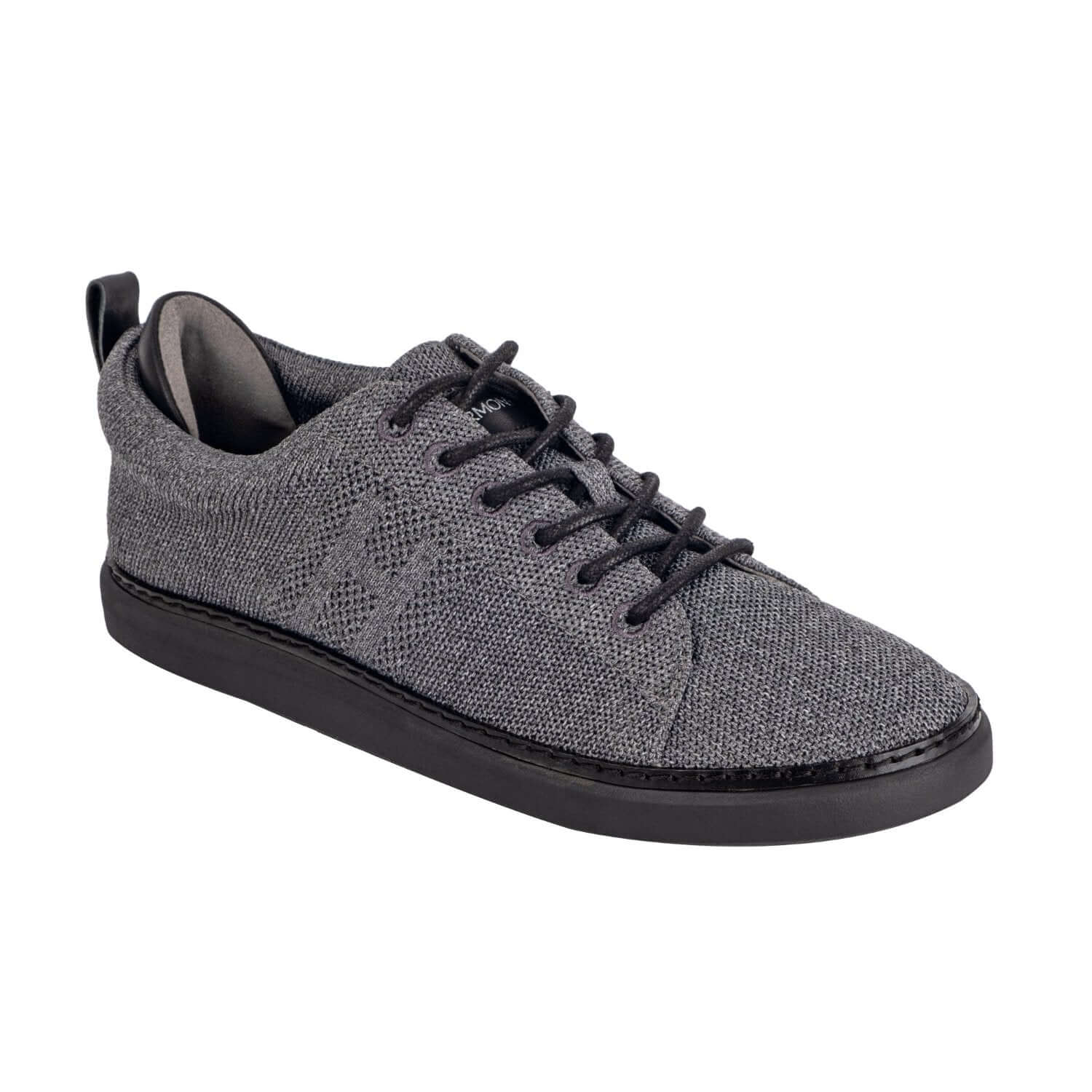
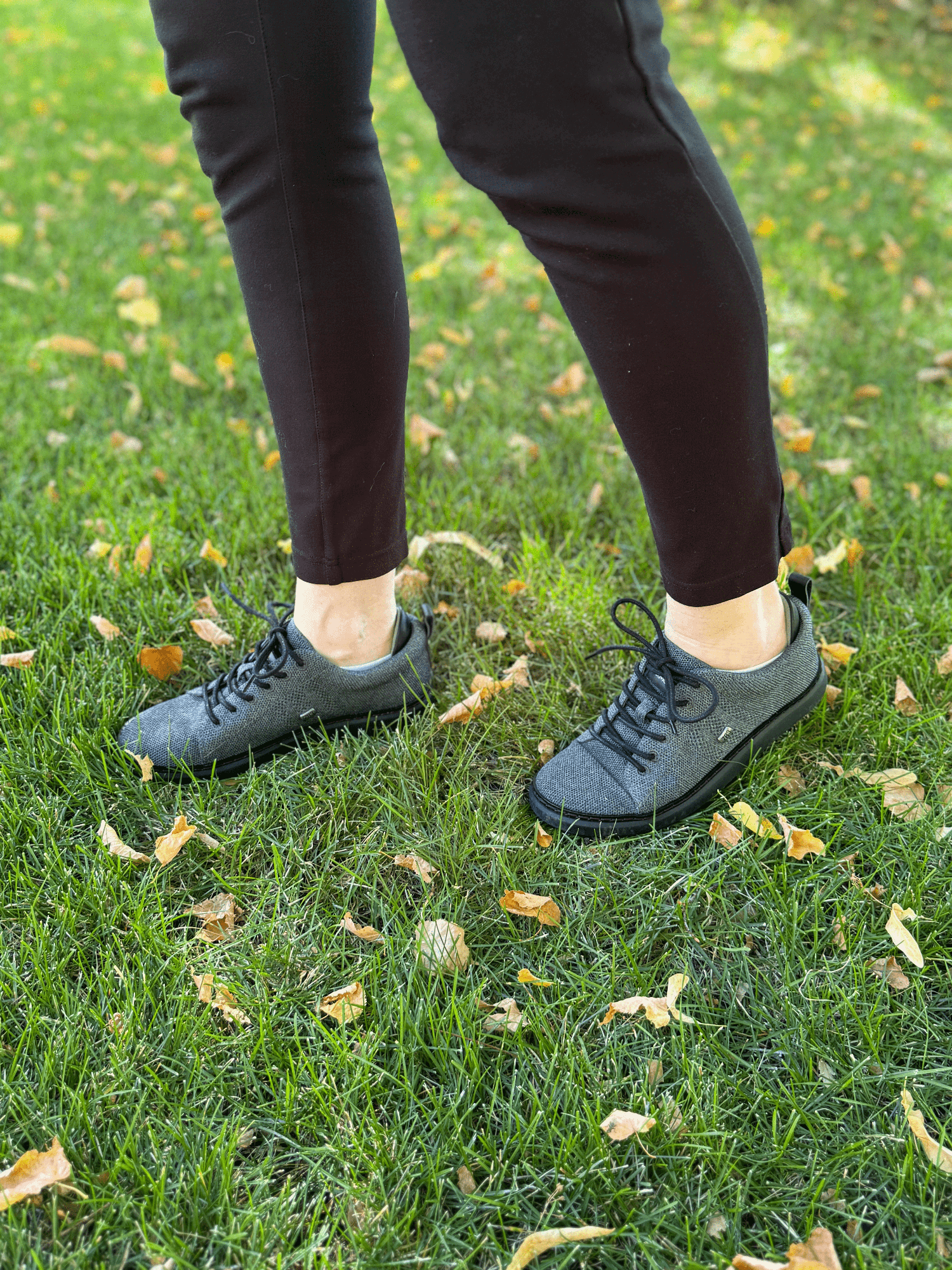
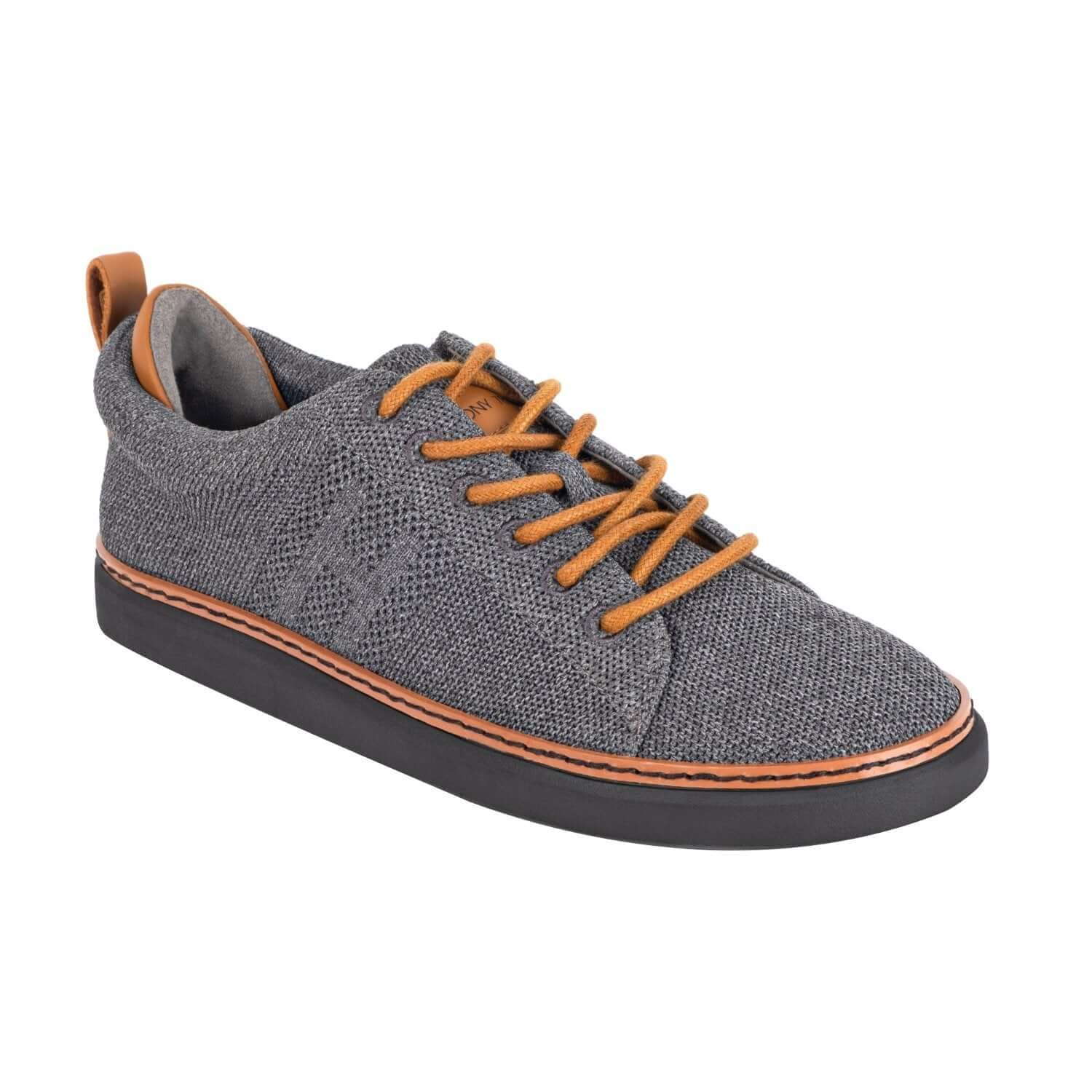
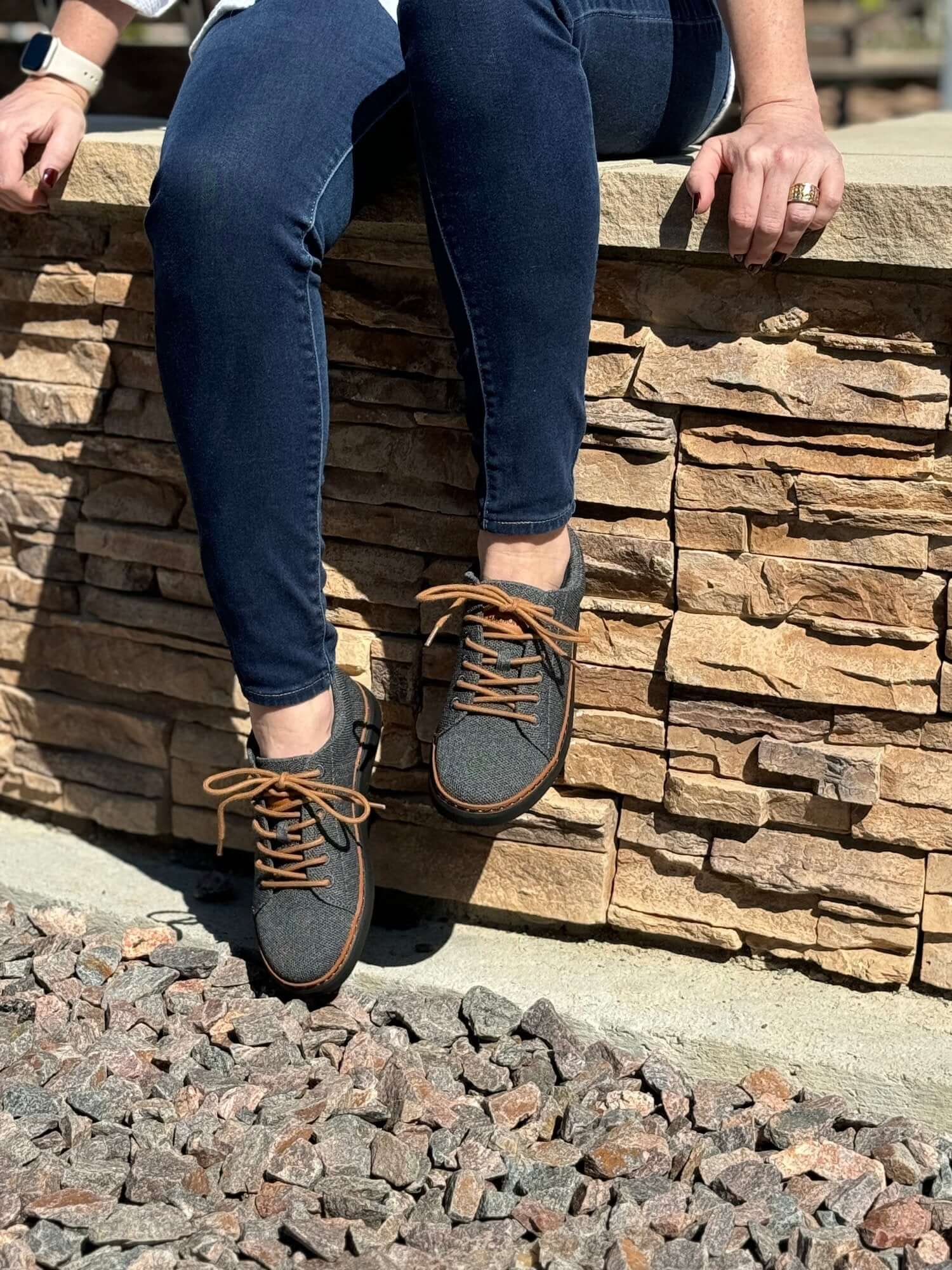
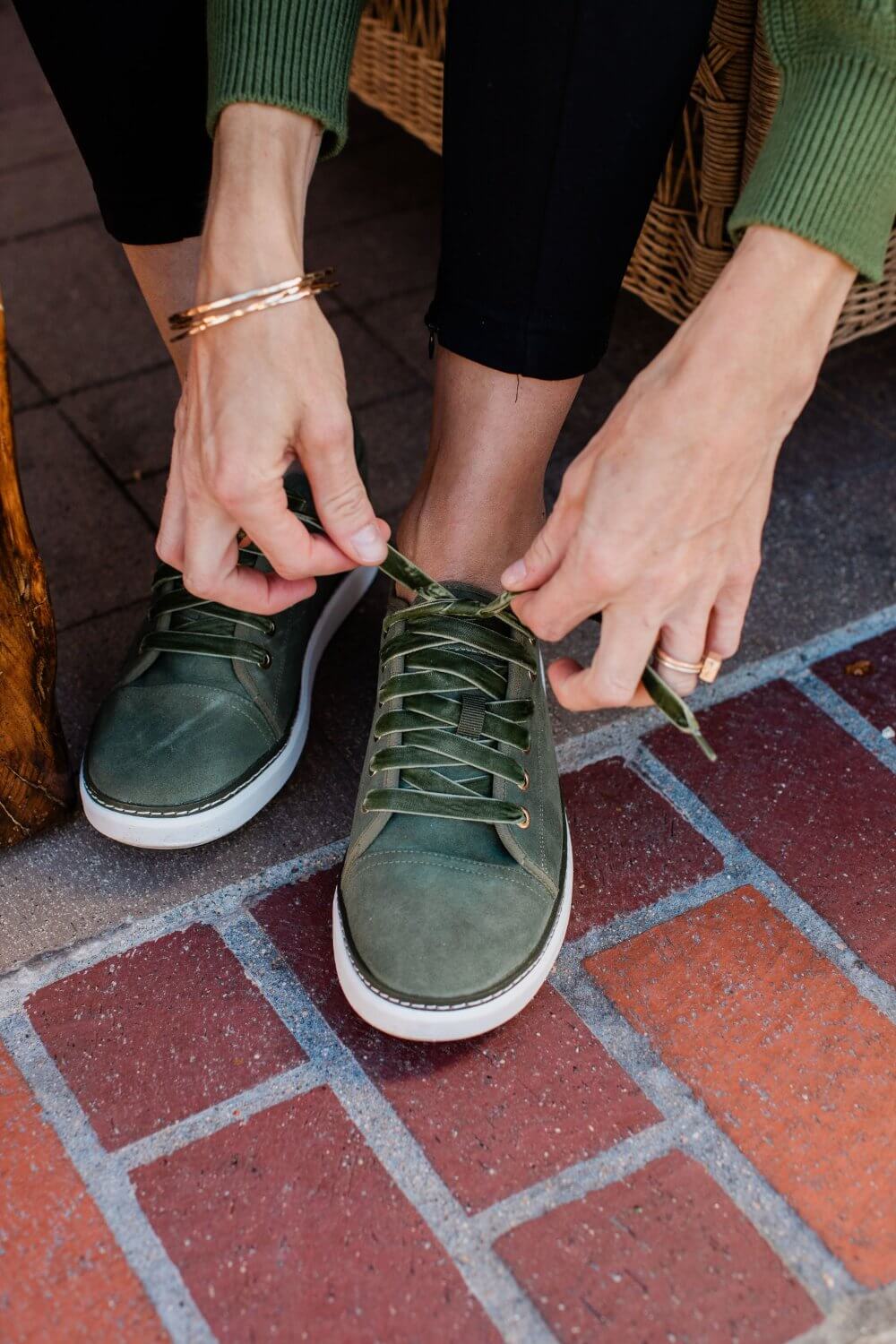
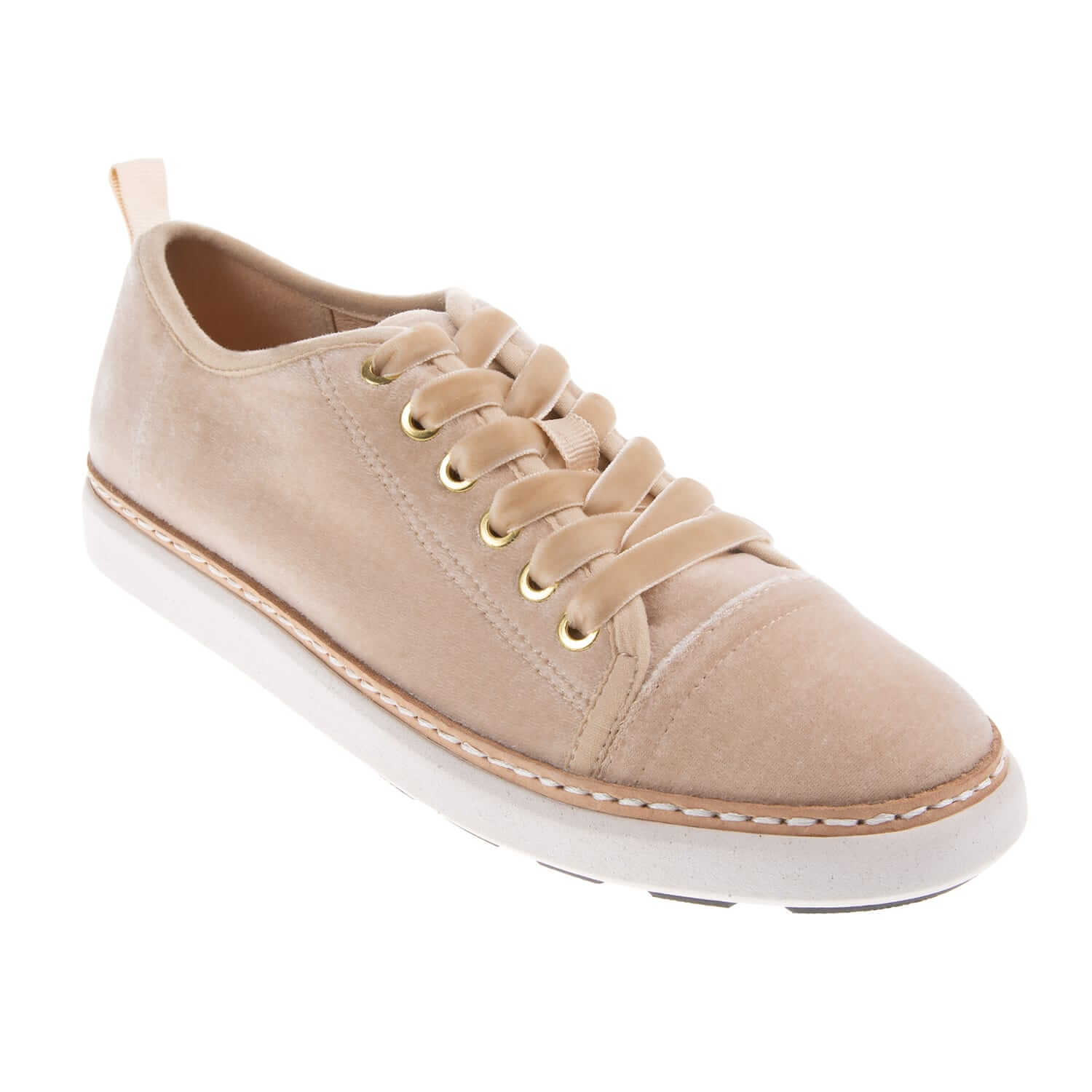
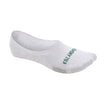
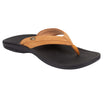
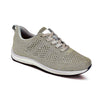
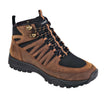
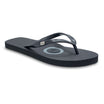
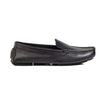
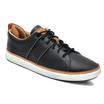
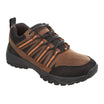
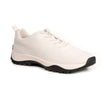
Harmony 783's catalog describes leather walkers, leather sandals, bamboo knit sneakers, and bamboo knit slip-ons. The brand also lists organic cotton and merino wool grounding socks. You can compare the current footwear categories in the sneaker collection and bamboo knit slip-on collection, then check the product-level details before deciding.
Bamboo knit: A product name that includes bamboo is not enough to establish a lower impact process. The Federal Trade Commission explains that rayon or viscose made from bamboo must be described accurately. Ask whether the listed fiber is bamboo fiber, rayon made from bamboo, or a blend, and look for the actual fiber percentages.
Leather: Leather can be durable, which may support longer use, but it has environmental and animal-welfare tradeoffs. Ask about the type of leather, tanning practices, traceability, and care instructions. Do not assume that leather is either automatically sustainable or automatically unacceptable.
Organic cotton and merino wool: These appear in Harmony 783's grounding sock range. Organic wording should be backed by a recognized certification when certification is being claimed. Wool buyers may also want to ask about animal-welfare standards, fiber traceability, and washing needs. The Textile Exchange labeling guide explains why certified-material claims need a verifiable chain of custody.
| Material or component | Why shoppers consider it | What to verify |
|---|---|---|
| Bamboo-labeled knit | Breathable, lightweight feel | Exact fiber name, blend, and processing disclosure |
| Leather | Structure and potential durability | Tanning, sourcing, care, and repair options |
| Organic cotton | Natural fiber option for socks | Certification and percentage, if claimed |
| Merino wool | Warmth and natural fiber performance | Animal-welfare and traceability information |
| Rubber, carbon, and conductive parts | Outsole function and grounding connection | Construction, testing, replacement, and expected wear |
Related products


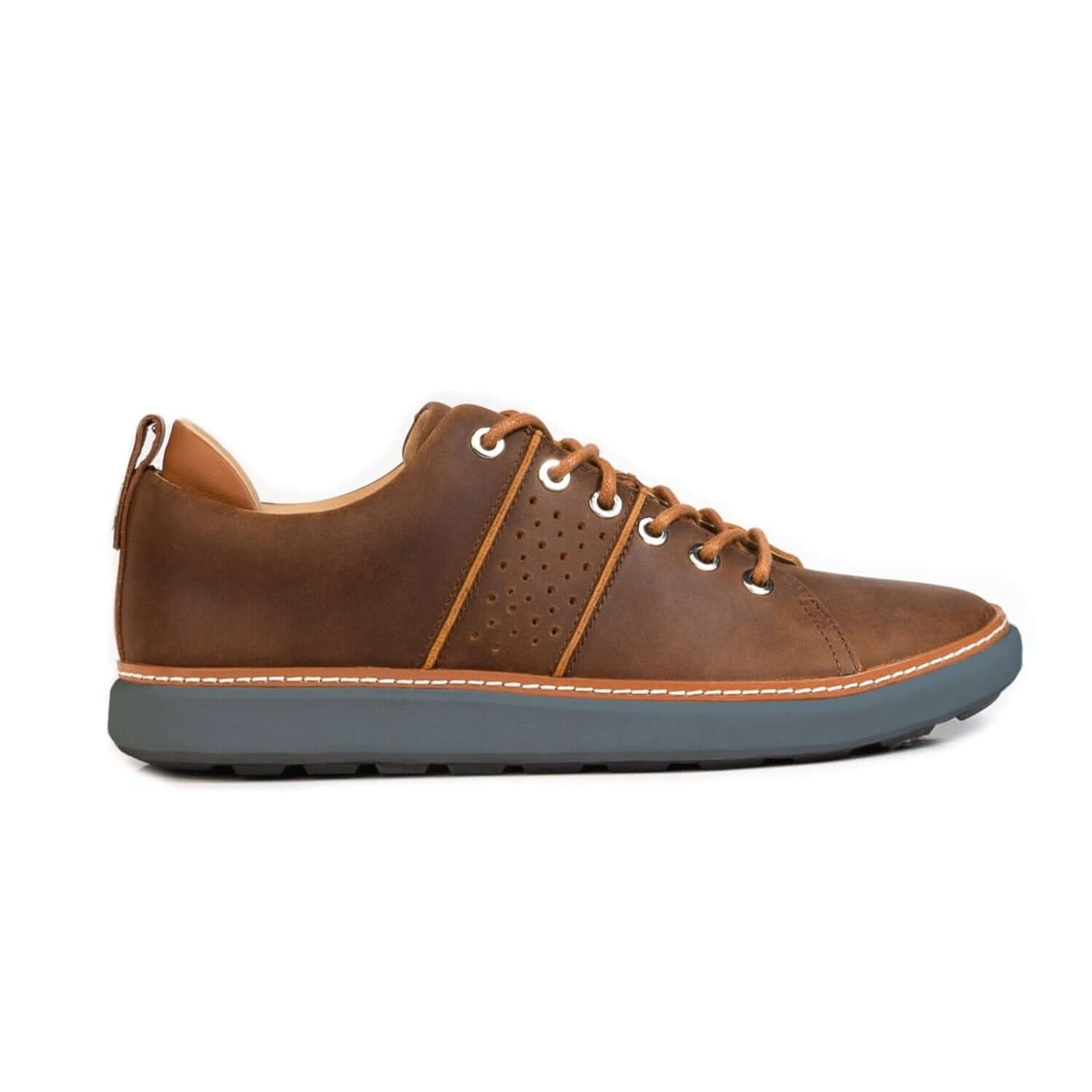
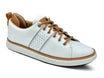
Our signature cognac gives this shoe the luxury look.
View productWhat can we responsibly say about the Groundworks conductive system?
Conductivity is central to a grounding shoe, so sustainability advice cannot simply recommend removing every technical component. The more useful question is whether the conductive system is clearly described, tested for the product's intended use, and built into a shoe that people will keep wearing.
Technical components also make end of life more complex. A grounding shoe combines textiles, leather or synthetic uppers, rubber, adhesives, and conductive materials. Mixed construction can make recycling difficult. That is why a responsible buyer should look for honest product information rather than a broad claim that the full shoe is biodegradable, recyclable, or carbon neutral.
The OECD guidance for garment and footwear supply chains treats responsible sourcing as ongoing due diligence. It covers risks such as labor rights, hazardous chemicals, water, emissions, and supply-chain accountability. That broader view is a better standard for the word "ethical" than a single material swap.
Before buying, ask:
- Does the product page identify the main materials and construction layers?
- Does the brand avoid promises that it cannot document?
- Is there clear care guidance to protect the shoe and its conductive function?
- Can small parts, such as laces, be replaced instead of discarding the pair?
- Does the fit make sense for the way you plan to use the shoes?
How does Harmony 783 compare with other eco-conscious grounding brands?
Search results for sustainable grounding footwear show several positioning patterns. Some brands center natural leather, wool, cork, or plant-based inputs. Others lead with vegan construction, barefoot shape, recycled content, or small-batch production. These are useful starting points, but they are not interchangeable claims.
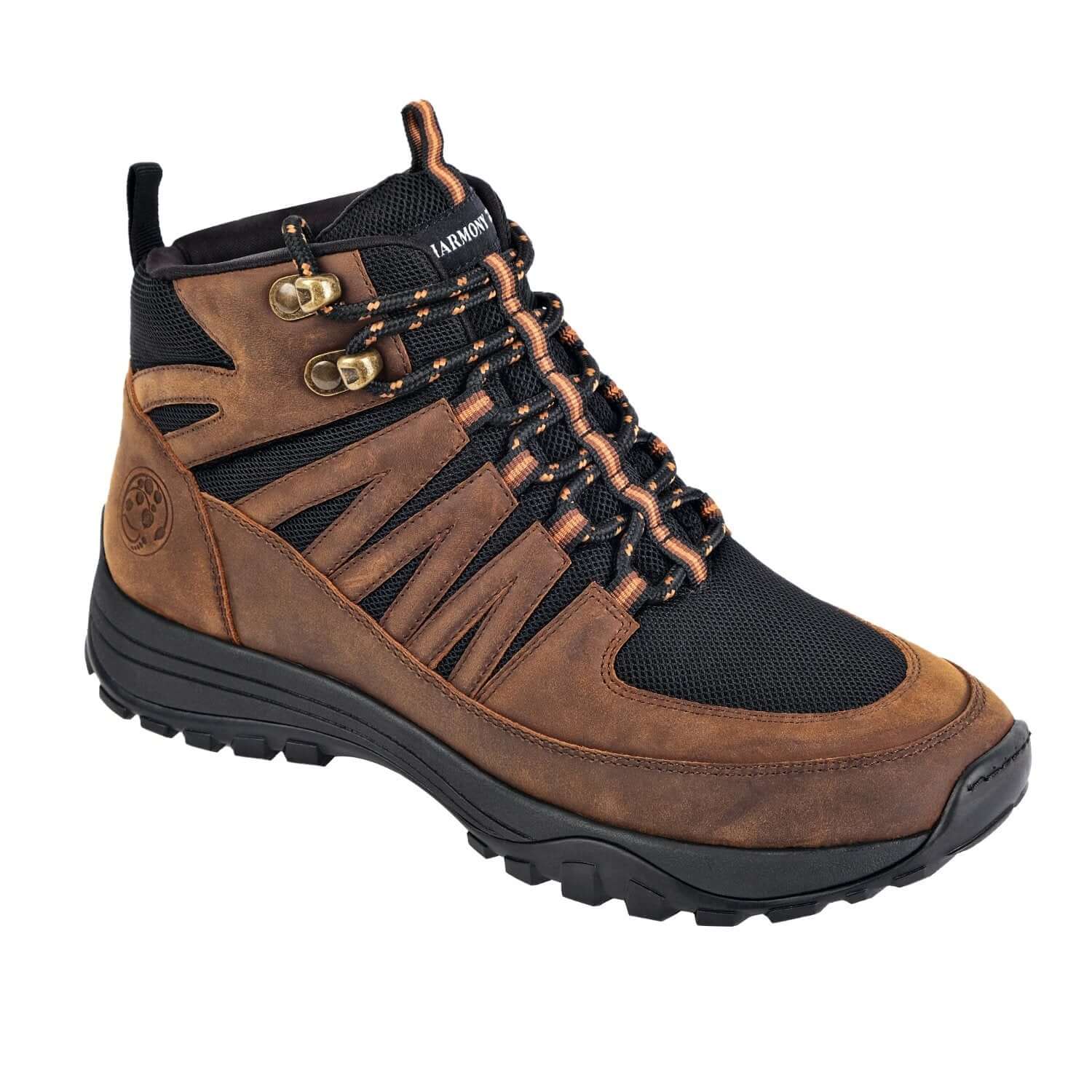
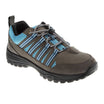
For Harmony 783, the practical comparison is between a wide range of styles and the material details of the specific pair. A bamboo knit sneaker may suit a different buyer and climate than a leather walker. A sandal may use fewer upper layers than a closed shoe, while a trail style may need more protection. The best choice depends on what you will wear often and care for consistently.
When comparing brands, make a short scorecard:
- Material disclosure: Are percentages and component names easy to find?
- Conductivity information: Is the grounding method explained without medical promises?
- Ethical evidence: Are factory, certification, or due-diligence details available?
- Durability: Do construction, warranty, repair, and replacement-part policies support long use?
- Fit and function: Will the style work for your actual routine?
Do not treat a competitor's marketing language as proof, and do not assume Harmony 783 has a certification unless the current product page or brand documentation says so. That standard protects shoppers and keeps sustainability content useful.
Compare Harmony 783 styles and material details.
How can you make grounding shoes last longer and reduce waste?
Long wear starts before checkout. Choose a style that matches your regular surfaces and weather rather than buying a pair for an imagined lifestyle. A good fit reduces the chance that discomfort sends the shoes to the back of the closet.
- Rotate when possible: Let shoes dry fully between wears, especially after damp conditions.
- Clean gently: Use the care method recommended for the upper. Avoid harsh chemicals or soaking unless the product instructions allow it.
- Protect the shape: Untie laces before taking shoes off and avoid crushing the heel counter.
- Replace small parts: Check whether worn laces or other replaceable pieces can be changed instead of replacing the whole pair.
- Use the right surface: Outdoor and indoor surfaces affect wear. Choose a style that fits the way you move.
- Pass them on responsibly: If the shoes no longer fit your routine but remain wearable, consider resale, donation, or reuse before disposal.
These steps do not make a shoe impact-free. They simply focus on the part of the product life cycle a shopper can influence directly: buying carefully, using the pair fully, and avoiding premature replacement.
Frequently asked questions
What is the best material for grounding shoes?
The best material depends on the full shoe, your climate, and how you plan to use it.
Are grounding shoes vegan?
Some grounding shoes may use synthetic or plant-based uppers, but grounding shoes are not automatically vegan. Harmony 783 offers styles that include leather, so check the exact product page for the upper, lining, adhesives, and other animal-derived components before purchasing.
Are bamboo grounding shoes automatically eco friendly?
No. The word bamboo does not describe the full manufacturing process. The FTC says rayon or viscose made from bamboo must be labeled accurately. Check the fiber name, blend percentage, processing information, and the product's complete construction before treating a bamboo claim as an environmental conclusion.
What makes footwear ethical?
Ethical footwear requires more than a natural fiber. Look for supply-chain transparency, labor and human-rights due diligence, responsible chemical and water practices, credible certifications where claimed, and a brand willing to explain what it knows and what it has not verified.
How can I reduce waste from grounding shoes?
Choose a pair you will wear often, care for it as directed, replace small parts when possible, and keep it in use for as long as it remains safe and comfortable. Resale, donation, or reuse can be preferable to discarding wearable shoes.
Sources: European Environment Agency, Federal Trade Commission, Textile Exchange, and OECD.
Browse the collection and choose grounding footwear for your routine.