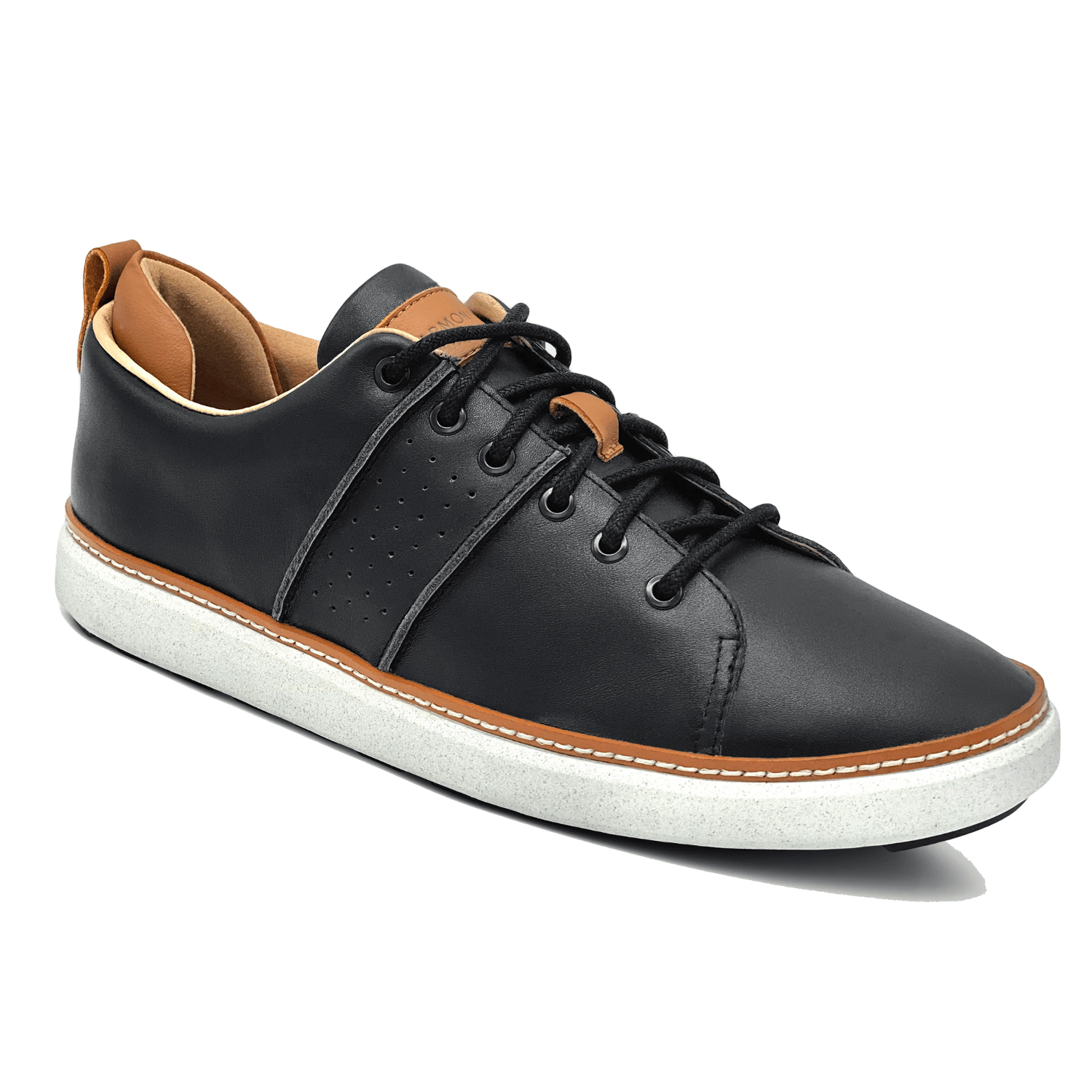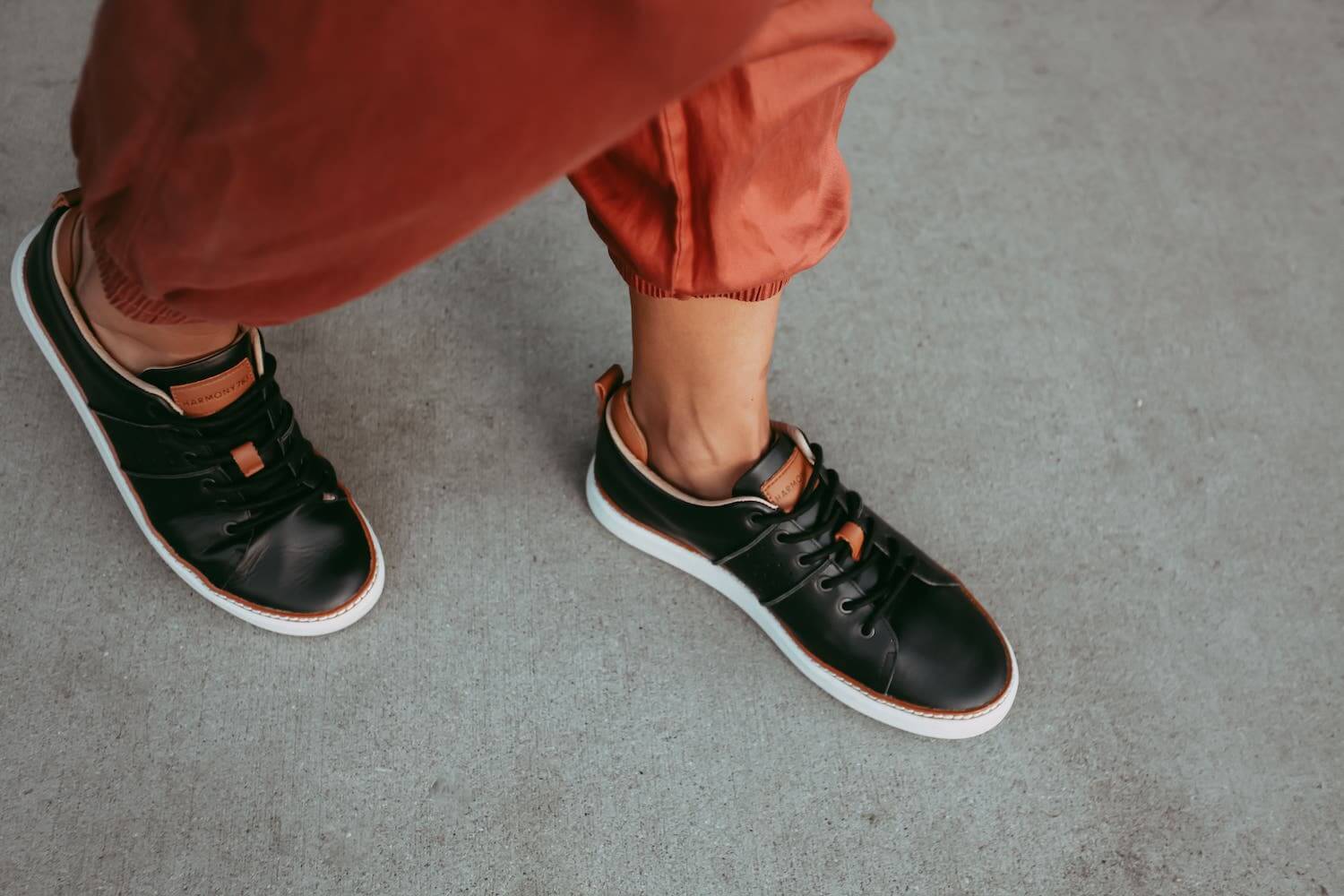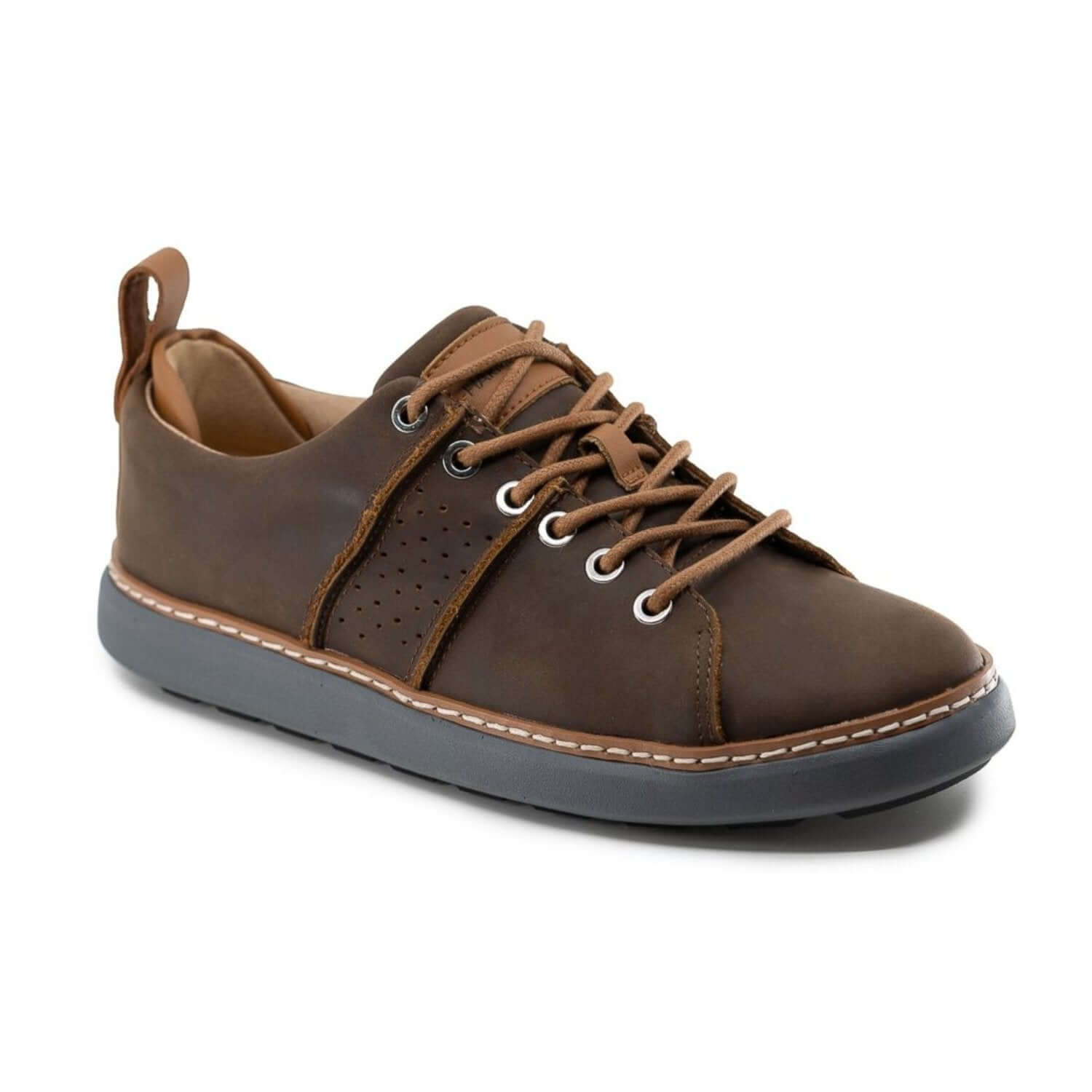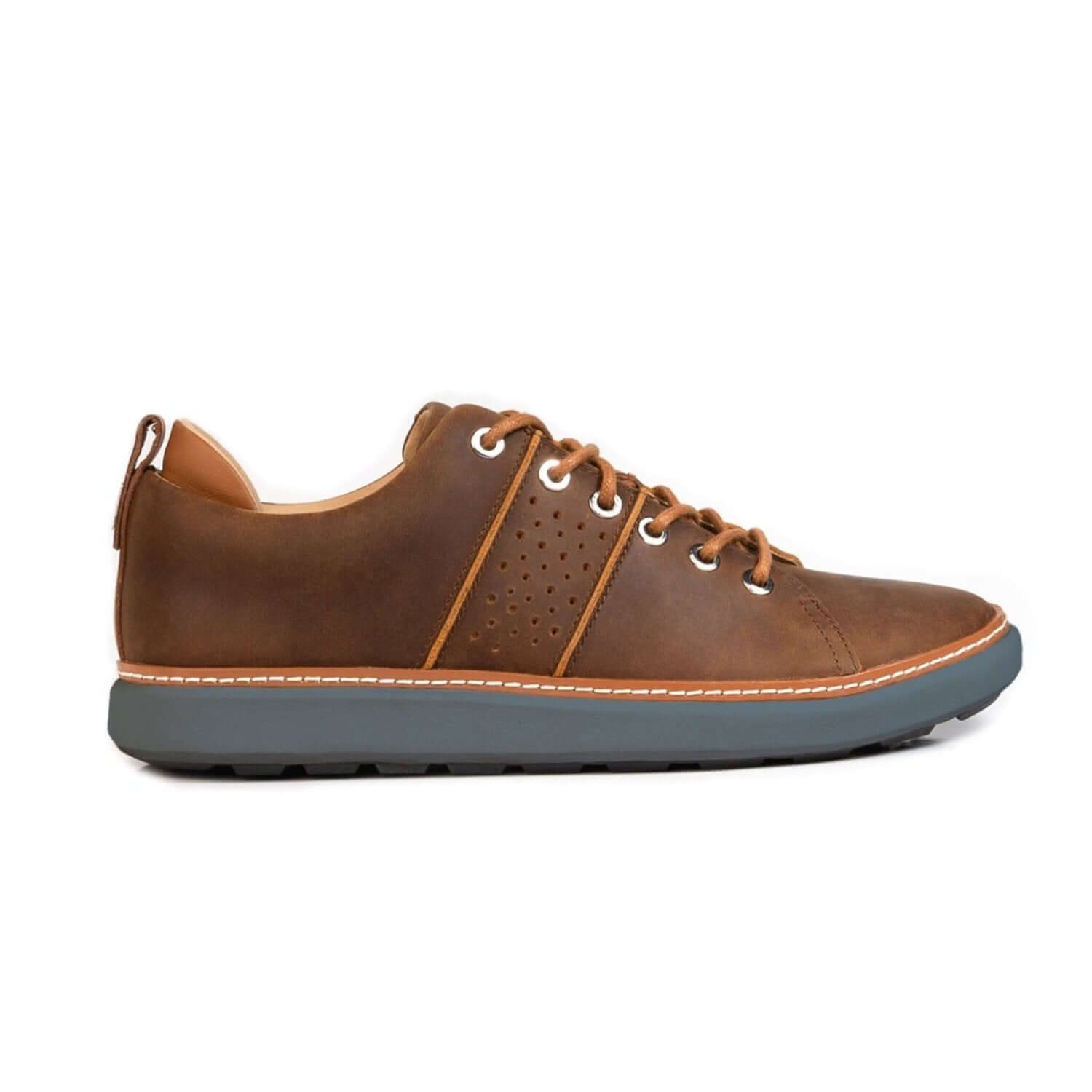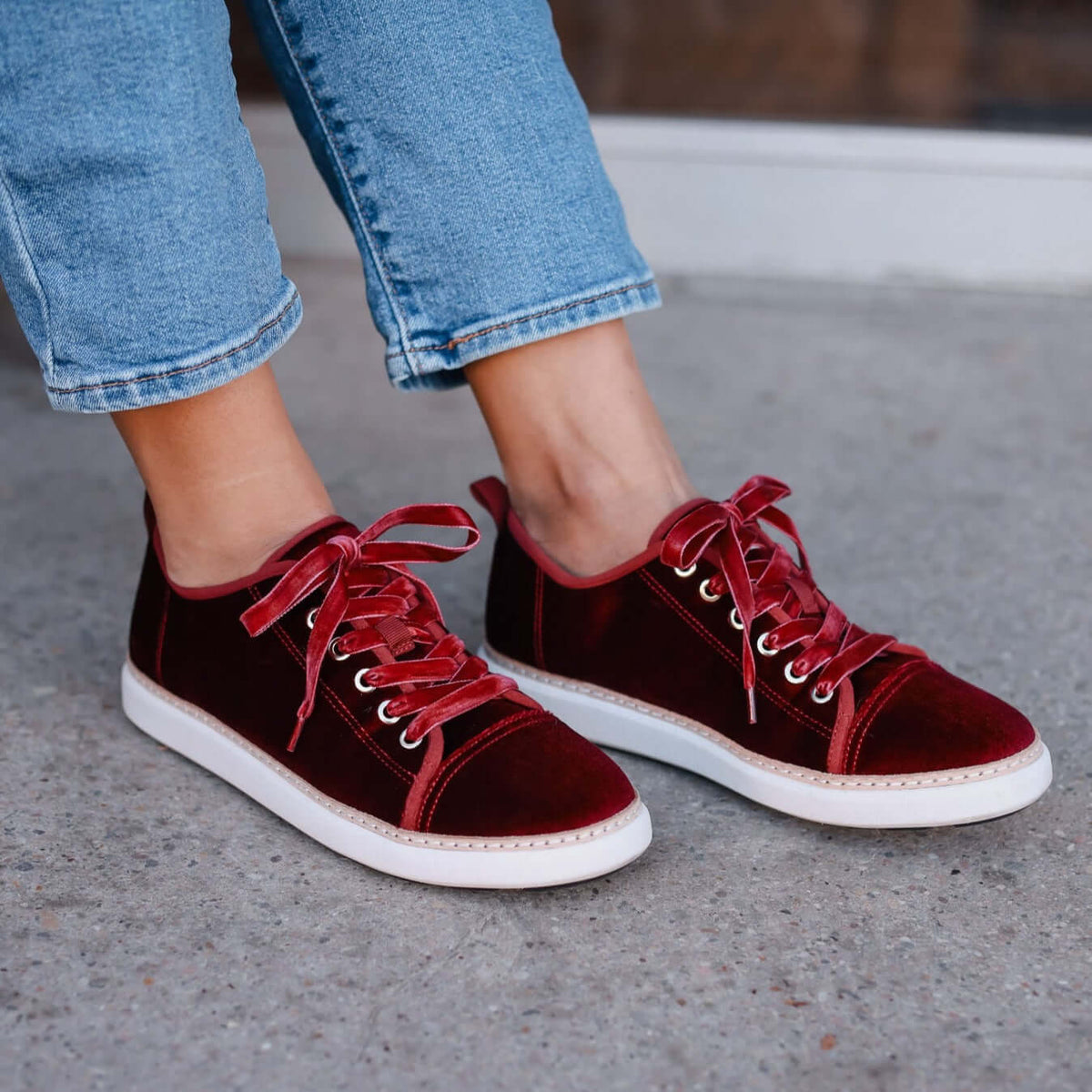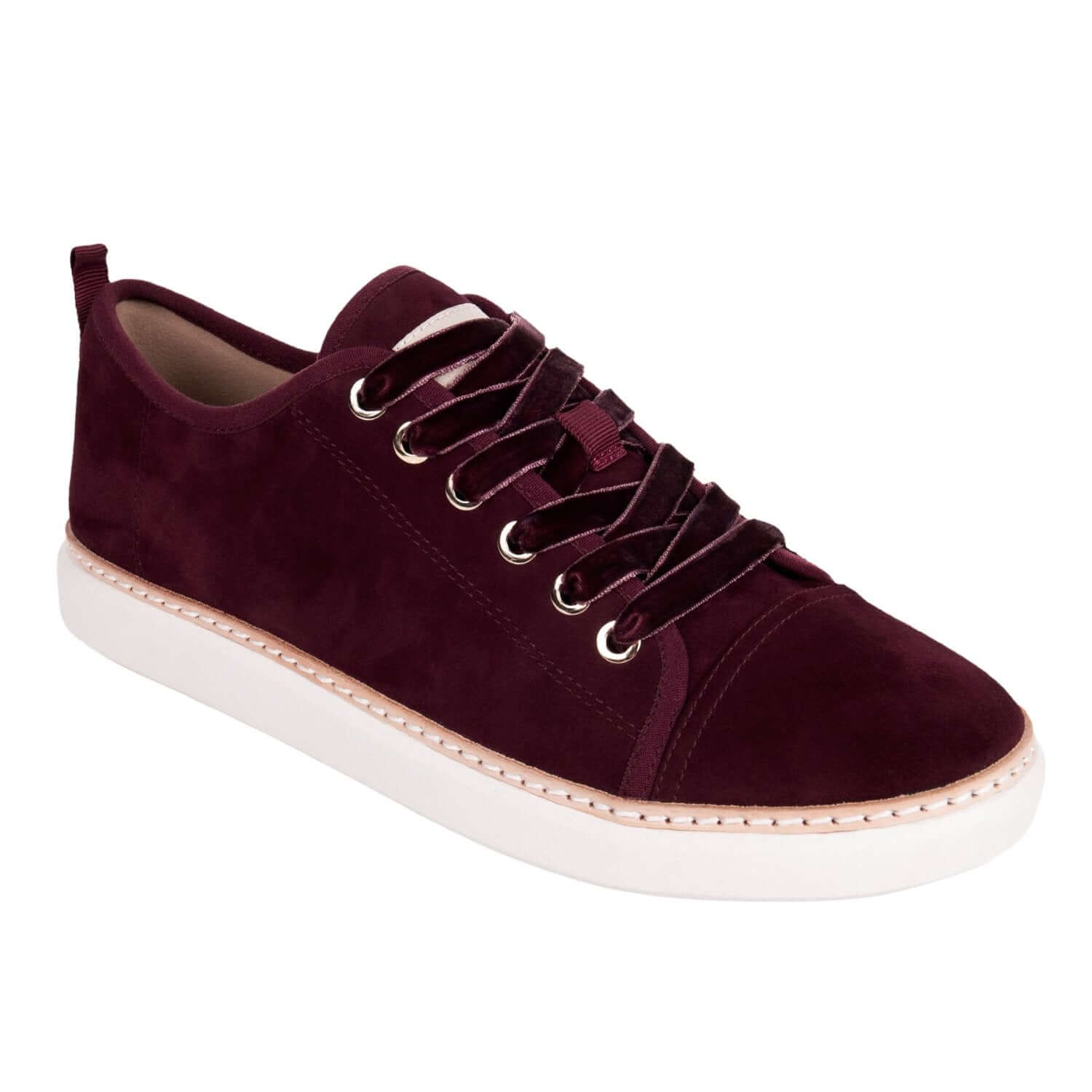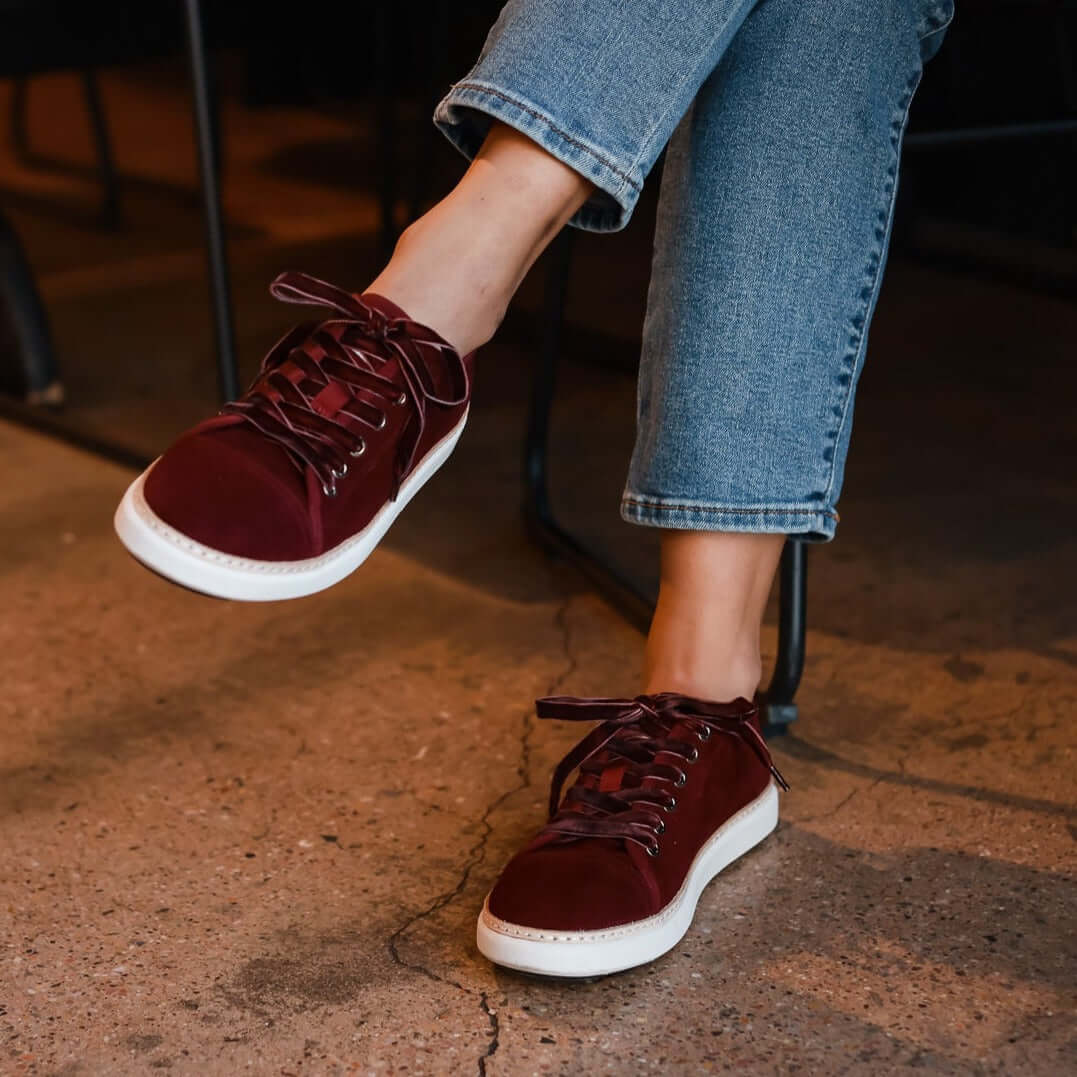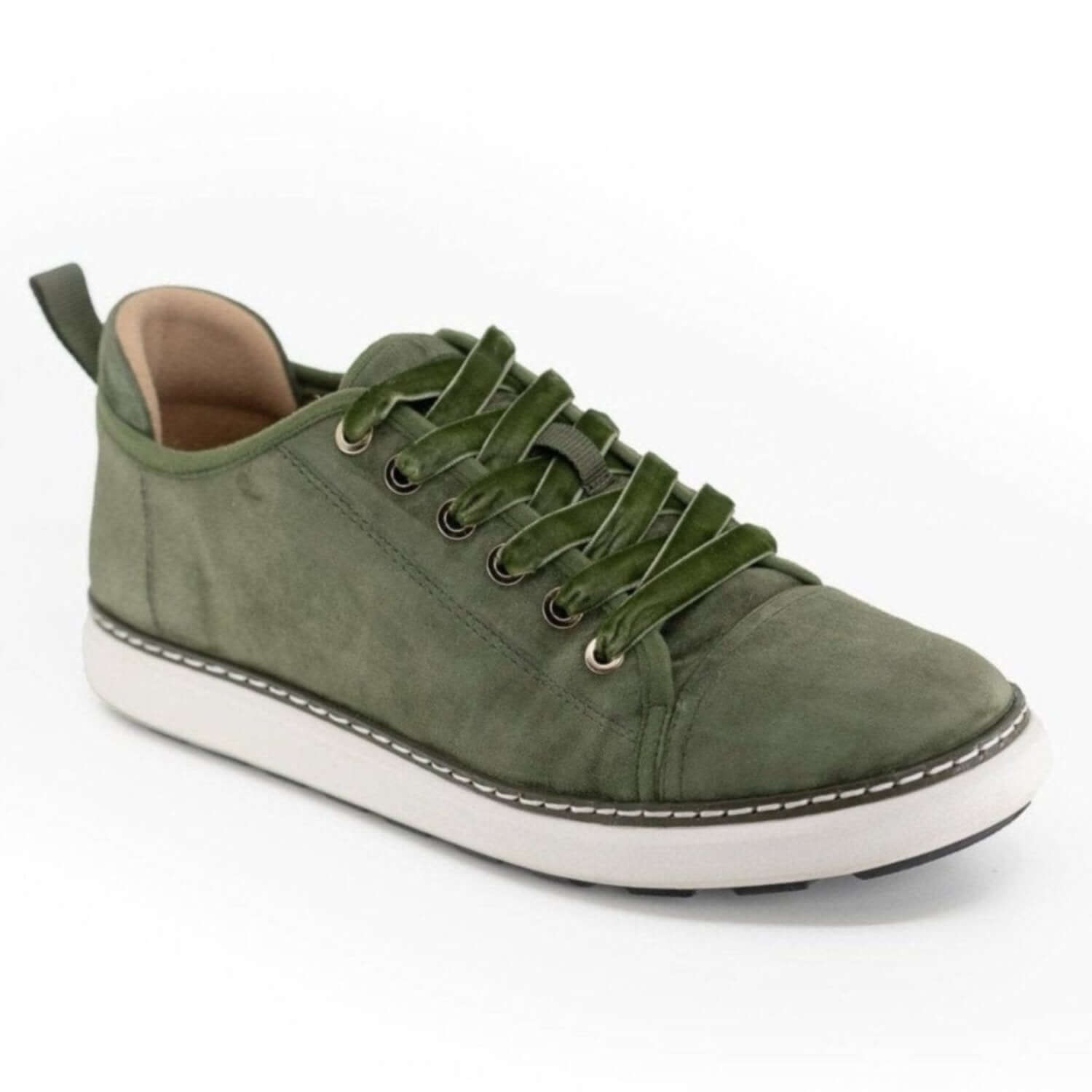

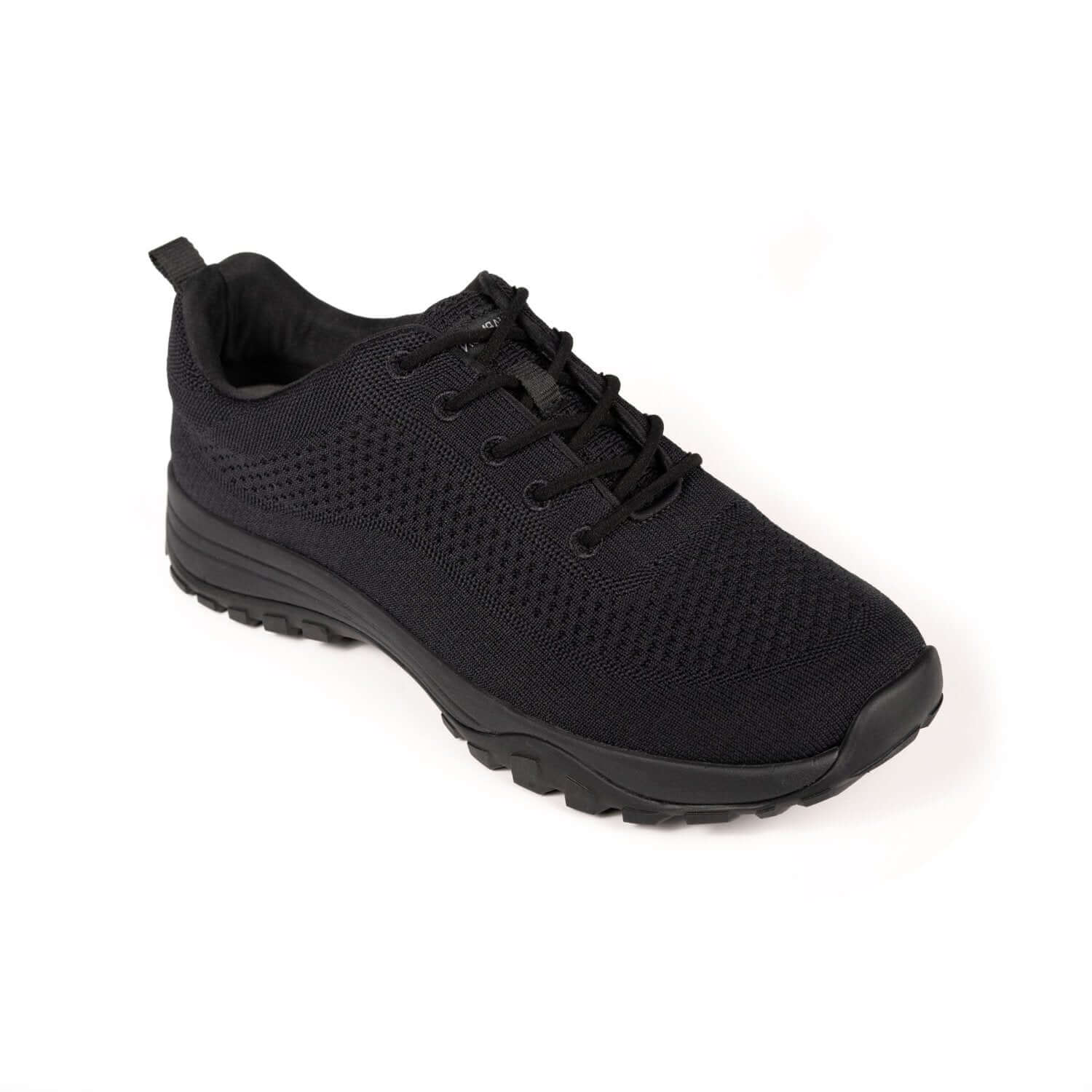

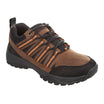
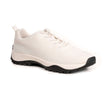

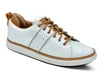
If you are looking into earthing for anxiety, you may be wondering whether grounding footwear could be a simple part of a calming routine. The honest answer is that some people explore grounding because they find it meaningful or relaxing, but shoes should not be presented as a proven treatment for anxiety. Here is how to think about the idea, check what a shoe is actually made to do, and decide whether it fits your day.
What does earthing for anxiety mean?
People use the word “earthing” in different ways. Some mean standing barefoot on a natural outdoor surface. Others use purpose-built products intended to create an electrical connection, including grounding footwear. In either case, the practice is based on the idea of contact with the earth. A shoe does not become a grounding shoe simply because it is comfortable, flexible, or worn outside.
Anxiety can have many causes and can affect people in different ways. A steady walk, time outdoors, or a familiar daily ritual may feel helpful to some people. That does not show that grounding footwear treats anxiety, nor does it predict how any one person will feel. Treat personal experiences as personal experiences rather than a promise of a health outcome.
A brief academic overview of grounding sheets notes reports from some users who feel calmer, while also describing a study that measured heart rate variability. Those points do not establish that grounding footwear treats anxiety. The overview is about grounding sheets, not a clinical recommendation for shoes, so read it with that scope in mind: the research discussion of grounding sheets, benefits, and limitations.
For a plain-language introduction to the terms and the basic idea, see Harmony 783’s guide to what grounding is and its grounding and earthing FAQs. These resources can help you understand the practice, but they should not be read as a promise of a mental health result.
It can help to separate three ideas that are often blended together: the grounding concept, the comfort of the shoe, and the effect of a daily activity such as walking. If you take a pleasant walk in comfortable footwear, you may enjoy the walk for several reasons at once. That experience can be real and valuable without proving that a conductive shoe caused a change in anxiety. Keeping those ideas separate makes it easier to describe your experience without expecting more than the information can support.
Can grounding shoes help with anxiety?
It is reasonable to be curious while keeping expectations in proportion. A shoe may make a walk more comfortable, and a routine that includes movement or time outside may suit you. But it is important to separate those possibilities from a claim that the shoe itself changes anxiety. The study summary linked above discusses grounding sheets and limited research; it does not prove a treatment effect from shoes.
Notice what you want from the purchase. If your main goal is comfortable footwear for regular walks, compare fit, support, style, and whether the shoe was designed for grounding. If your goal is to manage anxiety symptoms, footwear alone is not a reliable care plan. Consider speaking with a qualified healthcare professional, especially if anxiety is persistent, disrupts daily life, or feels hard to manage.
You can also keep a simple, low-pressure record of your experience. Note when and where you wear the shoes, whether they feel comfortable, and what else was part of the day. Avoid treating a good or difficult day as proof that a shoe caused the change. A personal log can help you make a practical choice without turning it into a health claim.
For example, you might jot down the date, how long you wore the pair, the activity, and a brief note about comfort or mood. Keep the note neutral: “walked after lunch, shoes felt comfortable” is more useful than deciding that the shoes caused a particular emotional result. If you notice a consistent personal pattern, it is still only your experience. It should not replace professional support or become a reason to change any care plan.
- Ask what you want the footwear to do in everyday terms, such as feel comfortable on a walk.
- Keep other supportive routines and any professional care in place.
- Do not stop prescribed treatment or delay getting help because of a shoe or wellness practice.
- Stop wearing footwear that causes pain, rubbing, or a poor fit.
Harmony 783 also shares a research and science overview. When reading any wellness material, look at what was studied, which product was involved, and whether the findings support the exact claim being made. Research about one grounding product does not automatically tell you what another product will do.
How can you tell whether a shoe is actually made for grounding?
This distinction matters because the words “barefoot,” “minimal,” and “grounding” describe different things. A thin sole or flexible design does not by itself show that a shoe has a conductive path. When you compare footwear, ask the central question: was this shoe actually constructed for grounding and to allow the flow of electrons?
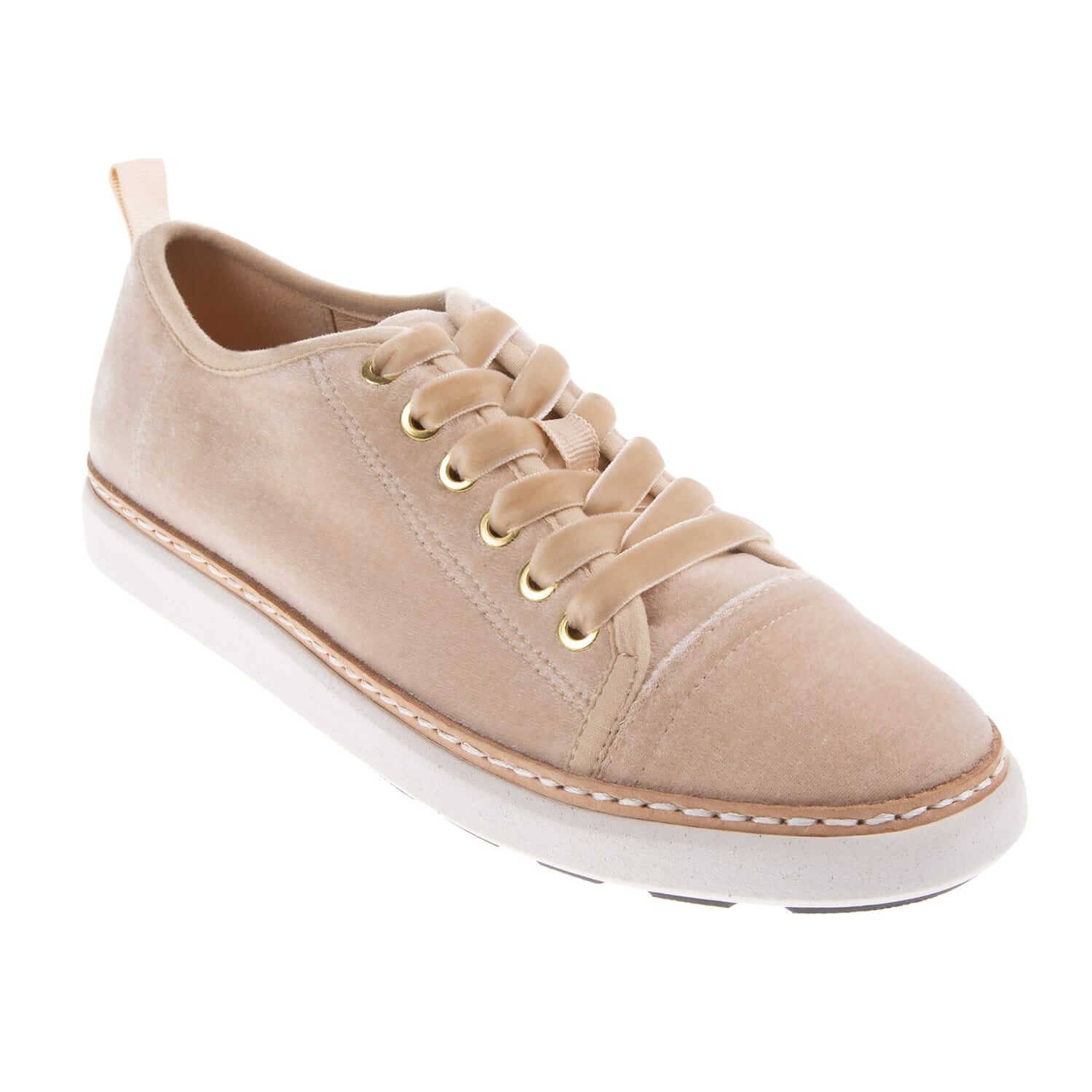
Harmony 783 says its shoes use Groundworks™ Technology, a five-layer conductive system. The described components include a silver-stitched footbed, a silver-stitched lasting board layer, a 99% pure silver fabric loop, a cushioned midsole, and a carbon-and-rubber conductive outsole. The company says its shoes are tested for a grounded connection. These are construction details, not a guarantee that wearing a pair will change anxiety or deliver a specific health outcome.
Use the questions below to compare a product description with your own needs:
- Is the product explicitly described as grounding or earthing footwear? Do not assume based on a barefoot look or a thin sole.
- Does the maker explain its conductive construction? Look for a clear account of the materials and how they are intended to work together.
- Does the maker say how it checks the connection? A specific testing statement is more useful than a broad wellness slogan.
- Will the fit and feel suit your routine? Conductive design does not replace comfortable sizing and appropriate use.
When comparing two product pages, read beyond the name and first image. Find the materials or construction details, look for an explanation of how the conductive parts connect, and check what the brand says about testing. If those details are missing, ask before assuming that the shoe provides the feature you want. Comfort features and grounding construction are separate questions, so check both instead of using one as a stand-in for the other.
For more on the company’s construction explanation, read how Harmony 783 shoes are made. You can also browse the full grounding footwear collection to compare the available styles. Product details can vary, so check the information for the specific pair you are considering.

Which grounding footwear might suit your routine?
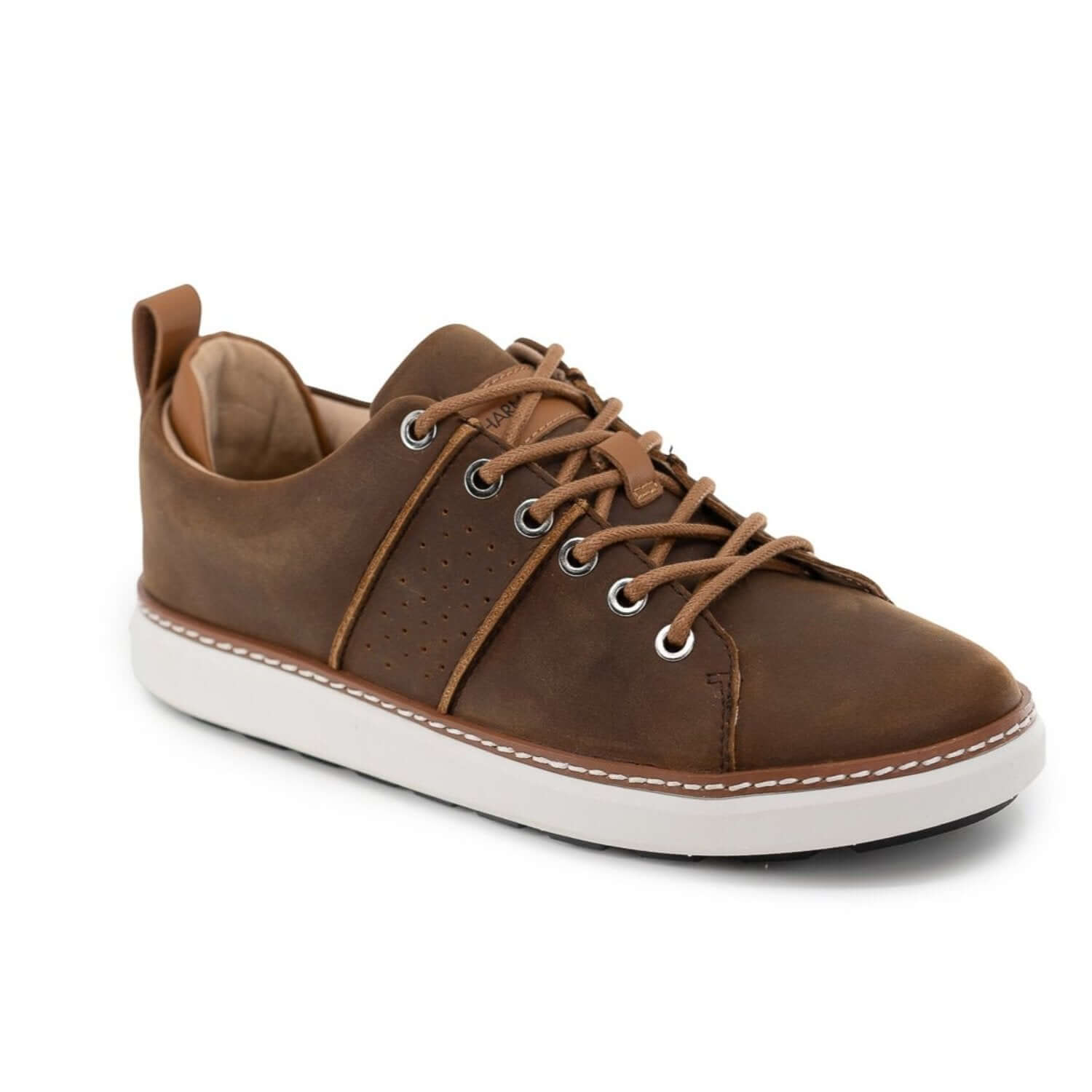
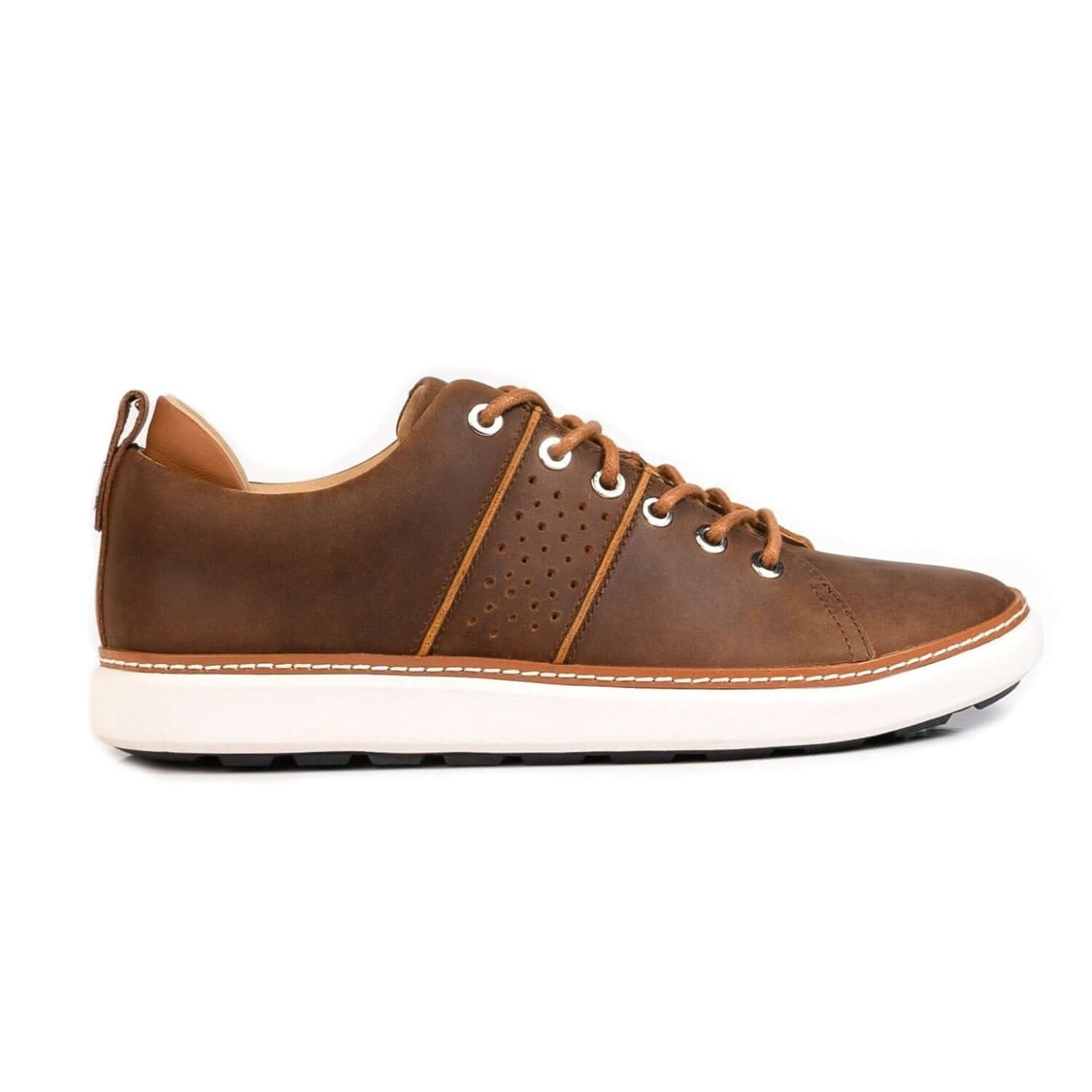
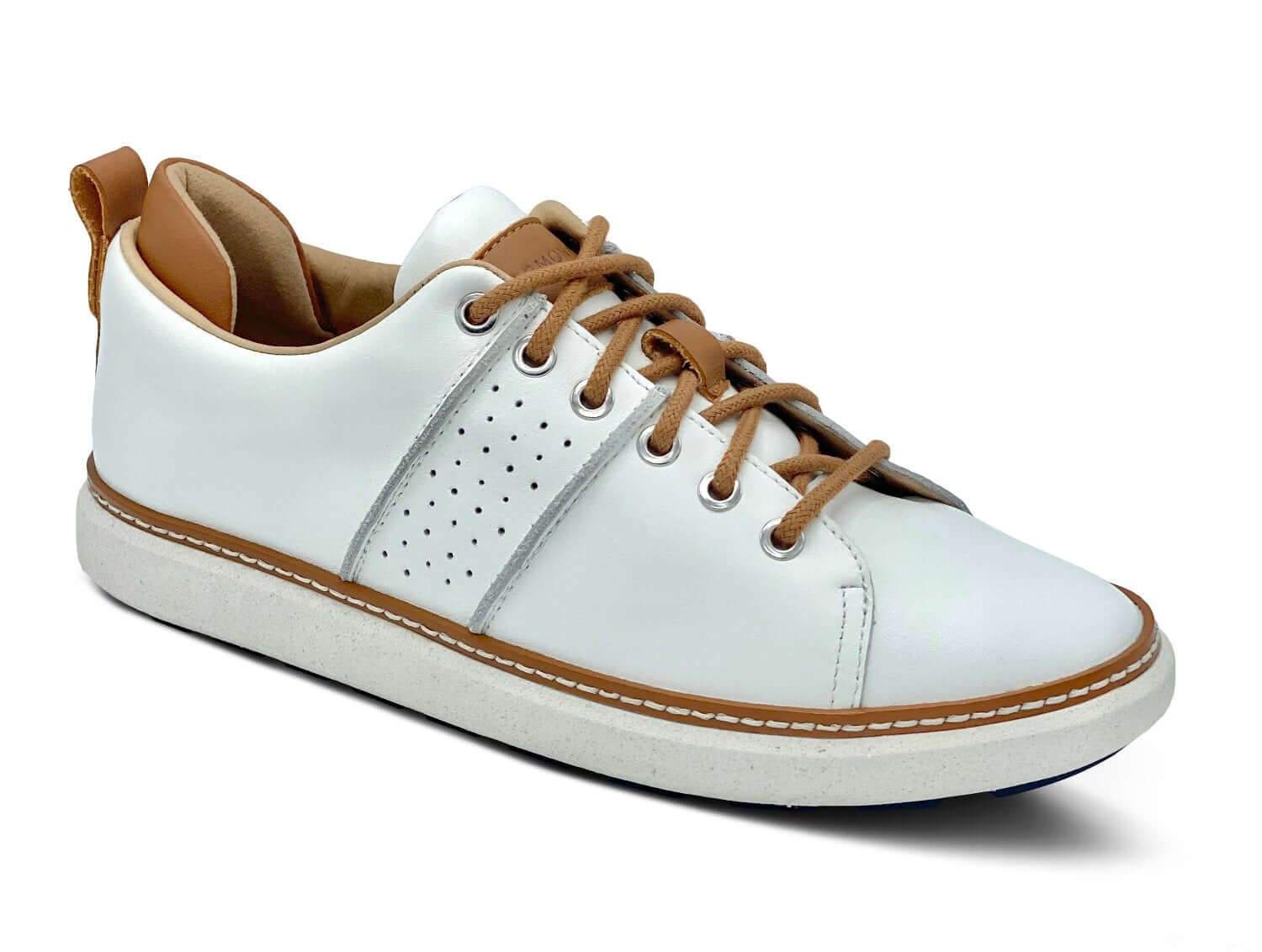
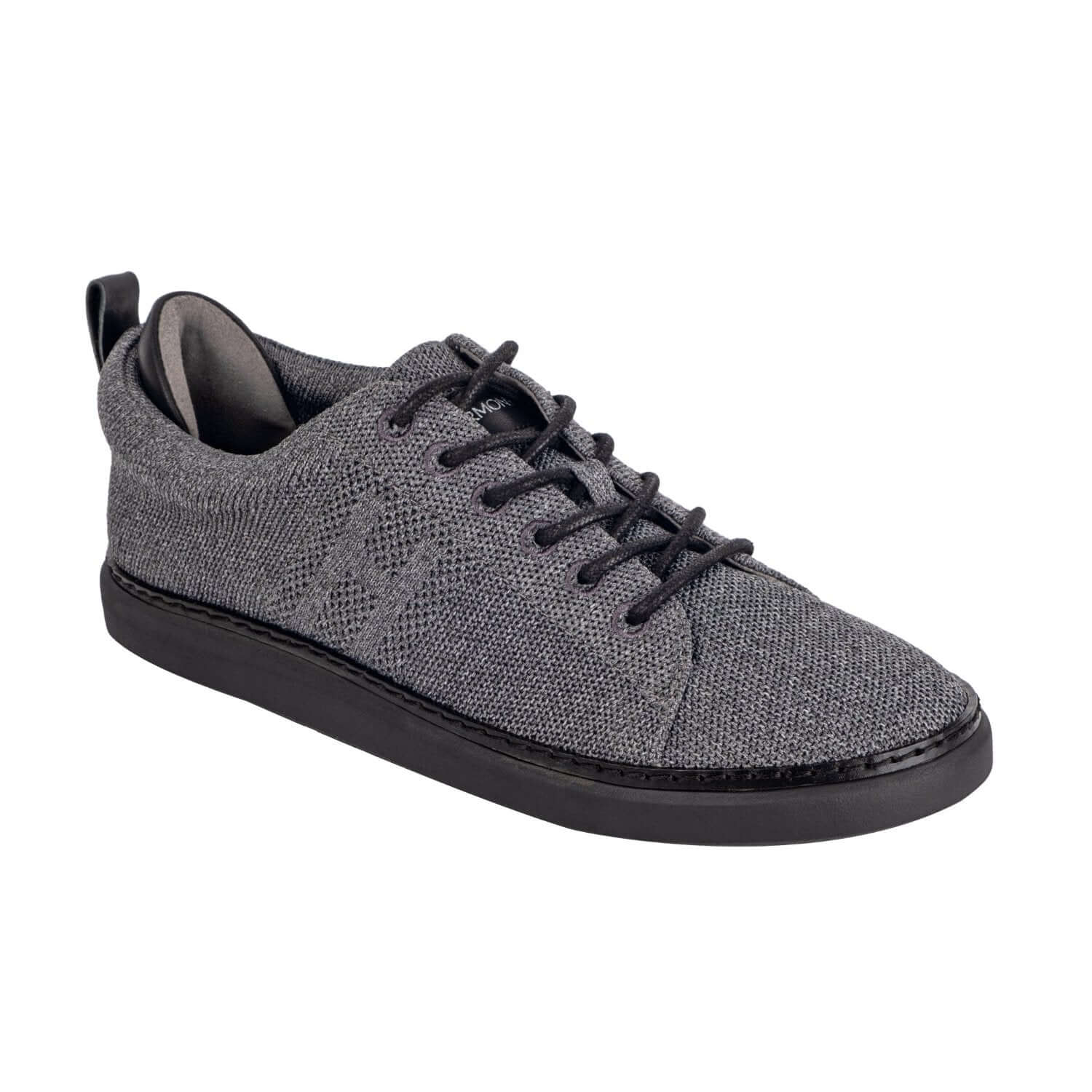
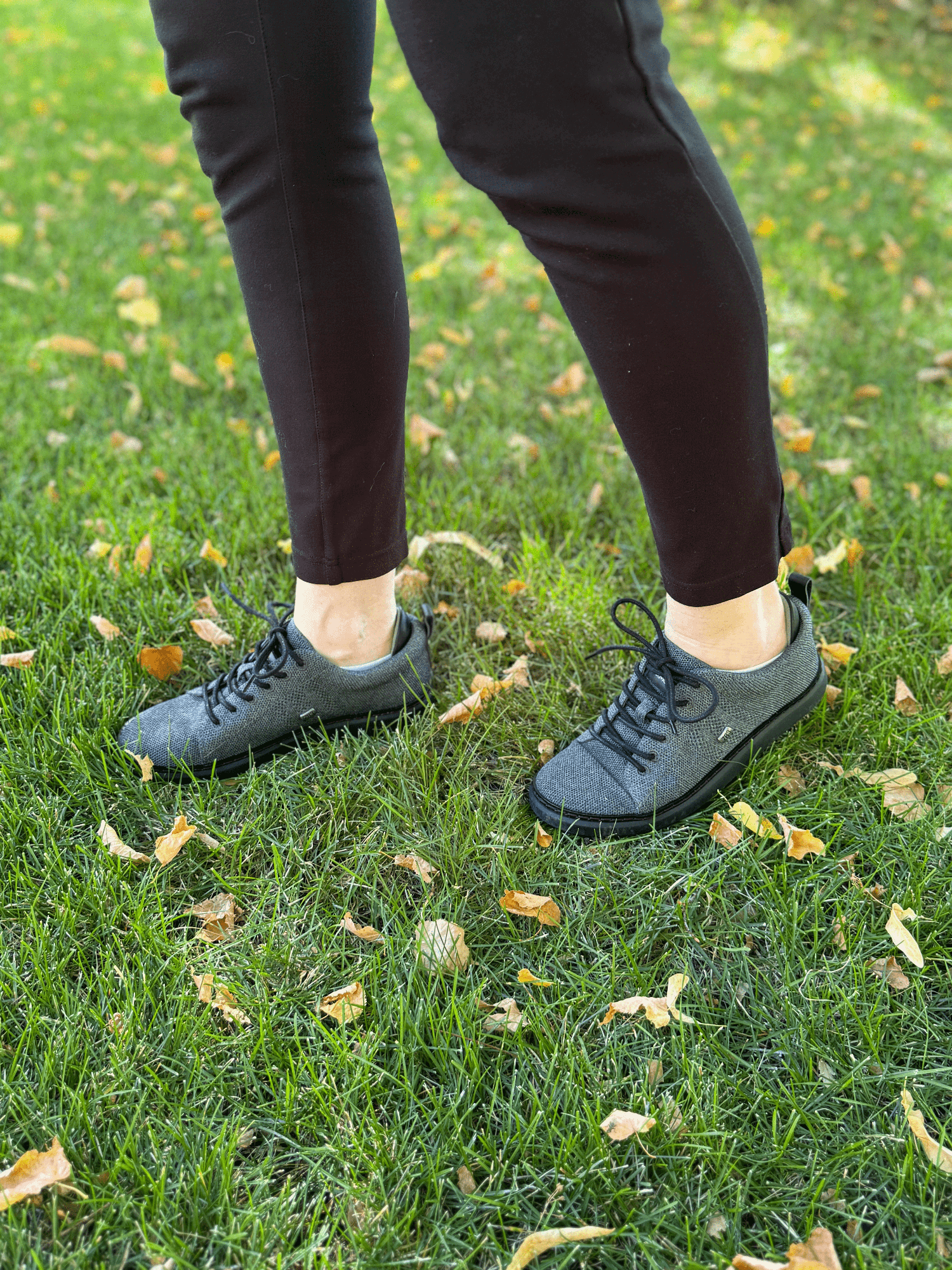
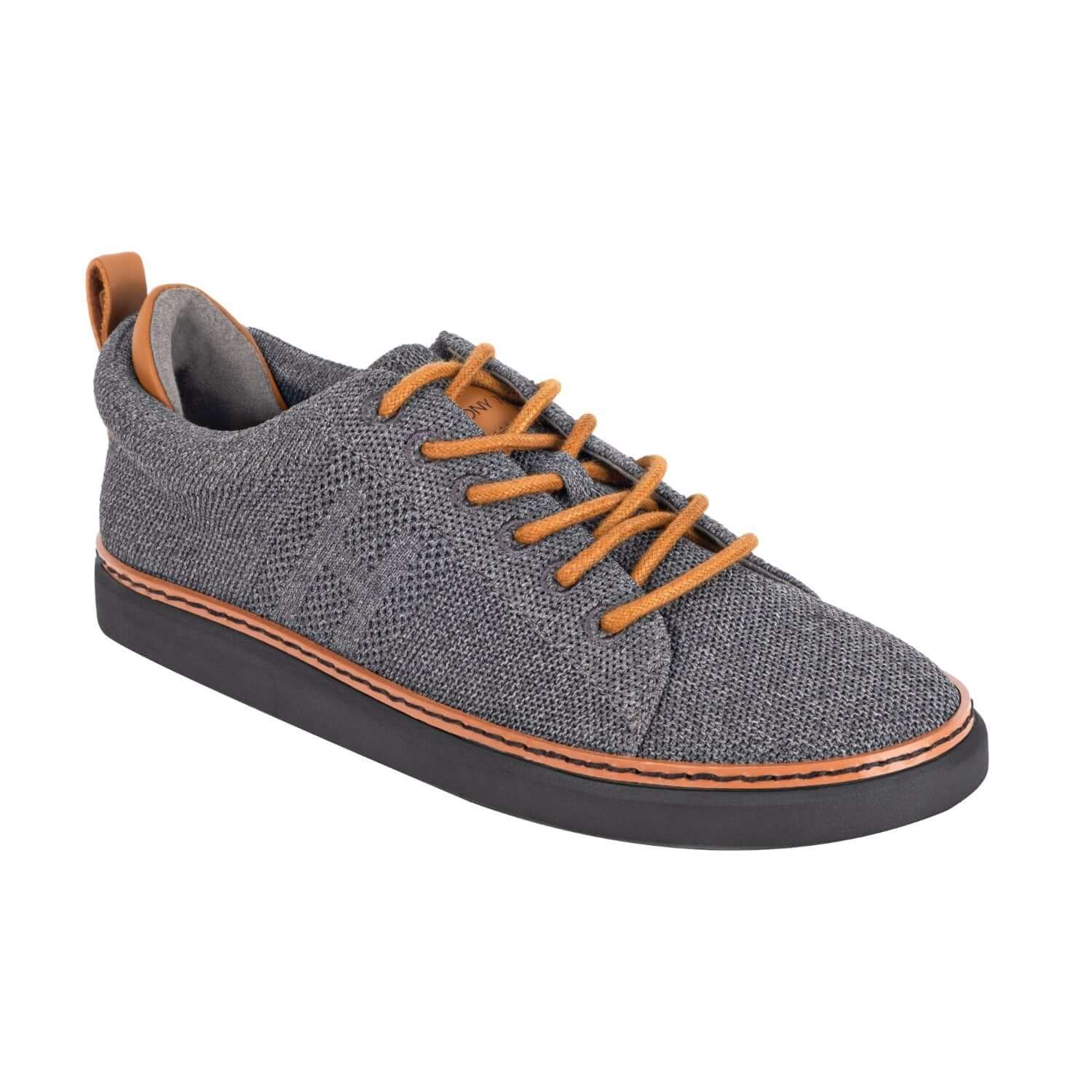
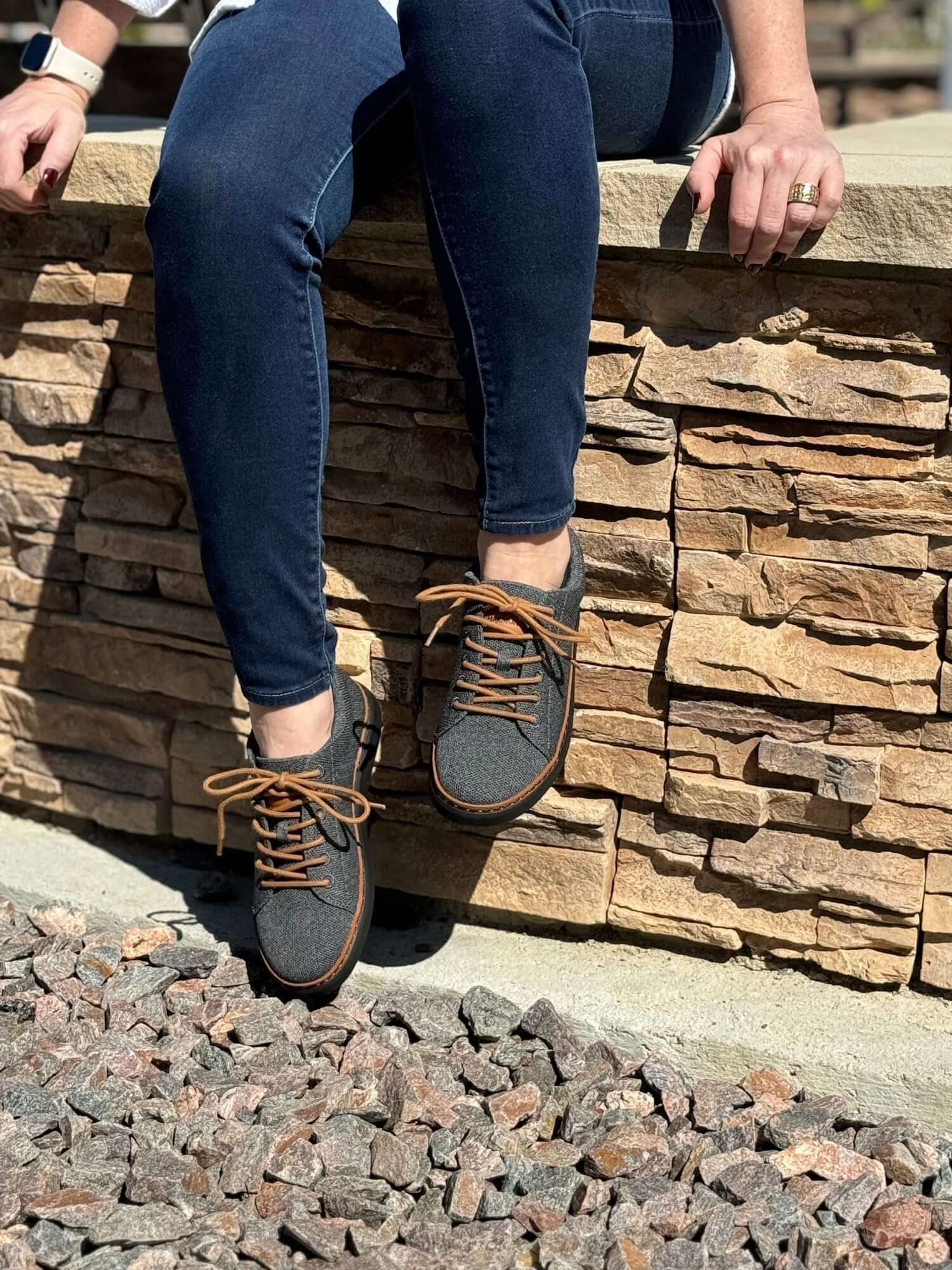
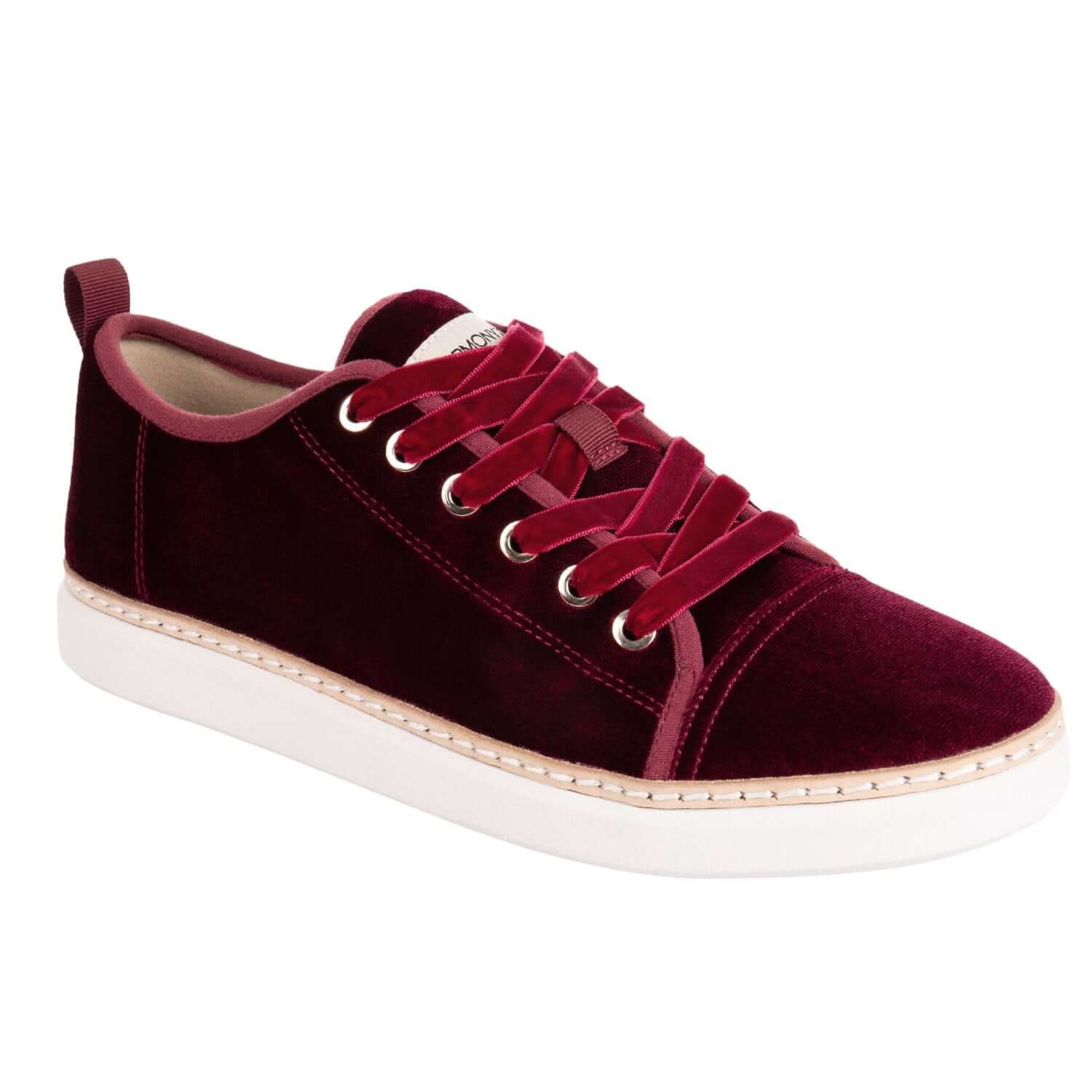
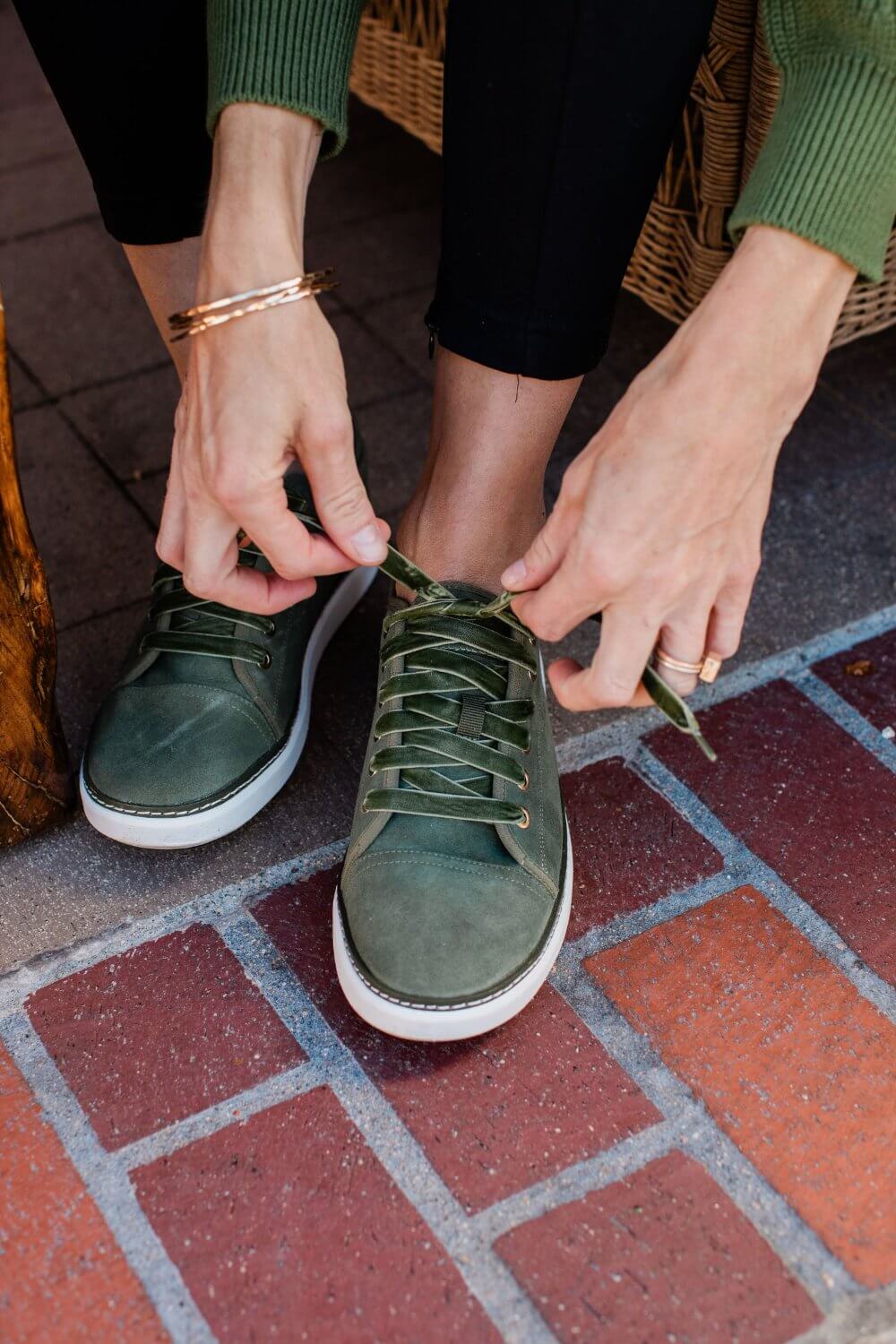
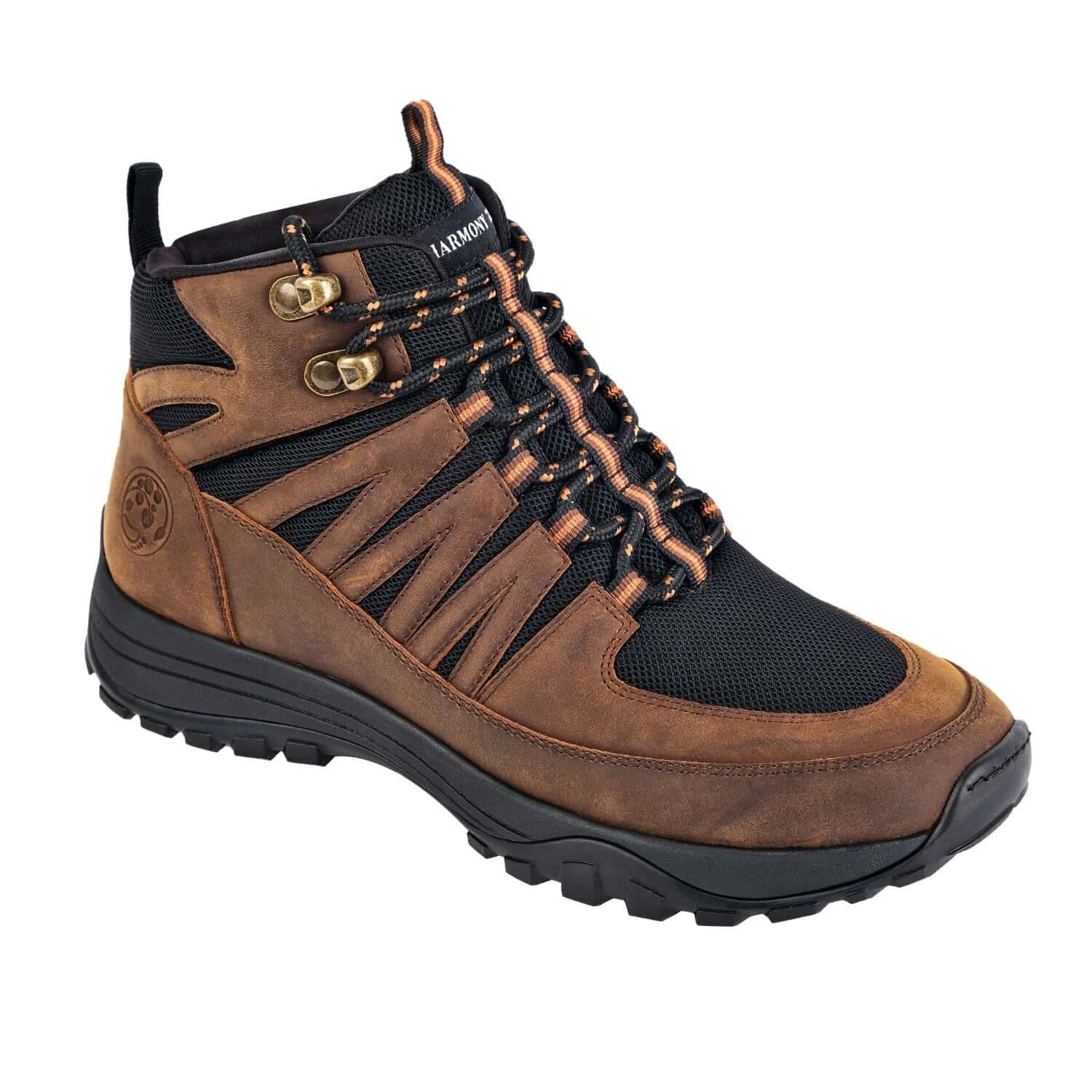
Think about when you would wear the shoes. Do you want a pair for errands, longer walks, warm-weather outings, or everyday use? A practical match is more likely to become part of your routine than a style you do not enjoy wearing. Harmony 783 offers several footwear types; the right place to begin is the activity, season, and fit that matter to you—not a claim about anxiety relief.
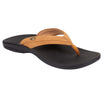
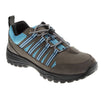
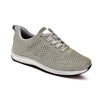
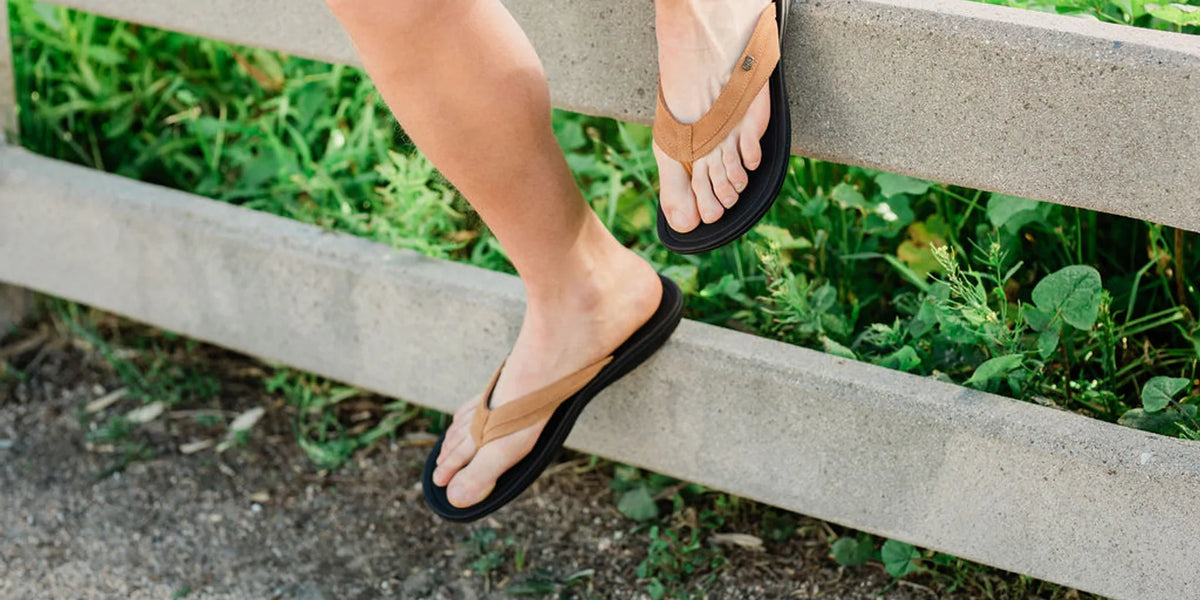
Picture an ordinary week before choosing. If you usually walk to run errands, consider whether you want a closed shoe that feels comfortable for that distance. If you spend more time in casual settings, a sneaker may be easier to wear with your usual clothes. If warm-weather open footwear is your preference, compare sandals and think about strap placement and how secure they feel. These are practical shopping questions, not health predictions.
| Style to compare | Could fit this routine | What to check |
|---|---|---|
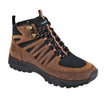
| Walking shoes | Daily errands or regular walks | Fit, cushioning, and whether the shape feels right for your usual distance |
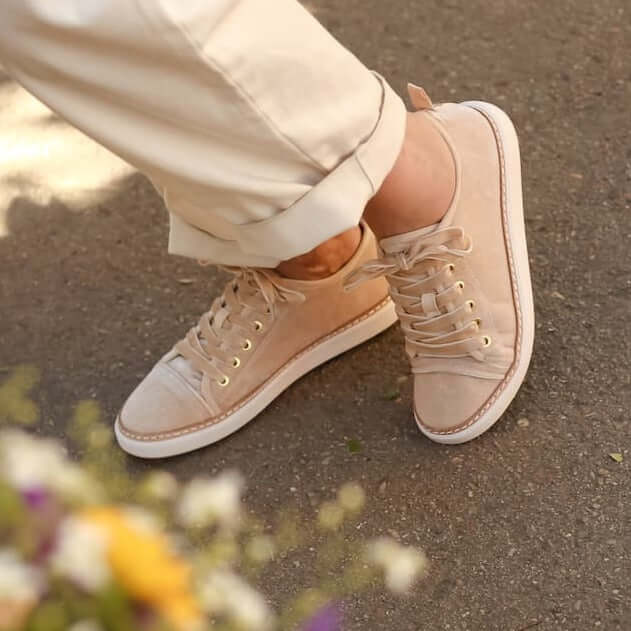
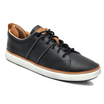
| Sneakers or joggers | Casual everyday wear | Closure, room through the toes, and comfort with your typical socks |
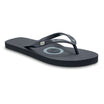
| Sandals | Warm weather and open footwear | Strap placement, secure feel, and whether the style suits the surfaces where you walk |
| Other styles | Work, travel, or a specific personal preference | How the shoe fits your clothing, activity, and day-to-day comfort needs |
Explore grounding walking shoes, grounding sneakers, or grounding sandals as starting points. Shoppers looking for women's styles can see the women’s collection; the men’s collection provides another way to browse. These links are for comparing footwear, not selecting a treatment for anxiety.
If you prefer a particular style, narrow your choice by use: a walker for walks, a sneaker for everyday outfits, or a sandal when an open shoe suits the weather. Then check the product details and size options. The shoe size guide is a helpful starting point, but fit is personal. Follow the product’s sizing information and consider what feels secure and comfortable on your foot.
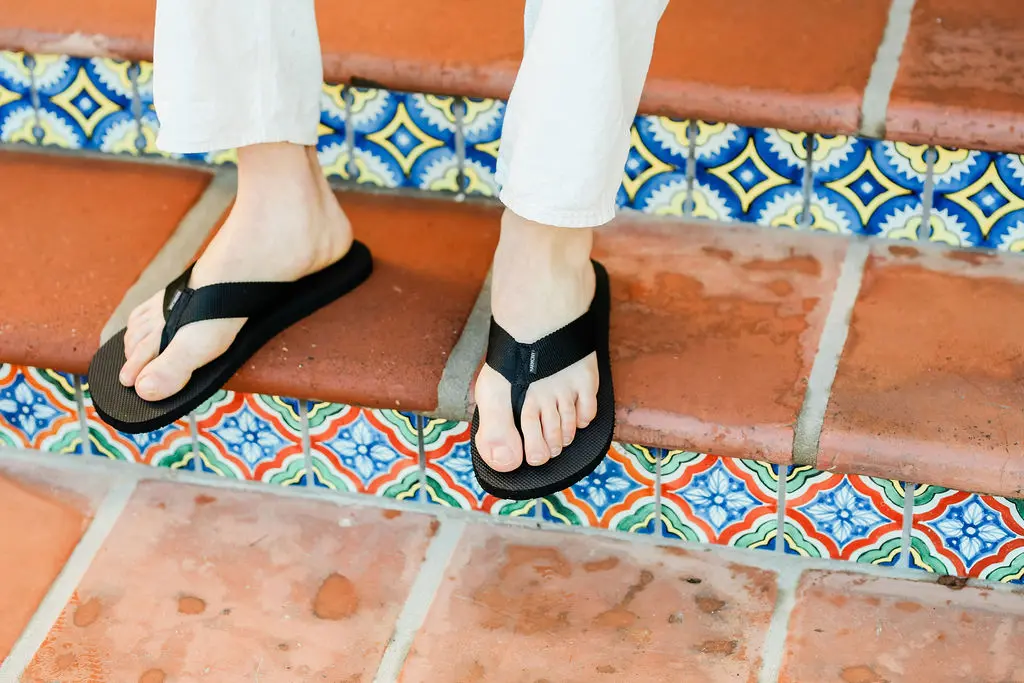
How should you test fit and comfort before regular wear?
Grounding design does not make fit less important. Start with the size information for the specific style. Try the shoes with the socks you expect to wear, if applicable, and check that your toes have comfortable room. The shoe should feel secure without painful pressure or slipping. A style that works for one person may not work for another.
- Review the sizing details. Use the size guide and select the available sizing option shown on the product page.
- Try them indoors first. Walk around on a clean, safe surface and notice any rubbing, pinching, or heel movement.
- Start with a comfortable amount of wear. Do not force a long walk if the shoe feels wrong or your feet need time to adjust.
- Recheck after wearing. Pay attention to how your feet feel during and after use. Stop if the shoe causes pain or irritation.
Make the first wear a small test rather than a full-day commitment. Stand, take a few steps, and turn as you normally would. Check whether your heel stays in place and whether any part of the shoe presses against your foot. If the shoes feel fine indoors, try a familiar, shorter outing before choosing them for a long walk or a busy day. This gradual check is useful for comfort; it does not test an anxiety effect or prove that the grounding connection is active.
For purchase-policy details, review the Harmony 783 Promise and warranty information before ordering. Read the current terms rather than assuming what applies to your situation. If a fit question is not answered by the product information, the company’s contact page is available for questions.
What is a sensible way to decide?
Use a simple decision check before choosing:
- Purpose: Am I shopping for comfortable footwear and a wellness practice, rather than a replacement for mental health support?
- Construction: Is the shoe specifically made for grounding, with an explanation of its conductive design?
- Fit: Does the style match my activity, and can I find a size that feels comfortable?
- Expectations: Am I open to my own experience without assuming a particular result?
- Care: If anxiety is affecting my life, do I have appropriate support beyond a footwear purchase?
It may help to separate two decisions. First, do you want grounding footwear as a style of shoe for everyday use? Second, what support do you need for anxiety? The first is a shopping question. The second may call for a conversation with a qualified professional. Keeping them separate makes it easier to make a choice that is both realistic and kind to yourself.
One useful way to apply the checklist is to write down your must-haves before browsing. For example: “closed toe, comfortable for errands, grounding construction explained, and within the styles I like.” Then compare a few options against the same list. This keeps a wellness claim from overshadowing basic details such as fit and intended use. If no available style meets your comfort needs, it is fine to wait or choose another option; curiosity does not require a purchase.
For a broader look at styles, browse Harmony 783 grounding shoe bestsellers or compare the latest styles. Take time to read each product description and check sizing before deciding.
Browse our collection of grounding shoes
What questions do shoppers ask about earthing for anxiety?
Is earthing for anxiety a proven treatment?
The information cited here does not establish earthing or grounding shoes as an anxiety treatment. Some users report feeling calmer, but personal reports and research on a different product do not prove that shoes will reduce anxiety. For ongoing or disruptive anxiety, seek guidance from a qualified healthcare professional.
Are barefoot shoes the same as grounding shoes?
No. A barefoot-style shoe is not a grounded or earthing shoe unless it was specifically constructed for grounding. A thin sole or flexible feel alone does not show that the shoe has a conductive design.
Can I wear grounding shoes indoors?
Use the product information for the specific pair to understand its intended use. Do not assume that every surface or setting creates the same conditions. The shoe’s construction and the surfaces you encounter both matter to the grounding concept.
What should I do if wearing the shoes makes me uncomfortable?
Stop and check the fit. If you notice pain, rubbing, or irritation, do not push through it. Review the size information and contact the company through its contact page if you need help with a product question.
What is the next step if you are curious?
Earthing for anxiety is a question worth approaching with curiosity and clear expectations. Grounding footwear is designed around a conductive connection, but it should not be treated as a proven way to manage anxiety. If you want to explore shoes, compare construction, everyday purpose, and fit, and choose a style you are comfortable wearing. If anxiety is a concern in your life, footwear can sit alongside—not replace—appropriate support.
Explore grounding shoes for your everyday routine
Choose a pair for the way you live, and keep your expectations grounded in what the available information can actually support.