















What does earthing cardiovascular health blood circulation research actually show? Early studies suggest that contact with the Earth's surface may affect red blood cell behavior and blood viscosity. These findings are interesting, but they do not prove that grounding prevents or treats heart disease.
Browse the collection of grounding footwear
What Does Earthing Cardiovascular Health Blood Circulation Research Tell Us About Inflammation?
Inflammation is a normal part of the body's response to stress or injury. It helps the body respond to a problem and begin repair. The concern is chronic, low-level inflammation that continues over time. That pattern can be relevant to cardiovascular health because it may affect blood vessels and other systems involved in circulation.
Researchers often discuss C-reactive protein, or CRP, when describing inflammation and cardiovascular risk. An elevated marker does not predict one person's future by itself. It also does not identify the cause of a health concern. It is one piece of a much larger clinical picture that can include blood pressure, cholesterol, blood sugar, family history, activity, sleep, and other factors.
This is where the language around earthing matters. Grounding studies explore whether direct contact with the Earth can influence measurable body processes. A possible change in a laboratory measure is not the same as proof of a clinical outcome. It does not show that a person will avoid a heart attack or reverse a diagnosis.
Why might inflammation matter for blood flow?
Blood travels through vessels that must remain flexible and open. Inflammation may affect the vessel lining and other processes involved in circulation. Researchers also study blood viscosity, which describes the resistance blood encounters as it moves. Inflammation and viscosity are related topics, but neither one is a diagnosis on its own.
- Inflammation is a normal body response, but persistent inflammation deserves professional attention.
- Cardiovascular wellness depends on many factors, not one habit or product.
- Grounding may complement a healthy routine, but it should not replace prescribed care.
For a broader overview, read Harmony 783's guide to earthing for inflammation and blood flow. The article can provide context, while a qualified healthcare professional should interpret personal symptoms or test results.
What Did the Earthing Blood Viscosity Study Find?
A frequently cited paper in earthing cardiovascular health blood circulation research is titled Earthing (grounding) the human body reduces blood viscosity: a major factor in cardiovascular disease. The study examined whether connecting the body to the Earth's surface changed properties related to blood flow. The record is available through PubMed.
What did the researchers measure?
The study focused on blood viscosity and red blood cell behavior. Viscosity describes how much resistance a fluid has as it moves. Blood with higher viscosity can move differently through the circulatory system than blood with lower viscosity. The researchers also considered aggregation, which is the tendency of cells to group together.
The paper reported changes in these measures after grounding. It also discussed zeta potential, the electrical charge at the surface of a cell. Red blood cells with more surface charge may repel one another more strongly. In theory, that could reduce the tendency of cells to cluster. The study's reported findings are a possible pathway for future investigation.
| Term | Plain-English meaning | Reported in the study |
|---|---|---|
| Blood viscosity. | Resistance as blood moves. | A decrease was reported. |
| Surface charge. | Electrical property at a cell's surface. | An increase was reported. |
| Aggregation. | Red blood cells grouping together. | A decrease was reported. |
What can one study tell us?
One study can identify a question worth testing. It cannot establish that the same result will occur for every person in every setting. It also cannot prove that a change in a blood property leads to a lower risk of cardiovascular disease.
That distinction is especially important for wellness content. A reported association is not proof of prevention, treatment, or cure. Earthing should not replace movement, nutrition, medication, checkups, or a clinician's plan. If you have a cardiovascular diagnosis, follow the care plan that has been prescribed for you.
Q: Does the earthing blood viscosity study prove that grounding treats cardiovascular disease? A: No. It reports an association between grounding and changes in blood viscosity, red blood cell surface charge, and aggregation. Those findings support additional study. They do not establish a treatment.
How Does Red Blood Cell Zeta Potential Relate to Circulation?
Red blood cell zeta potential can sound technical, but the basic idea is simple. It describes the electrical environment around the outer surface of a cell. Researchers use it to help understand how cells may interact while moving through blood.
When cells carry similar surface charges, they may repel each other. When that repulsion is lower, cells may be more likely to form groups. This grouping is called aggregation. Cell behavior can affect how blood moves, especially in smaller vessels, so it is a useful topic for laboratory research.
- Zeta potential: the electrical charge at a cell's surface.
- Repulsion: the tendency of similarly charged cells to push apart.
- Aggregation: the clustering or stacking of red blood cells.
- Circulation: the movement of blood through the body's vessels.
What did the grounding research report?
The paper available through the National Library of Medicine reported higher red blood cell zeta potential and lower aggregation under its grounding conditions. You can review the full paper at PMC3576907.
These findings help explain why zeta potential appears in discussions of earthing and blood circulation research. They do not show that grounding treats cardiovascular disease, prevents an event, or produces the same result for every person. A cell-level measure is one part of research, not a personal health assessment.
Q: Does higher zeta potential automatically mean better heart health?
A: No. It describes one feature of red blood cell behavior. Cardiovascular health also involves vessel function, blood pressure, activity, nutrition, sleep, medical history, and other factors.
For readers, the responsible takeaway is modest. The proposed mechanism is measurable and worth studying. It is not a reason to make medication changes or delay medical care.
How Can Earthing Cardiovascular Health Blood Circulation Research Fit a Daily Routine?
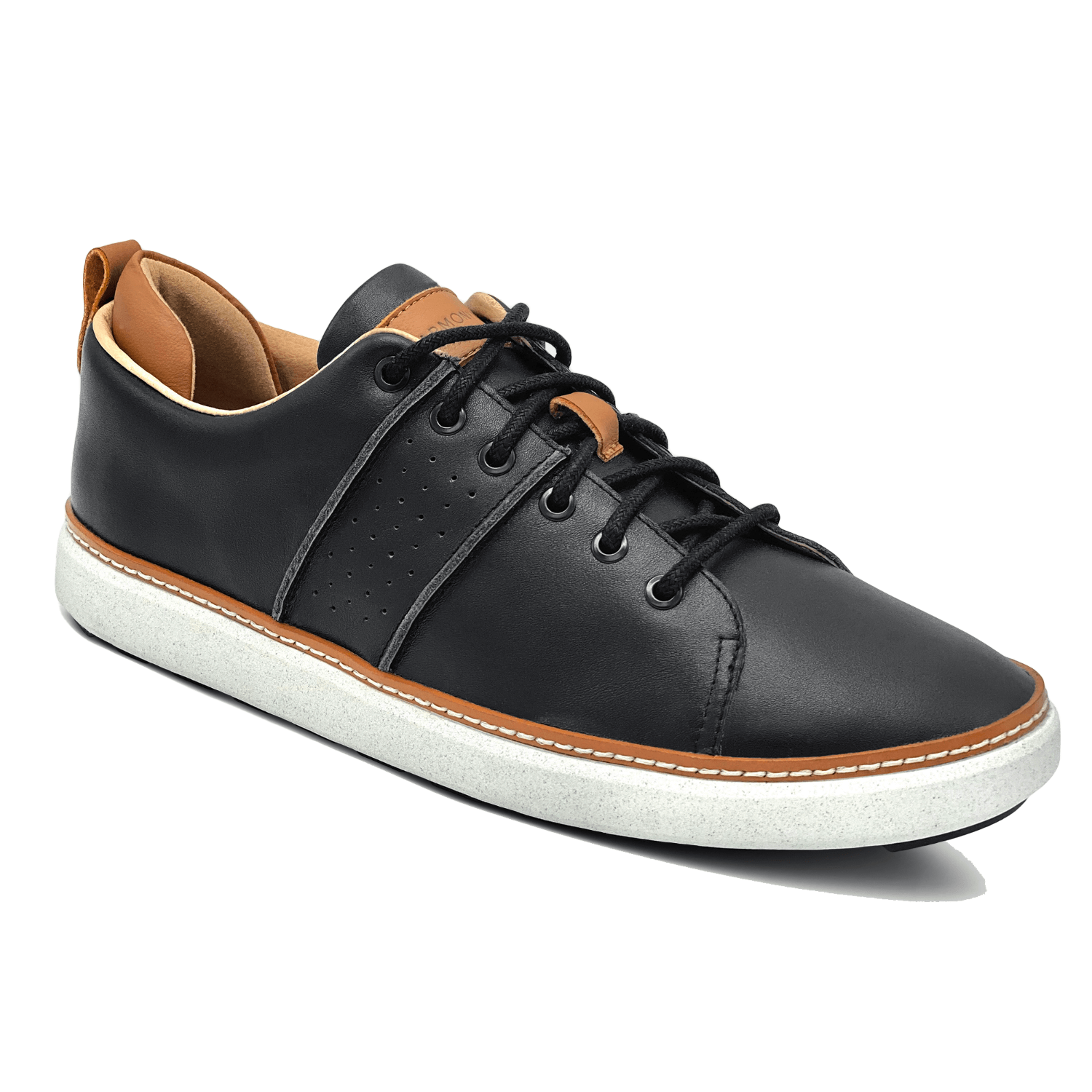
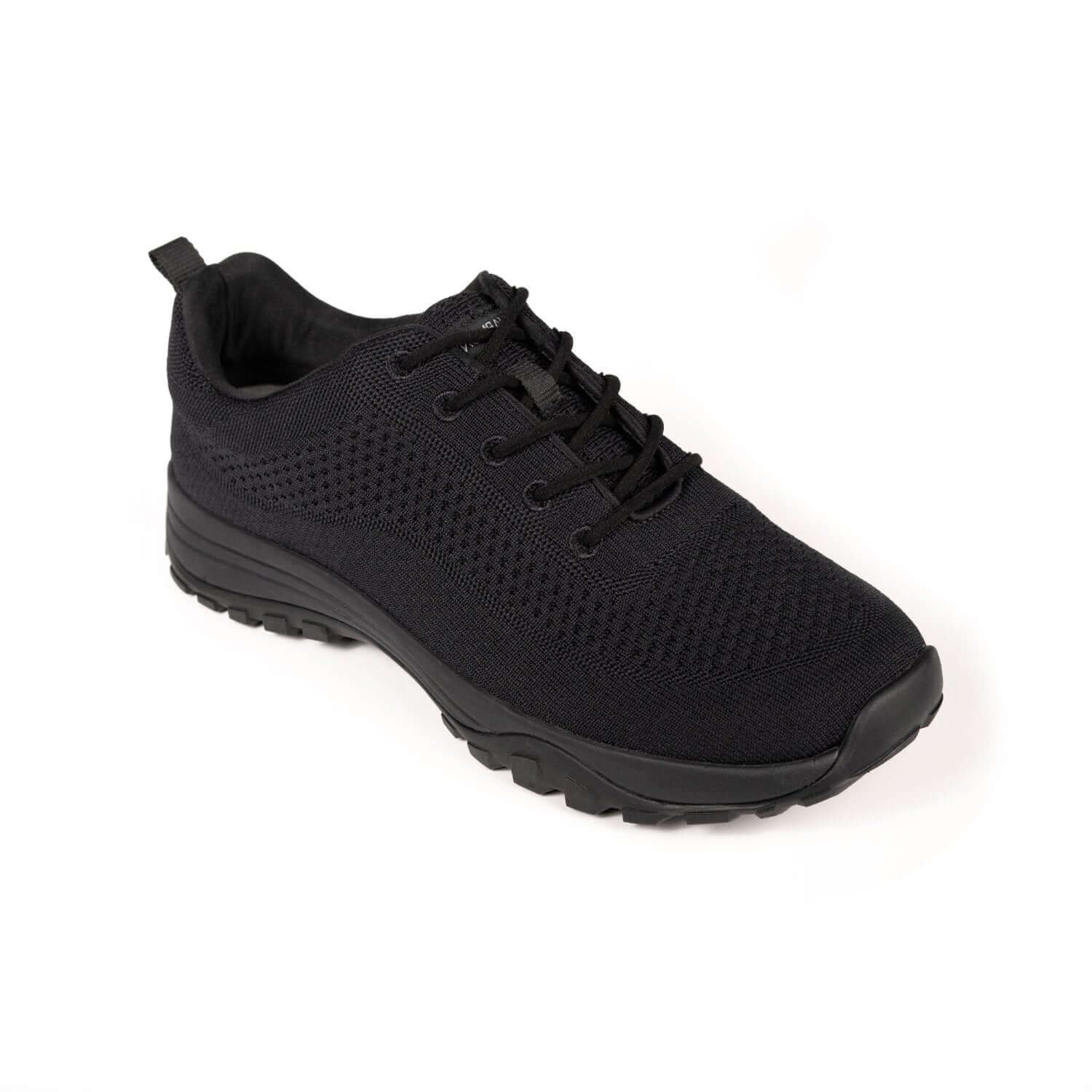
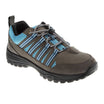
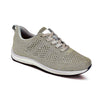
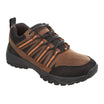
Grounding shoes can make an earthing practice more practical. Instead of waiting for a special outdoor session, you may wear conductive footwear while walking, running errands, or spending time outside. The value of a routine is that it can connect time outdoors with comfortable movement.
Research does not show that a pair of shoes prevents or treats a cardiovascular condition. Product conductivity can depend on the model, fit, care, and surface. Follow the guidance for the pair you choose, and keep your expectations realistic.

How can you build a consistent habit?
- Choose a repeatable time. Try a morning walk, an afternoon errand, or an evening stroll. Pairing footwear with an existing habit can make consistency easier.
- Use a comfortable setting. Spend time outdoors on a safe surface and follow the product's care and use instructions.
- Keep movement appropriate. Choose a pace and duration that fit your current fitness level. Ask a clinician how to begin if you have been inactive or have a health condition.
- Watch for warning signs. Stop and seek appropriate help for chest pain, unusual shortness of breath, fainting, sudden weakness, or other urgent symptoms.
What does Harmony 783 offer?
Harmony 783 describes its Groundworks system as conductive footwear for everyday wear and states that its shoes are tested for a grounded connection. Those product statements explain the intended use of the footwear. They do not make the shoes medical devices or establish a cardiovascular outcome.
You can compare everyday options in the Harmony 783 walkers collection or explore casual styles in the grounding sneakers collection. Choose the pair that fits your routine and feels comfortable enough to wear consistently.
Discover grounding footwear for your daily routine
Which Heart-Healthy Habits Matter Alongside Earthing?
Earthing can be one small part of a broader wellness routine. The basics remain important because cardiovascular health is shaped by many connected factors. A grounding habit should add to those practices, not compete with them.

- Move regularly: Break up long periods of sitting and choose activities you can repeat.
- Choose nourishing foods: Build meals around vegetables, fruit, beans, whole grains, nuts, and protein sources that suit your needs.
- Protect sleep: Keep a steady bedtime routine and aim for consistent, restorative rest.
- Care for stress: Try slow breathing, stretching, time outdoors, or quiet time with people you trust.
- Know your numbers: Follow clinician-guided checks for blood pressure, cholesterol, blood sugar, and other risk factors.
Regular activity can support overall cardiovascular wellness. A walk, gentle cycling, swimming, or another enjoyable activity may be easier to maintain when it fits your life. Start at a level that feels safe. If you have been inactive or have a medical condition, ask a qualified professional for guidance.
Food and sleep also deserve attention. You do not need to change everything at once. A small step, such as adding vegetables to lunch or setting a consistent bedtime, can be easier to repeat than a complete routine overhaul.
Research into earthing, blood circulation, and cardiovascular wellness is still developing. If you have chest pain, unusual shortness of breath, fainting, sudden weakness, or another urgent symptom, seek medical help promptly. Do not change medication or delay care because of an earthing claim.
For more background on the wider topic, read the Harmony 783 guide to grounding shoes for specific health conditions. It is a useful cluster resource, while personal medical decisions belong with your healthcare team.
Browse the collection of grounding footwear
Frequently Asked Questions
Does grounding improve blood viscosity?
One study reported that grounding increased red blood cell surface charge and reduced blood viscosity and cell aggregation. This is an early finding, not proof that grounding treats a cardiovascular condition or changes blood viscosity for everyone. Review the study record in PubMed.
How does earthing affect red blood cell zeta potential?
Zeta potential is the electrical charge at a cell's surface. Grounding research reported higher zeta potential in red blood cells, which may increase repulsion between cells and reduce aggregation under the study conditions. The result needs broader research before it can guide medical care. See the paper at PMC.
Is earthing beneficial for cardiovascular health?
Earthing may be a supportive wellness practice, but current research does not establish it as a treatment or prevention method for heart disease. A balanced routine should also include movement, nourishing food, adequate sleep, and medical guidance when needed.
Can earthing reduce cardiovascular inflammation?
Inflammation is associated with cardiovascular risk, but it is not yet clear whether earthing meaningfully reduces cardiovascular inflammation in everyday life. The evidence is preliminary. The CDC explains cardiovascular risk factors.
Are there clinical studies on earthing and blood circulation?
Yes. Peer-reviewed studies have examined grounding in relation to blood viscosity, red blood cell surface charge, and aggregation. The evidence base remains limited, so earthing is best treated as a lifestyle choice that complements, rather than replaces, prescribed cardiovascular care.
Ready to Make Grounding Part of Your Routine?
Shop all Harmony 783 grounding footwear and choose a style that fits the way you move through your day.