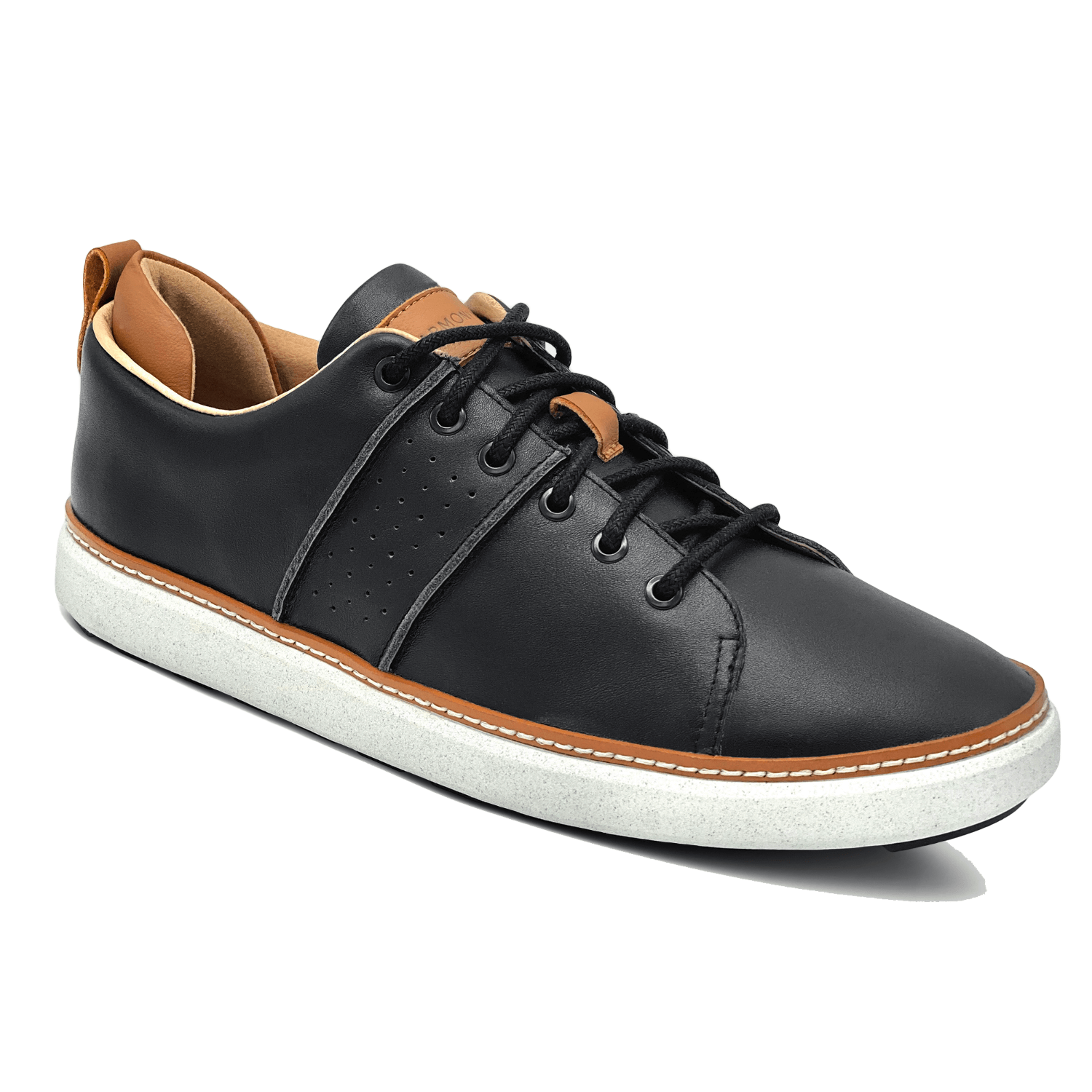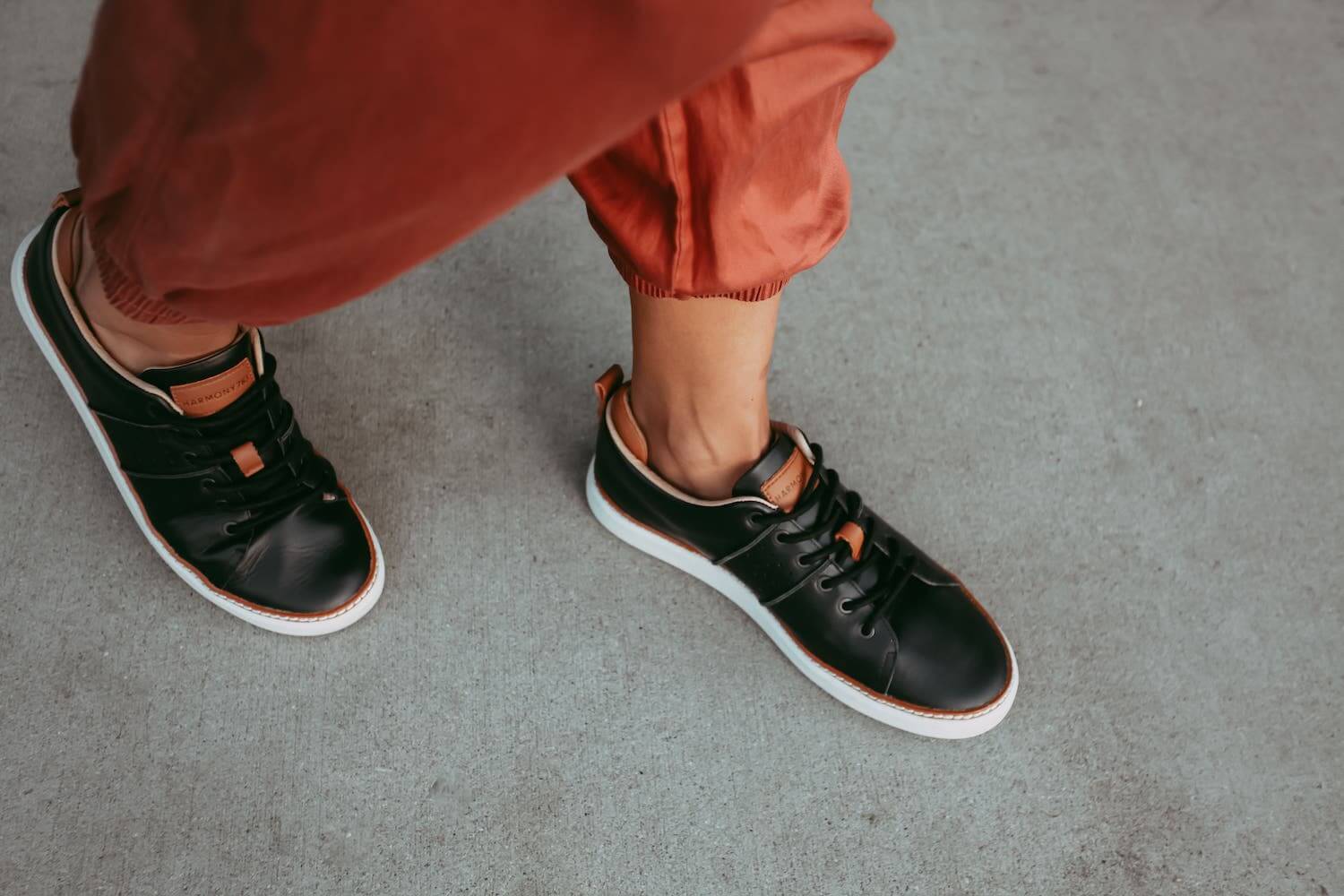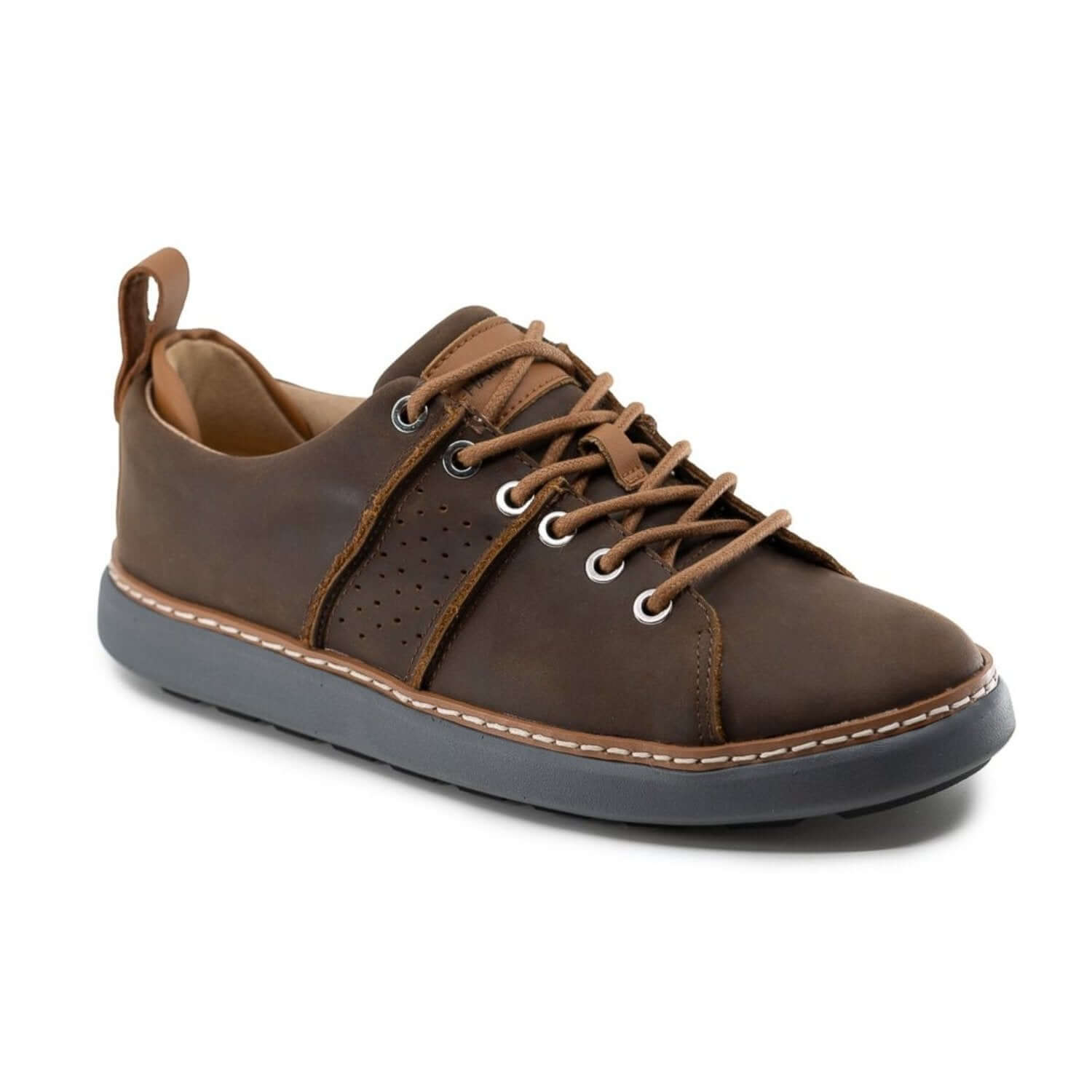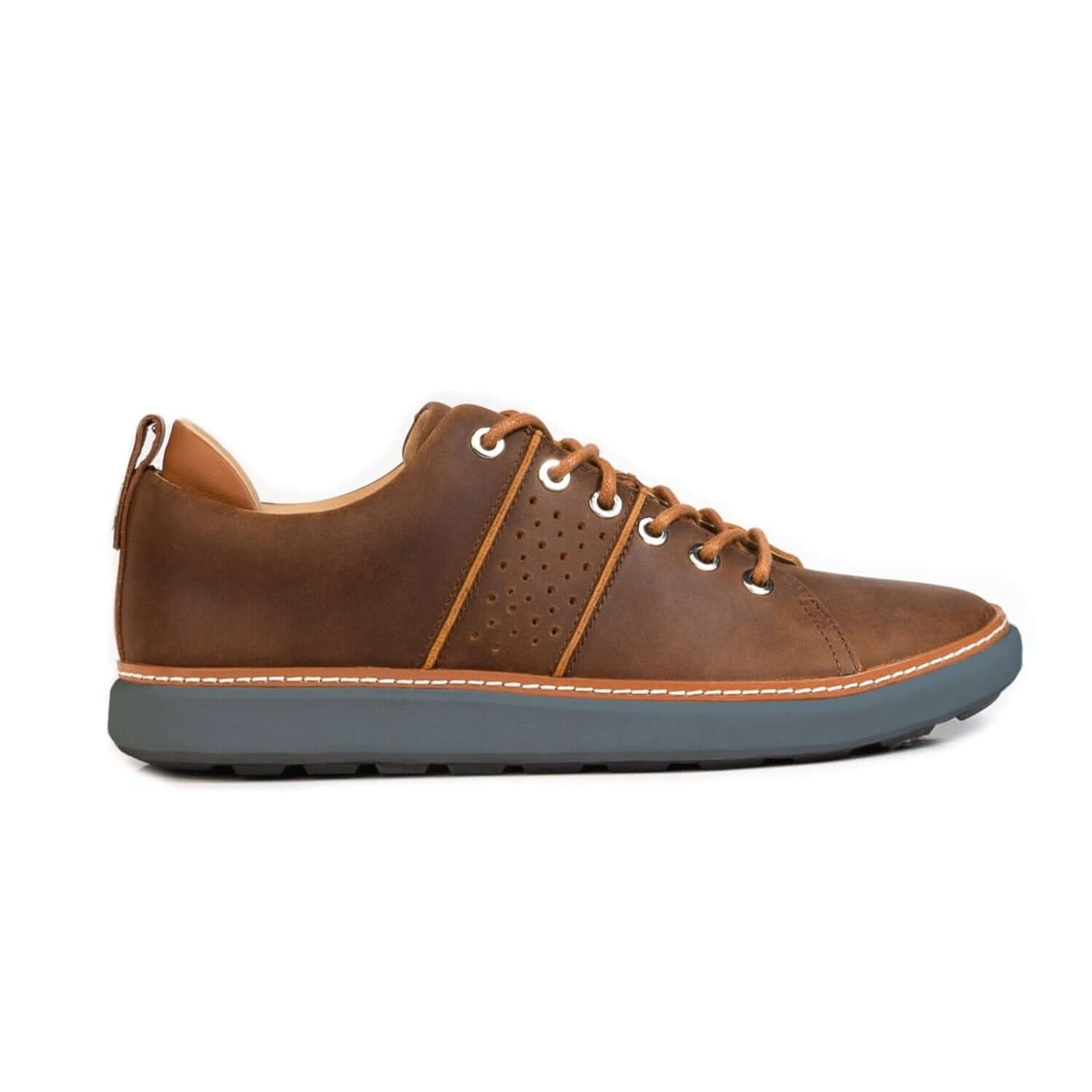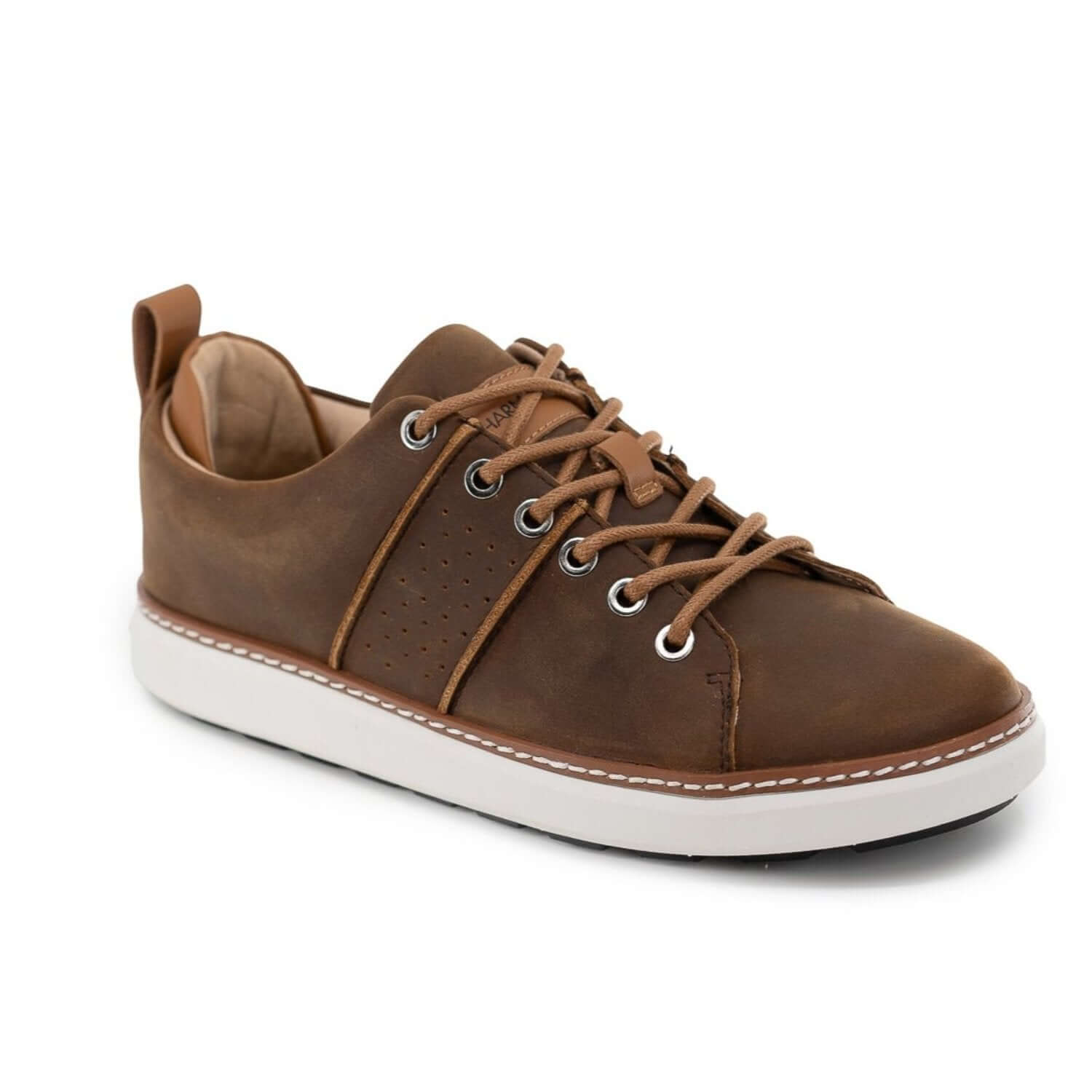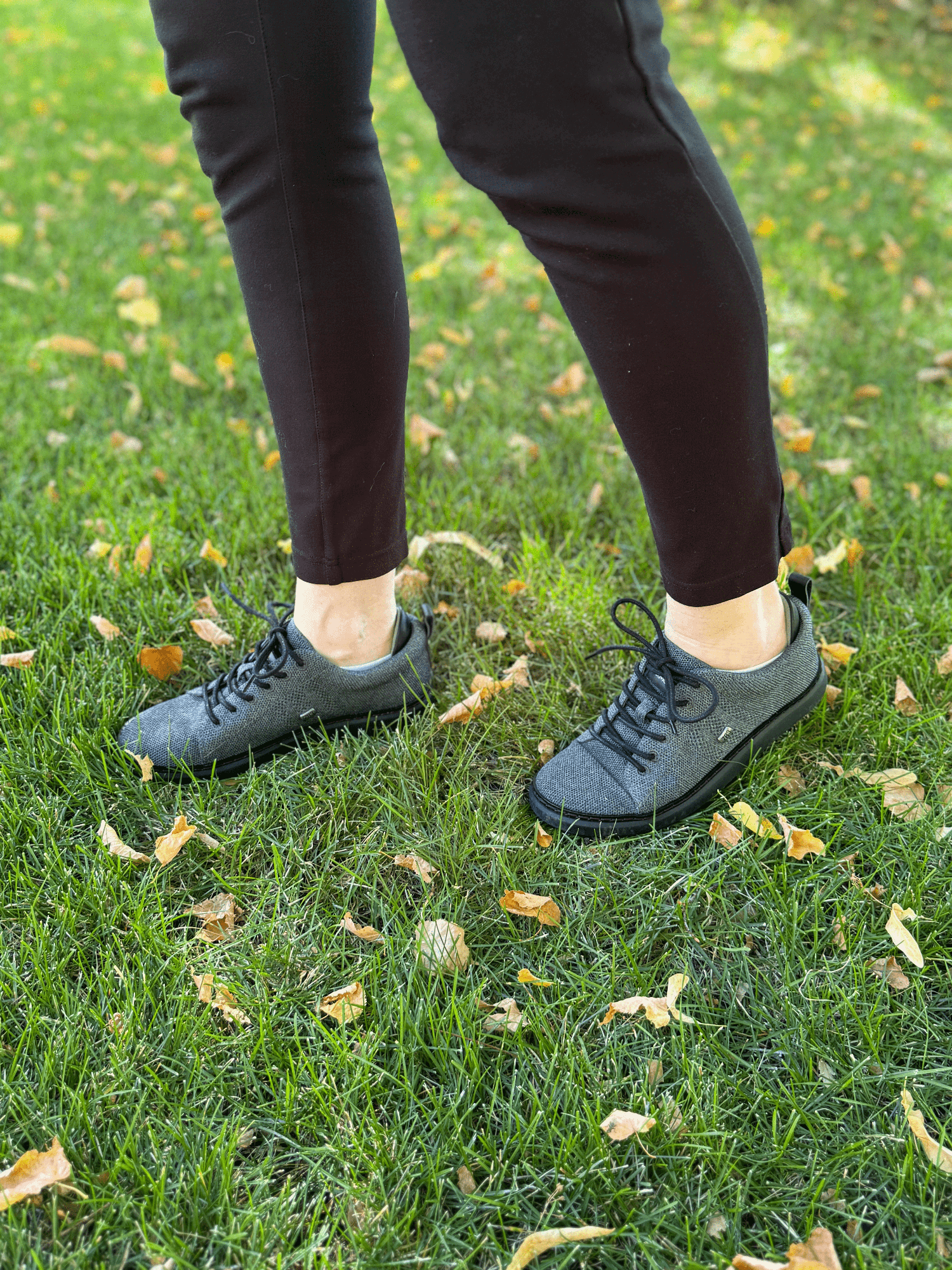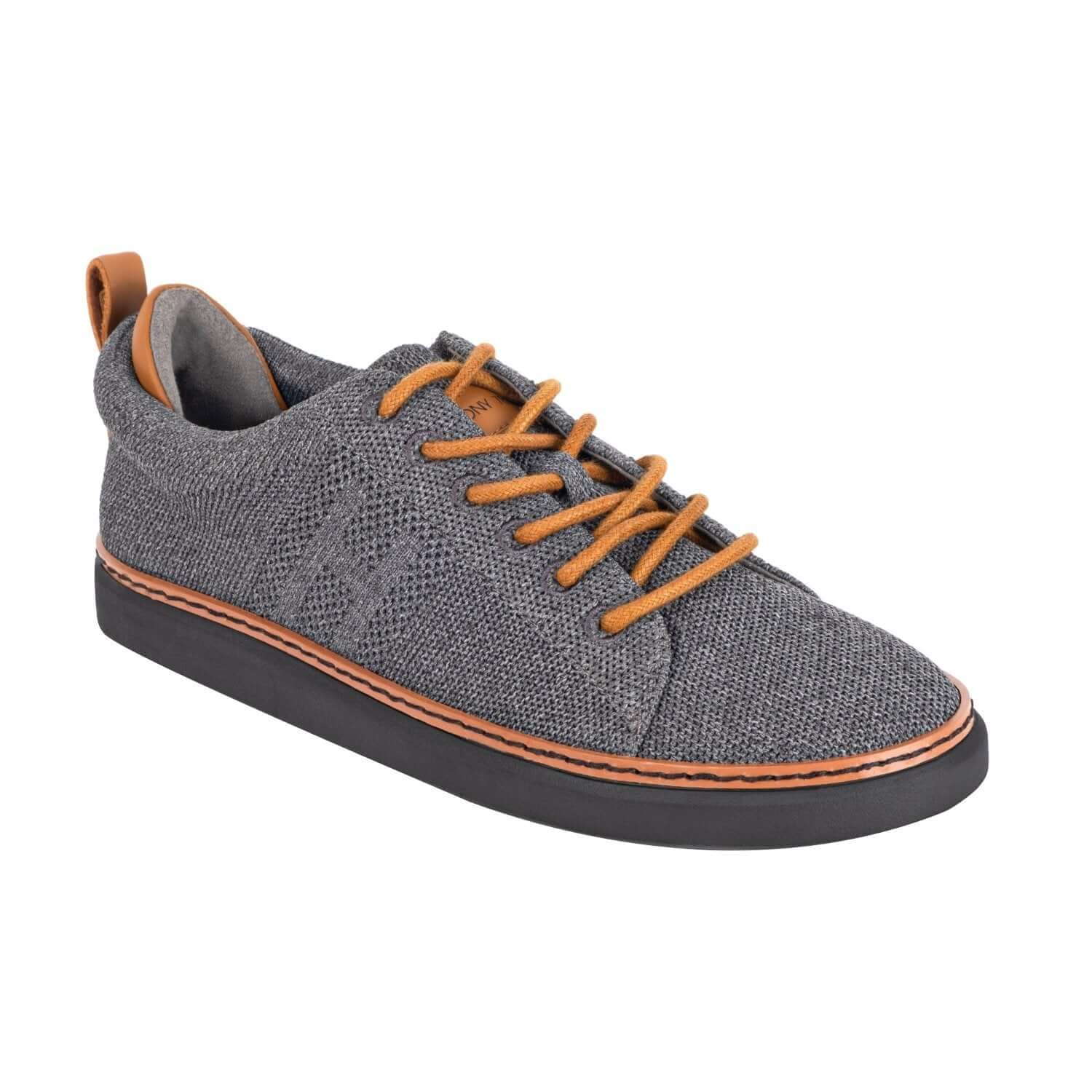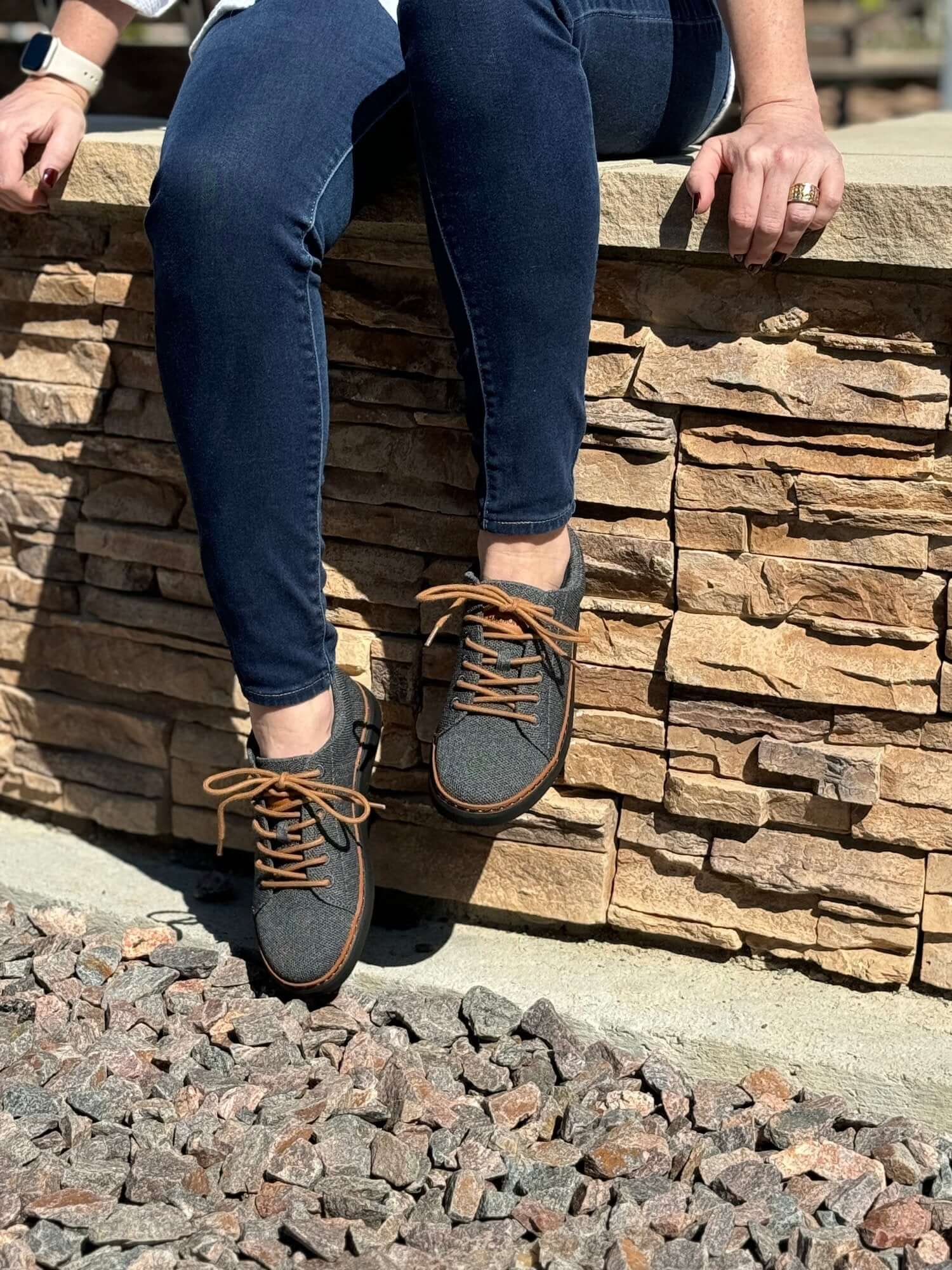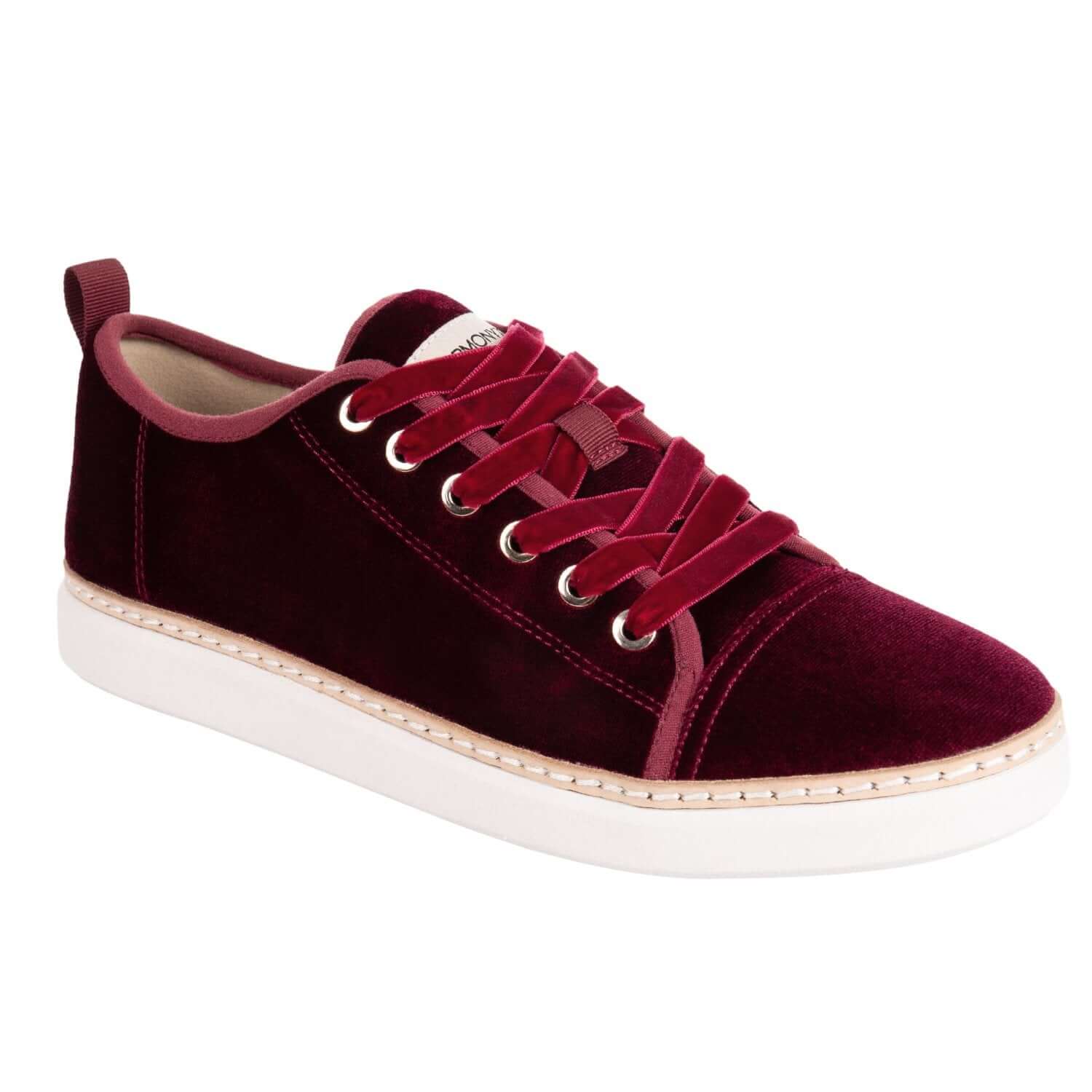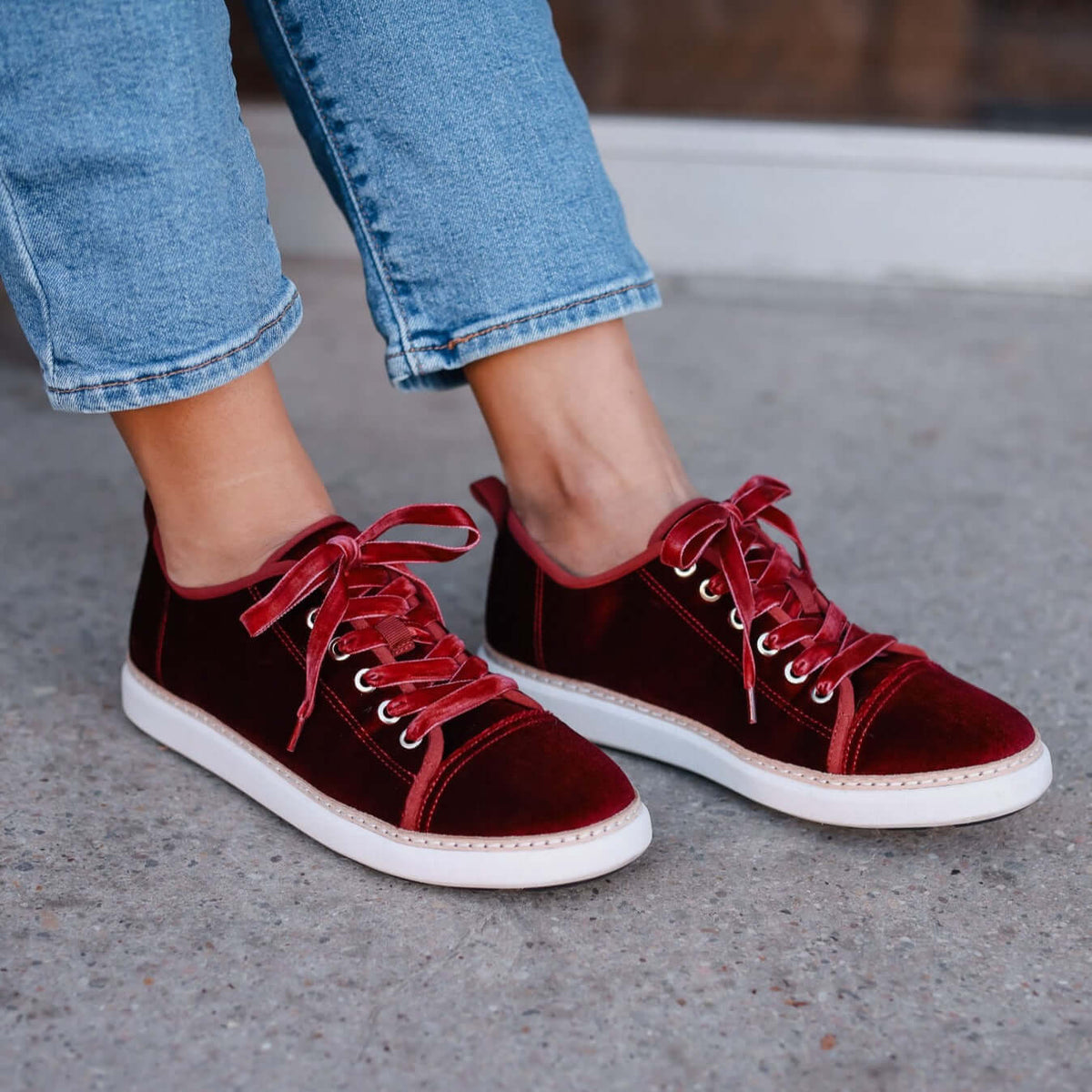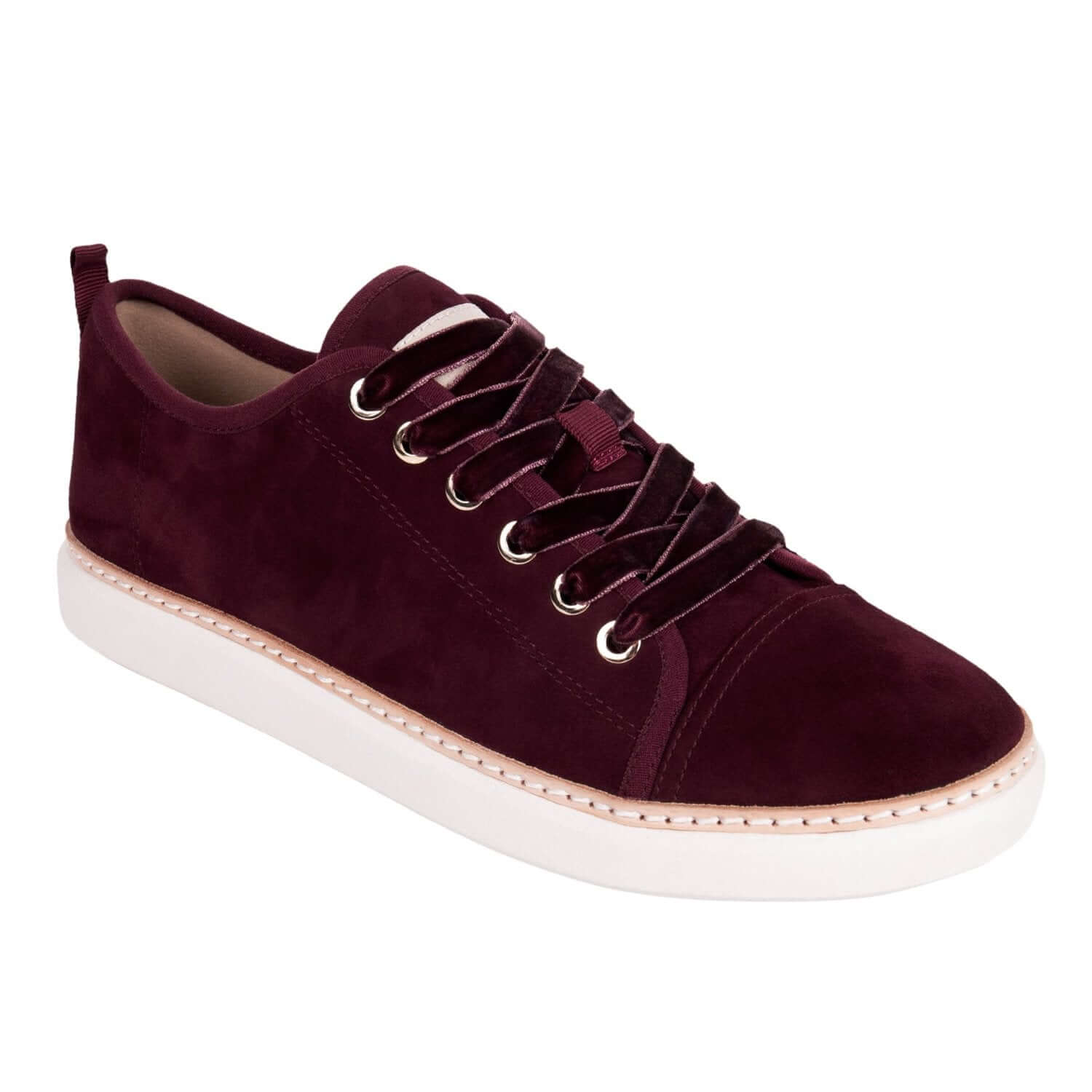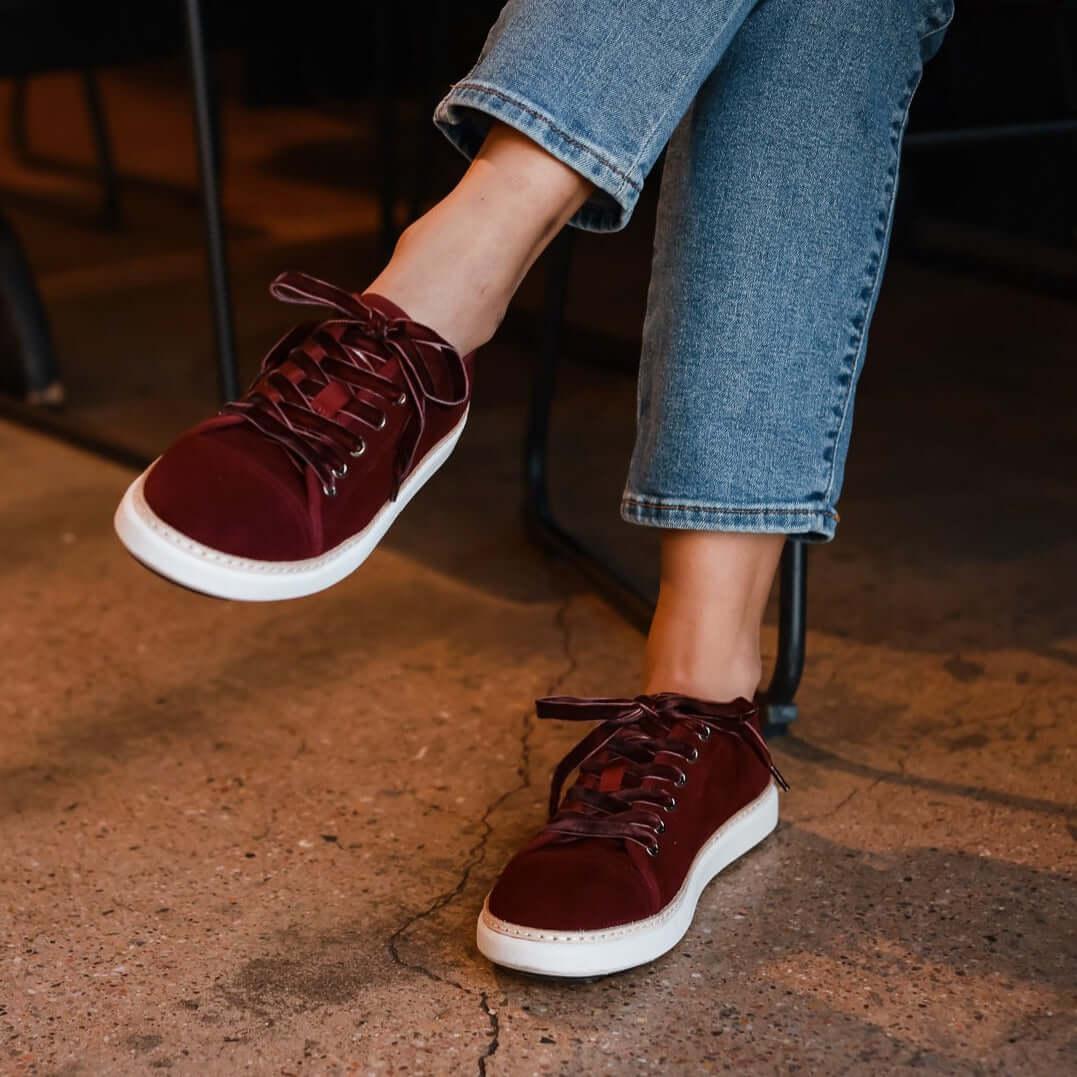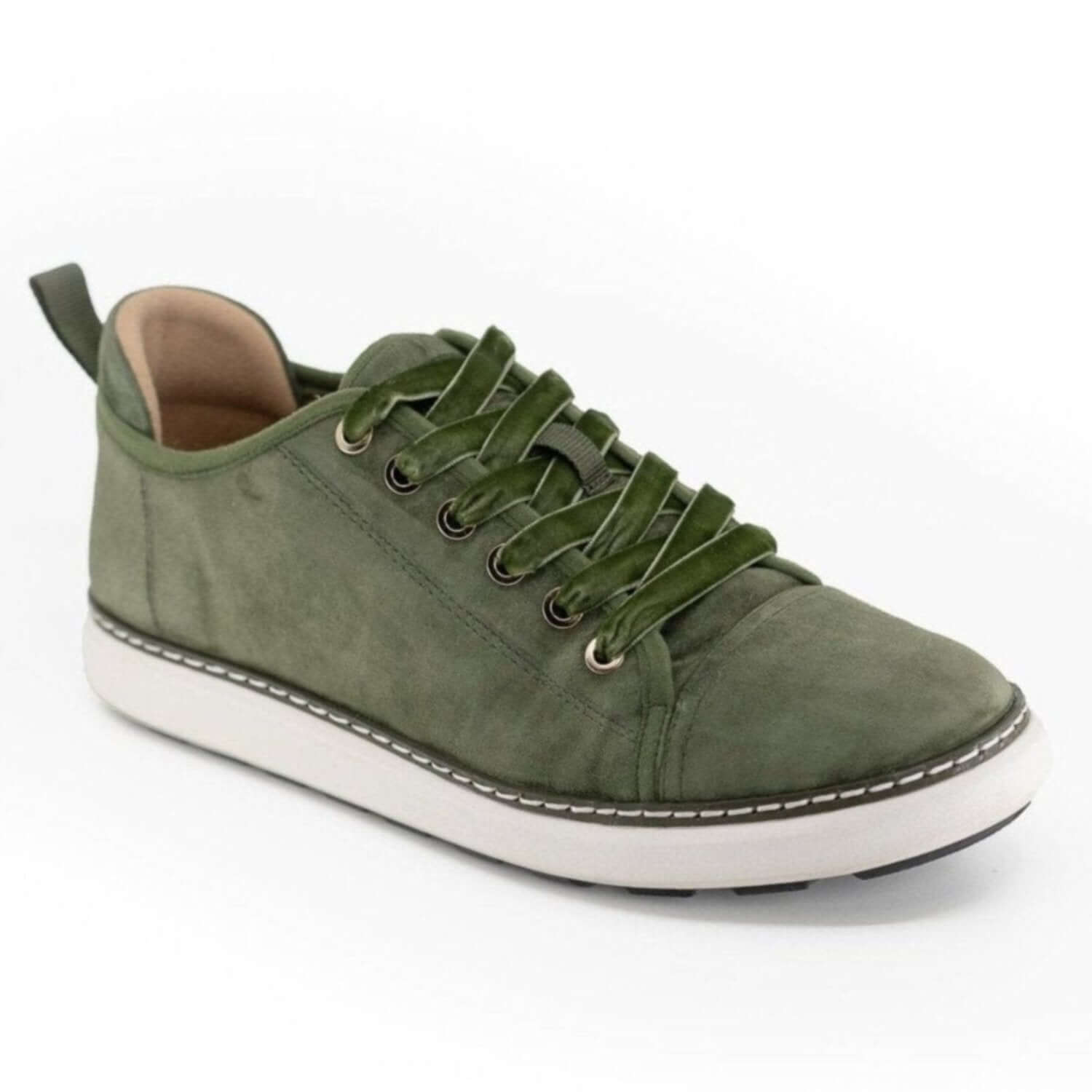

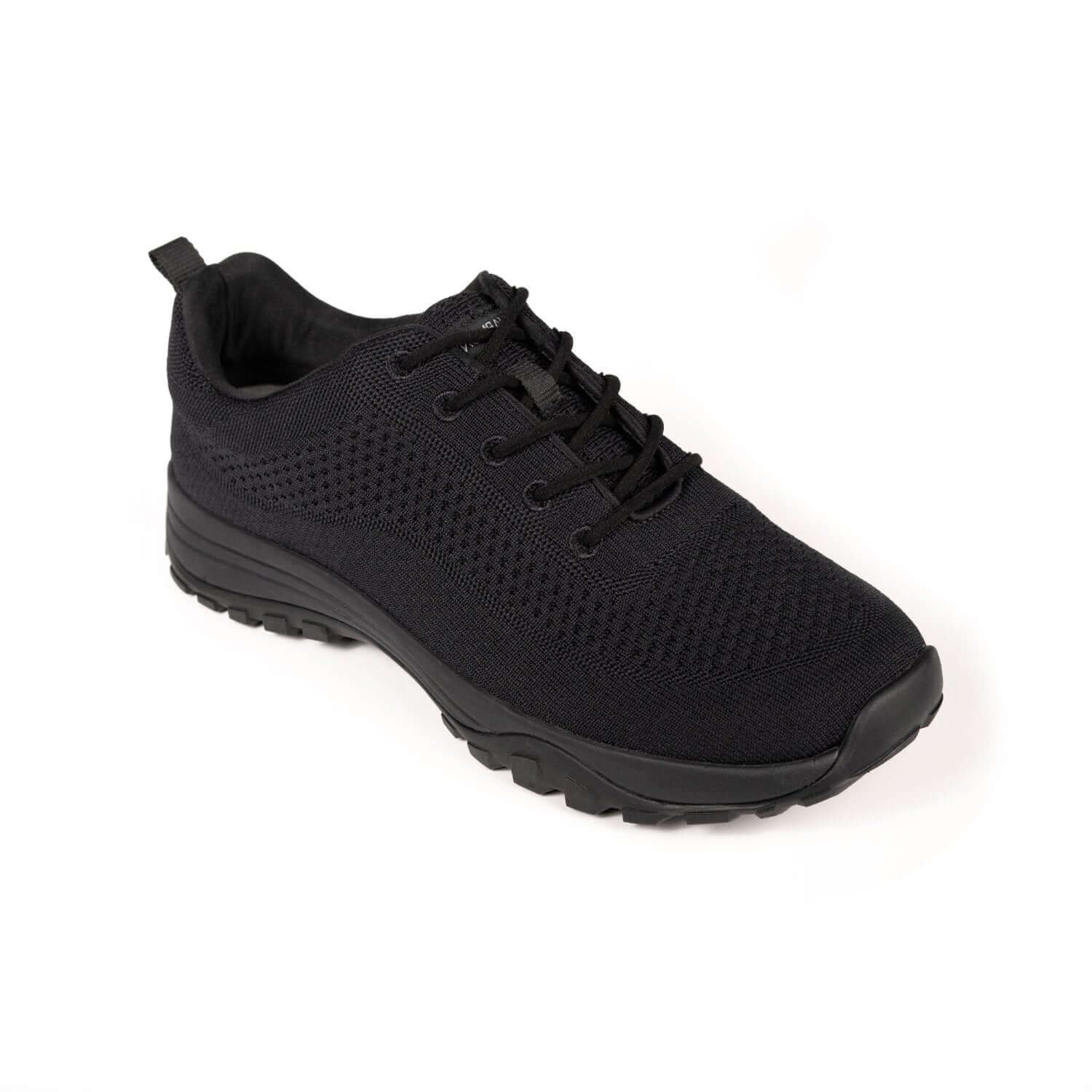
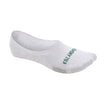
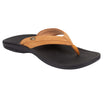
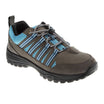
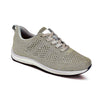

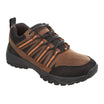
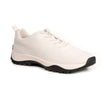

Shopping for minimalist footwear can be confusing. A flexible, low-profile sole may help a shoe feel closer to barefoot walking, while still giving your feet a protective surface. But that design choice does not automatically create an electrical connection with the earth.
Browse women's grounding shoes if you want to compare purpose-built options for everyday wear.
Barefoot shoes women choose for a thin, flexible feel are not necessarily grounding shoes. Grounding footwear must be specifically built with conductive materials and a continuous conductive path from the foot to the ground.
That difference matters when you are comparing comfort, movement, and grounding as separate goals. Harmony 783 describes its footwear as designed to create an electrical connection with the earth, rather than relying on a minimal sole alone. You can browse women's grounding shoes when you want to explore purpose-built options. First, it helps to define what barefoot-style construction actually means.
What Do Barefoot Shoes for Women Actually Mean?
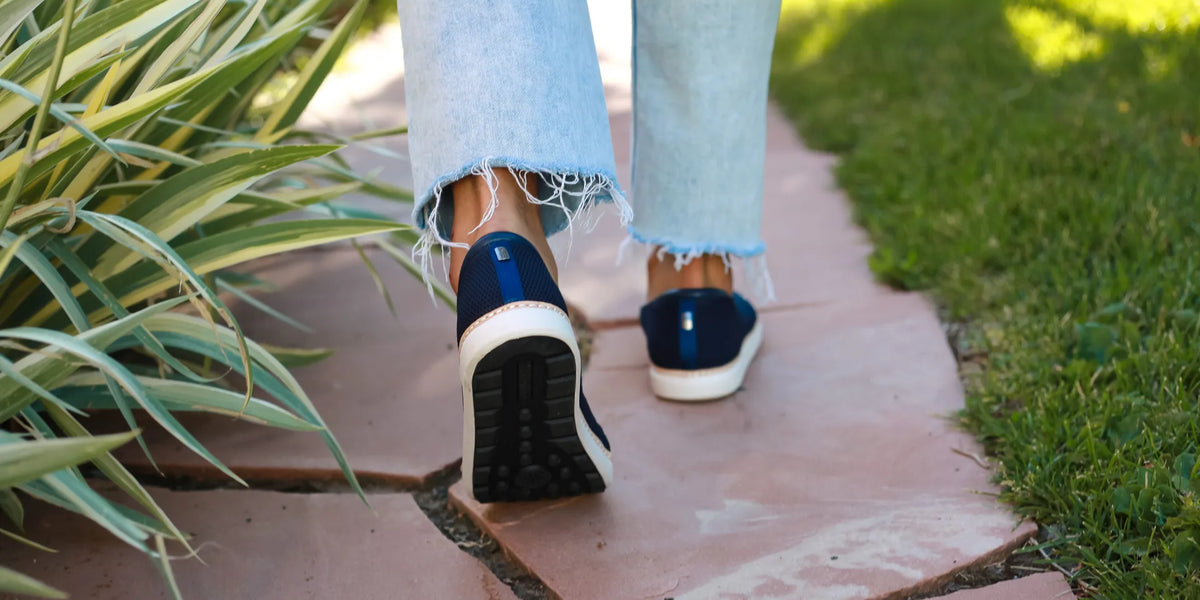
Barefoot-style shoes are built to feel less restrictive than many traditional shoes. They often use a thin, flexible sole and a shape that gives the toes more room to spread. The goal is to let the foot move with fewer layers between it and the ground. That design can appeal to women who want a lighter, more natural walking feel without going barefoot.
That last distinction matters. A flexible sole or a thin sole does not automatically make a shoe conductive or grounded. As Harmony 783 explains, ordinary barefoot-style construction alone does not establish a conductive path. A shoe must be specifically designed for grounding, with materials and construction intended to connect the wearer to the earth's surface. See the customer's explanation of grounding footwear for the brand's construction distinction.
How are minimalist shoes different from walking barefoot?
Minimalist shoes may reduce some of the structure between your foot and the ground, but they are still shoes. A study published in PMC7057536 compared flat-ground walking in minimalist shoes with barefoot walking. The researchers found differences in several gait measures and concluded that walking in minimalist shoes is not the same as walking barefoot.
That finding does not make a universal promise about comfort or health. It simply shows why the terms should not be treated as interchangeable. When comparing barefoot-style and grounding footwear, ask two separate questions. How is the shoe shaped and built for movement? Was it specifically constructed and tested for a grounded connection?
Are Barefoot Shoes Automatically Grounding?
No. Barefoot shoes women choose for a flexible feel are not automatically grounding shoes. Barefoot-style footwear usually describes how a shoe is shaped and how it feels to walk in. Grounding footwear must also be built to create a conductive path between the wearer and the earth's surface. A thin sole, flexible upper, or roomy toe box does not prove that connection.
That difference matters when you are comparing product descriptions. The research on minimalist footwear also supports keeping the terms separate. One study found that walking in minimalist shoes was not the same as walking barefoot, even though minimalist shoes can provide a protective surface. The same care applies here: barefoot-style design and electrical conductivity are separate features. Read the study on minimalist shoes and barefoot walking.
| What to compare | Barefoot-style shoes | Purpose-built grounding shoes |
|---|---|---|
| Purpose | Usually aims to provide a minimalist, flexible, foot-shaped feel. | Designed to provide grounding while you remain shod. Harmony 783 says its footwear is designed to create an electrical connection with the earth's surface. Learn about Harmony 783 footwear. |
| Sole and construction | A thin or flexible sole may be part of the design, but that feature alone does not establish conductivity. | Harmony 783 describes its Groundworks system as a five-layer conductive construction, including silver-stitched layers, a silver fabric loop, a cushioned midsole, and a carbon-and-rubber conductive outsole. |
| Electrical path | No conductive path should be assumed from the shoe's appearance or minimalist profile. | The materials and layers are intended to connect the foot to the conductive outsole. The exact construction should be confirmed in the product details. |
| How grounding is checked | A barefoot label is not a grounding test result. | Harmony 783 says all of its shoes are tested for grounded connection. Look for a clear construction explanation and testing statement before buying. |
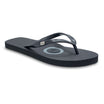
If you want a warm-weather option with purpose-built conductive construction, explore Harmony 783's conductive women's sandals. The useful question is not simply whether a shoe feels barefoot. Ask whether it was actually constructed and tested for grounding.
Related products

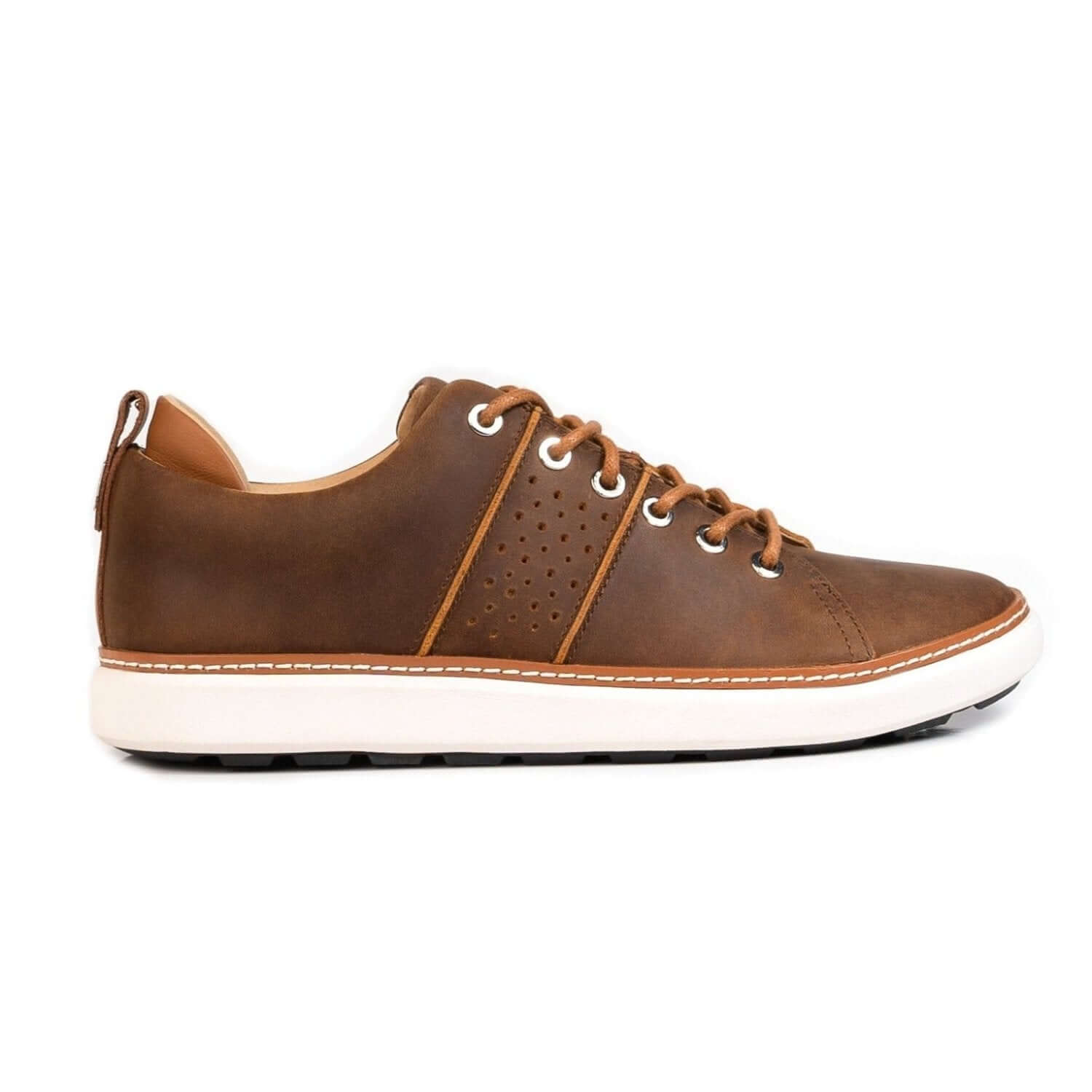
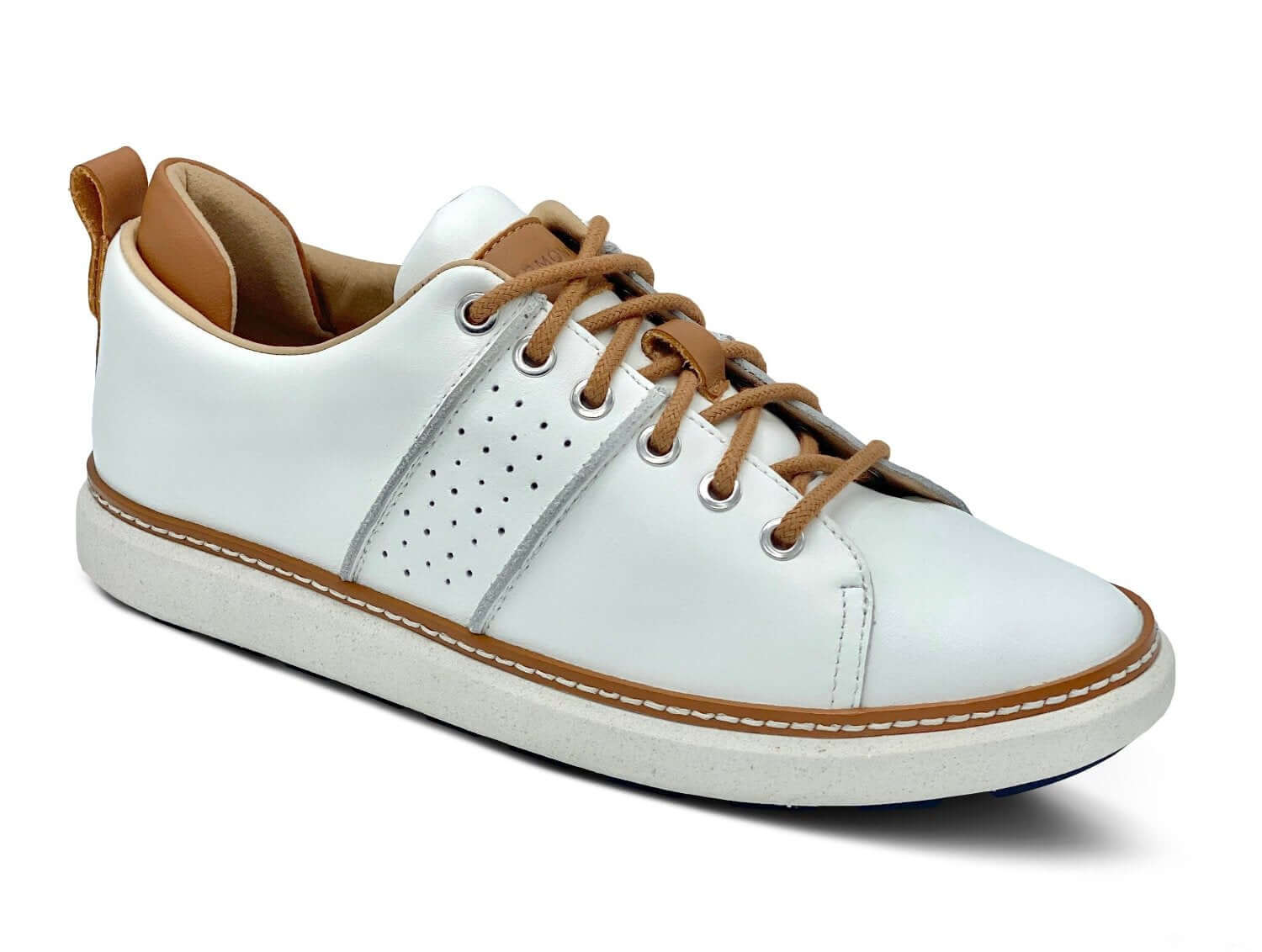
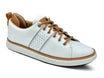
Get grounded in every step — in two classic colors.
View product
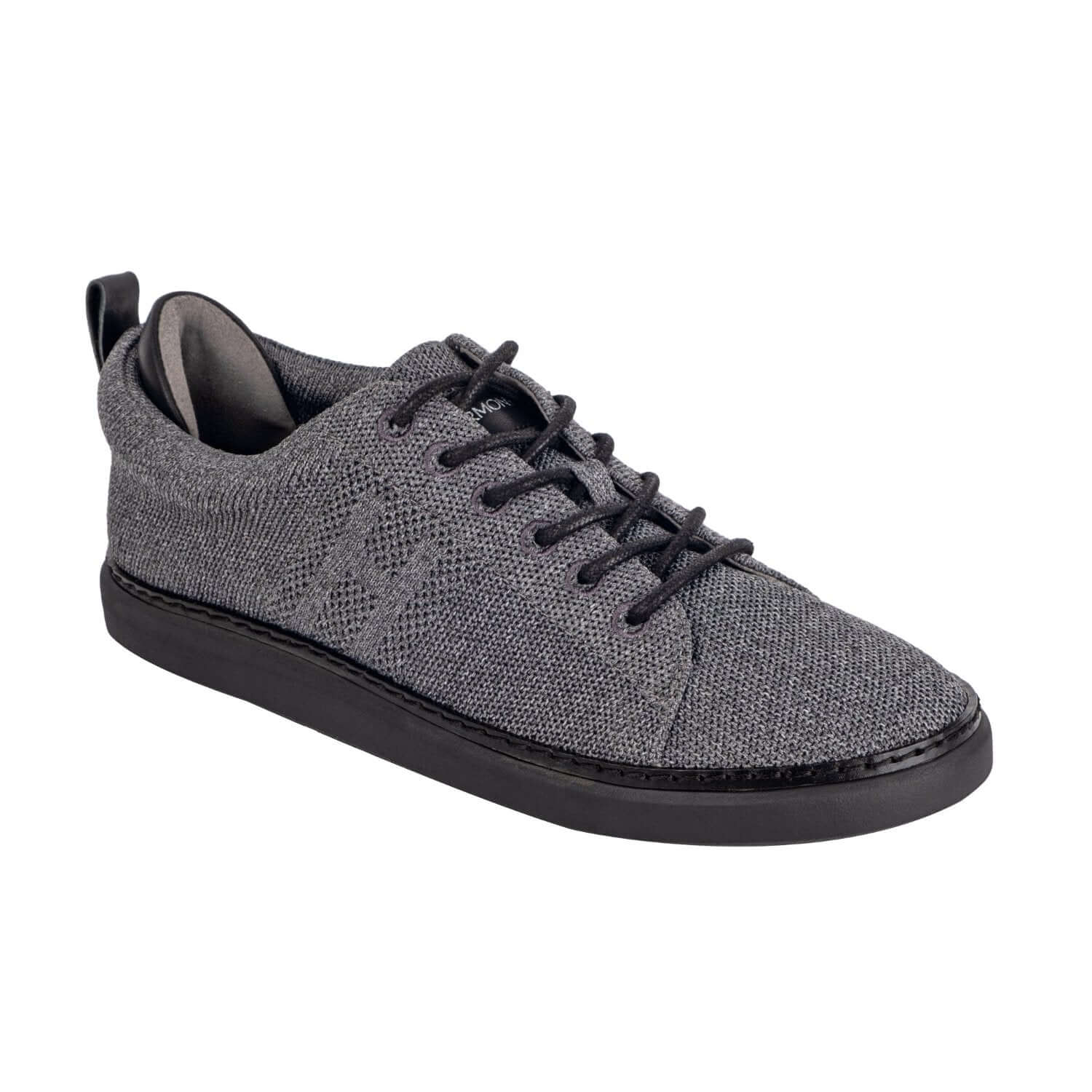
mesh offers breathability
View product
How Can Women Compare Fit, Feel, and Comfort?
Fit matters more than whether a shoe looks minimal. When comparing barefoot shoes women may wear for daily life, look at how your foot sits inside the shoe, how the sole feels as you walk, and whether the design matches your intended use. A comfortable first step is not always the same as comfortable all-day wear.
Check the space around your toes
Your toes should not feel compressed at the front or squeezed from the sides. Walk a few steps and notice whether your toes can relax as your foot moves. If you rely on thick socks, test the fit with the socks you expect to wear. Do not assume that a thin sole means the shoe will fit every foot shape in the same way.
Pay attention to the walking feel
A flexible or minimalist-style shoe can feel different from a cushioned everyday shoe. Give yourself time to notice the change rather than judging it after one step. Research comparing minimalist shoes with barefoot walking found that the two experiences were not the same, so the label alone cannot tell you how a shoe will feel in use. The study also described minimalist shoes as providing a protective surface, which may make them a practical transition for some people, but it did not establish one best choice for everyone (research on minimalist footwear and gait).
- Toe room: Check for pressure at the front and sides when standing and walking.
- Heel security: Notice slipping, rubbing, or movement that makes you change your stride.
- Intended use: Match the style to walking, errands, work, warm weather, or another routine.
- Transition: If the feel is unfamiliar, begin with shorter periods and increase use gradually.
Finally, separate comfort from conductivity. Harmony 783 says its comfort technology is designed to differ from minimalist barefoot competitors, while its footwear is purpose-built around grounding. Review the product page details, sizing options, and intended use before deciding which feel is right for you.
Which Features Matter for Different Everyday Uses?
The best everyday shoe depends on where you plan to wear it. Walkers suit regular pavement miles, trail styles suit uneven ground, and sandals or flip-flops suit warm-weather routines. Start with your most common use instead of assuming one style will handle every setting equally well.
Walking and errands
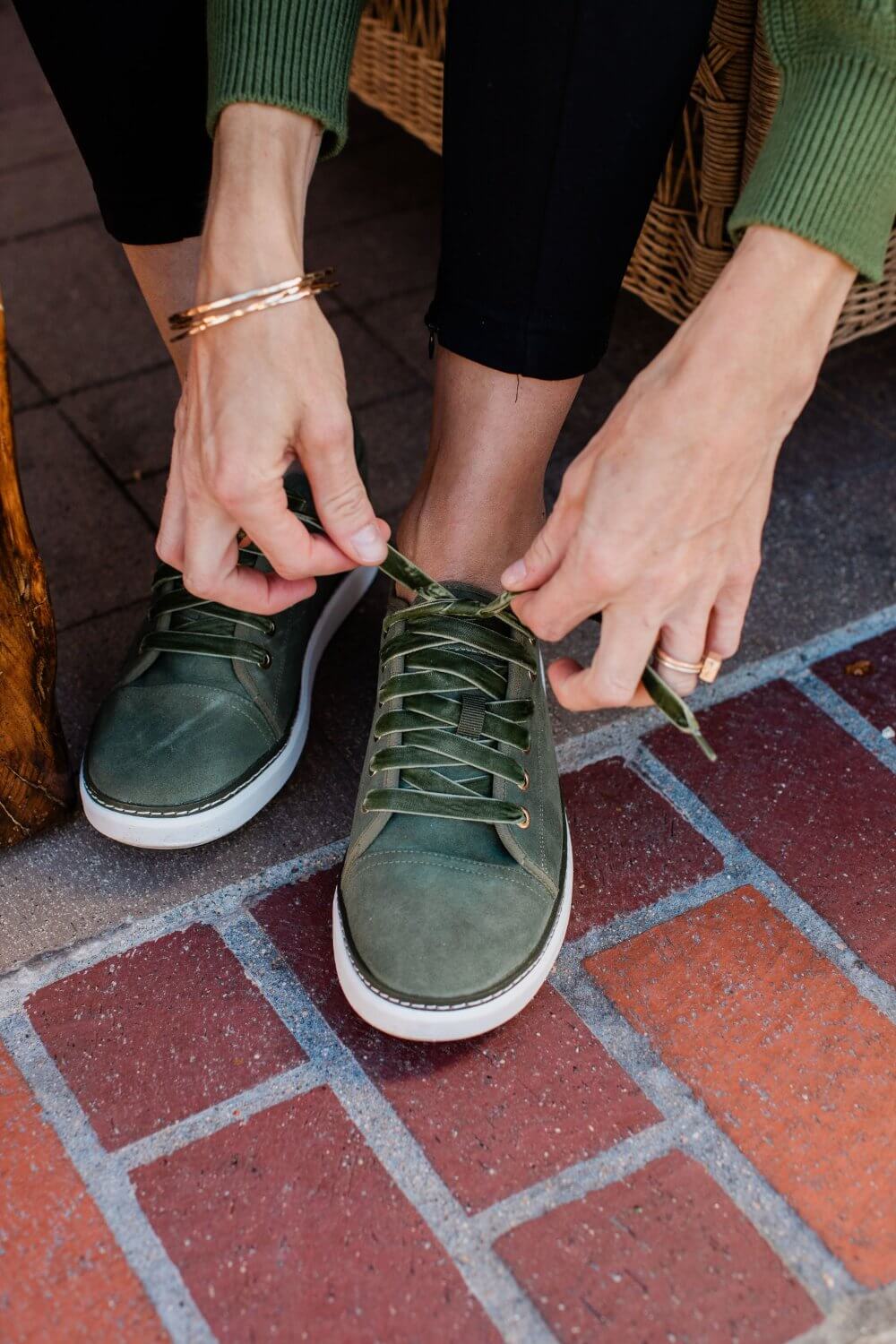
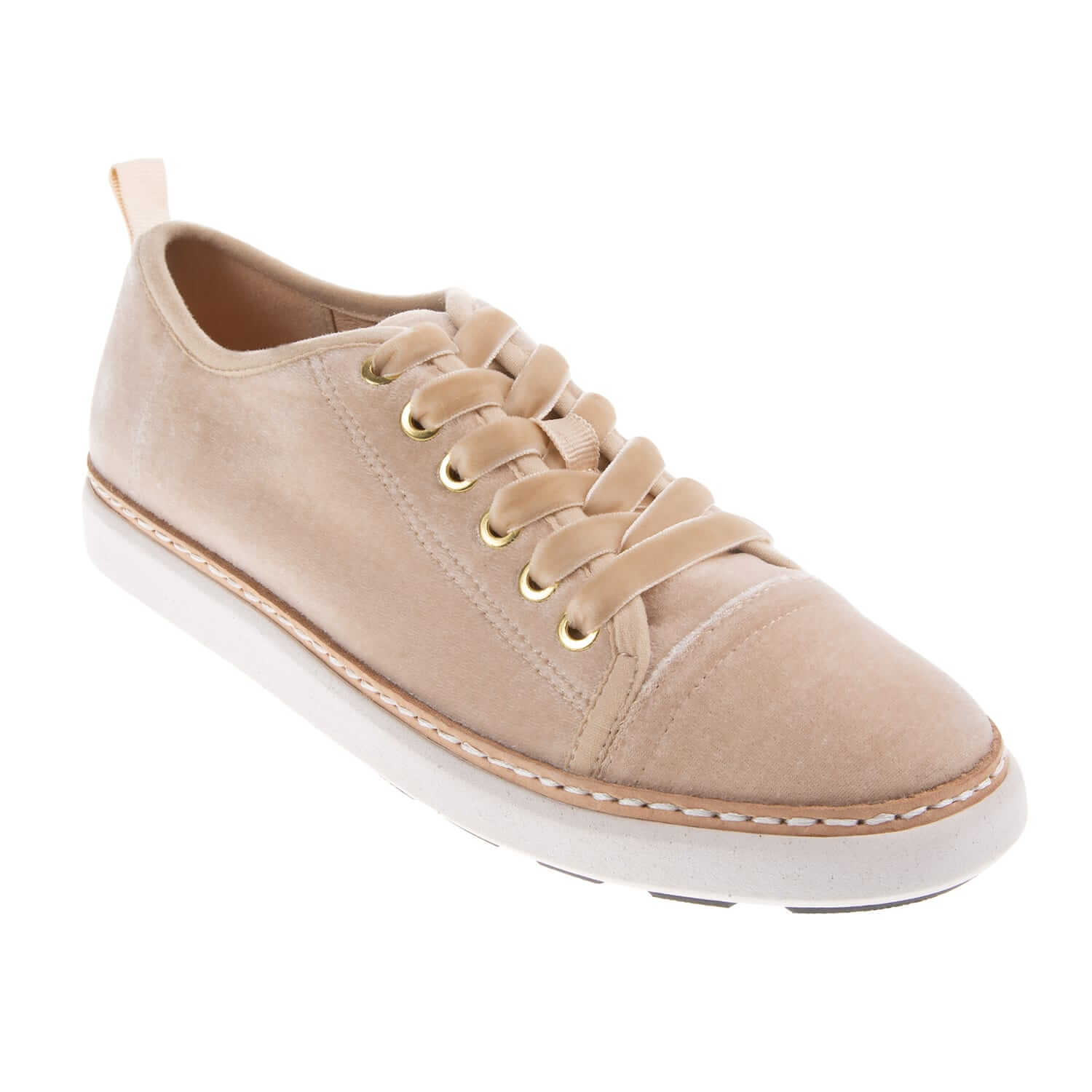
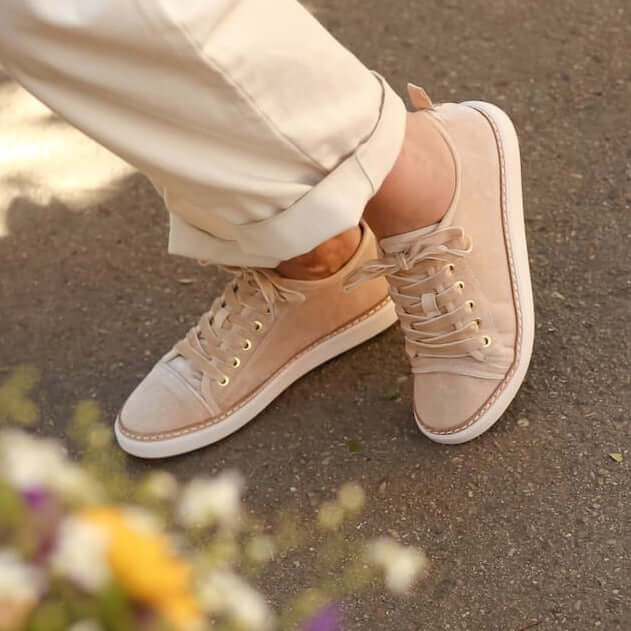
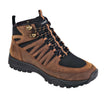
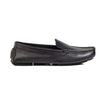
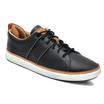
For daily walks, commuting, and errands, look for a style that feels secure through repeated steps and fits the way you naturally move. A walker or sneaker can be a practical starting point when you want more coverage than a sandal. Harmony 783 offers several footwear categories, including walkers, trail shoes, sneakers, slip-ons, sandals, high-tops, and flip-flops, so you can compare the shape and coverage that match your routine. See the women's grounding walkers if a closed style fits your day-to-day plans.
Work and warm-weather wear
Work settings often call for a more covered, understated shoe. Slip-ons or a polished walker may make more sense than an open sandal, depending on your dress code and commute. For warm weather, sandals and flip-flops can feel lighter and easier to wear. One small footwear study compared flip-flops, sandals, barefoot walking, and running shoes during level walking, but it involved only ten healthy male participants. That narrow design does not decide what will feel right for every woman or every occasion. Read the product details and consider the surfaces you will cross.
Trail and outdoor use
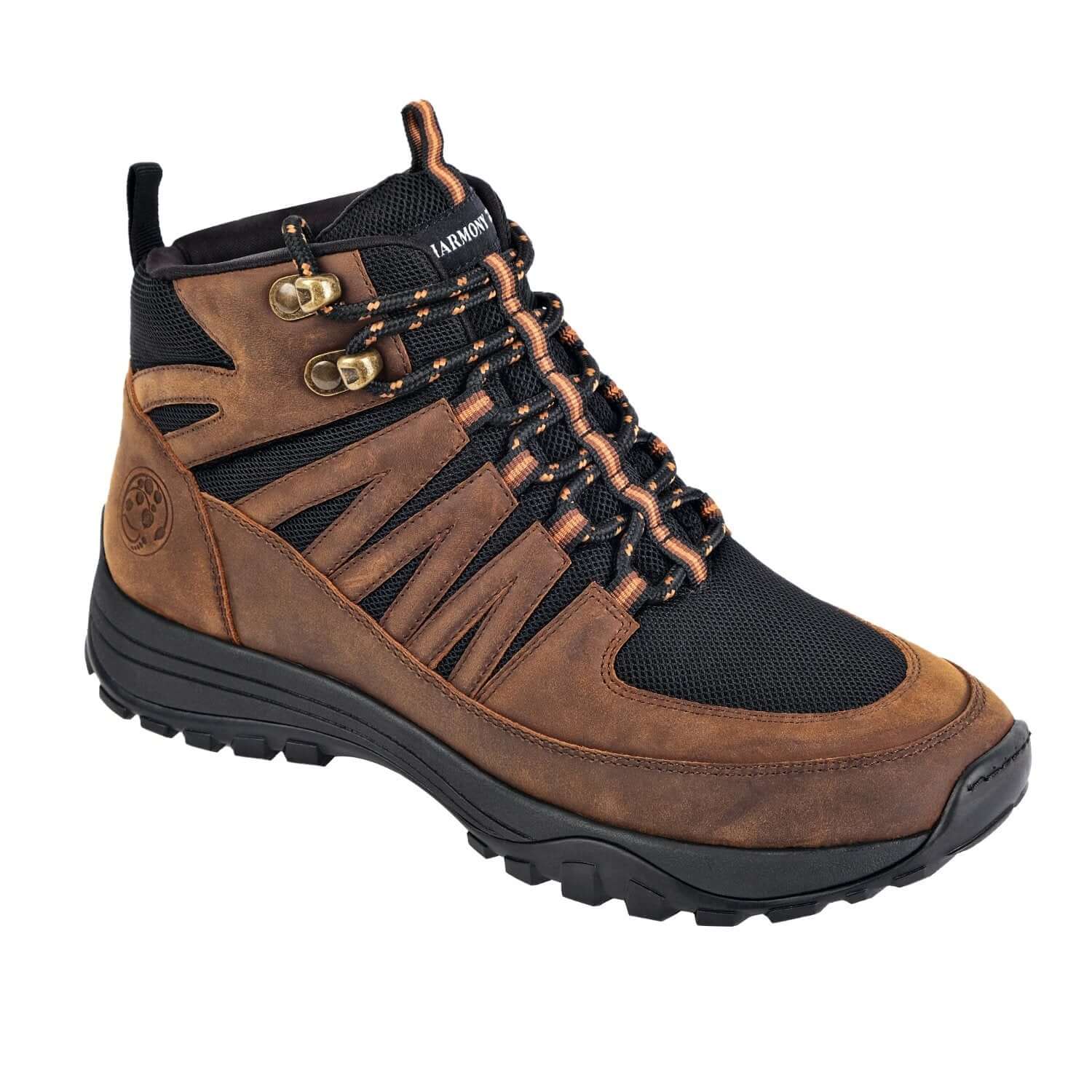
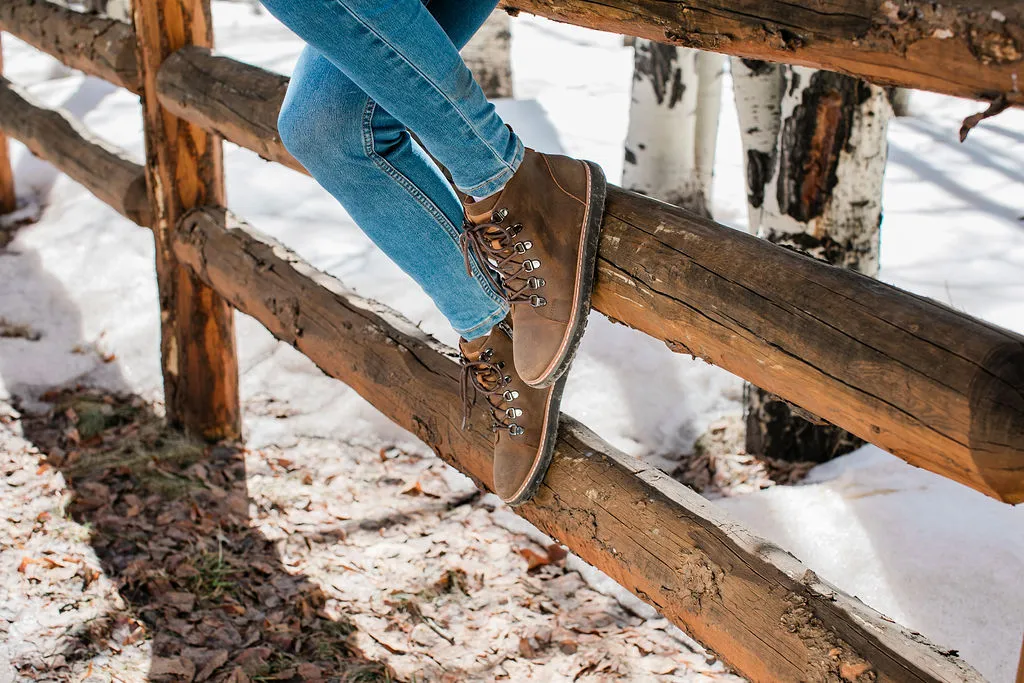
Trail shoes deserve separate attention because uneven paths, loose ground, and changing weather create different demands from a sidewalk. Choose coverage and traction based on your route, then check the fit before a longer outing. If you are comparing barefoot shoes women commonly search for with grounding footwear, remember that a thin or flexible sole alone does not prove a conductive connection. Match the shoe to the activity first, then verify the construction.
What Does the Research Say About Barefoot-Style Shoes?
Answer: Research on minimalist shoes shows that they can change walking patterns compared with walking barefoot. The findings do not prove that every barefoot-style shoe delivers the same experience or any health outcome.
One useful study, published in the Journal of Foot and Ankle Research, used a randomized within-subject design. It included 31 healthy younger adults and 33 healthy community-dwelling older adults. Each participant walked on flat ground in two conditions: barefoot and in minimalist shoes. The researchers measured minimum toe clearance, stride length, stride time, and local dynamic gait stability.
The results showed condition differences in both age groups. Compared with barefoot walking, the minimalist-shoe condition was associated with increased local dynamic stability and lower variability in minimum toe clearance and stride length. These are measurements of gait behavior. They are not proof that minimalist shoes prevent falls, treat pain, or improve a specific medical condition.
Minimalist shoes are not the same as barefoot walking
This distinction matters when you compare barefoot shoes women may shop for with other footwear categories. The researchers concluded that walking in minimalist shoes is not similar to walking barefoot. A minimalist shoe may aim to preserve some natural-feeling movement while still providing a protective surface. Its sole, fit, and materials still affect how the foot meets the ground.
The study also had clear limits. Participants were healthy, the walking task took place on flat ground, and the comparison involved one study-defined minimalist shoe rather than every barefoot-style design. The authors noted that more research was needed, especially regarding minimalist footwear and gait patterns in older adults. Their suggestion that minimalist shoes could serve as an alternative or transition option was framed for older adults and should not be treated as universal advice.
Finally, gait research does not establish electrical conductivity. A thin or flexible sole alone does not make footwear grounded. If grounding is your goal, look for a shoe specifically constructed and tested for a conductive connection, rather than assuming minimalist styling provides one.
How Should You Choose Between Barefoot and Grounding Footwear?
The right choice depends on what you want from the shoe. Barefoot-style footwear focuses on a minimalist feel and foot-shaped construction. Grounding footwear adds a purpose-built conductive path. A thin sole alone does not make a shoe grounded.

- Identify your main goal. If you want a closer-to-the-ground feel, look first at barefoot-style features. If you want footwear designed to connect you with the earth's surface, look for a product that clearly explains its conductive construction and testing.
- Inspect the construction. Do not assume that flexible or minimalist footwear is conductive. Harmony 783 describes its Groundworks system as a five-layer design with silver-stitched layers, a 99% pure silver fabric loop, a cushioned midsole, and a carbon-and-rubber conductive outsole. Read the product details rather than relying on the shoe's appearance. Learn how Harmony 783 describes its grounding construction.
- Check the fit. Look for enough room to move your toes without the shoe slipping at the heel. Review the product page's women's sizing options and follow its measurement guidance. A comfortable fit matters whether you choose a minimalist shoe, sandal, walker, or flip-flop.
- Match the style to your routine. Think about where you will wear the footwear. Walkers or sneakers may suit longer everyday outings, while sandals and women's grounding flip-flops may fit warm-weather errands or relaxed outdoor time. Harmony 783 offers several styles, so choose based on your normal use, not only the label.
- Transition gradually. If the feel is different from your usual shoes, start with shorter, easy walks. Notice how the fit and movement feel before extending wear time. Research comparing minimalist shoes with barefoot walking found that the two conditions are not identical, so treat the transition as a personal adjustment rather than a promise of a specific outcome.
- Verify the details before buying. Confirm the product's intended function, materials, sizing information, and any stated testing. Harmony 783 says its shoes are tested for grounded connection. If those details are missing, ask whether the footwear was specifically built for grounding or is simply barefoot-style.
This checklist keeps the decision practical: choose the feel you want, confirm the construction, and select a style that fits your real routine.
What Is the Bottom Line for Barefoot Shoes Women Can Buy?
The key question is not whether a shoe looks minimal. It is whether the shoe was built to create a conductive path to the earth. Ordinary barefoot-style footwear may use a thin, flexible sole and a foot-shaped design, but that construction alone does not make it conductive or grounded. Harmony 783 explains that its footwear is designed to create an electrical connection between the wearer and the earth's surface.
Choose barefoot-style shoes if your priority is a minimalist feel, flexible movement, or a protective layer between your feet and the ground. Choose purpose-built grounding footwear if you want those everyday shoe benefits while also looking for a design specifically intended to support an electrical connection. The categories can overlap in appearance, but they are not interchangeable.
For shoppers comparing barefoot shoes women may wear for daily life, inspect the product details rather than assuming a thin sole proves anything. Look for a clear explanation of the conductive construction and how the connection is tested. Harmony 783 describes its value proposition as stylish grounding footwear without needing to go barefoot, with options that include walkers, sneakers, sandals, and flip-flops. You can browse women's grounding shoes by style and intended use.
Browse women's grounding footwear
Frequently Asked Questions
Are barefoot shoes automatically grounding?
No. Barefoot-style shoes usually describe a thin, flexible design intended to feel closer to natural foot movement. That construction alone does not prove that the shoe conducts electricity. Purpose-built grounding footwear needs conductive materials and a continuous conductive path from the foot to the earth's surface.
What should women check when comparing barefoot and grounding shoes?
Start with the shoe's stated purpose and construction. Look for clear information about conductive materials, the path through the sole, and how the connection is tested. Also compare fit, toe room, cushioning, and the style that suits your daily routine. A minimal-looking sole is not enough evidence of grounding.
Can a grounding shoe also feel comfortable for everyday wear?
Yes, depending on the design and fit. Grounding footwear is available in several everyday styles, including walkers, sneakers, slip-ons, sandals, and flip-flops. Choose the shape and level of support that match your walking, work, travel, or warm-weather needs. Check the product page for the available women's sizing options.
Does research on minimalist shoes prove that they provide grounding?
No. Research on minimalist footwear examines walking mechanics and related movement measures, not whether a shoe creates an electrical connection with the earth. One study also concluded that walking in minimalist shoes is not the same as walking barefoot: the full study is available through PubMed Central. Treat minimalist construction and grounding as separate features unless the product is specifically designed and tested for both.
Browse Harmony 783's women's grounding footwear and find a style made for your everyday routine.