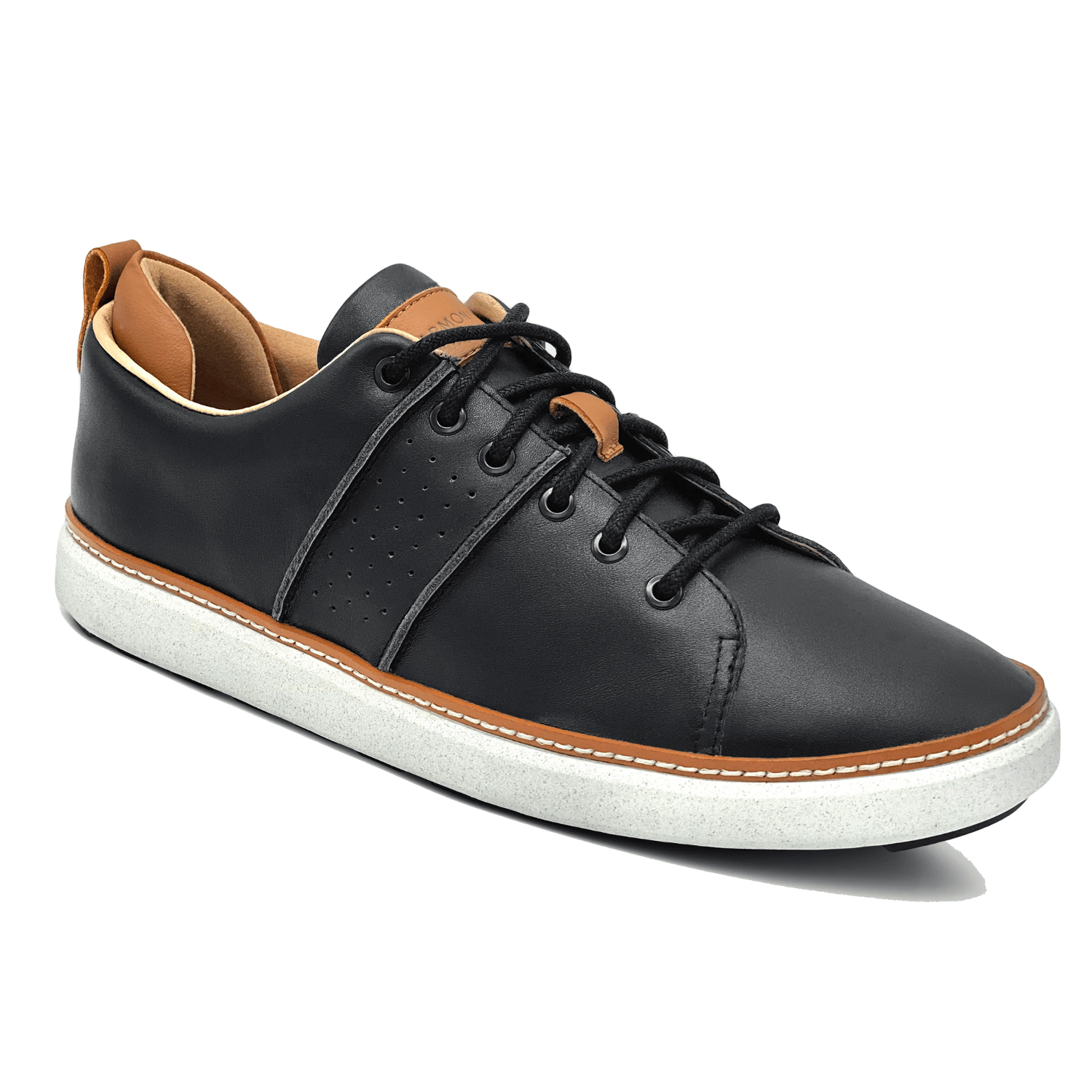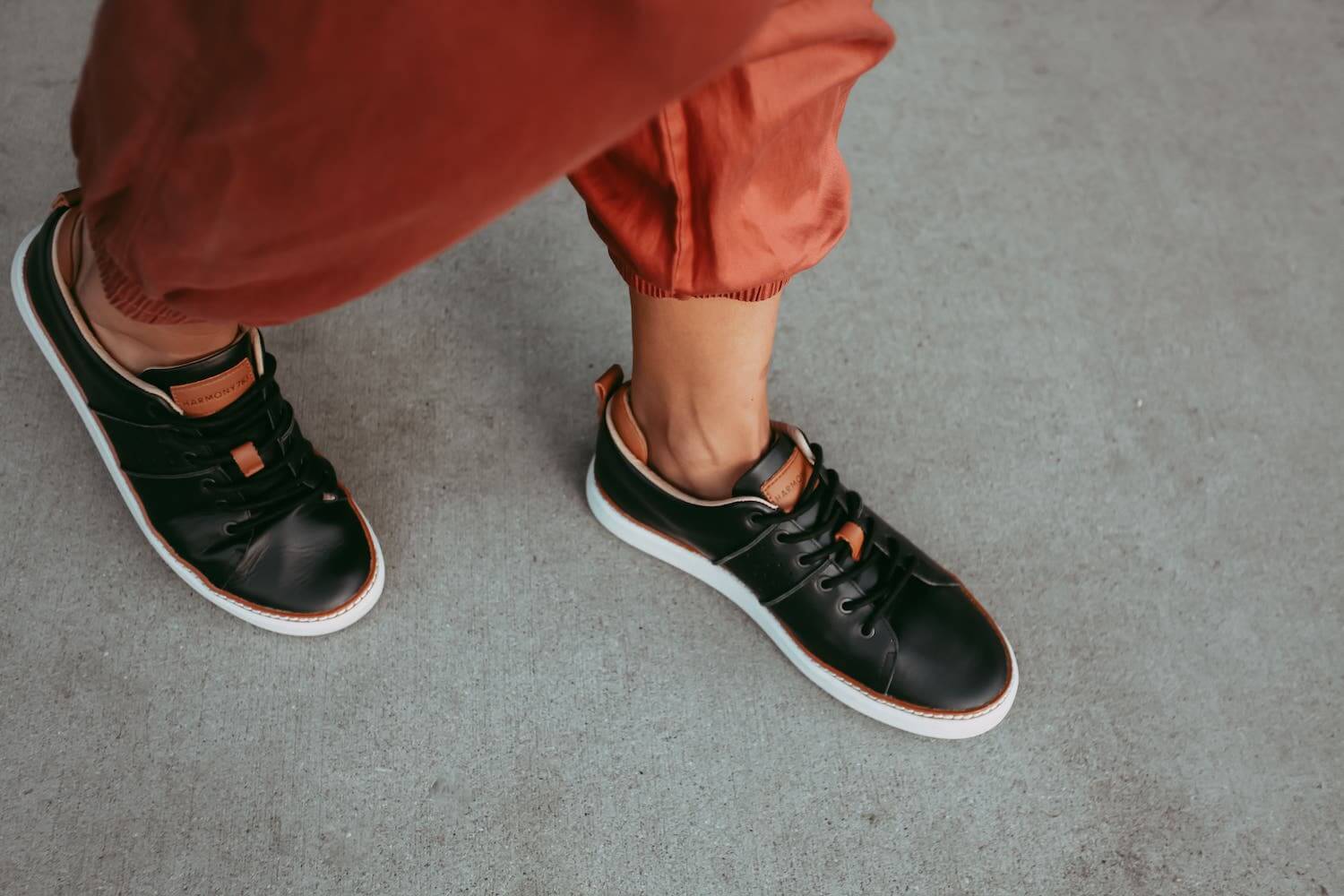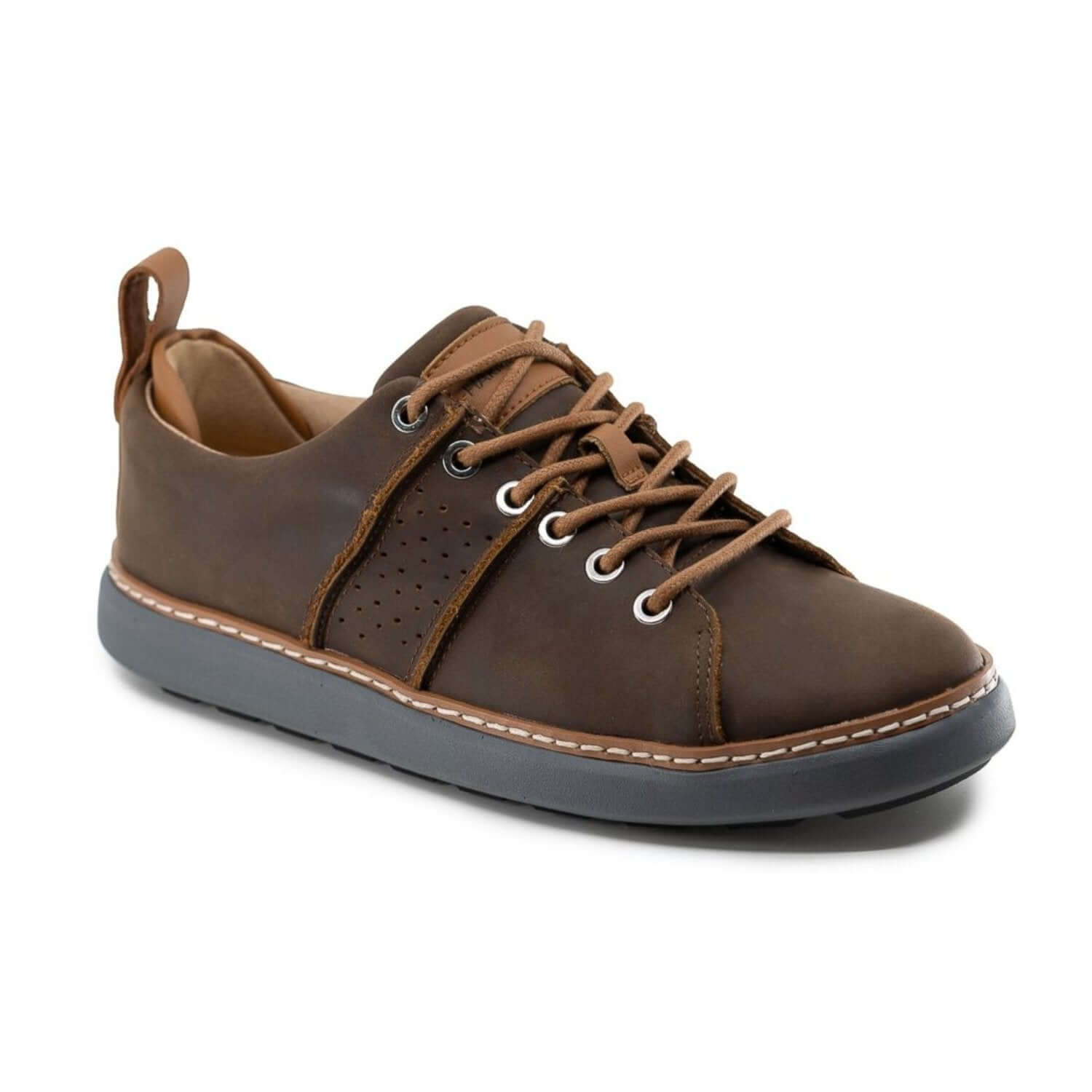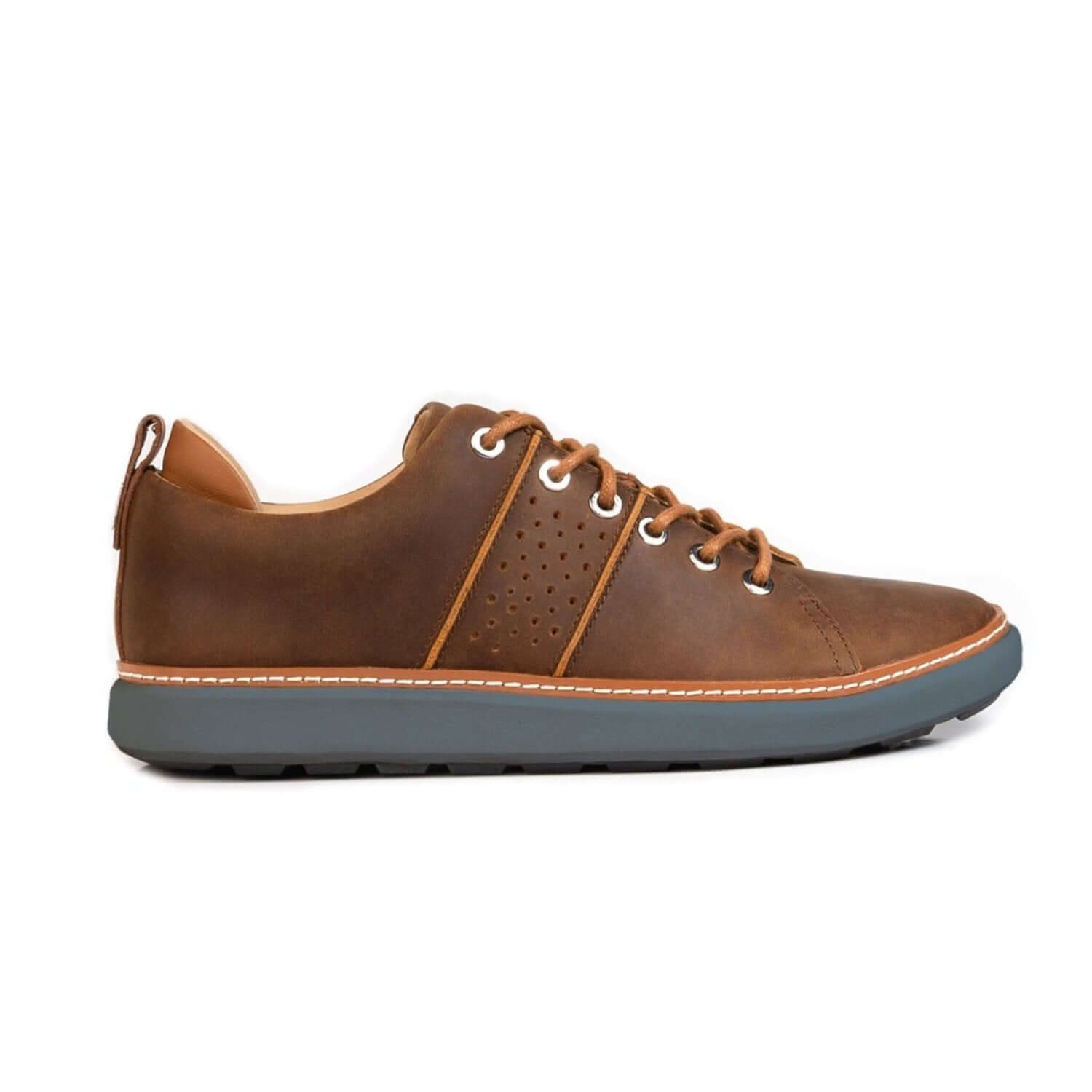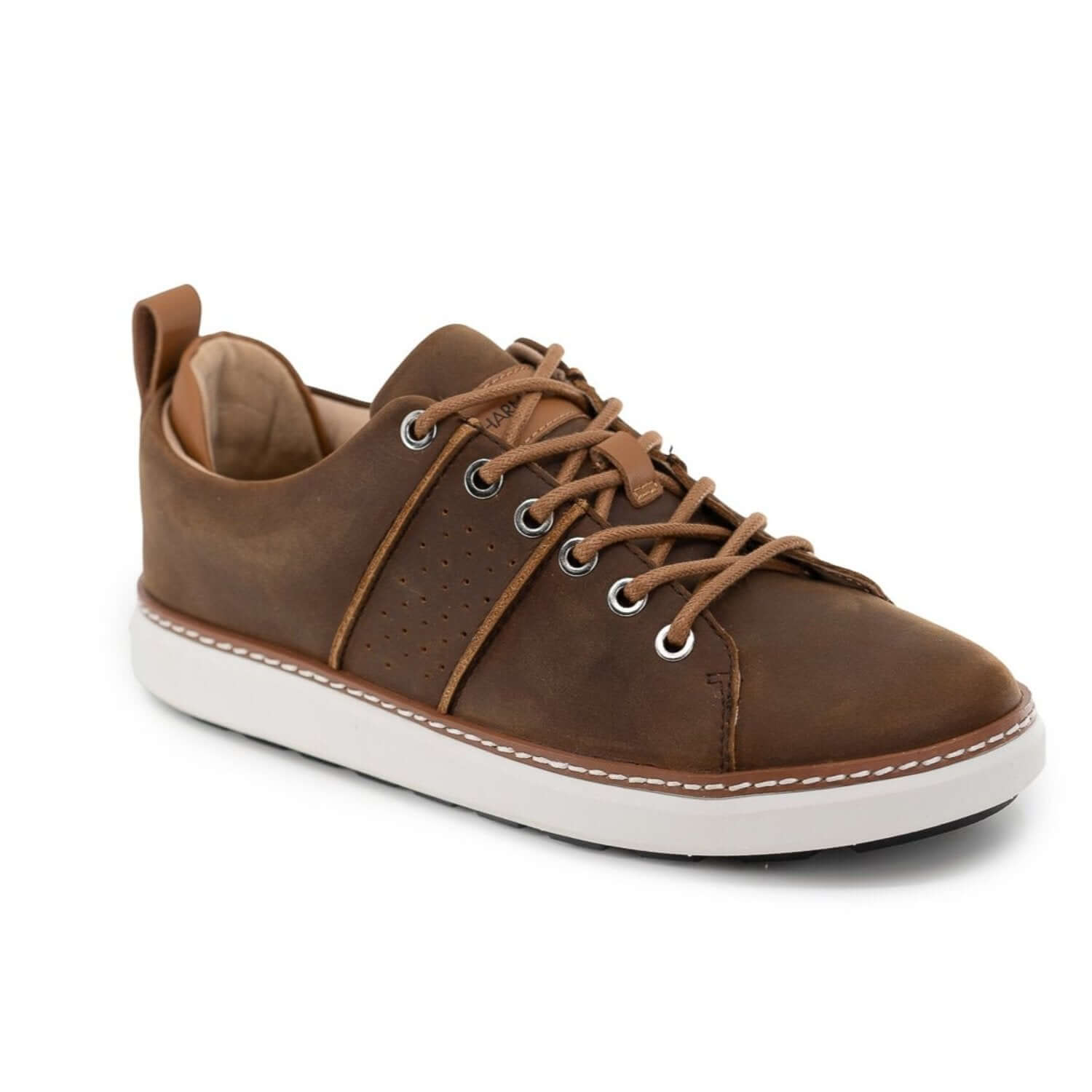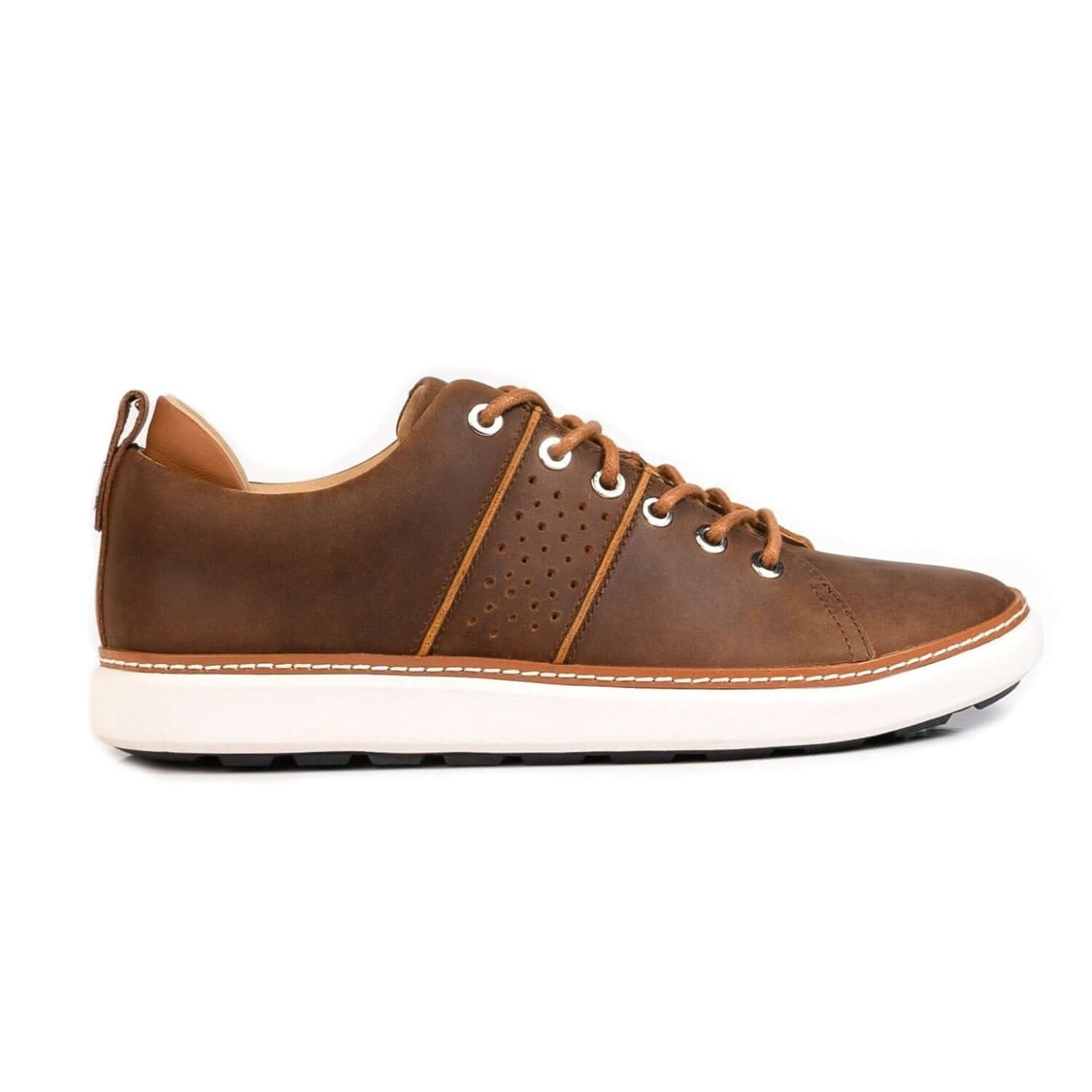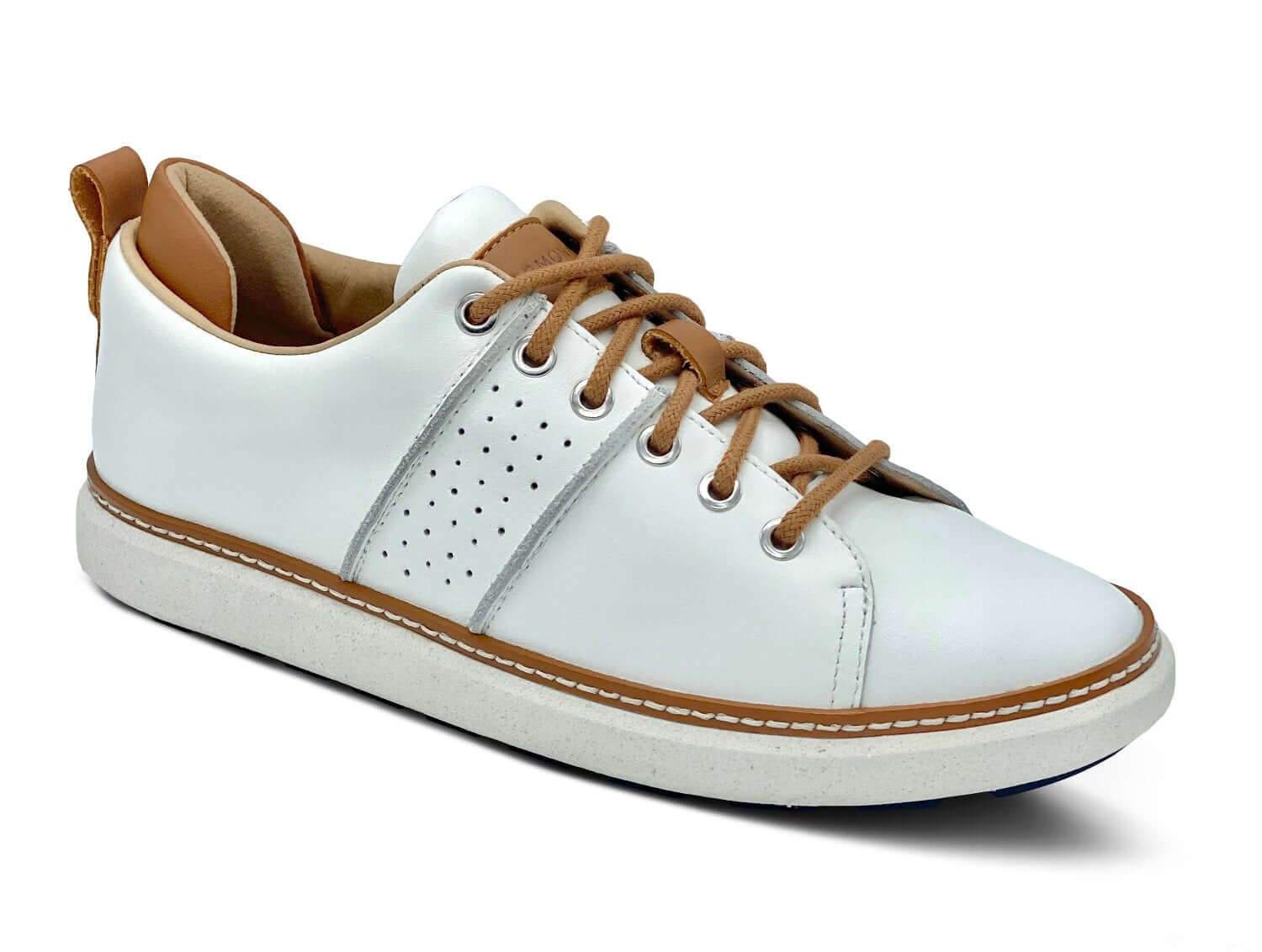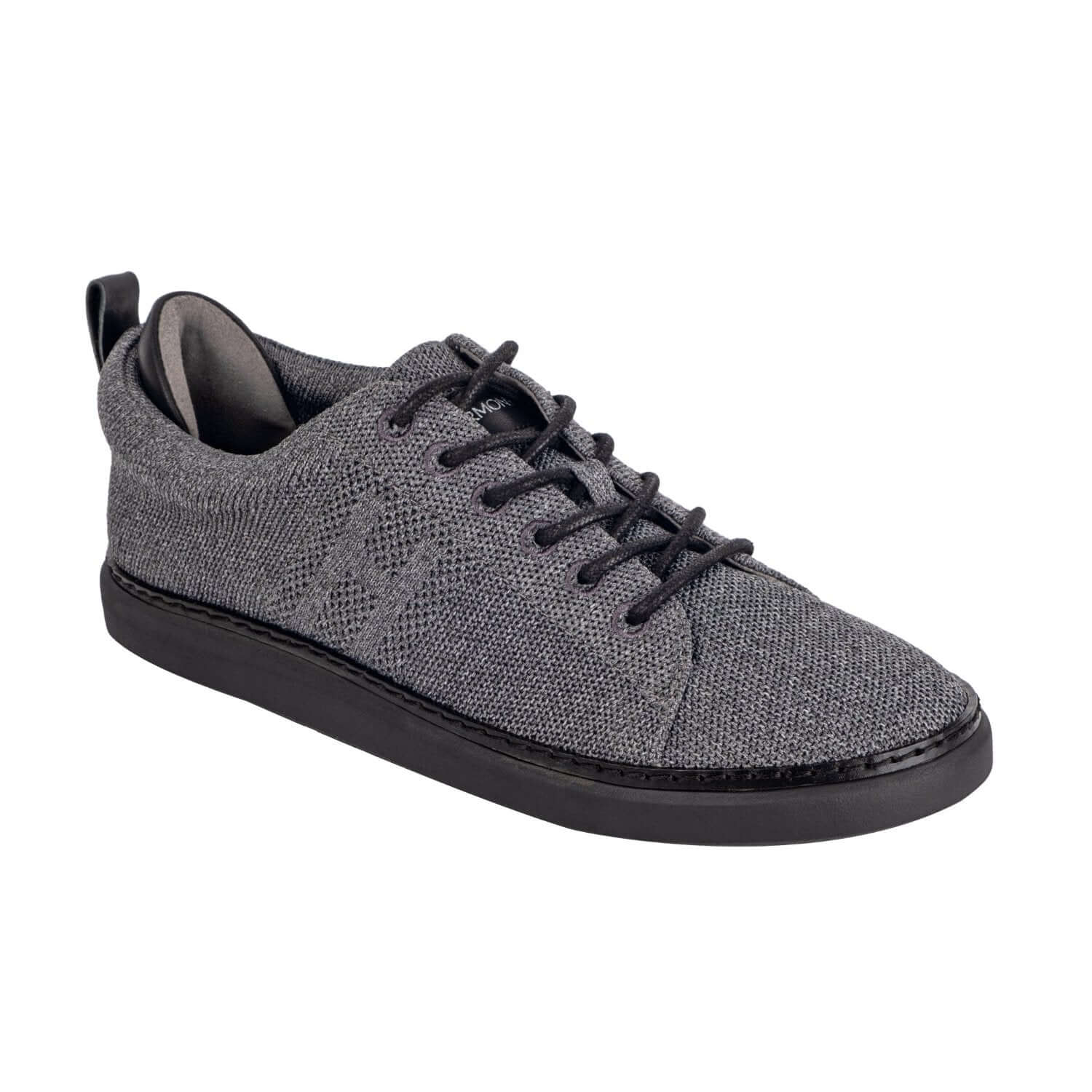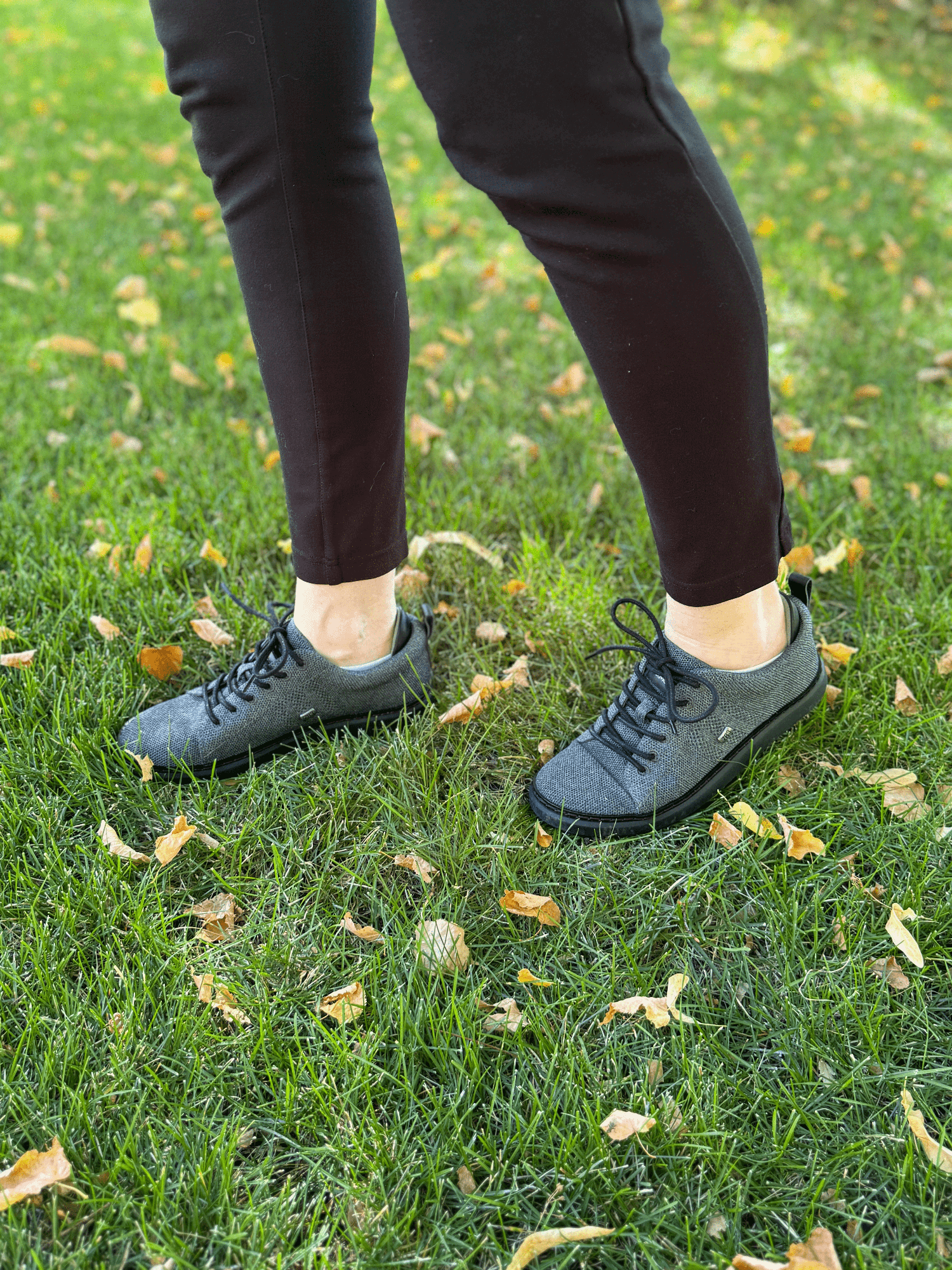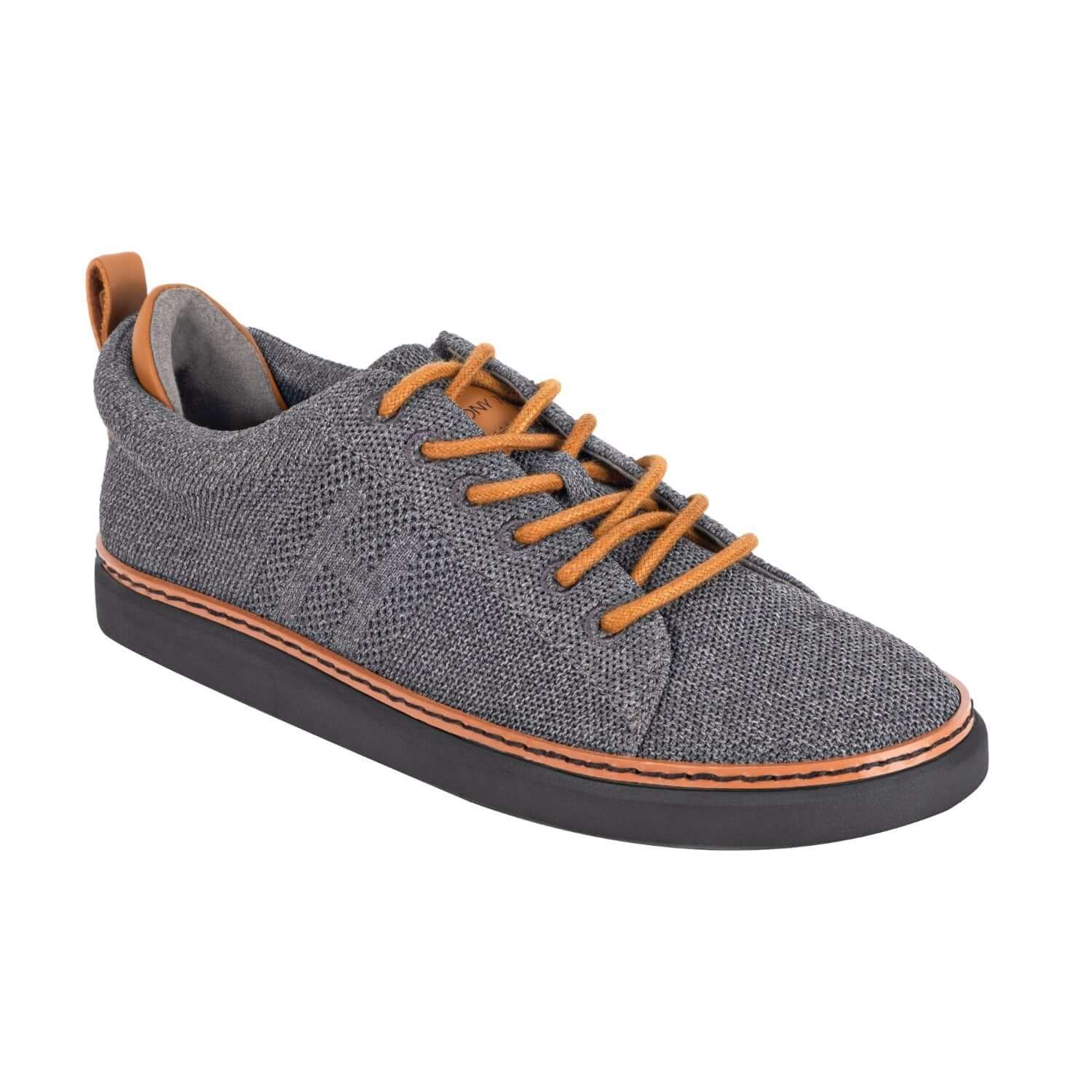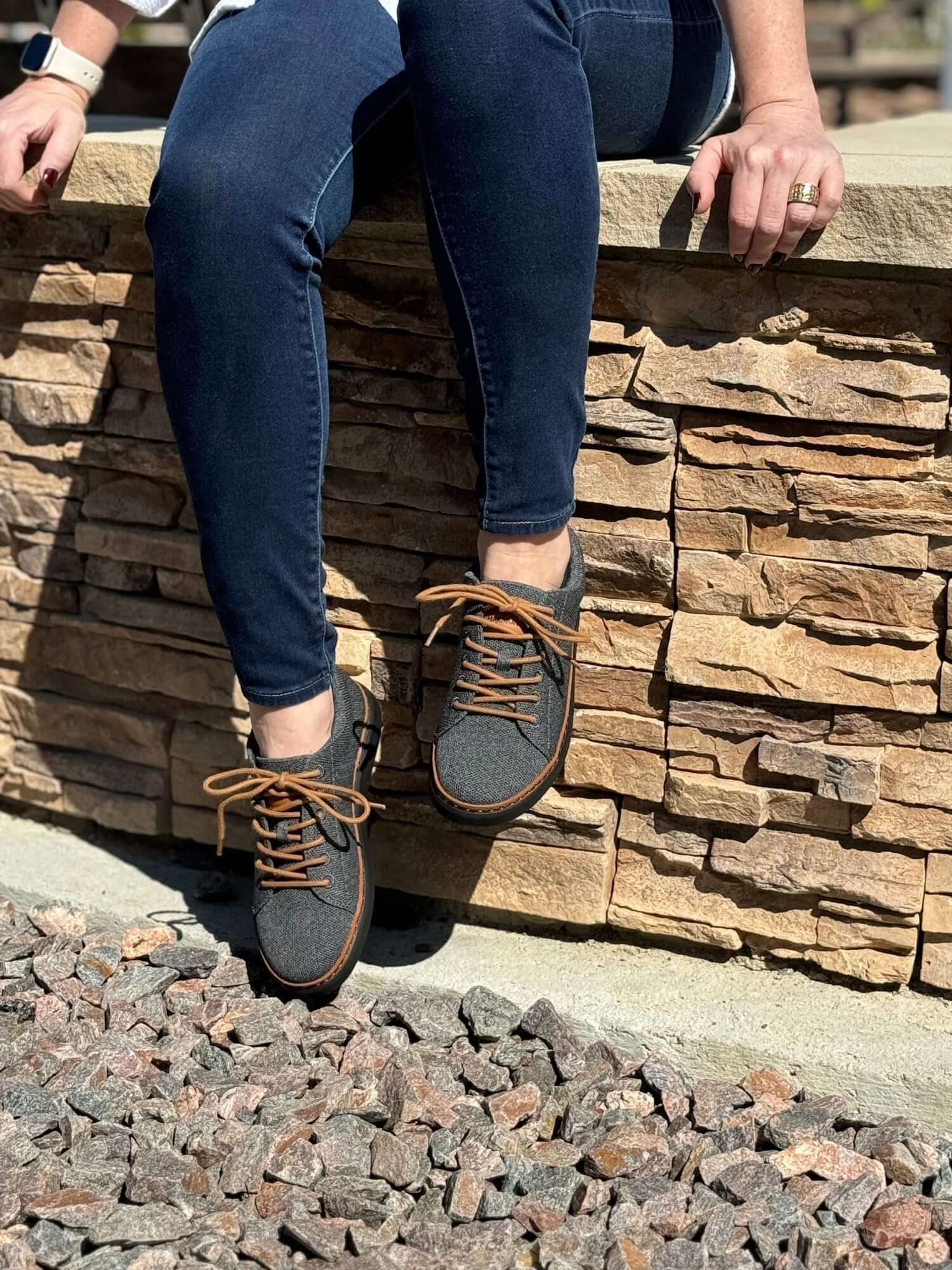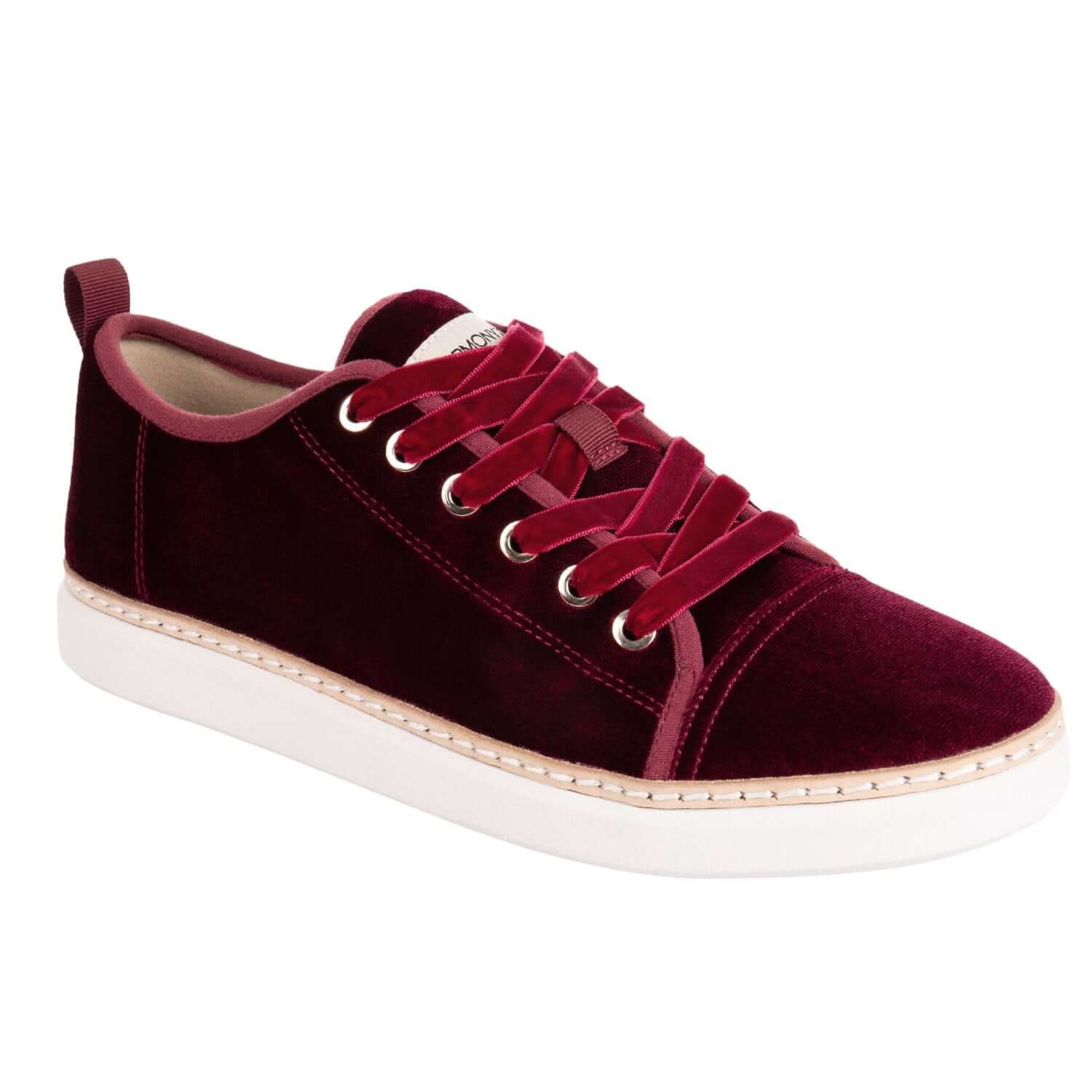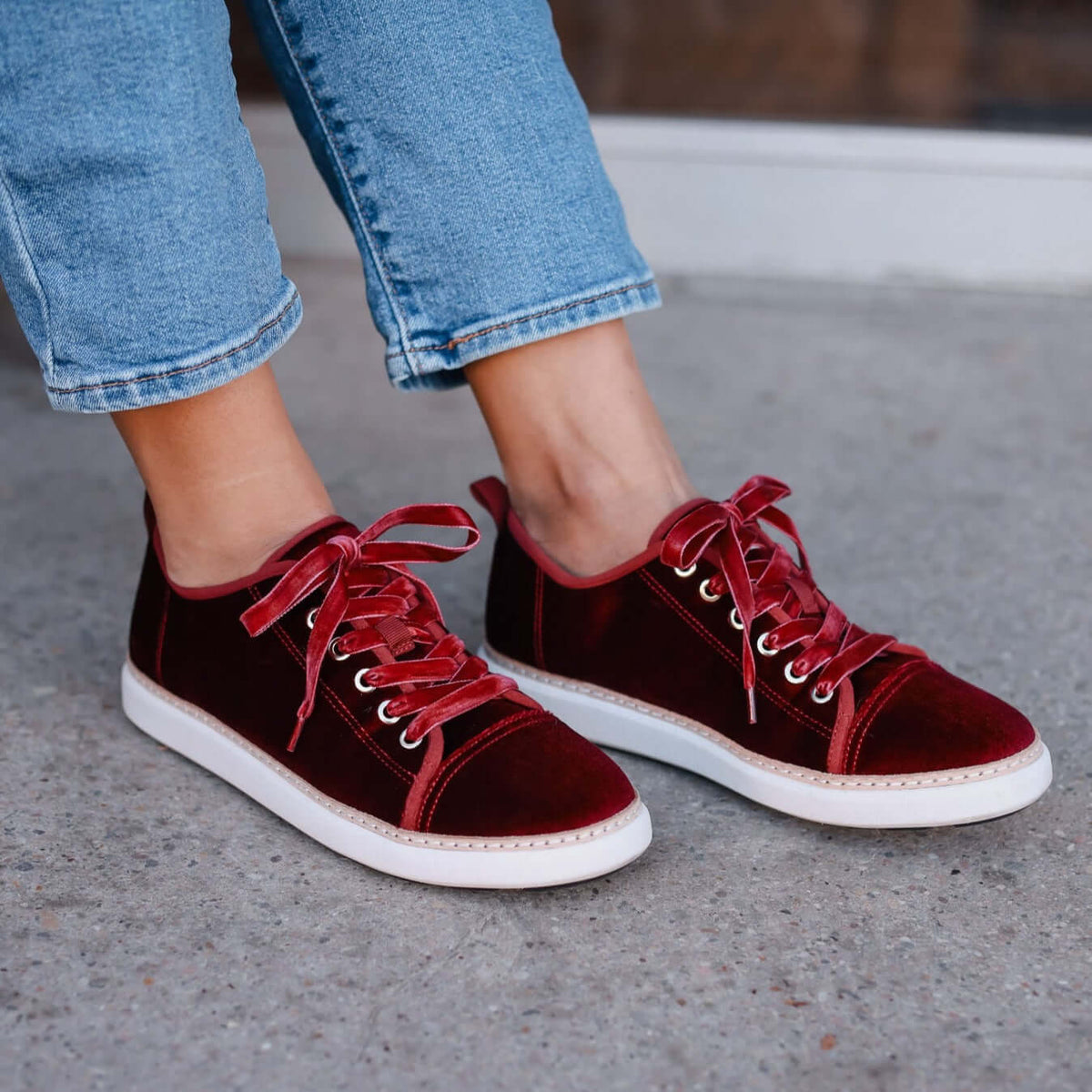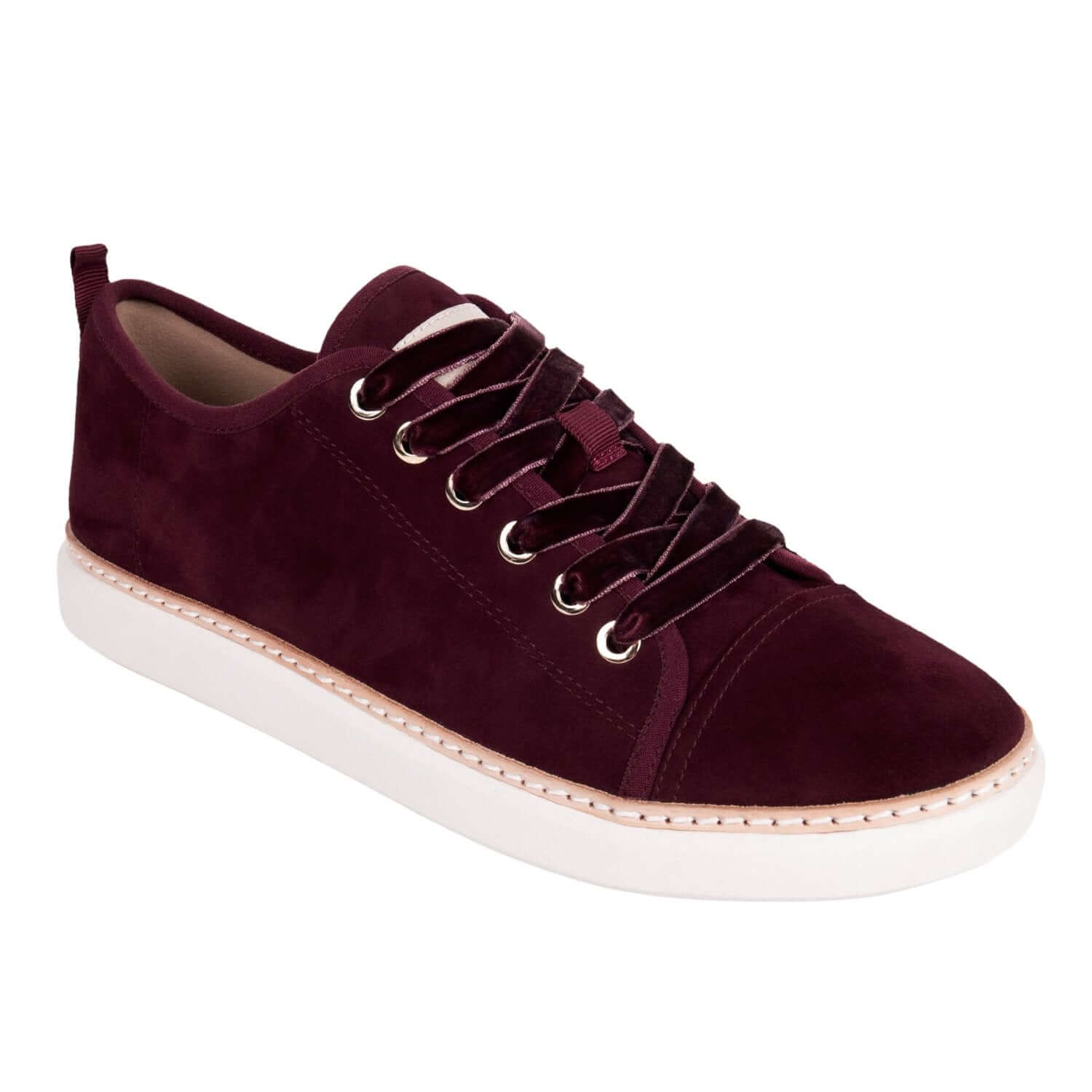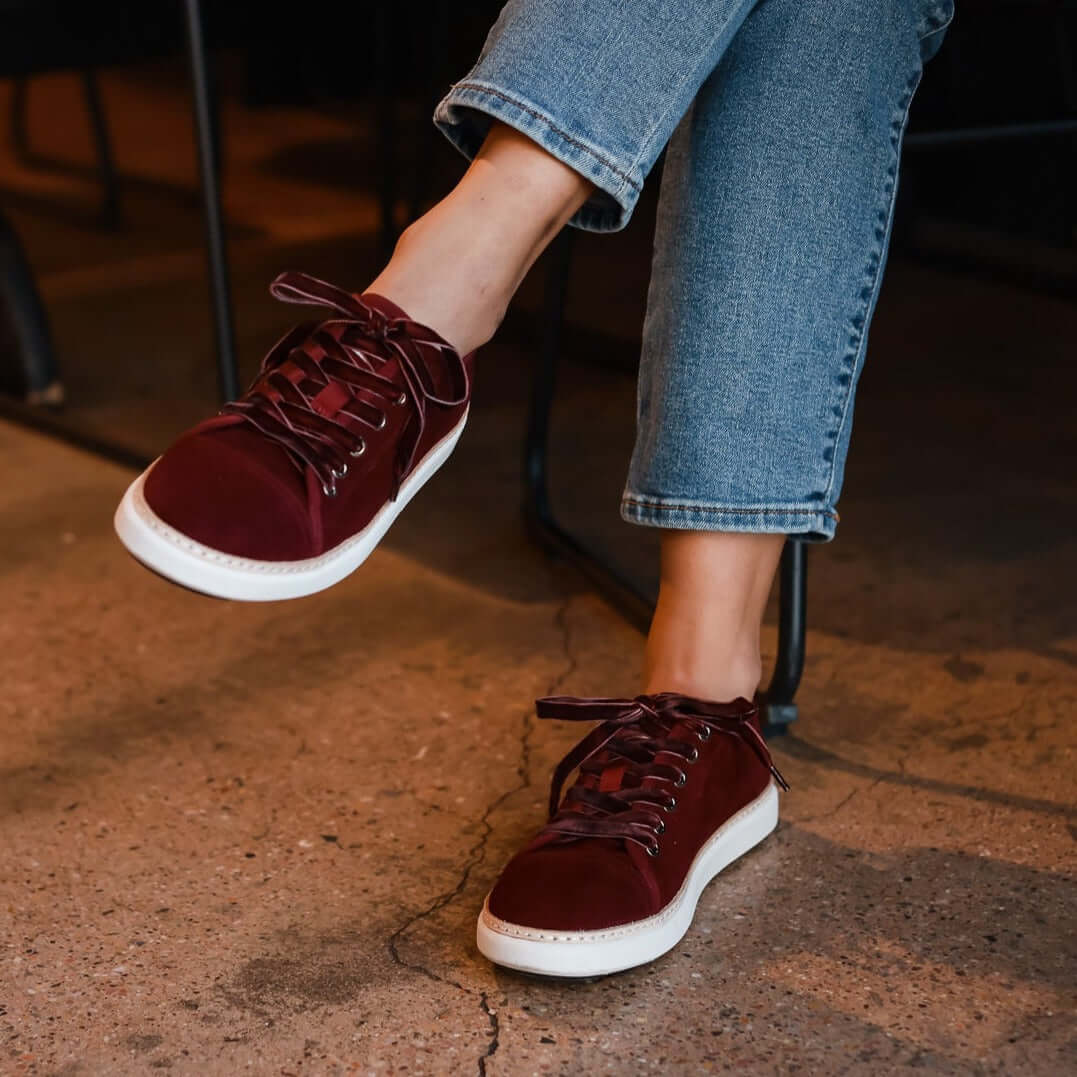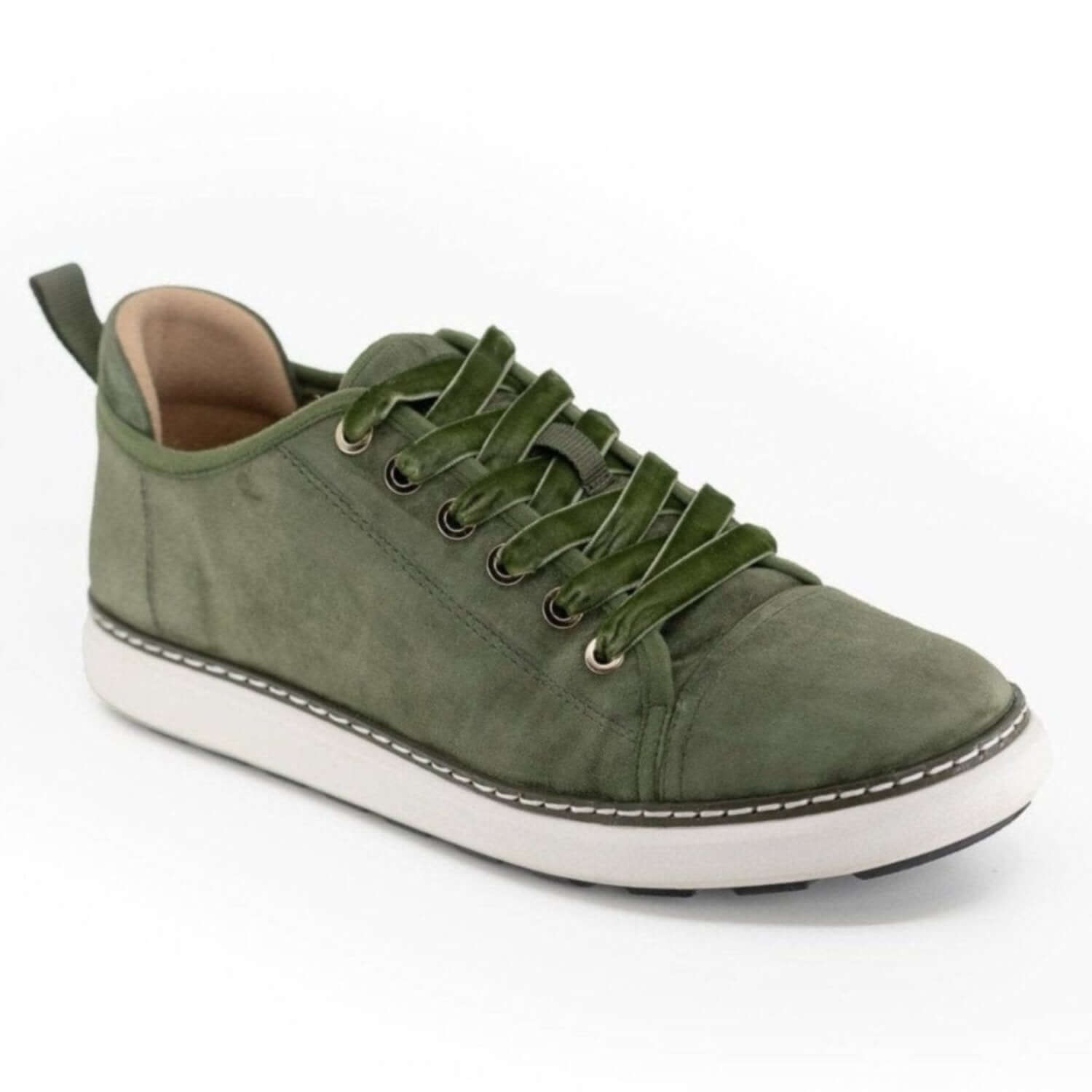

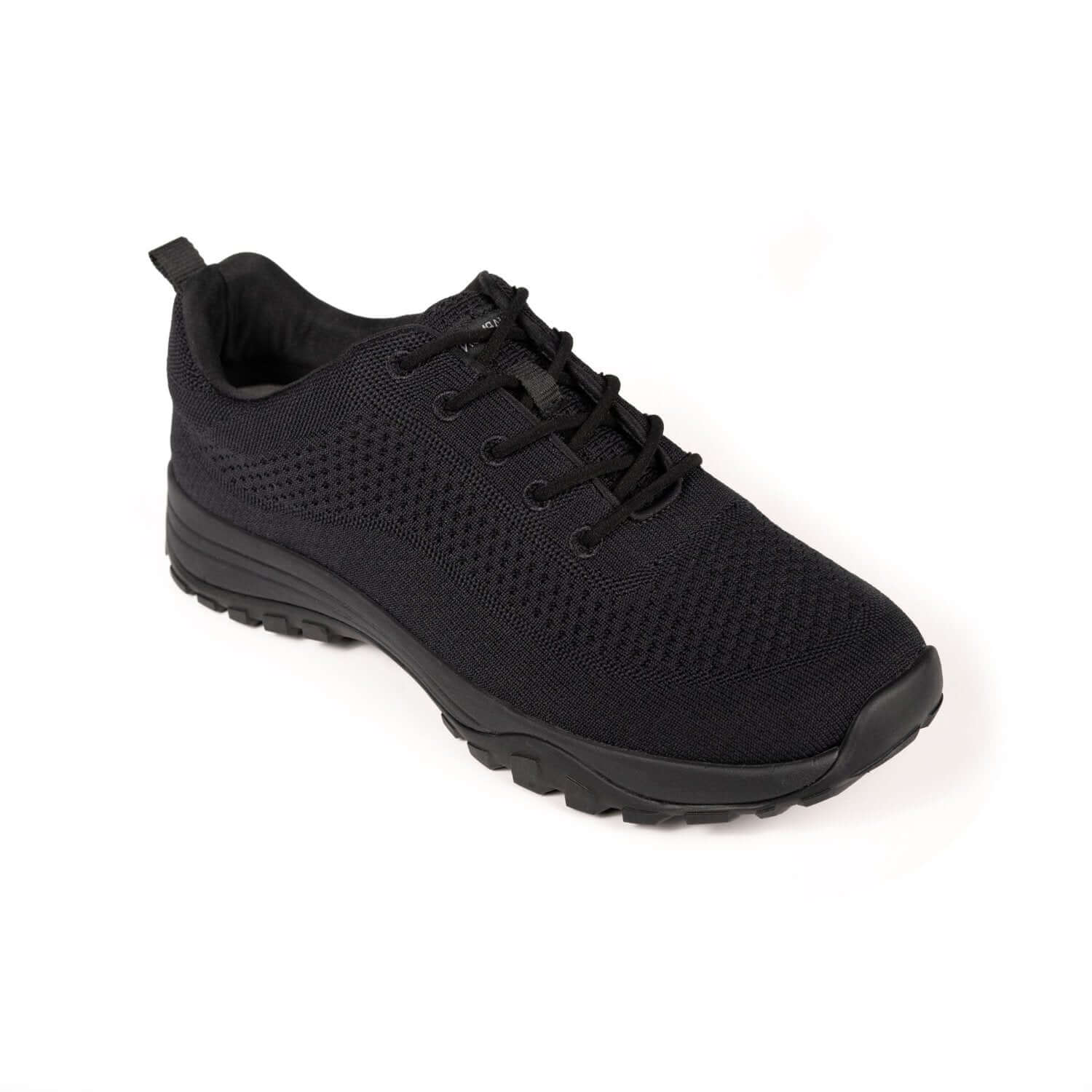
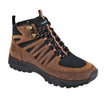
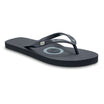
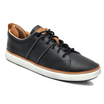

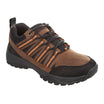
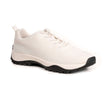

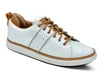

Finding affordable grounding shoes under 100 dollars budget options takes more than sorting by price. First confirm that a specific shoe was made for grounding. Then check whether it suits your routine and whether the full amount at checkout stays within your limit. A flexible sole or barefoot look alone does not make footwear grounded.
Browse grounding footwear options
Can you find grounding shoes under $100?
Set your budget definition before shopping. Some people mean an item price below $100. Others mean the total amount paid, including delivery and any charges displayed at checkout. If you mean the latter, leave room below the limit for those costs. A shoe listed at $98 may not fit a strict $100 total budget once the checkout total is shown.
Prices and inventory change. A style may be on sale today but unavailable in the size you need tomorrow. Treat the store’s current product page and checkout as the source for the price and availability you see. This guide does not promise that a particular pair is currently under $100.
Also separate price from function. An ordinary shoe does not become grounding footwear because it is inexpensive, flexible, or has a thin outsole. Look for a clear statement that the exact model is designed for grounding, along with construction information explaining how it supports a conductive connection. Harmony 783 describes its Groundworks™ design as a layered system with silver-stitched components and a carbon-and-rubber conductive outsole. This is product-specific information, not a rule that all grounding shoes share the same materials. Read how Harmony 783 shoes are made and review the grounding footwear basics.
Where should you look for budget-friendly options?
Begin with the current sale collection. Open each product page, read the description, choose the size and color you want, and note the current price for that selection. A collection label or thumbnail is not enough to establish either the function or the final cost. You can also check last-chance styles, but stock can change and a remaining size may not suit you.
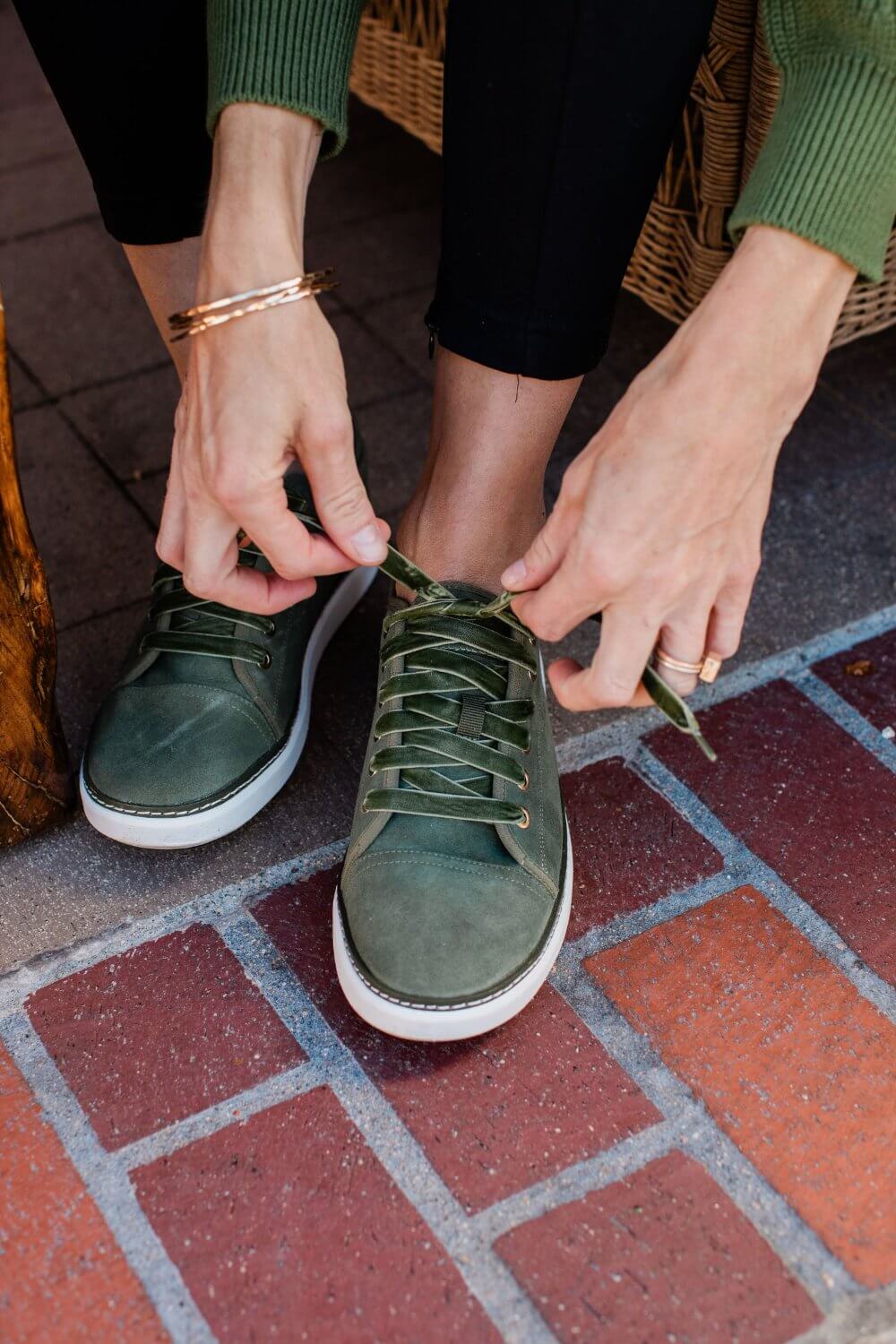
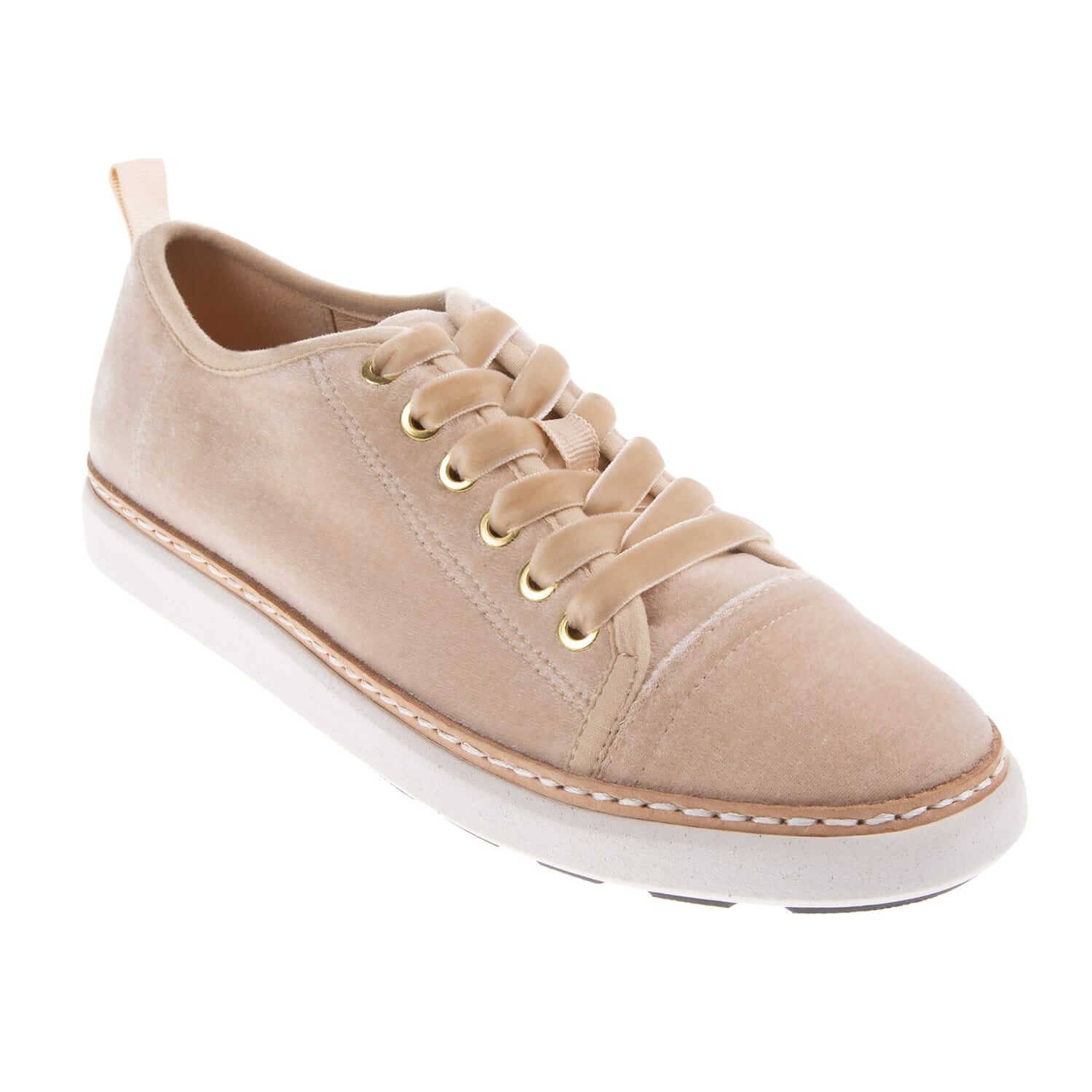
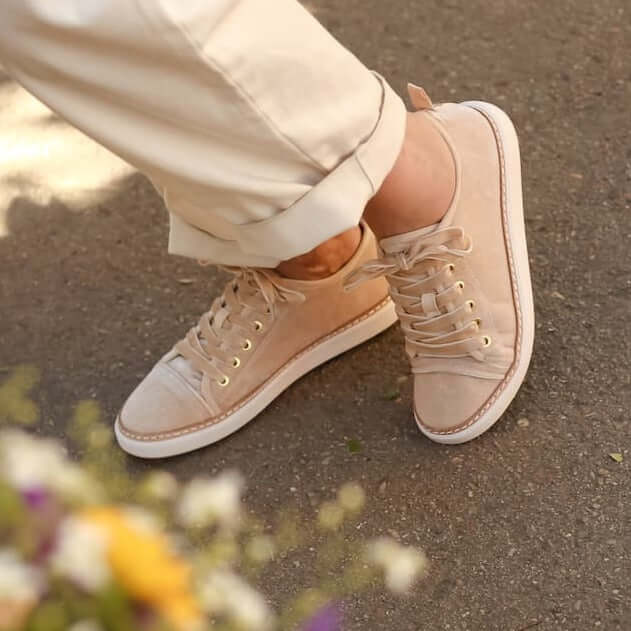
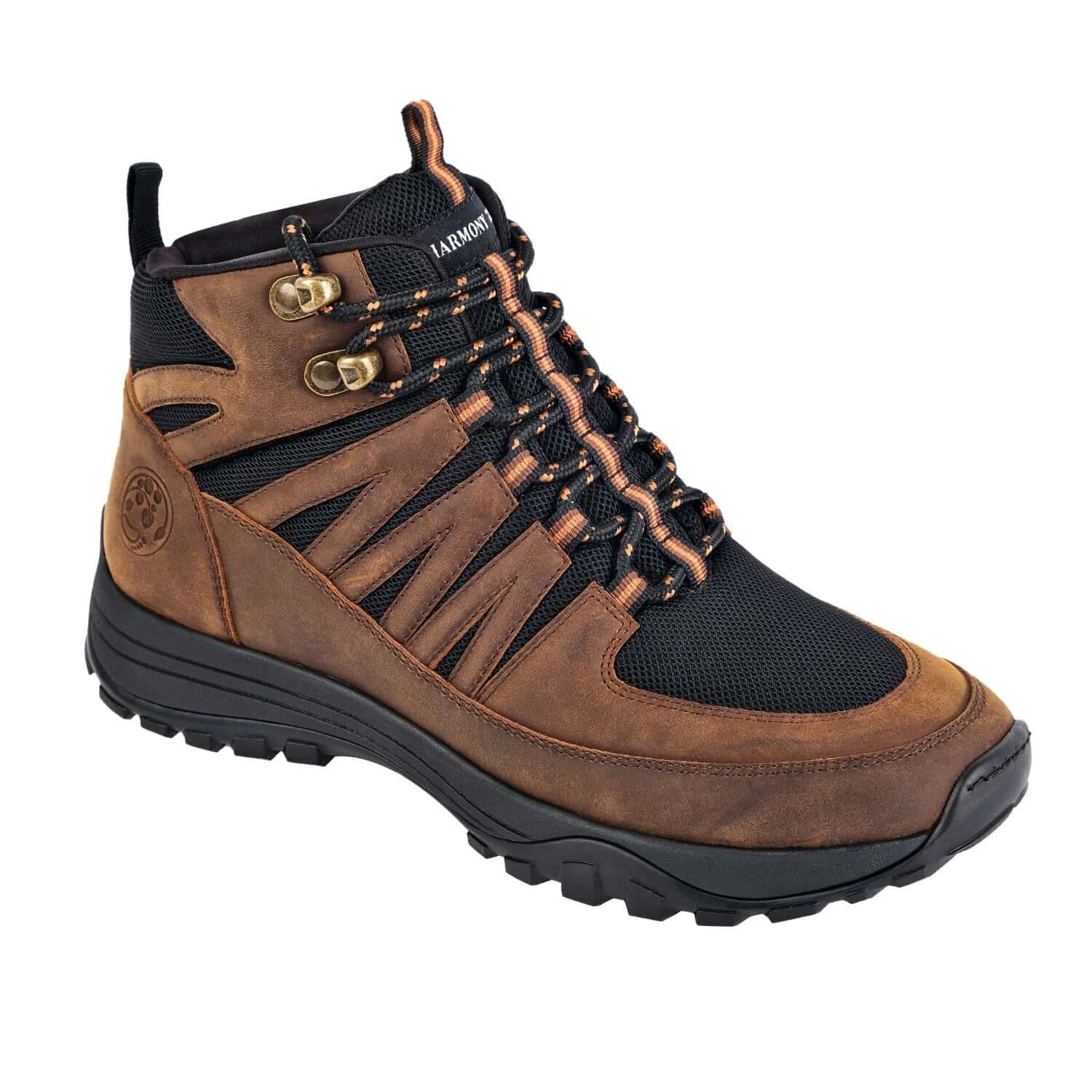
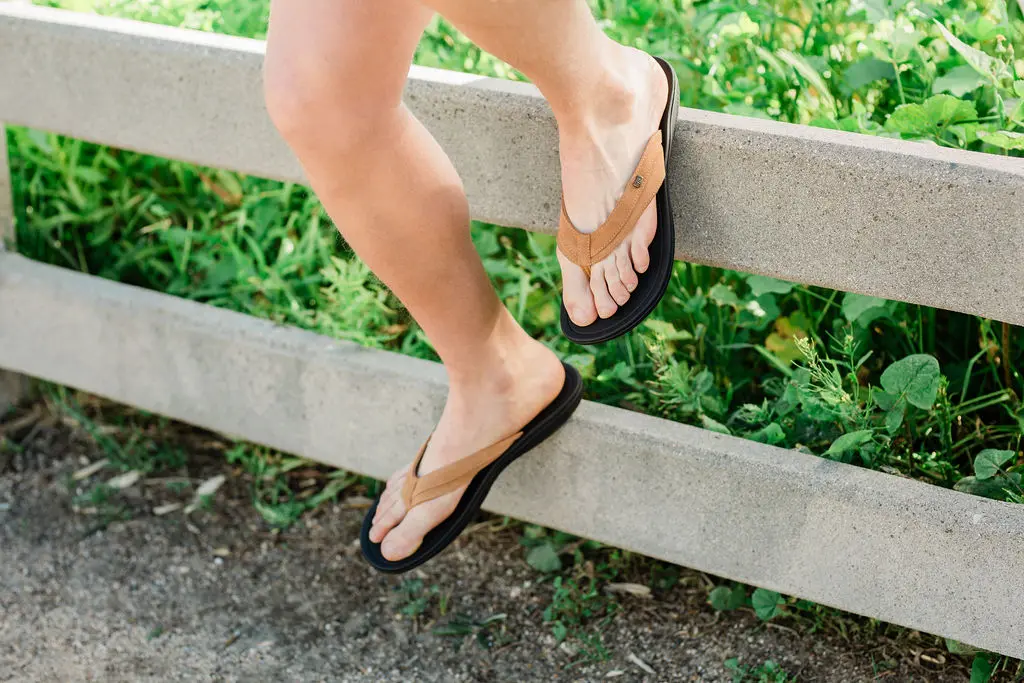
Style matters as much as the sale badge. If an open shoe fits your activities and conditions, compare grounding sandals and grounding flip-flops. For closed footwear, look at walking shoe styles or grounding sneakers. These pages are places to compare, not promises of a particular current price.
You can narrow the search by browsing women’s grounding footwear or men’s grounding footwear. If you are open to all available styles, use the full grounding shoe collection as another starting point. Collections can contain different designs, sizes, prices, and intended uses, so verify each item individually.
| Shopping route | What to verify | Budget question |
|---|---|---|
| Sale or last-chance pair | Grounding description, size, current stock | Does checkout stay within your limit? |
| Sandal or flip-flop | Whether open footwear suits your activities and conditions | What is the price for the exact size and color? |
| Walker or sneaker | Fit guidance, construction, daily suitability | Will you wear it often enough to make sense for you? |
| Ordinary thin-soled shoe | Evidence this exact shoe was made for grounding | A low price does not meet the goal if function is unconfirmed |
Use the table to rule out mismatches early. If you need a closed shoe for errands, a low-priced sandal may be poor value even if it is grounding footwear. If you want an open shoe for warm weather, a more expensive closed style may not fit your plans. Value depends on a match between the product and the job you expect it to do.

How can you tell if a low-priced shoe is actually grounded?
Words such as barefoot, minimalist, earthing, and grounding may appear in related searches, but they do not all mean the same thing. A barefoot shoe describes a style or feel. It is not a grounded shoe unless it was specifically constructed to be a grounded shoe and allow the flow of electrons. The key question is: was this exact shoe made for grounding?
Work through this check before adding a candidate to your short list:
- Read the product description. Look for a direct statement that the model is grounding or earthing footwear. General claims about flexibility, natural movement, or a thin sole do not establish that function.
- Find construction details. Look for an explanation of how the design and materials support conductivity. If the description is unclear, treat the point as unknown rather than assuming.
- Confirm the exact model. A brand may sell several kinds of footwear. Make sure any grounding description applies to the particular style you intend to buy.
- Review use and care notes. Follow the maker’s directions. Do not assume that all socks, surfaces, weather, and conditions create the same connection.
- Keep wellness claims in perspective. A shoe is a personal wellness choice, not a substitute for medical care or a proven treatment for a health condition.
Research also needs to be read within its limits. A PubMed record on unstable sandals and gait concerns unstable sandals and walking. It does not test grounding footwear, grounding benefits, or shoes under $100. It cannot answer those separate questions. Check what a source actually studied before using it to make a product decision.
For more material on the topic, see Harmony 783’s grounding research and science page. Distinguish discussion of research from proof that a product treats a condition. The grounding and earthing FAQ offers another place to review common terms and questions.
What should you compare besides price?
Fit and sizing
Check the size chart and notes for the exact product. Think about the socks you plan to wear and how much room you prefer around your toes. Harmony 783 shows men’s and women’s sizing options on the same product page, selected with a toggle. Review the choices shown for the item you are viewing, and use the shoe size guide as a reference.
A size that works in one style may not be the right choice in another. If you are between sizes or unsure, avoid guessing from a different model. Read the product-specific information and confirm that your size is both available and priced as expected. A discount on another size does not solve the fit problem.
Comfort and intended use
Picture an ordinary week, not an idealized one. Will you wear the pair for short errands, longer walks, travel, or time outside? Consider whether an open or closed style fits the places where you expect to wear it. Think about the cushioning and support you prefer, the shoe’s weight, and whether the design suits the season.
For example, one shopper may want a sandal for casual warm-weather outings. Another may need a closed walker for regular daily use. Neither choice is automatically more affordable in practical terms. If the less expensive pair stays in the closet because it does not suit your activities, the low price offers little value.
Checkout total and terms
Before ordering, select the size and color you want, then review the amount shown at checkout, including delivery and other listed charges. Do not assume the item price includes shipping or that every sale item has the same terms. Harmony 783 publishes promise and warranty information; review the current details that apply to your selection.
Make a small comparison note for each option: item price, checkout total, grounding description, fit notes, and likely use. This makes unlike products easier to compare. Suppose a hypothetical pair costs $90 and suits your routine, while another hypothetical pair costs $70 but feels uncomfortable or works only for one rare occasion. The second option is cheaper at checkout, but may not be the better choice for you. Those figures are examples, not current product prices.
How can you make a sensible choice within your budget?
Use the following order so a sale badge does not distract from the important checks:
- Set your real cap. Decide whether $100 means item price or total checkout cost.
- Confirm grounding construction. Remove products that do not clearly state they are made for grounding.
- Pick a style for your routine. Compare sandals, flip-flops, walkers, and sneakers according to where you will wear them.
- Check size and fit guidance. Confirm your size is listed and the product-specific guidance makes sense.
- Compare live totals. Recheck price, availability, and delivery details shortly before purchase.
- Pause if nothing fits. Waiting is better than buying an ordinary shoe and hoping it works as grounding footwear.
Consider a worked example. Shopper A wants closed footwear for daily errands and has a strict $100 total cap. A discounted minimalist shoe has no grounding construction details, so it fails the function check. A grounding shoe is listed below $100, but the selected size and delivery bring the total above the cap, so it fails the budget rule. Neither is a good fit for this shopper today. The next step is to compare another suitable style or revisit live sale listings later, not to ignore one of the criteria.
Shopper B has a different constraint: an open shoe for occasional warm-weather use, with a $100 cap on item price rather than total. For this shopper, a listed price under the cap might qualify, but only after checking exact-size availability, product construction, and final charges. The same pair can be a sensible option for one person and a poor match for someone who needs a closed daily shoe. Define the need before comparing products.
Once you have a short list, use popular grounding shoe styles as another comparison point, not a substitute for checking product details. You can also explore the women’s walking shoe selection or the men’s walking shoe selection if either fits your needs. Product pages show options to evaluate; confirm current availability and price there.
It can help to use a simple pass-or-pause scorecard. Give each candidate a yes or no for grounding construction, a suitable style, an available size, acceptable fit guidance, and a total inside your budget. A single no on a must-have is a reason to pause. This is not a technical test or a rating of product quality; it is a way to avoid letting a discount override your own requirements.
Browse the current sale collection
What questions do shoppers ask about affordable grounding shoes?
Are grounding shoes under $100 available right now?
Availability depends on current styles, sizes, promotions, and checkout charges. Check live product listings and confirm both the construction and total price for your selected size. No particular option is guaranteed to remain available under that amount.
Are barefoot shoes the same as grounding shoes?
No. A barefoot-style shoe is not grounded unless it was specifically constructed for grounding and allowing conductive flow. A thin or flexible sole alone does not establish that function.
Should I choose sandals because they may cost less?
Only if that style suits your activities and the exact listing meets your grounding and budget needs. Compare sandals with other options using current prices, size availability, fit, and intended use instead of assuming one category is always cheaper.
Do grounding shoes treat a health condition?
This article offers shopping guidance, not medical advice. Do not rely on footwear to diagnose, treat, or replace care for a health condition. Ask a qualified health professional about personal medical concerns.
When comparing affordable grounding shoes under 100 dollars budget options, check construction first, then fit and intended use, and finally the real checkout total. That process helps you choose carefully without mistaking an ordinary low-priced shoe for grounding footwear.