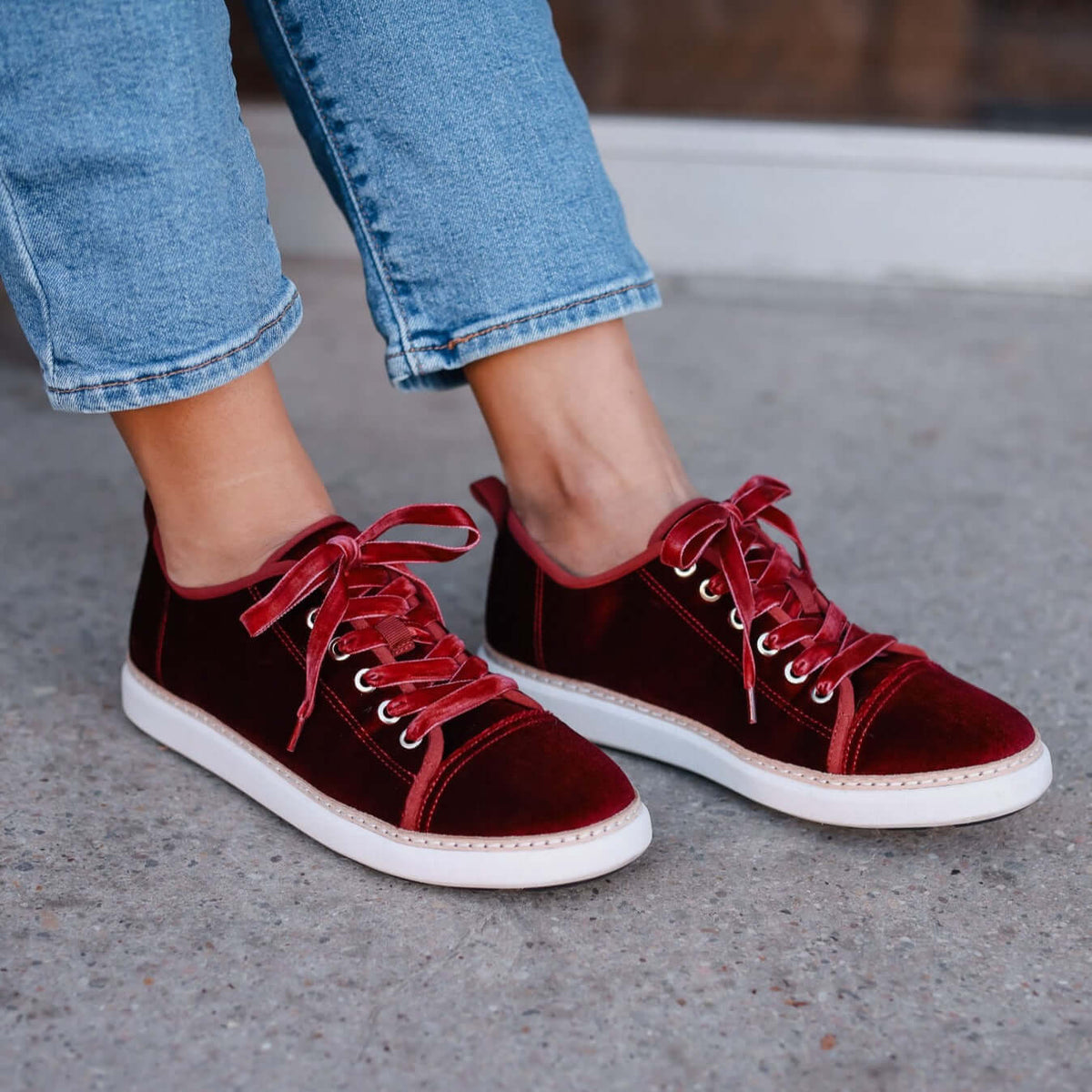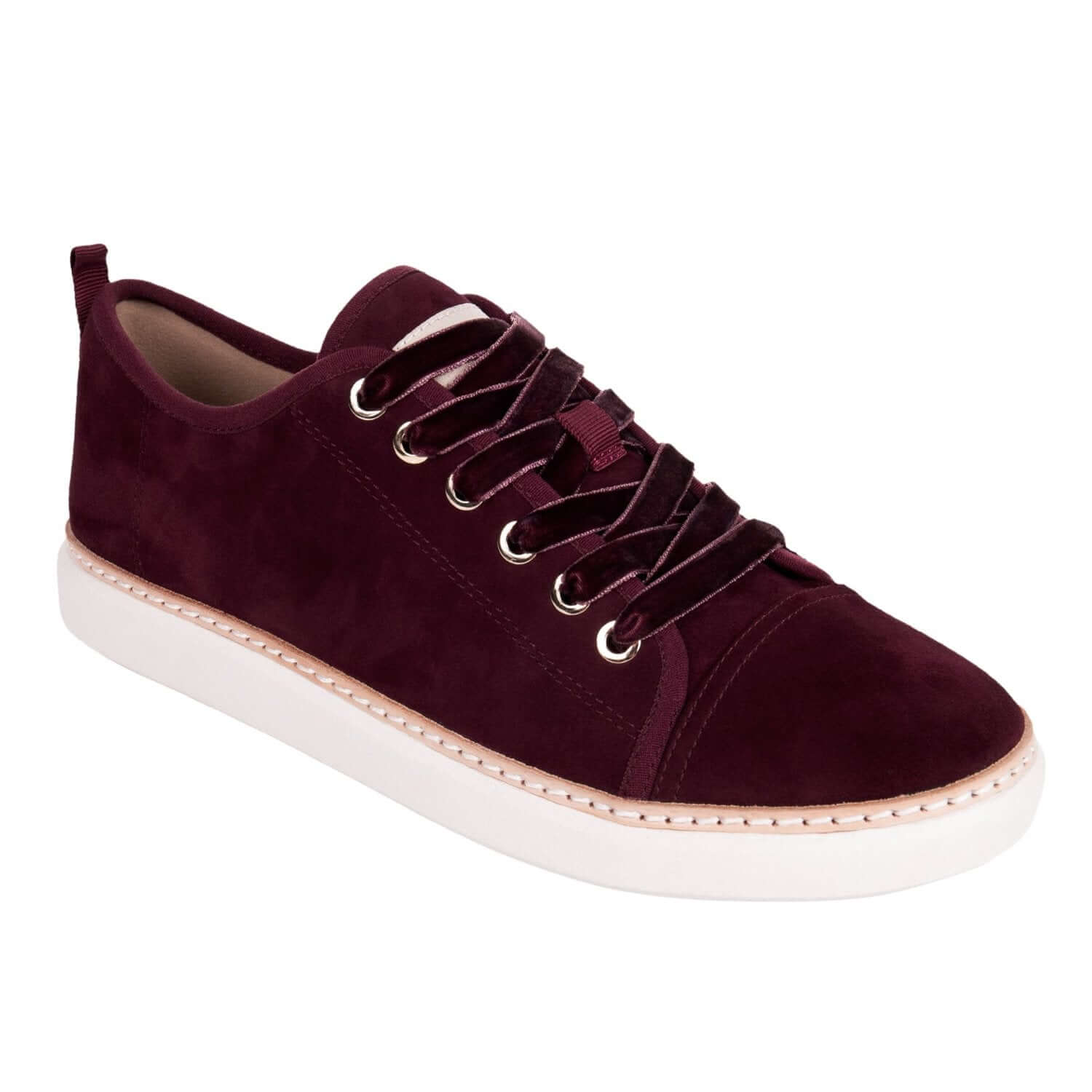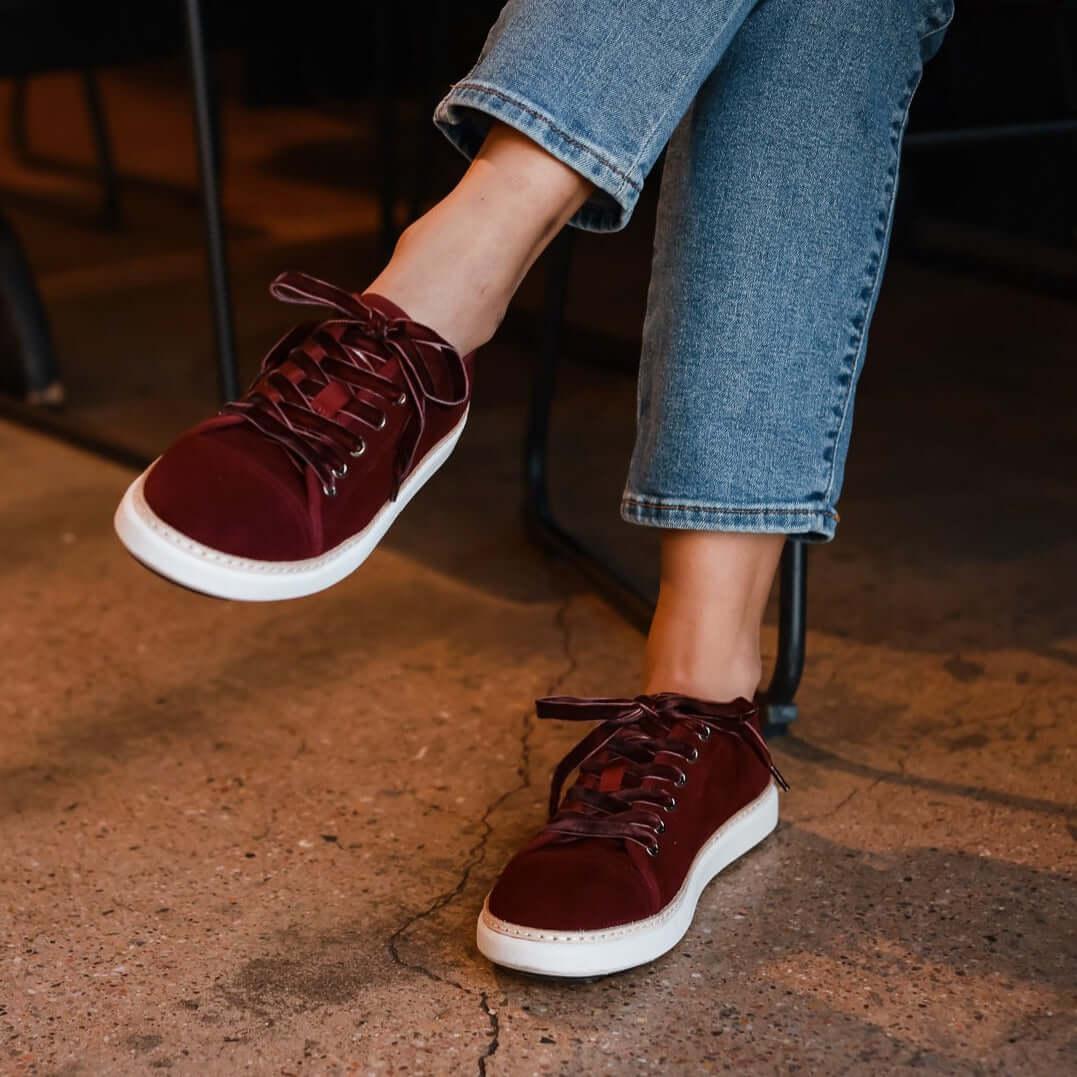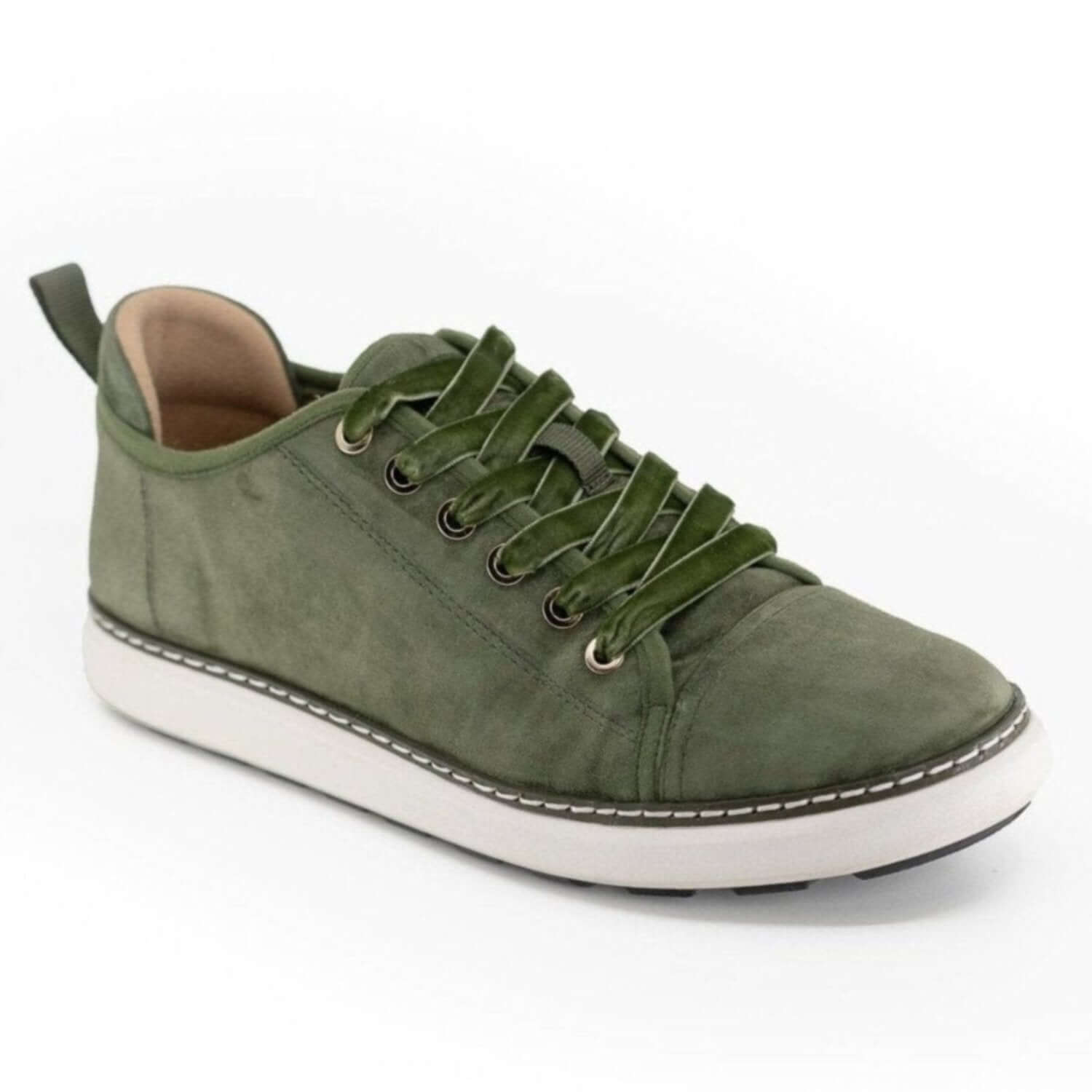

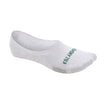


Shopping for earthing socks for sale can raise a simple question: are they just regular socks, or do their materials make a difference? Conductive socks are made to help create an electrical path between your foot and conductive footwear or another properly designed grounding setup. The fibers, fit, and what you wear them with all matter. They are not the same as ordinary cotton socks, and wearing them is not a promise of a health result.
Browse our collection of grounding socks
What makes earthing socks for sale different from ordinary socks?
Most everyday socks are made to provide warmth, cushioning, or moisture management. They may be cotton, wool, nylon, or a blend. Those fibers can feel comfortable, but comfort alone does not make a sock conductive. Earthing socks use conductive fibers as part of their construction. The specific fiber and design vary, so read the product details rather than relying on the word “natural” or “breathable.”
Conductivity is only one part of the setup. For an electrical connection to form, the conductive material needs to make contact in the intended path. Depending on the design, that can mean contact between the sock and a conductive footbed, or an uncovered area of skin touching a conductive surface. Socks do not create a connection through any shoe or floor just because they contain conductive fibers.
Grounding is a term used in different contexts. In electrical safety, it refers to an intentional connection to earth; that does not mean every consumer product labeled “grounding” works the same way. The OSHA Technical Manual discusses grounding in workplace electrical safety. For personal footwear, the practical question is whether the sock and the rest of the setup were designed to provide a conductive route.
Some people choose to explore grounding as part of a wellness routine. Research on earthing is still developing, and a general discussion of the practice is not proof that a particular sock improves health. Treat socks as a product with a particular construction, not as a medical treatment. For background, see the published review on earthing, and consider claims carefully.
How do conductive fibers and skin contact work together?
A grounding sock is not a battery and does not generate electricity. Its conductive elements are intended to pass a connection along a route when used with equipment designed for that purpose. In footwear, this route may involve the sock, a conductive footbed, and the shoe’s conductive components. Each part has to be designed to work together.
Skin contact is another point shoppers often misunderstand. Some products rely on direct contact between bare skin and a conductive surface. Others are designed so the conductive sock itself is part of the pathway. Check the instructions for the specific sock and shoe rather than assuming that a sock’s outside or inside surface makes contact in the right place. A thick sock, a loose fit, or a footbed that is not conductive may interrupt or change the intended contact.
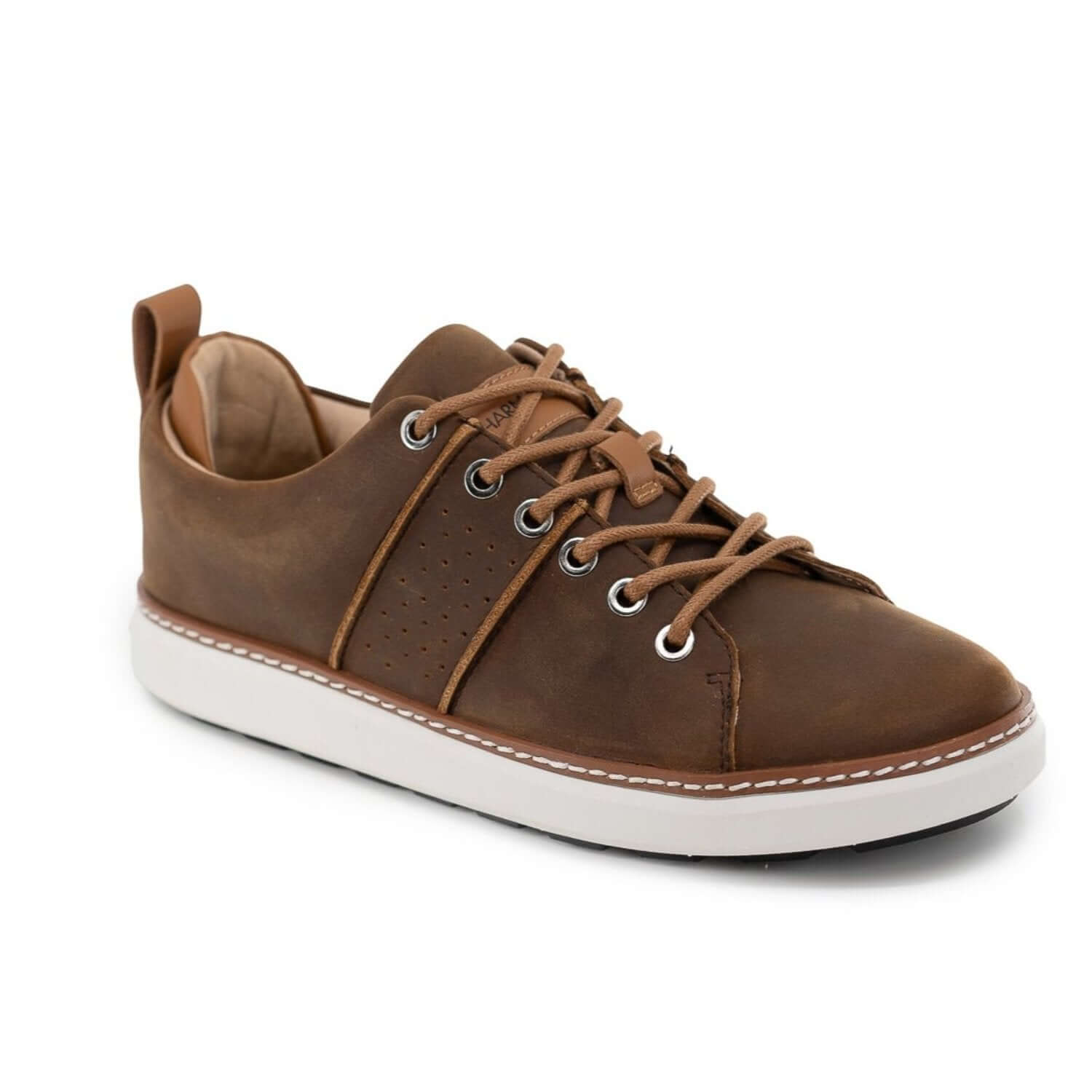
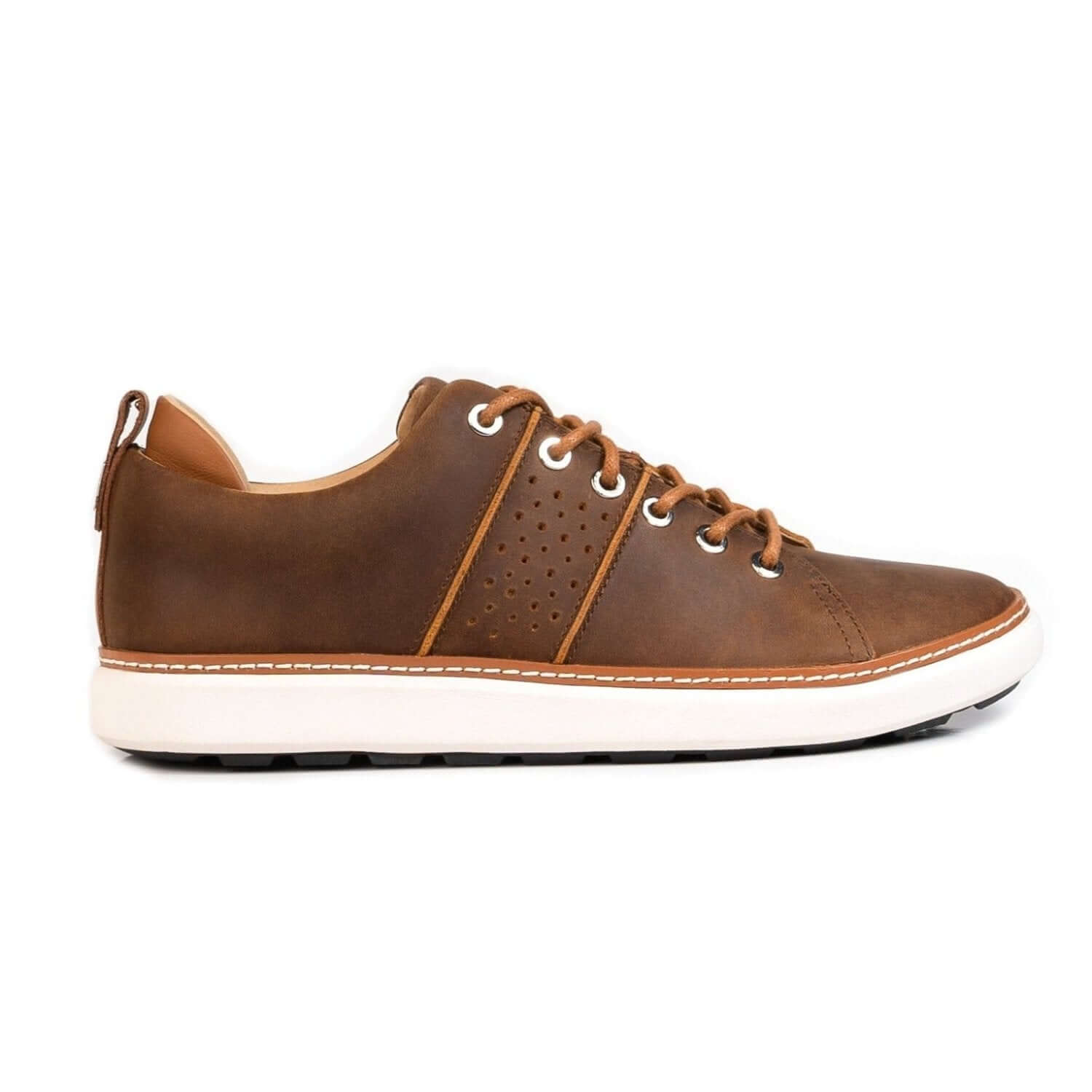
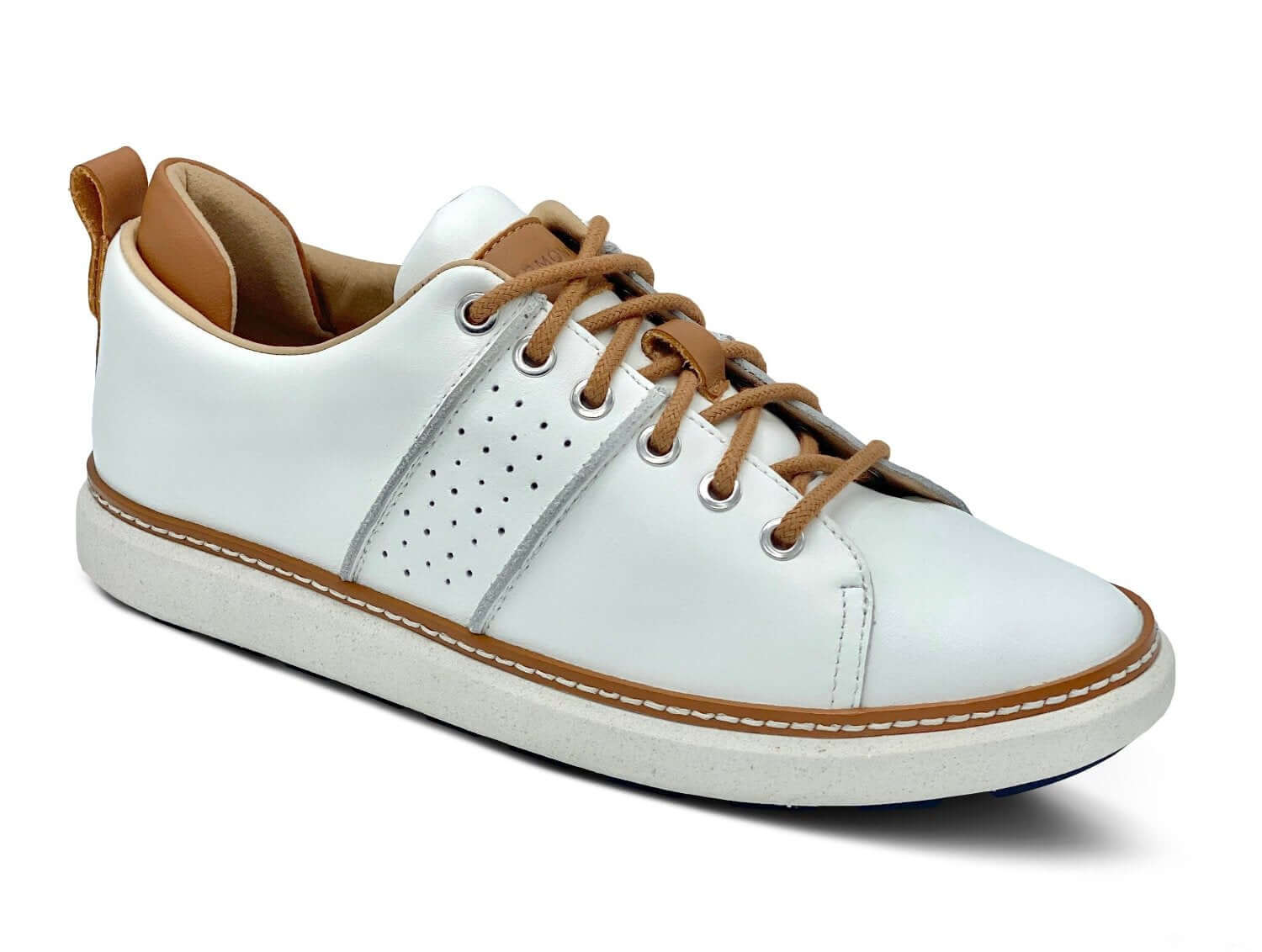
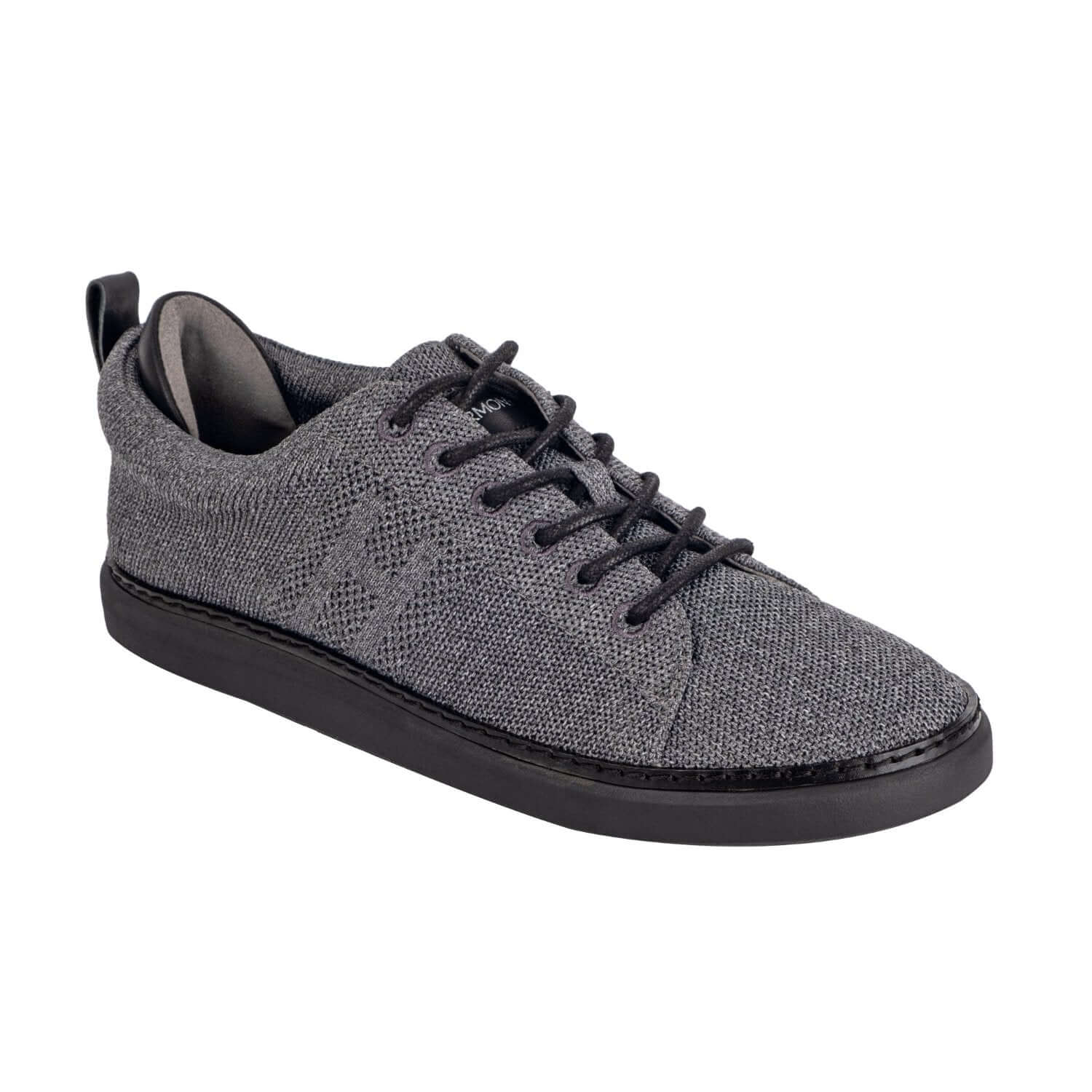
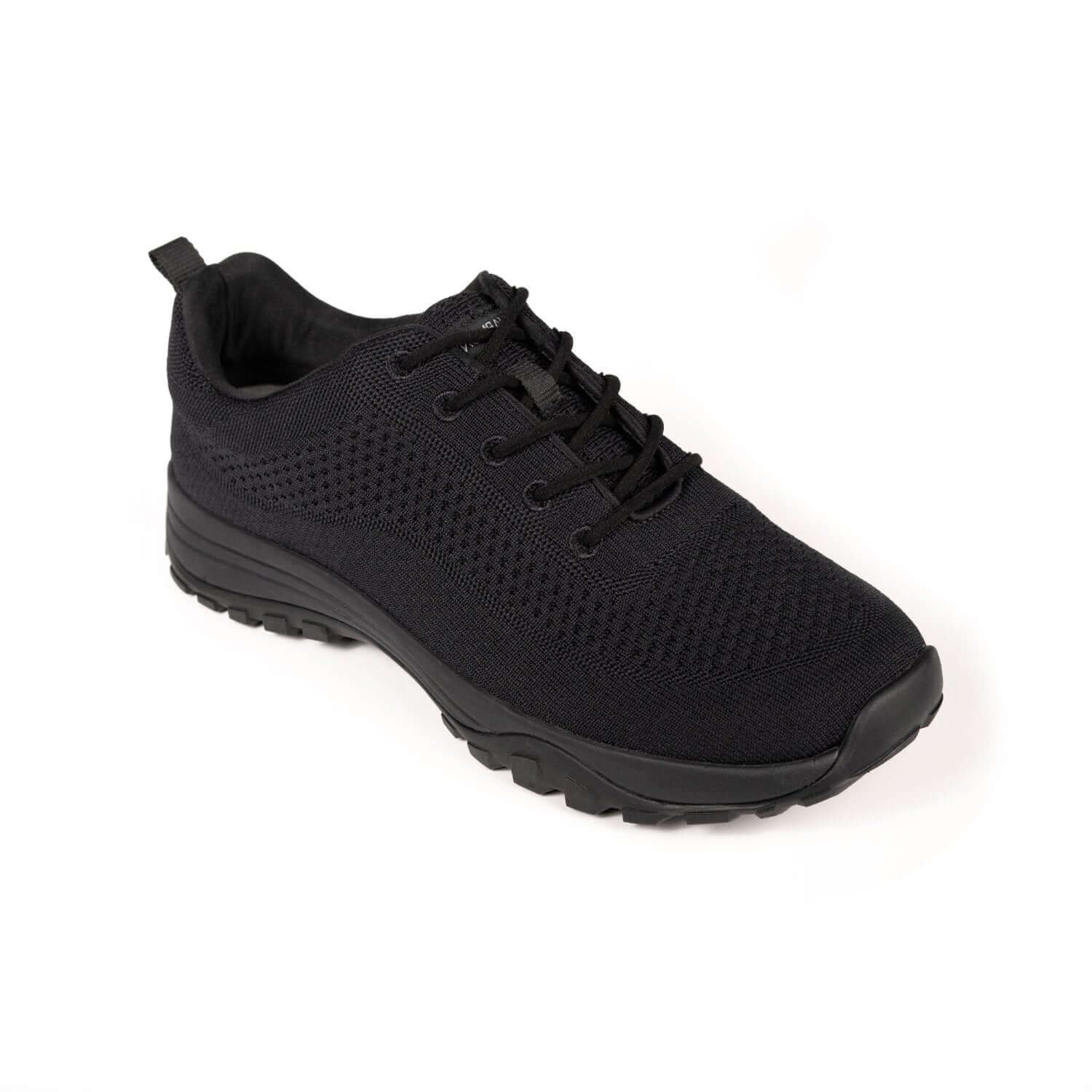
Harmony 783 describes its shoes as using Groundworks™ technology, a conductive system that includes silver-stitched elements and a carbon-and-rubber conductive outsole. The company says its shoes are tested for a grounded connection. That does not mean every sock will work equally well with every shoe. If pairing products, check the sock and shoe details, and ask the seller if the intended combination is unclear.
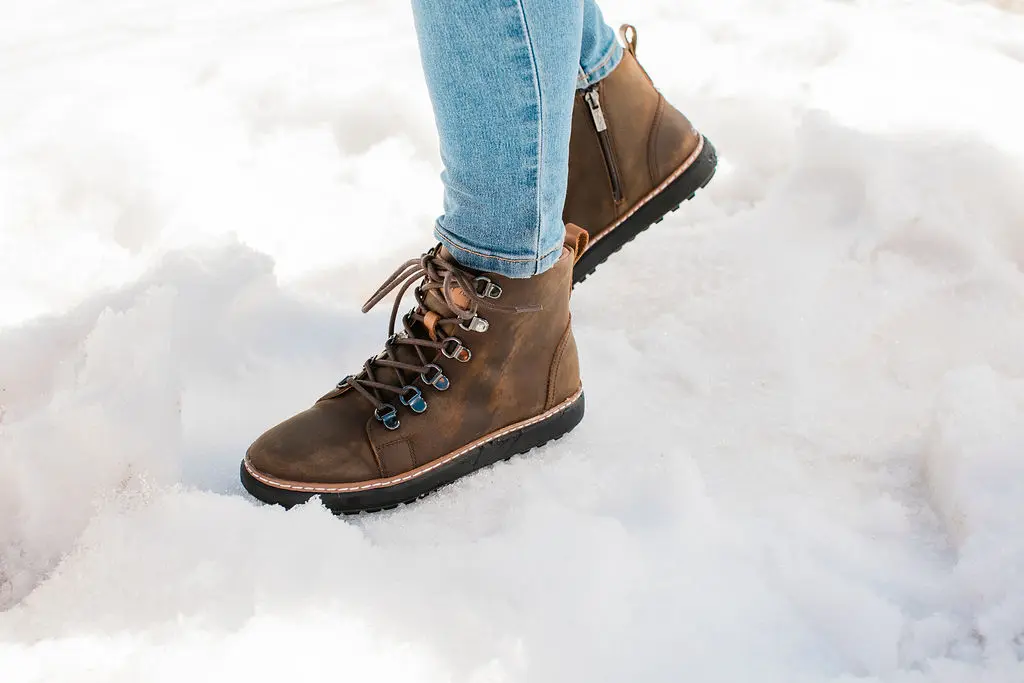
A useful way to think about it is to follow the route from foot to ground. Ask: what part of the sock is conductive, where does it touch the shoe, and what component completes the path? If the product information does not explain the intended use, do not guess based on appearance.
What should you check before buying earthing socks?
A careful product check can prevent a mismatch. Look for clear information about materials, where the conductive fibers are placed, and how the socks are intended to be worn. If the listing only makes broad wellness claims but says little about construction, ask for specifics before purchasing.
- Conductive material: Find out whether the sock contains conductive fibers and whether the maker explains their placement. A decorative metallic-looking thread is not enough to judge functionality.
- Intended use: Check whether the socks are made for use with conductive shoes, an earthing mat, or another specific setup. These uses are not automatically interchangeable.
- Fit range: Match your foot measurement to the brand’s sizing guide. A sock that slides, bunches, or pulls tight may be uncomfortable and may not keep the intended contact points in place.
- Fabric and feel: Consider warmth, thickness, stretch, seams, and how the material feels against your skin. Conductivity does not replace comfort.
- Care: Read the washing and drying directions. Harsh cleaners, high heat, or rough handling could affect specialized fibers, depending on the product.
- Compatibility and support: If you plan to wear them with grounding footwear, verify the intended combination with the seller. Review the size and return information before ordering.
For Harmony 783 sizing details, consult the sock size guide. The grounding socks collection shows the current collection information; check its listings for available styles and product-specific care instructions. Product availability and details can change, so use the current page rather than relying on an old description.
It can help to compare two listings side by side instead of deciding from a single product photo. First, note the exact size range and material description. Next, look for instructions that name the intended footwear or grounding setup. Then compare care directions and support information. If one page explains construction and use while another only repeats broad claims, the more specific listing gives you better information for making a choice. This process does not prove that one product performs better; it helps you see what you are actually being asked to buy.
Think through a normal day, too. If you expect to wear the socks for a short indoor period, thickness and warmth may matter less than they would during a long walk or a full workday. If you change shoes often, check whether the instructions apply to each pair, not just one compatible shoe. A simple list of your usual activities, footwear, and preferred sock thickness can make the product details easier to assess.
How do socks pair with grounding shoes?
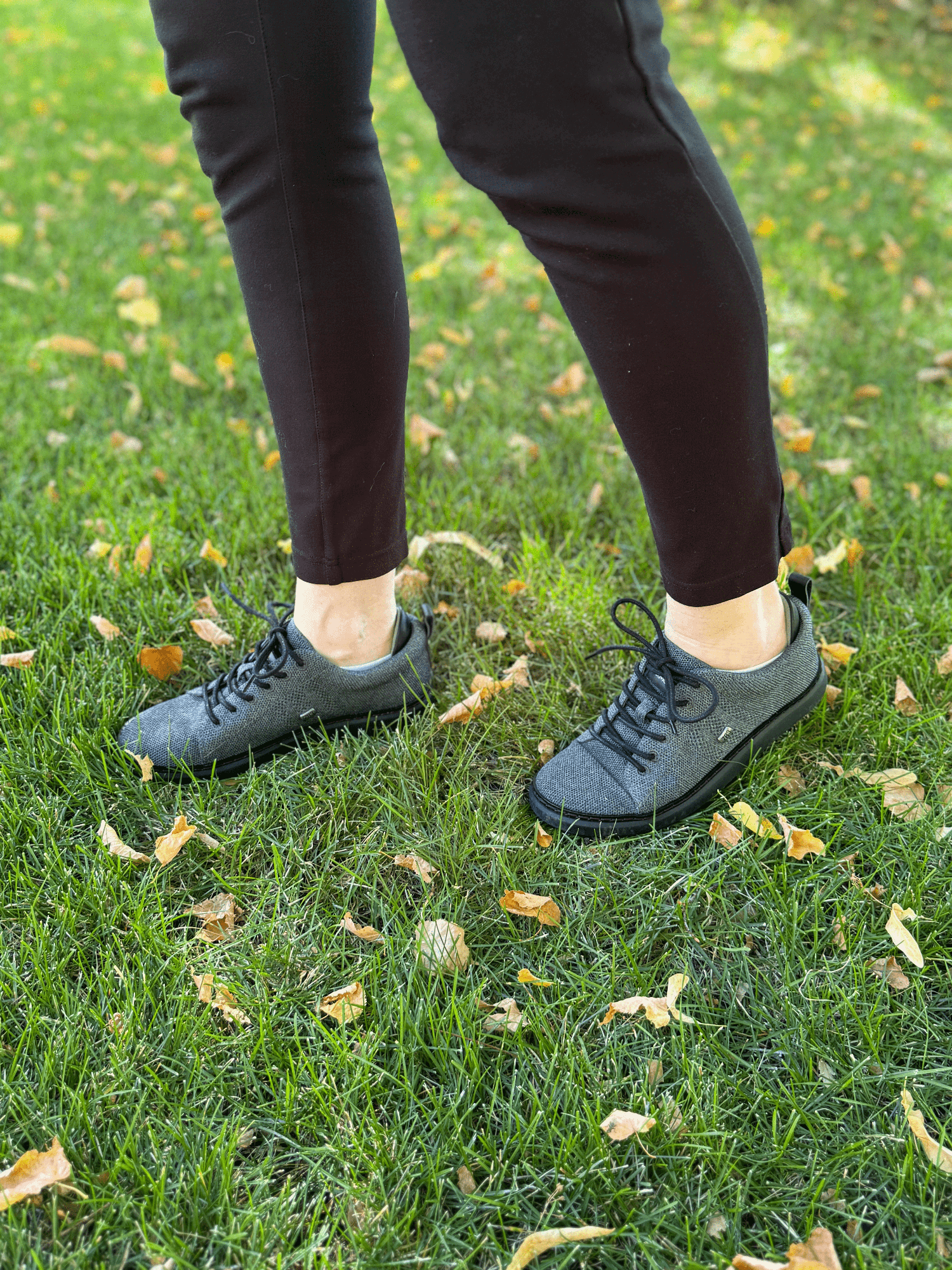
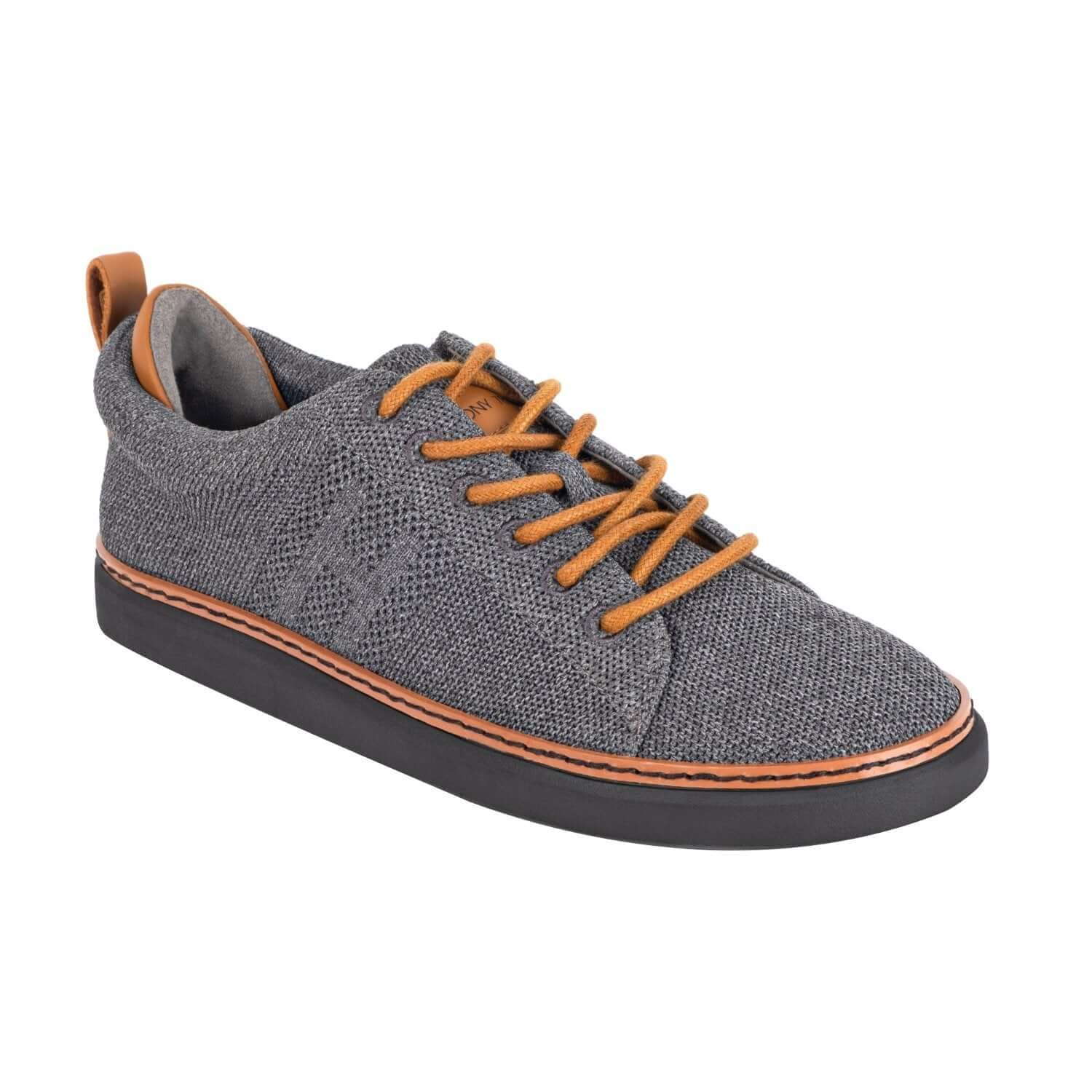
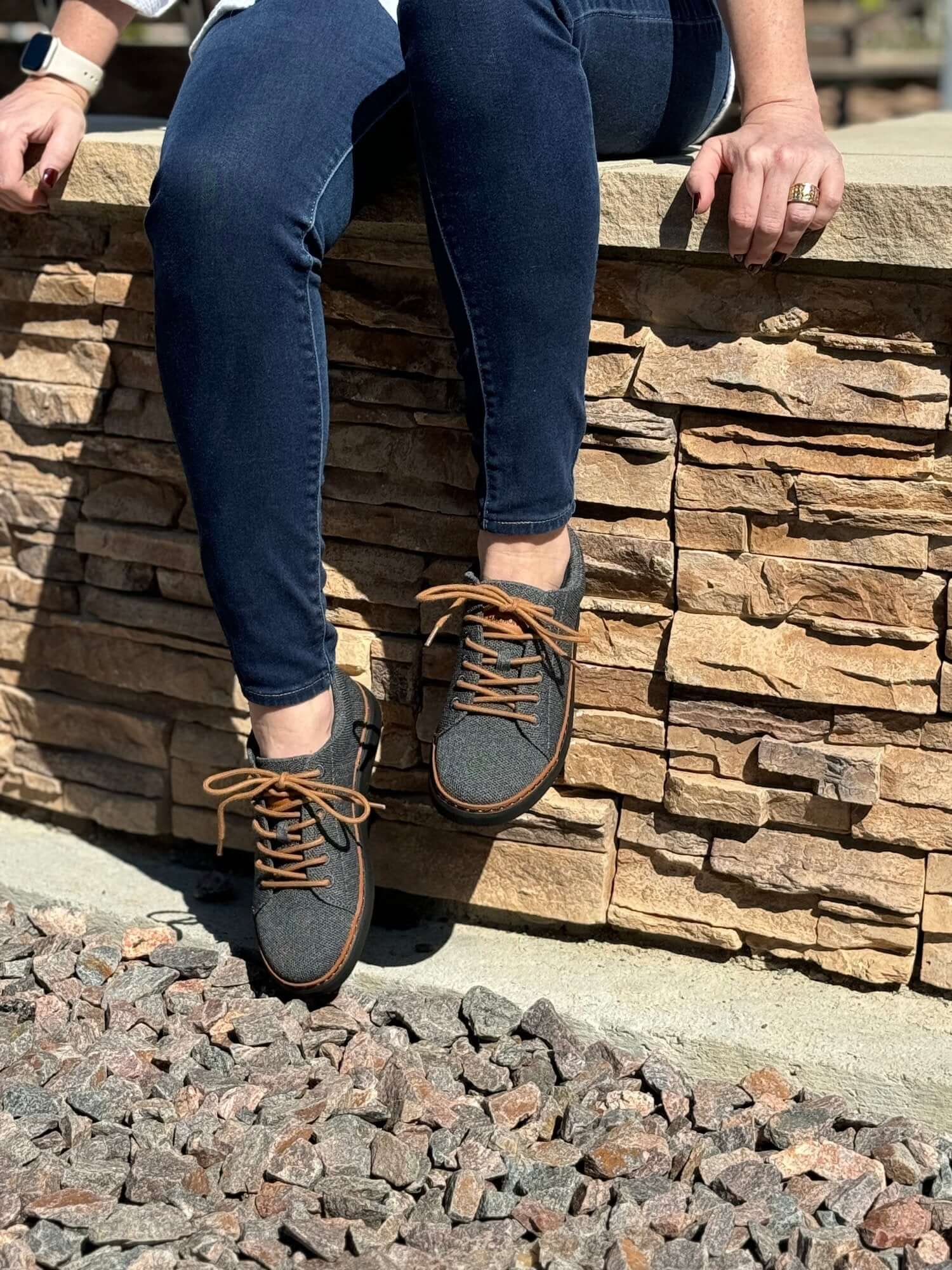
Start with the shoe, not just the sock. A shoe must be specifically constructed to support grounding for that purpose. A barefoot-style shoe is not automatically a grounded shoe; it needs to be constructed to allow the intended conductive connection. If you are comparing footwear, ask whether that shoe was actually built for grounding rather than inferring it from a thin sole or a minimalist shape.
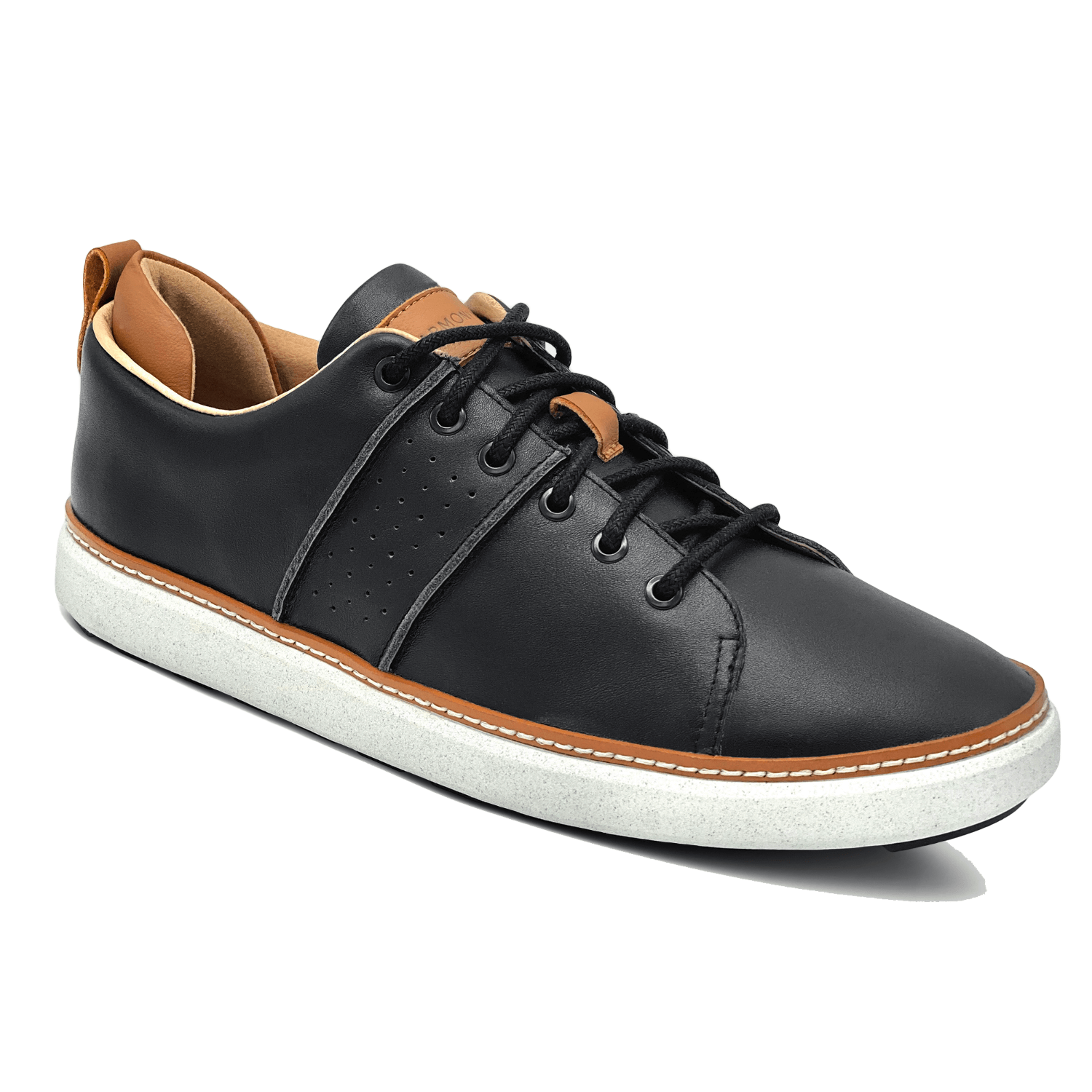
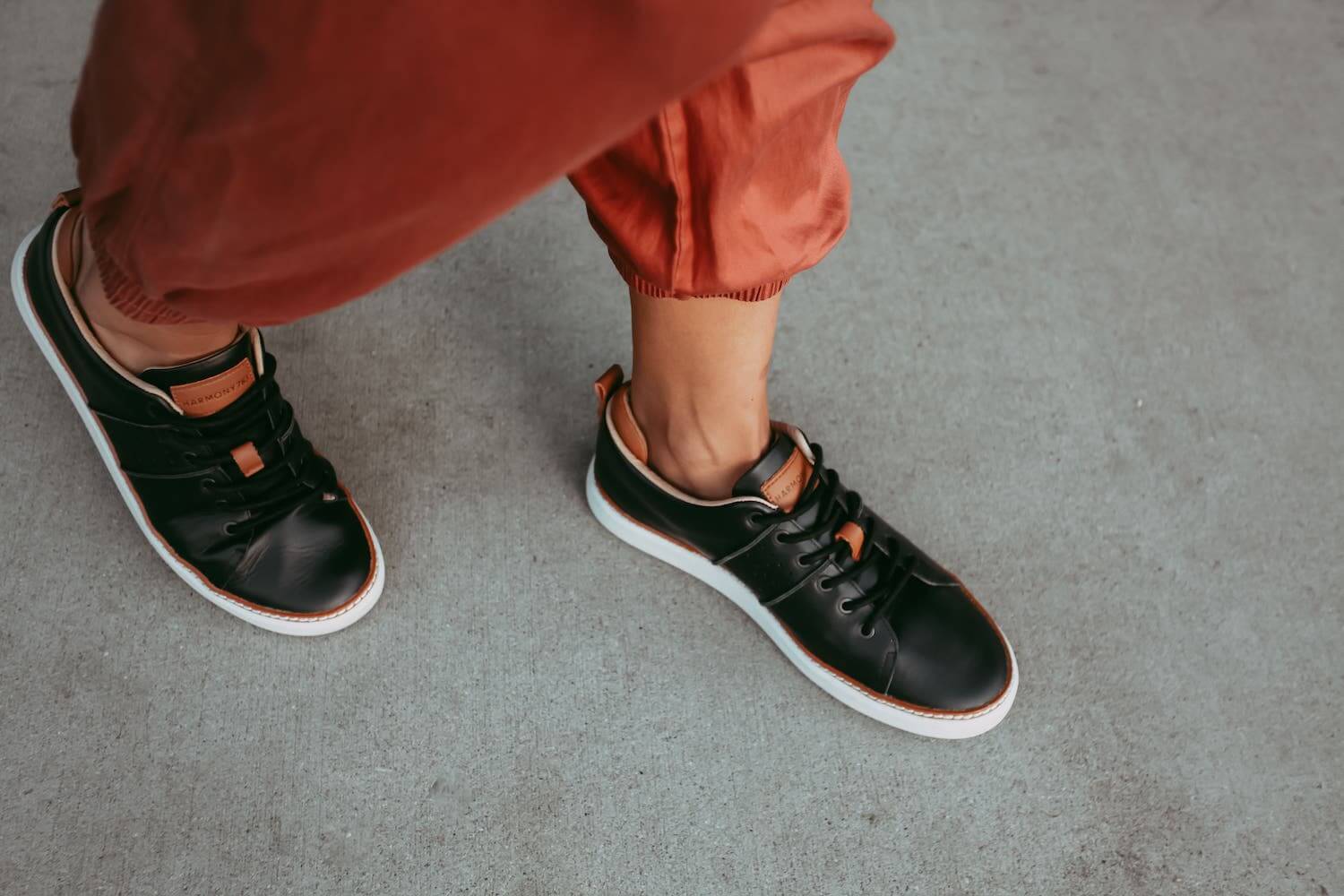
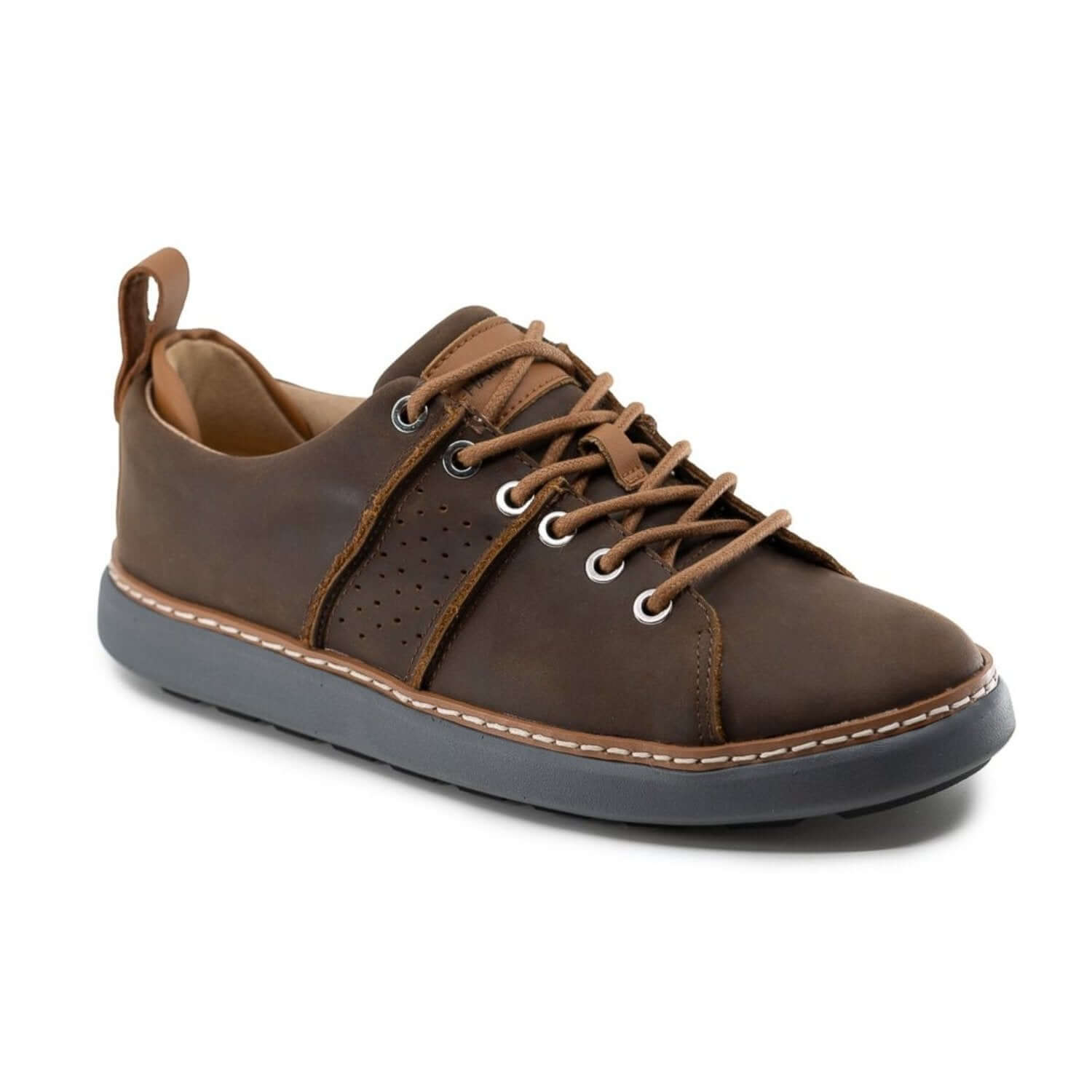
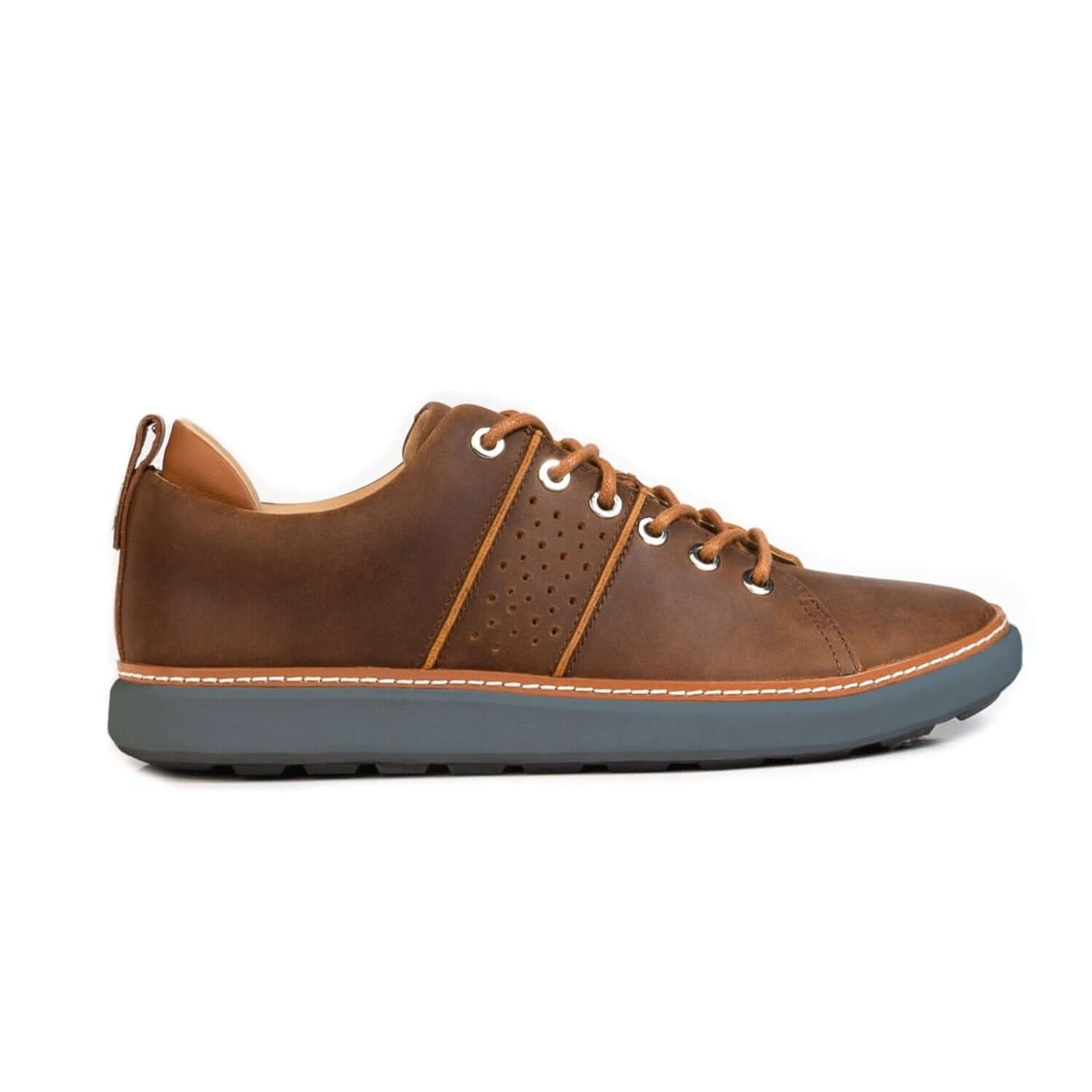
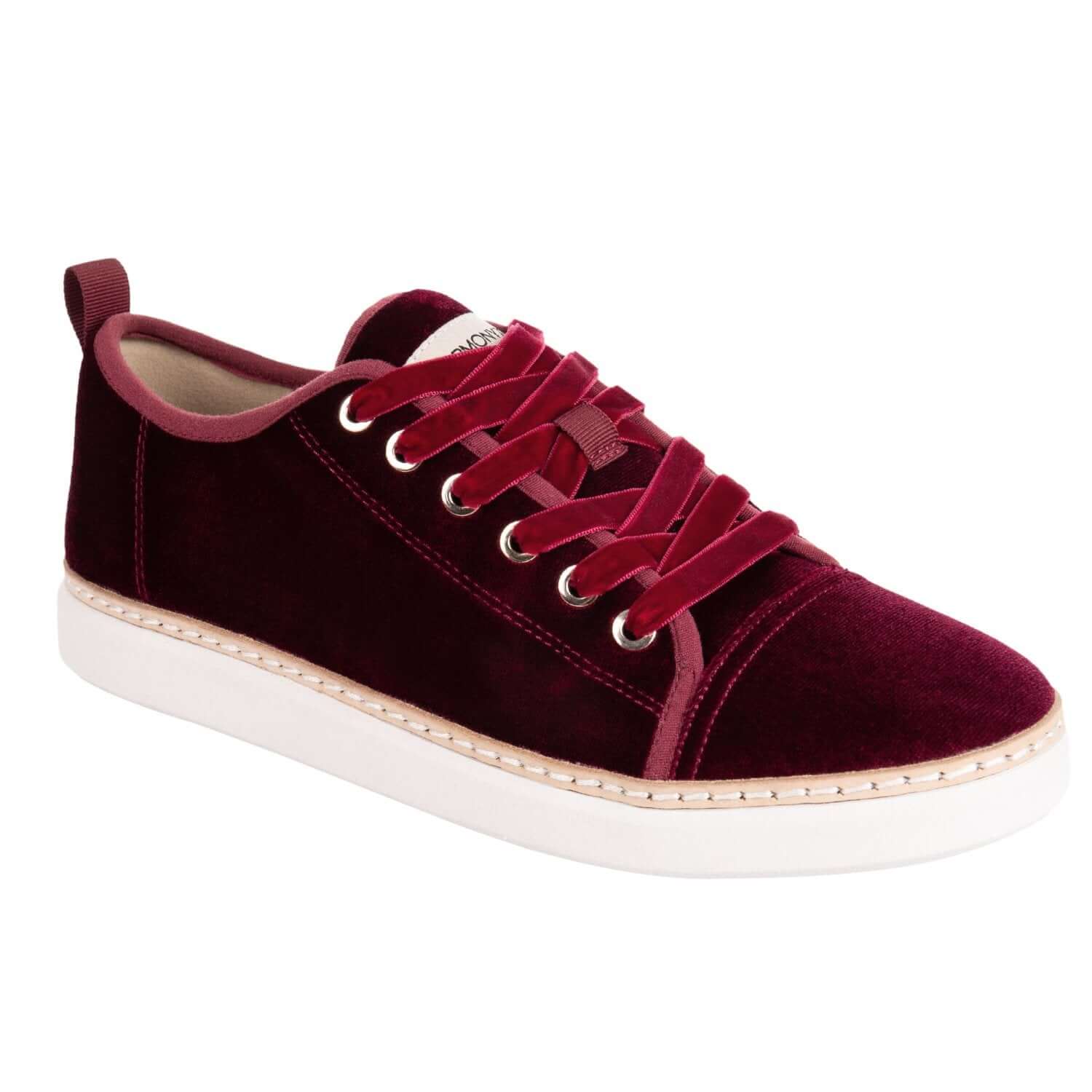
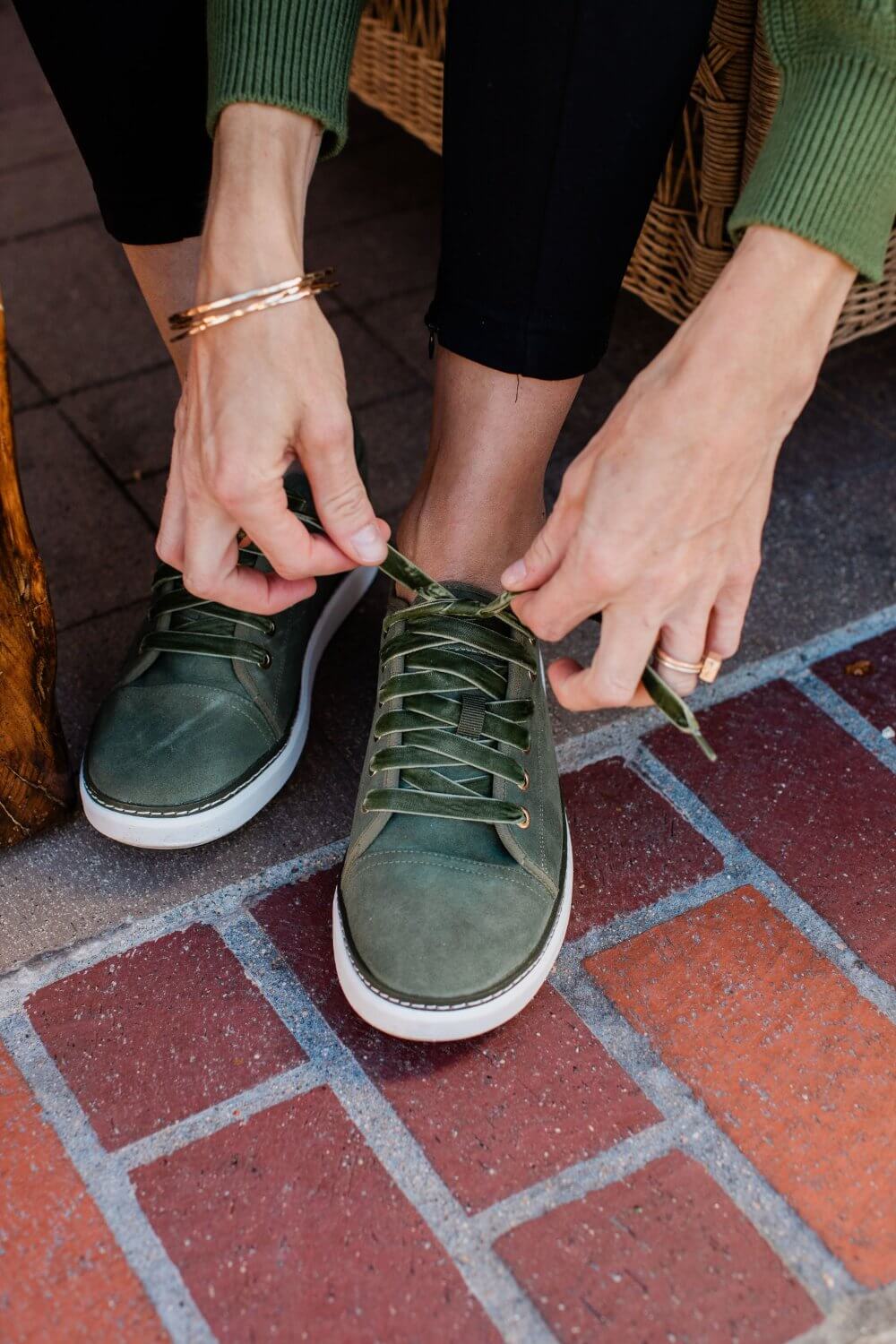
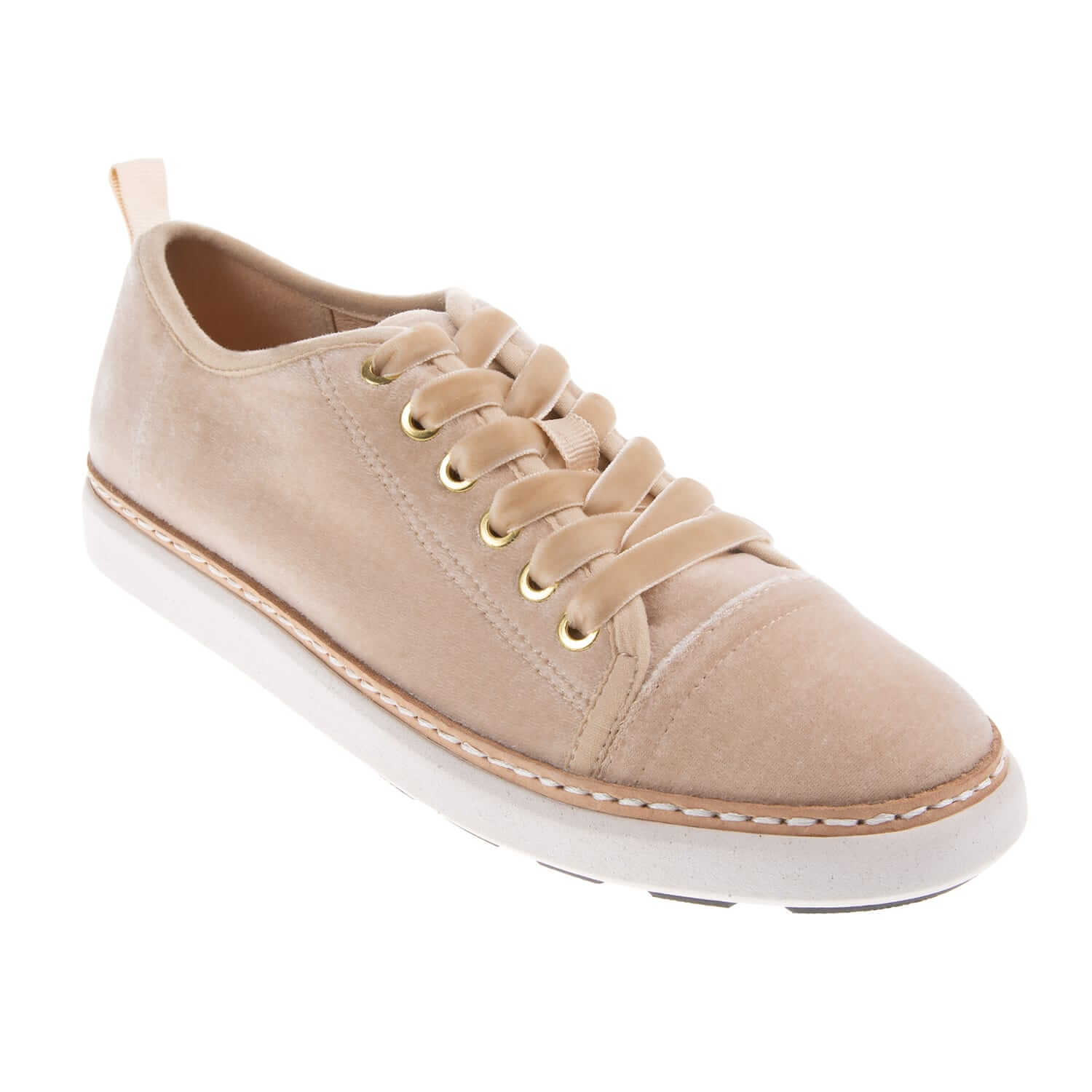
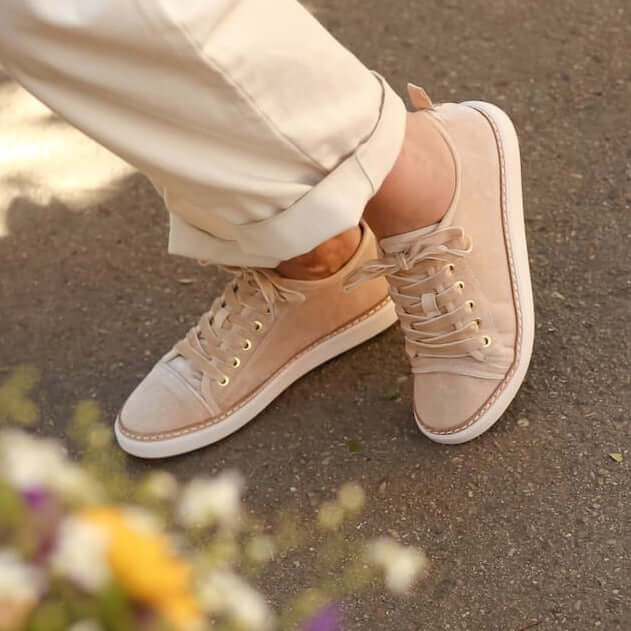
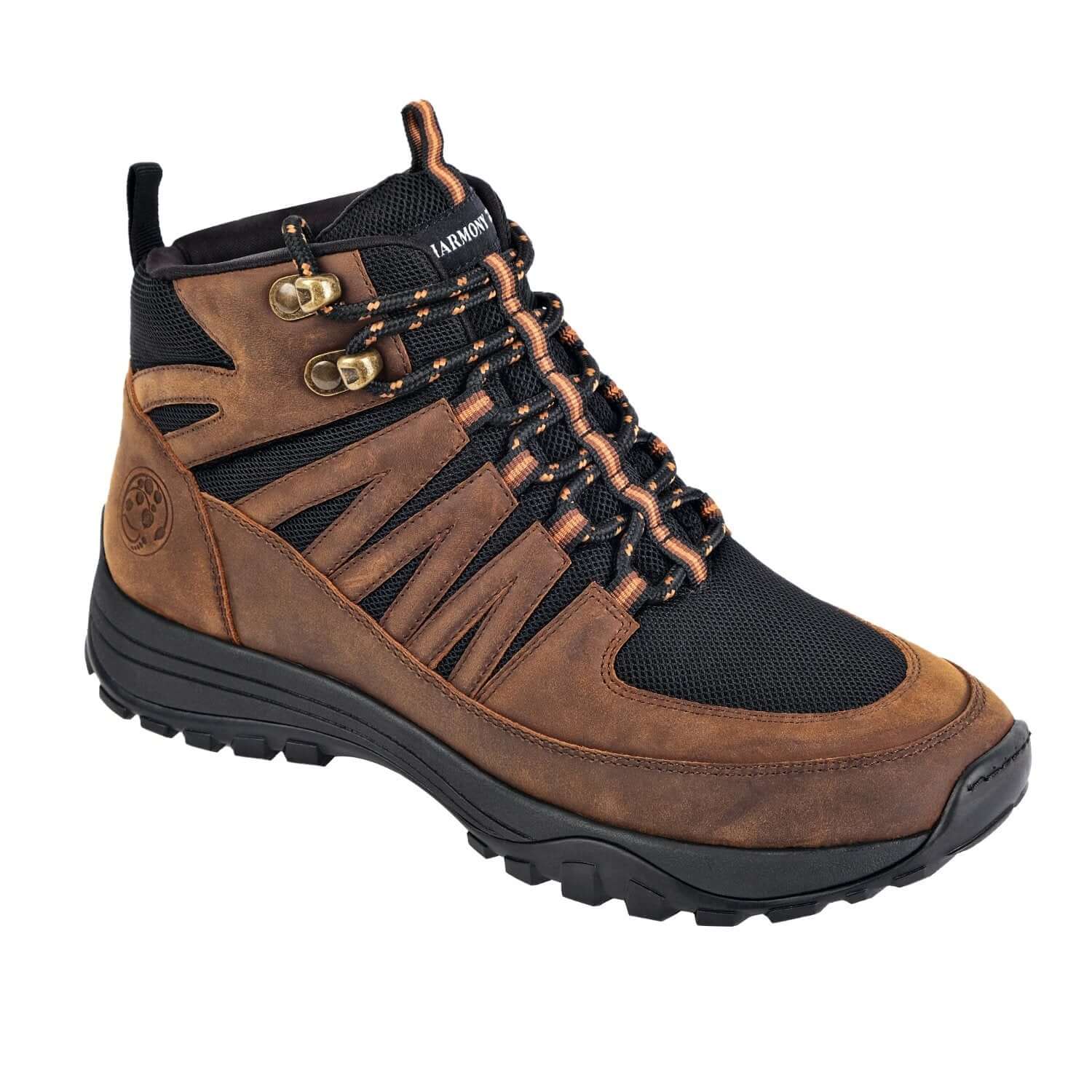
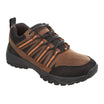
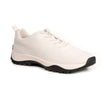
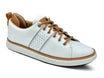
Harmony 783 makes grounding footwear in several styles. You can browse grounding walking shoes, grounding sneakers, or grounding sandals to compare types of footwear. Product features vary by style. Review each listing to understand its construction and intended use, and do not assume that a sock designed for one setup will be suitable for another.
It also helps to separate comfort from conductivity. A sock can feel soft and fit well without being conductive. A conductive sock can have the right material yet feel too warm or tight for your daily routine. Look for both a comfortable fit and clear compatibility guidance.
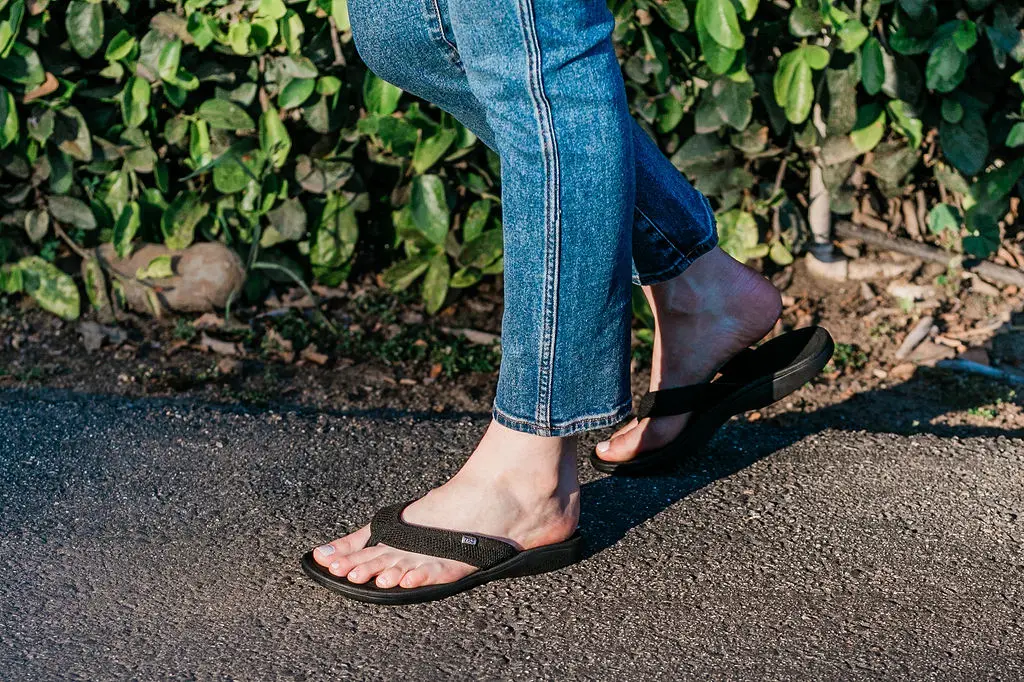
Before trying a new pairing, check the footwear and sock directions together. Make sure the sock is not folded, twisted, or bunched in a way that shifts its conductive area. If the instructions call for a particular point of contact, check that it sits where intended once the shoe is on. If you cannot tell whether the sock and shoe are compatible, pause and ask the seller rather than treating a test or an assumption as a guarantee.
Related products

Get grounded in every step — in two classic colors.
View product
Dressed up or laid back, this bundle does both.
View product
Men, add some neutral color with these classic conductive flip flops.
View productHow can you compare earthing socks for sale?
The table below is a practical checklist, not a claim that one type suits everyone. Actual materials and features vary by product, so use the listing or manufacturer’s instructions to confirm details.
| What you are comparing | Conductive earthing socks | Ordinary socks | What to confirm |
|---|---|---|---|
| Construction | Made with conductive material as part of the design | Usually selected for comfort, warmth, or moisture management | What fibers are used and where they are placed |
| Purpose | Intended for a specified grounding setup | Everyday foot covering | Whether the maker identifies compatible shoes or surfaces |
| Contact | Must maintain the intended conductive route in use | No grounding route is implied | How the sock meets the shoe or other conductive element |
| Sizing | Fit still matters for comfort and stable placement | Fit matters for comfort and avoiding bunching | Size chart, stretch, and whether the sock slips |
| Care | Follow product-specific instructions to protect materials | Follow ordinary fabric care instructions | Wash temperature, detergent, drying, and replacement guidance |
| Claims | Construction can be described; health outcomes should not be assumed | Comfort and fabric claims depend on the product | Evidence, clear limitations, and realistic wording |
When comparing listings, focus on details you can verify: fibers, sizes, intended use, and care. If one listing is much less specific than another, contact the seller or choose a product with clearer instructions. There is no need to infer performance from color, thickness, or price alone.
For example, imagine one pair is described as lightweight but the listing does not say where conductive fibers sit or what footwear it works with. Another listing may state the material blend, provide a size chart, and explain whether a compatible shoe is needed. Those details give you concrete questions to resolve before purchase. They do not establish a health outcome, but they do make it easier to judge fit for your routine and whether the product’s intended use matches your plan.
How should you care for conductive socks?
Follow the maker’s care label first. Conductive fibers may need more careful handling than a basic cotton sock, and different designs can have different limits. If directions are not included, ask the seller before using a hot wash or dryer.
- Check the care instructions before the first wash, including water temperature and whether the item should be turned inside out.
- Use only the recommended detergent and avoid bleach or fabric treatments unless the maker says they are suitable.
- Do not assume high heat is safe. Air-dry if instructed, and avoid ironing conductive areas.
- Inspect seams and fabric for wear. If the sock is damaged, stretched out, or no longer fits securely, follow the maker’s replacement advice.
- Store the pair clean and dry, and keep it separate from sharp objects that could snag the fabric.
These are general reminders, not a substitute for the care instructions supplied with a specific product. If you use socks with a separate earthing product, follow that product’s directions too. The Harmony 783 FAQs can help with general questions, while the contact page is available for questions about a specific item.
Once the socks are clean and dry, check them before putting them on. Look for loose threads, thinning areas, or stretched cuffs that could affect the fit. After wearing them, note whether they shifted or became uncomfortable during the activity. That observation can help distinguish a sizing issue from a material or care question. Do not try to repair conductive sections with ordinary thread or treatments unless the maker says how to do so, since an unapproved repair may change how the item works.
What are realistic ways to use earthing socks?
Think of conductive socks as one possible part of a grounding routine, not a shortcut to a guaranteed effect. You might wear them at home with footwear specifically intended to support a conductive connection, or use them in another way described by the product maker. The setup matters more than the label on the sock.
Some people prefer to explore grounding by spending time barefoot outdoors, where it is safe and comfortable to do so. A review article notes that people can try walking barefoot on grass or wet sand. That is a different experience from wearing socks and shoes: surfaces, conditions, and the presence of footwear all differ. The review is not proof that socks deliver a health benefit, and it should not be read as evidence for any one product.
Keep the routine simple. Check the fit, follow the product directions, and notice whether the socks are comfortable for the activity. Do not use them to replace medical care or treatment. If a product claims to diagnose, treat, or prevent a condition, look for strong evidence and ask a qualified health professional about health concerns.
Harmony 783’s grounding overview and research and science page offer more context on the company’s approach. You can also learn how its shoes are made. Read product information alongside outside research, and keep expectations measured.
Discover the grounding socks range
Frequently asked questions
Are earthing socks the same as grounding socks?
The terms are often used for socks intended to be part of a conductive grounding setup. Check the specific product’s construction and instructions, because a name alone does not confirm how it is designed to work.
Can I wear conductive socks with any shoes?
No. A conductive sock does not make an ordinary shoe conductive or grounded. Check that both the sock and footwear are intended to work together, and follow the product guidance.
Do conductive socks need direct skin contact?
It depends on the design. Some setups rely on skin contacting a conductive surface; others may use conductive fabric as part of the route. Read the maker’s instructions rather than assuming how contact is made.
Can earthing socks improve my health?
Do not assume a health benefit from the product name. Evidence about grounding is still developing, and socks should not be treated as medical care. Ask a qualified health professional about personal health questions.
How do I choose the right size?
Use the product’s size chart and measure as directed. A comfortable sock should not slide, bunch, or feel overly tight. Check the sock sizing guide before ordering.
Browse our collection of grounding socks
Choose a pair based on clear construction details, a comfortable fit, and compatibility with the footwear or setup you plan to use. With realistic expectations and the right instructions, you can decide whether conductive socks fit your everyday routine.