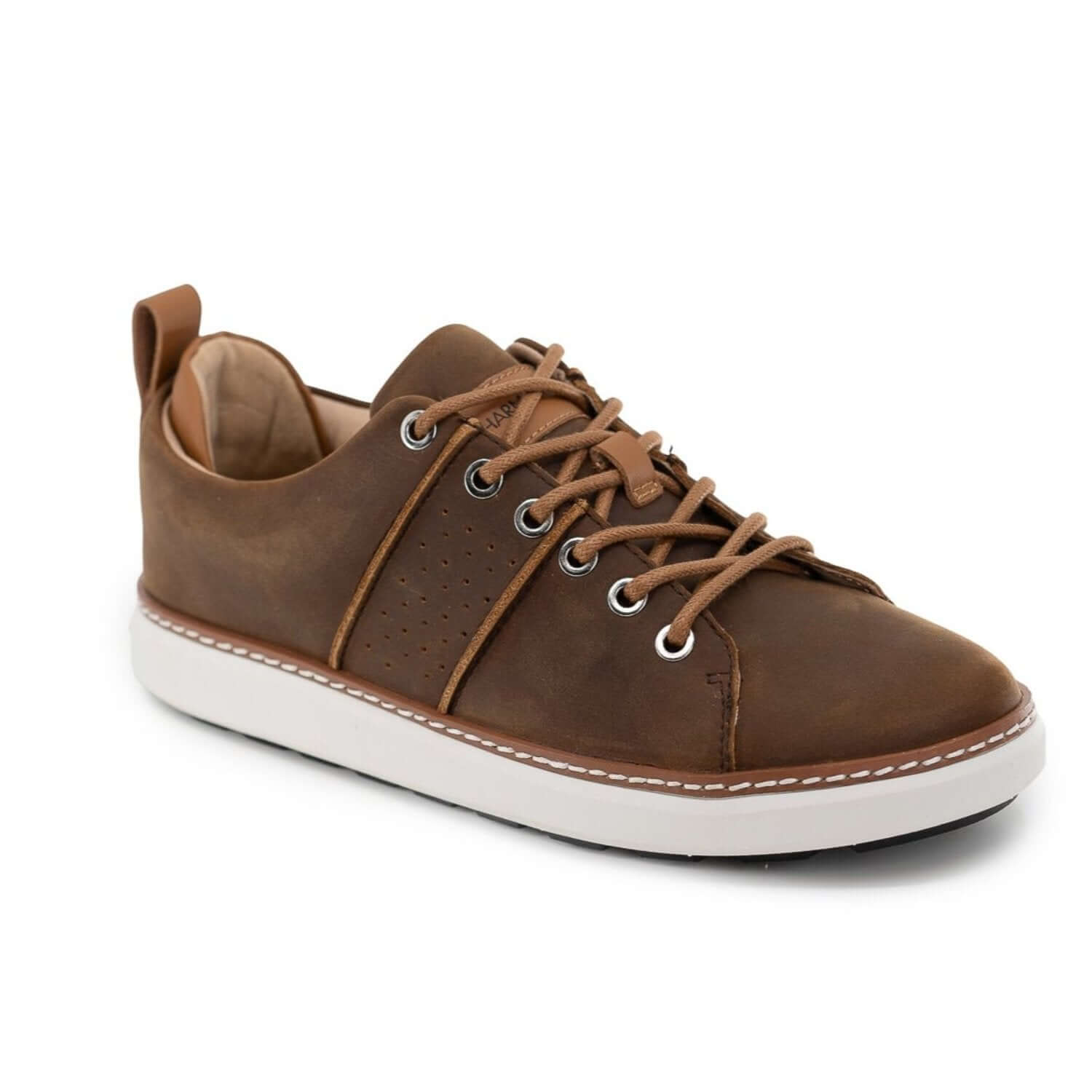



Earthing may influence inflammation and some immune-related markers, but current research does not prove that grounding prevents illness or treats an immune condition. Earthing means making a conductive connection with the Earth's surface, such as through bare skin or purpose-built grounding footwear. For background, read Harmony 783's guide to what grounding is and how it works.
Browse Harmony 783 grounding shoes for your daily routine
How can chronic inflammation affect immune function?
The immune system has several jobs. It identifies threats, coordinates a response, clears damaged cells, and helps the body return to normal. The innate immune system responds quickly. The adaptive immune system learns from specific exposures and builds targeted defenses. The National Institute of Allergy and Infectious Diseases explains these parts in its overview of the immune system.
Inflammation is one tool within that system. Acute inflammation can be useful. The problem is that long-running inflammation may place extra stress on the body. Factors such as infection, injury, autoimmune activity, smoking, poor sleep, and other health conditions can play a role. The cause matters, so a general grounding routine should not be used to self-diagnose why someone feels unwell.
- Acute inflammation: A fast, short response to an injury or infection.
- Chronic inflammation: A longer response that may continue after the original trigger changes.
- Immune regulation: The body balancing protective responses with signals that help turn them down.
- Immune resilience: A broad wellness idea, not a clinical score that grounding shoes can guarantee.
These distinctions matter because a marketing claim about "immune support" can sound stronger than the research. A good earthing article should ask what was measured, how many people took part, how the study was designed, and whether the result showed a real health outcome or only a short-term marker.
Could electron flow from earthing influence the immune response?
A 2015 review available through the National Library of Medicine is titled The effects of grounding on inflammation and the immune response. It discusses studies involving inflammation, muscle soreness, wound healing, and immune-related measures. Its abstract reports changes in neutrophils, lymphocytes, cytokines, and other molecules after grounding in some experiments.
That finding is interesting, but a change in a marker is not the same as fewer infections, faster recovery from a cold, or protection from an autoimmune disease. The review also describes hypotheses that need more testing. Readers should separate three levels of evidence:
| Question | What the research suggests | What it does not prove |
|---|---|---|
| Does grounding affect measured biology? | Some small studies report changes in inflammatory or immune-related measures. | It does not establish a reliable benefit for every person. |
| Does grounding change symptoms? | Some reports describe changes in pain, sleep, or recovery measures. | It does not prove grounding is the cause of every reported improvement. |
| Does grounding prevent illness? | There is a theory that inflammation and immune regulation could be connected. | It does not show that grounding prevents colds, flu, COVID-19, or other infections. |
Q: Does grounding boost the immune system?
A: The evidence does not support a simple boost-or-no-boost answer. Some studies report changes in immune-related measures, but the research is not strong enough to promise better immune protection. Think of grounding as a low-pressure wellness habit, not an immune treatment.
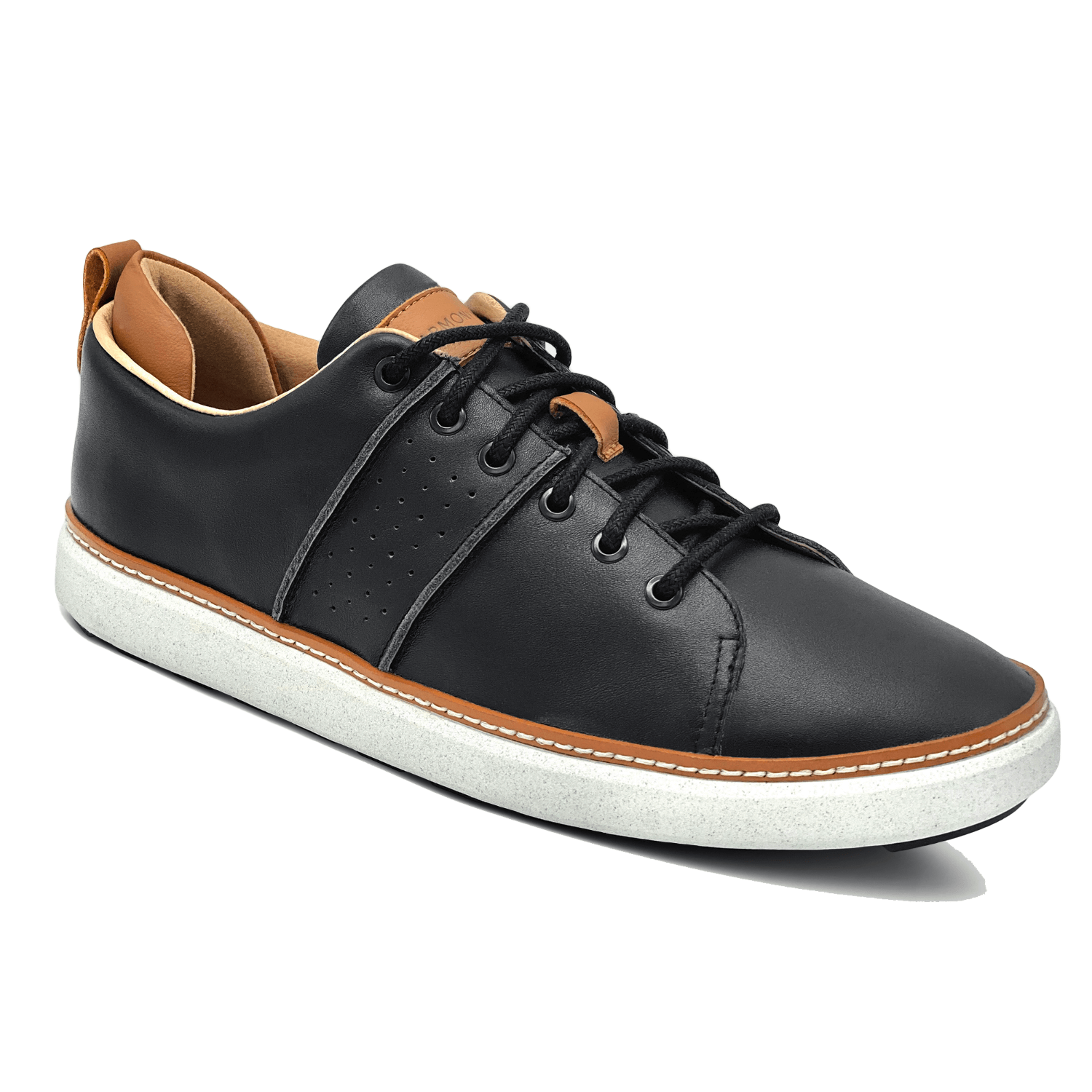
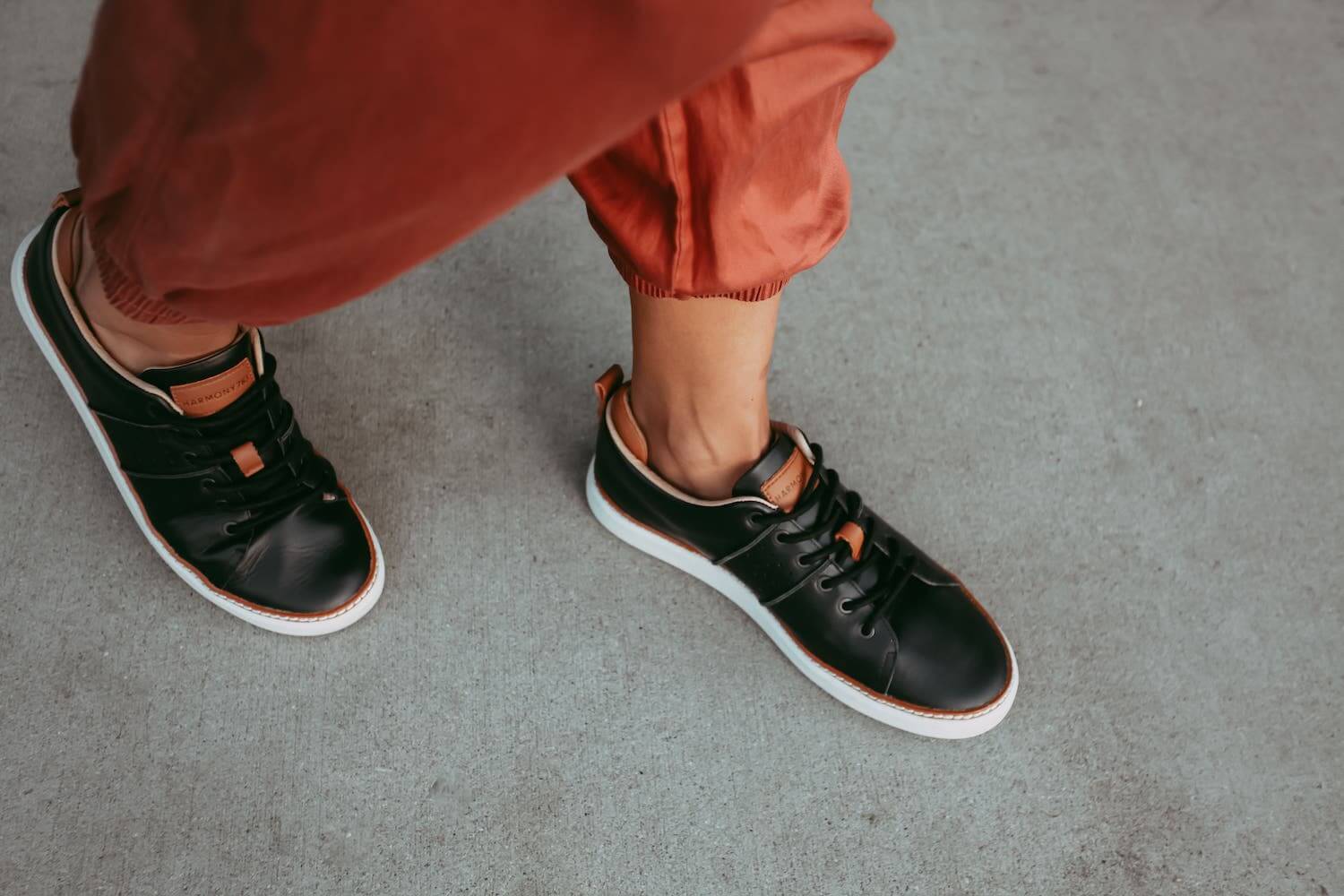
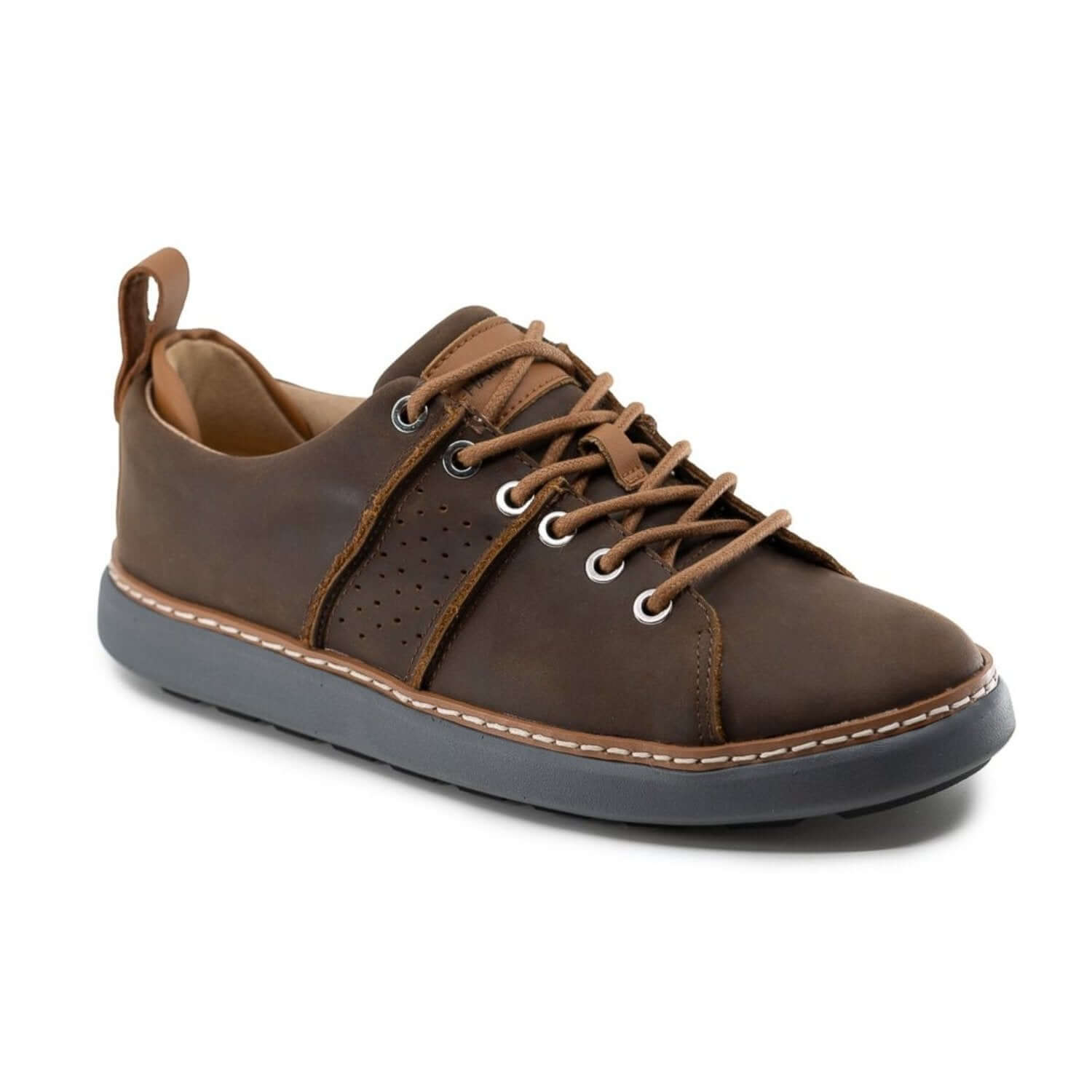
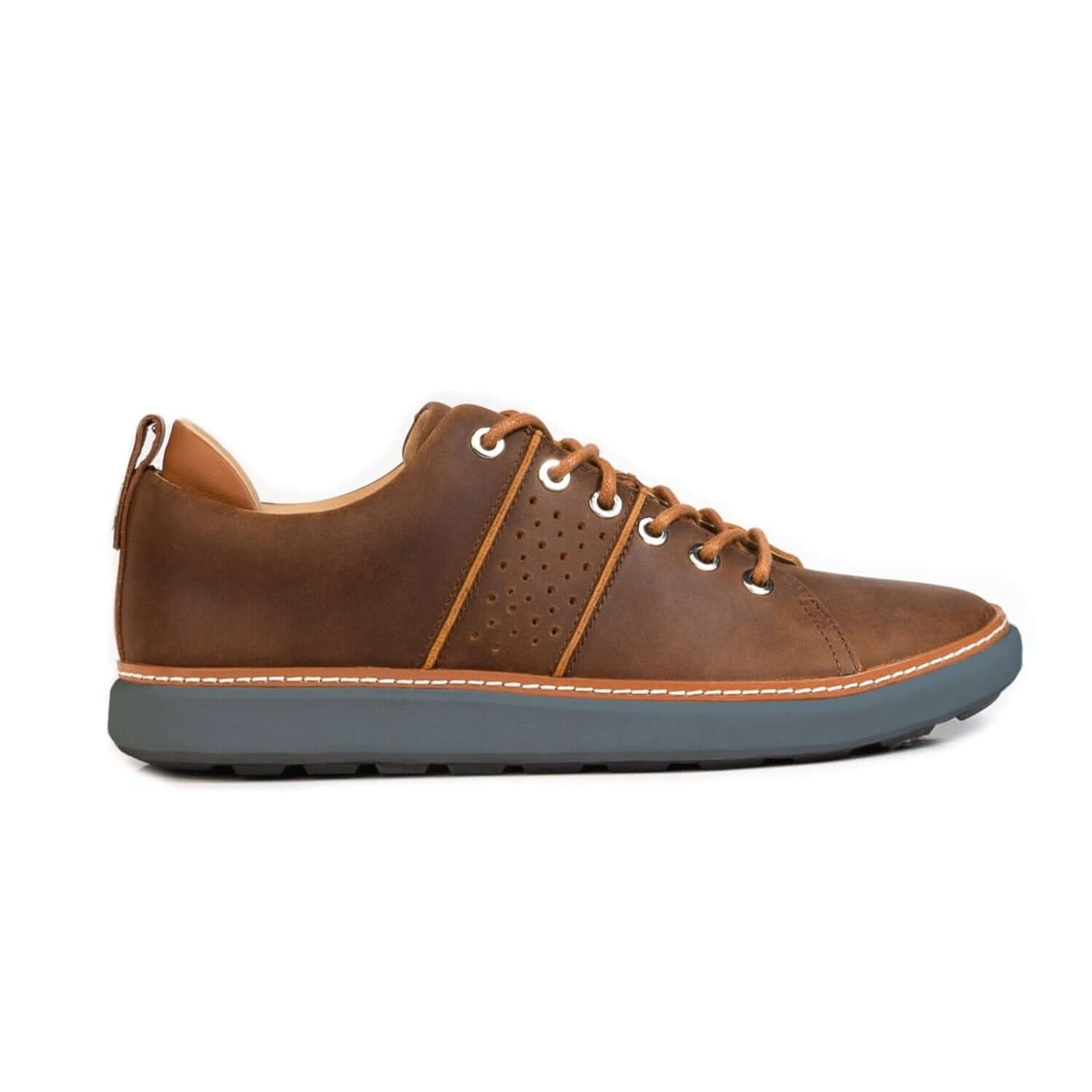
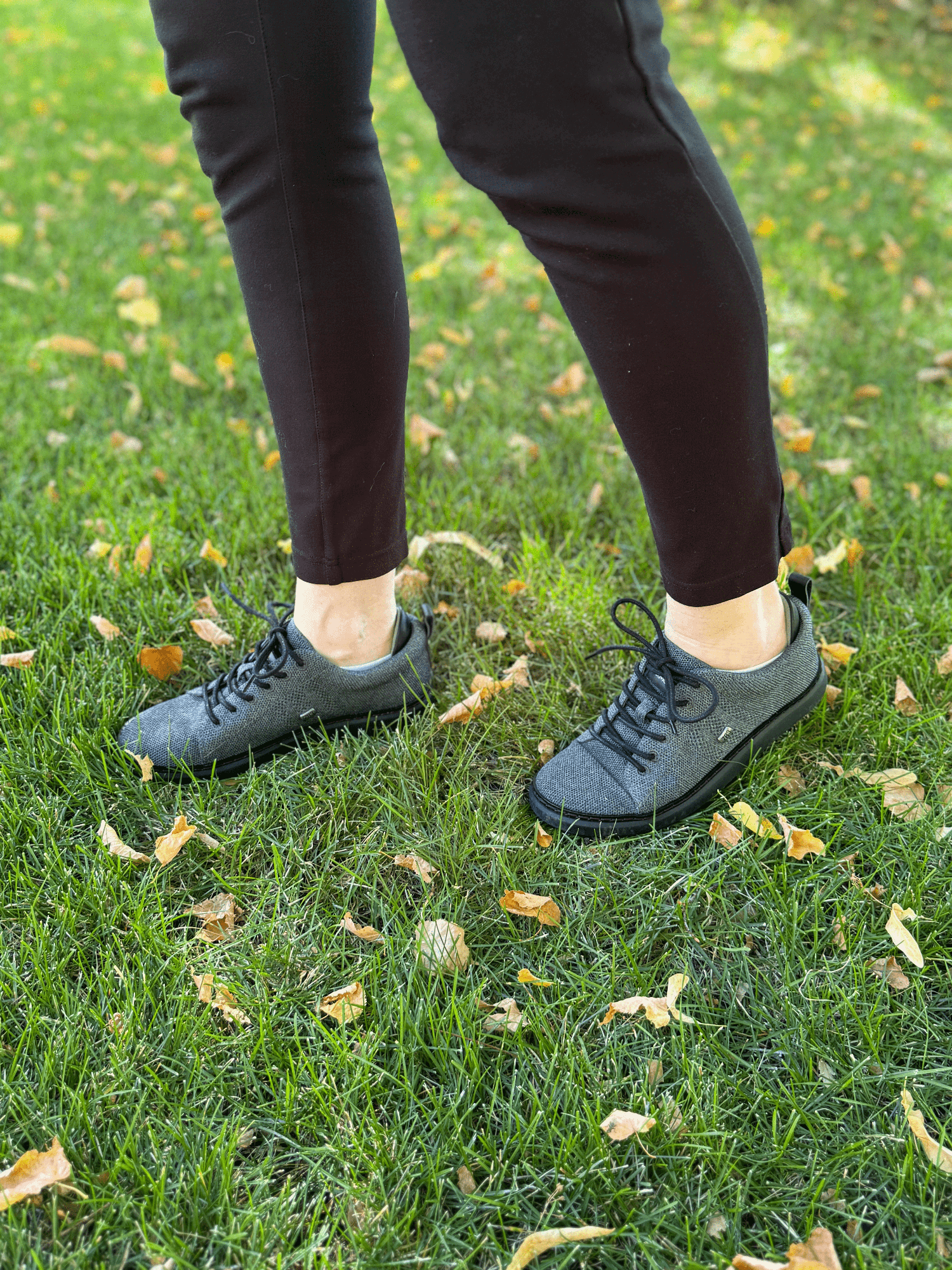
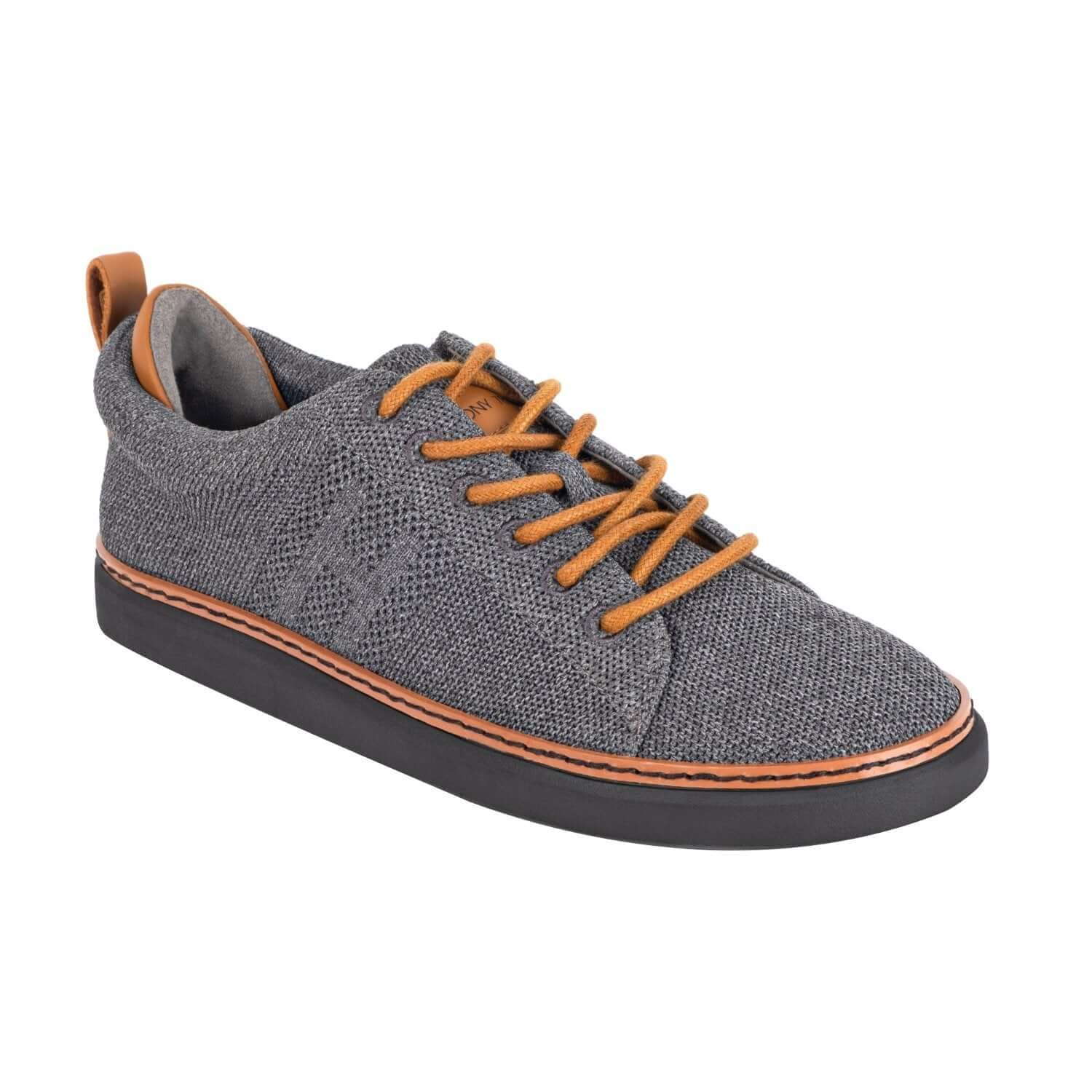
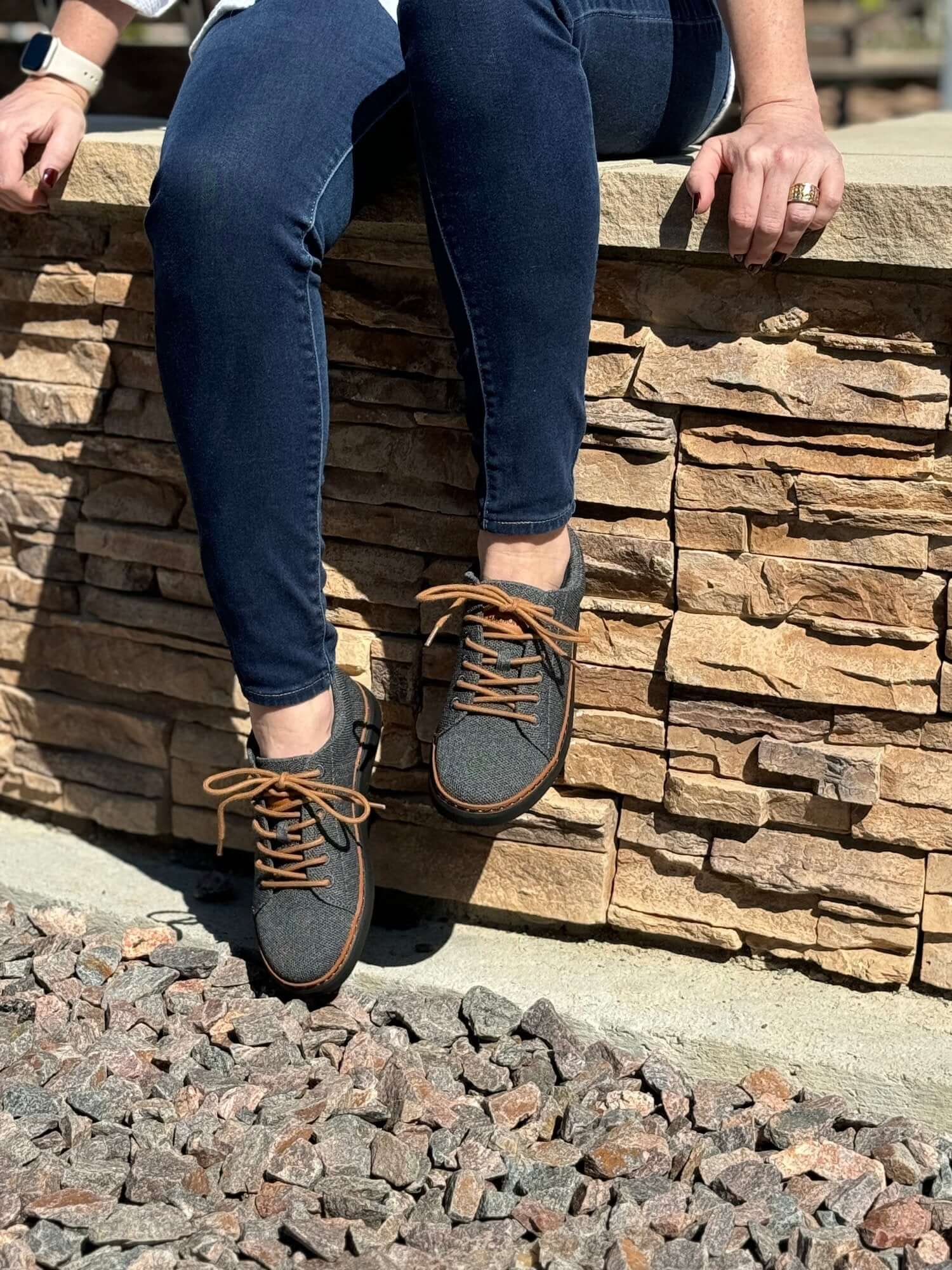
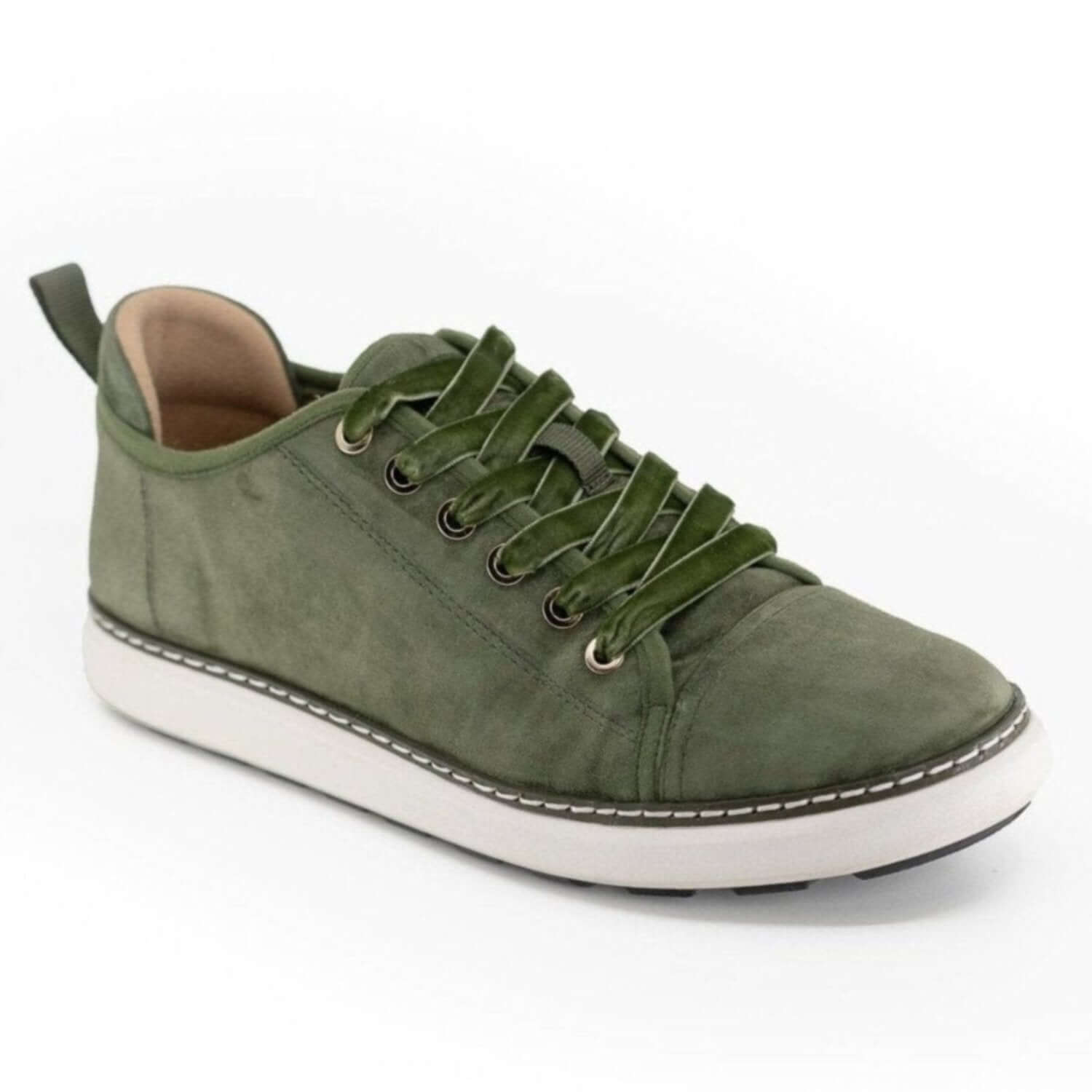
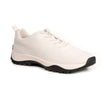
Grounding footwear may provide a practical way to keep a conductive routine in a normal day. Harmony 783 describes its shoes as using a conductive system with silver-stitched materials and a carbon and rubber outsole. That product information explains the intended connection. It does not turn a footwear feature into a medical claim.
What does autoimmune research reveal about grounding?
Autoimmune conditions happen when the immune system reacts against the body's own tissues. They are different from ordinary seasonal infections, and they can vary widely from one person to another. A study that measures a cytokine or white blood cell count cannot, by itself, show that an autoimmune disease has improved.
The 2015 grounding review is useful for finding hypotheses and older studies. It should be read with care because the field has a limited number of small trials, varied methods, and a need for larger, independent research. A 2011 study indexed by PubMed included an experiment involving immune response to a vaccine, along with other physiologic measures. That design can point to a research question, but it does not show that grounding replaces a vaccine or creates broad immunity. Read the abstract for Earthing the Human Body Influences Physiologic Processes.
When reviewing a grounding claim related to autoimmunity, ask:
- Was the study conducted in people, animals, or cells?
- How many participants were included, and was there a control group?
- Was the outcome a symptom, a lab marker, or a diagnosed disease outcome?
- Were the results replicated by independent researchers?
- Does the claim recommend replacing prescribed treatment?
The last question is a safety check. A wellness practice can sit alongside appropriate care. It should not be presented as a cure, and it should never be a reason to stop a medicine or delay an appointment.
Explore conductive footwear for a comfortable grounding routine
What should you know about earthing during cold and flu season?
Searchers often connect the earthing immune system question with cold and flu season. The connection is understandable: people want simple ways to feel prepared. Current grounding research does not show that conductive shoes stop a virus from entering the body or make a person immune to infection.
The CDC's flu-prevention guidance focuses on measures such as vaccination, avoiding close contact with sick people, covering coughs, cleaning hands, and improving everyday habits. The CDC is the right source for seasonal prevention guidance because it is based on public-health evidence rather than a product claim.
If you enjoy grounding, keep the routine realistic:
- Use grounding as one small part of a broader wellness plan.
- Choose a safe walking route and footwear that fits well.
- Keep shoes clean and dry according to the product instructions.
- Do not walk outdoors when weather or surfaces create a safety risk.
- Call a clinician for persistent fever, breathing trouble, unusual fatigue, or symptoms that concern you.
Grounding may also support a routine indirectly. A comfortable walk can encourage time outside, gentle movement, and a pause from screens. Those are useful habits on their own. Avoid turning a possible indirect benefit into a promise about immune defense.

Can grounding shoes provide daily immune support without effort?
For people who want to try grounding, consistency is more useful than making dramatic claims. Start with a short, comfortable walk on a surface where the footwear is designed to work. Pay attention to fit, support, weather, and how your body feels. Do not use a shoe as a substitute for evaluation of pain, numbness, swelling, infection, or another symptom.
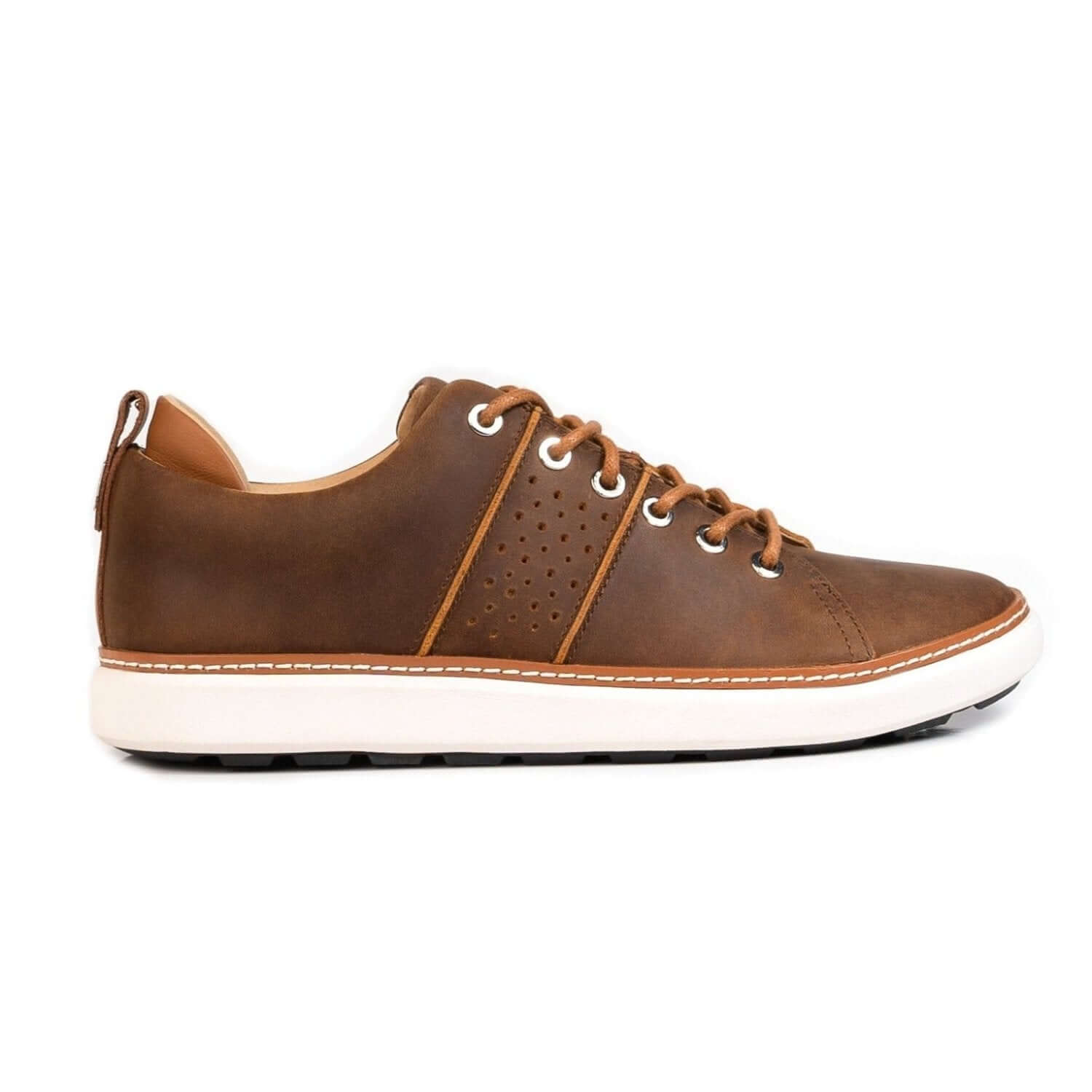
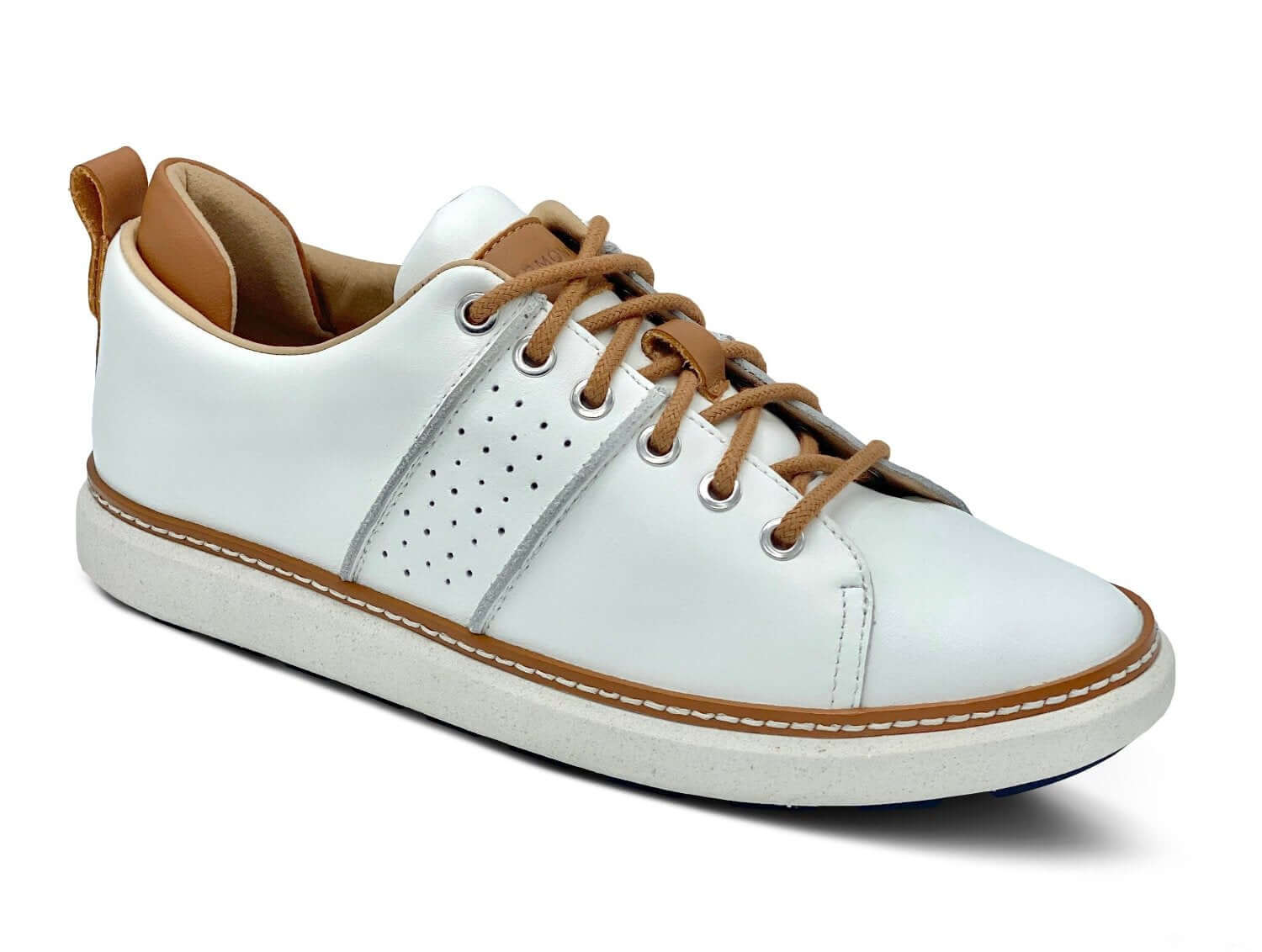
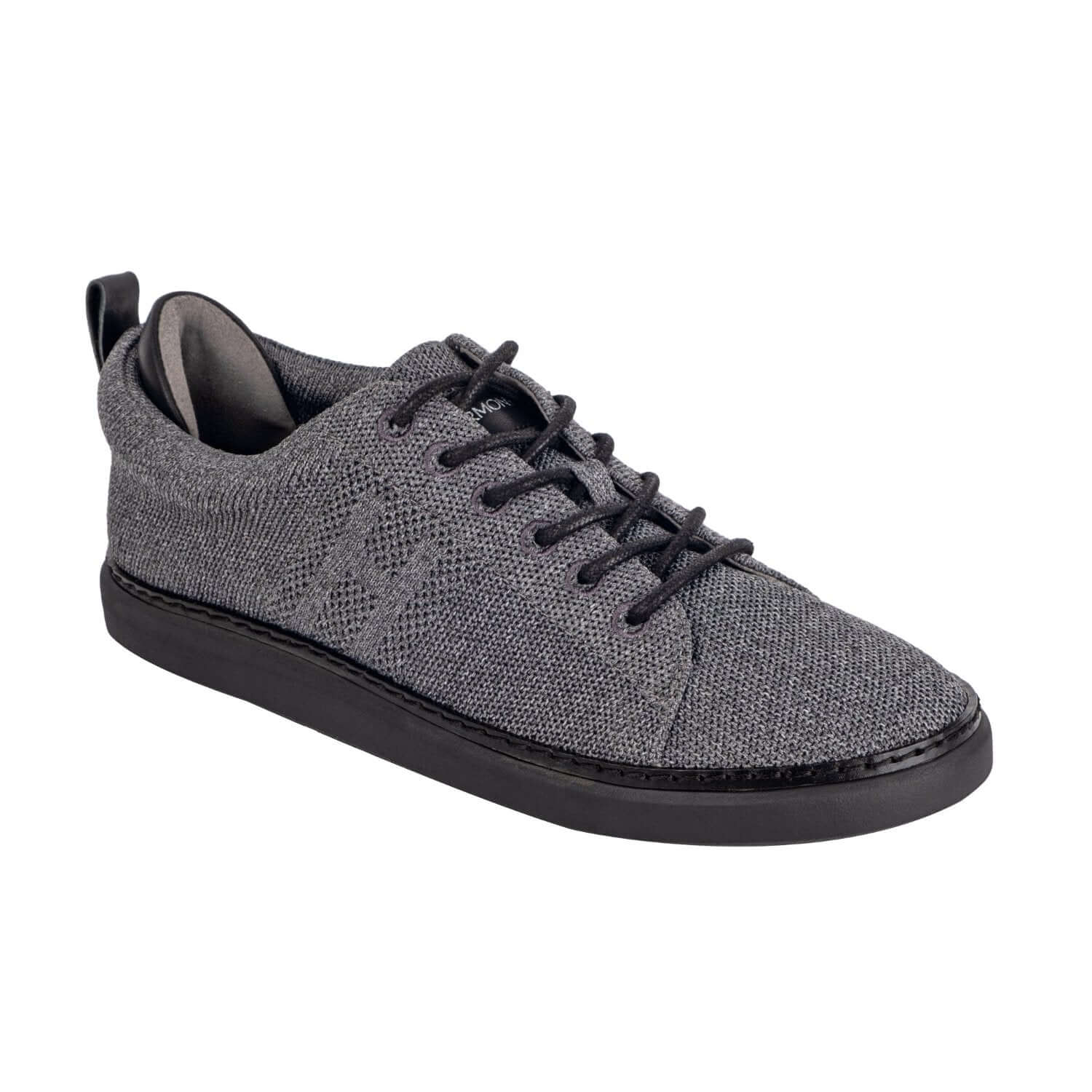
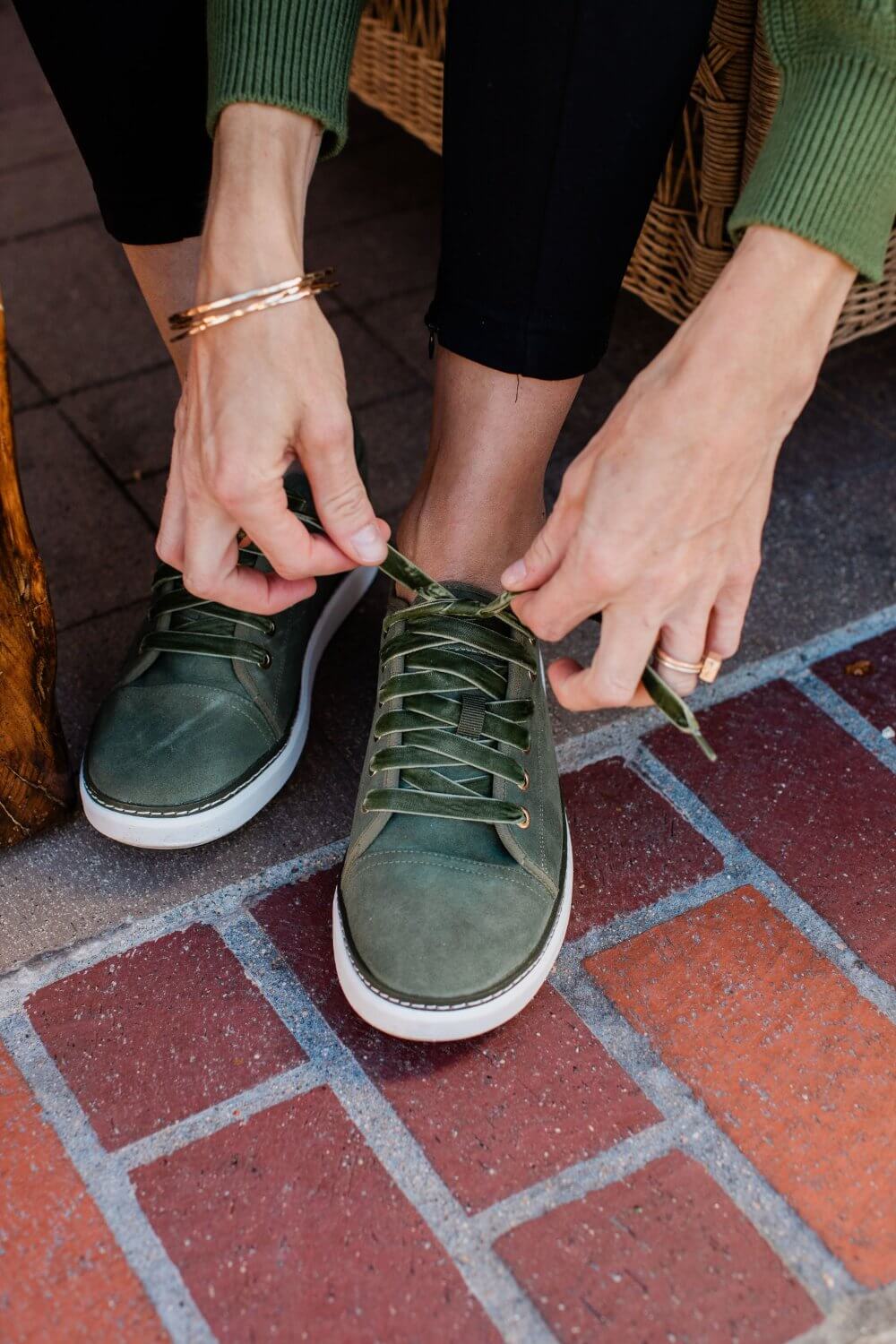
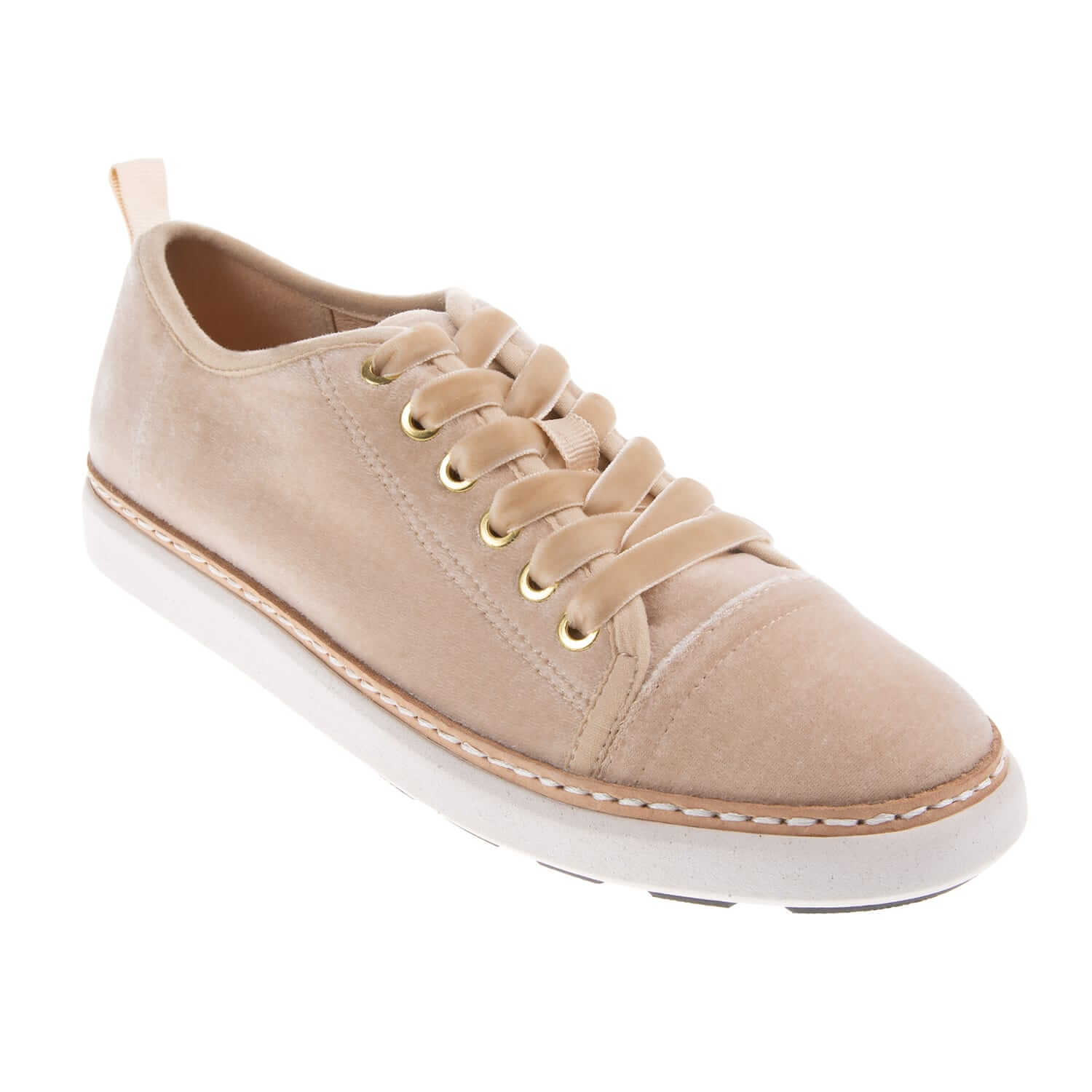
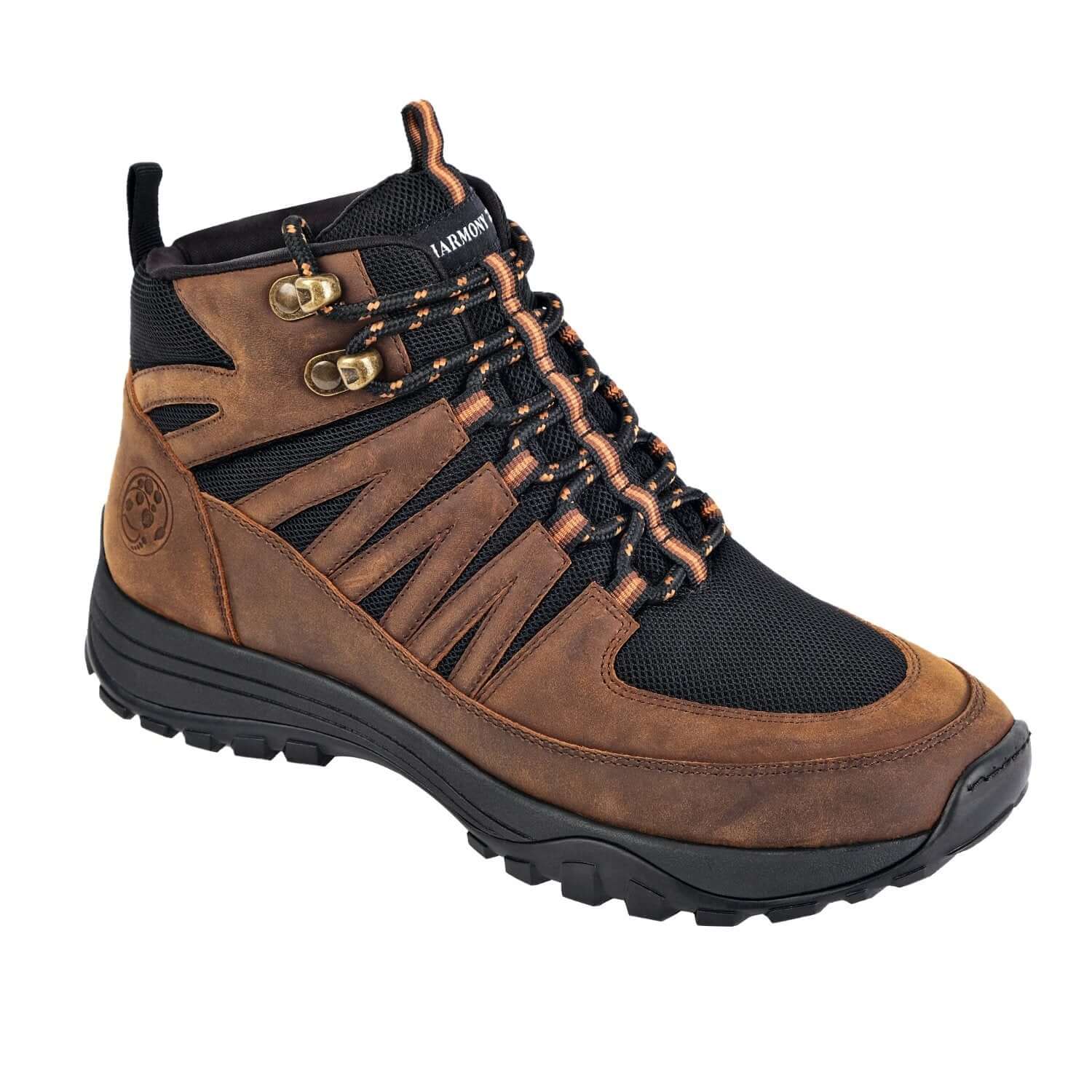
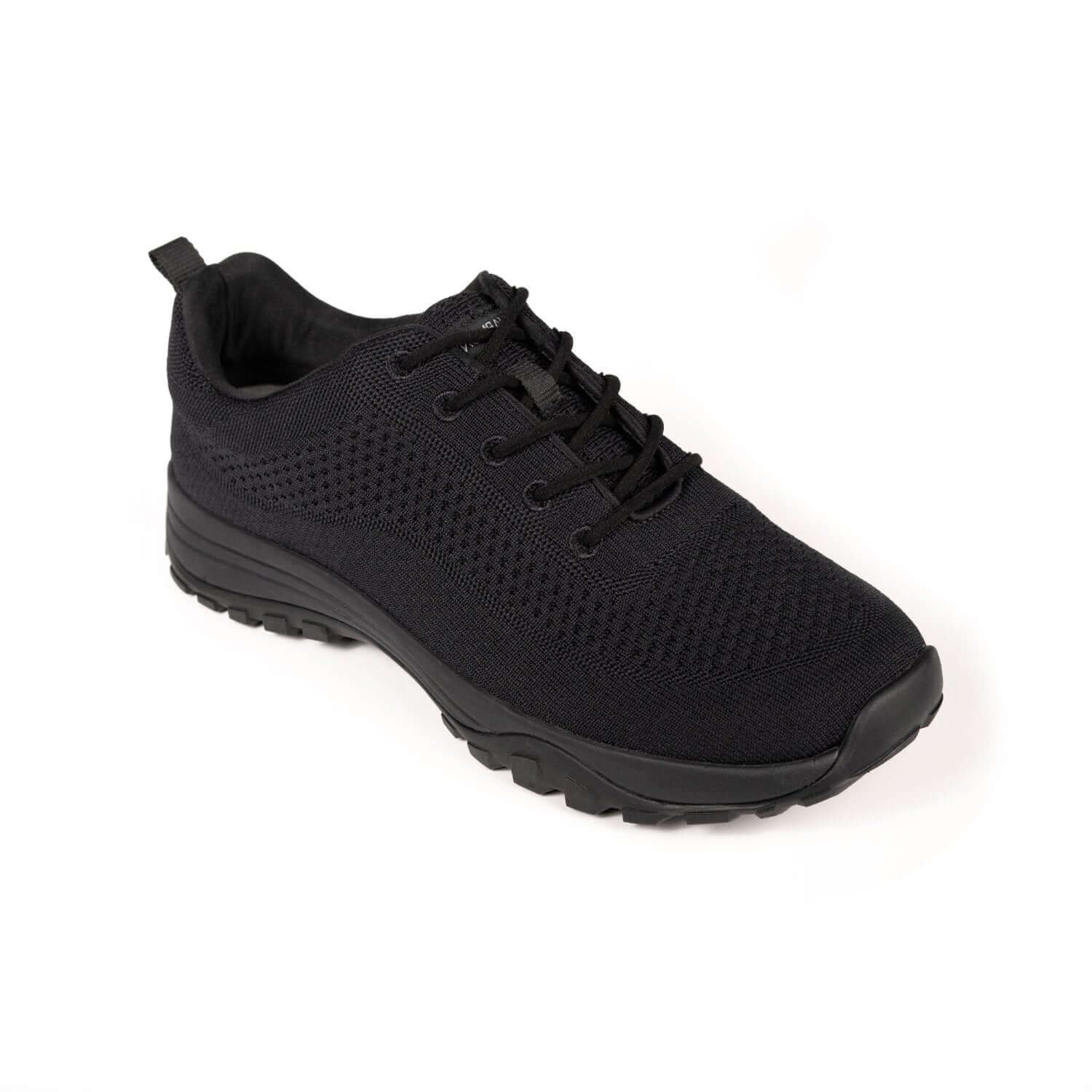
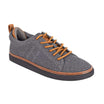
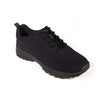
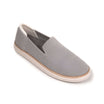
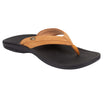
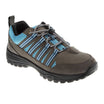
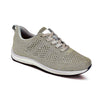
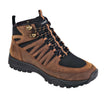
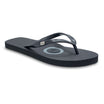
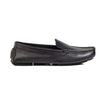
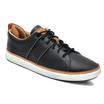
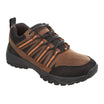
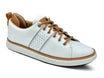
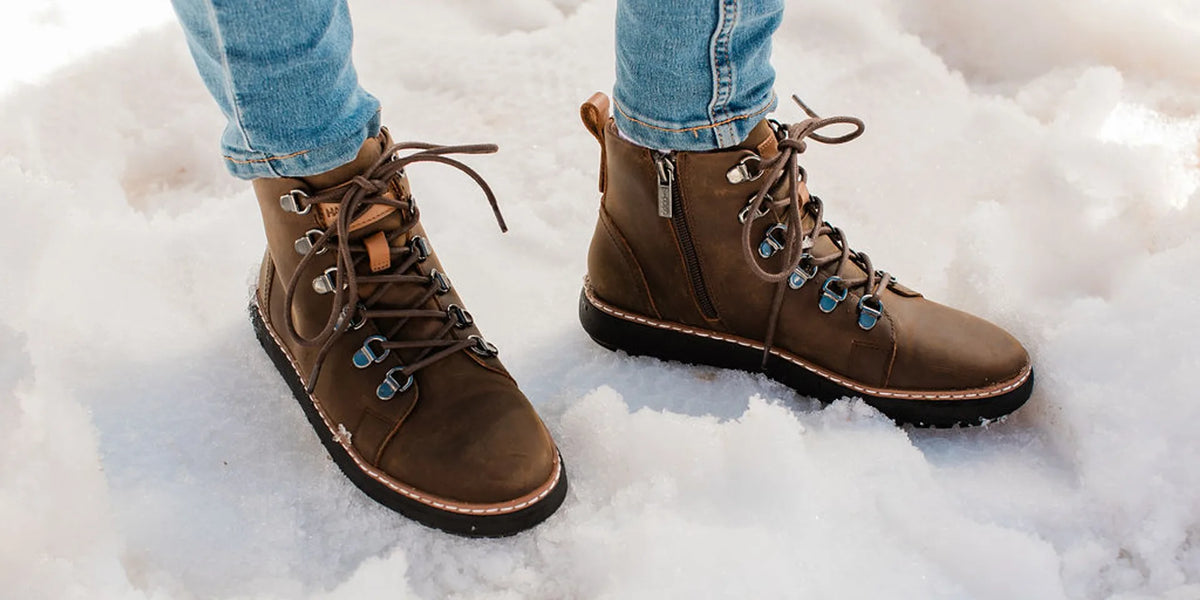
Harmony 783 offers grounding styles for everyday wear, including walkers, sneakers, sandals, and boots. The grounding shoe bestsellers page is the right place to compare current styles and availability. Product details and prices can change, so check the live product page before ordering.

A simple trial can look like this:
- Choose a purpose: Decide whether you want a walking habit, outdoor time, or a comfortable alternative to going barefoot.
- Check the fit: Make sure the shoe supports your normal activity and does not create rubbing or pressure.
- Keep expectations modest: Track comfort and routine consistency, not promises of disease prevention.
- Review your health needs: Ask a clinician for advice if you have reduced sensation, circulation concerns, an active wound, or a diagnosed condition that affects your feet.
Q: How long should you ground each day?
A: There is no well-established daily grounding dose that guarantees an immune benefit. Start with a comfortable amount of outdoor time and stop if the activity causes pain, skin irritation, or other problems. The right routine is safe, realistic, and compatible with your health needs.
Q: Has grounding been debunked?
A: Grounding has not been settled by one definitive study. There are published studies and reviews reporting physiologic changes, but the evidence is limited and does not justify broad claims about curing or preventing disease. A fair summary is that grounding is an active research topic and a personal wellness choice, not established medical treatment.
Research on the earthing immune system question is worth following, but readers deserve a clear line between a hypothesis and a proven outcome. Current evidence suggests that grounding may affect some inflammation-related and immune-related measures. It does not show that grounding shoes prevent infection, cure autoimmune disease, or replace standard care.
Browse the Harmony 783 grounding collection and find a style for your routine
Frequently Asked Questions
Is earthing good for the immune system?
Earthing may affect some measured immune-related or inflammation-related markers, but studies have not established a reliable immune-protection benefit for everyone. Use grounding as a wellness habit, not as a way to prevent or treat illness.
Can grounding shoes prevent colds or flu?
No. Grounding shoes have not been proven to prevent colds or flu. Follow current public-health guidance, including recommended vaccination, hand hygiene, cleaner indoor air, and staying home when sick.
Can people with autoimmune disease use grounding shoes?
Ask a qualified clinician. Grounding has not been proven to treat autoimmune disease, and the right activity depends on the person's condition, medicines, skin health, and foot sensation.
Are grounding shoes the same as ordinary shoes?
No. Grounding shoes are constructed with conductive materials intended to support an electrical connection with the Earth under suitable conditions. A regular shoe or a barefoot-style shoe is not automatically a grounded shoe.
What is the safest way to think about earthing research?
Separate measured markers from real-world health outcomes, read the study design, and look for independent replication. Enjoy a safe grounding routine if it suits you, but keep medical care and proven prevention habits in place.